The Chesapeake Bob: Virginia Coastal
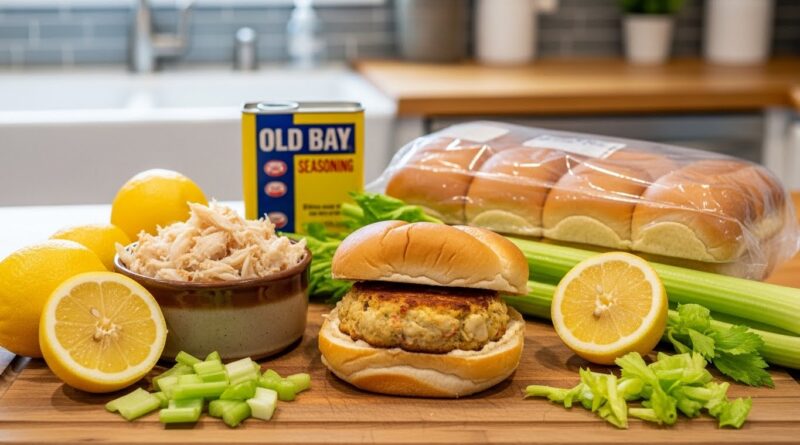
Along the winding shores of Virginia, where the Chesapeake Bay meets the Atlantic, a culinary legend is tucked between two slices of bread. It’s not a crab cake, though it shares the bay’s bounty. It’s not a po’boy, though it carries a similar soulful satisfaction. This is the Chesapeake Bob, a sandwich so deeply woven into the fabric of coastal Virginia life that to taste one is to understand the region’s heart. More than just a meal, the Bob is a story of the water, of working docks, of summer afternoons, and of a simple, perfect combination of flavors that defines Virginia’s coastal cuisine.
Deconstructing the Bob: What Makes This Sandwich Special?
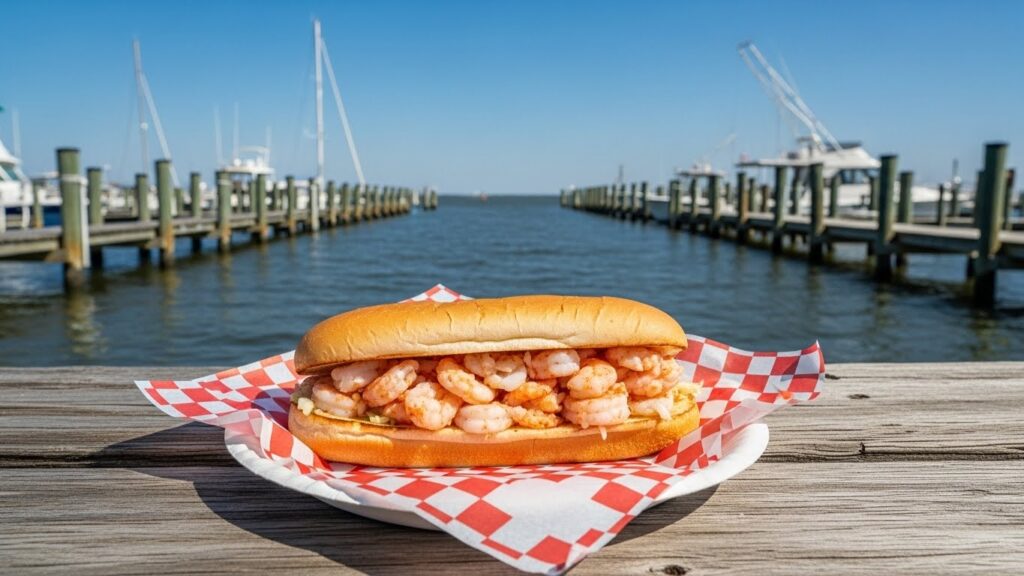
At its core, the Chesapeake Bob is a celebration of local seafood, served cool or at room temperature, often on a soft sub roll or bun. While variations exist from marina to mom-and-pop shop, the canonical Bob rests on three foundational pillars.
The Star: Impeccable Local Seafood. This is non-negotiable. The primary protein is almost always lump blue crab meat, sweet and freshly picked from the Bay. Some versions might incorporate finely chopped shrimp or even a flaked, seasoned fish like rockfish (striped bass). The seafood must be fresh, never rubbery or fishy, allowing the natural, saline sweetness to shine through.
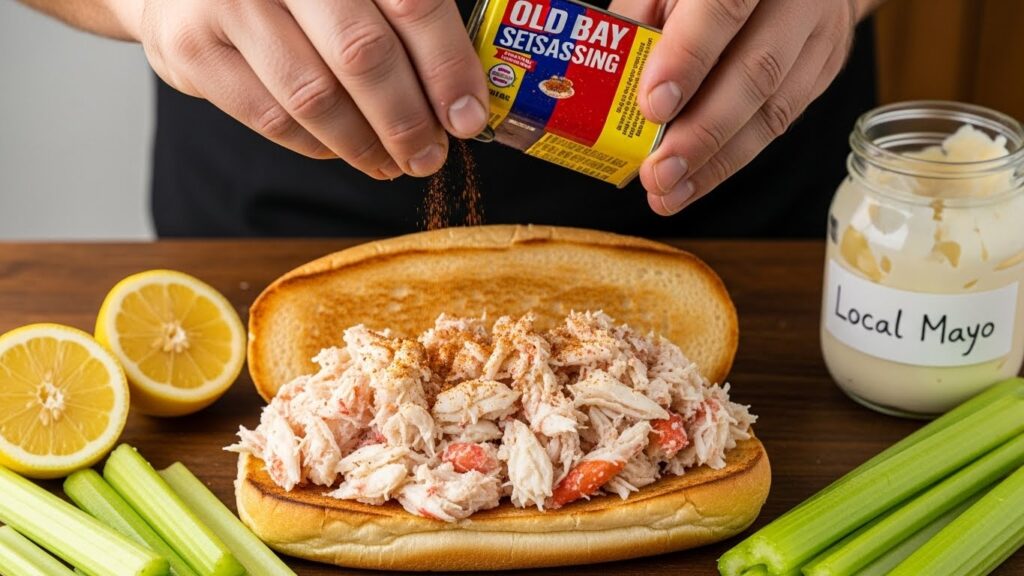
The Binding: A Light, Zesty Dressing. Forget heavy, gloppy mayonnaise. The dressing on a proper Bob is a carefully balanced condiment that enhances, never masks. It’s typically a blend of light mayo (or sometimes sour cream), a hit of lemon juice, a dash of Old Bay seasoning (a Chesapeake birthright), and perhaps some finely diced celery or onion for crunch. The consistency should be creamy but not pooling—it simply coats the seafood in flavor.
The Vessel and Accoutrements. A soft, fresh roll is essential; it must be sturdy enough to hold the filling but yielding enough to bite through easily. Common additions include crisp leaf lettuce, a ripe slice of tomato, and sometimes a layer of sharp cheddar cheese. The simplicity is deliberate. Every element is designed to frame the seafood, resulting in a sandwich that is refreshing, satisfying, and unmistakably of its place.
Tracing the Wake: The Humble Origins of the Chesapeake Bob
Pinpointing the exact birth of the Chesapeake Bob is like tracing a single raindrop into the Bay—it’s part of a larger, delicious history. Most food historians and local enthusiasts agree it emerged in the mid-20th century, a product of Virginia’s working waterfronts.
One prevailing theory suggests it was the creation of watermen’s wives looking for a convenient, transportable, and hearty lunch to pack for their husbands heading out for days on the water. Using the day’s catch or leftover crab, they could quickly create a filling that wouldn’t spoil easily and could be eaten with hands, even on a rocking boat. It was practical, economical, and incredibly tasty.
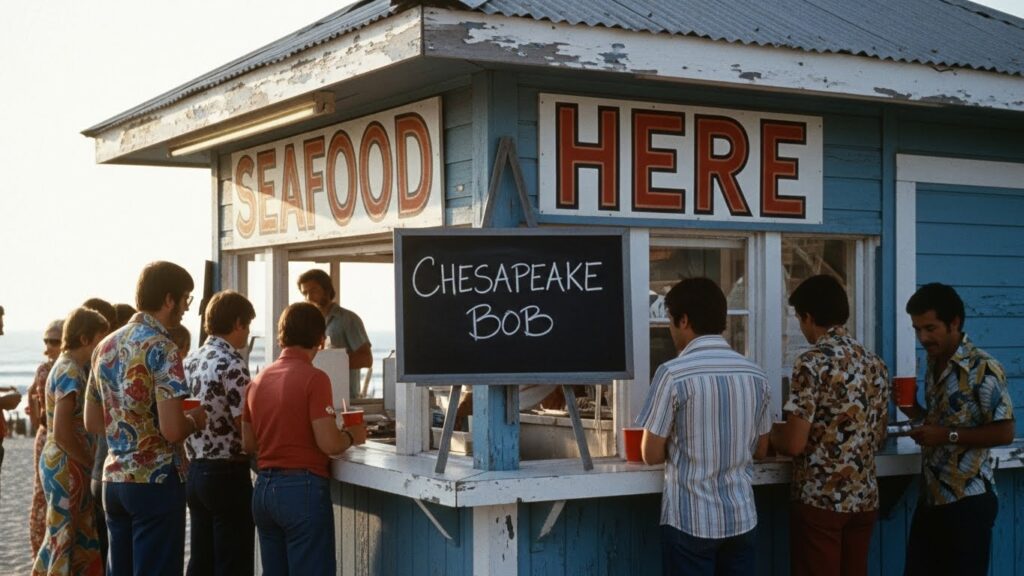
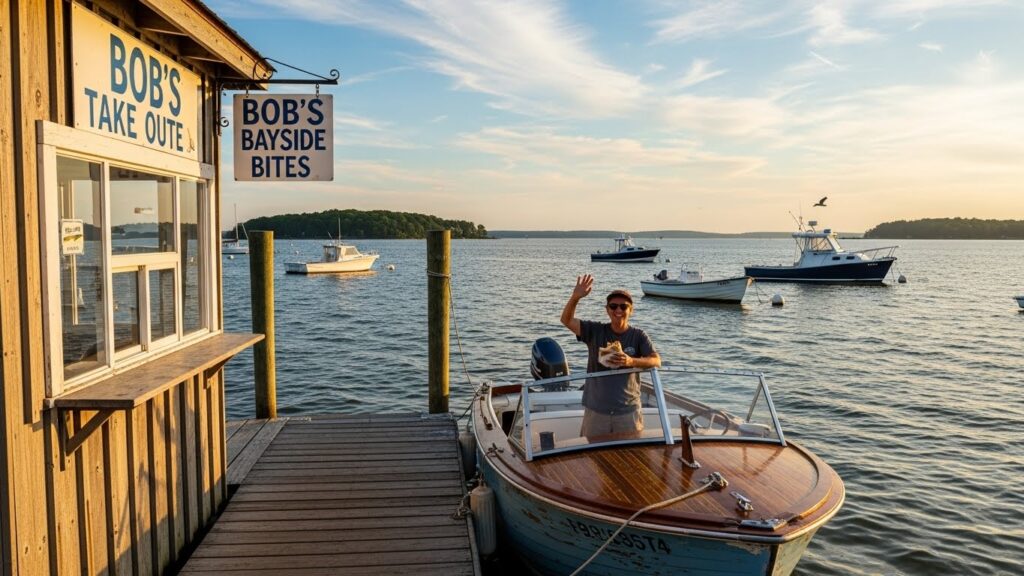
Another theory credits the small, family-run concession stands that began popping up near marinas and public beaches in the 1950s and 60s. Needing a signature item that was quick to prepare and showcased local flavor, these stands likely perfected the formula. The name itself, “Bob,” feels like friendly, dockside slang—a straightforward name for a straightforward, satisfying sandwich. It wasn’t fancy, but it was genuine, and its reputation spread by word of mouth from one hungry boater or beachgoer to another.
The Bob vs. The World: How It Stands Apart
To claim the Chesapeake Bob is just a crab salad sandwich is to miss the point entirely. It occupies a unique niche in the American sandwich landscape. Let’s see how it holds up against its more famous cousins.
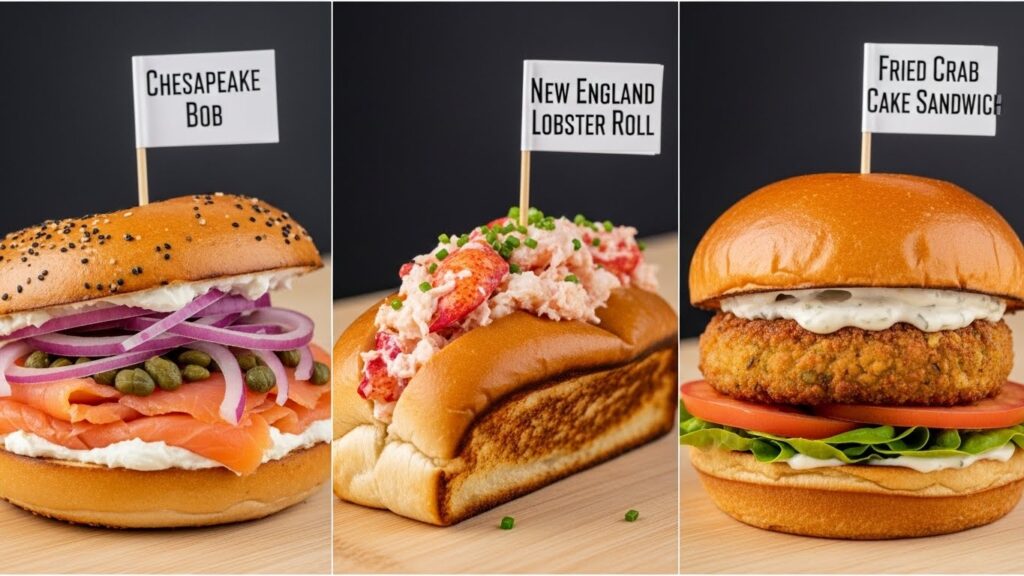
Chesapeake Bob vs. The Crab Cake Sandwich: While both feature crab, a crab cake is a formed, seasoned patty that is fried or broiled, served hot, often with a remoulade. The Bob is cold or cool, its crab meat loose and delicate, mixed with a lighter dressing. The experience is more about the pure, unadulterated texture and taste of the crab.
Chesapeake Bob vs. The Lobster Roll: The New England lobster roll is perhaps the closest relative, but the differences are key. A lobster roll is typically dressed more sparingly, sometimes with just butter. The Bob’s dressing, kissed with Old Bay and lemon, has a distinct, tangy, spiced profile that is uniquely Chesapeake. Furthermore, the Bob often includes more vegetables, making it a fuller, crunchier bite.
Chesapeake Bob vs. The Shrimp Po’boy: The po’boy from Louisiana is a celebration of fried seafood and crusty French bread, dressed with lettuce, tomato, and mayo. The Bob is the anti-fry. It’s about the gentle, cool, and refreshing contrast to a hot day on the water. Its simplicity is its sophistication.
Setting Sail for the Best Bob: A Virginia Coastal Tour
Finding an authentic Chesapeake Bob is a journey worth taking. While many restaurants have their own “seafood salad” sandwich, a true Bob has a specific character. Here are some legendary spots along Virginia’s coast where the Bob is not just on the menu, it’s a point of pride.
The Northern Neck & Middle Peninsula: This is heartland territory. Look for unassuming marina shops in towns like Irvington, Deltaville, and Urbanna. These are often family-owned for generations, and their recipe might be a closely guarded secret. The Bob here is likely to be pure, simple, and focused on the crab.
The Virginia Beach & Hampton Roads Area: Beyond the boardwalk, seek out the local favorites that have weathered trends. Places in the Chick’s Beach area or near Lynnhaven Inlet often serve a stellar Bob, sometimes with the option to add shrimp or even a sprinkle of Virginia ham for a surf-and-turf twist.
The Eastern Shore: Crossing the Chesapeake Bay Bridge-Tunnel leads to a Bob paradise. From Cape Charles north to Chincoteague, the seafood is as fresh as it gets. Here, you might find the most traditional, no-frills versions, often sold at tiny roadside stands or inside general stores. Pair it with a local craft soda for the full experience.
Pro Tip: When you find a spot, ask the locals. The best Bobs are often found where the fishing boats are docked, not necessarily in the tourist brochures.
Bringing the Coast Home: Crafting Your Own Chesapeake Bob
If you can’t make the trip to Virginia’s shore, you can capture the spirit in your own kitchen. The key, as always, is the quality of ingredients.
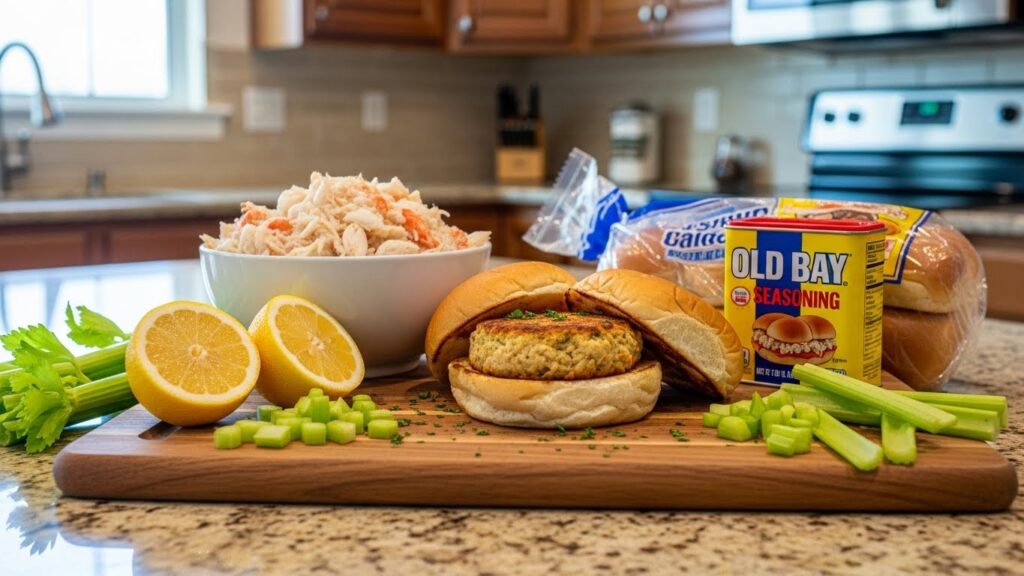
Start with the best crab meat you can find. Fresh-picked jumbo lump from the Chesapeake is ideal, but high-quality pasteurized lump crab will work. Gently pick through it for any shell fragments. Handle it with care to preserve those beautiful, large lumps.
For the dressing, mix about a third of a cup of light mayonnaise with a tablespoon of fresh lemon juice, a teaspoon of Old Bay seasoning (plus more for dusting), and a pinch of black pepper. Fold in a tablespoon of very finely minced celery and perhaps one of minced red onion. Gently fold this dressing into your crab meat until just combined.
Split a soft, fresh hoagie roll or a high-quality hot dog bun. Line it with a leaf of Bibb or romaine lettuce, add a slice of ripe tomato, and then pile high with the crab mixture. Top with a thin slice of sharp cheddar if desired, and give the top of the filling a final, light dusting of Old Bay. Serve immediately, preferably with a view of any body of water you can find, and a side of salt-and-vinegar chips.
More Than a Sandwich: A Taste of Place
The Chesapeake Bob endures because it is more than the sum of its parts. It is a direct, edible expression of Virginia’s coastal culture—a culture built on the water, defined by resilience, and celebrated for its straightforward joys. It doesn’t need gourmet truffle oil or artisanal microgreens; its luxury is the fresh, sweet taste of the Bay itself.
In a world of ever-changing food trends, the Bob remains a constant, a delicious anchor. It’s a reminder that the best flavors are often the simplest, born from place and tradition. So, the next time you find yourself on Virginia’s coast, skip the familiar chains and seek out this humble icon. Order a Chesapeake Bob, unwrap it, and take that first bite. You’re not just eating a sandwich; you’re tasting a piece of Virginia, one perfect, savory bite at a time.