The Chignon: Classic French Updo Perfected
There is a certain magic in hairstyles that transcend time. They whisper of elegance, speak of sophistication, and carry with them an air of effortless grace. Among these timeless creations, the chignon reigns supreme. More than just a simple bun, the chignon is the quintessential French updo—a masterpiece of understated chic that has captivated women for centuries. From the grand ballrooms of 18th-century Versailles to the sleek runways of modern Paris Fashion Week, the chignon has evolved while never losing its core identity: polished, practical, and profoundly elegant. This is not merely a way to contain your hair; it is an art form, a statement, and a testament to the enduring power of classic style.
A Twist in Time: The Rich History of the Chignon
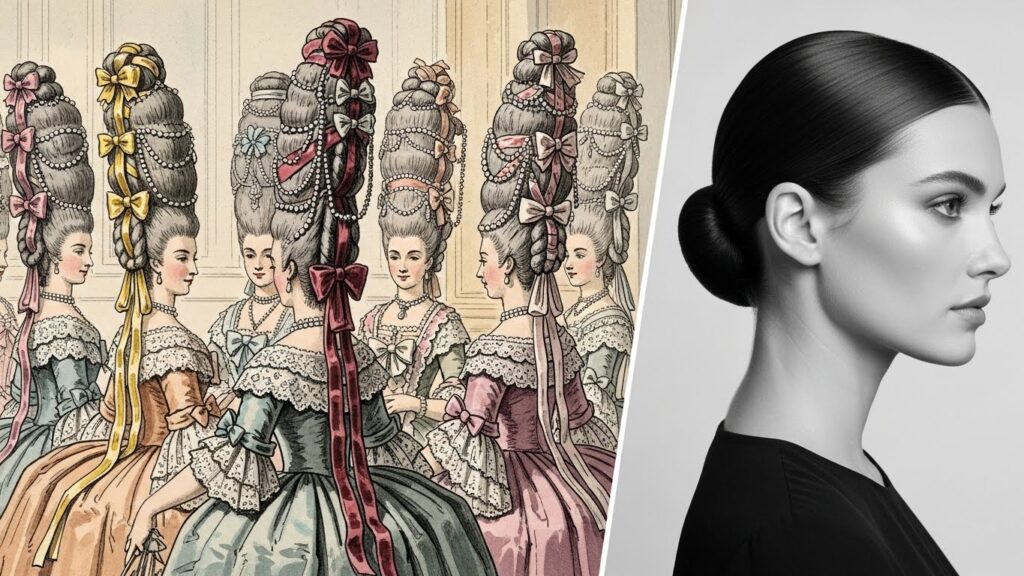
The word “chignon” originates from the French phrase “chignon du cou,” meaning “nape of the neck.” While its name is distinctly French, the style’s roots dig much deeper into history. Ancient Greek and Roman women are depicted wearing early versions of the chignon, often adorned with nets, ribbons, and jewels. However, it was in France that the style found its spiritual home and name. During the 1700s, it became a towering symbol of status, with women building elaborate, gravity-defying structures padded with fake hair, feathers, and even model ships. While today’s iterations are decidedly more minimalist, that heritage of artistry and intention remains.
The chignon’s beauty lies in its duality. It has been the hairstyle of choice for both royalty and revolutionaries, for ballerinas and businesswomen. It can be severe and sleek, as seen in the iconic styles of Audrey Hepburn, or soft and romantic, with tendrils framing the face. This adaptability is the secret to its longevity. It is a blank canvas that reflects the aesthetics of its era while maintaining its fundamental structure—a gathered, twisted, or folded knot of hair, typically at the nape of the neck or the back of the head.
More Than a Bun: Defining the Classic Chignon
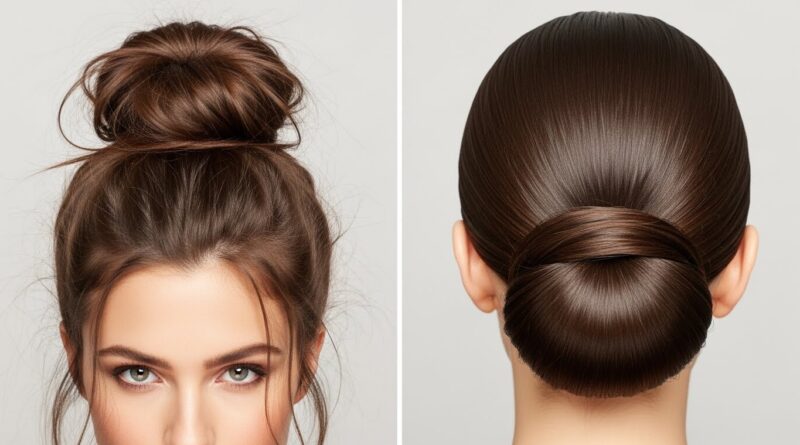
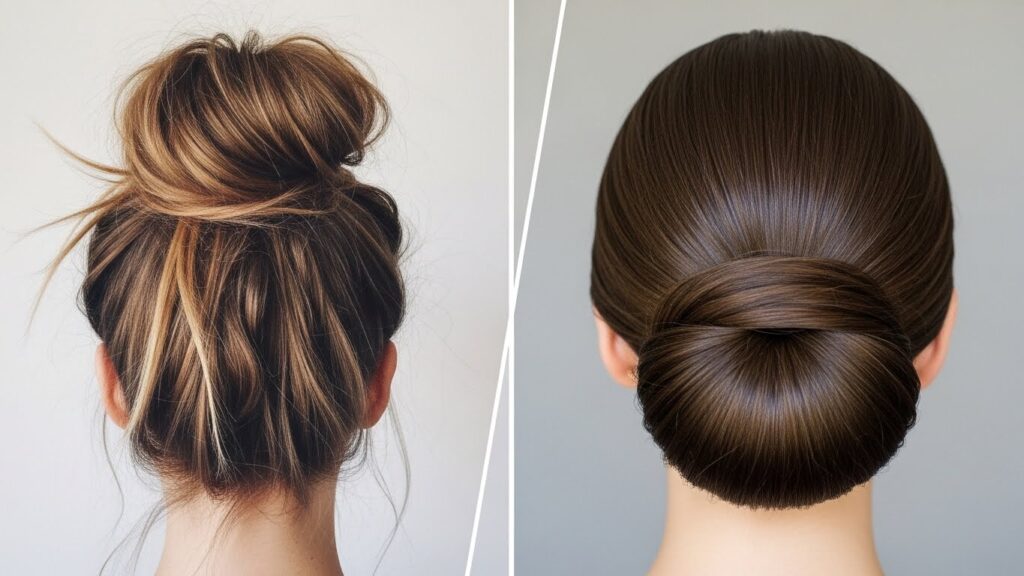
It is a common misconception that any bun is a chignon. The distinction, while subtle, is important. A standard bun is often a simple twist or coil of hair secured with an elastic. The chignon, however, implies a level of refinement and technique. It often involves plaiting, twisting, or folding the hair into a knot before securing it, creating a more structured and intentional look. The classic French chignon is typically positioned at the crown or the nape, with every hair meticulously in place, showcasing the shape of the head and the elegance of the neckline. It is architectural in its approach, relying on pins and skill rather than just a hair tie.
Think of it this way: if a messy bun is your comfortable weekend sweater, the chignon is your perfectly tailored blazer. Both serve a purpose, but one is crafted for impact. The true chignon is polished without being stiff, elegant without being fussy. It is the hairstyle you choose when you want to feel put-together and powerful, yet utterly timeless.
A Style for Every Story: Types of Chignons to Master
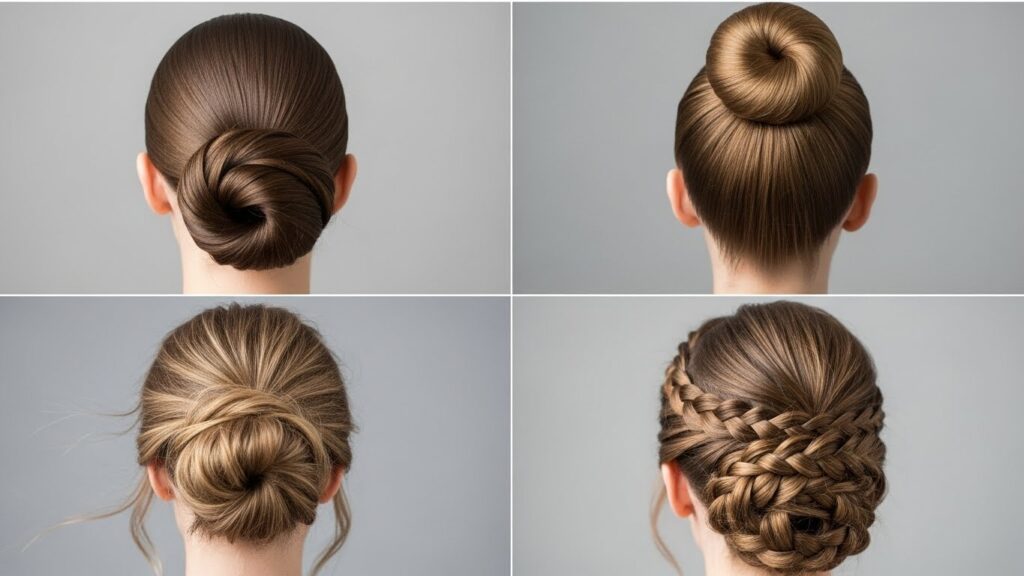
The genius of the chignon is its versatility. By altering its position, texture, and details, you can create a look for any occasion. Here are the essential variations every style enthusiast should know.
The Classic Low Chignon: The cornerstone of the family. Positioned snugly at the nape of the neck, this style is the epitome of quiet sophistication. It is perfect for formal events, job interviews, or any moment that calls for understated authority. It pairs exquisitely with pearl earrings and a crisp white shirt.
The Ballerina Chignon: Also known as a crown chignon, this style sits at the crown of the head in a smooth, rounded knot. It is the signature look of ballet dancers, designed to showcase the neck and collarbone with graceful lines. It brings an ethereal, romantic quality to any ensemble.
The Textured or “Undone” Chignon: This modern interpretation breathes new life into the classic. By gently pulling out face-framing tendrils, loosening the knot, and allowing for a bit of controlled messiness, you achieve a look that is effortless and contemporary. It’s ideal for a dinner date or a chic daytime event, offering elegance without rigidity.
The Braided Chignon: Incorporating braids adds a layer of intricate detail and bohemian flair. Whether it’s a single braid wrapped into a knot or a Dutch braid encircling the head before tucking into a chignon, this style is artistic and secure, perfect for adding visual interest.
The Art of Perfection: Step-by-Step to a Classic Low Chignon
Mastering the basic chignon is a rewarding skill. Follow these steps to create your own foundation.
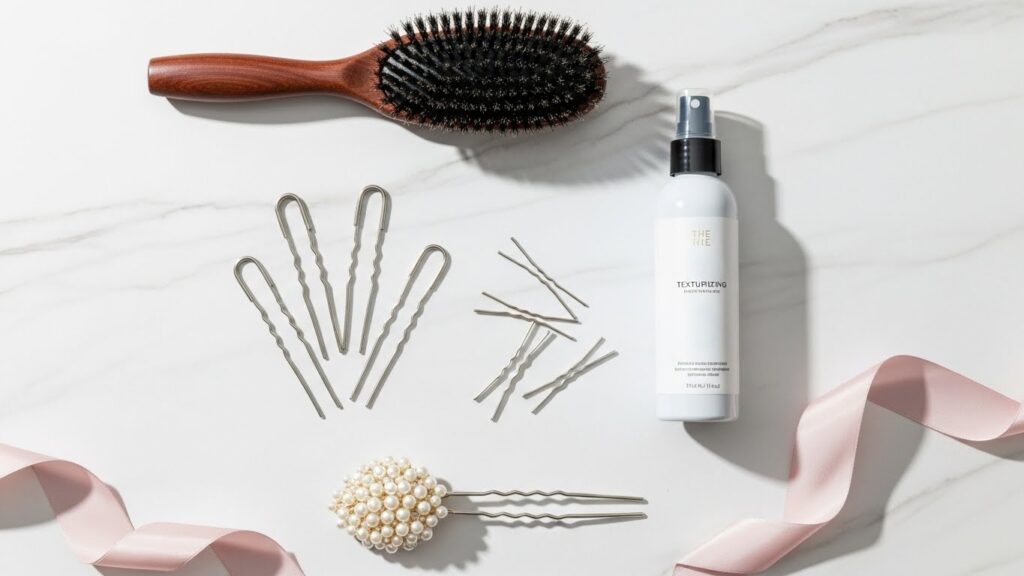
Step 1: The Perfect Base. Start with hair that is not freshly washed; day-old hair has more texture and grip. Apply a light styling mousse or texturizing spray to add body and hold. Brush your hair thoroughly to remove any tangles.
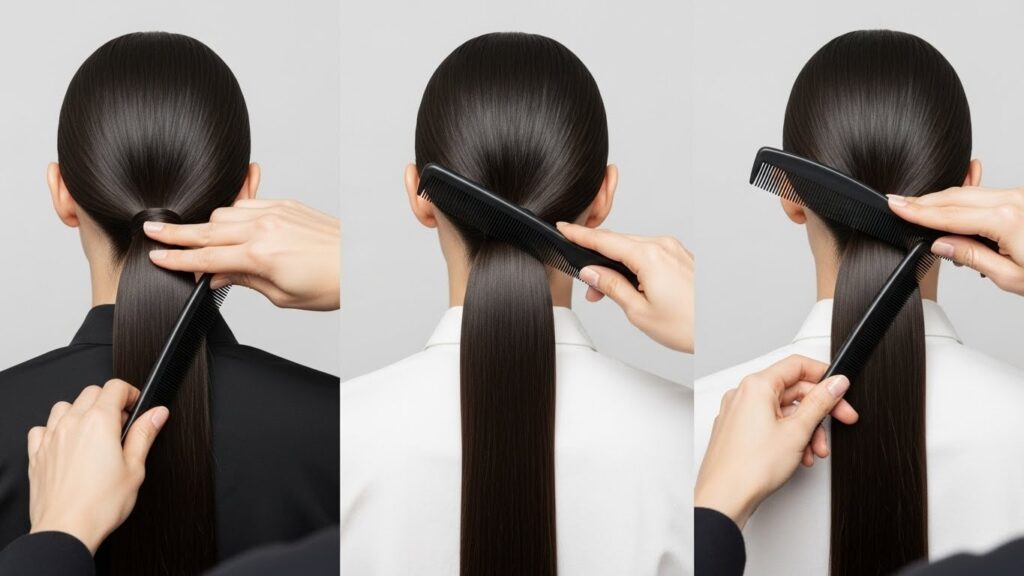
Step 2: Create a Smooth Ponytail. Gather your hair at your desired location (for the classic, aim for the nape of your neck). Use a brush to smooth all strands back, securing with a clear elastic band. For extra polish, you can take a small section of hair from underneath the ponytail to wrap around the elastic later.
Step 3: Twist and Coil. Twist the ponytail tightly until it begins to coil back on itself. Wrap this twist around the base of the ponytail, forming a neat knot. Tuck the ends underneath.
Step 4: Secure with Precision. This is where the magic happens. Using U-shaped pins or bobby pins that match your hair color, secure the chignon from all angles. Slide pins through the outer edges of the knot into the base, criss-crossing them for maximum security. Don’t just poke them in; slide them against the scalp for a firm hold. Use as many as needed—a good chignon is often held by 10-15 well-placed pins.
Step 5: The Final Polish. Mist with a light-hold hairspray. Use a toothbrush or a clean mascara wand dipped in hairspray to tame any flyaways. If you saved that small section of hair, wrap it around the elastic base and pin it discreetly underneath for an invisible finish.
Pro Tips for a Flawless French Finish
To elevate your chignon from good to exceptional, keep these professional secrets in mind.
Embrace Texture: If your hair is very silky, use a texturizing spray at the roots before styling. This gives the pins something to grip. Backcombing the ponytail slightly before twisting can also add crucial volume and staying power.
Invest in Your Tools. Not all pins are created equal. U-shaped pins (or hair forks) are often more effective for holding thick hair than standard bobby pins. Also, a fine-tooth comb for smoothing and a strong-hold, yet flexible, hairspray are non-negotiables.
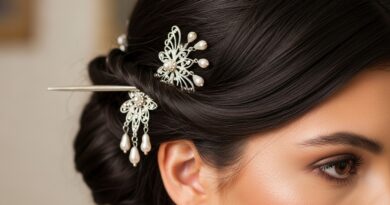
Accessorize Thoughtfully. The chignon is a perfect backdrop for beautiful accessories. A simple velvet ribbon tied around the base, delicate pin-on jewels, or a classic tortoiseshell hair stick pushed through the knot can transform the look entirely.
Practice Makes Permanent. Don’t be discouraged if your first attempt isn’t red-carpet ready. The chignon is a technique that improves with practice. Try it on different days, with different levels of hair cleanliness, until you understand how your hair behaves.
The Eternal Elegance of the Chignon
In a world of fleeting beauty trends, the chignon stands as a monument to enduring style. It is a hairstyle that commands respect without saying a word, that complements rather than competes, and that makes a woman feel both beautiful and capable. It is as suitable for a bride on her wedding day as it is for a CEO in a boardroom, for a artist at a gallery opening or a mother on a busy day. This incredible range is its superpower.
Mastering the chignon is more than learning a hair technique; it is embracing a piece of sartorial history and making it your own. It is about understanding that true style often lies in simplicity executed with excellence. So, the next time you need a look that embodies polished perfection, forgo the complicated routines and turn to the classic French updo. Twist, coil, pin, and perfect. The chignon, in all its graceful glory, is always in style.