The French Twist: Timeless Elegance in One Style
In the ever-revolving door of beauty trends, where styles flash with the brilliance and brevity of a camera bulb, one hairstyle remains a permanent fixture in the hall of fame. It is the epitome of quiet confidence, the signature of understated glamour, the solution for second-day hair that demands sophistication. We are talking, of course, about the French Twist. More than just an updo, it is a statement—a vertical sweep of hair that whispers of Parisian cafes, silver screen sirens, and a kind of elegance that feels both innate and utterly achieved.
A Brief History of an Iconic Updo
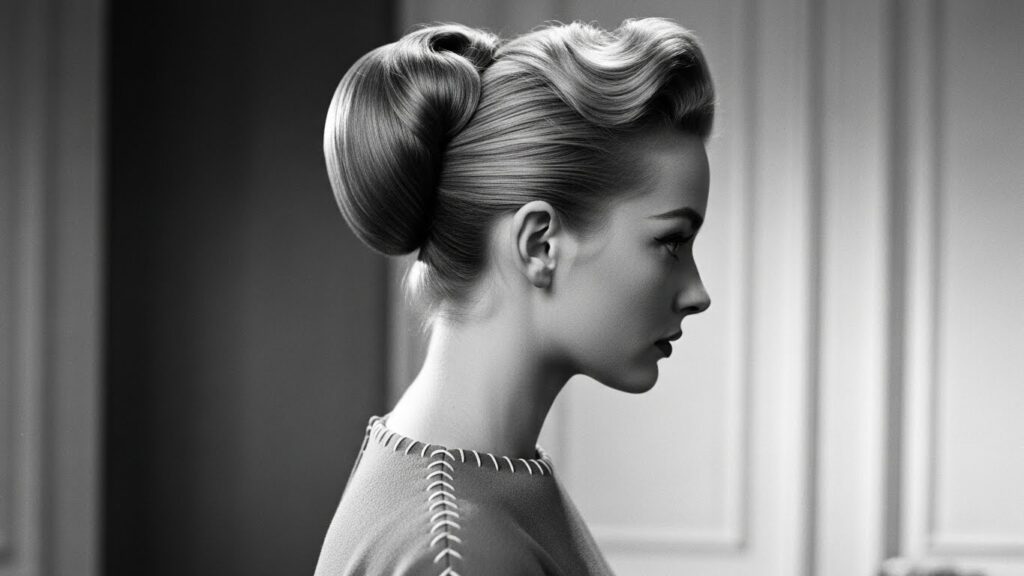
The origins of the French Twist, or “chignon roulé” as it is known in its homeland, are somewhat shrouded in the mists of time, but its popularization is firmly rooted in the mid-20th century. While variations of rolled and pinned hair existed for centuries, it was in the post-war 1950s that the style as we know it crystallized. This was an era defined by a return to polished femininity and structured silhouettes, both in fashion and beauty. The French Twist fit the bill perfectly.
It became the go-to hairstyle for the well-dressed woman, offering a sleek, clean alternative to the cascading curls of the previous decades. Its association with French style—synonymous with chic, effortlessness, and sophistication—cemented its glamorous reputation. Throughout the 1960s, it was adopted and adapted by style icons and first ladies, often appearing with a decorative comb or delicate veil. Even as hairstyles grew bigger in the 80s or grungy in the 90s, the French Twist never truly disappeared. It simply evolved, waiting in the wings as the perennial answer to the question: “How can I look polished and beautiful with minimal fuss?”
Deconstructing the Elegance: Why the French Twist Works
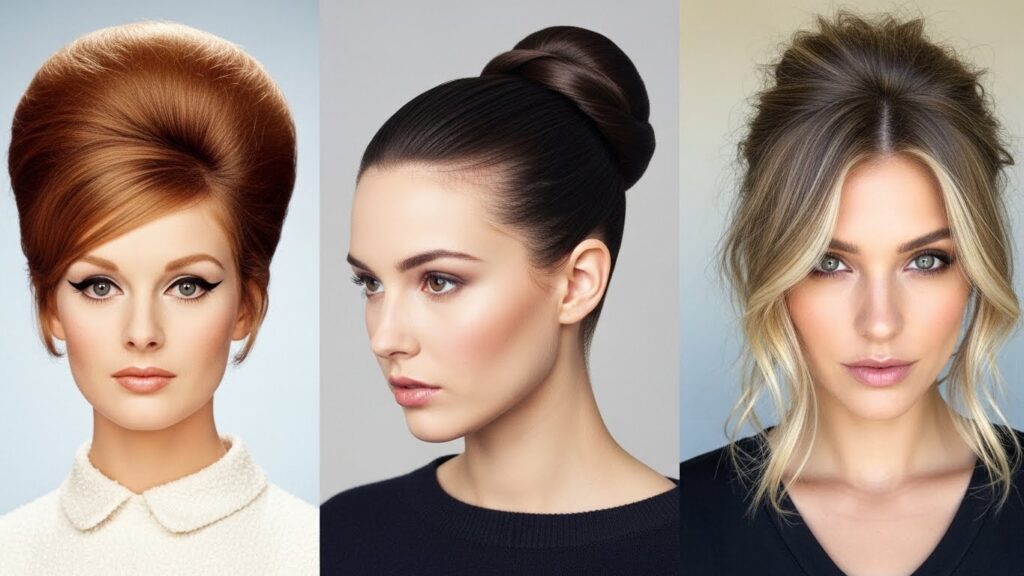
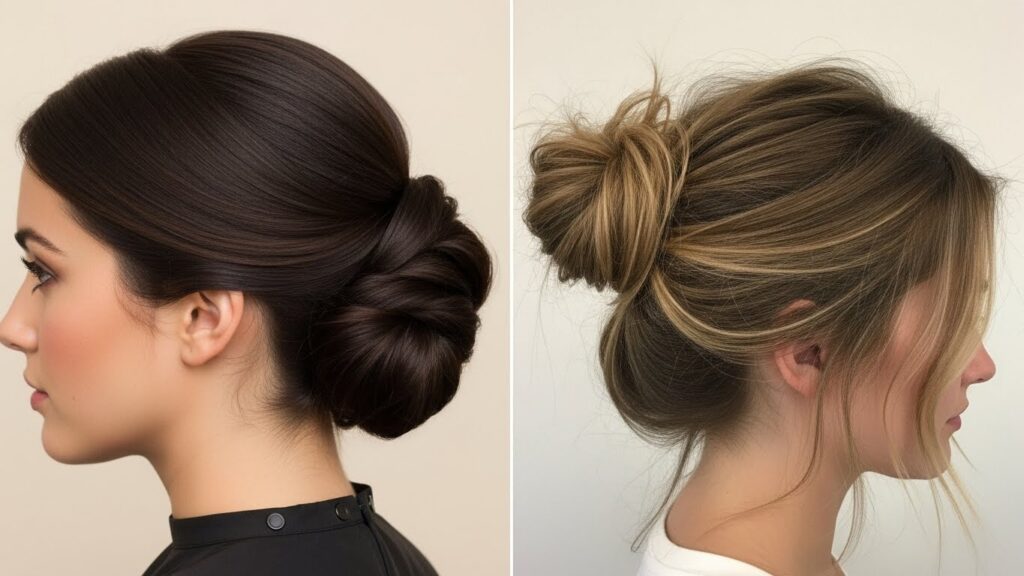
At its core, the French Twist is an exercise in elegant geometry. It takes the length and volume of your hair and redirects it vertically, creating a flattering line that elongates the neck and highlights the jawline. This verticality is key to its sophisticated effect. Unlike a bun, which can sometimes widen the appearance of the head, the twist has a narrowing, slimming visual impact.
Furthermore, its versatility is its superpower. The French Twist is a chameleon. A sleek, gelled version paired with a little black dress screams evening glamour. A slightly looser, textured twist with a few escaped tendrils is the perfect companion for a summer garden party or a breezy daytime wedding. It can be placed high for a regal feel, low for a more relaxed vibe, or even to the side for a touch of playful asymmetry. This ability to morph from day to night, from casual to formal, is a rare quality that ensures its permanent place in our styling arsenals.
Mastering the Art: A Step-by-Step Guide
While it may look intimidating, creating a classic French Twist is a skill well within reach. The process is methodical, and with a little practice, it becomes second nature. Here is a breakdown of how to achieve this iconic look.
Step 1: Preparation is Key. Start with hair that is not freshly washed. Day-old hair, or hair with a bit of texturizing spray or dry shampoo, has more grip and will hold the style better. Brush your hair thoroughly to remove any tangles.
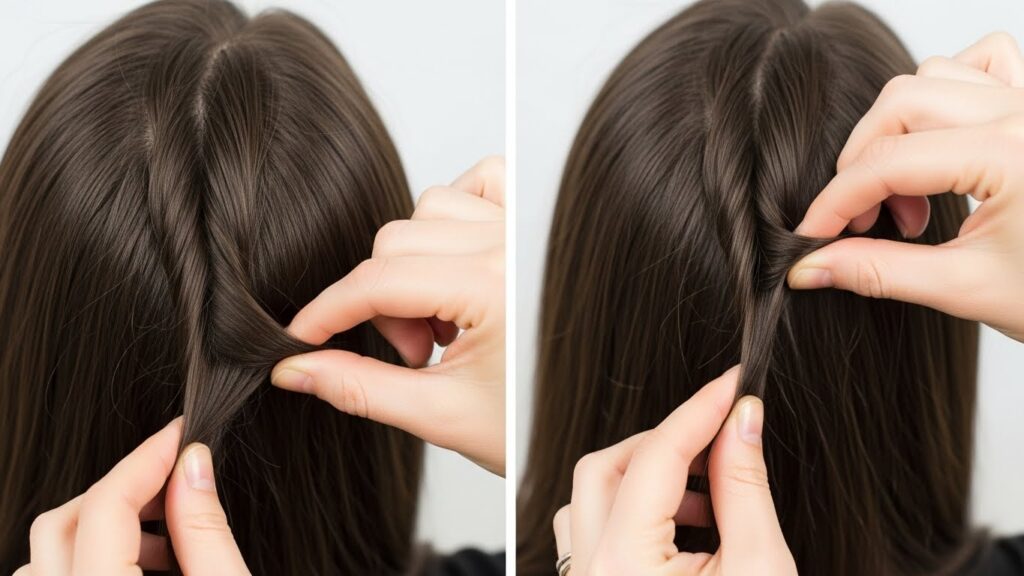
Step 2: Create a Smooth Base. Gather your hair as if you are making a low ponytail at the nape of your neck. Instead of securing it with a band, hold the length of your hair with one hand. With your other hand, gently twist the length of your hair. The direction (clockwise or counter-clockwise) is up to you; choose what feels most natural.
Step 3: The Essential Roll. This is the signature move. Begin rolling the twisted hair upward, toward the crown of your head. As you roll, tuck the ends of your hair inward. The twist should start to fold onto itself, creating that classic rolled shape. Use your free hand to hold the roll in place as you work upward.
Step 4: Secure with Precision. Once the hair is rolled to your desired height (typically at the occipital bone), you will need to secure it. This is where bobby pins become your best friend. Using strong, criss-crossing motions, pin the roll firmly to the scalp. Start at the bottom and work your way up, ensuring you catch both the roll and the base hair. For extra security and a decorative touch, slide a large, elegant hair comb or a U-pin over the top of the roll and into the base.
Step 5: The Final Touch. Mist with a light-hold hairspray to tame any wisps, or alternatively, deliberately pull out a few face-framing pieces for a softer, more romantic look. Gently smooth the sides with a touch of serum or pomade for a polished finish.
Modern Interpretations and Styling Tips
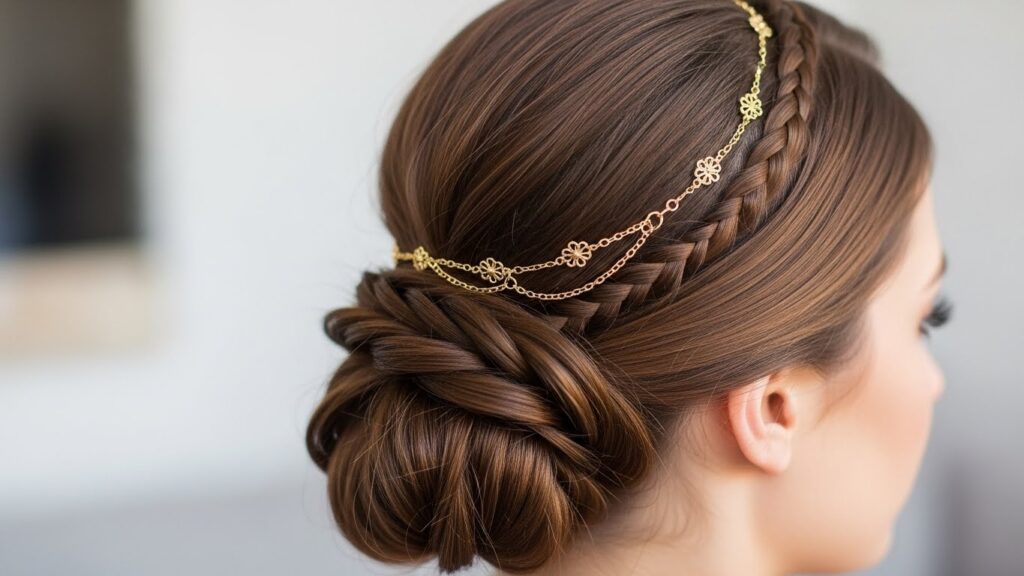
The beauty of the French Twist today lies in its adaptability. The modern approach often favors “imperfect” elegance over stark perfection. Do not be afraid to tease the crown slightly before twisting for added volume. Braid a small section before incorporating it into the twist for a bohemian detail. Or, create a “lived-in” twist by gently pulling at the sides of the roll after pinning to create a fuller, more effortless shape.
Accessories have also brought new life to the style. Think beyond the classic comb. Slide in a few pearl-tipped pins, wrap a delicate chain around the base, or adorn it with a fresh flower for a special occasion. For a truly contemporary edge, try a “inverted” or “inside-out” French Twist, where the rolled section is intentionally left looser and more visible, creating a beautiful, textured effect.
The French Twist Philosophy: More Than a Hairstyle
Ultimately, the enduring appeal of the French Twist transcends mere aesthetics. It embodies a certain philosophy of style. It is about looking put-together without appearing as though you tried too hard. It is about choosing refinement over extravagance, and subtlety over statement. In a world of fast fashion and fleeting fads, the French Twist stands as a reminder that true style is not about the loudest voice in the room, but the most compelling whisper.
It teaches us that elegance is often found in simplicity and that mastering a few classic techniques can be more powerful than chasing every new trend. It is a hairstyle that respects the past while remaining entirely relevant in the present. Whether you are preparing for a gala, a job interview, or simply a day where you want to feel exceptionally soignée, the French Twist is your reliable, elegant companion.
So, the next time your hair feels mundane, resist the urge to reach for the curling iron or the straightener. Instead, gather, twist, roll, and pin. Embrace the quiet confidence and timeless elegance that comes with mastering the art of the French Twist. After all, some styles come and go, but true icons are forever.