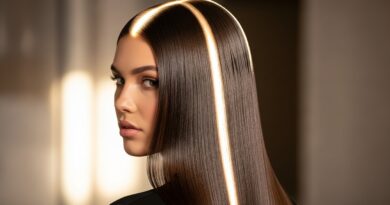
The Graduated Shag: Stacked Layers That Build Volume
Remember the shag? That effortlessly cool, rock-and-roll haircut that defined the 1970s? It’s back, but it’s been to finishing school. Enter the graduated shag—a masterclass in strategic cutting that takes the wild spirit of the original and refines it with architecture. This isn’t just a throwback; it’s a volumizing revolution for the modern era. If you’ve ever longed for hair that looks lived-in, dynamic, and full of body without the fuss, the graduated shag might just be your holy grail. At its core, this cut is a genius play of geometry, using stacked layers at the back to literally build volume from the nape up, creating a silhouette that’s both soft and powerful.
Deconstructing the Graduated Shag: What Makes It Different?
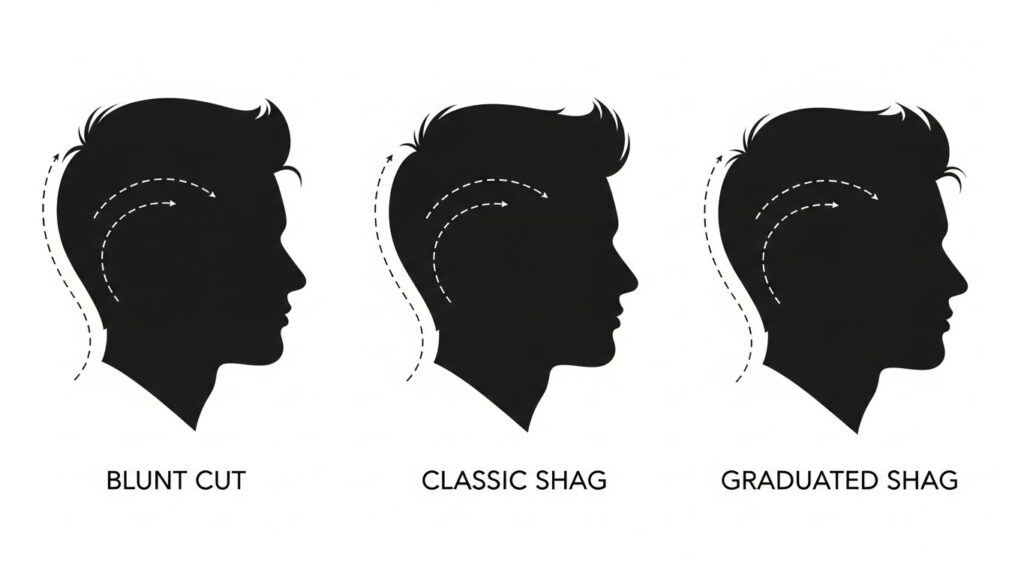
So, what exactly sets a graduated shag apart from its shaggy cousins? The magic word is “graduated.” In haircutting terms, graduation refers to layers that are cut at an angle, building weight and shape in a specific area. While a classic shag features layers throughout, the graduated shag focuses this technique intensely on the back of the head.
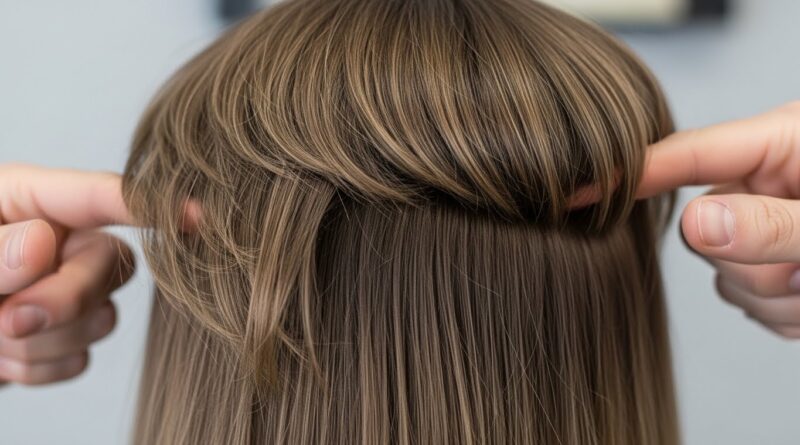
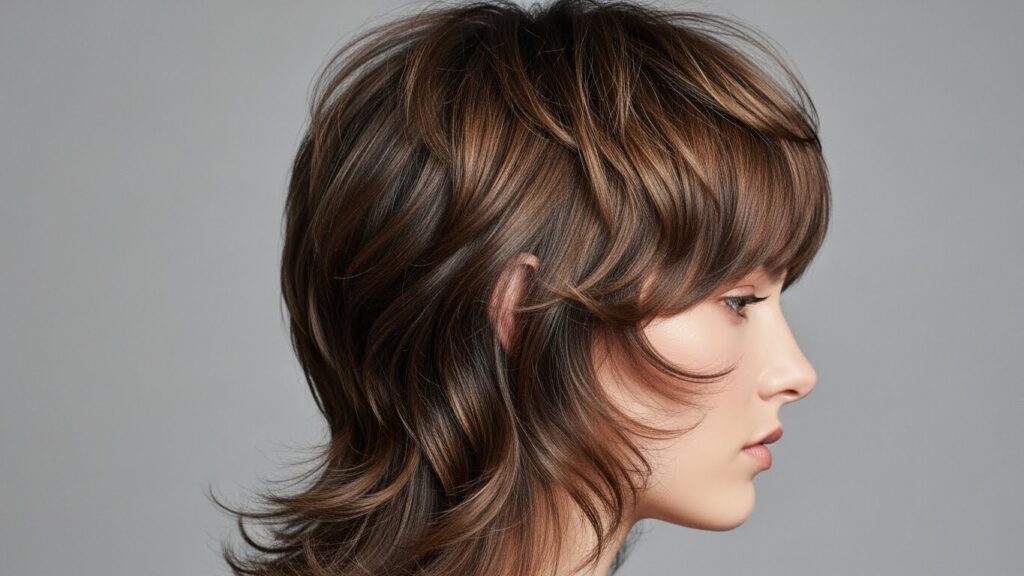
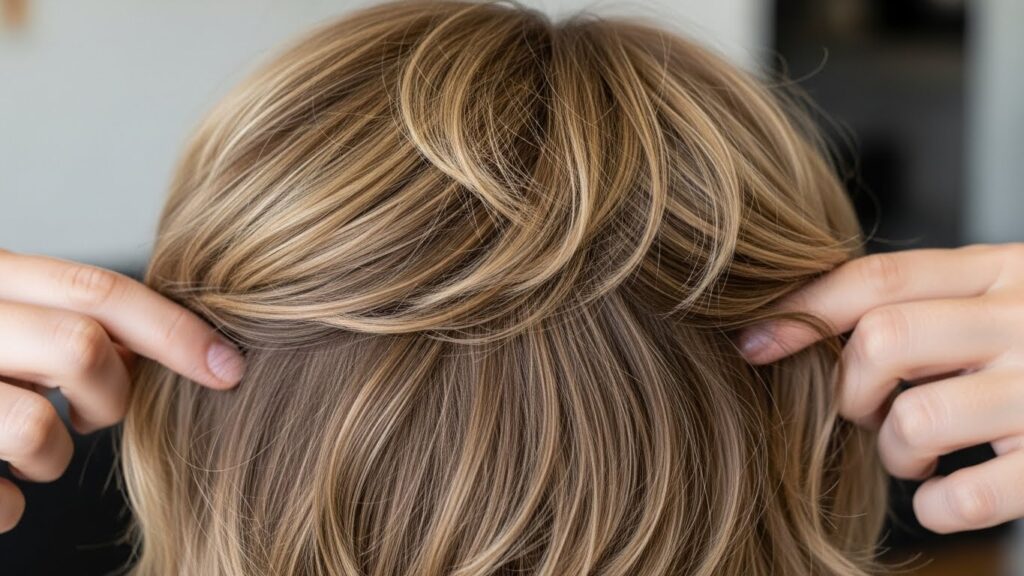
Imagine your hair from the side. A traditional blunt cut falls in a straight line. A regular shag has layers that start higher up. But the graduated shag employs stacked layers concentrated at the occipital bone (the rounded bone at the back of your skull). These layers are cut shorter at the nape and gradually get longer as they move upward, creating a “stack” that pushes the hair outwards. This built-in structure acts as a foundation, lifting the entire shape and giving the illusion of double the density. The crown and top layers are then blended into this strong base, resulting in overall volume that feels organic and not “teased” or overdone.
The Anatomy of Volume: How Stacked Layers Work Their Magic
The volumizing power of this cut is no accident; it’s physics and aesthetics working in perfect harmony. The stacked layers at the back remove weight from the very bottom while maintaining length and density through the middle sections. This redistribution of mass is key.
Think of it like building a pyramid. The shorter, denser layers at the bottom provide a solid base. As each subsequent layer is slightly longer, it rests upon that base, creating lift and a cascading effect. This means your hair naturally stands away from the head at the crown and through the lengths, even when it’s air-dried. For those with fine or flat hair, this technique is transformative. It creates body where there was none. For those with thicker hair, it manages bulk while enhancing texture and movement, preventing a triangular shape.
Face-Framing & Texture: The Perfect Partners
While the back does the heavy lifting, the front of the graduated shag is all about personalization and flair. The cut is typically finished with soft, face-framing layers—often in a curtain bang or wispy fringe style—that connect seamlessly to the back. These pieces are crucial for balancing the dramatic volume at the rear and drawing attention to your eyes and cheekbones.
Texture is the soul of this haircut. The ends are almost always point-cut or notched—a technique where the scissors are used to create tiny, irregular cuts along the edge of the hair rather than a straight-across chop. This breaks up the line, encourages pieces to fall in different directions, and enhances that coveted piecey, lived-in look. Whether your hair is bone-straight, wavy, or curly, this texturizing method allows the cut to adapt, ensuring the volume looks effortless and modern, not helmet-like.

Who Is The Graduated Shag For? Spoiler: Almost Everyone
The beauty of the graduated shag lies in its shocking versatility. It’s a shape that can be tailored to suit a wide range of hair types, face shapes, and personal styles.
For Fine or Thin Hair: This is often the ultimate volumizing cut. The stacked structure creates an instant illusion of thickness and body that products alone can’t achieve.
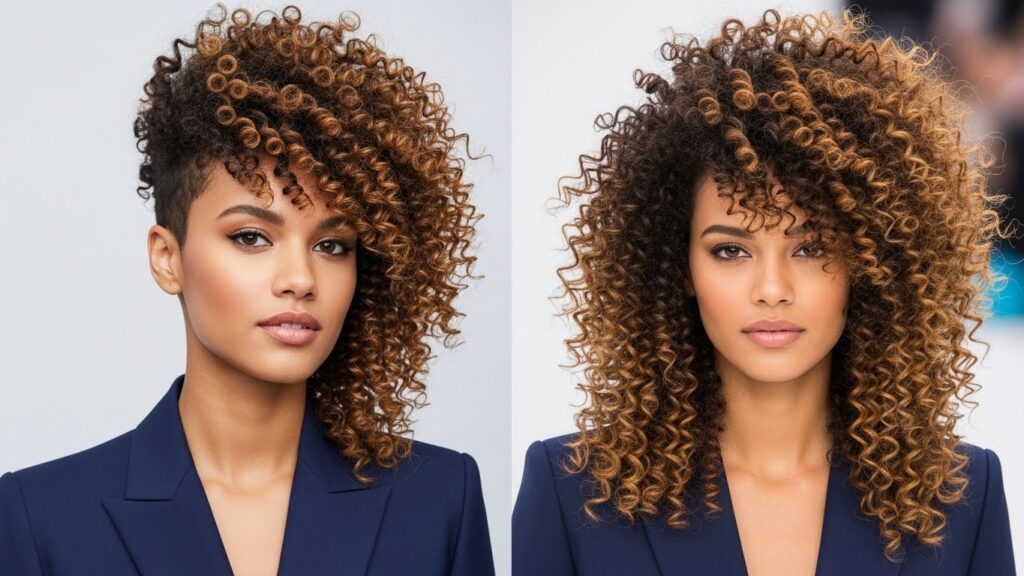
For Thick or Wavy/Curly Hair: It’s a brilliant way to remove weight and encourage your natural texture to spring to life with definition and shape, preventing the dreaded “poof.”
For Straight Hair: It introduces movement and edge where hair can often fall flat, creating an undone, rocker-chic aesthetic.
When consulting with your stylist, communication is key. You can adjust the “graduation” intensity (how dramatic the stacking is), the overall length, and the fringe style to perfectly complement your face shape—whether it’s adding width to a long face or softening the angles of a square jaw.
Styling Your Graduated Shag: Embrace the “Undone” Done
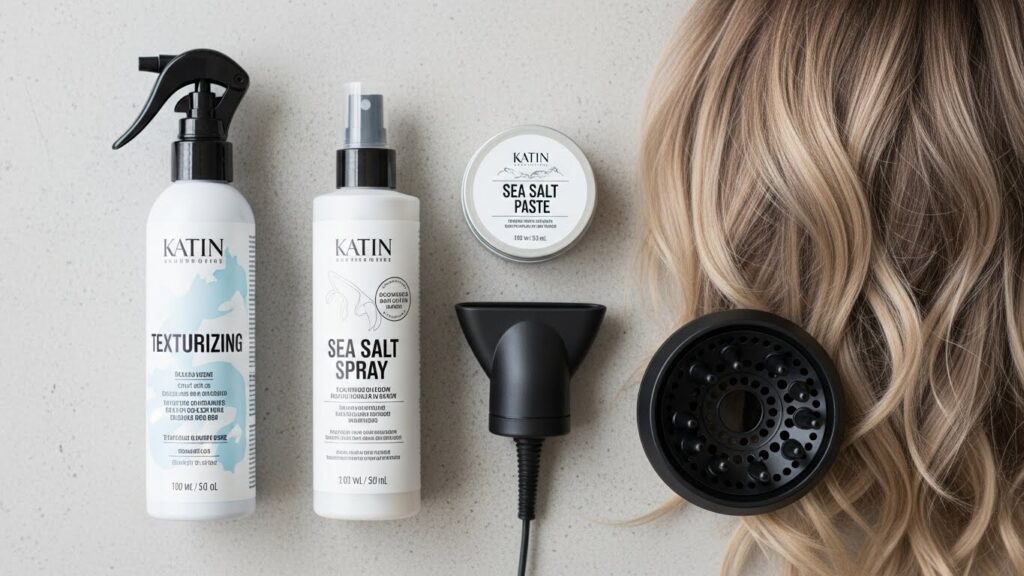
One of the biggest selling points of this haircut is its low-maintenance, high-impact styling. It’s designed to look better as the days go by. Start with a texturizing spray or mousse applied to damp hair, focusing on the mid-lengths and ends. Scrunch or blow-dry with a diffuser for wavy/curly hair, or use a round brush when blow-drying straight hair to accentuate the layers at the back.
The real secret lies in the finish. Once your hair is dry, work a small amount of texturizing paste or sea salt spray through the mid-lengths and ends. Don’t brush it through perfectly—the goal is separation and piecey-ness. Use your fingers to lift the roots at the crown and back. The cut does most of the work; your job is simply to enhance the texture it already possesses. For a sleek twist, you can flat-iron the face-framing pieces while leaving the back textured for a cool contrast.
Bringing the Inspiration to Your Stylist
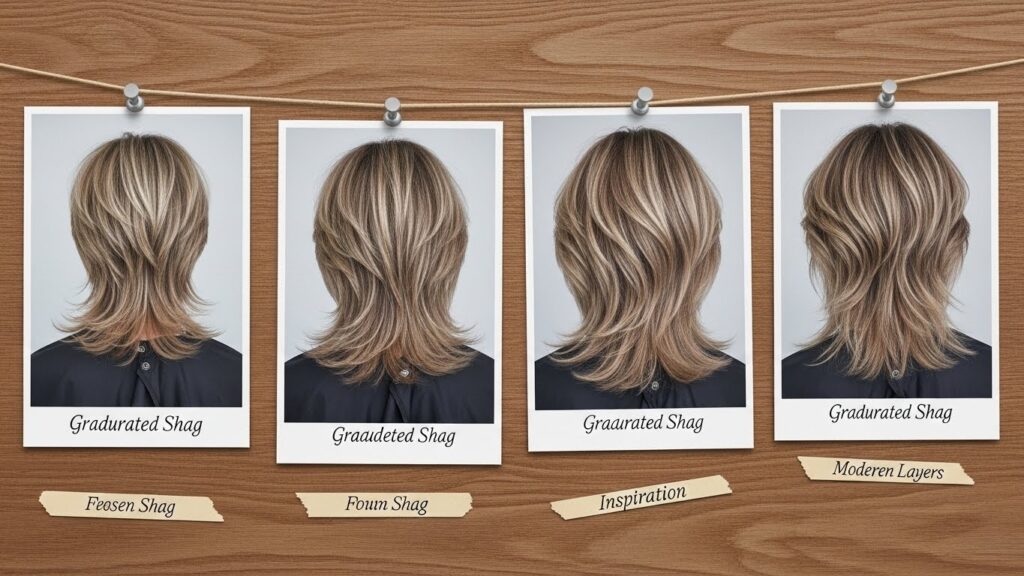
Walking into the salon with the right vocabulary and visuals is half the battle. Don’t just say “shag.” Ask for a “graduated shag with stacked layers at the back for volume.” Emphasize that you want the graduation focused on the occipital bone. Show pictures that clearly show the back of the head. Mention you want heavy texture through the ends and face-framing layers. A skilled stylist will understand this blueprint and can then tailor the weight, length, and fringe to you.
Be prepared for a change. This cut has attitude and movement. It might feel shorter in the back than you’re used to, but that’s the source of its power. The investment in regular trims (every 10-12 weeks) is also crucial to maintain the shape and prevent the stacked layers from growing out and losing their definition.
The Final Verdict: More Than Just a Trend
The graduated shag is more than a passing fad; it’s a timeless cutting technique repackaged for today’s desire for easy, textured, voluminous hair. It bridges the gap between a precision cut and a lived-in style, offering a built-in solution for flatness and lack of shape. With its foundation of stacked layers, it literally builds volume from the ground up, giving you a style that is as dynamic and individual as you are.
If you’re ready to trade flatness for fullness, and stiffness for movement, the graduated shag is calling. It’s a cut that doesn’t just sit on your head—it lives and breathes. Talk to your stylist, bring your inspiration, and get ready to see your hair in a whole new, voluminous light.