The Mesa Shag: Arizona Contemporary
Imagine a style born not from the pages of a distant design magazine, but from the land itself. A style where the sharp, clean lines of modernism are softened by the relentless sun and weathered by desert winds. This is not your grandfather’s Southwestern decor; it’s something evolved, refined, and utterly captivating. Welcome to the world of the Mesa Shag—a term that perfectly encapsulates the Arizona Contemporary aesthetic. It’s a look that shuns the clichés of kokopellis and riotous color in favor of a sophisticated, textural, and serene dialogue with the Sonoran Desert.
From Territorial to Transcendent: The Evolution of Southwestern Style
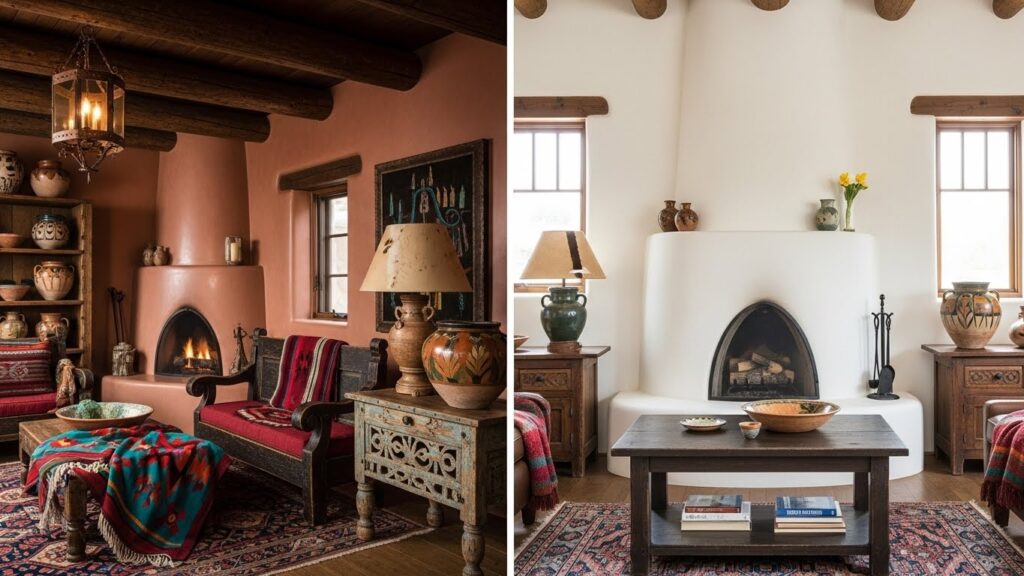
To fully appreciate the Mesa Shag, one must understand what it is not. It moves decisively beyond the Territorial and Santa Fe styles that dominated Southwestern design for decades. Those styles, with their heavy vigas, dark wood, Talavera tile, and rustic furnishings, reflect a historical and cultural past. They are beautiful, but they speak a specific, traditional language.
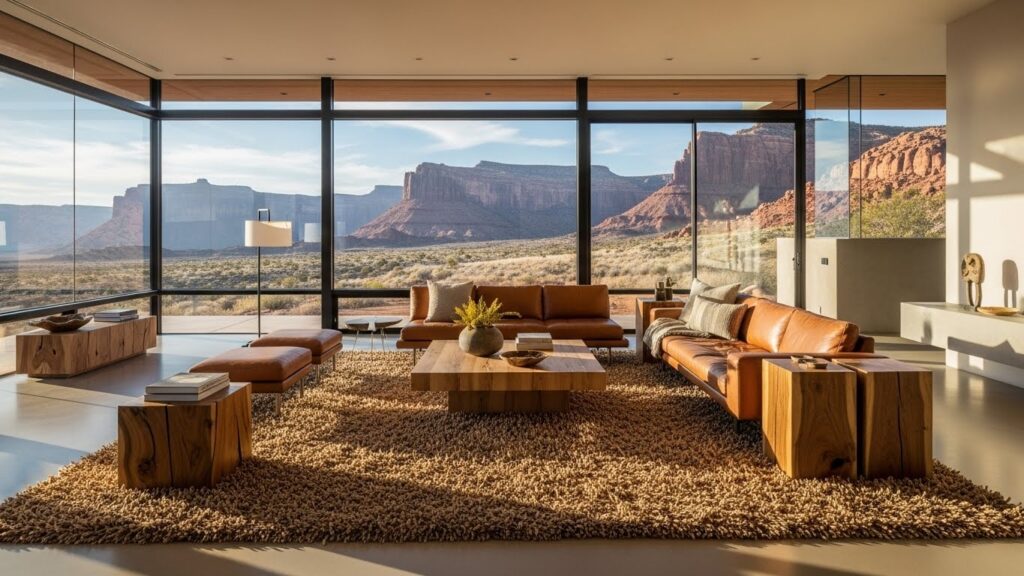
Arizona Contemporary, and by extension the Mesa Shag, speaks the language of the present. It draws inspiration from Desert Modernism, a mid-century movement pioneered by architects like Frank Lloyd Wright (Taliesin West) and Al Beadle, who believed buildings should belong to their environment. This new iteration strips away any remaining ornamentation, embraces an even cleaner line, and prioritizes a fluid connection between indoor and outdoor spaces. The materials are raw and real, but the execution is polished and intentional.
The Pillars of the Mesa Shag Aesthetic
So, what are the definitive elements that make up this sought-after look? The Mesa Shag isn’t defined by a single piece but by a cohesive set of principles that work together to create a specific feeling of modern desert tranquility.
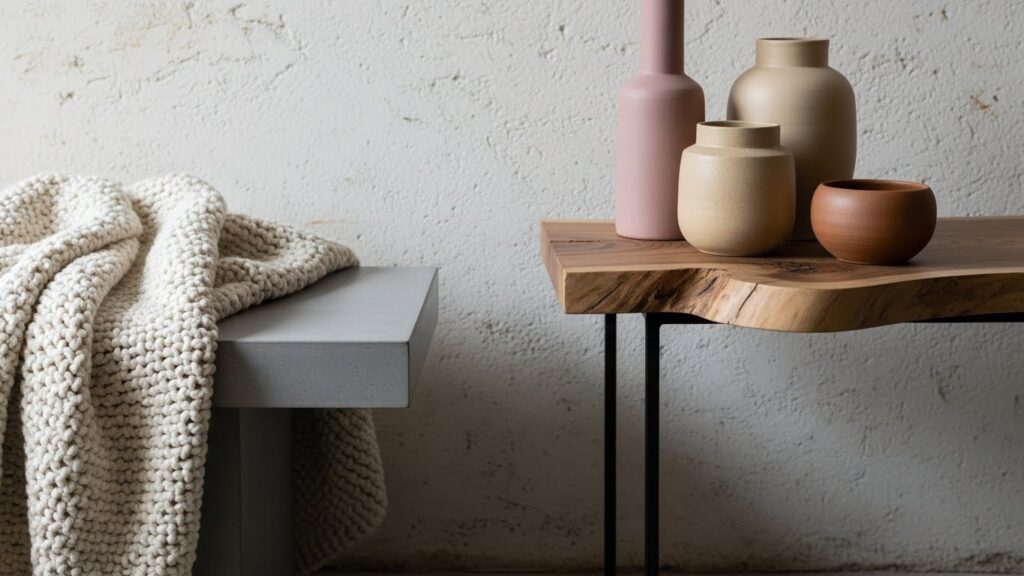
The “Shag” – Texture is King: The “shag” in the name is literal and metaphorical. It represents the paramount importance of texture. This is how warmth is injected into a potentially cold modern space. Think of nubby wool throws, chunky knit pillows, seagrass or jute rugs, rough plaster walls, and raw-edged live wood slabs. The tactile experience is everything, mimicking the varied textures of the desert floor—from soft sand to prickly cactus to gnarled ironwood.
A Desert-Neutral Palette: Forget bright turquoise and sunset orange. The Mesa Shag palette is drawn from the desert at dawn or dusk. It’s a spectrum of warm whites, sandy beiges, taupe, greige, and soft clay. Accent colors are the muted tones found in nature: the sage green of a creosote bush, the dusty terracotta of Sedona soil, the pale blue of a vast desert sky. Black is used sparingly, as a sharp graphic element, not a dominant color.
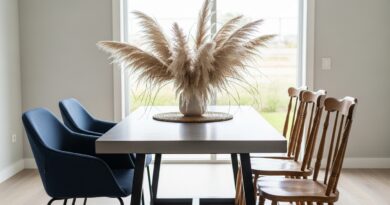
Organic Modern Forms: Furniture leans toward low-slung, clean-lined silhouettes. Upholstery is often in neutral performance fabrics or rich, supple leather. Wood pieces celebrate natural grain and imperfections—a dining table with a live edge, a coffee block with visible knots. Lighting fixtures are sculptural, often mimicking organic forms or using materials like blackened steel, rattan, or blown glass.
Curating the Vibe: Key Elements for Your Home
Bringing the Mesa Shag aesthetic into your space is about thoughtful curation, not theme decoration. It’s about selecting pieces that feel both designed and discovered.
Architectural Bones: If possible, emphasize clean lines, flat planes, and large windows. If you’re not building new, you can create this feel by simplifying moldings, opting for simple window treatments (or none at all), and using paint to create cohesive, monochromatic walls that act as a canvas for texture.
The Statement Rug: This is often the anchor. A large, natural fiber rug (sisal, jute, wool) in a neutral tone adds instant texture and grounds the seating area. It’s the literal “shag” underfoot that defines the space.
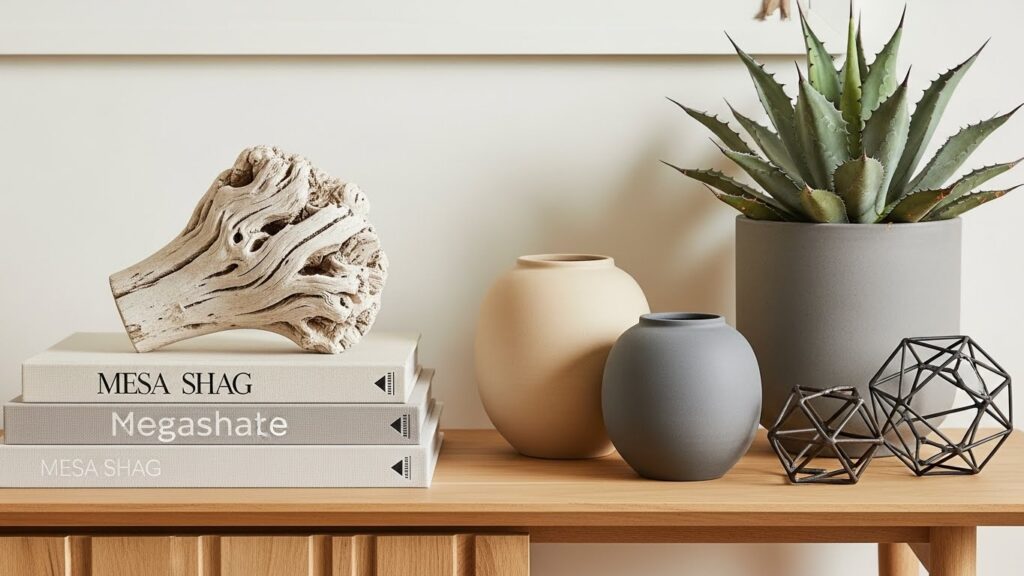
Artisanal Accents: Decoration should feel collected and meaningful. Opt for hand-thrown ceramic vases in matte glazes, abstract art inspired by landforms, simple iron sculptures, and baskets woven from native grasses. Every piece should have a sense of craftsmanship and connection to earth-based materials.
The Indispensable Greenery: No Arizona Contemporary space is complete without the right plants. This is not about tropical monstera leaves. It’s about sculptural desert flora: a large potted ponytail palm, a spiky agave, a cascading string of pearls, or a majestic saguaro cactus silhouette. They add life, form, and reinforce the biophilic connection.
Mesa Shag in Practice: Room by Room
Let’s translate these principles into specific living spaces to see the cohesive vision come to life.
The Living Room: A large, comfortable sectional in a warm grey or cream fabric faces a fireplace clad in stacked stone or smooth plaster. A chunky, natural fiber rug defines the space. A live-edge wood coffee table sits atop it, holding a simple tray with a candle and a geode. Lighting comes from a floor lamp with a black metal arch and a paper shade. The art above the fireplace is a large, abstract canvas in layers of sand and slate.
The Primary Bedroom: The goal is a serene retreat. A low-profile platform bed with a linen headboard is the centerpiece. Layered bedding includes crisp white sheets, a textured wool blanket, and leather-tassel throw pillows. Nightstands are minimalist wood cubes. A cowhide or sheepskin rug sits beside the bed. The window treatment is a simple Roman shade in a natural fabric, allowing views of the mountains or a private courtyard.
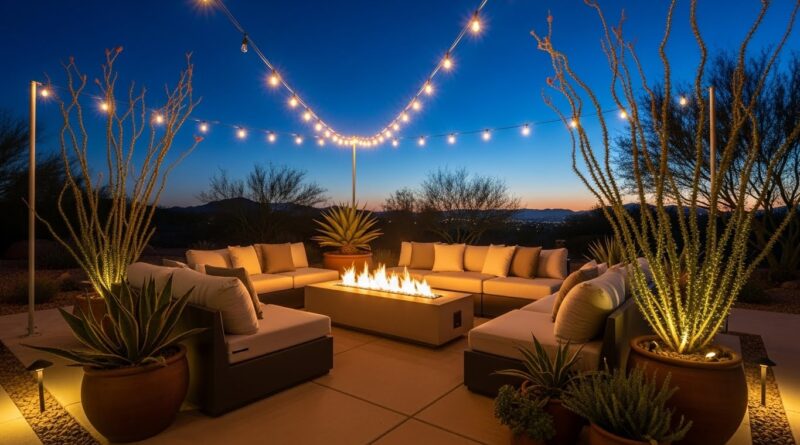
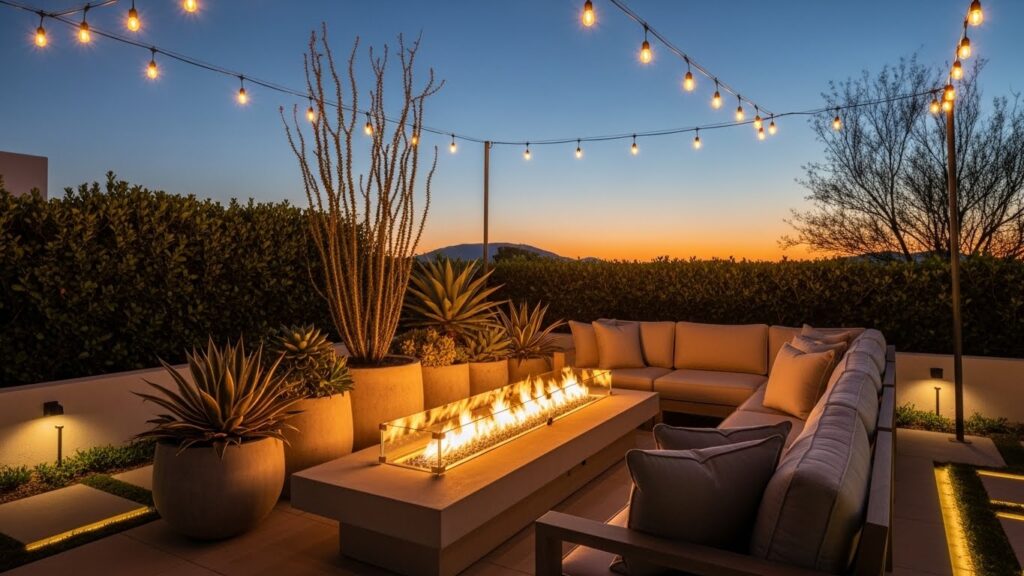
The Outdoor Oasis: This is where the style truly shines, blurring the line between inside and out. Furniture is weather-resistant with clean lines—powder-coated aluminum frames with Sunbrella cushioning in neutral tones. A concrete fire pit provides a focal point. Landscape lighting highlights the sculptural forms of native cacti and boulders. The flooring might be large-format concrete pavers with decomposed granite in between.
Why the Mesa Shag Resonates Now
In a world that often feels chaotic and digital, the Mesa Shag offers a profound sense of grounded calm. It’s a direct response to the desire for authenticity and connection to our environment. This style doesn’t try to mimic a Tuscan villa or a Parisian apartment; it embraces and elevates the unique beauty of the American Southwest in a way that feels fresh and relevant.
It’s also inherently sustainable in ethos. By using natural, local materials and emphasizing durability and craftsmanship over fast-fashion trends, it aligns with a more conscious approach to living. The palette is timeless, and the pieces are meant to last, to be collected over a lifetime, not replaced with the next season’s fad.
The Mesa Shag, this Arizona Contemporary ideal, is more than a design trend. It’s a lifestyle choice. It’s about creating a home that is a sanctuary, a direct reflection of the powerful, serene, and beautiful desert landscape. It’s a reminder to slow down, feel the textures around you, and appreciate the profound beauty of a simple, well-designed space in harmony with its world.