The New Definition of “Natural” Hair Styling
For over a decade, the term “natural hair” has been synonymous with one thing: forgoing chemical relaxers and letting your God-given curl pattern reign supreme. The movement was, and remains, a powerful act of reclamation and self-love. But as the community has matured and diversified, so has the conversation. A quiet revolution is happening, and it’s expanding the very definition of what it means to style your hair “naturally.” It’s no longer a rigid category defined solely by the absence of chemicals. Today, “natural” is shifting toward a holistic philosophy—one centered on hair health, intentionality, and the freedom to express your whole self, however that looks.
From “Texture-Focused” to “Health-First”
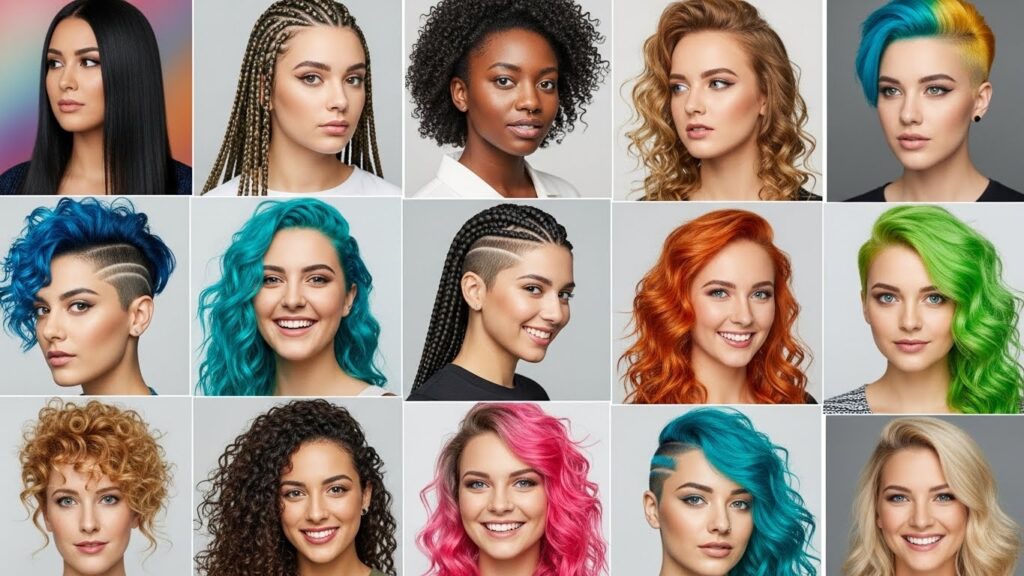
The early days of the modern natural hair movement were heavily focused on curl typing and definition. The goal was often to achieve the perfect wash-and-go, the most defined coils, or the biggest Afro. While celebrating texture is beautiful, it inadvertently created a new set of standards. The new definition prioritizes the health of the hair strand and scalp above all else. It asks: Is your routine nourishing your hair? Is your scalp thriving? This health-first approach makes room for a wider range of practices. Someone who uses a keratin treatment to manage severe breakage but otherwise avoids relaxers, or someone who occasionally uses heat with rigorous protectants, can still operate within a “natural” framework because their core intention is long-term vitality, not alteration of texture for conformity.
Intentionality Over Dogma
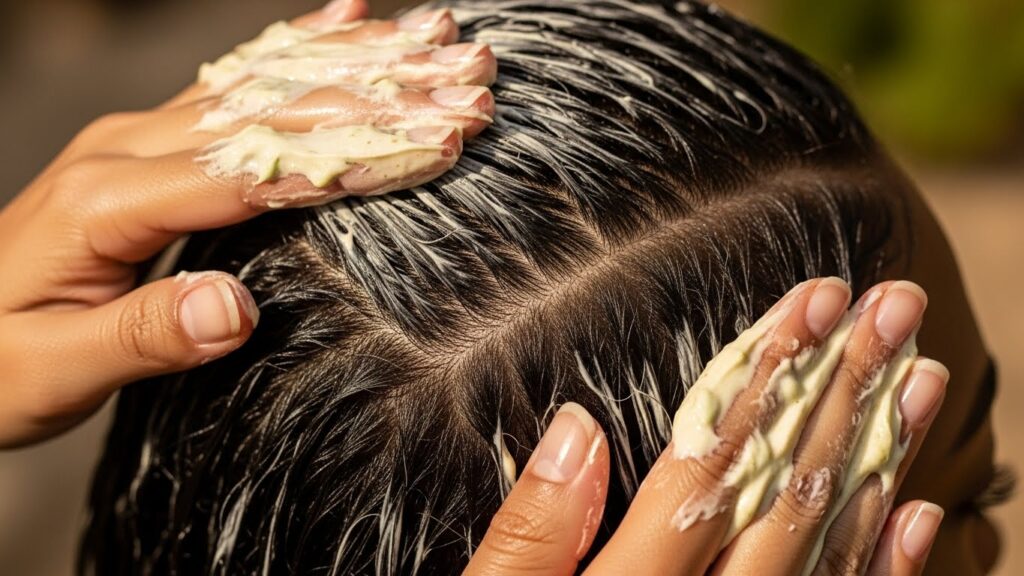
This is the cornerstone of the new natural. It replaces rigid rules with mindful choice. The question changes from “Is this product/technique allowed?” to “Why am I making this choice?” Are you getting highlights for creative expression, or to fit a Eurocentric beauty standard? Are you wearing a sleek bun for style and convenience, or because you’re feeling pressured to tame your volume? The “natural” label now belongs to those who make informed, conscious decisions about their hair, whether that means wearing it in its untouched curl state 365 days a year, using temporary color waxes for a festival, or opting for protective styles that allow for low manipulation. The intention behind the style is what makes it natural.

The Rise of Stylistic Fluidity and Hybrid Styling
Gone are the days of feeling locked into a single hair identity. The new natural embraces stylistic fluidity. Your hair can be a canvas for your mood, season, or life circumstances. This week, it might be a wash-and-go. Next month, it might be goddess braids. After that, you might blow it out for a change. All of it is “natural” because it’s all your hair, on your terms. This has given rise to “hybrid styling”—mixing techniques and looks. Think: braided crowns with loose natural curls in the back, or undercuts with long, textured hair on top. It’s a rejection of the either/or mentality and an celebration of versatility.
Protective Styling Reimagined: Not Just Hiding, But Thriving
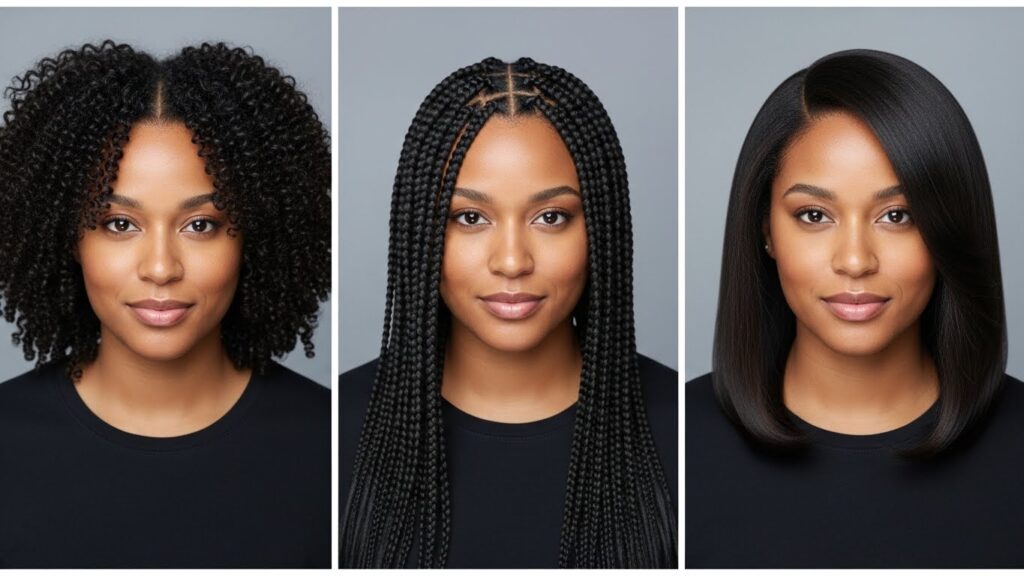
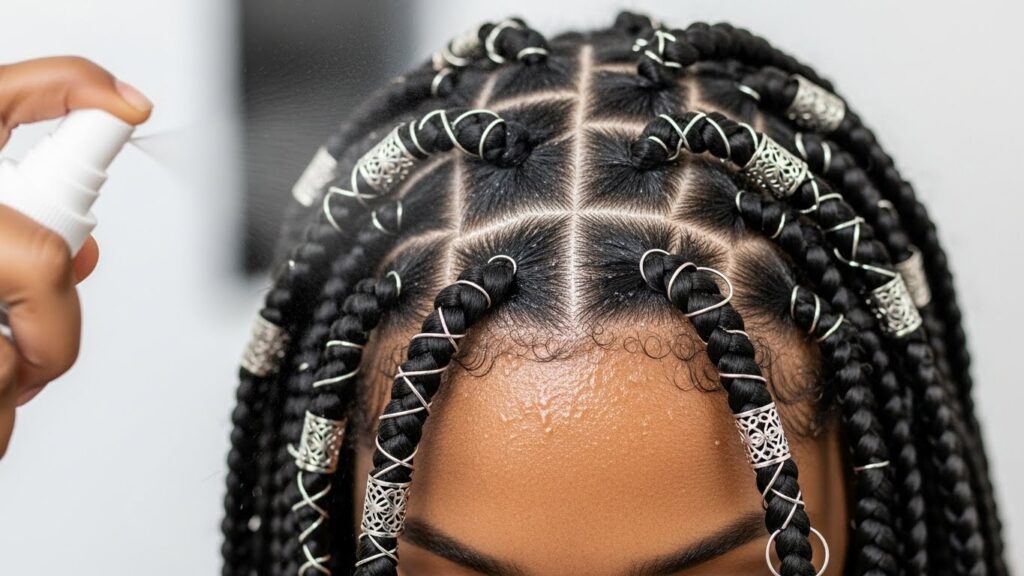
Protective styling has always been a pillar of natural hair care. But its role is evolving. It’s no longer just a method to “tuck away” hair for growth. In the new paradigm, protective styles are seen as active, intentional tools for hair health and artistic expression. The focus is on installation that minimizes tension, on maintenance that includes moisturizing the hair underneath, and on choosing styles that you feel amazing in—not just ones that are “safe.” A fulani braid style with beads and accessories is just as “natural” as an Afro, because it’s a chosen expression of beauty that also serves a protective function.
Inclusivity of Textures and Choices
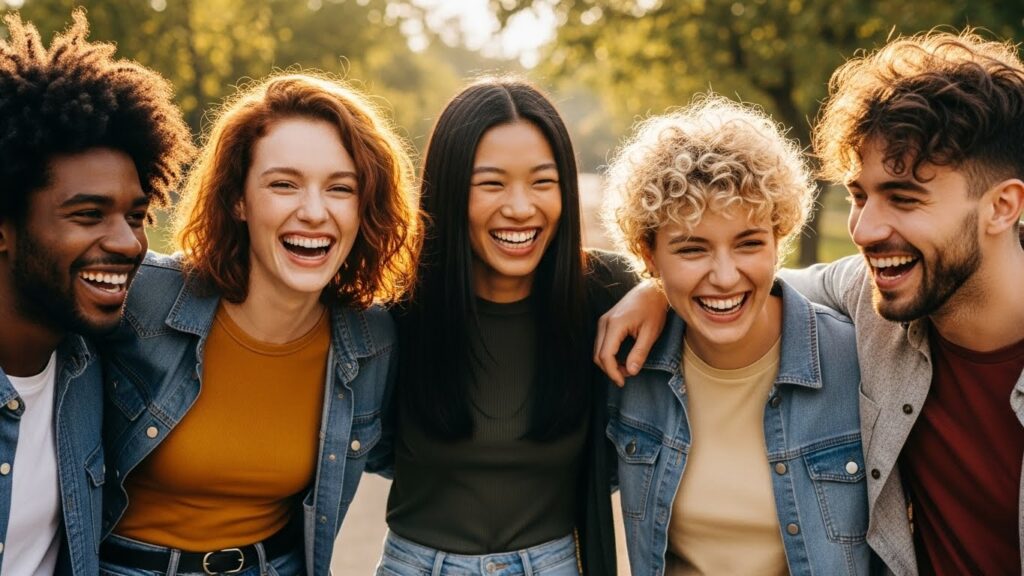
The old definition sometimes accidentally excluded people with textures that don’t coil tightly, like looser waves or patterns that don’t fit the 4-type chart neatly. The new definition is inclusive of all textures that grow from the scalp without chemical alteration. More importantly, it’s inclusive of choices. It makes space for the person who chooses to wear wigs or weaves as their primary form of protective styling while growing their natural hair underneath. It understands that “natural” can be a private journey, not always a public display. The community is learning that policing choices is counterproductive; supporting health and autonomy is the true goal.
Technology and the Modern Natural
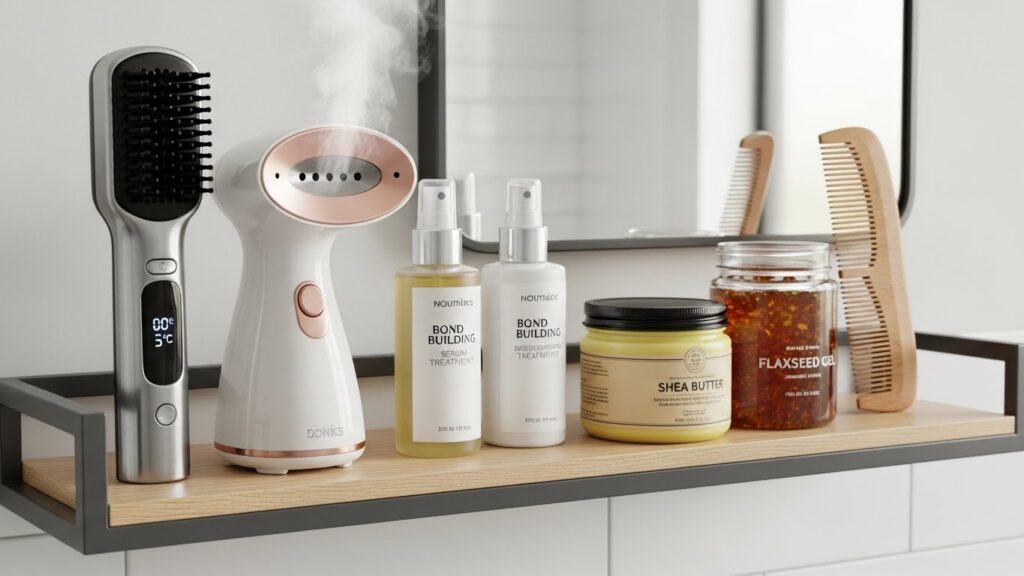
Innovation is also reshaping the landscape. The new natural isn’t anti-technology; it’s about using tools wisely. This includes heat tools with precise temperature control, steam conditioners for deep hydration, and silicone-free serums that provide shine without buildup. Even the world of hair color has advanced with options that are less damaging. The modern natural stylist is savvy, using technology to enhance their hair’s health and expressiveness, not to fight its fundamental nature.
Conclusion: Natural as a Feeling, Not Just a Look
So, what is the new definition of natural hair styling? It’s a personalized approach to hair care and expression that prioritizes the health of your hair and scalp, is driven by conscious intention rather than external pressure, and embraces the full spectrum of your stylistic desires. It’s understanding that your natural hair journey might include colorful clip-ins, occasional heat, or constant wigs—and that’s valid. Ultimately, “natural” is evolving into a feeling. It’s the feeling of your hair being strong and nourished. It’s the confidence that comes from making choices for yourself. It’s the freedom to change your mind. Your hair, your rules, your definition. That is truly natural.