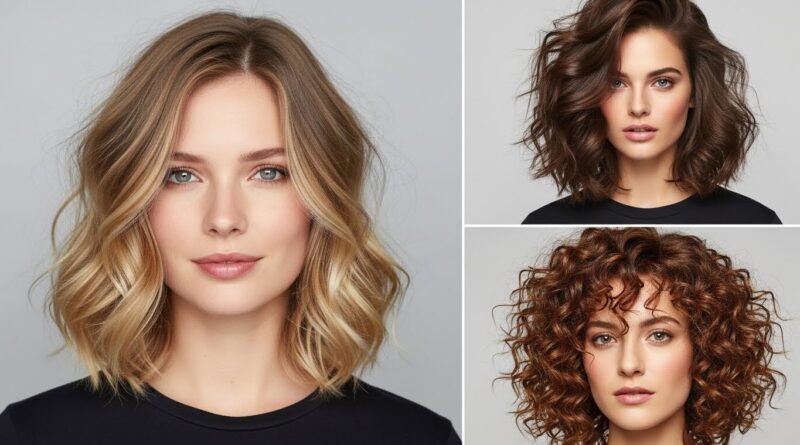
Wavy Lob Perfection: How to Get Those Effortless Beach Waves
Imagine a hairstyle that whispers of salt-kissed air, golden hour light, and the kind of cool-girl nonchalance that turns heads. That’s the magic of the wavy lob. More than just a haircut, it’s a vibe—a perfect collision of polished and undone that has dominated the style scene for years, and for good reason. It’s the just-rolled-out-of-bed-but-look-this-amazing look we all secretly crave.

The Foundation: Getting the Right Lob Cut
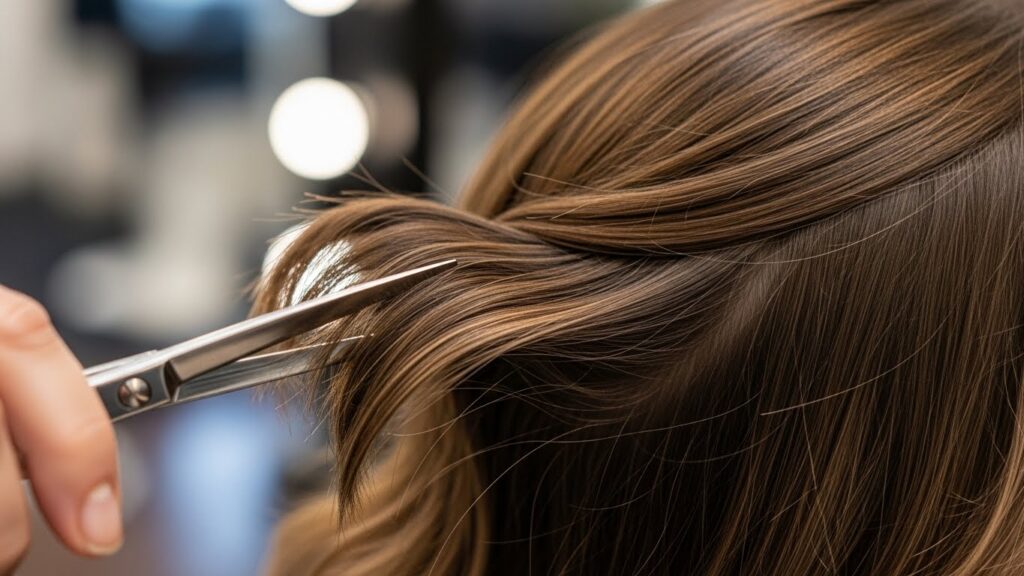
You can’t build a masterpiece on a shaky foundation, and the same goes for your waves. The classic lob—or long bob—typically falls between the chin and the collarbone. But for that ideal wavy texture, you need to ask your stylist for specific details. A one-length, blunt cut can often fall flat (literally), making it harder to create natural-looking movement.
Request layers, texture, and movement. Light, face-framing layers are your best friend. They remove weight, allow the hair to bend more easily, and create that coveted piecey effect. Ask for your ends to be point-cut or texturized to avoid a harsh, solid line. This technique creates a feathered, irregular edge that catches the light and mimics the randomness of natural waves. Remember, the goal is a shape that enhances your natural wave pattern, not fights against it.
Pre-Styling Prep: The Product Powerhouse
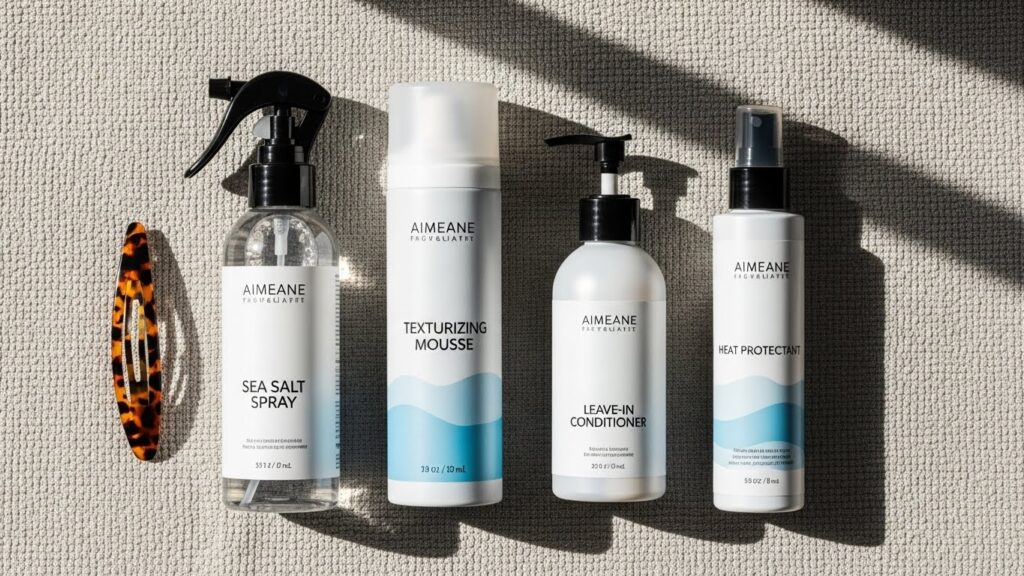
Great waves start in the shower. Your pre-styling routine sets the stage for hold, definition, and that all-important “effortless” feel. After washing, gently towel-dry your hair until it’s just damp, not dripping. This is the prime time to apply your product lineup.
First, a lightweight leave-in conditioner or detangler to protect and smooth. Next, the star of the show: a texturizing spray, sea salt spray, or wave mousse. These products are formulated to enhance your hair’s natural texture, add grit, and provide a flexible hold. Spray or scrunch it through your mid-lengths and ends. For finer hair that needs a boost, a volumizing spray at the roots is a game-changer. The key is to avoid heavy, gluing products like strong-hold gels. You want your hair to move, not be shellacked in place.
Tool Time: Irons, Wands, and No-Heat Methods
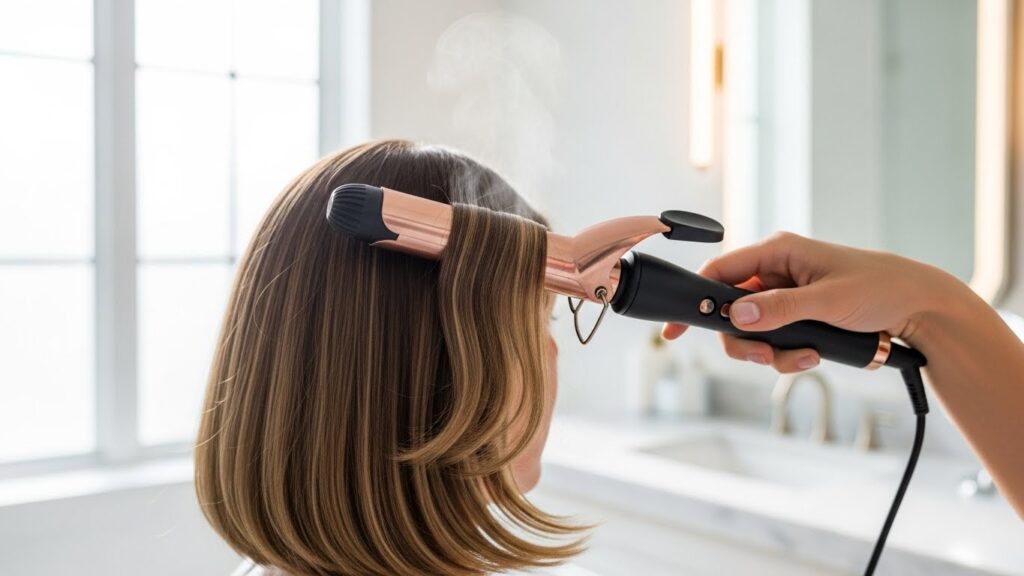
Now, for the creation. There are multiple paths to wavy lob nirvana, and the best one depends on your time, hair type, and desired result.
The Curling Wand Method: This is the gold standard for defined, long-lasting waves. Choose a barrel with a diameter of 1 to 1.25 inches. The trick? Alternate directions. Wrap one section away from your face, the next toward your face. Don’t clamp the ends; leave them out for a softer finish. Once all sections are curled, run your fingers through them to break up the curls into waves. For the most natural look, focus the waves from your mid-lengths down, keeping the roots relatively smooth.
The Flat Iron Wave: Surprisingly fantastic for waves! Take a one-inch section, clamp the flat iron near the roots, twist it 180 degrees, and gently glide it down the length of your hair. It creates a beautiful, loose S-wave. This method offers incredible control.
The No-Heat Champion: Overnight Braids. For truly effortless, heat-free waves, braid damp, product-treated hair into two or more loose braids before bed. In the morning, unravel, shake out, and marvel at your soft, romantic waves. The texture is often more subtle and genuinely “beachy” than heat-styled waves.
The Art of the “Messy”: Finishing Techniques
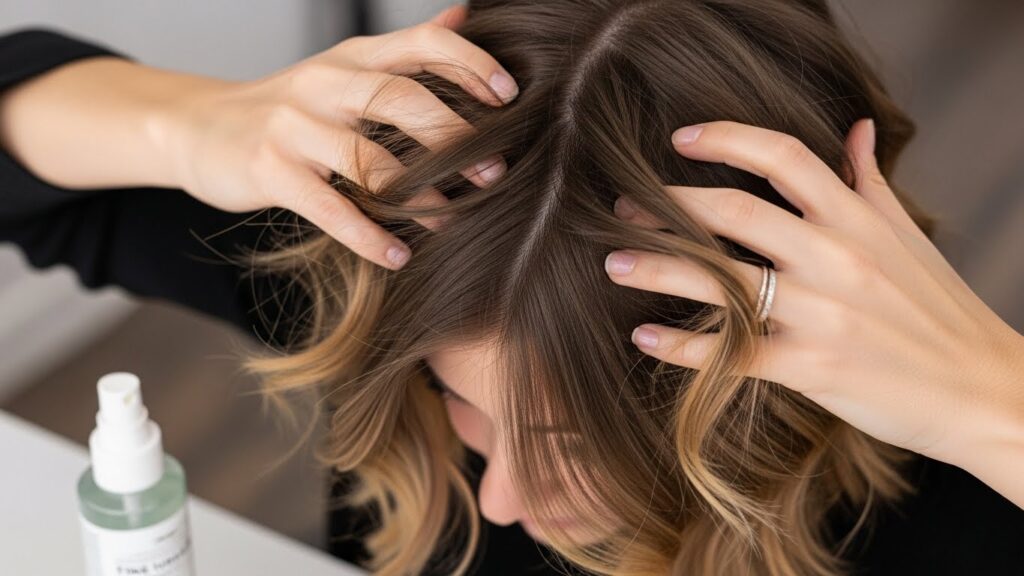
This is where good waves become great. Freshly curled hair can look a bit too perfect, even prom-like. To achieve that effortless look, you must strategically mess it up. First, let your hair cool completely. This allows the wave pattern to set. Then, use your fingers—not a brush—to gently tousle and separate the waves. A wide-tooth comb can be used lightly for a softer blend.
Now, reach for a dry texturizing spray or a light-hold hairspray. Spritz from a distance, focusing on the mid-lengths. For extra grit and separation, you can even lightly rub a tiny amount of pomade or wax between your palms and then scrunch it into the ends. The final step? Flip your head upside down, give your roots a gentle shake, and flip back. This adds volume and lets the waves fall in a perfectly imperfect arrangement.
Maintaining Your Wavy Lob Masterpiece
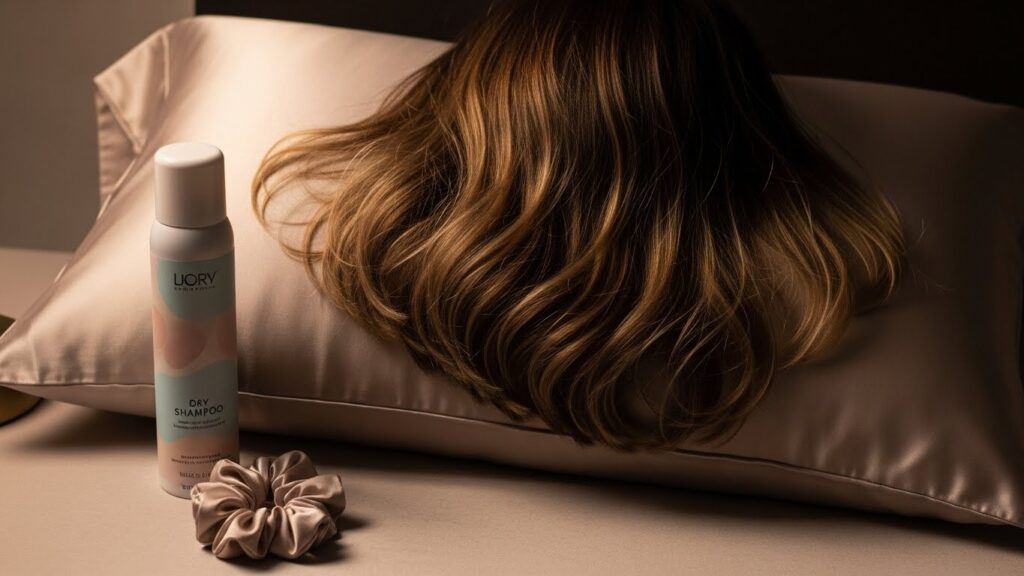
Your waves looked perfect when you left the house, but how do you make them last? Dry shampoo is your second-day savior. It absorbs oil at the roots, adds volume, and refreshes the texture of your waves. Simply spray at the roots, wait a minute, and massage in. You can also lightly mist waves with a mixture of water and a drop of leave-in conditioner in a spray bottle, then scrunch to reactivate the product and redefine curls.
Protect your investment at night. Consider sleeping on a satin or silk pillowcase to reduce friction and prevent frizz. Alternatively, loosely gather your hair into a low, soft ponytail or pineapple (a very high, loose ponytail) on top of your head with a silk scrunchie. This preserves the wave pattern while you sleep.
Wavy Lob for Every Hair Type
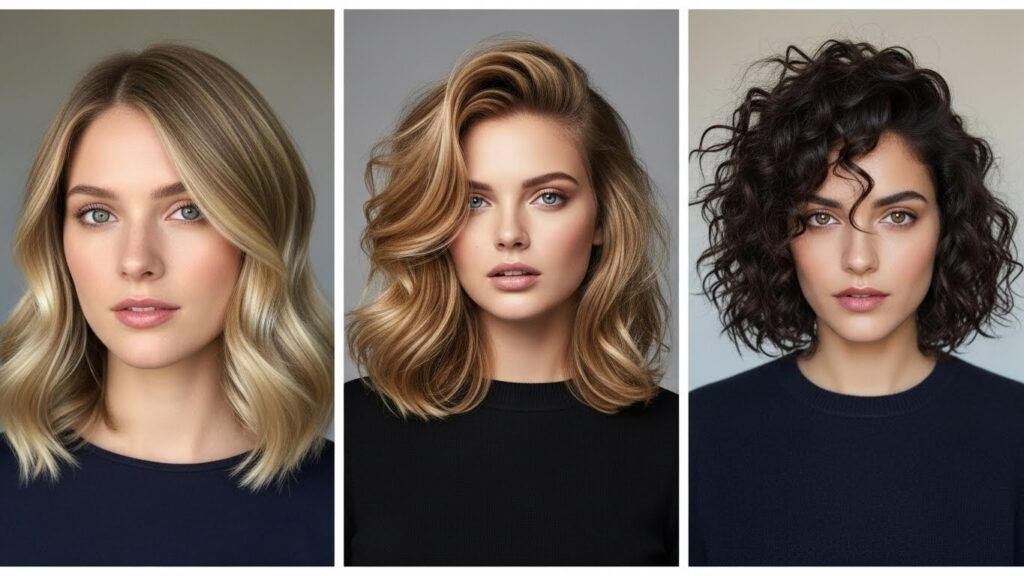
Think the wavy lob is only for naturally wavy hair? Think again. With the right technique, straight and fine hair can rock this style beautifully. The key is ample texturizing product and a strong-hold hairspray to help the waves stick. For thick or curly hair, the lob is a fantastic way to show off your natural texture. Ask your stylist to cut and layer with your curl pattern in mind, and use defining creams instead of salt sprays to enhance your curls, then break them up slightly into a wavier shape.
Ride the Wave
The wavy lob is more than a fleeting trend; it’s a modern hairstyle staple that embodies ease and elegance. It’s forgiving, flattering, and endlessly versatile. By mastering the cut, prepping with purpose, wielding your tools wisely, and embracing the art of the tousle, you can make that dream of effortless beach waves your everyday reality.
So, embrace the texture, play with the pieces, and remember: perfection lies in the imperfect, carefree swing of your wavy lob. Now go forth and let your hair do the talking.