Why Hair Is Becoming More Individual
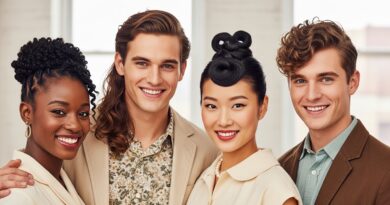
Remember the days when beauty magazines declared a single “haircut of the year” or a specific shade of blonde as the ultimate goal? For decades, hair trends were monolithic, broadcast from runways and celebrity circles, trickling down with the implicit instruction: this is what beauty looks like. But look around today. The landscape has fractured into a brilliant, vibrant mosaic. From vivid fantasy colors on professionals to silver strands proudly worn in youth, from buzz cuts on femmes to long, flowing locks on men, hair has become a profoundly personal statement. We are witnessing the rise of the individual strand. This isn’t just a passing trend; it’s a fundamental cultural shift. Let’s explore why hair is becoming more individual than ever before.
The Rejection of Rigid Beauty Standards
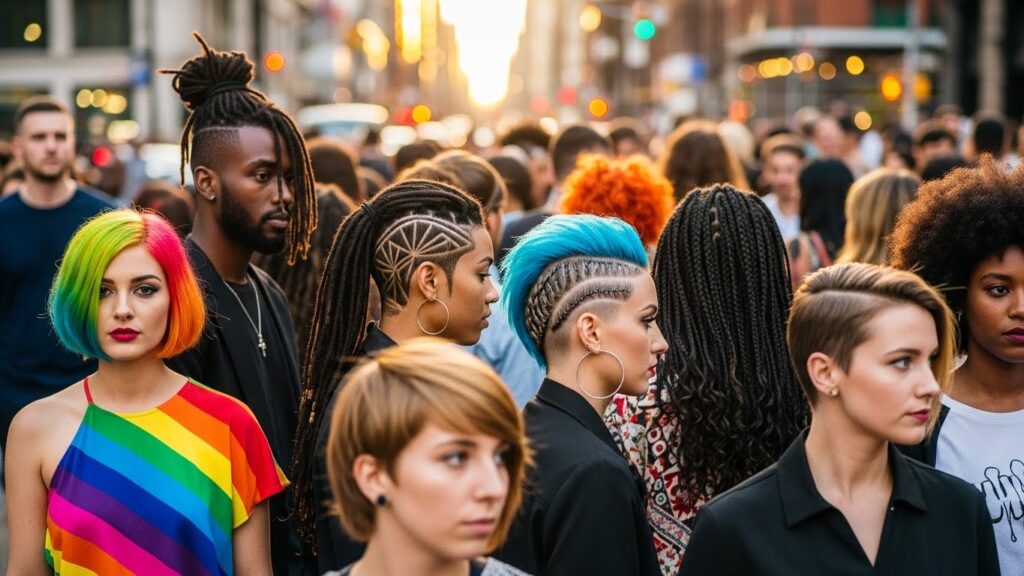
The first and most powerful driver is a collective pushback against outdated, restrictive beauty norms. Social movements have rightfully challenged the idea that beauty has a single definition, particularly one rooted in Eurocentric features. The natural hair movement within the Black community is a landmark example, encouraging individuals to embrace their curls, coils, and kinks without chemical alteration or heat damage. This act of celebration is both political and personal, reclaiming identity and rejecting a standard that was never inclusive.
This rejection extends beyond texture to color, length, and style. Gray hair is no longer something to be hastily covered but worn as a badge of honor and authenticity. The pressure to maintain a “youthful” head of color is dissipating. Similarly, the gendered expectations around hair—“long for women, short for men”—are crumbling. This liberation allows people to use their hair as a true extension of their internal self, not a mask to fit an external expectation.

The Rise of Hair as Core Self-Expression
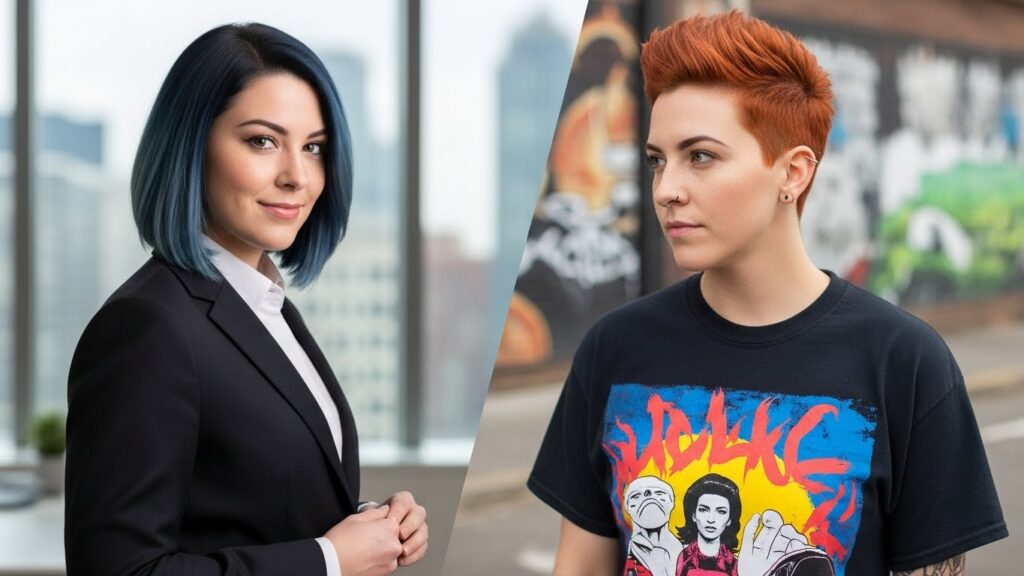
In a digital world where personal branding is ubiquitous, hair has become a key component of one’s visual identity. It’s a canvas for creativity that is always with you. For generations, unconventional hair might have been reserved for subcultures or artistic fields. Today, it’s a mainstream tool for storytelling. Someone might choose pastel pink not because it’s “in,” but because it feels joyful and soft, aligning with their personality. A sharp, geometric cut might reflect a love for precision and modern design.
Hair is now understood as an accessory to one’s mood, beliefs, and journey. People change their hair to mark milestones: a breakup, a new job, a period of recovery. It’s an act of autonomy—one of the few things we can control and change dramatically about our appearance. This shift from “What style is trending?” to “What style feels like me?” is at the very heart of hair’s new individualism.
The Technology and Tools of Personalization
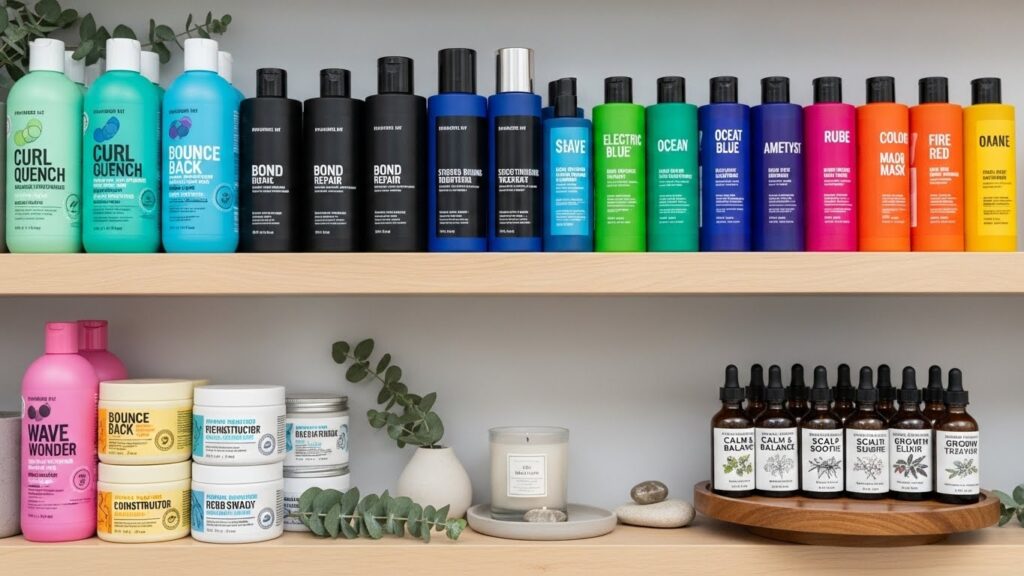
This cultural shift has been massively enabled by technology. The beauty industry has responded to the demand for individuality with an explosion of specialized products. No longer are there just shampoos for “oily” or “dry” hair. Now, we have systems for curly hair types 3A to 4C, bond-repair treatments for chemically processed hair, and color-depositing conditioners in every hue imaginable for at-home customization.
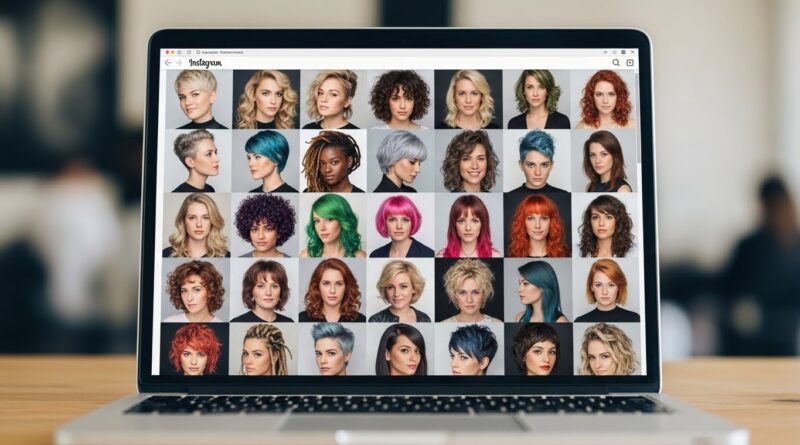
Social media, particularly platforms like Instagram, TikTok, and Pinterest, has democratized hair inspiration. Instead of a few top-down trendsetters, we have millions of micro-influencers and everyday people sharing their unique hair journeys. You can find someone with your exact hair texture, face shape, and color palette experimenting with a style, making inspiration more relatable and achievable. The algorithm feeds you a personalized feed of hair ideas, further cementing the move away from a universal look.
The “Anti-Expert” and DIY Empowerment
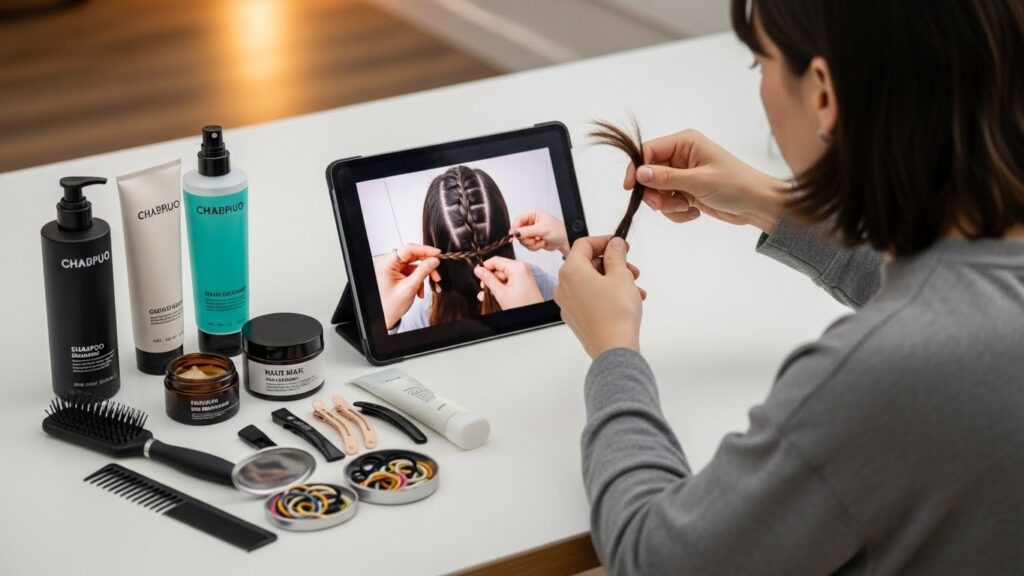
Closely tied to technology is the rise of the knowledgeable consumer and the DIY ethos. With vast tutorials, product reviews, and community forums online, people are becoming experts on their own hair. They understand concepts like porosity, protein-moisture balance, and curl clumping. This knowledge empowers them to make informed decisions and often to take care of their hair themselves.
This creates a new, collaborative relationship with stylists. Clients no longer walk in and ask for “the Rachel.” They bring in Pinterest boards curated to their specific taste, ask for techniques by name (e.g., “a shaggy wolf cut with face-framing layers”), and seek a stylist’s skill to execute their vision. The stylist’s role is evolving from trend-setter to trend-interpreter and technical expert, facilitating the client’s individual expression.
Inclusivity as the New Benchmark
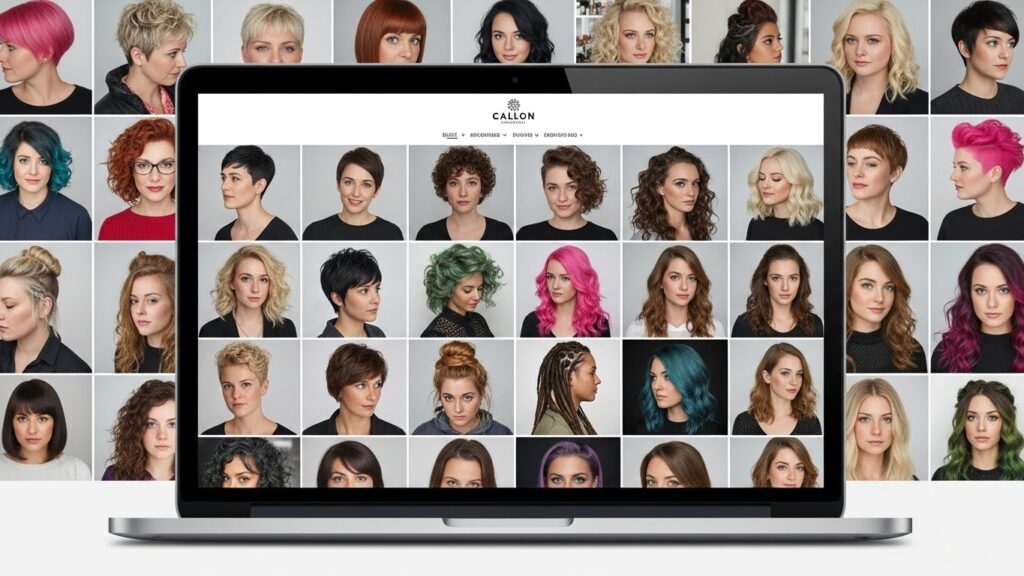
The drive for individual hair is fundamentally linked to a broader demand for inclusivity. Brands and stylists are increasingly measured by their ability to cater to a stunning diversity of hair types and textures. A salon that only knows how to cut and style straight hair is now seen as outdated, not exclusive. The most celebrated stylists and brands are those who showcase a portfolio filled with a vast range of textures, colors, and styles.
This inclusivity fuels further individuality. When people see themselves represented—whether that’s in a brand’s advertising, a salon’s Instagram feed, or a product line’s offerings—they feel permission to explore and celebrate their own unique hair. It creates a virtuous cycle: demand for inclusivity leads to more representation, which in turn encourages more people to embrace their individual hair journey.
What This Means for the Future of Hair
This movement towards hyper-individuality is not a fad; it’s the new normal. We are moving past the concept of “trends” in the traditional, sweeping sense. Future trends will likely be about techniques, textures, and feelings rather than specific cuts or colors. Think “glazed donut shine,” “effortless volume,” or “personalized color mapping” rather than “the bob” or “ombre.”
The focus will continue to shift towards hair health as the ultimate foundation for self-expression. Healthy, well-maintained hair—in whatever form it takes—will be the priority, as it provides the best canvas for any style. Furthermore, we can expect even more personalization through technology, perhaps with apps that analyze your hair’s needs or brands offering fully bespoke product formulations.
The era of the individual strand is here. Hair is no longer just a feature to be styled; it is a core part of our identity, a dynamic tool for communication, and a celebration of our unique selves. It’s a powerful reminder that in a world that often pushes for conformity, our most personal expressions can start right at the roots.