
Why Scalp Health Deserves as Much Attention as Your Ends
Hey friend, I used to treat my scalp like the boring part of my hair routine. Wash, scrunch, and pray the ends looked good. But the more I experimented with 2026 hairstyles, the more I realized something simple: healthy hair starts at the root.
Your scalp is skin. When it is tight, flaky, oily, or irritated, no old money hair or quiet luxury bob can fake a good day. The ends just show what the scalp is dealing with.
So today I am making the case for giving your scalp the same love you give your ends. We will talk washing, serums, massage, styling, and how to work it into your real life.
Quick value? By the end, you will know exactly how to build a simple scalp routine that supports every cut, color, and vibe. Let us get rooted.
Your Scalp Is Skin, Not Just Hair
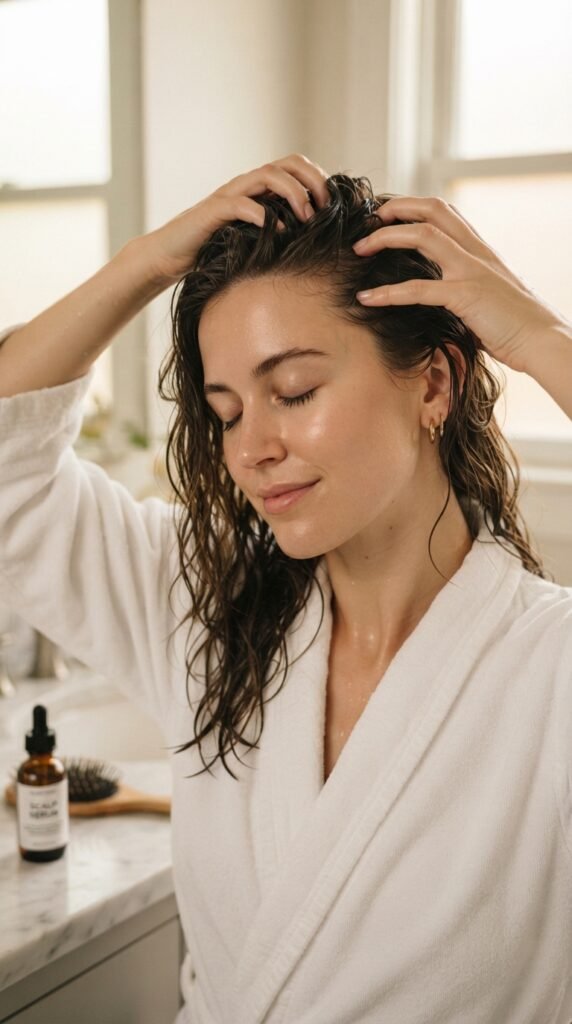
Your scalp has pores, oil glands, blood flow, and a microbiome. It is skin. When you only focus on your ends, you are treating the symptom, not the source.
A healthy scalp creates a healthy environment for hair to grow. That matters for every look, from a sleek asymmetrical lob to a bold vampire haircut.
Think of it this way:
- Scalp = foundation
- Hair strands = walls
- Ends = paint
You can paint over cracks for a while, but the foundation always shows. A flaky, tight, or itchy scalp is not just annoying. It is a signal. Start at the root.
Why Ends Get All the Attention

Ends are easy to see. They split, frizz, and show damage fast. So we buy masks, oils, and bond builders. Guilty.
But ends are the oldest part of your hair. By the time damage shows there, the scalp has been sending signals for months.
If your scalp is inflamed or clogged, new hair can come in weaker. That means your 2026 hairstyles will always need extra styling help to look full.
That is why I stopped chasing shine and started checking my roots first. It changed my whole routine. Flip the script. Treat the scalp first, then finish with ends.
Scalp Health and 2026 Hairstyles

The biggest 2026 hairstyles are not about hiding damage. They are about healthy texture, shine, and shape. Think soft movement, sharp cuts, and lived-in polish.
When your scalp is balanced, you can wear:
- A quiet luxury bob with natural shine
- Old money hair with soft volume
- Romantic goth hairstyles with dark, healthy dimension
- Glitchy glam hair with clean roots
Trends change. A calm scalp never goes out of style. It is the quiet secret behind every good hair day. Healthy roots also make styling easier, so you spend less time fixing and more time enjoying your hair.
The Quiet Luxury Bob Starts at the Roots

A quiet luxury bob looks expensive because it looks effortless. But it only works when the roots are clean, lifted, and comfortable.
If your scalp is oily at the crown, the bob falls flat. If it is dry and flaky, the shine looks off. A clean scalp also helps your bob hold its shape longer between washes.
Try this simple prep:
- Use a gentle clarifying shampoo once a week.
- Apply a light scalp serum before blow-drying.
- Massage for 60 seconds to wake up circulation.
That is it. No ten-step routine. Just a root-first habit that makes the cut look intentional.
Old Money Hair Needs a Healthy Canvas

Old money hair is not about logos. It is about health, shine, and ease. Think glossy ribbons, soft bends, and a scalp that feels calm.
When your scalp is healthy, you need less product. That means your hair moves naturally instead of sitting stiff. It is less about products and more about consistency.
To get that look:
- Keep your scalp clean but not squeaky.
- Use a weekly scalp mask if you feel tight.
- Avoid heavy oils at the root unless your scalp is very dry.
Luxury is quiet. Healthy roots are the real accessory.
Romantic Goth Hairstyles Love a Calm Scalp

Romantic goth hairstyles are moody, textured, and often require more styling. Think volume, braids, waves, and deep color.
All that styling can stress the scalp. Tight braids, heavy products, and dry shampoo buildup can make the whole look feel irritated instead of ethereal.
Keep the drama in the hair, not on your skin:
- Use tension-free braids.
- Rinse out heavy products before bed.
- Hydrate your scalp with a non-greasy serum.
Then your dark, romantic vibe feels intentional and comfortable. A calm scalp lets you enjoy the drama without the discomfort.
Glitchy Glam Hair Needs Balance

Glitchy glam hair is fun, edgy, and a little chaotic. It mixes sleek roots with messy texture, sharp clips, and shine.
The problem? All that product can clog your scalp. If you love the look, you need to balance the buildup.
Try this rhythm:
- Style with lightweight products.
- Wash your scalp the next day.
- Use a scalp scrub every 7 to 10 days.
That way you can play with trends without paying for it later. Glam should feel good, not itchy. Just listen to your skin. It will tell you when to reset.
Asymmetrical Lob: One Length, One Scalp
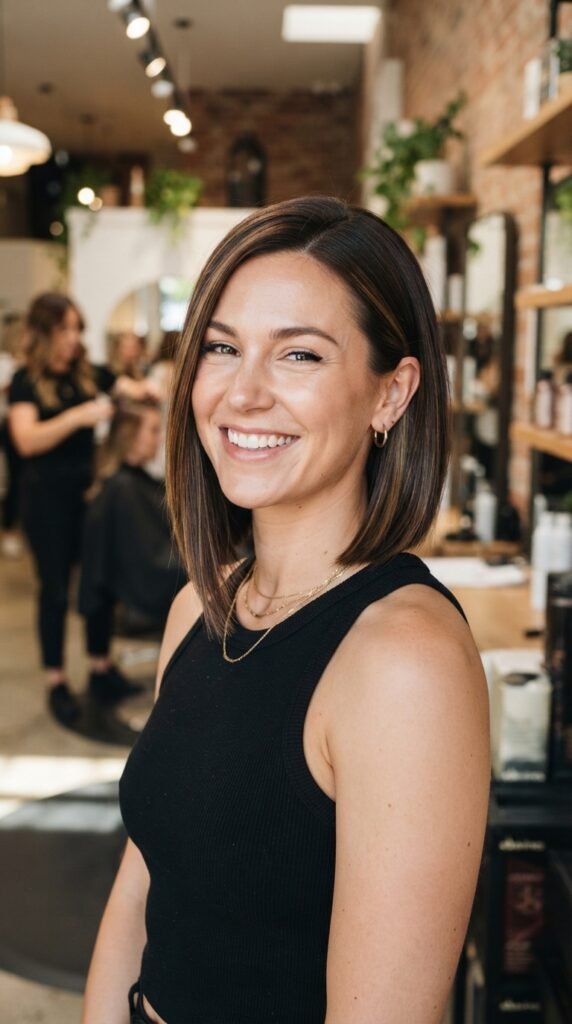
An asymmetrical lob is flattering, modern, and easier to grow out than a full chop. But it puts all eyes on your neck, jaw, and roots.
If your scalp is flaky or your part is dull, the cut loses its sharpness. The asymmetry should be the statement, not the irritation. A healthy scalp also gives your part a cleaner finish.
Keep it crisp with:
- A clean, comfortable part
- Scalp-friendly dry shampoo only when needed
- A monthly deep clean to remove buildup
Small habits make the cut look custom, not accidental. And that makes the whole cut look more expensive.
Vampire Haircut and the Power of a Fresh Start

The vampire haircut is all about sharp lines, bold contrast, and a little mystery. It often comes with a strong fringe or dramatic layers.
That kind of cut needs a healthy scalp because the roots are on display. Fringe sits right against your forehead, so oil and irritation show fast.
Before you commit:
- Get your scalp balanced.
- Keep your forehead clean.
- Use dry shampoo sparingly and brush it through.
A fresh cut feels powerful. A healthy scalp makes it last. A balanced scalp means less oil on your fringe and more confidence in your style. That is the real power move.
Hime Cut Care From Root to Sides

The hime cut is iconic: blunt side pieces, long back, and a clean, precise line. It is elegant, anime-inspired, and very 2026.
Because the side pieces frame your face, any scalp oil near the hairline is visible. The cut looks best when the roots are fresh and smooth.
Try this:
- Keep your hairline clean without over-washing.
- Use a soft brush to distribute natural oils.
- Apply serum to the scalp, not just the ends.
Precision cuts deserve precision care. It also keeps the silhouette clean and sharp. The hime cut is all about lines, so healthy roots matter.
How Often Should You Actually Wash?

There is no one magic number. Your scalp type, workout routine, and climate all matter. Your scalp changes over time, so check in with it each season.
Here is a simple guide:
- Oily scalp: every 1 to 2 days
- Normal scalp: every 2 to 3 days
- Dry scalp: every 3 to 4 days
- Curly or coily hair: every 5 to 7 days, with scalp cleansing in between
Pay attention to how your scalp feels, not just how your hair looks. Itching, flakes, and tenderness are signals. A flexible routine beats a rigid one. Wash for comfort, not just convention.
Clarify Without Stripping

Clarifying gets a bad reputation. Yes, harsh clarifiers can strip your scalp. But buildup from dry shampoo, oils, and styling products can cause more problems.
The trick is balance. Use a gentle clarifying shampoo once a week or every other week, depending on your routine.
Look for:
- Sulfates that are mild, not aggressive
- No heavy silicones at the root
- Soothing ingredients like aloe or green tea
Then follow with a hydrating conditioner on your ends. If your scalp feels tight after washing, your clarifier is too strong. If it still feels coated, you may need it more often. Clean roots, soft ends, happy hair.
Scalp Exfoliation: Gentle Wins
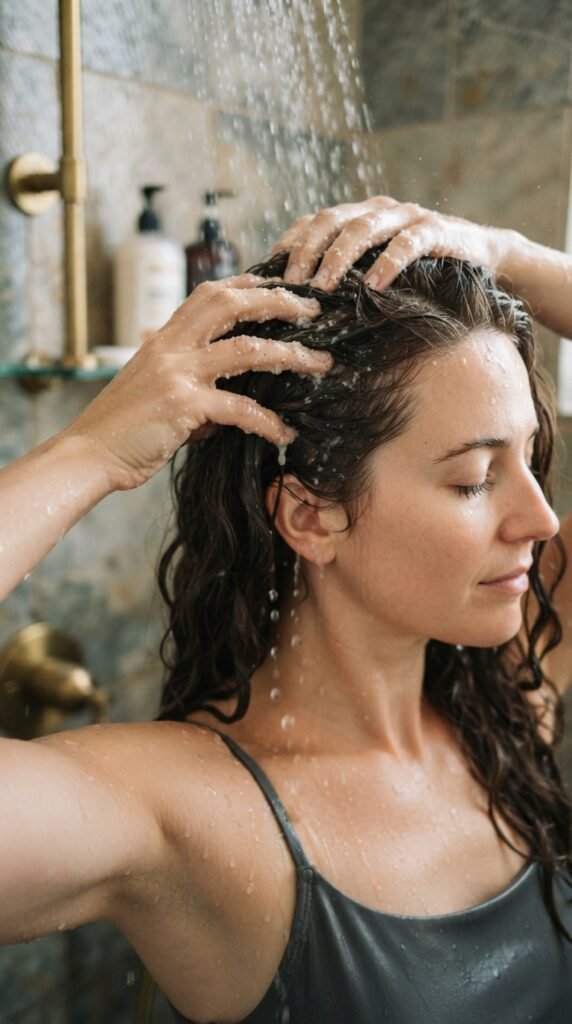
Scalp exfoliation removes dead skin, oil, and product buildup. It can help with flakes, itch, and even that heavy feeling at the crown.
But do not scrub like you are cleaning a frying pan. Gentle pressure is enough. It is a reset, not a daily scrub.
How to do it:
- Use a scrub once a week or every 10 days.
- Apply to a wet scalp.
- Massage with fingertips or a soft silicone brush.
- Rinse thoroughly and follow with conditioner.
If your scalp is sensitive, skip physical scrubs and try a chemical exfoliant made for the scalp. Your scalp will feel lighter and cleaner.
The Right Way to Use Scalp Serum
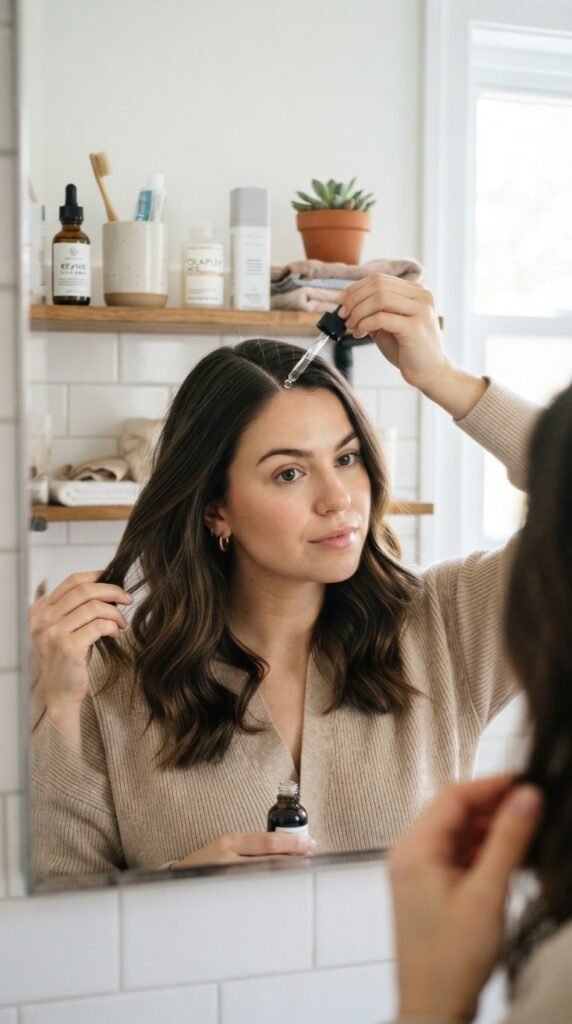
Scalp serums are not just for hair loss. They can hydrate, soothe, and balance oil. The key is applying them correctly.
Most people put serum on their hair, not their scalp. That wastes product and leaves the roots greasy. A little goes a long way.
Try this method:
- Part your hair in sections.
- Place the dropper directly on your scalp.
- Massage gently for one minute.
- Do not rinse unless the label says to.
Use it at night for best results. Consistency matters more than amount. Do not skip the massage step. Wake up with a calmer, happier scalp.
Massage Matters More Than You Think

Scalp massage increases blood flow and helps distribute natural oils. It also feels amazing after a long day.
You do not need a fancy tool. Your fingers work fine. A silicone brush or wooden comb can be a nice upgrade.
Do this daily:
- 60 seconds in the shower
- 2 minutes before bed
- Small circles, no scratching
It is free, fast, and one of the simplest ways to support healthier hair. Even one minute can make a difference on busy days. Set a timer if you need to. Your future hair will thank you.
Heat Tools and Your Scalp
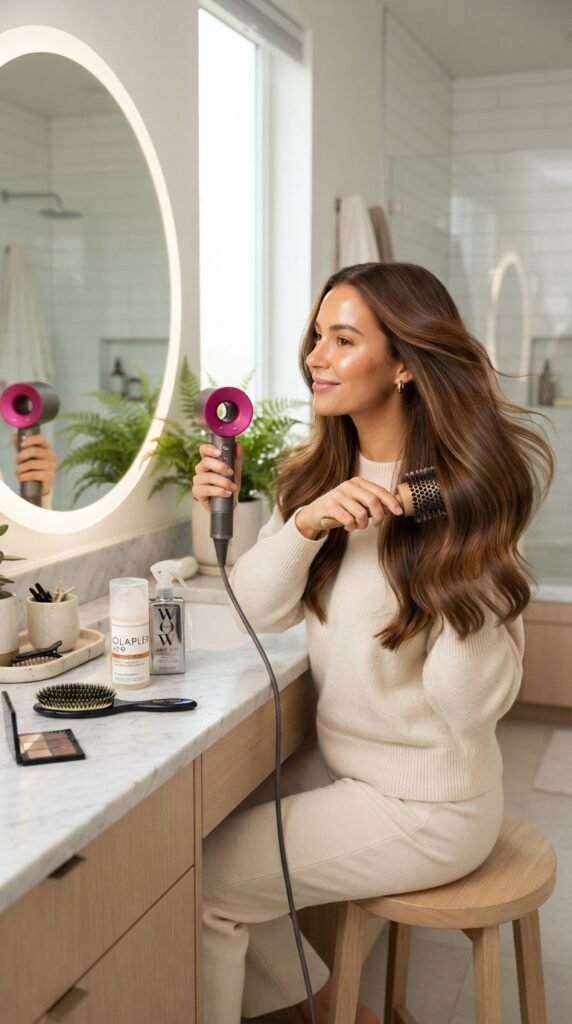
Heat tools are not just damaging your ends. They can also irritate your scalp. A hot blow-dryer too close to the roots can cause burns, dryness, and discomfort.
Keep the nozzle moving. Use medium heat. And always aim down the hair shaft, not directly at the skin. Always let your hair cool before you touch it.
Quick rules:
- Hold the dryer 6 to 8 inches away.
- Use a heat protectant on damp hair.
- Let your scalp cool before applying tight styles.
Healthy roots handle heat better. But no root likes to be cooked. Heat damage is cumulative, so small habits matter.
Protective Styles Without Tension

Protective styles can give your hair a break. But if they are too tight, they can damage your scalp and edges.
The goal is protection, not punishment. If your scalp hurts, it is too tight. If you see bumps or redness, take it down. A healthy scalp makes protective styles worth it.
Keep it safe:
- Choose loose braids or twists.
- Avoid heavy extensions at the root.
- Moisturize your scalp with a lightweight oil or serum.
- Give your hair breaks between styles.
Your edges are precious. Never trade comfort for a style. Treat them like the frame of your whole look.
Products That Pull Double Duty
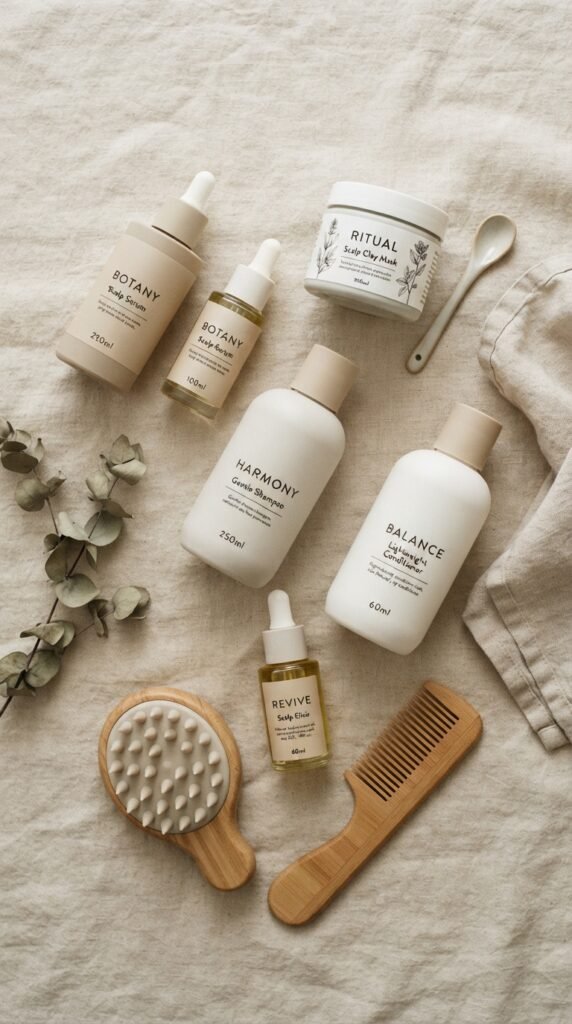
You do not need a shelf full of products. A few scalp-friendly basics can support every hairstyle, from a hime cut to glitchy glam hair.
Look for multi-taskers:
- A gentle shampoo that cleans without stripping
- A scalp serum that hydrates and soothes
- A lightweight oil for ends and edges
- A heat protectant with nourishing ingredients
Read labels. Avoid heavy fragrance if your scalp is sensitive. And give a product two to three weeks before deciding if it works. Simple routines are easier to keep. And they often work better. Your scalp will tell you what it likes.
Diet, Hydration, and Hair Growth

Your scalp needs nutrients to support hair growth. You do not need a perfect diet, but you do need consistency. Hydration supports elasticity and circulation.
Focus on:
- Protein for hair structure
- Iron and vitamin D for growth
- Omega-3s for scalp moisture
- Water for overall hydration
Extreme diets can cause shedding. So can low iron. A balanced plate can do more than a trendy supplement. If you are losing more hair than usual, talk to a doctor before buying another serum. Check with your doctor before adding anything new.
Stress, Sleep, and Shedding

Stress shows up in your scalp. It can trigger flakes, itching, and shedding. Sleep is when your body repairs itself, including your skin and hair.
You cannot fix everything with a serum. Sometimes you need rest. Your scalp repairs itself while you sleep. Protect that time like it is part of your hair routine.
Try this:
- Go to bed 30 minutes earlier.
- Keep your pillowcase clean.
- Try a five-minute scalp massage before sleep.
Lower stress, better scalp. It is not glamorous, but it is real. Small changes add up. Be gentle with yourself. That is real self-care.
When to See a Dermatologist

Scalp care at home is great. But some issues need a professional. Do not wait if something feels wrong. Early help can prevent bigger problems.
See a dermatologist if you notice:
- Persistent flakes that do not improve
- Painful bumps or sores
- Sudden hair loss or thinning
- Redness, burning, or severe itching
This is not a failure. It is smart. Your scalp is skin, and skin conditions deserve real treatment. A doctor can rule out infections, eczema, psoriasis, or hormonal issues. You deserve answers and relief. Do not wait if something feels off.
Build a Simple Scalp Routine
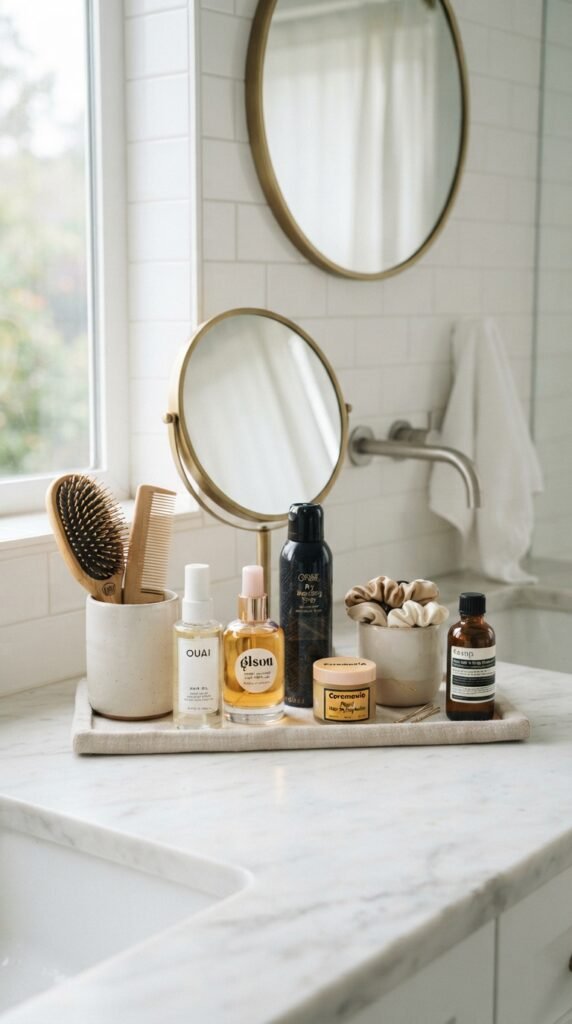
You do not need a 12-step routine. You need consistency. Here is a simple weekly plan that works for most people. Write it down or set reminders if that helps.
- Wash 2 to 3 times a week with a gentle shampoo.
- Exfoliate once a week.
- Use scalp serum 3 to 4 nights a week.
- Massage daily for 60 seconds.
- Clarify every other week if you use a lot of products.
Adjust based on your scalp. Oily? Wash more. Dry? Add hydration. Keep it kind, keep it simple. A simple routine you actually do beats a perfect one you skip.
Travel and Scalp Care
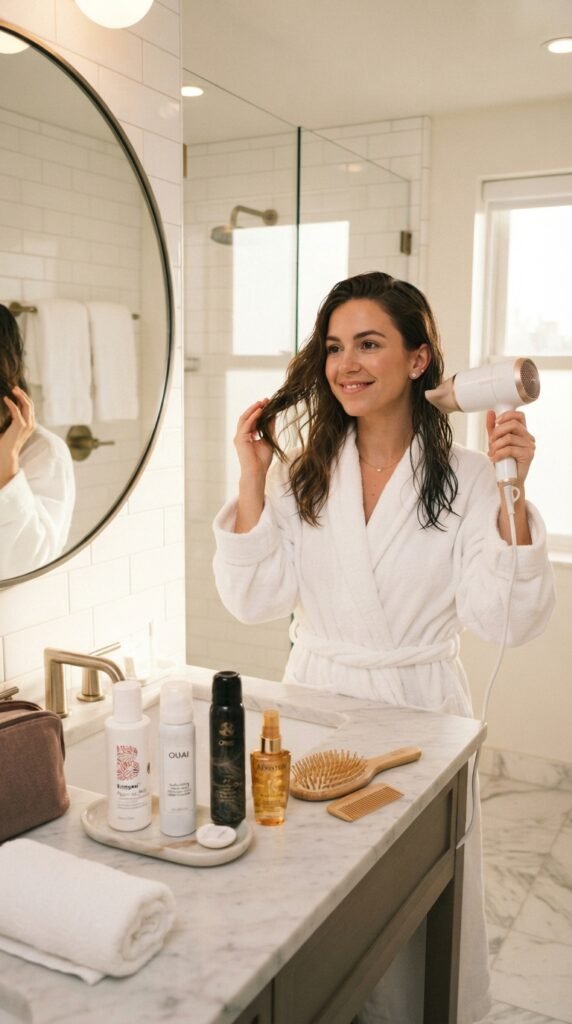
Travel can throw your scalp off. Different water, dry airplane air, and busy days can lead to flakes or oiliness. A little prep keeps your scalp from freaking out.
Pack smart:
- Travel-size gentle shampoo
- A mini scalp serum
- A soft silicone brush
- A silk pillowcase or scarf
Rinse with bottled water if the local water is harsh. Keep your routine small but steady. Your scalp does not need a vacation from basic care. Your hair will settle in faster. And you can enjoy the trip. Keep it simple on the road.
Seasonal Scalp Swaps

Your scalp changes with the seasons. Winter can bring dryness. Summer can bring sweat and buildup. Spring and fall can bring shedding. Listen to what your scalp needs right now.
Swap your routine gently:
- Winter: add a hydrating scalp mask.
- Summer: wash more often and clarify.
- Fall: focus on protein and iron-rich foods.
- Spring: exfoliate to reset buildup.
Small tweaks keep your scalp balanced all year. Seasons change, and so should your care. That is how you stay balanced. Your 2026 hairstyles will look better because of it.
A Warm Root-to-Tip Wrap-Up
Your scalp is not a trend. It is the foundation for every hairstyle you love, from a quiet luxury bob to romantic goth hairstyles. When you care for the roots, the ends follow.
You do not need to overhaul everything today. Pick one habit: a 60-second massage, a gentle wash, or a weekly exfoliation. Small, steady care beats a perfect routine you never keep.
Your hair is part of your story. Treat your scalp like it matters, because it does. You deserve to feel good from the root down.
Save this post to Pinterest so you can come back to your scalp routine whenever your hair needs a reset. And tell me in the comments: what is one scalp habit you are trying this week? I love hearing from you.

