Your Hair Texture Isn’t The Problem Your Styling Approach Has Been All Wrong
If you’ve ever stared at your reflection after a tutorial and thought, “My texture just can’t do this,” I need you to hear it straight from a friend: your hair is not broken. Your styling approach is working against everything that makes your texture special.
With 2026 hairstyles leaning into soft, lived-in looks, now is the perfect time to stop fighting your strands and start working with them. I’ve been there—I used to blame my waves for every flat, frizzy fail that left my bathroom feeling like a crime scene. Then I realized the real issue wasn’t my texture. It was the tools, the products, and the steps I was using.
This post is your fresh start. You’ll learn small, practical shifts that respect your hair’s natural behavior—whether that means cracking the old money hair code or trying a romantic goth hairstyle. Let’s make styling feel easy again.
Why Your Hair Texture Is Not the Enemy

You’ve probably cursed your frizz or your flatness. But here’s the truth: every texture can look amazing when styled the right way. 2026 hairstyles are all about versatility—not perfection. Natural waves, coils, and straight strands are all showing up on runways and red carpets.
The problem is rarely the texture itself. It’s the three-second routine we copy from someone with completely different hair. So let’s reset. Start by observing what your hair does without product. Does it clump? Does it shrink? Does it hold a bend? That information is your styling blueprint. Once you stop blaming your strands, you can finally build a routine that works.
The Real Reason Styles Aren’t Working
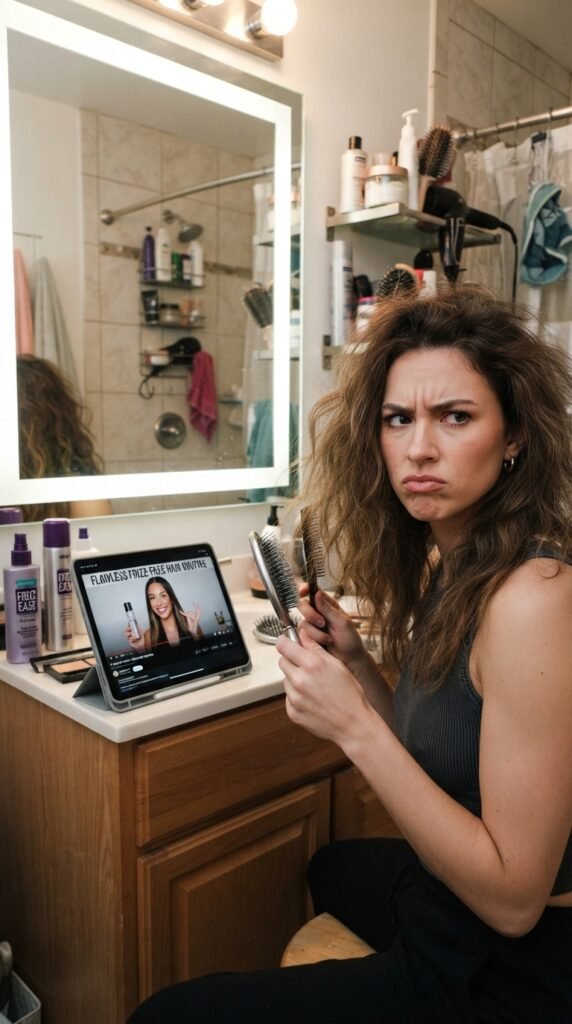
You followed every step, yet your hair looks nothing like the tutorial. Why? Because the influencer’s hair history, porosity, and density are different from yours. Also, you might be missing the prep before styling. Most people need a proper base—think of your hair as fabric. You can’t iron a silk blouse the way you’d dry a towel.
Styling approach matters more than the cut. The old money hair aesthetic, for example, relies on sleekness that comes from brushing and setting, not just air-drying. Next time a style flops, ask yourself: did I match the technique to my texture?
Know Your Texture and Porosity
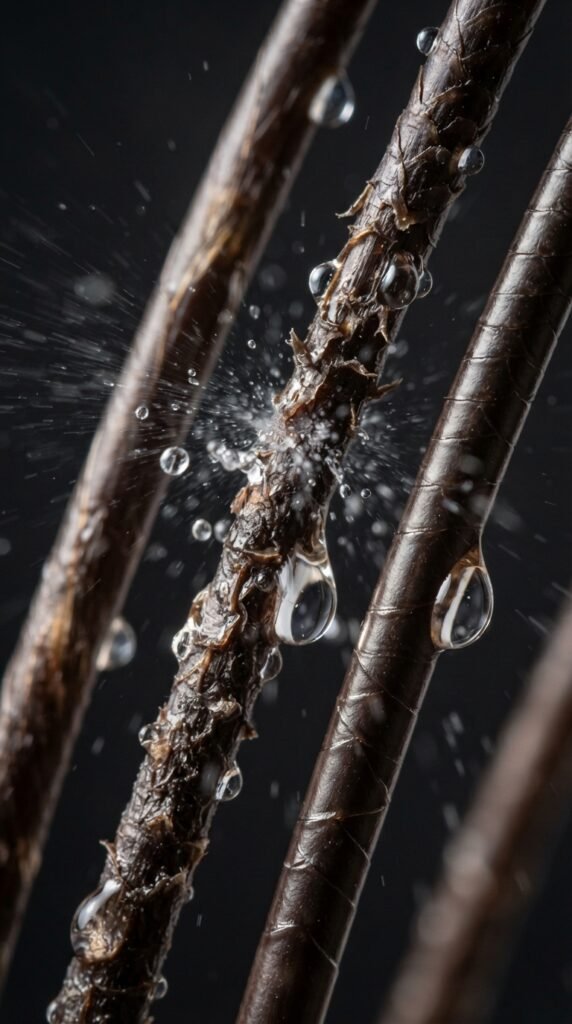
Before changing your styling method, get to know your hair’s personality. Texture is about curl pattern—straight, wavy, curly, coily. Porosity is about how well your hair absorbs and holds moisture. These two factors decide which products and methods will actually work.
Here’s a quick way to check porosity: drop a clean strand of hair into a glass of water. If it floats, you have low porosity. If it sinks slowly, medium. If it sinks right away, high porosity. Each type needs a different styling approach. Low porosity hair hates heavy oils. High porosity hair loves cream and leave-in conditioners. Once you know these, every tutorial instantly makes more sense.
The Wrong Products Make Textures Look Bad
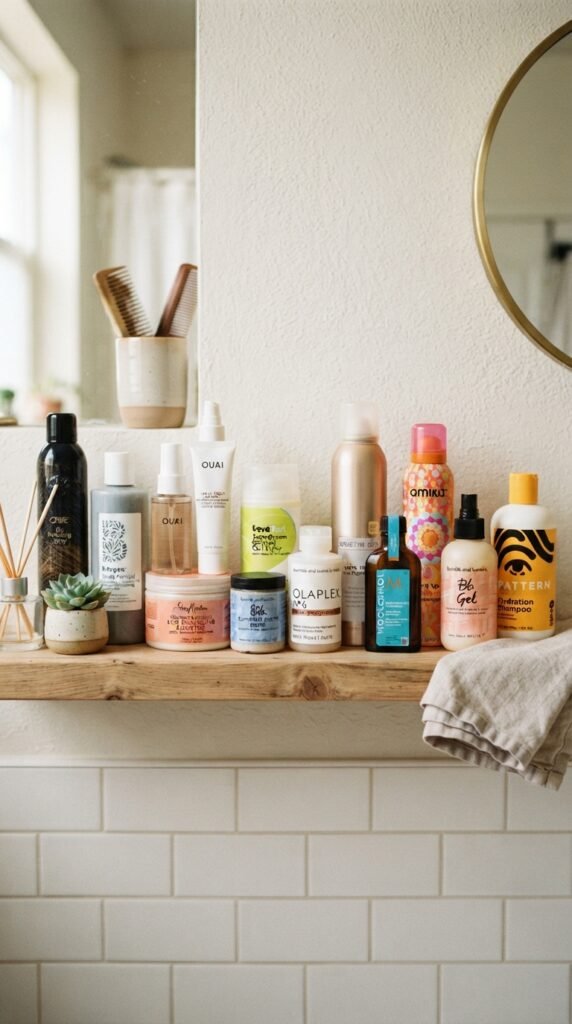
One of the biggest mistakes I see is using a product designed for a different texture. Fine, straight hair doesn’t need heavy butters. Coily hair needs more slip and hold. Wavy hair often needs a balanced mousse. Here’s a simple summary:
- Fine/straight: lightweight mousse, volumizing spray
- Wavy: gel or curl cream with medium hold
- Curly/coily: leave-in conditioner + sealing oil
- Thick straight: smoothing serum and heat protectant
If your texture isn’t cooperating, check your product labels. The quiet luxury bob look depends on a glossy, smooth finish. You can’t get that with gritty texturizing spray. Match the product to the result you want.
Drying Techniques Matter More Than You Think
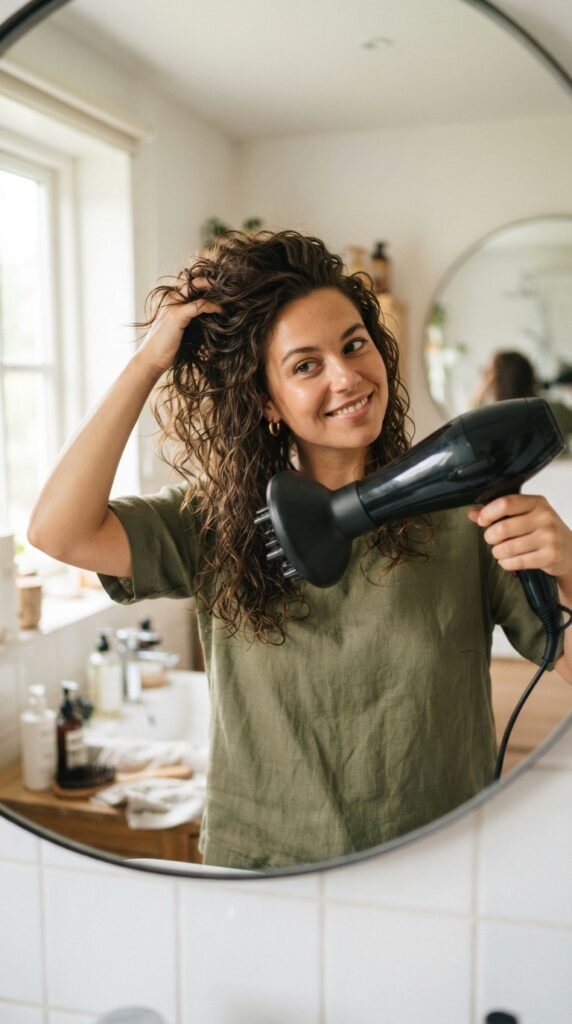
How you dry your hair changes everything. Rubbing a towel over your head roughs up the cuticle and invites frizz. Instead, try a microfiber towel or an old t-shirt to gently squeeze out water. Then let your hair set. If you use a blow dryer, point the nozzle downward to keep cuticles smooth. Always use a heat protectant.
For curly hair, a diffuser with low heat and low speed works wonders. For straight hair, a paddle brush while blow-drying can give you that smooth old money hair finish. Even skipping the dryer entirely and plopping overnight can change the game for textured hair. The key is consistent direction. Stop letting hair air-dry into chaos.
The Old Money Hair Mindset: Work With Your Texture
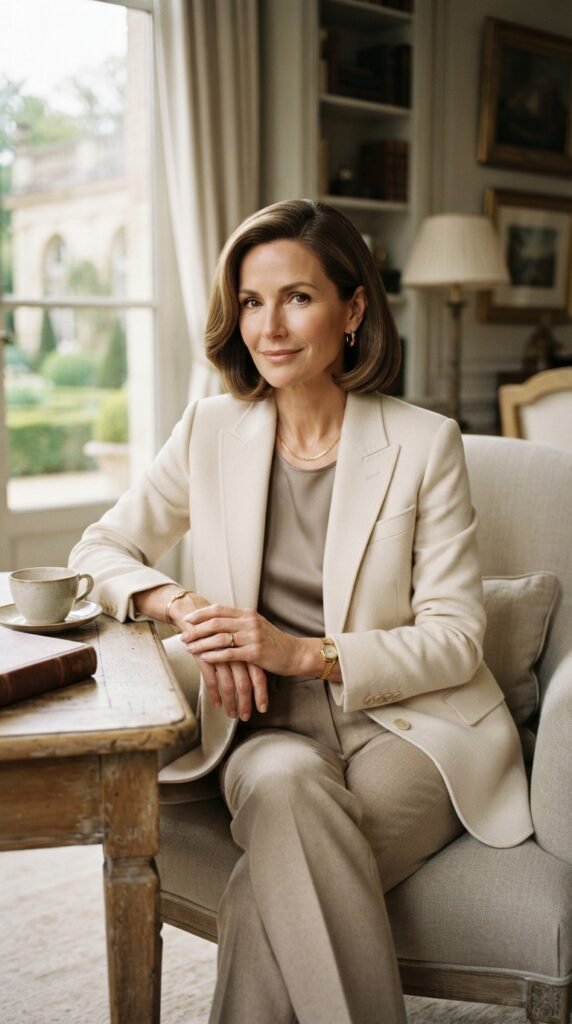
The old money hair trend is all about effortless richness. It’s not about fighting your texture—it’s about aligning it with clean lines and healthy shine. For fine hair, that means a sleek center part and low tension bun. For wavy hair, a soft blow-out that brushes waves into a smooth curve. For curly hair, old money can mean defined curls tucked behind one ear.
Here’s the mindset shift: your natural texture is the starting point, not something to hide. Work with it, not against it. Use warm brushing to redistribute natural oils. Avoid heavy, crunchy products. The result is quiet but polished. That’s the quiet luxury vibe 2026 is loving right now.
The Quiet Luxury Bob Works on Fine and Thick Hair

The quiet luxury bob is one of the biggest 2026 hairstyles out there. And here’s the great news: it’s actually texture-friendly. On fine hair, a blunt-cut bob with slight layering makes hair look thicker. On thick hair, an internal layer removes weight and keeps the bob moving.
The styling approach matters, too. Use a round brush while blow-drying to tuck the ends under. For a straight bob, finish with a drop of smoothing serum. For a wavy, more casual look, spray sea salt and scrunch slightly. This cut works with straight hair, wavy hair, and even gently coiled hair with the right shape. It’s proof that the cut and technique—not your texture—make the style.
Curly Hair Styling: Diffuser vs Air Dry
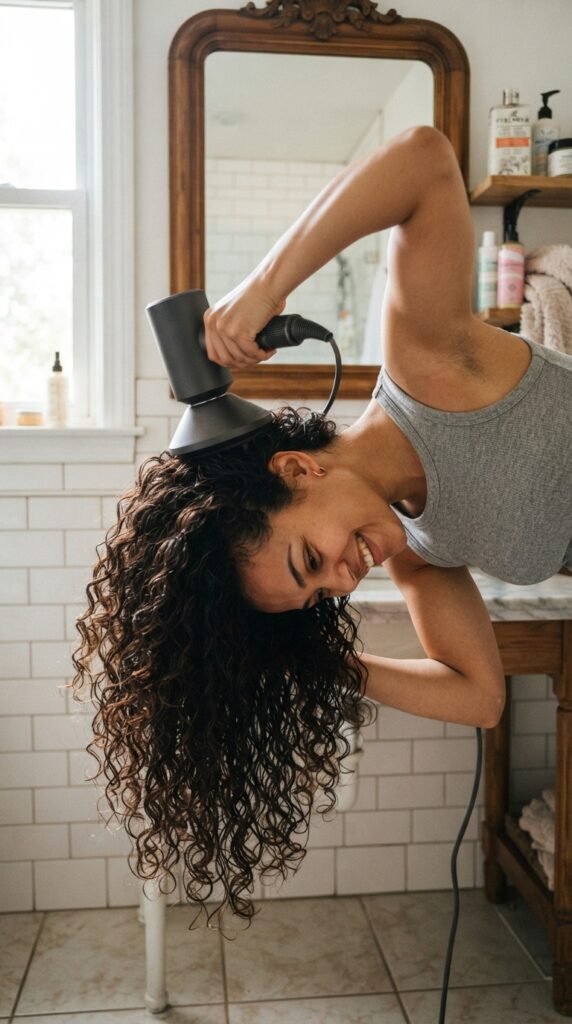
Curly hair has its own rules, and air drying isn’t always the best one. For springier, more defined curls, a diffuser is your best friend. Work in sections and cup the curls upward as you dry. Air drying can leave curls flat at the root, especially if they’re heavy.
But if you have loose waves, air drying with a leave-in cream can give you that soft, beachy, romantic goth hairstyle vibe. The important thing is not to touch your curls too much while they dry. Every time you run your fingers through them, you break up the curl clumps and create frizz. Let your curls set, then gently scrunch out the crunch. That’s it.
The Asymmetrical Lob: Best for Wavy Hair
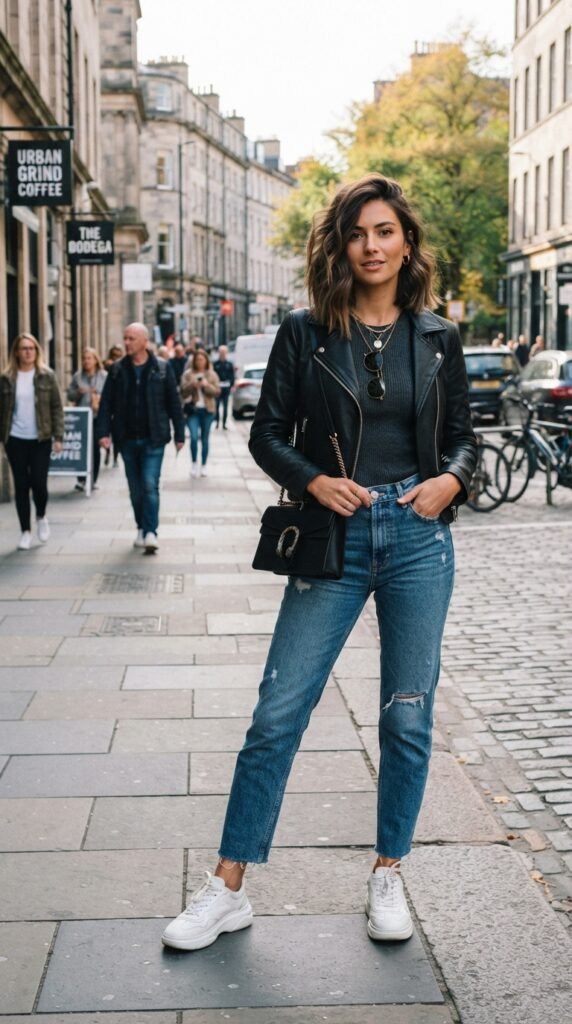
The asymmetrical lob is a total game-changer for wavy hair. The longer front pieces and shorter back add motion, and the off-center part gives it a modern edge. Why does it work so well with waves? Because wavy hair tends to look heavier on one side. An asymmetric shape balances that out naturally.
To style, apply a light curl cream to damp waves. Then scrunch upward and either air dry or blow-dry with a diffuser on low. Finish with a bit of texturizing spray for beachy volume. This cut also works for straight hair, but wavy hair brings out that effortless, low-maintenance feel. It’s one of 2026 hairstyles that definitely gets easier with texture.
The Vampire Haircut: An Icy, Edgy Approach to Straight Hair

Ready for a style with serious edge? The vampire haircut is all about long, face-framing layers with sharp, pointed ends. It’s not just for straight hair, but straight hair can show off those precise textural contrasts beautifully. This look leans into gothic romance—think flicked ends and a slightly spiky finish.
To style, use a straightener to point-cut the ends gently. Then add a flexible hairspray to keep shape without stiffness. If your hair is naturally straight, this cut adds built-in volume and movement. For wavy hair, you can use a flat iron on the pieces around your face only. The vampire cut is perfect for anyone tired of the same old blunt ends.
Hime Cut: A Face-Framing Styling Game for Any Texture
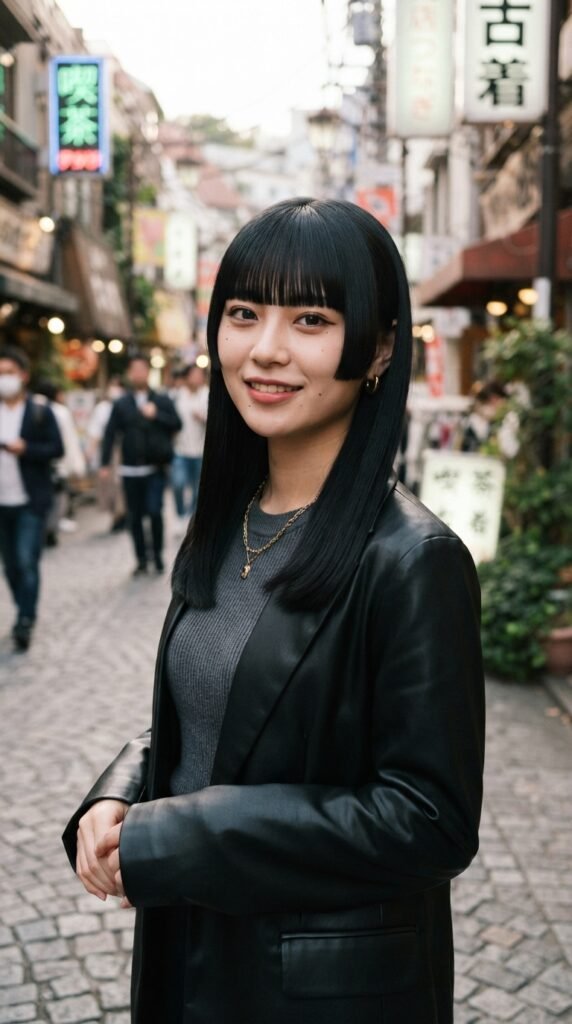
The hime cut is a traditional Japanese style with precise cheek-length side pieces and a blunt fringe. It’s one of the coolest 2026 hairstyles because it looks dramatic and futuristic at the same time. Great news: it works on many textures, but the styling approach is key.
For straight hair, simply blow-dry it smooth with a paddle brush. For wavy or curly hair, you can still do it—just flat iron the side pieces and fringe into a sleek line, or embrace a softer version with waves. This cut adds shape to round faces and draws attention to your eyes. To keep the hime cut looking sharp, use a heat protectant before straightening and finish with a light gloss spray.
Romantic Goth Hairstyles: Texture Adds Depth
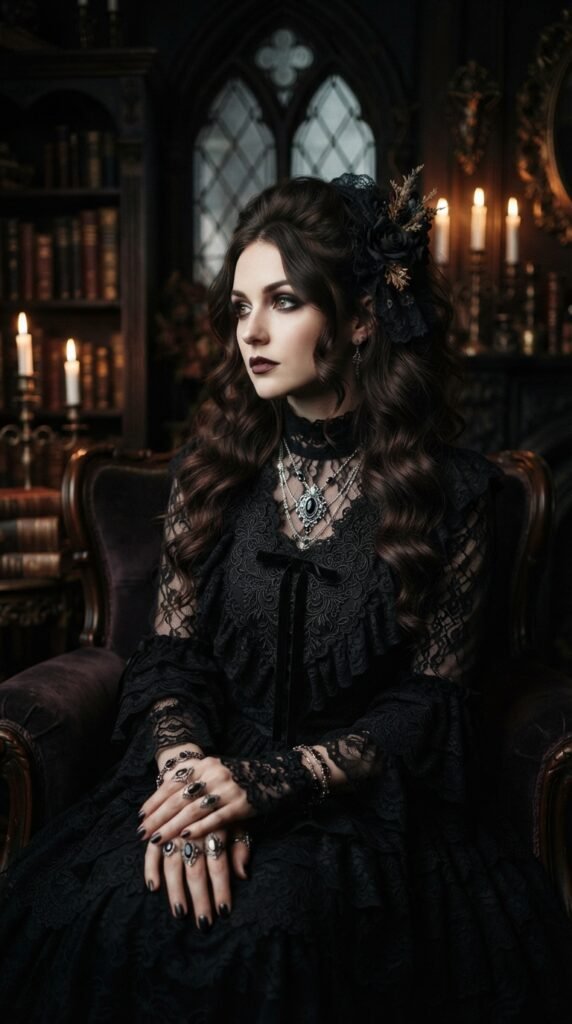
Romantic goth hairstyles are having a big moment in 2026. They’re all about soft, dark, textured locks with a moody vibe. Your natural texture is actually an asset here. Curly hair can create big, dramatic volume. Wavy hair gives that bedhead-but-intentional look. Straight hair can be twisted into sleek, slicked details.
To style, try braiding damp hair overnight for subtle waves. Or use a curling wand with a lower heat setting for looser waves. Then add a touch of texture powder at the roots. Pair it with silver jewelry and dark clothing, and you’re set. This look doesn’t require perfect hair—it celebrates ragged ends and frizz. That’s the beauty of it.
Glitchy Glam Hair: Breaking Traditional Texture Rules

If you love fashion-forward looks, glitchy glam hair is for you. It’s a style that plays with weird partings, chunks of color, and sharp accessories. It’s less about fitting your texture and more about visual effect. The styling approach is bold: you might use a shine spray on flat sections, or create gel-slicked pieces around your face.
You can integrate your texture into glitchy glam by letting some strands curl wild while others are sleek. To get the look, use clips, metallic hair cuffs, and temporary color sprays. It’s a statement style. Don’t aim for perfect—glitchy glam is about disruptive beauty. If your hair won’t stay in place, that’s actually part of the aesthetic. Have fun with it.
Heat Styling Mistakes Ruining Your Texture
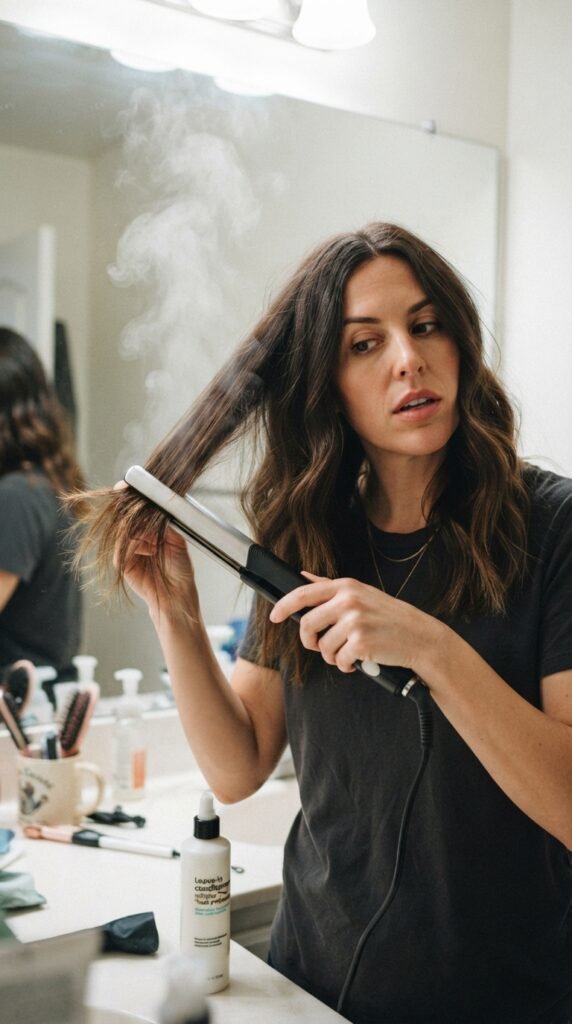
One of the quickest ways to ruin your texture is using heat improperly. You don’t have to go heat-free, but you do need to be smart. Always use a heat protectant—it’s not optional. Keep tools clean and set them to the right temperature. For fine hair, 300°F to 350°F is plenty. For thick or curly hair, you might need up to 400°F, but no higher.
Don’t go over the same section more than twice. And never use a hot tool on soaking wet hair—that creates steam and snaps strands. Try to limit heat styling to three times a week. On off days, use dry shampoo or a silk scarf to extend your style. Your texture will thank you.
The Right Brush for Your Texture
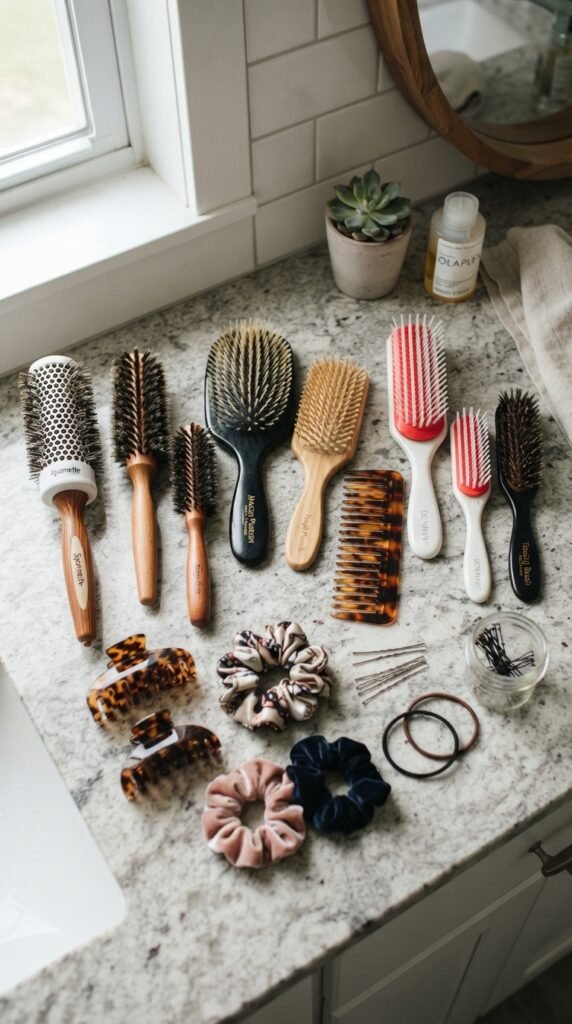
Using the wrong brush can flatten your root or stretch out your curls. So choose wisely. Here’s a quick guide:
- Fine hair: teasing brush for volume, vent brush for drying quickly
- Wavy hair: wide-tooth comb when wet, paddle brush when dry
- Curly hair: Denman brush or wide-tooth comb in the shower
- Thick straight hair: round brush for smoothing bends
- Coily hair: Tangle Teezer or a flexy brush
If you’re styling an asymmetrical lob, a round brush helps with movement. For old money hair, a boar-bristle paddle brush makes hair glossier. The brush should always match the goal you have, not the label on your hair type. Keep brushes clean too—buildup leads to greasy roots.
Using Mousse, Gel, and Cream the Right Way
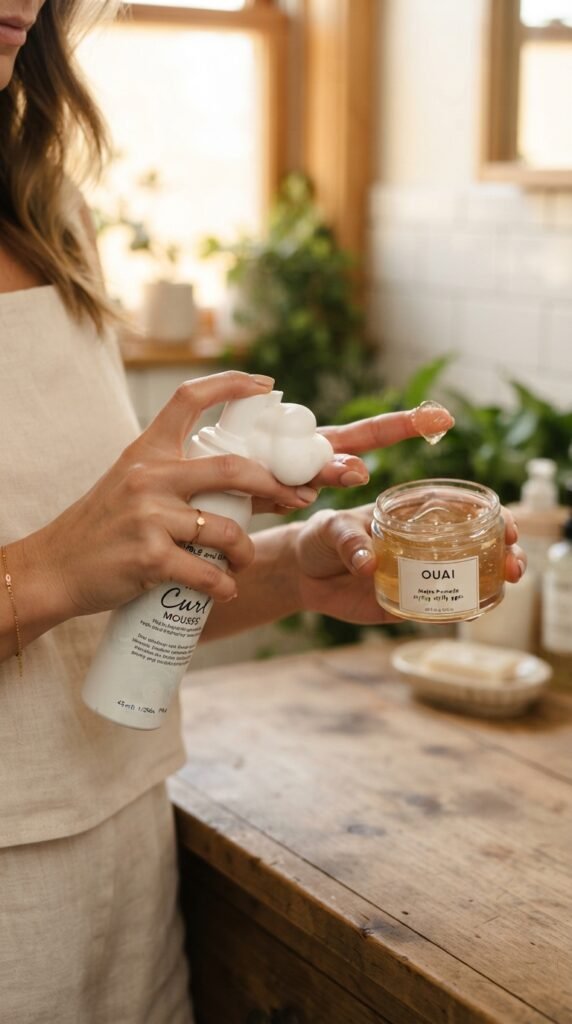
Styling products are tools, and they need to be used in the right order and amount. Mousse works best for volume and body—put a dollop in wet hair and scrunch. Gel is for hold and definition—use it on soaking wet curls, then let the cast dry. Cream adds softness and moisture, great for curly, coily, or flyaway-prone hair.
The secret is to apply products in sections, not all at once. Don’t overdo it. Fine hair only needs a pea-sized amount of cream. For thick hair, you’ll need more. When you apply, rake it through with your fingers, then gently scrunch. Avoid touching it while it dries. This alone can change your whole styling experience.
Hair Oils and Serums: On Textured Hair
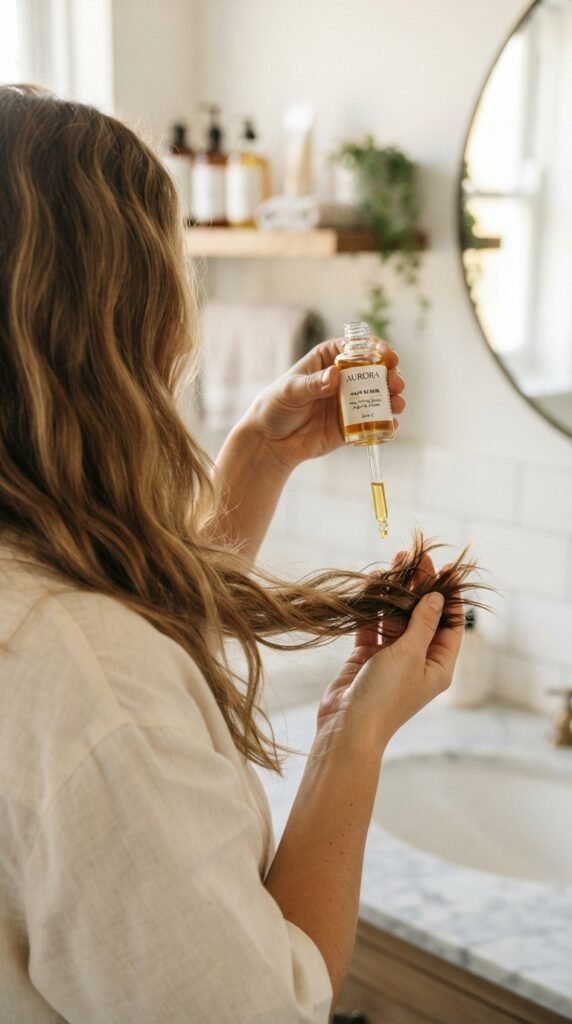
Oils can be your best friend or your worst enemy. The trick is knowing when to use them. If your hair is fine or low porosity, apply oil just to the ends while your hair is damp. For thick, tough, or high-porosity hair, use a good amount from mid-length down. Oils like argan or jojoba add shine and seal in moisture.
Serums are usually silicone-based and are great for smoothing down frizz without weighing hair down. The order matters: apply leave-in first, then oil, then maybe a serum. Never apply oil to your scalp unless you’re doing a pre-wash treatment. The right oil can make your quiet luxury bob look ultra-polished. The wrong one can make it look greasy.
Styling for Fine Hair: Volume Without Damage

Fine hair gets a bad reputation, but it’s actually perfect for so many 2026 hairstyles. Volume just needs a little help. Start with a volumizing shampoo. Then apply a root-lifting foam before drying. Use a round brush to lift the roots upward while blowing downward. Make sure to dry your hair completely—air drying tends to fall flat.
You can also back-comb gently at the crown for extra height. That’s the styling trick that makes the quiet luxury bob look fuller on fine hair. Avoid heavy oils near the roots. A tiny bit of texturizing spray at your roots can do wonders. Fine hair isn’t the problem; it just wants to be teased a bit.
Styling for Thick Hair: Taming Without Weight
Thick hair can feel heavy and unwieldy, but the right approach makes it stunning. The goal is to remove bulk and add movement, not to flatten everything. Start by requesting layers when you get a cut. Stylists call this “internal weight removal.” At home, use a large paddle brush while blow-drying to straighten.
For waves, use a curling wand on large sections and leave the ends out. A lightweight mousse can give volume without weighing thick hair down. Avoid silicone-heavy serums, which can coat thick strands and look dull. Finish with a bit of gloss spray for shine. The asymmetrical lob works great on thick hair because it lets you show off texture without carrying too much weight.
Nighttime Styling: Protecting Your Texture While You Sleep
What you do at night is just as important as your morning styling. Cotton pillowcases create friction, which leads to frizz and breakage. Switching to a silk or satin pillowcase helps. For curly hair, pineapple it on top of your head with a scrunchie. For wavy hair, do a loose braid or twist. For straight fine hair, a low ponytail with a silk scrunchie keeps it smooth.
If you want extra protection, wrap your hair in a silk scarf or bonnet. This is especially useful for low-maintenance styles like old money hair. When you wake up, spritz a little water or use a drop of argan oil to refresh. Your textured hair will stay looking like you just styled it. Good nights = good hair days.
Wow, we covered a lot. I hope you’re feeling more confident about working with your texture instead of against it. Remember, 2026 is about self-expression, not perfect hair. Your styling approach can always change. Your texture is just your beautiful starting point.
Take a deep breath, then try one small tweak today. Whether that’s switching to a silk pillowcase or using a diffuser, your hair will feel the difference. And don’t worry if it doesn’t look perfect on the first try. This is a process, and you’re learning.
Save this post to Pinterest so you have it for your next wash day. And tell me in the comments: which hair texture myth have you been holding onto? I read every single one.