16 Hairstyles for Women with Alopecia Areata Coverage Confidence Empowering Tips
Hey friend. I know that dealing with alopecia areata can feel like a constant battle with your own reflection. It’s not just about hair loss; it’s about how you feel when you walk out the door. But here’s the thing I’ve learned from my own journey and from chatting with so many of you: your confidence has nothing to do with how much hair you have, and everything to do with how you choose to show up. Today, I’m sharing 16 hairstyles that are equal parts practical and beautiful, designed to give you coverage, boost your confidence, and help you feel like the absolute queen you are. No fluff, just real tips you can use starting tomorrow.
The Power of a Soft Side Sweep

A deep side part is your best friend. It instantly creates volume and camouflages sparse areas along the hairline. Just rake your fingers through damp hair, sweep everything to one side, and let it air dry.
For extra grip, spritz a little salt spray at the roots. This trick takes thirty seconds and makes you look like you just stepped out of a salon. It’s my go-to for busy mornings when I need to feel put-together without effort.
The Quiet Luxury Bob for 2026

The old money hair trend is still going strong, and this bob is the ultimate quiet luxury statement. The blunt cut creates the illusion of thicker, denser hair, while the clean lines draw the eye away from any patchiness.
Ask your stylist for a one-length bob that just brushes your jawline. It’s low-maintenance, works with fine hair, and feels incredibly polished. Pair it with a good dry shampoo to add texture without washing.
The Romantic Goth Half-Up Style
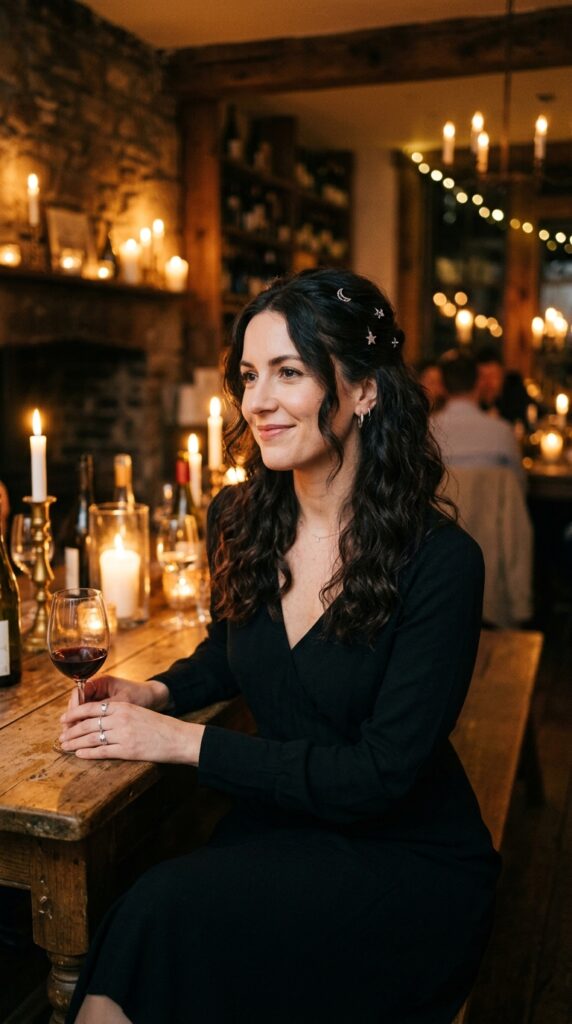
If you love a bit of edge, romantic goth hairstyles are perfect for alopecia. The half-up look lets you control where the hair sits while leaving the rest loose for coverage. Twist the top section into a small knot and secure it with a velvet scrunchie or a claw clip.
This style works wonders for hiding thinning at the crown. The darker tones and soft waves create a dreamy, dramatic vibe that feels totally intentional and empowering.
The Glitchy Glam Hair Illusion
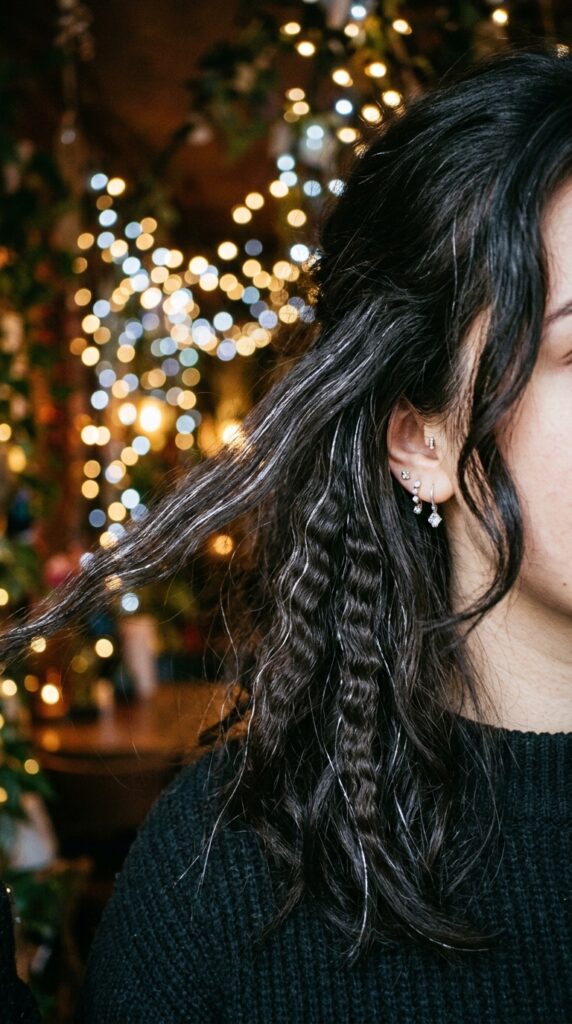
Glitchy glam hair is all about playful, intentional imperfections. Add a few metallic foil highlights or temporary hair chalks in silver or pastel pink. The uneven color pattern tricks the eye and makes any sparse areas look like part of the design.
Use a wide-tooth comb to blend the colors into your natural hair. It’s bold, it’s fun, and it says, “Yes, I’m rocking this exactly as I am.”
The Asymmetrical Lob for Volume

The asymmetrical lob is a lifesaver because it creates a built-in side-sweep effect. The longer side can be draped over a patchy area, while the shorter side adds lift and movement.
- Keep the longest piece hitting just below your chin.
- Ask for subtle layers to avoid looking flat.
- Blow-dry with a round brush to amplify volume.
This cut is forgiving, modern, and works for all hair textures, including the regrowth phase.
The Vampire Haircut (No, It’s Not Scary)
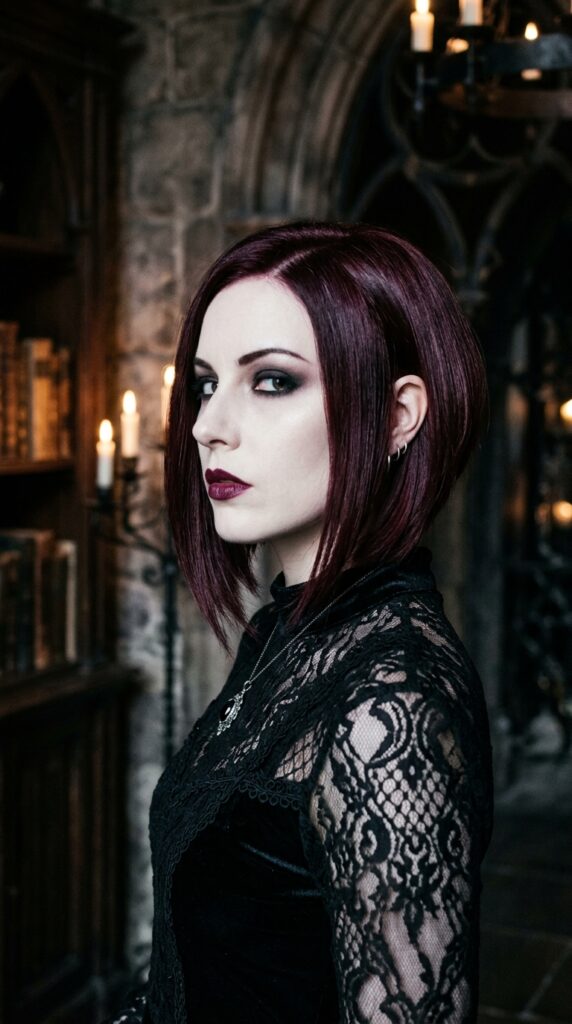
The vampire haircut is actually a cleverly layered style with long, pointy ends that skim the collarbone. It’s dramatic and sharp, which means it draws attention to the shape of the cut rather than the hair density. A deep burgundy or plum dye adds even more depth, making hair look fuller instantly.
This style is for the brave, but it’s also super practical. The sharp angles hide uneven growth and let you rock a little mystique.
The Hime Cut with Modern Softness

The hime cut is a classic Japanese style with a straight fringe and cheekbone-length side strands. For alopecia, modernize it by keeping the side pieces soft and wispy instead of razor-sharp. This lets you hide temple thinning while still looking intentional and chic.
It’s super cute with a bit of texture spray. The fringe also helps frame the face, so people focus on your eyes, not your hairline.
The Braided Crown (It’s Easier Than You Think)
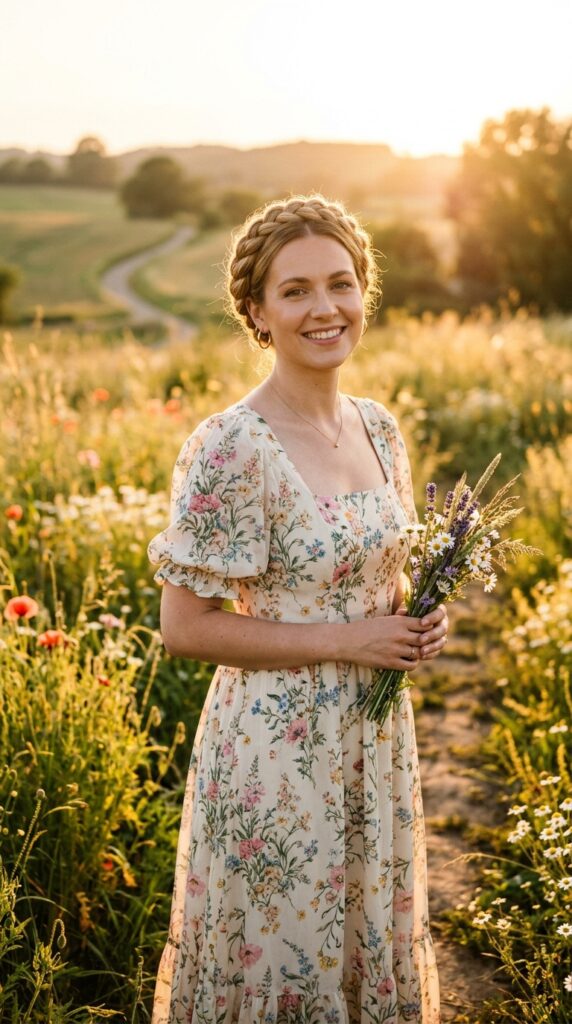
A braided crown is my absolute favorite for bad hair days. It hides everything—thin spots, regrowth, even complete bald patches—by using the braid itself as the focal point. Start by parting your hair in the middle, then Dutch braid each side and pin them across your head.
Use bobby pins that match your hair color. If your hair is very thin, add a small clip-in braid for fullness. It’s romantic, secure, and takes about five minutes once you practice.
The Scarf Wrap with a Low Ponytail
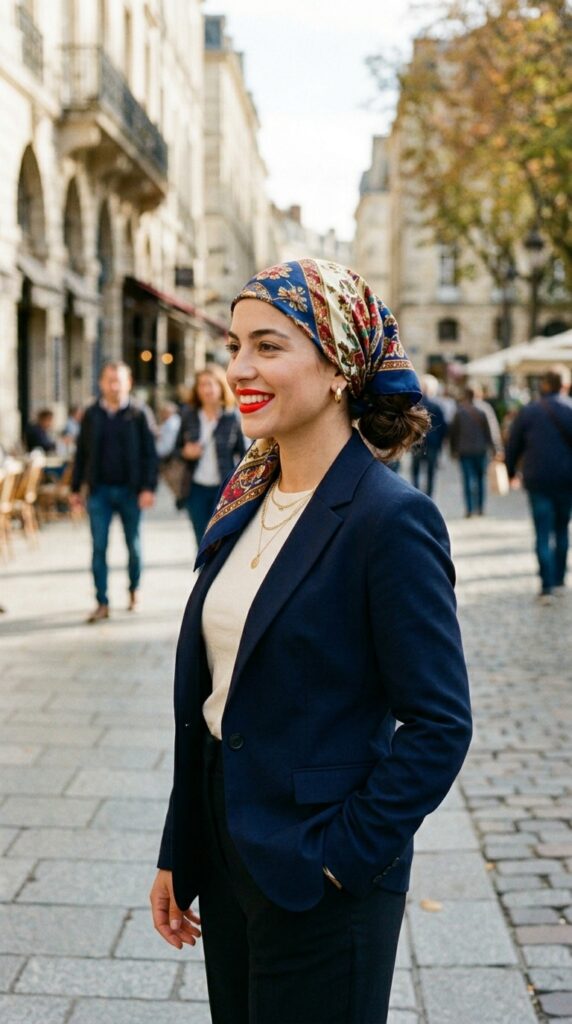
Sometimes, the best coverage is a beautiful scarf. Choose a silk or satin one to protect your edges. Wrap it around your hairline, tie it at the nape, and let the ends blend into a low ponytail. It’s a classic old money hair trick that looks totally intentional.
You can also tuck all your hair under the scarf for complete coverage. It’s a stylish, zero-heat option that feels like a hug for your scalp.
The Textured Pixie with Baby Bangs

A textured pixie is a powerful choice if you’re ready to lean into short hair. The choppy layers give volume, while the baby bangs add a playful edge. This cut says, “I own this.”
Use a tiny bit of wax to piece out the ends. It works with any amount of hair, even if you’re mostly bald on top. The focus becomes your face, and that’s a good thing.
The Wet Look Slicked-Back Style
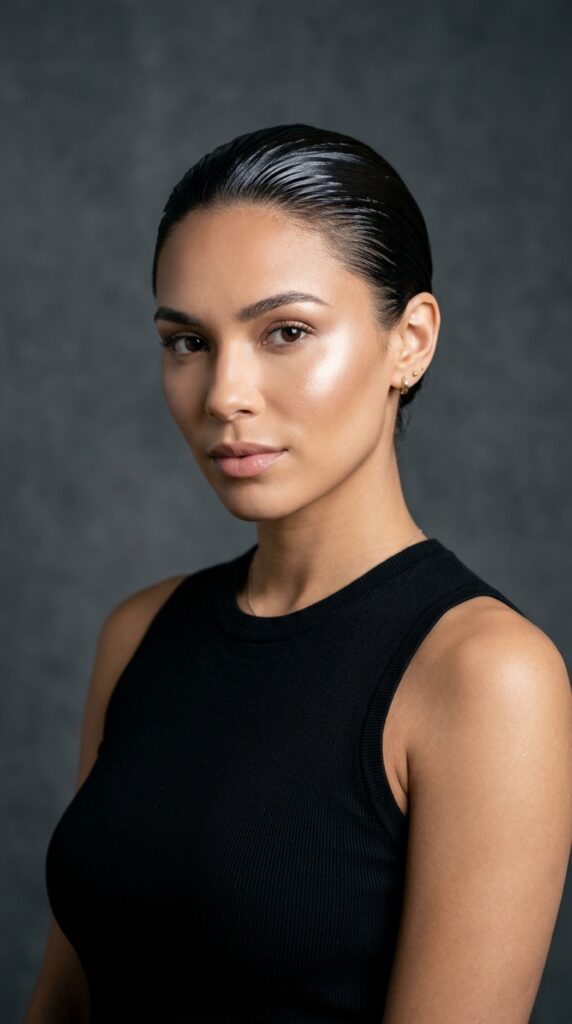
The wet look is huge for 2026, and it’s secretly perfect for alopecia. By slicking hair flat against your head, you create a sleek, uniform surface that hides patchiness completely. Use a strong-hold gel or mousse, comb it all back, and let it dry naturally.
This style is bold and editorial. It works best when you own it with confidence. Pair it with a red lip for instant power.
The High Puff with a Headband
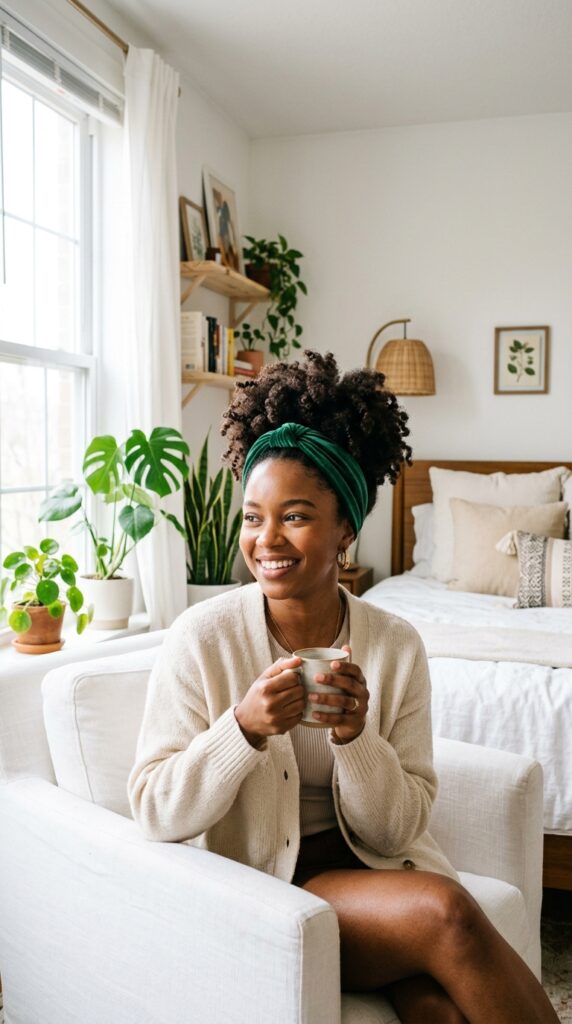
If you have natural curls or coils, the high puff is a game-changer. Gather your hair into a loose pineapple on top of your head, secure it with a soft scrunchie, and then pull the front pieces forward to cover your hairline. A thick headband adds coverage at the temples and a pop of color.
Add a bit of curl cream for definition. This style keeps hair away from your face while hiding any thin spots right at the front.
The Side-Swept French Braid
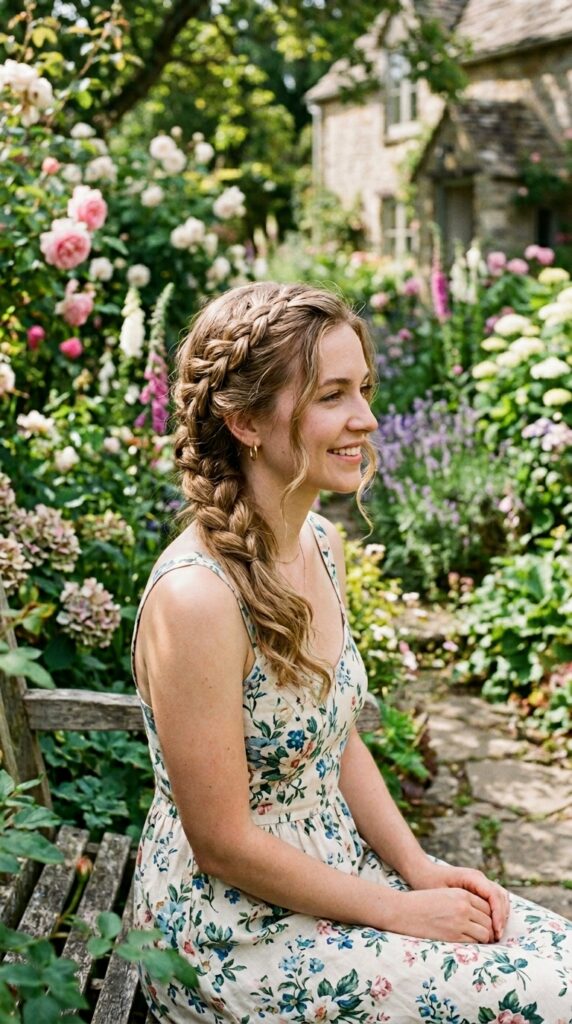
This braid is like a magic trick. Start the braid at your temple on the side with more thinning, and braid diagonally toward the back of your head. The tension helps hide sparse patches, and the braid itself adds texture and interest.
Gently pull on the loops to make it look fuller. It’s sweet, soft, and totally wearable for work or brunch.
The Claw Clip Twist with Face-Framing Pieces

Claw clips are having a major moment, and they’re amazing for alopecia. Twist your hair upward, clip it at the back, and leave out two small pieces to frame your face. Those face-framing bits can be flipped inward or curled outward to cover temple thinning.
This takes 10 seconds and looks like you tried. The clip also adds a chic, old money vibe.
The Curly Shag with Curtain Bangs

A shag cut with curtain bangs is a curly girl’s dream. The layers create volume and bounce, which makes hair look twice as thick. The curtain bangs sweep sideways, perfect for hiding a receding hairline or sparse temples.
Use a diffuser to dry the curls. The messier, the better—it looks lived-in and cool.
The Double Dutch Braids (Tight and Secure)
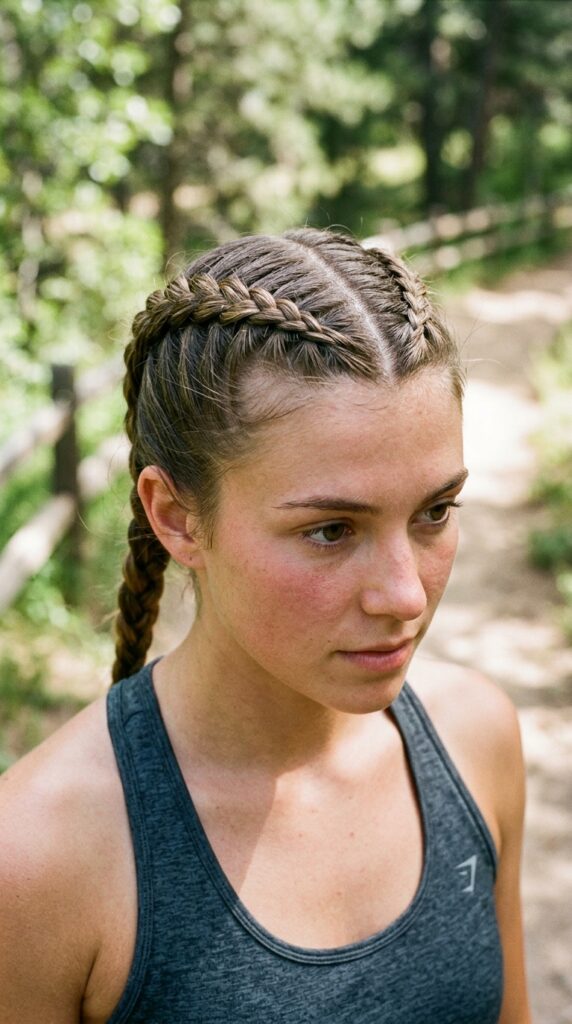
Double Dutch braids are tight, secure, and hide your scalp completely. They’re great for active days or when you just want zero fuss. The tight braiding style keeps everything in place and looks super sporty.
You can wear them to the gym, to work, or dress them up with small gold pins. They also protect your hair from breakage.
The Wispy Bangs with a Low Bun

Wispy bangs are forgiving because they’re intentionally thin. If you have a patchy hairline, they’ll blend into it naturally. Pair them with a low, loose bun to keep the rest of your hair off your face.
The bun itself can be messily pinned to hide any thin spots on the crown. It’s soft, feminine, and really easy to pull off.
All That’s Left Is You
I know this list feels long, but I promise you only need one to get started. Pick the style that makes you feel the most “you,” and just try it. Hair is fluid, and so is confidence. Some days you’ll want a scarf, and some days you’ll rock the slicked-back look. Both are valid.
You are not your hair loss. You are the person who shows up, styles it anyway, and keeps living your life beautifully. And honestly? That’s the most empowering style of all.
Save this post to Pinterest so you can come back to it on the tough days. And tell me in the comments—what’s your go-to hairstyle when you need a little extra coverage? I’d love to hear from you.