18 Babylights Methods for Subtle, Sun-Kissed Color
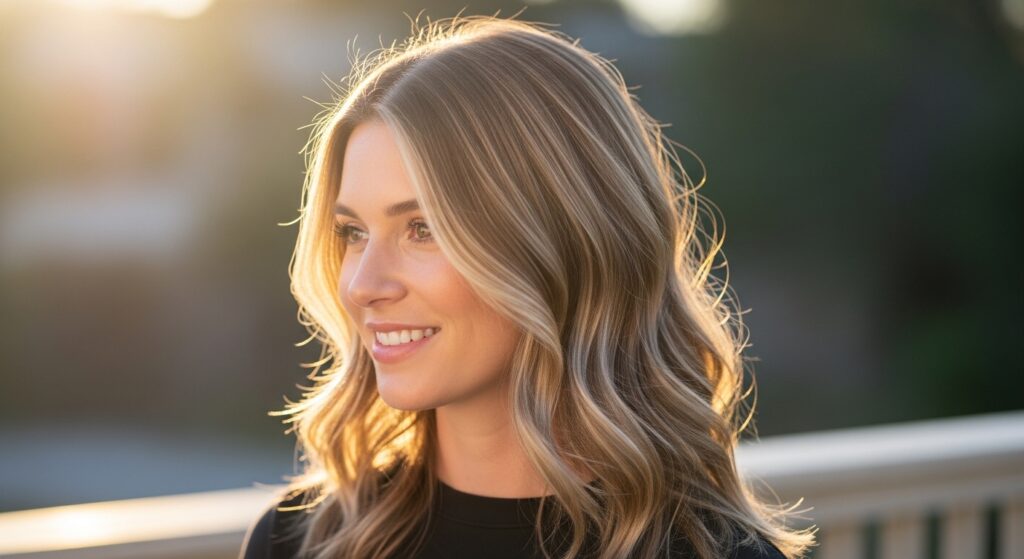
Have you ever envied the effortlessly luminous, sun-drenched hair of children or those who seem to spend their winters in tropical locales? That soft, multi-dimensional glow, where no single highlight screams for attention but the overall effect is radiantly bright—that’s the magic of babylights. Far more delicate than traditional highlights, babylights are the secret weapon for achieving the most natural, sun-kissed color imaginable. They mimic the subtle lightening that happens after a summer spent outdoors, offering a low-maintenance, high-impact route to gorgeous hair.
What Are Babylights? The Foundation of Subtlety
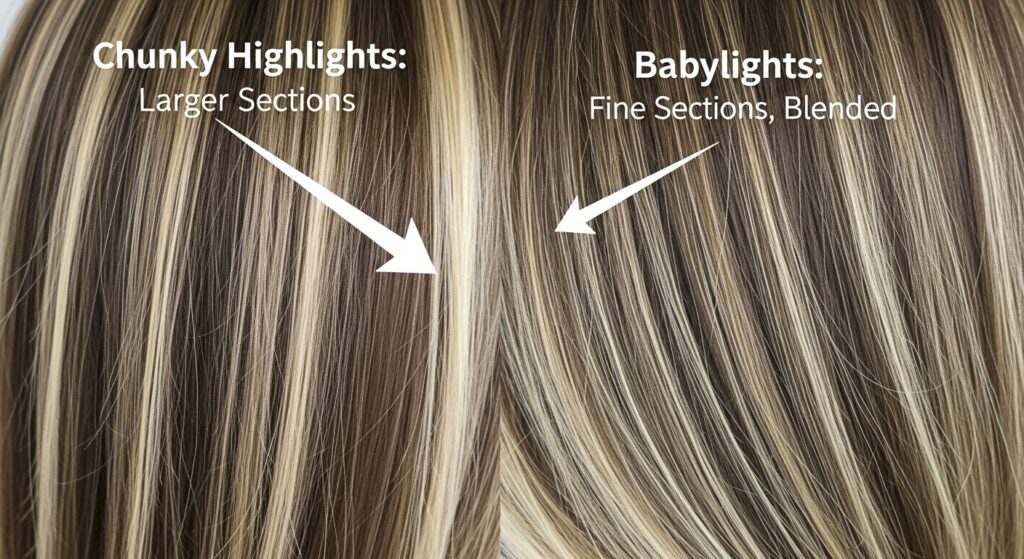
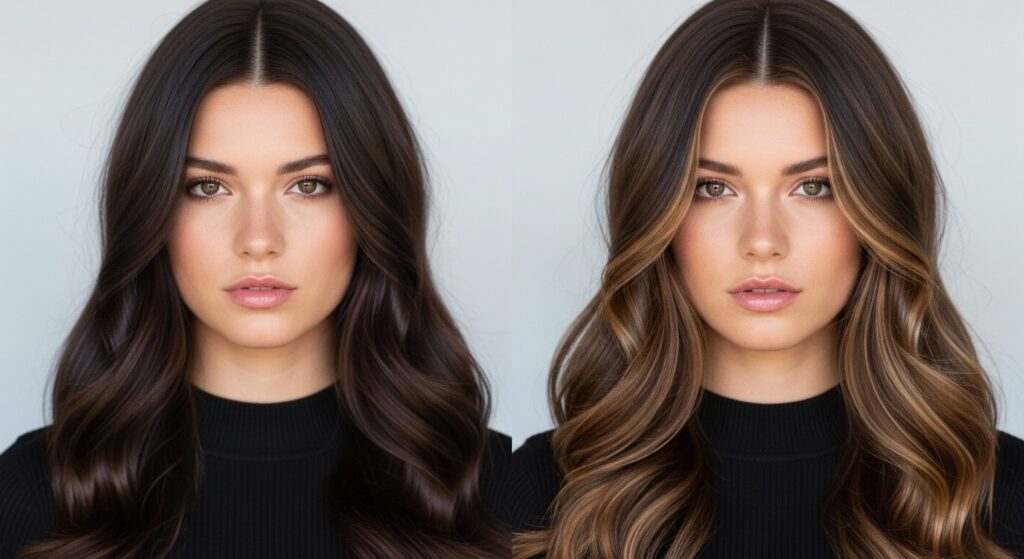
Before we dive into the methods, let’s clarify what sets babylights apart. Think of them as micro-highlights. While standard highlights might use thicker sections of hair, babylights involve taking extremely fine, delicate sections—often just a few hairs at a time. These tiny slices are then lightened, typically with a gentle lightener or subtle color, and placed strategically throughout the hair, focusing heavily around the face and hairline.
The result is not a stripe or a block of color, but a scattered, pixelated effect that blends seamlessly with your base color. This creates incredible dimension and movement without obvious regrowth lines, meaning you can go longer between salon visits. It’s the ultimate in “your hair, but better” coloring.
The Classic & Foundation Methods
These techniques form the bedrock of babylights application, perfect for first-timers or those seeking a timeless result.
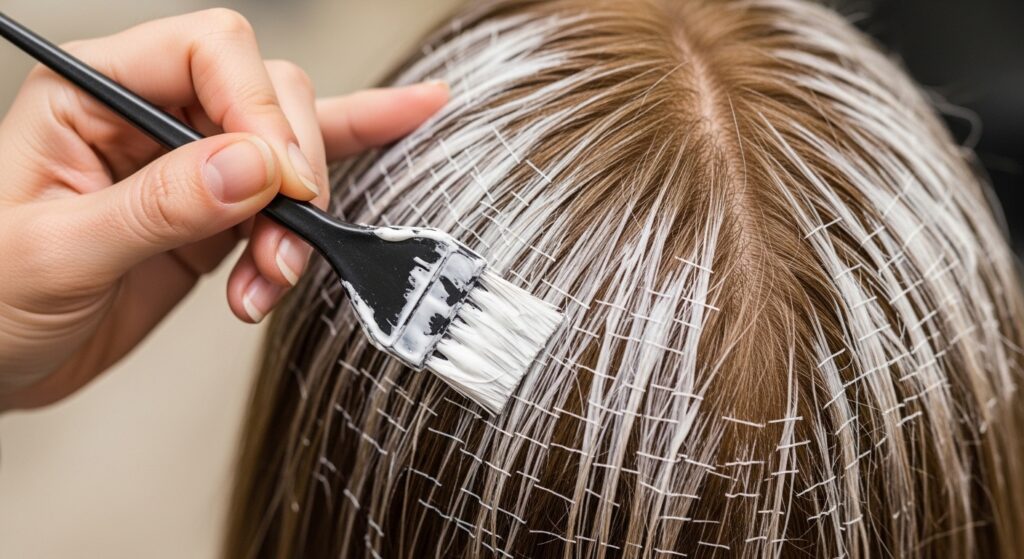
1. Traditional Fine-Slice Babylights: The gold standard. Using the edge of a coloring comb, the colorist takes sliver-thin, horizontal sections from the part down, applying lightener to each tiny subsection. This creates a uniform, all-over brightness.
2. Face-Framing Babylights: Concentrated solely around the perimeter of the face—at the hairline, part, and temples. This method instantly brightens the complexion and opens up the face, offering maximum impact with minimal processing.
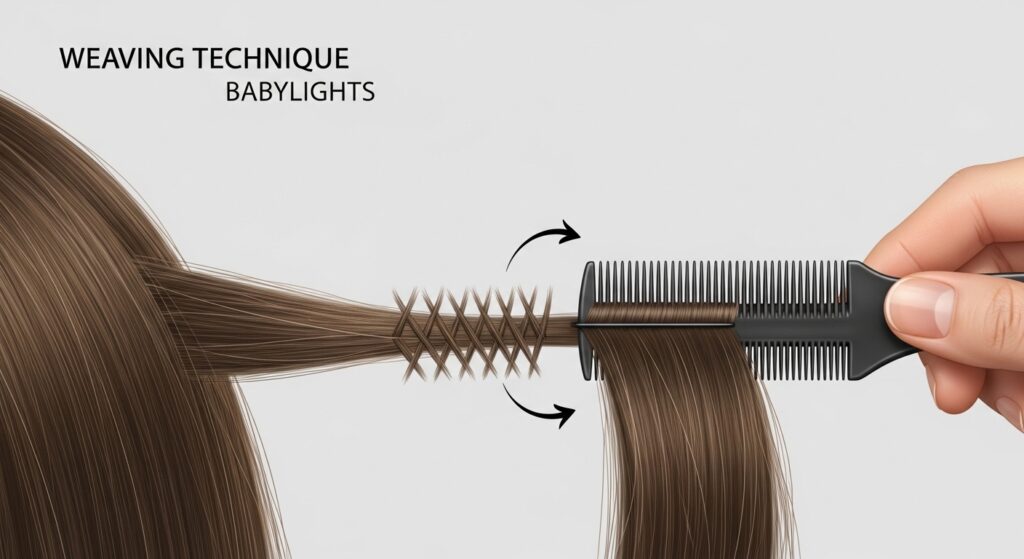
3. Full-Head Weave Babylights: A meticulous technique where fine sections are “weaved” out with a tail comb before lightening. This allows for precise placement and a truly blended, natural result across the entire head.
4. Partial Crown Babylights: Focuses the lightening on the top layers and crown of the hair, where the sun would naturally hit. Ideal for those who wear their hair down most of the time and want a cost-effective option.
Techniques for Dimension & Movement
To avoid a flat or one-dimensional look, these methods introduce strategic placement and tonal variation.
5. Random Placement Babylights: Instead of following a strict pattern, the colorist places lights in a sporadic, organic fashion. This avoids any artificial-looking lines and perfectly mimics how the sun naturally lightens hair.
6. Multi-Tonal Babylights: Using two or three slightly different shades of lightener or toner on different sections of babylights. For example, mixing beige, pearl, and sand tones creates incredible depth and a more realistic sun-kissed effect.
7. Babylights with Lowlights: The secret to natural dimension. While babylights add brightness, fine, subtle lowlights in a shade slightly darker than the base are woven in to create shadow and contrast. This prevents a “over-highlighted” look.
8. Vertical Section Babylights: Taking fine vertical sections instead of horizontal ones. This technique enhances movement and flow, as the lights run parallel to the way hair falls, making it especially beautiful on long, layered cuts.
Advanced & Specialized Babylights Methods
For those seeking the next level of customization or addressing specific hair goals, these advanced techniques are game-changers.
9. Balayage-Babylights Hybrid: Combines the freehand painting of balayage with the precision of babylights. The colorist paints tiny, fine highlights onto the surface of small sections, creating a soft, blended root and a brighter mid-length to end.
10. Root Melt Babylights: After placing babylights, a darker shade is applied at the root area and subtly blended down. This creates a shadowy, lived-in root that makes regrowth virtually invisible and the overall look incredibly soft.
11. Babylights for Brunettes: Uses extra-fine sections and a lower-volume developer to achieve a subtle lift. The goal is often a warm caramel, honey, or toffee gleam rather than stark blonde, maintaining a rich, brunette base.
12. Babylights for Blondes: Designed to add density and dimension to blonde hair. By adding myriad tiny highlights around existing ones, it eliminates gaps or banding, creating a fuller, more cohesive, and brighter blonde.
13. Babylights for Gray Coverage/Blending: A revolutionary alternative to all-over color. Fine babylights are placed around gray strands, blending them into the overall color scheme. The grays then appear as natural, shiny highlights rather than a regrowth problem.
Creative Placement & Styling-Focused Methods
These approaches consider how you wear your hair, ensuring your babylights look perfect whether your hair is up or down.
14. “Halo” Crown Babylights: An intensified concentration of very fine lights around the crown and top of the head. When hair is pulled up into a ponytail or bun, it creates a literal “halo” of light, adding stunning brightness from every angle.
15. Part-Specific Babylights: Tailored to your usual parting. Extra lights are concentrated along your natural part and the surrounding area, ensuring the sun-kissed effect is most visible where your hair naturally falls open.
16. Babylights for Short Hair & Pixie Cuts: Requires extreme precision. Tiny lights are placed to enhance texture and movement on short layers, often focusing on the top and fringe to add pop without overwhelming the small canvas.
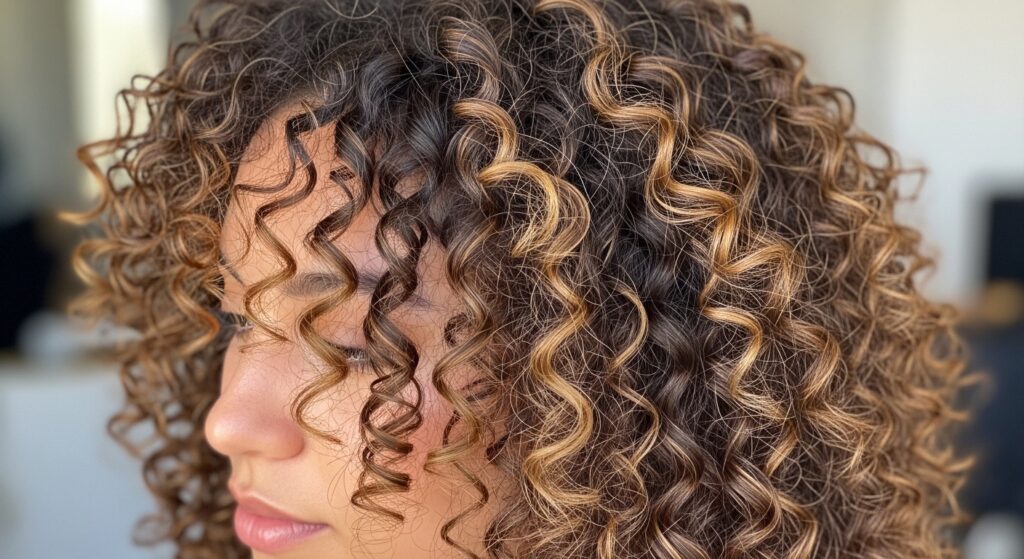
17. Babylights for Curly & Coily Hair: The placement follows the unique curl pattern. Lights are applied to the high points of curls (where the sun would hit), creating a gorgeous, multi-dimensional sparkle that moves with each curl.
The Ultimate Luxury: Toning & Glazing
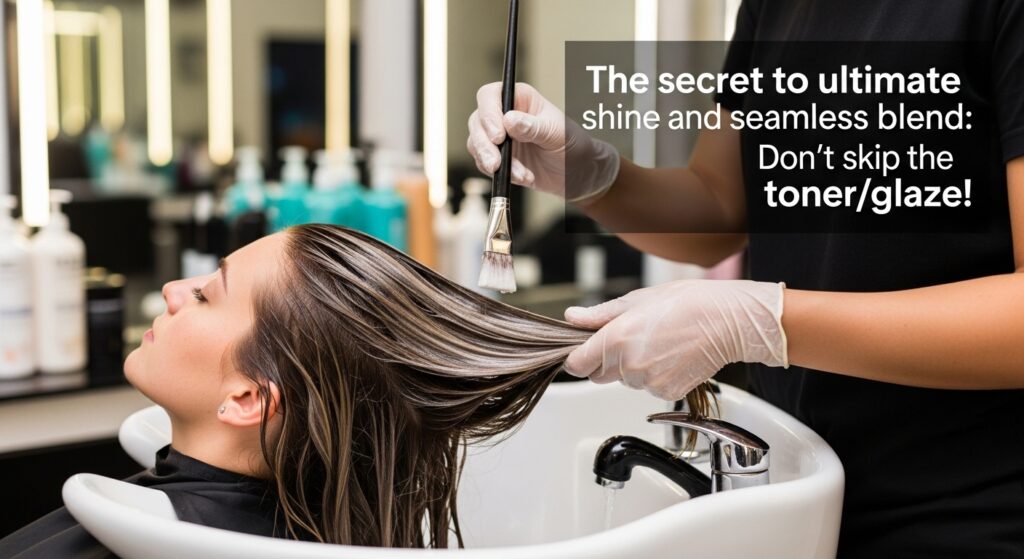
18. Tonal Glaze Babylights: This isn’t a placement method, but the essential finishing touch. After lightening, a sheer, demi-permanent glaze or toner is applied over the entire head. This step neutralizes any unwanted brassiness, adds shine, and blends the new babylights with your base color into one seamless, glossy masterpiece. It’s the step that makes the color look expensive and truly sun-kissed.
Choosing Your Perfect Babylights Method
With 18 methods to choose from, how do you decide? Your consultation with a skilled colorist is key. Bring inspiration photos and discuss your lifestyle, maintenance preferences, and natural hair color. A great colorist will often combine two or three of these methods to create a fully customized plan for you.
Remember, the goal of babylights is subtlety and enhancement. It’s about creating a soft filter for your hair that boosts your natural beauty. By understanding these different techniques, you can confidently collaborate with your stylist to achieve that effortless, sun-kissed color you’ve been dreaming of—no passport required.
Ready to embrace the glow? Book a consultation with a balayage or color specialist in your area and mention these babylights methods to start the conversation about your most luminous hair yet.