23 Damaged Hair Hairstyles Protective Olaplex Treatments Trims Heatless Styling Recovery
Hey friend. If you’re reading this, you’re probably running your fingers through your hair and feeling that familiar frustration. It’s dry, maybe a bit brittle, and the shine just isn’t there anymore. I’ve been there. Between color, heat, and just life, our hair takes a beating.
But here’s the good news: damaged hair doesn’t mean boring hair. Recovery is absolutely possible, and you can look amazing while you’re doing it. This is your complete, no-judgment guide to getting your hair healthy again.
We’re blending the best protective treatments like Olaplex with genius styling tricks and the cutest, most forgiving 2026 hairstyles for damaged hair. Think of this as your comeback plan. Let’s get started.
1. The Honest Damage Check-In
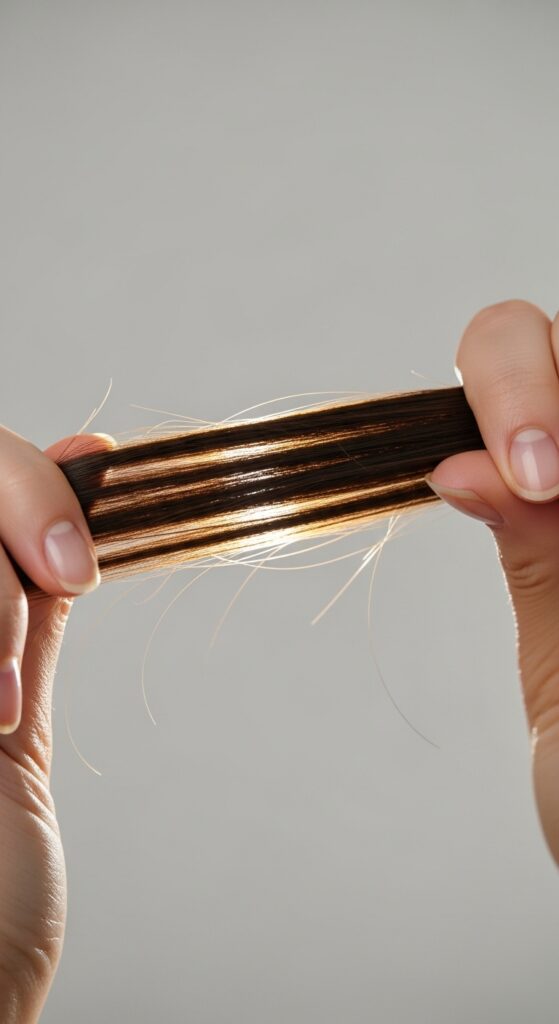
Before we dive into solutions, let’s do a quick reality check. What does “damaged” actually look like for you? It’s usually a mix of these signs:
- Constant tangles and knots, especially when wet.
- A lack of elasticity—hair stretches and snaps instead of bouncing back.
- Dullness, with no natural shine or light reflection.
- Split ends that travel up the hair shaft.
- Rough, straw-like texture instead of smoothness.
Don’t panic. Acknowledging this is the first step to fixing it. Every single point on that list has a solution, and we’re covering them all. Your hair can feel soft again.
2. The Non-Negotiable: The “Big Chop” vs. Strategic Trims
I know, I know. The idea of cutting your hair can be heartbreaking. But hear me out. Trimming is not the enemy; it’s your foundation. Split ends will keep splitting upwards, breaking your hair shorter over time.
A strategic trim every 8-12 weeks removes the weakest part. This prevents further breakage, making your hair instantly look thicker and healthier. You’re not losing length; you’re saving the length you have from getting worse. It’s the ultimate protective style.
3. Olaplex & Bond Builders: Your Secret Repair Weapon
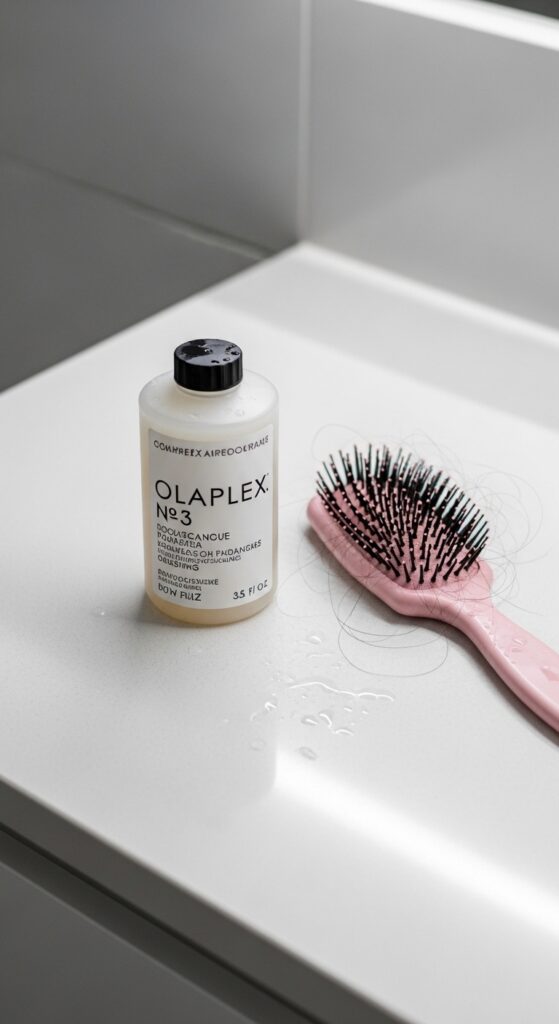
If you’ve heard the buzz, it’s real. Olaplex and similar bond-building treatments work inside the hair shaft to rebuild the broken disulfide bonds from coloring and heat. They don’t just mask damage; they help repair it.
For the best results, use a treatment like Olaplex No. 3 once a week on damp hair before shampooing. Leave it on for at least 10 minutes. Follow with a moisturizing mask. This one-two punch of repair + moisture is a game-changer for strength and shine.
4. The Golden Rule: Heatless Styling Is King
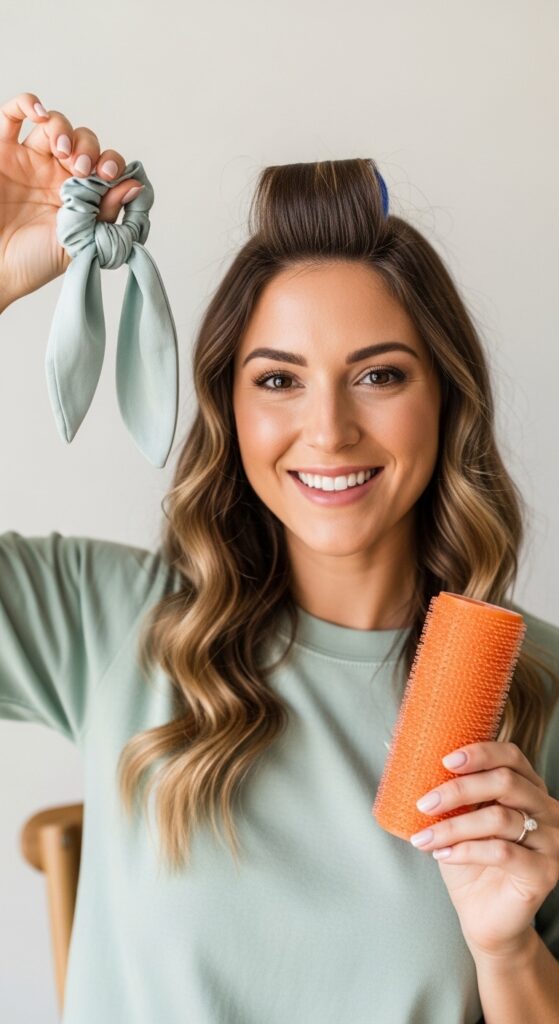
This is the single biggest change you can make. Giving your hair a break from hot tools allows its natural moisture to return. The goal isn’t to never use heat again, but to make it a special occasion thing, not a daily habit.
Luckily, heatless styles are huge right now. From robe tie waves to overnight curls with socks, the internet is full of tutorials. Your hair will thank you with less breakage, more shine, and better texture. It’s the easiest win on this list.
5. The “Old Money Hair” Revival

This trend is a blessing for damaged hair. Old money hair is all about supreme health, shine, and classic, polished styles. It’s not about trendy cuts or colors, but impeccable condition.
Focus on deep conditioning and shine serums. Styles are simple: low, loose buns, sleek ponytails with a center part, or soft blowouts. The look whispers health and luxury, and it gives your hair a rest from complicated styling.
6. The Quiet Luxury Bob: A Damaged Hair Hero

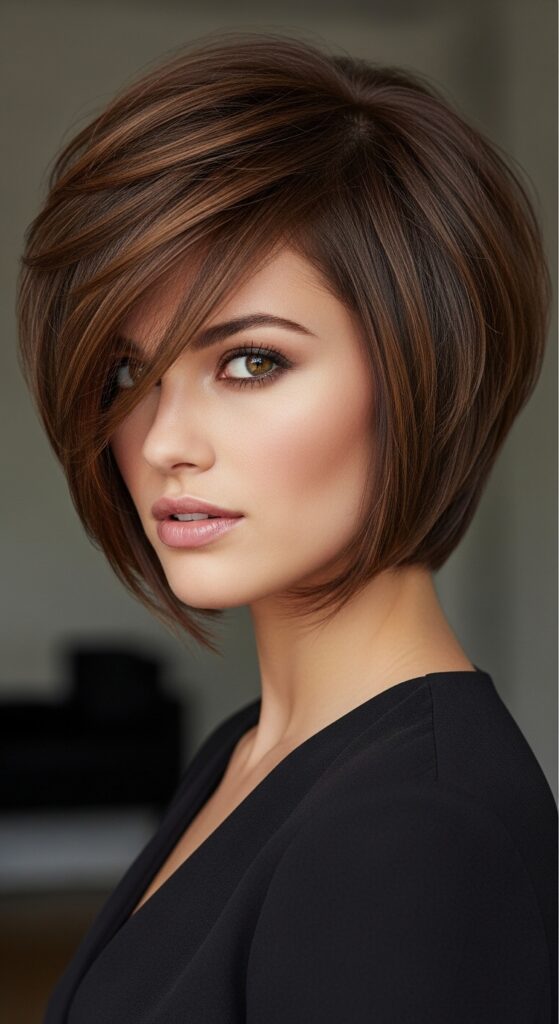
If you’re ready for a cut, consider this. The quiet luxury bob is blunt, somewhere between chin and shoulder length, and has zero layers. This is perfect because it instantly removes thin, wispy ends and creates the illusion of incredible density.
A one-length bob has no weak points for splits to hide. It’s easy to maintain, looks expensive with a simple shine spray, and works with your natural texture. It’s a protective style that makes you look like you have it all together.
7. Romantic Goth & Vampire Haircut Magic
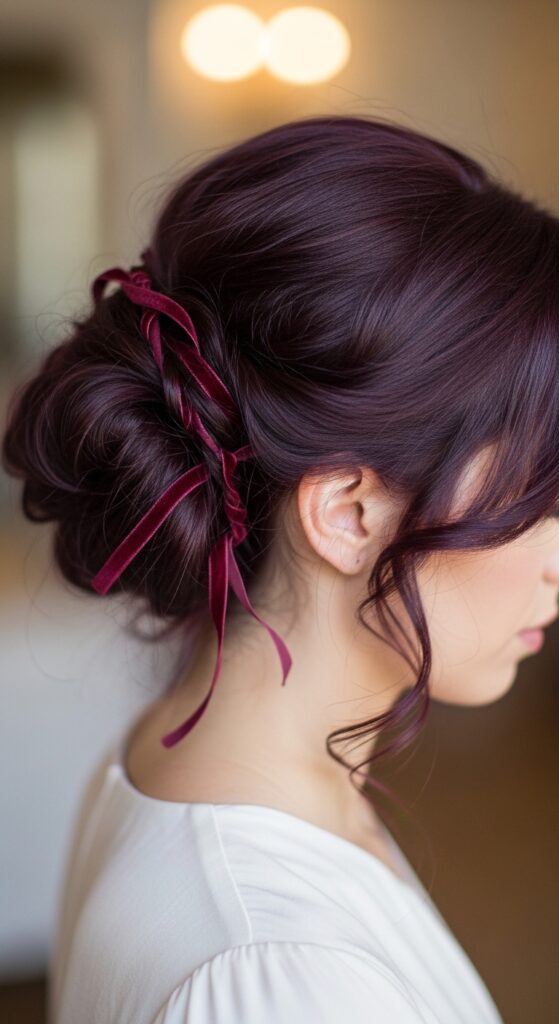
Damaged hair often lacks volume at the roots. Enter the vampire haircut and romantic goth hairstyles. These looks are built on texture, face-framing layers, and a lived-in, piece-y feel.
The beauty is that slightly uneven, textured ends work for the aesthetic. You can focus on rich, conditioning color glosses in dark shades to add shine, while the cut’s movement disguises any lack of uniformity in your ends. It’s strategic and stunning.
8. The Asymmetrical Lob: Disguise & Style
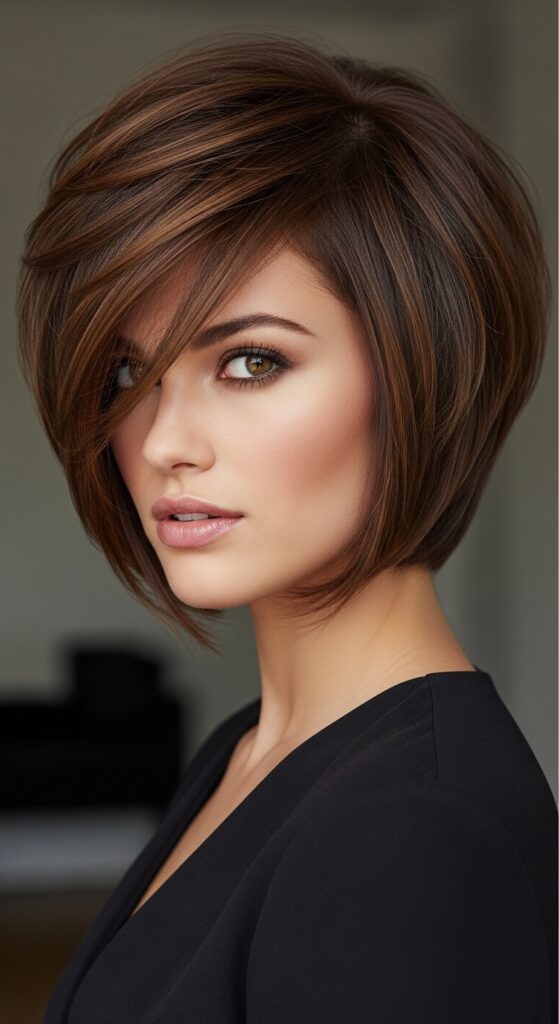
The asymmetrical lob (long bob) is a genius cut. It’s interesting and modern, drawing the eye to the shape rather than the individual ends. The angle can also remove more weight and damage from one side while preserving length on the other.
It’s a low-maintenance cut that air-dries beautifully. Use a texturizing cream on damp hair, scrunch, and let it dry for a cool, piece-y look that requires zero heat and hides a multitude of sins.
9. The Protective Power of the Hime Cut
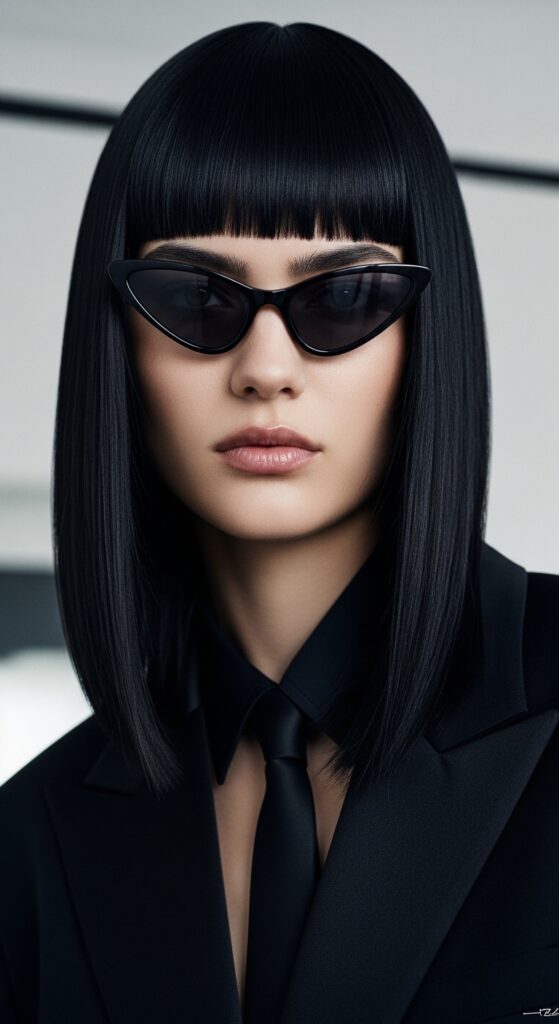
The hime cut, with its straight-across bangs and long, face-framing sections, is surprisingly protective. The front pieces are often kept blunt and healthy, while the rest of your hair can be tucked away or worn up.
This style encourages you to wear the back in a simple, protective bun or braid, shielding those lengths from friction and environmental damage. The bold front pieces give a full, styled look with minimal effort on the rest.
10. Glitchy Glam Hair for Texture Lovers
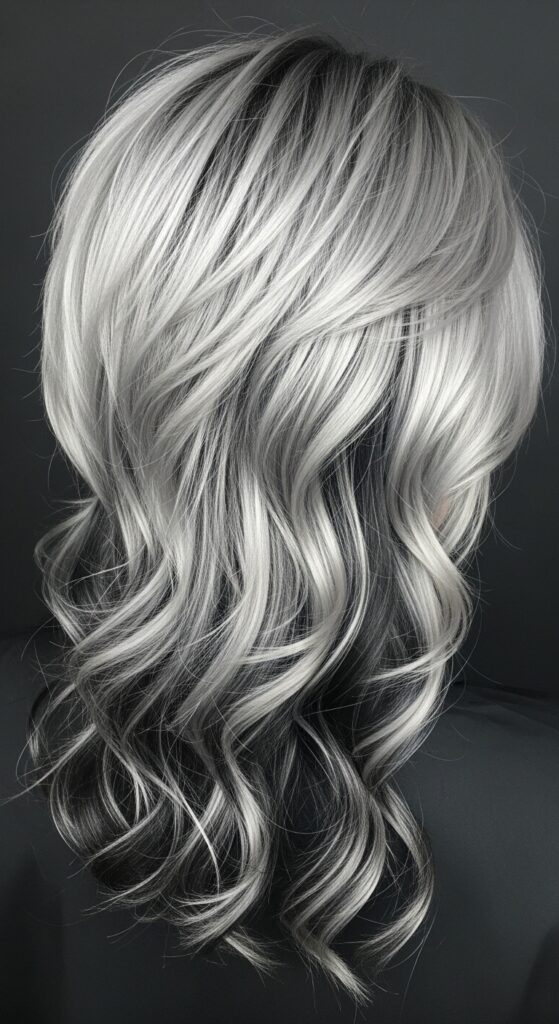
If your hair is frizzy or unevenly textured from damage, lean into it with glitchy glam hair. This trend celebrates intentional “errors”—sleek pieces next to crimped ones, or uneven wave patterns.
Use different styling techniques on different sections without heat. Try braiding some sections damp for waves, while leaving others to air-dry straight. Add a glitter gel or shiny pomade to certain pieces. It turns texture into a deliberate, cool statement.
11. Deep Conditioning: Your Weekly Reset

Treat this like a non-negotiable appointment with yourself. A weekly deep conditioning mask provides intense hydration that your daily conditioner can’t. Look for ingredients like shea butter, argan oil, or hydrolyzed keratin.
Apply to towel-dried hair, focusing on mid-lengths to ends. Put your hair up in a clip, leave it on for 20-30 minutes while you do something else, then rinse with cool water. The difference in softness will be immediate and incredible.
12. Silk & Satin: Your Overnight Treatment

Cotton pillowcases create friction, causing breakage and sucking moisture from your hair. Switching to silk or satin is a tiny change with massive impact. The smooth surface allows your hair to glide, reducing tangles and split ends.
Invest in a pillowcase or a satin bonnet. A bonnet is great for keeping longer hair contained and protected. It’s the easiest way to protect all your hard repair work while you sleep. You’ll wake up with smoother, less frizzy hair.
13. Pre-Shampoo Oils: The Pre-Game
Also known as “pre-poo,” this technique involves applying a light oil (like coconut, argan, or jojoba) to your dry ends 20-30 minutes before you shampoo. It acts as a protective barrier, preventing the shampoo from stripping your hair of its natural oils.
This is especially crucial if you have high-porosity hair that loses moisture quickly. It keeps your ends supple and prevents that squeaky-clean, straw-like feeling after washing. Less dryness means less breakage.
14. The Perfect Wash Routine
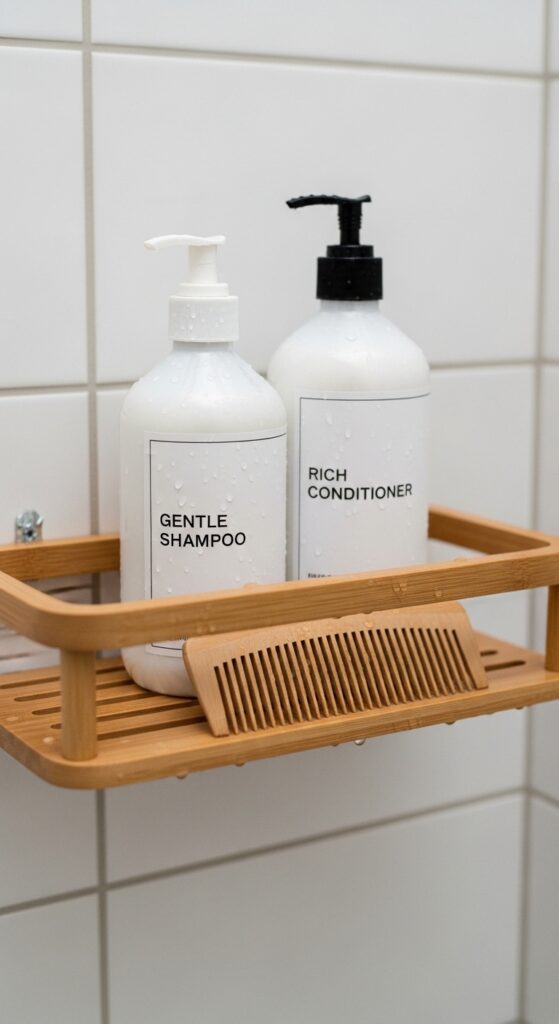
How you wash matters. Always brush your hair gently before getting in the shower to minimize wet tangles. Use lukewarm water, not hot. Apply shampoo only to your scalp, and let the suds run through the ends as you rinse.
Conditioner goes only on your mid-lengths and ends. Use a wide-tooth comb to distribute it evenly. Rinse with cool water to seal the hair cuticle, which boosts shine. This routine prevents unnecessary stress on your weakest points.
15. Leave-In Products Are Your BFF
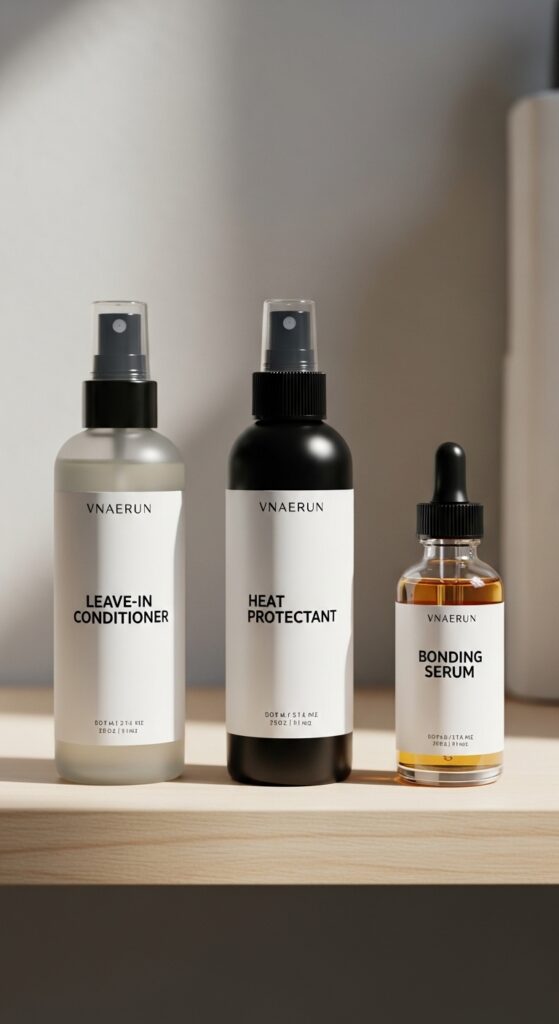
Never skip a leave-in conditioner on damp hair. It’s like a lightweight jacket for your strands, providing ongoing moisture and detangling. Follow it with a dedicated heat protectant if you *are* using heat, or a bonding serum like Olaplex No. 6 for extra repair.
These products create a daily shield against environmental damage and make styling (heatless or not) so much easier. They smooth the hair cuticle, reducing frizz and making your hair look and feel healthier all day.
16. Braids & Twists: Cute & Protective

Protective styling doesn’t have to be boring. Loose braids, twists, and rope braids are your friends. They keep your hair contained, preventing tangles and friction damage from wind or your clothes.
Sleep in a loose braid to prevent nighttime knots. Wear a braid to the gym or on a windy day. You can even create beautiful heatless waves by braiding damp hair and letting it dry. It’s functional, pretty, and gives your hair a break.
17. The Power of a Good Hairdresser Chat
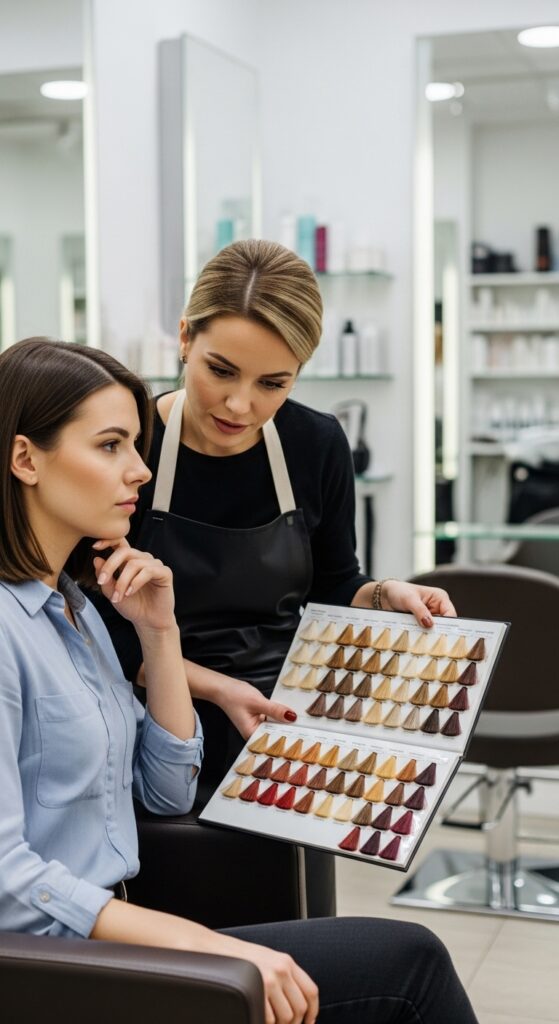
Be brutally honest with your stylist. Tell them about your damage, your routine, and your goals. A good stylist will recommend the right cut (like the ones above) to remove damage while giving you a shape that grows out beautifully.
They can also advise on the best professional treatments for your specific hair type. This partnership is key. You maintain the health at home; they set you up for success with the right cuts and in-salon treatments.
18. Color Care: Gloss Over Damage
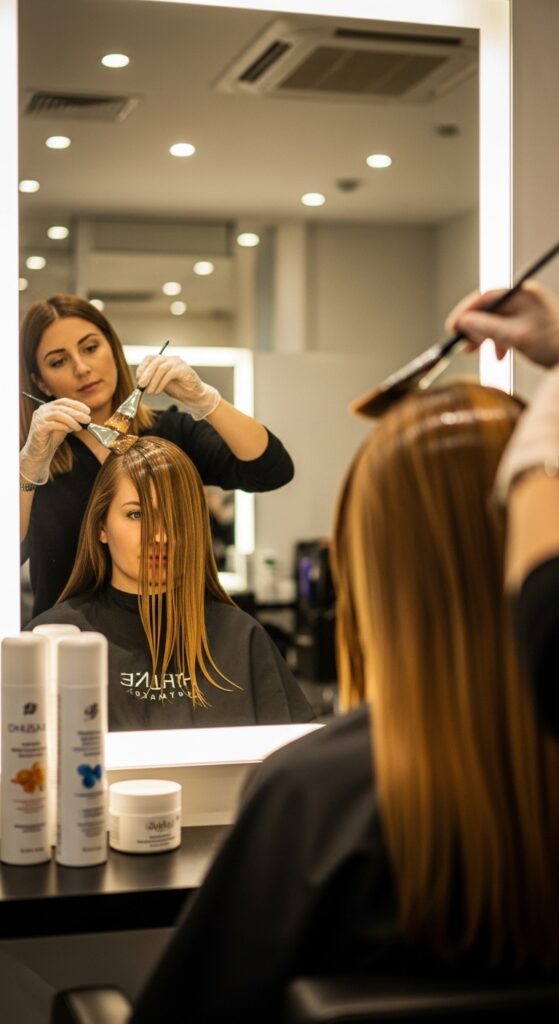
If you color your hair, ask your stylist about a demi-permanent gloss or glaze at your next appointment. These add incredible shine and tone your color without the damaging ammonia or peroxide found in permanent dye.
Glosses temporarily seal the hair cuticle, making your hair look smoother, shinier, and feel silkier. It’s a perfect way to refresh your color and improve the look of damaged hair between major cuts or coloring sessions.
19. Diet & Hydration: Inner Health
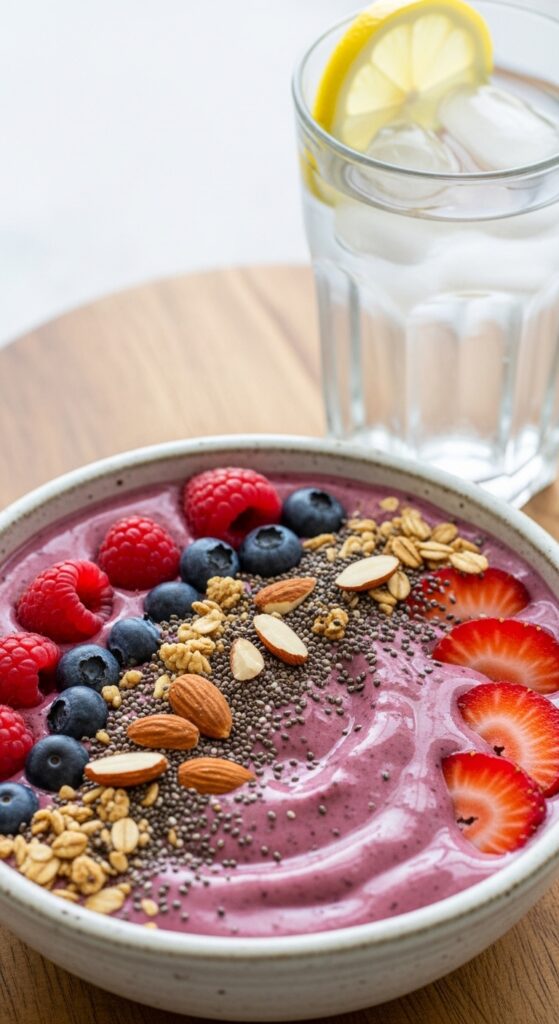
What you put in your body shows up in your hair. Protein, healthy fats (like omega-3s from fish or nuts), and vitamins (especially Biotin and Vitamin E) are the building blocks of strong hair.
Drinking enough water is just as crucial as any product. Dehydration shows up as dry, brittle hair. Think of your water bottle and a protein-rich snack as essential hair care tools. Healthy hair truly starts from within.
20. Patience & Celebrating Small Wins
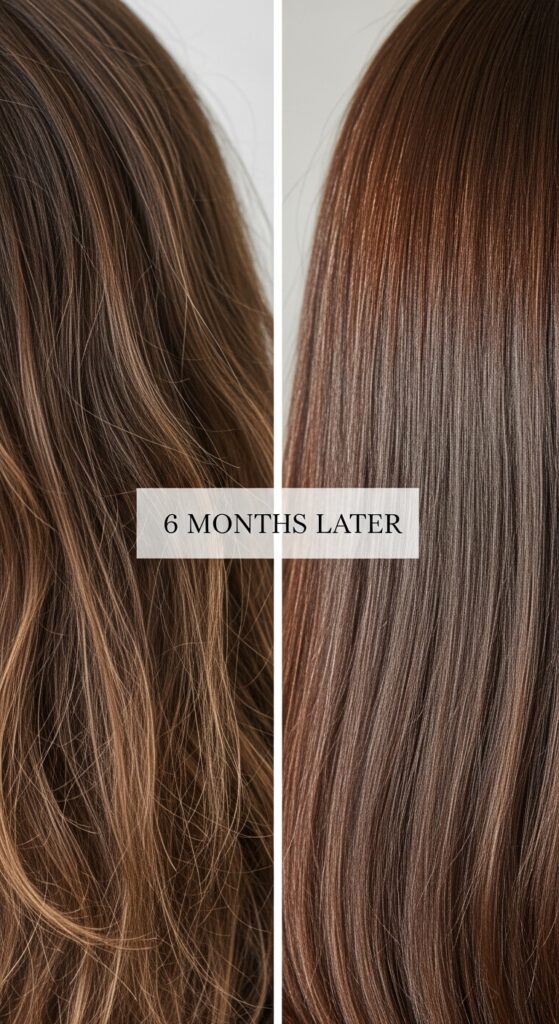
Hair grows about half an inch per month. You won’t see a transformation overnight. The key is consistency and celebrating the small victories. Did your hair tangle less this week? That’s a win. Does it feel softer? Major win.
Take monthly pictures to track progress. It’s easy to forget how far you’ve come. Every trim, every deep conditioning treatment, every night on a silk pillowcase is a step toward the healthy hair you’re working for. You’ve got this.
21. Low-Manipulation Updos
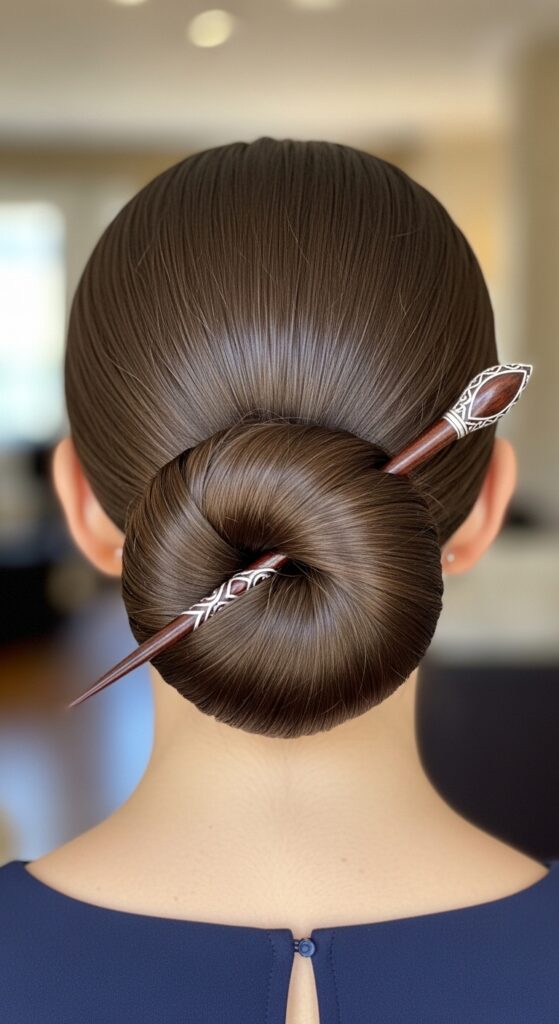
Constant brushing and re-styling causes breakage. Low-manipulation styles are ones you can put your hair in and leave alone. Think of a loose bun secured with a scrunchie or hair stick, a simple claw clip updo, or a soft ponytail with a silk scarf.
The goal is to avoid tight elastics and frequent touching. These styles look polished but are gentle on your hairline and ends. They minimize daily stress, giving your hair time to just exist without being pulled or brushed.
22. Know Your Water
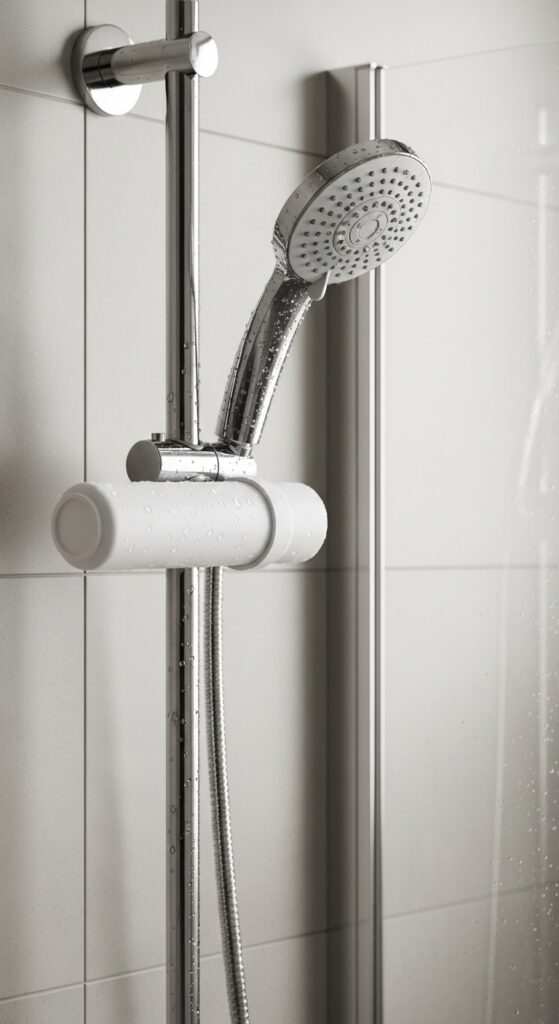
Hard water, which is high in minerals like calcium and magnesium, can leave a film on your hair. This makes it look dull, feel rough, and prevents moisture from penetrating. If your glasses are always spotty, you likely have hard water.
Consider a showerhead filter. It’s an affordable fix that can make a dramatic difference. You can also use a clarifying shampoo once a month to remove mineral buildup. Softer water helps your products work better and keeps your hair shinier.
23. Your On-The-Go Damage Control Kit
Be prepared to handle damage triggers anywhere. A small kit in your bag can save the day. Mine has a mini hair oil for dry ends, a wide-tooth comb for gentle detangling, a silk scrunchie for a quick protective updo, and a travel-size leave-in spray.
If you get caught in the rain or wind, or just need a refresh, you can fix your hair without rough treatment. It puts you in control, preventing a bad hair day from turning into a breakage day.
So, there you have it. Your full roadmap from feeling frustrated about your hair to feeling genuinely confident in its health and style. Remember, this isn’t about perfection. It’s about progress and being kind to your hair while it heals.
The best part? Every single tip here is something you can start today. Pick one or two that feel doable, like switching to a silk pillowcase or trying a heatless style tomorrow. Small steps create big changes.
I’d love to hear from you! Which style are you most excited to try—the quiet luxury bob or the romantic goth vibes? What’s your number one hair struggle right now? Tell me in the comments below!
Save this post to Pinterest so you can always come back to these tips and hairstyles whenever you need a little inspiration or a reminder to be gentle with your hair. You’re on your way to your