AITAH for Not Inviting My Dad to My Wedding Because He Missed Most of My Life?
Weddings are emotional milestones, often seen as a time for unity, celebration, and family togetherness. But what happens when one of the most important people in your life—your father—hasn’t really been there at all? A recent post on r/AITAH asked exactly that: Am I the bad one for not inviting my dad to my wedding because he wasn’t around growing up?
This scenario opens up a much bigger conversation about what we owe to people who share our blood but not our journey. Let’s dive in.
The Backstory: Absent Parent, Complicated Feelings
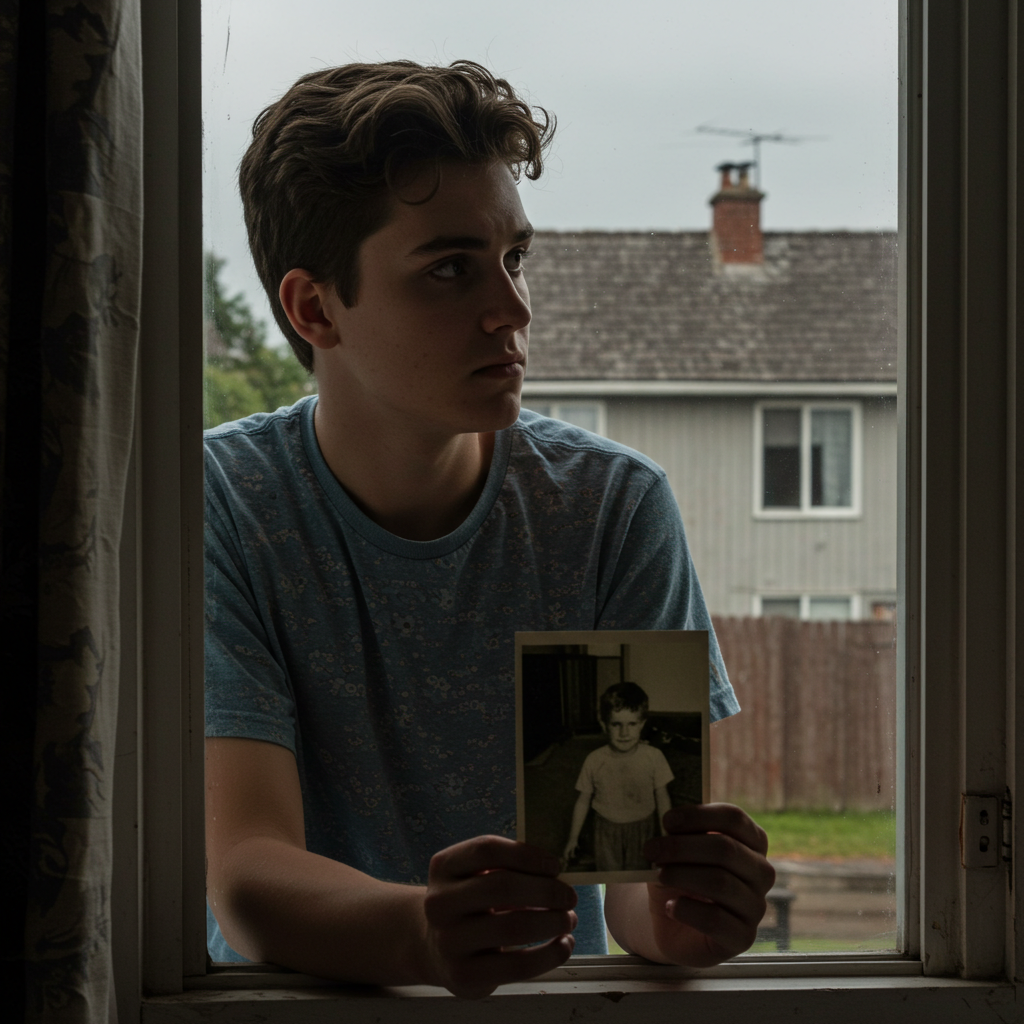
According to the original poster (OP), their father walked out when they were just a toddler. OP was raised solely by their mother, who worked two jobs to keep food on the table and clothes on OP’s back. The father occasionally reached out with birthday cards or texts, but never showed up when it really counted—school events, graduations, or even tough times.
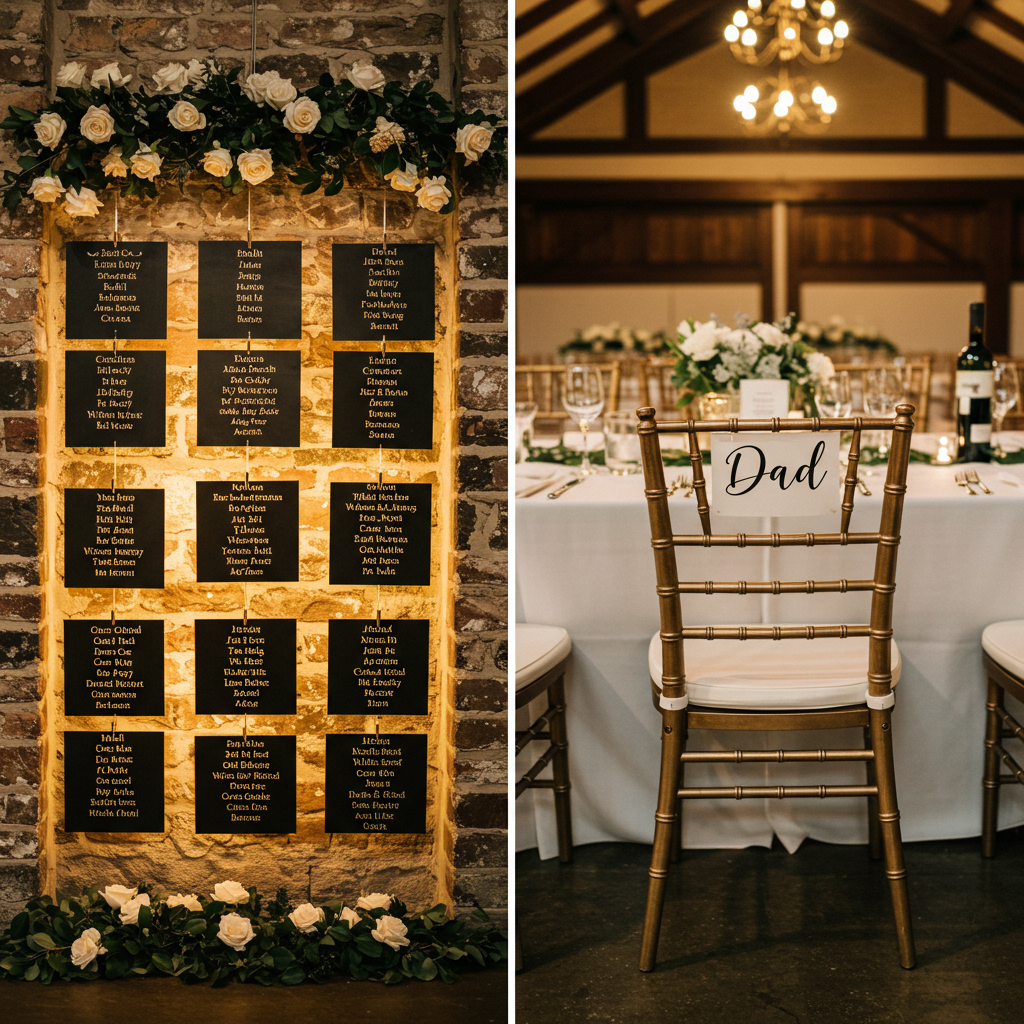
Now, years later, OP is getting married. The father heard through extended family and assumed he’d be invited. When OP clarified that he wasn’t, drama exploded. Relatives accused OP of being cold and unforgiving. The father, apparently shocked, said he was trying to “make things right.”
So: is OP heartless—or simply protecting their peace?
Does Biology Automatically Equal a Seat at the Table?
One of the most heated points in the AITAH thread was whether a parent—especially a father—deserves a place at major life events by default. Many people shared similar experiences, weighing in with:
“He made his choice years ago. He doesn’t get to show up now and act like nothing happened.”
“It’s your day. You invite people who showed up for you, not those who abandoned you.”
Others, however, offered a different view:
“People change. Maybe he’s truly sorry and this could be a new beginning.”
“Weddings are about healing too. Maybe this is a chance to forgive and move forward.”
Ultimately, the choice boils down to personal boundaries—and whether the door is open for reconnection.
OP’s decision not to invite their dad doesn’t necessarily mean they’re filled with hate or resentment. Sometimes, protecting your emotional space means closing a door that was already barely open.
Forgiveness can happen without physical presence. And closure doesn’t always mean a reunion.
Here’s why it’s okay to choose your own peace:
Your wedding is your day. You get to decide who surrounds you.
You’re allowed to honor who showed up for you. That may not be your father.
Rebuilding relationships takes time—not just one invite.
Weddings can be full of emotional landmines, especially when complicated family dynamics are involved. But at the heart of this AITAH story is a powerful truth: you don’t owe anyone access to your life just because they share your DNA.
You deserve a wedding surrounded by love, not guilt. And saying “no” to someone who said “no” to you for years? That doesn’t make you cruel. It makes you honest.