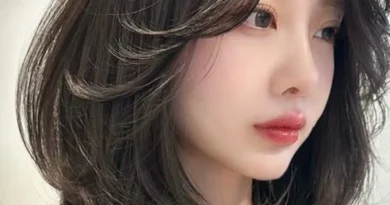
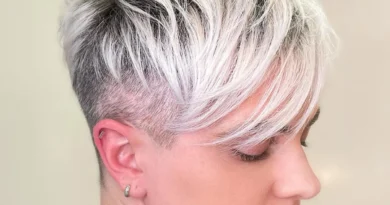
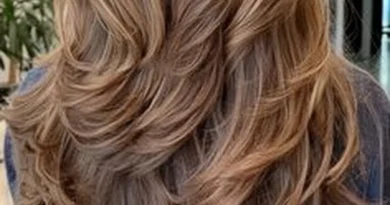
35 Best Hairstyles for Women with Short Necks That Make Your Neck Look Longer
The best hairstyles for women with short necks use vertical lines, an open neckline and a little crown lift to make the neck look longer. Long layers, an angled lob, a high ponytail or a sleek bun all work, because they draw the eye up and down instead of cutting across the neck. Avoid blunt chin-length cuts and heavy ends sitting right at the neck.
In this guide, you will find 35 hairstyles for women with short necks, from long layers and angled lobs to pixies, braids and high updos. Each style explains why it works for a short neck, who it suits best, how to style it at home, and exactly what to ask your stylist, so you can take the idea straight to the salon.
Key Takeaways
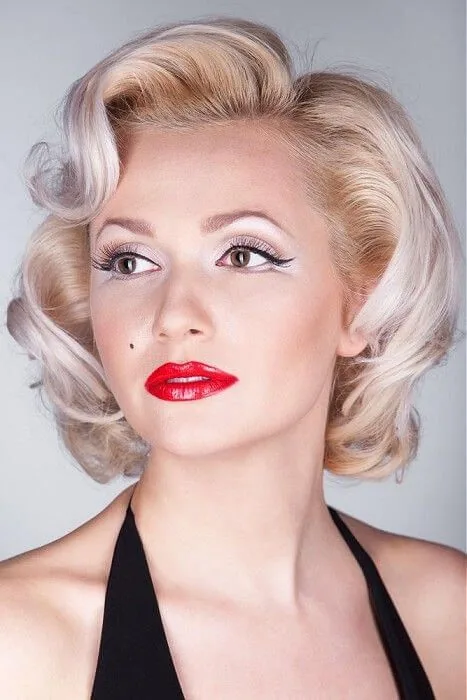
- Go vertical, not horizontal: Long lines, diagonal parts and angled cuts stretch the neck. Blunt horizontal lines cut it in half.
- Keep the neckline open: The nape should be visible, not hidden behind heavy ends or a blunt nape.
- Add height on top: A little crown lift stretches the whole silhouette upward.
- Length below the shoulders helps most: Long layers, angled lobs and long waves are the safest lengthening choices.
- Soften the ends: Wispy, point-cut ends keep the line gentle. Blunt, heavy ends at the neck shorten it.
How a Short Neck Looks and Why It Looks Shorter
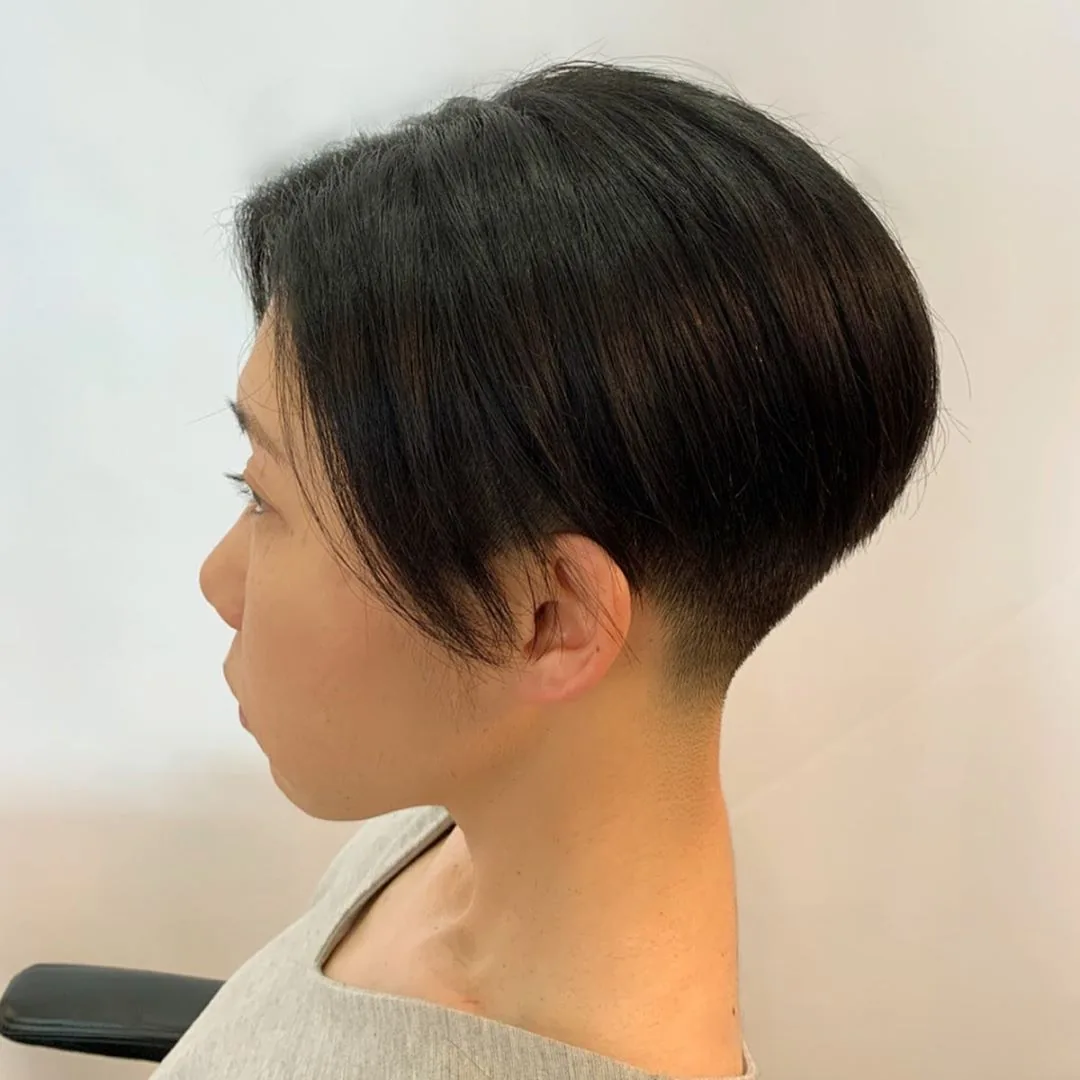
A short neck is simply a neck that looks short in proportion to the face and shoulders. It is not a flaw, it is a proportion, and hairstyles change how that proportion reads. When hair ends in a blunt line right at the chin or mid-neck, the eye stops there, and the neck looks cut in half. When hair adds width around the jaw, the head looks wider and the neck looks shorter by comparison.
The same thing happens with a thick, blunt fringe, a heavy nape, or a style that curves inward at the neck. All of those create a horizontal line or a pocket of bulk exactly where you want openness. Lengthening styles do the opposite: they leave the nape clear, add a little height on top, and let the hair fall in long vertical lines past the neck.
The Golden Rule for Short Necks
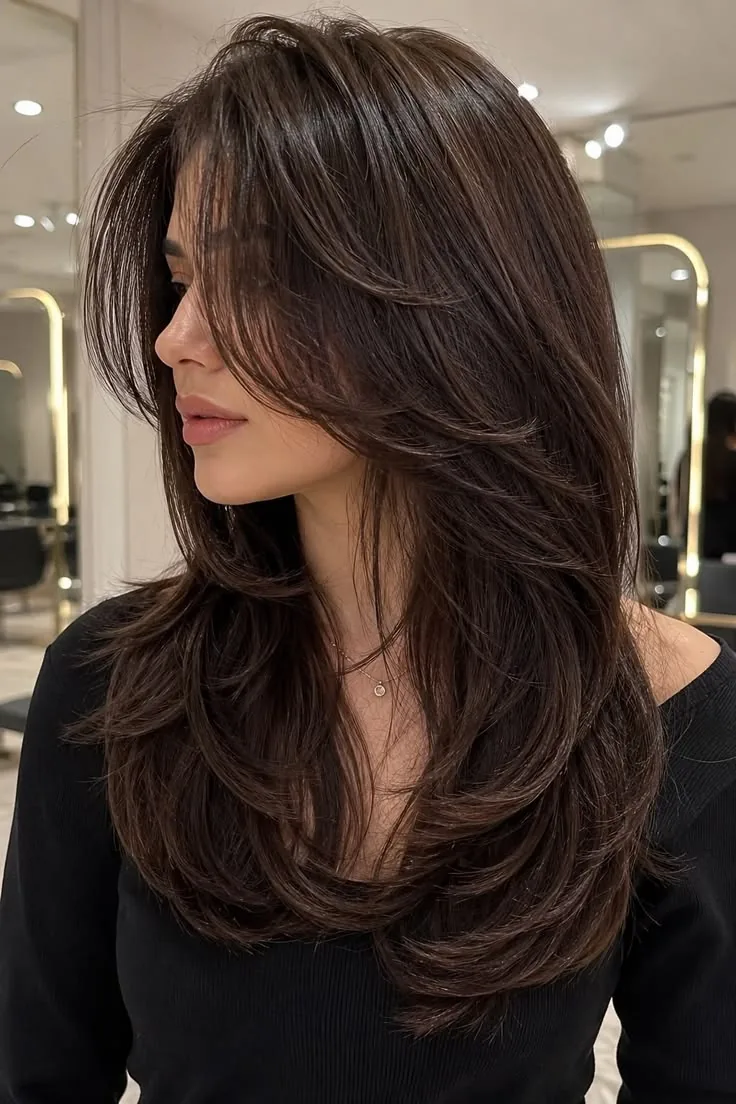
Draw the eye up and down, never sideways across the neck. That is the whole rule. Crown lift draws the eye up. Long layers, an angled lob and long waves draw it down. An open nape lets the neck itself show, which is what actually makes it look longer.
Two habits break the rule. First, blunt ends sitting at the neck, especially a chin-length bob ending exactly at the chin. Second, lots of side volume around the jaw, which widens the head and shortens the neck by contrast. Keep the sides smooth, the ends soft, and the length either clearly above the nape with a tapered finish, or clearly below the shoulders.
Quick Picks by Length and by Goal
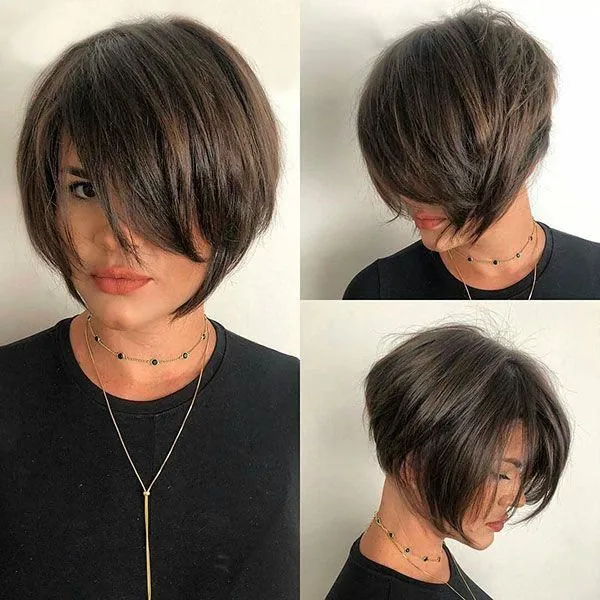
- Short: Textured pixie with crown height, pixie-bob with longer front pieces, short pixie with a wispy nape.
- Medium: Angled lob, collarbone lob with long layers, wispy-ended lob, asymmetrical bob.
- Long: Long layers below the shoulders, V-shaped long cut, soft cascading waves, feathered long layers.
- Most lengthening: Long layers below the shoulders, high ponytail with crown lift, sleek high bun.
- Low maintenance: Low-maintenance long layers, collarbone lob, half-up with crown height.
- For occasions: Sleek high bun, braided crown with an open neckline, top knot with crown height.
- With a fringe: Side-swept bangs with long layers, curtain bangs with long layers.
1. Long Layers Below the Shoulders
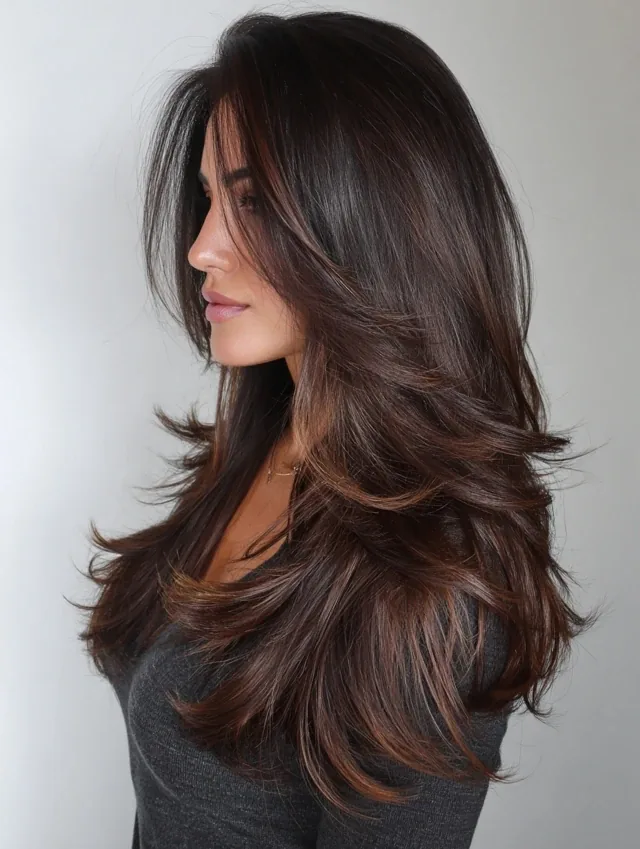
Long layers that fall well below the shoulders are the simplest way to make a short neck look longer. The eye follows one continuous vertical line from the crown down past the neck, instead of stopping at a horizontal cut. Layers starting around the shoulders keep the hair moving and light, while the length itself does the lengthening work. Keep the ends soft and textured, not blunt, so the line stays gentle.
Best for: Women with short necks who want to keep their length. Best if your hair is straight, wavy or softly layered.
How to style: 1. Apply smoothing cream to damp hair. 2. Blow-dry in sections with a round brush, pulling down. 3. Add a little serum to the ends. 4. Part softly in the middle or to one side.
What to ask your stylist: Ask for long layers starting at the shoulders, with soft, point-cut ends. Say: keep the length below the shoulders and the neckline open.
2. Angled Lob (Longer in Front)
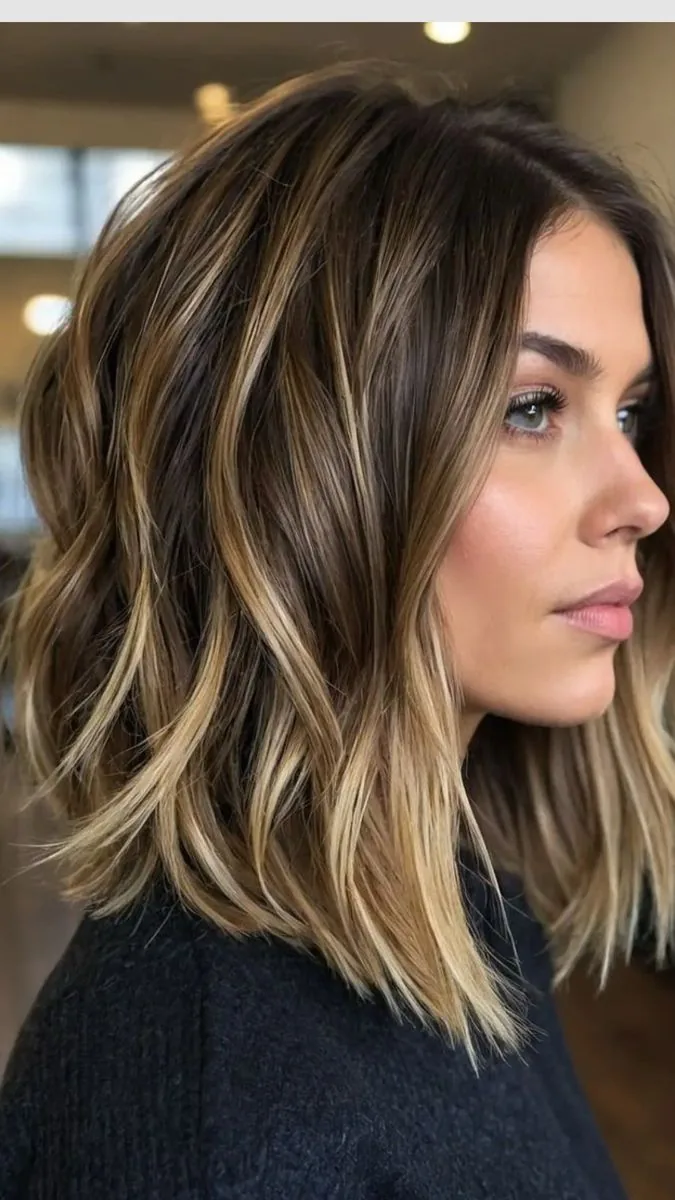
An angled lob is shorter at the back and longer at the front, and that diagonal line is pure length magic for a short neck. The longer front pieces draw the eye down past the jaw and neck, while the shorter back keeps the nape visible and open. It is the rare medium cut that both frames the face and stretches the neck, without needing very long hair.
Best for: Short necks, medium length. Best if you want a chic cut that still looks longer than a classic bob.
How to style: 1. Blow-dry the front pieces forward and down. 2. Smooth the back with a round brush. 3. Bend the front ends slightly inward. 4. Finish with a light spray.
What to ask your stylist: Ask for an angled lob, longer in front and shorter at the back. Keep the front at collarbone length or longer.
3. Collarbone Lob with Long Layers
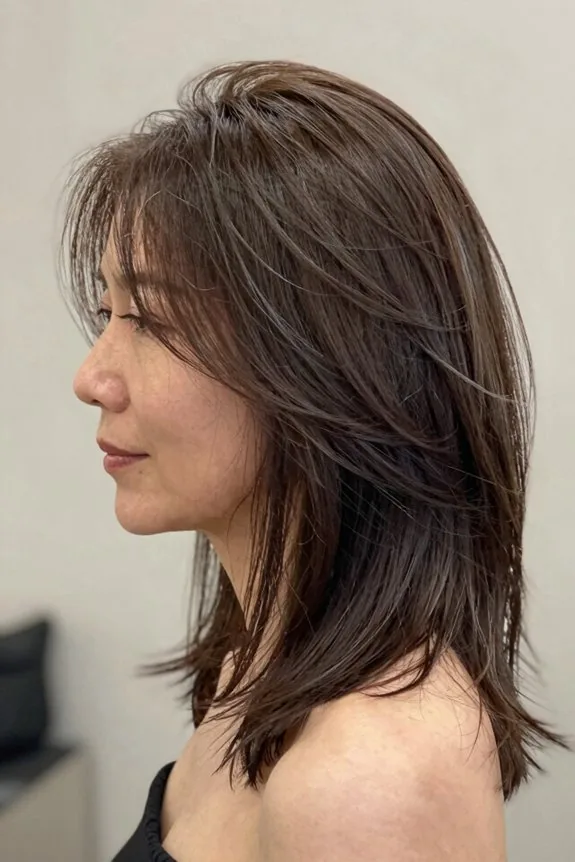
A collarbone lob sits just below the collarbone, so it clears the neck instead of cutting across it. Long layers through the lengths add vertical movement and stop the cut from sitting in one heavy block at neck level. It is polished, easy to style and grows out gracefully, and it pairs beautifully with a side part or a little crown lift.
Best for: Short necks, medium length. Ideal as a first lengthening cut if long hair feels too much.
How to style: 1. Apply leave-in cream to damp hair. 2. Blow-dry with a round brush, pulling down. 3. Wrap a few front pieces around a wand. 4. Shake out gently.
What to ask your stylist: Ask for a collarbone-length lob with long layers. Keep the ends soft, not blunt and heavy at the neck.
4. High Ponytail with Crown Lift
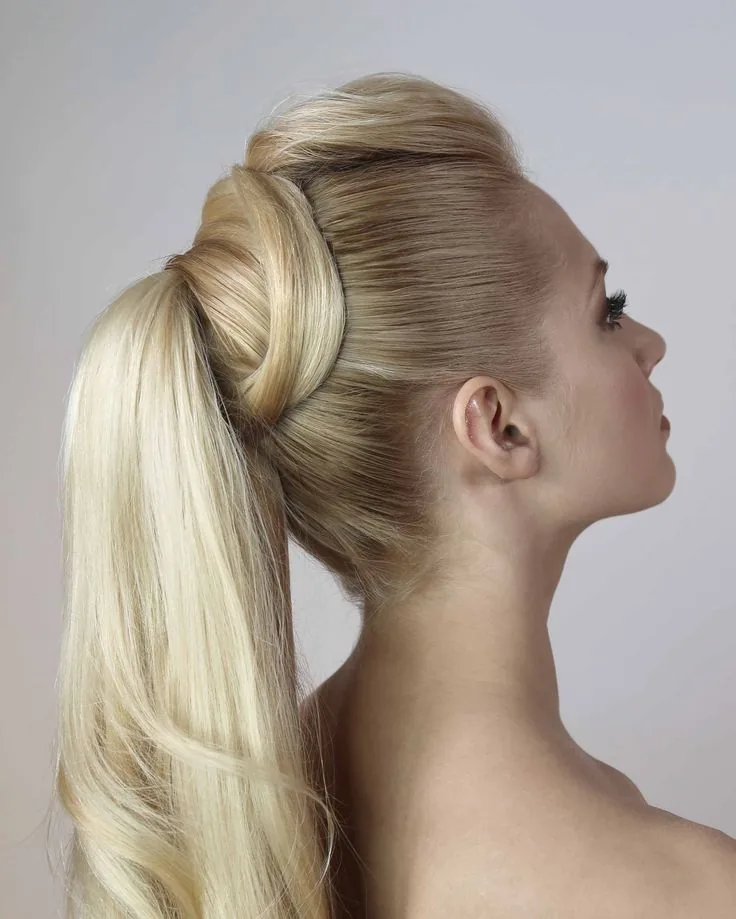
A high ponytail lifts everything upward: the crown, the face and the neckline. With the hair gathered high and a little volume teased at the crown, the neck is fully visible and the whole silhouette stretches taller. Leave a few soft face-framing pieces out so the look stays soft, not severe, and keep the ponytail itself long and smooth.
Best for: Short necks, all hair types. Best for instant length and a polished, lifted look.
How to style: 1. Tease the crown lightly for lift. 2. Gather the hair high and secure firmly. 3. Smooth flyaways with serum. 4. Pull out two soft face pieces.
What to ask your stylist: Ask your stylist to cut layers that gather cleanly into a high ponytail, with no short pieces falling at the nape.
5. Sleek High Bun
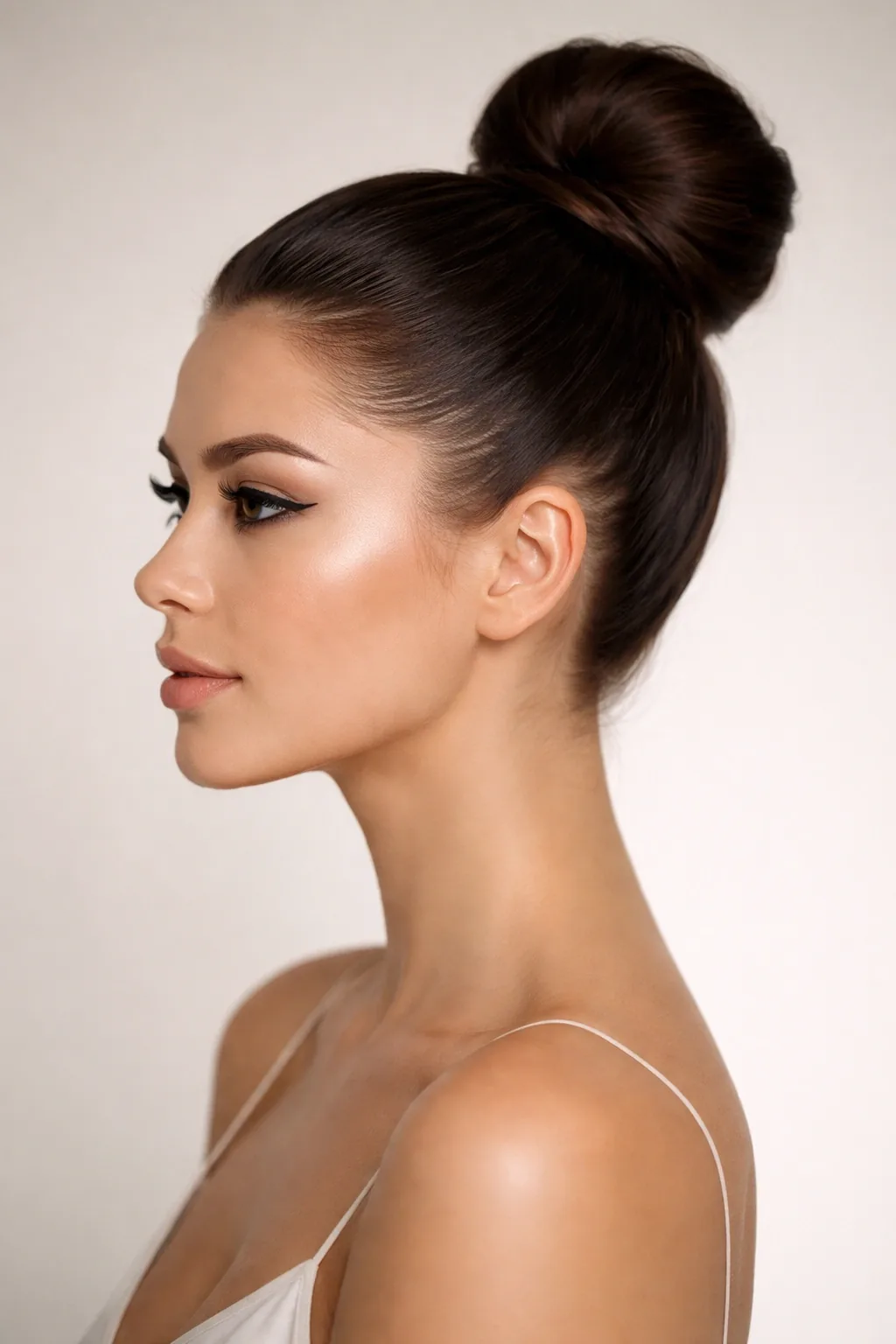
A sleek high bun is the most elegant neck-lengthening updo. All the hair goes up and away, the nape is completely open, and the high placement adds height at the crown. The sleek finish keeps the eye moving up, not sideways, so the neck looks longer and the posture looks taller. It is perfect for work, weddings and formal evenings.
Best for: Short necks, straight to wavy hair. Best for formal occasions and hot days.
How to style: 1. Smooth the hair back with gel or cream. 2. Twist into a high bun and pin securely. 3. Smooth the crown with a brush. 4. Set with strong-hold spray.
What to ask your stylist: Ask for a cut with no heavy nape layers, so a high bun sits cleanly and the neckline stays open.
6. Messy High Bun with Face-Framing Pieces
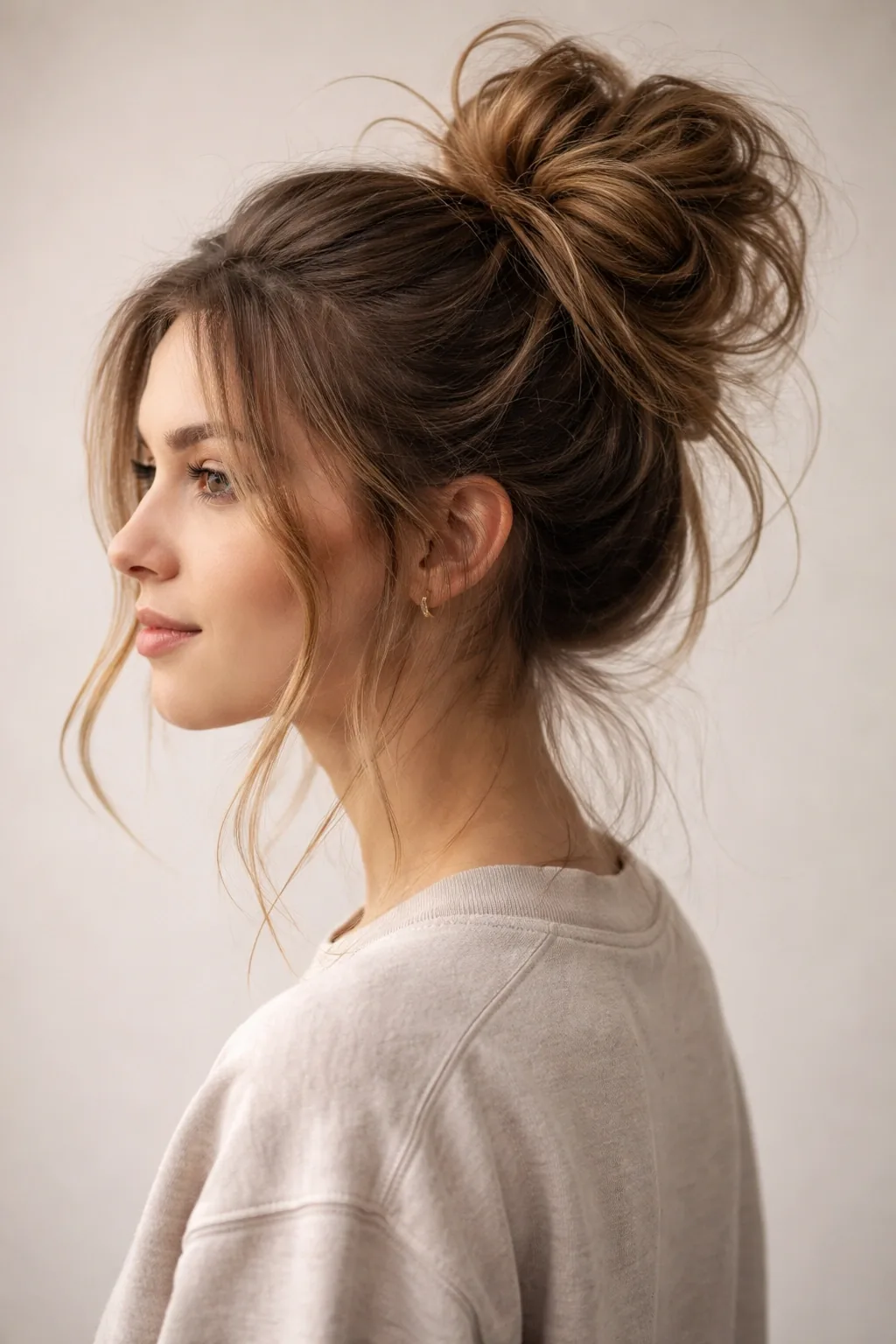
A messy high bun gives you the same neck-opening lift as a sleek bun, but with a softer, everyday finish. The bun sits high, the nape stays visible, and a few loose pieces around the face stop the look from feeling tight. Those vertical face pieces also draw the eye down in a gentle line, which balances the height on top.
Best for: Short necks, wavy or textured hair. Best for a relaxed, everyday lengthening updo.
How to style: 1. Gather the hair high and loosely. 2. Twist and pin, leaving texture. 3. Pull out soft face pieces. 4. Set lightly so it stays soft.
What to ask your stylist: Ask for long face-framing layers that fall softly when the hair is up, not short pieces at the jaw.
7. Side-Swept Bangs with Long Layers
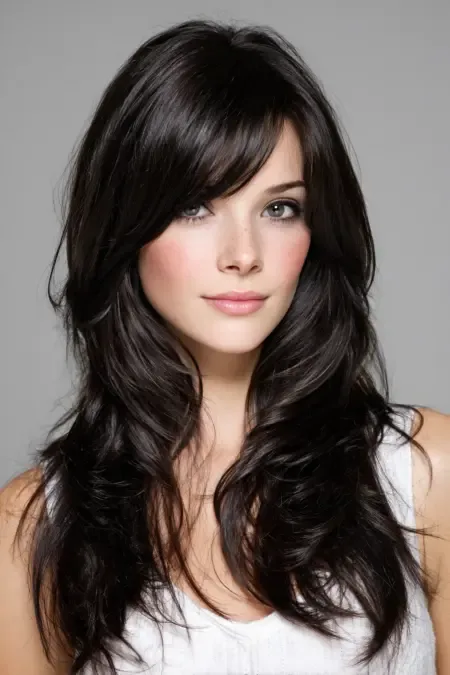
Side-swept bangs sweep diagonally across the forehead, creating a long diagonal line that makes the face and neck look longer. Paired with long layers, the diagonal at the front and the vertical fall at the back work together. Keep the bangs long and soft, blending into the layers, never short and blunt across the forehead.
Best for: Short necks, long hair. Best if you want a fringe that lengthens instead of shortening.
How to style: 1. Blow-dry the fringe to one side with a round brush. 2. Smooth the long layers down. 3. Bend the ends slightly. 4. Set with a light spray.
What to ask your stylist: Ask for long side-swept bangs blending into long layers. Keep the fringe soft, never a thick blunt block.
8. Deep Side Part Long Hair
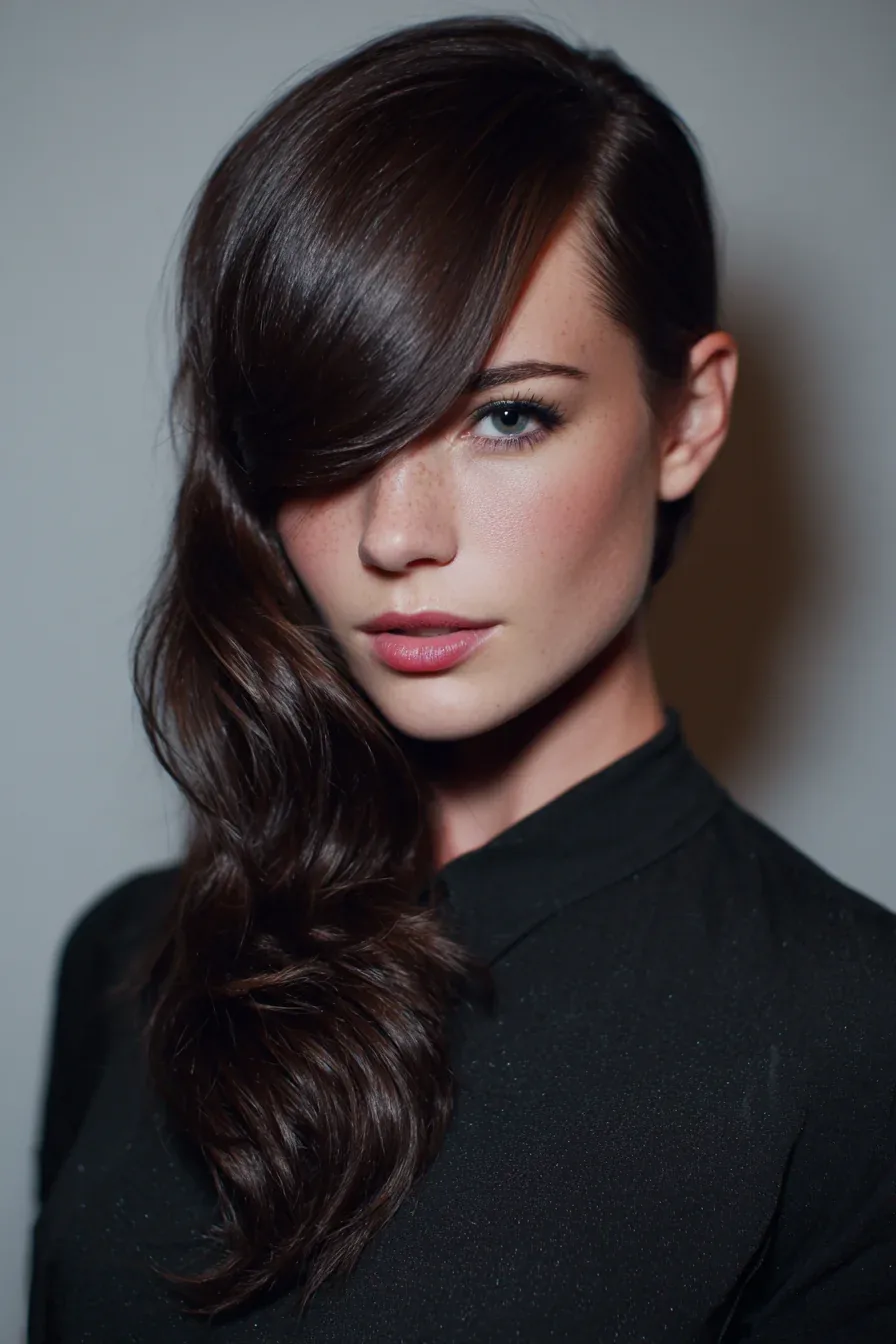
A deep side part is a free, instant lengthening trick. It shifts volume to one side, lifts the roots and breaks up any flat, horizontal line across the face. With long hair underneath, the waves or straight lengths fall in one long, glamorous sweep instead of a heavy, even curtain that stops at the neck.
Best for: Short necks, long hair. Best for instant lift and a glamorous finish.
How to style: 1. Part deeply to one side while damp. 2. Apply root mousse to the lifted side. 3. Blow-dry, lifting the roots. 4. Set the part with a light spray.
What to ask your stylist: Ask your stylist to cut the layers so they work with a side part, with front pieces long enough to sweep across.
9. Long Straight Hair with Vertical Layers
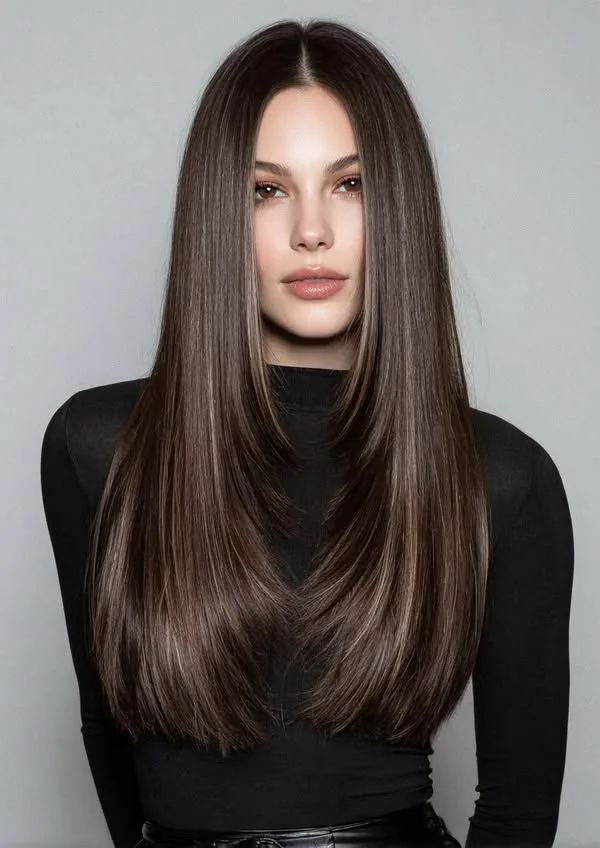
Long, straight hair with vertical layers is the most direct way to stretch a short neck: one long, smooth line from crown to ends. The layers must be long and subtle, so the hair stays sleek instead of breaking into steps. Keep the centre or side part clean, the ends lightly textured, and the neckline completely clear of bulk.
Best for: Short necks, straight or straightened hair. Best for a sleek, polished lengthening look.
How to style: 1. Apply smoothing cream and heat protectant. 2. Blow-dry in sections, pulling straight down. 3. Flat-iron lightly if needed. 4. Finish with shine serum.
What to ask your stylist: Ask for long vertical layers with soft, point-cut ends. Say: no blunt horizontal line at the neck.
10. Soft Cascading Waves
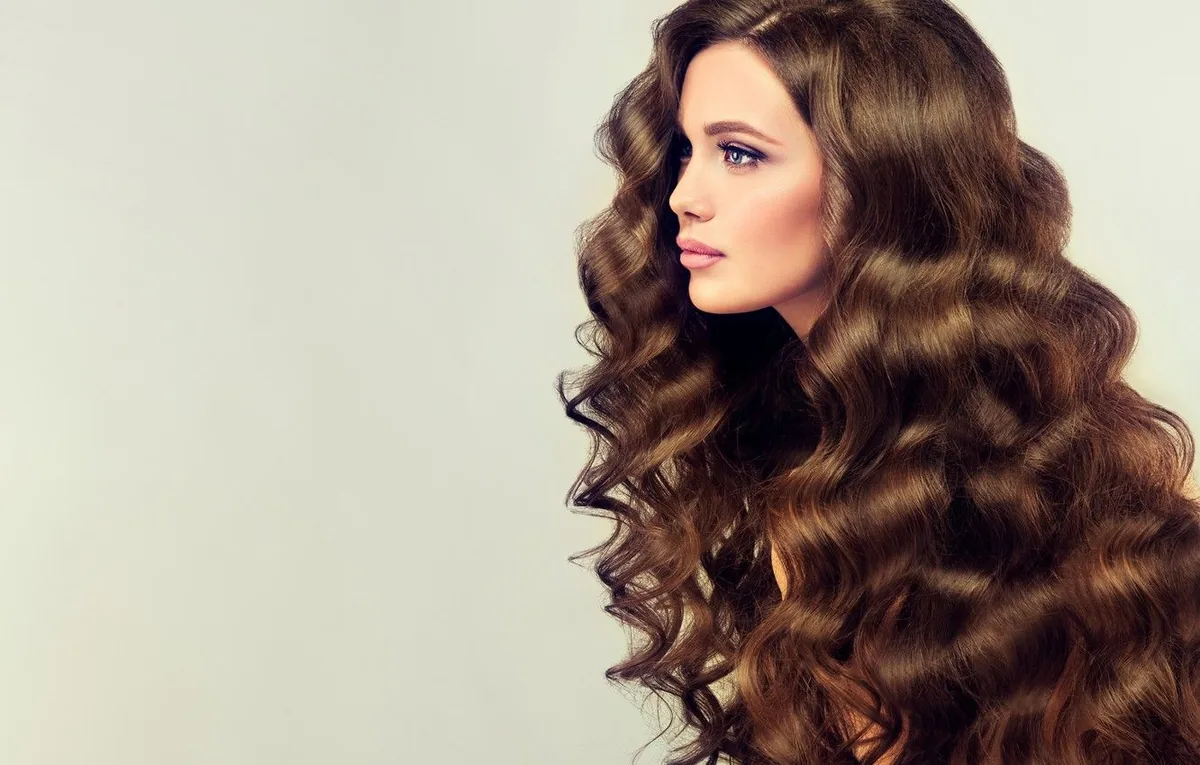
Soft cascading waves fall in long, gentle S-shapes that carry the eye downward, past the neck and shoulders. The key is length: waves that end below the shoulders stretch the silhouette, while waves ending at the neck do the opposite. Keep the top smooth, the crown lightly lifted, and the waves loose rather than tight and wide.
Best for: Short necks, wavy or curled hair. Best for a romantic, lengthening wave.
How to style: 1. Apply curl cream to damp hair. 2. Curl large sections loosely with a wand. 3. Brush out gently for soft waves. 4. Set with flexible spray.
What to ask your stylist: Ask for long layers that support loose waves, with the shortest layer at shoulder level or below.
11. Beach Waves Below the Shoulders
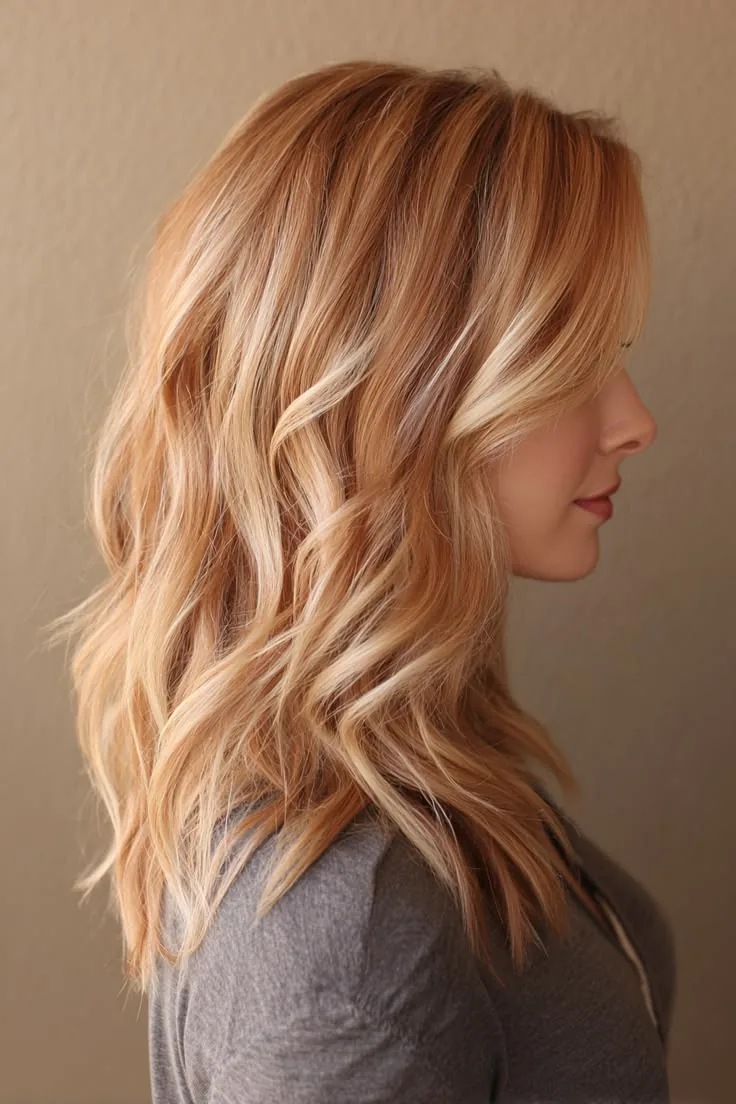
Beach waves look effortless, but for a short neck the length matters more than the texture. Waves that fall below the shoulders create a long, tousled vertical line, while shorter beach waves can add width at exactly the wrong place. Keep the waves loose, the top flat-ish with a little crown lift, and the ends textured, not blunt.
Best for: Short necks, medium to long wavy hair. Best for a relaxed, tousled lengthening look.
How to style: 1. Apply sea salt spray or curl cream. 2. Scrunch and diffuse or air-dry. 3. Twist a few sections around a wand. 4. Shake out for a beachy finish.
What to ask your stylist: Ask for medium-long layers below the shoulders, cut for loose beach waves. No short surface layers at the neck.
12. Half-Up Half-Down with Crown Height
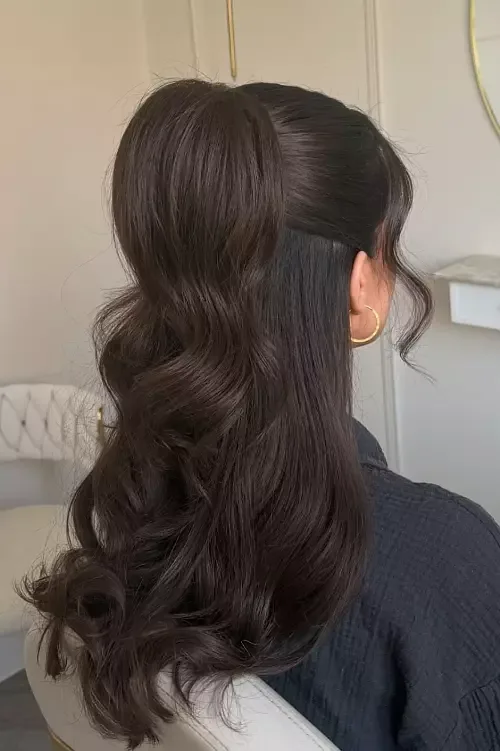
A half-up style with crown height does two jobs at once: the top section lifts the crown and opens the neck, while the long lengths underneath keep the vertical line going. Tease the crown lightly, gather the top half loosely, and leave the rest long and smooth. It is flattering for everyday wear and for occasions alike.
Best for: Short necks, long hair. Best if you like wearing hair half-up but want length, not bulk.
How to style: 1. Tease the crown lightly. 2. Gather the top half loosely. 3. Leave face-framing pieces out. 4. Secure with a soft tie or clip.
What to ask your stylist: Ask for long layers that stay in a half-up style, with the shortest top layers at chin length or longer.
13. French Braid with Open Nape
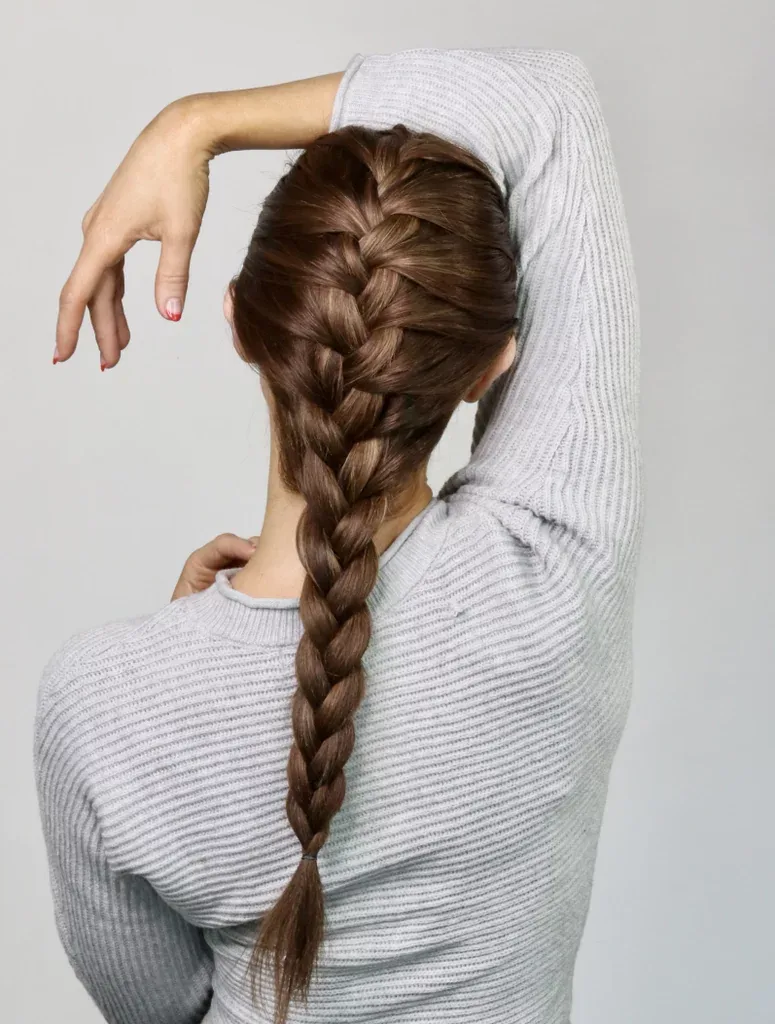
A French braid worn down the back keeps the nape open at the start and then creates one long vertical braid that stretches the back view. Start the braid high, keep it neat at the crown, and let it fall long. The braid itself becomes a vertical line, and because the sides are pulled back, the neck is not hidden behind loose hair.
Best for: Short necks, long hair. Best for a neat, practical lengthening braid.
How to style: 1. Smooth the hair back and part as desired. 2. French-braid from the crown down. 3. Secure at the ends. 4. Pull a few crown pieces loose for softness.
What to ask your stylist: Ask for long layers that braid cleanly, with no short nape pieces poking out.
14. Fishtail Braid Worn High
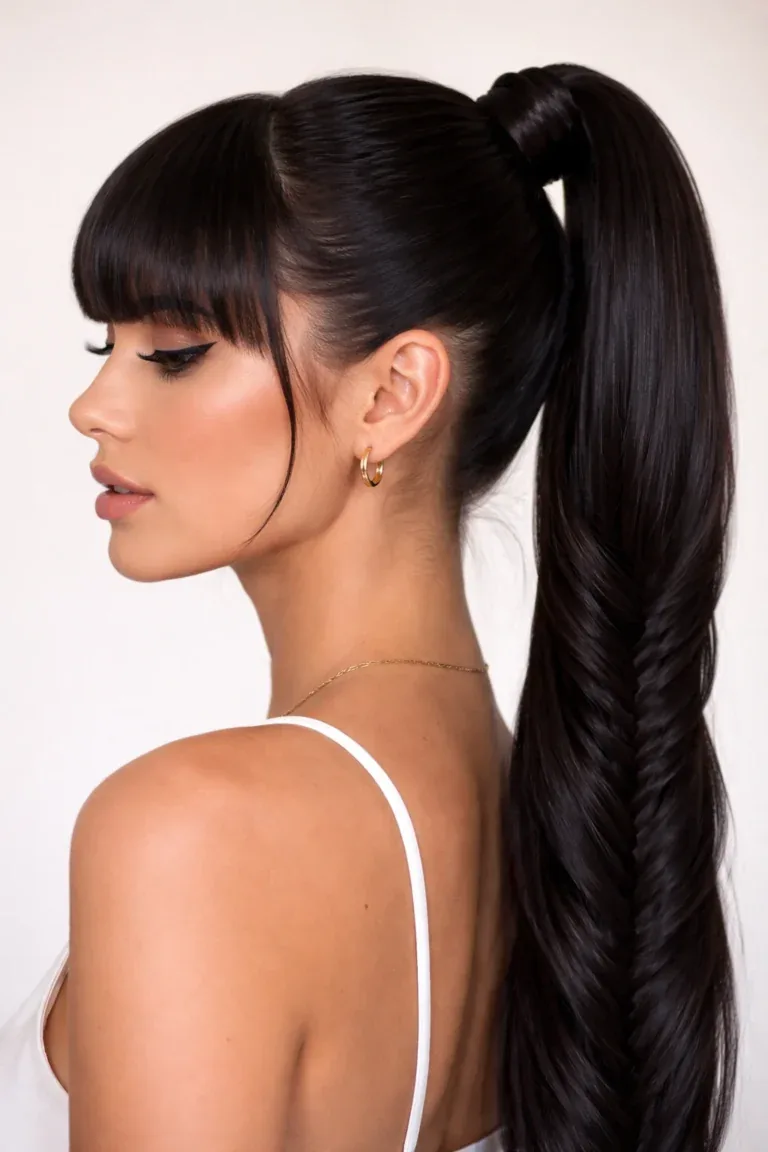
A fishtail braid started high on the head lifts the whole look upward before it falls long down the back. That high start is what helps a short neck: the eye goes up first, then follows the long braid down. Keep the braid slightly loose and textured, not tight and flat, so it looks soft and modern.
Best for: Short necks, long hair. Best for a detailed, eye-catching lengthening braid.
How to style: 1. Gather the hair high at the back. 2. Fishtail-braid in small sections. 3. Loosen the braid gently for texture. 4. Secure and set lightly.
What to ask your stylist: Ask for a cut with long, even layers, so a fishtail braid stays full and does not fall apart.
15. Low Ponytail with Volume on Top (tweaked for length)
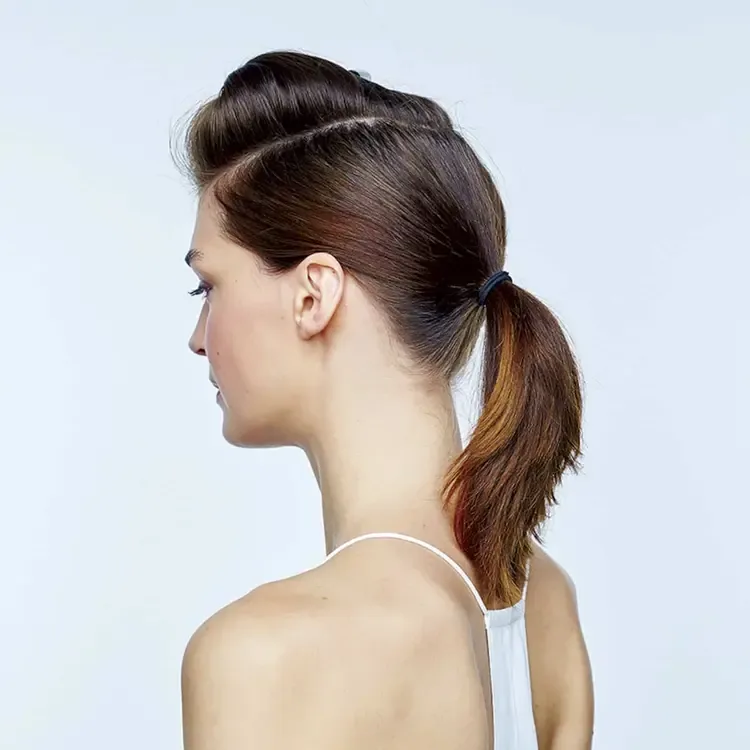
A low ponytail can shorten a neck if it sits flat, so this version is tweaked: lots of crown volume, a loose, lifted top, and long, smooth lengths. The height on top stretches the silhouette upward, while the low ponytail keeps the nape neat. Never pull it tight and flat against the head, or the lengthening effect disappears.
Best for: Short necks, long hair. Best for a polished low ponytail that still lengthens.
How to style: 1. Tease the crown for volume. 2. Gather low and loosely, keeping the top lifted. 3. Smooth the lengths. 4. Wrap a strand around the band.
What to ask your stylist: Ask for layers that give crown volume easily, and avoid a flat, tight low ponytail finish.
16. Textured Pixie with Crown Height
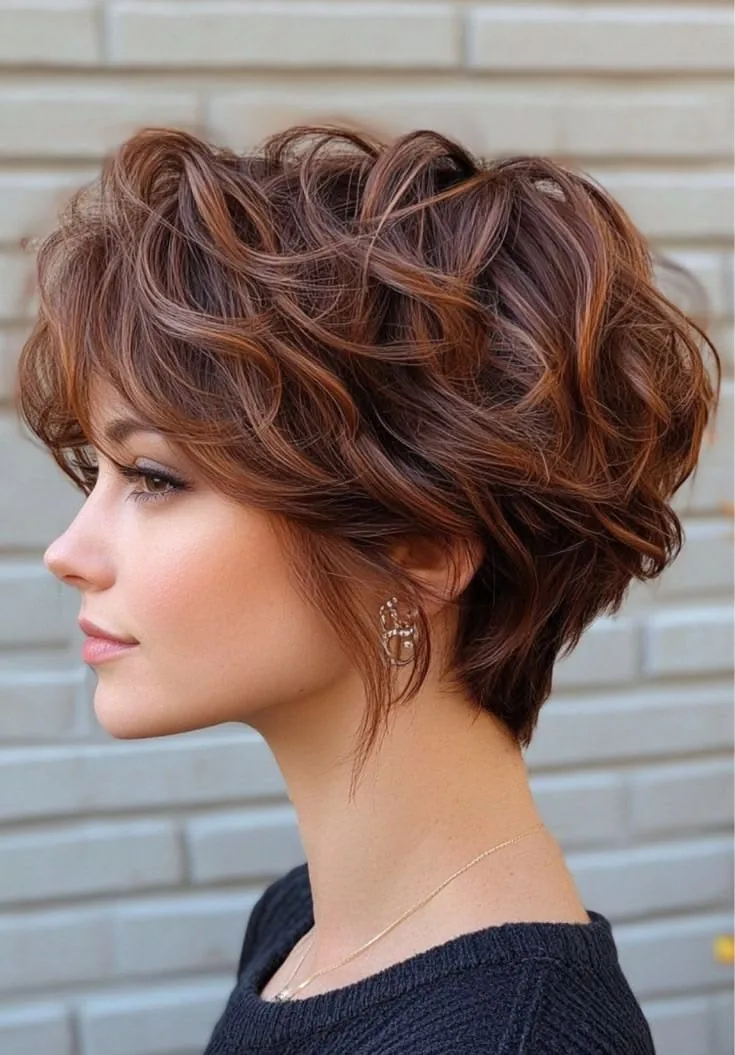
A pixie can work beautifully for a short neck, but only with crown height. Texture and lift on top stretch the head shape upward, while neat, tapered sides keep the neck visible instead of hidden. The result is bold, modern and surprisingly lengthening, because the silhouette goes up, not out sideways.
Best for: Short necks, short hair. Best for a bold cut that still lengthens.
How to style: 1. Apply texturising cream to damp hair. 2. Blow-dry the crown upward for lift. 3. Piece out the top with wax. 4. Keep the sides neat.
What to ask your stylist: Ask for a textured pixie with crown height and tapered sides. Say: lift on top, neat at the nape, no width at the jaw.
17. Short Pixie with Neat Sides and Wispy Nape
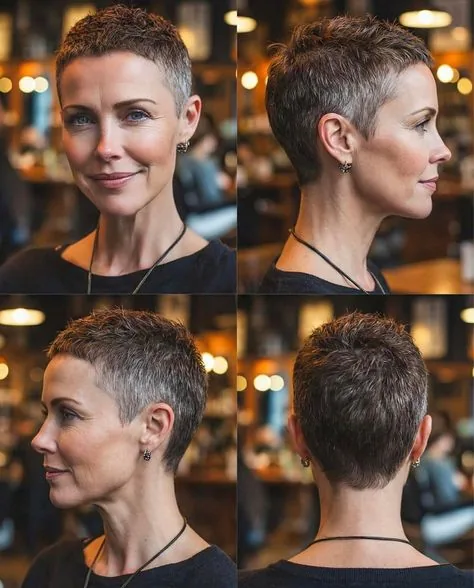
This pixie keeps the sides neat and the nape wispy and tapered, so the neckline is clean and open rather than covered. A little length on top, swept forward or to the side, adds height. The wispy nape is important: a heavy, blunt nape would cut the neck in half, while a tapered one lets it show.
Best for: Short necks, fine to medium hair. Best for a neat, low-maintenance short cut.
How to style: 1. Blow-dry the top forward or to the side. 2. Smooth the sides down. 3. Add a little wax for texture. 4. Keep the nape tapered between trims.
What to ask your stylist: Ask for a pixie with neat sides and a wispy, tapered nape. Keep some length on top for height.
18. Pixie-Bob with Longer Front Pieces
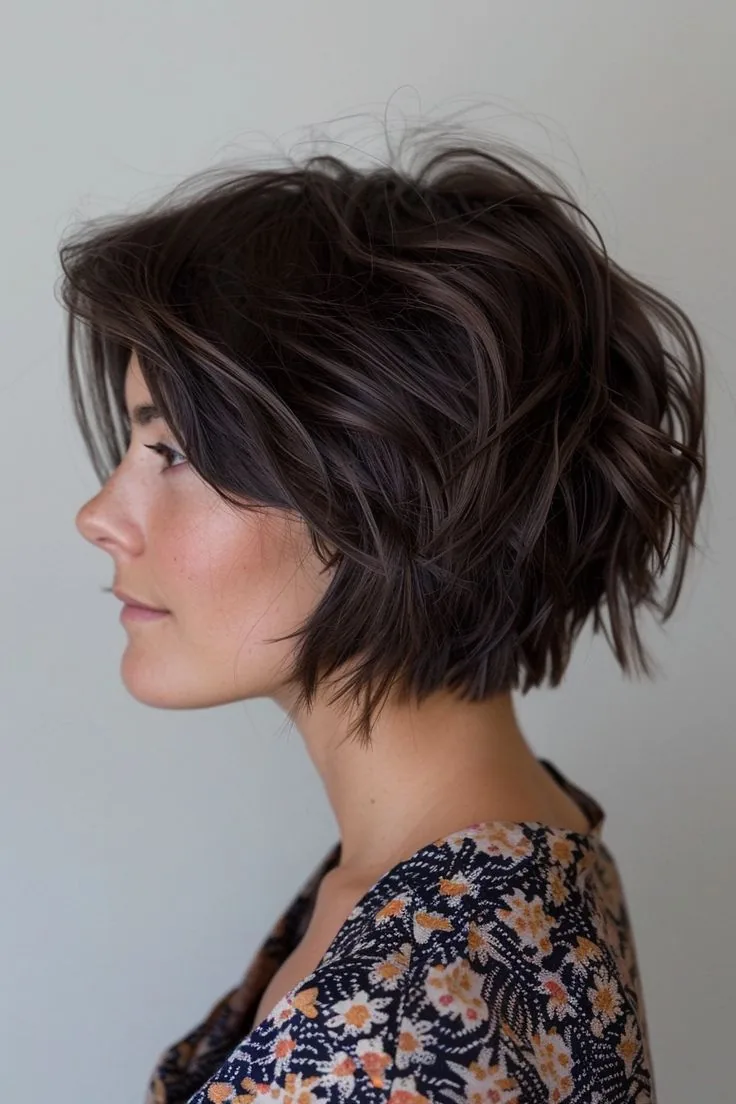
A pixie-bob, or bixie, is shorter at the back and longer at the front, and those longer front pieces are the lengthening secret for a short neck. They draw the eye down past the jaw, while the shorter back keeps the nape open. Keep the front at jaw length or longer, and the top textured for a little lift.
Best for: Short necks, short to medium hair. Best if you want short hair with a longer, face-framing front.
How to style: 1. Apply cream to damp hair. 2. Blow-dry the front pieces forward and down. 3. Piece out the top. 4. Set lightly.
What to ask your stylist: Ask for a pixie-bob with front pieces at jaw length or longer, and a tapered, open nape.
19. Asymmetrical Bob (Longer on One Side)
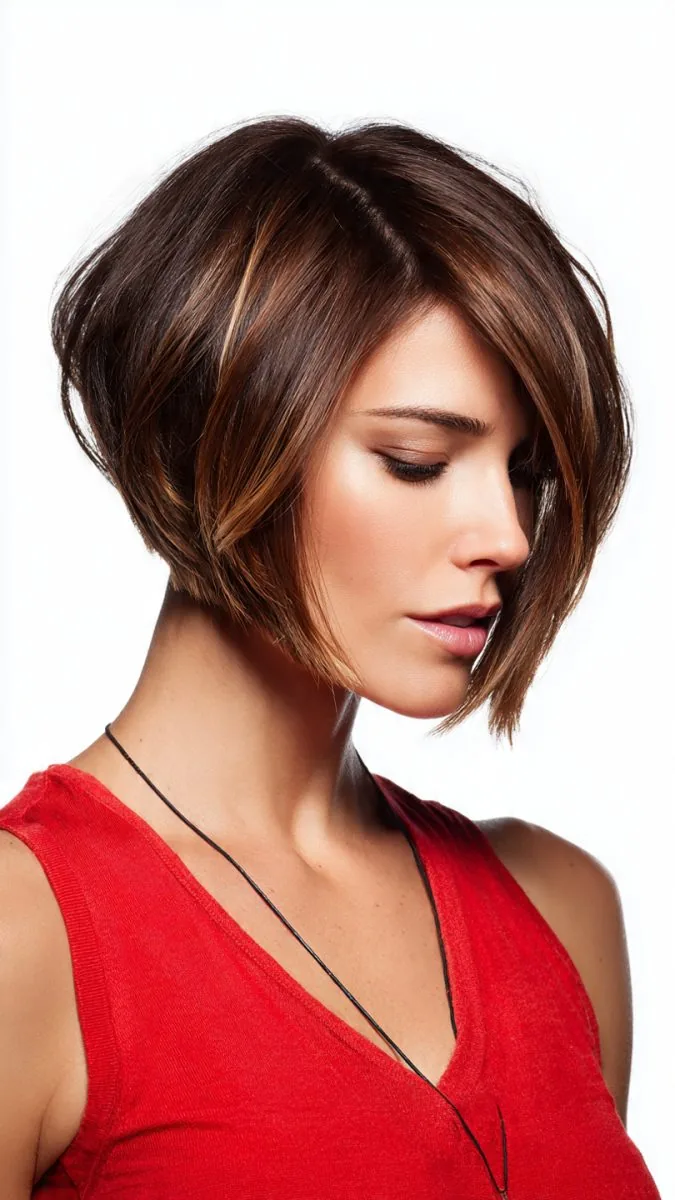
An asymmetrical bob breaks every horizontal line, because one side is longer than the other. That diagonal is exactly what a short neck needs: the eye follows the longer side down, and the shorter side keeps the neck visible. Keep the longer side at collarbone length if possible, and the ends soft and point-cut.
Best for: Short necks, medium hair. Best for a modern, diagonal lengthening cut.
How to style: 1. Blow-dry the longer side down and smooth. 2. Tuck the shorter side lightly behind the ear. 3. Smooth flyaways. 4. Set with a light spray.
What to ask your stylist: Ask for an asymmetrical bob with one side clearly longer, at collarbone length, and soft ends.
20. Layered Bob Grazing the Nape
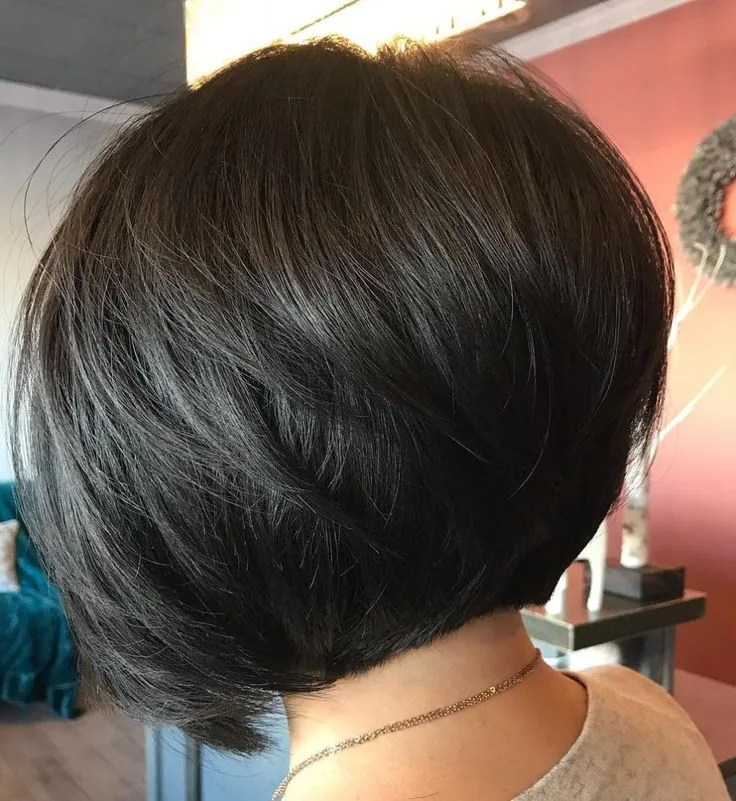
This is a careful exception to the avoid-short-bobs rule: a layered bob that grazes the nape, with the nape itself tapered and open, and the front longer. The layers must be long and vertical, not stacked and wide, and the ends must be wispy, not blunt. Worn with a little crown lift, it can look neat and longer than a blunt chin bob.
Best for: Short necks, medium-density hair. Best for a shorter cut that still respects the neckline.
How to style: 1. Blow-dry with a round brush, lifting the crown. 2. Smooth the lengths down. 3. Keep the nape tapered. 4. Finish with a light spray.
What to ask your stylist: Ask for a layered bob grazing the nape, tapered at the back, longer in front, with wispy ends only.
21. Wispy-Ended Lob
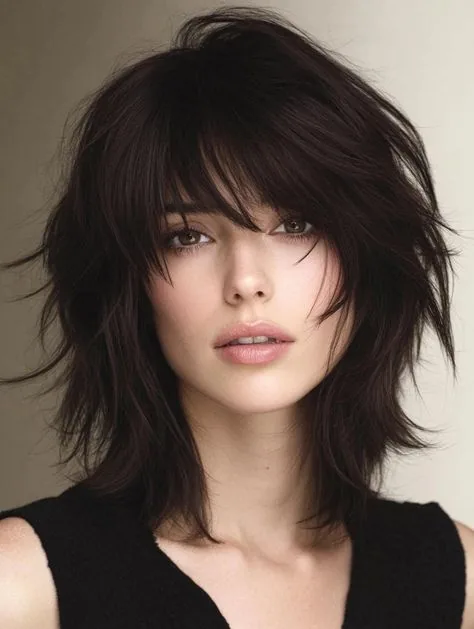
A wispy-ended lob ends in soft, feathered points instead of a blunt line, so there is no hard horizontal cut across the neck or shoulders. The wispy ends keep the silhouette light and vertical, and the lob length still clears the neck. It is a gentle, flattering medium cut that works on straight and wavy hair alike.
Best for: Short necks, medium hair. Best for a soft lob without a blunt neckline break.
How to style: 1. Blow-dry with a round brush, flicking the ends lightly. 2. Add a little serum to the points. 3. Keep the top smooth. 4. Set lightly.
What to ask your stylist: Ask for a lob with wispy, point-cut ends, not a blunt finish. Keep the length at or below the collarbone.
22. Curtain Bangs with Long Layers
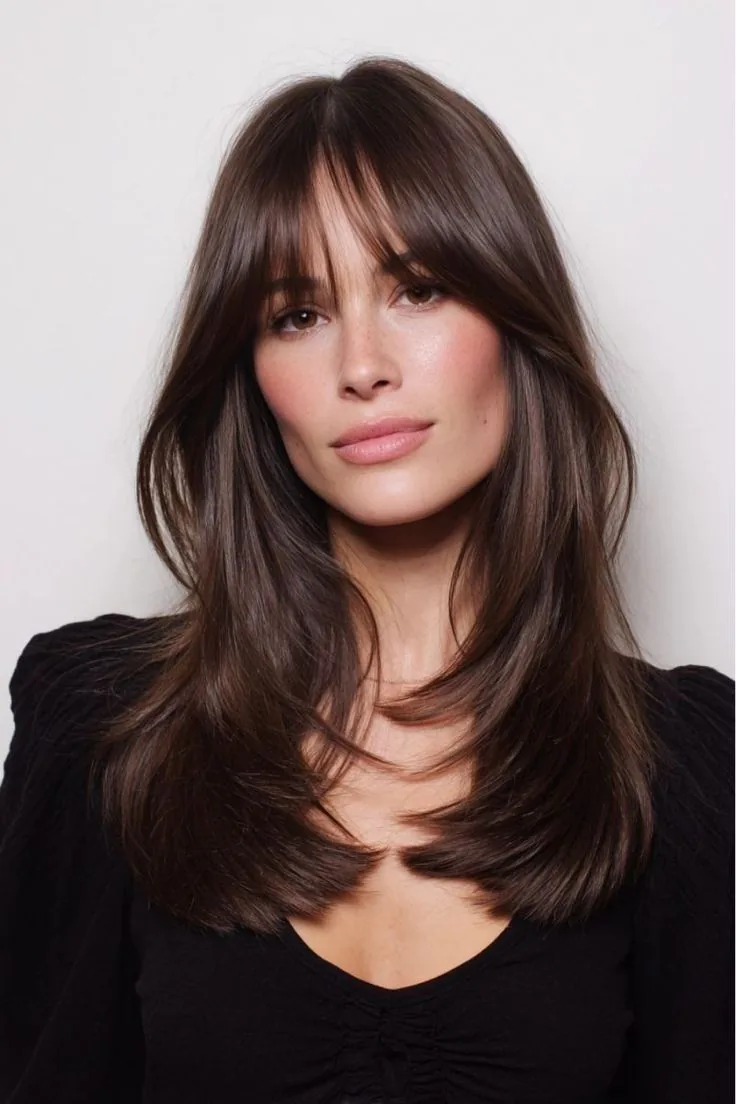
Curtain bangs part in the middle and sweep to each side, opening the face and creating two long, diagonal lines. With long layers underneath, the whole look stays vertical and open. Keep the curtain bangs long, starting at the cheekbone, so they blend into the layers instead of sitting as a separate, short fringe.
Best for: Short necks, long hair. Best if you want a fringe that opens the face and lengthens.
How to style: 1. Blow-dry the bangs forward, then sweep to each side. 2. Smooth the long layers down. 3. Use dry shampoo at the roots for lift. 4. Keep the part soft.
What to ask your stylist: Ask for long curtain bangs starting at the cheekbone, blending into long layers. Keep them long enough to tuck behind the ears.
23. Long Layers with Face-Framing Pieces
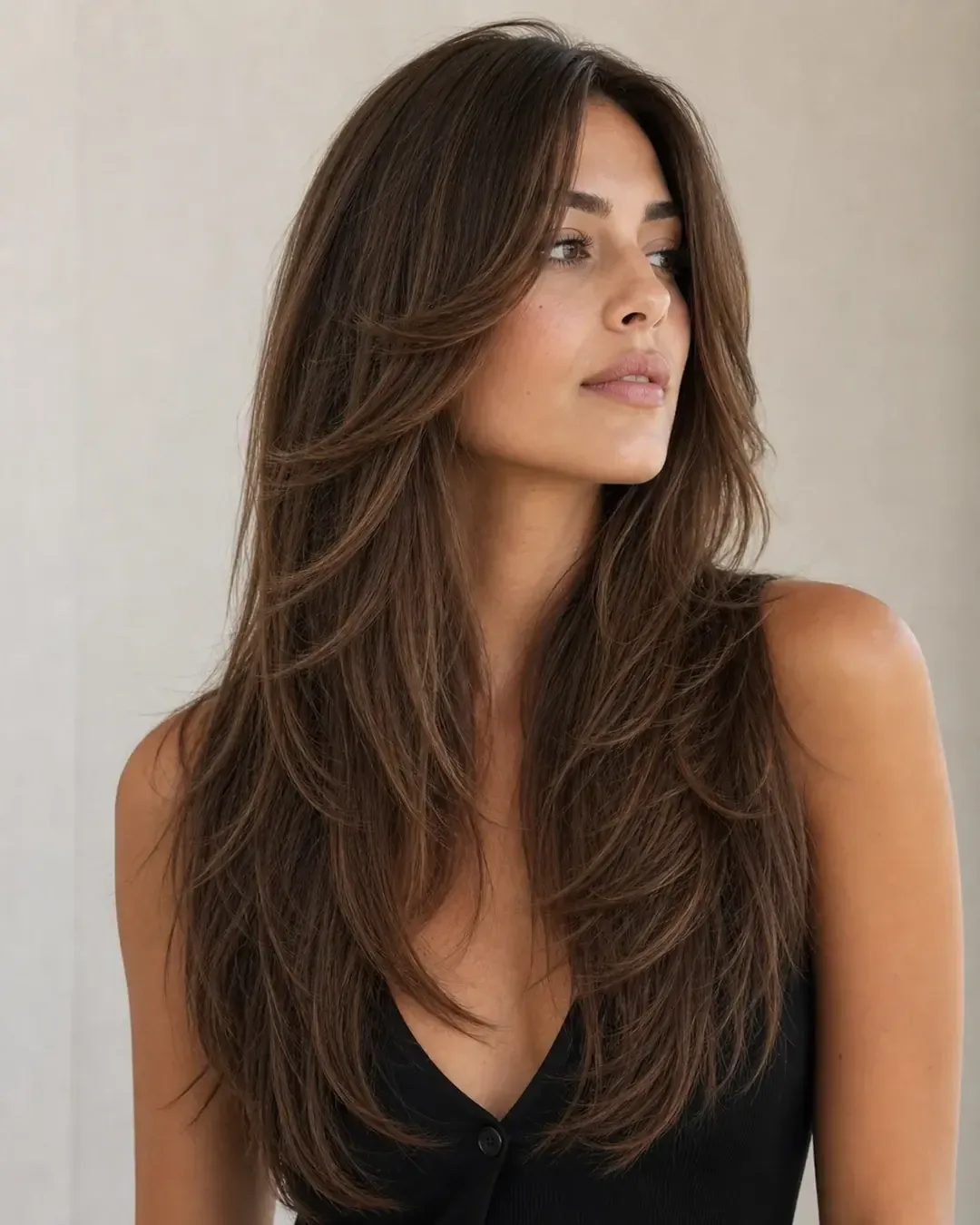
Face-framing layers open the front of the cut, so the hair does not fall forward in one heavy curtain that hides the neck. The shortest pieces start around the chin or collarbone and blend into long layers at the back. The result is lighter around the face, with long vertical lines that stretch the neck.
Best for: Short necks, long hair. Best if your front sections feel heavy or hide your neck.
How to style: 1. Apply cream to damp hair. 2. Blow-dry the face pieces away from the face. 3. Smooth the lengths down. 4. Shake the front pieces out softly.
What to ask your stylist: Ask for face-framing layers starting at the chin, blending into long layers. Keep the front pieces long.
24. V-Shaped Long Cut
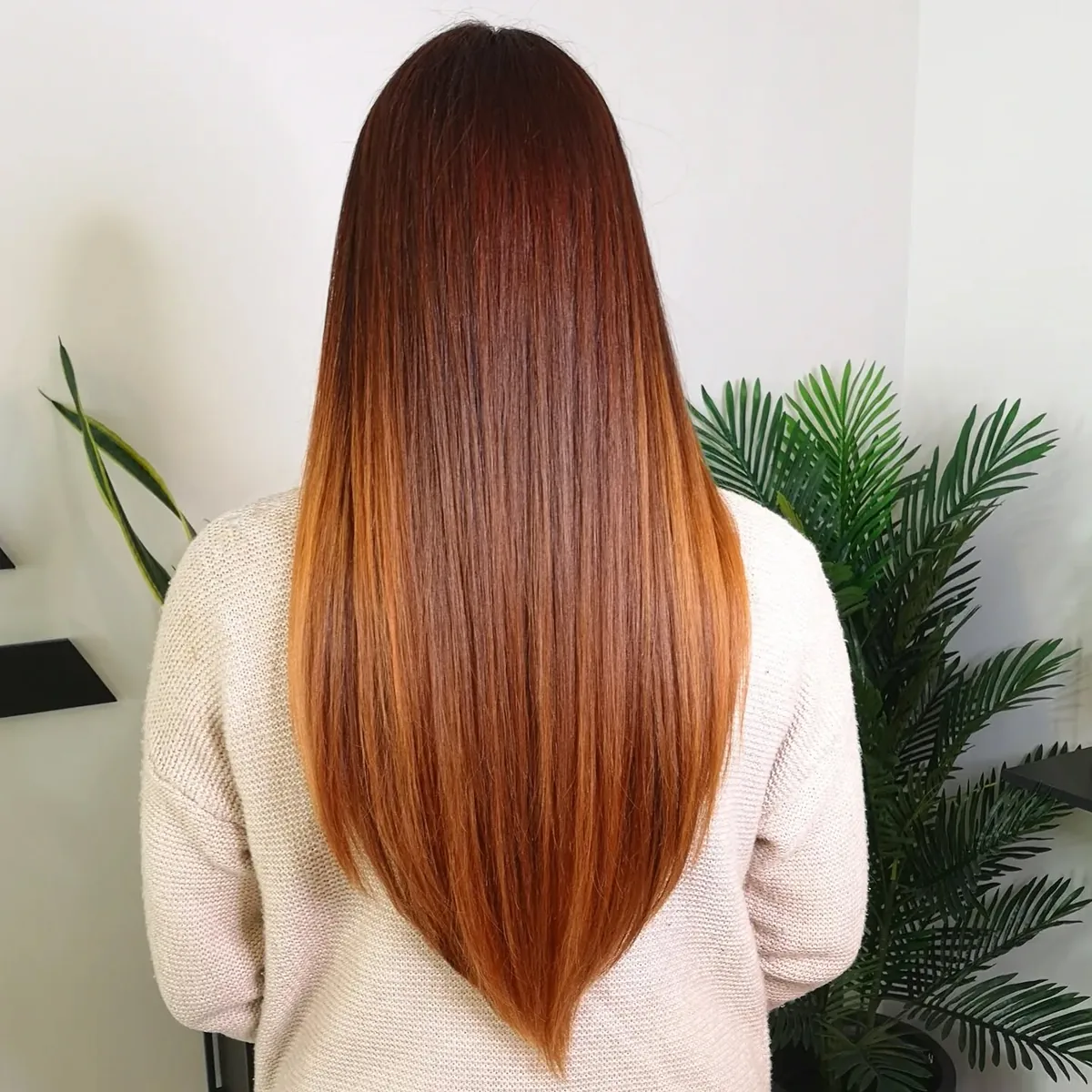
A V-shaped cut is longest at the centre back and angles up toward the face, giving long hair a lighter, tapered silhouette. The V shape itself is a vertical arrow pointing down, which is ideal for a short neck. It removes visual weight from the sides and lets the hair cascade instead of sitting in one heavy mass at neck level.
Best for: Short necks, long hair. Best if you want dramatic length with a lighter shape.
How to style: 1. Apply cream to damp hair. 2. Blow-dry in large sections, pulling down. 3. Brush out lightly for softness. 4. Add oil to the longest ends.
What to ask your stylist: Ask for a V-shaped cut with long layers, not short choppy layers. Keep the front pieces long.
25. U-Shaped Long Cut with Vertical Fall
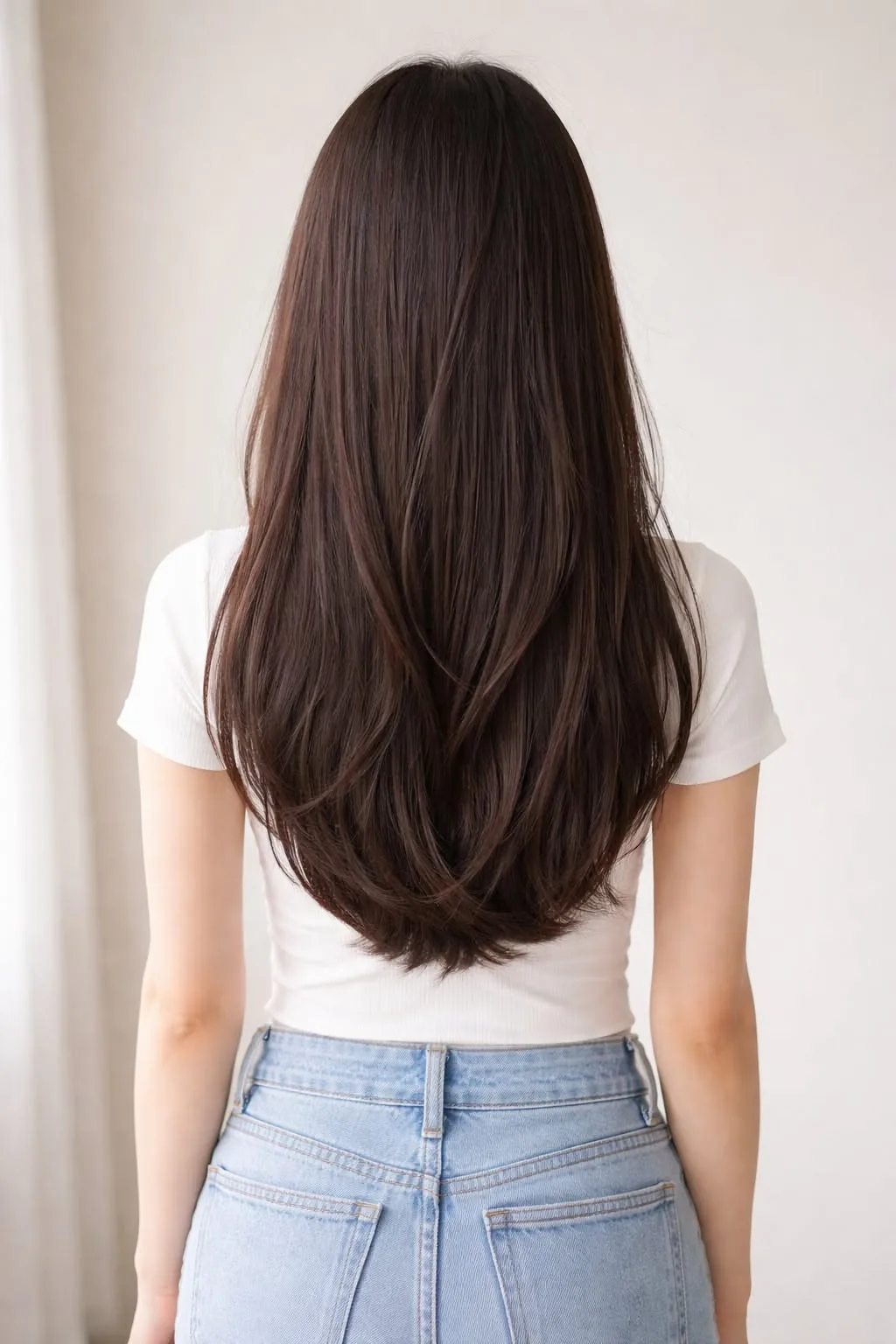
A U-shaped cut keeps the hair longest in the middle of the back and slightly shorter at the sides, forming a soft U. On a short neck, that rounded, vertical fall stops the ends from looking like a heavy, straight shelf at neck level. Add long layers and the cut feels lighter, while the centre length keeps the vertical line going.
Best for: Short necks, long hair. Best if you want to keep length but lose heavy, blocky ends.
How to style: 1. Apply cream to damp hair. 2. Blow-dry in sections, pulling down. 3. Shake the lengths out. 4. Add oil to the ends for shine.
What to ask your stylist: Ask for a U-shaped perimeter with long layers. Keep the centre length, just soften the sides.
26. Feathered Long Layers
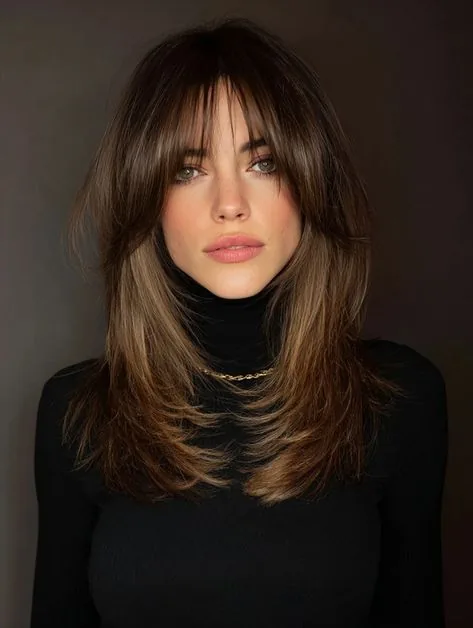
Feathered long layers taper gently instead of ending in a blunt line, so there is no hard break across the neck or shoulders. On a short neck, that soft taper keeps the silhouette long and light, and the feathered ends move freely. It is elegant, easy to style and very forgiving as it grows out.
Best for: Short necks, long hair. Best if you want long hair that feels lighter and moves well.
How to style: 1. Apply cream to damp hair. 2. Blow-dry or air-dry. 3. Wrap a few sections around a wand. 4. Brush out lightly for soft feathering.
What to ask your stylist: Ask for feathered long layers with a soft, tapered perimeter. Avoid a blunt, heavy bottom edge.
27. Butterfly Cut with Long Underlayers
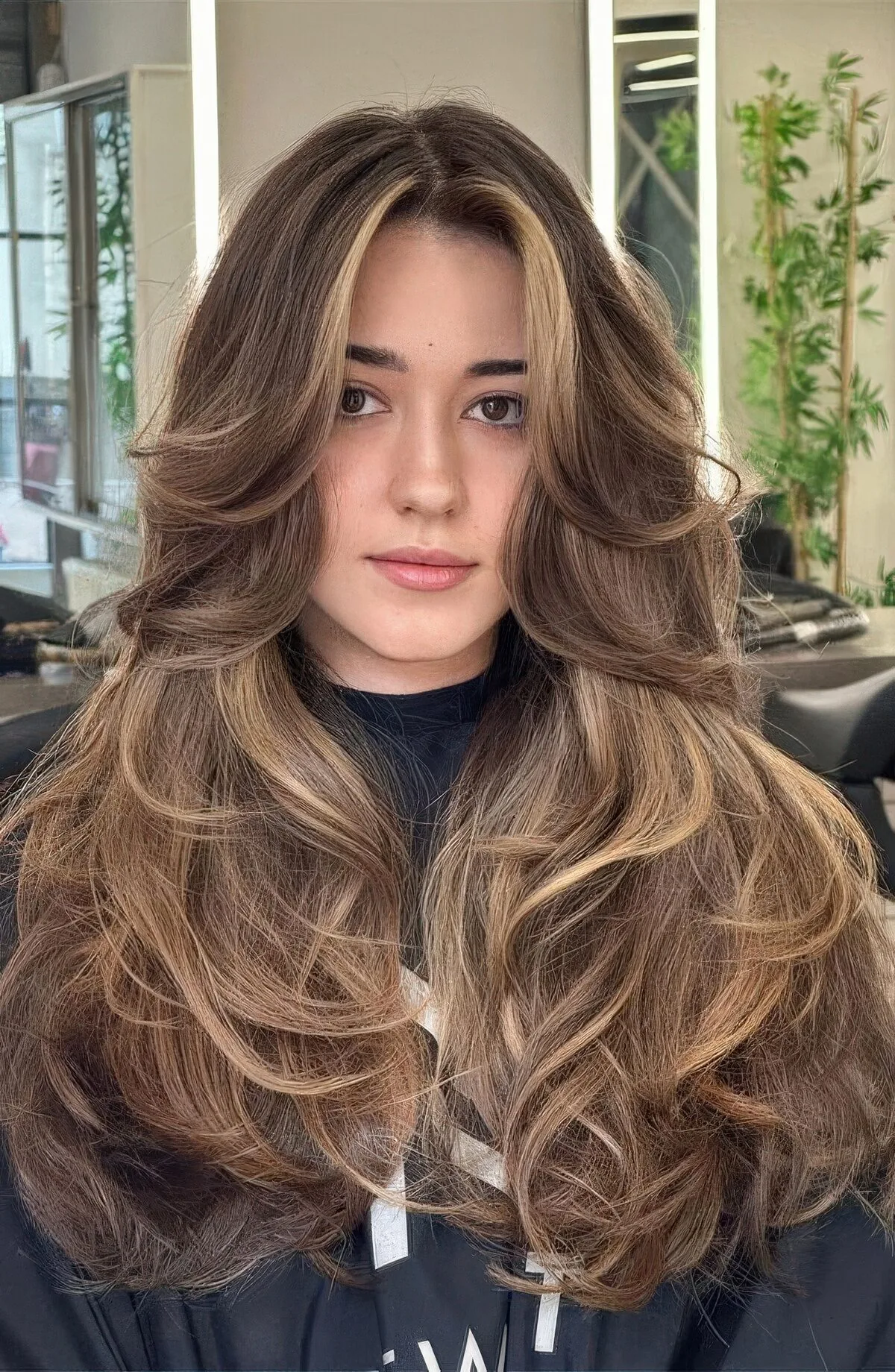
The butterfly cut has short face-framing layers on top and long layers underneath, so it looks short when tied up and long when worn down. For a short neck, keep the short layers at chin length or longer, and make sure the underlayers are truly long, so the overall fall stays vertical. Done right, it gives bounce without a horizontal break.
Best for: Short necks, long hair. Best for a bouncy, blowout-style cut with long length.
How to style: 1. Blow-dry with a large round brush, flipping the short layers out. 2. Curl the long layers loosely. 3. Brush out for soft volume. 4. Finish with flexible spray.
What to ask your stylist: Ask for a butterfly cut with the shortest layers at the chin, and long underlayers. Say: no short crown layers.
28. Sleek Blowout with Root Lift
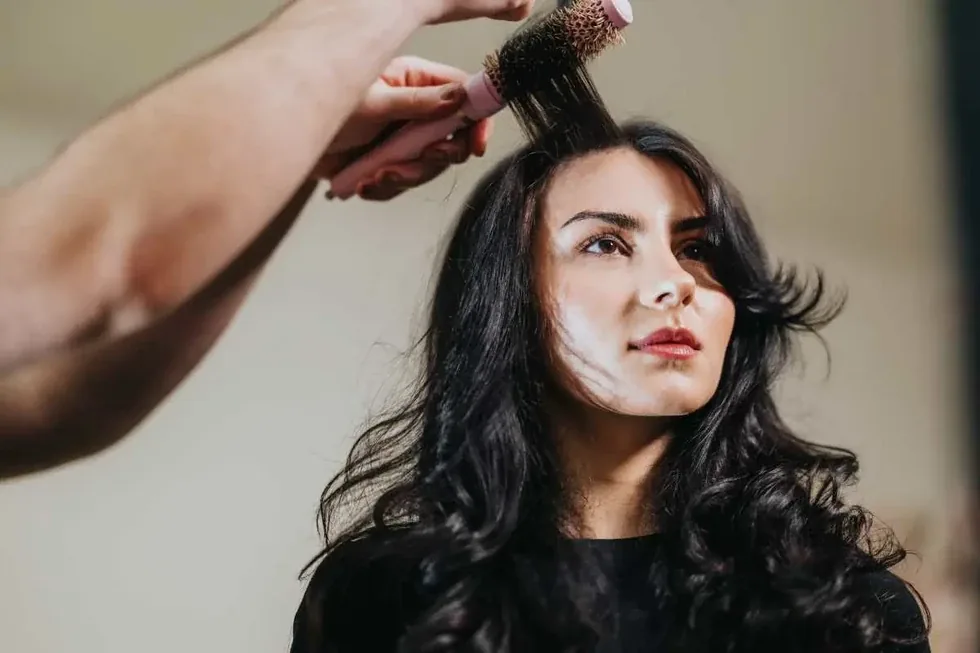
A sleek blowout with root lift is polished and lengthening: smooth lengths, lifted roots, and a clean, open neckline. The root lift is the key for a short neck, because it adds height at the crown and stretches the whole head shape upward. Keep the ends smooth and slightly turned under or out, never blunt and heavy.
Best for: Short necks, medium to long hair. Best for work, events and a polished finish.
How to style: 1. Apply smoothing cream and heat protectant. 2. Blow-dry in sections with a large round brush, lifting the roots. 3. Curl the ends slightly. 4. Finish with shine spray.
What to ask your stylist: Ask for a blowout-friendly cut with long layers and a strong perimeter. Tell your stylist you blow-dry smooth with root lift.
29. Voluminous Crown Waves
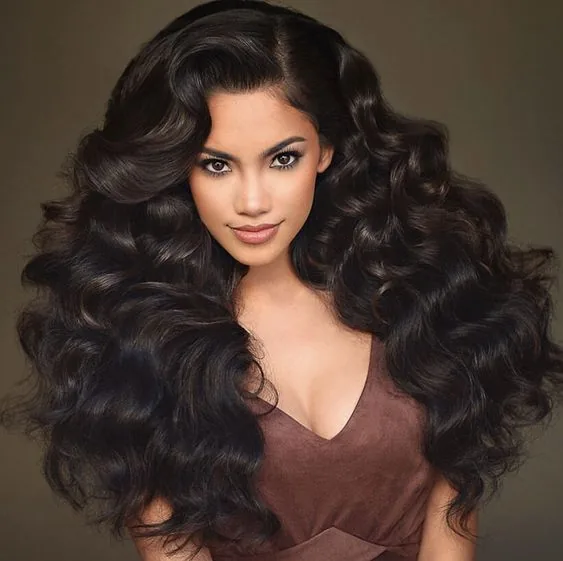
Voluminous crown waves put the volume where it lengthens, on top, and keep the lengths long and wavy below. That combination stretches the silhouette: height at the crown, vertical waves underneath, and an open neck. Avoid volume at the sides around the jaw, which would widen instead of lengthen.
Best for: Short necks, wavy or curled hair. Best for a glamorous, lifted wave.
How to style: 1. Apply mousse to damp roots. 2. Blow-dry the crown upward for lift. 3. Curl large sections loosely. 4. Brush out for soft, voluminous waves.
What to ask your stylist: Ask for long layers with crown volume, not side volume. Keep the sides smooth and the lengths long.
30. Braided Crown with Open Neckline
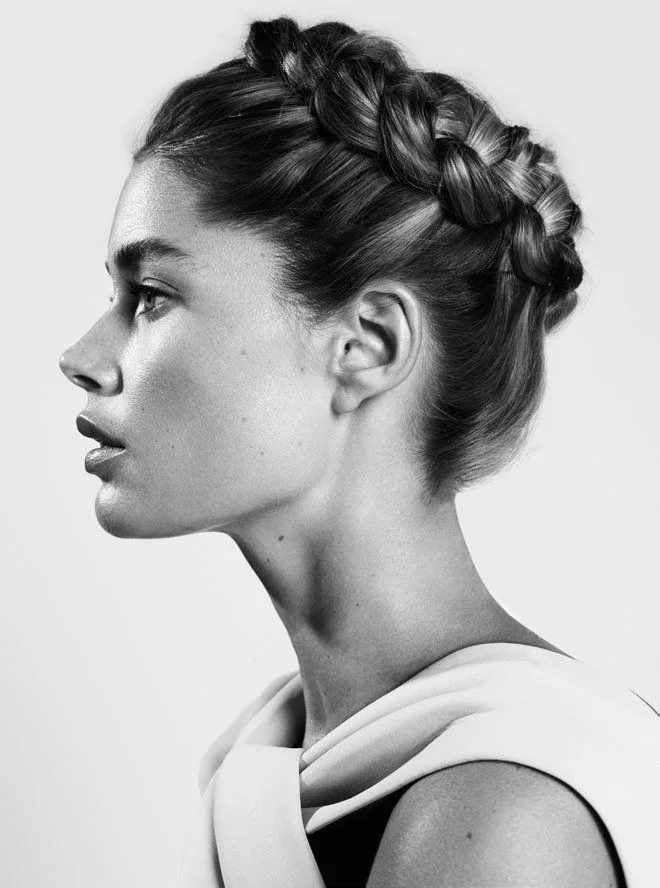
A braided crown wraps the braid around the top of the head, leaving the entire neckline open and visible. That openness is the lengthening point, and the crown braid itself adds height and detail on top. Keep the rest of the hair long and smooth underneath, or let a few long pieces fall softly at the back.
Best for: Short necks, long hair. Best for weddings, occasions and a romantic updo.
How to style: 1. Part the hair and braid along the hairline. 2. Pin the braid around the crown. 3. Leave the nape open and clean. 4. Set with spray and a few soft pieces out.
What to ask your stylist: Ask for long layers that braid cleanly around the crown, with no heavy nape layers.
31. Side Braid with Long Layers
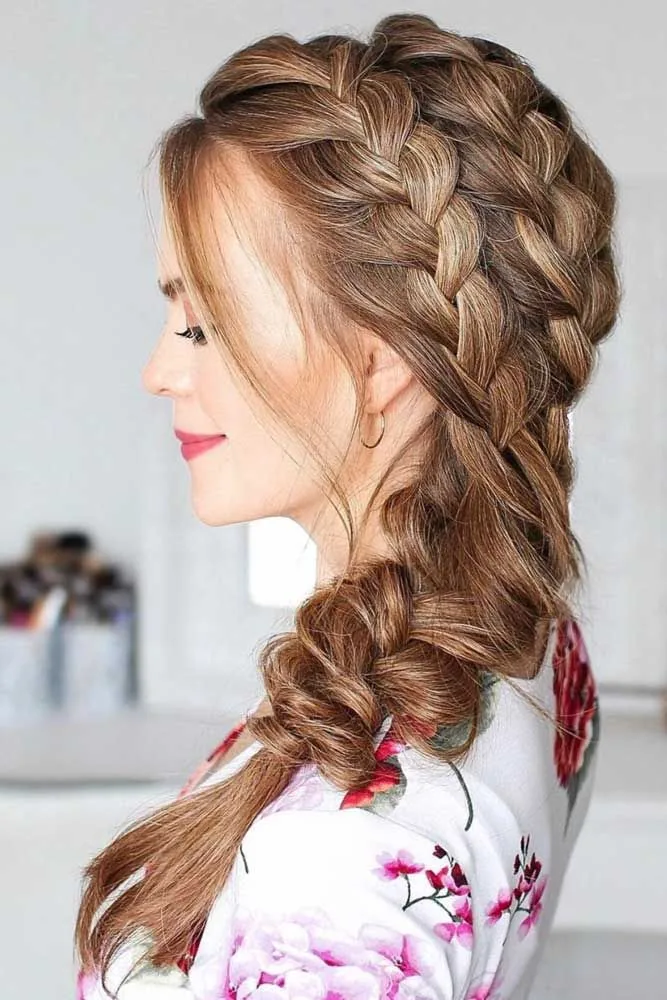
A side braid worn over one shoulder creates a long diagonal line across the body, which is flattering for a short neck. The diagonal breaks up any horizontal line, and the long layers underneath keep the braid full. Keep the braid loose and a little textured, and leave a few face pieces out for softness.
Best for: Short necks, long hair. Best for a relaxed, diagonal lengthening braid.
How to style: 1. Sweep the hair to one side. 2. Braid loosely. 3. Pull a few pieces out for softness. 4. Secure with a soft band.
What to ask your stylist: Ask for long layers that braid well to one side, with soft, point-cut ends.
32. Top Knot with Crown Height
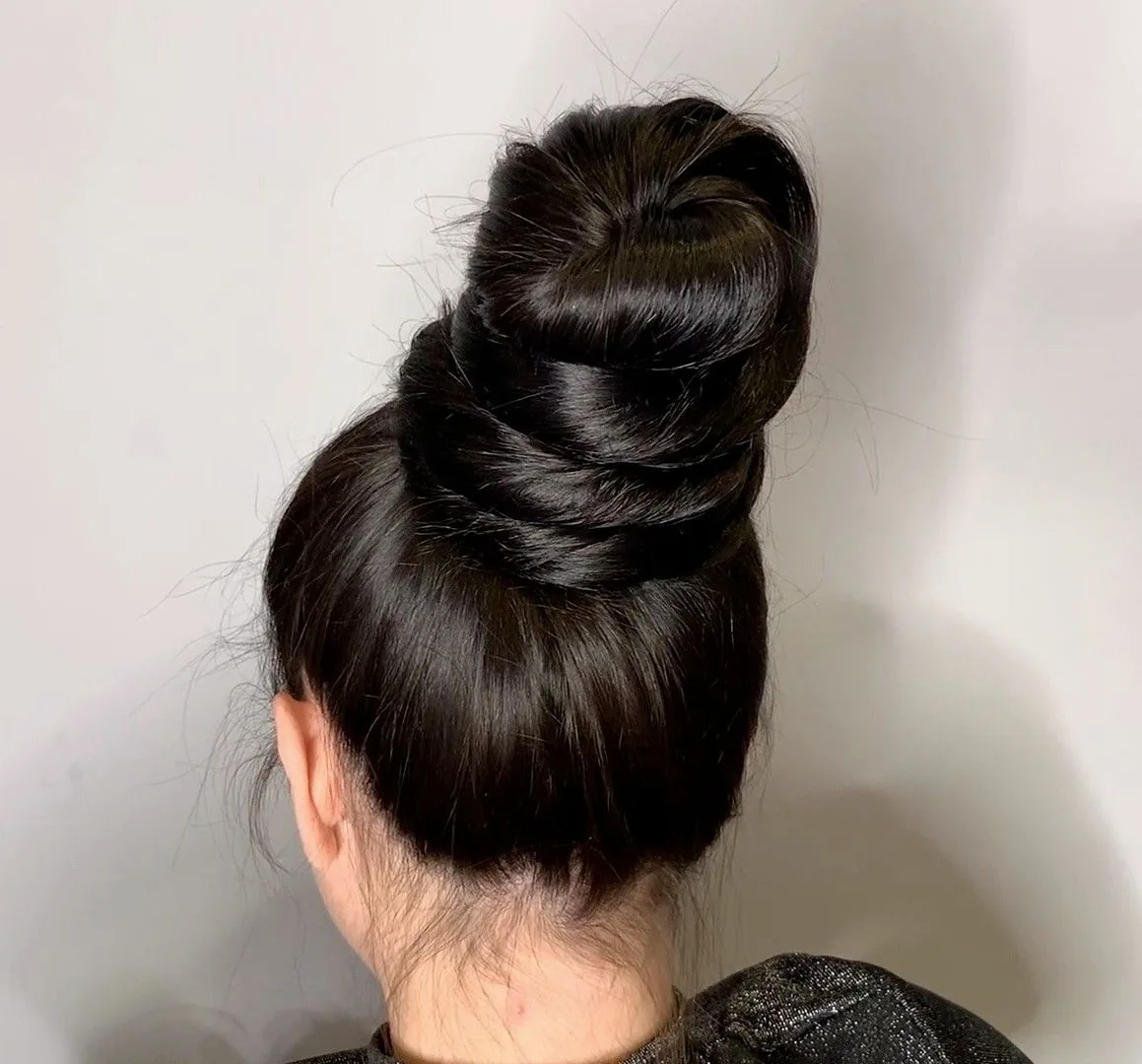
A top knot sits right on top of the head, adding maximum height and leaving the neck completely open. That combination is ideal for a short neck: the silhouette stretches upward, and nothing covers the nape. Keep it slightly loose and textured rather than tight and flat, and add a few soft face pieces if you like.
Best for: Short necks, medium to long hair. Best for a quick, high, lengthening updo.
How to style: 1. Gather the hair high on top. 2. Twist into a knot and pin. 3. Loosen the crown slightly for height. 4. Pull out soft face pieces if desired.
What to ask your stylist: Ask for a cut that gathers cleanly into a top knot, with no short nape pieces falling out.
33. Low-Maintenance Long Layers (Air-Dry)
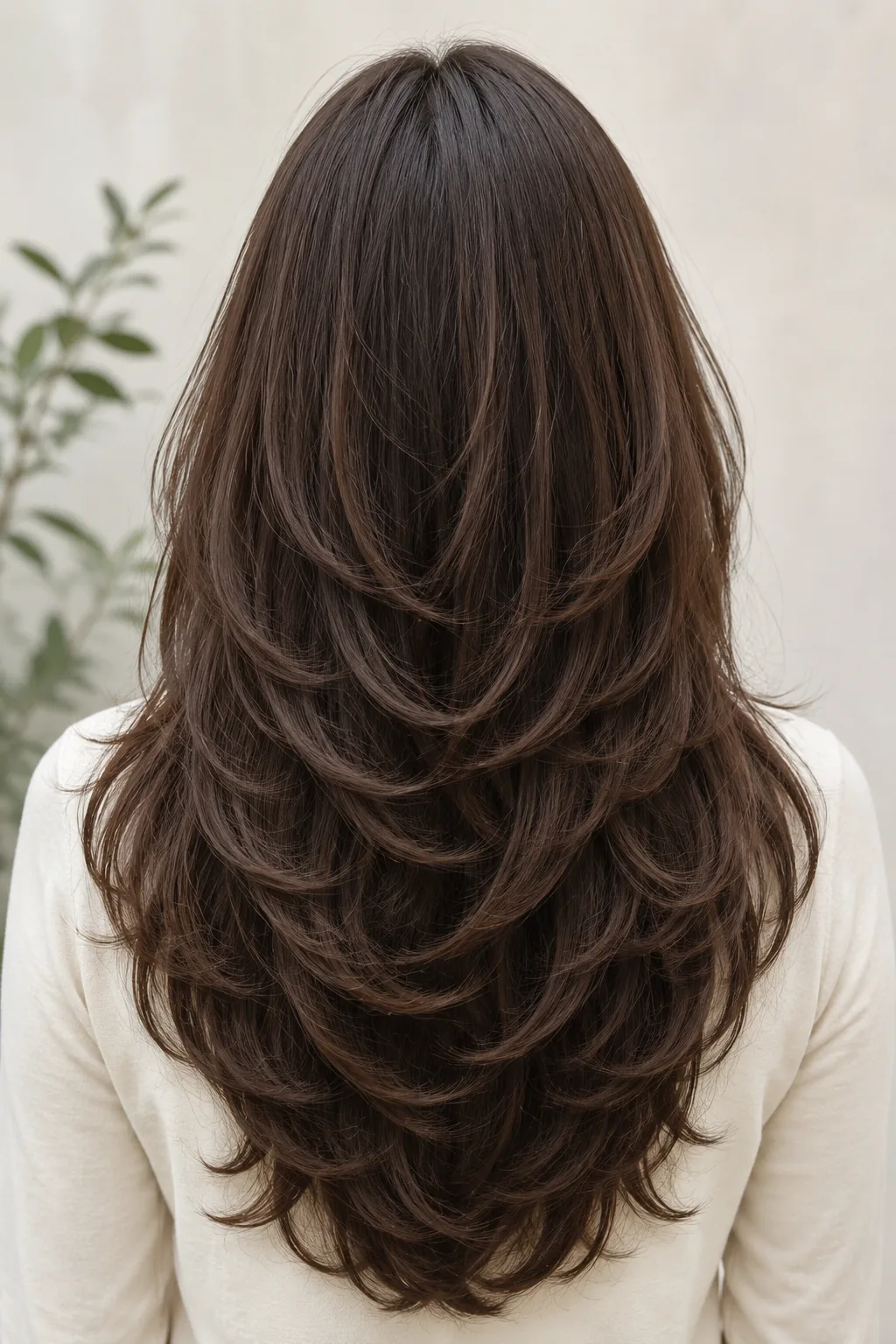
An air-dry cut is planned so your hair looks good with almost no styling: long layers, a soft perimeter and a clean neckline, cut to work with your natural texture as it dries. For a short neck, the long, vertical fall does the lengthening, even without blow-drying. Wash, add cream, scrunch or smooth, and go.
Best for: Short necks, long hair. Best if you air-dry most days and want a wash-and-go lengthening cut.
How to style: 1. Wash and apply leave-in cream. 2. Scrunch or smooth as your texture needs. 3. Air-dry without touching too much. 4. Shake out once fully dry.
What to ask your stylist: Ask for a low-maintenance, air-dry cut: long layers, soft ends, open neckline. Tell your stylist you air-dry.
34. Shoulder-Length Shag with Vertical Layers
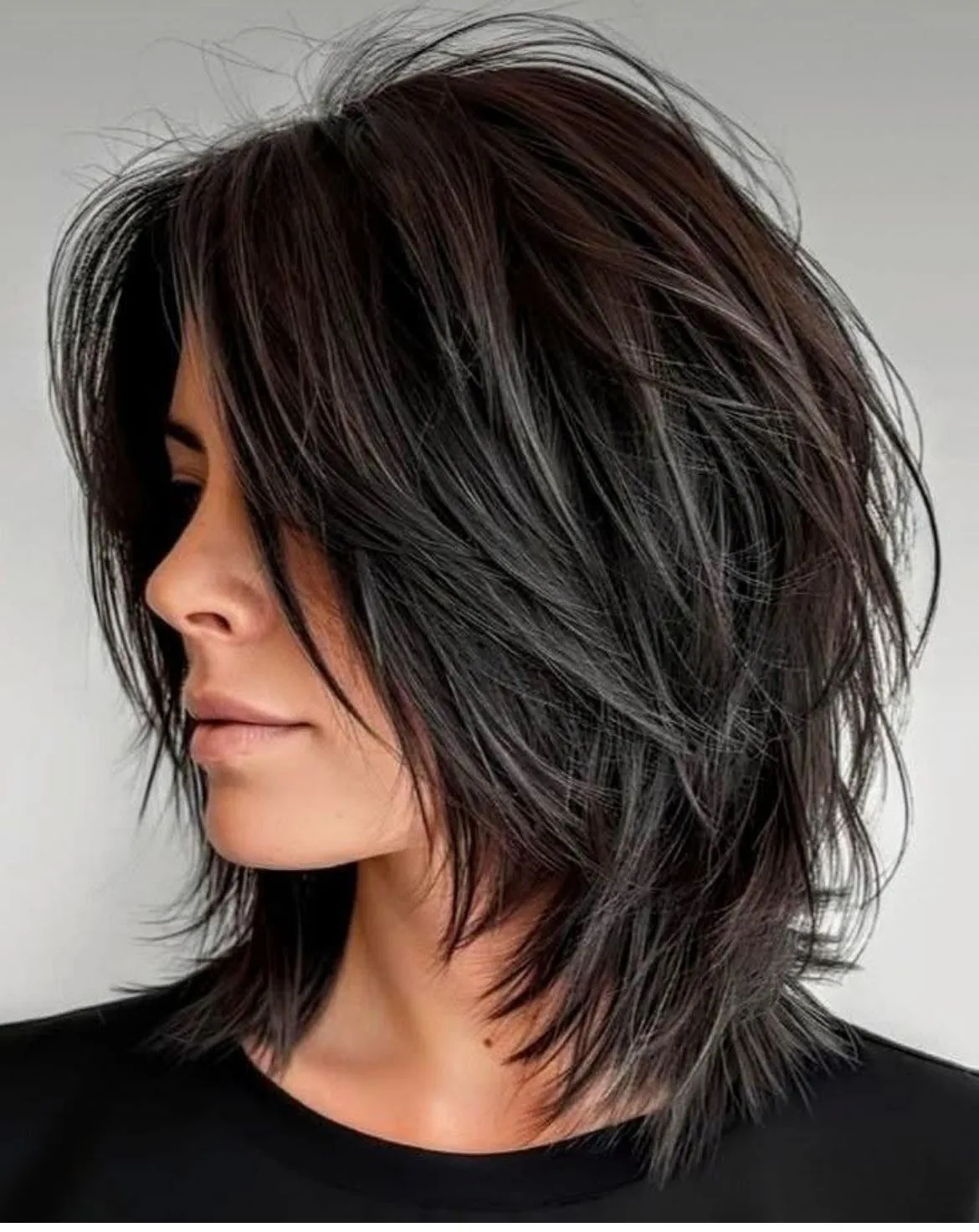
A shoulder-length shag can work for a short neck only if its layers are vertical and long, not wide and choppy. The layers must fall downward, not outward, and the ends must be soft. Worn that way, the shag gives texture and movement without adding width at the jaw or a horizontal break at the neck.
Best for: Short necks, shoulder-length hair. Best for a textured cut that still lengthens.
How to style: 1. Apply texturising cream to damp hair. 2. Diffuse or air-dry, pulling down. 3. Scrunch the layers lightly. 4. Add wax to the ends for definition.
What to ask your stylist: Ask for a shoulder-length shag with vertical, downward layers. Say: no width at the jaw, no blunt neckline.
35. Long Waves with Balayage-Friendly Layers
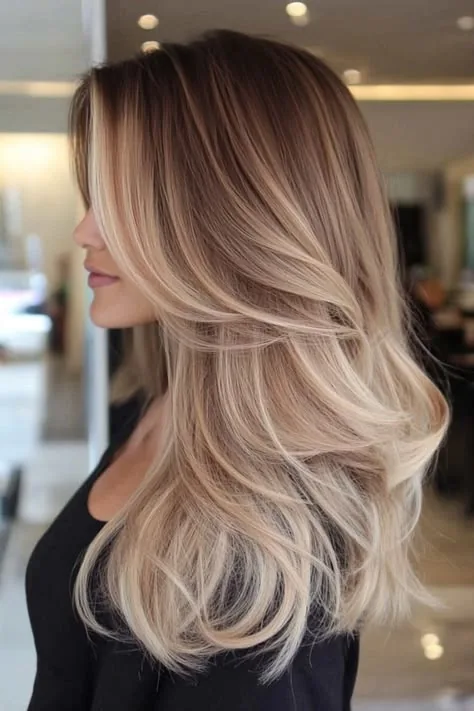
Balayage looks best on long wavy hair when the layers are long and soft, because the colour can melt through the waves instead of sitting in harsh blocks. For a short neck, the long, vertical fall is the lengthening part, and the balayage adds dimension that draws the eye down the lengths. Keep the lightest pieces toward the ends, not in a horizontal band at the neck.
Best for: Short necks, long hair. Best if you have or want balayage or soft highlights.
How to style: 1. Apply cream to damp hair and diffuse or air-dry. 2. Scrunch for natural waves. 3. Use a colour-safe shampoo. 4. Add oil to the ends for shine.
What to ask your stylist: Ask for long, balayage-friendly layers. Tell your colourist to keep the lightest pieces toward the ends, not at neck level.
Hairstyles to Avoid for Short Necks (and How to Tweak Them If You Love One)
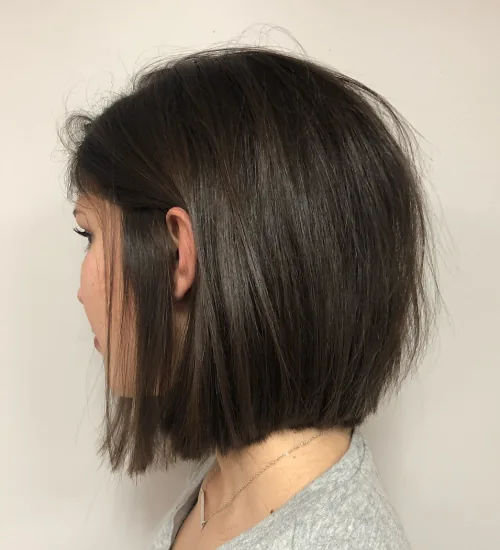
There are no banned hairstyles, only shapes that need tweaking for a short neck. If you love one of these, the tweak usually makes it work.
- Blunt chin-length bob ending exactly at the chin: Creates a hard horizontal break at neck level. Tweak: angle it longer in front, or choose a collarbone lob instead.
- Blunt, heavy ends sitting at the neck: A thick, straight line across the neck shortens it. Tweak: point-cut the ends so they are wispy and soft.
- Styles ending mid-neck and curving inward at the nape: The inward curve hugs the neck and hides it. Tweak: taper the nape and keep the front longer.
- Excessive side volume around the jaw: Width at the jaw makes the neck look shorter by contrast. Tweak: keep the sides smooth and put volume on top instead.
- Thick, blunt fringe: A heavy block across the forehead shortens the face and the neck with it. Tweak: choose long side-swept or curtain bangs instead.
- Flat, tight low ponytail: Pulled tight and flat, it removes all height. Tweak: add crown volume and keep the top lifted.
Best Picks by Goal
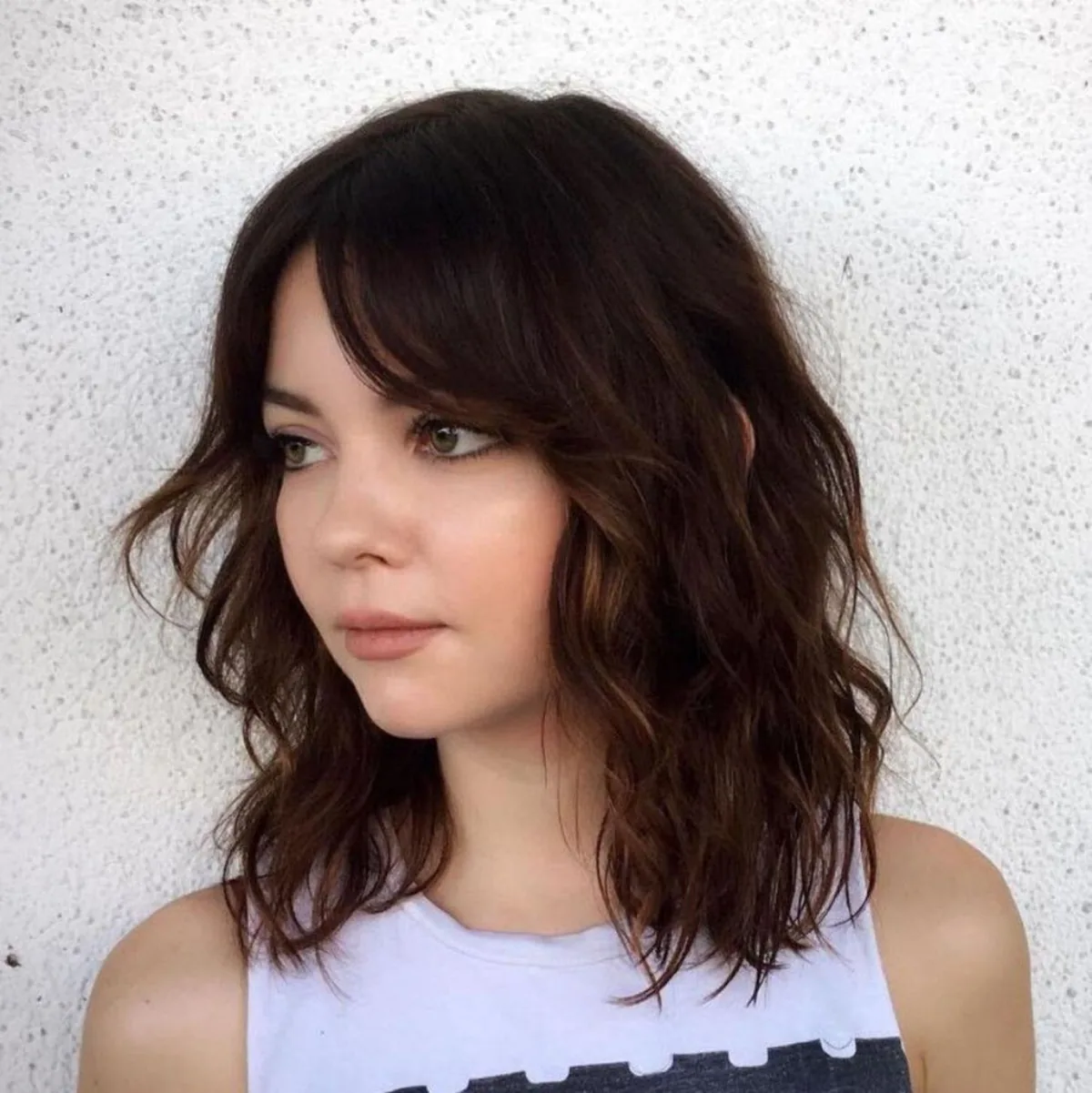
- Most lengthening: Long layers below the shoulders, high ponytail with crown lift, sleek high bun.
- Medium length: Angled lob, collarbone lob with long layers, wispy-ended lob.
- Short hair: Textured pixie with crown height, pixie-bob with longer front pieces.
- Low maintenance: Low-maintenance long layers, collarbone lob, half-up with crown height.
- Occasions: Sleek high bun, braided crown with an open neckline, top knot with crown height.
Styling Routine
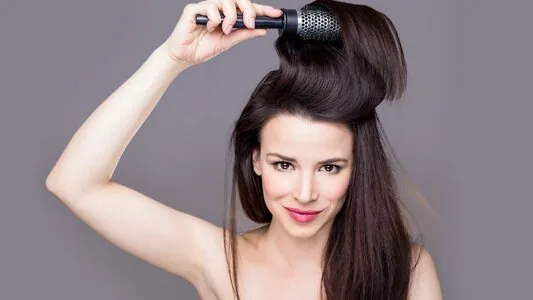
Lift the crown: Start with root mousse or a light tease at the crown. Even a little height changes the whole proportion, so do this first, before you smooth the lengths.
Keep the sides smooth: Smooth the sides down with a brush or cream, and avoid backcombing or curling outward at jaw level. Volume belongs on top, not at the sides.
Pull the lengths down: Blow-dry or brush the lengths downward, not outward. Long, vertical lengths are what stretch the neck, so finish with serum on the ends and a light spray.
Check the neckline: Before you leave, check the back view. The nape should be visible or tapered, and no blunt line should sit across the neck. If it does, soften the ends or lift the style higher.
What to Ask Your Stylist: Checklist
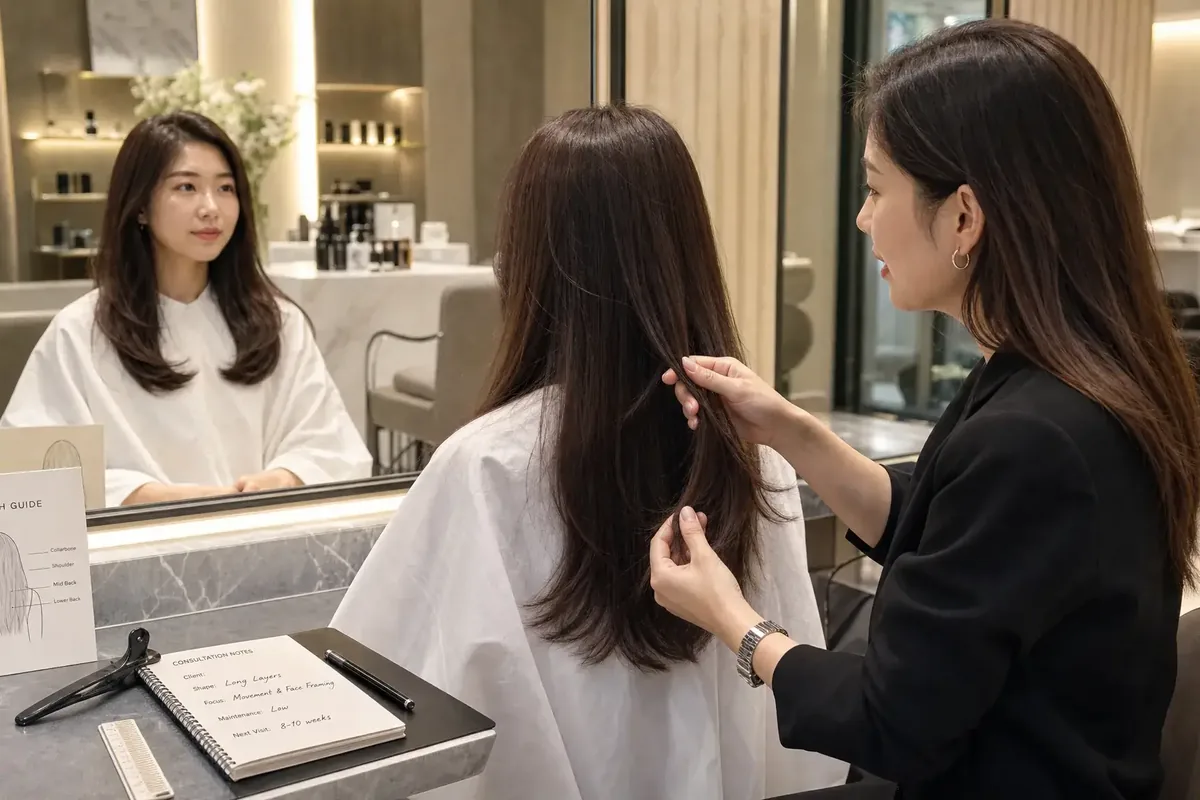
- Show 2 to 3 photos of the exact length and neckline you want, on hair like yours.
- Say: I have a short neck, so I want vertical lines and an open neckline.
- Say: keep the ends soft and point-cut, not blunt and heavy at the neck.
- For length, say: either clearly below the shoulders, or a tapered short cut with crown height, not a blunt chin bob.
- Ask for crown lift, not side volume around the jaw.
- Tell them how you wear your hair day to day, up, down or half-up, so they cut for that.
- Ask how often to trim to keep the neckline clean, usually every 6 to 8 weeks for short cuts, 8 to 12 weeks for long layers.
- Ask what product gives crown lift at home without weighing the lengths down.
Frequently Asked Questions (FAQs)
What hairstyles make a short neck look longer?
Long layers below the shoulders, an angled lob, a high ponytail with crown lift and a sleek high bun make a short neck look longer. They all use vertical lines, an open neckline and a little height on top, instead of a horizontal cut across the neck.
Should women with short necks wear short or long hair?
Both can work, but the rules are different. Long hair should fall below the shoulders in long layers. Short hair should have crown height and a tapered, open nape, like a textured pixie. The styles to be careful with are blunt chin-length cuts that end right at the neck.
Is a bob good for a short neck?
A bob can be good if it is angled or longer in front, or if it sits at collarbone length with soft ends. A blunt chin-length bob ending exactly at the chin is the one to avoid, because it creates a hard horizontal line at neck level.
What haircuts should short necks avoid?
Short necks should usually avoid blunt chin-length bobs, blunt heavy ends sitting at the neck, styles that curve inward at the nape, and lots of side volume around the jaw. Most of these can be tweaked with an angled shape, wispy ends and crown lift.
Can a high ponytail help a short neck?
Yes, a high ponytail is one of the quickest fixes. It lifts the crown, opens the nape completely and stretches the silhouette upward. Add a little crown volume and a few soft face pieces, and keep the ponytail long and smooth.
What about bangs for a short neck?
Long, soft bangs work best: side-swept bangs and long curtain bangs, both blending into long layers. They create diagonal lines that lengthen. Avoid a thick, blunt fringe, which shortens the face and the neck with it.
What parting is best for a short neck?
A deep side part or a soft centre part both work, as long as the roots have a little lift. A deep side part is especially helpful, because it adds root volume on one side and breaks up any flat, horizontal line across the face.
What updos are best for a short neck?
High updos are best: a sleek high bun, a messy high bun, a top knot and a braided crown, all with an open neckline. Low, flat updos can shorten the neck unless they have plenty of crown volume and a lifted top.
How often should I trim a short-neck hairstyle?
Short cuts need a trim every 6 to 8 weeks to keep the nape tapered and the shape clean. Long layers can go 8 to 12 weeks, as long as the ends stay soft and no blunt line forms at neck level.
Can a short neck look longer without cutting my hair?
Yes. Try a deep side part, crown lift with mousse or light teasing, a high ponytail or top knot, and long, smooth lengths. Keeping the nape visible and the sides smooth will make the neck look longer even before your next cut.
Conclusion
A short neck does not need hiding. It needs a hairstyle that respects proportion: vertical lines, an open neckline, a little height on top and soft ends that never cut across the neck. That one idea works for long layers, angled lobs, pixies, braids and high updos alike.
Pick the style from this list that fits your length, your daily routine and how much styling time you have each morning. Save a photo, take the what-to-ask line for that style to your stylist, and enjoy a neckline that looks longer every day, not just on salon day.
Which of these 35 hairstyles for women with short necks will you try next? Tell us in the comments, and share this guide with a friend whose neckline could use a little more length.