Wear Your Texture Proud: 41 Natural Black Hairstyles, From Wash Day to Protective Styles
Natural black hair does not come in one texture, one length or one routine — and that is exactly what makes it so versatile. Coils, curls and kinks can shrink up, stretch out, puff up, twist down and hold a braid for weeks, often all on the same head. This guide celebrates that range instead of trying to tame it into something else.
Here you will find 41 hairstyles for natural black hair, starting with wash-day styles that show off your real texture, moving through everyday twists, puffs and buns, and finishing with protective styles and special-occasion looks. Eight practical guides cover texture types, wash day, shrinkage, scalp care, moisture, heat-free styling, trims and the mistakes that cause breakage, so every style here comes with honest advice on upkeep, cost, time and who it may not suit.
Know Your Texture: 4A, 4B and 4C — and Why Porosity Matters More
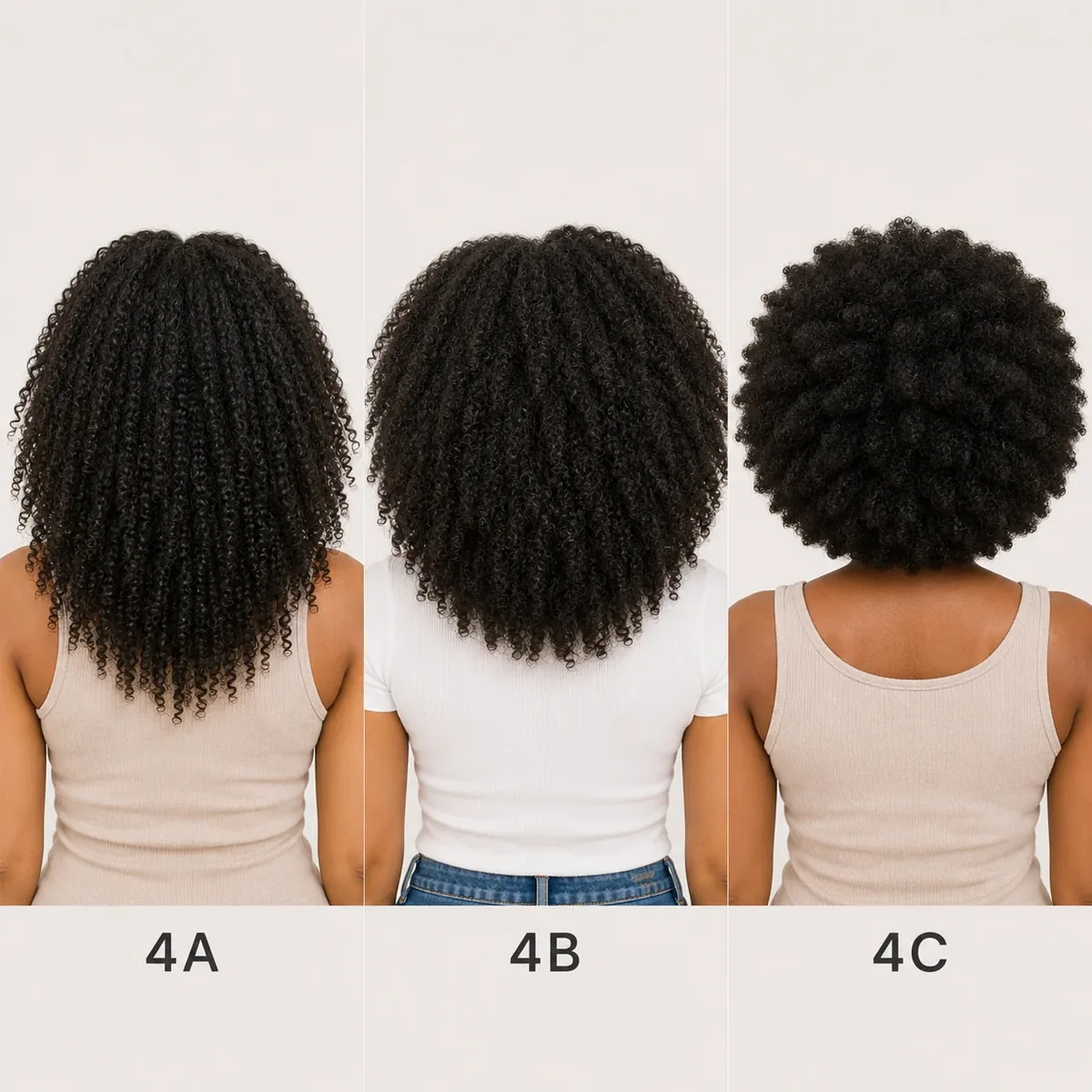
Natural hair is often grouped as 4A, 4B and 4C. Type 4A has defined, springy S-shaped coils about the width of a pen spring. Type 4B has tighter, Z-shaped bends with less visible curl definition, and 4C has the tightest coils, which can look dense and beautifully full even when each strand is fine. Most people have two or even three patterns on one head, so do not worry if no single label fits you perfectly.
Porosity — how easily your hair absorbs and holds water — often matters more than the letter and number. Low-porosity hair repels water and needs lighter products and warmth to open the cuticle; high-porosity hair soaks water up fast and loses it just as fast, so it needs richer creams and sealing oils. A quick float test in a glass of water is a rough guide only; how your hair behaves on wash day tells you far more.
A Wash-Day Routine That Actually Works
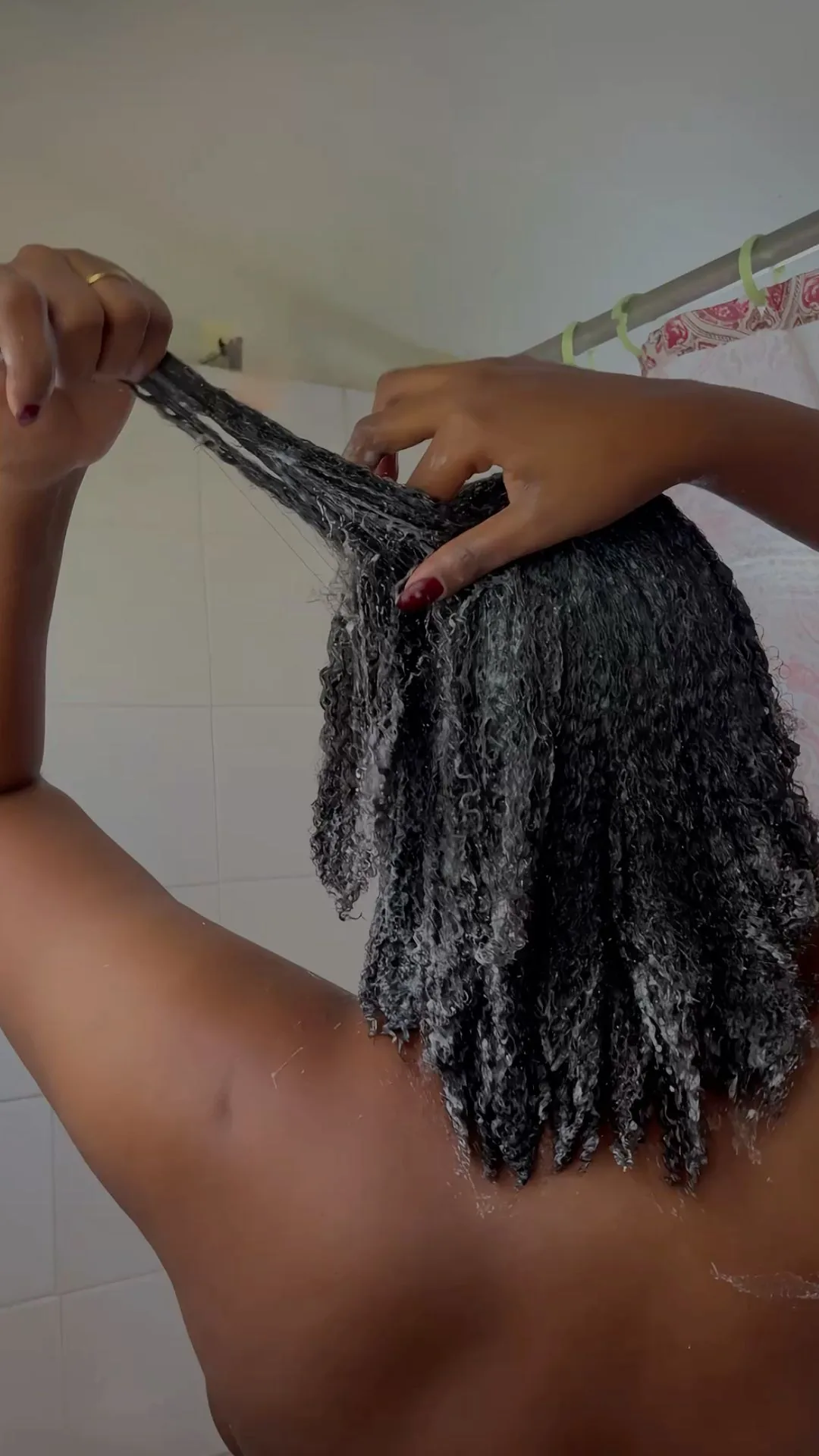
A good wash day starts before the shampoo. Detangle gently on damp, conditioned hair in sections, working from the ends up with fingers or a wide-tooth comb — never rip through dry, tangled coils. Pre-pooing with a light oil or conditioner on very dry hair can make detangling kinder, but it is optional, not a rule.
Wash in sections with a sulfate-free shampoo, focusing on the scalp, then deep-condition for 20 to 30 minutes, with gentle heat if your hair is low-porosity. Rinse, apply leave-in to soaking-wet hair, and style straight away: coils hold definition best when products go on wet, not after the hair has half-dried in a towel.
Shrinkage Is Not a Problem — It Is Proof Your Hair Is Healthy
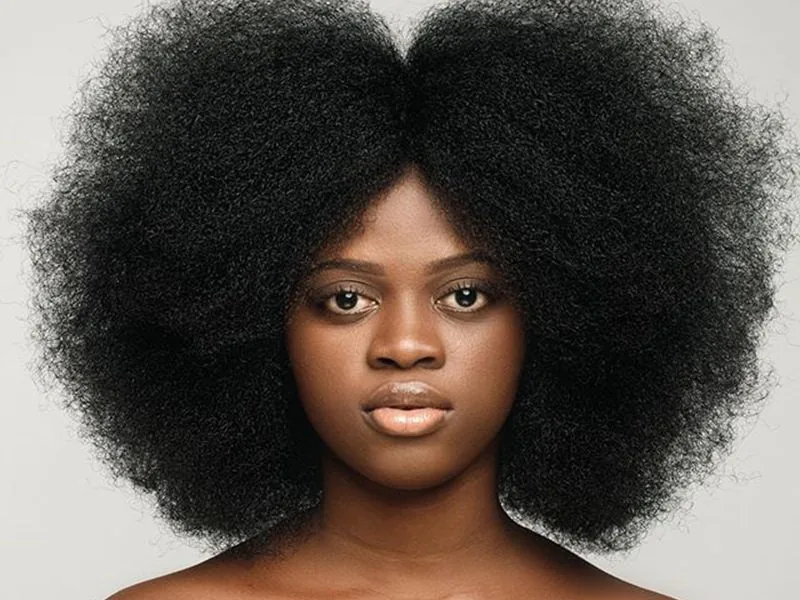
Shrinkage is the difference between your hair’s stretched length and its coiled length, and on 4B and 4C hair it can be 50 percent or more. It is not damage, and it is not a flaw. Shrunken, springy hair that bounces back is a sign of elasticity — the very thing that keeps coils strong.
If you want length to show, stretch gently instead of fighting shrinkage: twist-outs, braid-outs, banding, or a low-heat blow-dry on stretched, heat-protected hair all lengthen the look without straightening it away. If you love the volume shrinkage gives you, wear it proudly — a full afro is a style in its own right, not a stage to grow out of.
Scalp Care First: The Base Every Style Depends On
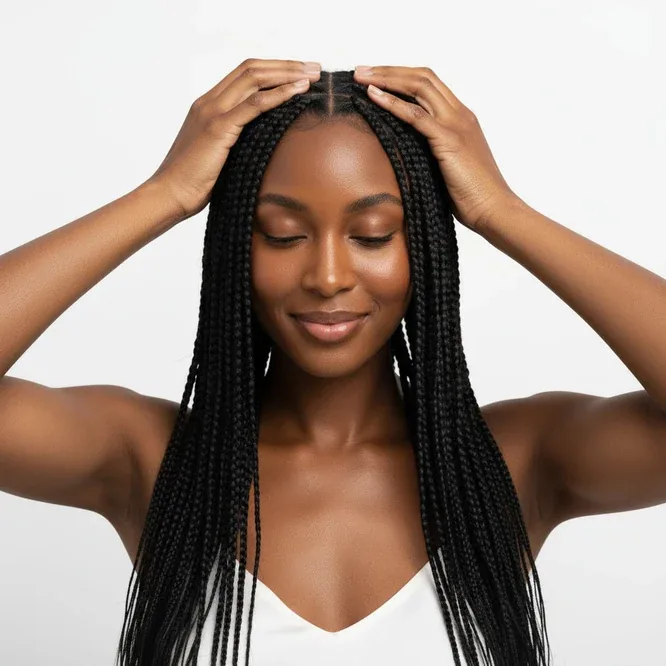
Healthy styles start at the scalp. Wash regularly — most natural hair does well with a wash every one to two weeks, more often if you sweat a lot or use heavy products — and massage shampoo in with your fingertips, not your nails. A clean, calm scalp grows hair; a scalp buried under build-up and tight braids does not.
Watch for warning signs: soreness, bumps along the hairline, itching that does not settle after washing, or thinning at the edges. Those are signs a style is too tight or left in too long, not something to push through. Loosen it, take it down, and let the scalp rest before your next protective style.
1. Wash and Go Coils
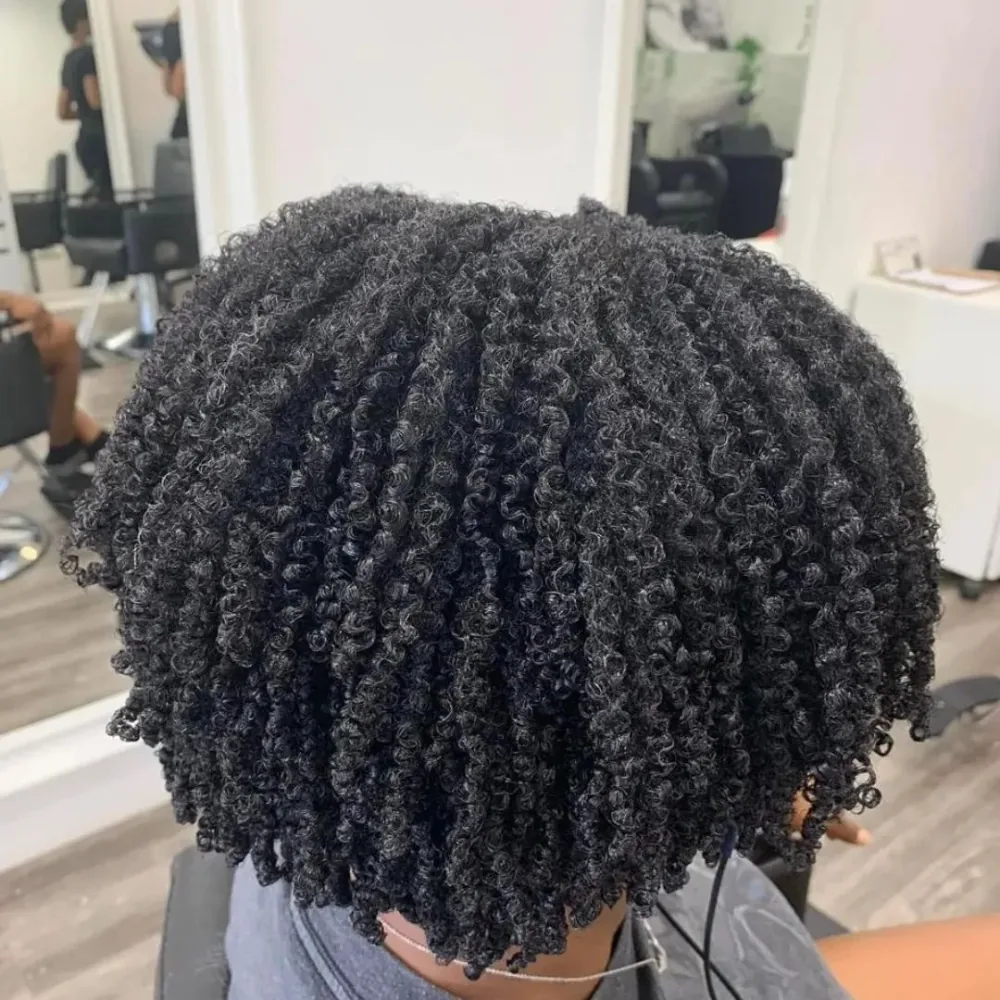
A wash and go is the purest natural style: wash, apply leave-in and a curl-defining gel or cream to soaking-wet hair, and let the coils form on their own. On 4A hair it gives defined spirals; on 4B and 4C hair it gives a beautifully dense, textured shape with soft definition.
Maintenance: Refresh with water and a little leave-in each morning, and sleep in a pineapple or bonnet. Most wash-and-gos last 3 to 5 days before they need a re-wash.
How long it lasts: 3 to 5 days, depending on humidity and how much you touch it. Hands-off drying is the secret to definition.
Cost and time: Almost free at home — just products you already own — and about 20 to 40 minutes on wash day, plus a few minutes of refreshing daily.
2. Twist Out
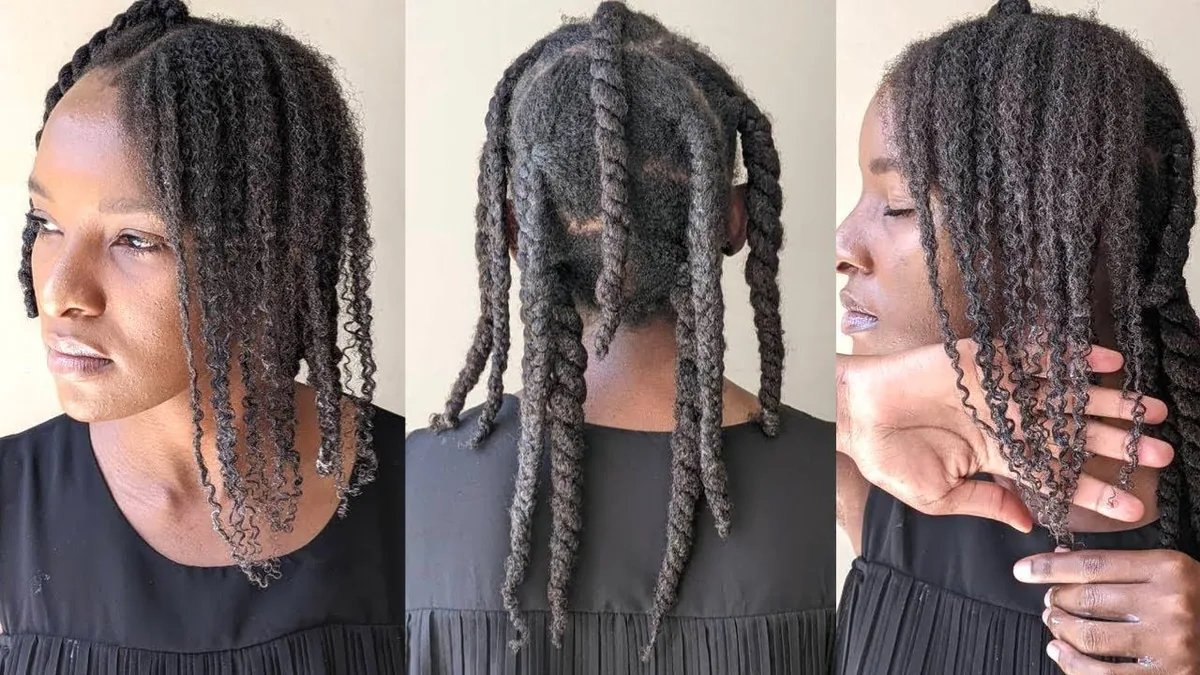
A twist out is made by twisting damp, moisturised hair into two-strand twists, letting them dry fully, then unravelling them for stretched, defined waves and coils. It is the most reliable way to show length without heat.
Best for: All 4A to 4C textures, and anyone who wants definition plus stretch in one style. Smaller twists give tighter definition; chunkier twists give bigger volume.
Cost and time: Free at home, but allow 30 to 90 minutes to twist, plus drying time — overnight is easiest. Unravelling takes about 10 minutes.
Who should avoid it: Anyone in a rush on wash day: unravelling twists before they are fully dry causes frizz and lost definition, so this style rewards patience.
3. Braid Out
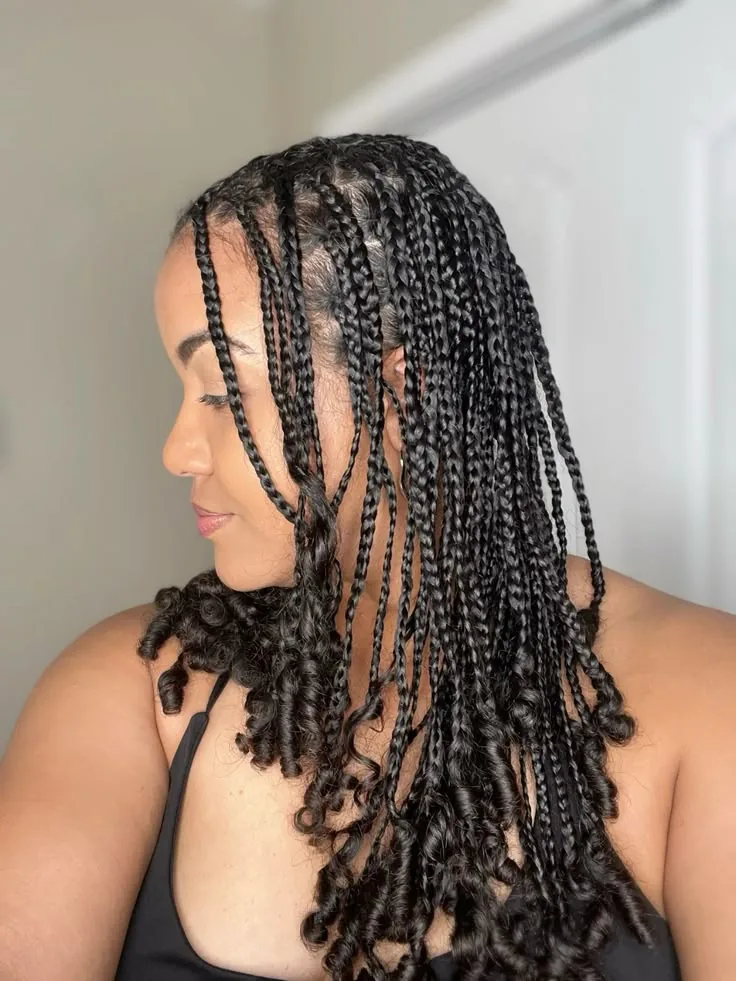
A braid out works like a twist out, but with plaits instead of twists, giving a crimped, wavy pattern with more stretch. It is a great next-day style after wearing braids, or a deliberate style in its own right.
Maintenance: Pineapple at night and a light refresh with water in the morning. A braid out usually holds 4 to 6 days, longer than a twist out on looser textures.
How long it lasts: 4 to 6 days, with the pattern loosening gracefully into bigger volume rather than falling apart.
Cost and time: Free at home, 30 to 60 minutes to braid, and best left to dry overnight for the cleanest pattern.
4. Bantu Knots
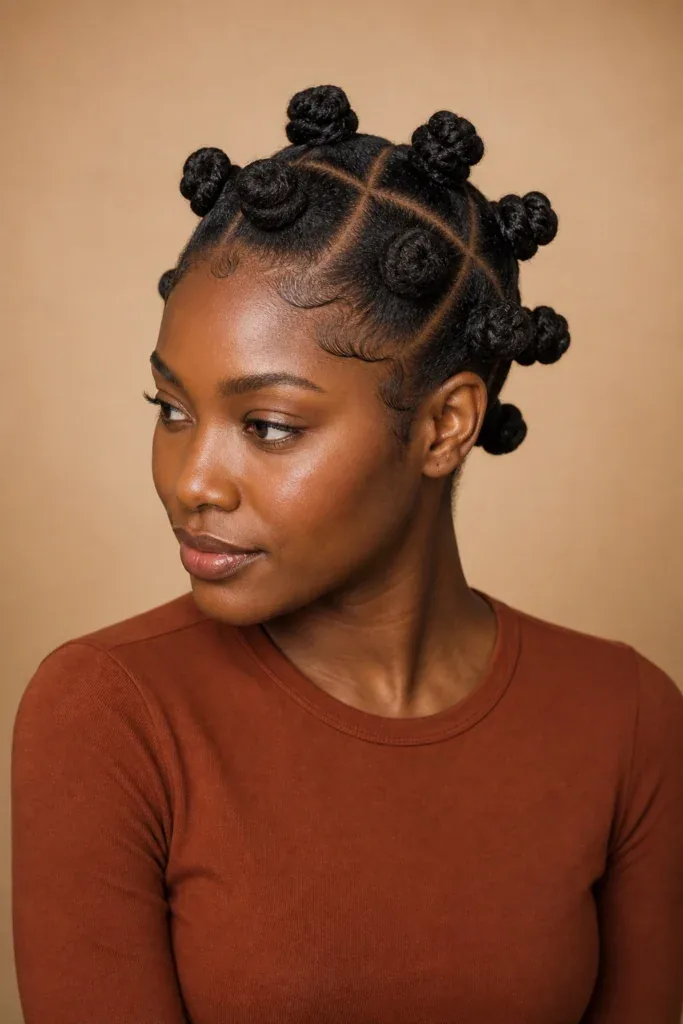
Bantu knots are small, coiled knots twisted and wrapped around themselves across the head — a striking style on their own, and a brilliant setting method for a curly knot-out the next day.
Best for: Medium to long natural hair that wants a bold, sculptural look, or a heat-free curl set. They also work beautifully as a protective style for a few days.
Who should avoid it: Very short hair, which may not wrap into stable knots, and anyone with a tender scalp — knots should sit on the hair, not pull at the roots.
Maintenance: Cover with a satin scarf at night; knots last 2 to 4 days, and the knot-out that follows lasts another 3 to 4 days.
5. The Classic Afro
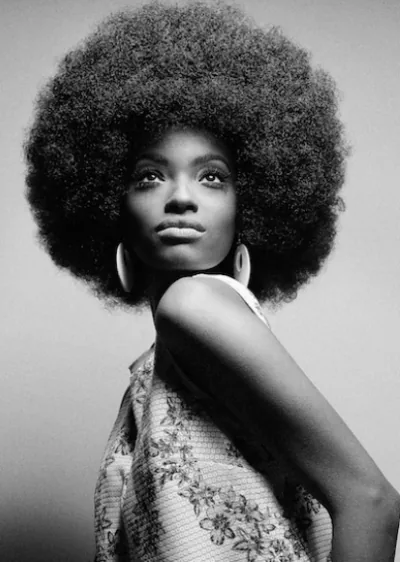
The classic afro is natural hair worn out, picked into a full, rounded shape — a celebration of volume, texture and shrinkage all at once. It needs shape, not straightening, to look its best.
Cost and time: Free at home once the shape is cut, and about 10 minutes of picking and shaping each morning. A shape-up cut costs a salon visit every 8 to 12 weeks.
How long it lasts: Indefinitely as a cut, refreshed daily; the picked-out shape itself lasts a day, then needs a quick re-pick and a spritz of water.
Maintenance: Keep it moisturised and sleep in a bonnet or on satin. Pick from the roots outward, gently, to avoid snapping the ends.
6. Tapered Afro
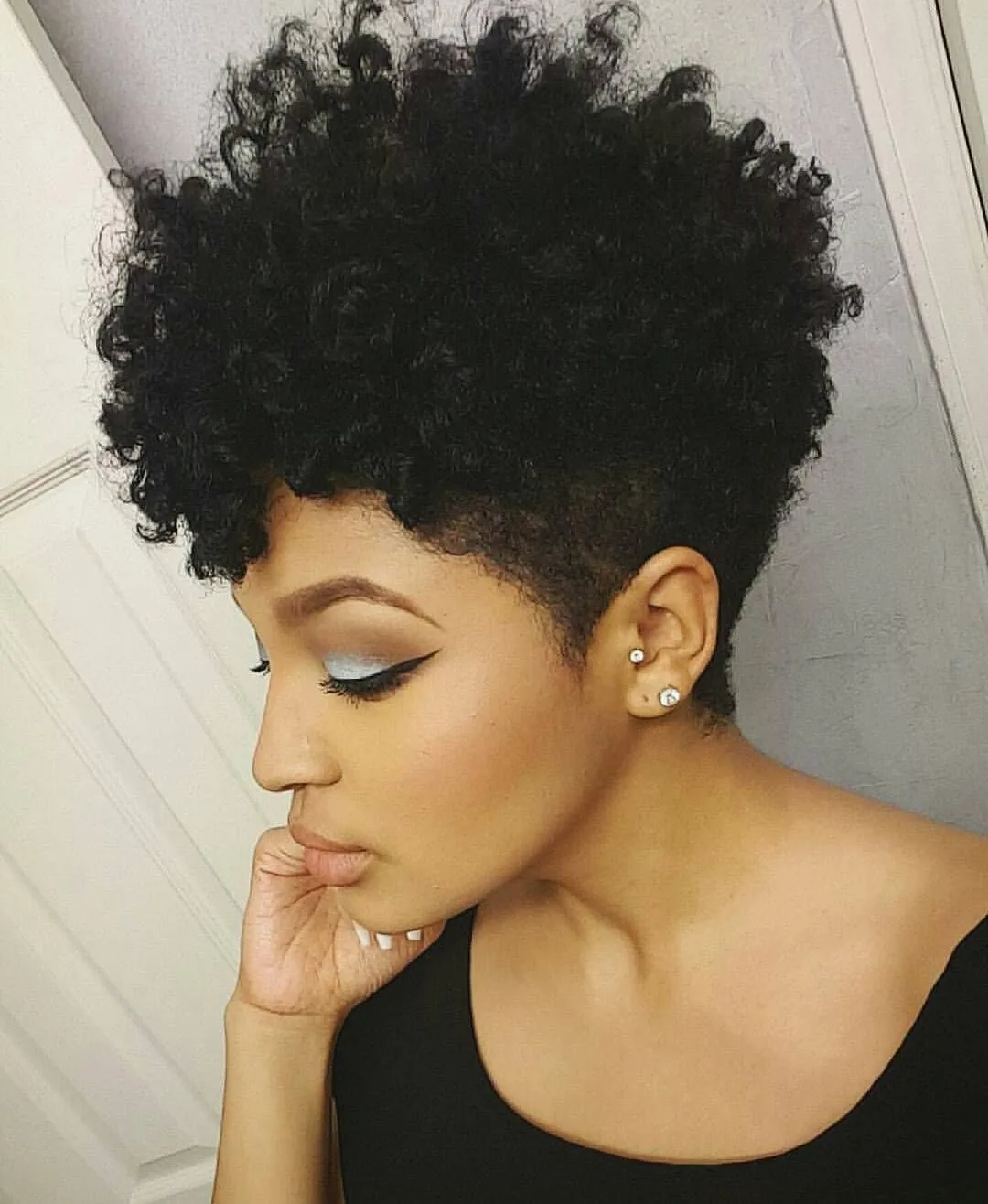
A tapered afro keeps fullness on top and shorter, graduated sides and back, giving the afro a clean silhouette that frames the face and grows out gracefully.
Best for: Anyone who loves afro volume but wants a neater outline, and shorter hair that still reads as an afro rather than a uniform cut.
Cost and time: A salon cut, typically a standard haircut price, plus a shape-up every 4 to 6 weeks to keep the taper crisp.
Who should avoid it: Anyone growing out a taper into a full afro will pass through an awkward in-between stage — worth knowing before you book it.
7. Finger Coils
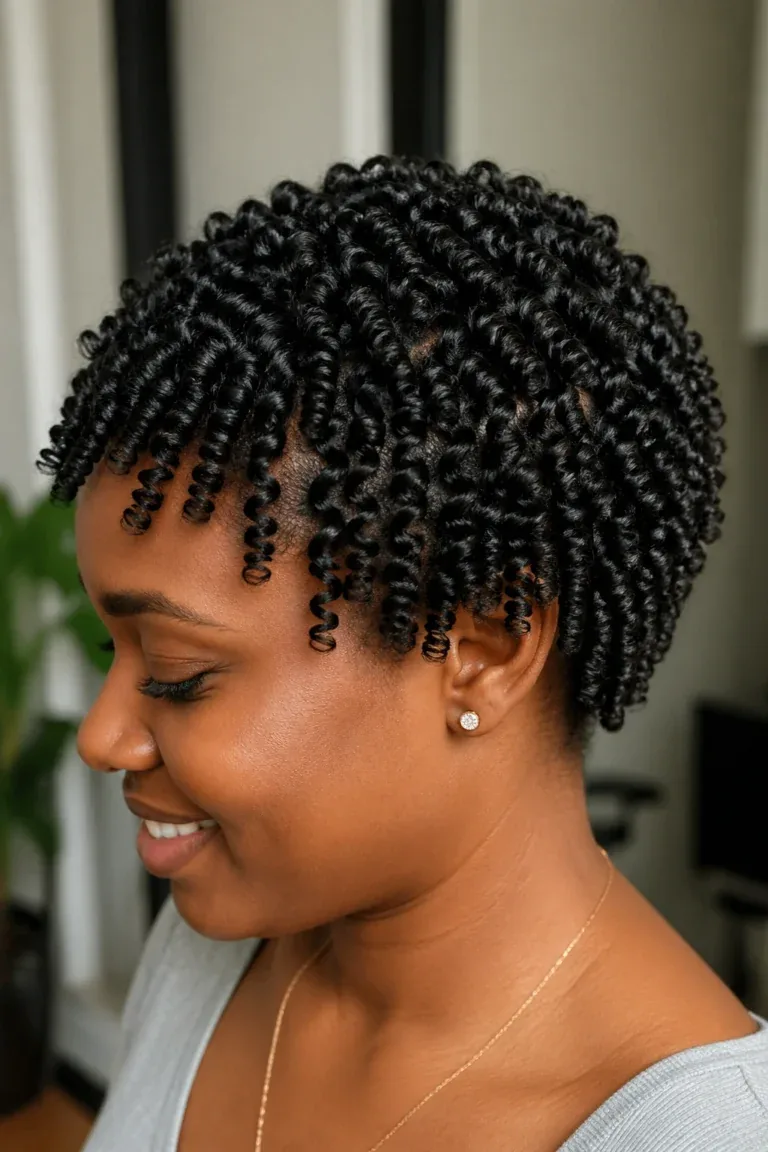
Finger coils are made by twirling small sections of wet, gelled hair around a finger until they coil tightly. The result is neat, uniform spirals that look polished from every angle.
Maintenance: Very low once set — just a bonnet at night and a light oil on the hands when separating. Coils hold their shape for 1 to 2 weeks.
How long it lasts: 1 to 2 weeks, gradually loosening into a softer coil pattern rather than unravelling all at once.
Cost and time: Free at home but slow — allow 1 to 3 hours depending on density. In a salon, expect a styling fee and a couple of hours in the chair.
8. Two-Strand Twists
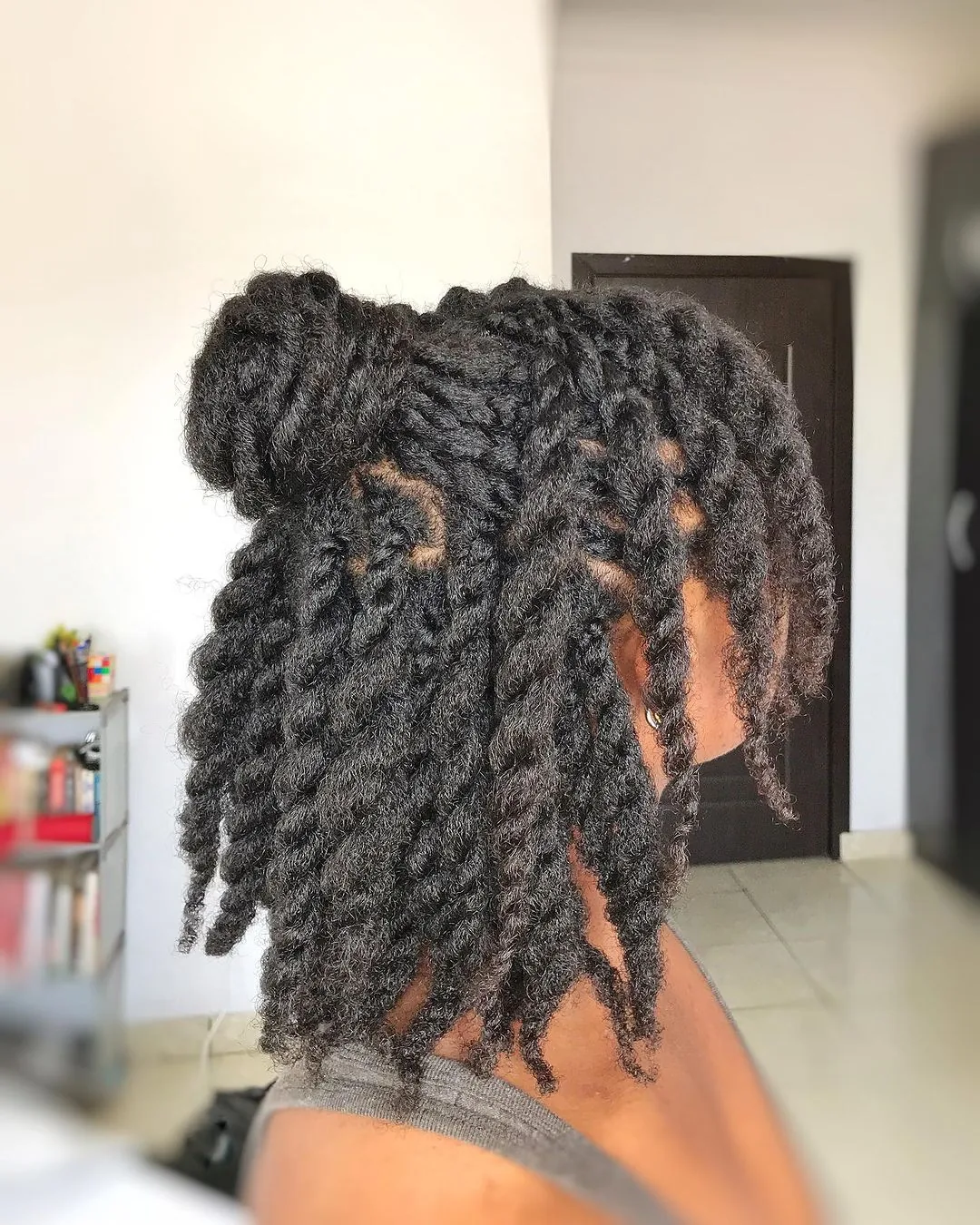
Two-strand twists are the workhorse of natural hair: two sections wrapped around each other, worn as a style on their own or unravelled later for a twist out. They protect the ends and stretch the hair at the same time.
Best for: All lengths from a few inches up, and anyone who wants a protective style they can do themselves without extensions.
Cost and time: Free at home, 1 to 3 hours to install depending on size, or a salon fee for a neat, long-lasting set.
Who should avoid it: Anyone who needs a style to last a full month — twists are best for 1 to 3 weeks before they start to fuzz and tangle at the roots.
9. Flat Twists
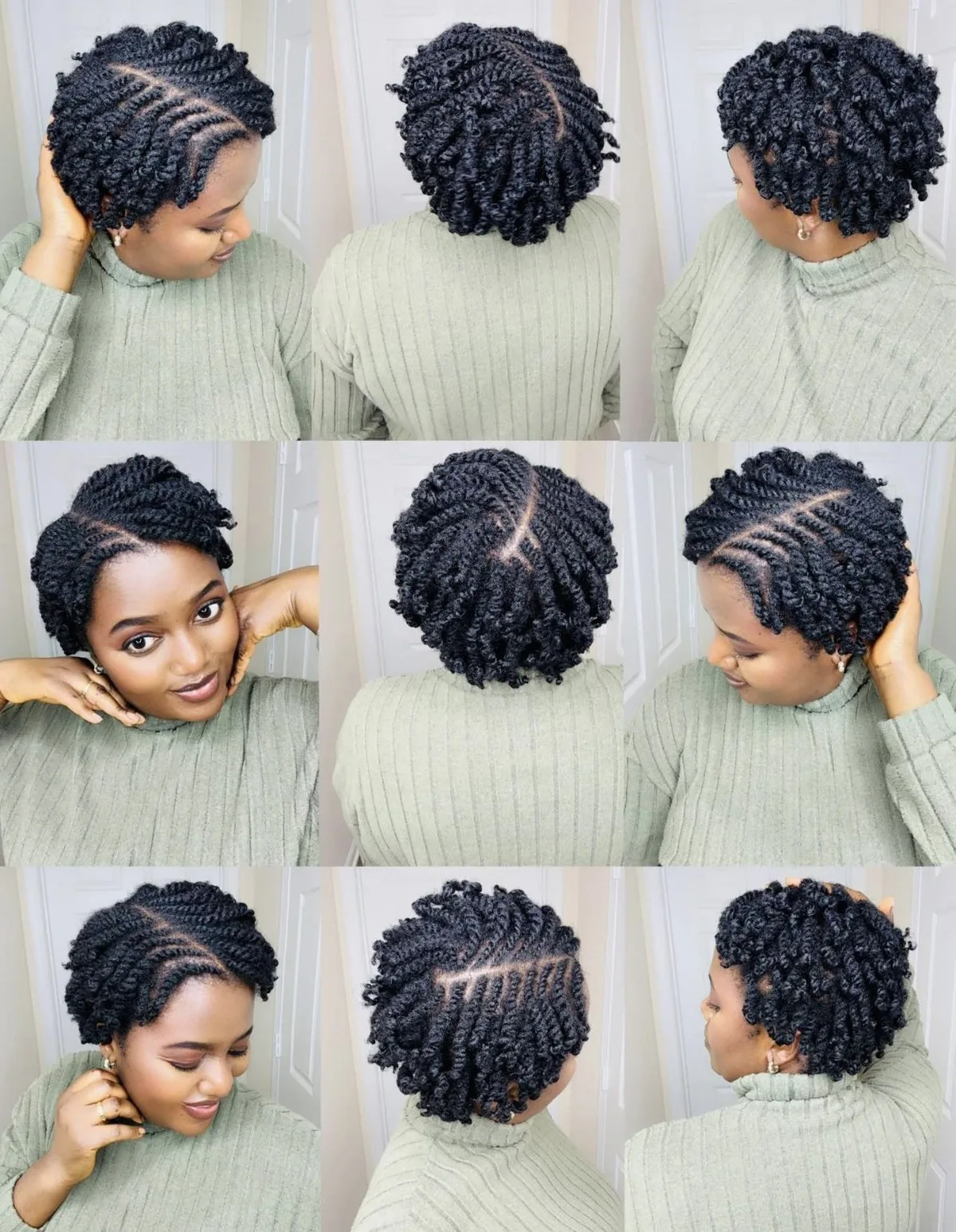
Flat twists lie close to the scalp like cornrows but are made with two strands, giving a flatter, softer look that is quicker to install and gentler to take down.
Maintenance: Keep the scalp moisturised with a light oil and sleep in a bonnet. Flat twists last 1 to 2 weeks, and the twist-out afterwards is a bonus style.
How long it lasts: 1 to 2 weeks as twists, plus 3 to 4 days as a twist-out once unravelled.
Cost and time: Free at home in 30 to 90 minutes, or a modest salon styling fee — one of the cheapest protective options.
10. Cornrows
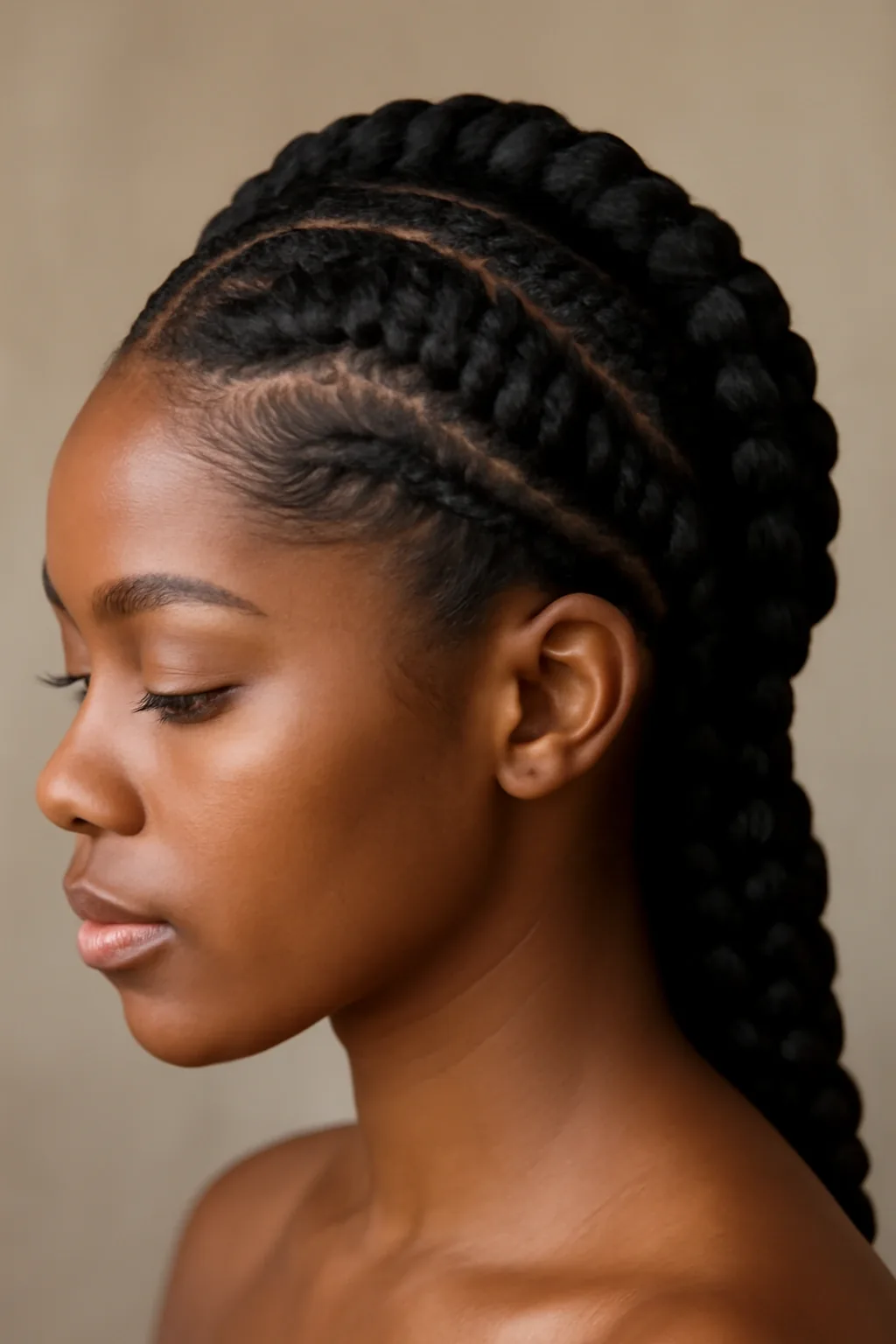
Cornrows are braids woven flat against the scalp in straight or curved rows — a timeless, practical style that keeps hair completely protected and out of the way for weeks.
Best for: Active lifestyles, holidays, and anyone who wants a low-maintenance style that still looks intentional. They also make a perfect base for wigs.
Who should avoid it: Anyone whose braider pulls tightly at the hairline. Pain, bumps or thinning edges mean the braids are too tight and should be redone looser.
Cost and time: A salon style, usually a moderate braiding fee, taking 1 to 3 hours. At home, they take practice but cost nothing.
11. Fulani Braids
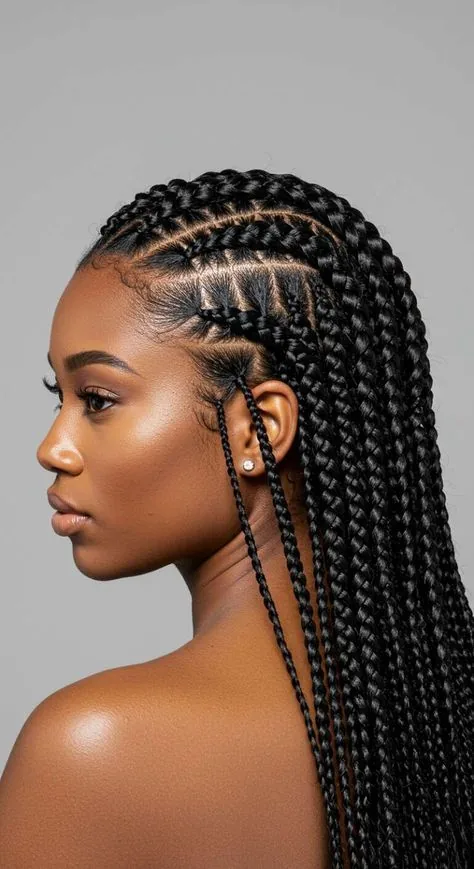
Fulani braids, inspired by the Fulani people of West Africa, combine a centre braid or cornrow pattern with side braids and often beads or cuffs — a style with deep cultural roots and a striking, decorated finish.
Maintenance: Oil the scalp lightly, keep the braids dry at the roots, and wrap in silk at night. Fulani braids last 2 to 4 weeks.
How long it lasts: 2 to 4 weeks, with beads and accessories refreshed as needed along the way.
Cost and time: A salon braiding fee, often higher than plain cornrows because of the pattern and decoration, taking 2 to 4 hours.
12. Box Braids
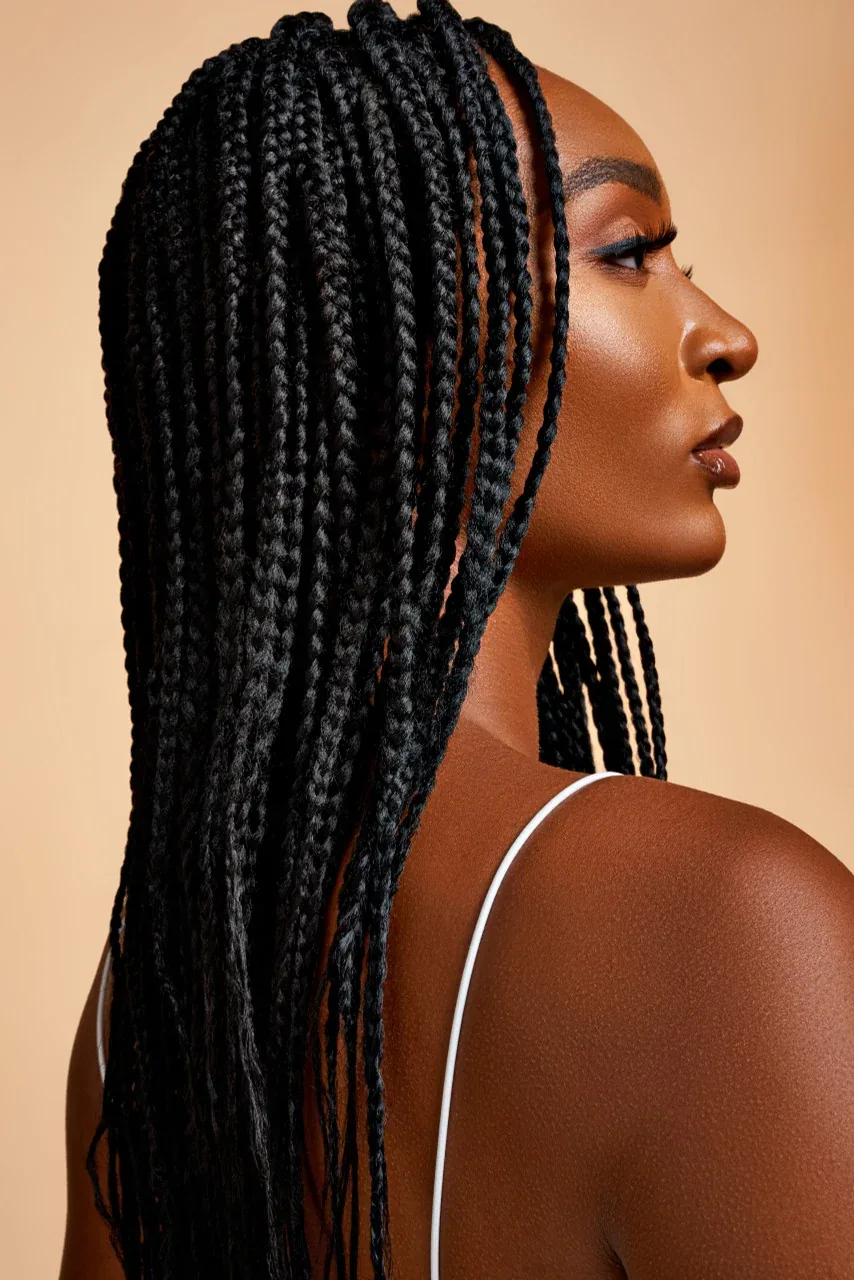
Box braids are individual braids parted in squares, usually with added hair for length and fullness. They are the classic long-term protective style — versatile, low-effort once in, and endlessly customisable.
Best for: Anyone who wants weeks of styling freedom: box braids can be worn loose, in buns, ponytails and updos with almost no daily effort.
Cost and time: The priciest style on this list in a salon, plus the cost of braiding hair, taking anywhere from 4 to 8 hours depending on size and length.
Who should avoid it: Anyone with a sensitive scalp or fragile edges should ask for knotless starts and medium — not jumbo-heavy — braids, and should not keep them in beyond 6 to 8 weeks.
13. Knotless Braids
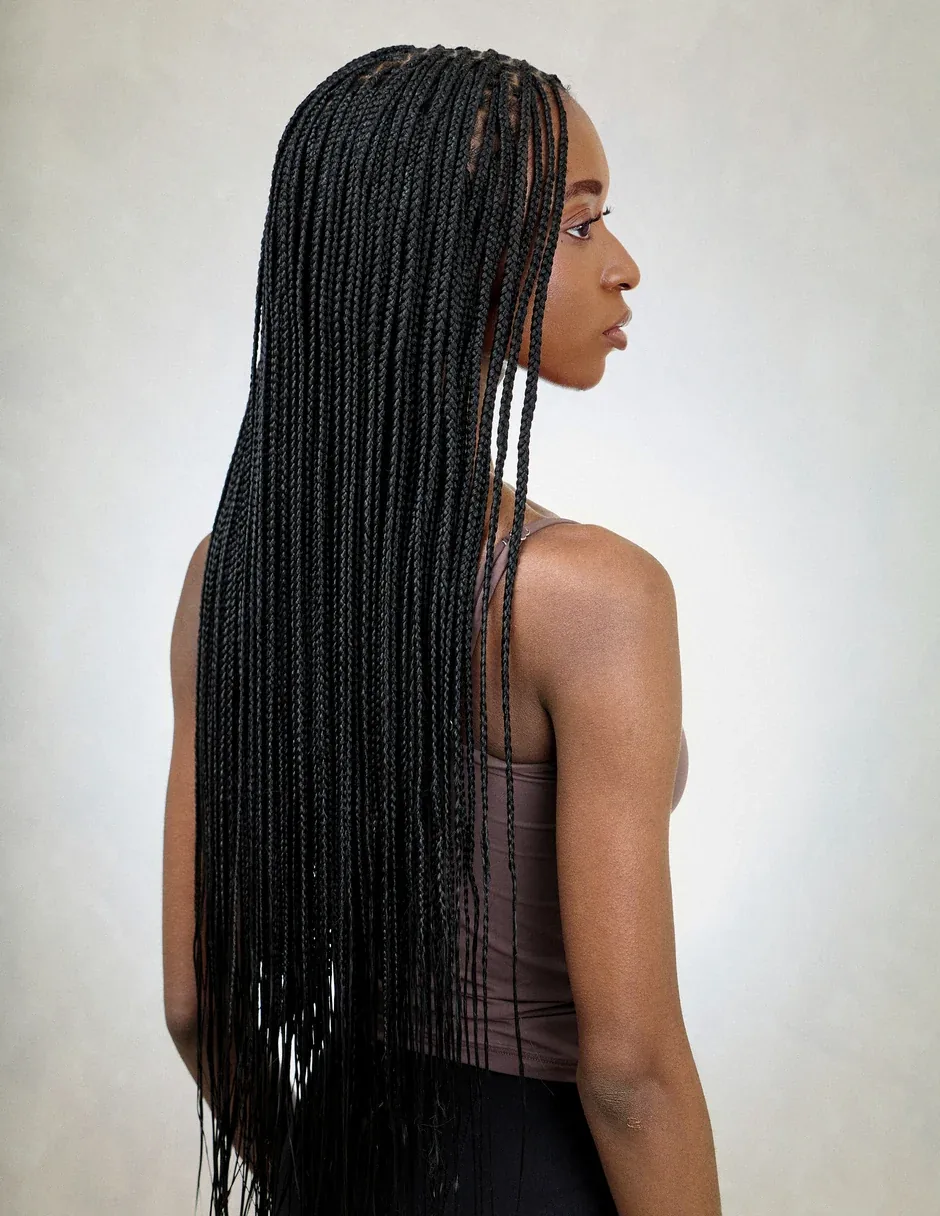
Knotless braids start with your own hair and feed extensions in gradually, so there is no tight knot at the root. The result is flatter, more comfortable and kinder to the hairline than traditional box braids.
Maintenance: Very low: a bonnet at night, light scalp oil, and a silk scarf to lay the edges. They stay neat for 4 to 6 weeks.
How long it lasts: 4 to 6 weeks, sometimes longer, though the roots will naturally grow out and fuzz over time.
Cost and time: A salon fee similar to or slightly above box braids, taking 4 to 7 hours. The comfort is worth it for most people who try them.
14. Passion Twists
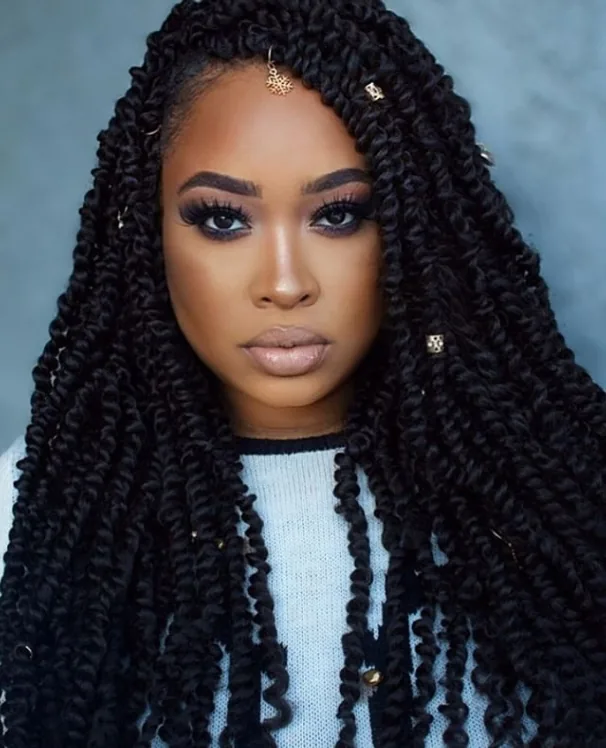
Passion twists are soft, slightly wavy two-strand twists made with water-wave extension hair, giving a romantic, bohemian texture that moves beautifully and looks fuller than regular twists.
Best for: Anyone who wants a soft, feminine protective style with movement — passion twists suit holidays, weddings and everyday wear alike.
Cost and time: A salon fee plus extension hair, taking 3 to 5 hours. At home, they are doable with practice but slower than plain twists.
Who should avoid it: Very humid climates can make the wavy texture frizz faster, so this style may need more refreshing than tighter twists.
15. Senegalese Twists
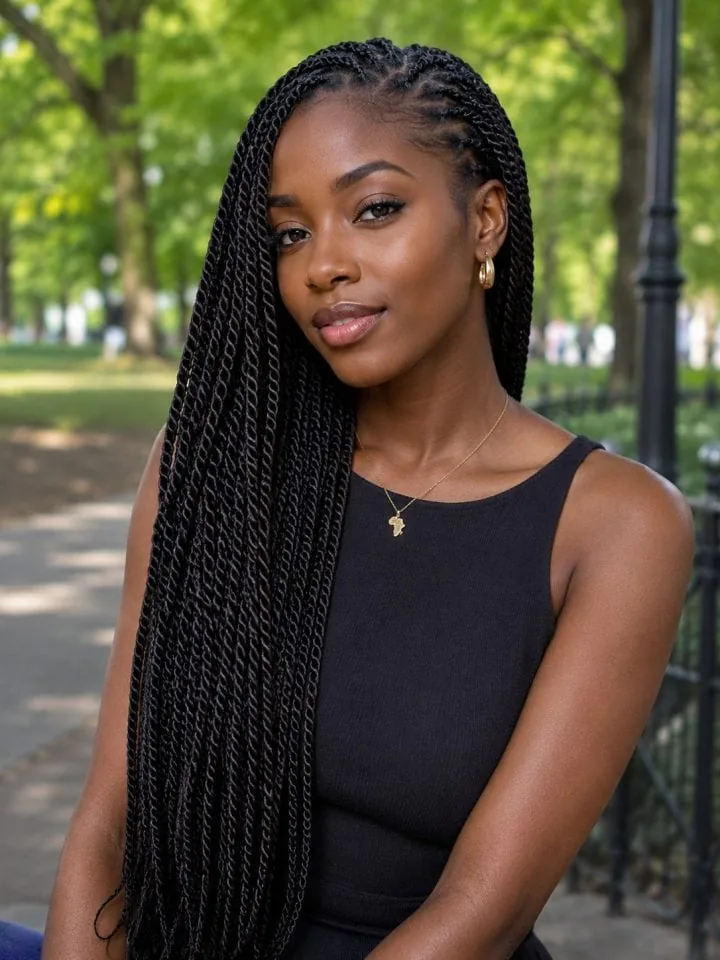
Senegalese twists, also called rope twists, are smooth, tightly wound twists made with extension hair. They have a sleek, rope-like finish and a neat, polished look that lasts.
Maintenance: Keep them dry at the roots, oil the scalp lightly, and cover at night. They hold a neat finish for 4 to 6 weeks.
How long it lasts: 4 to 6 weeks, with the smooth texture holding up better than looser twist styles.
Cost and time: A salon fee plus extension hair, taking 3 to 6 hours depending on size.
16. Faux Locs
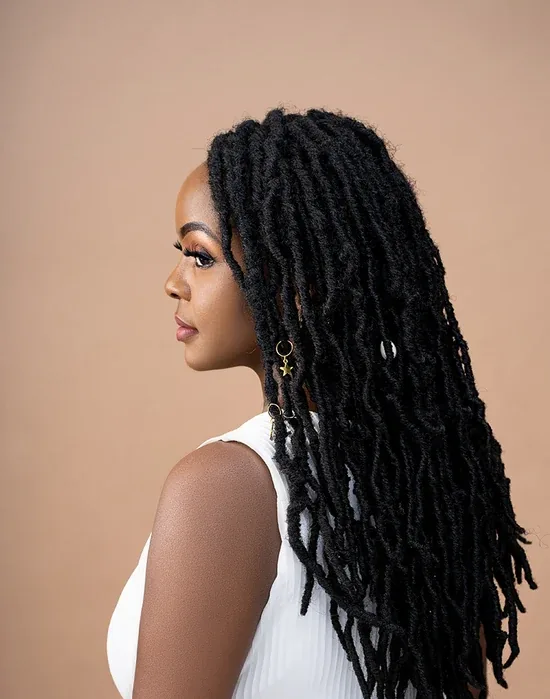
Faux locs wrap extension hair around your own braided or twisted hair to mimic real locs, giving the look and weight of locs without the long-term commitment.
Best for: Anyone curious about locs who wants to try the look for a month or two first, or anyone who wants a bold, textured protective style.
Cost and time: A salon fee plus hair, taking 4 to 7 hours. Crochet faux locs are faster to install than individually wrapped ones.
Who should avoid it: Very fine or fragile hair may struggle with the weight of long, heavy faux locs — choose a shorter, lighter length.
17. Goddess Locs
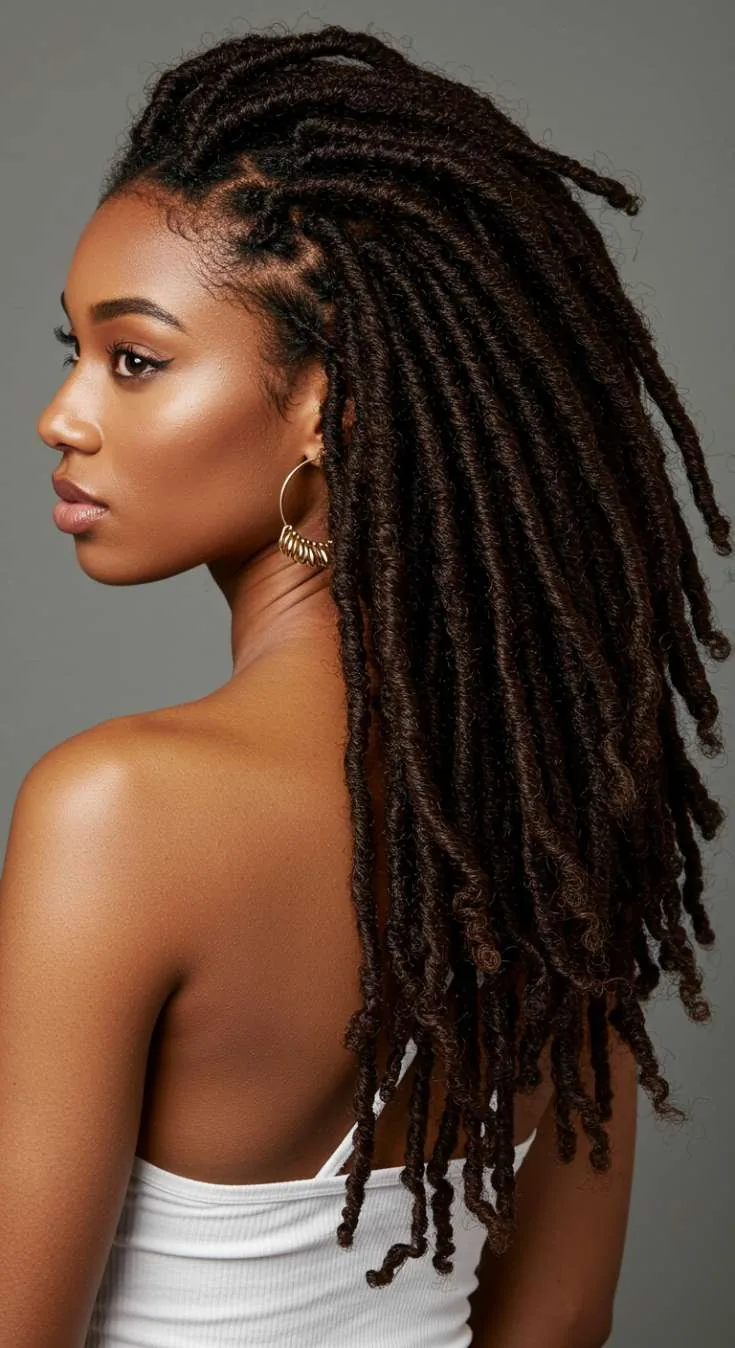
Goddess locs are faux locs with loose, wavy ends and often curly pieces left out through the lengths, giving a softer, more romantic finish than classic faux locs.
Maintenance: Separate the wavy ends gently, use a light mousse to refresh the curls, and sleep in a bonnet. They last 4 to 6 weeks.
How long it lasts: 4 to 6 weeks, with the wavy ends needing the most refreshing toward the end.
Cost and time: Similar to faux locs — a salon fee plus hair, taking 4 to 7 hours.
18. Silk Press
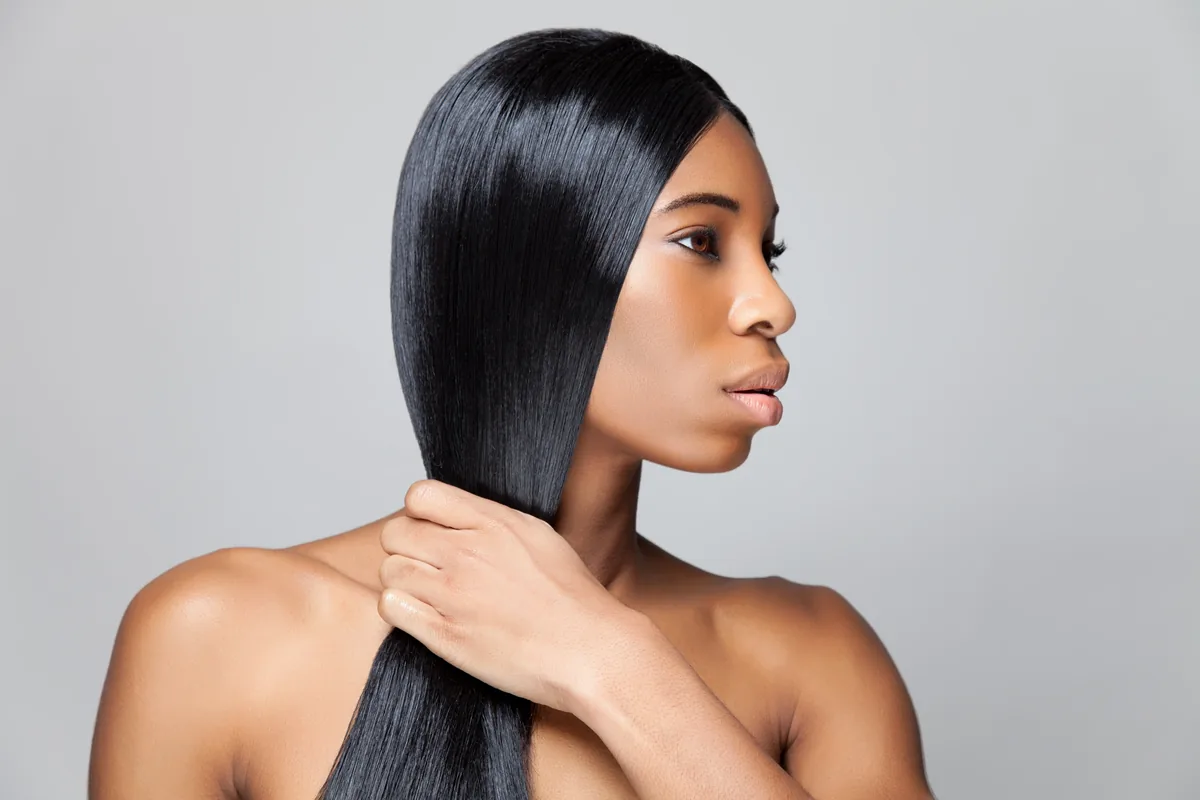
A silk press straightens natural hair with a blow-dryer and flat iron into a smooth, flowing, silk-like finish — without chemicals. Done well, it moves like relaxed hair but reverts with the next wash.
Best for: Special occasions, length checks, and anyone who wants a straight look for a week or two without a relaxer.
Who should avoid it: Anyone who cannot keep hair dry: humidity, sweat and rain will revert a silk press quickly, so it is a poor choice for a beach holiday.
Cost and time: A salon service, usually a moderate-to-high styling fee, taking 1.5 to 3 hours. At home, it needs a good blow-dryer, flat iron and heat protectant.
19. Blowout on Natural Hair
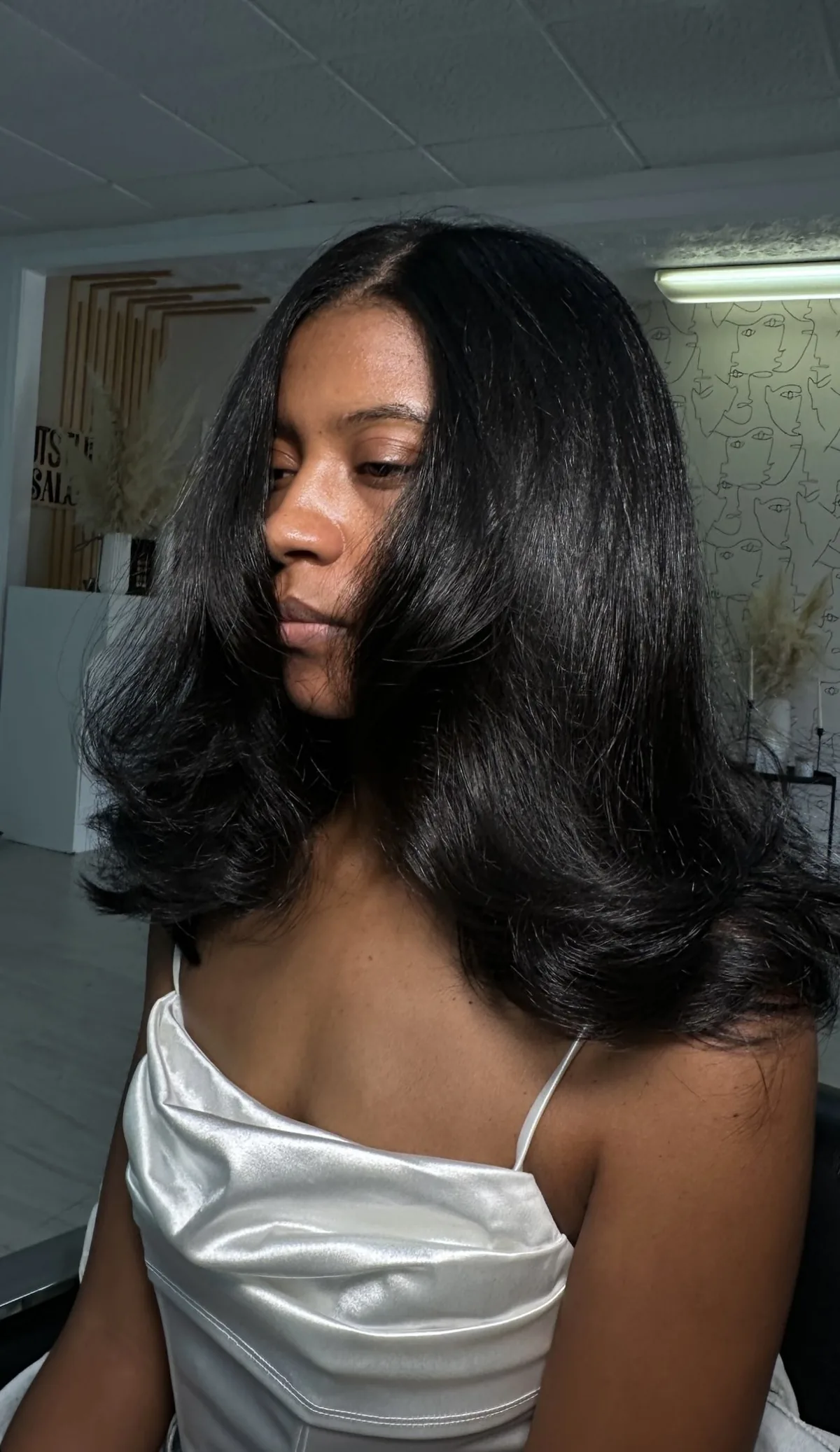
A blowout stretches natural hair with a blow-dryer and brush into big, soft volume — less sleek than a silk press, more bouncy and full, and a great base for buns and ponytails.
Maintenance: Wrap at night or pin-curl the ends, and avoid water and steam. A blowout lasts 5 to 10 days on most textures.
How long it lasts: 5 to 10 days, depending on humidity, sweat and how well it is wrapped at night.
Cost and time: A salon blow-dry fee, taking 1 to 2 hours, or free at home with a blow-dryer and heat protectant.
20. Diffused Defined Curls
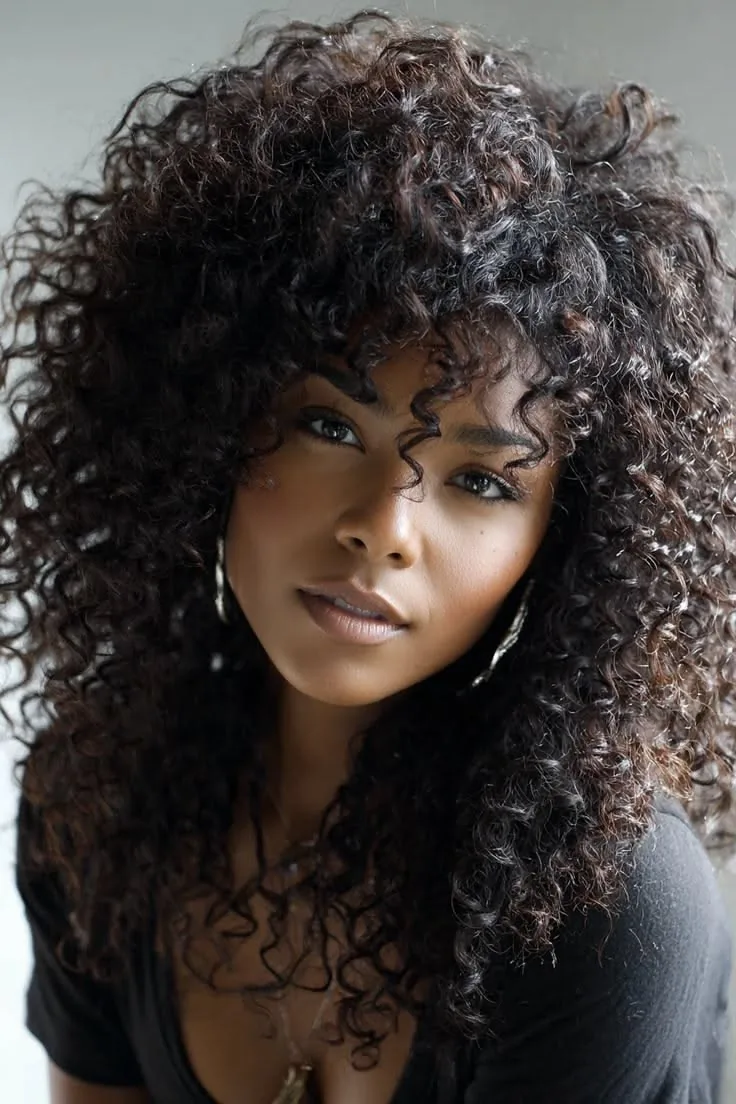
Diffusing means drying wet, product-coated coils with a diffuser attachment on low heat, which sets definition faster than air-drying and gives more volume at the roots.
Best for: Wash-and-go lovers who want faster drying and bigger volume, especially in colder weather when air-drying takes hours.
Cost and time: Free at home once you own a diffuser, taking 20 to 45 minutes. No salon visit needed.
Who should avoid it: Anyone who diffuses on high heat or touches the hair constantly while drying — both create frizz and undo the definition.
21. High Puff
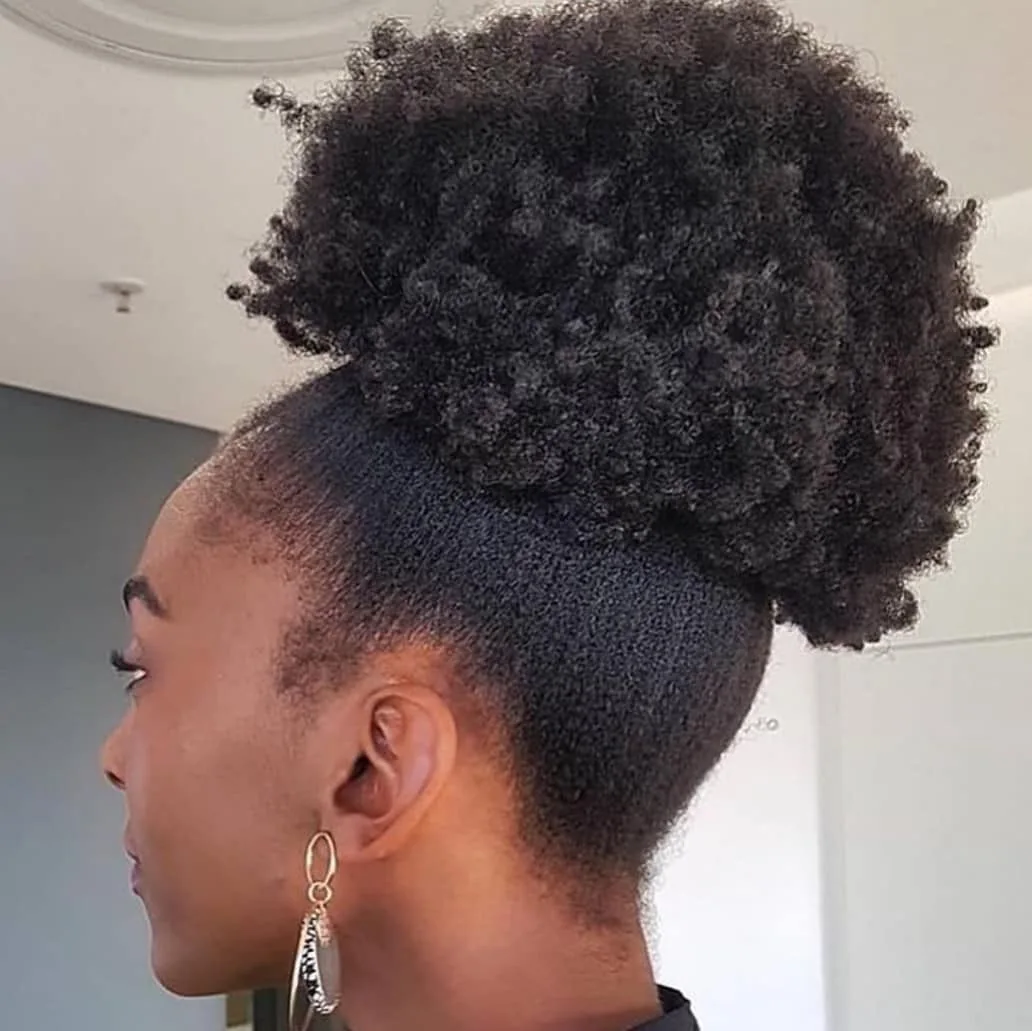
The high puff gathers all the hair into a single cloud on top of the head, held with a band or scarf — the quickest, most joyful natural style there is, and a celebration of volume.
Maintenance: Almost none: re-gather in the morning, smooth the edges with gel if you like, and go. It works best on second- or third-day hair with some stretch.
How long it lasts: A day at a time, restyled each morning in under 5 minutes.
Cost and time: Free — a hair tie, a scarf or a puff cuff is all you need.
22. Low Puff
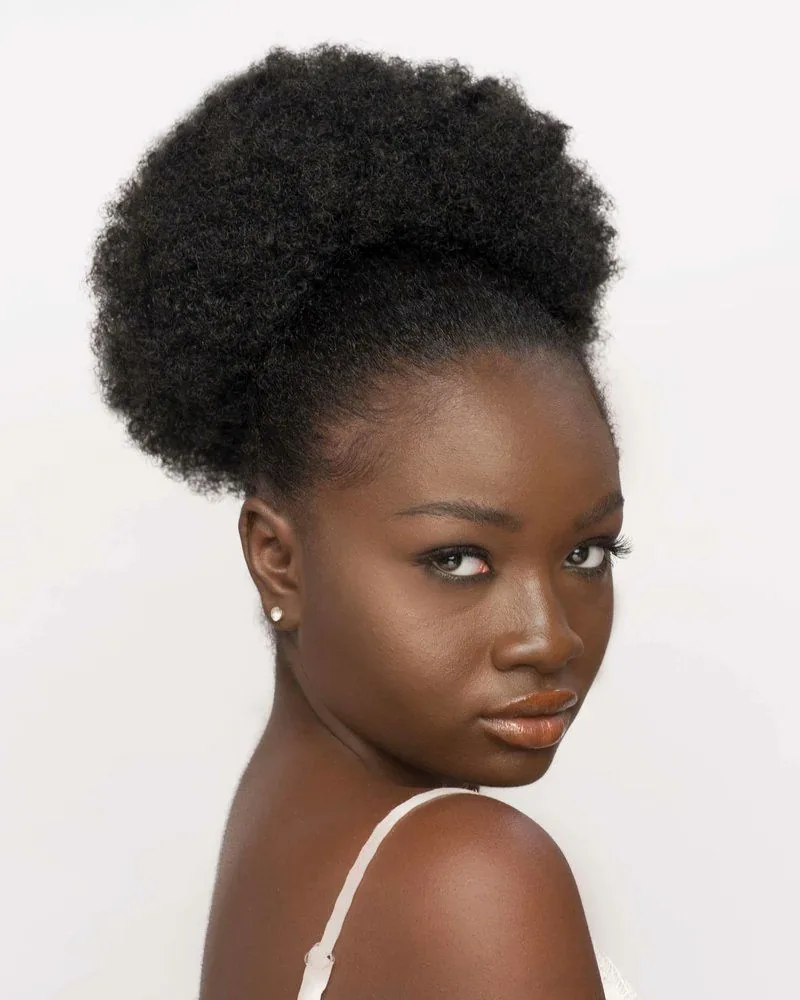
A low puff sits at the nape instead of the crown, giving a softer, more understated version of the puff that suits work, formal occasions and days when you want hair neatly out of the way.
Best for: Professional settings, workouts and anyone who finds a high puff pulls at their hairline. It is also gentler on the edges.
Cost and time: Free, and about 5 minutes each morning.
Who should avoid it: Anyone with very short hair may not gather enough length for a full puff — a low puff works best once hair reaches a few inches.
23. Pineapple Updo
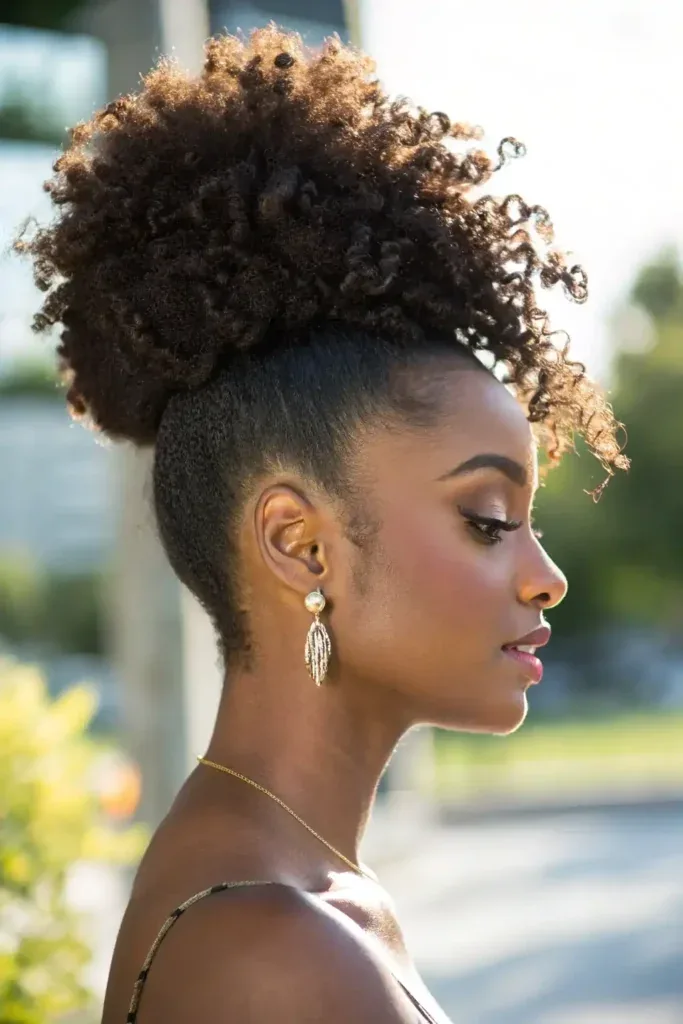
The pineapple piles hair loosely on top of the head, like the top of a pineapple, preserving curl definition overnight — and worn out during the day, it is a chic updo in its own right.
Maintenance: Use a loose scrunchie, never a tight band, and let the front pieces fall softly around the face. It is as much a night-time preservation method as a style.
How long it lasts: A day, restyled each morning, and it extends a wash-and-go by several days when used overnight.
Cost and time: Free, and under 2 minutes.
24. Double Puffs (Space Buns)
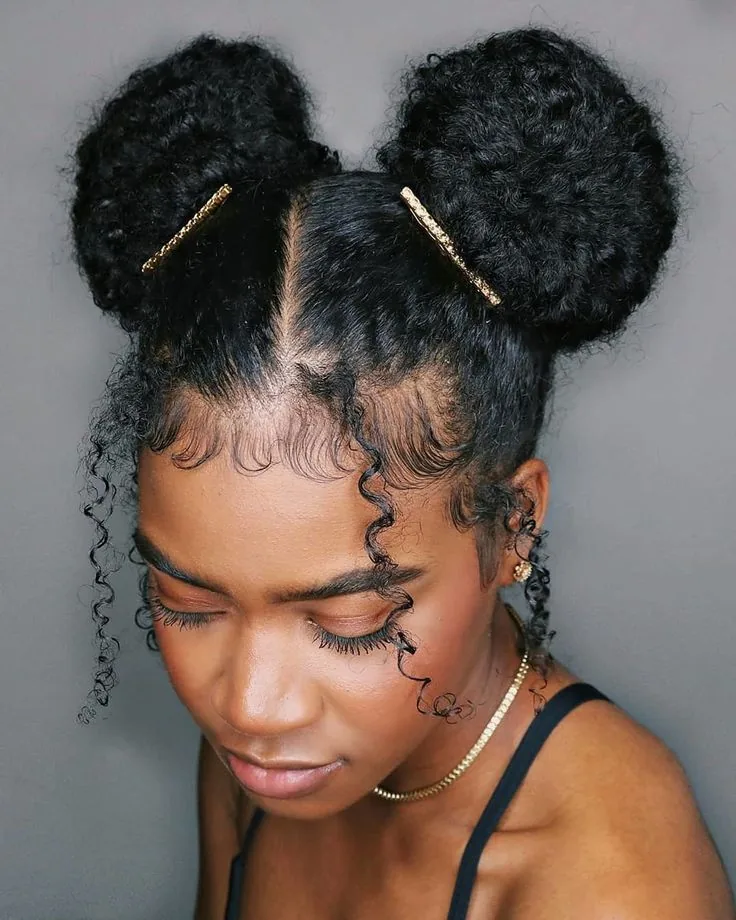
Double puffs split the hair into two clouds, one on each side — playful, youthful and practical, keeping hair off the face while showing off texture.
Best for: Festivals, workouts, kids and anyone who wants a fun, symmetrical style. They also work beautifully on shorter natural hair.
Cost and time: Free, and about 5 to 10 minutes to part and gather evenly.
Who should avoid it: Formal occasions may call for a single puff or bun instead — double puffs read as deliberately playful, which is their charm.
25. Top Knot Bun
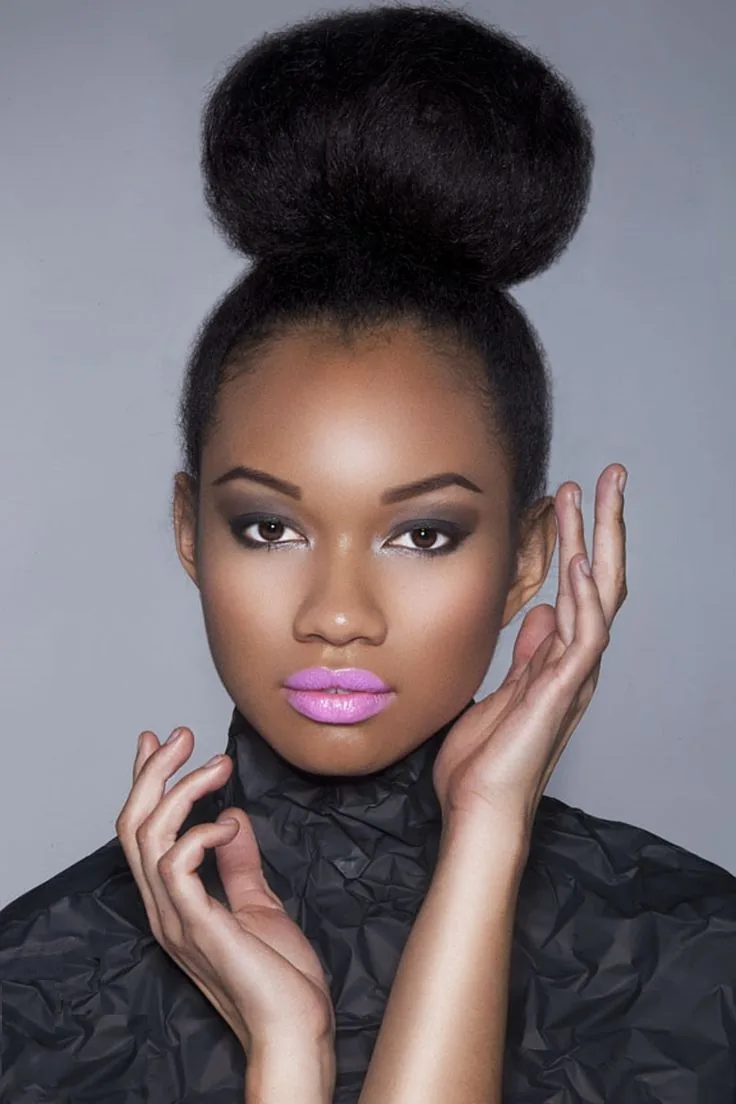
A top knot twists stretched or twisted hair into a bun on top of the head — neat, elegant and endlessly useful, from the gym to a wedding guest look.
Maintenance: Secure with pins rather than pulling tightly, and smooth the edges with a little gel. It holds all day with minimal fixing.
How long it lasts: A day, restyled each morning, and it works on stretched, twisted or braid-out hair alike.
Cost and time: Free, and 5 to 10 minutes.
26. Low Bun With Swooped Edges
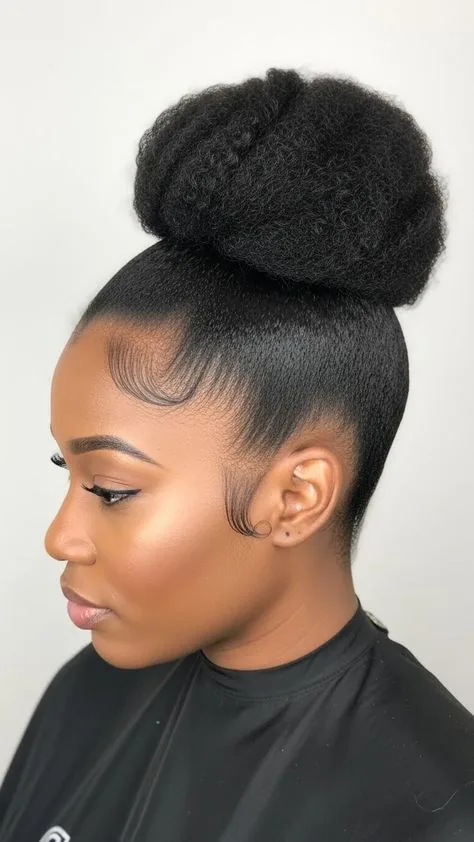
A low bun with swooped, laid edges is the polished natural classic: hair smoothed back into a nape bun, with baby hairs styled into soft swoops at the hairline.
Best for: Weddings, work events and any occasion that calls for a sleek finish without straightening the whole head.
Cost and time: Free at home with edge control and a brush, taking 10 to 20 minutes. A salon sleek bun is a modest styling fee.
Who should avoid it: Anyone with fragile edges should lay them gently and not daily — constant brushing and gel on the hairline can thin it over time.
27. Halo Braid (Crown Braid)
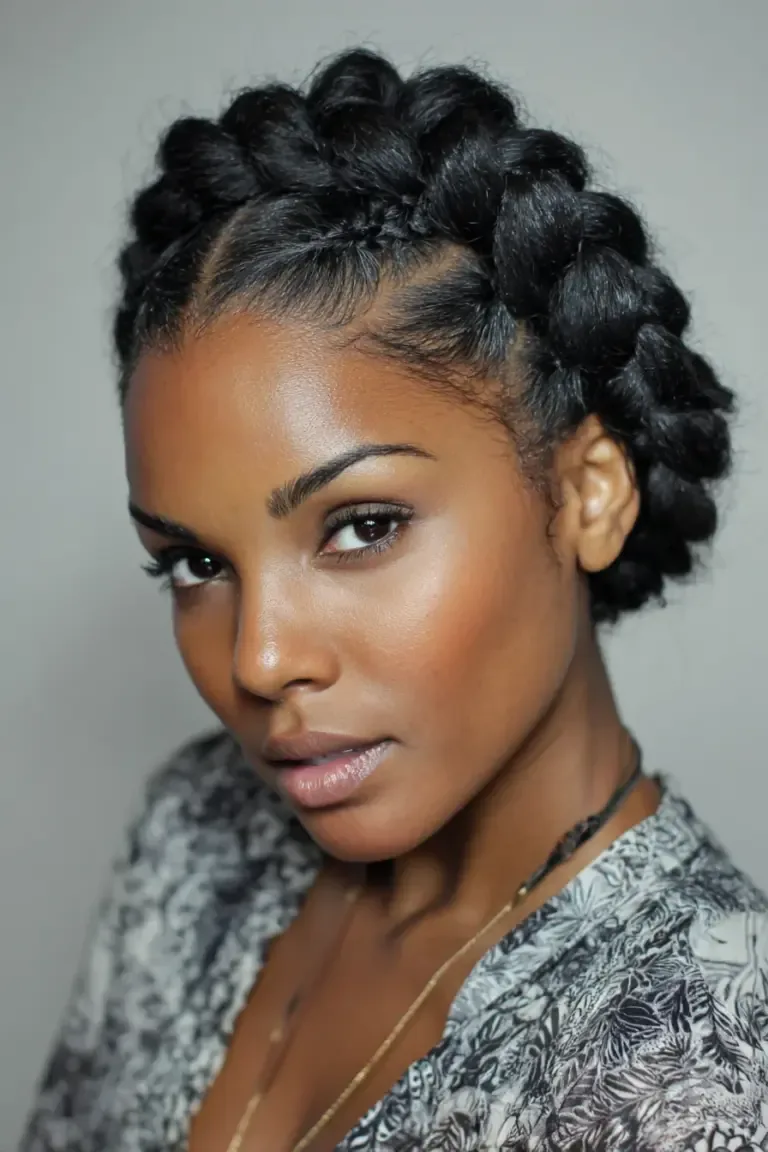
A halo braid circles the head like a crown, made from one long braid wrapped around and pinned. It keeps every strand off the face and looks intricate without needing extensions.
Maintenance: Pin securely, mist lightly with holding spray, and tuck the ends under. A halo braid holds a full day and often a second day with a scarf at night.
How long it lasts: 1 to 2 days, depending on how neatly it is pinned and how much you move.
Cost and time: Free at home with practice, taking 15 to 30 minutes, or a salon updo fee for an occasion version.
28. Side-Swept Twist Out
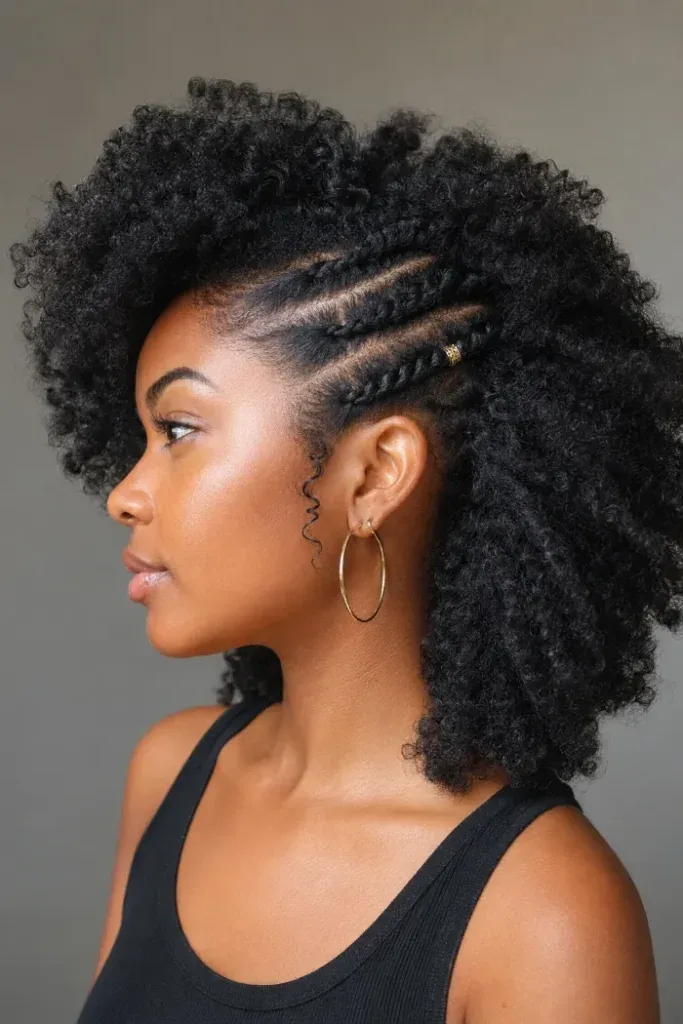
A side-swept twist out takes a regular twist out and parts it deeply to one side, so the volume sweeps across the forehead in a glamorous, asymmetrical shape.
Best for: Evenings out, photos and anyone whose twist out feels a little flat with a centre part. The deep part alone transforms it.
Cost and time: Free — it is just a twist out with a different part, taking no extra time at all.
Who should avoid it: No one, really — but if your hair is very short, the sweep may not have enough length to hold, so pin it in place.
29. Curly Natural Bob
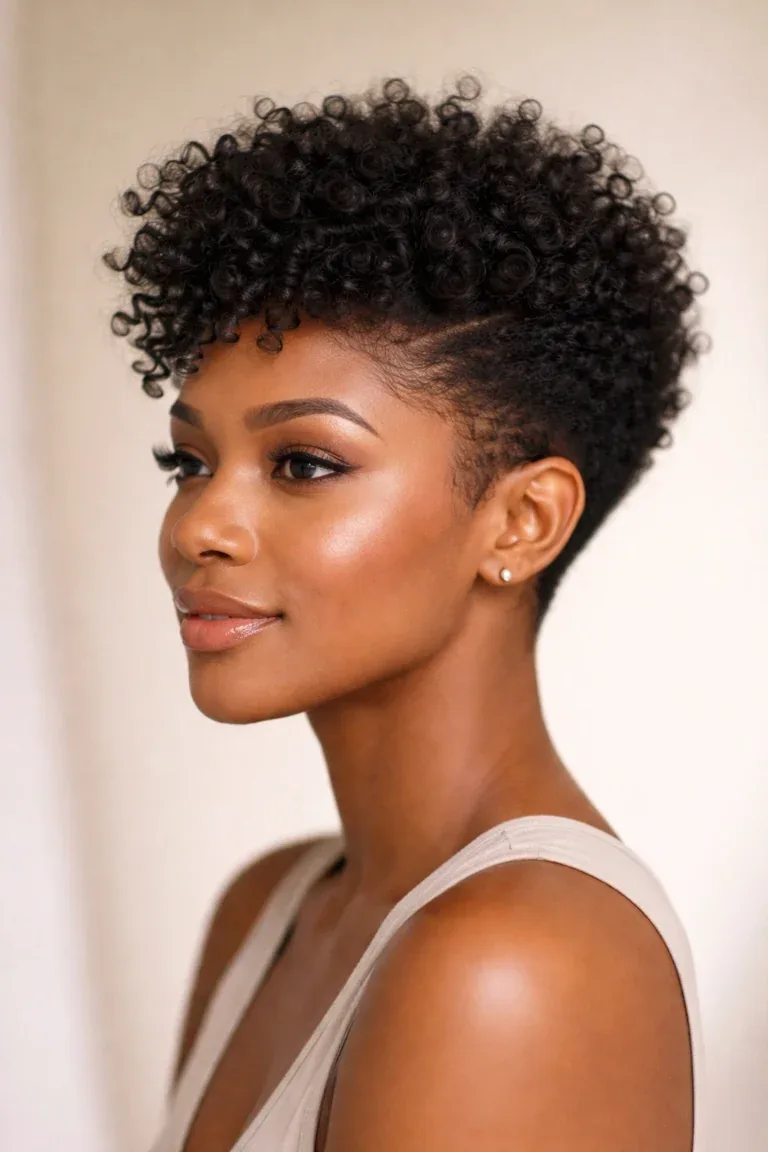
A curly natural bob cuts coils into a chin- or jaw-length shape that springs up into a full, rounded silhouette — bold, chic and full of personality.
Maintenance: Trims every 8 to 10 weeks keep the shape from growing into a triangle, and a light refresh with water keeps the coils defined.
How long it lasts: As a cut, 8 to 10 weeks between trims; the daily style takes 10 minutes of refreshing.
Cost and time: A salon cut, typically a standard haircut price, plus a shape-up every couple of months.
30. Layered Shape Cut
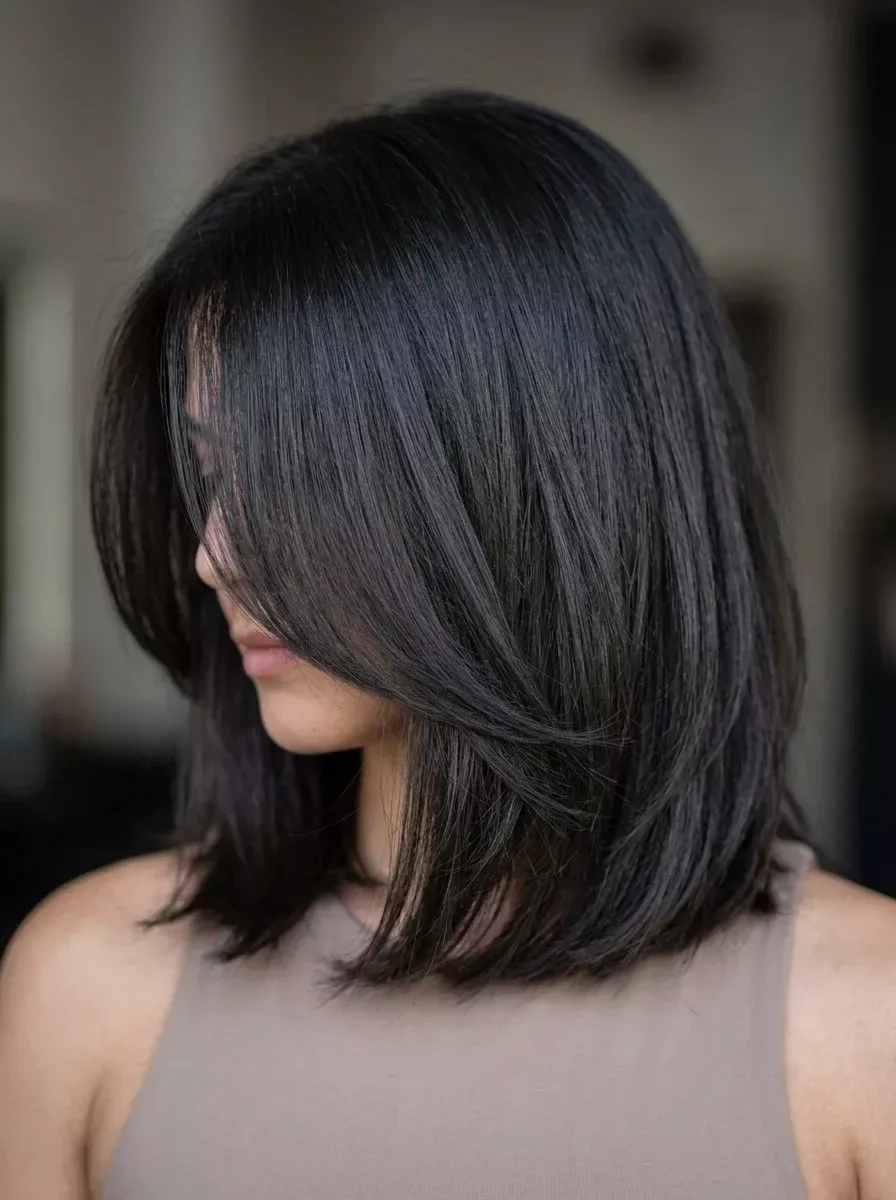
A layered shape cut — sometimes called a Deva-style or dry cut for coils — shapes natural hair layer by layer so it falls in a flattering silhouette instead of a heavy, shapeless mass.
Best for: Longer natural hair that feels heavy or triangular, and anyone whose coils need internal layers to move freely.
Cost and time: A specialist salon cut, often priced above a basic trim because it takes longer and needs coil expertise — ask for a curly-hair specialist.
Who should avoid it: A stylist who insists on cutting your coils wet and straightened will not see the shape they actually fall in — choose a stylist who cuts coils dry or stretched.
31. Shaggy Natural Cut
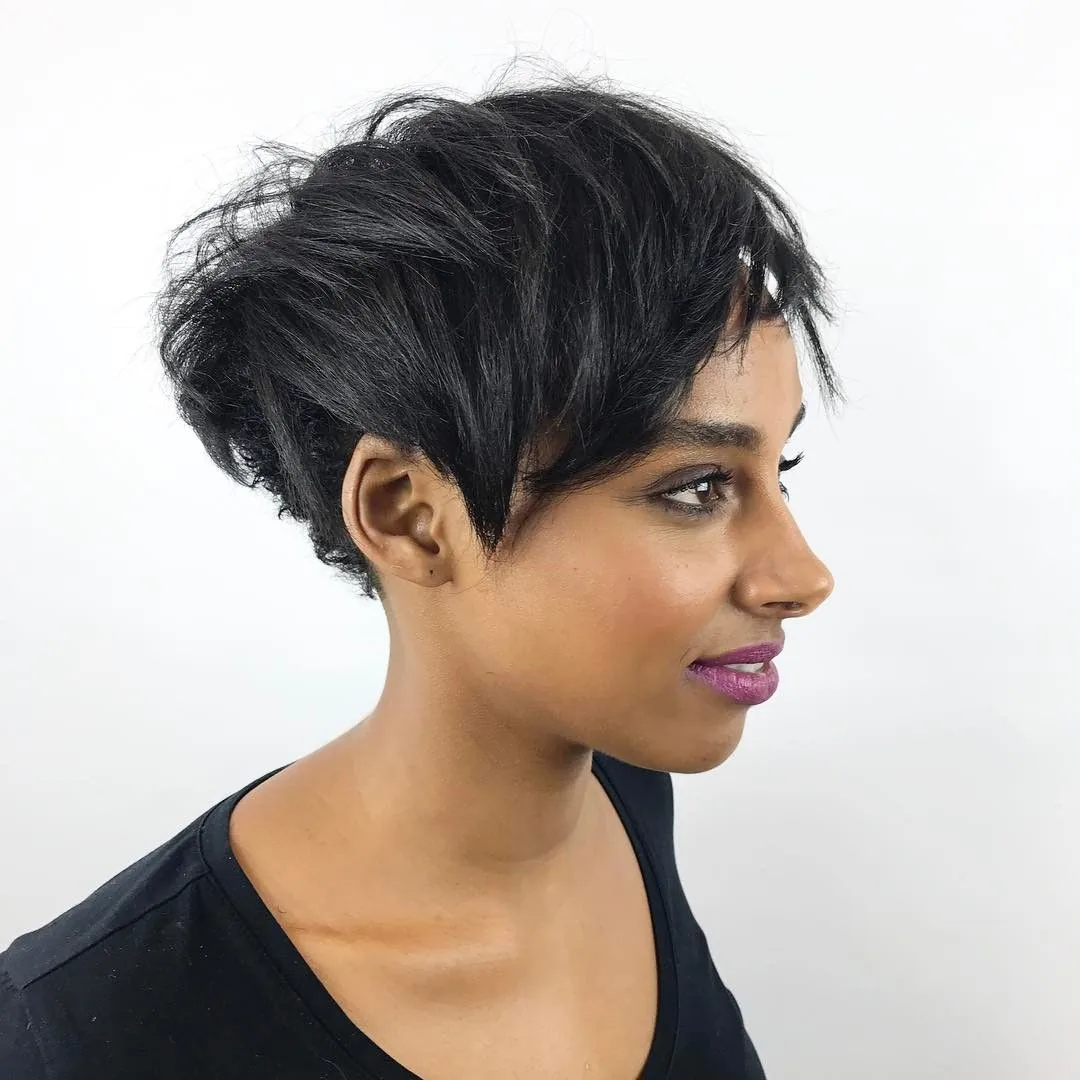
A shaggy natural cut layers texture through the crown and ends, giving coils a lived-in, piecey look with lots of movement and a deliberately undone finish.
Maintenance: Low: scrunch in a little cream, shake, and go. Trims every 8 to 12 weeks keep the layers from growing out unevenly.
How long it lasts: 8 to 12 weeks between cuts, with daily styling under 10 minutes.
Cost and time: A salon cut at a standard-to-specialist price, depending on the stylist’s coil experience.
32. TWA (Teeny Weeny Afro)
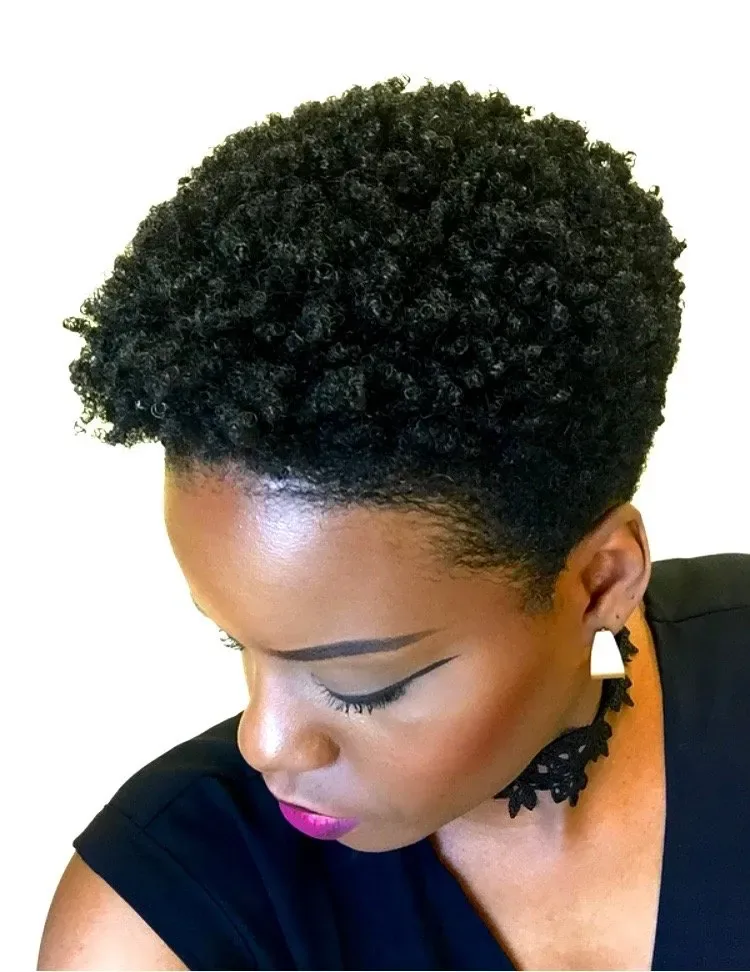
The TWA is the short, proud stage after a big chop — hair worn close to the head in its natural coil pattern, often with a little definition from gel or cream. It is a style, not just a waiting room.
Best for: Anyone starting their natural journey after a big chop, and anyone who loves wash-and-go simplicity with almost no styling time.
Cost and time: Free at home, with styling under 5 minutes a day, plus shape-up cuts every 4 to 6 weeks if you want the outline neat.
Who should avoid it: No one needs to avoid it — but if you want braids or twists, you will need a few inches of growth first, so enjoy the TWA stage on its own terms.
33. Tapered Pixie on Natural Hair
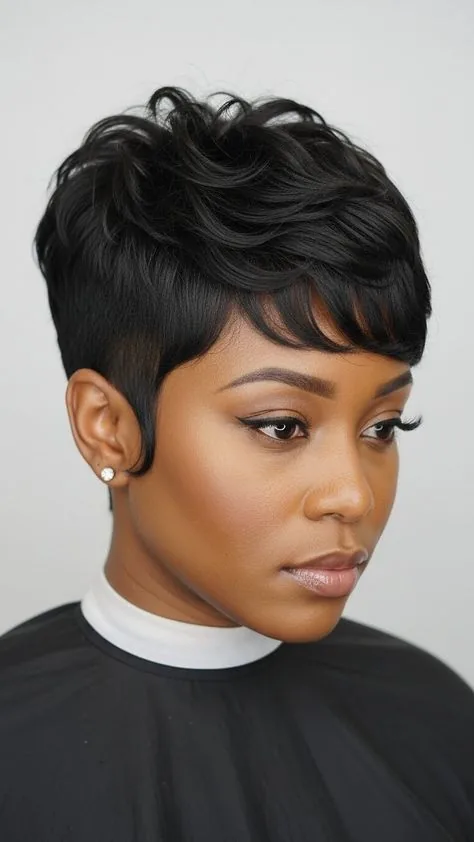
A tapered pixie on natural hair keeps textured length on top and short, tapered sides — a sharp, confident cut that shows off coils and bone structure at once.
Maintenance: The top needs a little cream or gel most mornings, and the taper needs a shape-up every 3 to 4 weeks to stay crisp.
How long it lasts: 3 to 4 weeks between shape-ups; the top grows out gracefully into a tapered afro.
Cost and time: A salon cut, plus regular barber or stylist visits for the taper — budget for more frequent cuts than a longer style.
34. Frohawk
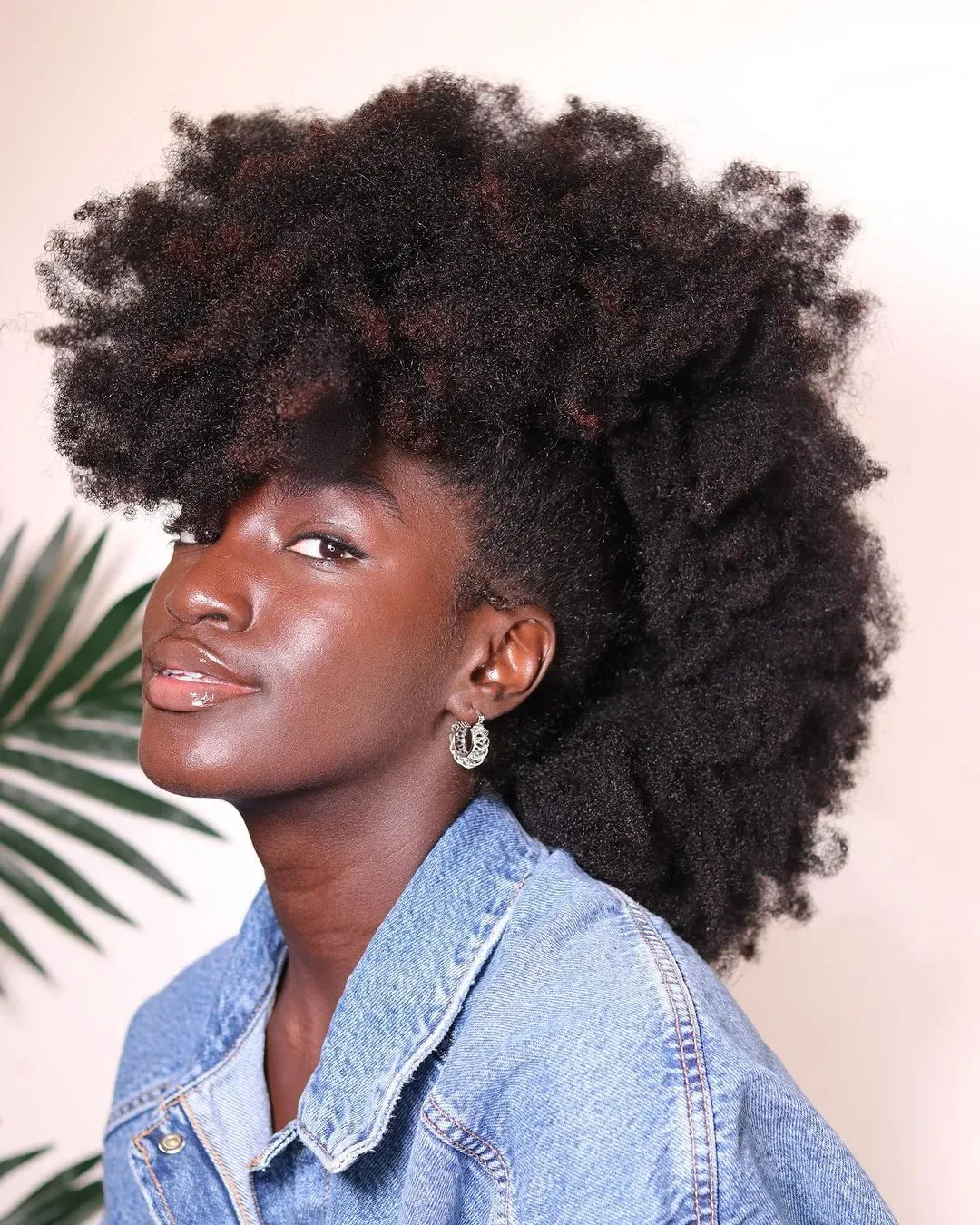
A frohawk keeps the sides flat or braided and lets a strip of full, picked-out afro run down the centre — a mohawk made of coils, bold without needing a shaved cut.
Best for: Anyone who wants a statement style for a night out or festival, and anyone with enough length on top to pick out into a mohawk shape.
Cost and time: Free at home with pins, gel and a pick, taking 15 to 25 minutes, or a salon styling fee.
Who should avoid it: Workplaces with strict grooming rules may not welcome it — save the frohawk for occasions where bold is the point.
35. Headwrap Styles
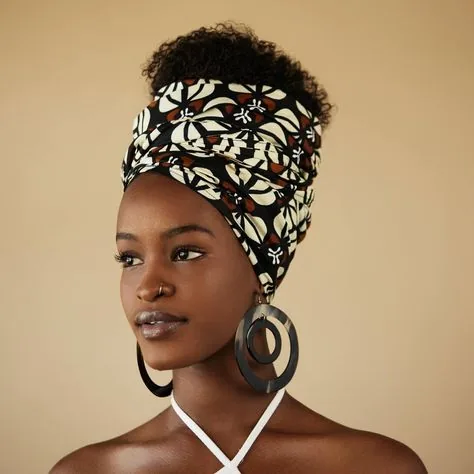
Headwraps turn a scarf into a style: a turban, a top knot wrap, a low wrap with coils left out — protective, beautiful and deeply rooted in African and diaspora tradition.
Maintenance: Almost none: the wrap itself protects the hair underneath, and a satin-lined wrap protects it even more. Re-tie each morning in minutes.
How long it lasts: A day at a time, and it can extend a style underneath by days since the hair stays covered and undisturbed.
Cost and time: The cost of a scarf or two, and 5 to 15 minutes to learn your favourite tying method.
36. Half-Up, Half-Down Twist Out
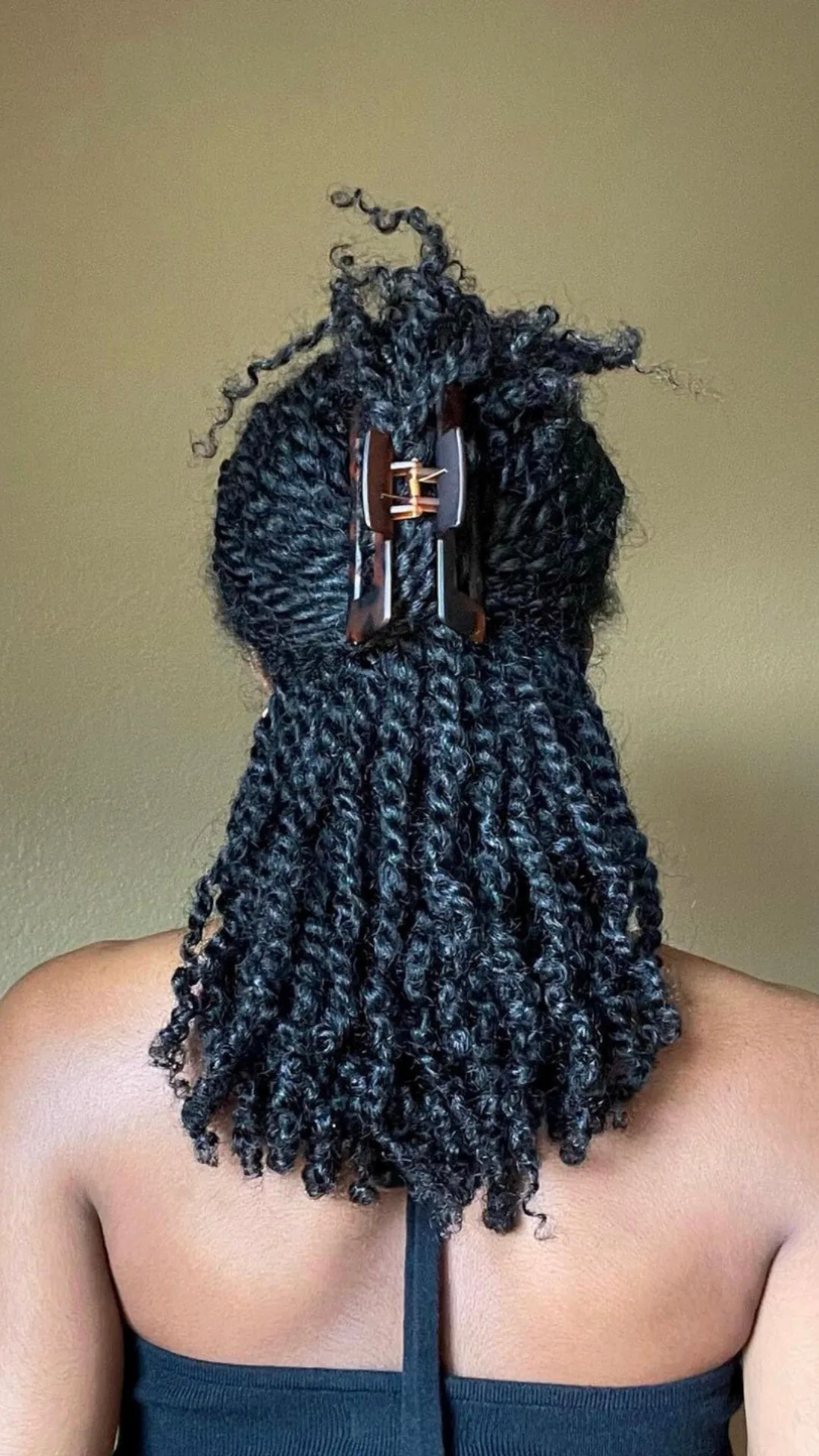
Half-up, half-down takes a twist out, pulls the top section into a puff or bun, and leaves the rest flowing — the best of an updo and loose hair in one style.
Best for: Medium to long twist-outs, and days when loose hair keeps falling in your face but you do not want it all tied up.
Cost and time: Free, and about 5 minutes on top of your existing twist out.
Who should avoid it: Very short twist-outs may not have enough length to gather the top section without pulling — wait for a little more growth.
37. Braided Ponytail
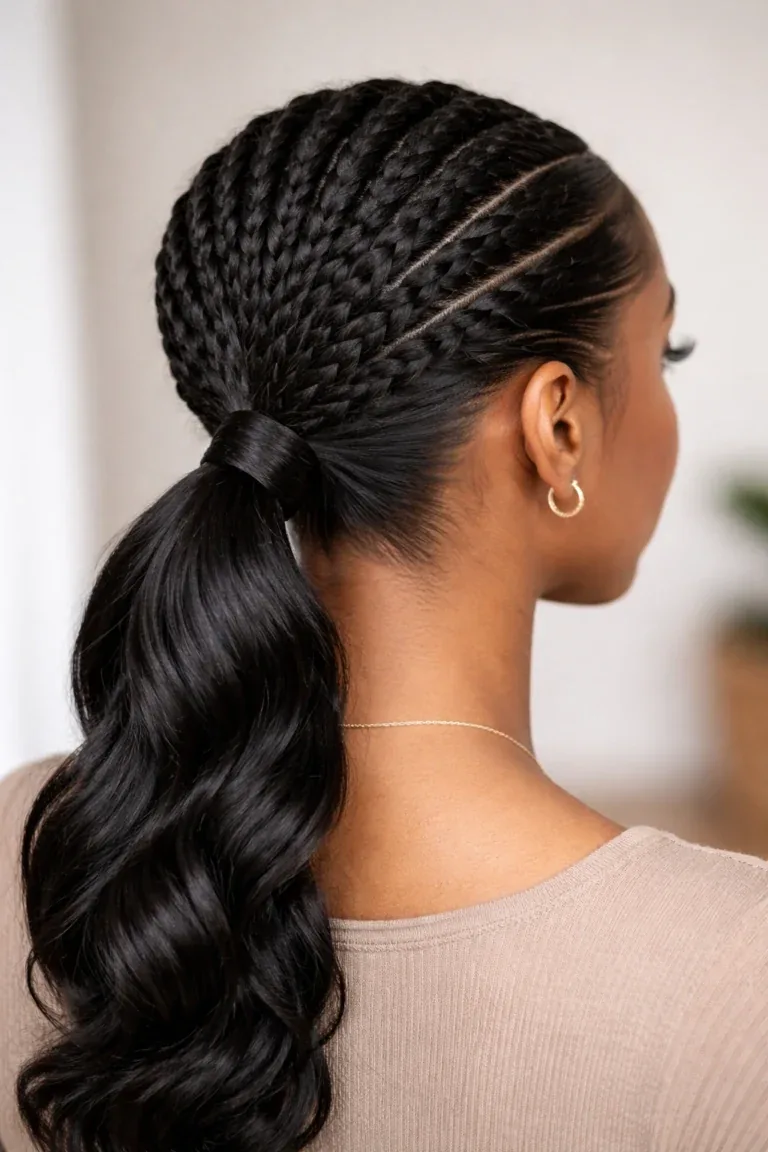
A braided ponytail gathers braids or twists into a high or low ponytail, often with added length — sleek at the front, long and swinging at the back.
Maintenance: Smooth the front with gel, wrap the base with a strand of hair, and cover at night. The ponytail itself lasts a day; the braids underneath last weeks.
How long it lasts: As a daily style, a day; as a braided base, 2 to 4 weeks with restyling each morning.
Cost and time: A salon braiding fee if extensions are added, taking 2 to 4 hours, or free at home on your own braids.
38. Jumbo Twists
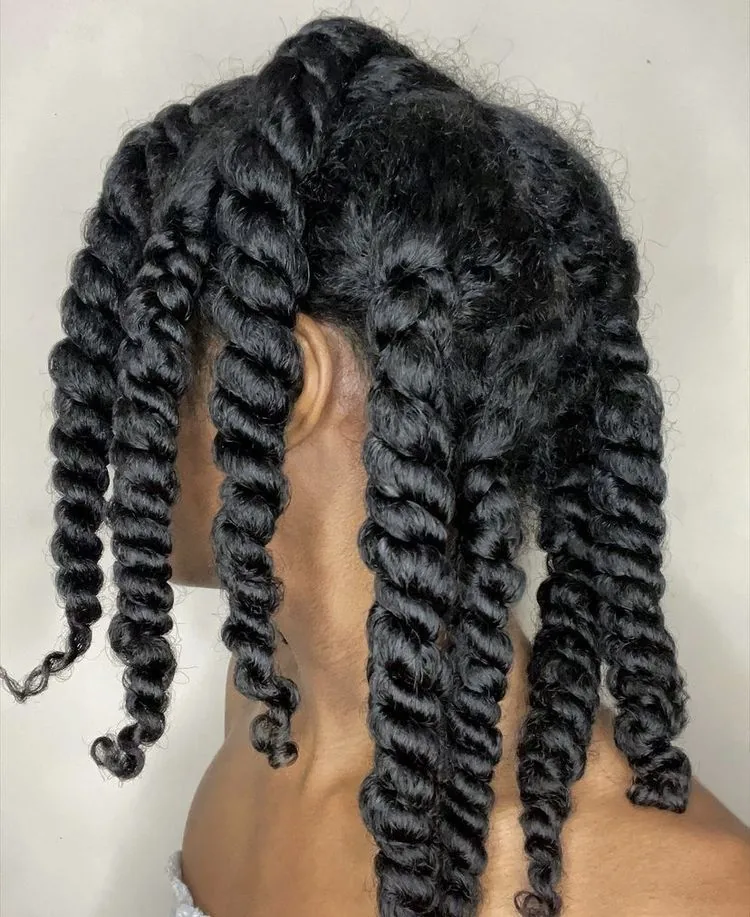
Jumbo twists are large, chunky two-strand twists — faster to install than small twists, bolder in look, and a great protective style when time is short.
Best for: Anyone who wants a protective style in an evening rather than a whole day, and thicker hair that can carry chunky twists without looking sparse.
Cost and time: Free at home in 1 to 2 hours, or a lower salon fee than small twists because they take less time.
Who should avoid it: Very fine hair may show scalp gaps between jumbo twists — smaller twists give fuller coverage on finer textures.
39. Mini Twists
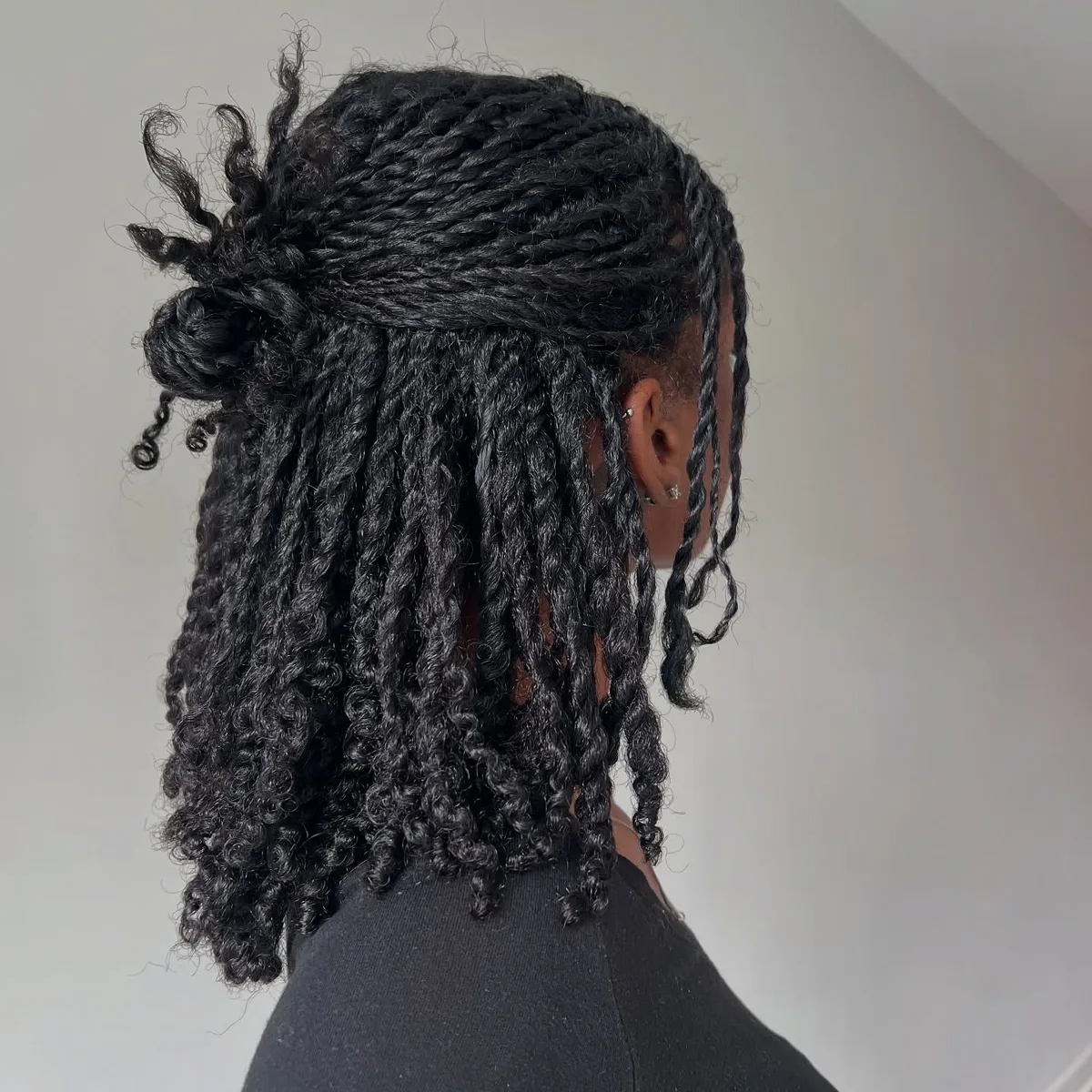
Mini twists are tiny, pencil-thin twists worn all over the head — a long-lasting protective style that can be worn loose, in buns, or unravelled later for a beautifully defined twist out.
Maintenance: Very low once installed: wash gently in sections, oil the scalp, and cover at night. Mini twists last 3 to 6 weeks.
How long it lasts: 3 to 6 weeks, one of the longest-lasting styles you can do without extensions.
Cost and time: Free at home but very slow — 4 to 8 hours to install. In a salon, expect a higher fee for the time involved.
40. Roller Set Curls
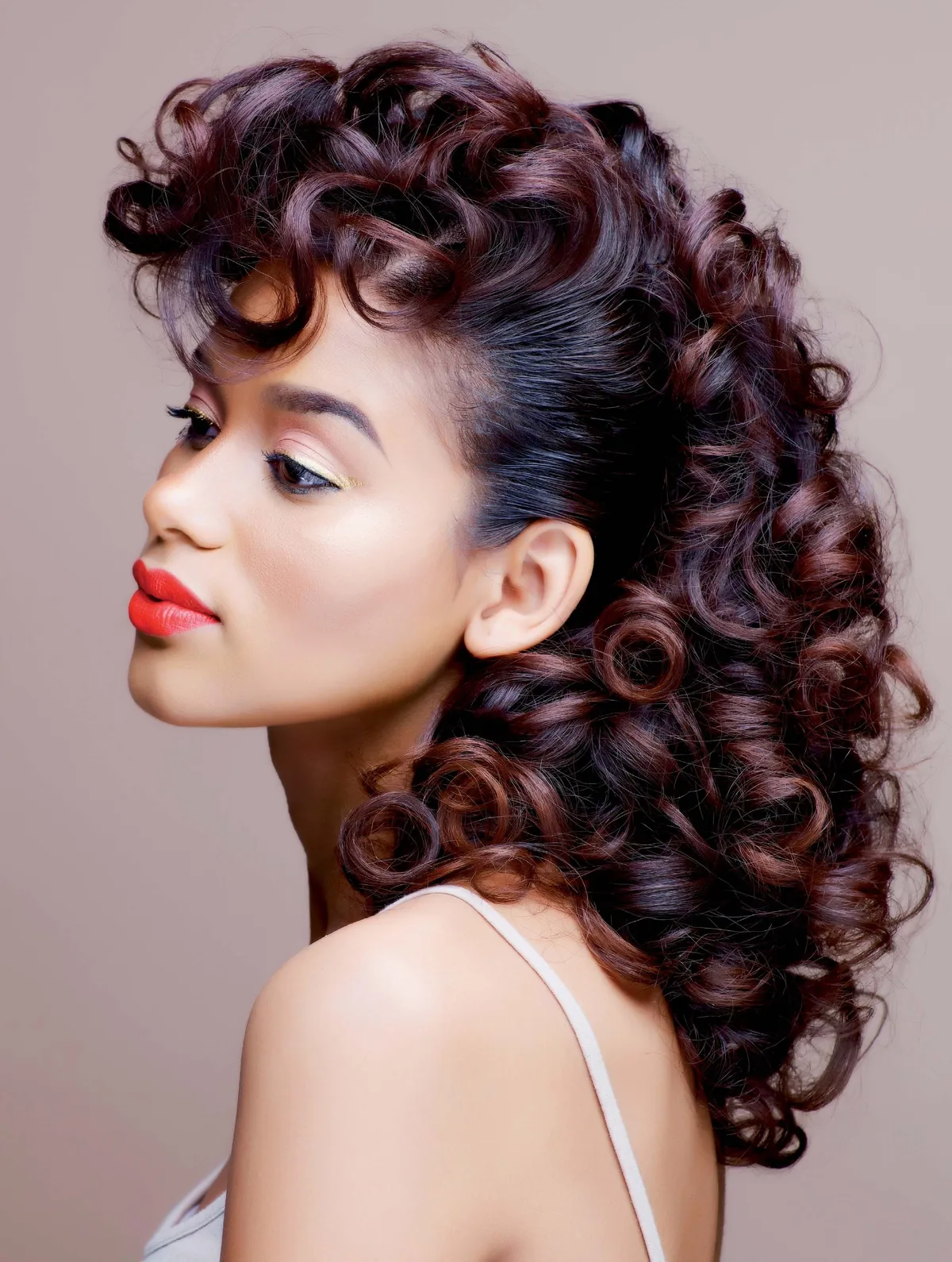
A roller set winds wet, product-coated hair around rollers and dries it into smooth, bouncy curls with stretched roots — a classic salon technique that gives natural hair a polished, vintage finish.
Best for: Special occasions and anyone who wants defined curls with a smooth root, without a flat iron. It also stretches the hair gently.
Cost and time: A salon service, taking 1.5 to 2.5 hours including drying, or free at home with rollers and a hooded dryer or patience for air-drying.
Who should avoid it: Anyone in a hurry — roller sets need full drying time, and taking rollers out early causes frizz and lost curl.
41. Flexi-Rod Curls
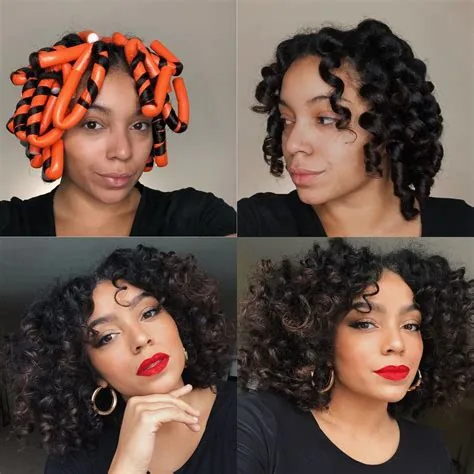
Flexi-rods are bendable foam rods wrapped with sections of wet hair, which dry into springy, uniform spiral curls — a heat-free way to get a defined, bouncy curl pattern on natural hair.
Maintenance: Sleep in the rods overnight or under a bonnet, unravel gently with oiled hands, and separate only as much as you want volume. The curls last 4 to 7 days.
How long it lasts: 4 to 7 days, loosening into bigger, softer waves over the week.
Cost and time: Free at home once you own flexi-rods, taking 30 to 60 minutes to set, plus overnight drying.
Moisture That Lasts: LOC, LCO and Finding Your Own Mix
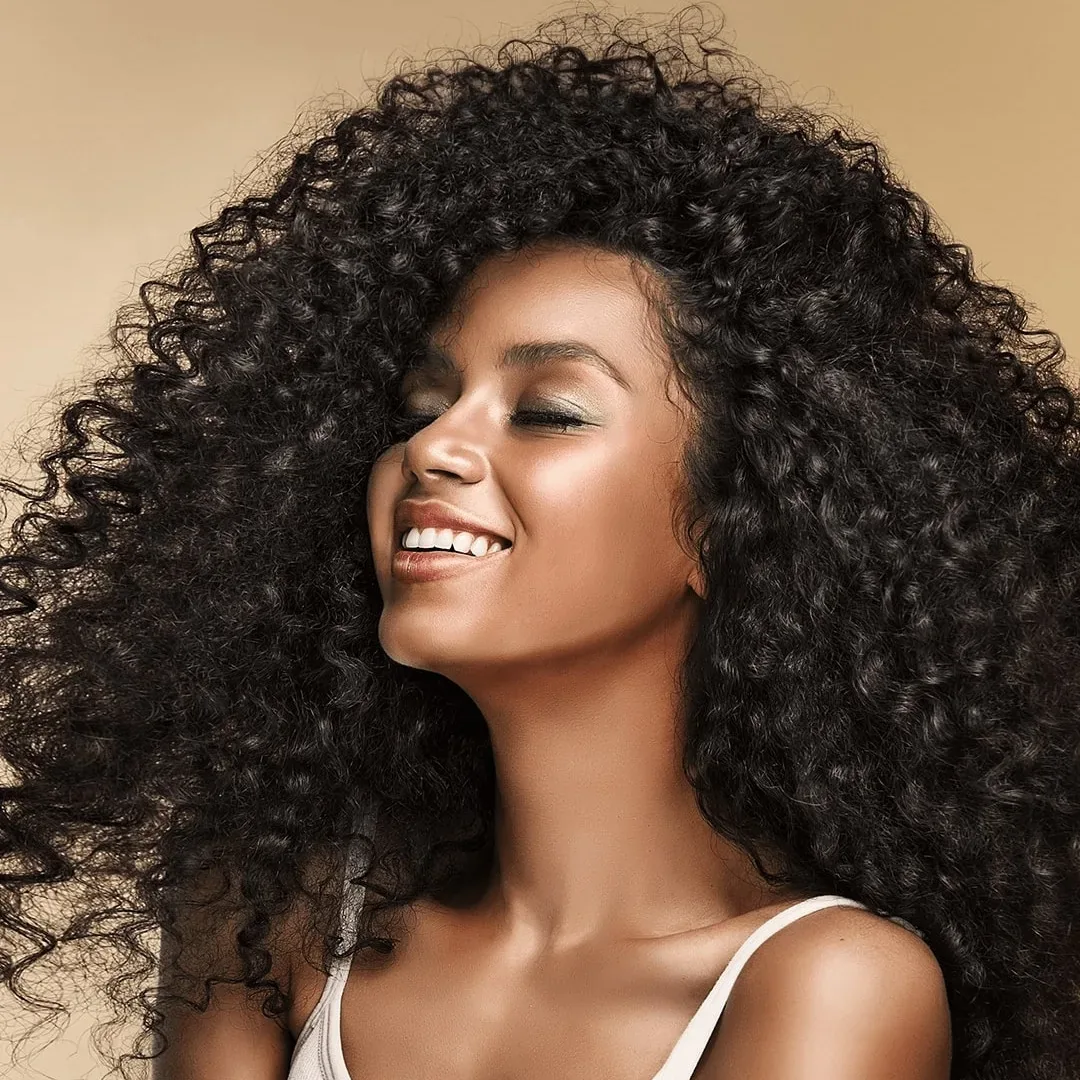
Natural hair loses moisture quickly because its bends make it harder for scalp oils to travel down the strand. The popular LOC method — liquid (water or leave-in), oil, cream — seals water in, while LCO swaps the last two steps. Neither is magic; the right order is the one that leaves your hair soft on day three, not just wash day.
Start light and build up: water-based leave-in first, then a cream or butter only where the hair feels dry, usually the ends. Heavy products on the roots cause build-up and flatness, while too little on the ends causes tangles and breakage. Refresh between washes with water and a little leave-in, rather than piling on more product each day.
Styling Without Heat Damage
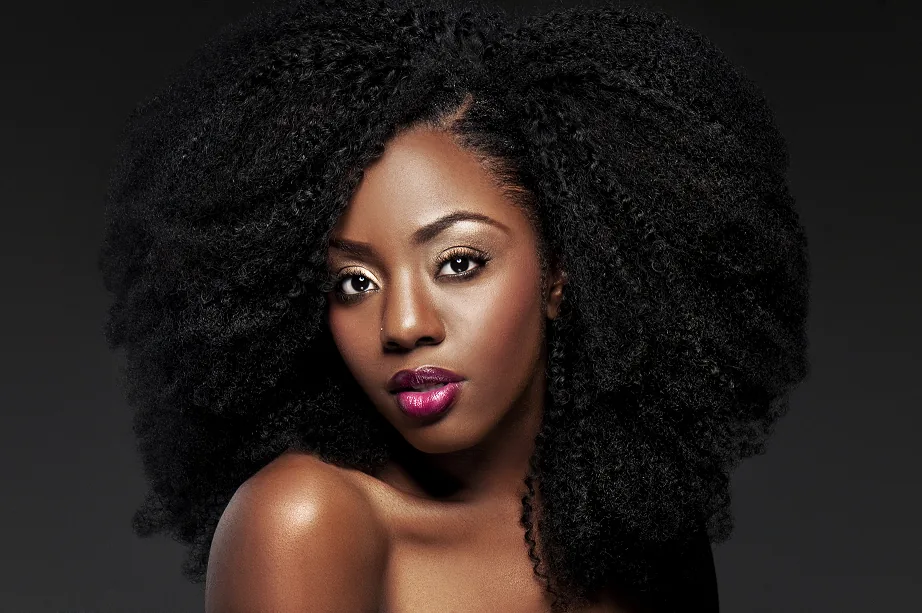
You do not need heat to get a polished natural style. Twist-outs, braid-outs, roller sets and flexi-rods all set a shape without a flat iron, and stretching methods like banding or threading give length without high temperatures. Air-drying on stretched hair also cuts drying time and frizz.
When you do use heat — for a silk press or blowout — use it sparingly, always with heat protectant, and on fully detangled, stretched hair in one smooth pass rather than repeated passes over the same section. If your coils stop springing back after heat, that is heat damage, and the only real fix is trimming and growing it out with patience.
Trims, Growth and the Myth of Never Cutting Natural Hair
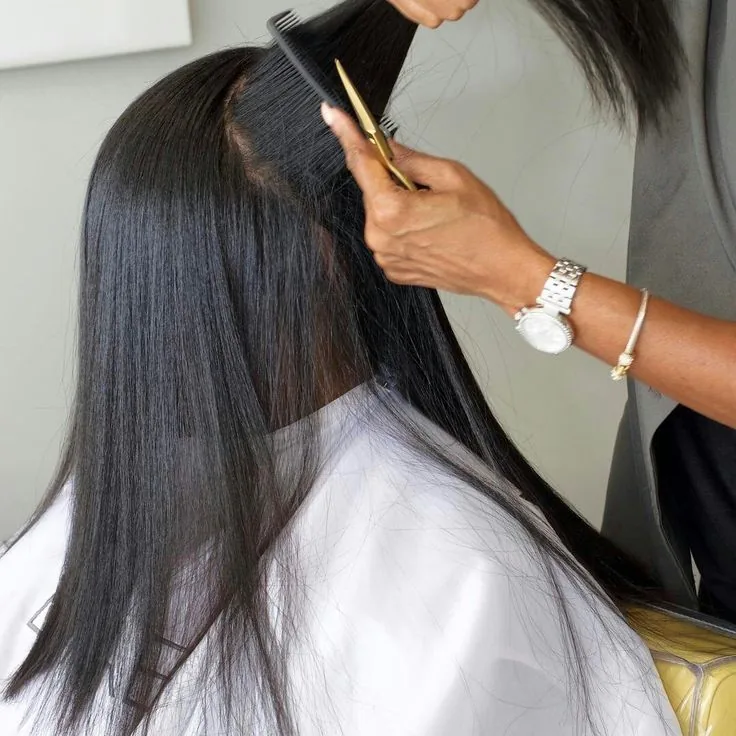
Trimming does not make hair grow faster from the root, but it does protect the length you already have. Split, frayed ends travel upward, tangle with neighbours and snap off — so a small trim every 8 to 12 weeks often leaves you with more length at the end of the year than never trimming at all.
Ask for a trim on stretched or straightened hair if you want an even length check, or a shape cut on dry, shrunken hair if you want the shape to suit your coils as they actually fall. Either way, a good stylist shows you how much they plan to cut before they start, and respects it if you say less.
Common Mistakes That Break Natural Hair
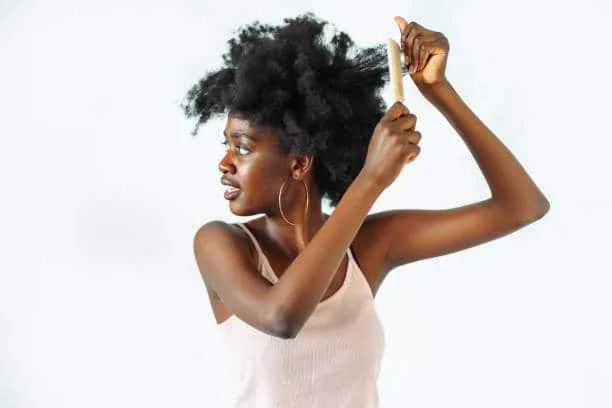
The biggest breakage culprits are not dramatic: tight styles worn too long, detangling dry hair, skipping deep conditioning, and leaving protective styles in for months without washing underneath. Each one is fixable, and none of them means your hair is unmanageable.
Other quiet damagers include cotton pillowcases that absorb moisture overnight, rough towel-drying, and constantly switching products before any of them has a chance to work. Pick a simple routine, protect your hair at night with a satin bonnet or scarf, and give a new product at least three washes before judging it.
What is the best hairstyle for natural black hair?
The best hairstyle for natural black hair is the one that fits your texture, lifestyle and scalp: twist-outs and wash-and-gos for showing off coils, knotless braids or mini twists for low-maintenance protection, and a silk press for a straight look on special occasions. There is no single best style — the best one is the one you will actually maintain.
How do I start going natural?
Start by stopping chemical relaxers and trimming away relaxed ends gradually, or do a big chop and cut them all off at once. Then build a simple routine: wash, deep-condition, moisturise and protect at night, and give your coils a few months to settle into their real pattern.
How often should I wash natural black hair?
Most natural hair does well washed every one to two weeks, with co-washing or a scalp rinse in between if needed. Washing too rarely causes build-up and itching, while washing daily strips moisture — once a week is a good starting point for most people.
What are protective styles for natural hair?
Protective styles are styles that tuck the ends away and need little daily handling, such as braids, twists, faux locs and wigs over cornrows. They protect length by reducing breakage, but they only work if they are not too tight and are taken down after 4 to 8 weeks with washing and rest in between.
How do I stop my natural hair from breaking?
Stop breakage by detangling only on wet, conditioned hair, keeping the ends moisturised and tucked away, trimming split ends regularly, and avoiding tight styles and constant heat. Sleeping in a satin bonnet and handling your hair gently matter as much as any product.
Does shrinkage mean my hair is not growing?
No — shrinkage does not mean your hair is not growing. It means your coils spring up tightly, hiding length that is really there. Stretching with twists, braids or a blow-dry reveals the true length, and healthy, springy shrinkage is actually a sign of strong, elastic hair.
What products do I need for natural black hair?
You need a gentle shampoo, a deep conditioner, a water-based leave-in, a cream or butter for sealing, and a gel or mousse if you like definition. That simple set covers almost every style in this guide — you do not need a shelf full of products to have healthy natural hair.
Can I straighten natural hair without damage?
You can straighten natural hair with minimal damage by using heat protectant, working on clean, detangled, stretched hair, and passing the flat iron once per section on a moderate temperature. Straightening every week, or on very high heat, will eventually damage the coil pattern, so keep it occasional.
How long should I keep braids in?
Keep braids in for 4 to 8 weeks at most, and take them down sooner if your scalp itches, hurts or shows bumps, or if the roots have grown out so much that the braids tangle. Always wash and deep-condition between installs, and give your hair at least a week of rest.
What is the difference between 4A, 4B and 4C hair?
4A hair has defined, springy S-coils, 4B hair has tighter Z-shaped bends with less visible definition, and 4C hair has the tightest coils and the most shrinkage. Most people have a mix of patterns, and porosity — how hair absorbs water — often matters more than the exact type.
Conclusion
Natural black hair is not a problem to solve or a phase to grow through. It is a full range of textures, shapes and styles — coils that spring, afros that fill a room, braids that last for weeks, and silk presses that flow for a night — and every one of them is worth wearing proudly.
Start where your hair is today: learn its texture and porosity, build a wash-day routine you can actually keep, and pick one style from this guide to try next. Protect your scalp, be gentle with your ends, and give new styles time to work. Your texture has been doing this all along — now it is just getting the credit it deserves.