First, Do Less Damage: 37 Gentle Hairstyles That Help Dry, Damaged Hair Recover
Damaged hair does not recover because you hide it under one more heated style. It recovers when the daily routine stops adding to the damage: less heat, less pulling, fewer tight elastics, and cuts that take the weakest ends out of the picture. That is the whole idea behind this guide. Every style here was chosen because it asks less of fragile hair, not because it covers it up for a day.
Inside you will find 37 gentle hairstyles for dry, damaged hair, from blunt bobs and soft layered cuts to loose braids, low buns and heat-free waves, plus eight recovery guides on spotting damage, washing, drying, trimming, low-tension styling, protein and moisture, colour after damage, and an eight-week plan. Pick the styles that fit your length and your life, and give the weakest sections of your hair a quieter few months.
How to Tell How Damaged Your Hair Really Is

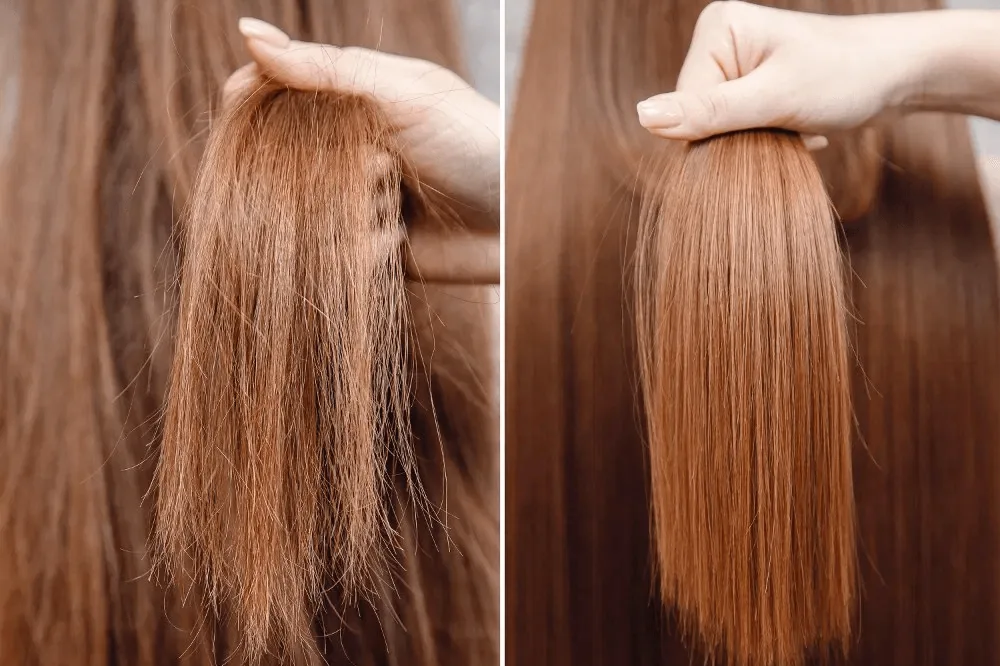
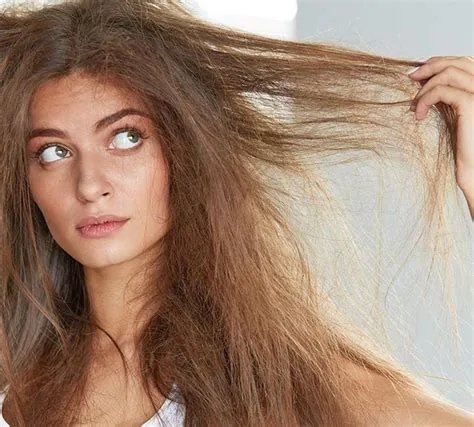
Damage is not one thing. Bleach damage feels stretchy when wet and snaps easily. Heat damage feels rough, looks dull and will not hold a wave or curl the way it used to. Mechanical damage shows up as split ends, white dots along the shaft and breakage at the same spot where you always tie your ponytail.
Do a simple check on clean, damp hair: take a single strand and stretch it gently. Healthy hair stretches a little and springs back. Hair that stretches a long way and stays limp, or snaps at once, needs moisture, protein or a trim — and, most of all, a break from the habit that caused the damage in the first place.
Washing Dry, Damaged Hair Without Stripping It Further
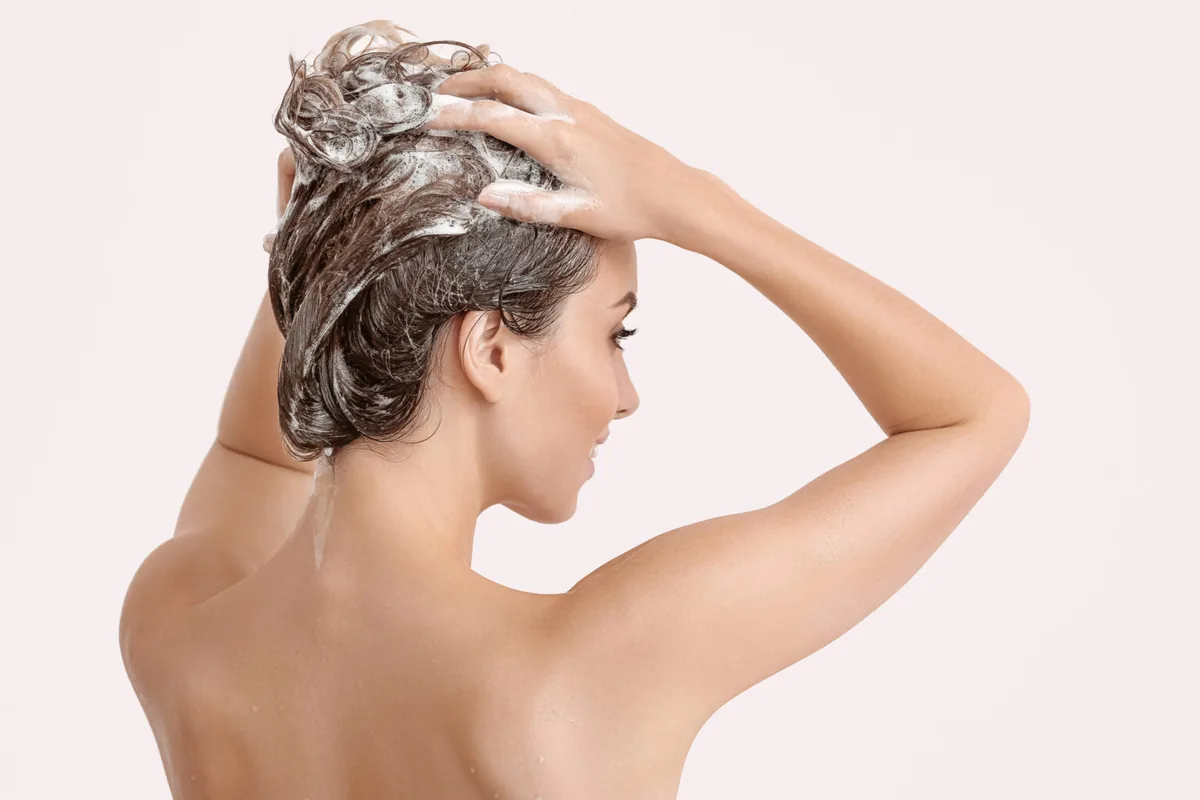
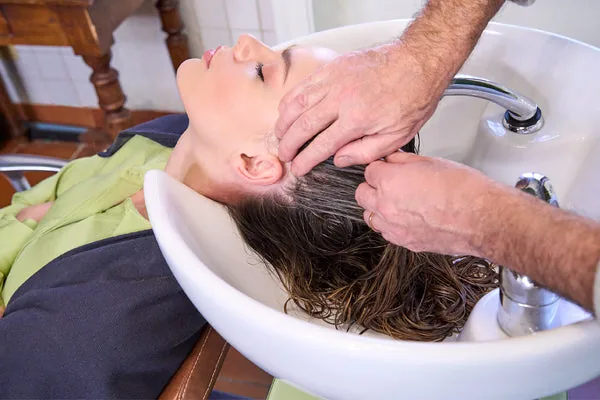
Wash less often if you can, and wash gently when you do. Use lukewarm water, shampoo mainly at the scalp, and let the lather rinse through the lengths rather than scrubbing them. Follow with conditioner from mid-length to ends, leave it on for a few minutes, and detangle with a wide-tooth comb while the conditioner is still in.
Hot water, harsh clarifying shampoos and daily washing all strip the oils damaged hair is already short of. A weekly deep-conditioning mask, applied to damp hair and left for 15 to 20 minutes, usually does more for recovery than any styling product you put on afterwards.
Drying Without Heat: Air-Drying, Plopping and Diffusing on Low

Air-drying is the kindest option for damaged hair, but it works best with a little structure. After washing, squeeze out water with a microfibre towel or cotton T-shirt, apply leave-in conditioner to the ends, and let hair fall naturally rather than wrapping it tightly in a towel turban.
If you need a dryer, use a diffuser on the lowest heat setting and keep it moving, or rough-dry only the roots and leave the ends to air-dry. Always use a heat protectant when heat is unavoidable, and treat heat as an occasional tool, not a daily step.
The Recovery Cut: Dusting, Trims and When to Go Shorter
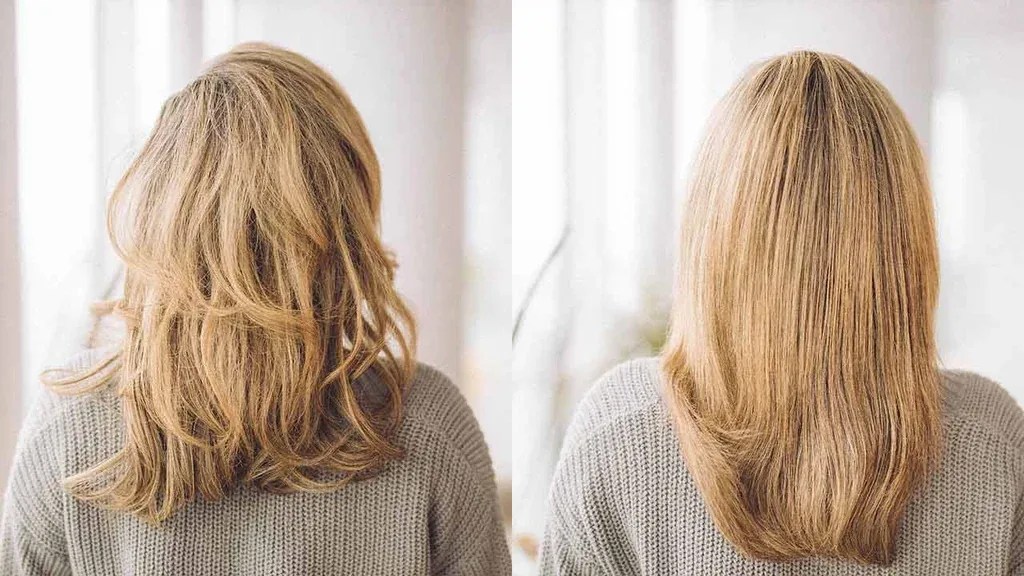
No product repairs a split end. Once the end has split, the split travels upward unless it is cut off, which is why regular small trims — called dusting when only a few millimetres are removed — are the backbone of any recovery plan. A dusting every six to eight weeks removes damage before it spreads.
Ask your stylist to show you how much they plan to cut before they start, and to cut hair dry or part-dried if your texture changes a lot when wet. If the damage is severe, a shorter cut is not a failure: it is often the fastest way back to hair that feels thick and healthy again.
1. The Soft Blunt Bob
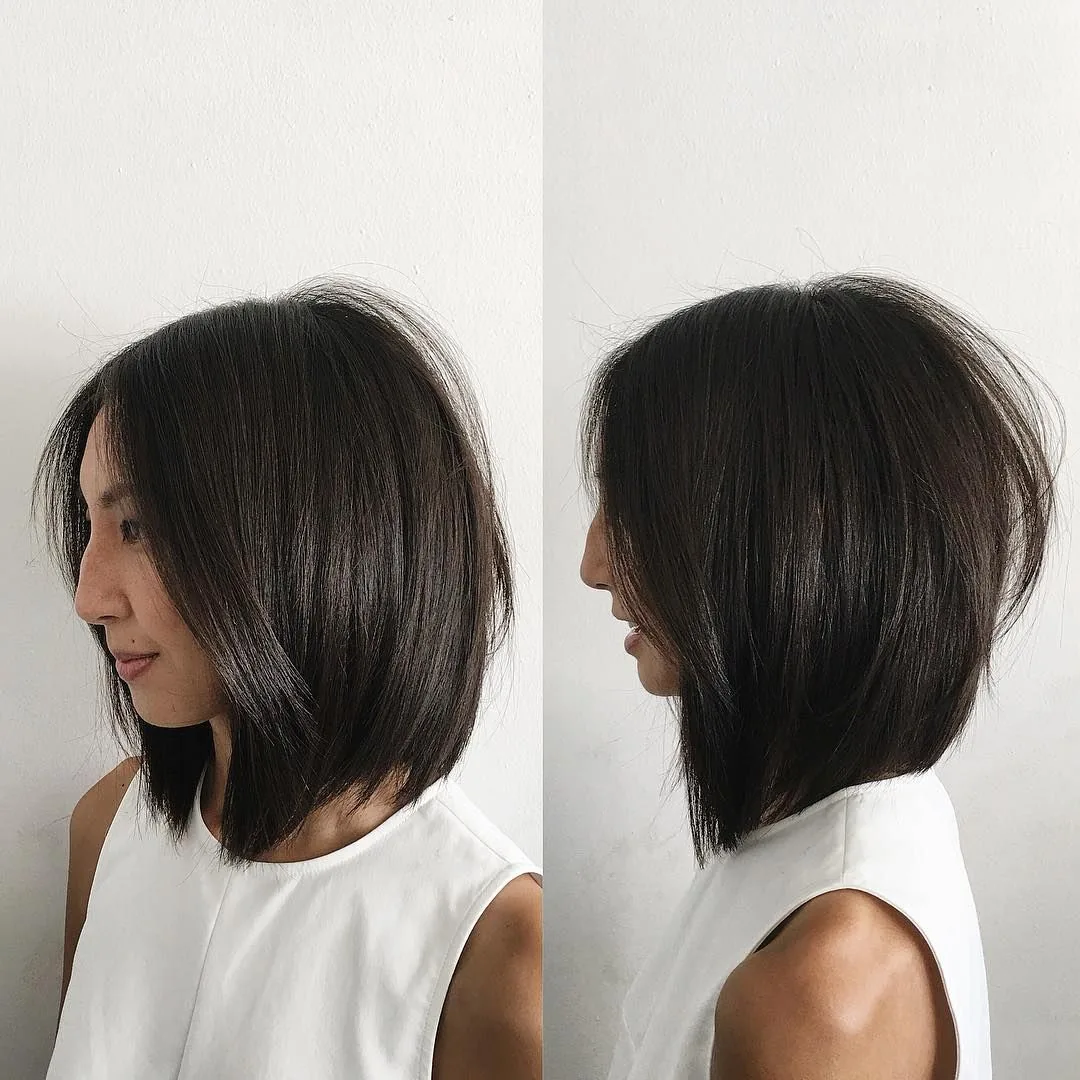
A blunt bob cuts the thinnest, most damaged ends off in one clean line, so the hair that remains looks thicker at once. With soft, slightly bevelled ends rather than a razor-sharp edge, it moves naturally and needs almost no heat to look finished.
Why it helps damaged hair: It removes the weakest length and gives fine, damaged ends a fuller, healthier edge.
What to avoid with this style: Blunt ends can flip out if they are cut too short and dry; keep the length at or below the jaw and use a little leave-in on the ends.
Quick verdict: The fastest visual recovery in this guide — one cut, instantly thicker-looking ends.
2. Long Layers With Rounded Ends
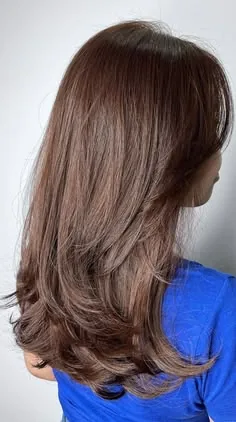
Long layers take weight out of the middle of the hair while rounded, blunt ends keep the bottom looking full. It is a good compromise if you love long hair but your ends have gone thin and wispy from damage.
How to style gently: Air-dry with leave-in on the ends, then smooth only the very tips with a brush and low heat if you need polish.
What to avoid with this style: Short, choppy layers on damaged hair, which expose thin ends and make breakage more visible.
Why it helps damaged hair: The layers add movement without sacrificing the fullness at the bottom that damaged hair needs most.
3. The Shoulder-Length Lob, Kept Simple
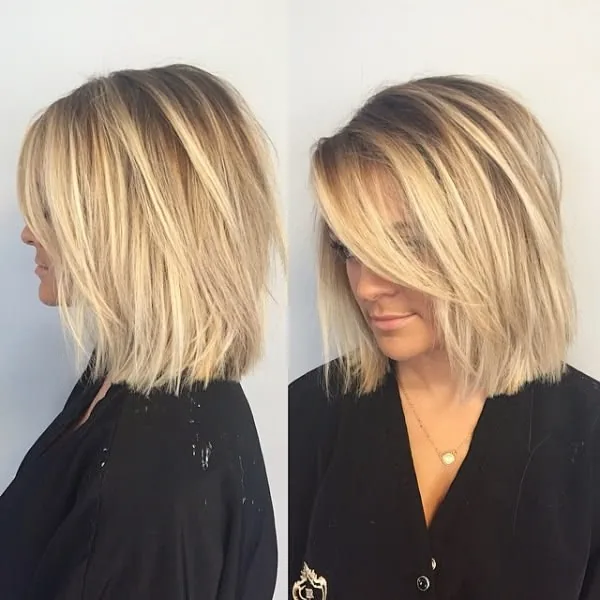
A lob at shoulder length is short enough to dry quickly and long enough to tie back loosely. With minimal layering, the ends stay thick, and the shorter length means less daily handling and less breakage.
Why it helps damaged hair: Less length means less tangling, less brushing and less time under the dryer — three everyday causes of breakage.
Quick verdict: A practical recovery length: easy, flattering and much kinder to fragile ends than very long hair.
4. Curtain Bangs With Long, Resting Hair

Curtain bangs give long hair a fresh shape at the front without cutting the back at all. The face-framing pieces draw the eye up, so tired ends attract less attention while they recover.
How to style gently: Dry the bangs forward with a round brush on low heat, then let the lengths air-dry untouched.
What to avoid with this style: Straightening the bangs every morning on high heat, which damages the finest, most visible hair first.
Why it helps damaged hair: You get a visible change of style without touching the damaged lengths at all.
5. Soft Face-Framing Layers
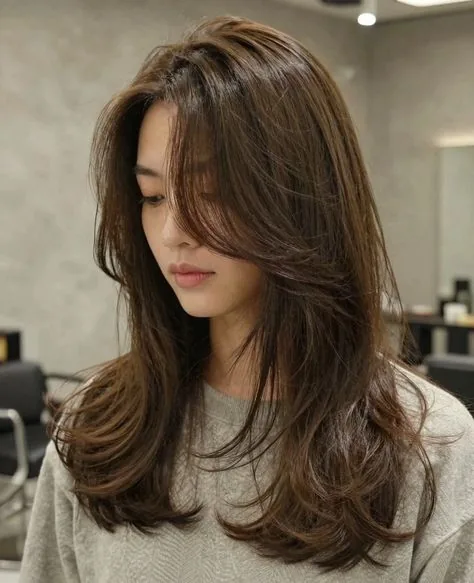
Two or three soft layers around the face open up the features and add movement, while the back of the hair stays long and full. It is the gentlest form of layering, and it suits hair that cannot yet handle a heavily layered cut.
Why it helps damaged hair: It adds shape exactly where people look, without thinning the ends that are already fragile.
What to avoid with this style: Layers that start too short or too high, which leave the front wispy and prone to snapping.
6. The Low, Loose Bun
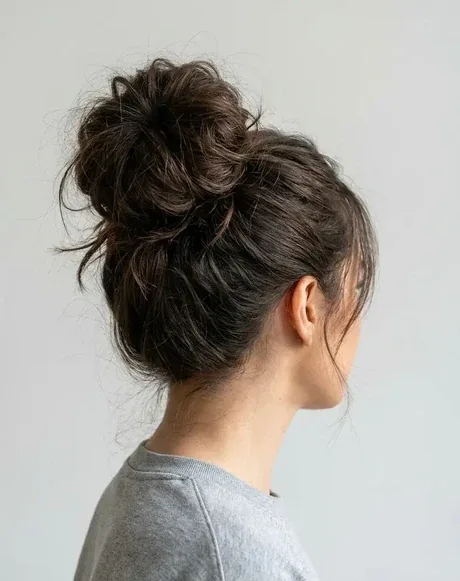
A low bun at the nape keeps hair contained, protected from wind and friction, and completely free of heat. Kept loose, with soft pieces pulled out around the face, it looks intentional rather than scraped back.
How to style gently: Gather hair loosely at the nape, twist softly, pin with a few bobby pins, and pull out two face pieces.
What to avoid with this style: Pulling the bun tight, using thin elastics, or twisting the same section every day.
Quick verdict: The everyday recovery style: protective, quick and kind to the hairline.
7. The Loose Side Braid

A loose braid swept over one shoulder keeps damaged hair contained without tension, and it protects the ends by tucking them into the braid instead of leaving them to catch on clothing and bags.
Why it helps damaged hair: Braiding spreads any tension across many strands instead of concentrating it at one elastic point.
What to avoid with this style: Braiding wet hair tightly, which stretches fragile strands, or pulling the braid apart aggressively to make it look fuller.
8. Half-Up With a Claw Clip
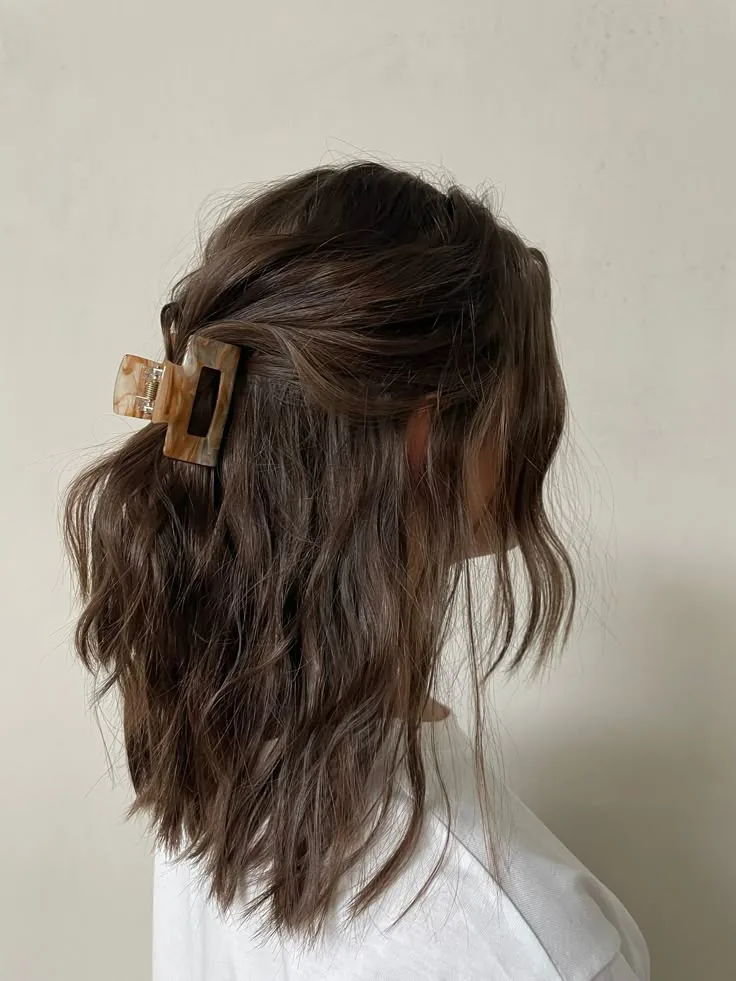
A half-up claw clip lifts the top section off the face in under a minute, with no elastic and no heat. The lengths underneath stay free, so the style never pulls at the hairline.
How to style gently: Gather only the top third of the hair, twist once softly, and clip — do not scrape the sides back tightly.
Quick verdict: The lowest-effort protective style here, and one of the kindest to damaged hair.
9. The Silk-Scrunchie Low Ponytail
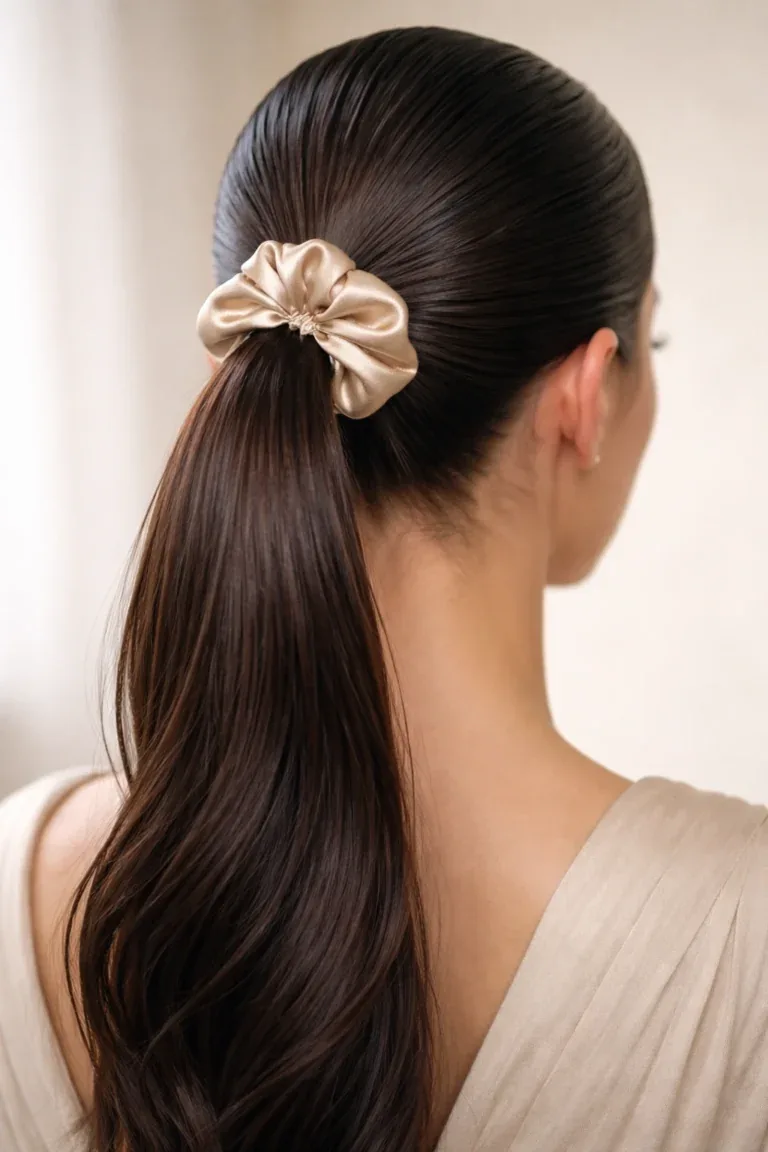
A low ponytail tied with a silk scrunchie is a completely different style from a tight, high ponytail with a thin elastic. The silk reduces friction, the low position reduces pull, and the loose hold lets hair move.
Why it helps damaged hair: It keeps hair out of the way for work or exercise without the breakage line a tight elastic leaves behind.
What to avoid with this style: Tying it in exactly the same spot every day, which creates a weak point that snaps over time.
10. The Soft French Braid
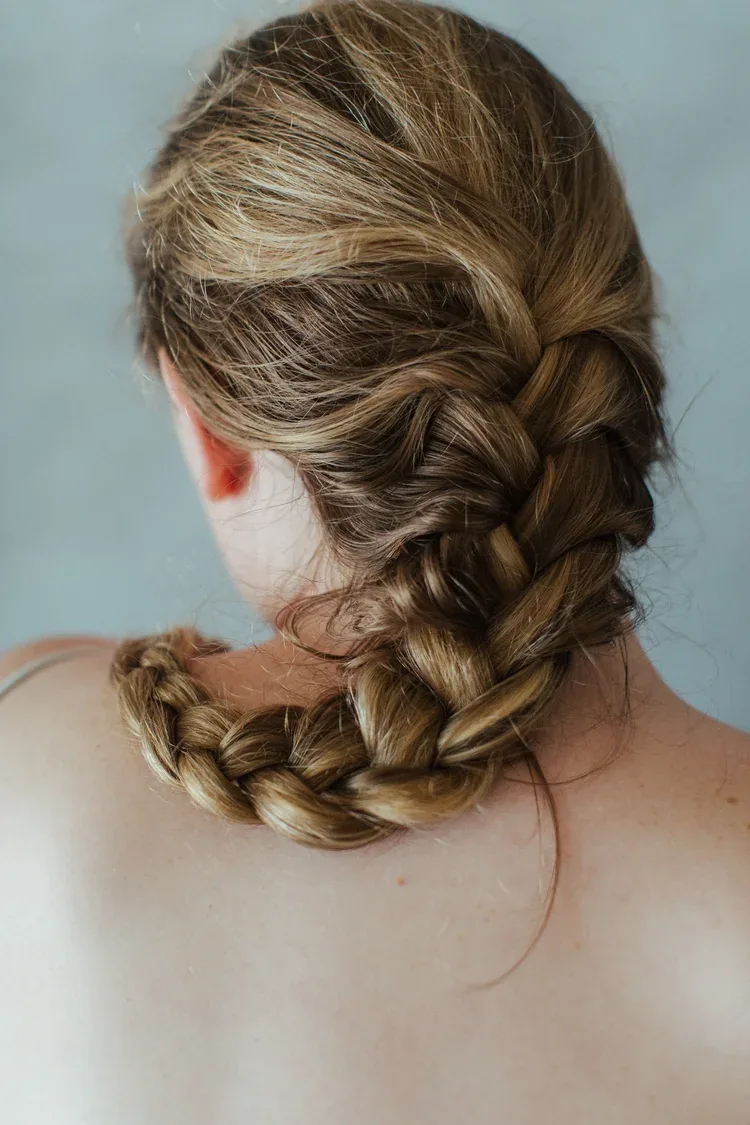
A French braid worked loosely from the crown to the nape protects the full length of the hair and keeps it tidy all day. Done softly, it looks romantic rather than severe, and it holds without pins or heat.
How to style gently: Braid with a light hold, keep the sections chunky, and finish with a silk scrunchie rather than a tight band.
What to avoid with this style: Starting the braid too tightly at the hairline, which strains the finest hairs and can cause breakage there.
11. Two Loose Plaits for Sleeping

Two loose plaits are the classic overnight recovery style: they stop hair tangling and rubbing against the pillow, and in the morning they leave soft, heat-free waves. Use them on the nights you wash your hair.
Why it helps damaged hair: Overnight friction is a hidden cause of breakage, and plaits remove most of it while you sleep.
Quick verdict: Sleep protection and next-day waves in one step — ideal for the recovery weeks.
12. The Soft Low Chignon
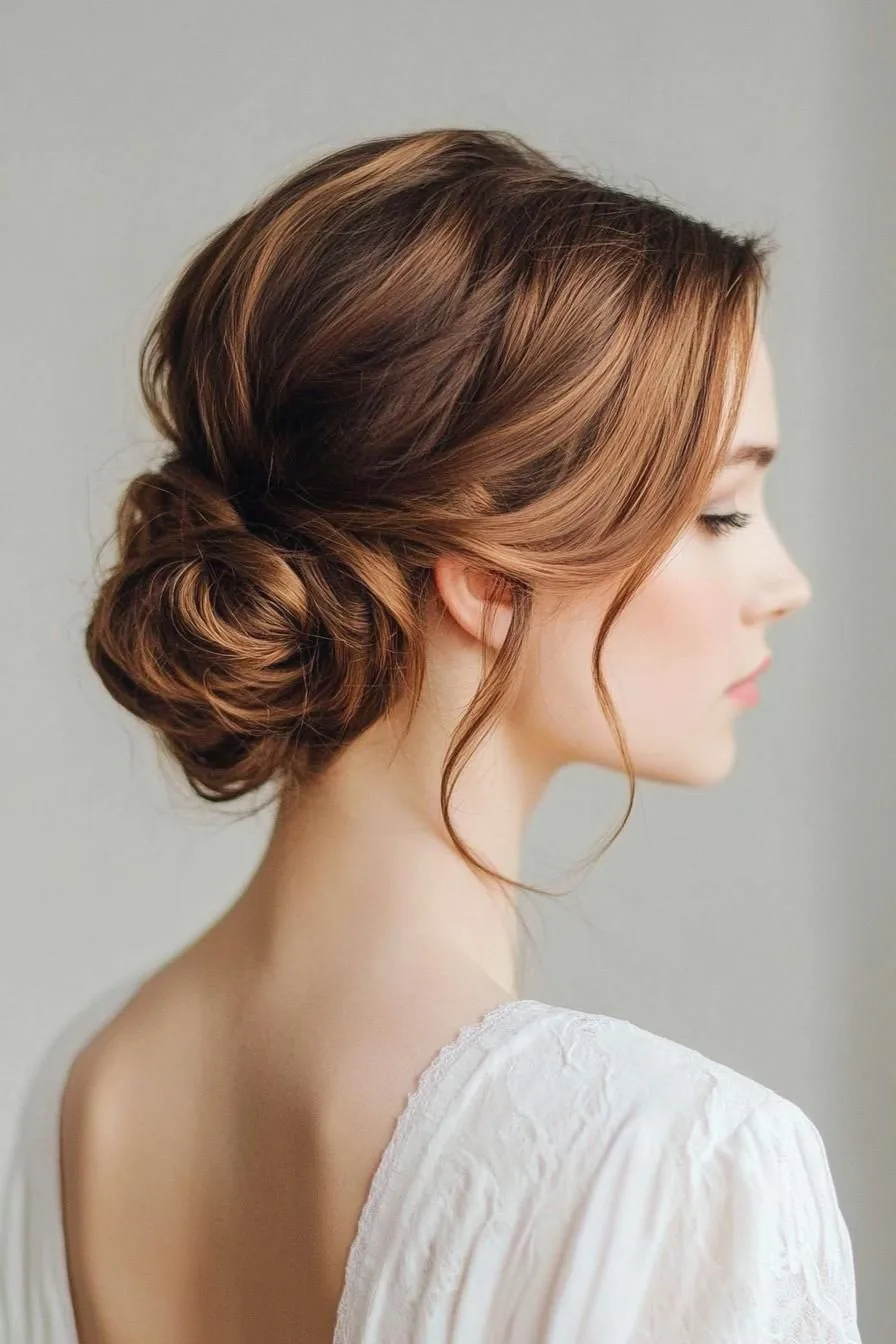
A chignon is a rolled, pinned-up style at the nape, and the soft version leaves texture in rather than smoothing it away. It is elegant enough for weddings and work events, and it needs no heat at all.
How to style gently: Roll the hair loosely upward at the nape, pin softly, and leave a few waves out around the face and neck.
What to avoid with this style: Backcombing for volume, which tangles and snaps damaged hair, or pinning the same spot repeatedly.
13. Air-Dried Natural Texture, Left Alone
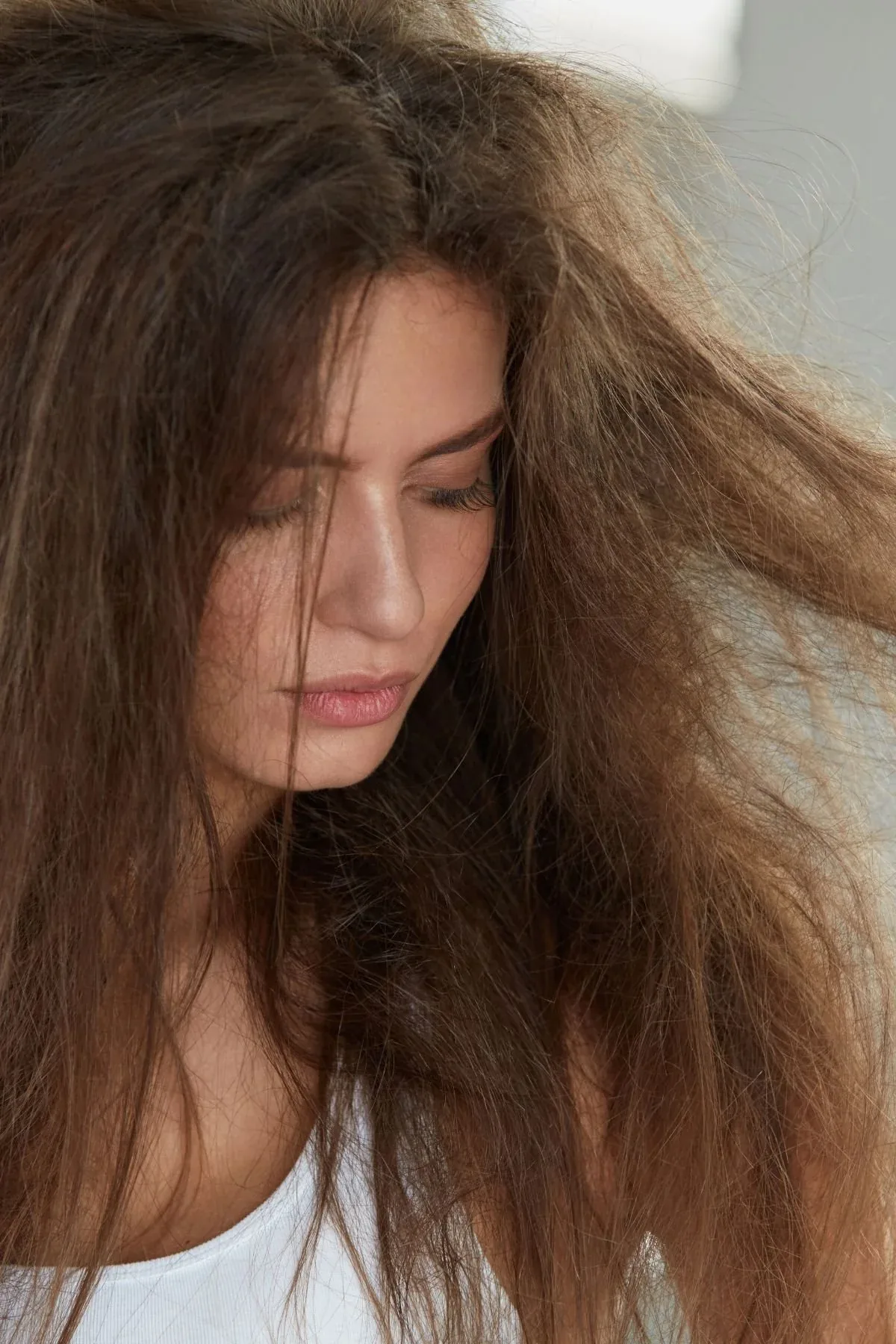
Sometimes the gentlest style is no style at all: washed, conditioned, scrunched or smoothed lightly, and then left to dry untouched. For damaged hair, the hours you do not touch it are the hours it recovers.
Why it helps damaged hair: Every touch, brush and heat pass is a small stress; air-drying removes all three at once.
What to avoid with this style: Brushing hair as it dries, which breaks the natural pattern and creates frizz and flyaways on fragile hair.
14. Heatless Overnight Braid Waves
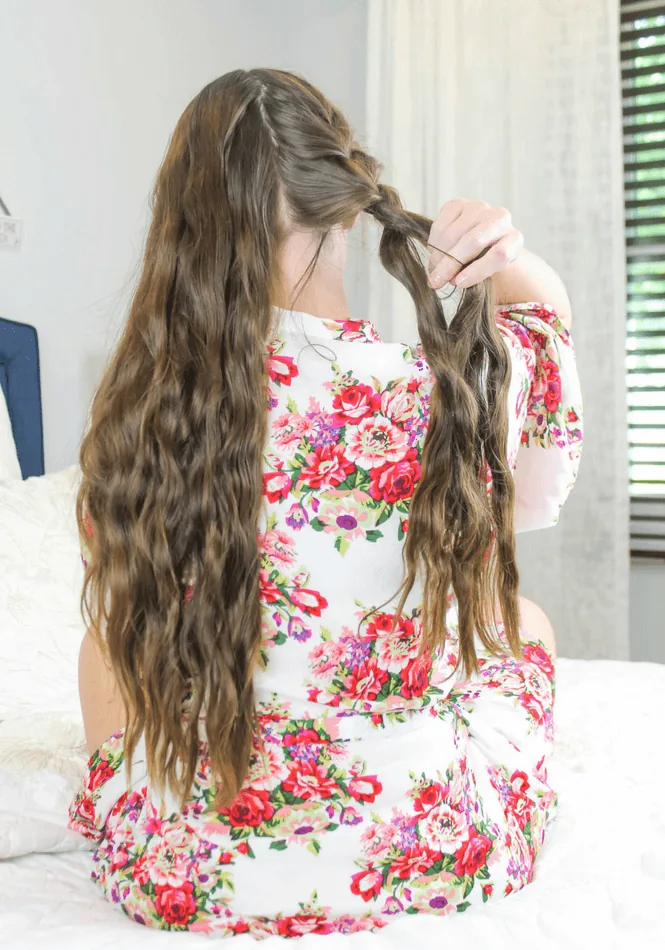
One or two loose braids on damp hair, left overnight, give soft waves by morning with zero heat. The waves are gentler and more relaxed than curled waves, which suits damaged hair perfectly.
How to style gently: Braid damp, conditioned hair loosely before bed, sleep on a silk pillowcase, and undo gently in the morning.
What to avoid with this style: Braiding soaking-wet hair tightly, or adding a heated tool in the morning to sharpen the waves.
15. Velcro-Roller Volume Without Heat
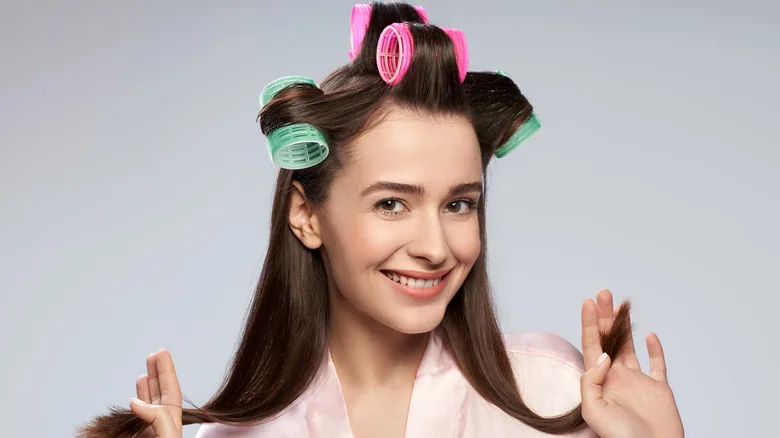
Large velcro rollers, rolled into damp hair and left to dry, give root lift and soft bends without a single pass of heat. They are especially useful for damaged hair that has gone flat at the crown.
Why it helps damaged hair: Volume usually costs heat; rollers give it back without that cost.
Quick verdict: Old-fashioned, quiet and effective — a good weekend style while hair recovers.
16. The Growing-Out Pixie, Softened
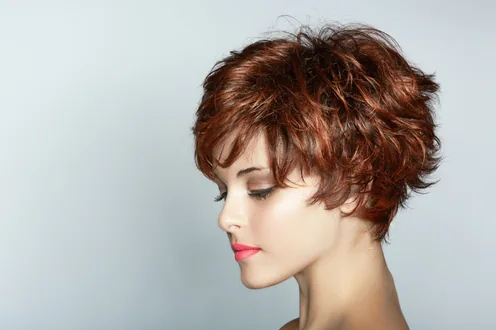
A pixie that is growing out can look awkward, but soft texture cream and a loose, piecey finish turn the in-between stage into a style of its own. Short hair also means damaged lengths are gone sooner.
How to style gently: Work a pea-sized amount of cream through damp hair, tousle lightly, and let it air-dry.
What to avoid with this style: Flat-ironing the growing-out sections every day to force them flat, which damages the new, healthy growth.
17. The Textured Midi Cut

A midi cut, between chin and shoulder with softly textured ends, gives damaged hair a shape that holds without daily styling. The texture comes from the cut itself, not from heat or product build-up.
Why it helps damaged hair: A cut that styles itself is the best recovery cut, because it removes the daily styling that caused the damage.
What to avoid with this style: Heavy thinning or razoring through damaged mid-lengths, which can make fragile hair look thinner still.
18. The Dusting-Trim Shape

This is less a hairstyle than a strategy: a shape cut with dusting trims built in every six to eight weeks, so split ends are removed before they travel up the shaft. Ask for it by name at the salon.
Why it helps damaged hair: It treats the cause of split ends rather than coating them, and it preserves length better than one big cut.
Quick verdict: If you only change one habit, change this one: small, regular trims beat rare, dramatic ones.
19. The Deep Side Part With Soft Layers

Flipping the part deeply to one side gives instant root volume and a sweeping shape, with no teasing and no heat. Soft layers keep the heavy side from looking bulky.
How to style gently: Part deeply while hair is wet, so the part sets as it dries, then smooth the top lightly with serum.
What to avoid with this style: Backcombing the roots for lift, which is one of the roughest things you can do to damaged hair.
20. The Centre-Part Long Cut

A centre part with long, even layers is calm, symmetrical and very low-maintenance. It suits damaged hair because it needs no daily restyling to look neat — the symmetry does the work.
Why it helps damaged hair: A style that looks finished with no heat is a style damaged hair can actually live with.
What to avoid with this style: Ironing the lengths straight every morning to keep the part crisp; let the natural texture show instead.
21. Wispy Bangs With a Soft Bob

Wispy, see-through bangs soften a bob and draw attention to the eyes, without the weight or the daily straightening a blunt fringe demands. On damaged hair, lightness is the point.
How to style gently: Dry bangs forward on low heat with your fingers, then sweep them gently to each side.
What to avoid with this style: Cutting wispy bangs too thick or too short when wet, since damaged bangs spring up as they dry.
22. The Rounded Bob

A rounded bob curves under at the ends and frames the jaw, giving a polished shape that comes from the cut rather than from a round brush and a dryer. It is a kind option for damaged hair that still wants to look done.
Why it helps damaged hair: The shape is built into the cut, so you are not recreating it with heat every morning.
Quick verdict: Polished without the daily heat bill — a strong choice for work and occasions alike.
23. Gentle Butterfly Layers

Butterfly layers pair short face-framing pieces with long lengths behind, giving bounce at the front while the back keeps its length. Kept gentle, with long rather than short front layers, they suit recovering hair.
How to style gently: Air-dry or diffuse on low, and let the front layers fall naturally around the cheeks.
What to avoid with this style: Very short front layers on damaged hair, which can look thin and break easily at the face.
24. The Soft Shag, Lightly Layered

A soft shag uses light, feathery layers through the crown and ends for texture and movement. Kept light rather than choppy, it gives damaged hair life without removing too much weight.
Why it helps damaged hair: Texture from the cut replaces texture from heat styling, which is exactly the trade recovery needs.
What to avoid with this style: A sharp, heavily layered shag on already fragile hair, which can leave the ends looking wispy.
25. The Loose Low Messy Bun
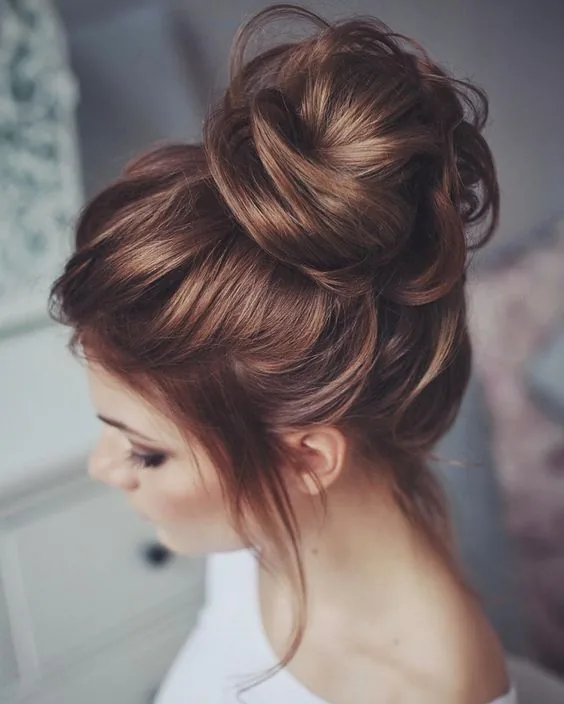
A low messy bun, gathered loosely and pinned softly, is the relaxed cousin of the neat chignon. It is forgiving on second-day hair, needs no heat, and keeps ends tucked away.
How to style gently: Gather loosely at the nape, twist once, pin, and pull out soft pieces — do not scrape or smooth it flat.
What to avoid with this style: Wrapping a thin elastic around the bun several times, which concentrates pressure on the same strands.
26. Loose Milkmaid Braids

Two braids wrapped across the top of the head make a milkmaid style that keeps all the hair contained and protected. Done loosely, it looks soft and romantic rather than tight and severe.
Why it helps damaged hair: Every strand is protected inside a braid, and the style holds all day with no heat and few pins.
Quick verdict: A beautiful protective style for days when damaged hair needs to be completely out of the way.
27. The Rope-Twist Half-Up
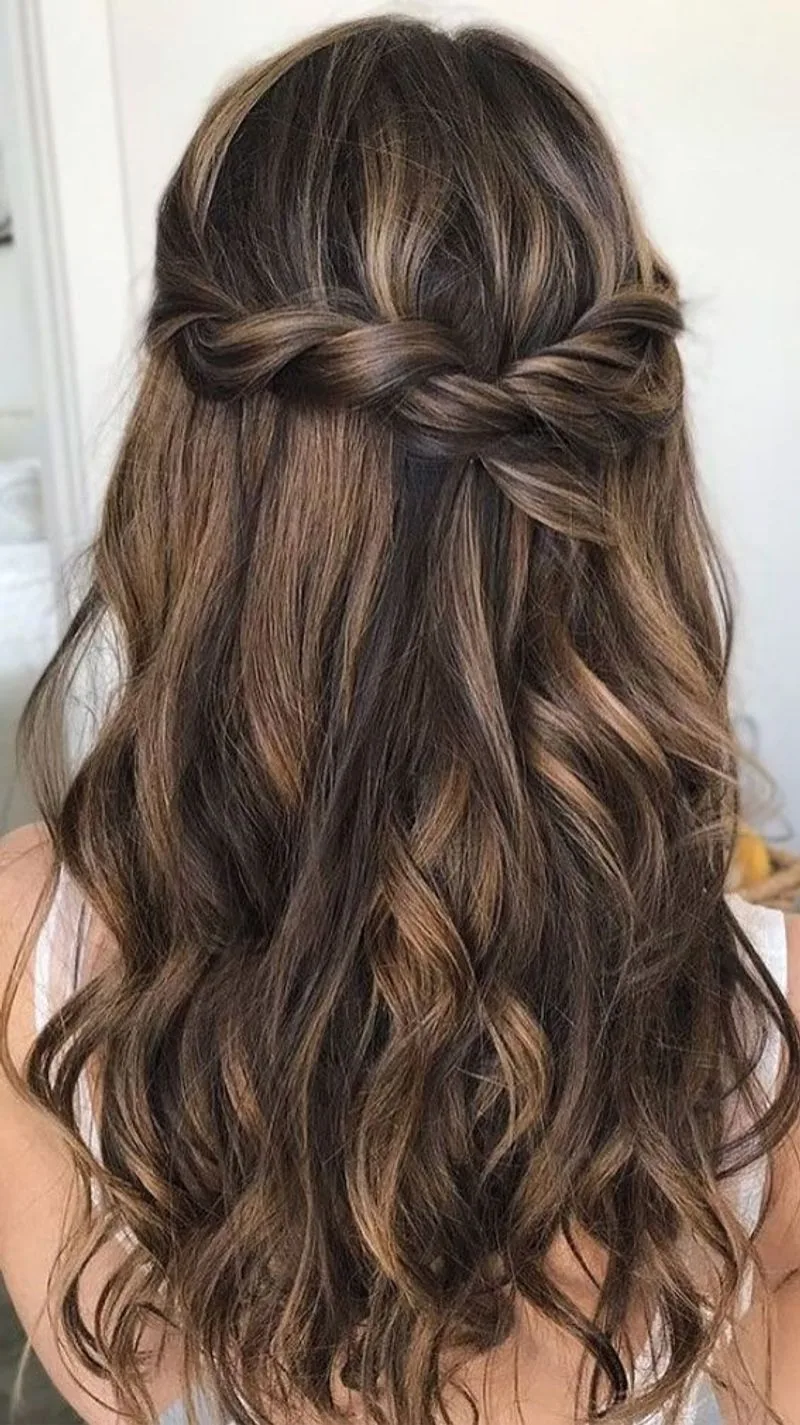
A rope twist takes two sections, twists each one, then twists them together, and pins the result half-up. It is quicker than a braid, gentler than a tight clip, and it holds well on textured, damaged hair.
How to style gently: Twist two front sections loosely, join them at the back, and secure with a soft clip or a few pins.
What to avoid with this style: Twisting tightly all the way to the ends, which stresses the weakest part of the hair.
28. The Loose Fishtail Braid

A fishtail braid, made from two sections split into small pieces, looks intricate but is easy once you start. Pulled out loosely, it is full and soft, and it protects the lengths beautifully.
Why it helps damaged hair: The braid structure shields the ends from friction while giving a style that looks far more elaborate than it is.
What to avoid with this style: Pulling the braid apart hard to widen it; widen it gently, a little at a time, from the top down.
29. Soft Waves With a Headband
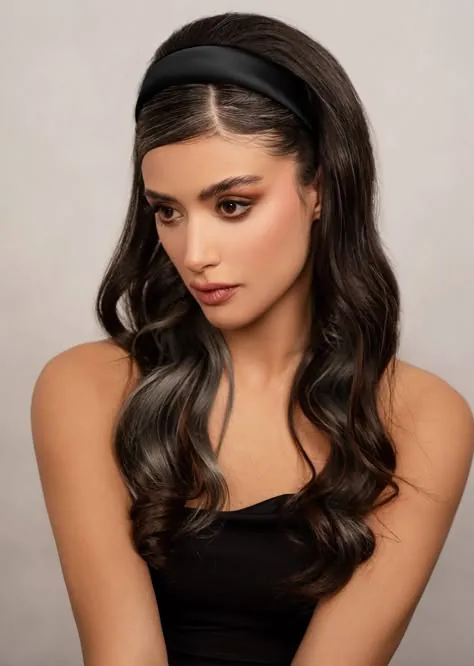
A wide, soft headband keeps hair off the face and turns second-day texture into a finished style in seconds. It is the easiest option on days when damaged hair simply will not cooperate.
How to style gently: Place the band a few centimetres back from the hairline and pull a few soft pieces out in front of it.
Quick verdict: Zero heat, zero tension, zero effort — keep a headband in your bag for bad hair days.
30. The Low Side Ponytail With a Scrunchie
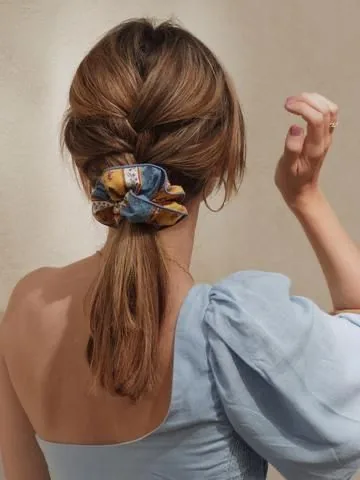
A ponytail worn low and to one side, tied with a silk scrunchie, is softer on the hairline than a high, centred ponytail and kinder to the lengths than a tight elastic. It suits wavy and straight damaged hair alike.
Why it helps damaged hair: Moving the ponytail to the side changes the stress point, so no one spot is weakened every day.
What to avoid with this style: The same high, tight ponytail position daily, which is a classic cause of breakage at the hairline.
31. The Twisted Crown Half-Up
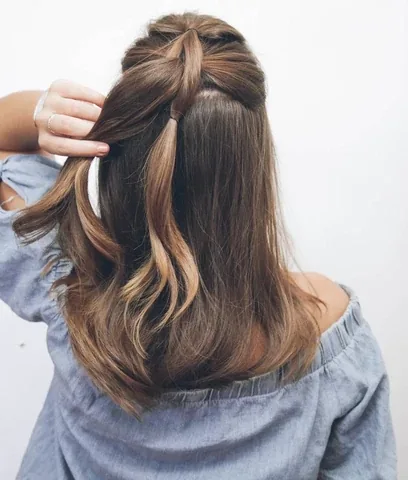
Two twists from each side of the head, joined at the back, make a crown effect that keeps hair off the face while the lengths stay free. It is elegant, quick and completely heat-free.
How to style gently: Twist each front section back loosely, join them with pins, and leave the rest of the hair down.
What to avoid with this style: Pulling the twists tight enough to dent the hair or strain the temples.
32. The Loose Bubble Ponytail
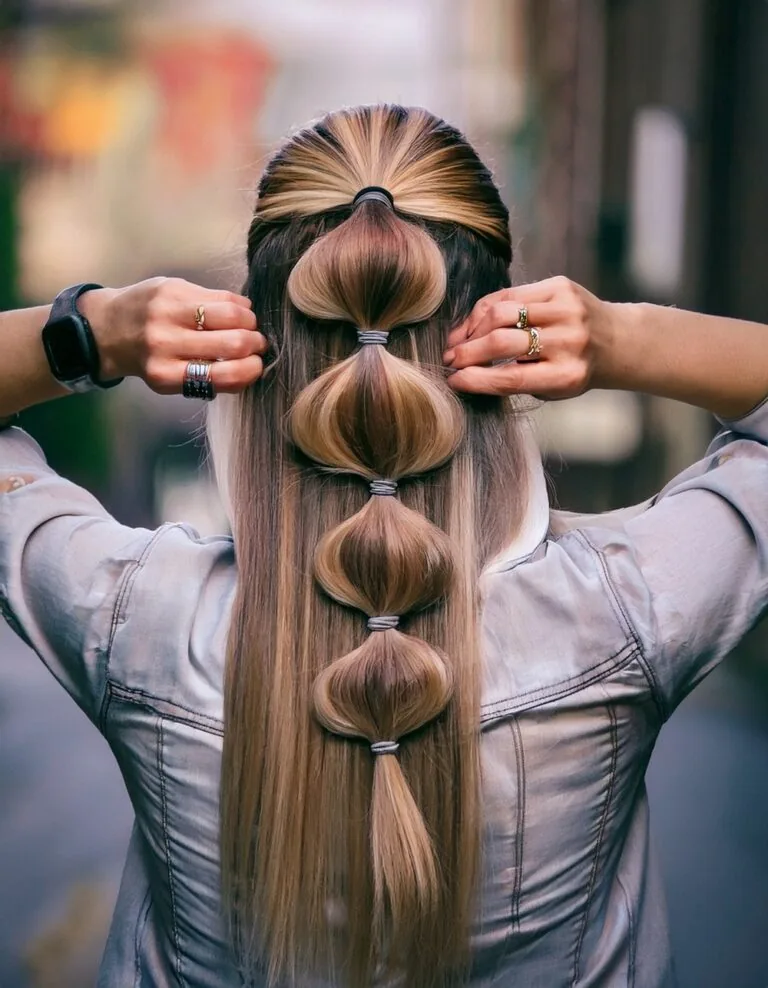
Bands spaced down a low ponytail, with each section pulled out softly, make a bubble ponytail that is playful and full. Kept low and loose, it is far kinder than the tight, high version.
Why it helps damaged hair: The bubbles add volume without backcombing, heat or heavy product — three things damaged hair should avoid.
Quick verdict: Fun, youthful and surprisingly gentle, as long as you keep it low and loose.
33. Soft Pin-Curl Waves, No Heat
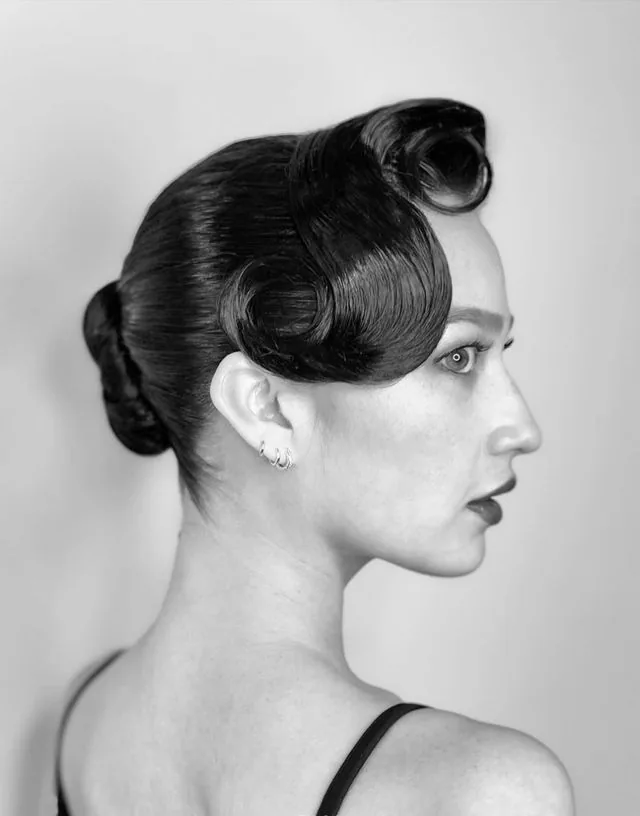
Pin curls — small sections rolled and pinned flat to the head while damp — dry into soft, vintage waves with no heat at all. They take a little patience, but the result is smooth and polished.
How to style gently: Roll damp sections, pin flat, leave to dry fully, then undo gently and brush through once with your fingers.
What to avoid with this style: Undoing pin curls before hair is fully dry, which leaves frizz instead of waves.
34. Low-Tension Twists for Natural Hair
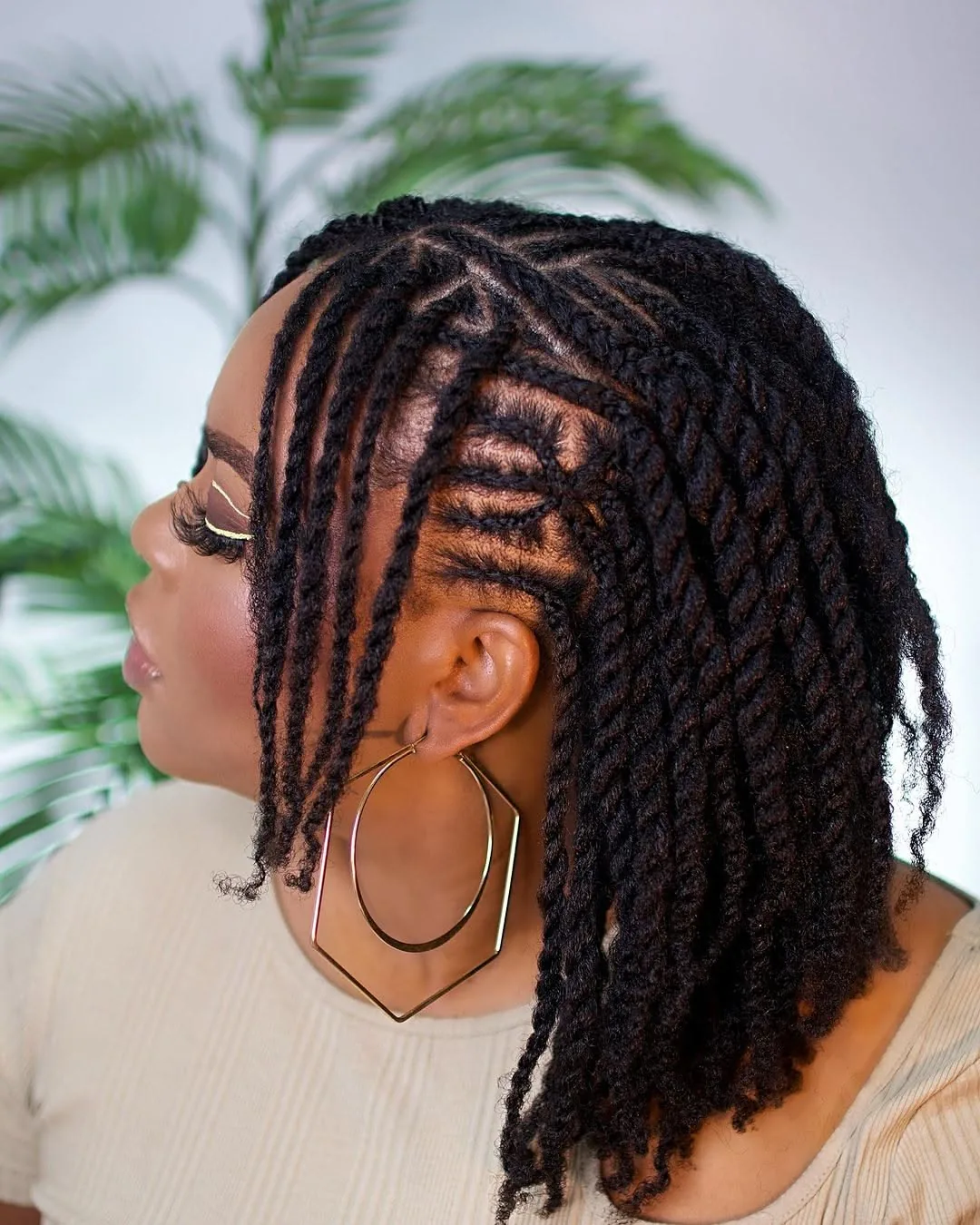
Chunky, loose two-strand twists protect natural hair by keeping the lengths contained and moisturised, without the tension of tight braids or the heat of straightening. They are a genuine protective style for recovering hair.
Why it helps damaged hair: Protective styling works only when it is actually low-tension; chunky, loose twists protect without pulling.
What to avoid with this style: Tiny, tight twists or braids installed on already damaged hair, which add stress instead of removing it.
35. The Loose Halo Braid
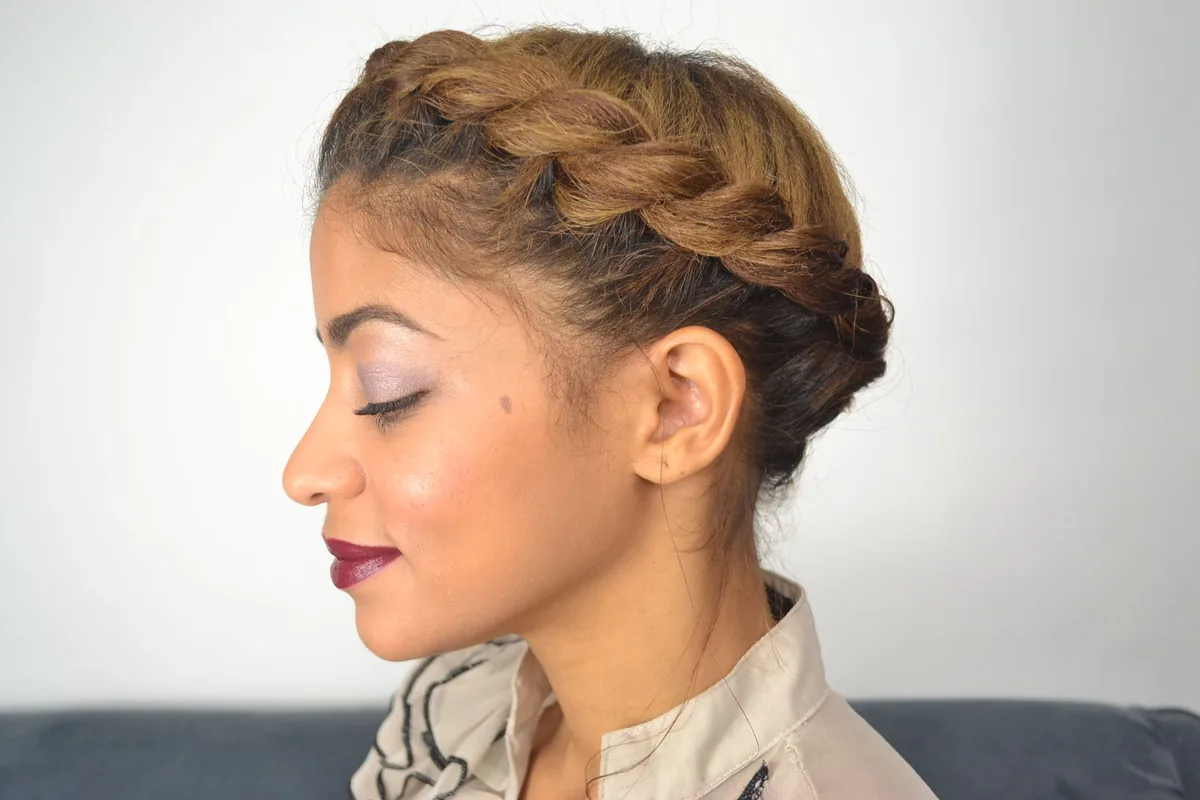
A halo braid circles the head like a crown, keeping every strand contained and protected for a full day. Worked loosely, it looks soft and romantic and needs almost no pins.
How to style gently: Braid loosely around the head, pin the end under the start, and pull out a few soft pieces at the hairline.
What to avoid with this style: Braiding the halo tightly against the scalp, which strains the hairline and defeats the protective purpose.
36. The U-Shaped Long Cut
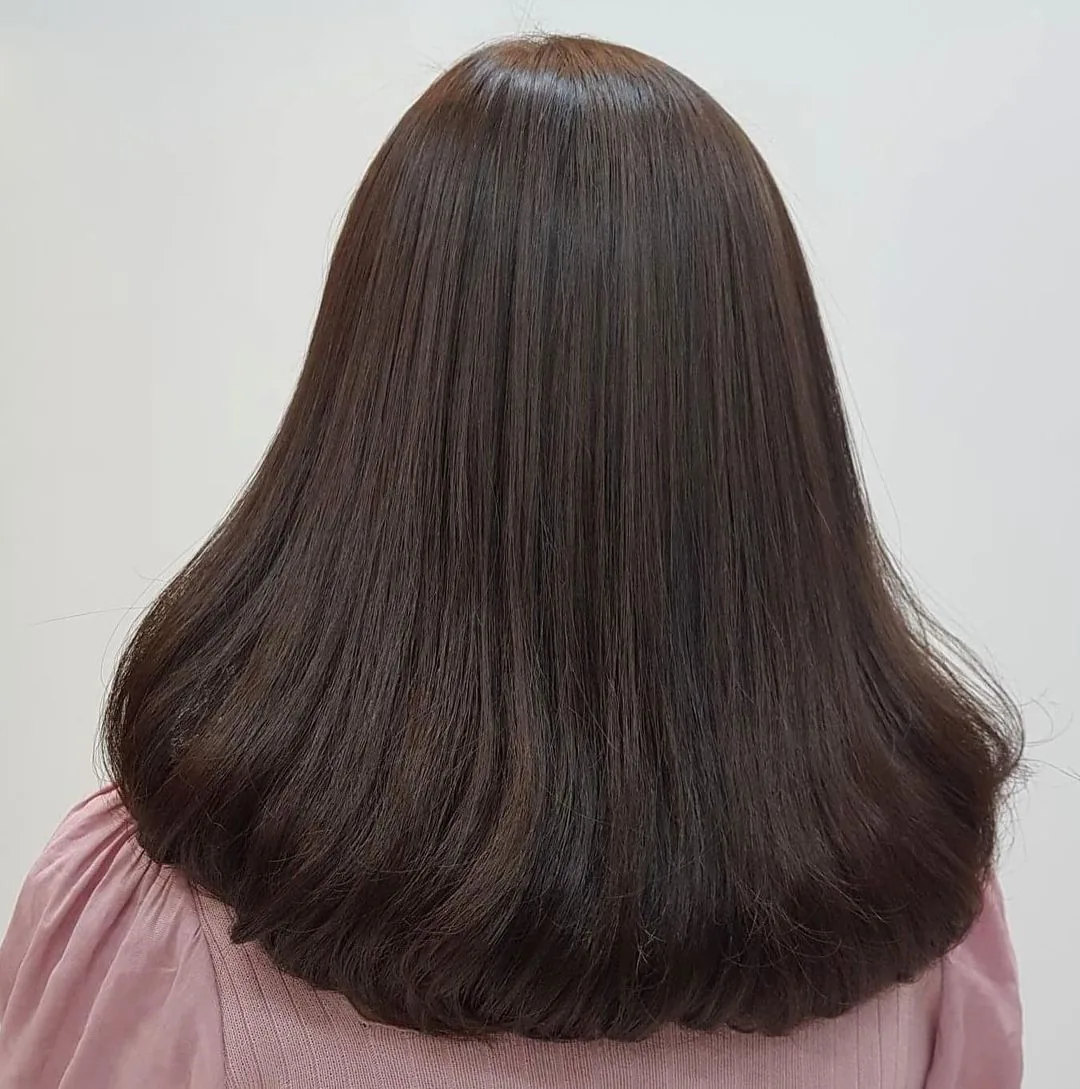
A U-shaped cut keeps the centre back longest and curves gently upward at the sides, so long hair looks full and intentional rather than straggly. It is a good shape for growing damaged hair out.
Why it helps damaged hair: The curved outline makes thin, damaged ends look fuller, and it grows out gracefully between trims.
Quick verdict: The grow-it-out cut: it protects the look of length while the damaged sections are gradually trimmed away.
37. The Soft, No-Heat Everyday Look
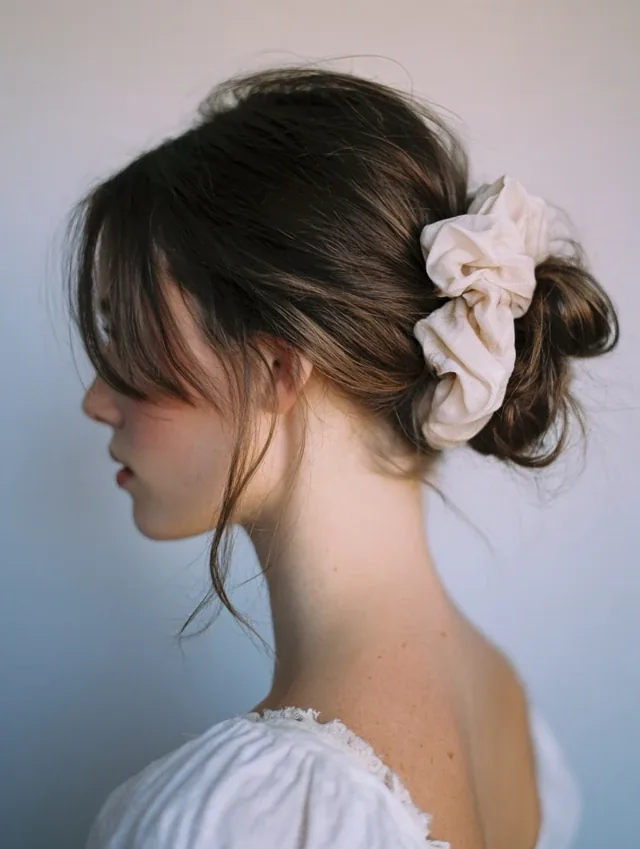
The final style is a routine, not a shape: washed gently, conditioned well, dried without heat, and worn down with a loose clip or headband when needed. For damaged hair, a calm routine is itself a hairstyle.
How to style gently: Wash, condition, apply leave-in, air-dry, and finish with a drop of oil on the ends only.
What to avoid with this style: Adding one more heated step ‘just for today’ every day, which is how recovery stalls.
Quick verdict: Boring, gentle and effective — this is the style your hair will thank you for most.
Low-Tension Styling: The Rules That Protect Fragile Hair
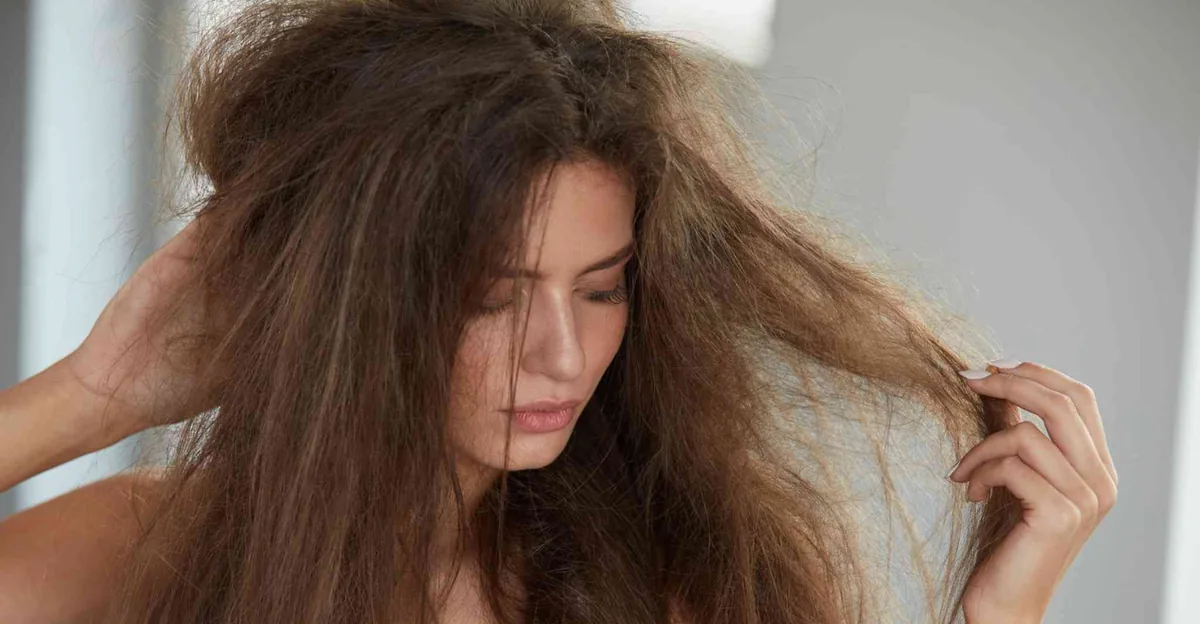
Tension breaks damaged hair just as surely as heat does. The rules are simple: keep styles loose, vary where you tie your hair, use silk scrunchies or snag-free bands instead of thin elastics, and never pull wet hair into a tight style. If a style hurts, tugs at your hairline or leaves a dent, it is too tight.
Rotate styles through the week so the same strands are not stressed in the same place every day. A loose braid one day, a low bun the next and hair worn down the day after gives fragile sections a chance to rest between styles.
Protein or Moisture? How to Tell What Your Hair Needs
Damaged hair usually needs both protein and moisture, but not in equal amounts at the same time. Hair that feels mushy, stretchy and limp when wet is often over-moisturised and short of protein. Hair that feels rough, stiff and straw-like is usually short of moisture, even if it has had plenty of protein treatments.
Alternate the two: a light protein treatment once every two to four weeks for chemically damaged hair, with regular moisturising masks in between. If hair starts feeling stiff after protein, pause protein and focus on moisture until it softens again.
Colour After Damage: Softer Options While Hair Recovers
Full bleach and overlapping colour are the hardest things you can ask damaged hair to survive. While hair recovers, choose softer options: a gloss or toner, face-framing highlights kept away from previously bleached lengths, a root touch-up only, or a break from colour altogether while the weakest lengths grow out.
If you do colour, tell your stylist about the damage honestly, ask for bond-building treatments during the service, and stretch the time between appointments. Colour that keeps hair intact will always look better than a brighter shade on hair that is breaking.
Your 8-Week Recovery Plan (and the Mistakes That Undo It)
Week one to two: cut the worst ends, switch to lukewarm washes and a weekly mask, and put the straighteners away. Weeks three to four: settle into two or three loose, low-heat styles you actually like, and dust the ends again if splits return. Weeks five to eight: keep the routine boring, reassess protein versus moisture, and only then consider a new colour or a heat-styled occasion look.
The mistakes that undo recovery are familiar: one daily straightening session, tight ponytails in the same spot, skipping trims because you want length, and piling on heavy oils that coat hair without moisturising it. Recovery is slow, but it is steady — most people feel a real difference in texture within six to eight weeks of a gentler routine.
What is the best haircut for dry, damaged hair?
A blunt bob or a lob with minimal layers is usually the best haircut for dry, damaged hair, because it removes the weakest ends in one clean line and leaves the remaining hair looking thicker. Regular dusting trims every six to eight weeks then keep the ends healthy as the hair grows.
Can damaged hair really recover, or does it have to be cut off?
Damaged hair cannot be truly repaired, because hair is not living tissue, but it can look and feel much healthier. Regular trims remove split ends, moisturising treatments improve softness and shine, and a low-heat, low-tension routine stops new damage, so the new growth comes through healthy while the damaged lengths are gradually cut away.
How often should I wash dry, damaged hair?
Most people with dry, damaged hair do best washing two to three times a week, with lukewarm water and conditioner focused on the mid-lengths and ends. Washing daily strips the natural oils damaged hair is already short of, while a weekly deep-conditioning mask helps restore moisture.
Should I use protein or moisture treatments for damaged hair?
It depends on how the hair feels. Hair that feels stretchy and mushy when wet usually needs protein, while hair that feels rough and straw-like usually needs moisture. Many damaged heads need both, alternated: a light protein treatment every few weeks with regular moisturising masks in between.
What hairstyles should I avoid with damaged hair?
Avoid tight, high ponytails, tight braids, daily straightening, backcombing, and any style that pulls at the hairline or uses thin elastics in the same spot every day. All of these add mechanical or heat damage to hair that is already fragile.
Is it safe to colour damaged hair?
It is safest to pause full bleach and overlapping colour while hair recovers, and to choose gentler options such as a gloss, a root touch-up only, or highlights kept away from previously damaged lengths. If you do colour, ask for bond-building treatments and stretch the time between appointments.
How long does it take for damaged hair to recover?
Most people notice softer, smoother texture within six to eight weeks of a gentler routine, but full recovery takes as long as it takes to grow out the damaged lengths and trim them away — often several months. Regular trims speed the process up rather than slowing it down.
Can I use heat tools at all on damaged hair?
Occasional heat is fine if you use a heat protectant, the lowest effective temperature, and keep it to special occasions rather than every day. Daily heat on damaged hair, especially without protectant, will undo the rest of your recovery routine.
What is the best overnight hairstyle for damaged hair?
Two loose plaits or a loose low braid, slept on a silk or satin pillowcase, is the best overnight hairstyle for damaged hair. It prevents tangling and pillow friction, protects the ends, and leaves soft, heat-free waves in the morning.
When should I see a stylist about damaged hair?
See a stylist if you have severe breakage, hair snapping close to the scalp, bald patches, or damage after a chemical service that is getting worse. A stylist can assess whether a recovery cut, a protein treatment or a break from chemicals is needed, and can rule out problems that home care alone cannot fix.
Conclusion
Recovery is not one dramatic salon visit. It is a hundred small, boring choices: a looser ponytail, a lower dryer setting, a trim you actually book, a braid instead of a straightener on a busy morning. Each one on its own feels like nothing. Together, over eight weeks, they change how your hair feels in your hands.
Start with the cut that removes the worst of the damage, pick two or three gentle styles from this guide that you genuinely like wearing, and let the rest of the routine stay quiet. Your hair does not need to be hidden while it recovers. It just needs to be handled a little more gently, for a little while, until the healthy hair underneath has had its chance to grow.