Greasy Roots, Still Gorgeous: 32 Hairstyles That Stretch Wash Day Without Looking Flat
Oily hair is not dirty hair, and it is not a failure of your routine. Your scalp makes sebum to protect itself, and some scalps simply make more of it, faster. The shine that shows up by lunchtime on day two is biology, not bad hygiene — and once you stop fighting it with daily washing and heavy products, it gets much easier to manage.
This guide is built around that idea. Instead of promising to make your hair less oily overnight, it shows you 32 hairstyles for oily hair that work with the oil: updos that turn shine into sleekness, braids that grip better on second-day hair, cuts that lift the roots, and texture tricks that make day three look deliberate rather than desperate. You will also find eight guides on wash-day stretching, dry shampoo, products and the habits that make oil worse, so you can pick a style for the day your hair is actually having.
Why Your Scalp Gets Oily — and Why That Is Normal
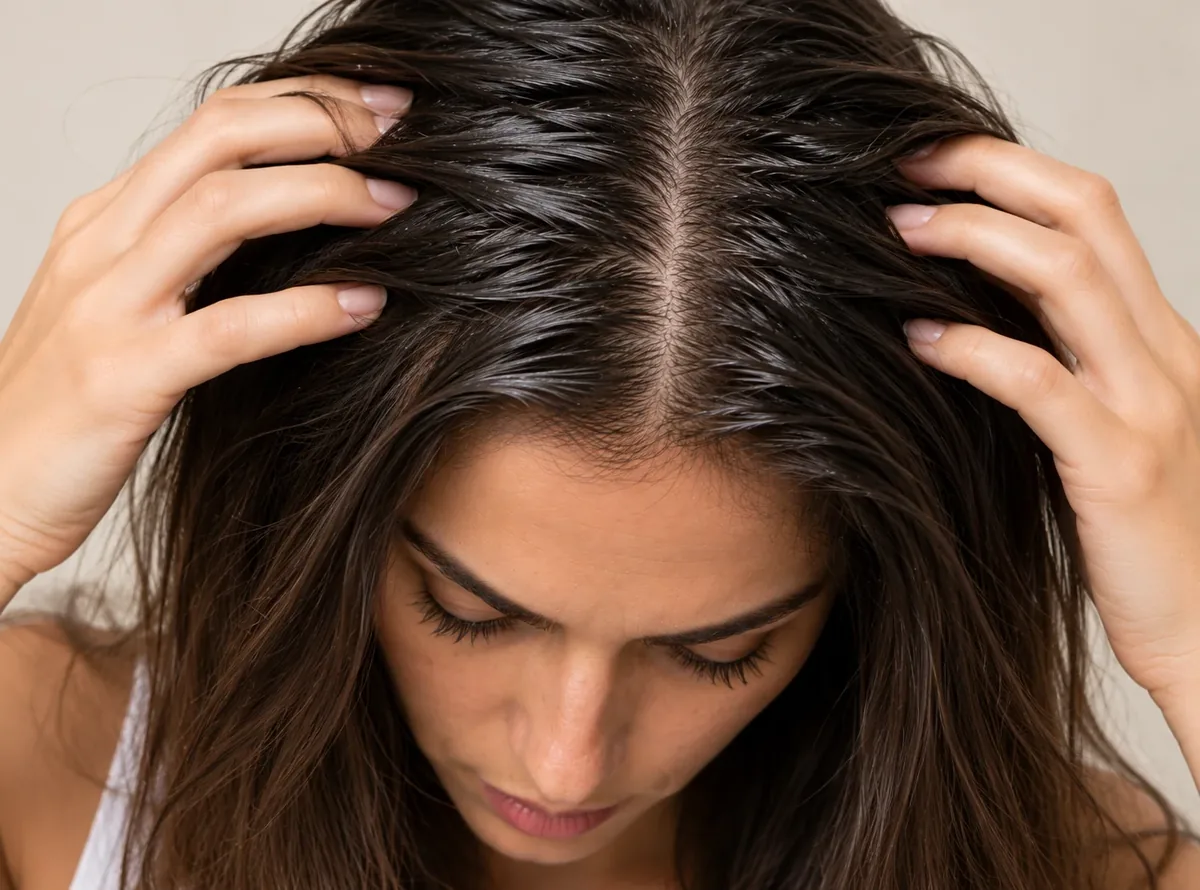
Sebum is your scalp’s own conditioner. It travels down the hair shaft, keeps the scalp barrier healthy, and in the right amount it gives hair shine and flexibility. Fine hair, straight hair and hair washed in very hot water tend to show oil first, because there is less texture and surface area to absorb it, and because oil slides down a straight shaft more easily than a curly one.
Hormones, humidity, stress, heavy conditioners applied at the roots and touching your hair all day can all speed oil up. None of that means your scalp is broken. It means your routine and your hairstyles should be chosen for an oilier scalp, not copied from someone whose hair stays fresh for five days.
Stretching Wash Day: A Routine That Actually Works

The gentlest way to stretch wash day is to plan for it, not to rescue it at the last minute. On wash day, shampoo the scalp thoroughly, condition only from mid-length to ends, and rinse cool. Let hair dry with some root lift — a rough blow-dry upside down, or rollers at the crown — because flat, freshly dried roots go limp faster.
On day two, refresh before the oil peaks, not after. A light dry shampoo at the roots in the morning, a style with some grip such as a braid or a half-up clip, and hands kept off the hair will usually carry you through. On day three, go for a structured updo rather than trying to revive loose hair.
Dry Shampoo Done Right (and What Ruins It)
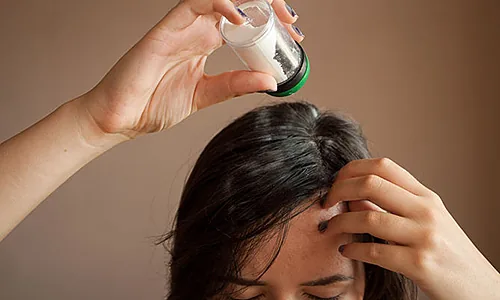
Dry shampoo works best as prevention, not as a cover-up. Spray it onto dry roots from about 20 centimetres away, in short bursts, before the oil is heavy — ideally on the evening of day one or the morning of day two. Wait two minutes, then massage it in with your fingertips and brush through. The powder needs time to absorb oil, and brushing too soon just moves it around.
The mistakes that ruin it are familiar: spraying too close so it leaves white patches, piling it on day after day without ever washing it out, and using it on damp hair, where it clumps. If you have dark hair, choose a tinted formula or tap the powder in with a fluffy brush. And no dry shampoo replaces a wash forever — build-up itself makes the scalp oilier.
Cuts That Hide Oil: Lift, Layers and Texture
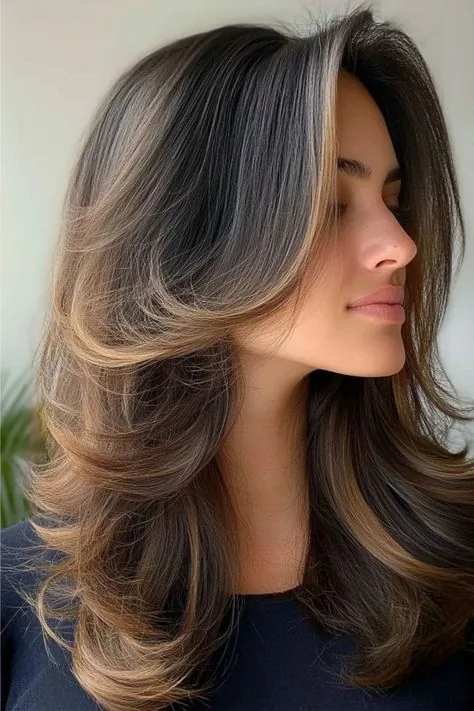
The best cuts for oily hair do one thing above all: they keep the roots from lying flat against the scalp. Layers through the crown, a textured bob or lob, a shag with movement at the top, and face-framing pieces that break up a solid sheet of hair all help. A blunt, heavy, one-length cut is the hardest to keep looking fresh, because oil shows as one flat, shiny panel.
Ask your stylist for root lift rather than thinning at the roots, which can make hair look stringy once oil arrives. A cut that dries with natural volume will stretch a day longer than a cut that needs a full blow-dry to look alive. Bring a day-two photo to the salon, not just a fresh-wash photo.
1. High Messy Bun for Day Three
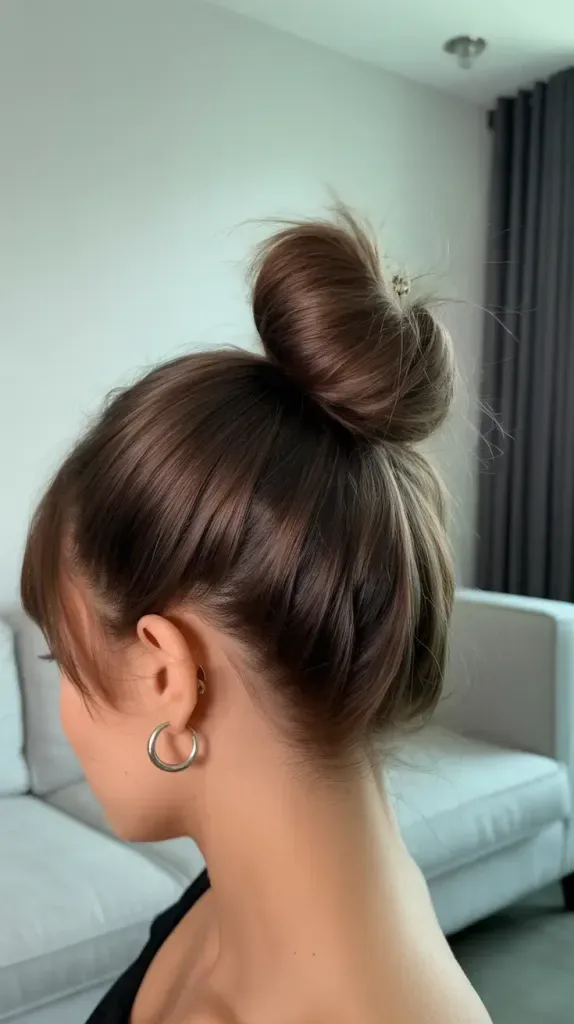
A high messy bun is the classic day-three rescue because it takes the oiliest part of your hair — the crown and roots — and turns it into the base of the style, where no one can see it. The mess on top is the point, not a flaw.
Best day for it: Day 3 hair, when the roots are too oily for loose styles but the lengths still have texture.
How it hides oil: Gathering everything up removes the flat, shiny panel at the scalp and lets the bun’s texture do the talking.
Products that help: Dry shampoo at the roots first, then texture spray on the lengths before you twist.
2. Slicked-Back Low Bun
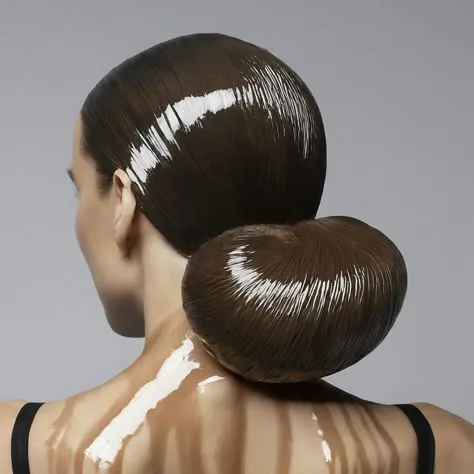
When hair is too oily to fake volume, go the other way: make the shine the style. A slicked-back low bun looks polished, expensive and deliberate, and oil is exactly what makes it lie smooth.
Best day for it: Day 3 or even day 4 hair, when sleekness reads as intentional rather than greasy.
How it hides oil: Gel or cream smooths the roots into a glassy finish, so there is no limp, separated strand to give the game away.
Common mistake: Using too much gel at the front and none at the nape, which leaves a fuzzy halo. Smooth all the way round.
3. Textured High Ponytail
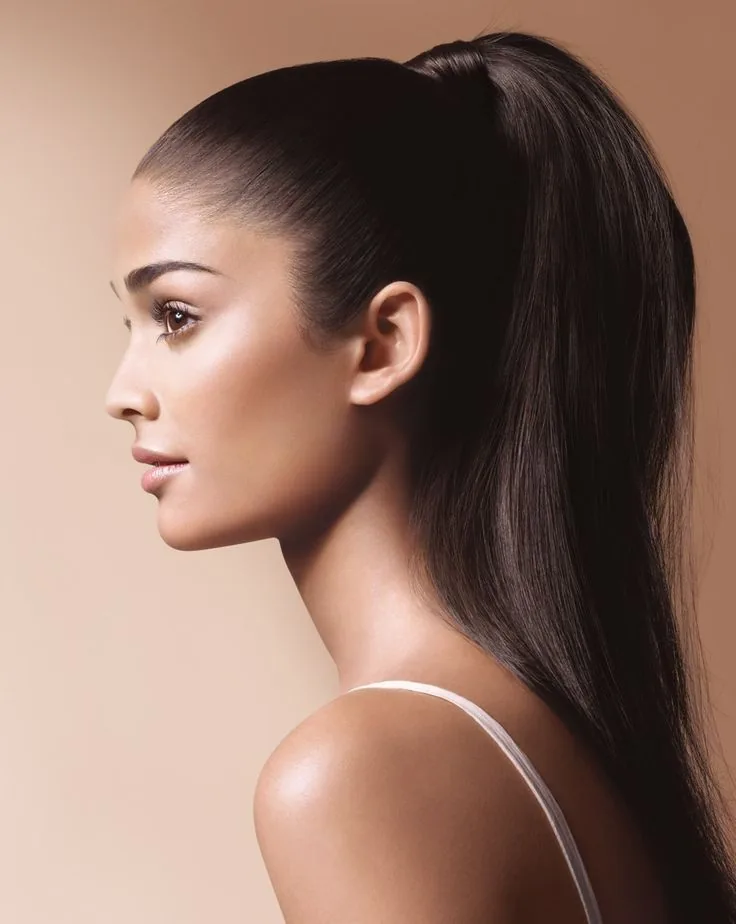
A high ponytail lifts oily roots off the scalp and gives the crown instant height. Teased texture at the top and a wavy tail stop it looking scraped back and severe.
Best day for it: Day 2 hair, when the roots need lift but the lengths still move well.
Products that help: Root-lift powder or dry shampoo at the crown, texture spray through the tail, and a snag-free band.
4. Low Ponytail With a Lifted Crown
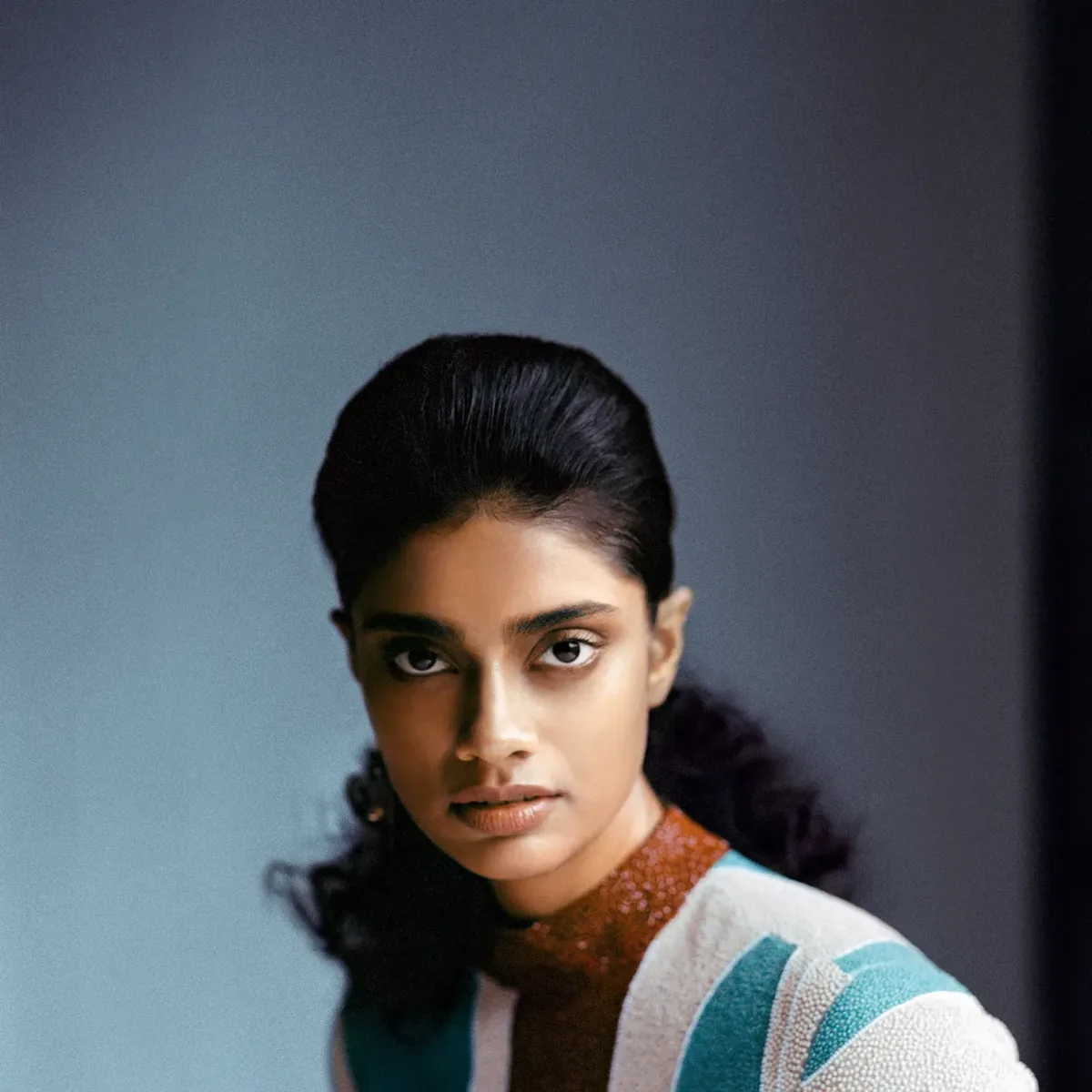
A low ponytail is kinder than a high one on day-two hair, and a gently backcombed crown keeps it from looking flat. Pulling a few pieces loose at the face softens the whole style.
How it hides oil: The crown lift breaks up the flat root area, and the low position keeps the oily lengths contained rather than on show.
Common mistake: Pulling the ponytail too tight, which presses the roots flat and makes oil more visible, not less.
5. Half-Up Claw Clip
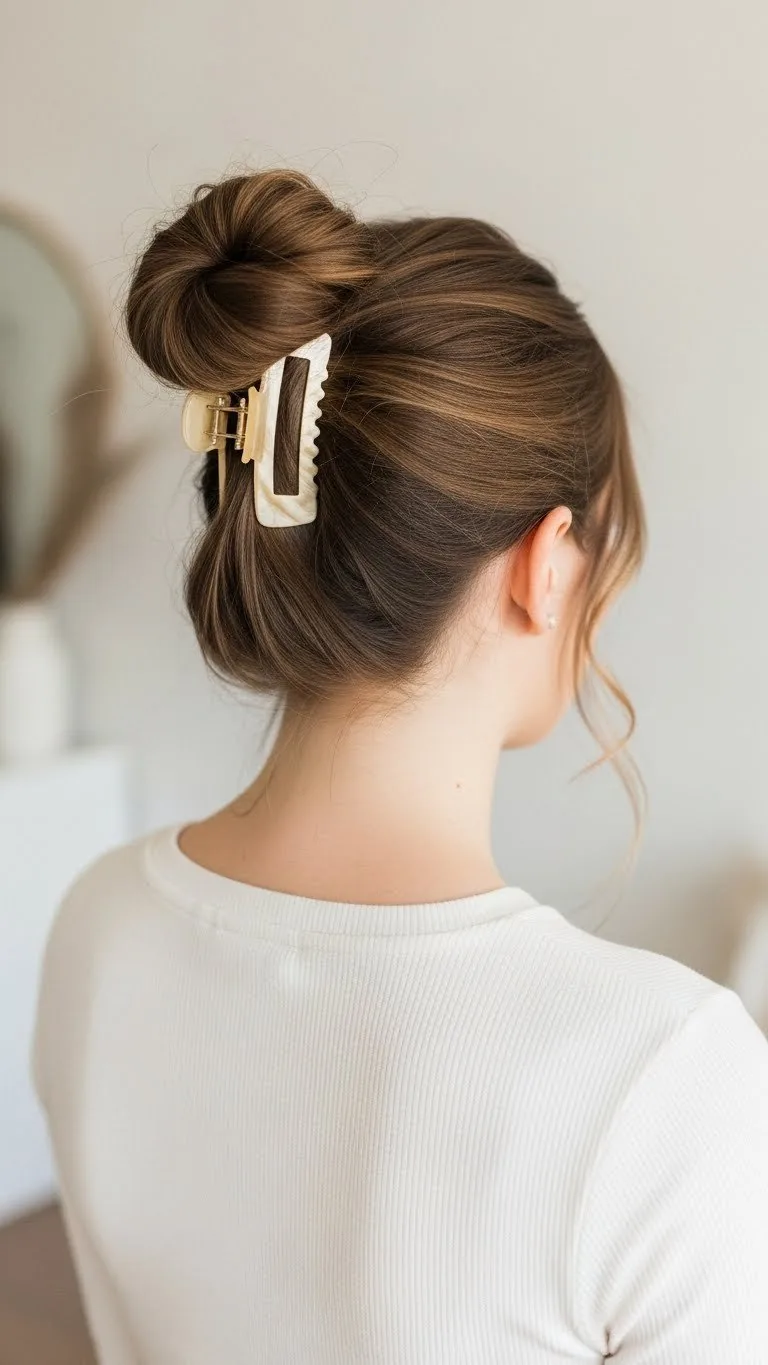
A half-up claw clip takes the oiliest section — the top and front — and clips it away, while the lengths underneath fall free. It takes under a minute and works on almost any length past the chin.
Best day for it: Day 2 hair, when the front is starting to look oily but the back still looks fresh.
Products that help: A light dry shampoo on the clipped section before you clip, so the top does not look dull underneath.
6. Braided Crown (Halo Braid)
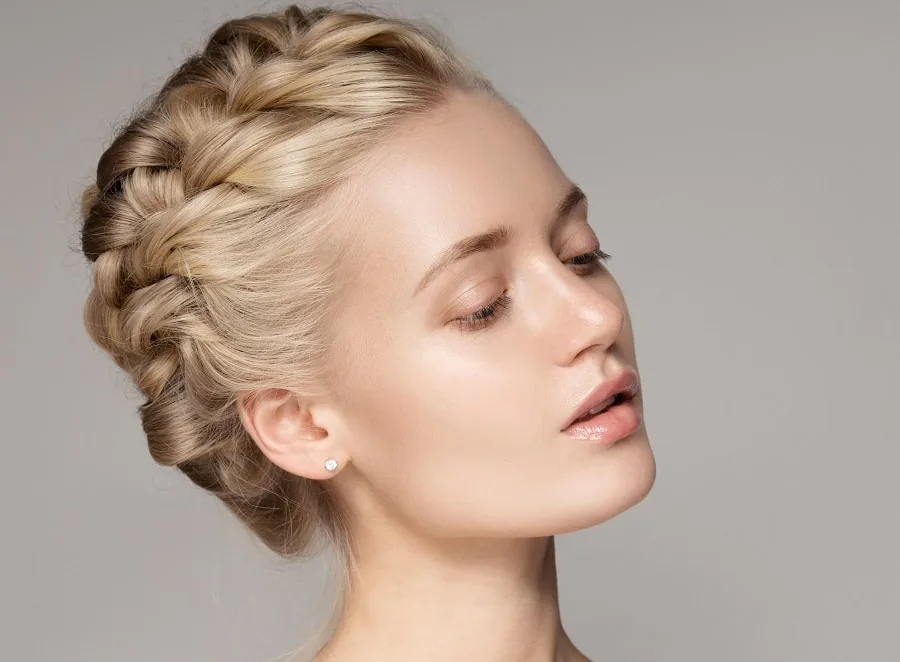
A braided crown wraps the hairline in braid, which is the perfect camouflage: the braid’s texture breaks up oily roots, and braids grip better on hair that is not freshly washed.
Best day for it: Day 2 or day 3 hair — braids love a little grip, and clean hair is often too slippery to hold.
How it hides oil: The braid sits over the hairline and crown, exactly where oil shows first, and its woven texture hides shine.
7. Double Dutch Braids
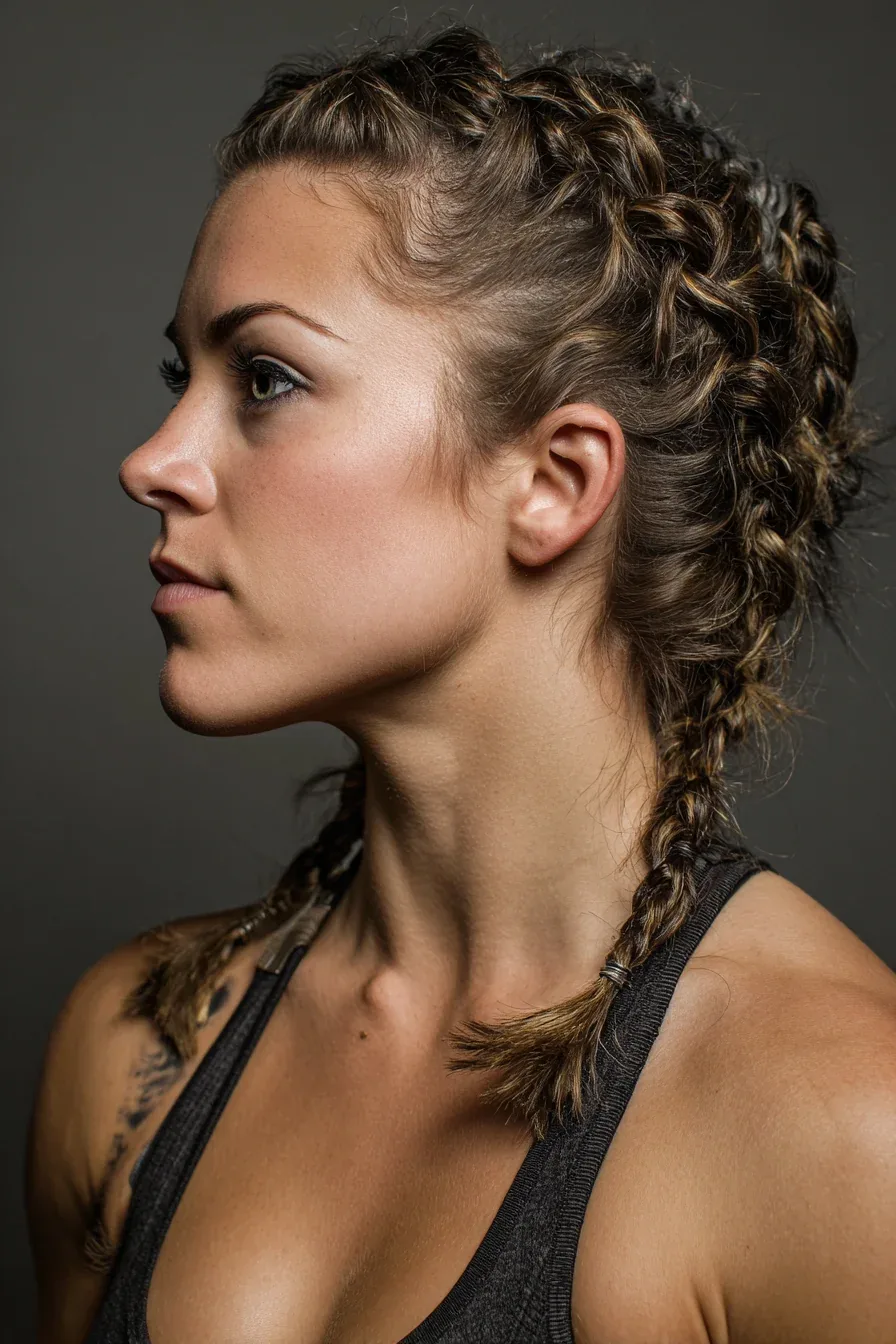
Double Dutch braids keep every strand contained and turn day-three hair into a sporty, intentional style. They also protect the lengths from further touching and oil transfer through the day.
How it hides oil: Tight, raised braids hide the scalp pattern entirely and distribute oil along the braid instead of leaving it at the roots.
Products that help: A little texture spray before braiding gives grip; a light hairspray afterwards keeps flyaways down without weight.
8. Fishtail Side Braid
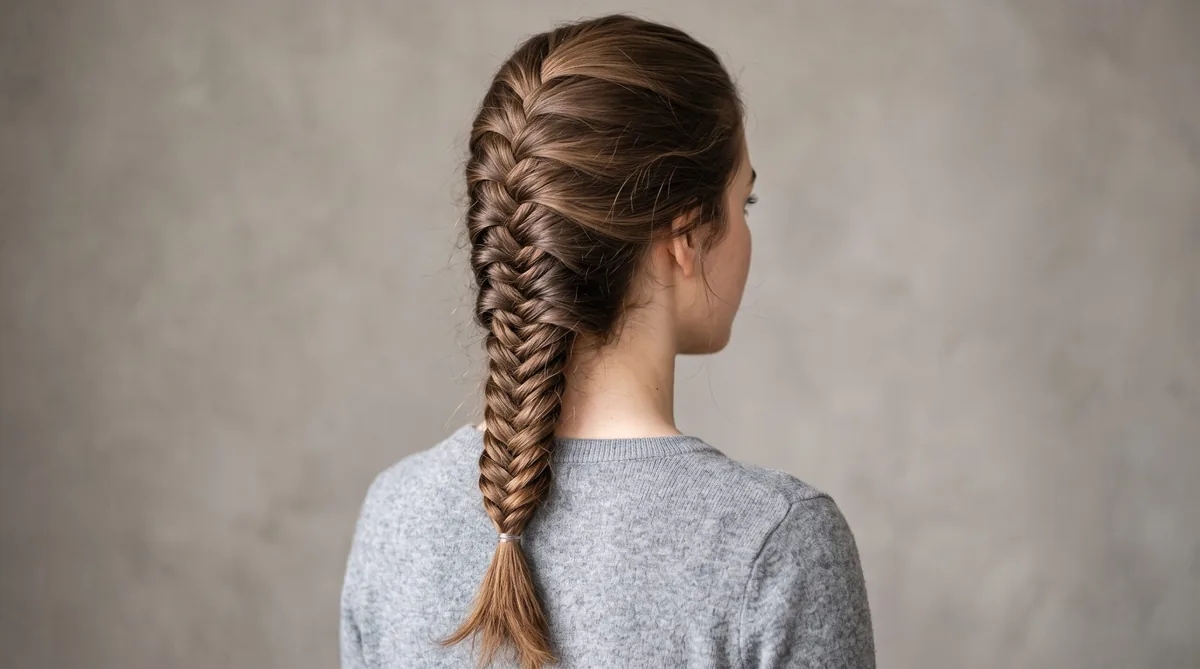
A loose fishtail braid swept over one shoulder looks intricate and soft, and it is forgiving on oily hair because the fishtail pattern itself is textured and uneven by design.
Best day for it: Day 2 hair, when you still want hair down over the shoulder but not loose and flat.
Common mistake: Braiding too tightly, which makes the braid look thin and shows the oily roots at the part. Keep it loose and pull it gently wider.
9. French Braid Into a Low Bun
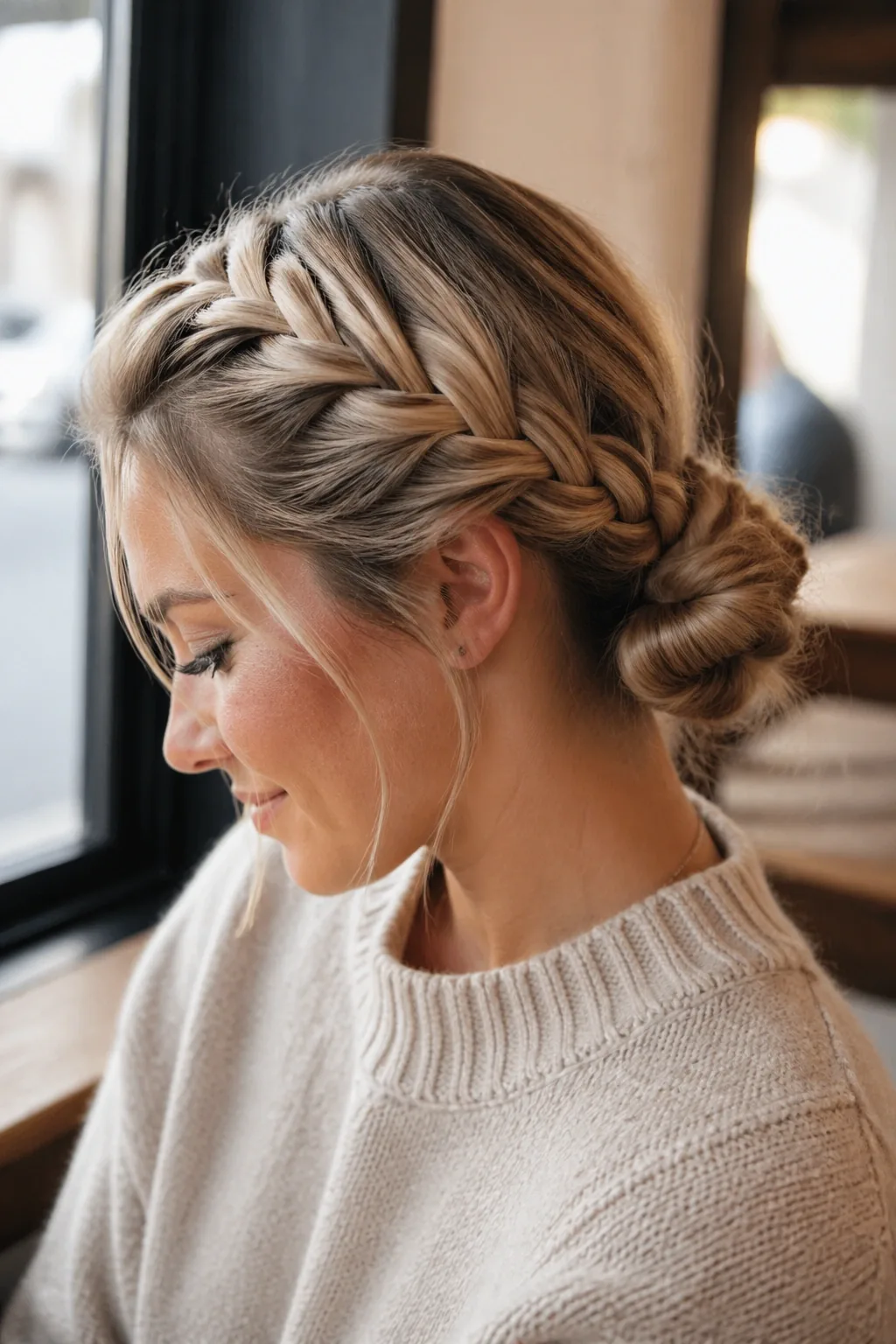
A French braid from the hairline into a low bun combines two oil-hiding tricks in one style: the braid covers the front roots, and the bun contains the rest. It looks far more effortful than it is.
Best day for it: Day 3 hair, and a good choice for work or a smart occasion on a no-wash day.
How it hides oil: The braid’s woven surface replaces the flat, shiny root area, and the bun hides the lengths.
10. Bubble Ponytail
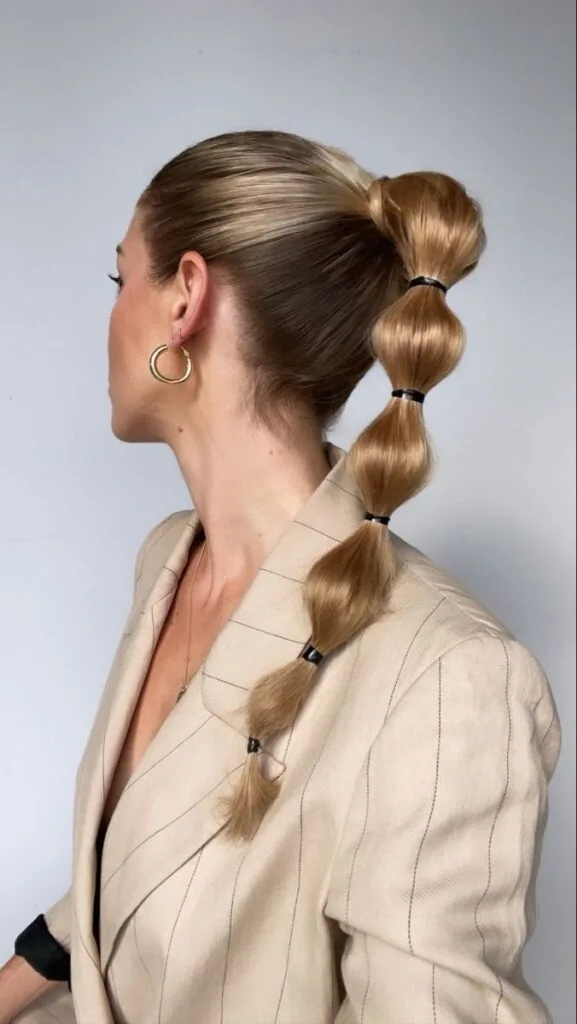
A bubble ponytail — bands spaced down the tail, each section pulled out — adds volume exactly where oily hair loses it, and its playful shape distracts completely from the roots.
Products that help: Dry shampoo at the crown, then texture spray on the tail before you add the bands, so each bubble holds its shape.
Common mistake: Skipping the pull-out step, which leaves a thin, flat ponytail with bands. Gently widen each bubble.
11. Top Knot With Loose Face Pieces
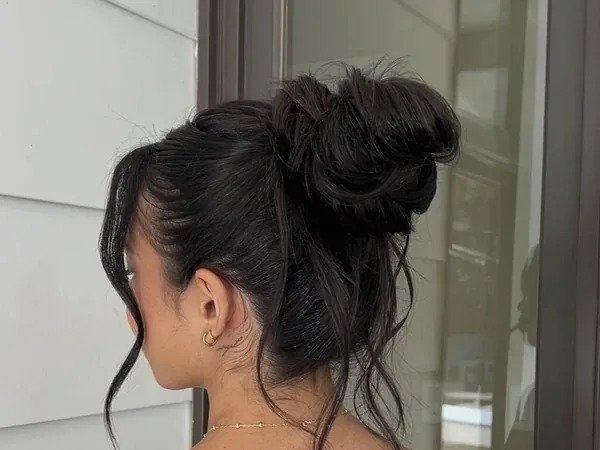
A top knot gets everything off the face and neck, while two loose pieces at the front keep it soft. On oily hair, the knot’s height gives the illusion of root volume that flat roots lack.
Best day for it: Day 3 hair, especially in hot weather or for a workout-adjacent day.
How it hides oil: All the root area is gathered into the knot, and the loose face pieces draw the eye forward, away from the scalp.
12. Messy Side Bun
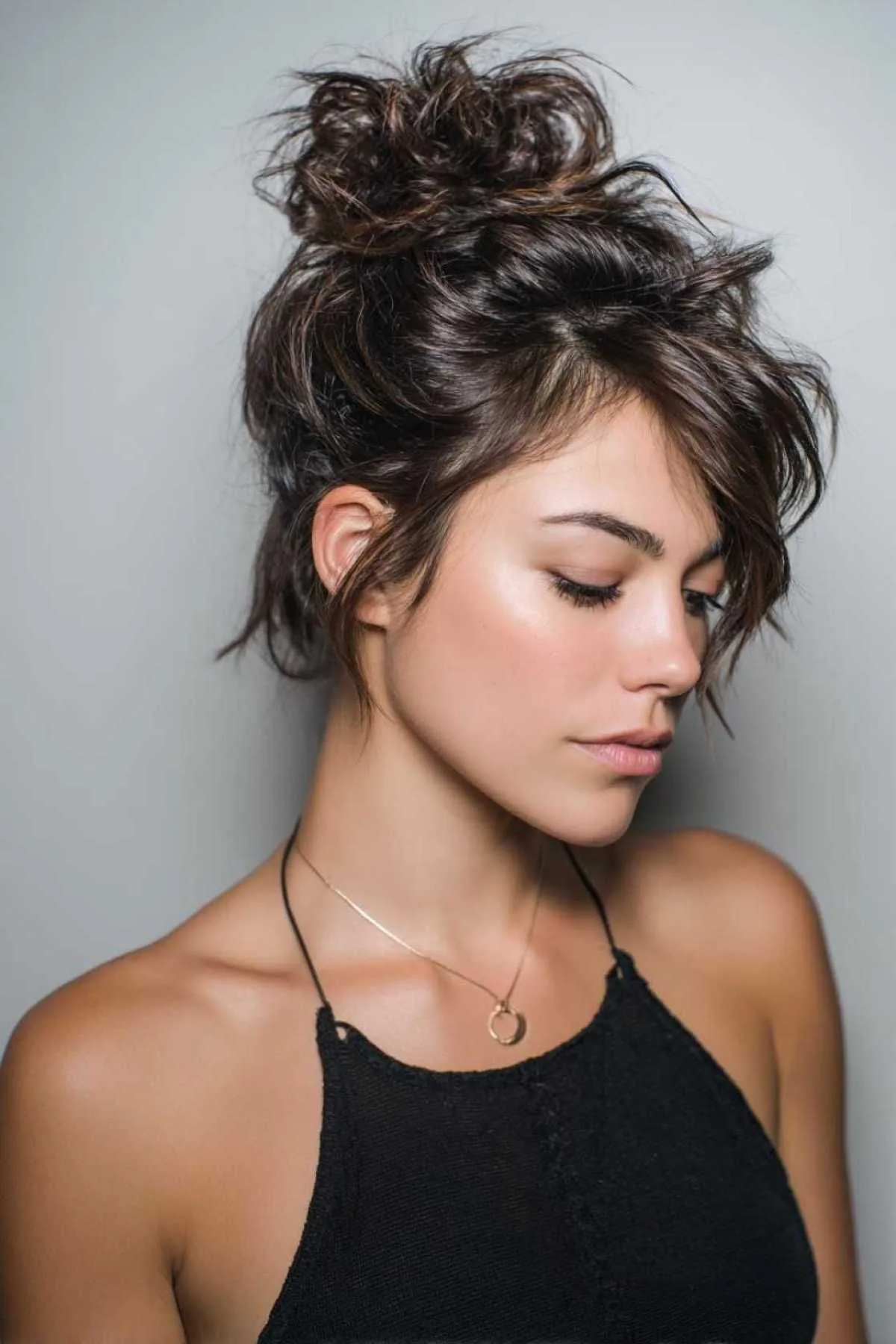
A side bun sits lower and softer than a top knot, and its asymmetry makes oily hair look styled rather than scraped back. It is a good evening or wedding-guest rescue on a no-wash day.
How it hides oil: Sweeping hair to one side changes the part and the fall, so the usual oily pattern at the crown is disrupted.
Products that help: Flexible-hold spray and a few pins; avoid heavy gel, which can make a side bun look wet rather than soft.
13. Sleek Middle-Part Low Bun (Wet Look)
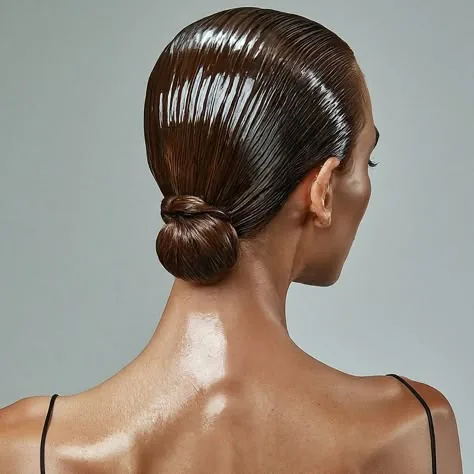
The wet-look low bun is the oily-hair style that fashion made respectable: a sharp middle part, gel-smoothed roots and a neat bun at the nape. Oil is not hidden here — it is the finish.
Best day for it: Day 3 hair, or any day when you want a polished look and have ten minutes, not an hour.
Common mistake: Leaving the part fuzzy. The style only works if the part is clean and the roots are evenly smooth.
14. Voluminous Blowout Layers
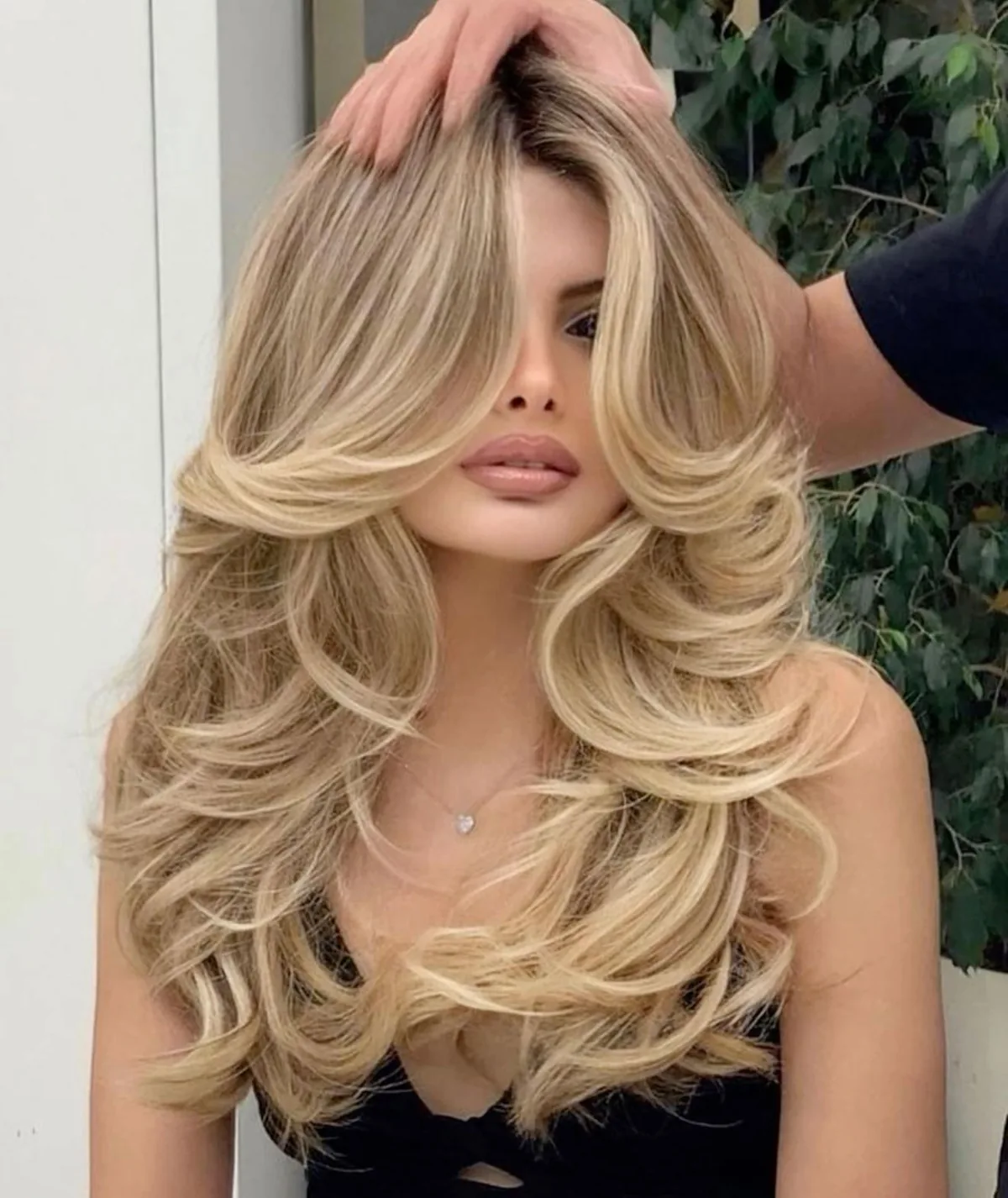
A blowout is a day-one and day-two style, not a day-three rescue — but it is the cut and style that buys you the extra day. Layers plus root lift mean the hair falls with movement instead of collapsing flat.
Best day for it: Day 1 into day 2 hair, when you want loose hair that still looks fresh.
Products that help: Volumising mousse at the roots on damp hair, a round brush for lift, and dry shampoo on day two to revive the crown.
15. Textured Lob
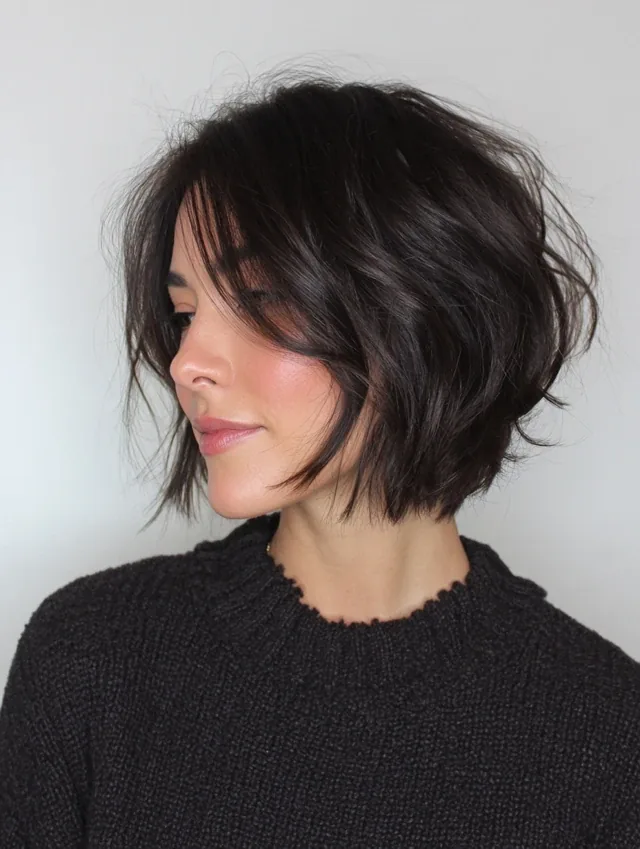
A textured lob — collarbone length with choppy, piecey ends — is one of the easiest cuts to keep fresh on oily hair, because the texture stops the lengths looking limp even when the roots start to shine.
How it hides oil: Textured ends break up the solid sheet of hair that makes oil obvious, and the lob length dries fast with natural movement.
Common mistake: Cutting the lob blunt and heavy, which is the one lob that shows oil fastest. Ask for textured, point-cut ends.
16. Choppy Bob With Texture Spray
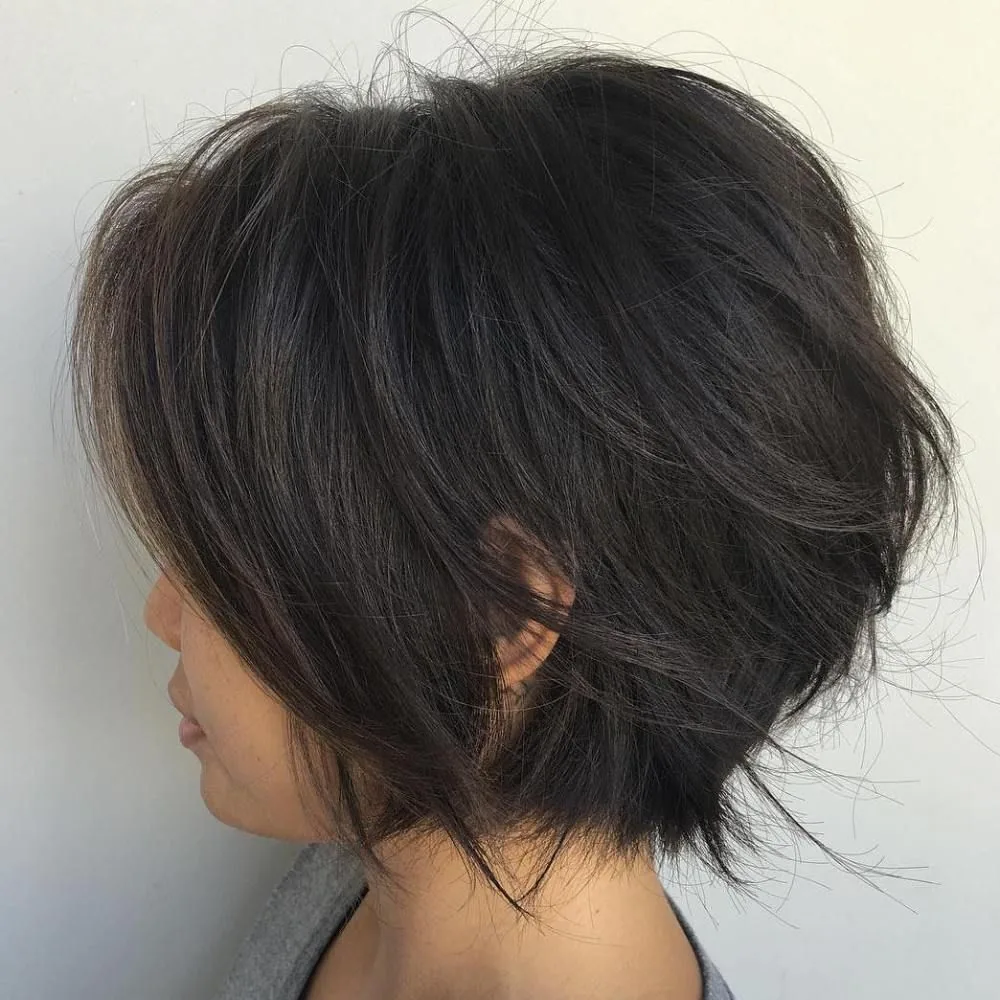
A choppy bob gives oily hair instant attitude and, more usefully, instant texture. Short hair also washes and dries faster, so the wash-day cycle itself gets easier.
Best day for it: Day 2 hair, when a quick scrunch of texture spray revives the bob without a full restyle.
Products that help: Texture spray or sea-salt spray scrunched into dry hair, and dry shampoo only at the part line.
17. Curtain Bangs Pinned Back
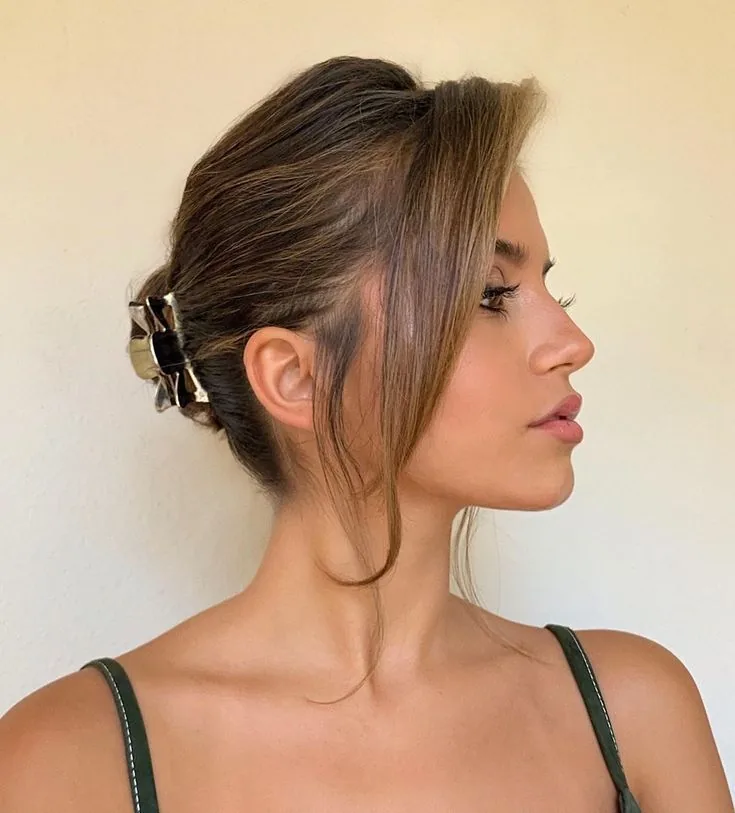
Curtain bangs are the first thing to look oily, because they sit on the forehead. Pinning them back on day two — swept to the sides with small clips — turns the problem section into a pretty detail.
Best day for it: Day 2 hair, when the bangs have gone limp but the rest of the hair is still fine.
How it hides oil: Clipping the bangs away removes the flat, separated fringe from the face and opens up the forehead.
18. Deep Side Part With a Teased Crown
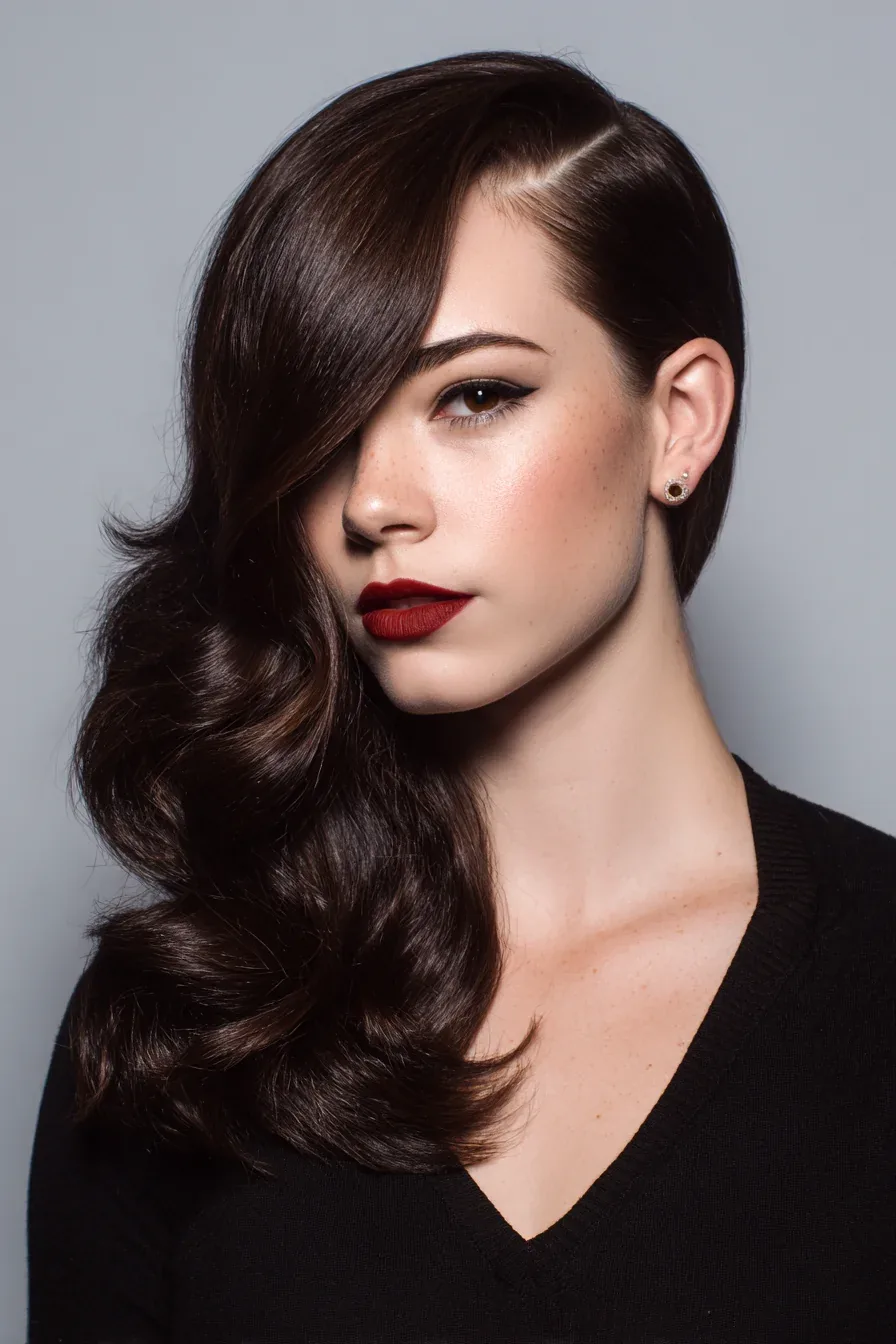
Flipping to a deep side part is the fastest root-volume trick there is: hair that has been lying flat in one direction suddenly has lift when it is swept the other way. A little gentle teasing at the crown locks it in.
How it hides oil: The new part breaks the established oily pattern, and the sweep across the forehead covers the oiliest area.
Products that help: Dry shampoo at the new part line, then a light hairspray to hold the sweep without stiffness.
19. Headband Style
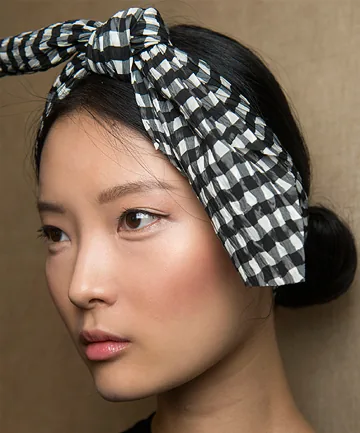
A headband is the simplest oily-hair accessory: it covers the hairline, pushes the front back, and turns second-day hair into a finished style in seconds. A wide fabric band covers more than a thin one.
Best day for it: Day 2 or day 3 hair, and growing-out bangs, when the front needs covering most.
Common mistake: Pushing the band too far forward, which squashes the crown flat. Sit it a few centimetres back and leave some lift in front of it.
20. Silk Scarf Low Ponytail
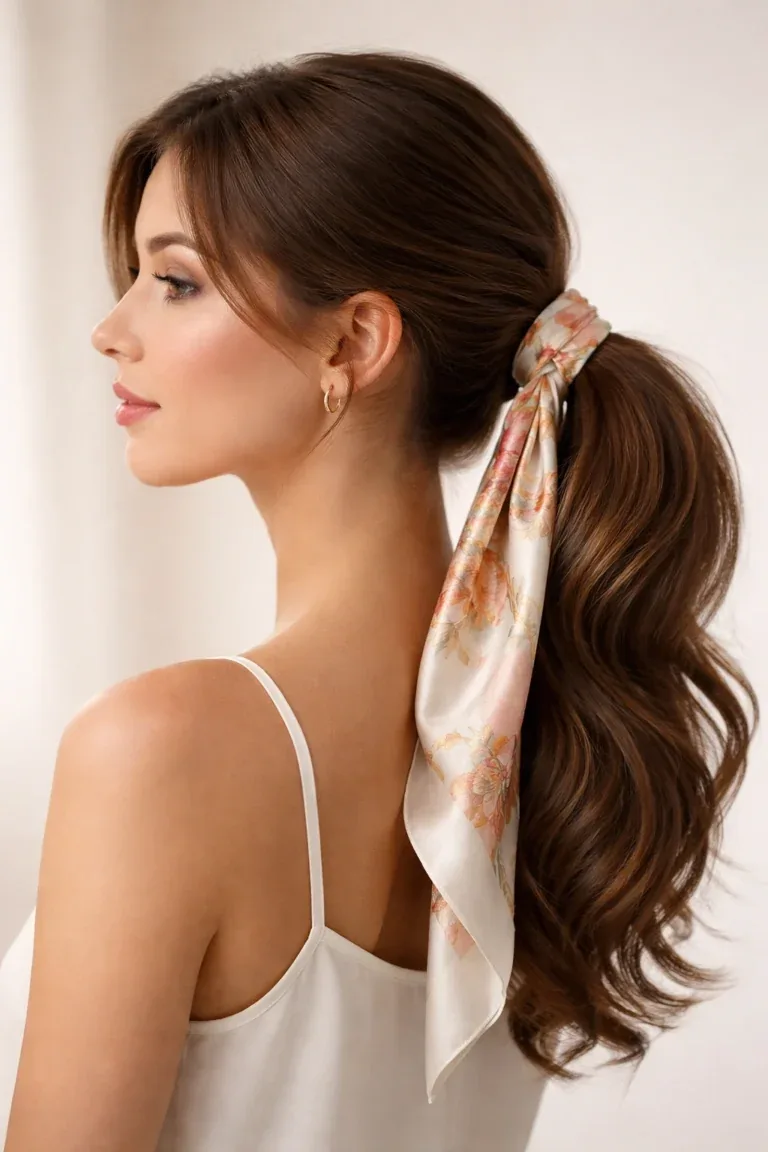
Wrapping a silk scarf around a low ponytail — or wearing it as a headband with the tail free — covers the roots elegantly and adds colour. It is the most polished of the day-three cover-ups.
Best day for it: Day 3 hair, when you want to look dressed up rather than rescued.
How it hides oil: The scarf sits exactly over the hairline and crown, and the ponytail contains the rest.
21. Space Buns

Space buns split the hair into two high buns, which doubles the camouflage: both sides of the crown are gathered up, and the playful shape makes day-three hair look like a choice, not a compromise.
How it hides oil: Two buns mean no flat root panel is left on show, and the centre part gives the style structure.
Products that help: Texture spray for grip before sectioning, and small bands that will not slip on smoother, oilier hair.
22. Twisted Half-Up Style
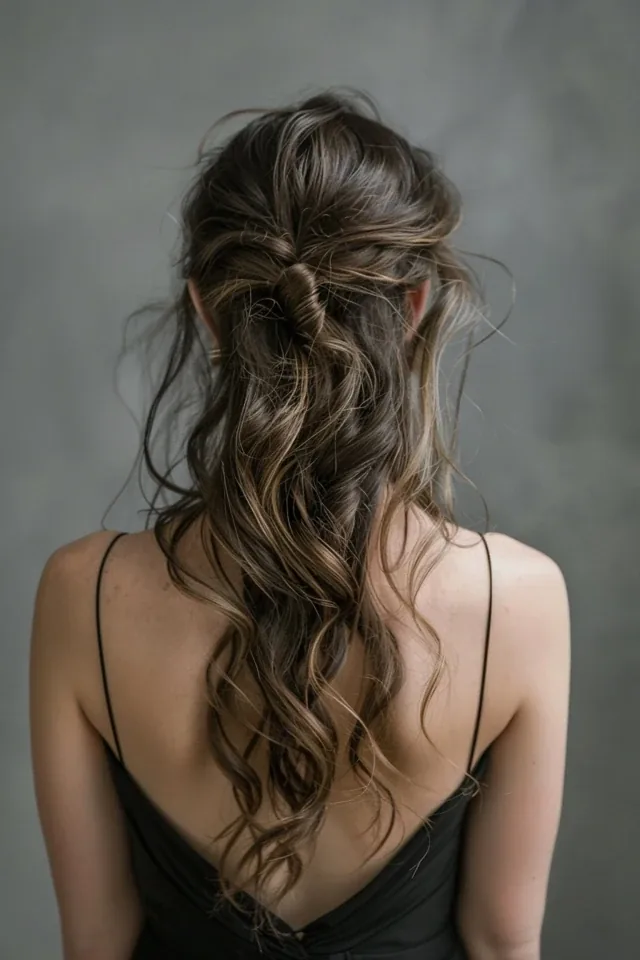
Twisting the two front sections back and pinning them gives the same benefit as a half-up clip, but with more texture and hold. The twists cover the front roots and add interest to otherwise flat day-two hair.
Best day for it: Day 2 hair, when the front sections are the oiliest and the back still looks good loose.
Common mistake: Twisting too tightly, which pulls the roots flat. Keep the twists soft and pull them slightly loose after pinning.
23. Rope Twist Ponytail
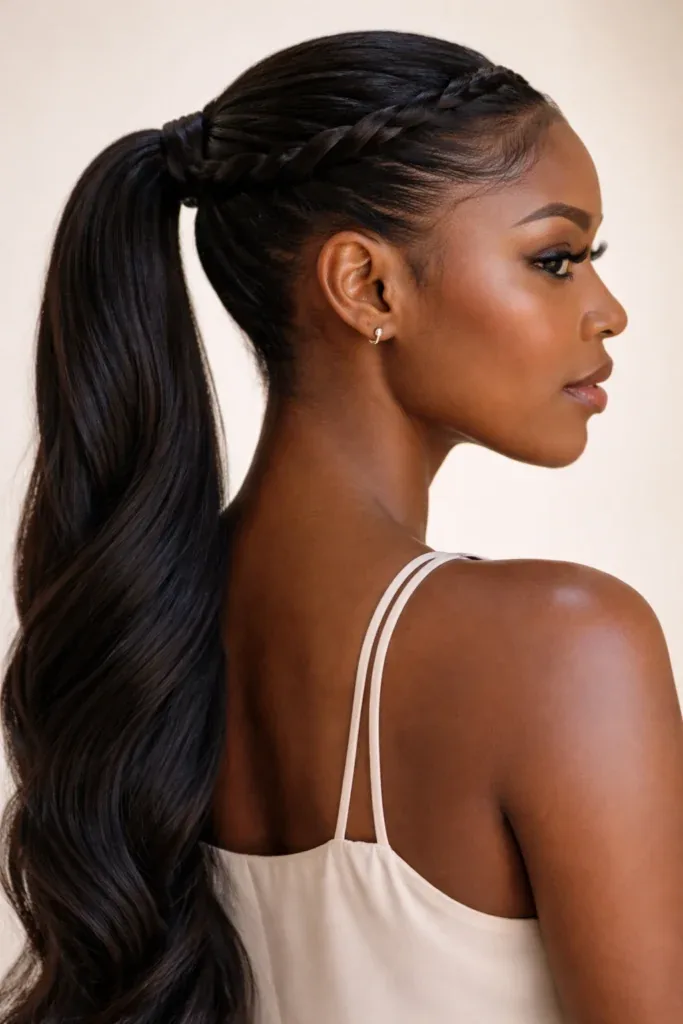
A rope twist ponytail — two sections twisted around each other — has a woven texture that hides oil far better than a plain ponytail, and it holds well on hair that is too smooth for a braid to grip.
Products that help: A little texture spray before twisting, so the rope does not unravel on slippery day-two hair.
How it hides oil: The twist’s ridges break up shine along the whole length of the ponytail, not just at the roots.
24. Messy French Twist
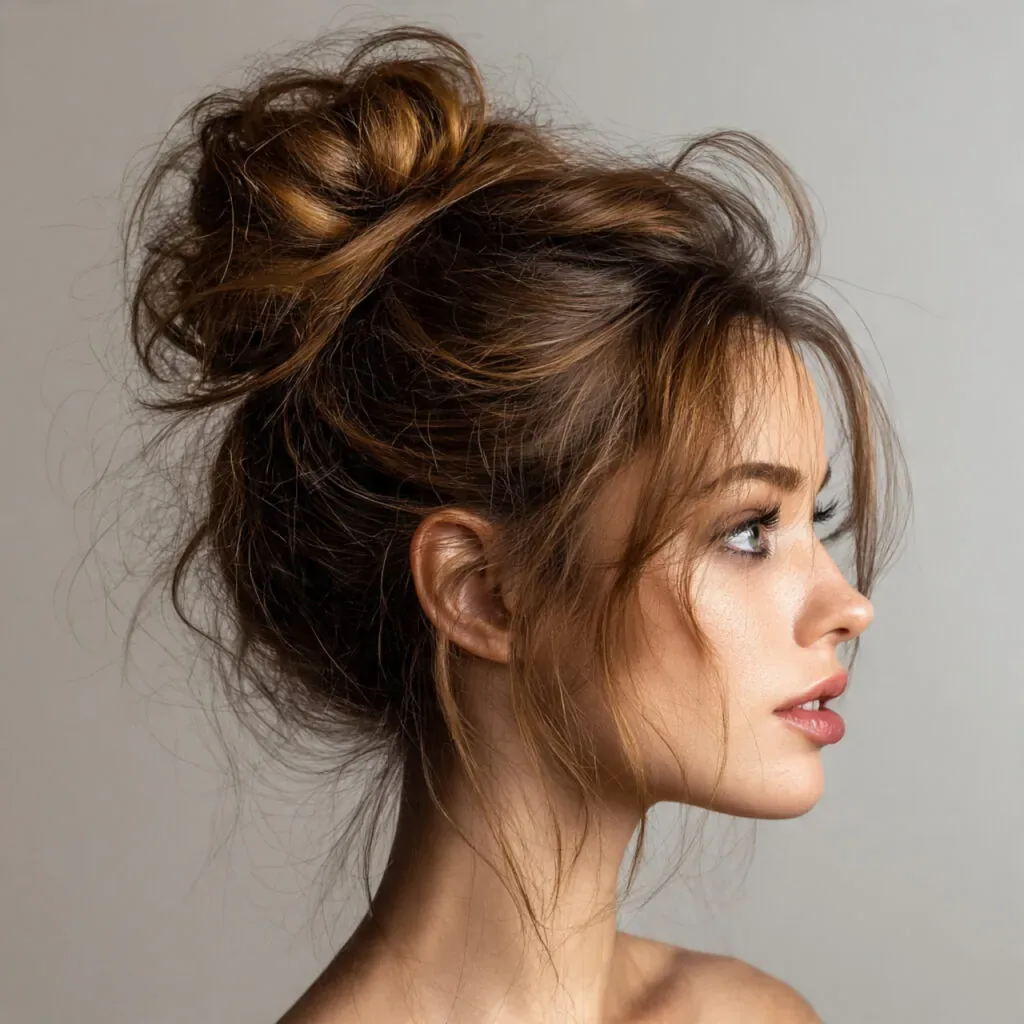
A French twist rolled loosely up the back of the head is an elegant day-three option that does not need sleekness. The messier version actually suits oily hair better, because the texture hides any unevenness.
Best day for it: Day 3 hair, for work, a dinner or an occasion when a bun feels too casual.
How it hides oil: All the hair is rolled away from the scalp into the twist, so no root area remains visible.
25. Low Chignon With Texture
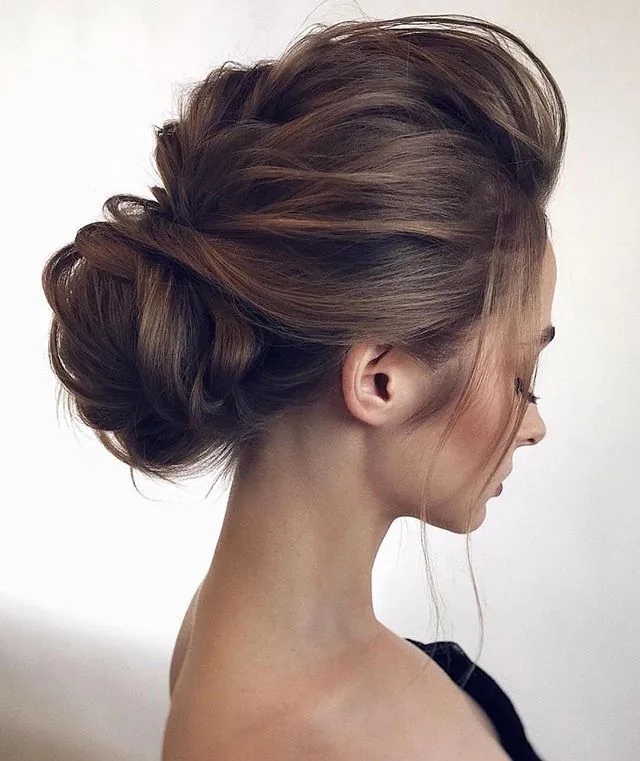
A low chignon — a soft, knotted bun at the nape — is the grown-up version of the messy bun. Teasing the crown slightly before gathering keeps it from looking flat, even on oily hair.
How it hides oil: The nape position keeps the style low and soft, while the gathered crown hides the roots.
Products that help: Dry shampoo at the crown, flexible spray to finish, and pins that match your hair colour so they disappear.
26. Crimped or Wavy Texture for Day Two
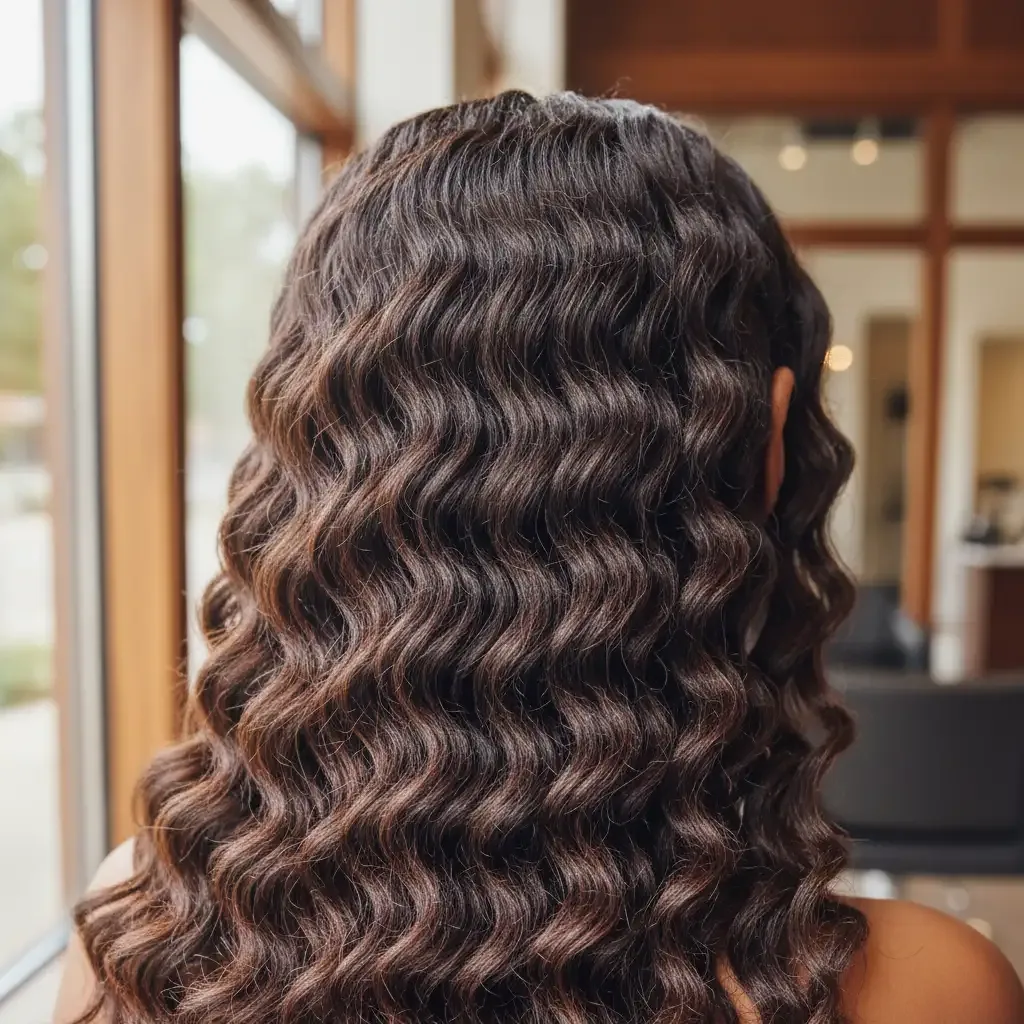
Adding crimp or loose waves to day-two hair is a texture reset: the new pattern breaks up the flat, oily fall and gives the lengths movement that distracts from the roots entirely.
Best day for it: Day 2 hair, when the lengths are still clean enough to restyle but the roots need a distraction.
Common mistake: Crimping or waving from the very roots, which can make the crown look frizzy. Start the texture from mid-length down.
27. Zigzag Part With Volume
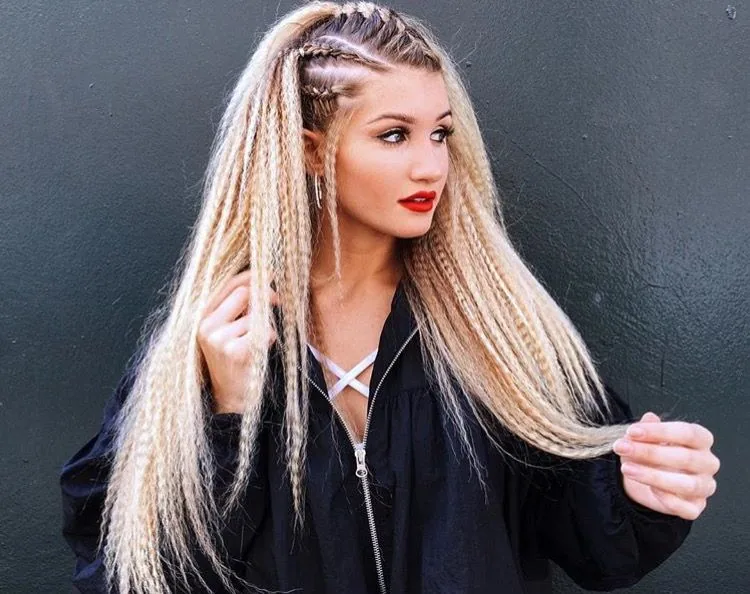
A zigzag part is a small change with a big effect on oily hair: it disrupts the straight line where oil is most visible, and the zigzag itself creates little lifts at the scalp that read as volume.
How it hides oil: Oil shows most clearly along a straight part line. A zigzag breaks that line into short segments that the eye does not follow.
Products that help: Dry shampoo along the zigzag, applied in sections, then a light spray to set it.
28. Slicked Pixie With Texture on Top
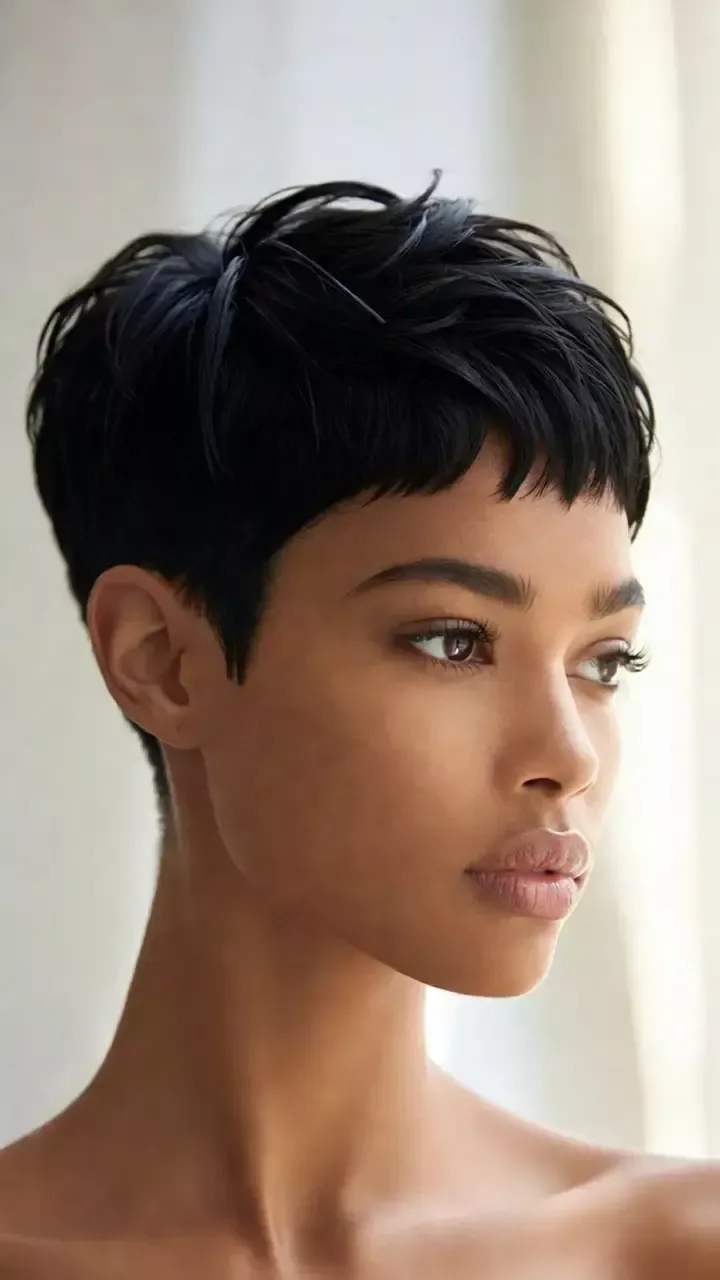
Short hair shows oil fast, but a pixie has an advantage: it is quick to refresh. Slicking the sides and leaving texture on top turns a greasy pixie into a deliberate, editorial style.
Best day for it: Day 2 hair, when a short cut needs a quick reset rather than a full wash.
How it hides oil: The slicked sides use the oil as hold, while the textured top keeps the style from looking flat.
29. Layered Shag for Oily Roots
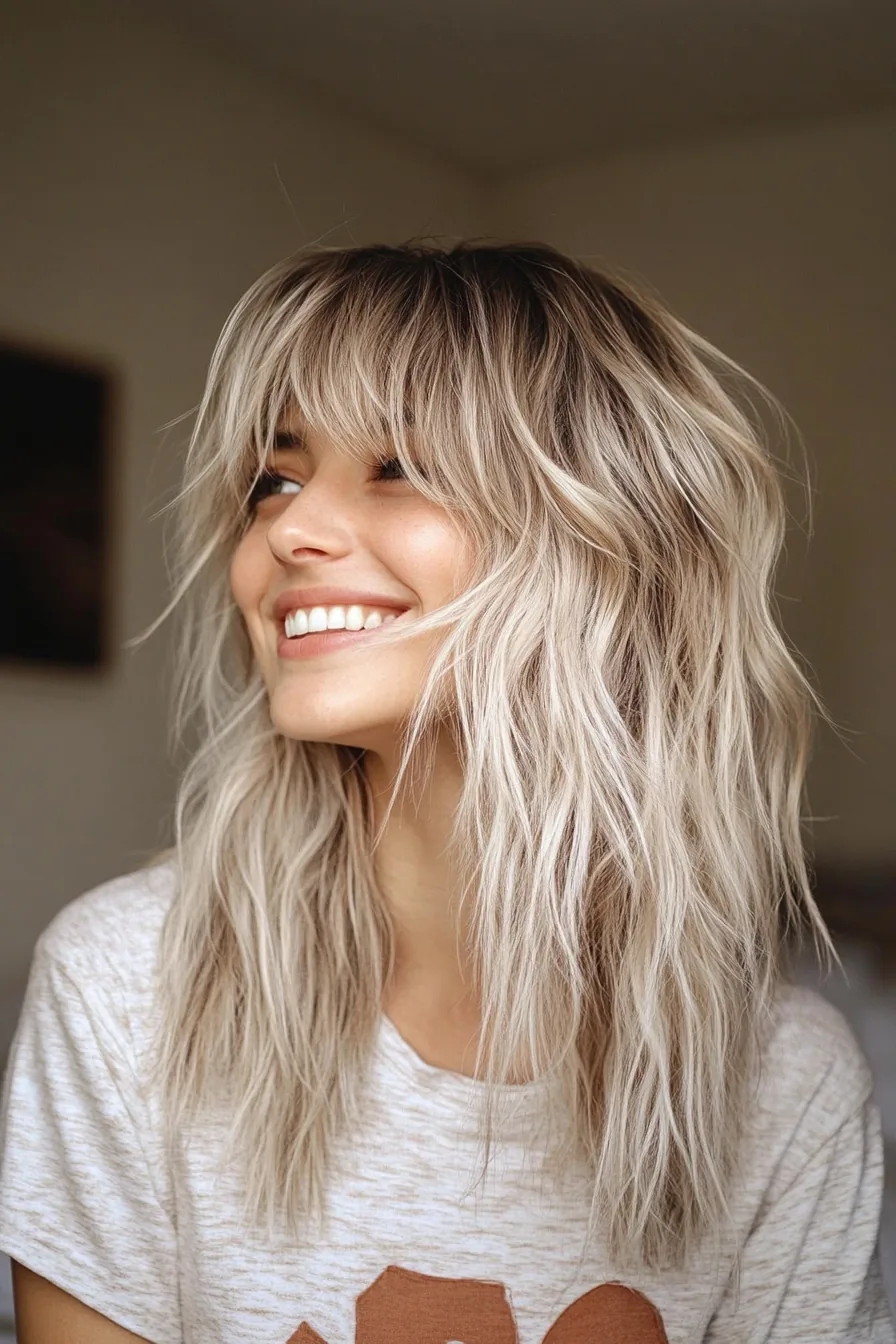
A shag layers texture through the crown, which is exactly where oily hair goes flat. The choppy layers create movement at the roots, so oil has less of a flat surface to show on.
Products that help: Texture spray scrunched into dry hair revives a shag on day two without washing.
Common mistake: Using heavy styling cream on a shag, which collapses the layers. Keep products light and matte.
30. Long Layers With Flipped Ends
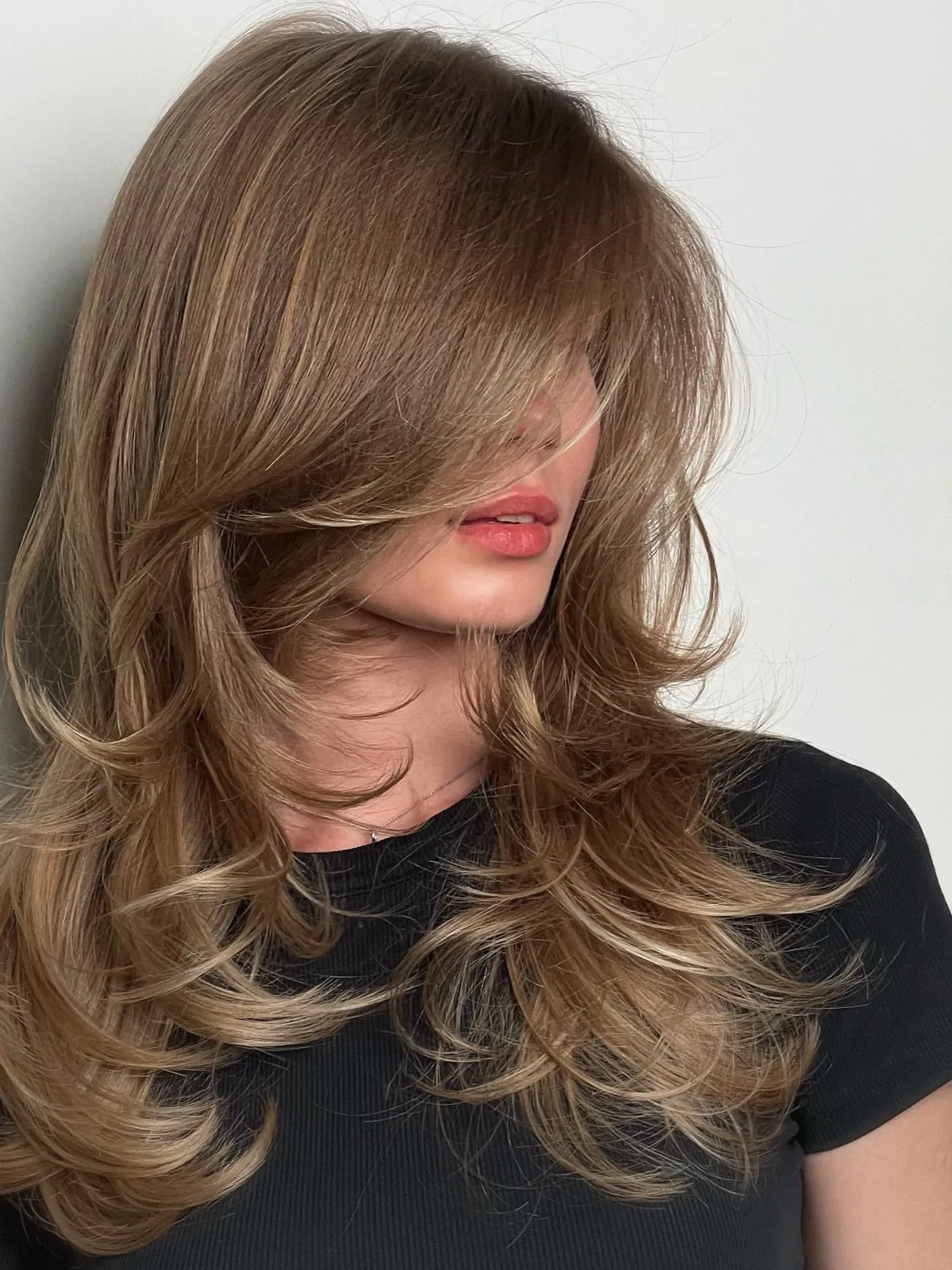
Long layers with ends flipped out give long oily hair a shape at the bottom to balance the roots at the top. The flip draws the eye down, away from the scalp, and adds movement to otherwise heavy hair.
Best day for it: Day 1 into day 2 hair, when the lengths still have bounce and the flip will hold.
How it hides oil: Face-framing layers break up the front panel of hair, and the flipped ends stop the style looking like one heavy sheet.
31. Braided Ponytail
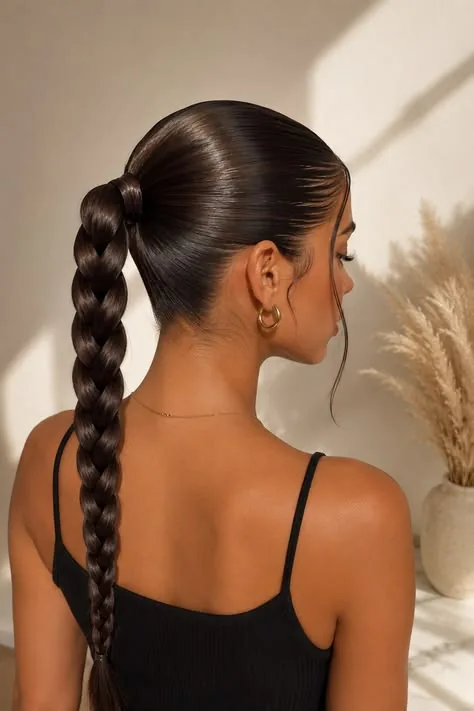
A braided ponytail combines the lift of a ponytail with the camouflage of a braid: the roots are pulled up and away, and the braid’s texture hides any oil that has travelled down the lengths.
How it hides oil: The ponytail base lifts the crown, and the braid replaces a smooth, shiny tail with a textured one.
Products that help: Texture spray before braiding, and a clear band at the end so the braid does not unravel on smooth hair.
32. Braided Headband Into a Low Bun
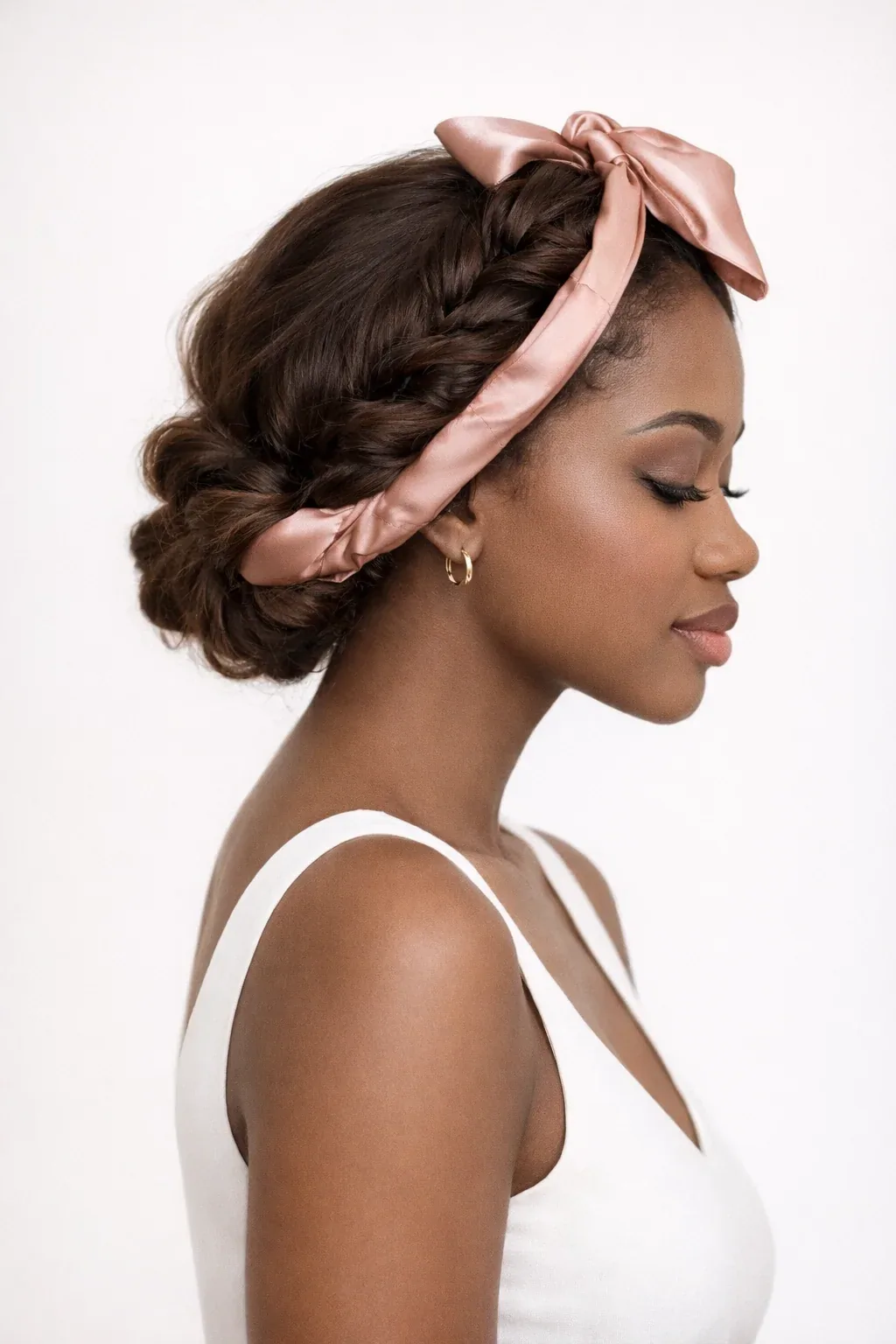
A small braid across the hairline, finished in a low bun, is the ultimate day-four rescue: the braid covers the front, the bun contains everything else, and the whole style looks put-together in under ten minutes.
Best day for it: Day 3 or day 4 hair, when loose styles are no longer an option and you still want to look polished.
Common mistake: Making the headband braid too thin, so it disappears into oily hair. Keep it chunky enough to be visible.
Products That Help Oily Hair — and Products That Weigh It Down
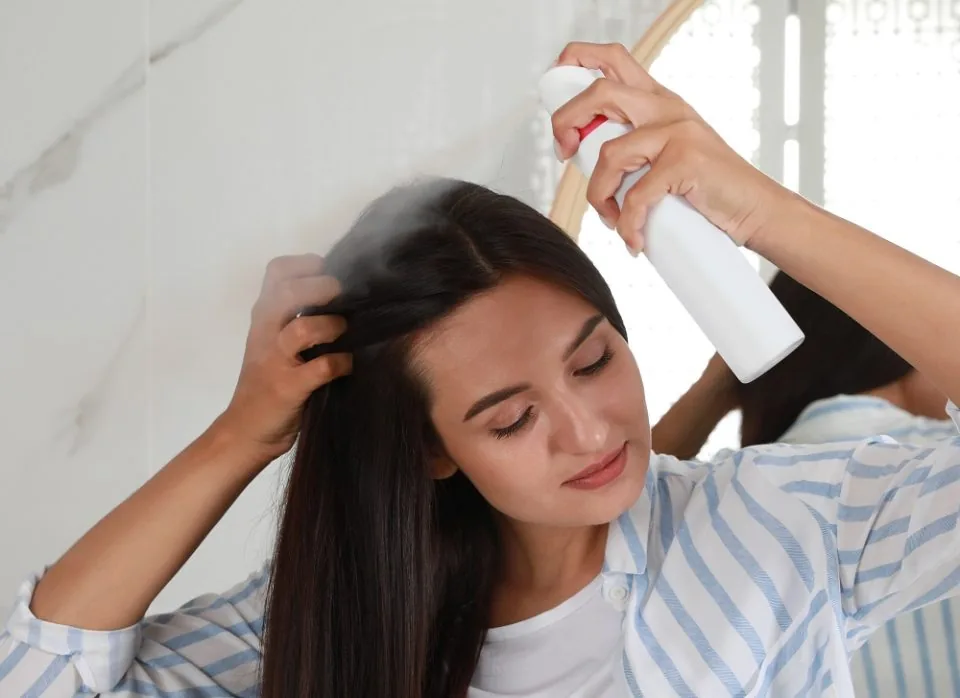
Light is the rule for oily hair. A volumising mousse or root-lift spray at the crown, a texture spray through the lengths, and a pea-sized amount of serum only on the ends will usually do more than a shelf of creams and oils. Dry shampoo, texture powder and a light hairspray are the workhorses of day-two and day-three styling.
What weighs hair down is equally clear: heavy oils and butters at the roots, thick leave-in creams combed through the crown, silicone-heavy serums near the scalp, and conditioner applied to the roots. Keep rich products on the ends, where hair actually needs them, and keep the roots as product-light as possible.
The Day Two and Day Three Refresh, Step by Step
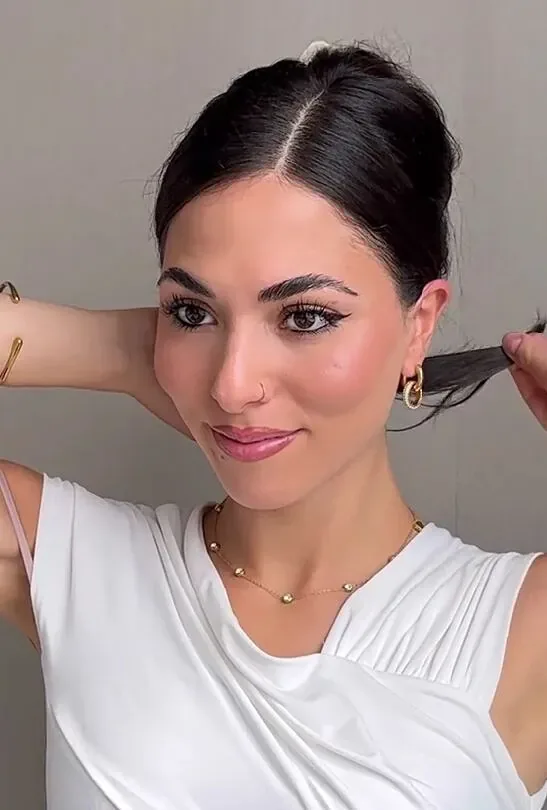
Day two refresh: shake out the hair, spray dry shampoo at the roots in sections, wait, massage and brush. Then add texture — scrunch a little texture spray into the lengths or wave the mid-lengths with a tong — and choose a style with grip, such as a half-up clip or a loose braid. Loose hair can still work on day two if the roots have lift.
Day three refresh: do not try to recreate day-one hair. Gather it up. A slick bun, a braided crown, a bubble ponytail or a scarf style all look intentional on day-three hair, and the natural oil actually helps them stay smooth and in place. A quick wipe of the hairline with micellar water, a fresh part, and a spritz of hairspray finish the rescue.
Colour Tricks That Camouflage Oily Roots
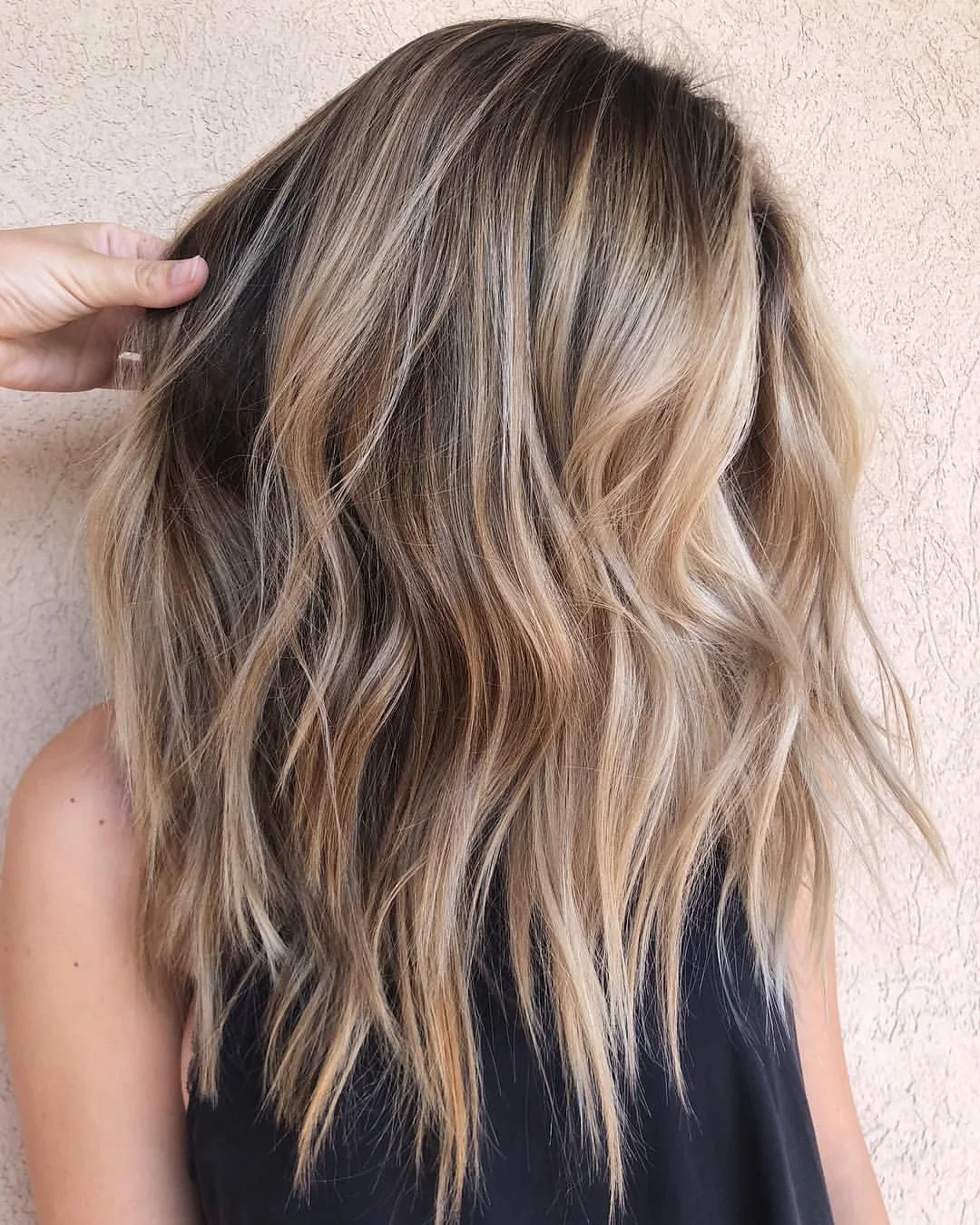
Colour can make oily roots less obvious, because it breaks up the solid, shiny panel at the scalp. Balayage and soft root shadowing keep the root area a little darker and more dimensional, so new oil blends in instead of standing out against a flat, light colour. Face-framing highlights have a similar effect: the eye goes to the lighter pieces, not the roots.
The opposite also holds: a single, very light, flat colour from root to tip shows oil fastest, because the contrast between the oiled root and the dry lengths is stark. If you love light hair, ask your colourist for dimension at the root rather than a solid lift, and use a purple or toning shampoo only on the lengths.
Habits That Make Oil Worse (and Easy Swaps)
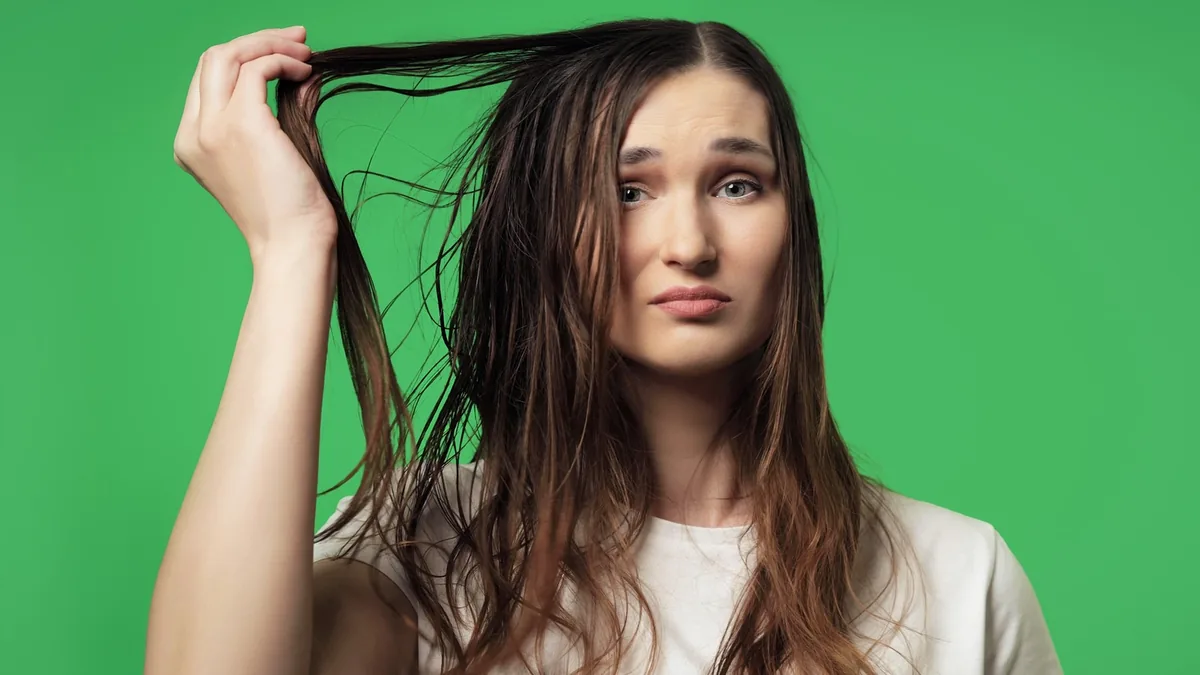
Some habits quietly feed the oil cycle. Washing in very hot water, shampooing twice every day, brushing oil from the roots down the lengths a dozen times a day, touching and twirling the hair, wearing tight hats all day, and sleeping on an unwashed pillowcase all push oil around or trigger more of it. Over-washing is the sneakiest: strip the scalp too hard and it often rebounds with more sebum.
Easy swaps help more than strict rules. Lukewarm water, one thorough scalp shampoo, a wide-tooth comb instead of constant brushing, a silk pillowcase washed weekly, and a hands-off rule once the style is set will usually buy you an extra half-day or a full day between washes, without any new product at all.
What is the best hairstyle for oily hair?
The best hairstyles for oily hair are updos that gather the roots away — a high messy bun, a slicked-back low bun, braids, or a bubble ponytail. They hide the oiliest area and use the hair’s natural grip and shine instead of fighting them.
How can I make oily hair look less greasy without washing it?
Spray dry shampoo onto dry roots before the oil peaks, wait two minutes, massage it in and brush through. Then change the part, add root lift with a little teasing, or gather the hair into a braid or bun. Hands off the hair afterwards keeps it fresher for longer.
Is it bad to wash oily hair every day?
Washing every day is not harmful for everyone, but for many people it strips the scalp and triggers more oil production, creating a cycle. Try stretching to every other day with dry shampoo and updos on the in-between day, and use lukewarm water and a gentle shampoo.
Does dry shampoo damage oily hair?
Dry shampoo does not damage hair when used occasionally, but daily build-up can clog follicles, irritate the scalp and make hair look dull. Use it on day two or three, not every day, and wash it out thoroughly on wash day.
What haircut is best for oily hair?
Cuts with layers and texture at the crown — a textured lob, a choppy bob, a shag or long layers — help most, because they keep the roots from lying flat. Blunt, heavy, one-length cuts show oil fastest, because the hair falls as one flat, shiny panel.
Why does my hair get oily so fast?
Some scalps naturally produce more sebum, and fine or straight hair shows it sooner because oil travels down a smooth shaft easily. Hormones, humidity, hot water, heavy products at the roots and touching your hair often can all speed it up.
How do I use dry shampoo on dark hair without white patches?
Spray from about 20 centimetres away in short bursts, wait two minutes before massaging in, and brush through thoroughly. A tinted dry shampoo made for dark hair, or tapping loose powder in with a fluffy brush, avoids the white cast.
Can braids help with oily hair?
Yes, braids are ideal for oily hair because they grip better on second- and third-day hair than on freshly washed hair, and their woven texture hides shiny roots. Dutch braids, fishtail braids and a braided crown all work well.
Should I put conditioner on oily roots?
No, conditioner should go on mid-lengths and ends only. Conditioner on the roots adds weight and oil exactly where the scalp already makes enough, and it makes hair go flat faster between washes.
How often should I wash oily hair?
Most people with oily hair do well washing every one to two days, with dry shampoo and updos stretching the gap. If your scalp is itchy, flaky or sore, or oil increases suddenly, check with a dermatologist rather than just washing more often.
Conclusion
Oily hair does not need a war against your scalp. It needs styles that understand it: updos that use the grip, sleek styles that use the shine, cuts that lift the roots, and a refresh routine that starts before the oil peaks. That shift — from hiding the problem to working with it — is what makes wash day stretch from a chore into a choice.
Start with one style from this list on your next day-two or day-three morning, and keep the products light and the hands off once it is set. You may find, as many people with oily hair do, that the styles you once reached for only in desperation become the ones you actually prefer.