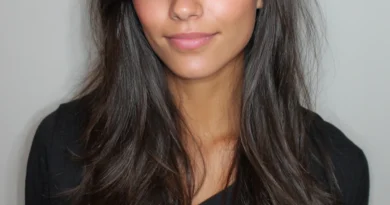
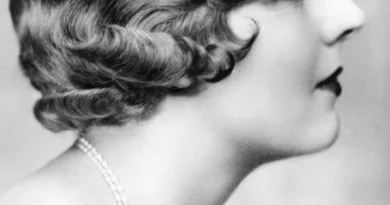
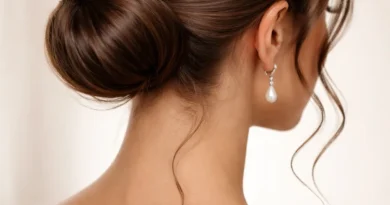
Hairstyles for Teenage Girls That Actually Work for School, Sports and Weekends
Finding a hairstyle you actually like as a teenager is harder than it looks. The styles in magazines are often too complicated, too grown-up, or take far too long on a school morning — and the ones on social media can feel impossible to copy without a whole drawer of tools. This guide is different: every hairstyle here is one a teenager can really wear, to school, to sports, to a party or just around the house, without needing a salon visit or a lot of money.
Inside you will find 40 hairstyles for teenage girls — braids, buns, ponytails, waves and haircuts that suit every hair type, from straight to curly, fine to thick, short to long — plus eight short guides on the things that actually matter: school rules, choosing a style for your hair type, a five-minute morning routine, how to ask for a haircut, braiding basics, heat-free styling, hair care, and the accessories that do the work. Each style comes with an honest note on how long it takes, who it suits best, and what usually goes wrong, so you can pick with confidence.
Do School Rules Actually Limit Your Hairstyle? What to Check First
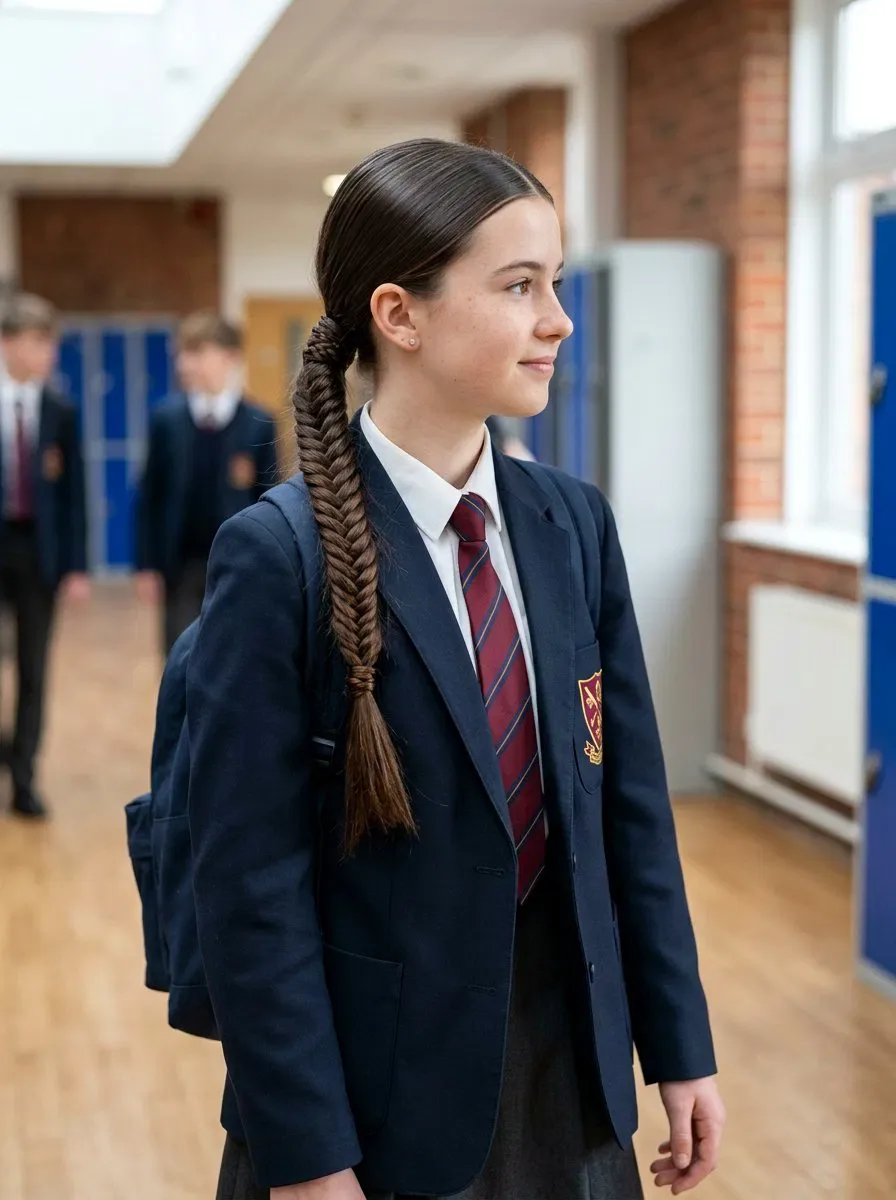
Before falling in love with a hairstyle, it is worth a two-minute check of what your school actually allows. Most schools are fine with braids, buns, ponytails and clips, but some have rules about unnatural hair colours, very long loose hair in labs or PE, or large accessories. The good news is that almost every popular teen style has a school-safe version — a high ponytail can be lowered, a bright scrunchie can be swapped for a plain one, and loose hair can be braided back for science class.
Quick verdict: choose styles that stay put, keep hair out of your face, and take under five minutes. If a style needs constant fixing, it will distract you all day. Keep a small pouch in your bag with two hair ties, a couple of bobby pins and a claw clip — that little kit rescues almost any school-day hair emergency, from a broken tie to a fringe that will not stay put.
Finding Your Match: How Hair Type and Length Change Everything
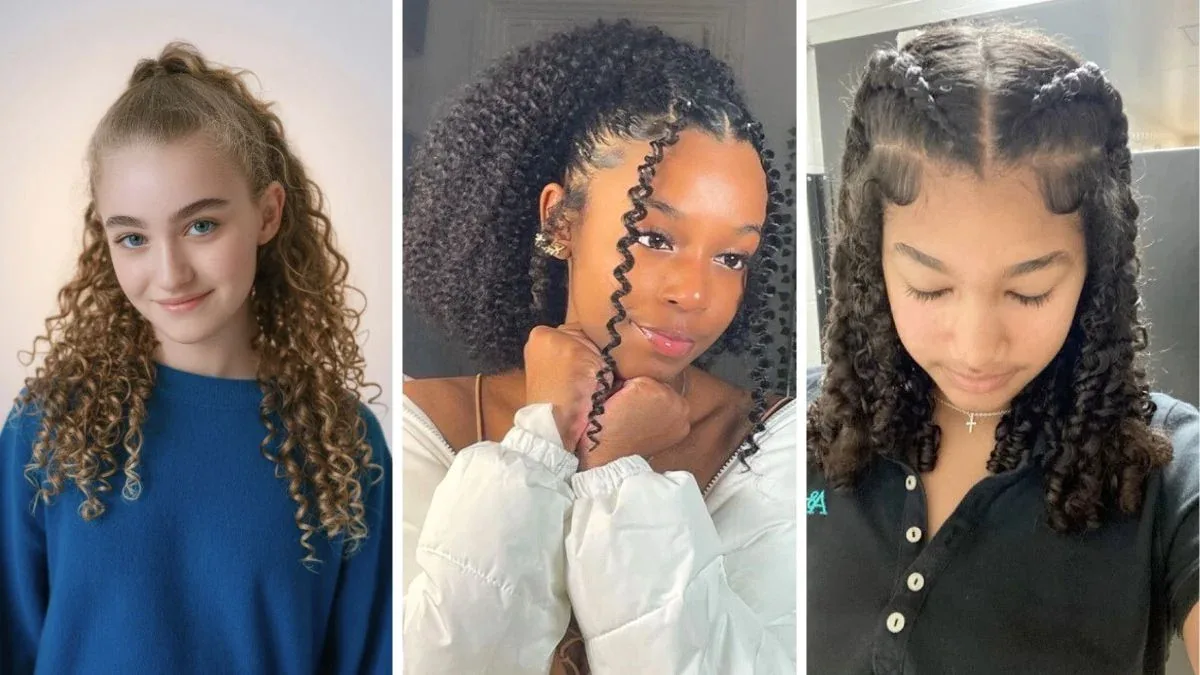
Hair type matters more than trends. Straight hair holds sleek ponytails and sharp bobs beautifully but can slip out of braids, so a little texture spray helps. Wavy hair is the easiest for beach waves, messy buns and half-up styles because the texture is already there. Curly and coily hair looks amazing in puffs, braided crowns and twist-outs, but needs moisture first — dry curls frizz, moisturised curls hold their shape. Thick hair can carry big buns and bubble ponytails; fine hair looks fuller with layers, braids pulled gently apart, and smaller, neater buns.
Length matters too. Shoulder-length hair can do almost everything on this list except very long braids. Very long hair suits braids and low buns best, because high styles get heavy by lunchtime. Short hair is not limiting at all — space buns, mini braids, clips and headbands were practically made for bobs and lobs. The trick is to pick styles that work with what you have, not against it, and to try a new style at home on a weekend first, never on a school morning.
The 5-Minute Morning: A Routine That Gets You Out the Door
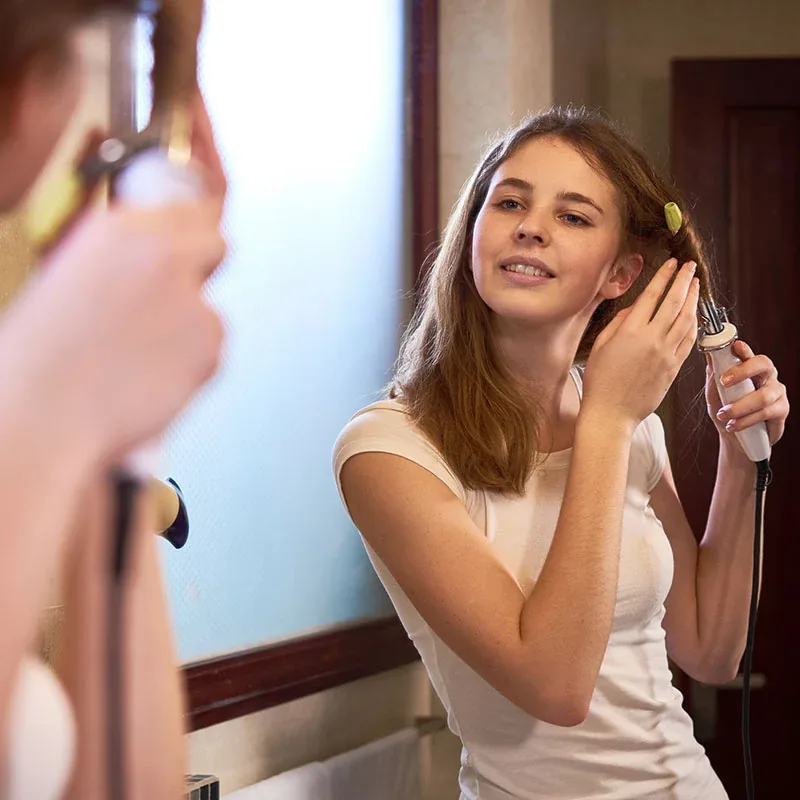
Mornings are not the time for a complicated hairstyle. The fastest routine is also the most reliable: brush through last night’s tangles, decide on one style, and stick to it. A low ponytail, a claw-clip twist or a single French braid each take about three minutes once you have practised them twice. Lay out your hair tie or clip the night before, and keep a small mirror by the door for a last check.
Time-saving trick: do the hard part the night before. Sleep in two loose braids for heat-free waves in the morning, or put your hair in a loose pineapple bun so curls keep their shape overnight. On wash day, a little leave-in conditioner or curl cream goes a long way — damp hair styled once holds better than dry hair restyled three times. If you are running late, a slicked-back ponytail or a messy bun is always faster than trying to fix a style that is not working.
How to Ask for a Haircut Without Regretting It
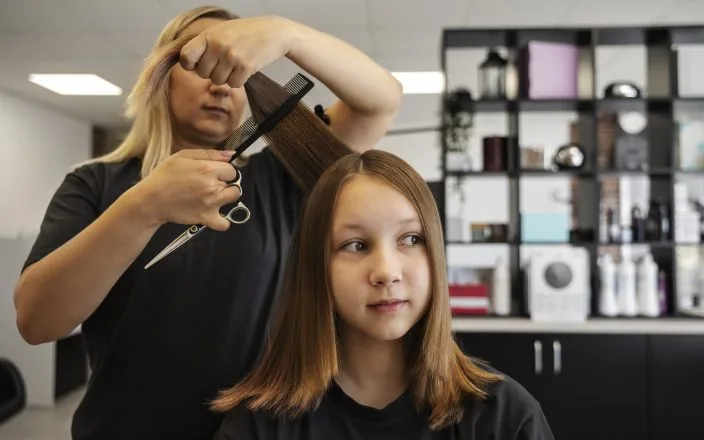
Getting a haircut as a teen can feel nerve-wracking, especially the first time you ask for something new. The best approach is simple: bring two or three photos of girls with hair like yours, point at what you like, and say what you do not want. “Layers, but not too short” is far more useful than “just a trim”, and “I want to still tie it up” tells the stylist exactly where the length needs to stay. Talk to a parent first about budget and about colour — most salons need a parent’s okay for colour or chemical treatments.
Ask three questions before the cut starts: how short will the front be, will I still be able to tie it up, and how do I style this at home? A good stylist will show you, not just tell you. And remember, hair grows — a cut that feels too short in week one usually feels just right by week three, once you have learned how to style it. If you are unsure, ask for the longer version of the cut first.
1. The Classic French Braid

The classic French braid is the school hairstyle that never goes out of style, and for good reason: it keeps every strand out of your face, survives PE, and still looks pretty at the end of the day. Start at the crown, add small sections as you go down, and keep the tension even — not so tight it hurts, not so loose it falls apart by second period. It works on straight, wavy and curly hair, and it looks better the second day, when the braid has a little softness to it.
Best for: school days, sports practice, and days when you do not want to think about your hair. How to style: brush hair smooth, start with three small sections at the top, and add hair from each side as you braid down. Time: about five minutes with practice, three once you can do it without a mirror. Common mistake: starting too low — begin high at the crown or the braid will sit too far back.
2. The Dutch Braid (The One That Pops Out)
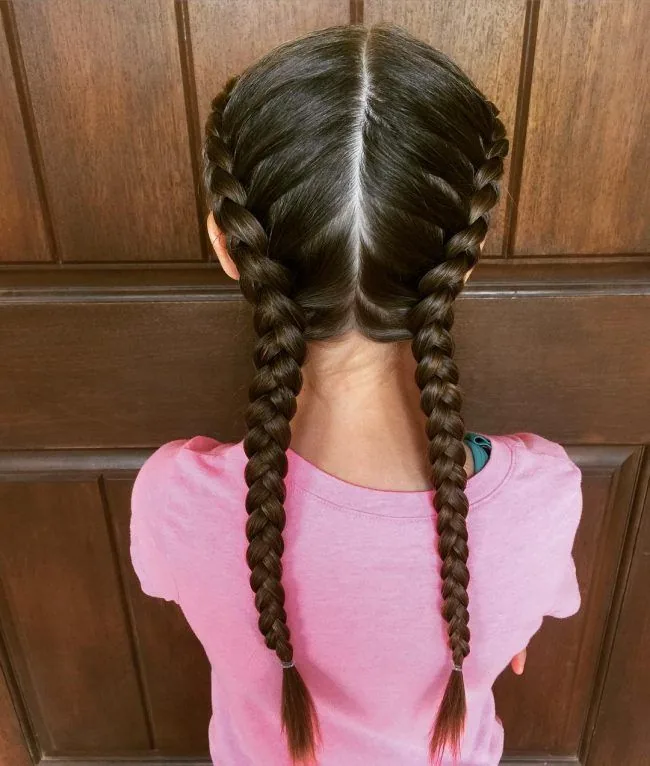
A Dutch braid is a French braid in reverse: instead of crossing sections over the top, you cross them underneath, so the braid sits on top of the hair like a raised rope. It looks bolder than a French braid and photographs beautifully, which is why it is all over teen hairstyles on social media. It is also more secure — the raised braid holds its shape through sports, dancing and windy days.
Pros: looks more dramatic than a French braid, holds up all day, and suits thick hair especially well. Cons: it takes a little longer to learn, because the underhand motion feels backwards at first. Practice on a weekend while watching something, and after three tries your hands will know the movement. Who should avoid it: nobody, really — but if your hair is very fine, add a little texture spray first so the braid has something to grip.
3. The Fishtail Braid
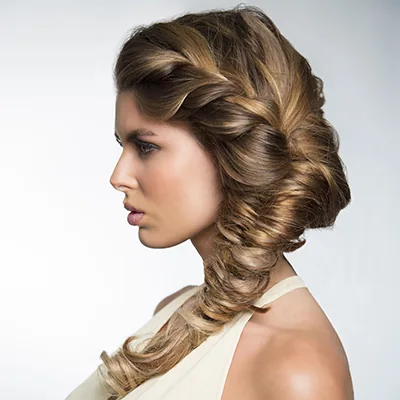
The fishtail braid looks far more complicated than it is. You only use two sections instead of three, taking a thin strand from the outside of one side and crossing it to the other, over and over. The result is a fine, detailed braid that looks like a fishtail — delicate, a little boho, and perfect for weekends, parties and photos. It suits long hair best, because the pattern needs length to show.
Quick verdict: the prettiest braid on this list, and the easiest to dress up. Wear it neat for a formal look, or gently pull the edges apart for a soft, messy fishtail. Styling time: five to eight minutes, longer if your hair is very long. Maintenance: none — it is a one-day style. Who should avoid it: very short hair, which cannot hold the pattern, and anyone in a rush — this one rewards patience, not speed.
4. The Bubble Ponytail
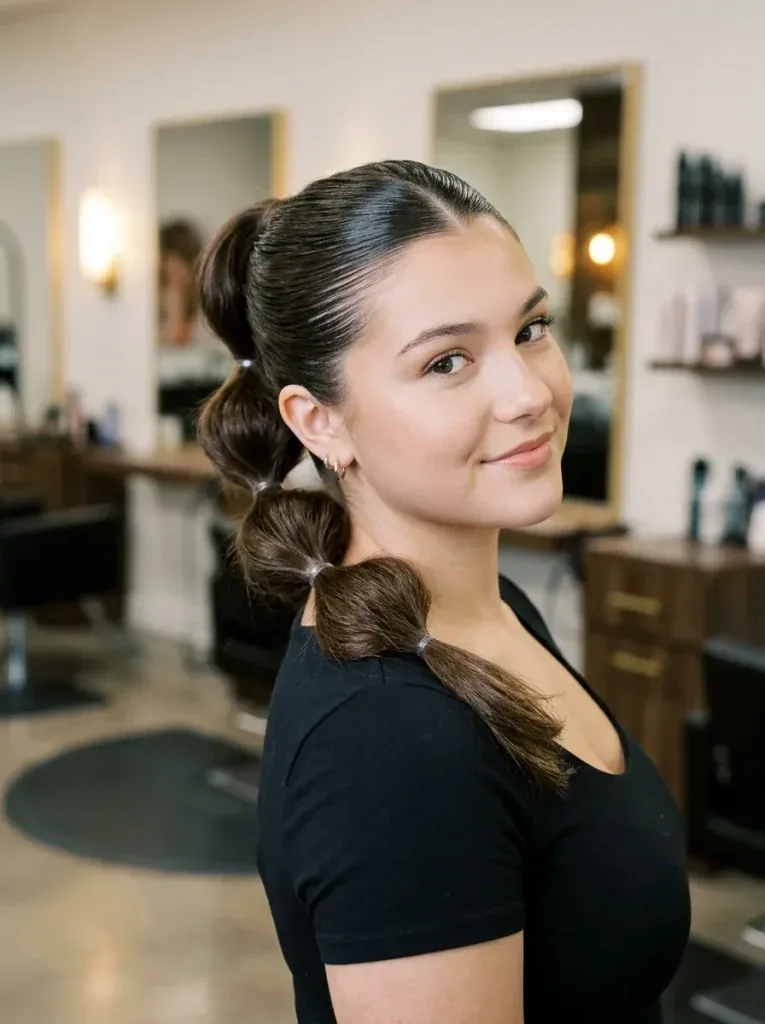
The bubble ponytail is the easiest statement hairstyle on this list: a normal ponytail, divided into sections with small hair ties, with each section gently pulled out to make a bubble. It takes two minutes, needs no heat, and looks like you tried much harder than you did. It works best on medium to long hair, and it is a favourite for school, dance practice and casual parties.
How to style: tie a high or mid ponytail, add ties every few inches down the length, then gently tug each section wider. Use clear or coloured mini elastics, and wrap a strand of hair around the top tie to hide it. Cost: almost nothing — a pack of mini elastics costs very little and lasts months. Common mistake: pulling the bubbles too hard and making them uneven — tug a little at a time and check in the mirror as you go.
5. The High Ponytail With a Ribbon
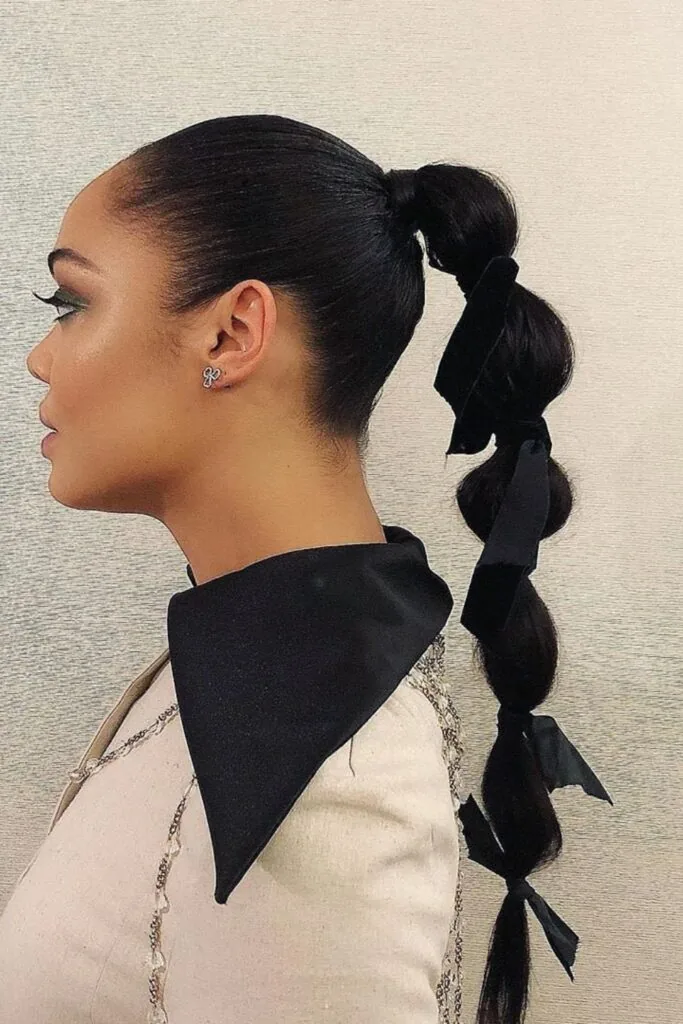
A high ponytail with a ribbon is simple, sweet and instantly put-together. The ponytail itself is classic — high, smooth, and secure — and the ribbon adds the personality: a black ribbon for school, a satin one for a party, a bright colour for a weekend. It suits straight and wavy hair, and it keeps hair completely out of your face, which makes it a great choice for exams, sports and hot days.
Best for: school, sports, and any day you want to look polished with almost no effort. How to style: brush hair up high, secure with a strong tie, smooth the top with a brush or a little gel, then tie a ribbon around the base in a bow. Time: three minutes. Who should avoid it: very heavy, very long hair, which can pull at the roots in a high ponytail — in that case, wear it at mid-height instead.
6. The Low Ponytail
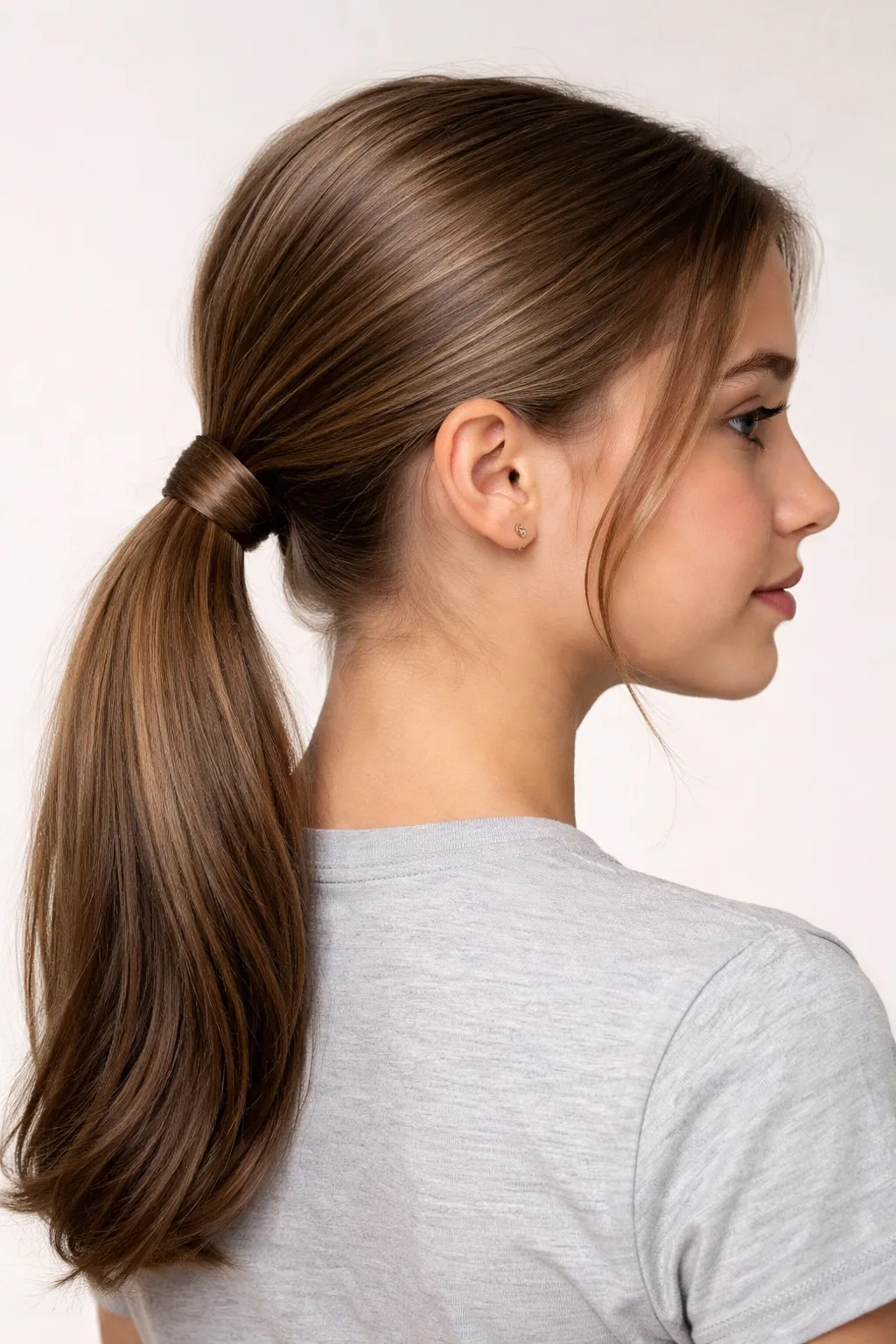
The low ponytail is the quiet classic: neat, elegant and completely school-safe. It sits at the nape, keeps hair tidy without pulling, and works with almost any outfit. It is also the ponytail that suits every hair type — straight hair looks sleek, wavy hair looks soft, and curly hair looks full and pretty in a low pony. Add a centre or side part to change the whole feel.
Pros: comfortable all day, no headaches, and it takes about a minute. Cons: it can look plain on its own, so dress it up — wrap a strand around the tie, add a scrunchie, or braid a small section into it. Quick verdict: if you only learn one ponytail, learn this one. It is the style you will reach for on busy mornings, bad hair days and everything in between.
7. The Messy Bun
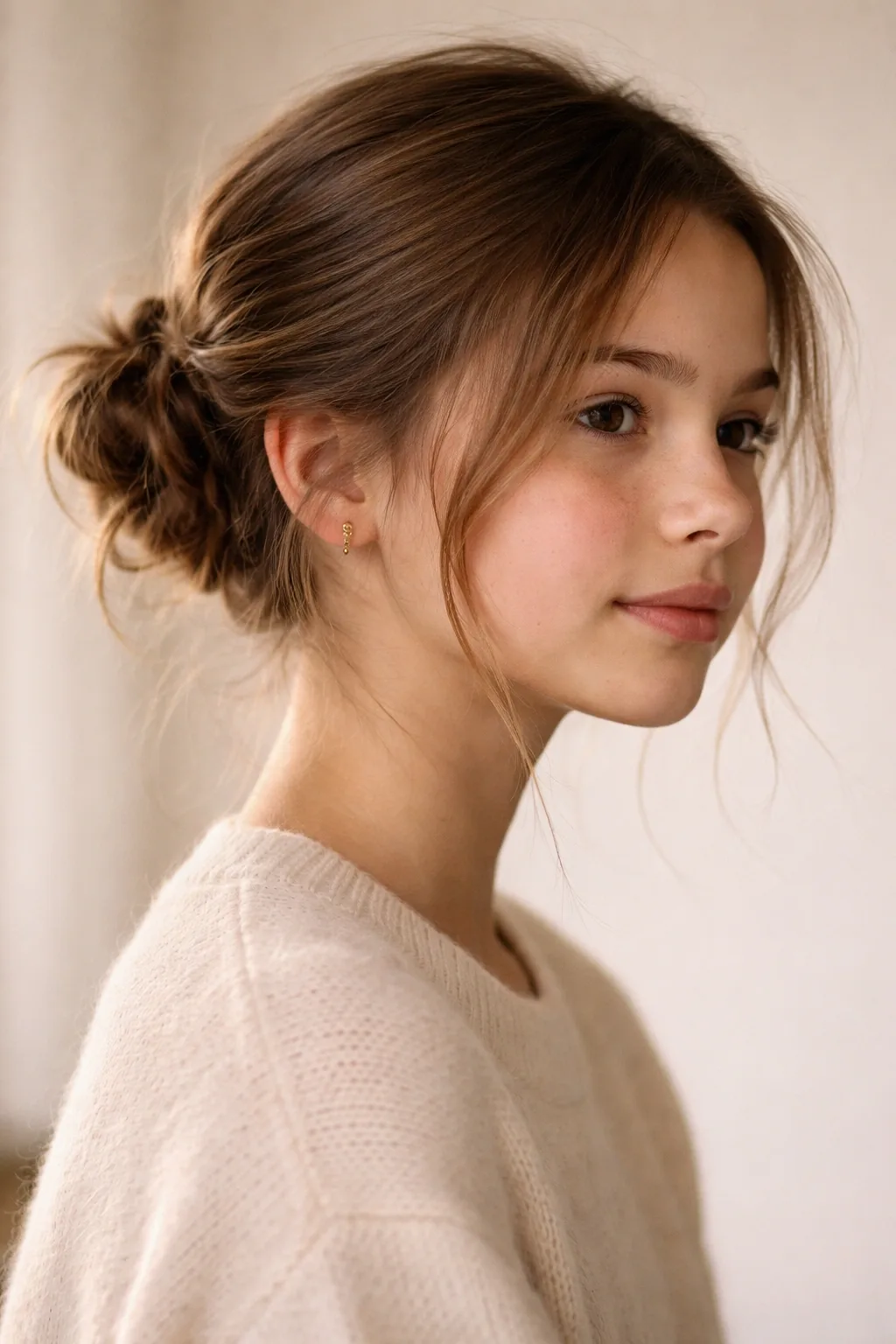
The messy bun is the ultimate lazy-day hairstyle, and the trick is that a good messy bun is not actually messy — it is loosely gathered, with a few soft pieces pulled out around the face. Twist your hair up, secure it with a tie or pins, then gently tug a few strands loose. It works on second-day hair better than on freshly washed hair, because a little texture helps it hold.
Styling time: two minutes, and it is faster the more you practise. Best for: weekends, study sessions, and days when you want your hair up but do not want to look too done. Common mistake: making it too tight — a tight bun is a sleek bun, not a messy one. If it falls apart, that is fine; just re-twist it and go. Who should avoid it: very short hair, which will not reach a bun — try a half-up bun instead.
8. Space Buns
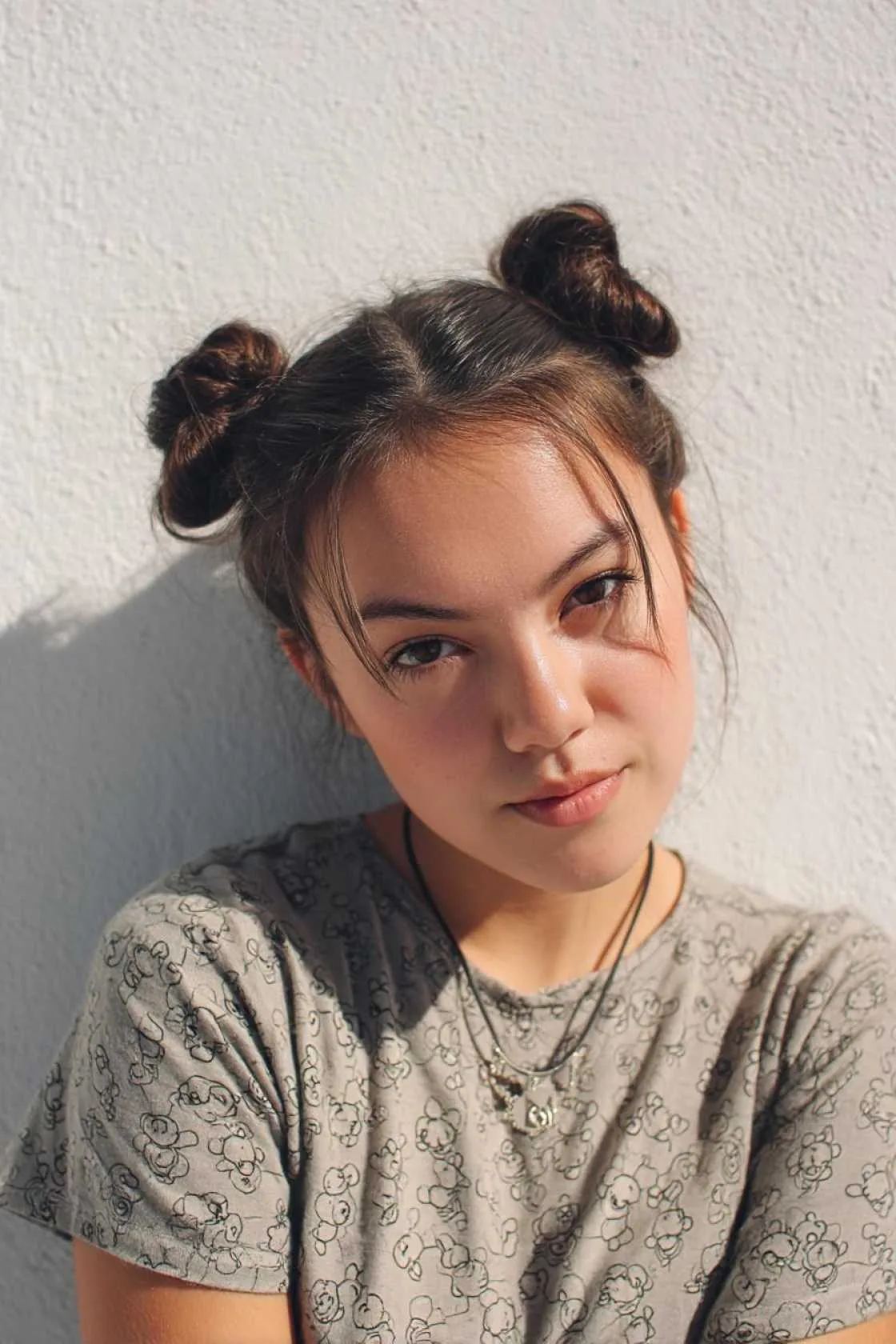
Space buns are two buns worn high on either side of the head, and they are pure fun: playful, cute and perfect for festivals, parties, photo days and weekends. They work on medium and long hair, and they look great with braids leading into them, loose face-framing strands, or a little glitter. They are also surprisingly practical — hair stays up and out of the way all day.
How to style: part hair down the middle, make two high ponytails, twist each into a bun and pin. Time: five minutes. Pros: fun, secure, and great for thick hair. Cons: not every school allows them, and they take a little practice to make even — use a mirror and check from the front, not just the side. Who should avoid them: anyone who wants a low-key look — space buns are meant to be noticed.
9. Boxer Braids (Double Dutch Braids)
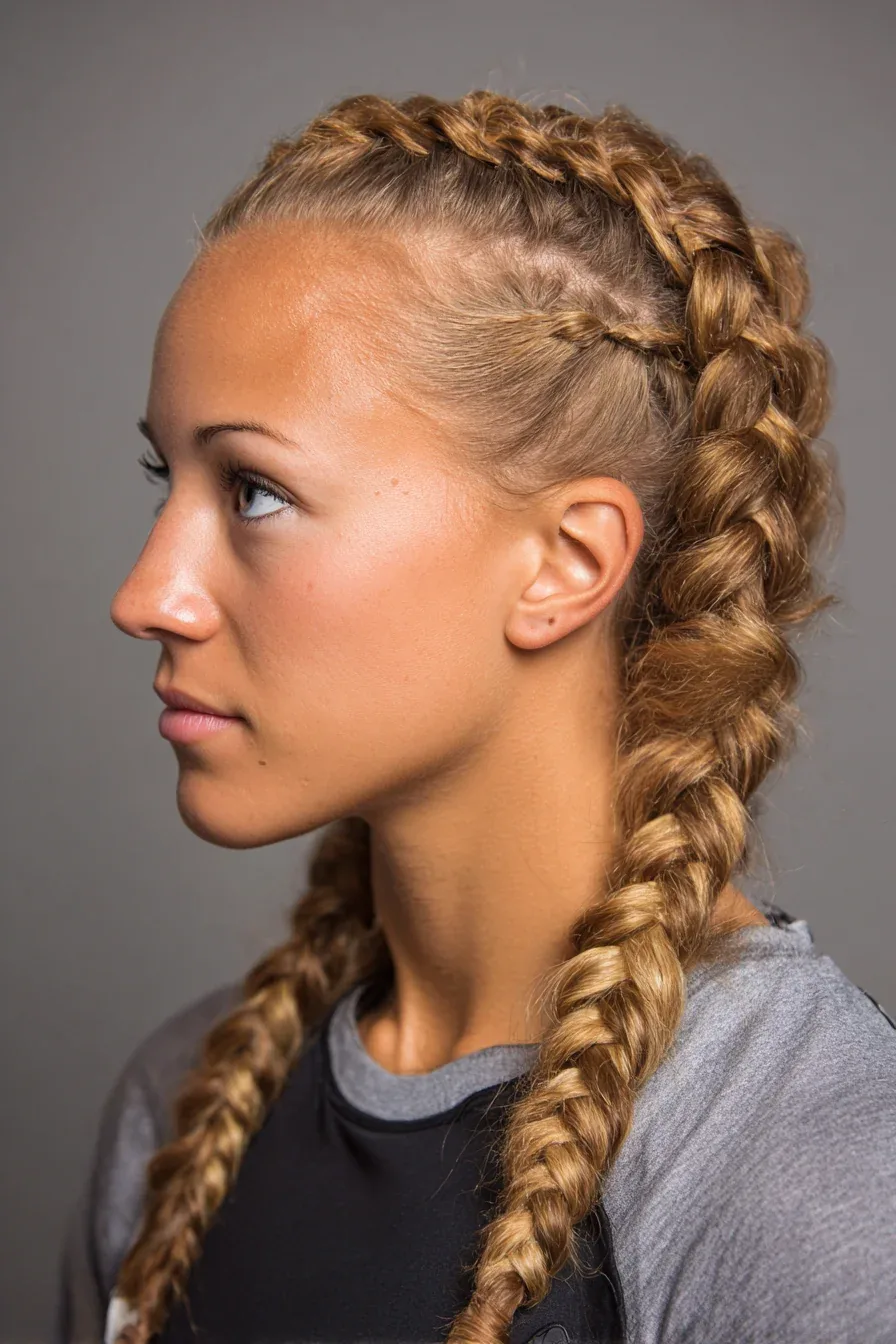
Boxer braids are two Dutch braids, one on each side, and they are the go-to hairstyle for sports, dance and gym class. They hold hair completely secure, keep it out of your face, and still look stylish — which is why athletes and dancers love them. They also make great heat-free waves: sleep in them overnight and wake up to soft, crimped waves in the morning.
Best for: sports, PE, dance, and any day you need your hair to stay put. How to style: part down the middle, Dutch-braid each side, and secure with small elastics. Time: ten minutes at first, five once you have the rhythm. Maintenance: none during the day. Common mistake: uneven parts — take your time with the centre part, because everything else follows from it.
10. The Claw Clip Twist
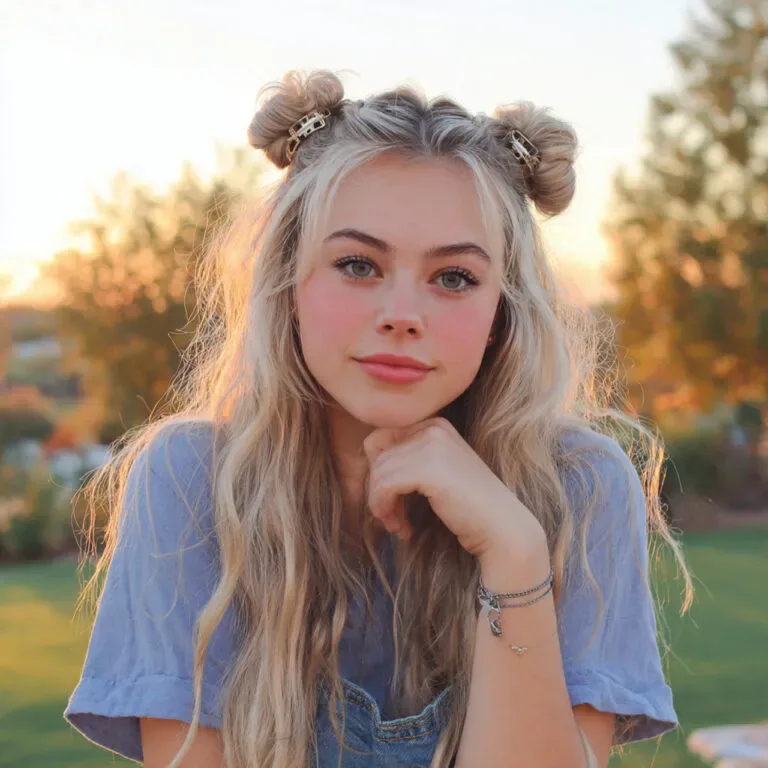
The claw clip twist is the hairstyle that took over teen hairstyles for a reason: it takes thirty seconds, looks effortlessly pretty, and works on almost every hair length from shoulder-length up. Twist your hair up, clip it in place, and let the ends fall over the top of the clip. It is the perfect second-day hair fix, and it is gentle on hair because there is no tight elastic pulling at the roots.
Quick verdict: the fastest updo on this list, and the one you will use most. Cost: a claw clip costs very little, and one good clip lasts for years. Who should avoid it: very fine, slippery hair, which may need a little texture spray or a smaller clip to hold. Try a medium clip first — large clips suit thick hair, small clips suit fine hair.
11. The Half-Up Half-Down
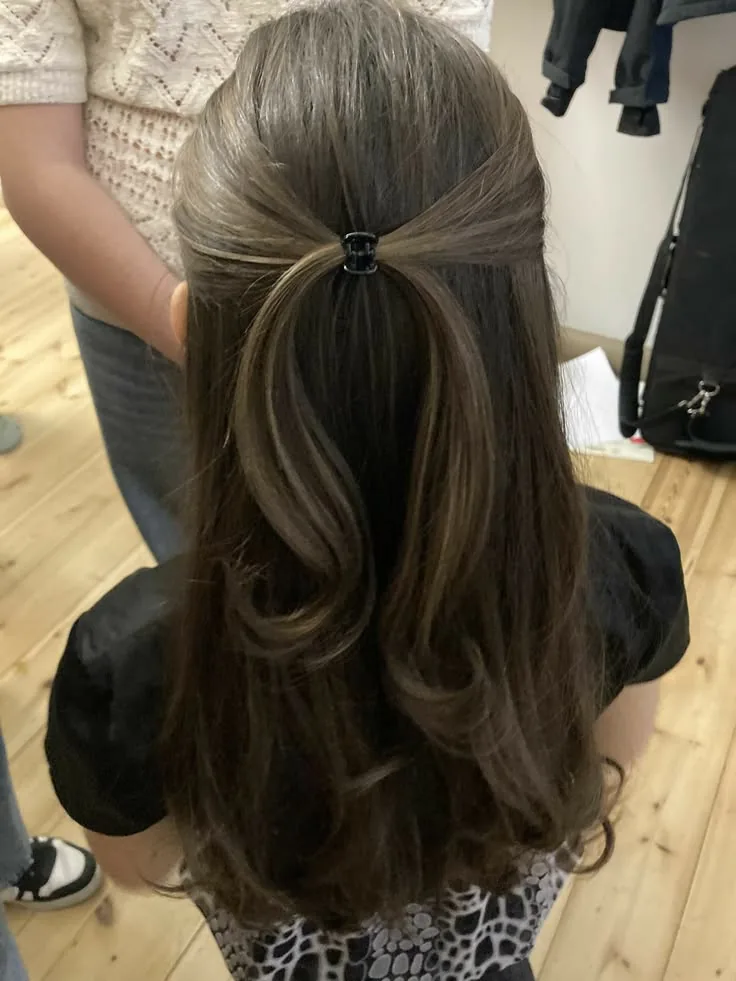
Half-up half-down is the best of both worlds: the top half is pulled back and out of your face, while the bottom half stays loose and pretty. It suits every hair type and length, and it is easy to dress up — add a braid, a bow, a claw clip or a scrunchie to the top section. It is a favourite for school, parties and photos because it looks styled without much effort.
How to style: take the top section from temple to temple, secure it with a tie or clip, and leave the rest down. Time: two minutes. Pros: keeps hair out of your eyes, shows off your length, and works on wavy and curly hair beautifully. Cons: the top section can slip on very straight hair — use a small clip or a little texture spray to help it hold.
12. Beach Waves
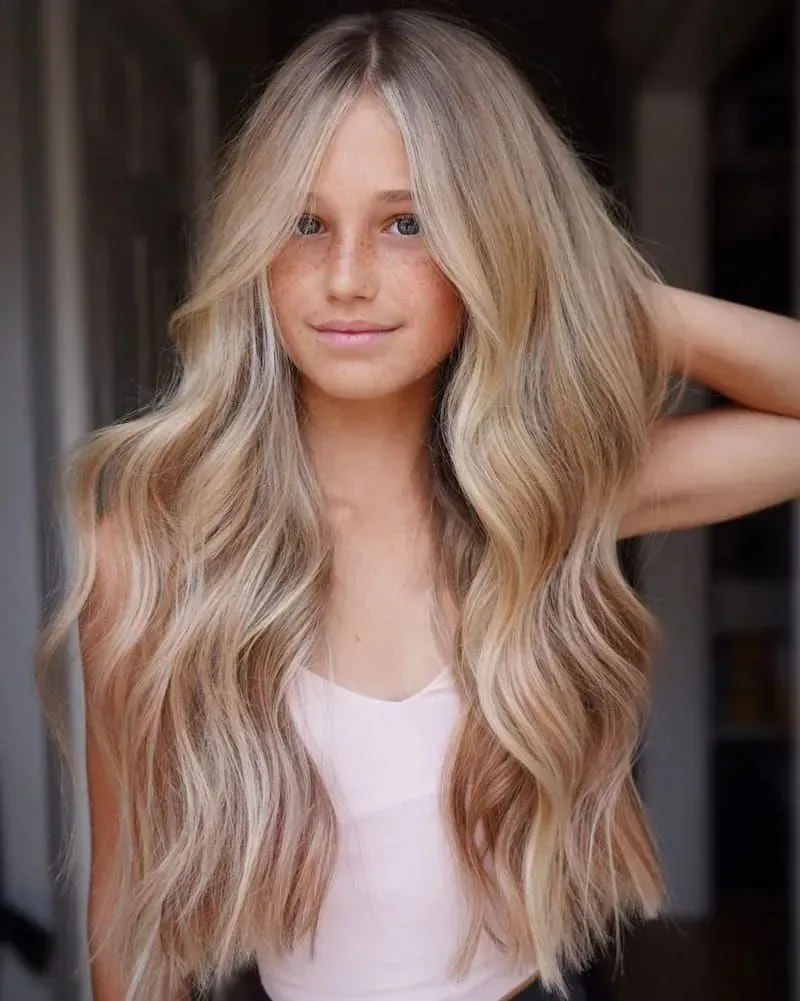
Beach waves are soft, loose, slightly messy waves that look like you have just come back from the seaside — even if you have not left your bedroom. They suit almost every teen, because they work on wavy hair naturally and can be made on straight hair with a braid or a curling wand. The key is to leave the ends straight: curled ends look formal, straight ends look like beach waves.
Best for: weekends, holidays, photos and casual parties. How to style (heat-free): braid damp hair into two loose braids before bed and undo them in the morning. With heat: wrap sections around a large curling wand, hold for a few seconds, and brush through gently. Time: five minutes heat-free in the morning, ten with a wand. Who should avoid them: nobody — just use heat protectant every time you use heat.
13. Sleek Straight Hair With a Middle Part

Sleek straight hair with a middle part is clean, simple and always in style. It suits oval and heart-shaped faces especially well, and it shows off healthy, shiny hair. The look depends on smooth hair, so a good brush, a little serum on the ends, and — if you use a straightener — heat protectant are the whole routine. It is the hairstyle to choose when you want to look polished without a complicated updo.
Styling time: five to ten minutes with a straightener, two minutes if your hair is naturally straight. Maintenance: keep ends trimmed so they look blunt and healthy, and use a heat protectant every single time. Pros: polished, simple, and suits school and formal events. Cons: it shows frizz and split ends easily, so hair care matters more here than in a braid.
14. Curtain Bangs
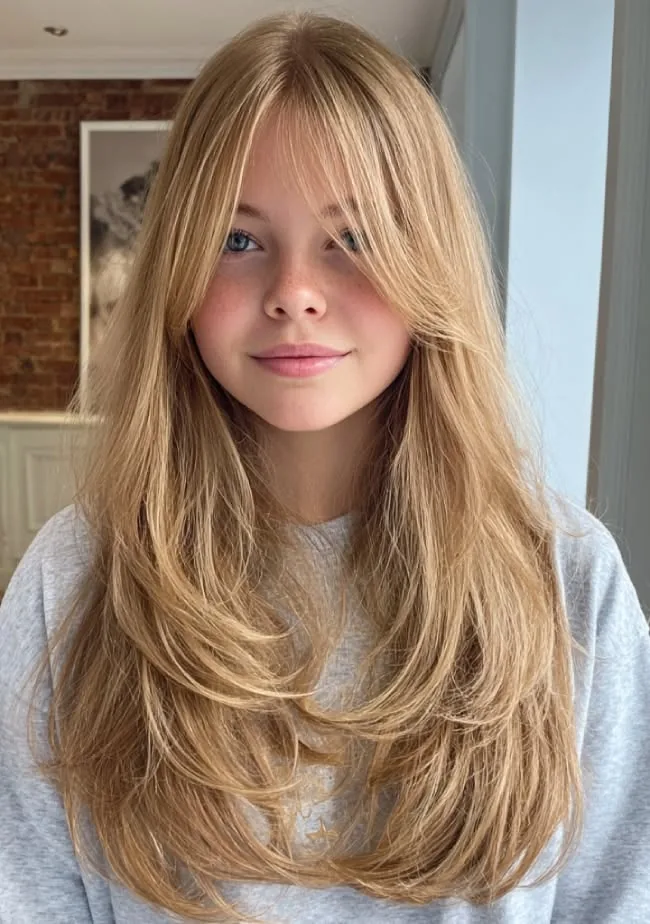
Curtain bangs are a soft fringe parted in the middle, falling on either side of the face like curtains. They are the most popular teen fringe right now because they are forgiving: they grow out gracefully, they soften the face, and they blend into the rest of the hair instead of sitting as a separate fringe. They suit almost every face shape and work with straight, wavy and curly hair.
Quick verdict: the easiest fringe to live with. Styling takes three minutes — blow-dry each side away from the face, or wrap each side around a roller while you get ready. Pros: softens the forehead, frames the eyes, and needs no daily precision. Cons: they need a quick blow-dry most mornings, or they can fall flat. Who should avoid them: anyone who hates styling a fringe at all — even this easy one needs a little attention.
15. Side-Swept Bangs
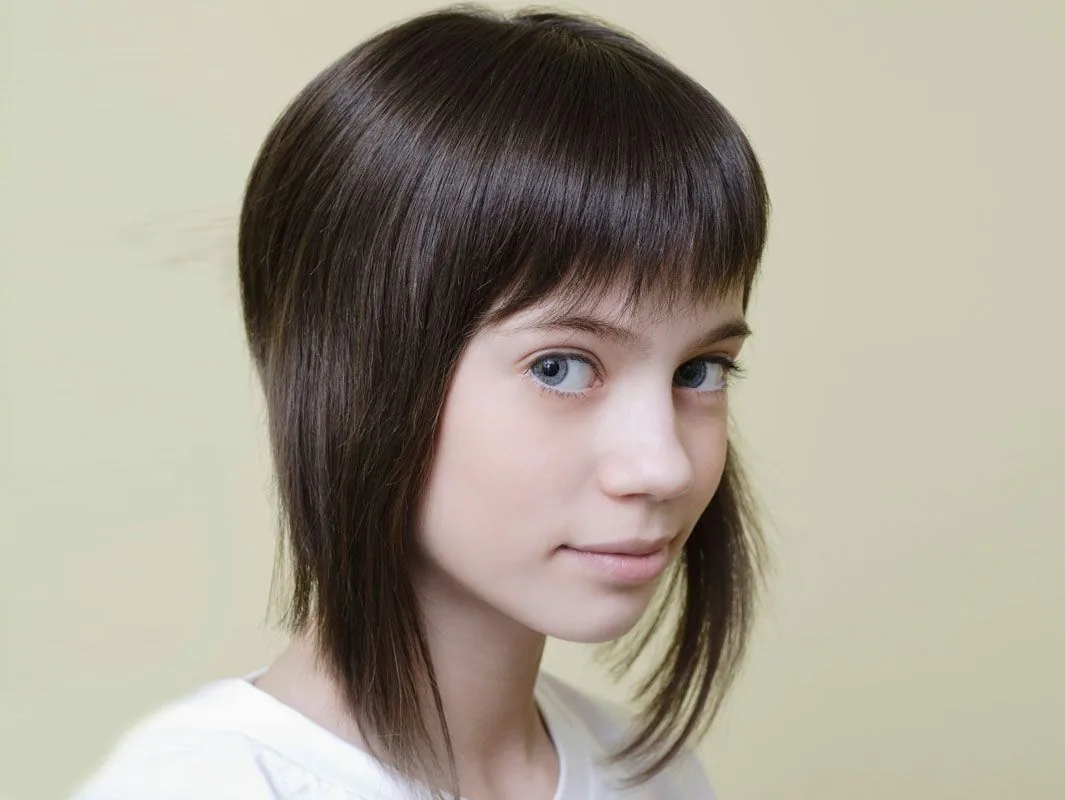
Side-swept bangs sweep across the forehead to one side, and they are a great choice if a straight-across fringe feels too severe. They add a diagonal line that flatters round faces, they blend into longer layers, and they are easy to grow out — just sweep them further to the side as they get longer. They work best on straight and wavy hair, where the sweep holds its shape.
How to style: blow-dry the fringe across with a round brush, or let it fall naturally if your hair cooperates. Time: three minutes. Maintenance: a fringe trim every four to six weeks. Common mistake: cutting the bangs too short on the first visit — ask for them to graze the cheekbone, not the eyebrow, and you can always go shorter next time.
16. The Layered Haircut
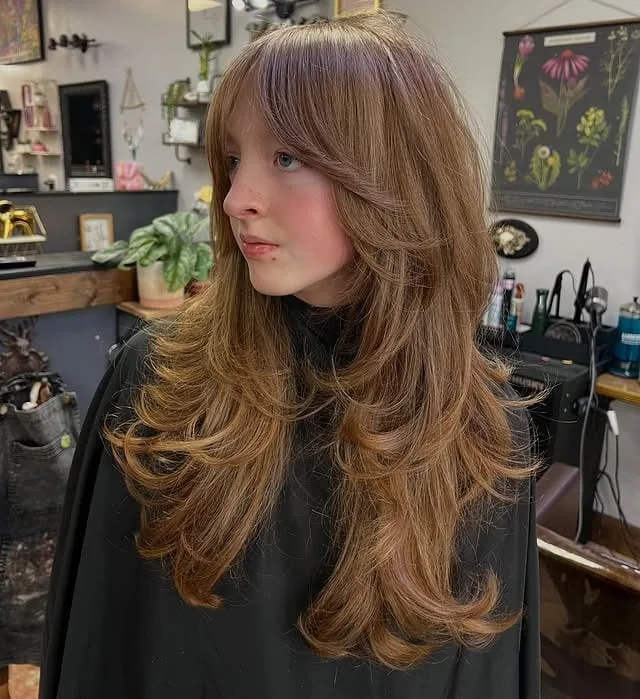
A layered haircut adds long, blended layers through the hair so it moves, has volume, and never looks flat. It is the best haircut for teens who want a change without going short: the length stays, but the shape improves. Layers suit thick hair by removing weight, and they suit fine hair by adding movement — the trick is in how the layers are cut, so tell your stylist whether your hair is thick or fine.
Pros: movement, volume, and a cut that grows out gracefully. Cons: too many short layers can make fine hair look thin, so ask for long, blended layers. Styling time: five minutes with a round brush, or two minutes air-dried with a little mousse. Who should avoid it: nobody, as long as the layers match your hair type — that is the one decision that matters here.
17. Long Layers
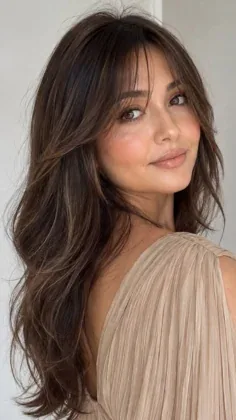
Long layers are layers that start lower down the hair, so the length stays long while the ends get movement and shape. They are the safest haircut for teens with long hair who want something new: you keep the length you love, but the hair stops looking heavy and one-length. Long layers also make braids and ponytails look fuller, because the different lengths add texture.
Best for: long hair that feels heavy or flat. How to ask: ask for layers that start at the chin or below, not at the cheekbone, and for the front pieces to frame your face. Time in the salon: about an hour. Maintenance: a trim every eight to ten weeks. Quick verdict: if you love your long hair but want it to look better, this is the cut to ask for first.
18. The Wolf Cut
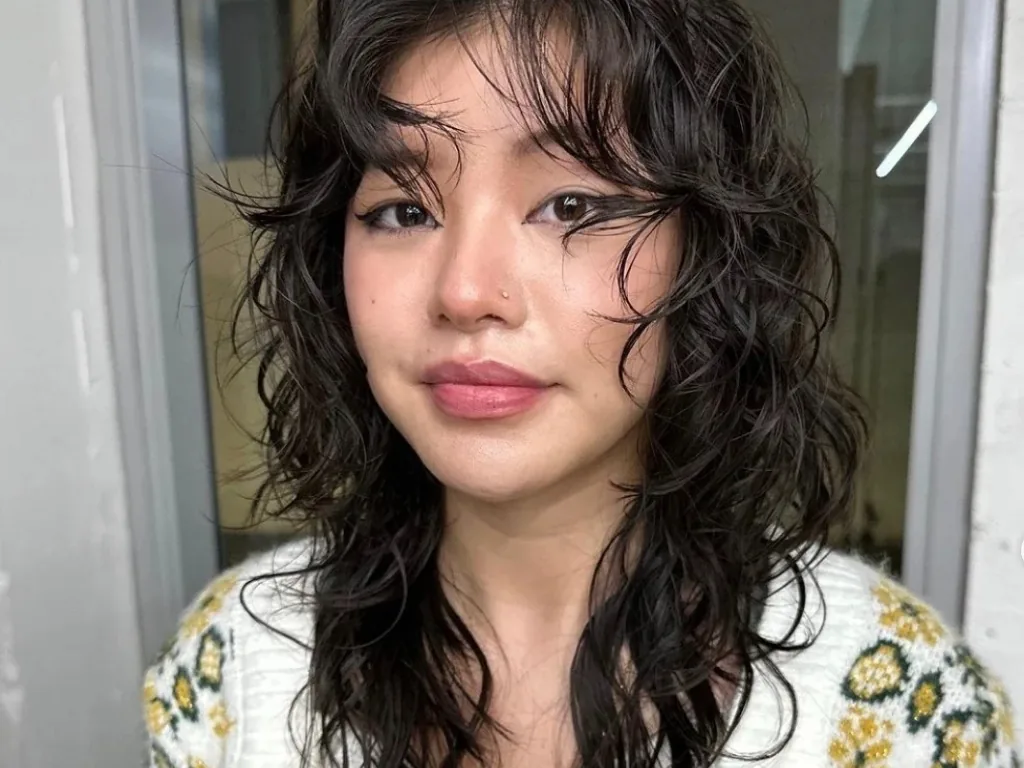
The wolf cut is a mix of a shag and a mullet — short, choppy layers on top, longer layers underneath — and it is one of the most talked-about teen haircuts. It looks edgy, textured and a little wild, and it suits wavy and thick hair best, because the texture does half the work. It is a bold choice, so try it only if you love the look and are happy with a cut that needs styling to look its best.
Pros: lots of texture and personality, and it looks great with curtain bangs. Cons: it needs styling most mornings, and it grows out into layers that need regular trims. Who should avoid it: very fine, straight hair, where the choppy layers can look thin, and anyone who wants a wash-and-go cut. Cost and time: a wolf cut needs a stylist who knows the style, so bring photos and ask if they have cut one before.
19. The Butterfly Cut
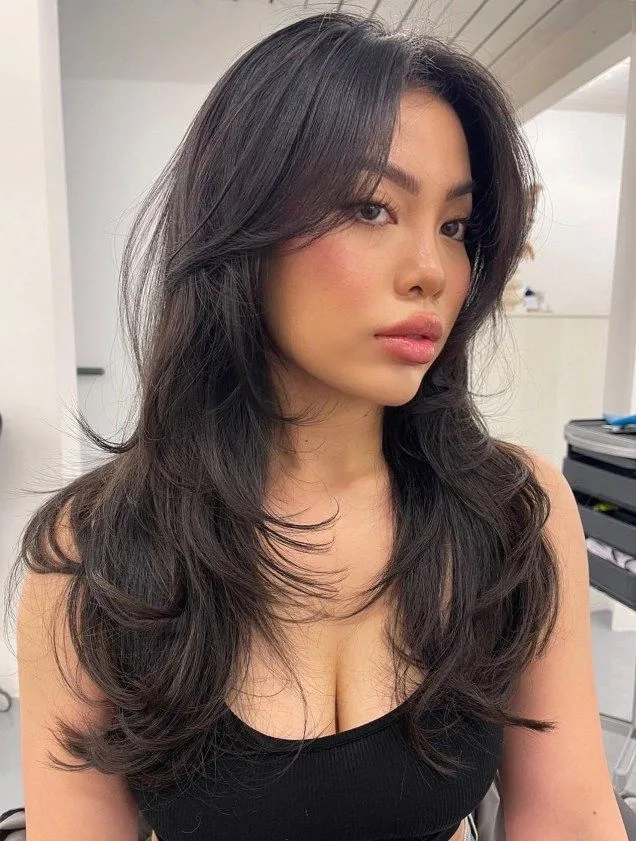
The butterfly cut is the softer, more wearable cousin of the wolf cut: short, face-framing layers on top that look like a short haircut when the hair is pulled back, and long layers underneath that keep the length. It gives you the look of a short cut and a long cut at the same time, and it is flattering on almost every face shape. It is also the cut that makes hair look instantly bouncy and full.
Styling time: five to ten minutes with a round brush for the full bouncy effect, or two minutes air-dried for a softer look. Best for: teens who want volume and movement without losing length. Maintenance: trims every eight weeks. Common mistake: asking for the top layers too short — they should reach the chin, not the cheekbone, on the first visit.
20. Shaggy Layers

Shaggy layers are choppy, textured layers that give hair a relaxed, lived-in feel. Unlike a neat layered cut, a shag is meant to look a little undone — piecey ends, lots of movement, and no need for perfect styling. It suits wavy and thick hair best, and it is a great choice for teens who like a casual, effortless look and do not want to spend long on their hair.
Quick verdict: pick this if you like hair that looks good messy. Styling takes two to three minutes — scrunch texture spray into damp hair and let it air-dry. Pros: low effort, hides bad hair days, and suits a casual style. Cons: it can look untidy in a formal setting, and the ends need regular trims. Who should avoid it: anyone who wants a sleek, polished look every day.
21. The Bob Haircut
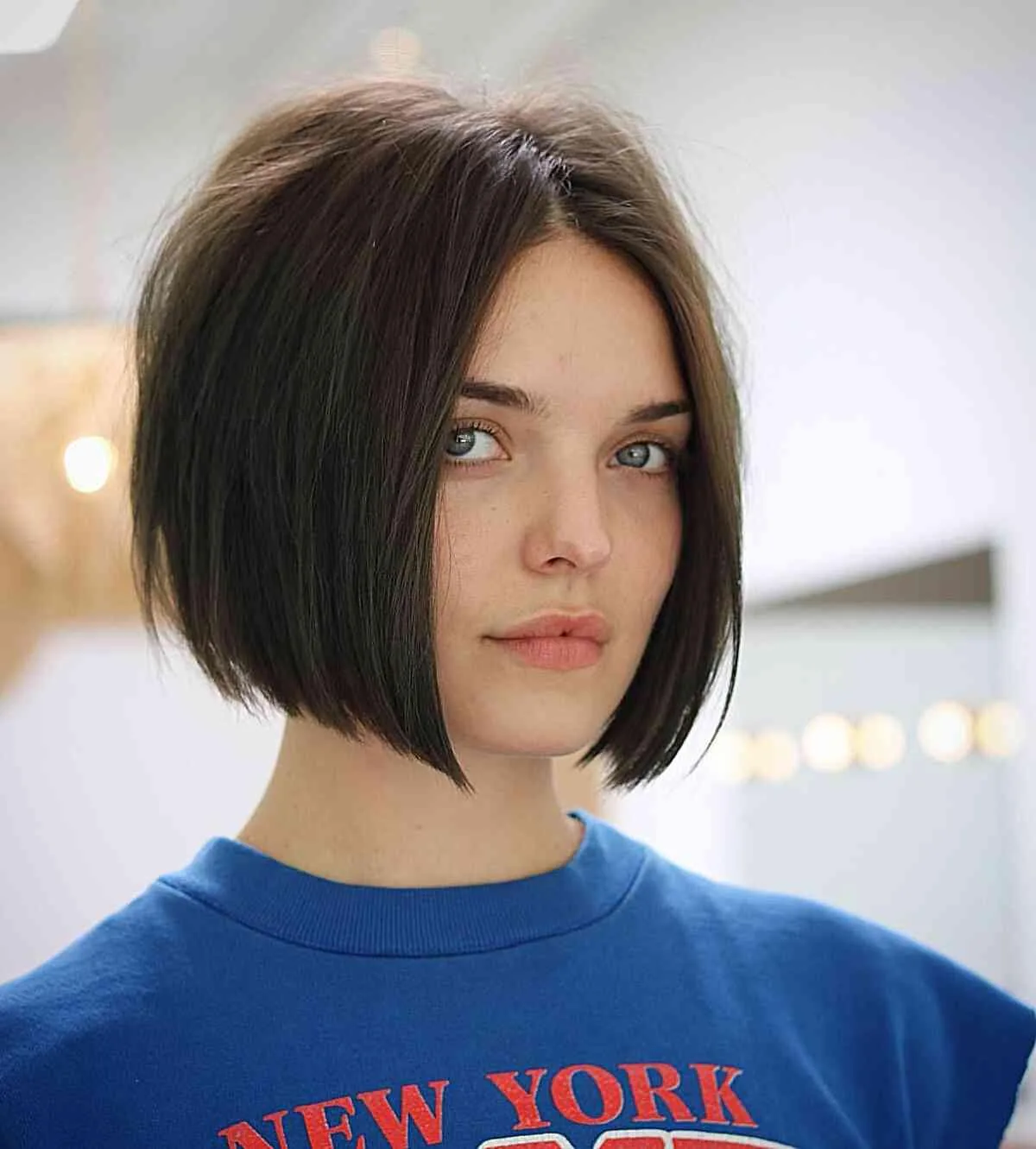
A bob is a short haircut that usually ends at the chin or jaw, and it is a brilliant choice for teens who want a fresh start. It dries fast, uses almost no product, feels light, and looks neat for school. A bob with a little texture or a soft fringe is the most teen-friendly version — it is cute, easy to style, and it grows out into a lob without an awkward stage.
How to style: two to three minutes with a brush and a little texture cream, or air-dry for a natural finish. Pros: fast drying, light, and great for hot weather and sports. Cons: it cannot be tied up easily, so if you live in a ponytail, think twice. Who should avoid it: teens who love long braids and ponytails — a bob means giving those up for a while.
22. The Lob (Long Bob)
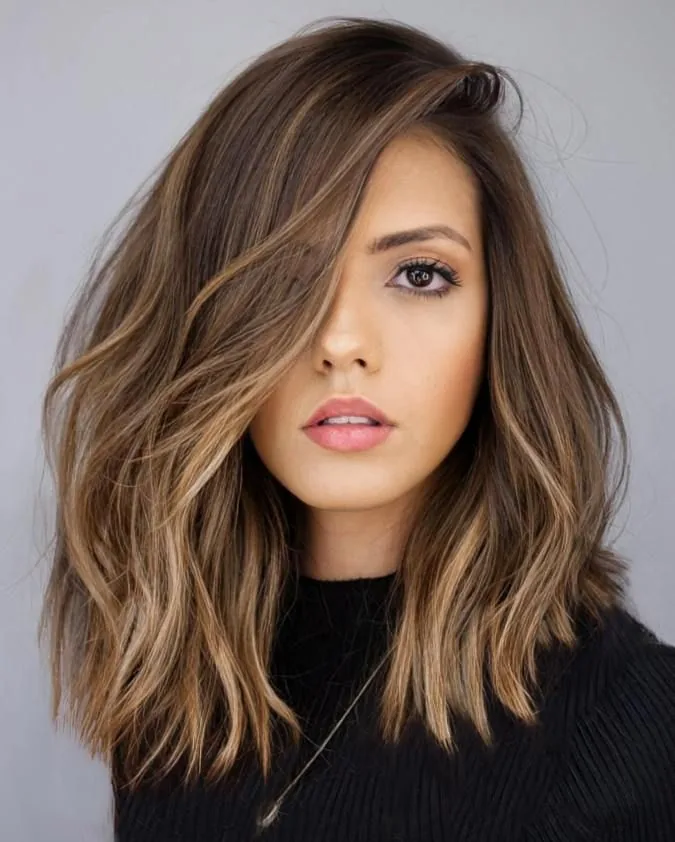
The lob — a long bob that ends at the shoulders — is the best compromise haircut for teens: short enough to feel fresh and light, long enough to tie up, braid and curl. It suits almost every face shape, it works on straight, wavy and curly hair, and it is the haircut most teens ask for when they want a change but are nervous about going short. It is also easy to grow out.
Styling time: five minutes, straight or wavy. Best for: a first short haircut, school, and teens who want versatility. Maintenance: trims every six to eight weeks. Pros: the most versatile short cut, easy to style, and it looks good on everyone. Cons: the length can flip out at the ends if it is not blow-dried under — a quick pass with a round brush fixes it.
23. The Pixie Cut
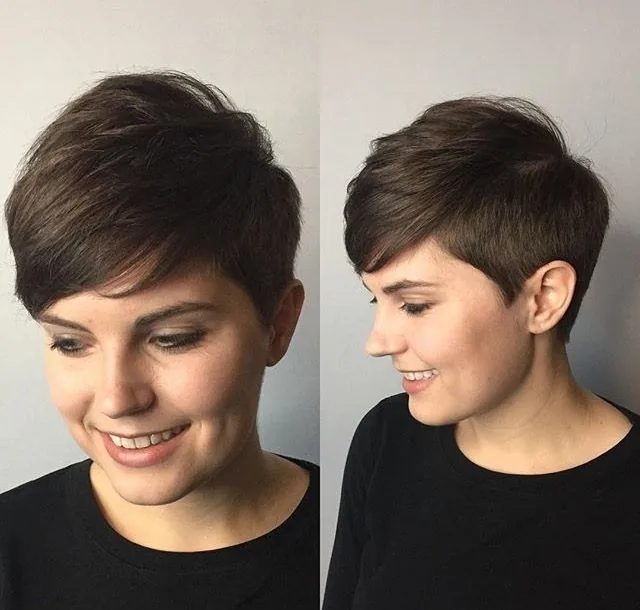
A pixie cut is short all over, with longer pieces on top, and it is the boldest haircut on this list. It shows off your face, it dries in minutes, and it is a real statement — which is why teens who choose a pixie usually love it. It suits oval and heart-shaped faces especially well, and it looks great with a little texture on top. It is also the cut that needs the most confidence, because there is not much hair to hide behind.
Quick verdict: bold, beautiful, and not for the cautious. Styling takes two minutes with a little wax or texture paste. Maintenance: trims every four to five weeks to keep the shape. Who should avoid it: anyone unsure about short hair — try a bob first, and go shorter later if you love it. And talk to a parent first, because a pixie is a big change.
24. Natural Curls
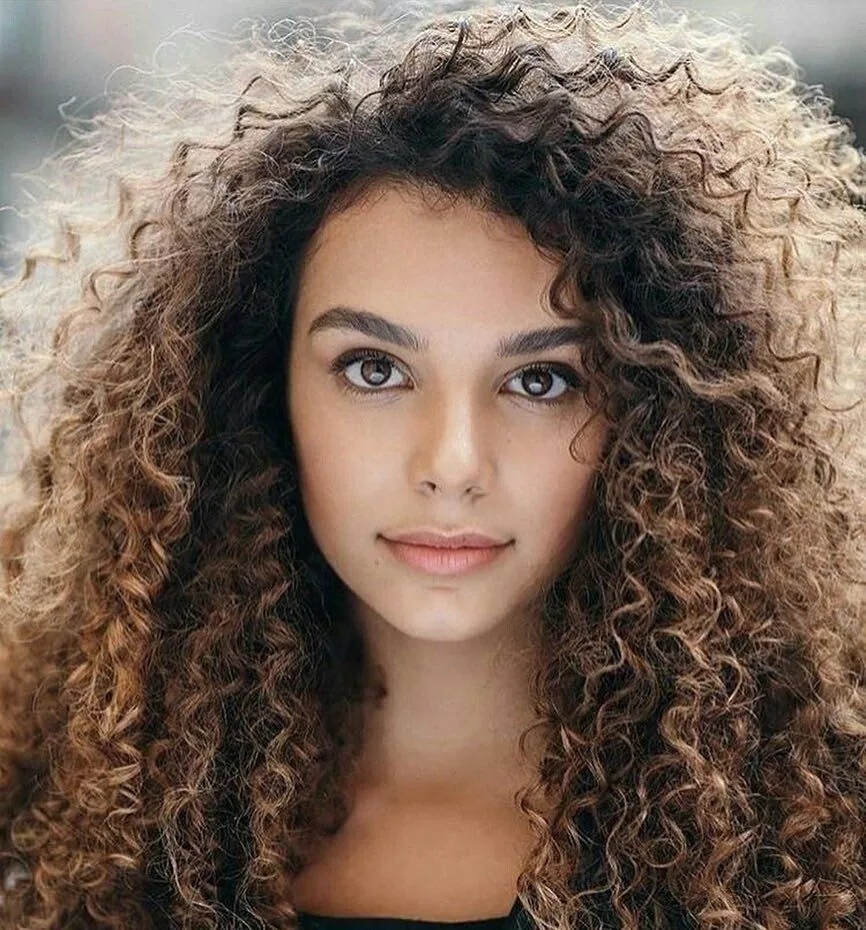
Natural curls are a feature, not a problem — and the best teen hairstyles for curly hair work with the curls, not against them. A curly cut with layers, a little curl cream on wet hair, and hands off while it dries will give you defined, bouncy curls that hold their shape all day. Avoid brushing dry curls, which turns them into frizz, and avoid straightening every day, which damages the curl pattern over time.
How to care for curls: wash with a moisturising shampoo, condition well, apply curl cream to soaking-wet hair, and let curls dry naturally or with a diffuser. Time: ten minutes on wash day, almost nothing after. Pros: beautiful, unique, and low-effort once you know your routine. Common mistake: cutting curly hair wet and straight — ask for a stylist who understands curls.
25. Natural Waves
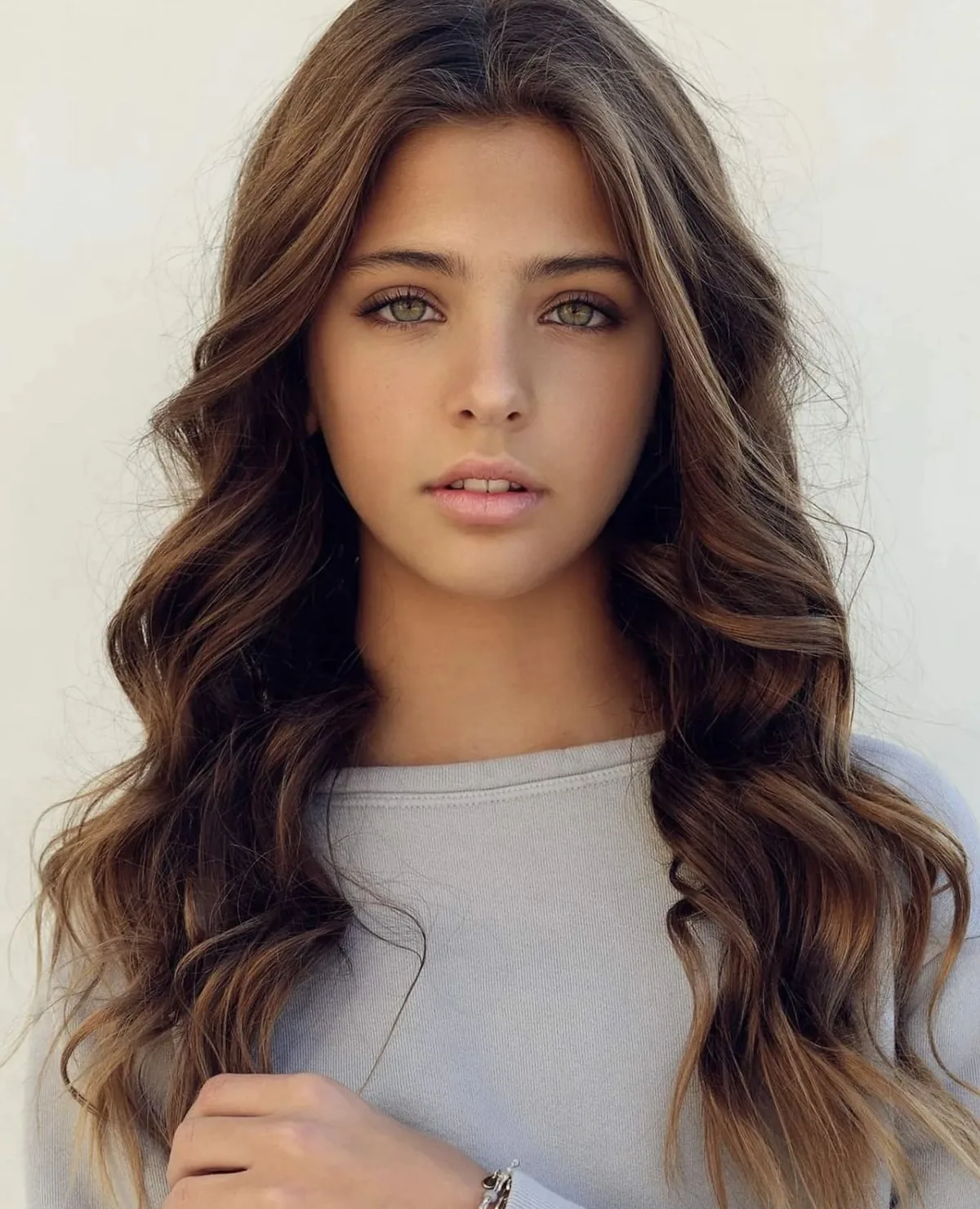
Wavy hair is the easiest hair type to style, because the texture is already there. A little mousse or salt spray scrunched into damp hair, then air-dried, gives you soft, natural waves with almost no effort. Wavy hair suits almost every cut on this list — layers make the waves pop, a lob shows them off, and a half-up style keeps them out of your face while showing off the texture.
Best for: everyday school looks, weekends, and any day you do not want to use heat. Styling time: two to three minutes. Maintenance: a trim every eight weeks, and a weekly deep-conditioning mask if your waves feel dry. Who should avoid heat styling daily: everyone with wavy hair — your natural texture is the style, so save the heat for special occasions.
26. The Braided Crown
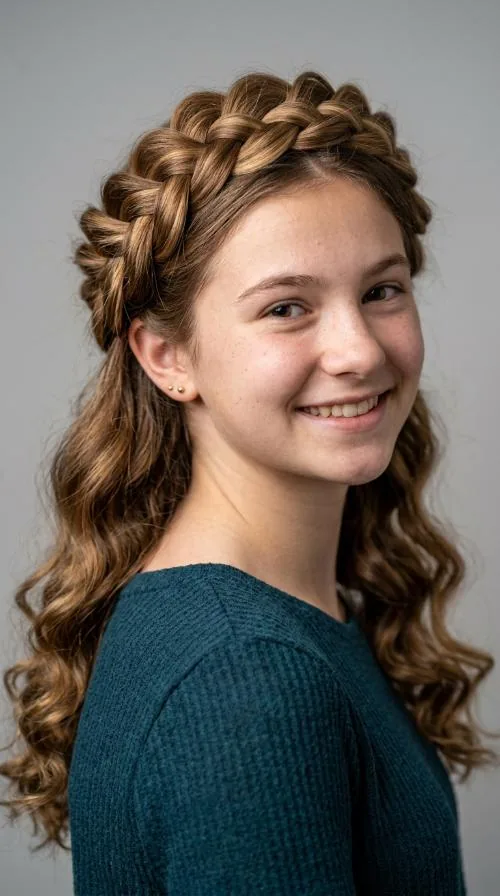
A braided crown — also called a halo braid — is a braid that wraps around the head like a crown. It is elegant, pretty and perfect for parties, weddings, school dances and photos. It keeps all your hair up and out of the way, and it looks far more complicated than it is: two braids, pinned across the top of the head, do the whole job. It suits medium to long hair, and it looks beautiful with a few soft strands pulled out around the face.
Quick verdict: the most elegant braid on this list. Time: ten minutes with practice. Best for: special occasions, dances and formal events. Common mistake: making the braids too tight — a slightly loose crown looks softer and more romantic. Who should avoid it: very short hair, which cannot reach around the head — try a half-crown with one braid instead.
27. The Waterfall Braid
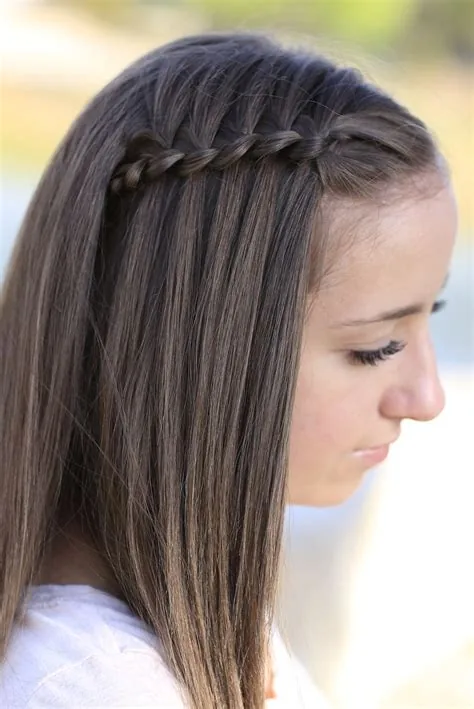
The waterfall braid is the prettiest braid for showing off long hair: as you braid across the head, you drop one strand each time and pick up a new one, so strands of hair fall down like a waterfall through the braid. It is romantic, a little boho, and perfect for parties, photos and special days. It works best on long, straight or wavy hair, where the falling strands show clearly.
How to style: start a French braid at one temple, drop the bottom strand each time, and pick up a new section from above. Time: eight to ten minutes, and it is worth practising on a weekend first. Pros: stunning, and it keeps the front out of your face. Cons: it is a one-day style that needs practice — do not try it for the first time on a school morning.
28. The Pull-Through Braid
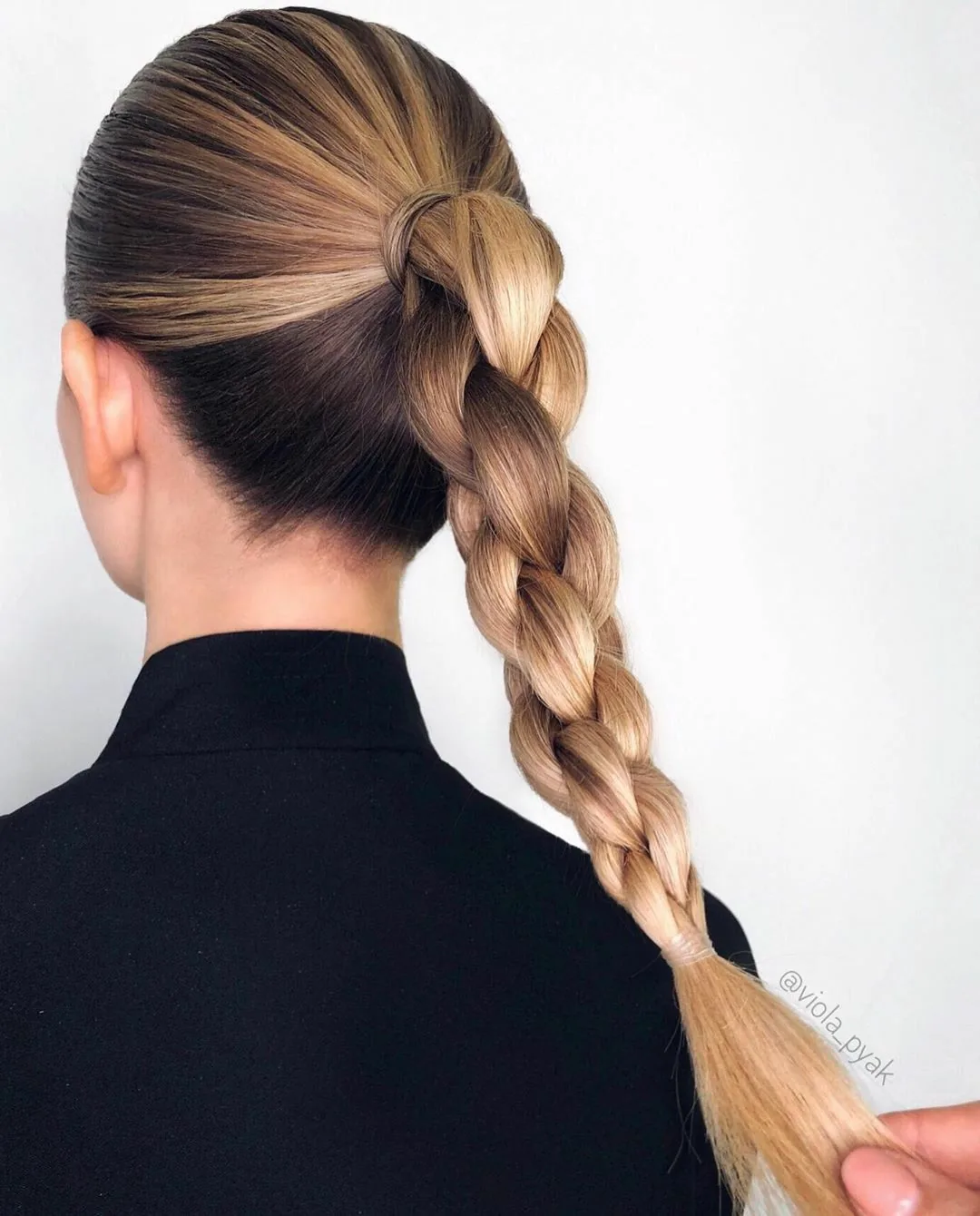
The pull-through braid looks like a thick, chunky braid, but it is not a braid at all — it is a series of ponytails pulled through each other. That makes it much easier than a real braid, and it gives you a big, voluminous braid even if your hair is fine. It is a great choice for teens who struggle with traditional braiding but love the look of a thick braid.
Best for: fine hair, thick-looking braids, and anyone who finds braiding hard. How to style: tie a small ponytail at the crown, tie another below it, split the first ponytail and pull the second through, and repeat down the length. Time: five to eight minutes. Maintenance: none. Common mistake: using ties that are too tight — keep them loose so the braid looks full.
29. The Rope Braid Ponytail

A rope braid ponytail is a ponytail twisted into a rope: divide the ponytail into two sections, twist each one the same way, then twist them around each other and secure the end. It looks neat, sporty and a little different from a normal ponytail, and it holds up brilliantly through sports and dance. It is also one of the easiest braided styles to learn, because it only uses twists.
Styling time: three minutes. Pros: secure, neat, and great for sports. Cons: it can unravel if the twists are not tight enough — twist each section firmly before wrapping them together. Who should avoid it: very short hair, which cannot make a rope. Quick verdict: the easiest braided ponytail, and the one to learn if braids feel too hard.
30. Modern Pigtails
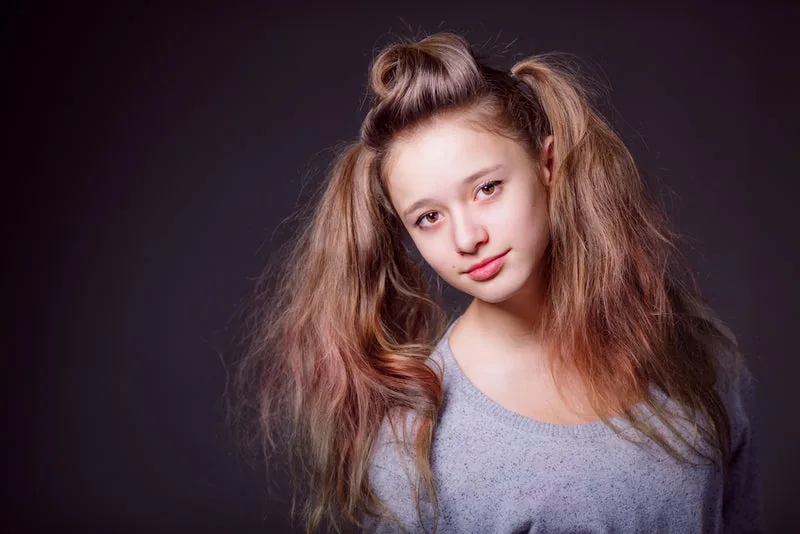
Modern pigtails are not the little-girl pigtails you remember — they are higher, looser, and worn with waves, braids or curls. Two low pigtails with loose waves look soft and pretty; two high pigtails with braids look fun and sporty. They suit medium and long hair, and they are a great choice for festivals, parties and casual weekends. The key is to keep them loose and a little messy, not tight and severe.
How to style: part down the middle, tie two ponytails at the height you like, and curl or wave the ends. Time: five minutes. Best for: weekends, parties and festivals. Who should avoid them: school days, if your school prefers neater styles — check the rules first, and wear low pigtails if in doubt.
31. The Side Braid

A side braid is a loose braid worn over one shoulder, and it is the most relaxed braid on this list. It suits long hair, it looks soft and romantic, and it is easy to do — a simple three-strand braid, pulled gently apart for fullness, tied with a scrunchie or a ribbon. It is perfect for weekends, study days and casual outings, and it keeps hair tidy without feeling formal.
Pros: easy, comfortable, and flattering on everyone. Cons: it can slip forward and get in the way, so pin it back if you are writing or working. Styling time: three minutes. Quick verdict: the braid you will reach for when you want to look put-together with almost no effort — and it looks even better on second-day hair.
32. The Low Bun
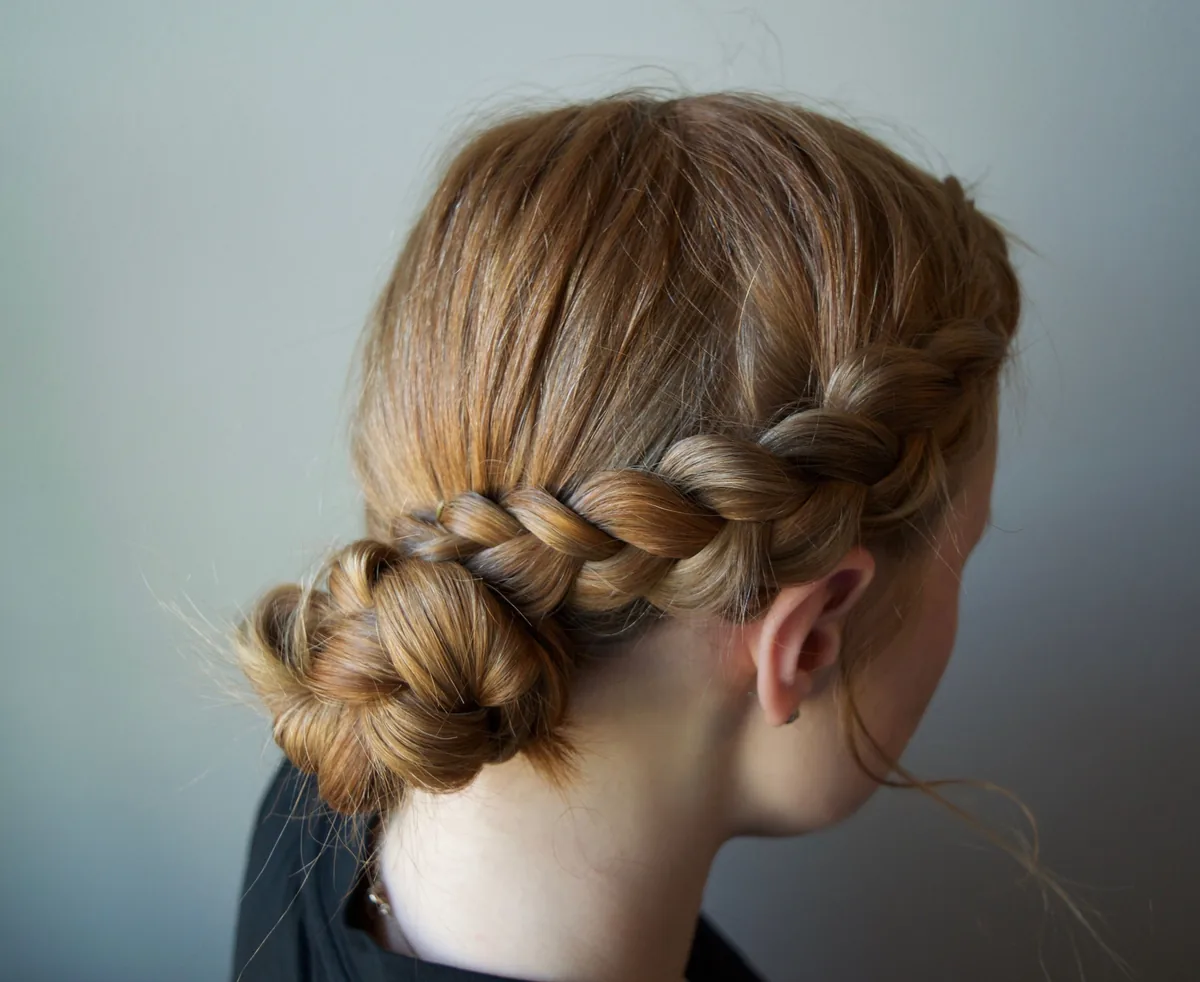
A low bun is a neat, elegant bun worn at the nape, and it is the most grown-up hairstyle on this list — in a good way. It suits school, formal events, dance performances and family occasions, and it works on straight, wavy and curly hair. A sleek low bun looks polished; a loose low bun with soft strands looks romantic. Either way, it keeps hair completely out of the way.
How to style: gather hair low, twist it into a bun, and pin it in place. Time: three to five minutes. Best for: formal events, exams, and days when you need your hair to stay put. Maintenance: none during the day. Common mistake: making it too tight — a low bun should feel comfortable, not pulling at your forehead.
33. The Top Knot
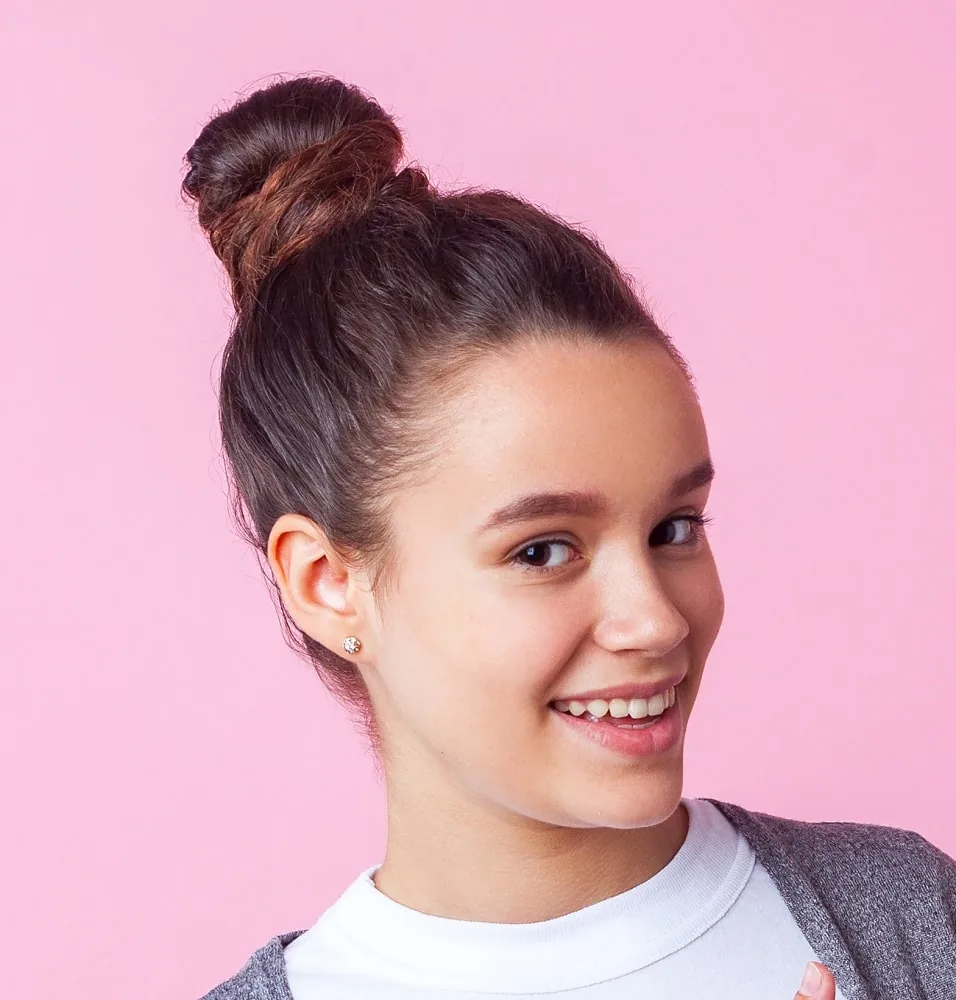
A top knot is a bun worn high on the crown, and it is the fastest way to look polished on a bad hair day. Gather your hair high, twist it into a bun, and secure it — that is the whole style. It suits thick hair best, because the bun looks full, but it works on fine hair too if you use a small bun maker or a scrunchie for volume. It is a favourite for dance, gym and study sessions.
Styling time: two minutes. Pros: fast, secure, and keeps hair completely out of your face. Cons: a very high, tight top knot can pull at the roots — keep it a little loose, and do not wear it tight every day. Who should avoid it: anyone with a headache or a sore scalp — wear a low bun instead on those days.
34. The Braided Ponytail
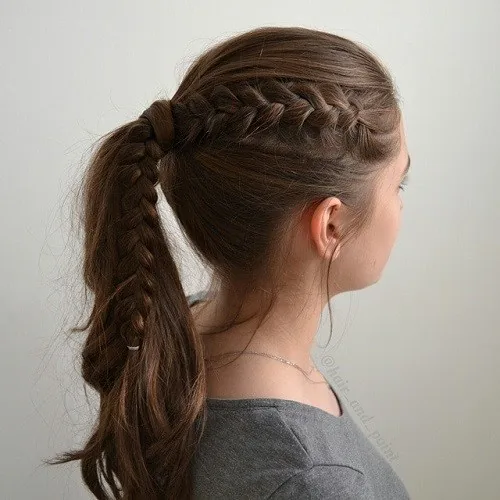
A braided ponytail is exactly what it sounds like: a ponytail that is then braided down its length. It is neat, sporty and secure, and it is the ponytail that survives a whole day of school, sports and everything after. It suits long hair best, and it looks great with a French braid leading into the ponytail for an extra-polished finish.
Best for: sports, school and long days. How to style: tie a high or mid ponytail, braid the length, and secure the end. Time: five minutes. Pros: secure, tidy, and it stops long hair tangling. Cons: it can feel heavy if your hair is very thick — in that case, wear the ponytail lower. Quick verdict: the ponytail to choose when a normal ponytail is not enough.
35. Loose Waves With a Headband
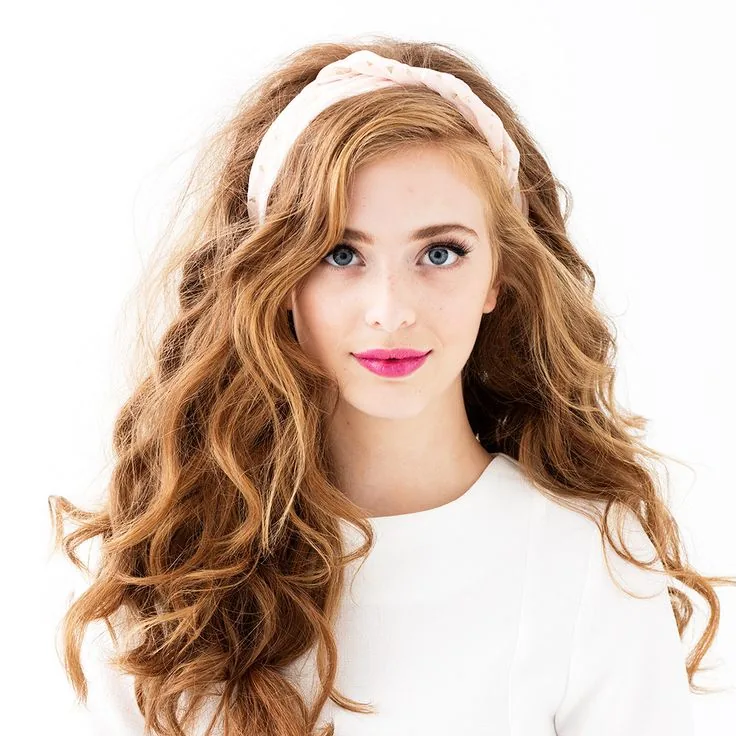
Loose waves with a headband are simple, pretty and completely school-friendly. The headband keeps the front out of your face, the waves add softness, and the whole look takes about two minutes if your hair is already wavy. Choose a thin headband for school, a padded or satin one for a party, and a sporty one for PE — the same hairstyle, three different moods.
How to style: brush waves through, place the headband a couple of inches back from your hairline, and pull a few strands loose around your face. Time: two minutes. Cost: a headband costs very little. Who should avoid it: nobody — this is the easiest dressed-up hairstyle on this list, and it works on every hair length from a lob up.
36. The Slicked-Back Ponytail
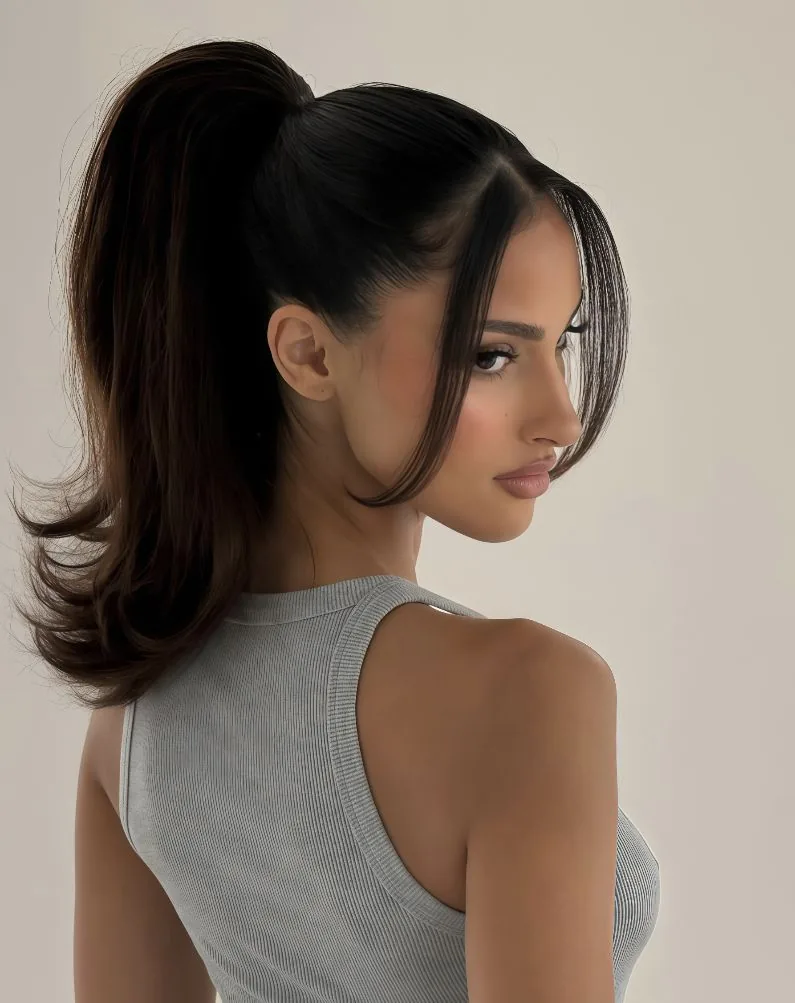
A slicked-back ponytail is smooth, neat and confident: all the hair brushed back, no parting, no flyaways, and a ponytail that sits high or mid-height. It is a favourite for dance, gymnastics and formal events, because it stays perfect all day and photographs beautifully. It needs a brush, a little gel or pomade, and a strong hair tie — that is the whole kit.
Styling time: five minutes. Pros: neat, secure, and it makes your face the focus. Cons: it shows every bump, so brush carefully, and it can feel tight — do not wear it slicked every day, or your hairline will thank you for a break. Who should avoid it: anyone with a very sensitive scalp, or on days when your hair is freshly washed and slippery — second-day hair holds a slicked style better.
37. Half-Up Space Buns
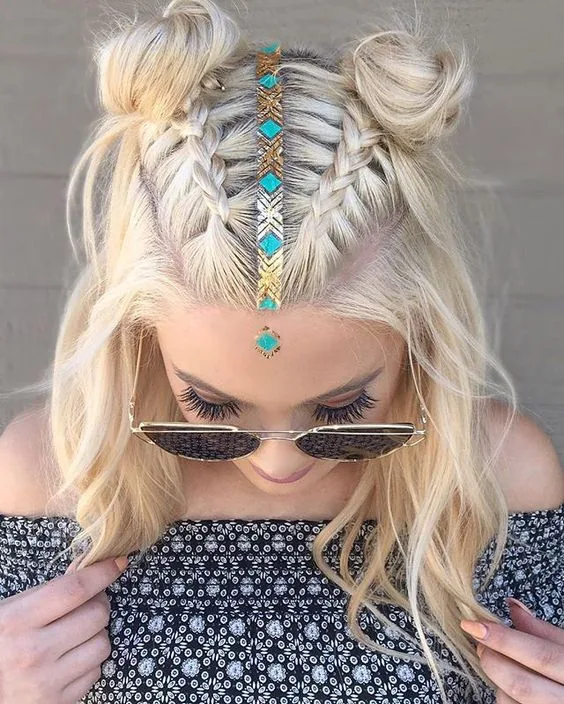
Half-up space buns are the softer version of full space buns: only the top half of your hair goes into two small buns, while the rest stays loose. They are cute, fun and much easier to wear to school than full space buns, and they suit every hair type. They are perfect for festivals, parties, photo days and weekends — and they are a great way to keep the front out of your face while showing off your length.
How to style: take the top section, part it in the middle, twist each side into a small bun and pin. Time: five minutes. Best for: weekends, parties and casual days. Common mistake: making the buns too big — half-up buns should be small and neat, or they overwhelm the loose hair underneath.
38. Face-Framing Layers
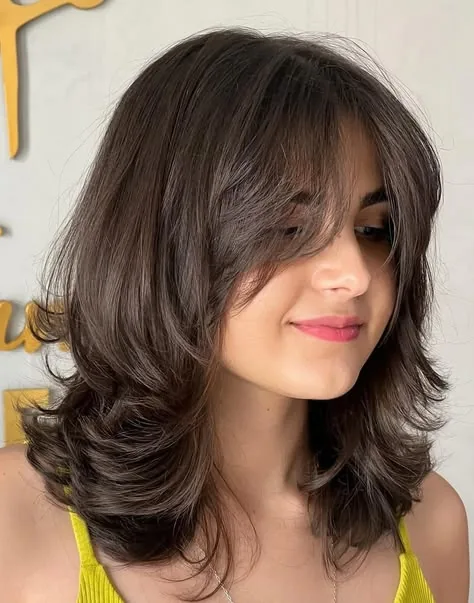
Face-framing layers are short layers around the face that blend into the rest of the hair, and they are the easiest way to make any haircut look better. They soften the face, highlight the eyes and cheekbones, and make a ponytail or a bun look instantly prettier, because the front pieces fall loose around your face. They suit every face shape and every hair length from a lob up.
Quick verdict: the smallest change with the biggest effect. Ask for: layers that start at the cheekbone or chin and blend into the rest of your hair. Styling time: none extra — the layers do the work. Maintenance: a trim every eight weeks. Who should avoid them: nobody — if you only change one thing about your haircut, make it this.
39. The Bouncy Blowout
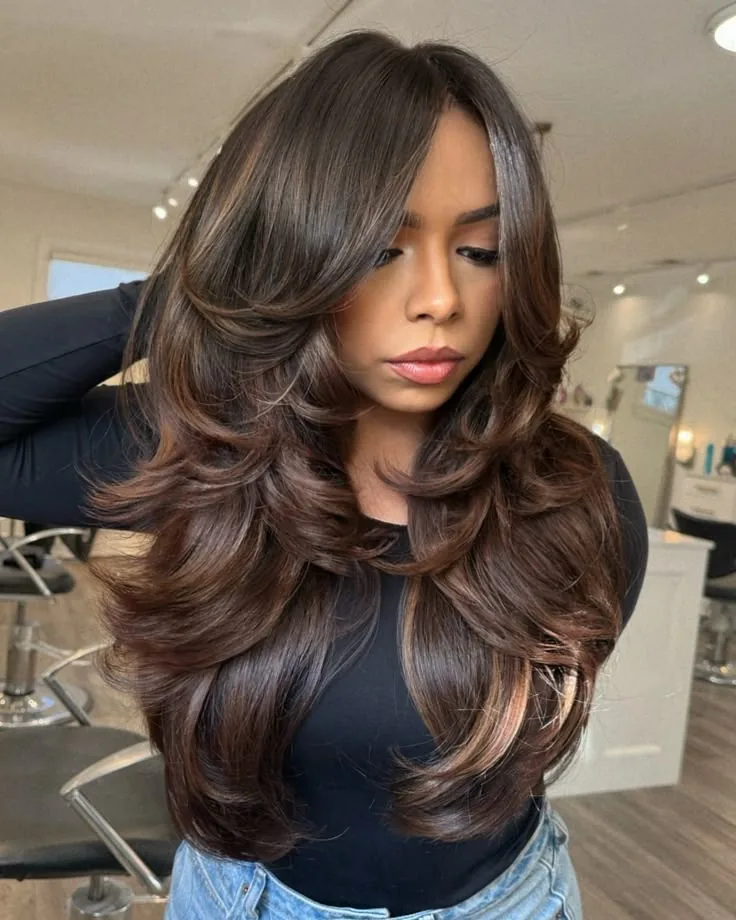
A bouncy blowout is smooth, voluminous hair with soft curls at the ends — the salon look that makes hair look healthy, shiny and full. It is a special-occasion style for most teens, because it takes time and a round brush, but it is worth learning for parties, dances and photos. The secret is to blow-dry in sections, rolling each one around a round brush, and to finish with a cool shot from the dryer to set the shape.
Styling time: fifteen to twenty minutes, so save it for special days. Pros: gorgeous, voluminous, and it lasts all day. Cons: it needs heat, so use heat protectant, and do not do it every day. Who should avoid it: anyone in a rush — a blowout is a weekend or party style, not a school-morning style.
40. The Scrunchie Ponytail
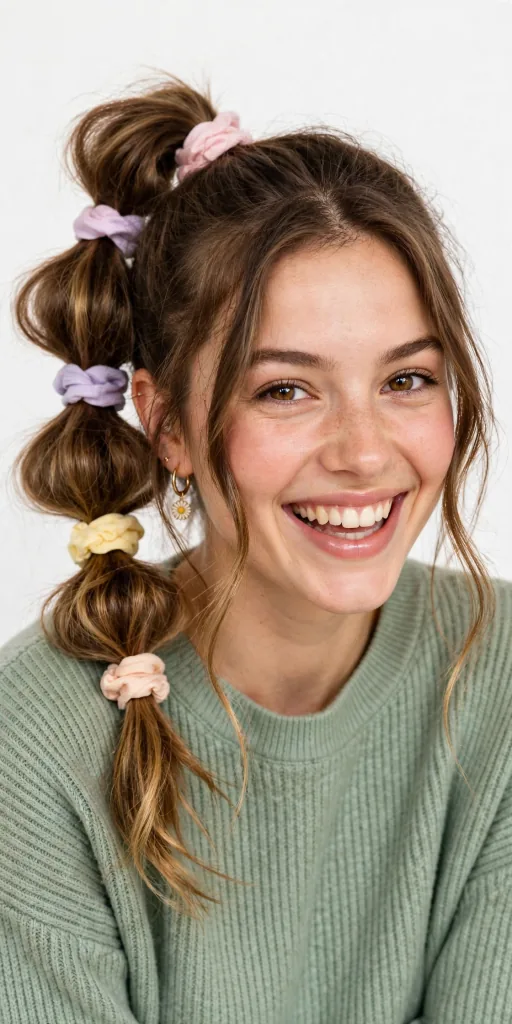
A scrunchie ponytail is a normal ponytail with a scrunchie instead of a plain tie, and that one change makes it softer, cuter and gentler on your hair. Scrunchies do not leave a dent, they do not pull as hard, and they come in every colour and fabric — velvet for winter, satin for parties, cotton for school. It is the easiest hairstyle on this list, and the kindest to your hair.
Best for: every day, school, sports and bad hair days. How to style: tie your ponytail as usual, then wrap the scrunchie around the base. Time: one minute. Cost: almost nothing. Quick verdict: if you own one hair accessory, make it a scrunchie — it is the most useful, the most comfortable, and the easiest way to make a ponytail look intentional.
Braids 101: The Skills That Unlock Half This List
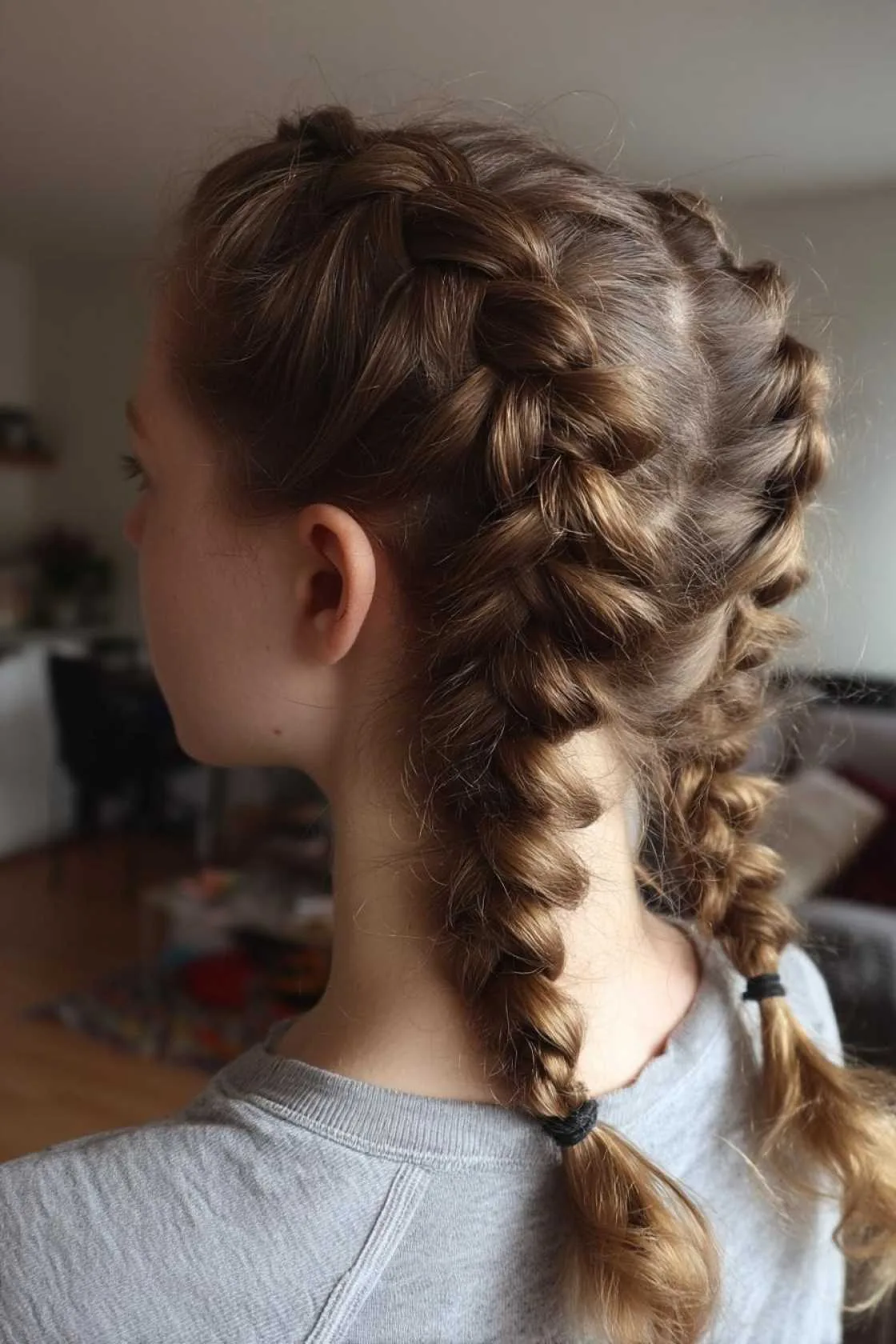
Almost half the hairstyles on this list start with a braid, so learning to braid is the single most useful hair skill a teen can have. Start with a simple three-strand braid on someone else, or on a doll, before trying it on yourself — your hands learn the pattern faster when you can see it. Then try a French braid on yourself in front of a mirror, going slowly, and do not worry if the first few tries are messy. Everyone’s first braids are messy.
The most common braiding mistakes are starting with tangled hair, taking uneven sections, and pulling too tight. Brush first, take even sections, and keep the tension gentle and even. And remember: a braid that is a little loose looks softer and more modern than a braid pulled tight enough to hurt. Practice for ten minutes, three times, and you will be able to braid without thinking about it.
Heat-Free Styling: Waves, Curls and Buns Without Damage
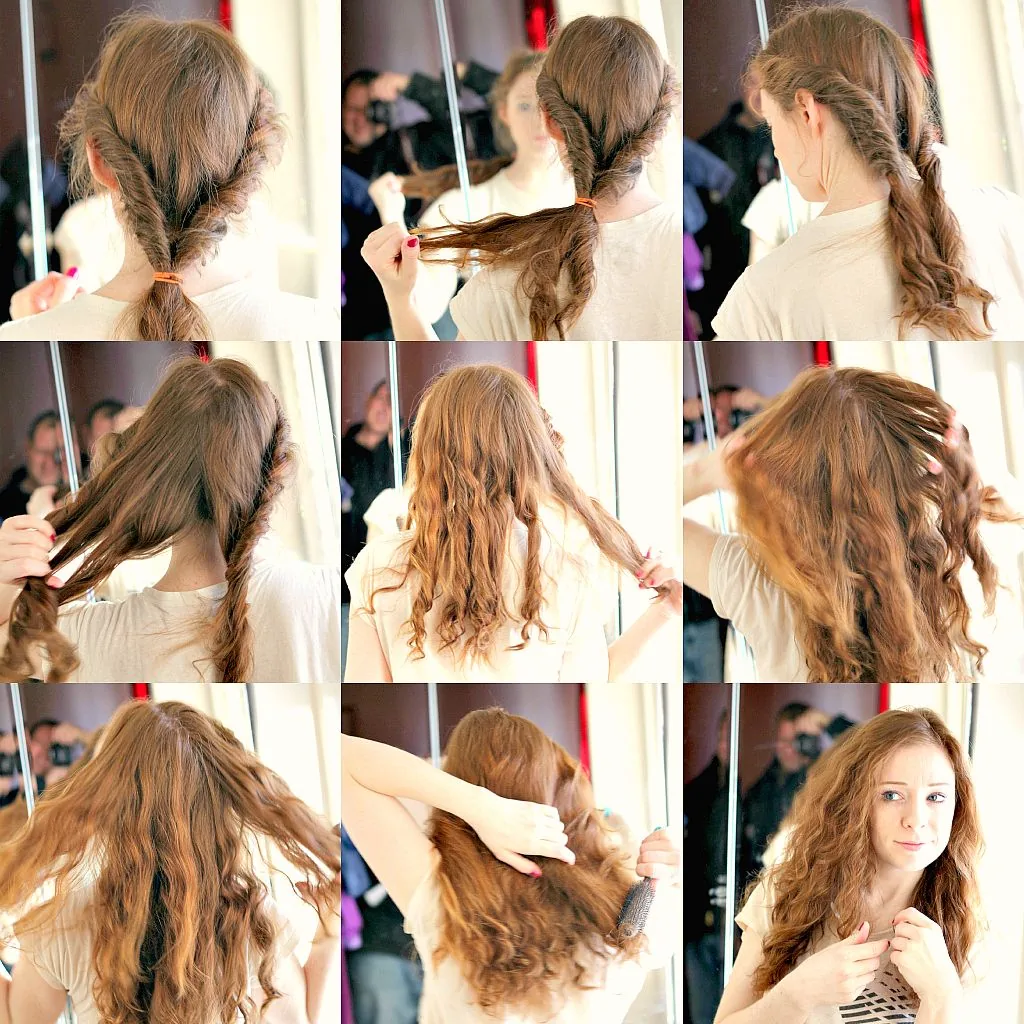
Heat styling looks great, but used every day it dries hair out, causes split ends and fades colour. Heat-free styling is the kinder alternative, and it is surprisingly effective: braid damp hair before bed for waves, twist it into a bun for soft curls, or wrap it around a soft headband overnight for loose curls. In the morning, undo it, shake it out, and add a little texture spray — that is the whole routine.
Quick verdict: save heat for special occasions, and let heat-free styles do the everyday work. If you do use heat, always use a heat protectant, keep the temperature low, and never use a straightener or curler on wet hair. Your hair will stay healthier, shinier and easier to style — and you will save ten minutes every morning.
Looking After Your Hair: The Basics That Actually Matter
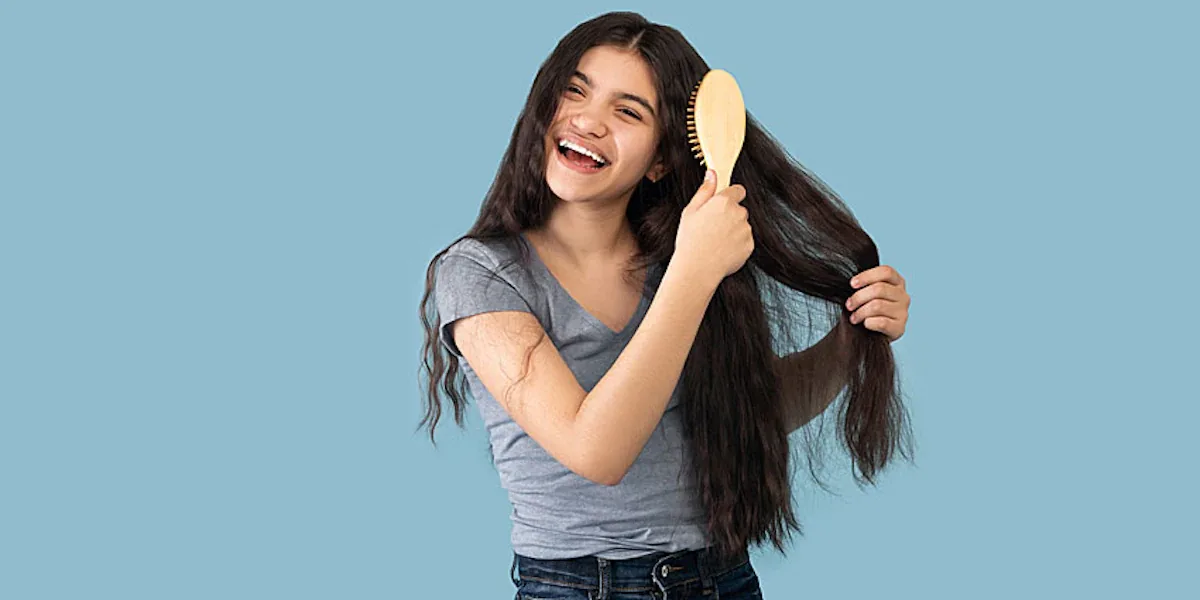
Good hair starts with care, not styling. Wash your hair when it needs it — usually every two to three days, not every day — and use a shampoo and conditioner that suit your hair type. Brush gently from the ends up, never yank through tangles, and use a wide-tooth comb on wet hair, because wet hair breaks easily. Trim the ends every eight to ten weeks to stop split ends travelling up the hair.
The habits that damage teen hair most are tight ponytails every day, heat without protectant, and brushing wet hair with a fine brush. Loosen the ponytail, use protectant, and switch to a wide-tooth comb — three small changes that make a visible difference in a month. And eat and sleep well: hair is mostly protein, and it shows when you are run down.
Accessories That Do the Work: Clips, Scrunchies and Headbands
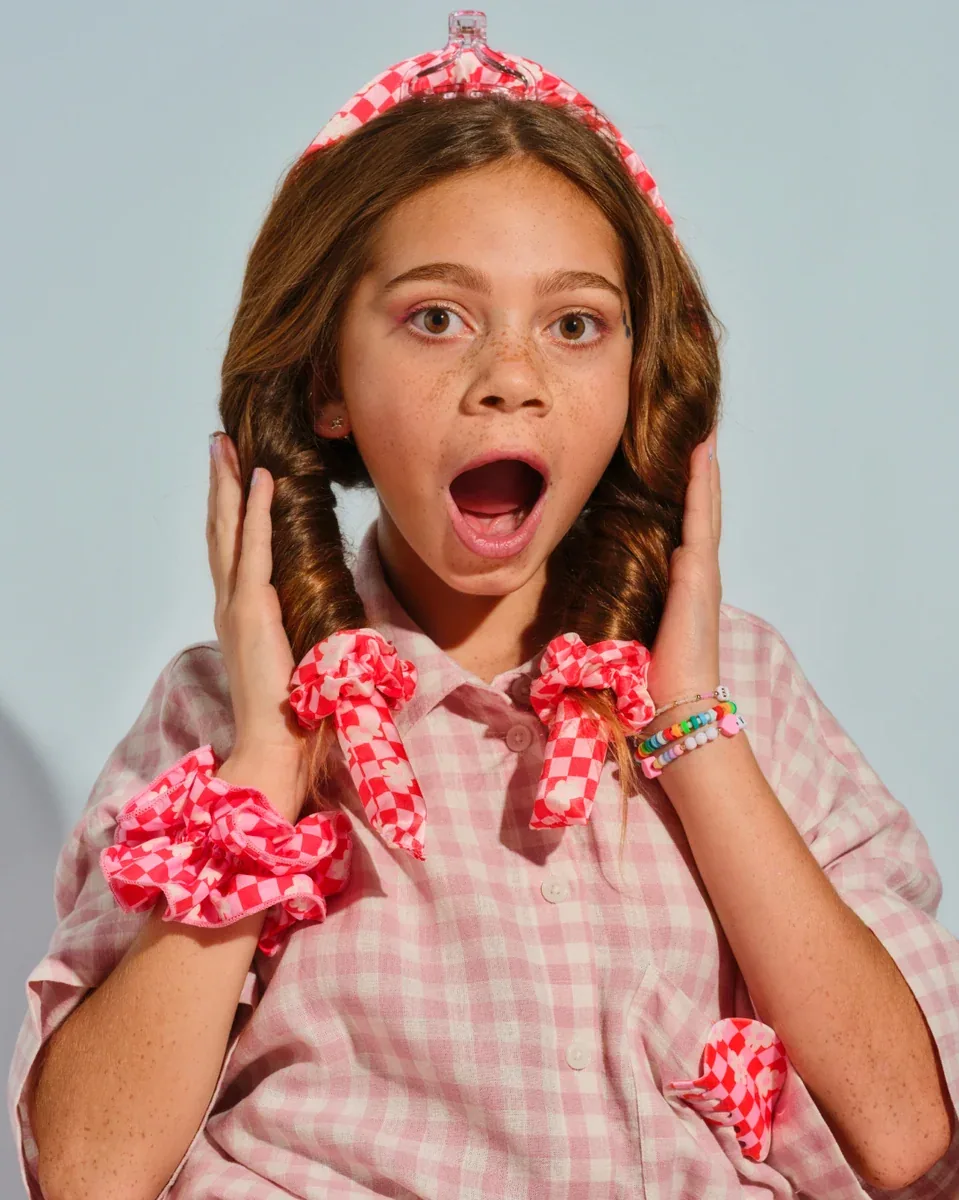
The right accessory can turn a two-minute hairstyle into something that looks finished. A claw clip holds a twist in thirty seconds. A scrunchie makes a ponytail softer and kinder to your hair. A headband keeps the front out of your face. Bobby pins, mini elastics and a silk scrunchie for sleeping are the other essentials — together they cost very little and they rescue almost any bad hair day.
Quick verdict: build a small kit and keep it in your bag. Two hair ties, a claw clip, a scrunchie, a few bobby pins and a headband will cover almost every style on this list. Choose accessories that match your hair colour for a neat look, or a bright colour for a fun one — and avoid metal clips that snag, and tight elastics that leave dents and break hair.
What are the best hairstyles for teenage girls for school?
The best school hairstyles are the ones that stay put, keep hair out of your face, and take under five minutes: a French braid, a low ponytail, a claw-clip twist, boxer braids, or a half-up half-down. They survive a full school day, PE and wind, and they do not need fixing between classes. Avoid styles that need constant attention or that fall apart easily.
How can a teenage girl style her hair in 5 minutes?
Pick one simple style and practise it twice at home first. A low ponytail takes one minute, a claw-clip twist takes thirty seconds, a messy bun takes two minutes, and a single French braid takes about five minutes once you know it. Lay out your tie or clip the night before, and do the hard part — like overnight braids for waves — while you sleep.
What hairstyle suits a teenage girl with curly hair?
Natural curls look best in styles that work with the curl pattern: a curly cut with layers, a pineapple bun at night to keep curls defined, a half-up style, or braids that show off the texture. Use curl cream on wet hair, avoid brushing dry curls, and ask for a stylist who understands curly hair. Avoid straightening every day, which damages the curl pattern over time.
Are braids good for teenage girls?
Yes — braids are one of the best hairstyles for teenage girls. They keep hair tidy and out of the face, they protect hair from tangling and damage, they survive sports and school, and they make beautiful heat-free waves overnight. French, Dutch, fishtail and boxer braids all suit teens, and they work on straight, wavy and curly hair.
What is the easiest hairstyle for a teenage girl?
The easiest hairstyles are a low ponytail (one minute), a claw-clip twist (thirty seconds), a scrunchie ponytail (one minute), and a messy bun (two minutes). They need no heat, no special skill, and only one accessory each. If you can tie a ponytail, you can do all four — and they all look intentional with almost no effort.
Should teenage girls use heat on their hair every day?
No — daily heat dries hair out, causes split ends and damages the curl pattern. Save straighteners and curling wands for special occasions, and use heat-free styles — overnight braids, buns and twists — for everyday looks. When you do use heat, always use a heat protectant, keep the temperature low, and never use hot tools on wet hair.
What haircut is best for a teenage girl?
It depends on what you want. A lob is the most versatile first short cut, long layers are the safest change for long hair, a bob is great for a fresh start, and face-framing layers improve almost any cut. Bring photos of girls with hair like yours to the salon, say what you do not want, and ask if you will still be able to tie your hair up.
How do teenage girls keep their hair healthy?
Wash every two to three days rather than daily, use shampoo and conditioner for your hair type, brush gently from the ends up, use a wide-tooth comb on wet hair, trim ends every eight to ten weeks, avoid tight ponytails every day, and use heat protectant whenever you use heat. Good sleep and a balanced diet help too — hair shows when you are run down.
Can teenage girls wear space buns to school?
It depends on your school’s rules. Space buns are fun and secure, but some schools prefer neater styles, so check first. Half-up space buns are usually more school-friendly than full space buns, and low pigtails or a braided crown are good alternatives if full space buns are not allowed.
What hairstyles are good for teenage girls with short hair?
Short hair suits space buns, mini braids, claw clips, headbands, a half-up bun, and a textured bob or lob. Accessories do a lot of the work on short hair — a headband, a clip or a scrunchie can change the whole look in seconds. A bob with face-framing layers is also a great short style that is easy to wear every day.
Conclusion
The best hairstyle for a teenage girl is not the trendiest one — it is the one that fits her hair, her morning, and her life. A French braid for school, a claw-clip twist for a busy day, beach waves for the weekend, and a lob or long layers when she wants a change: those four alone cover almost every day of the year. Learn one braid, keep a small kit of ties and clips in your bag, and save heat for special occasions — that is most of the secret.
Try new styles at home on a weekend first, never on a school morning, and do not worry if the first attempt is messy. Every braid, bun and wave on this list gets easier the third time you do it. Pick the styles that make you feel comfortable and confident, talk to a parent before any big cut or colour change, and let your hair be something fun — not something stressful.