Finger Waves, Victory Rolls and Beehives: Vintage Hairstyles for Women That Still Turn Heads Today
Vintage hairstyles never really left — they just waited for us to miss them. A finger wave from the 1920s, a victory roll from the 1940s, a beehive from the 1960s and a feathered Farrah wave from the 1970s all do something modern hair often does not: they give hair a shape, a silhouette and a personality. These are not hairstyles you forget by lunchtime. They are the looks that made whole decades recognisable, and they still turn heads today, whether you wear them to a wedding, a themed party or just a Tuesday when you feel like looking extraordinary.
This guide walks through 31 vintage hairstyles for women, from the 1920s to the 1970s — finger waves, victory rolls, beehives, bouffants, pin curls, old Hollywood waves, pageboys, poodle curls, mod pixies and disco curls — plus eight short guides on the questions that matter: which decade suits you, finger waves versus Hollywood waves, how to do victory rolls at home, how to tease without damage, which vintage style flatters your face shape, how to soften a retro look for everyday life, which accessories finish it, and how to keep it up all day. Each style comes with honest notes on styling time, maintenance and who should think twice, so you can pick a decade and wear it with confidence.
Which Decade Is Yours? Finding Your Vintage Era, 1920s to 1970s
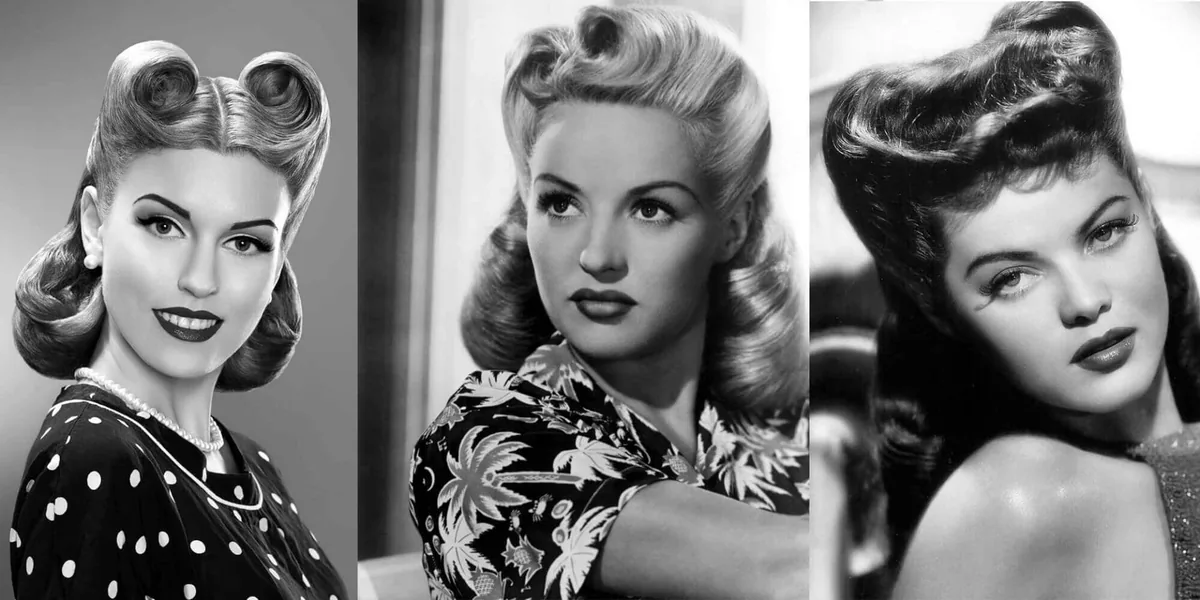
Every vintage decade has a different personality, and the fastest way to choose is to match the mood, not just the photo. The 1920s are sleek, sculpted and daring — finger waves, Eton crops and bobs that sit close to the head. The 1940s are polished and practical, with victory rolls and pageboys that were built to last a working day. The 1950s turn softer and more feminine, all curls, ponytails and pin-up bangs. The 1960s go big — beehives, bouffants and flipped ends — and the 1970s loosen everything up again with feathered layers, disco volume and Farrah waves.
Start with your hair and your life, not the decade you love most on paper. Short, fine hair loves the 1920s and the 1960s mod pixie; thick, long hair shines in 1940s rolls and 1970s feathering. If you have ten minutes in the morning, lean 1950s curls or soft 1970s waves. If you love an occasion look and do not mind pins, the 1940s and 1960s updos are yours. And remember you are not marrying a decade — most women borrow from two or three, wearing a soft finger wave one day and a feathered shag the next.
Finger Waves or Hollywood Waves? How to Tell Them Apart and Pick One

Finger waves and Hollywood waves look related, but they are built in opposite ways and they suit different occasions. Finger waves are sculpted flat against the head with a comb and setting lotion, forming neat S-shaped ridges that stay close to the scalp — the classic 1920s look, precise, glossy and architectural. Hollywood waves are soft, brushed-out curls that fall over the shoulders in wide, flowing S-curves, with a deep side part and one side sweeping over the eye. One is a sculpture; the other is a waterfall.
Choose finger waves if your hair is short to medium, you love a polished finish, and you are dressing up — they are unbeatable for weddings, themed parties and photos, and they hold their shape for hours once set. Choose Hollywood waves if your hair is medium to long, you want movement and softness, and you want a look you can wear to dinner as easily as to a photoshoot. Common mistake: asking for finger waves and expecting them to move like Hollywood waves. They will not — finger waves are meant to stay put. If you want flow, go Hollywood.
Victory Rolls at Home: The Tools, the Steps and the Mistakes to Skip
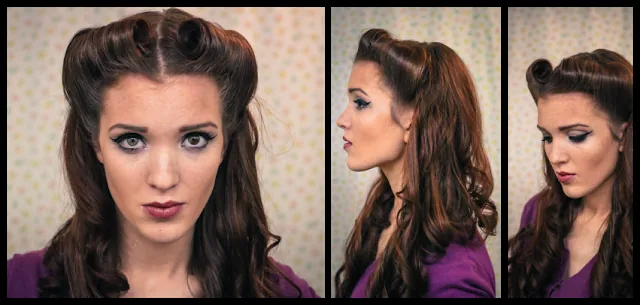
Victory rolls look complicated, but they are mostly a matter of the right tools and one patient practice run. You need a curling iron or hot rollers, a fine-tooth comb, strong-hold hairspray, bobby pins in your hair colour, and a little patience. Start with day-old hair or hair with dry shampoo in it — freshly washed, slippery hair is the enemy of a roll. Curl the section you want to roll, backcomb the underside lightly, then roll the hair up and inwards around two fingers, pinning from the inside so the pins disappear.
The mistakes that undo most first attempts are easy to avoid. Do not make the roll too big for your face — a roll wider than your cheekbone can overwhelm petite features, so start smaller and build up. Do not skip the backcombing: without it, the roll collapses within an hour. And do not spray only the outside — a light mist inside the roll before you pin it is what holds the shape. Cost and time: about 20 to 30 minutes the first time, 10 to 15 once you have done it twice. Practice the night before an event, not the morning of it.
Big Hair Without the Damage: How to Tease a Beehive and Bouffant Safely
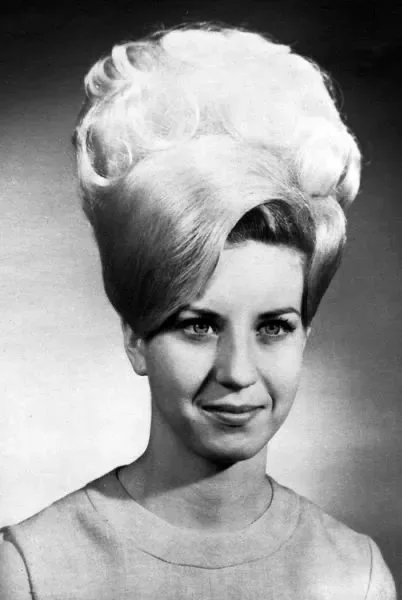
The beehive and the bouffant both depend on teasing, and teasing has a bad reputation because most people do it too roughly. The safe way is slow and gentle: take a small section, hold it straight up, and push the comb down toward the roots in short strokes — three or four strokes are enough — then smooth the top layer over it. Never saw the comb back and forth, never tease the same section twice, and never tease wet hair. A little dry shampoo or volumising powder at the roots gives the same lift with far less backcombing.
Maintenance matters as much as the styling. Undo a beehive by brushing it out gently from the ends upward with a wide-tooth comb, then wash with a moisturising shampoo and condition well — do not rip a brush through a teased style, or you will break hair. Who should avoid heavy teasing? Very fine, fragile or colour-damaged hair, which breaks easily; if that is you, use rollers, a hair rat or a clip-in volumiser instead of backcombing. Done gently, a beehive is an occasional treat, not a daily habit, and your hair will thank you for the days off.
1. Classic Finger Waves
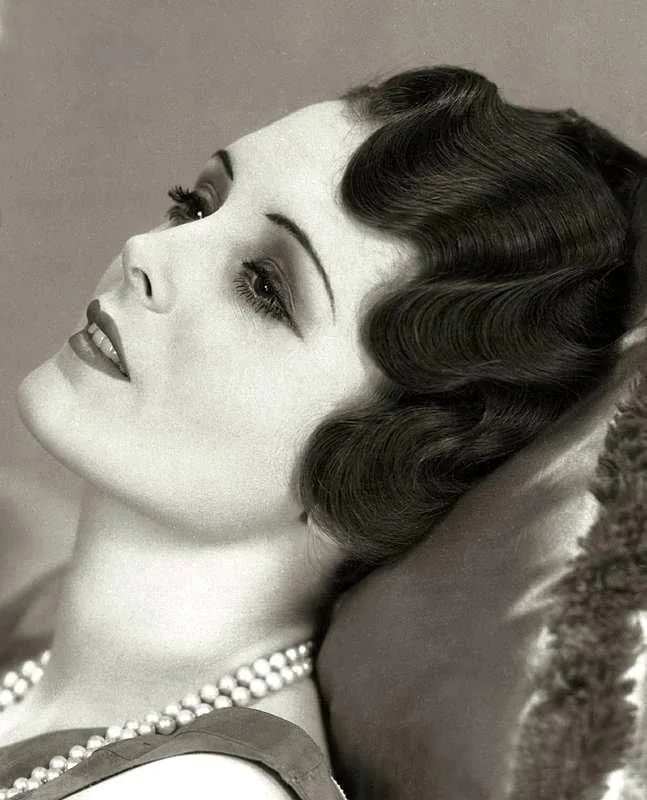
Classic finger waves are the defining hairstyle of the 1920s: sculpted S-shaped ridges that lie flat against the head, glossy and precise, like a piece of Art Deco jewellery. They were originally set on wet hair with gel and a comb, moulded ridge by ridge, and left to dry into a shape that could last for days. Today the look is recreated with setting lotion and a fine-tooth comb, or with a flat iron worked in a wave pattern for a faster, softer version.
Best for: short to medium hair, formal occasions, themed parties and anyone who loves a polished, graphic look. How to style: work on damp hair with a strong setting lotion, comb each wave into place with your fingers and the comb, clip the ridges with duckbill clips, and dry fully before removing them — impatience is what ruins finger waves. Pros: unmatched elegance, holds for hours, photographs beautifully. Cons: slow to set, and it does not suit a wash-and-go routine. Who should avoid it: women who want movement — finger waves are meant to stay sculpted, not swing.
2. Soft Finger Waves for Short Hair
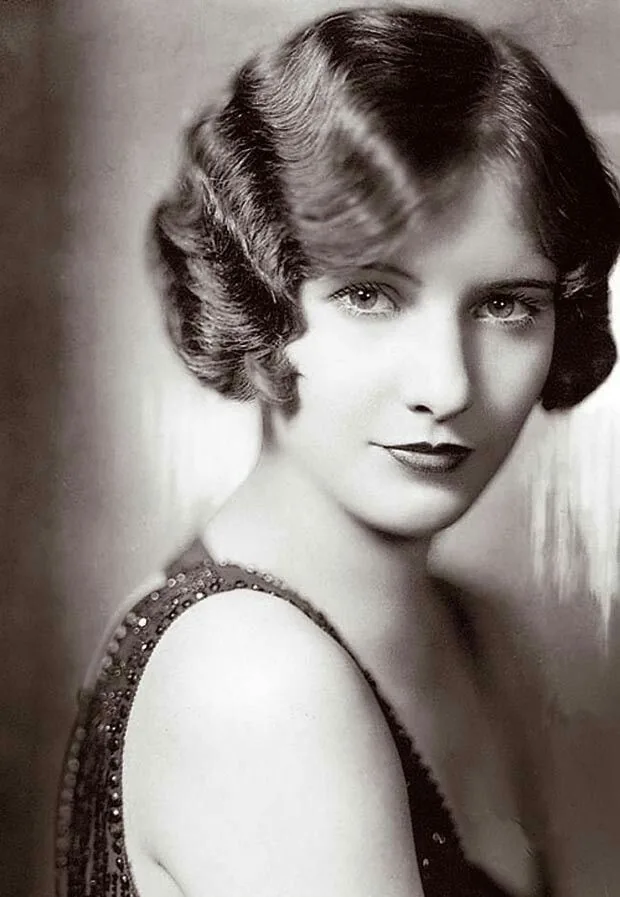
Soft finger waves take the 1920s classic and loosen it for real life. Instead of hard, lacquered ridges, the waves are brushed out slightly once set, so they look like gentle ripples rather than sculpture. On a short bob or a chin-length cut, the effect is romantic rather than severe — vintage, but wearable to a wedding or a dinner without looking like a costume.
Styling time: 15 to 20 minutes with a curling iron and a comb, or longer if you set them wet the traditional way. The trick is to stop one step earlier than you think: set the waves, let them cool, then brush through them once with a soft brush and finish with a light-hold spray. Maintenance is easy — the waves soften further overnight and still look intentional the next day. Who should avoid it: very long hair, where the waves lose their shape under the weight; this version belongs on short and medium lengths.
3. Victory Rolls: The 1940s Icon
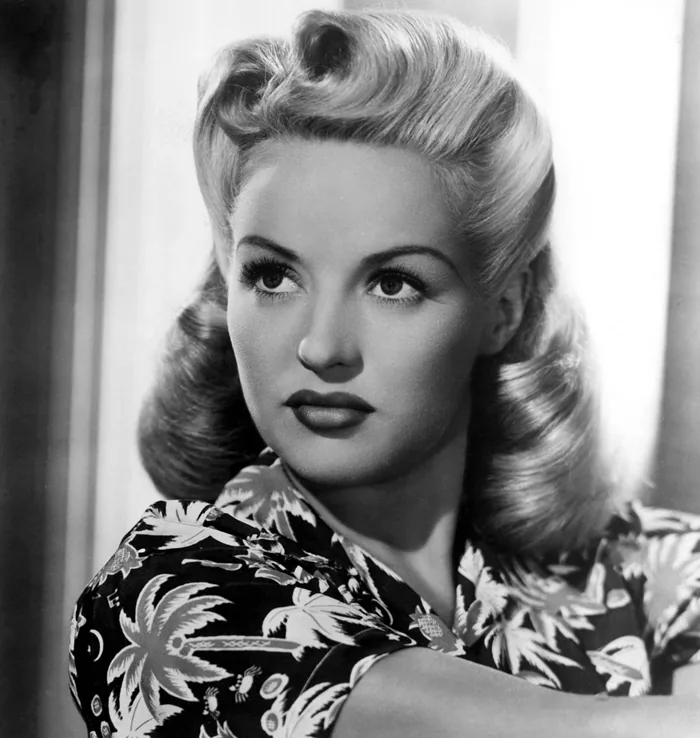
Victory rolls are the most recognisable hairstyle of the 1940s: two neat rolls of hair sitting high on either side of the head, like a pair of horns worn with pride. They were born in wartime, when women needed hair up and out of the way of factory machinery, and they became a symbol of glamour under pressure — practical, patriotic and impossibly chic all at once. The classic version pairs the rolls with a deep side part and the rest of the hair curled or pinned up.
Quick verdict: the boldest vintage style on this list, and the one that gets the most compliments. It suits medium to long hair best, and it needs curls, backcombing and pins to hold — allow 20 to 30 minutes. Pros: dramatic, flattering on most face shapes, and it keeps hair completely off the face. Cons: it is a statement, so it can feel like too much for a quiet day, and it takes practice. Who should avoid it: very short hair, which cannot form a proper roll without extensions or a hairpiece.
4. Half-Up Victory Rolls
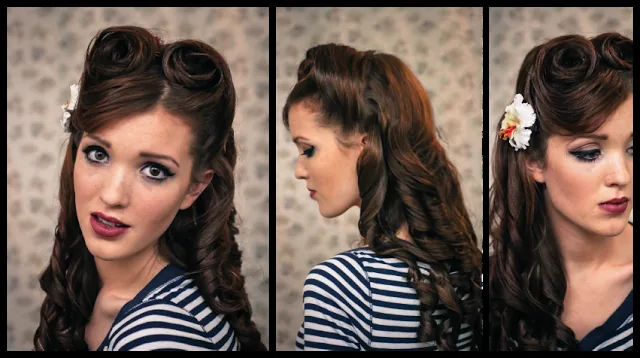
Half-up victory rolls keep the drama of the classic but let the rest of your hair down, which makes them far easier to wear. Two smaller rolls sit at the front or crown, while the length behind falls in curls or soft waves. It is the version to choose if you love the 1940s look but want something that works for a party, a date or a wedding guest outfit without feeling like a full costume.
How to style: curl the whole head first, then take a section from each side of the front, roll it up and pin it. Keep the rolls smaller than the classic version — about the width of two fingers — and let a few face-framing pieces fall loose to soften the look. Styling time: about 15 minutes once you have practised. Maintenance: a few extra pins in your bag and a travel-size hairspray, because the rolls can loosen after a few hours of dancing.
5. The Beehive
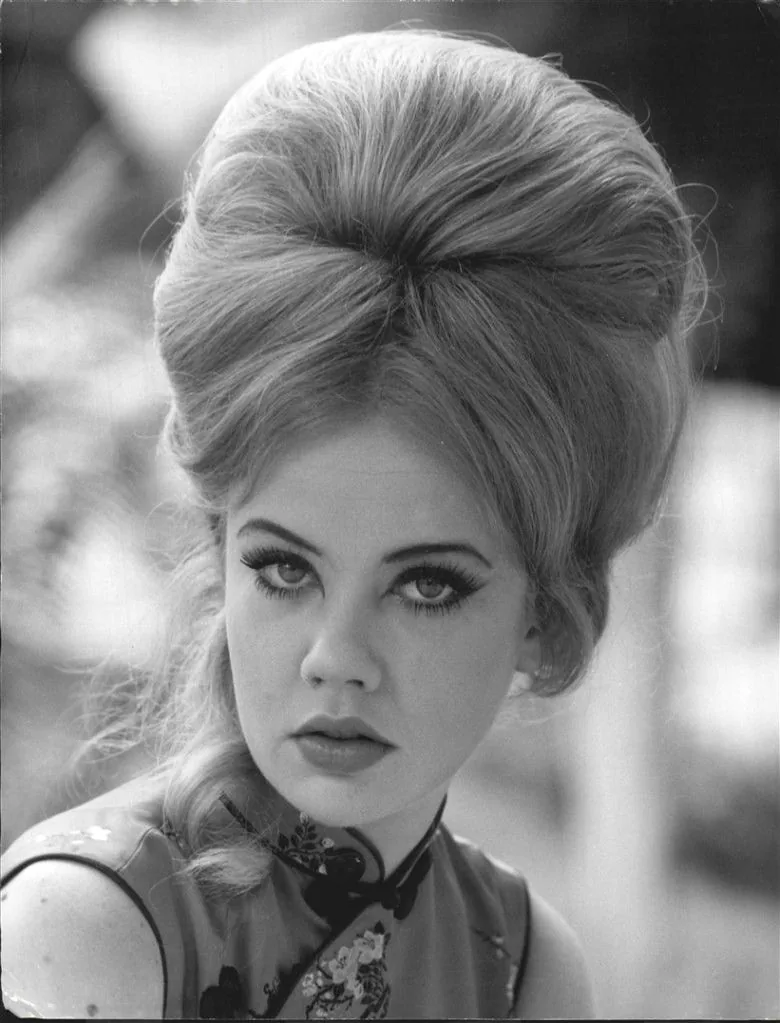
The beehive is the tallest, boldest hairstyle of the 1960s: hair piled high into a rounded cone, smooth on the outside and full of teased volume inside. It was invented in 1960 and became an instant icon, worn by everyone from girl groups to grandmothers, and it still turns heads today because no other style has quite the same silhouette. A true beehive is an updo — the hair is gathered, teased and smoothed into a tall shape, then pinned and sprayed into place.
Pros: maximum height and drama, elongates the face, and it suits formal occasions and themed events perfectly. Cons: it needs teasing, pins and a lot of hairspray, and it is not a daily style — your arms will ache before your hair does. Cost and time: 20 to 40 minutes at home, or a salon visit if you want it perfect. Who should avoid it: very fine hair without a hair rat or padding, and anyone who dislikes the feeling of a lot of product in their hair.
6. The Soft Modern Beehive
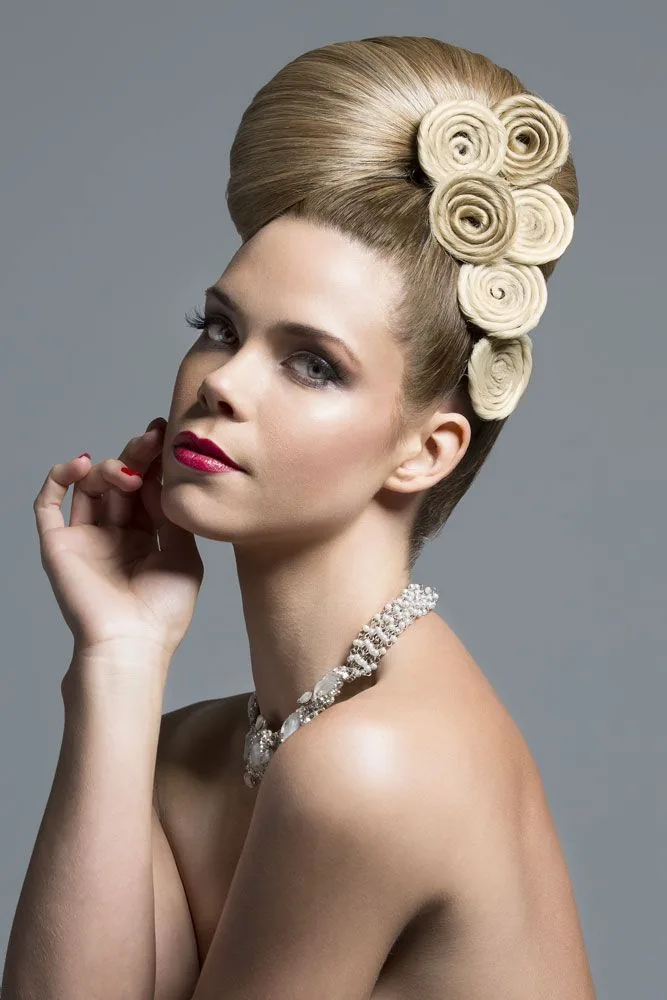
The soft modern beehive keeps the height of the 1960s original but tones down the severity. The crown is lifted and smoothed, the sides are soft, and the finish is less lacquered and more touchable — think a beehive that has been to 2026, not one frozen in 1962. It works beautifully for weddings, proms and formal dinners, and it flatters women who want height without looking like they are wearing a costume.
Styling time: about 15 minutes with a volumising mousse, a round brush and a few pins. The trick is to build the height with rollers or a gentle backcomb, then smooth only the top layer and leave the ends soft — a beehive that is too perfect looks dated, while one that is slightly soft looks expensive. Who should avoid it: nobody, really — this is the most wearable version of the beehive, and it suits short, medium and long hair with a little padding or a hairpiece for volume.
7. Farrah Fawcett Feathered Waves
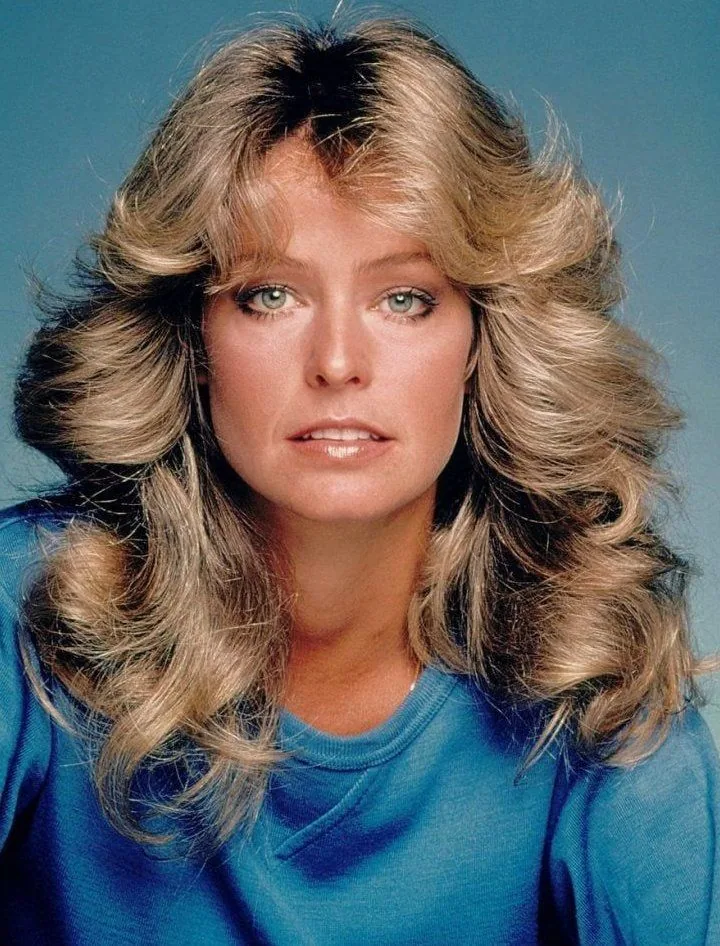
Farrah Fawcett’s feathered waves are the defining hairstyle of the 1970s: long layers flicked away from the face, feathered at the ends, with volume at the crown and a centre part. It was the most copied hairstyle of its decade — salons called it the Farrah cut, and women brought her photo in by the thousand — because it made long hair look light, bouncy and full of movement instead of heavy and flat.
Best for: medium to long hair with layers, and women who want volume without an updo. How to style: blow-dry with a large round brush, flicking the layers away from the face, then finish with a large-barrel curling iron on the ends. Styling time: 10 to 15 minutes. Pros: flattering on almost every face shape, full of movement, and it grows out gracefully. Cons: it needs layers cut correctly — without feathered layers, the flick will not happen. Who should avoid it: very short hair, which cannot feather, and very curly hair, which will fight the flick.
8. Pin Curls
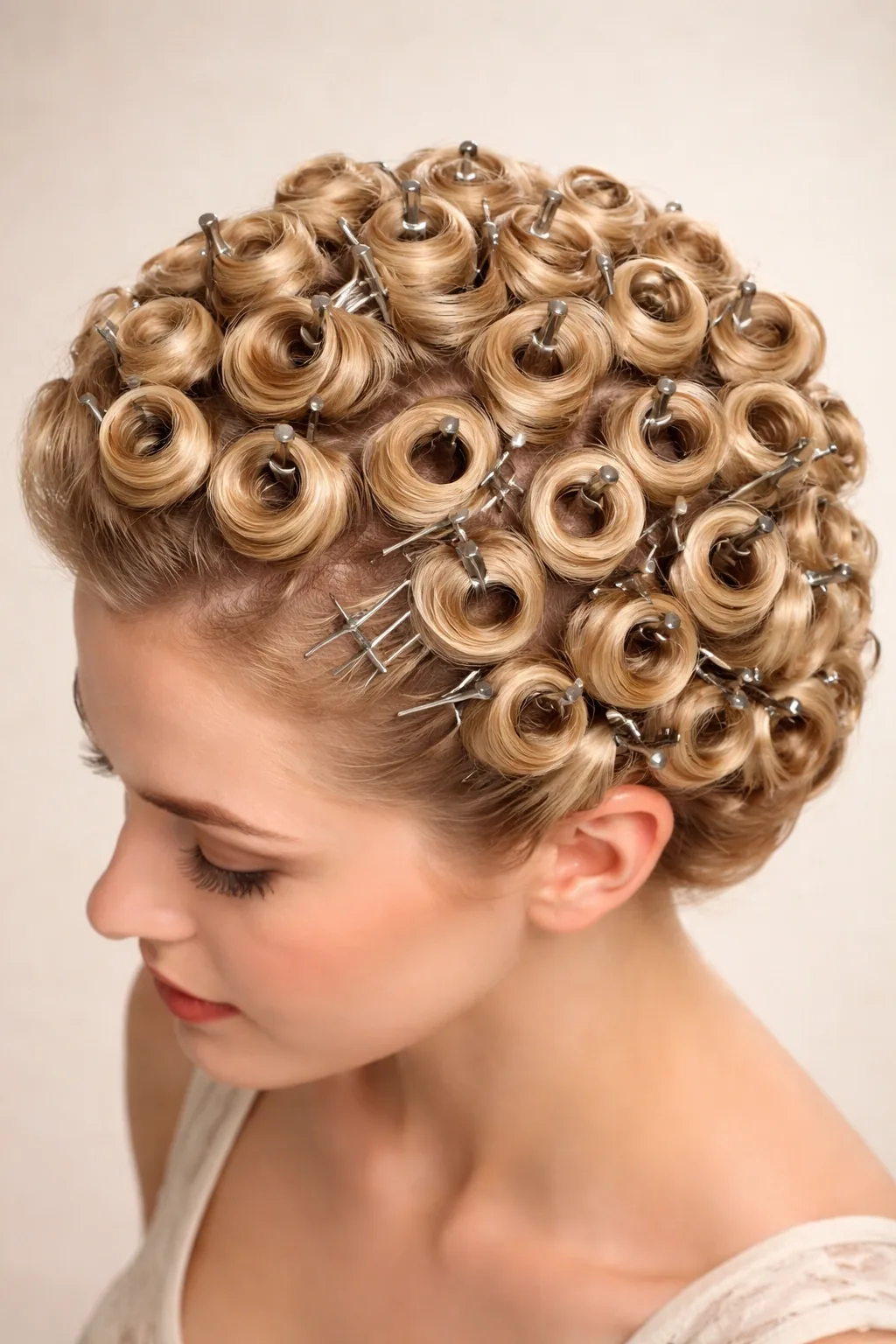
Pin curls are the oldest trick in vintage hairstyling: small sections of damp hair wound into flat spirals and pinned to the head, left to dry into soft, bouncy curls. They were how women set their hair before hot tools existed, and they still work beautifully — no heat, no damage, and curls that last for days. They are also the secret behind many of the other styles on this list, because a head of pin curls can be brushed into Hollywood waves, finger waves or a 1950s set.
How to style: on damp hair, take a one-inch section, wind it into a flat circle against the head, pin it with two bobby pins crossed over each other, and repeat all over. Sleep in them or let them dry for a few hours, then remove the pins and brush out gently. Styling time: 20 minutes to set, then drying time. Pros: completely heat-free, long-lasting curls, and it works on almost every hair type. Cons: it takes planning — you cannot do pin curls in five minutes before work.
9. Old Hollywood Waves
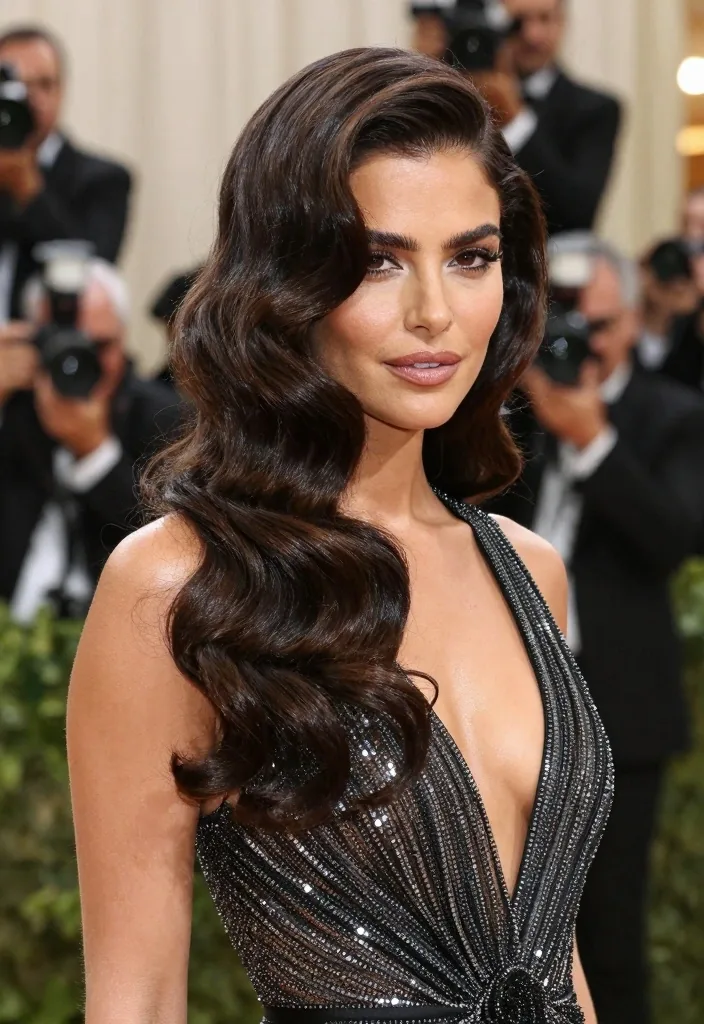
Old Hollywood waves are the red-carpet version of vintage hair: deep side part, wide glossy S-waves, one side sweeping over the eye, the other tucked neatly behind the ear. They were the signature of the 1930s and 1940s screen goddesses, and they remain the most requested vintage look for weddings and formal events, because they are glamorous without being fussy and they suit almost everyone.
Quick verdict: the safest vintage choice for a big occasion. It suits medium to long hair best, and it needs a curling iron, a brush and patience — curl in one direction, let the curls cool, then brush them into waves with a soft bristle brush. Styling time: 20 to 30 minutes. Pros: timeless, flattering, and it photographs like a dream. Cons: it needs heat and a good hairspray to last the night. Who should avoid it: very short hair, which cannot form the long S-curves — try finger waves instead.
10. The 1920s Bob With Finger Waves
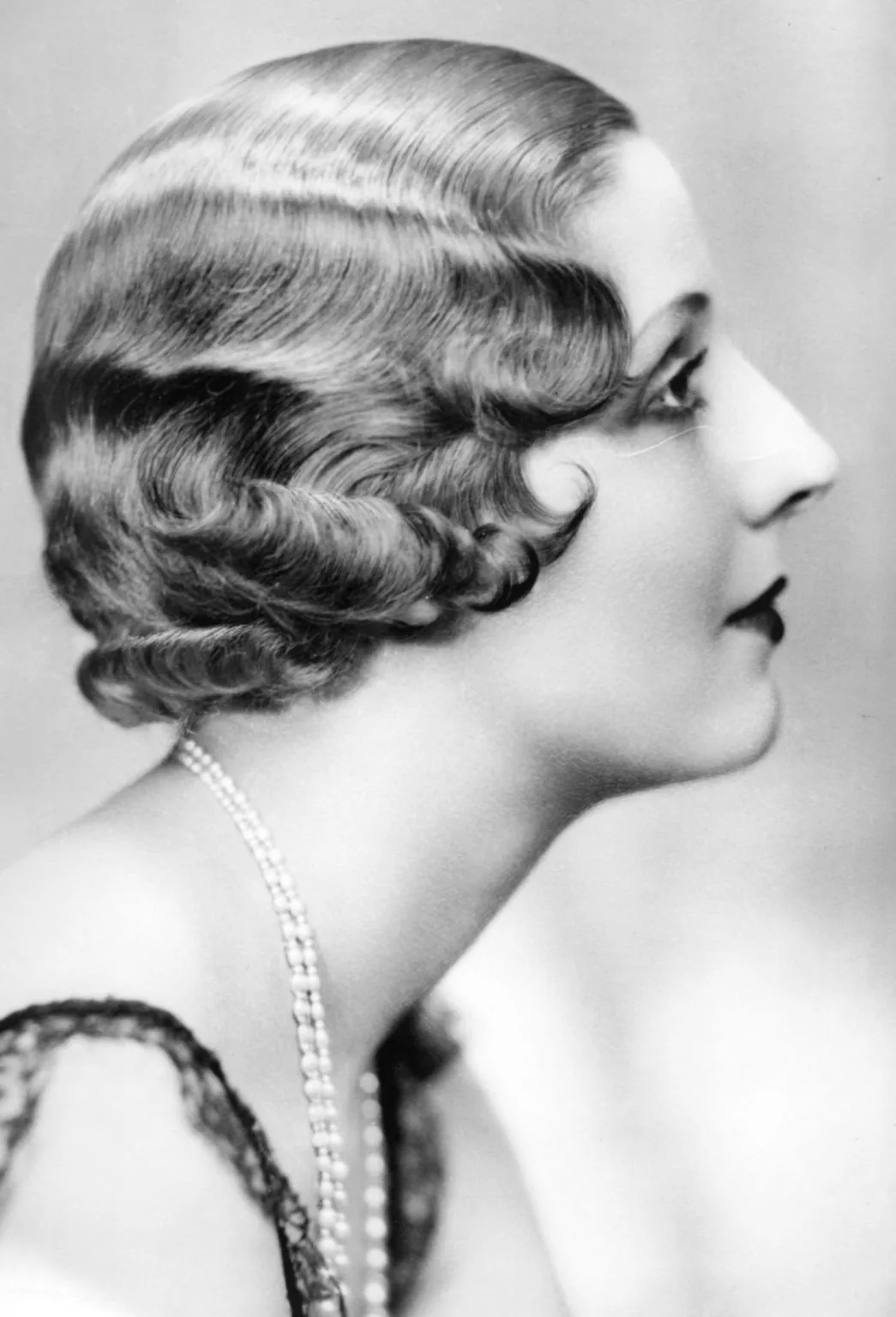
The 1920s bob with finger waves is the flapper look in full: a chin-length bob, sleek and close to the head, with sculpted waves rippling across the sides. It was shocking in its day — short hair on women was a rebellion — and it is still striking now, because the combination of a sharp bob and soft waves is both graphic and feminine. It suits women who love a defined shape and do not mind a style that looks deliberately done.
Best for: straight or slightly wavy hair, oval and heart-shaped faces, and anyone going to a 1920s-themed event or a formal occasion. How to style: cut the bob first, then set the waves with a comb and setting lotion, or shape them with a flat iron. Styling time: 15 to 25 minutes. Maintenance: trims every five to six weeks to keep the bob sharp. Common mistake: letting the bob grow too long — once it passes the jaw, the finger waves lose their flapper shape.
11. The 1940s Pageboy
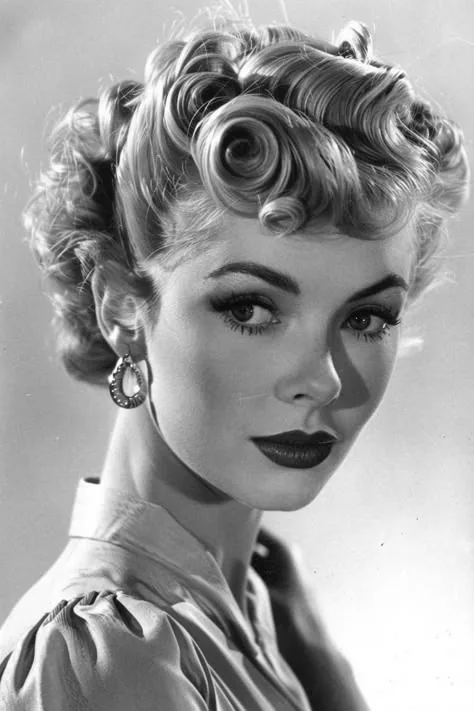
The pageboy is the quiet classic of the 1940s: shoulder-length hair with the ends curled under in one smooth roll, parted to the side and worn sleek on top. It was the everyday hairstyle of the decade — practical, polished and easy to maintain — and it is still one of the most flattering vintage cuts, because the curled-under ends frame the face and the length is long enough to tie back.
Styling time: five to ten minutes with a round brush or a large curling iron, curling the ends under. It suits straight and wavy hair best, and it works on almost every face shape. Pros: easy, elegant, and it grows out gracefully. Cons: it can look plain if you love volume — add a little root lift or a side sweep to keep it interesting. Who should avoid it: very curly hair, where the smooth pageboy roll will fight the natural curl every morning.
12. 1950s Poodle Curls
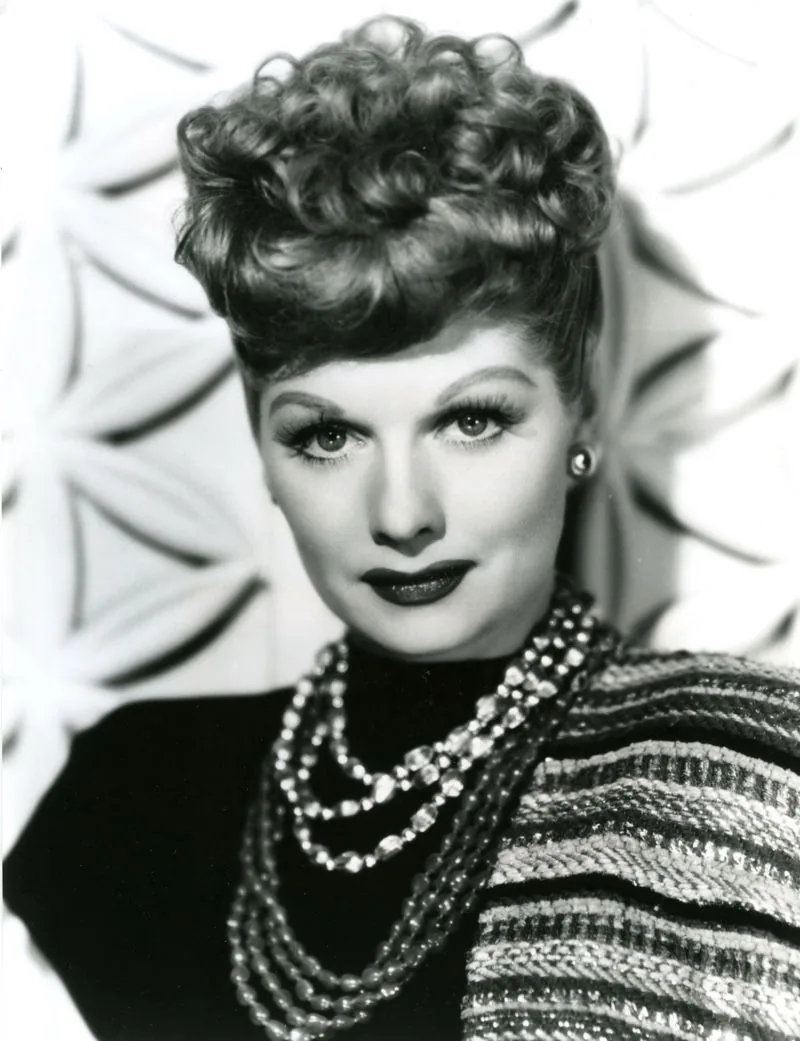
The 1950s poodle cut is a short, tight-curl style that looks like its name: a cloud of small, springy curls worn close to the head, with volume all over. It was the playful side of the 1950s — less polished than the pageboy, more fun than a set — and it suits women with natural curl or a good perm, because the curls do most of the work. On the right person it is joyful, youthful and full of personality.
Quick verdict: choose this if you love curls and hate fuss. Styling takes five minutes — a little curl cream on damp hair, scrunch, and let it dry. Pros: low effort, full of volume, and it hides bad hair days completely. Cons: it needs curl to work; straight hair will need a perm or a lot of hot rollers to hold the shape. Who should avoid it: women who want a sleek, smooth style — the poodle cut is the opposite of sleek, and that is the point.
13. The 1950s Scarf Ponytail
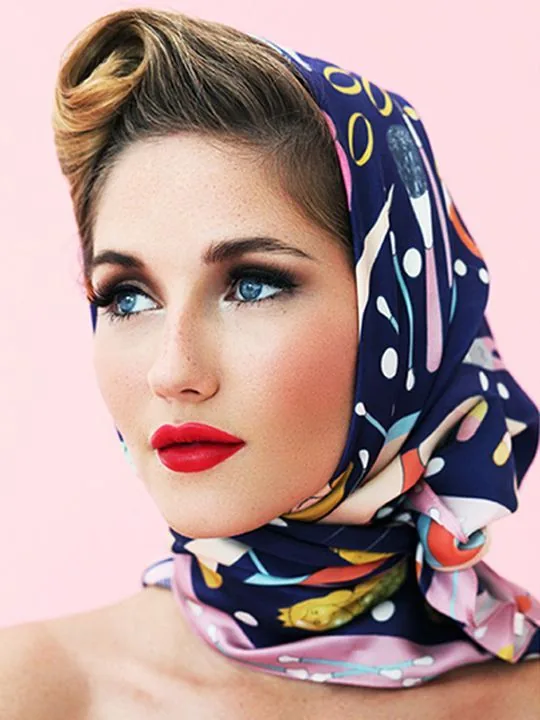
A 1950s ponytail tied with a silk scarf is vintage hair at its most cheerful: a high, bouncy ponytail, curled at the ends, with a bright scarf knotted at the base or tied around the head. It was the look of the girl next door in the 1950s — practical, pretty and full of colour — and it is one of the easiest vintage styles to wear today, because it needs no special cut and no heat beyond a quick curl of the ends.
How to style: gather the hair high, secure it, curl the ponytail ends under or out, then tie a scarf around the base and let the ends flutter. Styling time: five minutes. It suits long and medium hair, and it is perfect for summer, holidays and casual days. Maintenance: none beyond a spare scarf in your bag. Common mistake: tying the scarf too tight — it should sit softly, not pull at the hairline.
14. 1960s Flipped Ends
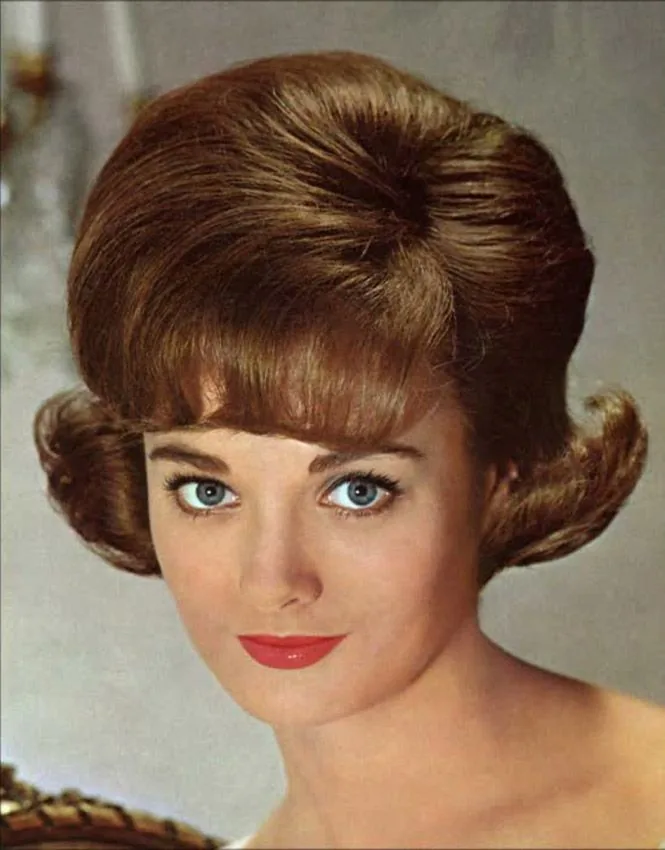
Flipped ends are the bouncy, optimistic hairstyle of the 1960s: a bob or shoulder-length cut with the ends flicked outward, like a pageboy in reverse. They were worn by everyone from housewives to pop stars, and they are still one of the freshest vintage looks, because the outward flick adds movement and a little humour to an otherwise simple cut. It is the vintage style that least looks like a costume.
Best for: straight to wavy hair, medium lengths, and women who want a vintage touch without a full vintage commitment. How to style: blow-dry with a round brush, flicking the ends out, or use a flat iron turned outward on the last inch. Styling time: five minutes. Pros: quick, cheerful, and it suits almost every face shape. Cons: the flick drops out in humidity, so it needs a light hairspray. Who should avoid it: very curly hair, which will not hold a neat outward flick.
15. The 1960s Bouffant
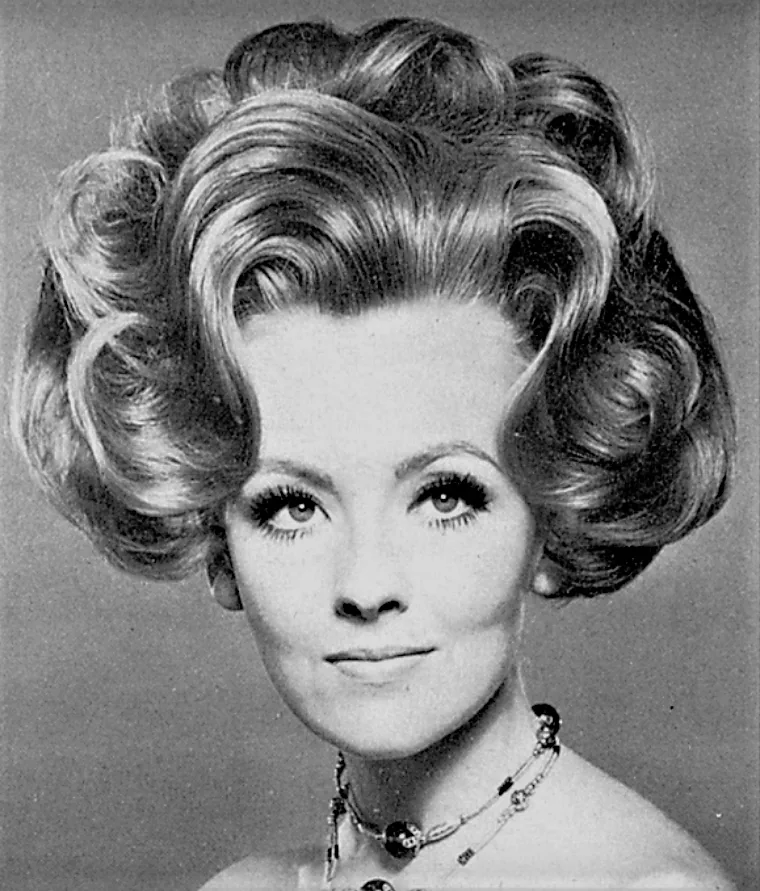
The bouffant is the beehive’s softer sister: big, rounded volume at the crown, but with the sides and ends left looser and more flowing. It was the hairstyle of the early 1960s — Jackie Kennedy’s famous version was a bouffant — and it is still the most elegant way to wear big vintage volume, because it looks like hair, not architecture. The shape is rounder and lower than a beehive, and it frames the face instead of towering over it.
Styling time: 15 to 20 minutes with rollers or a round brush and a gentle backcomb at the crown. It suits medium to long hair best, and it flatters round and square faces because the height lengthens the face. Pros: elegant, flattering, and easier to wear than a beehive. Cons: it needs volume products and a little teasing to hold. Who should avoid it: very fine hair without volumising help, and anyone who wants a completely wash-and-go style.
16. The 1970s Feathered Shag

The 1970s feathered shag is layers, layers and more layers: a shaggy cut with feathered ends that flick out around the face and shoulders, full of texture and movement. It was the cool, rock-and-roll side of the 1970s, worn by musicians and actresses who wanted hair that looked effortless even when it was carefully cut. Today it is back in a big way, because the feathered shag suits modern, undone styling perfectly.
How to style: blow-dry with a round brush, flicking the layers out, or air-dry with a little texture spray for a more lived-in finish. Styling time: five to ten minutes. It suits medium to long hair and most face shapes, and it is one of the best vintage cuts for thick hair, because the layers remove weight. Pros: full of movement, easy to grow out, and it looks good messy. Cons: it needs the layers cut well — a bad shag looks ragged, not feathered.
17. Wartime Bandana Rolls
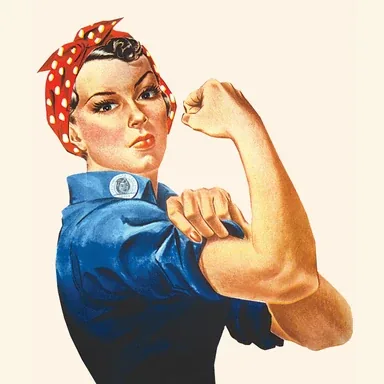
Wartime bandana rolls are the practical vintage style: hair rolled up and tucked under a knotted bandana or headscarf, with the front rolls peeking out. It is the Rosie the Riveter look — born in factories, where loose hair was dangerous — and it is still the most useful vintage style for a bad hair day, a workout, or a day when you simply do not want to think about your hair.
Best for: any hair length that can be pinned up, and anyone who wants vintage style without heat or effort. How to style: roll the front sections, pin the rest up, tie a bandana over the top with the knot at the front or side, and let the rolls show. Styling time: five minutes. Pros: protects the hair, hides unwashed roots, and it is genuinely practical. Cons: it is a casual look, so it does not suit a formal occasion. Who should avoid it: nobody — this is the most forgiving vintage style on the list.
18. Marcel Waves
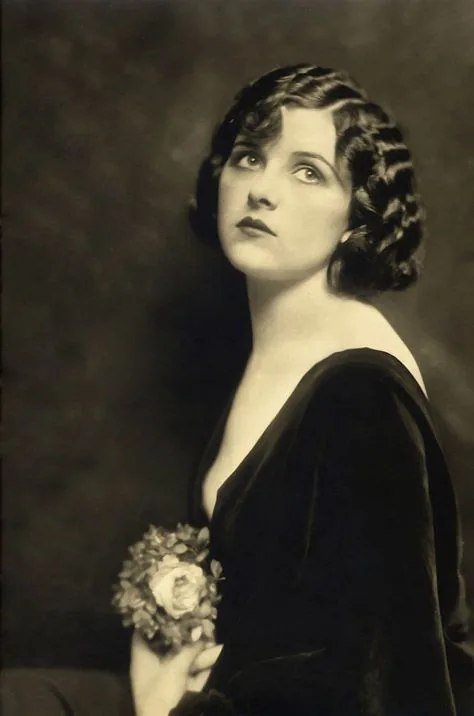
Marcel waves are the deeper, softer cousin of finger waves: the same S-shaped ridges, but created with a heated curling iron instead of a comb and setting lotion, so the waves are fuller and more flowing. They were named after the French hairdresser Marcel Grateau, who invented the heated waving iron in the 19th century, and they became the glamour wave of the 1920s and 1930s — less architectural than finger waves, more romantic.
Quick verdict: choose Marcel waves if you love the 1920s look but want it softer. They suit medium to long hair, and they need a curling iron and a brush — curl in sections, let them cool, then brush into waves. Styling time: 20 minutes. Pros: softer and more wearable than finger waves, with real movement. Cons: they need heat, and they can drop out in humidity without a good hairspray. Who should avoid it: very short hair, which cannot form the long Marcel curves.
19. Bettie Page Bangs
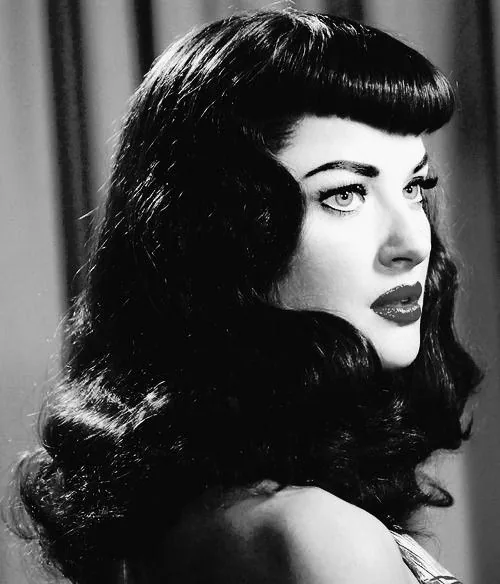
Bettie Page bangs are the pin-up fringe: short, straight, blunt bangs that sit just above the eyebrows, paired with dark, curled hair. They were the signature of the 1950s pin-up queen, and they are still the boldest fringe you can wear — they frame the eyes, shorten a long forehead, and give any hairstyle an instant vintage edge. They work with a bob, with long curls, or with a ponytail.
Styling time: two minutes — a quick blow-dry with a round brush, or a flat iron if they kink. Maintenance is the catch: blunt bangs need a trim every two to three weeks to stay above the eyebrows, and they need washing more often than the rest of the hair. Pros: dramatic, flattering on long faces, and they transform a plain cut. Cons: high maintenance, and they do not suit a strong cowlick. Who should avoid it: women who hate styling a fringe every morning — this one will not style itself.
20. The 1960s Mod Pixie
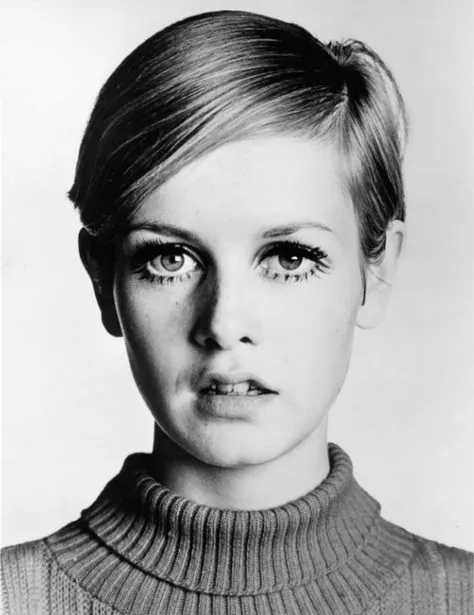
The 1960s mod pixie is the Twiggy look: very short, sleek, boyish hair with a long fringe swept to the side, worn with bold eyes and a mini dress. It was the most modern hairstyle of its decade — a clean break from the big curls and beehives that came before it — and it is still the chicest short vintage cut, because it shows off the face completely and needs almost no styling.
Best for: petite features, strong cheekbones, and women who love short hair. How to style: a little wax or pomade, finger-combed into place, and two minutes. Pros: wash-and-go, cool in summer, and it makes the eyes the focus. Cons: it grows out fast and needs a trim every three to four weeks. Who should avoid it: women who are unsure about short hair — there is nowhere to hide with a pixie, and that is both its charm and its risk.
21. 1970s Disco Curls
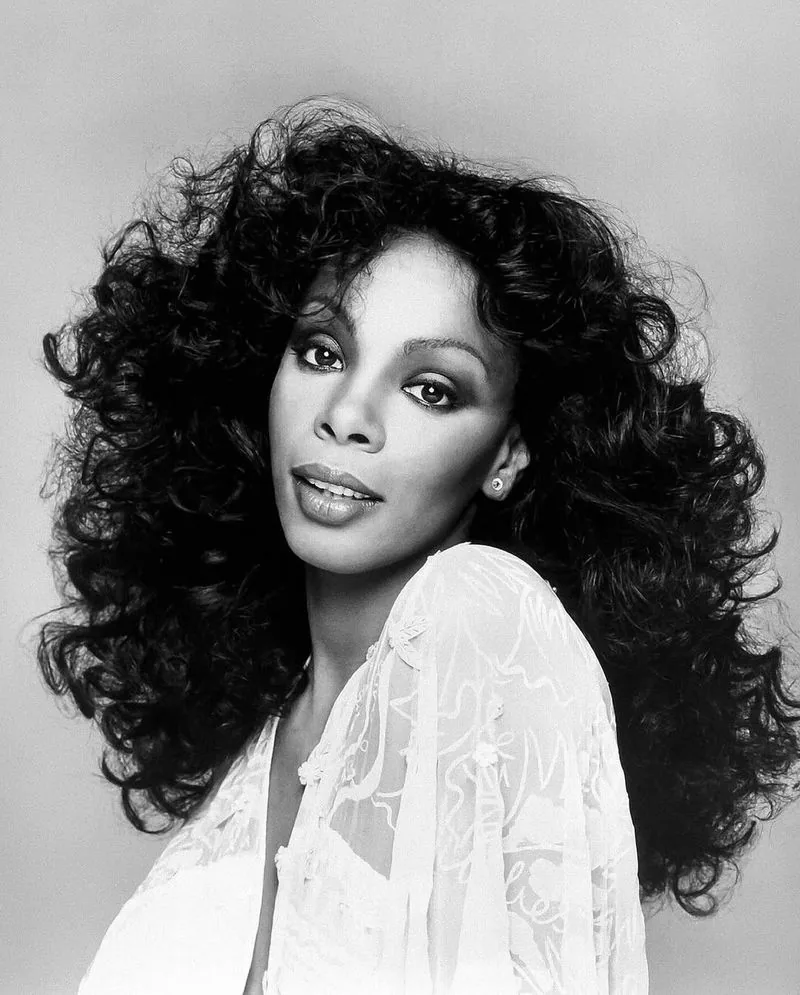
Disco curls are the 1970s at full volume: big, bouncy, brushed-out curls worn loose and wild, with layers that bounce as you move. They were made for dancing — the hair moves with the music — and they are still the most fun vintage style for a party, because they are big, joyful and impossible to ignore. The secret is volume at the roots and curls that are brushed out, not left tight.
How to style: curl with hot rollers or a large-barrel iron, let the curls cool, then brush them out with a paddle brush and finish with a volumising spray. Styling time: 20 to 30 minutes. It suits medium to long hair with layers. Pros: maximum volume, maximum fun, and it photographs beautifully in motion. Cons: it needs heat and it can frizz in humidity. Who should avoid it: very fine hair, which may not hold the volume without a lot of product.
22. The Vintage French Twist
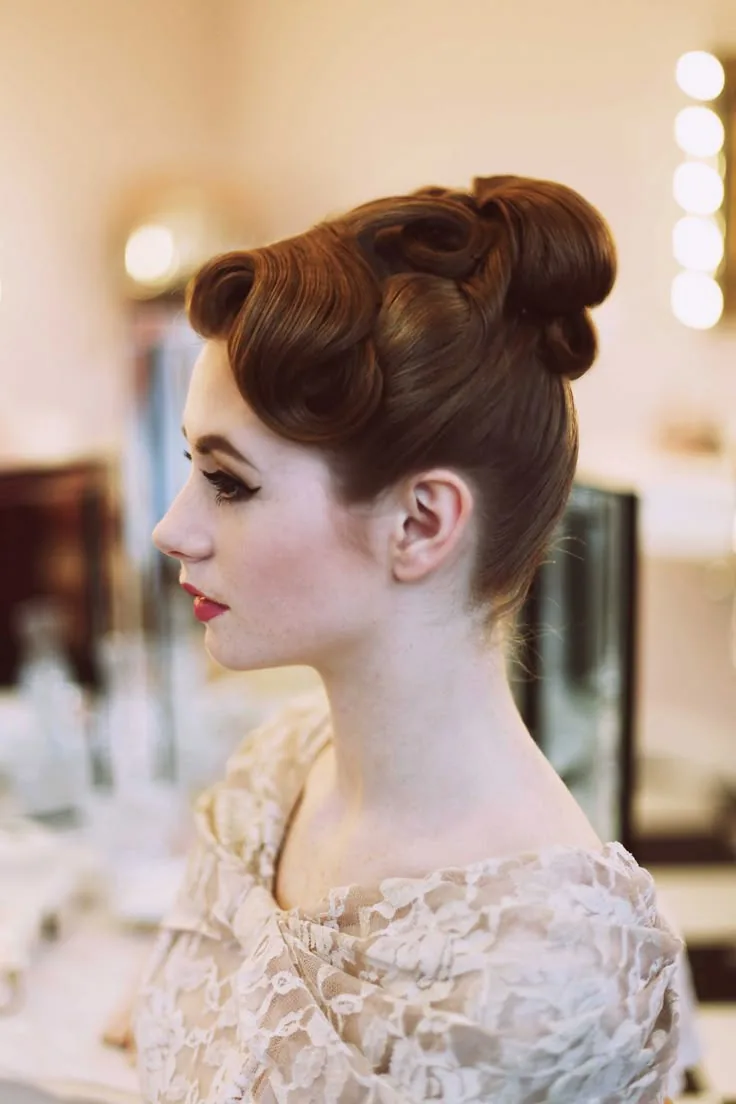
The vintage French twist is the most elegant updo on this list: hair swept up and twisted into a vertical roll at the back of the head, smooth on the outside and secured with pins. It was the formal hairstyle of the 1940s, 1950s and 1960s — worn to weddings, dinners and the office — and it is still the updo that looks most expensive with the least effort, because the shape is so clean.
Styling time: 10 to 15 minutes with a comb, pins and hairspray, once you have practised the twist. It suits medium to long hair best. Pros: timeless, flattering on every face shape, and it keeps hair completely off the neck in summer. Cons: it takes practice — the first few attempts will look lopsided, and that is normal. Who should avoid it: very short hair, which cannot form the twist, and very thick hair, which may need extra pins. Common mistake: making the twist too tight — a slightly soft twist looks more modern and more forgiving.
23. Veronica Lake Peekaboo Waves
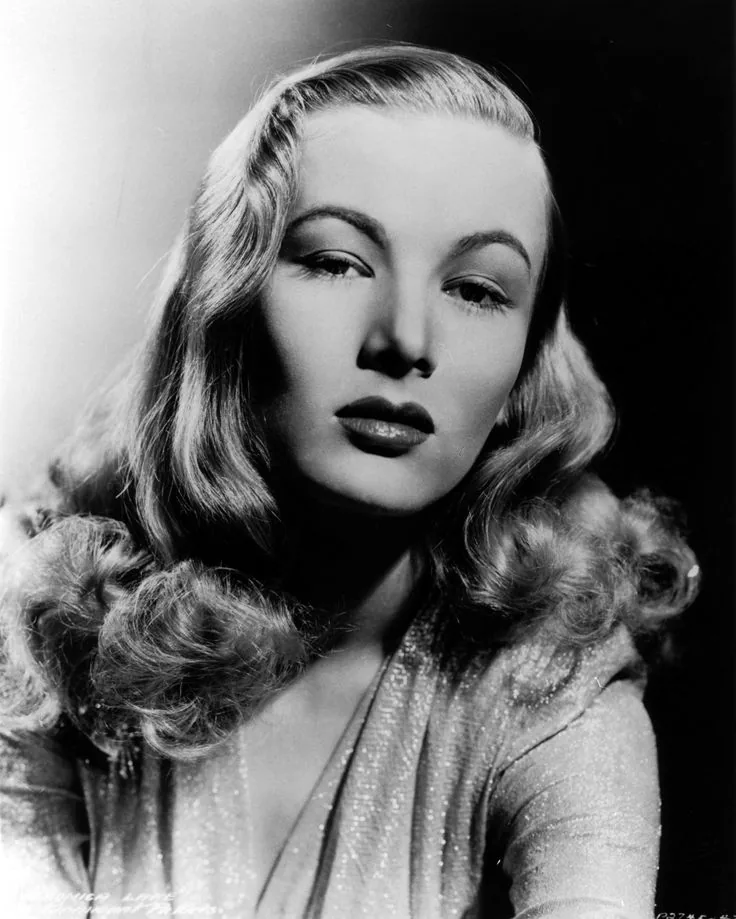
Veronica Lake’s peekaboo waves are old Hollywood with a wink: long, glossy waves parted deeply to one side, with one side falling over the eye in a soft curtain. It was the most copied hairstyle of the 1940s — so copied, in fact, that the US government asked Lake to change it, because factory workers were copying the eye-covering wave and getting their hair caught in machinery. The look survived, and it is still the sexiest vintage wave.
Best for: long hair, a deep side part, and anyone who wants glamour with a little mystery. How to style: curl the hair in one direction, brush into waves, and let the heavy side fall over one eye — resist the urge to tuck it back. Styling time: 20 minutes. Pros: incredibly flattering, and it suits a formal occasion perfectly. Cons: the hair over the eye can be annoying if you are not used to it. Who should avoid it: women who work with machinery, for the very reason the government worried about — and anyone who hates hair in their face.
24. The 1950s Curly Bob

The 1950s curly bob is a chin-length bob full of soft, set curls — the curls are brushed out just enough to look fluffy rather than tight, and the whole shape is round and feminine. It was the everyday glamour of the 1950s, worn by women who set their hair in rollers every night and brushed it out every morning, and it is still a lovely choice for women with natural curl or a love of rollers.
Quick verdict: soft, feminine and surprisingly easy. Styling takes 10 minutes with rollers or a curling iron, then a brush-out. It suits round and oval faces best, because the round shape balances the face. Pros: full of volume, flattering, and it holds its shape well. Cons: it needs a set — air-drying will not give you the same fluffy finish. Who should avoid it: very straight hair that drops curl quickly, unless you are happy to use rollers and hairspray.
25. Half-Up Beehive
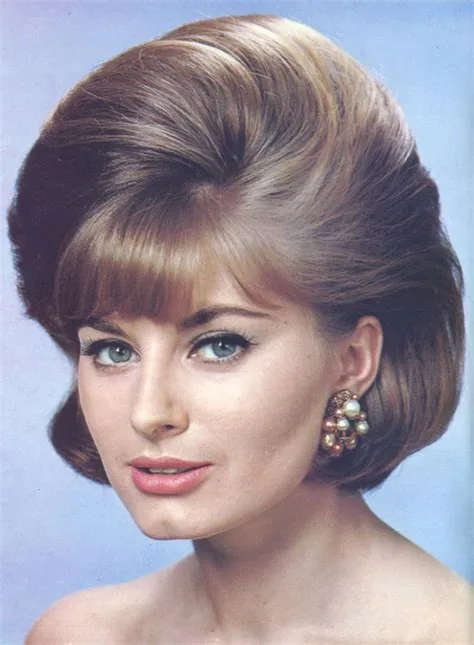
The half-up beehive takes the height of the 1960s beehive and pairs it with loose hair behind, which makes it softer and far easier to wear. The crown is teased and smoothed into a gentle hive, while the rest of the hair falls in curls or waves. It is the beehive for women who love the height but want to keep their length visible — perfect for weddings, proms and parties.
How to style: tease the crown section gently, smooth the top layer over it, pin it at the back, then curl the loose hair. Styling time: 15 minutes. It suits medium to long hair. Pros: height and length in one style, and it flatters most face shapes. Cons: it needs a little teasing, so follow the gentle-teasing rules in the guide above. Who should avoid it: very short hair, which cannot form both the hive and the loose length.
26. The 1920s Eton Crop
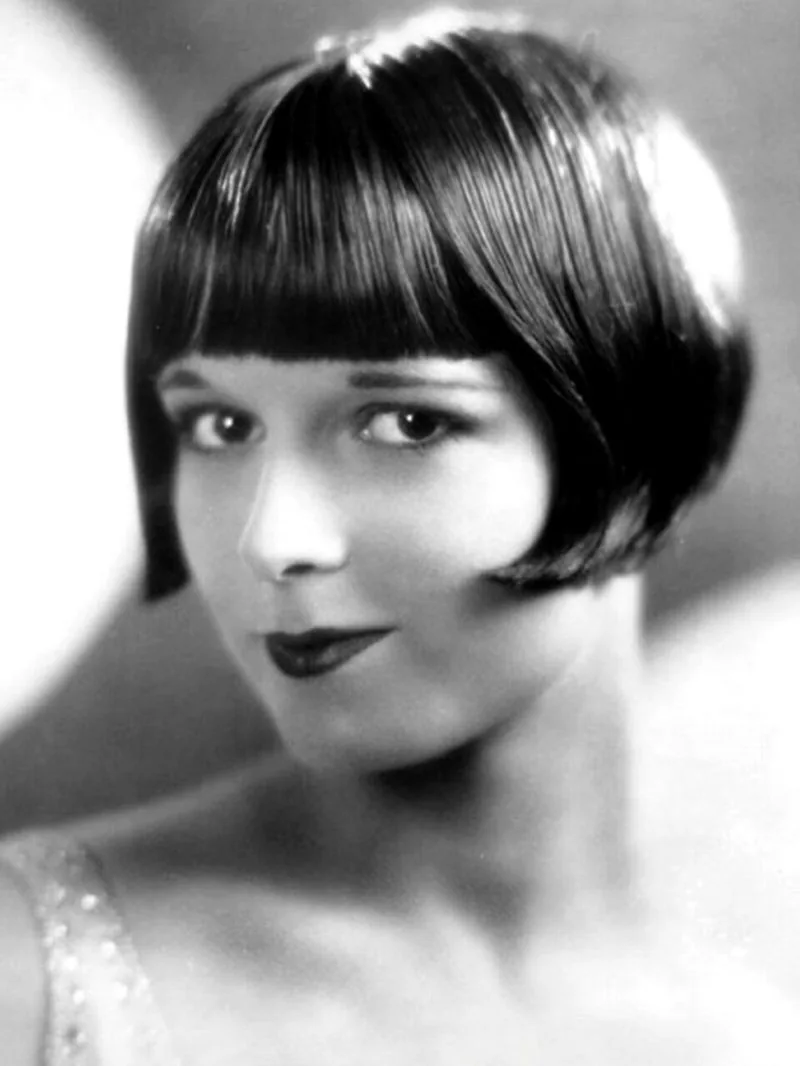
The Eton crop is the shortest, boldest hairstyle of the 1920s: hair cut close to the head, slicked back or parted to the side, with no curls and no fuss. It was named after the Eton schoolboy haircut, and it was worn by the most daring flappers as a statement of independence. Today it reads as chic, androgynous and strikingly modern — a vintage cut that looks like it could have been invented yesterday.
Best for: strong features, a good head shape, and women who love very short hair. How to style: a little pomade, combed back or to the side, and two minutes. Pros: wash-and-go, cool, and unforgettable. Cons: it needs a confident wearer and a trim every three weeks. Who should avoid it: women who want versatility — an Eton crop has one look, and it is a bold one. Cost and time: the cheapest style on this list to maintain, if you love it.
27. 1970s Feathered Fringe
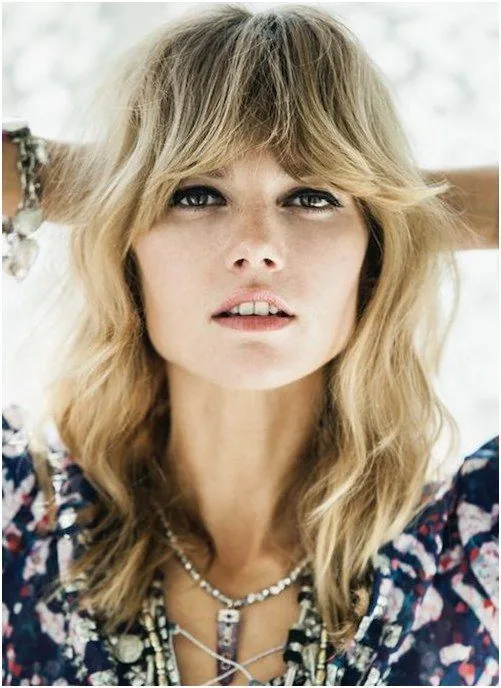
A 1970s feathered fringe is bangs with movement: feathered, parted in the middle or swept to the sides, with the ends flicked out instead of cut blunt. It was the fringe of the Farrah era, and it is still the softest way to wear bangs, because the feathering means they never look harsh and they grow out gracefully — no blunt line to fight as they lengthen.
Styling time: three minutes with a round brush, flicking the fringe away from the face. It suits most face shapes, and it is particularly good for long faces, because the fringe shortens the forehead. Pros: soft, forgiving, and easy to grow out. Cons: it needs a little styling most mornings — feathered bangs do not fall perfectly on their own. Who should avoid it: very curly hair, where the feathered ends can spring up unpredictably.
28. The Vintage Braided Crown
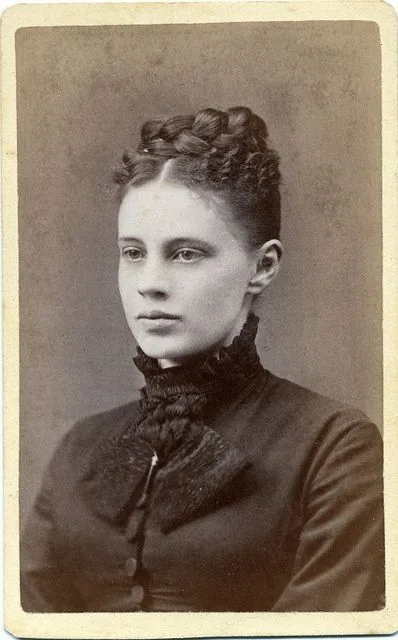
The vintage braided crown is an Edwardian and Gibson-girl updo: hair braided and wrapped around the head like a crown, soft and romantic, with a few loose pieces at the face. It was the hairstyle of the 1900s and 1910s, and it is still one of the most beautiful vintage updos, because it looks intricate but is surprisingly simple — two braids, pinned in place, and a little loosening for softness.
How to style: braid two sections, wrap them over the head in opposite directions, pin them, then pull a few pieces loose at the face and finish with hairspray. Styling time: 10 to 15 minutes. It suits long hair best. Pros: romantic, secure, and it keeps hair completely off the face. Cons: it needs length — shoulder-length hair will struggle to wrap all the way around. Who should avoid it: very short hair, and anyone who wants a quick five-minute style.
29. The Vintage Bridal Updo
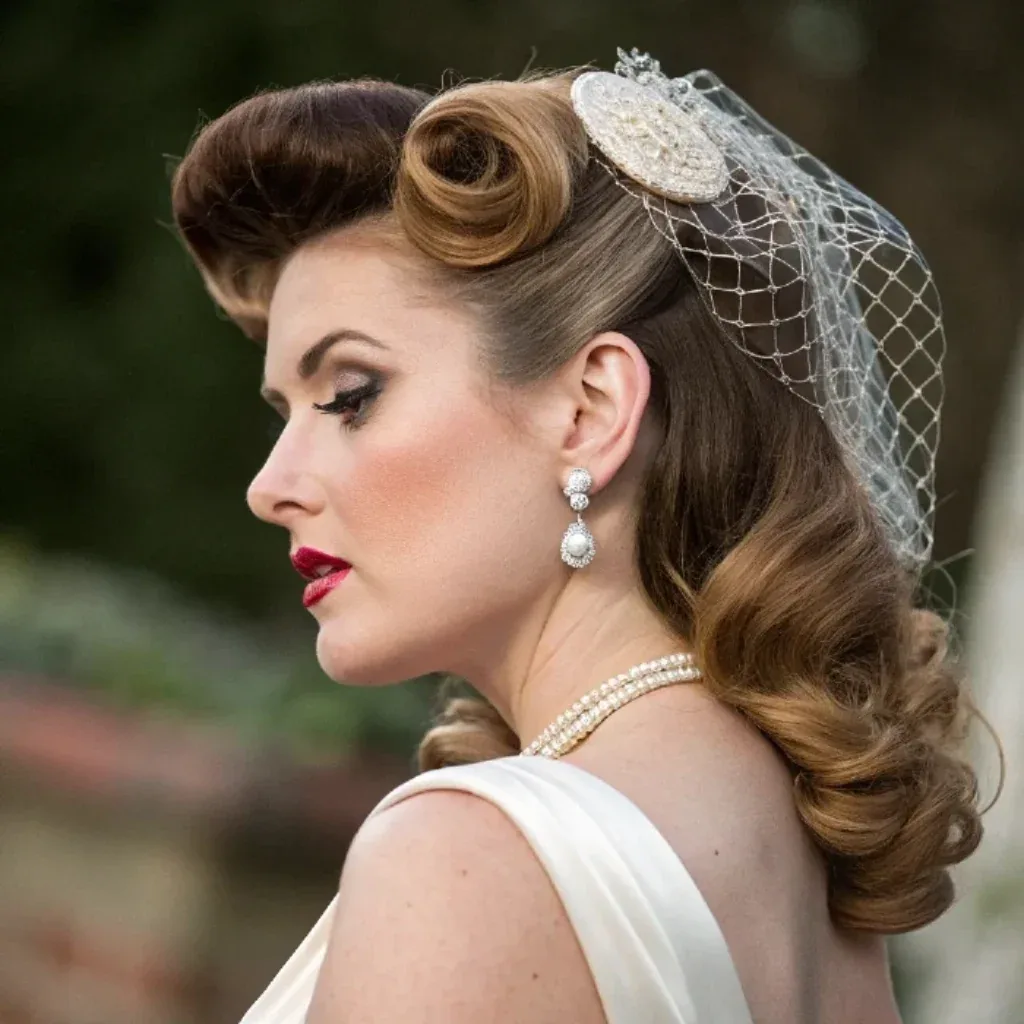
A vintage bridal updo borrows from the 1940s and 1950s — victory rolls, soft curls and a French twist, finished with a veil, flowers or a vintage hairpiece — and it is one of the most romantic wedding looks there is. It suits a vintage dress perfectly, and it photographs beautifully, because the structured shape holds its form all day while the soft curls keep it from looking stiff.
Quick verdict: the vintage look most worth a trial run. Book a trial with your stylist, bring photos of the exact rolls and curls you want, and wear the veil or hairpiece to the trial so the stylist can build around it. Styling time: 45 to 60 minutes in the salon. Cost: a bridal updo costs more than a blow-dry, so budget for it. Who should avoid it: brides who want a completely undone, boho look — this one is polished by design.
30. Retro Waves for Long Hair
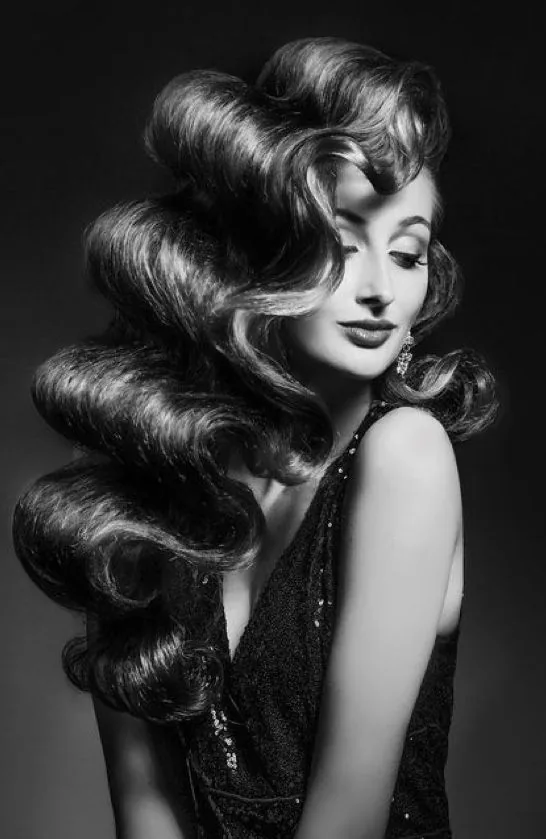
Retro waves for long hair are the loosest vintage style on this list: long, brushed-out waves with a deep side part, worn down over the shoulders, in the spirit of the 1930s and 1940s screen stars. They are less sculpted than finger waves and less bouncy than disco curls — the waves are wide, soft and glossy, and the whole look is about length and shine rather than structure.
Best for: long hair, and women who want vintage glamour without an updo. How to style: curl in large sections in one direction, let the curls cool completely, then brush through with a soft brush and finish with a shine spray. Styling time: 20 to 25 minutes. Pros: flattering on everyone, full of movement, and it works for a wedding or a dinner. Cons: long hair is heavy, so the waves can drop — use a strong-hold spray and avoid touching them too much.
31. Vintage Hairstyles for Women Over 50
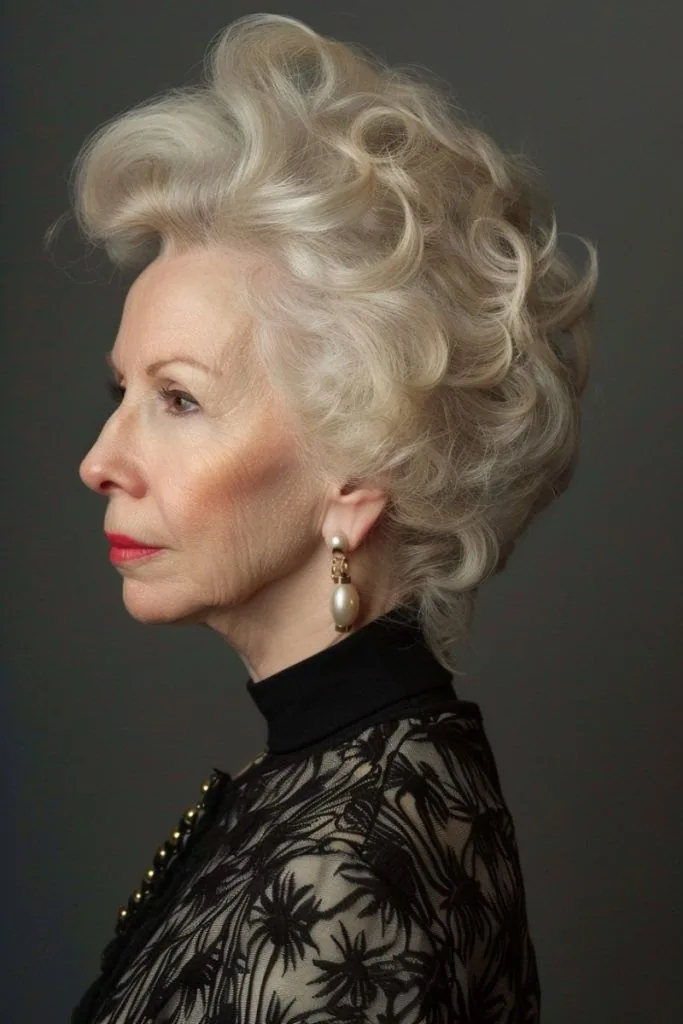
Vintage hairstyles suit women over 50 beautifully, because the classic shapes — a soft pageboy, a gentle finger wave, a low French twist — are flattering, polished and age-appropriate without being dull. The key is softness: a soft finger wave instead of a hard sculpted one, a gentle bouffant instead of a tall beehive, and curls that are brushed out rather than tight. The result is elegant, not costume-like.
Styling time: five to fifteen minutes, depending on the style. A jaw-length pageboy with curled-under ends is the easiest daily choice, while a soft French twist is the best occasion choice. Pros: timeless, flattering, and the shapes add volume where hair naturally thins. Cons: very tall beehives and very short Eton crops can look harsh on mature skin — keep the volume soft and the lines gentle. Who should avoid it: nobody — just choose the softer version of the decade you love.
Vintage Hair for Your Face Shape: What Flatters Round, Oval, Square and Long Faces
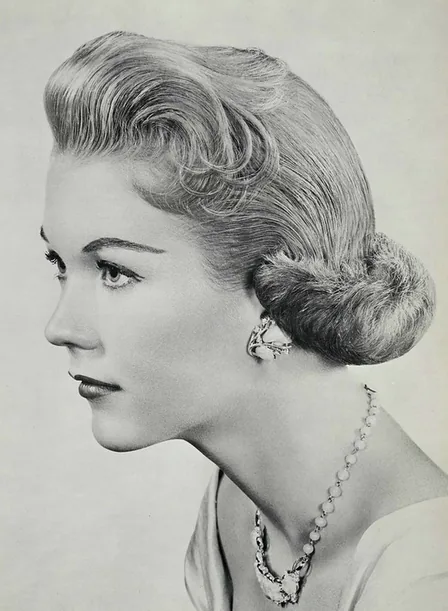
Face shape matters more in vintage hair than in modern hair, because vintage styles are so structured — a tall beehive or a flat finger wave changes the shape of your whole head. Round faces suit height at the crown and length at the front, so a soft beehive, a half-up victory roll or long Hollywood waves all work, while a short, wide finger wave can make a round face look rounder. Oval faces can wear almost anything, so choose on hair texture and occasion instead.
Square faces suit softness: side parts, curtain waves and curls that fall past the jaw break up the angles, while a blunt Bettie Page fringe and a sharp Eton crop can emphasise them. Long faces suit width and a fringe — a 1950s curly bob, a feathered fringe or a pageboy with curled-under ends all add width at the sides. Heart faces suit styles that add width at the jaw, like a pageboy or a long bob with finger waves. When in doubt, bring a photo of a woman with your face shape to your stylist, not just a photo of the hairstyle.
Wearing Vintage Today: How to Soften a Retro Look for Everyday Life
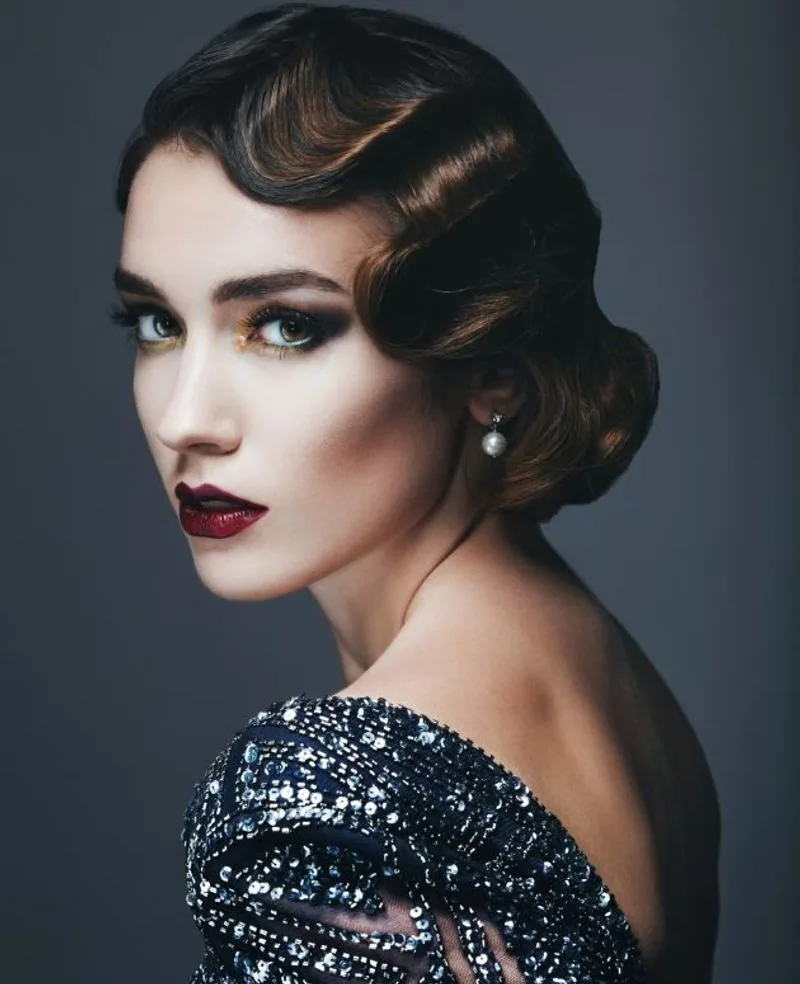
The secret to wearing vintage hair in 2026 is softness. Take the decade you love and turn the volume down by one notch: a finger wave brushed out instead of lacquered, a beehive lowered by an inch, victory rolls made smaller, a Farrah flick worn with modern clothes instead of a full 1970s outfit. The shape stays vintage, but the finish looks current — and nobody will think you are in costume.
Pair the hair with the rest of your look, not against it. A soft finger wave with jeans and a simple top looks intentional; the same wave with a flapper dress looks like a theme party. The same rule applies to makeup: a vintage hairstyle with a modern, natural makeup look reads as stylish, while full vintage makeup on top of full vintage hair can tip into costume. Start with one vintage element — the hair — and keep everything else modern, and the look will feel like yours.
The Finishing Touch: Scarves, Pins, Headbands and Flowers
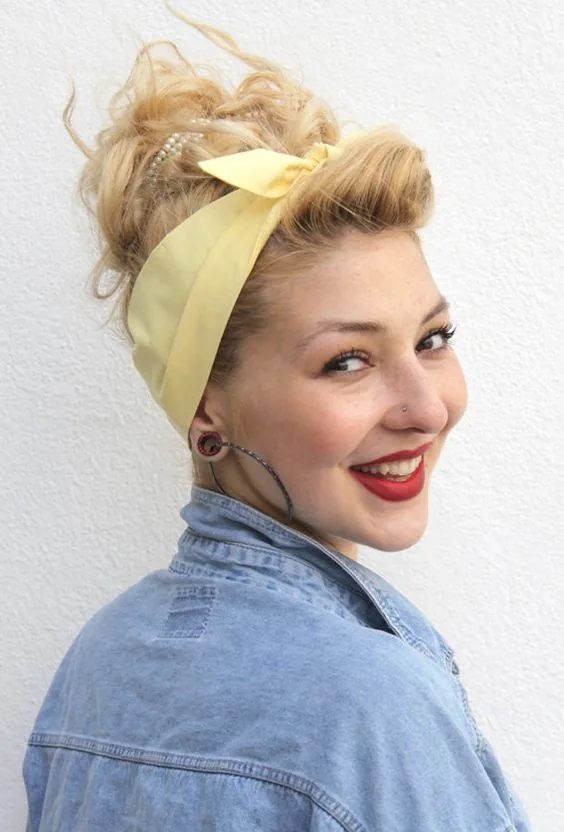
Vintage hair was never just hair — the accessories were half the look. A silk scarf tied around a ponytail or a bandana roll, a tortoiseshell comb holding back a side sweep, a velvet headband over a 1960s bouffant, a flower tucked into a 1970s wave, or a sparkling clip pinning a finger wave into place: each decade had its own finishing touch, and the right accessory can turn a simple style into a vintage one in seconds.
Choose accessories that match the decade of your hairstyle — a bandana with 1940s rolls, a scarf with a 1950s ponytail, a headband with a 1960s beehive, flowers with 1970s waves — and keep it to one statement piece, not three. Cost is low: most vintage accessories cost a few dollars, and a silk scarf from a thrift shop is as good as a new one. Common mistake: over-accessorising. One scarf or one clip is vintage; a scarf, a clip and a flower together is a costume.
Keeping It Up All Day: Pins, Spray and Sleeping on Vintage Hair
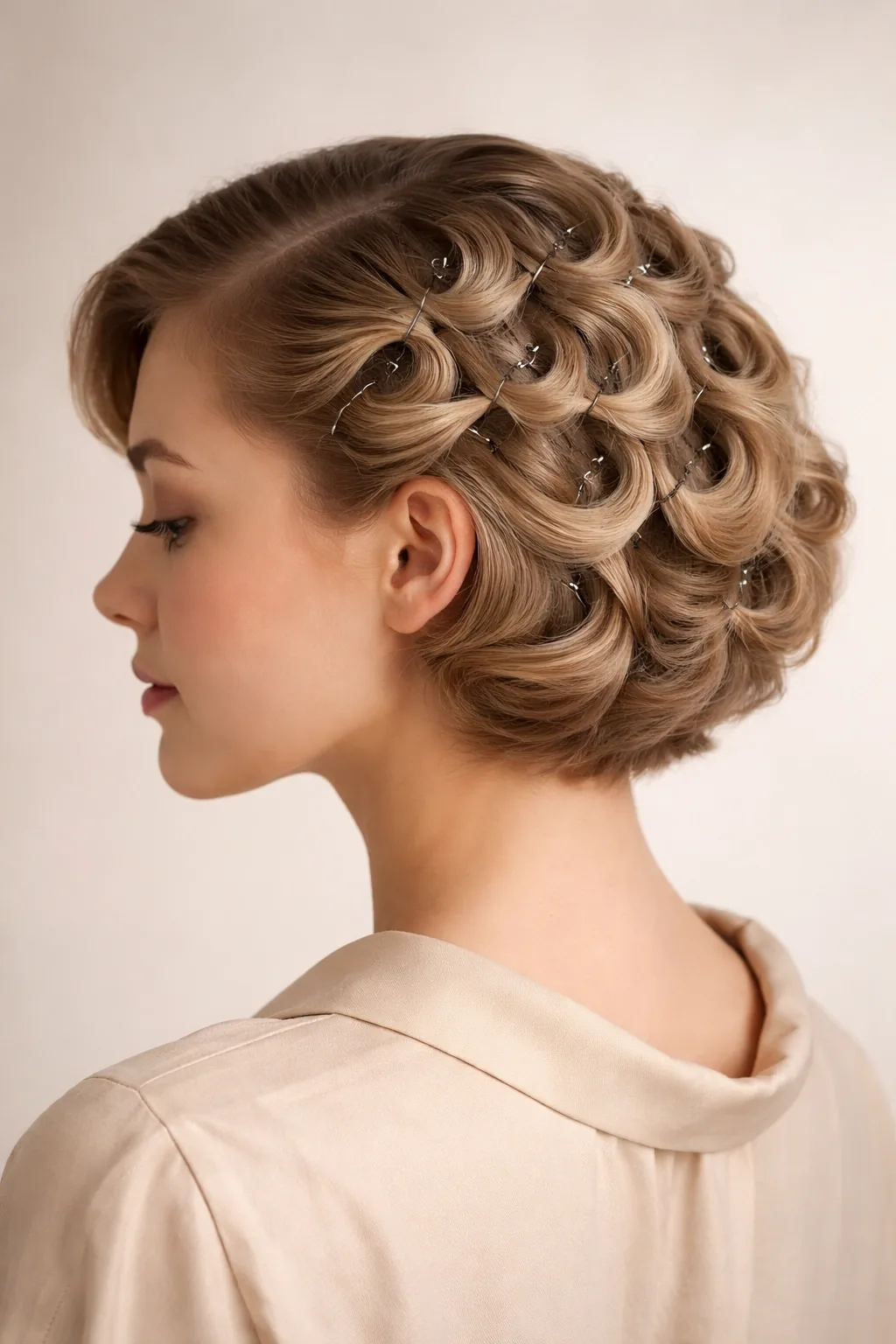
A vintage style that looks perfect at 9am and flat by noon is a styling problem, not a hair problem. The fix is in the preparation: style on day-old hair or hair with dry shampoo, use a strong-hold hairspray in light layers rather than one heavy blast, and pin from the inside so the pins grip the hair instead of sliding off it. For rolls and beehives, a few extra pins in your bag and a travel-size spray are worth their weight.
Sleeping on a vintage style needs a little care. Wrap the hair in a silk scarf or sleep on a silk pillowcase, and do not brush a set style before bed — finger-comb it gently instead. In the morning, a light mist of water or dry shampoo and a few minutes with a brush will often revive a finger wave or a pageboy without a full restyle. And when the day is done, take the pins out one by one and brush the style out gently from the ends upward — never rip a brush through a pinned, sprayed style.
What are the most popular vintage hairstyles for women?
The most popular vintage hairstyles for women are finger waves, victory rolls, the beehive, old Hollywood waves, the 1940s pageboy, Farrah Fawcett feathered waves and the 1950s curly bob. Finger waves define the 1920s, victory rolls define the 1940s, the beehive defines the 1960s and Farrah waves define the 1970s. For a first vintage style, start with old Hollywood waves or a soft finger wave — they suit most hair lengths and face shapes.
How do I do finger waves at home?
Work on damp hair with a strong setting lotion, comb each S-shaped wave into place with a fine-tooth comb and your fingers, and clip each ridge with a duckbill clip. Let the hair dry completely before removing the clips, then brush very gently or leave the ridges defined. For a faster version, use a flat iron to shape the waves, working in small sections and letting each wave cool before you move on.
What is the difference between finger waves and Marcel waves?
Finger waves are sculpted flat against the head with a comb and setting lotion, forming neat, glossy ridges that stay close to the scalp. Marcel waves are made with a heated curling iron, so the waves are deeper, fuller and more flowing, with more movement. Finger waves look more architectural and precise; Marcel waves look softer and more romantic.
Are vintage hairstyles suitable for everyday wear?
Yes, if you soften them. A soft finger wave, a half-up victory roll, a 1950s scarf ponytail or feathered 1970s layers all work for everyday wear, especially when paired with modern clothes and natural makeup. Full beehives, tall victory rolls and hard finger waves are better saved for occasions, because they are more dramatic and take longer to style.
Which vintage hairstyle suits short hair best?
Short hair suits finger waves, the 1920s bob, the Eton crop, the 1960s mod pixie and the 1950s curly bob best. Finger waves are the classic short-hair vintage style, while the mod pixie is the easiest to maintain. If your hair is too short for victory rolls, try a soft finger wave or a pin-curl set instead — both work beautifully on short lengths.
How long do victory rolls take to style?
Victory rolls take 20 to 30 minutes the first time, and 10 to 15 minutes once you have practised. You need curled hair, a little backcombing, bobby pins and strong-hold hairspray. Practice the night before an event, not the morning of it, and keep the rolls smaller than you think at first — a roll wider than your cheekbone can overwhelm petite features.
Can I wear a beehive without damaging my hair?
Yes, if you tease gently and only occasionally. Take small sections, push the comb down in short strokes, never saw it back and forth, and never tease wet hair. Use dry shampoo or volumising powder for lift, and undo the style by brushing gently from the ends upward before washing. Very fine or damaged hair should use rollers or a hair rat instead of backcombing.
What vintage hairstyle is best for a wedding?
Old Hollywood waves, a vintage French twist, a soft beehive and a vintage bridal updo with victory rolls are the best vintage wedding hairstyles. Old Hollywood waves suit most brides and most dresses. A French twist suits a formal wedding. Always book a trial with your stylist, bring photos of the exact style you want, and wear your veil or hairpiece to the trial.
How do I keep a vintage hairstyle in place all day?
Style on day-old hair or hair with dry shampoo, use strong-hold hairspray in light layers, pin rolls and updos from the inside, and carry extra pins and a travel-size spray. Avoid touching the style too much, and keep it out of humidity where you can. For waves, let the curls cool completely before brushing them out — warm curls drop fast.
Which vintage decade should I choose for my face shape?
Round faces suit height at the crown and length at the front, like a soft beehive or long Hollywood waves. Square faces suit soft side parts and curls past the jaw. Long faces suit a fringe and width at the sides, like a 1950s curly bob or a feathered fringe. Oval faces can wear almost any vintage style. Heart faces suit styles that add width at the jaw, like a pageboy.
Conclusion
Vintage hairstyles work because each decade solved a different problem — and most of those problems are still ours. The 1920s gave us sculpture, the 1940s gave us glamour under pressure, the 1950s gave us softness, the 1960s gave us height, and the 1970s gave us movement. You do not have to pick one decade for life. Try a soft finger wave one week, a half-up victory roll the next, and a feathered shag when you want something easy. The style that suits you best is the one you will actually wear — so start with the version that fits your hair, your morning and your mood, and let the decade follow.
Start soft if you are unsure: a brushed-out finger wave, a small victory roll, a lowered beehive. Bring a photo of a woman with your hair texture and face shape to your stylist, practice a roll the night before an event, and keep one vintage accessory — a scarf, a headband, a clip — in your drawer for the days when plain hair feels too plain. Vintage hair is not about dressing up as someone else. It is about borrowing a shape that has already proved it can last a hundred years, and making it yours.