A Fresh Start for Your Hair: 34 Spring Hairstyles for Women That Feel Light, Soft and Ready for Sunshine
Spring is the season when everything loosens up. The heavy coats come off, the windows open, and your hair finally gets to breathe again after months of dry winter air, wool hats and central heating. That is why spring hairstyles for women feel so different from winter ones — they are lighter, softer and a little more carefree, with layers that move in the breeze, colour that catches the sun, and styles that do not fight the weather. Spring is not about perfection; it is about freshness.
This guide starts with the thinking — how to handle spring frizz and rain, how to lighten your colour without damage, whether to cut or grow your hair out, and what to ask your stylist this season — and then walks through 34 spring hairstyles for every length and texture, from airy lobs and sun-kissed waves to braids, buns and soft updos that survive wind and drizzle. Every style is made for real spring days: school runs, garden lunches, weddings, windy walks and evenings that suddenly turn warm.
Pick one that suits your hair, your lifestyle and the spring you actually live in. Try it once before a big day, keep a clip and a little serum in your bag, and let the season do the rest. Your hair has waited all winter for this.
Spring Weather and Frizz: What Actually Helps
Spring weather is beautiful and badly behaved in equal measure. One morning is warm and still, the next brings a damp wind that turns smooth hair into a halo of frizz before you have reached the car. The trick is not to fight the moisture in the air but to plan for it: hair that is well moisturised frizzes far less than hair that is dry and thirsty, so a good conditioner and a leave-in cream are your first line of defence.
On damp days, choose styles with a built-in anchor — a braid, a low bun or a half-up twist — and save the sleek blowout for a dry, still day. A drop of serum smoothed over the surface with your palms tames flyaways far better than a brush, which only ruffles the cuticle and invites more frizz. And if your hair does puff up, lean into it: a little volume and texture looks like a deliberate spring style, not a mistake.
Quick verdict: moisturise first, style second, and carry a small bottle of serum. Spring frizz is mostly a sign your hair is dry, not a sign your style failed — so fix the moisture and the frizz mostly fixes itself.

Lightening Your Colour Safely for Spring
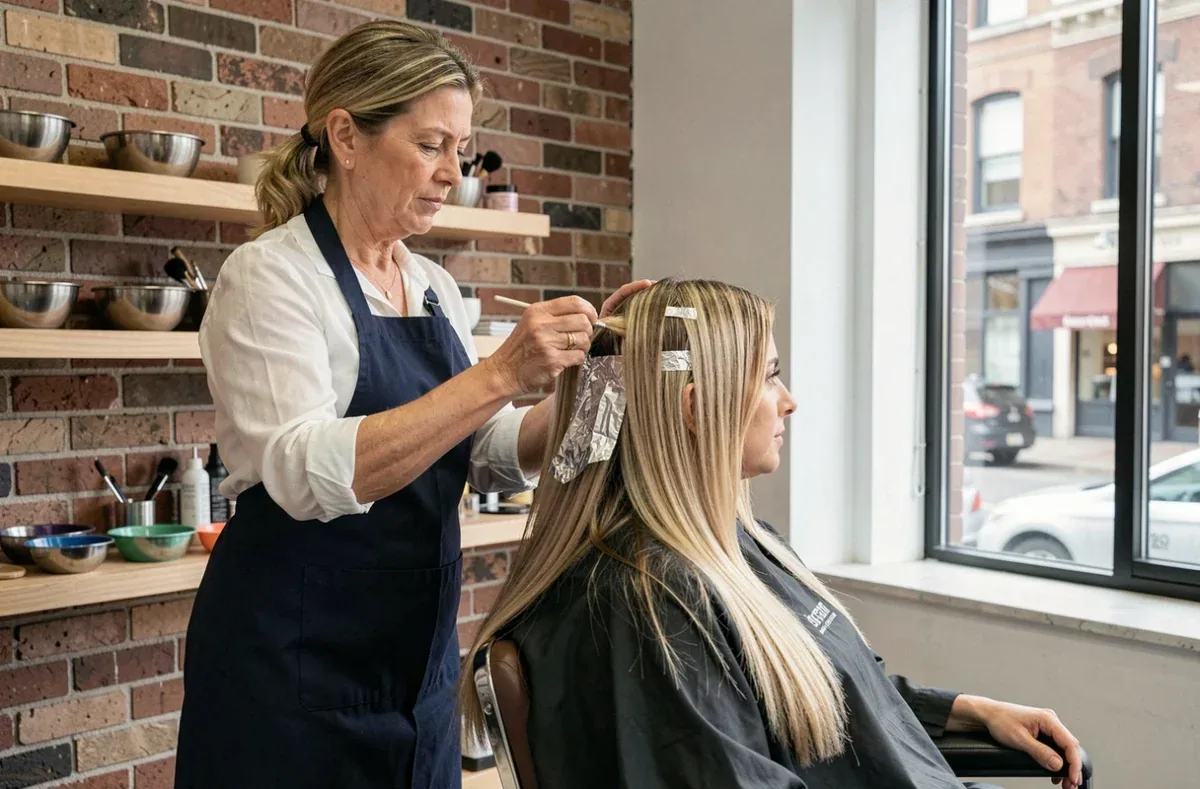
Spring is the season everyone wants to go lighter, and the sun will do some of the work for you — but a little patience protects your hair. The safest way to lighten is gradually: balayage, soft face-framing highlights or a gloss that lifts a shade or two, rather than a full bleach in one sitting. Your hair comes out of winter dry and fragile, and a sudden, harsh lighten can leave it brittle just as the sun gets stronger.
Ask your colourist for a toner that keeps the warmth soft rather than brassy, and book a deep-conditioning treatment a week before you lighten, not after. At home, a purple shampoo used once a week keeps blonde from turning yellow, and a heat protectant matters more than ever now that the sun is doing extra work on your lengths.
Common mistake: lightening at home with a box dye the week before a wedding or a holiday. Colour corrections cost far more than a salon visit, and they take weeks. If you want a big change, book it early in the season and give your hair time to settle.
A Fresh Cut or Growing It Out? How to Decide
Every spring brings the same question: chop it off or keep growing? The honest answer depends less on trends and more on what your hair is actually doing. If your ends are dry, split or thinning after winter, a cut of even two inches will make your hair look thicker, healthier and shinier overnight — and fresh layers move beautifully in spring wind. If your hair is healthy and you love the length, spring is a wonderful time to keep growing, with a small trim to keep the shape.
Think about your mornings, too. A shorter cut dries faster and needs less styling, which matters when the days get warmer and busier. Long hair gives you more options — braids, buns, ponytails — but it also takes longer to dry and can feel heavy on a warm day. Neither choice is wrong; the wrong choice is the one that fights your routine.
Best for: anyone who has been thinking about a change for weeks. If the idea of a fresh cut keeps coming back, trust it — spring is the kindest season for a new style, because even a cut you are unsure about grows out beautifully in the sun.
Spring Wedding-Guest Hair vs Everyday Hair
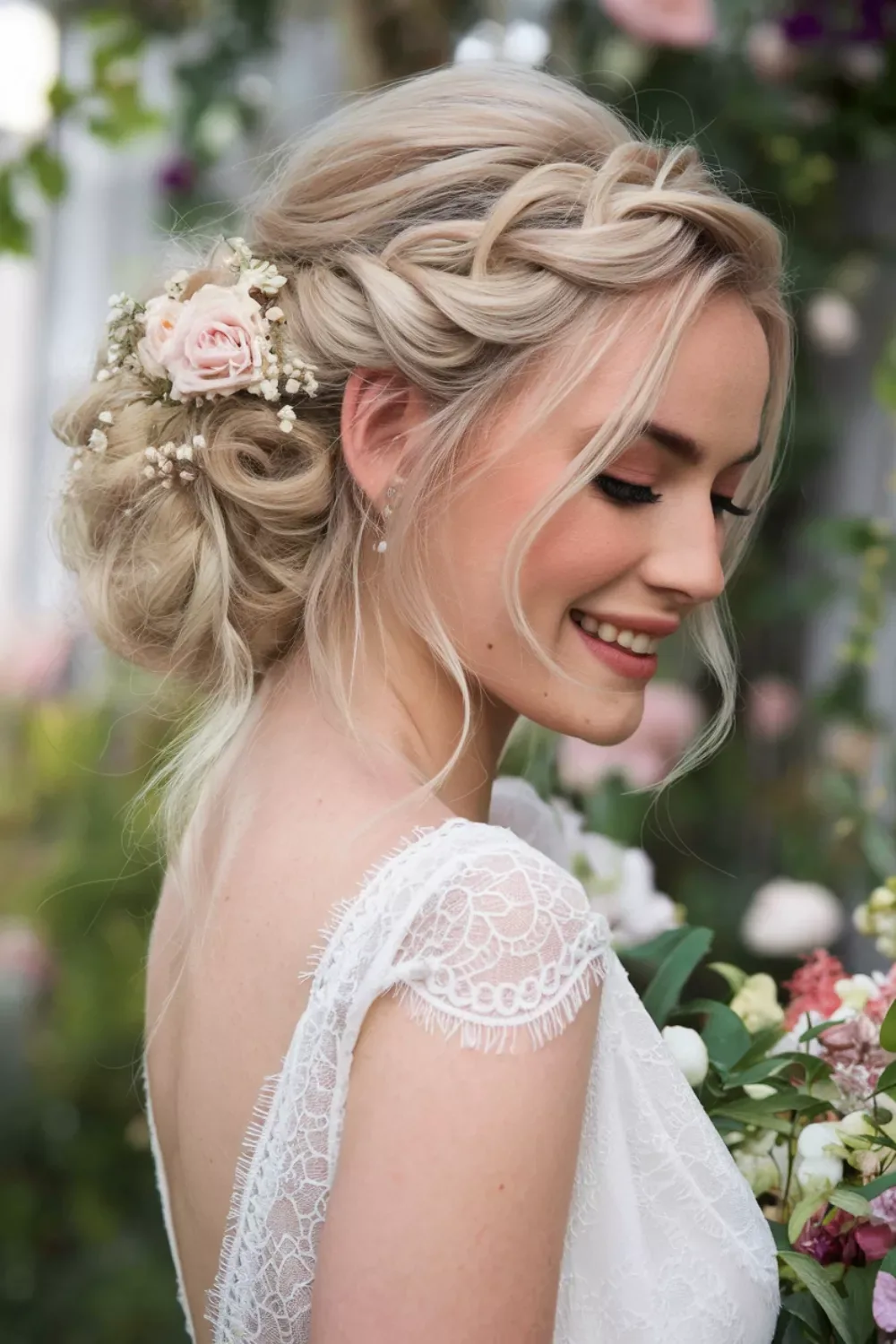
Spring is wedding season, and the difference between wedding-guest hair and everyday hair is smaller than you think — it is mostly about finish. Everyday spring hair can be loose, textured and a little undone; wedding-guest hair is the same idea, polished up one notch. Take your favourite everyday style — soft waves, a low bun, a half-up twist — and add one deliberate detail: a pearl pin, a silk ribbon, a smoother finish, a little extra shine.
The setting matters more than the dress code. A garden wedding means wind, sun and possibly rain, so choose a style with an anchor: a braid, a pinned-up style or a low bun that will not move. A church or hotel wedding with still, cool air lets you wear your hair down with confidence. Either way, try the style once before the day — never debut an untested look at a wedding.
What to ask a stylist: how long the style will hold in warm, outdoor conditions, and what to do if it loosens. A style built for a two-hour ceremony is not the same as one built for a five-hour celebration with dancing on the lawn.
Accessories for Spring: Light, Bright and Easy
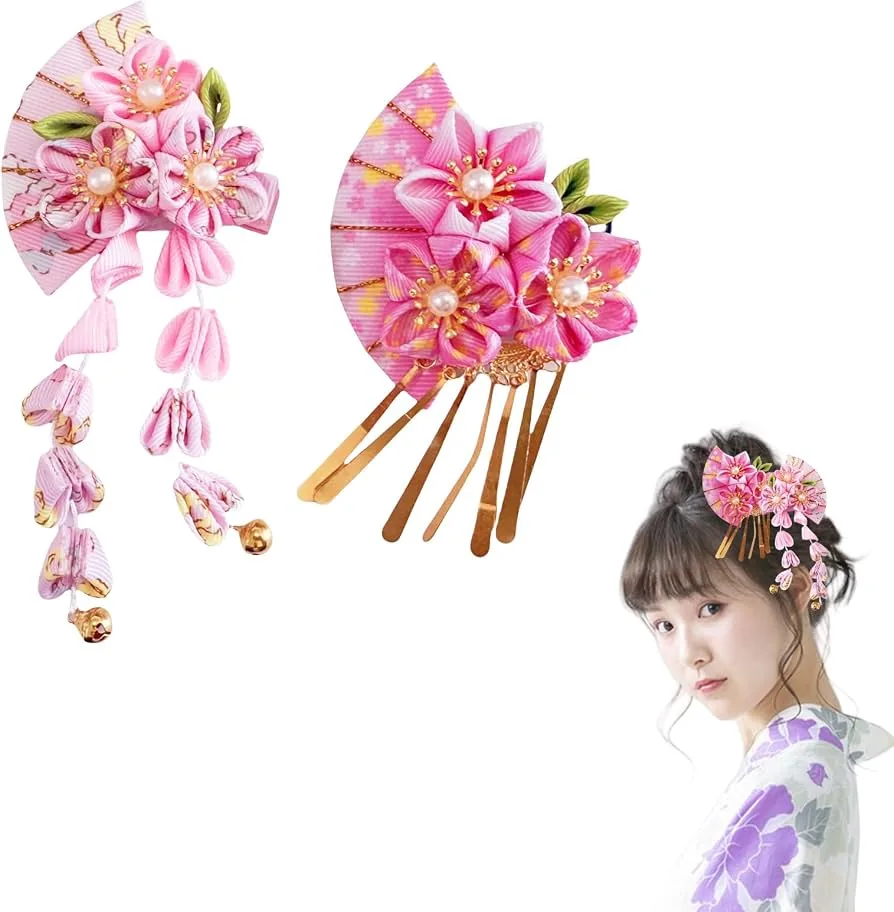
Spring is the season for hair accessories, because the whole point of them is lightness. A silk scarf tied around a ponytail, a small floral clip, a pearl pin or a slim velvet headband can turn the simplest style into something that looks considered — and they weigh almost nothing, which matters when the weather turns warm.
The rule is the same as in every season: one deliberate detail. A scarf plus a floral clip plus a pearl pin is too much; any one of them on its own is perfect. Match the accessory to your outfit rather than to your hair, and keep the colours soft — blush, sage, cream, pale gold and soft florals all suit the season far better than heavy, dark hardware.
Pros and cons: accessories are cheap, instant and reversible, and they rescue a bad hair day in seconds. The only downside is that a slippery scarf or a heavy clip can slide out in the wind, so anchor it with two crossed bobby pins and check it once before you leave.
Hair Health After Winter: Repair Before You Style
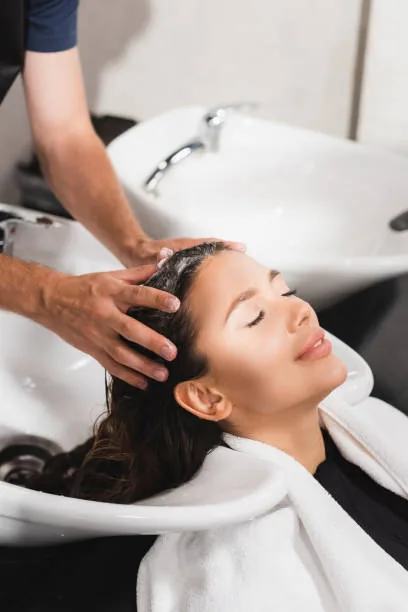
Winter is hard on hair. Months of dry air, hot showers, wool hats and central heating leave most hair drier, duller and more fragile than it was in autumn — and spring styling only works well on hair that has recovered. Before you book a colour or a big cut, give your hair two weeks of repair: a deep-conditioning mask once a week, a lighter touch with hot tools, and a trim to remove the worst of the split ends.
Small habits make the biggest difference. Wash with lukewarm water rather than hot, let your hair air-dry when you can, and use a heat protectant every single time you pick up a dryer or an iron. A silk pillowcase helps too, especially if your hair tangles overnight. None of this is glamorous, but it is what makes spring hair look glossy instead of tired.
Maintenance: keep the mask habit going all season, not just for a fortnight. One deep treatment a week through spring costs very little and keeps your hair strong enough to handle sun, wind and the extra washing that warm weather brings.
Styling for Wind and Rain: Spring-Proof Hair
Spring wind is the great undoer of hairstyles, and spring rain is its accomplice. The styles that survive both have one thing in common: they are anchored. Braids, low buns, twisted updos and half-up styles hold their shape because the hair is secured at several points, while a sleek blowout or loose curls depend on smoothness that the first gust will destroy. If the forecast says wind, pick an anchored style and stop worrying.
Rain calls for a different trick: embrace texture. Damp hair styled into a braid or a low bun dries into soft, natural waves, so a rainy morning is actually a good time to braid and let the weather do the styling. Keep a small umbrella and a silk scarf in your bag — the scarf protects your hair from drizzle and looks lovely doing it — and avoid brushing wet hair, which stretches and snaps it.
Quick verdict: on a windy or rainy day, braid it, bun it or twist it. Save the blowout for a calm, dry day, and you will never again arrive somewhere with your hair looking like it lost a fight with the weather.
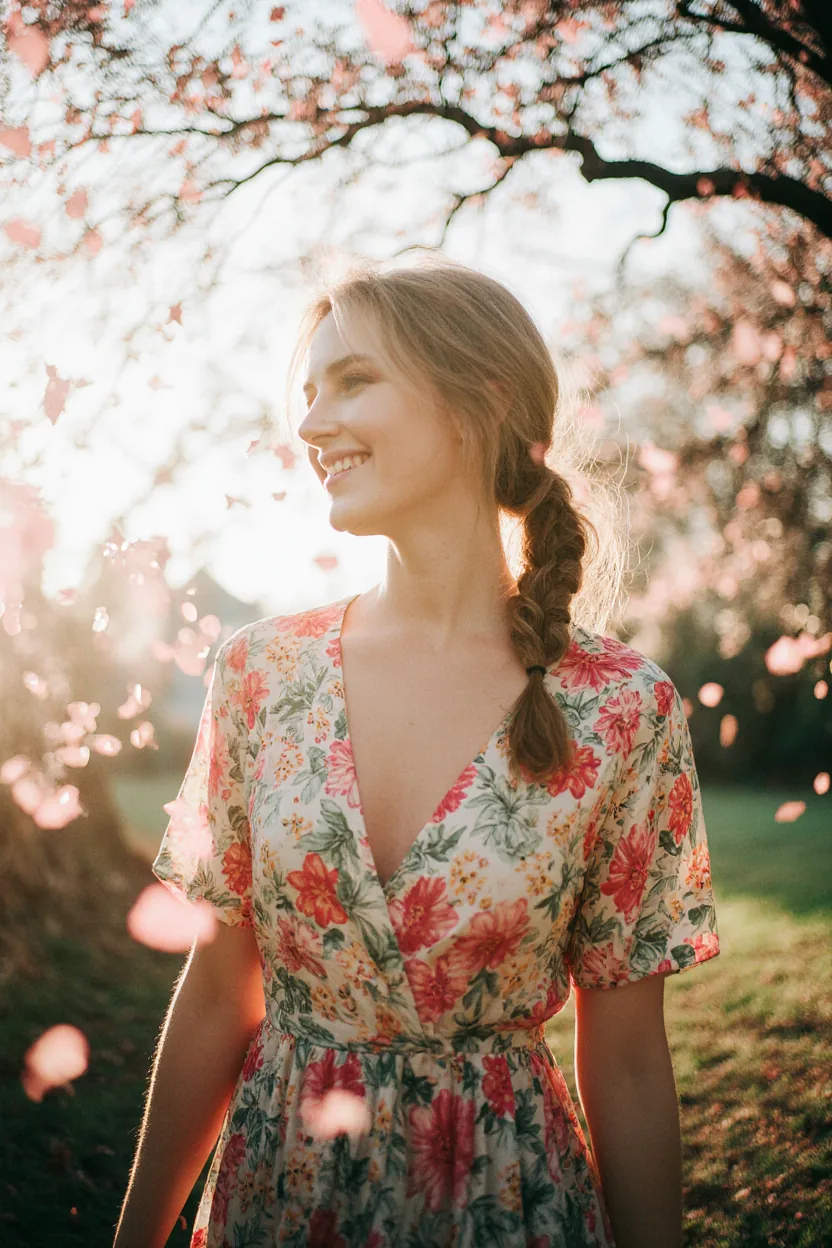
What to Ask Your Stylist in Spring
A spring salon visit works best when you arrive with a plan, not just a feeling. Bring photos of styles you like — and photos of styles you do not like, which are just as useful — and tell your stylist how you actually live: how often you wash your hair, whether you use hot tools, how much time you spend styling in the morning, and whether you will be outdoors a lot this season.
Ask the practical questions: will this cut grow out well, how will this colour fade in the sun, what should I do differently as the weather warms up, and what products do I actually need? A good stylist will talk you out of a style that does not suit your hair or your routine, and that honesty is worth more than any trend.
Cost and time: a spring cut and colour is one of the best-value salon visits of the year, because a good cut grows out gracefully for months. Book early in the season, before wedding season fills the diary, and ask for a maintenance plan so you know exactly when to come back.

Soft Layered Long Waves
Soft layered long waves are the definitive spring hairstyle: light, moving and full of air. The layers stop long hair from hanging heavy and flat, and instead let it bounce and swing with every step, catching the light as it moves. It is the style that looks like spring feels — fresh, open and a little bit carefree.
How to style: ask for long, face-framing layers rather than short, choppy ones, then curl in large sections with a wide-barrel iron, always curling away from the face. Brush through gently with your fingers so the curls fall into one soft shape, and finish with a light-hold spray. The key is movement, not precision.
Best for: long hair that feels heavy after winter, and anyone who wants a style that looks better outdoors than it does in the mirror. It suits almost every face shape, works with or without colour, and only gets softer as the day goes on.
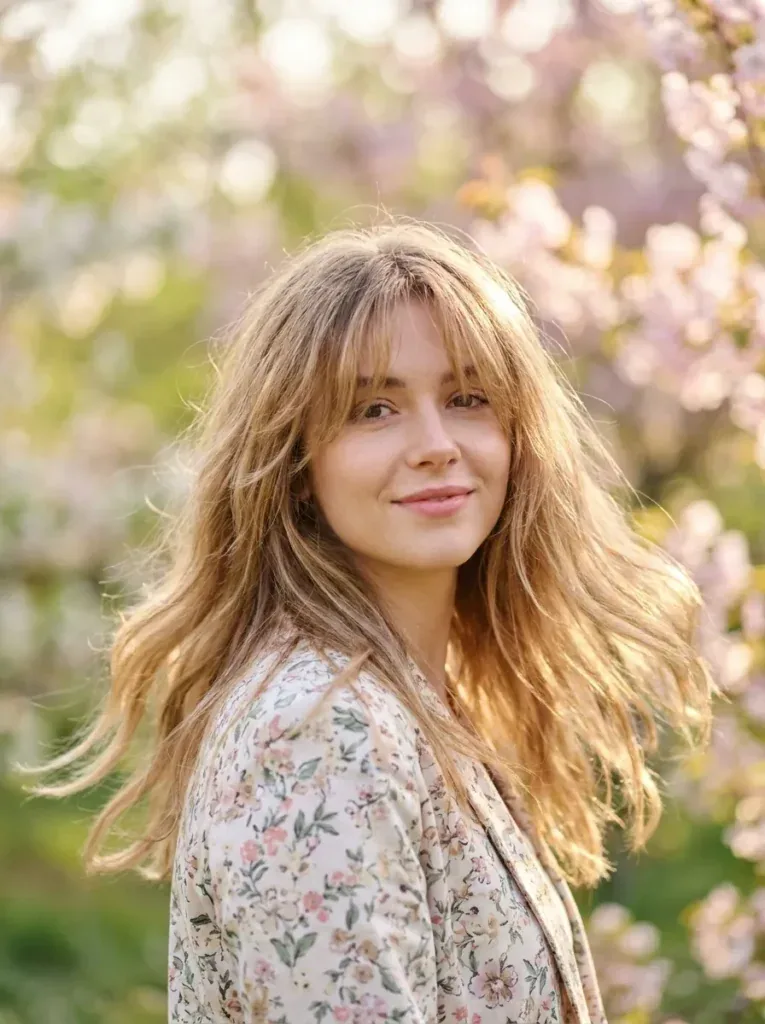
The Curtain Bangs Blowout
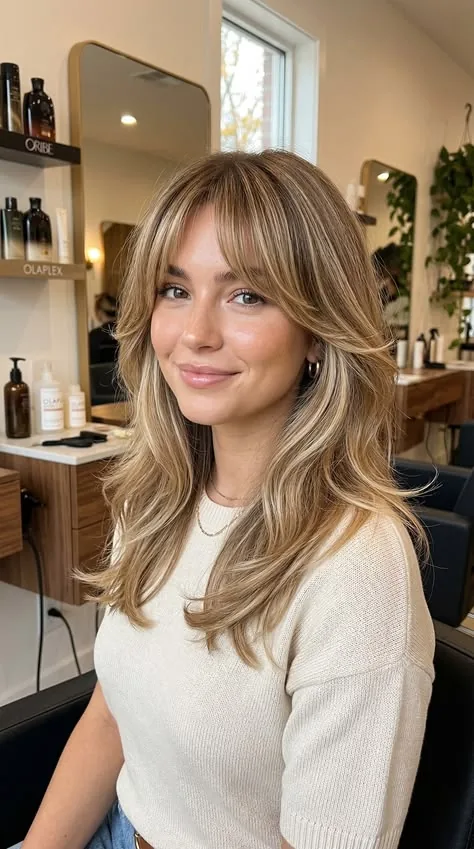
A curtain bangs blowout is spring in a hairstyle: soft, face-framing and full of bounce. The bangs part in the middle and sweep to either side like curtains, opening up the face and adding instant shape, while the blowout gives the lengths a glossy, airy finish that looks wonderful in sunlight.
Blow-dry with a round brush, lifting at the roots and curling the ends under, then let the bangs fall naturally on either side of your face. The trick is to let everything cool before you touch it — that is what locks in the volume. A little volumising mousse at the roots helps the shape hold through a warm afternoon.
Maintenance: curtain bangs need a trim every four to six weeks to keep their shape, and they can go flat in humidity. On a damp day, a quick blast with the dryer and a round brush revives them in two minutes.
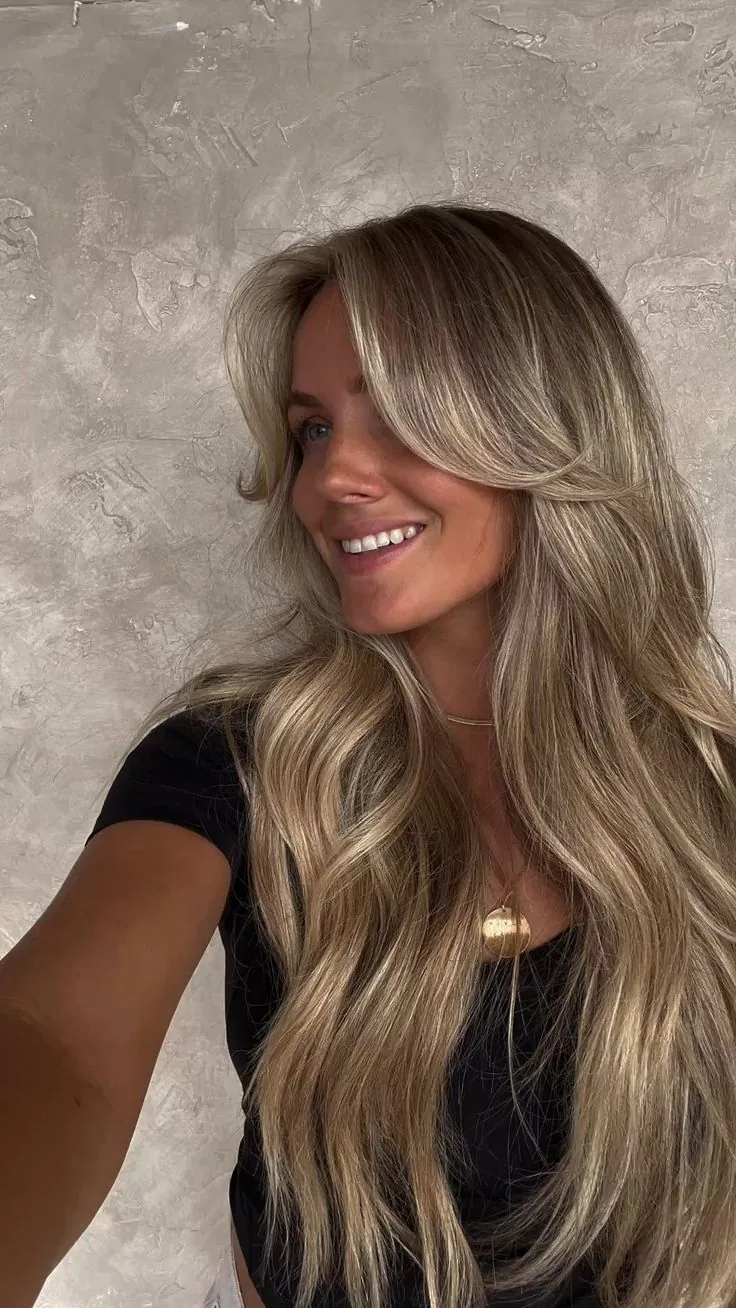
The Airy Textured Lob
The airy textured lob is the spring haircut for anyone who wants to feel lighter without going short. Sitting between chin and collarbone, it frames the face, moves when you laugh, and dries in minutes — which matters when the weather turns warm and you are out of the house more. The texture keeps it from looking blunt or severe.
Ask for soft, internal layers and a slightly longer front, then style with a little texturising spray scrunched through damp hair. A few loose waves with a flat iron add polish, but the lob looks just as good air-dried, which is half its charm.
Quick verdict: the best spring cut if you have been growing your hair out and need a reset. It looks even better by the second week, once the layers have softened and the texture has settled in.

The Fresh Spring Bob
A fresh spring bob is a clean slate. Short, sharp and full of energy, it says you are done with winter and ready for the season — and it is wonderfully practical, too. It dries fast, needs almost no styling, and never gets in your way on a windy day or a warm afternoon.
The most flattering spring bob sits at the jaw or just below, with a soft undercut at the nape to keep it light. Style it straight for polish or tuck one side behind your ear for a relaxed, modern finish. A shine serum on the ends keeps it looking glossy rather than dry.
Pros: fast to style, cool in warm weather, and it makes fine hair look thicker. Cons: it needs a trim every six weeks to hold its shape, and growing it out takes patience — so only cut it if you love it, not just because it is trendy.
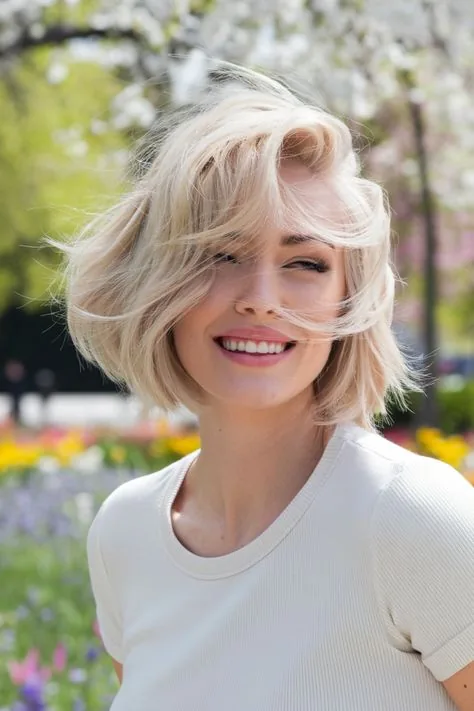
Sun-Kissed Balayage Waves
Sun-kissed balayage waves are the colour version of spring: lighter at the ends, softer around the face, and completely natural-looking, as if you spent a month in the sun. The hand-painted highlights grow out gracefully, so there is no harsh line at the roots and no urgent need for a touch-up.
Ask your colourist for a balayage two shades lighter than your natural colour, concentrated on the mid-lengths and ends with a few face-framing pieces. Style with loose waves to show off the dimension, and use a colour-safe shampoo to keep the tone from turning brassy in the sun.
Cost and time: balayage costs more than a single-process colour, but it lasts three to four months between appointments, which makes it excellent value. Book it early in spring so the colour has time to settle before summer.
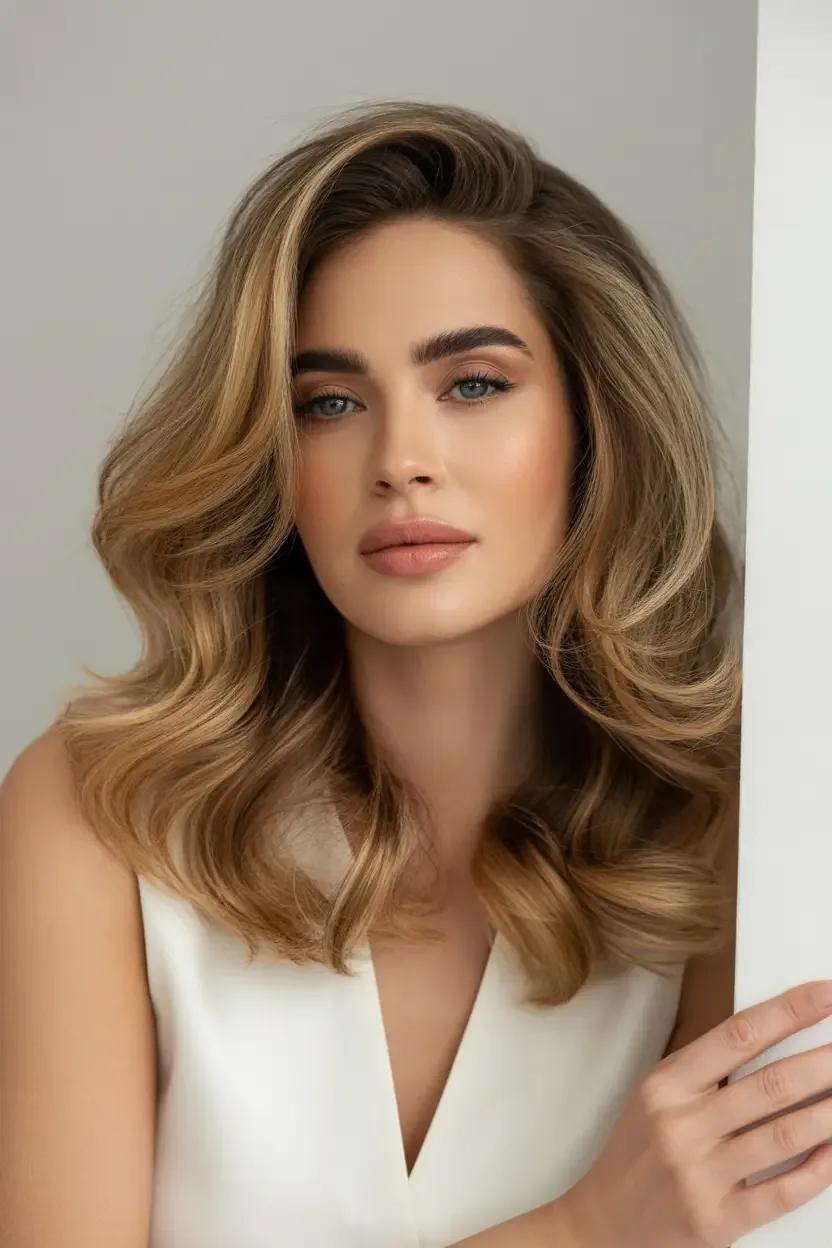
The Soft Copper Glow
Soft copper is the warmest spring colour, and it suits the season beautifully: it glows in sunlight, warms up pale winter skin, and looks rich rather than brassy when it is done well. It is a gentle, wearable copper — more apricot than orange — and it works on a surprising range of skin tones.
Ask for a copper gloss or a demi-permanent colour rather than a permanent dye, so the shade fades softly instead of growing out with a line. A gloss also adds shine, which is exactly what winter-tired hair needs. Keep it fresh with a colour-depositing conditioner once a week.
Who should avoid it: anyone who hates maintenance, because copper fades faster than any other colour. If you are not willing to top it up every four to six weeks, choose a softer, more golden tone instead.
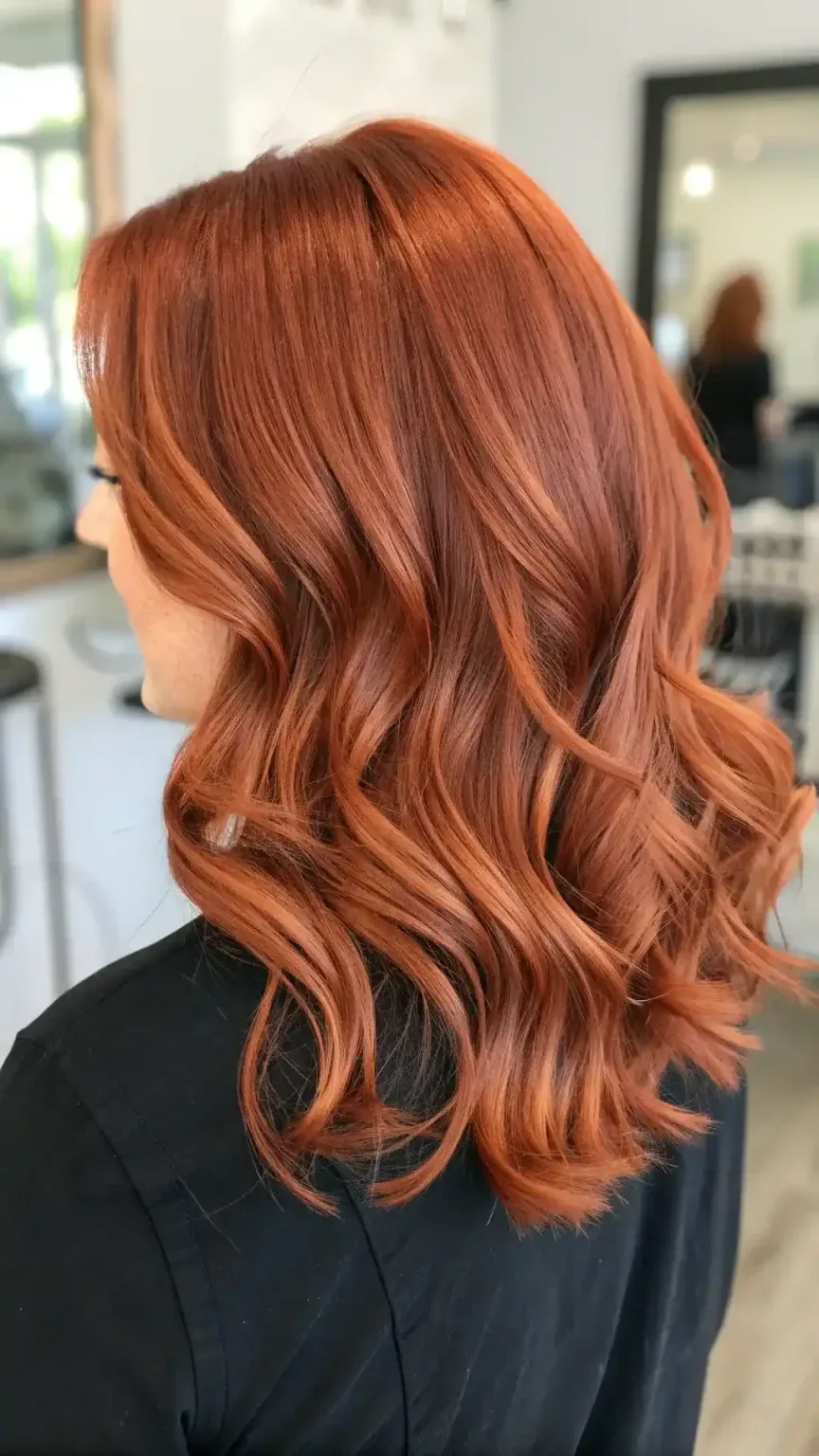
Honey Blonde Dimension
Honey blonde dimension is spring blonde at its softest: warm, golden and full of depth, with lowlights woven through so the colour never looks flat or one-dimensional. It brightens the face without the harshness of platinum, and it grows out far more gracefully.
The secret is contrast. Ask for a mix of honey highlights and slightly deeper lowlights, with the brightest pieces around the face. The result looks sunlit from every angle, and it photographs beautifully outdoors, where the different tones catch the light.
Common mistake: going too light, too fast. Honey blonde works because it stays close to your natural depth — lift more than three shades in one visit and the warmth turns brassy. Build the lightness gradually over two appointments and the colour will last far longer.
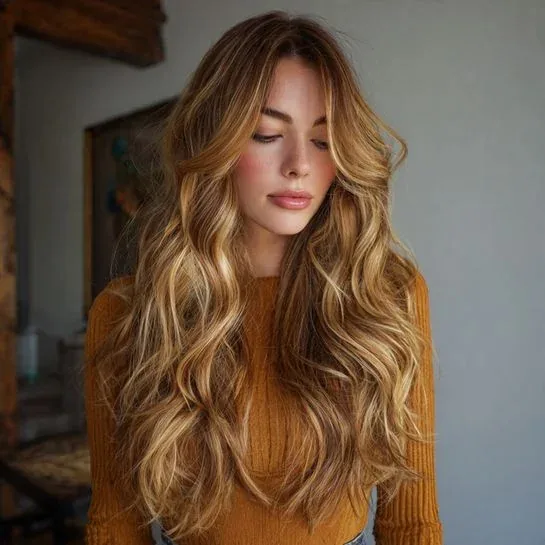
Subtle Pastel Ends
Subtle pastel ends are the playful side of spring: a whisper of pink, lilac or peach on the very ends of the hair, like the first blossom of the season. It is a trend you can wear to work, to a wedding or to the school gates, because the colour is soft, temporary and easy to remove.
The easiest version is a pastel gloss or a colour-depositing conditioner on lightened ends — no bleach needed if your hair is already fair, and a gentle lift if it is not. The colour fades over a few washes, so you can try it for a weekend and let it go, or top it up and keep it all season.
Best for: anyone who wants to try colour without committing. It suits long hair best, where the ends have room to show the colour, and it looks lovely in loose waves or a low ponytail.
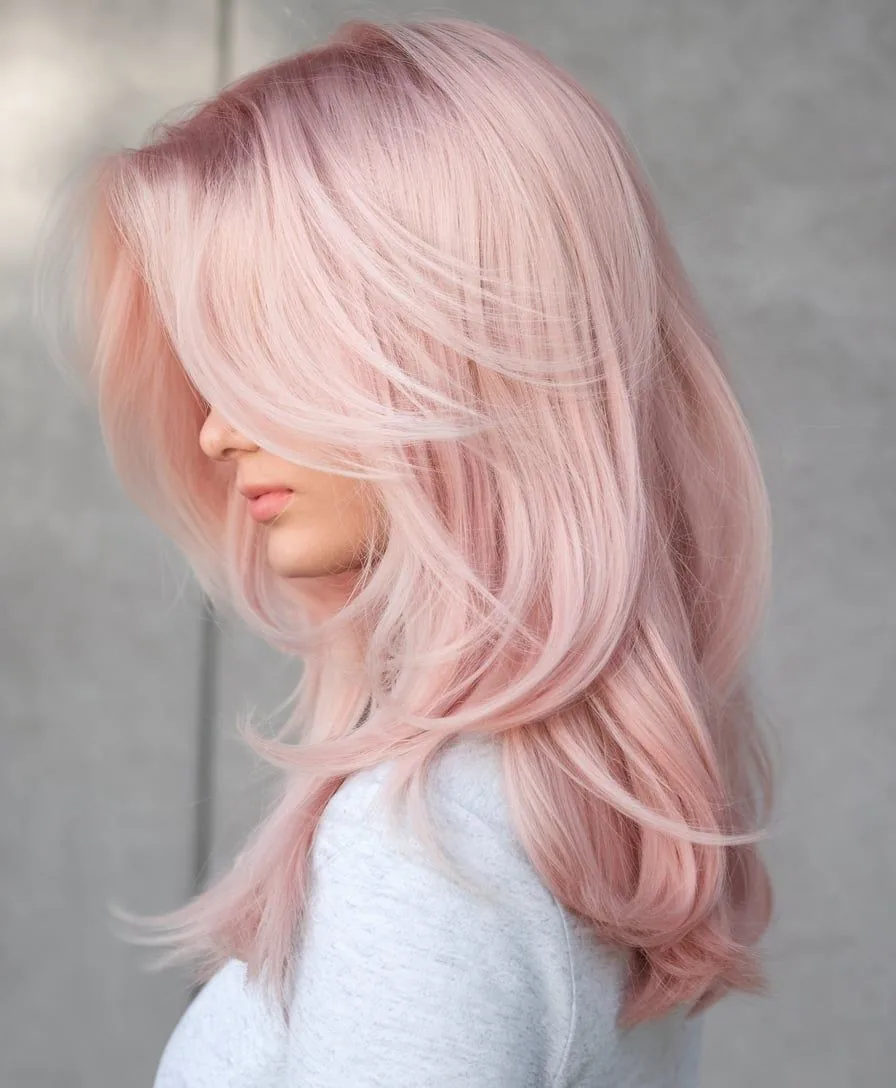
The Low Ponytail with Soft Waves
A low ponytail with soft waves is the dressed-up version of the simplest style there is, and it is perfect for spring: it keeps your hair off your neck on a warm day, it survives wind far better than loose hair, and it looks polished with almost no effort. The waves give the ponytail movement and softness, and the low placement keeps it elegant.
Curl the lengths first with a large-barrel iron, then gather the hair low at the nape and secure it loosely, letting the waves fall naturally. Wrap a thin strand around the elastic and pin it underneath for a finished look, and pull a few soft pieces out around your face.
Maintenance: almost none. If the waves start to drop, gather the ponytail and give the ends one quick pass with the iron in the bathroom — it takes a minute, and nobody will notice you left the table.
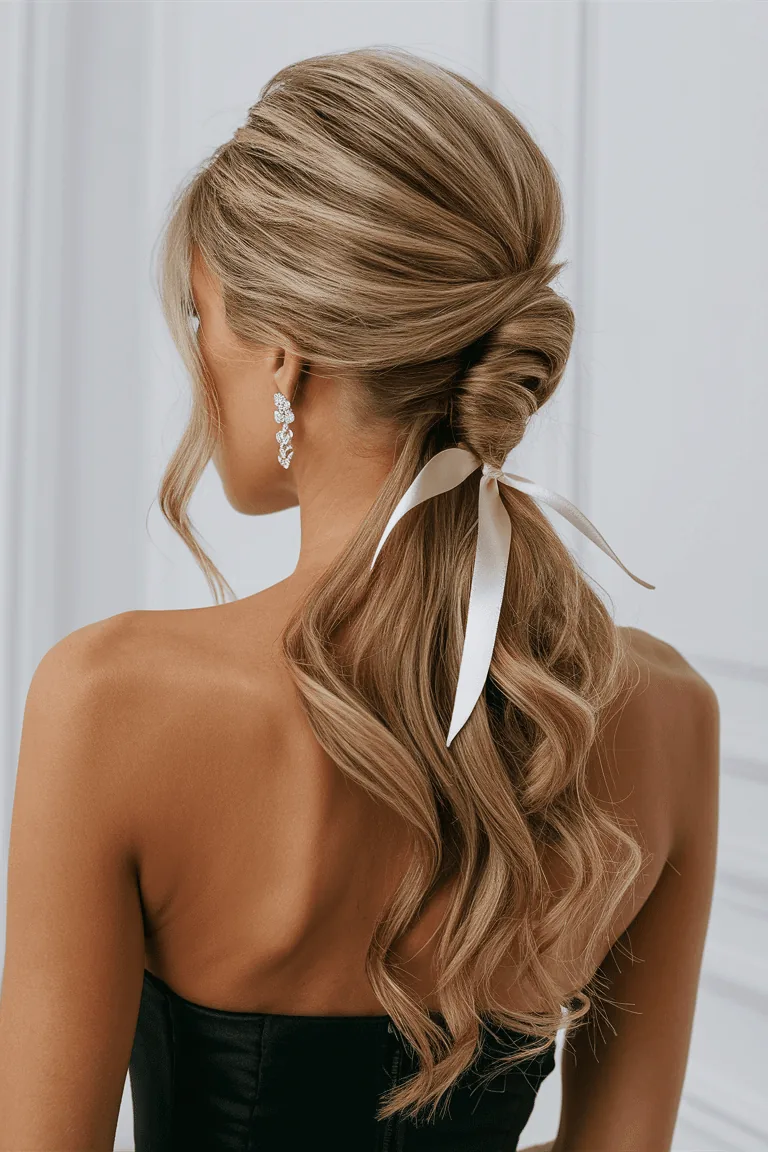
The Half-Up Twist for Spring
The half-up twist is the perfect middle ground for spring: the top half of your hair is up and away from your face, while the bottom half stays loose and soft. It is relaxed, modern and very easy to wear through a long, warm day, and it keeps your hair out of your eyes on a windy walk.
Gather the top sections from either side, twist them towards the back and secure them together with a small elastic or a pretty pin. Let the rest fall naturally, and pull out a few face-framing pieces to soften the front. A few loose waves through the lengths make it feel finished.
Pros: it keeps hair out of your face while you eat or walk, it suits almost every hair length from a long bob upwards, and it takes about five minutes. Cons: very fine hair may need a little texturising spray first, or the twist can slip by the afternoon.
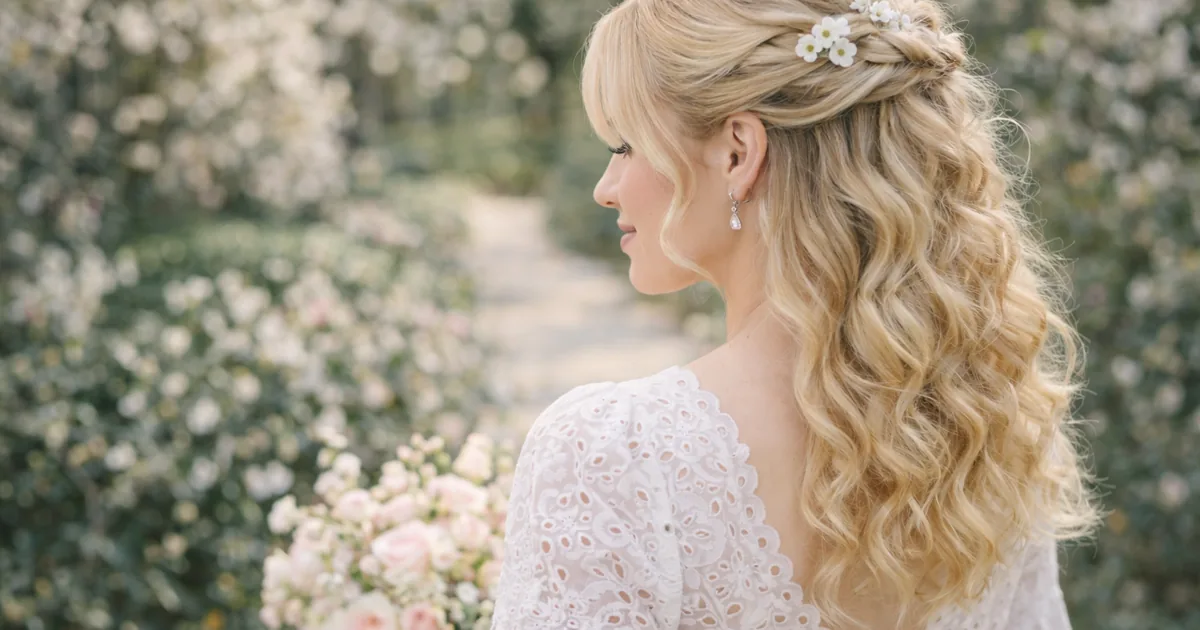
The Loose Braided Crown
A loose braided crown feels like spring itself: romantic, a little bit wild, and made for garden parties and outdoor weddings. Two soft braids meet at the back like a crown, holding the front sections away from your face while the rest of your hair stays loose and free.
Braid a small section from each side of your head, bring them together at the back and secure them with a small elastic or a decorative pin. Gently pull at the braids to soften them — the charm is in the looseness — and let the remaining hair fall in soft waves.
What to ask a stylist: for braids that start just behind the ears, so they frame your face without pulling at your hairline. The braids should feel secure but never tight — you will be wearing them for hours in the sun.
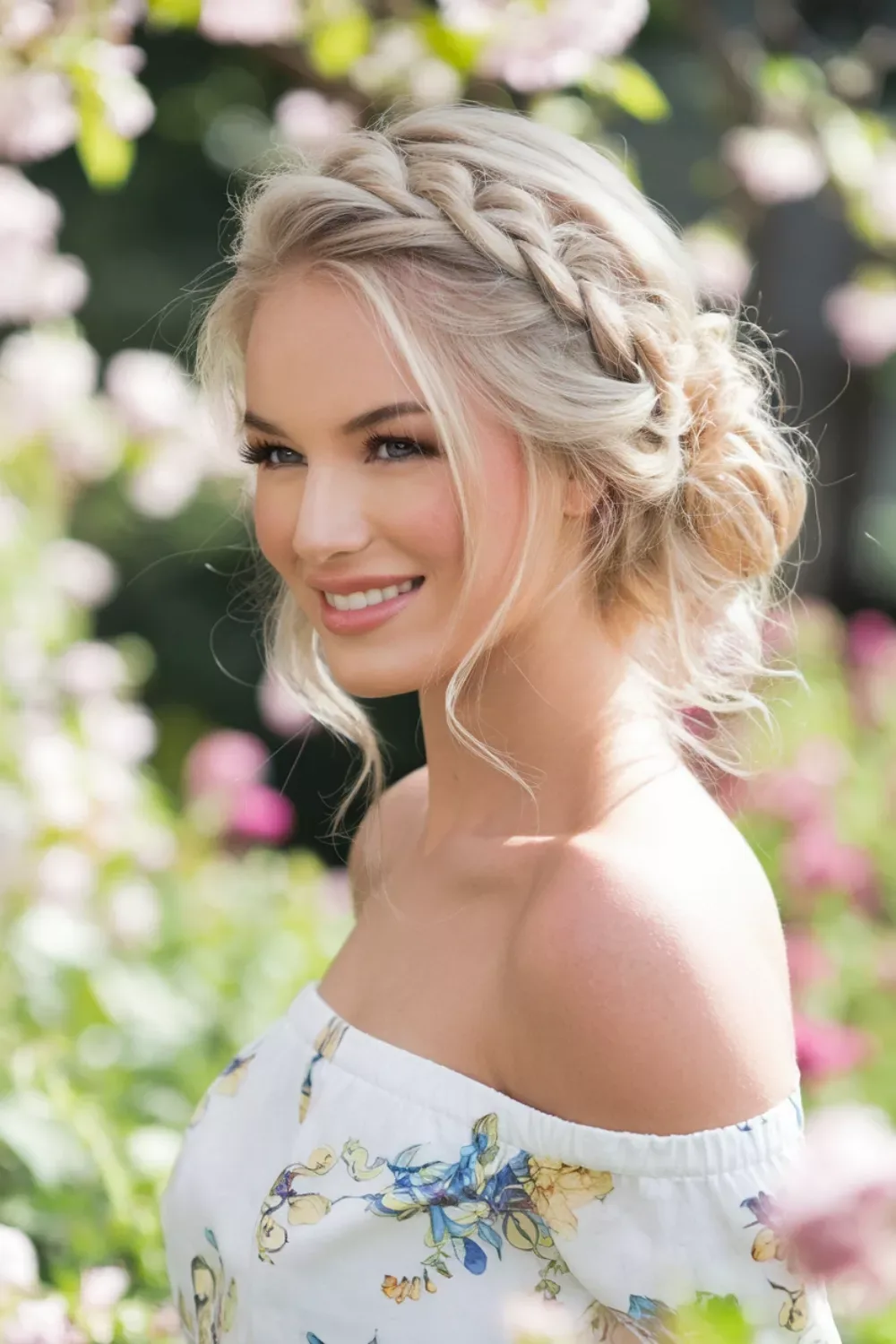
The Bubble Braid Ponytail
The bubble braid ponytail is the fun, modern spring style: a ponytail divided into soft, rounded sections that look like bubbles running down your back. It is playful without being childish, it holds beautifully in wind, and it turns a basic ponytail into something people actually notice.
Make a high or mid ponytail, then add small elastics every few inches down the length, gently pulling each section outwards to create the bubble shape. Leave the bubbles soft rather than tight, and finish with a light-hold spray so the shape holds without going stiff.
Best for: long hair, and anyone who wants a style that survives a windy spring day intact. It also works wonderfully for outdoor events, where a loose style would be blown apart within minutes.
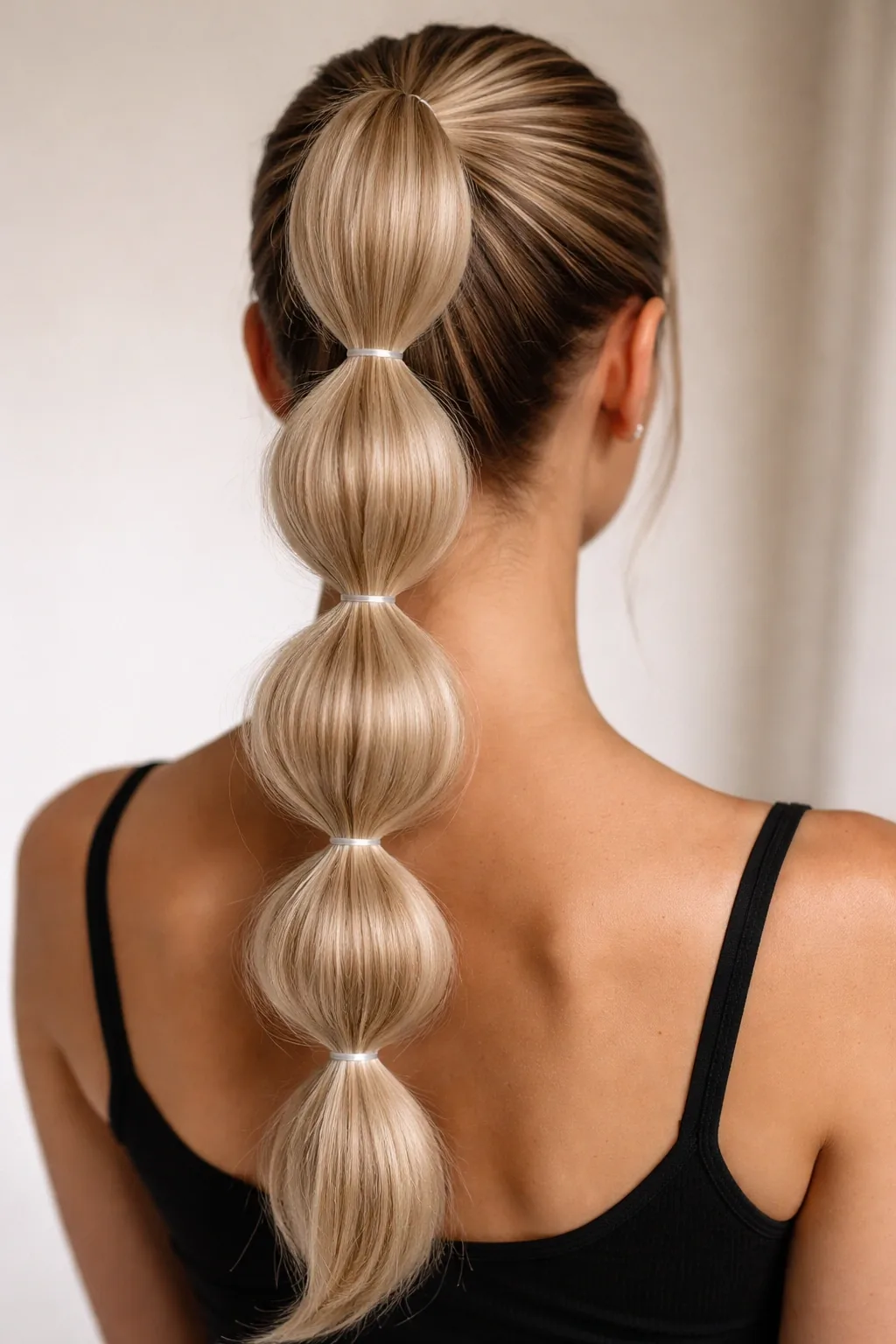
The Claw Clip Twist
The claw clip twist is the spring hero for busy mornings: one twist, one clip, and you look like you made an effort. It keeps your hair up and off your neck on a warm day, it works on second-day hair, and it takes less than a minute — which is why it has become the most-worn style of the season.
Gather your hair at the back, twist it upwards and fold it over, then clip it firmly with a large claw clip, letting the ends fan out softly at the top. Pull a few pieces out around your face to keep it soft rather than severe, and choose a clip in a spring colour — tortoiseshell, cream or pale gold.
Quick verdict: the easiest good-looking style on this list. Keep a clip in your bag and you can switch from hair down to hair up in seconds whenever the wind picks up or the sun comes out.
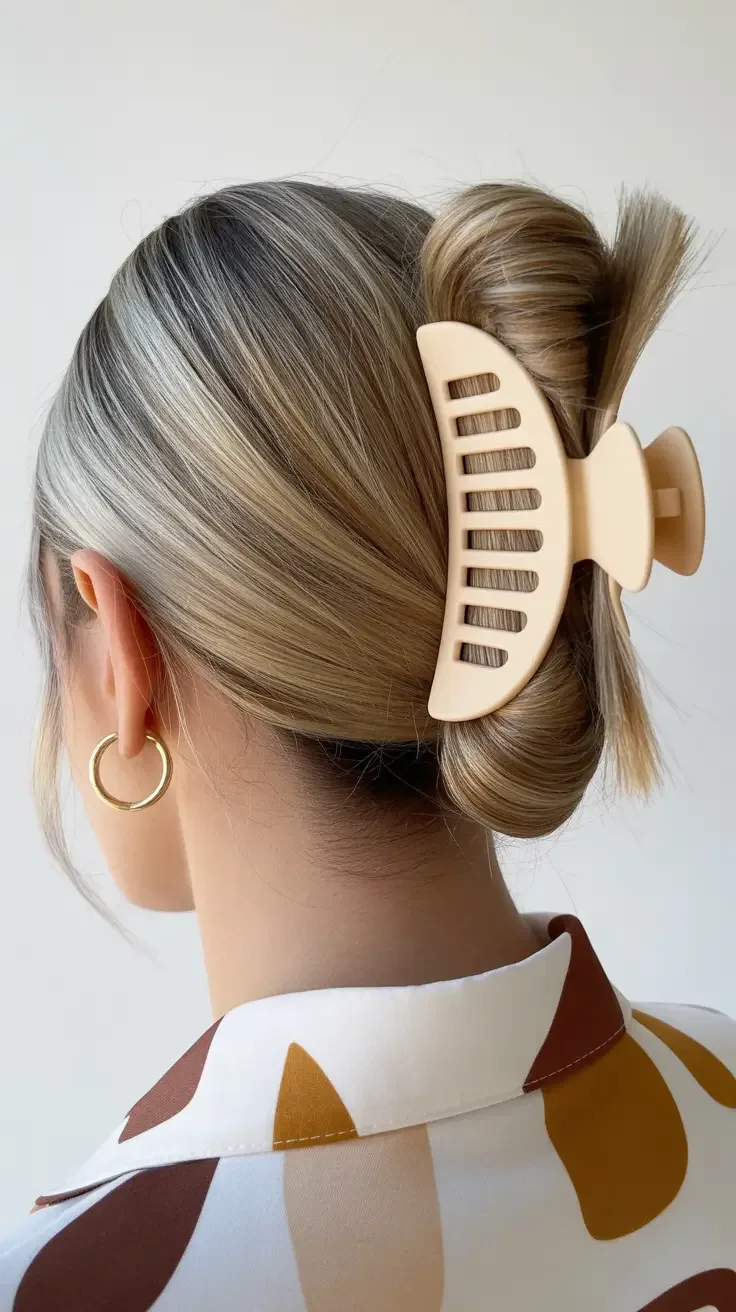
The Messy Low Bun with Soft Pieces
A messy low bun with soft pieces is the relaxed spring updo: undone in the best way, comfortable for hours, and flattering on almost everyone. The soft pieces around the face keep it from looking severe, and the low placement means it survives wind, rain and a long day without falling apart.
Gather your hair low at the nape, twist it loosely into a bun and pin it, then gently pull out a few pieces at the front and at the crown to soften the shape. The key is to stop before it looks perfect — a little looseness is the whole point.
Common mistake: making the bun too neat, which defeats the purpose. If it looks polished, it is not messy; if it looks like you tried too hard, take two pins out and let it relax.
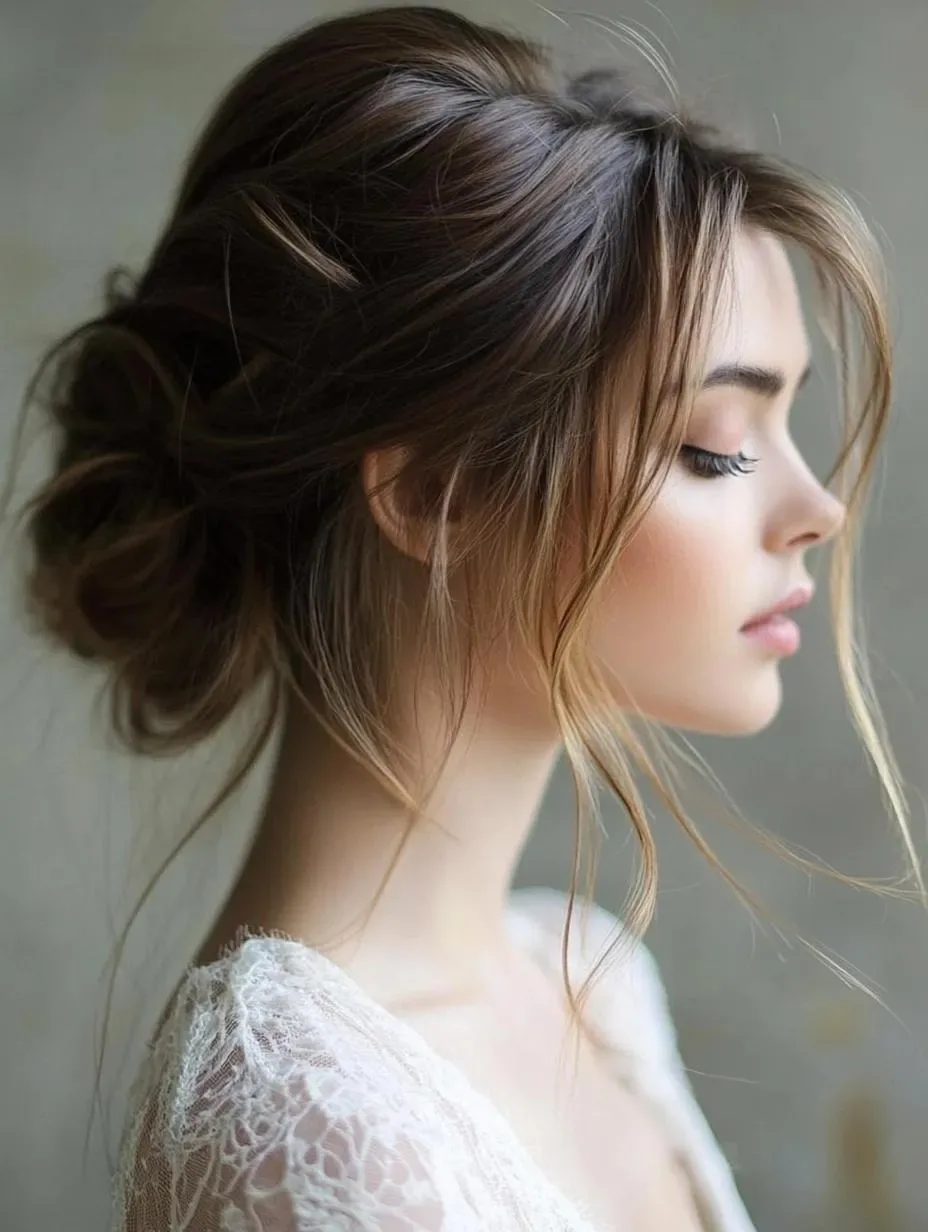
The French Braid into a Low Bun
The French braid into a low bun is the spring-proof updo: the braid anchors everything in place, the bun keeps it elegant, and the whole style will not move no matter how windy the day gets. It is the one to choose for outdoor weddings, garden parties and windy spring walks.
How to style: French-braid from the front hairline to the nape, adding hair as you go, then gather the remaining length into a low bun and pin it firmly. Pull gently at the braid to soften it, and leave one or two small pieces loose at the front for a relaxed finish.
Best for: long hair, and anyone who wants an updo with a little more interest than a plain bun. It is also one of the best styles for a rainy day, since the braid keeps everything contained and tidy.
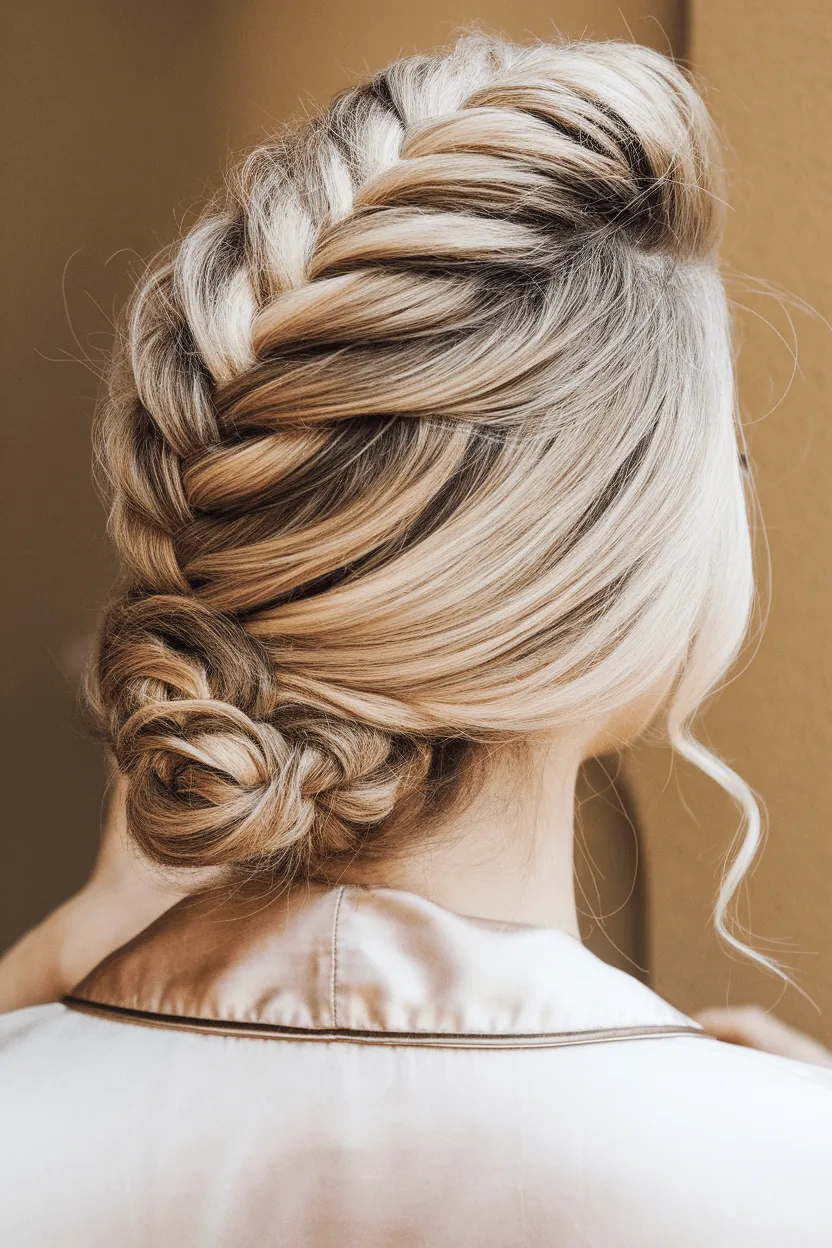
The Fishtail Braid Over One Shoulder
A fishtail braid over one shoulder is romantic without being fussy, and it has a practical advantage in spring: all your hair sits on one side, so the wind cannot blow it across your face. It looks lovely in photos and never gets in the way on a walk or at a garden lunch.
Sweep your hair over one shoulder and fishtail-braid loosely, crossing small pieces from the outside of each section to the inside of the other. Finish with a small elastic, gently pull at the braid to widen it, and leave a few soft pieces around your face.
Maintenance: almost none. This is one of the few styles that genuinely looks the same at the end of the day as it did at the start, which is exactly what you want when spring weather keeps changing its mind.
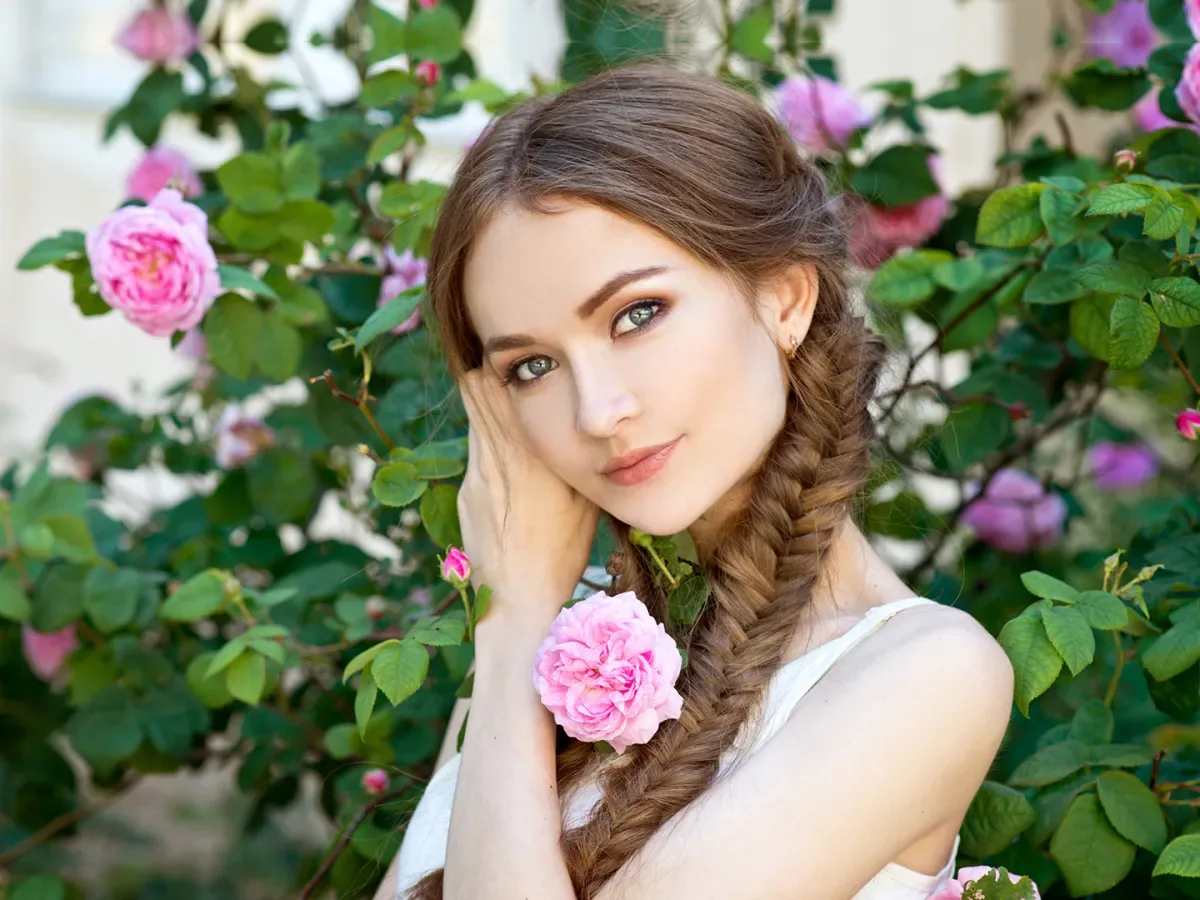
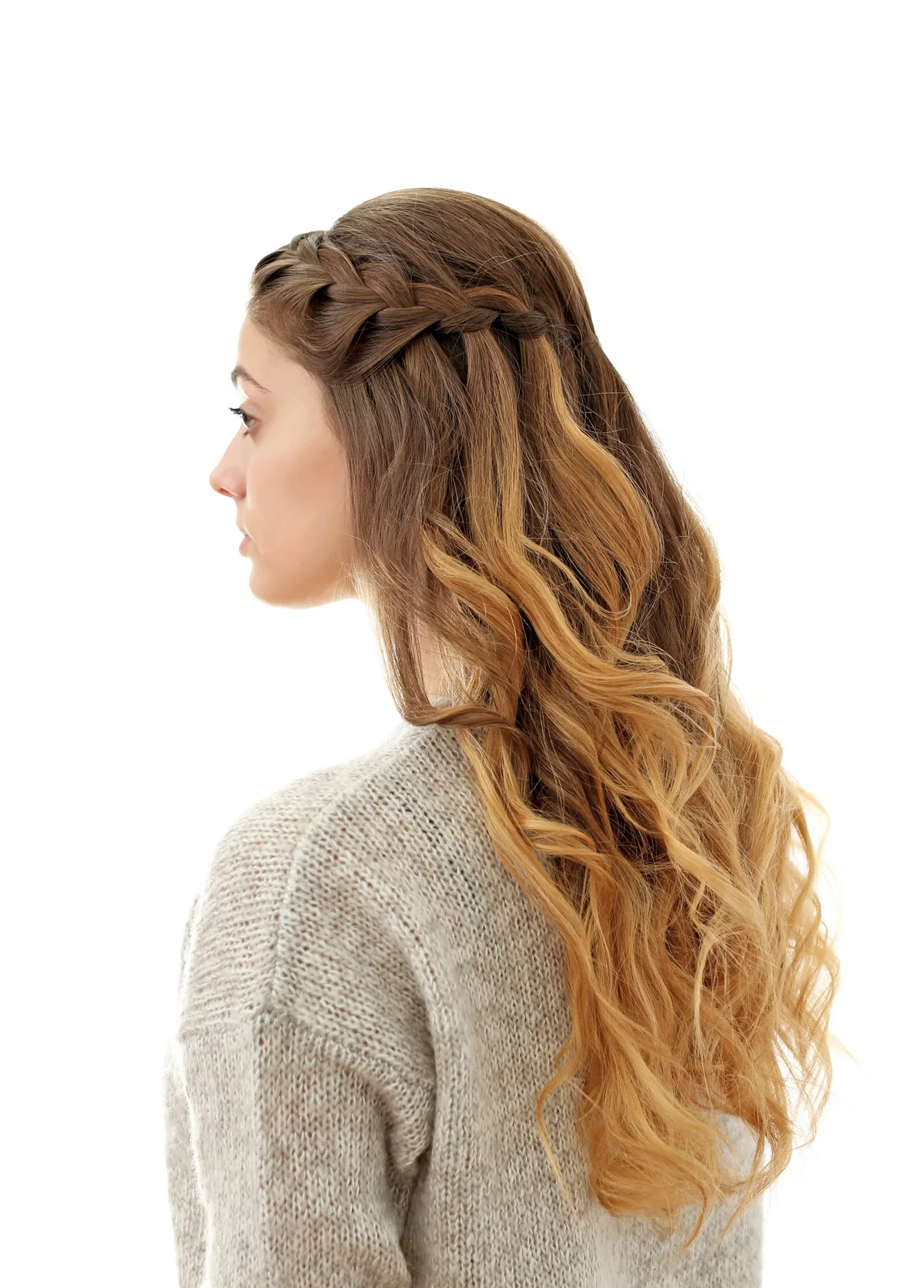
The Waterfall Braid Half-Up
The waterfall braid half-up is the most romantic style on this list. Strands cascade through the braid like water, leaving the rest of your hair falling in soft waves — pretty, intricate-looking, and far easier than it appears. It is made for spring weddings and garden parties.
Braid across the back of your head, dropping the bottom strand of each section and picking up a new one in its place, so the dropped strands fall through the braid. Secure the braid at the side with a small elastic or pin, and let the remaining hair fall in loose waves.
Pros: it looks far more complicated than it is, and it photographs beautifully from behind. Cons: it needs a little practice — try it once before the day, and keep a few spare pins handy in case a strand slips in the wind.
Beachy Waves with Salt Spray
Beachy waves are the low-effort spring classic: textured, tousled and a little bit undone, as if you spent the morning by the sea. They suit the season because they are supposed to look windswept — so when the spring breeze does its work, your hair just looks better.
Spray a salt spray through damp hair, scrunch the lengths upwards and let it air-dry, or use a curling wand on a few random sections for extra definition. The key is irregularity: beachy waves should never look uniform, so vary the direction and size of each wave.
Best for: medium to long hair with a natural wave, and anyone who hates spending time with hot tools. It is also the most forgiving style for a humid day, because the texture hides frizz completely.

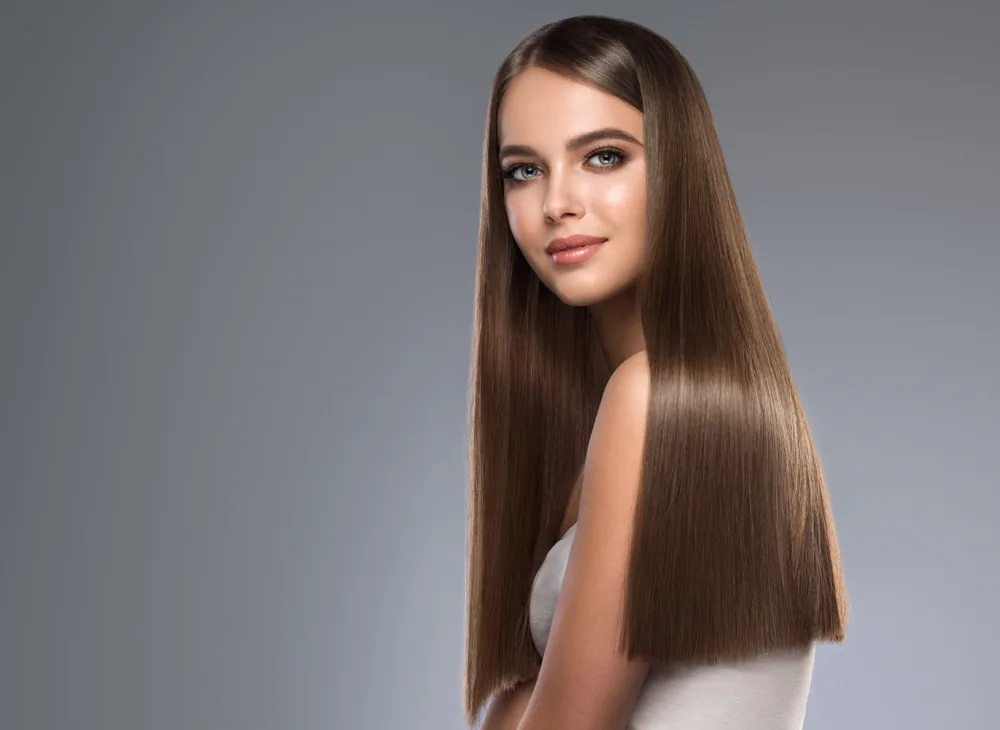
Sleek Glass Hair for Spring
Sleek glass hair is the polished counterpoint to spring’s relaxed textures: pin-straight, glossy and mirror-smooth, with a shine that catches the sunlight beautifully. It is a statement style, and it suits a formal spring event — a wedding, a christening, a smart lunch — better than any other setting.
Blow-dry smooth with a paddle brush, then run a flat iron through the lengths in slow, even passes, finishing with a tiny amount of shine serum on the mid-lengths and ends. A heat protectant is essential — glass hair only works when the hair underneath is healthy and undamaged.
Who should avoid it: anyone facing a windy or damp day. Glass hair depends on perfect smoothness, and the first gust or drizzle will undo it. Save it for a calm, dry day and it will look extraordinary.
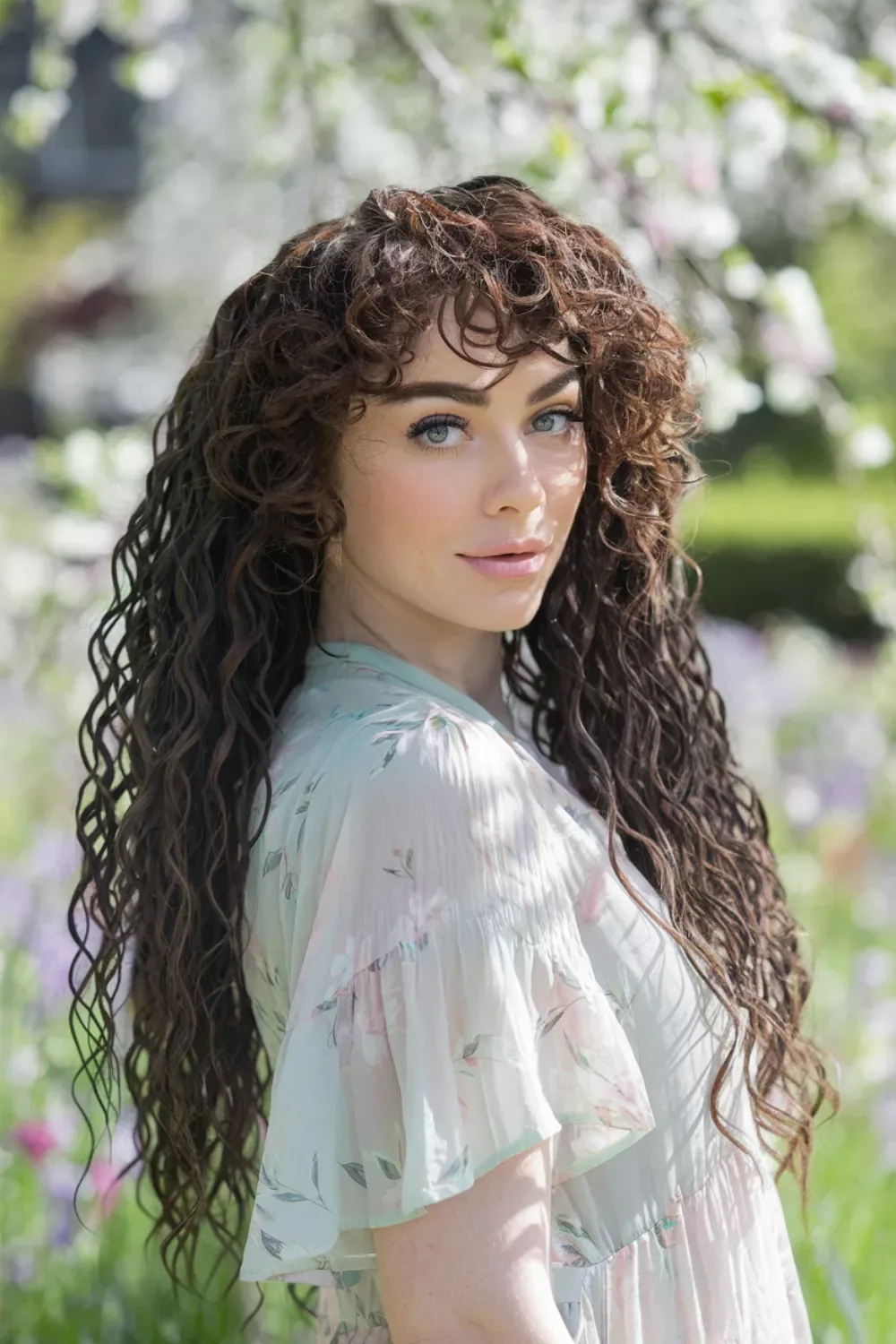
Voluminous Curls for Spring
Voluminous curls are joyful spring hair: big, bouncy and full of life, with a shape that looks wonderful in sunlight and photographs beautifully outdoors. Spring is a kind season for curls, because the warmer, more humid air gives them natural lift and bounce that winter’s dry air takes away.
Define your curls with a cream or gel on damp hair, then diffuse on a low heat or let them air-dry. Once dry, gently lift the roots with your fingers for extra volume, and resist the urge to keep touching them — the less you fiddle, the longer the definition lasts.
Quick verdict: the best spring style if your hair is naturally curly. Work with the texture you have, not against it, and spring will do half the styling for you.
Defined Curls with a Fresh Cut
Defined curls with a fresh cut are spring’s best argument for a curly haircut: layers cut into the curl pattern give the hair shape, bounce and movement, instead of the heavy triangle shape that uncut curly hair falls into. A good curly cut makes every day easier for months.
Ask for a cut that works with your curl pattern — dry-cutting, layer by layer, so the stylist can see how each curl falls. At home, define with a leave-in conditioner and a curl cream, and refresh the front curls with a little water in the morning rather than washing the whole head.
Cost and time: a specialist curly cut costs more than a standard cut, but it lasts longer and needs less daily styling. Book it early in spring, and your curls will be at their best for the whole season.
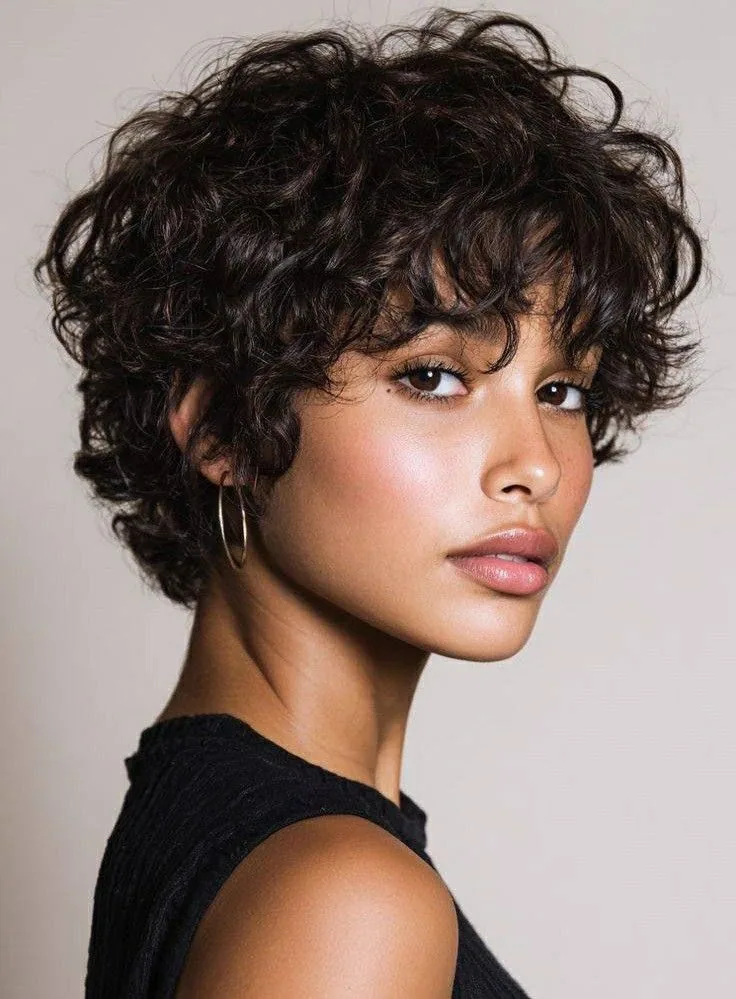
The Soft Textured Pixie
A soft textured pixie is the boldest spring cut — and the most liberating. Short, light and full of texture, it dries in minutes, needs almost no styling, and feels wonderful when the weather turns warm. It is also the cut that shows off your face, your earrings and your smile like nothing else.
Ask for soft, piecey texture on top rather than a sharp, severe crop, so the style can be worn swept forward, to the side or slightly tousled. A little texturising paste gives it definition, and a quick finger-comb in the morning is all the styling it needs.
Best for: anyone who has been thinking about going short for a while, and anyone with fine hair, which a pixie makes look thicker. It needs a trim every four to five weeks, so only choose it if you enjoy regular salon visits.
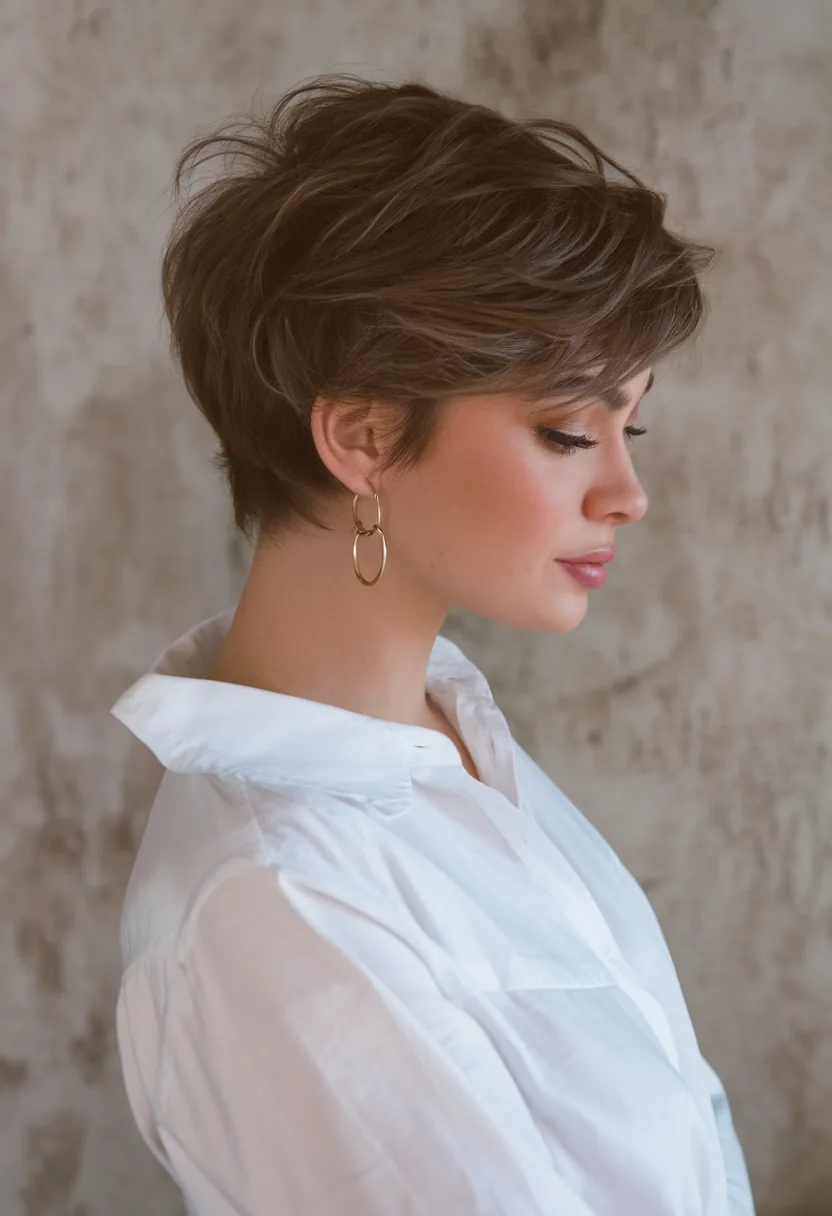
Shaggy Layers with Curtain Bangs
Shaggy layers with curtain bangs are the cool, effortless spring cut: lived-in, textured and a little bit rock-and-roll, without ever looking messy. The layers give fine hair volume and thick hair lightness, and the curtain bangs frame the face in the softest possible way.
Ask for long, choppy layers through the lengths and curtain bangs that hit at cheekbone length. Style with a little texturising spray scrunched through damp hair, and let it air-dry — this is a cut that looks better slightly undone than perfectly styled.
Common mistake: over-styling it. A shaggy cut is ruined by a sleek blowout, which flattens the texture that makes it special. Let it be a little wild — that is the whole point of the style.
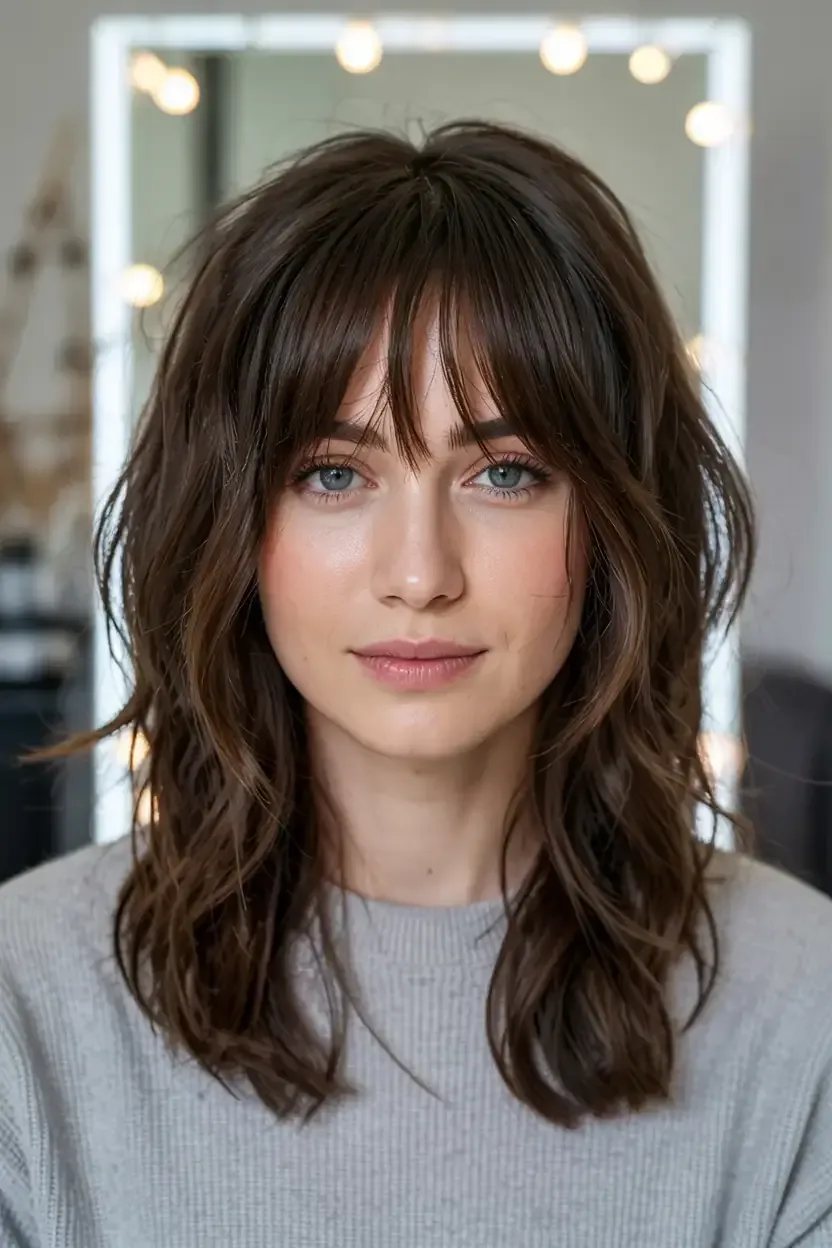
Wispy Bangs with Soft Layers
Wispy bangs with soft layers are the gentlest way to change your hair for spring: a light, feathery fringe that softens the face and adds instant freshness, without the commitment of a heavy, blunt bang. They grow out gracefully, they suit almost every face shape, and they look lovely with the hair up or down.
Ask for bangs cut with a point-cutting technique, so the ends are soft and piecey rather than a straight line. Style them with a quick blast from the dryer and a round brush, or simply let them fall naturally — wispy bangs are forgiving in a way blunt bangs never are.
Maintenance: a trim every three to four weeks keeps them out of your eyes, and a little dry shampoo at the roots stops them going flat on a warm day. They are the lowest-maintenance fringe there is.
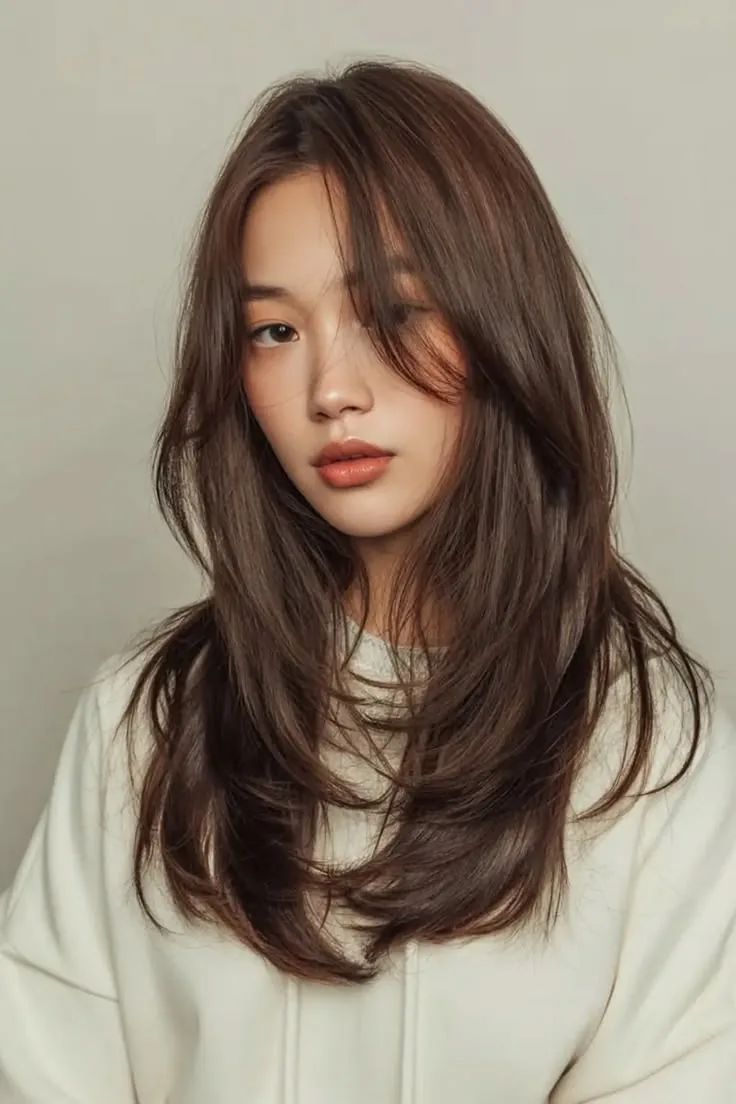
The Top Knot with Loose Pieces
A top knot with loose pieces is the modern spring updo: tall, clean and confident, but softened by loose strands around the face so it never looks severe. It lifts your face, shows off your earrings, and stays put through a long, warm day — and it keeps your hair completely off your neck when the sun comes out.
Gather your hair high on the crown, twist it into a knot and pin it securely, then pull out two soft pieces at the front and curl them very lightly. Keep the knot slightly loose and textured rather than scraped tight — a soft knot is comfortable for hours, a tight one is not.
What to ask a stylist: for a knot that sits high enough to lengthen your neck but low enough to feel comfortable, and for face-framing pieces cut to cheekbone length so they frame your face without falling into your eyes.
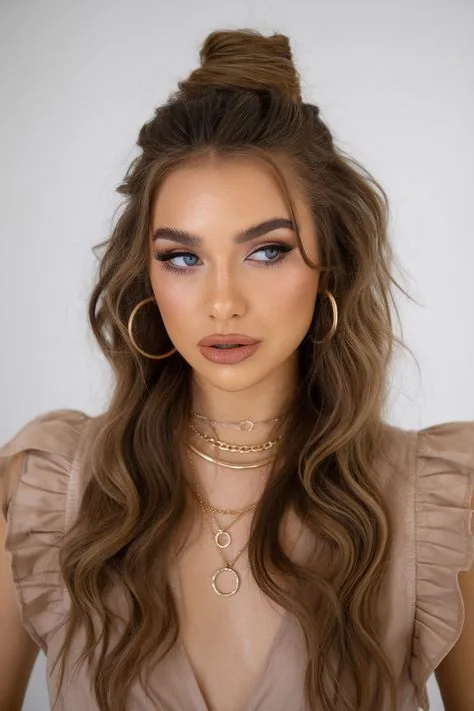
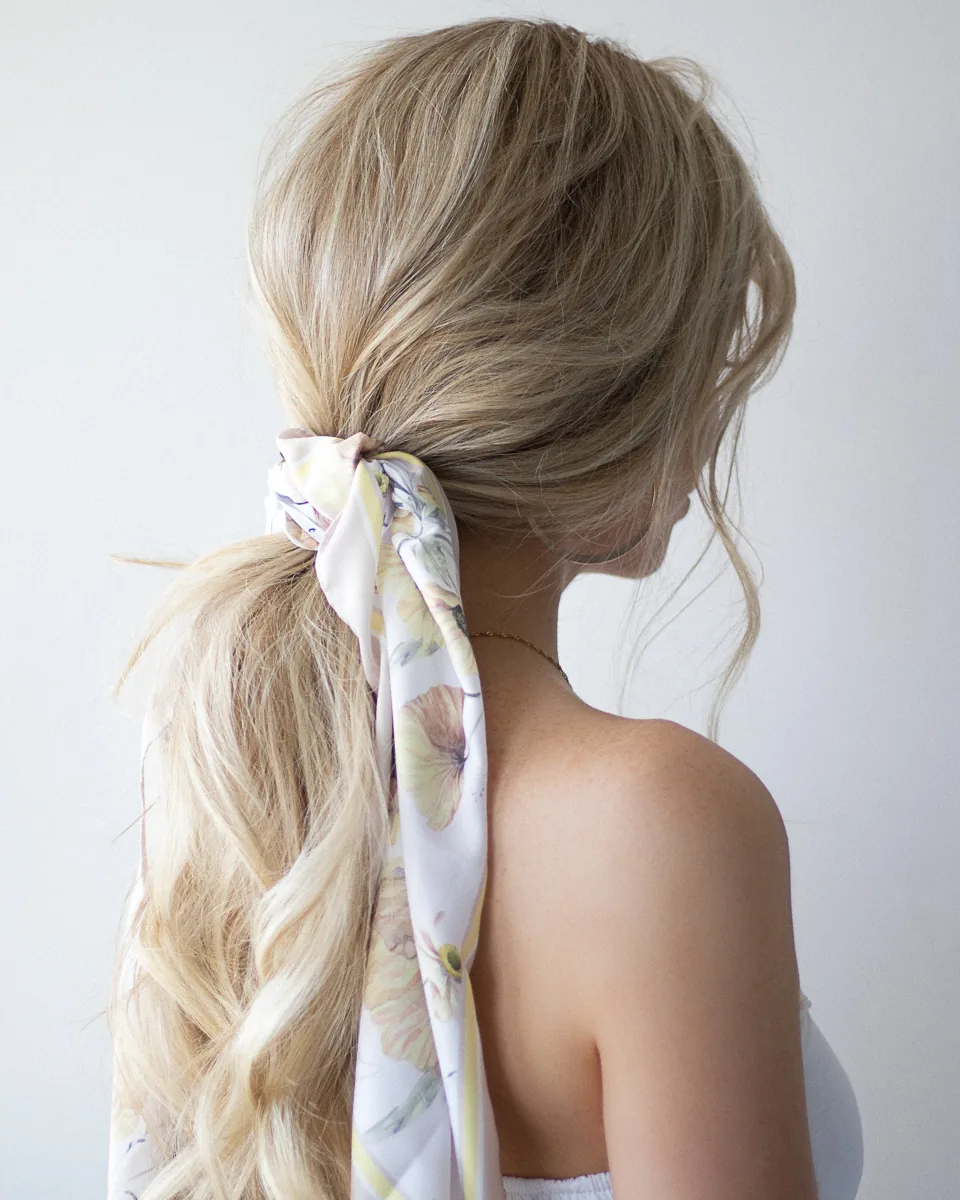
The Silk Scarf Ponytail
A silk scarf ponytail is spring’s prettiest trick: an ordinary ponytail, instantly transformed by a square of silk in a floral or pastel print. The scarf adds colour, softness and movement, it hides the elastic, and it protects your hair from wind and drizzle at the same time.
Make a mid or high ponytail, then wrap the scarf around its base and tie it in a neat bow or knot, letting the ends fall alongside the ponytail. Choose a scarf in a colour that matches your outfit — soft florals, pale blue or cream all work beautifully — and anchor it with a bobby pin so it does not slide.
Pros: cheap, instant and reversible, and it rescues a second-day ponytail completely. Cons: a slippery silk scarf can slide off in strong wind, so tie it firmly and check it once before you leave the house.
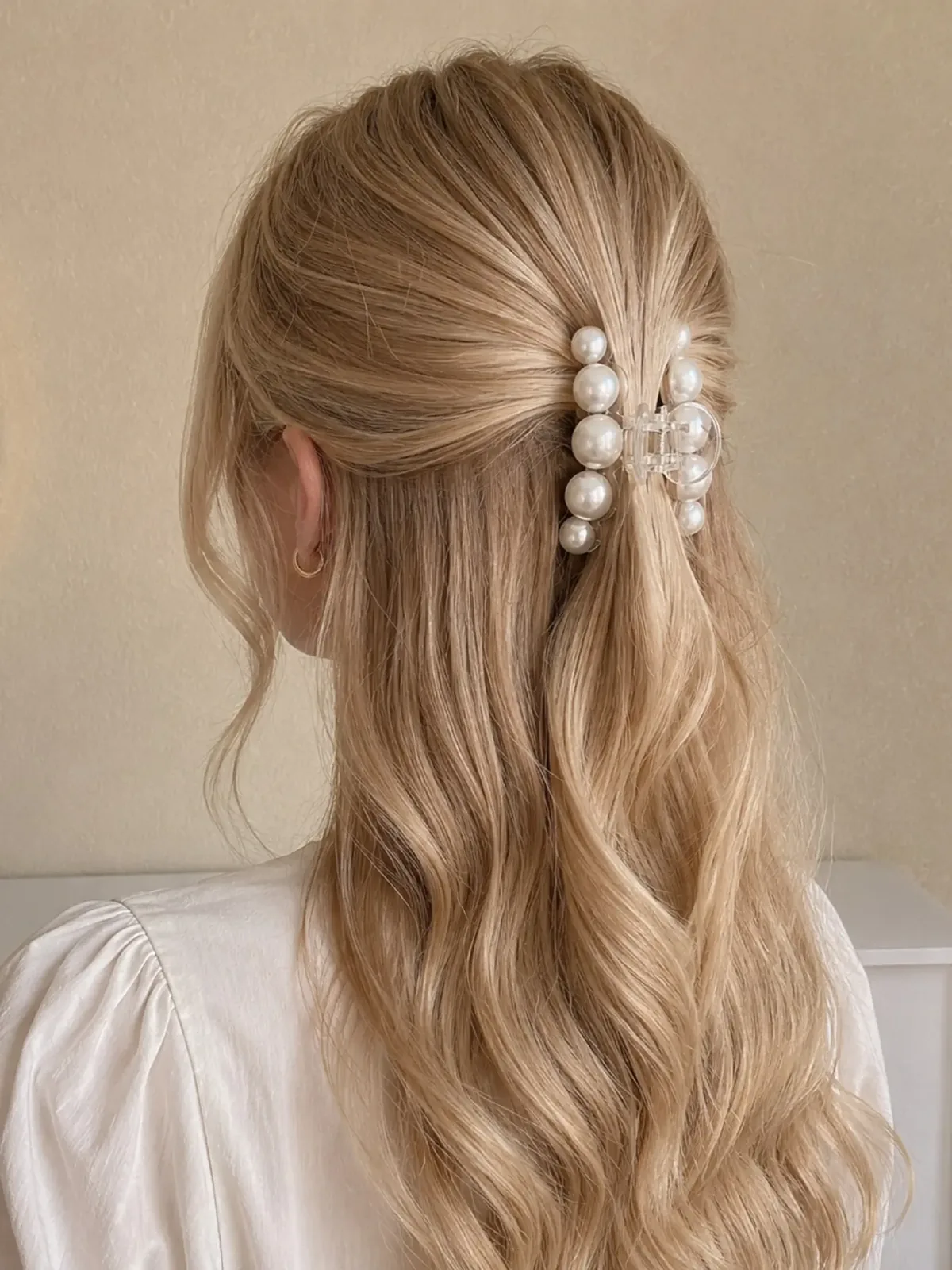
Pearl Clip Half-Up
A pearl clip half-up is the spring version of a classic: your hair half up, held with a single pearl clip that catches the light. It is elegant without being formal, pretty without being precious, and it works for a wedding, a lunch or an ordinary Tuesday — which is why it is worn so often.
Gather the top sections from either side, twist them gently towards the back and secure them with a pearl clip. Leave the rest of your hair in soft waves, and pull a few pieces out at the front. One clip is enough — two starts to look busy, and the pearl should be the only sparkle.
Best for: medium to long hair, and anyone who wants a style that looks considered in under five minutes. It also pairs beautifully with pearl earrings or a simple, light spring dress.
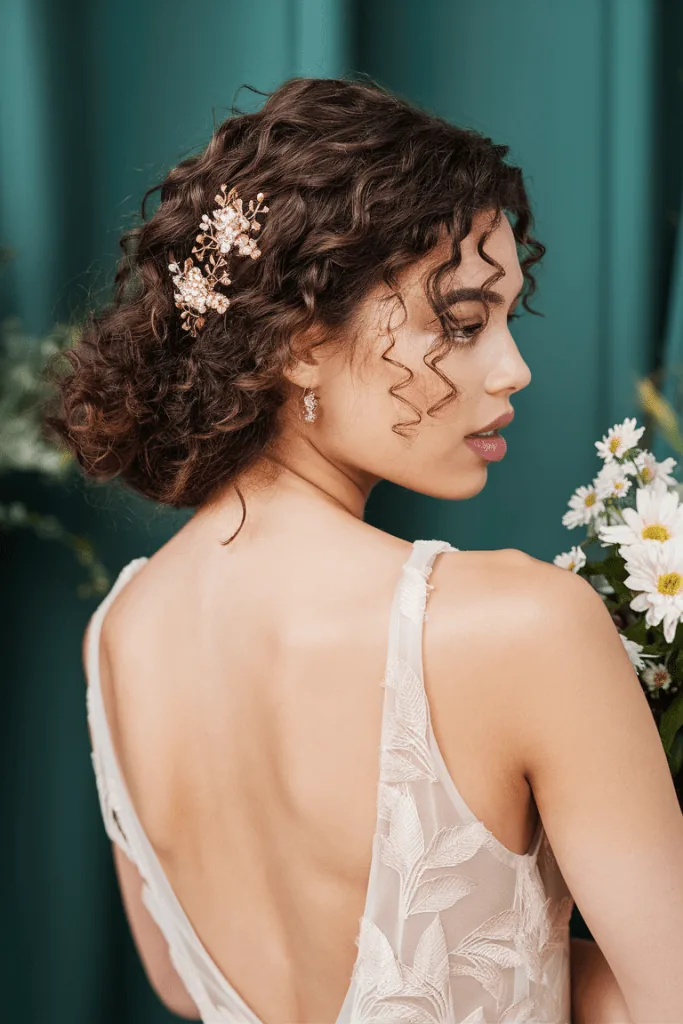
The Floral Pin Low Bun
A floral pin low bun is spring’s most romantic updo: a soft, low bun with a single small floral pin tucked into one side. It is the style for garden weddings, christenings and spring parties, and it looks like you spent far longer on it than you actually did.
Make a low bun as usual — smooth, neat, sitting at the nape — then slide a small floral pin into one side of the bun. Keep the pin small and the flower real-looking rather than plastic-bright: a tiny blossom, a sprig of greenery or a single fresh flower tucked into the bun is even better.
Common mistake: choosing a pin that is too big or too bright, which overwhelms the bun. The flower should be a whisper, not a shout — one small bloom, placed with intention, is all you need.
Side-Swept Waves
Side-swept waves are soft, glamorous and wonderfully spring-like: all your hair swept to one side in loose, flowing waves that move when you turn your head. They suit a formal spring event beautifully, and they photograph wonderfully in golden-hour light.
Part your hair deeply to one side, curl in large sections with a wide-barrel iron, and brush through gently so the waves fall into one soft shape. Pin the opposite side flat behind your ear with a small, hidden clip, and finish with a light-hold spray and a touch of shine serum.
Quick verdict: the most glamorous way to wear your hair down this spring. Keep a clip in your bag — if the wind picks up, a quick half-up twist will keep the waves off your neck without ruining the style.
Long and Straight with Shine
Long, straight, shiny hair is the simplest spring statement: healthy hair, worn down, with a gloss that catches the sun. It needs no tricks and no accessories — just hair in good condition, a clean parting and a finish so smooth it reflects the light.
Blow-dry smooth with a paddle brush, then run a flat iron through the lengths in slow, even passes. Finish with a tiny amount of shine serum on the mid-lengths and ends, avoiding the roots, which can look flat by the afternoon. A centre part suits this style best, keeping the look balanced and modern.
Maintenance: the shine depends on hair health, so keep up the weekly mask and the heat protectant. Straight hair shows every split end, so a trim every eight weeks is not optional — it is what keeps the style looking expensive.
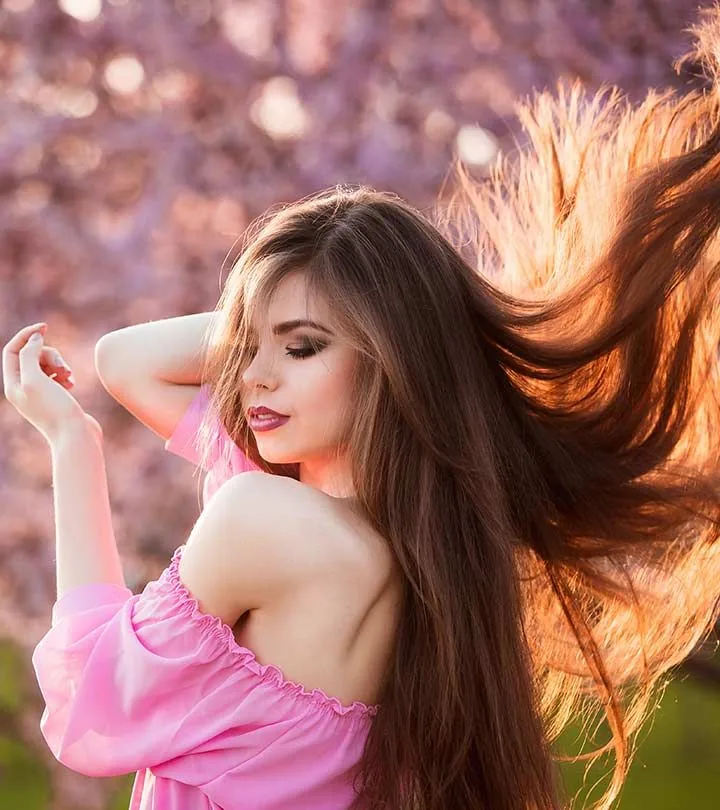
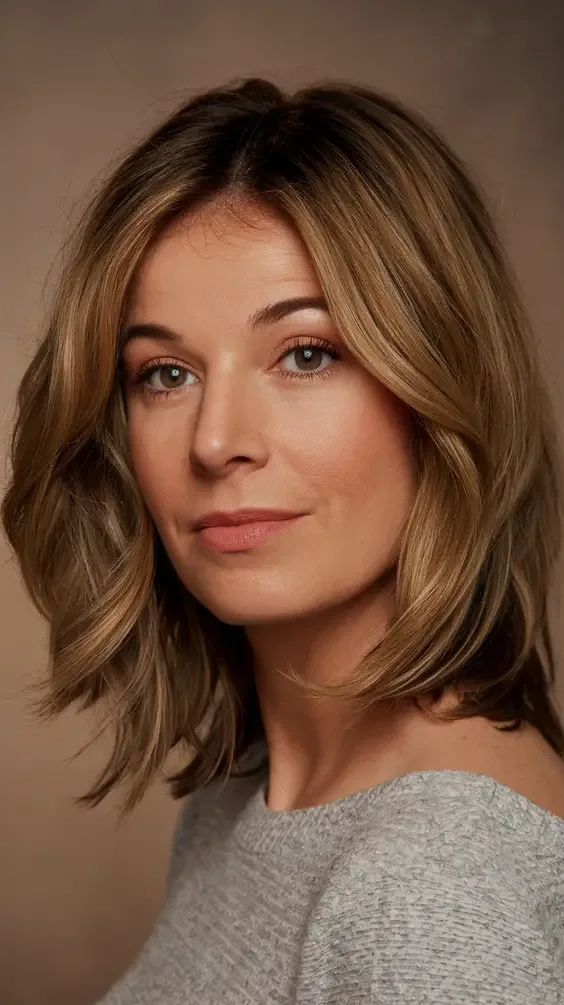
The Layered Mid-Length Blowout
A layered mid-length blowout is the workhorse of spring hair: polished enough for the office, relaxed enough for the weekend, and bouncy enough to look good in every kind of light. The layers give the blowout movement, so it never looks stiff or helmet-like, and the mid-length is easy to manage as the days get warmer.
Blow-dry with a round brush, lifting at the roots and curling the ends under or out for a soft, bouncy finish. Let everything cool before you touch it — that is what locks in the shape — and finish with a light-hold spray rather than a heavy one, so the layers keep moving.
Cost and time: about twenty-five minutes at home, or the price of a salon blowout if you book one before a big day. It holds best on freshly washed hair with a little volumising mousse at the roots.
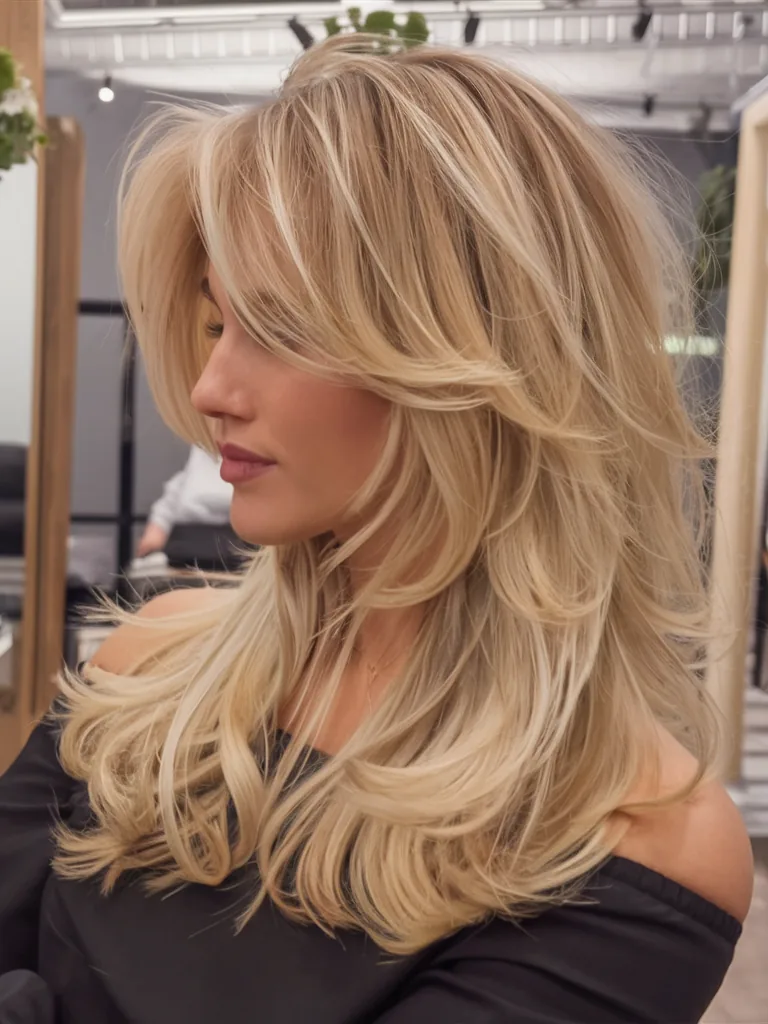
Bouncy Curls with Layers
Bouncy curls with layers are pure spring energy: full, lively and always moving, with a shape that looks wonderful in sunlight and even better by the second hour, once the curls have relaxed a touch. The layers stop the curls from weighing each other down, so the volume stays high all day.
Curl in sections with a medium-barrel iron, alternating the direction of each curl for a natural, modern shape, then brush through very gently with your fingers to break the curls into soft, bouncy waves. A little texturising spray at the roots stops the style going flat.
Best for: medium to long hair, and anyone who wants to look dressed up without an updo. It is also a wonderful wedding-guest style, especially outdoors, where the bounce survives the breeze.
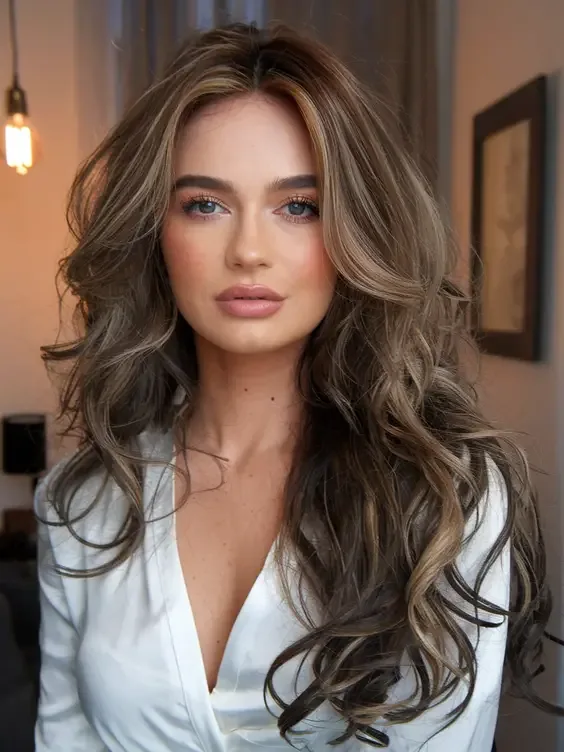
The Rain-Proof Slicked Bun
A rain-proof slicked bun is the style for the spring day when the forecast gives up: sleek, secure and completely unbothered by drizzle. It keeps every strand in place, looks sharp in photos, and pairs beautifully with statement earrings or a bold lip — the perfect counterpoint to a simple spring dress.
Brush your hair back smoothly, using a little gel or smoothing cream to tame flyaways, and secure it low at the nape. Wrap the bun neatly and pin it firmly — this is a style that should look intentional, not accidental — and finish with a shine spray for gloss. Rain only makes it look sleeker.
Who should avoid it: anyone who dislikes a tight, pulled-back feeling, or whose scalp is sensitive after a long day. A softer, looser bun will be far more comfortable for a five-hour spring celebration.
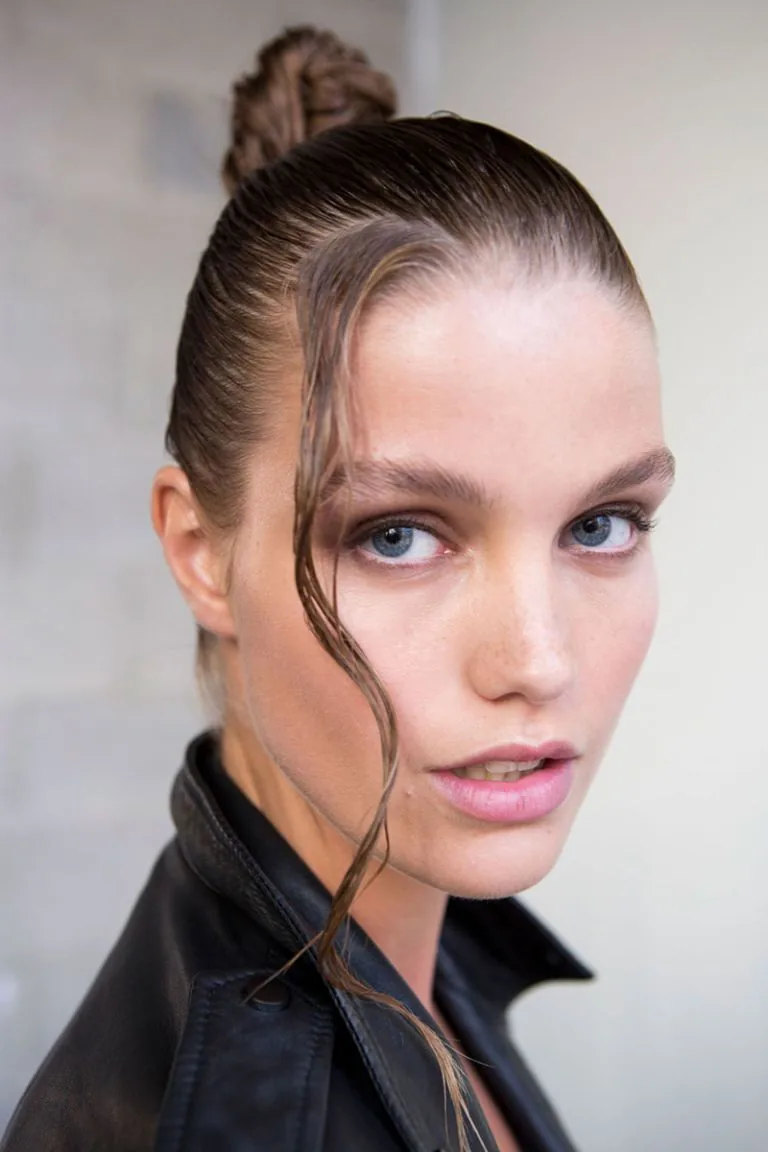
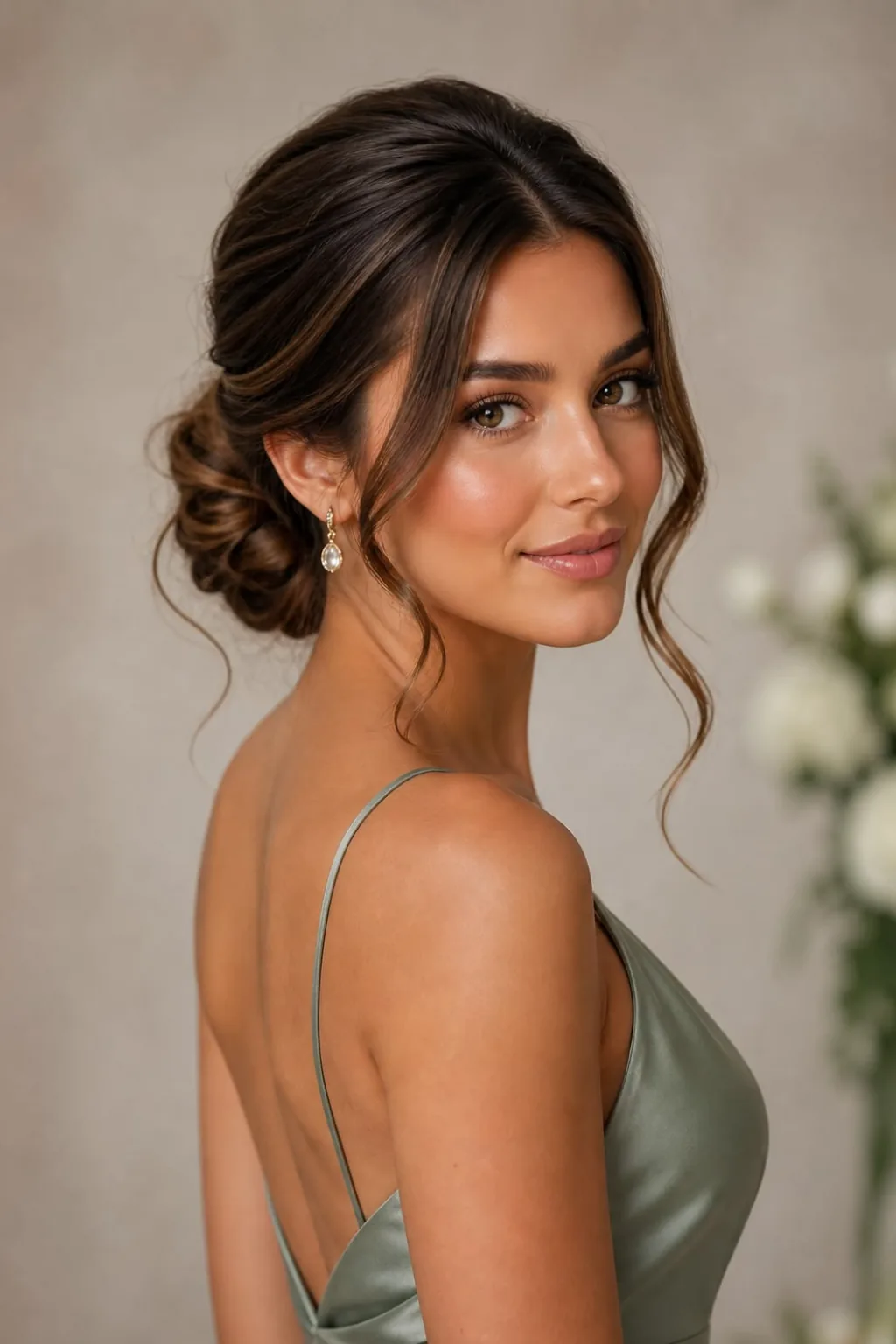
The Soft Updo for a Spring Wedding Guest
A soft updo for a spring wedding guest is the last style on this list and the most useful: elegant enough for a wedding, relaxed enough for a garden, and secure enough to survive wind, dancing and a long afternoon outdoors. It is a low, loose updo with soft pieces at the front — polished, but never stiff.
Gather your hair low at the nape, twist it loosely into a soft roll and pin it, leaving the front soft with a gentle side part and a few tendrils around your face. Add one small detail — a pearl pin, a tiny flower or a slim ribbon — and finish with a flexible-hold spray so the style moves with you.
Quick verdict: if you have one spring wedding and one hairstyle to choose, choose this. It suits every dress, every venue and every role from bridesmaid to honoured guest, and it will still look perfect when the dancing starts.
What are the best spring hairstyles for women with fine hair?
The best spring hairstyles for women with fine hair are layered cuts that add movement — a textured lob, a fresh bob, shaggy layers or curtain bangs. Layers make fine hair look thicker, and a little texturising spray at the roots adds volume that lasts. Avoid heavy, one-length styles, which make fine hair look flat.
How do I stop my hair frizzing in spring humidity?
Stop spring frizz by moisturising first: use a good conditioner, a leave-in cream and a drop of serum on damp hair, and avoid brushing dry hair, which ruffles the cuticle. On damp days, choose a braided or pinned style rather than a sleek blowout, and carry a small bottle of serum for touch-ups.
What hair colour is best for spring?
The best spring hair colours are soft and sunlit: sun-kissed balayage, honey blonde dimension, a soft copper glow or subtle face-framing highlights. The key is a gradual lighten of one or two shades, with a toner to keep the warmth soft rather than brassy, and a deep-conditioning treatment before you colour.
Can I wear my hair down in spring wind?
Yes, you can wear your hair down in spring wind, but choose a style that works with it rather than against it — beachy waves, soft layers or side-swept waves all look better windswept. For strong wind, keep a clip in your bag so you can switch to a quick half-up twist, and save sleek, straight styles for calm, dry days.
What is the best spring hairstyle for a wedding guest?
The best spring hairstyle for a wedding guest is a soft updo, a low bun with a floral or pearl pin, or loose waves with one polished detail. Choose a style with an anchor — a braid, a bun or pins — if the wedding is outdoors, and try the style once before the day so you know it will hold through the ceremony and the dancing.
Should I cut my hair short for spring?
Cut your hair short for spring if you want to feel lighter, dry your hair faster and spend less time styling — a bob, a lob or a soft pixie are all excellent spring cuts. Only cut it if you love the style itself, not just because it is trendy, and remember that a good cut grows out gracefully, so the risk is low.
How do I protect my hair from spring sun?
Protect your hair from spring sun with a leave-in conditioner that contains UV protection, a hat or a silk scarf on the brightest days, and a weekly deep-conditioning mask. Sun fades colour and dries out the lengths, so rinse with fresh water after being outdoors and avoid over-washing, which strips the natural oils.
What accessories work best for spring hairstyles?
The best spring hair accessories are light and soft: a silk scarf, a small floral clip, a pearl pin, a slim velvet headband or a narrow ribbon. Choose one deliberate detail in a soft spring colour — blush, sage, cream or pale gold — and anchor it with two crossed bobby pins so it stays put in the wind.
How often should I trim my hair in spring?
Trim your hair every six to eight weeks in spring to remove winter split ends and keep the shape of your cut. Short styles such as a bob or a pixie need a trim every four to six weeks, while long hair can go eight weeks if the ends are healthy. A small, regular trim keeps hair looking thicker and shinier than a rare, big cut.
Can I lighten my hair at home for spring?
You can lighten your hair gently at home with a gloss, a colour-depositing conditioner or subtle highlights, but a big lighten — more than two shades, or a full bleach — belongs in a salon. Home lightening on winter-dry hair can turn brassy or brittle, and a colour correction costs far more than a salon visit in the first place.
Conclusion
The best spring hairstyles for women are the ones that let the season do half the work. Whether you choose soft layered waves, a fresh bob, sun-kissed balayage, a braided crown that survives the wind, or a soft updo for a spring wedding, the goal is the same: hair that feels light, looks healthy, and stays out of your way while you enjoy the first warm days of the year.
Start with repair, pick one style that suits your real life, and try it once before a big day. Then forget about your hair completely — the blossom is out, the days are longer, and spring is finally here.