Your Senior Year, Your Best Hair: 44 Hairstyles for a Senior Photoshoot That Photograph Like You Mean It
Senior photos are the ones that end up framed on the mantel, tucked into graduation announcements, and shared by your family for years. They are not just pictures of a hairstyle — they are pictures of you, at the end of one chapter and the start of the next. That is why hairstyles for a senior photoshoot should start with a simple rule: pick hair that looks like you on your best day, not like a stranger in a studio.
Think about the photos you actually love of yourself. They are rarely the stiffest ones. They are the ones where you are laughing, where the light is warm, where your hair is doing what it naturally does — only a little more polished. A senior shoot works the same way. The camera loves movement, shine and shape, and it is brutally honest about anything that feels forced, over-sprayed or unlike you.
This guide walks through it in order. First, eight short guides on choosing a style that still looks like you, matching hair to yearbook and outdoor shots, handling wind and golden hour, planning outfit changes and touch-ups. Then 44 hairstyles for a senior photoshoot — soft waves, polished updos, braids, buns, bobs, curls and pixies — each with how to style it, what to tell your photographer, and what to wear with it.
Pick the style that feels most like you, try it once before shoot day, and pack a small touch-up kit. Your hair does not need to be perfect. It needs to be yours.
Choosing a Style That Still Looks Like You
The best senior photo hair is a better version of your everyday hair, not a costume. If you never wear your hair pin-straight, a pin-straight shoot style will look wrong to everyone who knows you — including future you, looking back at these photos in ten years. Start with what you already love about your hair: the length, the wave, the volume, the colour. Then polish it one step, not five.
Bring reference photos of yourself, not just of models. Show your stylist the pictures where you think your hair looked its best, and be honest about the ones where it did not. A good stylist will tell you which ideas suit your face shape and hair texture and which ones only look good on someone else.
Quick verdict: if you would not wear the style to a good dinner out, do not wear it for your senior photos. Familiar, polished and comfortable always photographs better than dramatic and unfamiliar.
Yearbook Shots vs Outdoor Shots: Different Hair, Same You
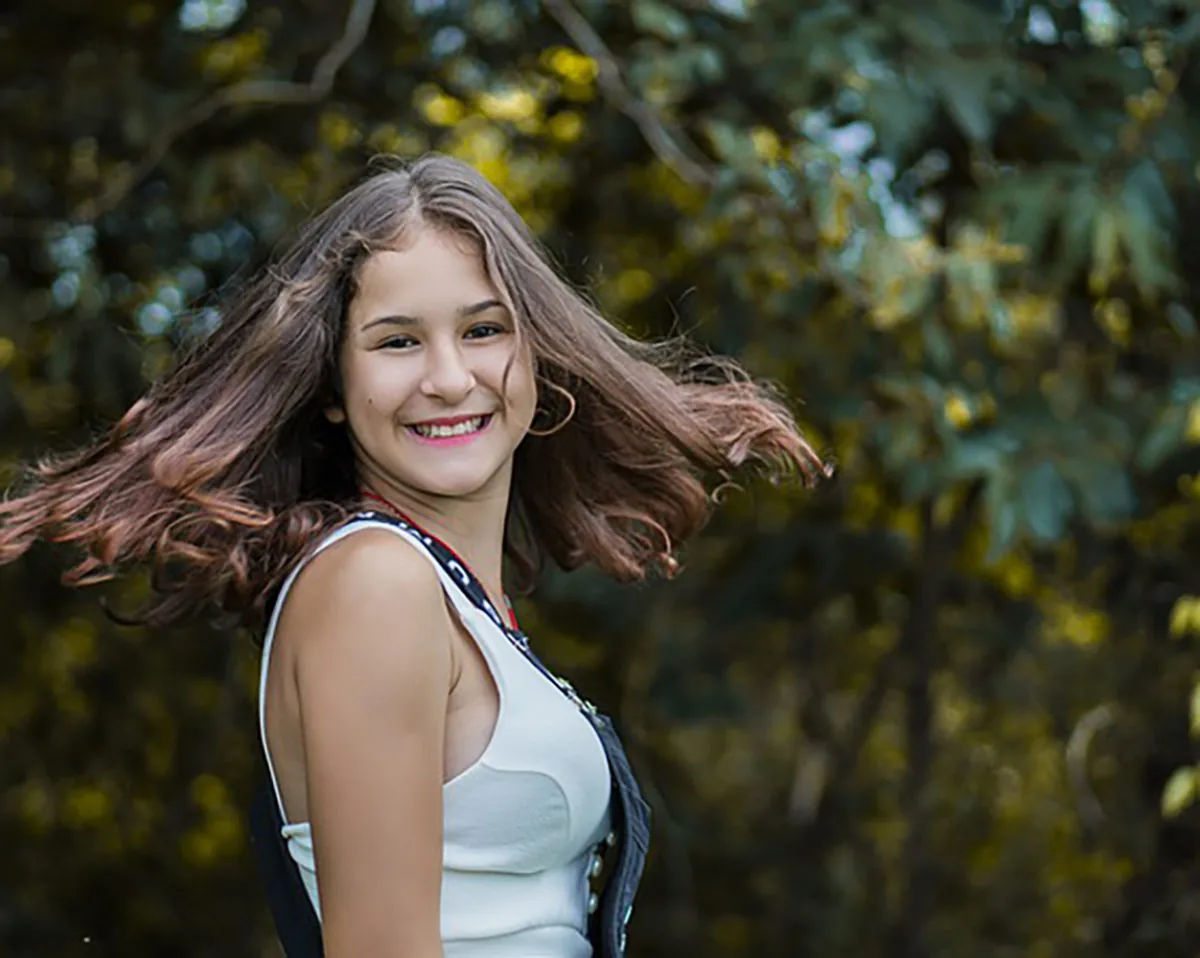
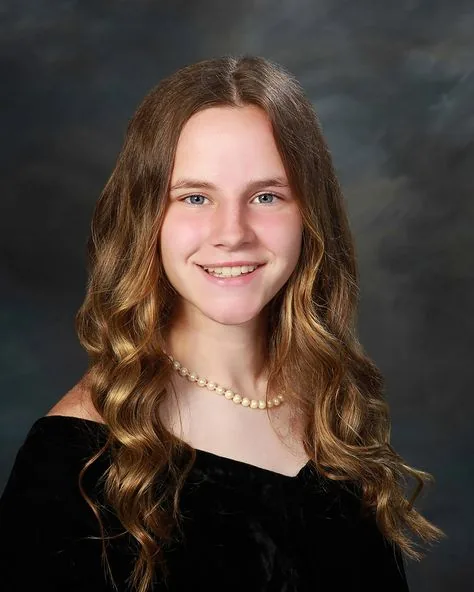
Yearbook portraits and outdoor senior shots ask for different things from your hair, even when they are taken on the same day. The yearbook shot is close, straight-on and formal — the camera sees every flyaway, every uneven part, every bit of frizz. Outdoor shots are wider, softer and more forgiving, and they reward movement: hair that catches the wind, waves that shift as you turn, layers that move when you laugh.
Plan for both. For the yearbook frame, choose a style with a clean shape — a smooth blowout, a neat half-up, a sleek bun — and keep the front tidy, because that is where the camera sits. For the outdoor set, let the same style loosen up: shake out the waves, let a few pieces fall free, and let the wind do some of the work. You do not need two different styles, just one style with two gears.
What to ask your photographer: which shots come first, and how much time you have between them. If the yearbook shot is first, keep everything pinned and polished for it, then loosen up for the field, the steps and the golden-hour portraits.
Wind and Golden Hour: Let the Light and Air Work for You
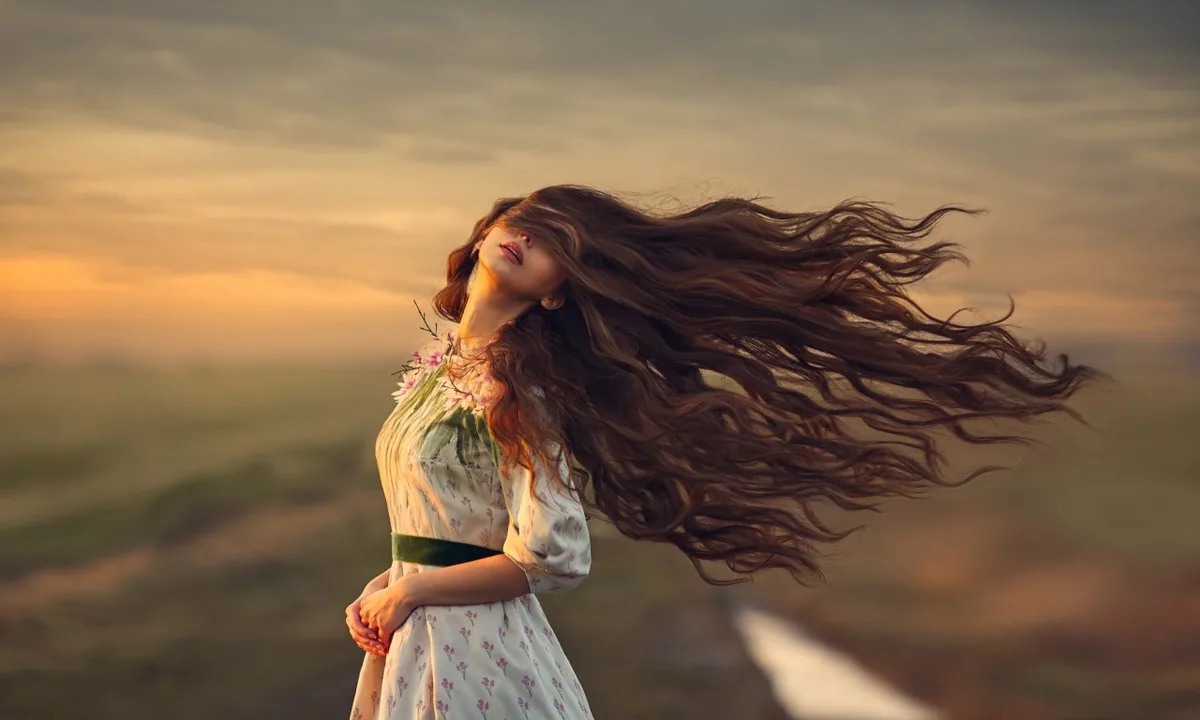
Golden hour — the hour before sunset — is the most flattering light a senior shoot will ever have. It is warm, soft and low, and it turns ordinary hair into something glowing. But golden hour usually comes with wind, especially outdoors, and wind is the great undoer of polished styles. The trick is to choose hair that looks better with a little movement in it, not worse.
Loose waves, layered cuts, braids and half-up styles all love wind, because the movement reads as life in a photo. Sleek, flat styles fight it: one gust and the shape is gone. If the forecast says wind, pick an anchored style and carry a flexible-hold spray, so you can smooth flyaways without freezing the hair in place.
Quick verdict: never fight the weather on shoot day. A style that moves with the wind looks deliberate in photos; a style that breaks in the wind looks like a mistake. Choose movement, and let golden hour do the rest.
Outfit Changes: Hair That Adapts to Every Look
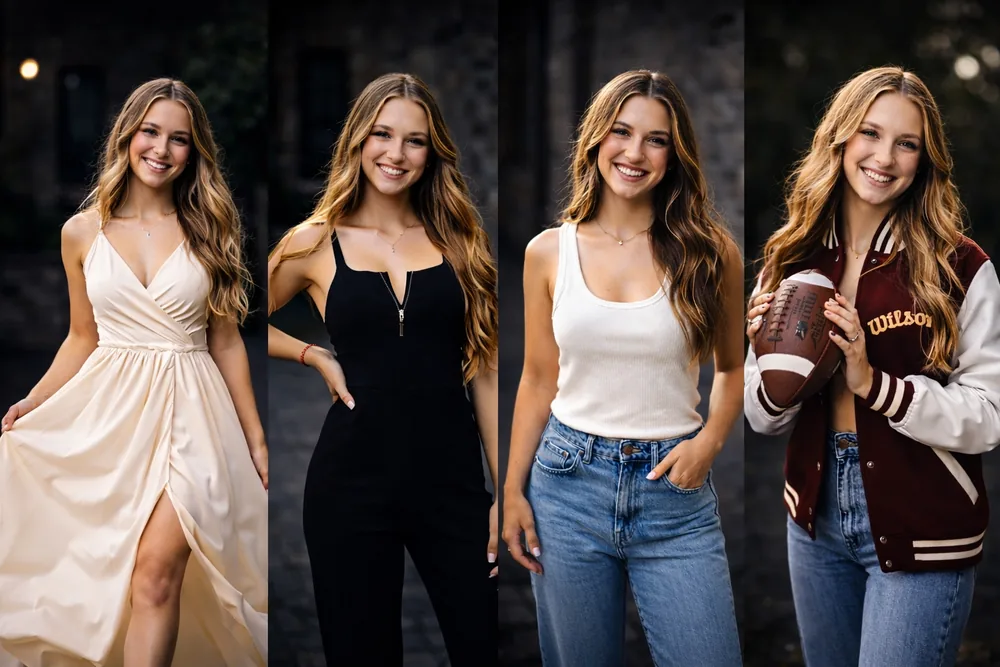
Most senior shoots include two or three outfit changes — a casual look, something dressier, maybe a jersey or a favourite jacket. Your hair has to work with all of them, and the easiest way to make that happen is to build the day around one base style with small variations, rather than starting over for every outfit.
A soft wave or a polished blowout is the most adaptable base: wear it down for the casual look, sweep half of it up for the dressy one, and pull it into a low ponytail for the sporty or fun shots. A braid or a bun can do the same job in reverse — start polished, then loosen pieces as the outfits get more relaxed. Plan the order with your photographer so the neatest look comes first and the loosest last.
Common mistake: changing your hair completely between outfits. Each re-style eats shoot time and risks a style that does not hold. One base, three small variations, and your whole gallery will look like one coherent day.
Touch-Ups Between Locations: The Five-Minute Kit
Senior shoots move — from the studio to the steps, from the field to the trees, from one patch of light to another. Between locations your hair will shift: wind lifts the front, humidity softens the curl, a car seat flattens the back. A five-minute touch-up routine between stops is what keeps the last photos looking as good as the first.
Pack a small kit: a travel brush, two or three bobby pins that match your hair colour, a mini flexible-hold spray, and a tissue for shine. Brush through gently, re-pin anything that slipped, smooth flyaways with your palms, and check the back of your hair before the next set starts.
Best for: anyone shooting outdoors or across several locations. Ask a parent or friend to be your second pair of eyes between sets; they will spot a stray piece or a flattened crown long before you feel it.
The Trial Run: Never Debut a Style on Shoot Day
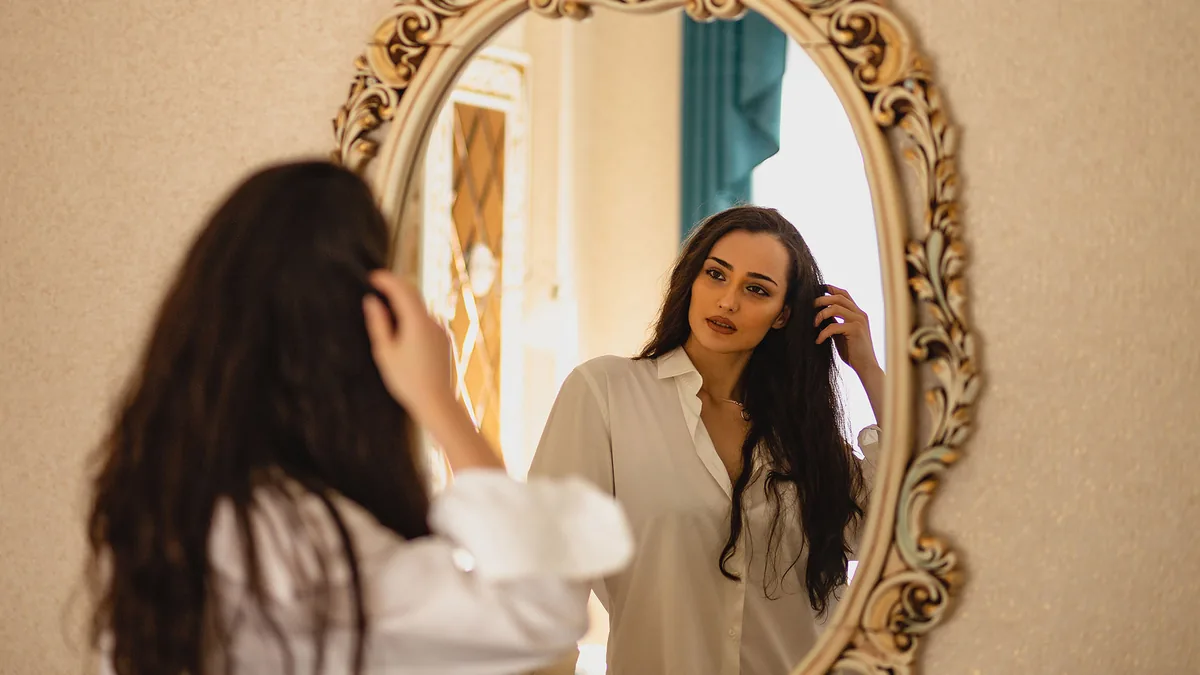
The single best thing you can do for your senior photos is a trial run. Style your hair exactly as you plan to wear it, wear the outfit you plan to wear, and take photos of yourself in natural light — indoors, outdoors, in the sun and in the shade. What looks good in a bathroom mirror can look very different in a photograph, and the trial run is where you find that out safely.
Pay attention to how the style holds over a few hours, not just how it looks in the first ten minutes. Does the curl drop? Does the front fall flat? Does the part wander? If anything loosens, your stylist can anchor it differently — a hidden pin, a different product, a slightly tighter set at the start so it relaxes into the right shape by shoot time.
What to ask your stylist: how the style will look after two hours, not just after twenty minutes, and what to bring for touch-ups. A trial run a week or two before the shoot leaves time to fix anything you do not love.
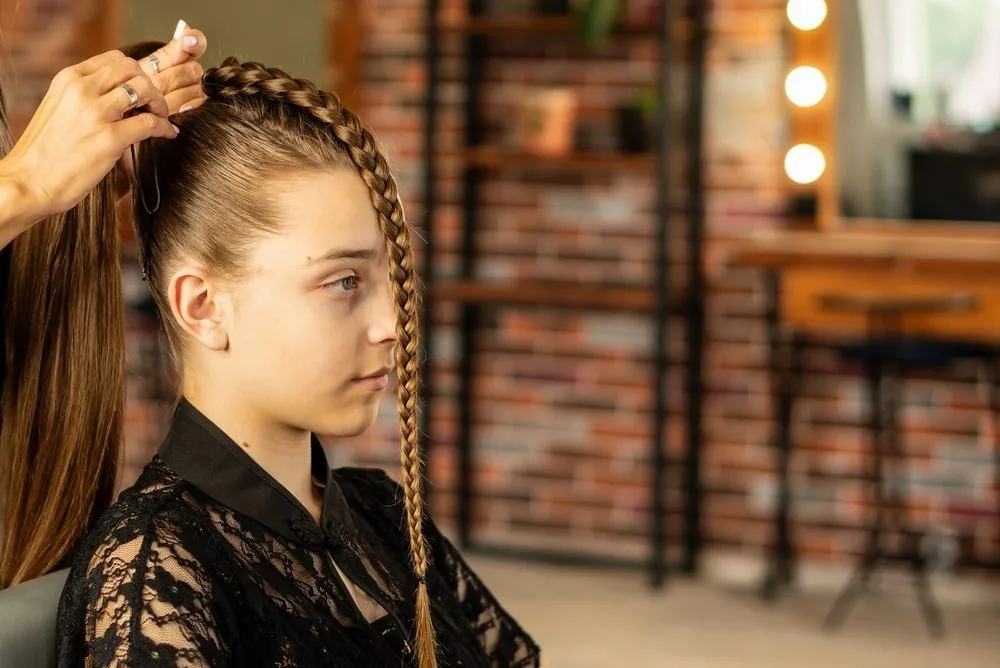
Working With Your Photographer: Hair, Angles and Light
Your photographer is your partner on shoot day, and the more they know about your hair, the better the photos will be. Tell them before you start which side is your good side, whether your hair falls better to the left or the right, and whether there is a spot — a cowlick, a thin patch, a stubborn wave — that you would rather not feature. A good photographer will angle around it.
Hair photographs best when it has shape and separation. Ask your photographer to shoot a few frames from slightly above, which shows the part and the layers, and a few with you turning your head slowly, which lets the hair move and catch the light. If the wind picks up, do not fight it — turn into it, let the hair lift, and let the photographer catch the movement. Those are often the frames families end up framing.
Quick verdict: talk to your photographer like a teammate, not a stranger. A two-minute conversation about your hair at the start of the shoot can save a whole gallery of near-misses.
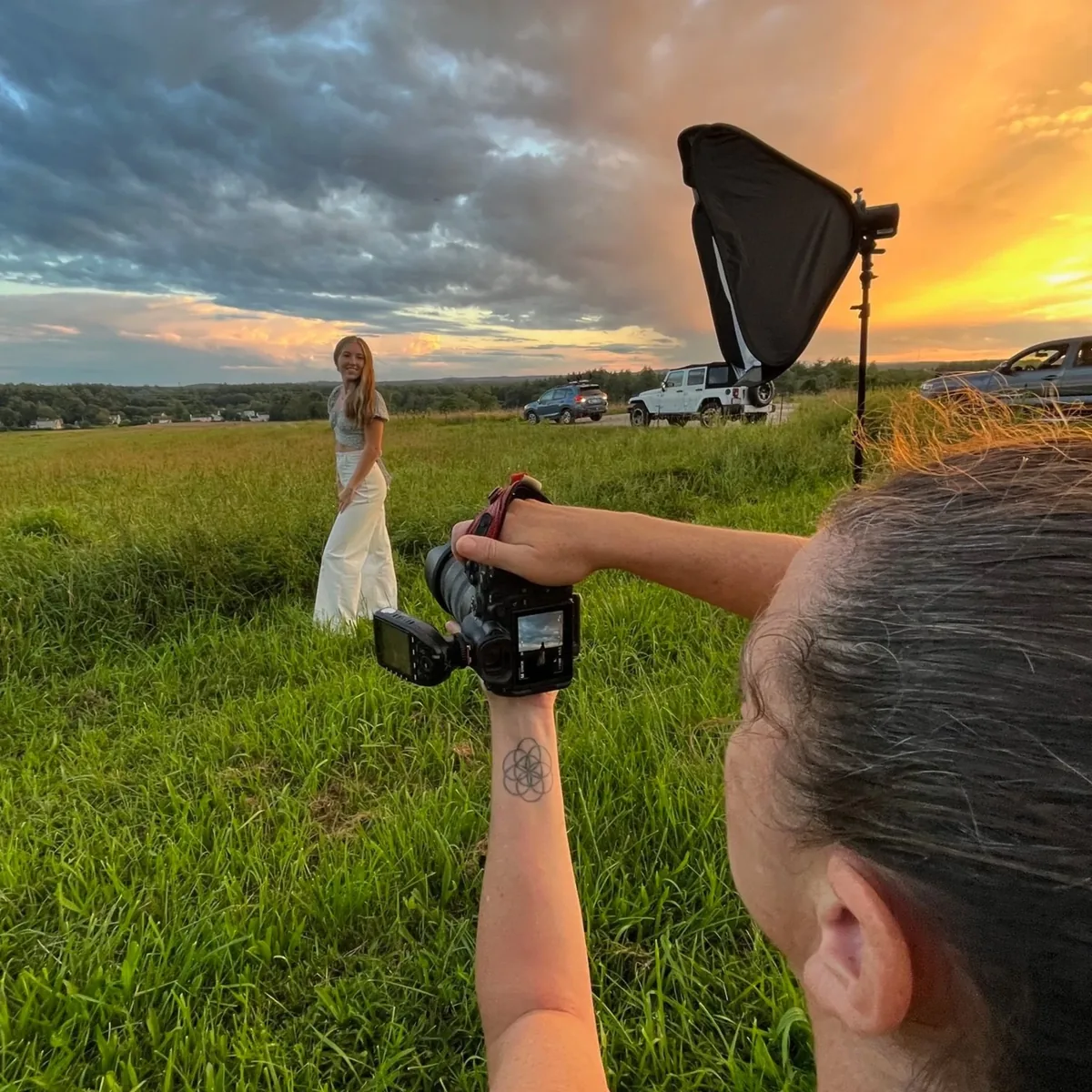
Accessories and Finishing Touches: One Deliberate Detail
Accessories are the easiest way to make senior photos feel personal, and the easiest way to overdo it. The rule is one deliberate detail: a pearl clip, a slim headband, a silk ribbon, a small floral pin — any one of them, on its own, lifts a simple style into something memorable. Two or three together compete with your face and with each other.
Match the accessory to your outfit, not to your hair, and keep it in scale with your features. A tiny clip can disappear in thick hair; a large statement piece can overwhelm a fine, short cut. Try it on in your trial run, in daylight, and check that it stays put when you turn your head — a clip that slides is worse than no clip at all.
Pros and cons: accessories are cheap, instant and reversible, and they photograph beautifully. The only downside is a slippery or heavy piece that will not stay put, so anchor it with two crossed bobby pins and check it between locations.
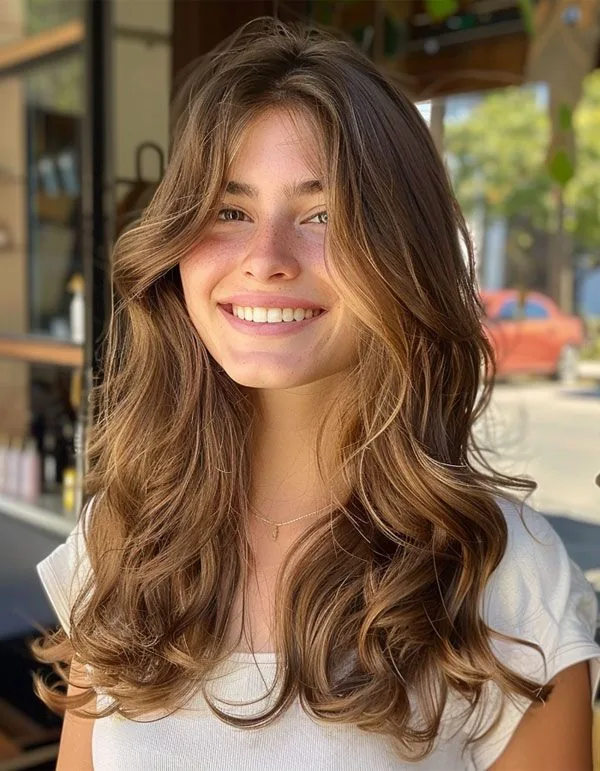
Soft Long Layers That Move in the Breeze
Soft long layers are the safest beautiful choice in senior photography, and that is exactly why they work. The layers stop long hair from hanging heavy and flat, and instead let it bounce and swing with every step, catching the light as it moves. It is the style that looks like you on a very good day — nothing forced, nothing overdone, just your hair with more life in it.
Layers also give your photographer something to work with. When you turn your head, the hair moves in pieces rather than one solid curtain, and that movement is what makes a portrait feel alive instead of posed. It suits almost every face shape, works with straight, wavy or curly hair, and only gets softer as the shoot goes on.
How to style it: ask for long, face-framing layers and curl in large sections with a wide-barrel iron, always curling away from the face, then brush through with your fingers. What to tell your photographer: shoot a few turning shots so the layers can move. Outfit pairing: a simple white top and jeans, or a soft summer dress — anything that lets the hair be the star.
Golden Hour Loose Waves
Golden hour loose waves are made for the last hour of a senior shoot, when the light turns warm and low and everything glows. The waves are loose and undone rather than tight and perfect, so they catch the sun in ribbons and look different in every frame. This is the style behind most of the senior photos people actually frame.
The beauty of loose waves is that they forgive the wind. A gust that would ruin a sleek style only makes these waves look more natural. They work best on medium to long hair, and they look just as good from the side and the back as they do from the front.
How to style it: curl loosely with a large iron, leave the ends straight for a modern finish, and shake the curls out with your fingers. What to tell your photographer: save this style for the sunset set and shoot into the light. Outfit pairing: a flowy dress or a soft knit — something that moves with the hair.
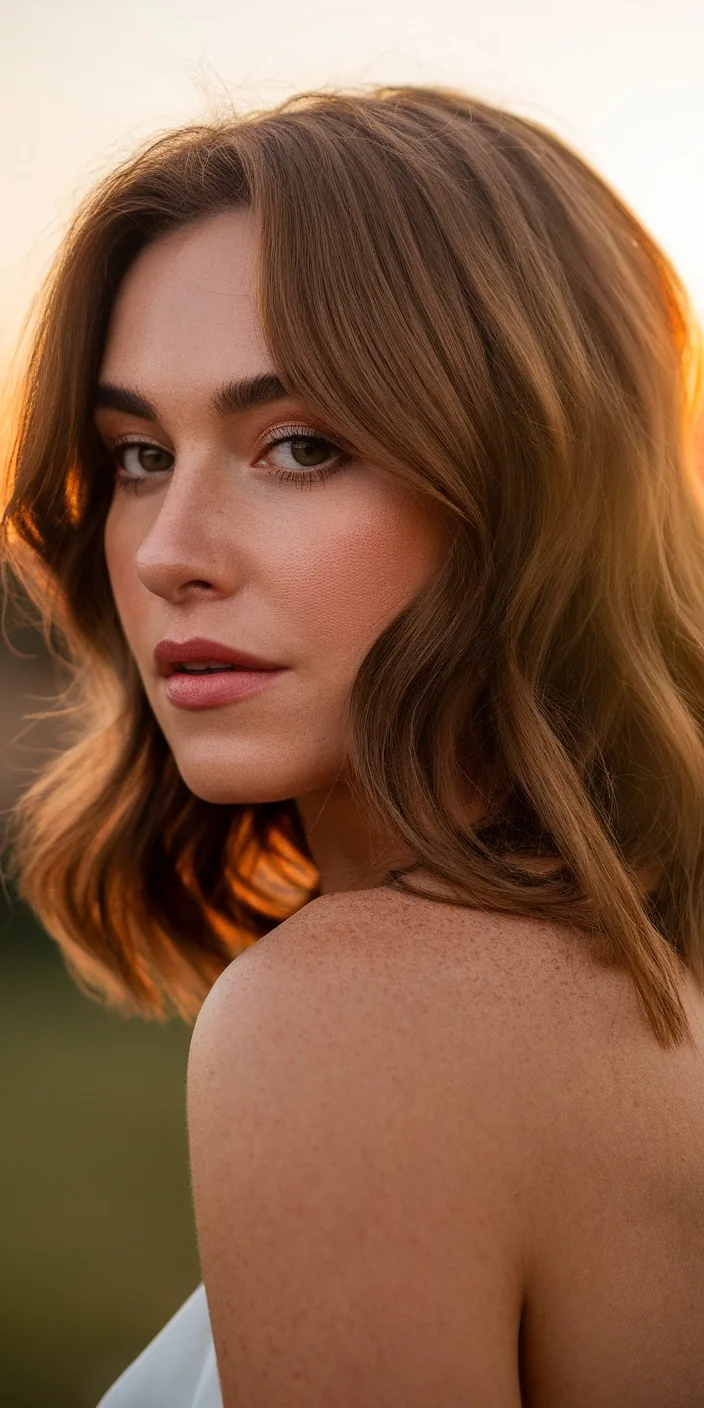
The Classic Blowout, Camera-Ready
A classic blowout is the most polished version of your hair, and it photographs like confidence. The roots are lifted, the ends curve softly under, and the whole shape is glossy and smooth from every angle. It is the style to choose when you want your senior photos to look timeless — the kind of portrait that would look right in any decade.
Blowouts suit the yearbook shot especially well, because the shape is clean and the front is tidy. The one thing to watch is humidity: a blowout softens in damp air, so ask your stylist for a little extra root lift and a light serum.
How to style it: blow-dry with a round brush, lifting at the roots and curling the ends under, and let everything cool before you touch it. What to tell your photographer: this is your yearbook and studio look — shoot it first, while it is freshest. Outfit pairing: a blazer or a smart dress; the polish of the hair matches polished clothes.
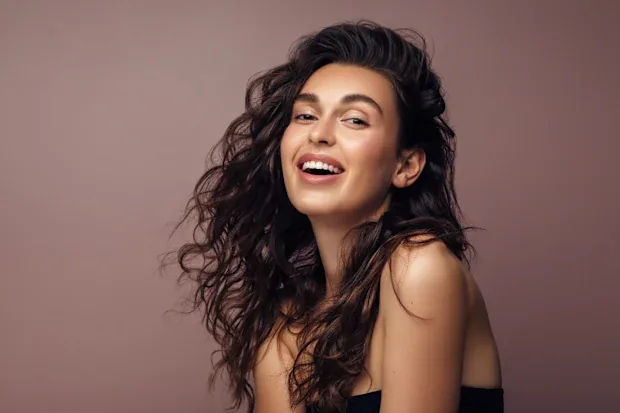
Half-Up Twists for a Natural Smile
Half-up twists are the friendliest style in this whole guide. They pull the front of your hair back so your face is fully open to the camera, while the rest falls loose and natural behind you. You look like yourself, only tidier — and because your face is unobstructed, your smile reads clearly in every frame.
This is a wonderful choice if you are a little camera-shy, because it feels comfortable and familiar rather than formal. It works on almost any length past the shoulders, suits straight and wavy hair equally well, and it holds up in wind far better than hair worn completely down.
How to style it: take two front sections, twist them back and pin them low at the crown, leaving soft pieces around the face. What to tell your photographer: ask for close portraits — this style is made for them. Outfit pairing: a casual sundress or a denim jacket; it keeps the whole look relaxed and real.
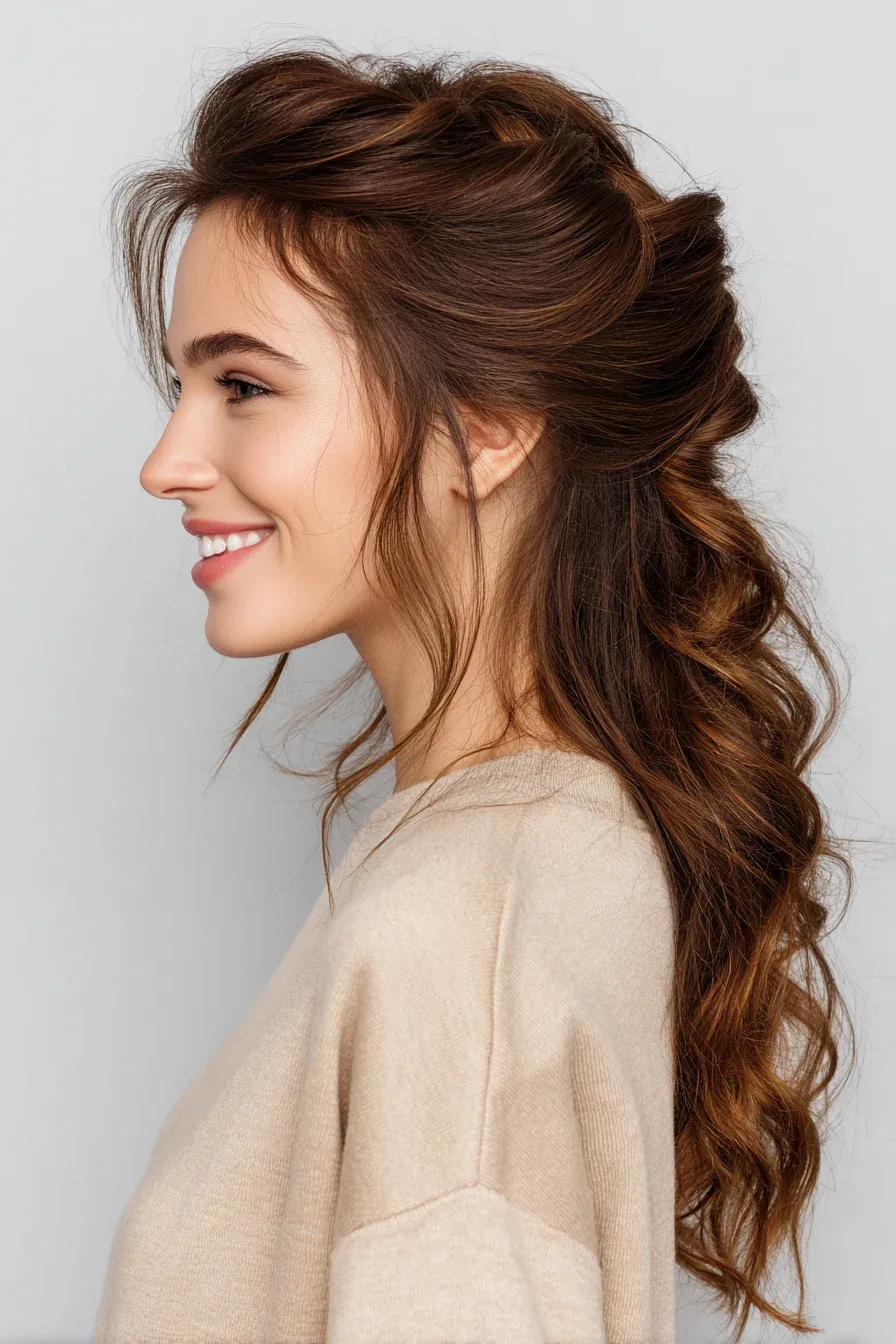
Sleek Straight Hair with a Centre Part
Sleek straight hair with a centre part is the most modern, minimal look in senior photography, and it is strikingly photogenic. The symmetry of the centre part frames the face evenly, the straight lengths fall like a curtain, and the shine reads beautifully in both studio light and sunlight. It is simple, but it is never boring in a photograph.
This style works best on hair that is naturally straight or easily straightened, and it rewards good condition — the smoother and healthier the hair, the better it looks. Keep the part clean, smooth flyaways with a drop of serum on your palms, and let the simplicity do the talking.
How to style it: flat-iron in small sections with heat protectant, then finish with a shine serum on the lengths only. What to tell your photographer: shoot straight-on and slightly above to show the part. Outfit pairing: a black top or a bold colour — strong, simple clothes suit this strong, simple hair.
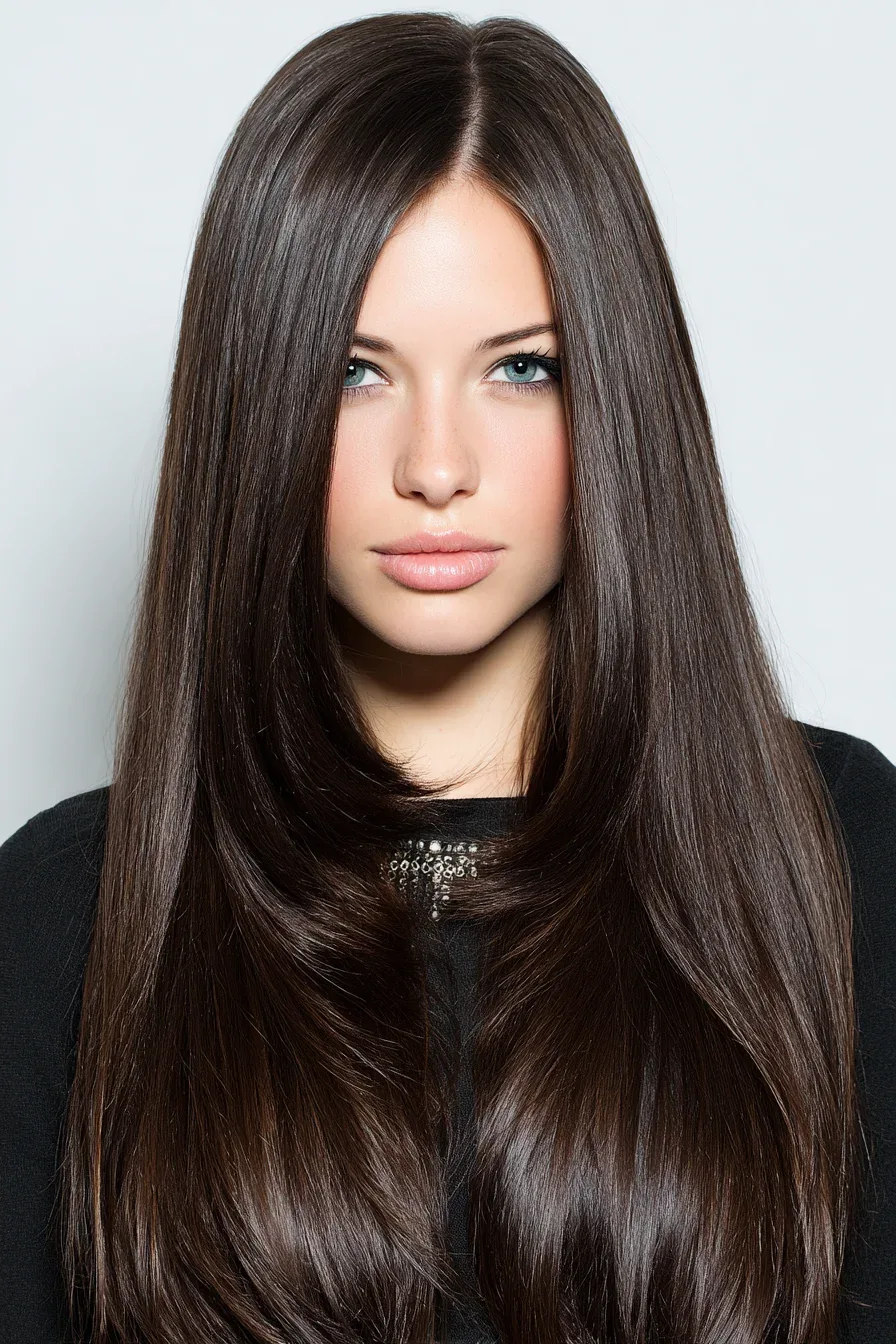
Romantic Curls with Face-Framing Pieces
Romantic curls are soft, generous and full of warmth — the curls fall in loose spirals, and a few face-framing pieces are left free to soften the whole portrait. It is a style that flatters almost everyone, because the curls add volume where you want it and the loose pieces keep the face from feeling hidden.
Curls photograph with wonderful texture and depth, especially in outdoor light, where each curl catches the sun a little differently. The key is to keep them soft rather than tight: tight curls can look formal and dated in photos, while loose, brushed-out curls look romantic and current.
How to style it: curl with a medium iron, let the curls cool, then brush through gently with your fingers for softness. What to tell your photographer: side light shows curl texture best — ask for a few three-quarter shots. Outfit pairing: a floral or lace dress; the softness of the curls matches soft fabrics.
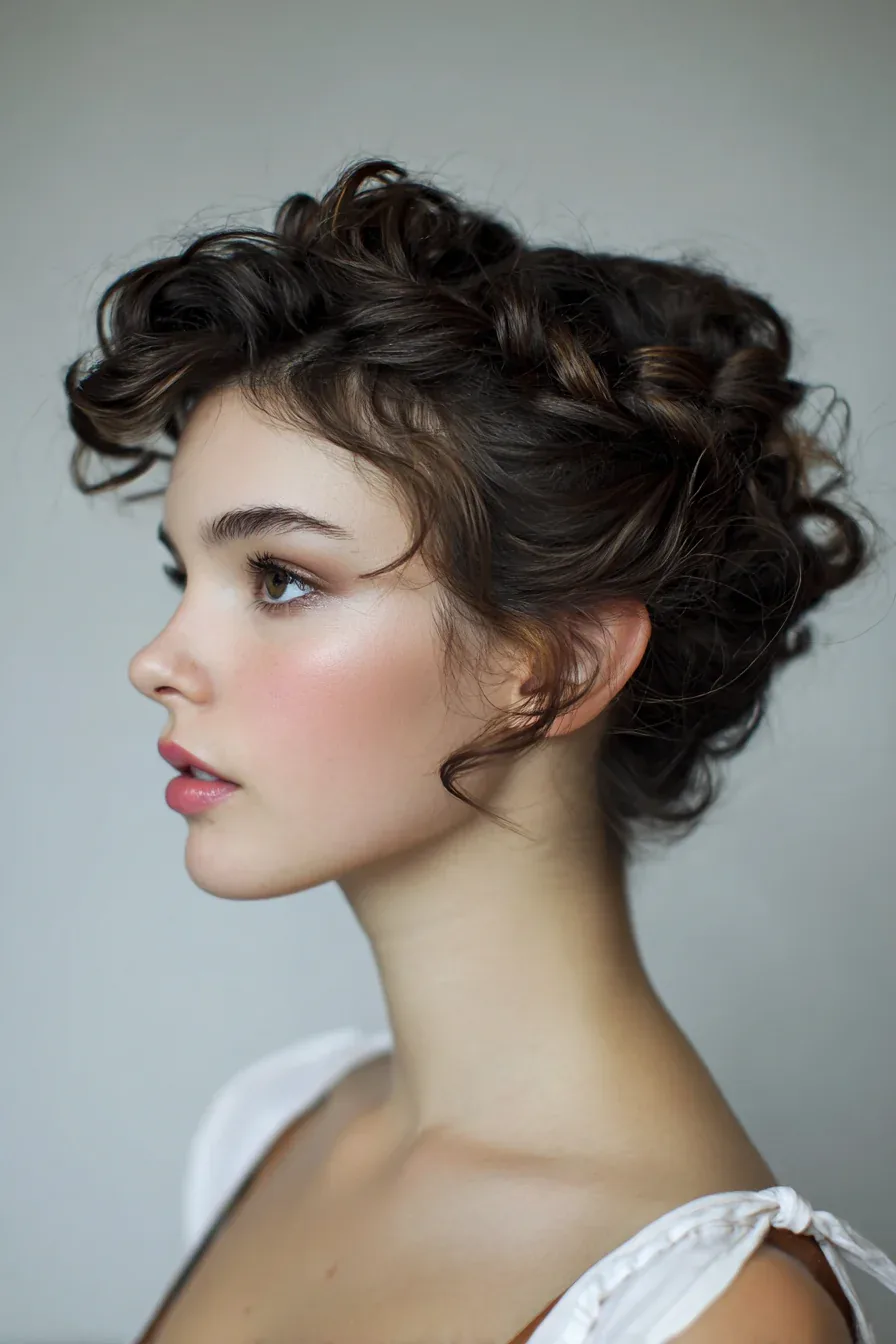
The Low Ponytail That Looks Expensive
A low ponytail sounds simple, and that is the point: when it is done well, it looks expensive. The hair is smooth at the crown, gathered low at the nape, and wrapped with a piece of your own hair so there is no elastic in sight. It is clean, elegant and completely unfussy — and it photographs like a editorial portrait.
This is the style to choose if you want your face to be the focus. With the hair pulled back, your features, your smile and your eyes take centre stage, and the long ponytail adds a graceful line down the back for the turning shots. It also survives wind, heat and long shoot days better than almost any style here.
How to style it: smooth the crown with a brush and a little serum, secure low at the nape, and wrap a strand around the elastic. What to tell your photographer: get a back shot — the ponytail line is the whole point. Outfit pairing: a tailored dress or a smart jumpsuit; the clean hair suits clean lines.
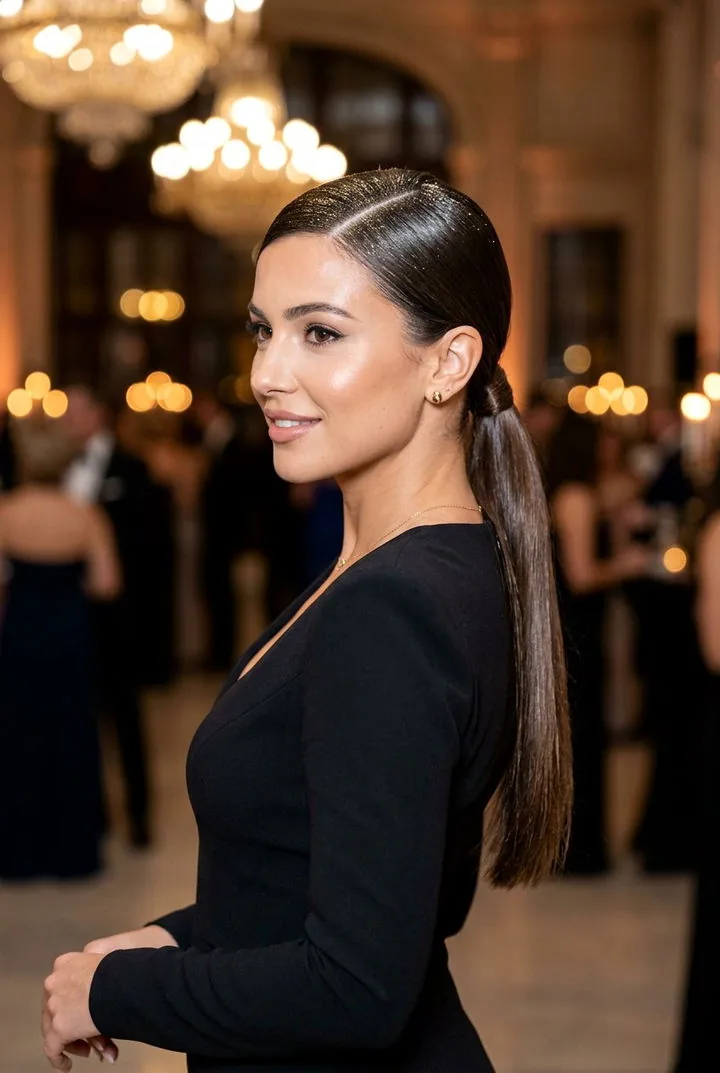
Side-Swept Waves Over One Shoulder
Side-swept waves are the classic red-carpet trick, and they work just as well for a senior shoot. All the hair is swept over one shoulder, which creates a beautiful diagonal line across the portrait, shows off the length and shine of your hair, and leaves one side of your neck and shoulder bare — which is wonderfully flattering in photos.
This style is especially good if you have a favourite side or a good shoulder to show off, and it is made for the dressier part of a shoot. The waves need to hold their shape, so ask your stylist for a flexible-hold spray rather than a hard one, and keep a pin or two in your kit to re-anchor the sweep between locations.
How to style it: curl loosely, sweep everything to one side, and pin discreetly at the back of the neck. What to tell your photographer: shoot from the hair side for the full sweep, and from the other side for the bare shoulder. Outfit pairing: a one-shoulder or off-shoulder top or dress — the hair and the neckline work together.
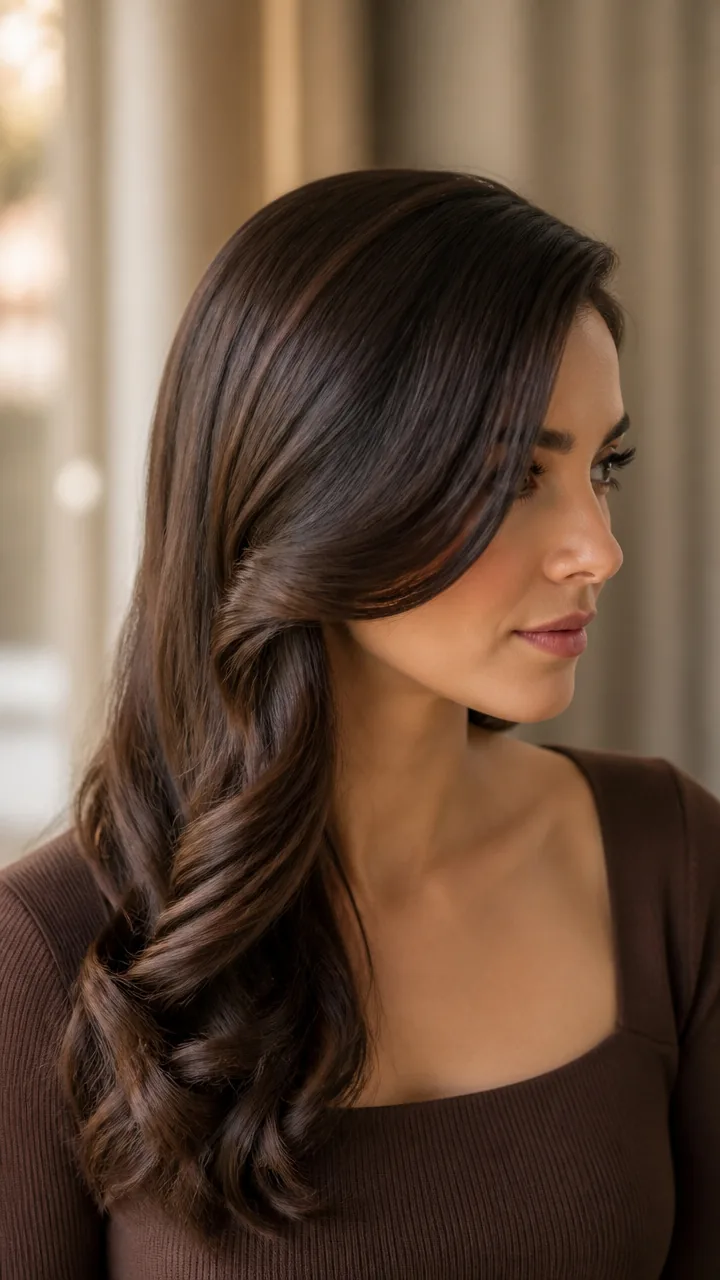
Braided Crown for Outdoor Portraits
A braided crown is the most romantic outdoor style in this guide. A braid wraps around the head like a halo, the rest of the hair falls loose beneath it, and the whole look feels like something from a storybook — which is exactly why it photographs so well in fields, gardens and golden light.
It is also one of the most practical outdoor styles. The braid anchors the front of your hair, so wind cannot push it across your face, and it holds its shape for hours. It suits medium to long hair and looks lovely with a few loose tendrils.
How to style it: braid two sections from either side and pin them across the crown, loosening the braid gently for softness. What to tell your photographer: shoot in a garden or under trees — the crown loves natural settings. Outfit pairing: a flowy dress or a floral top; the crown suits anything soft and outdoorsy.
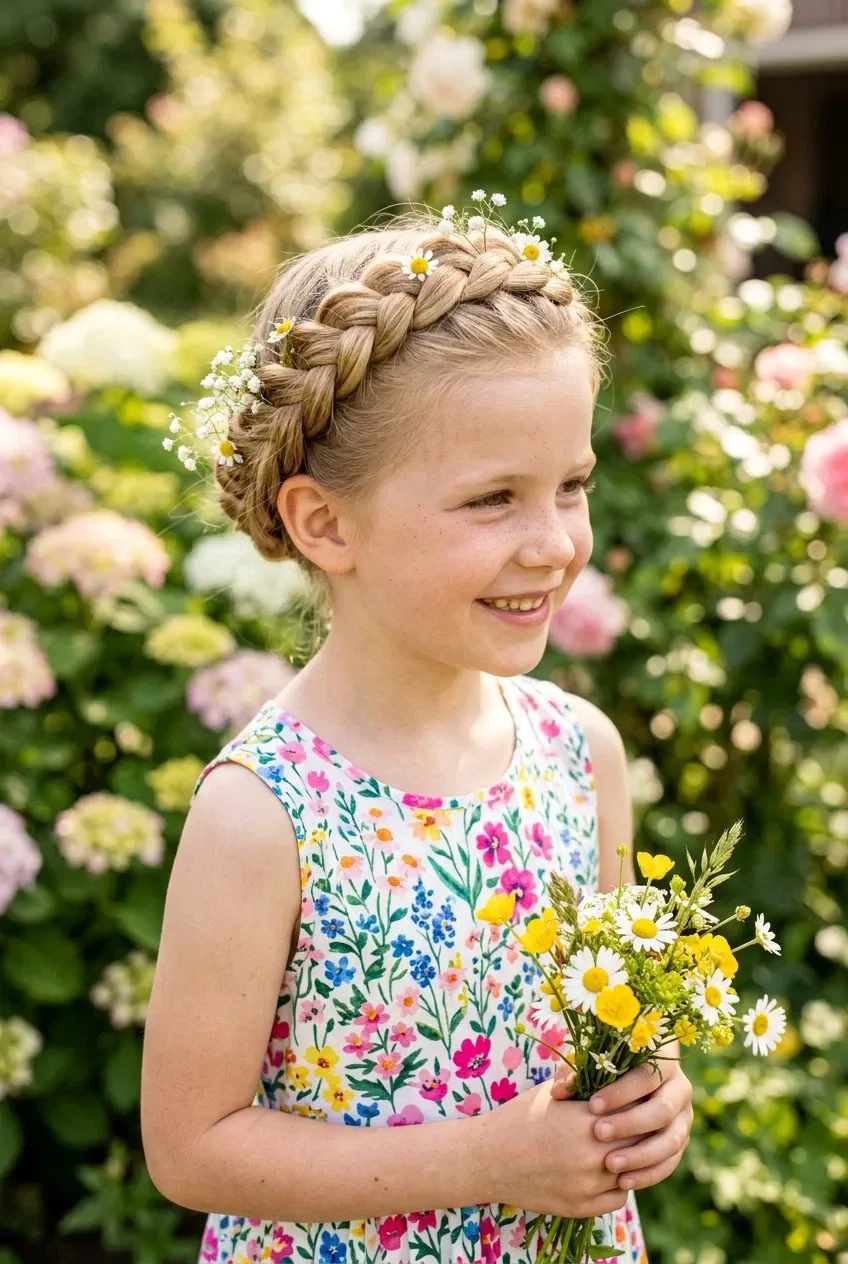
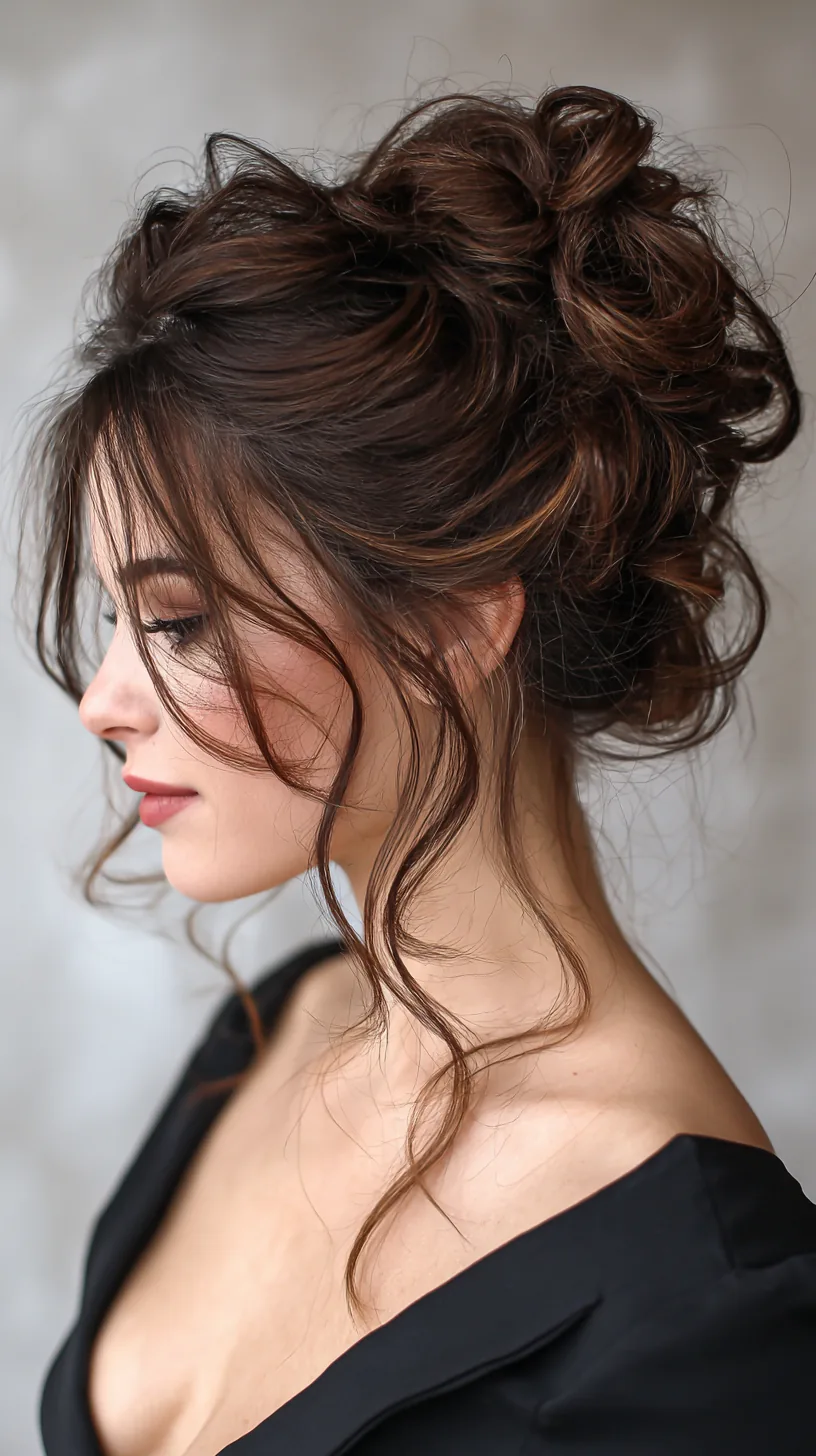
The Effortless Messy Bun, Polished Up
A messy bun only looks effortless when it is carefully built, and for a senior shoot that is exactly the point. The polished version keeps the volume and the softness of a messy bun but pins everything securely, smooths the front, and leaves just a few face-framing pieces free. It looks relaxed and confident, never sloppy.
This is a great choice for the sporty or fun part of a shoot, and for anyone whose hair is thick or heavy and needs to be up and out of the way. It also shows off your neck and shoulders, which makes it a lovely partner for a dress with an interesting neckline.
How to style it: gather the hair high, twist and pin loosely, then pull a few pieces free around the face and at the nape. What to tell your photographer: a few laughing, candid shots suit this bun best. Outfit pairing: a casual outfit or your team jersey — the bun keeps the fun look tidy.
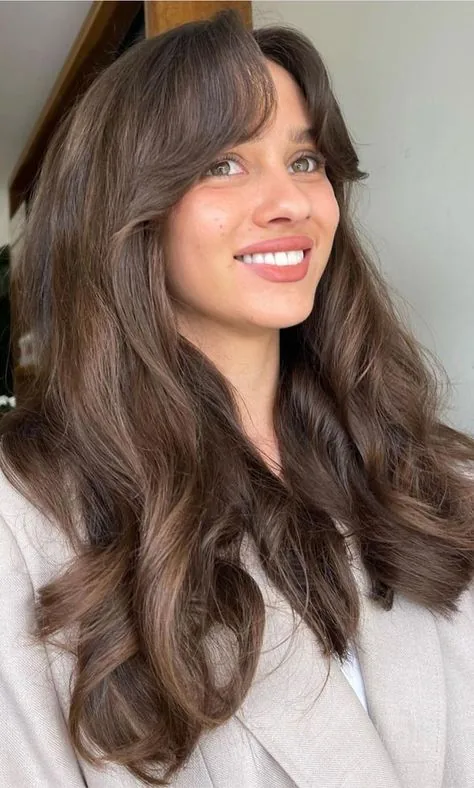
Curtain Bangs and Soft Volume
Curtain bangs are the friendliest fringe in senior photography. They part in the middle and sweep to either side like curtains, opening up the face, softening the forehead, and adding instant shape to the whole portrait. Paired with soft volume through the lengths, they give you a finished look that still feels young and natural.
Bangs photograph best when they are fresh and intentional, so if you are growing them in for the shoot, give them time to reach curtain length — about cheekbone level — and get them trimmed a week before the day. On the day, a quick blast with the dryer and a round brush revives them in two minutes.
How to style it: blow-dry the bangs with a round brush, sweeping them to either side, and add volume at the roots. What to tell your photographer: front-on portraits show the bangs best. Outfit pairing: anything with a soft neckline — a scoop neck or a collared shirt frames the bangs nicely.
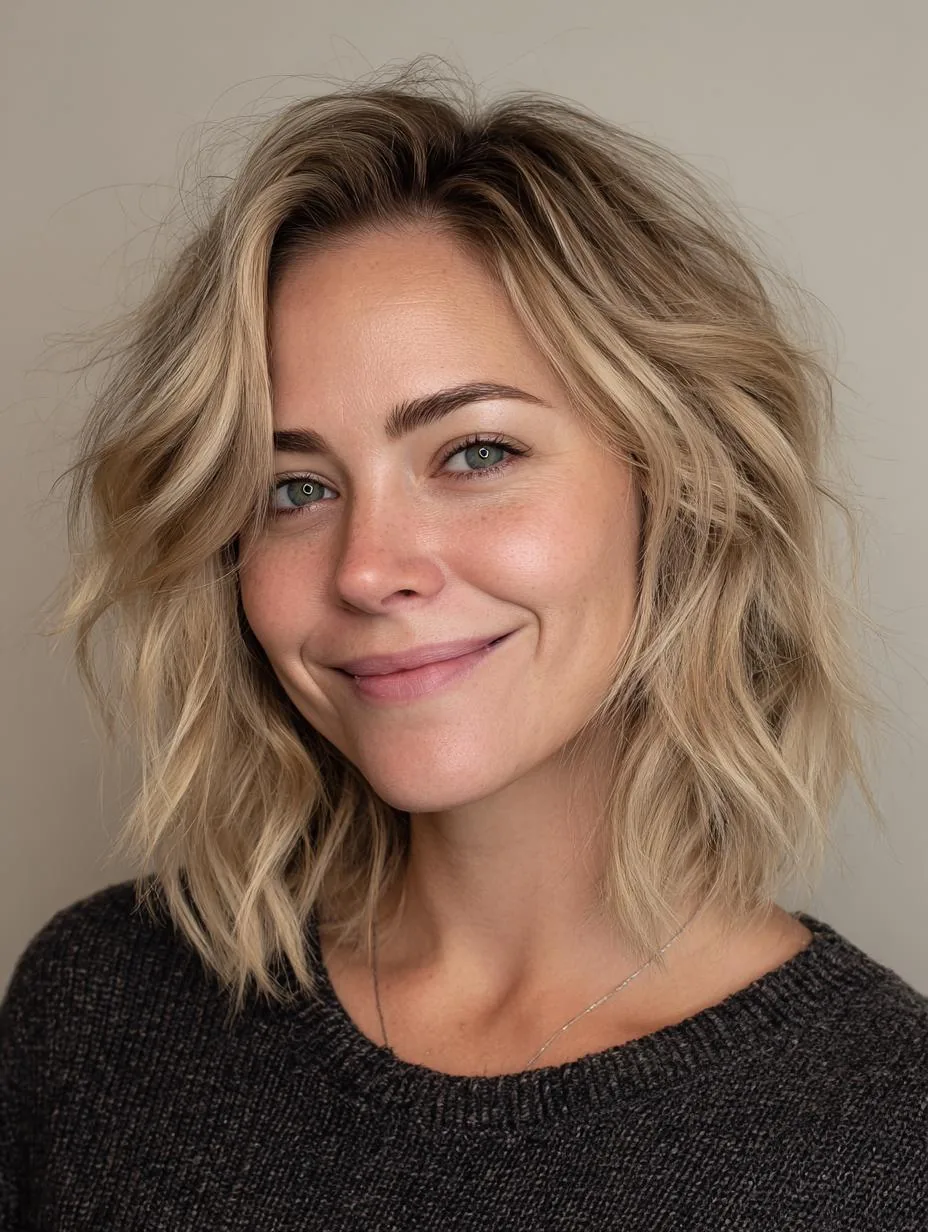
The Textured Lob for a Fresh Senior Look
The textured lob — a long bob that sits between chin and collarbone — is the freshest short style in this guide. It frames the face, moves when you laugh, and dries in minutes, which matters on a long shoot day. The texture keeps it from looking blunt or severe, and it photographs with a lovely, modern edge.
This cut is perfect if you have been thinking about going shorter for senior year, or if your long hair feels heavy and tired. It suits most face shapes, works with straight or wavy hair, and it looks just as good tucked behind one ear as it does worn loose and tousled.
How to style it: add texture with a little spray scrunched through damp hair, and a few loose waves with a flat iron for polish. What to tell your photographer: ask for movement shots — the lob looks best in motion. Outfit pairing: a leather jacket or a bold top; the modern cut suits a modern outfit.
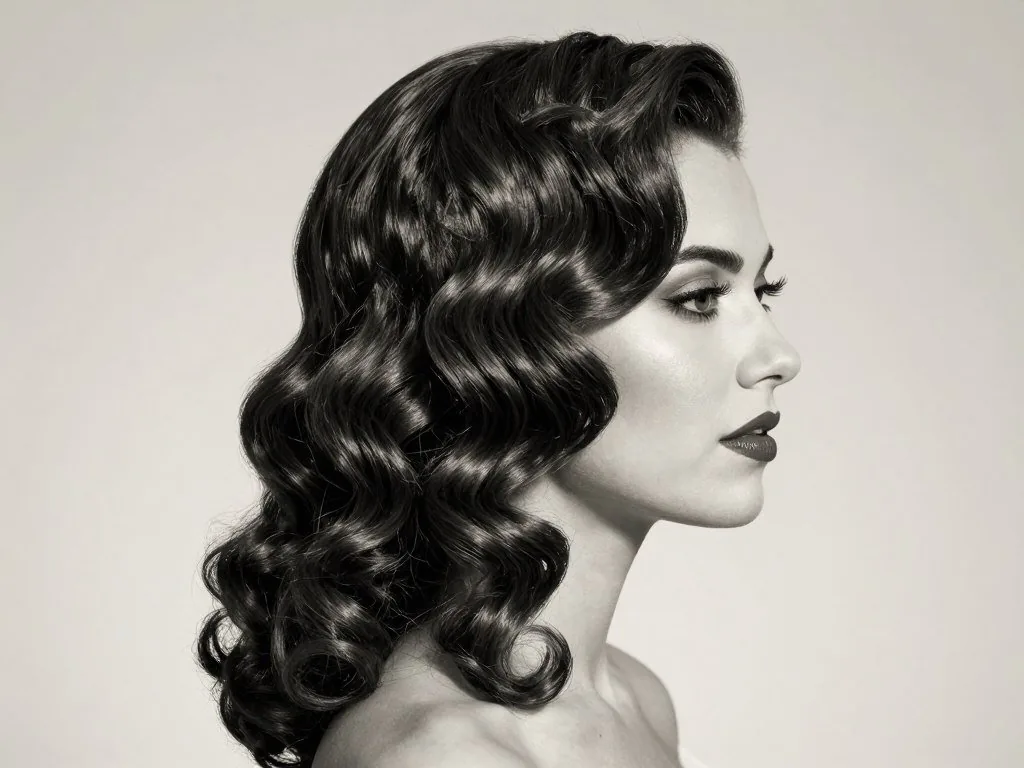
Glossy Hollywood Waves
Glossy Hollywood waves are the most glamorous style in this guide, and they earn it. The waves are deep, uniform and polished, all falling in the same direction, with a shine that catches every light in the room. It is old-Hollywood glamour, and in a studio portrait it looks absolutely stunning.
This is the style for the formal set — the portraits your family will frame. It needs time and a skilled hand, so book it with your stylist, and start with a little more curl than you think you need, because the waves relax as the shoot goes on.
How to style it: curl all sections in the same direction with a large iron, brush through into one smooth wave, and set with a light spray. What to tell your photographer: studio light shows the shine best — save this for the indoor set. Outfit pairing: a formal dress or an elegant gown; the glamour of the hair demands glamour in the clothes.
A French Twist for Formal Portraits
A French twist is the most elegant updo in senior photography, and it has been for decades. The hair sweeps up and tucks into a smooth vertical roll, the neck looks long, the shoulders look graceful, and the whole portrait feels formal and timeless. It is the style for the portrait that goes on the wall.
The twist works best on medium to long hair and needs plenty of pins, so have your stylist build it rather than doing it yourself. Keep the front soft with a few face-framing pieces, or go completely sleek for a sharper, more editorial look — either way, the twist holds for hours.
How to style it: gather the hair low, twist upward and pin securely along the roll, smoothing the surface as you go. What to tell your photographer: profile shots show the twist beautifully. Outfit pairing: a formal dress with a high or elegant neckline; the twist shows it off perfectly.
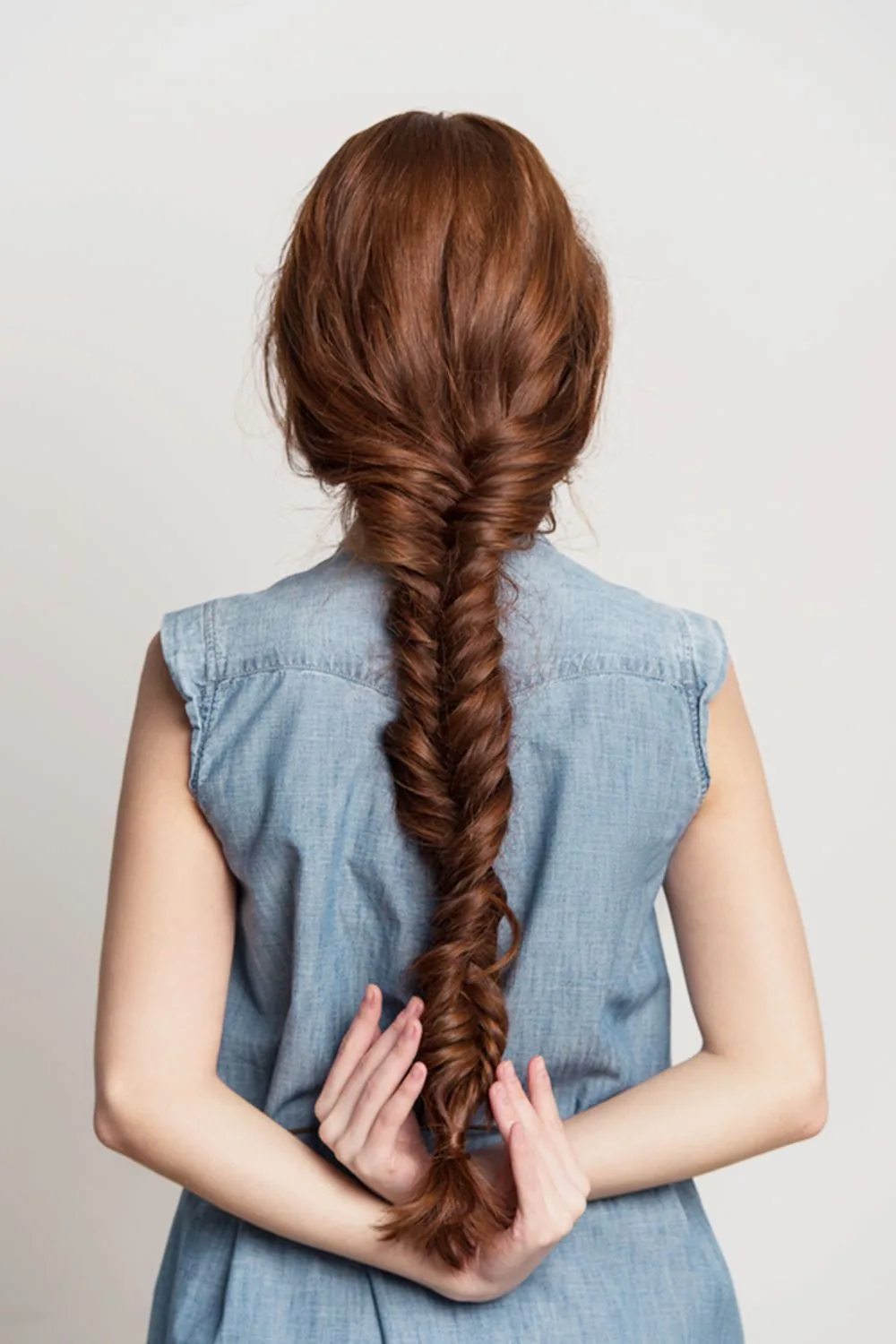
Loose Fishtail Braid Down the Back
A loose fishtail braid is the prettiest way to show off long hair from behind, and senior shoots always include a few back shots. The fishtail pattern is finer and more intricate than a regular braid, which makes it look delicate and detailed in photos, and when it is loosened and pulled apart gently it looks soft and romantic rather than severe.
It is also wonderfully practical: the braid keeps long hair under control in wind, and it looks better as the day goes on, softening into a relaxed, lived-in shape. It works best on long hair with a little texture, and it looks lovely with a ribbon or a small flower woven in at the end.
How to style it: fishtail-braid loosely from the nape, then gently pull the edges apart to widen it. What to tell your photographer: ask for a back shot over the shoulder — that is where the fishtail shines. Outfit pairing: a backless or open-back top or dress; the braid frames it beautifully.
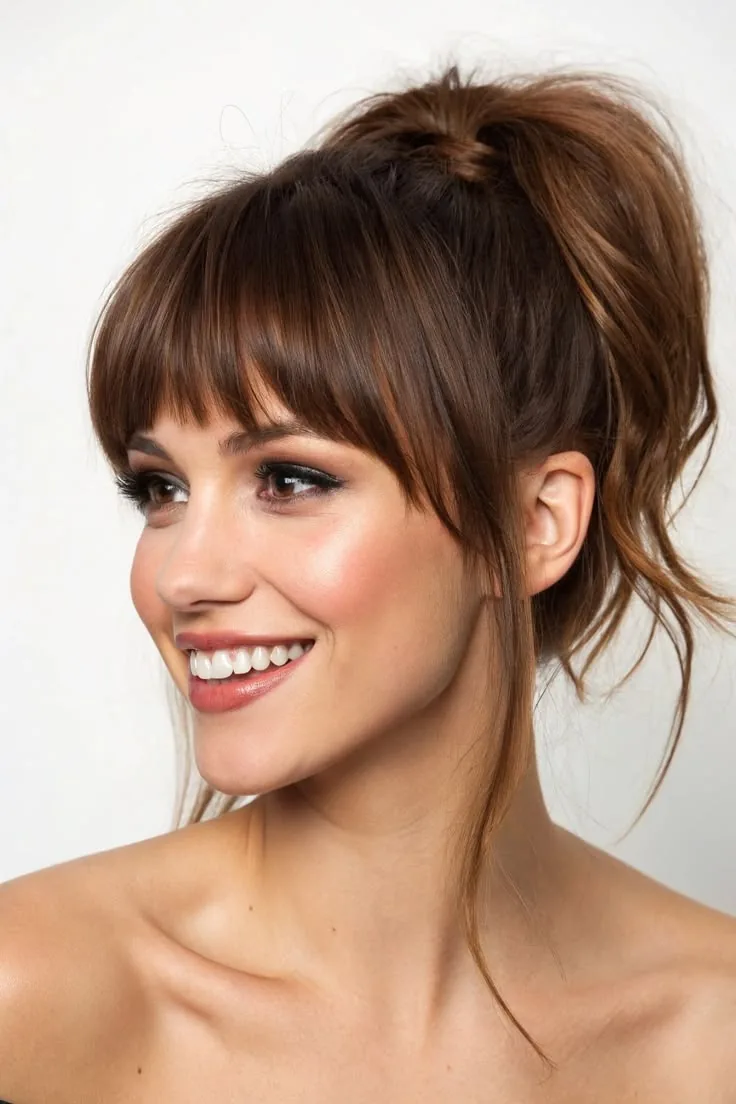
High Ponytail with Wrapped Base
A high ponytail is energy in a hairstyle — lifted, bright and full of movement — and the wrapped base is what makes it look polished instead of sporty. Wrapping a strand of hair around the elastic hides it completely, so the ponytail looks seamless and intentional, like a style rather than a quick fix.
This is the style for the fun, confident part of your shoot: laughing shots, walking shots, the ones where you look like you are having the best day. It lifts the face, shows off your features, and gives your photographer wonderful movement to capture as the ponytail swings.
How to style it: gather the hair high at the crown, secure firmly, and wrap a strand around the base, pinning it underneath. What to tell your photographer: walking and laughing shots — the ponytail needs motion. Outfit pairing: a bright top or your favourite jacket; the ponytail suits bold, energetic clothes.
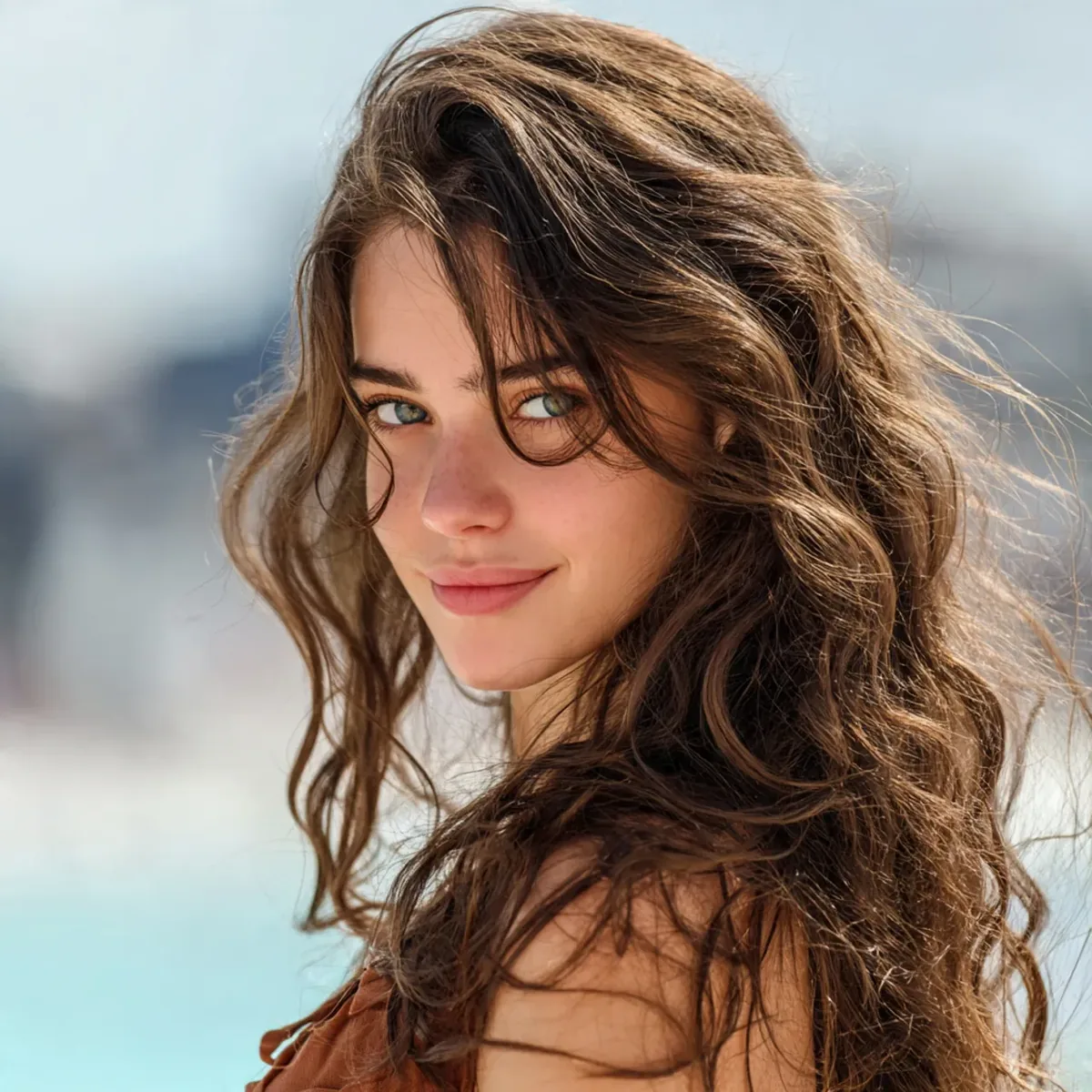
Soft Beach Waves, No Beach Required
Soft beach waves are the relaxed, sun-kissed look that every senior shoot wants at least one frame of. The waves are loose, uneven and textured, as if you spent the morning by the water — even if you spent it in a salon chair. They look carefree and young, and they photograph with a lovely, natural texture.
The trick is to keep the waves imperfect. Perfect, uniform curls look like a salon style; uneven, tousled waves look like a day at the beach. A salt spray or texture spray helps, but the real secret is to leave the ends straight and to break the waves up with your fingers once they cool.
How to style it: curl in alternating directions with a large iron, leave the last inch straight, and scrunch in texture spray. What to tell your photographer: shoot outdoors in open shade for the softest light. Outfit pairing: a sundress, denim shorts or a light linen shirt — anything summery and easy.
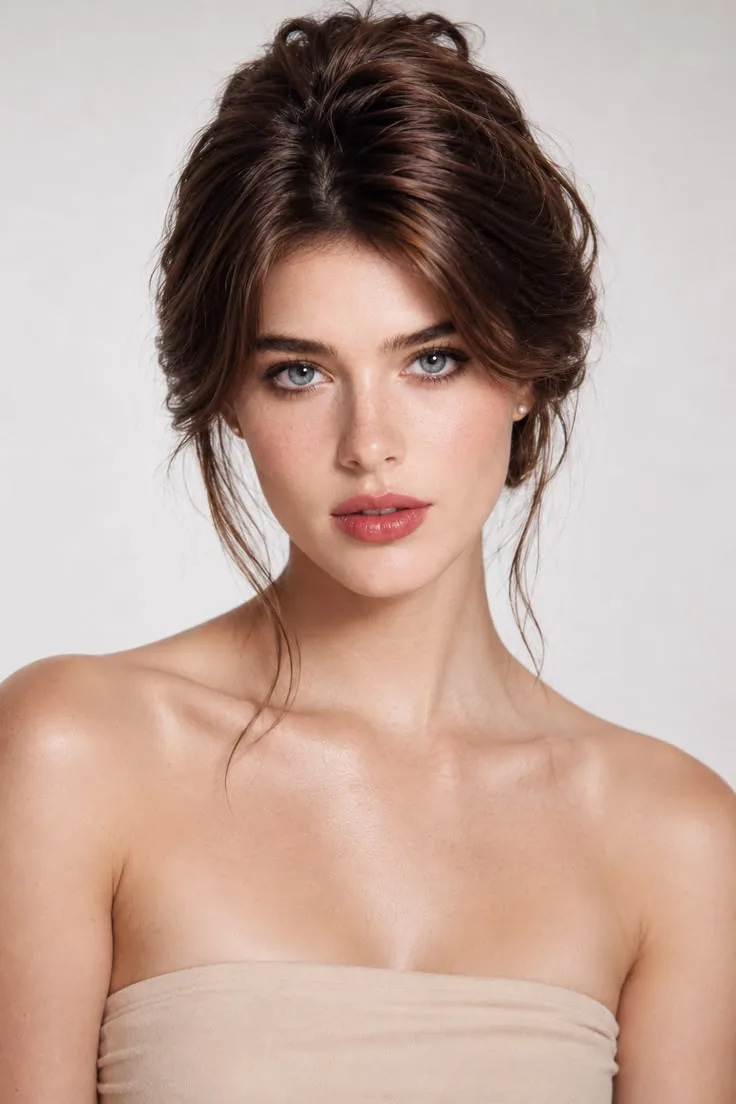
The Sleek Low Bun with a Middle Part
A sleek low bun with a middle part is the most refined, editorial look in this guide. The part is clean and symmetrical, the hair is smooth to the head, and the bun sits low and neat at the nape. It is minimal, modern and incredibly photogenic — the kind of portrait that looks like it belongs in a magazine.
This style puts your face completely on display, so it suits anyone who is confident about their features and wants the photos to be about them, not their hair. It also holds perfectly through wind, heat and a long day, which makes it a smart choice for an outdoor shoot in warm weather.
How to style it: part in the middle, smooth the hair back with a brush and serum, and twist into a low bun, pinning securely. What to tell your photographer: front-on and three-quarter shots show the symmetry best. Outfit pairing: a structured dress or a sharp blazer; the clean hair matches clean tailoring.
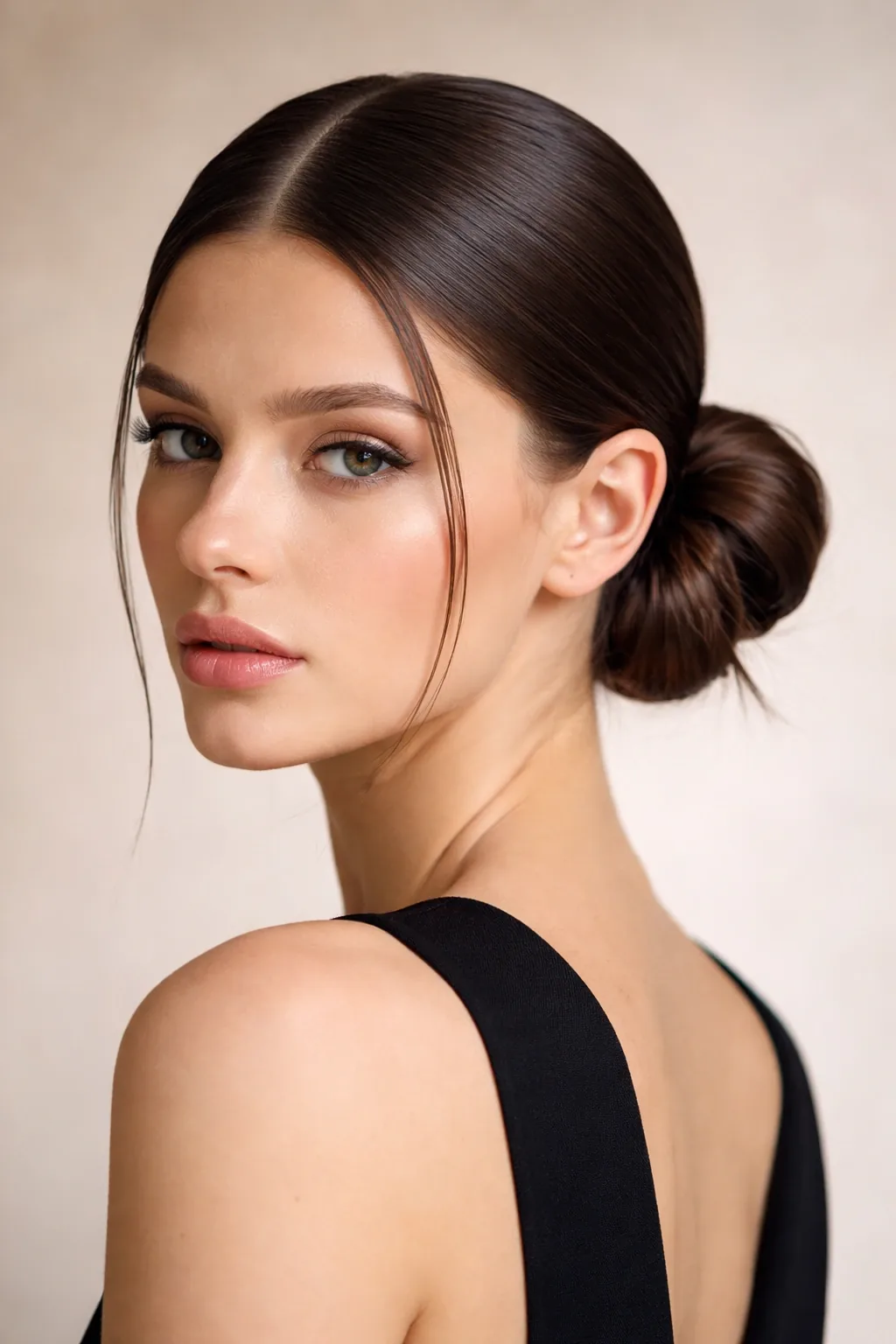
Voluminous Blowout Curls
Voluminous blowout curls are big, bouncy and full of life — the hair has body at the roots, soft curls through the lengths, and a shine that catches the light from across the room. It is the style that makes a senior portrait feel celebratory, like the hair itself is having a good time.
Volume photographs best when it is balanced: too much at the sides can widen the face in a photo, so ask your stylist to keep the volume at the crown and let the curls fall a little narrower at the cheeks. A round brush and a little mousse at the roots are all it takes.
How to style it: blow-dry with a large round brush, lifting at the roots, then curl the lengths loosely and brush through. What to tell your photographer: a few shots from slightly below show the volume best. Outfit pairing: a fitted top or a dress with a defined waist; the volume needs a balanced silhouette.
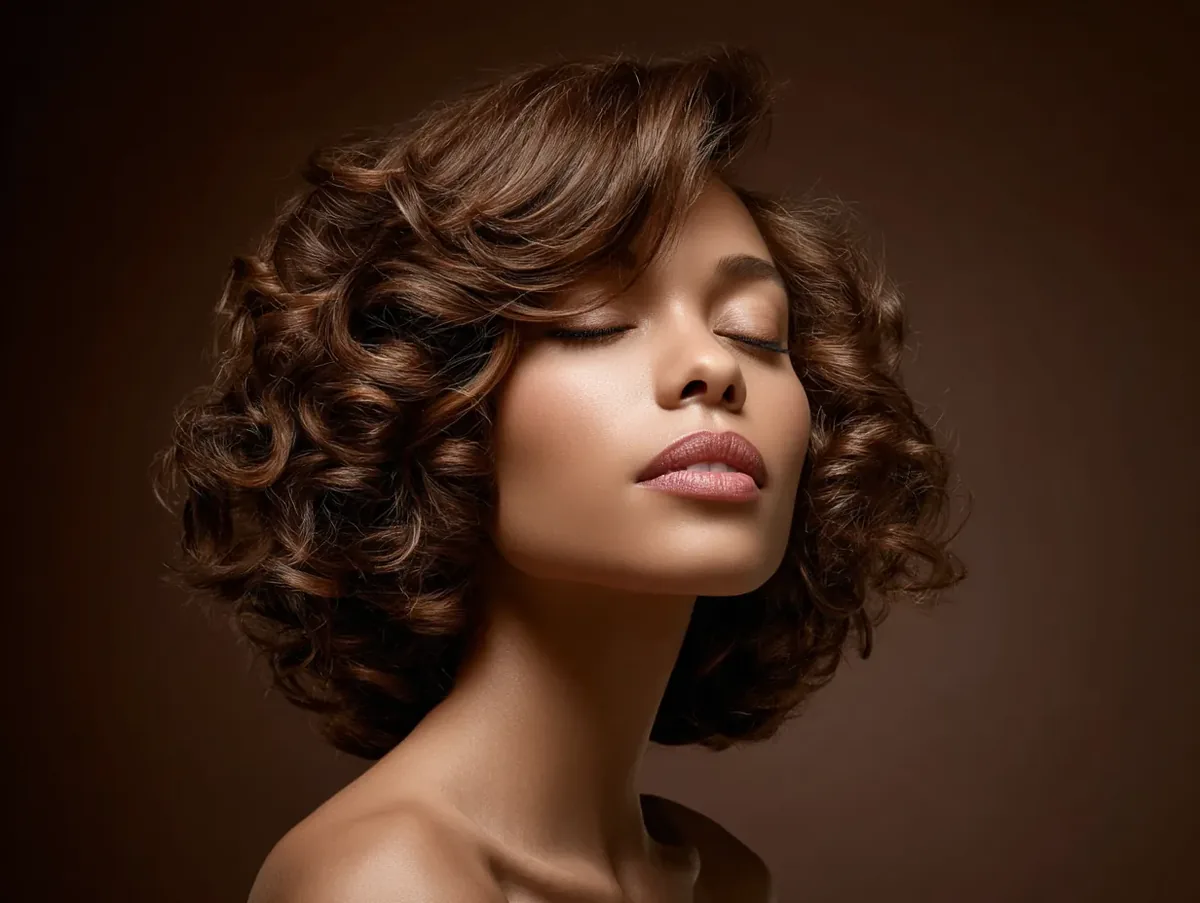
Half-Up Braid with Loose Ends
A half-up braid is the best of both worlds: the front is neat and anchored, the back is loose and flowing, and the braid itself adds a beautiful detail that the camera loves. It is romantic without being formal, and it works on almost any length past the shoulders.
This style is especially good for outdoor shoots, because the braid holds the front of your hair back in the wind while the loose ends move freely behind you. It suits straight, wavy and curly hair, and it looks lovely with a small clip or flower where the braid ends.
How to style it: braid a section from each side and join them at the back, leaving the ends loose and wavy. What to tell your photographer: ask for a back shot — the braid is the detail. Outfit pairing: a boho dress or a soft blouse; the braid suits relaxed, romantic clothes.
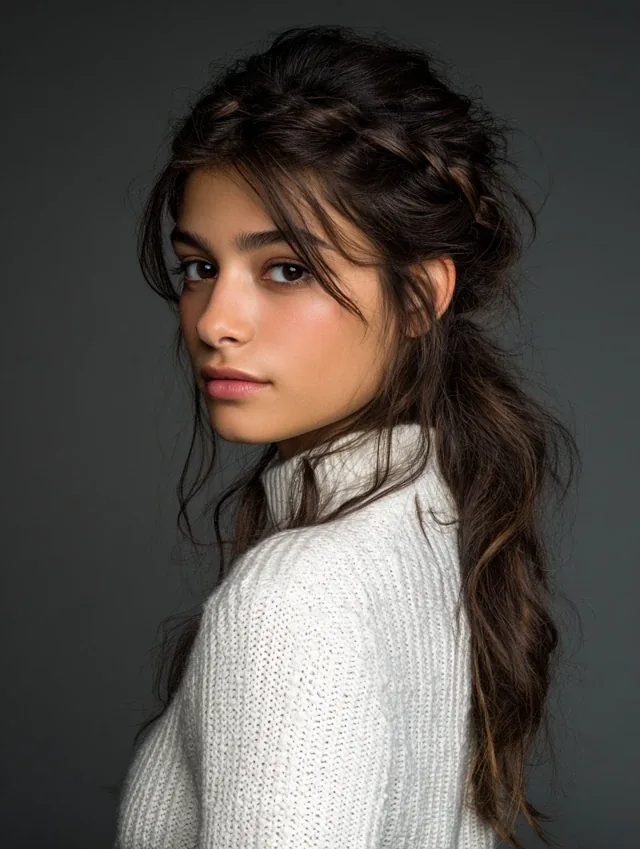
Straight Hair with Subtle Face-Framing Highlights
Face-framing highlights are the quietest colour change with the biggest photographic payoff. A few lighter pieces around the face brighten your features, add dimension to straight hair, and catch the light in every portrait — without changing your overall colour at all.
For senior photos, subtle is the key word. The highlights should look like the sun did them, not like a salon did them, and they should be in place at least a week before the shoot so the tone settles. They work on every hair colour, from dark brown to blonde, and they make straight hair look far from flat in photos.
How to style it: straighten smoothly and let the highlighted pieces fall around the face; a shine serum shows off the dimension. What to tell your photographer: shoot in natural light — the highlights need sunlight to glow. Outfit pairing: a solid colour top; a busy pattern would compete with the hair dimension.
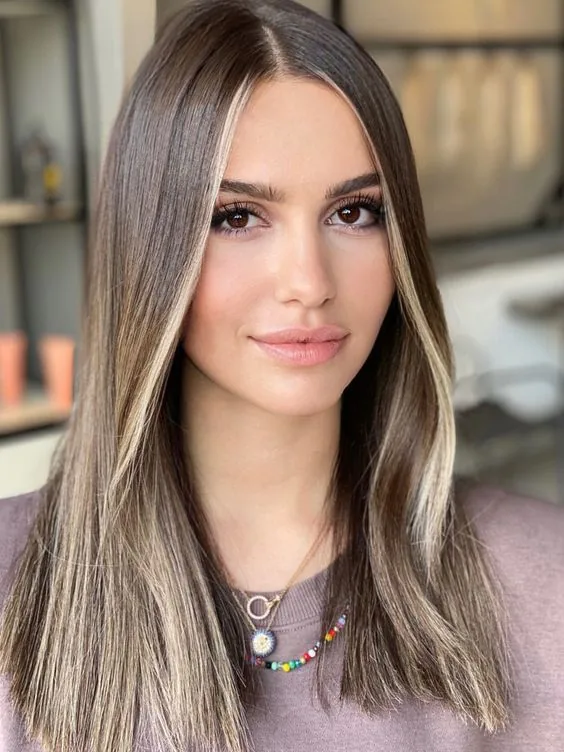
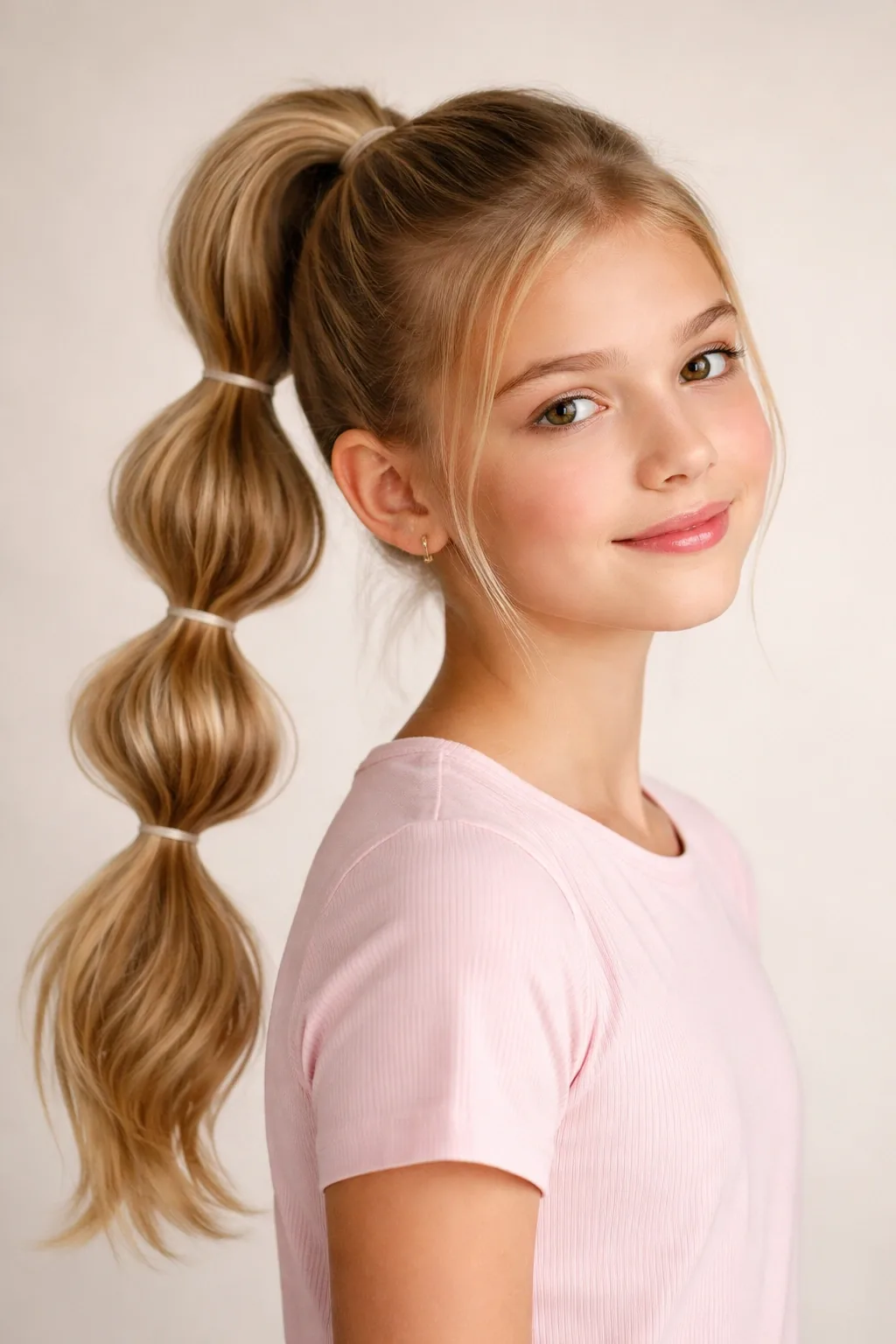
The Bubble Ponytail, Playful and Polished
A bubble ponytail is the most playful style in this guide, and it photographs with real joy. The ponytail is sectioned with small elastics and gently pulled apart into soft bubbles, which gives it a fun, graphic shape that looks wonderful in candid and laughing shots.
It is also surprisingly polished when it is done neatly: smooth the crown, keep the bubbles even, and wrap the elastics with small strands of hair. It suits long, thick hair best, and it is a lovely choice for the fun, personality-driven part of your shoot — the photos that show who you actually are.
How to style it: secure a high ponytail, add elastics every few inches, and gently pull each section apart. What to tell your photographer: candid, laughing shots — this style is made for them. Outfit pairing: a bright, fun outfit or your team colours; the ponytail matches playful clothes.
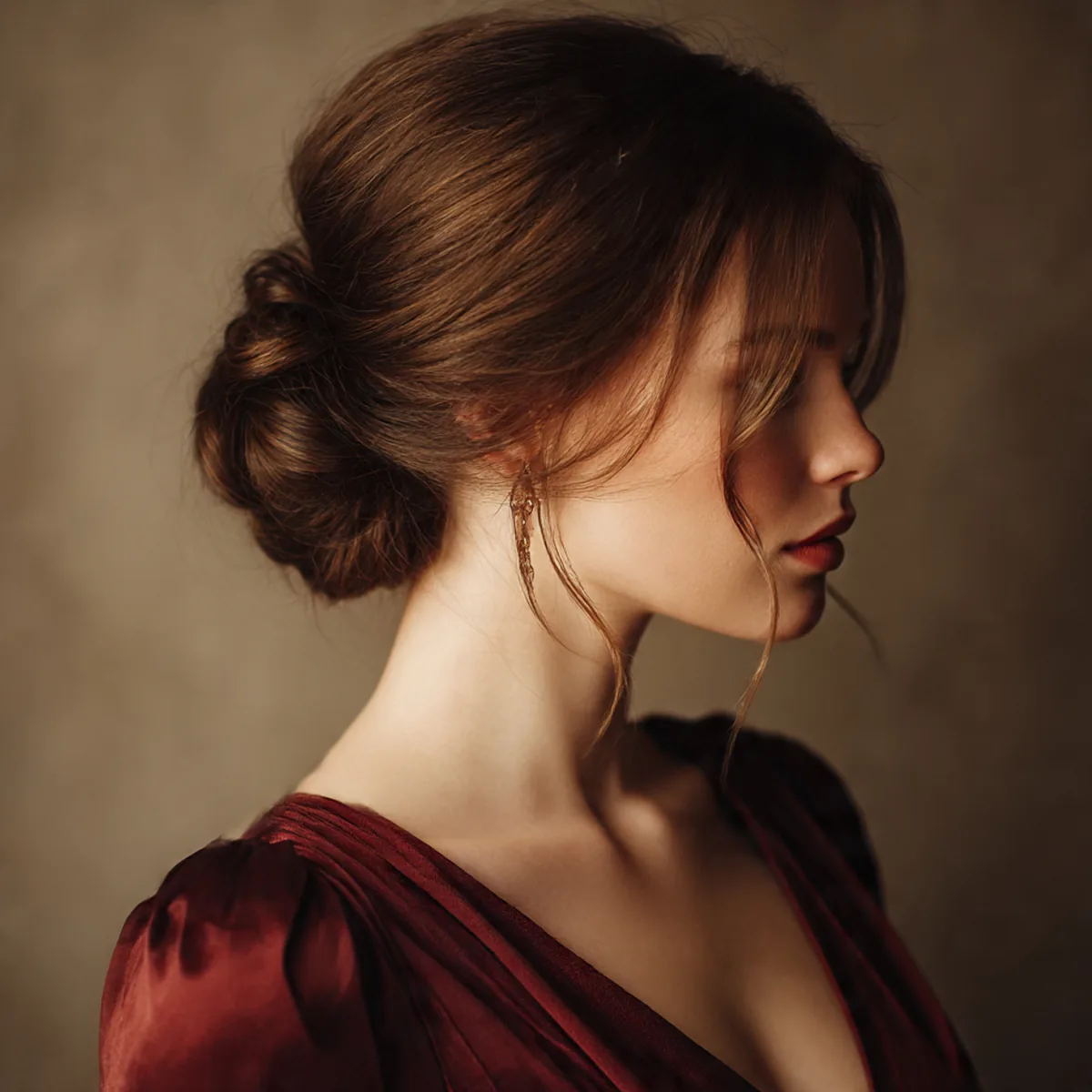
Romantic Low Chignon
A romantic low chignon is the softer cousin of the French twist: the hair is gathered low at the nape, loosely twisted and pinned, with soft pieces left free around the face. It is elegant without being stiff, and it photographs with a gentle, timeless quality that suits both studio and outdoor portraits.
The chignon is a wonderful choice if you want an updo but do not want to look overly formal. It holds well, it shows off the neck and shoulders, and it looks even better as the day goes on, when a few pieces loosen and the style softens into something more romantic.
How to style it: gather the hair low, twist loosely and pin, leaving soft tendrils at the front. What to tell your photographer: profile and back shots show the chignon best. Outfit pairing: a dress with an interesting back or neckline; the low chignon shows it off.
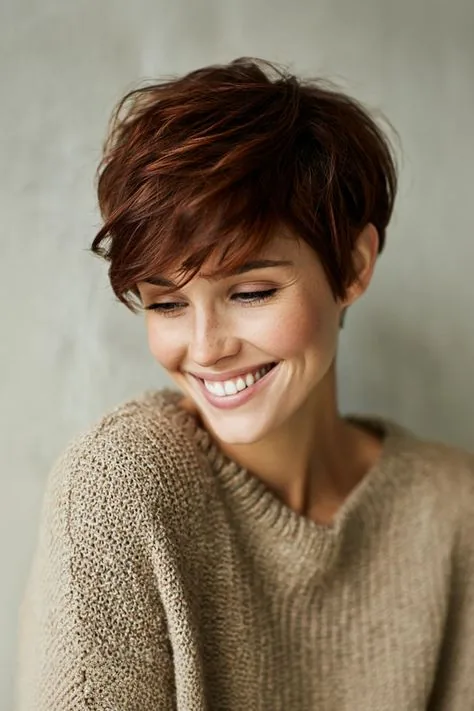
Tousled Pixie with Texture
A tousled pixie is the boldest short style in this guide, and it photographs with incredible personality. The texture on top gives it movement and edge, the short sides show off your face and your earrings, and the whole look says confidence — which is exactly what a senior portrait should capture.
Pixies need texture to photograph well: a flat pixie can look severe in photos, while a tousled one looks alive. A little texture paste or wax, scrunched through the top, is all it takes, and the style holds through wind and long days better than almost any long style.
How to style it: work a pea-sized amount of texture paste through the top, piece by piece, and let it fall naturally. What to tell your photographer: close portraits — the pixie is all about your face. Outfit pairing: statement earrings and a bold top; the short hair leaves room for both.
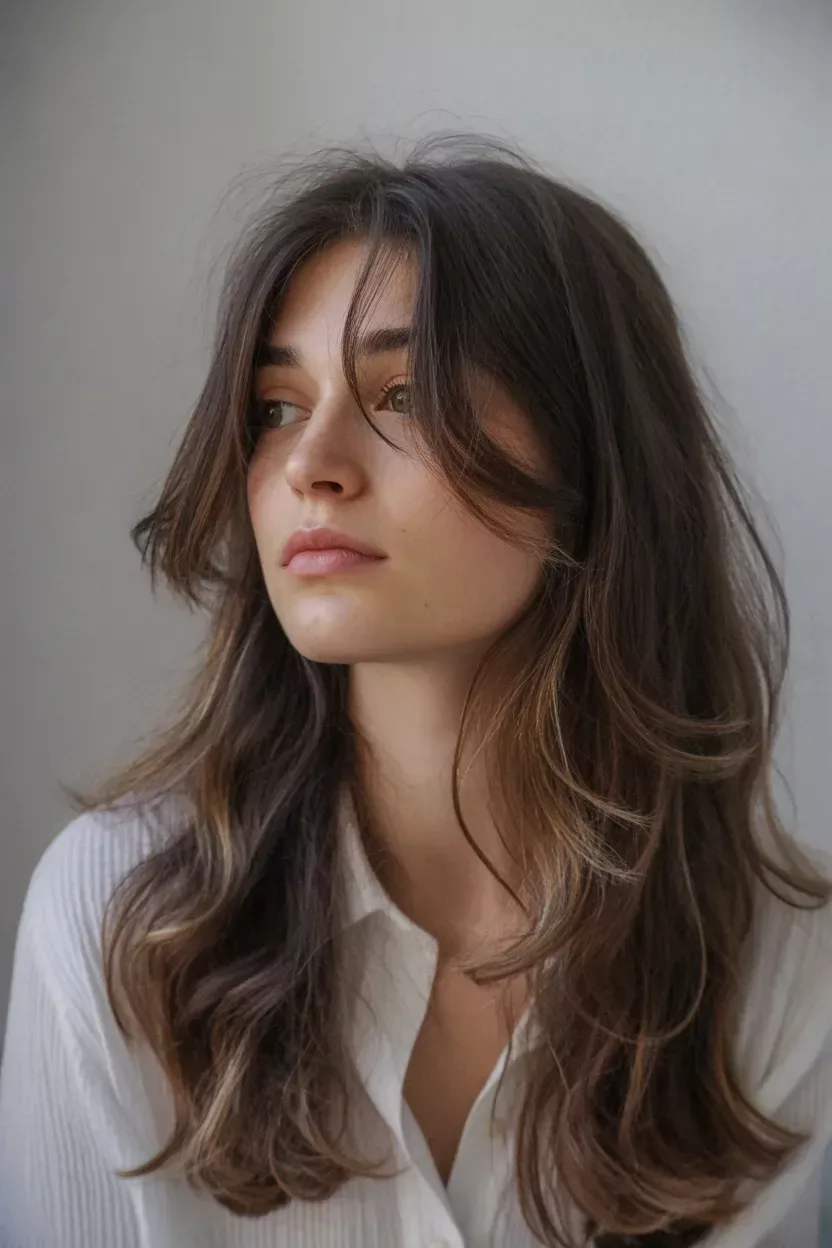
Long Layers with Curtain Fringe
Long layers with a curtain fringe combine two of the most flattering ideas in this guide: the movement of long layers and the face-framing softness of curtain bangs. The fringe opens up the face, the layers keep the length from feeling heavy, and together they photograph with a lovely, effortless softness.
This is a great choice if you love your long hair but want a change that still feels like you. The fringe should be long enough to tuck behind your ears — about cheekbone length — and the layers should start at the chin, so the shape builds gradually rather than all at once.
How to style it: blow-dry the fringe with a round brush, sweeping it to either side, and curl the layers loosely. What to tell your photographer: front-on shots show the fringe best. Outfit pairing: a soft sweater or a flowy top; the fringe suits soft, feminine clothes.
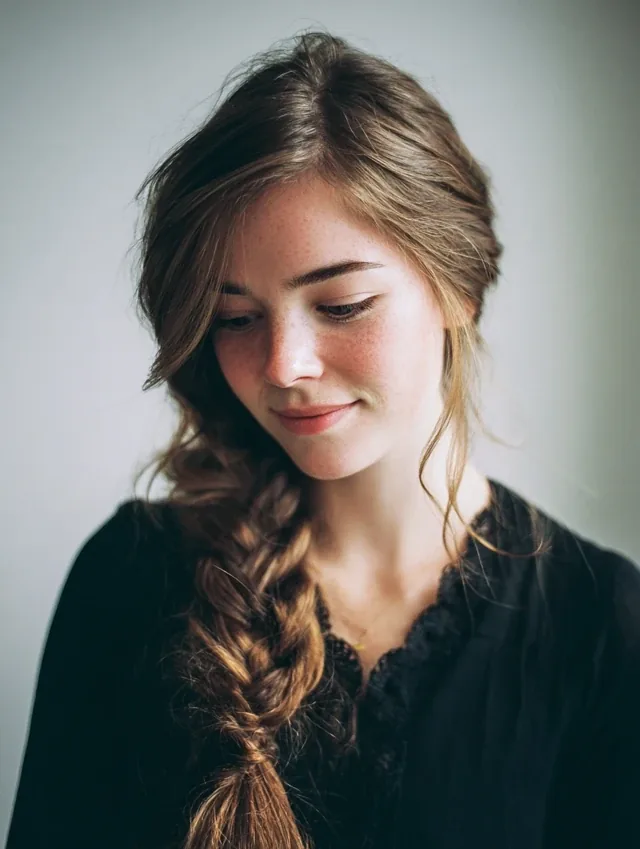
The Side Braid for a Relaxed Portrait
A side braid is the most relaxed braided style in this guide, and it photographs with a lovely, easy charm. The braid falls over one shoulder, the front is soft and a little loose, and the whole look feels like a good day rather than a formal occasion — which is exactly the feeling most senior photos are trying to capture.
It suits almost any hair length past the shoulders, and it is one of the best styles for a windy day, because the braid keeps the hair contained while still looking natural. Loosen it gently after braiding for a softer, fuller shape, and leave a few pieces free around the face.
How to style it: sweep the hair to one side, braid loosely, and pull the edges apart gently for fullness. What to tell your photographer: shoot from the braid side for the full effect. Outfit pairing: a casual dress or a denim jacket; the braid suits relaxed, everyday clothes.
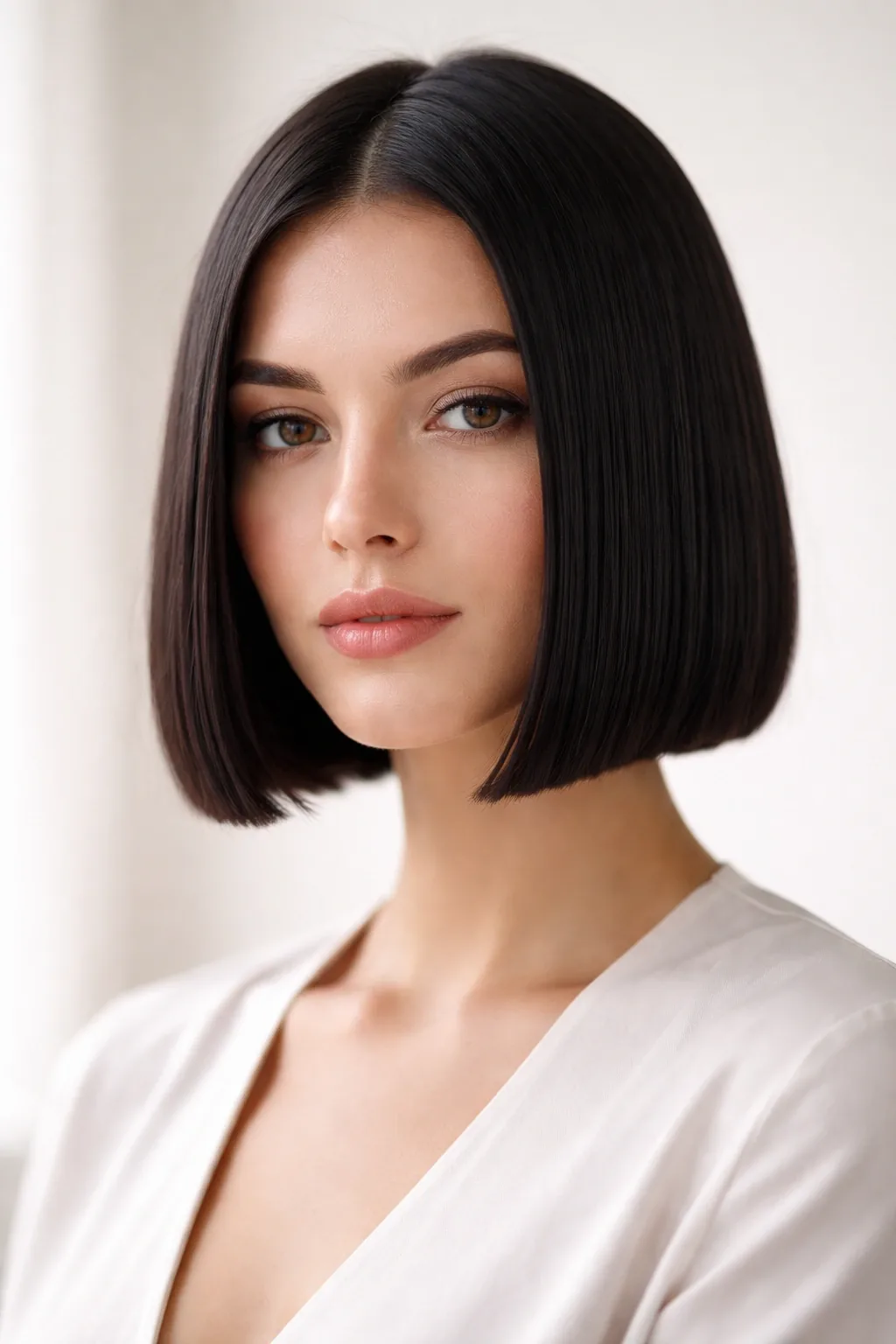
Glossy Straight Bob
A glossy straight bob is the sharpest, most modern short style in this guide. The cut is clean, the shine is high, and the shape is graphic — a straight line at the jaw that frames the face with perfect symmetry. In a studio portrait, it looks like a fashion editorial.
The bob works best on hair that is naturally straight or easily straightened, and it rewards a good cut: the line must be even, the ends must be blunt, and the shine must be real. A shine serum on the ends and a flat iron in small sections will get you there, and the style holds its shape all day.
How to style it: flat-iron in small sections, tuck one side behind the ear, and finish with shine serum. What to tell your photographer: straight-on studio shots — the symmetry is the point. Outfit pairing: a structured jacket or a bold colour; the sharp cut suits sharp clothes.
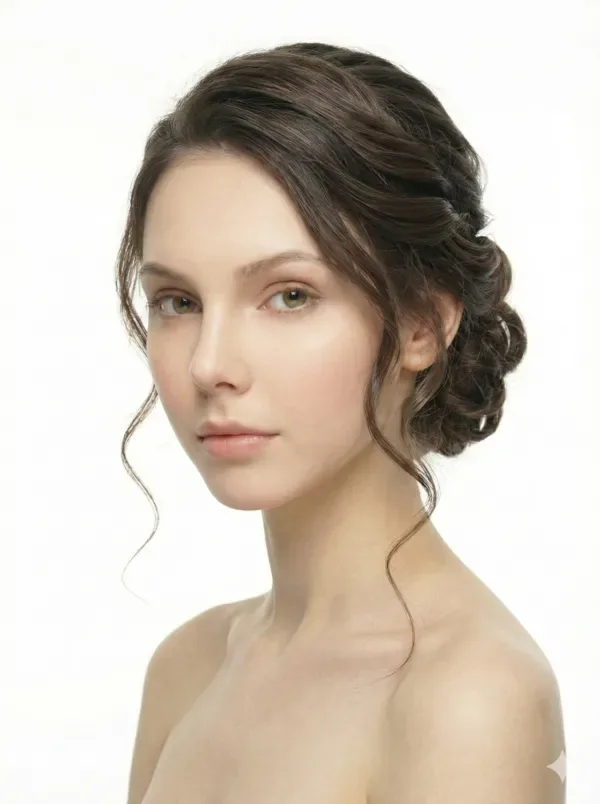
Soft Updo with Tendrils
A soft updo with tendrils is the most romantic updo in this guide, and the tendrils are the whole secret. The hair is swept up loosely, pinned softly, and a few fine pieces are left free to frame the face and soften the neck. It looks effortless, but it is carefully built to hold.
This is the updo to choose if a tight, sleek bun feels too severe for you. The softness flatters every face shape, the tendrils catch the light beautifully in outdoor portraits, and the style looks even better as it loosens slightly over the shoot.
How to style it: gather the hair up loosely, pin in soft loops, and pull a few fine pieces free around the face. What to tell your photographer: golden hour light makes the tendrils glow. Outfit pairing: a romantic dress or a soft blouse; the tendrils suit anything delicate.
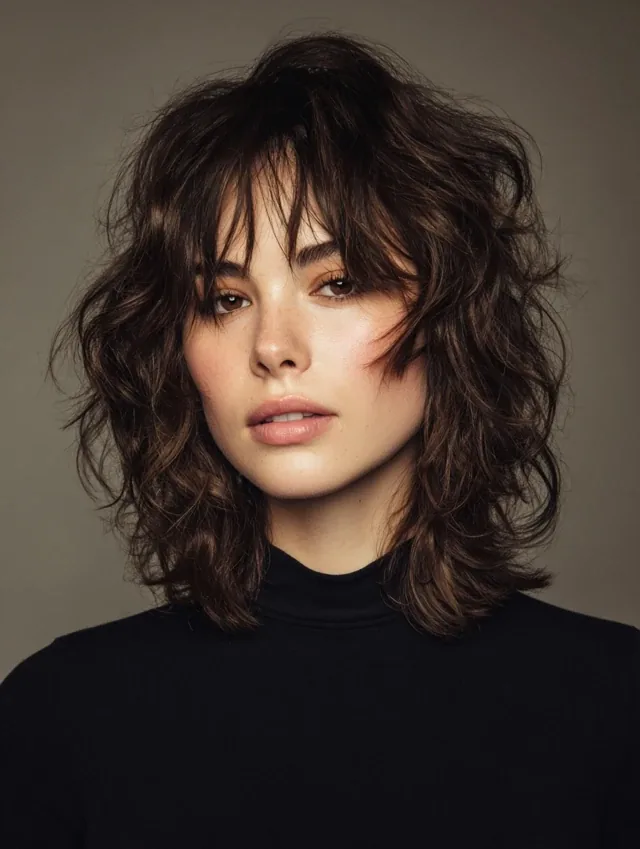
The Wavy Shag for a Modern Senior
The wavy shag is the coolest cut in this guide — layered, textured and full of movement, with shorter layers on top and longer pieces underneath that fall in soft, uneven waves. It photographs with a modern, editorial edge, and it is the style for a senior who wants their photos to look current, not classic.
The shag works best on wavy or curly hair, where the layers can do their thing naturally, and it needs very little styling: a little texture spray, a scrunch, and you are done. It also grows out beautifully, so if you get the cut a few weeks before the shoot, it will have settled into its best shape by the day.
How to style it: scrunch texture spray through damp hair and let it air-dry, or diffuse gently for more volume. What to tell your photographer: movement shots — the shag needs motion to show its layers. Outfit pairing: a vintage tee or a leather jacket; the shag suits anything with a little edge.
Classic French Braid, Worn Loose
A classic French braid, worn loose, is the most timeless braided style in senior photography. The braid starts at the crown and gathers hair as it goes, so it sits close to the head and shows off the shape of your hair, and when it is loosened gently it looks soft and romantic rather than tight and school-like.
It is also one of the most reliable styles for a long shoot day: it holds for hours, it survives wind, and it looks better as it softens. It suits medium to long hair, works with straight or wavy texture, and it is a lovely choice for the outdoor, nature part of your shoot.
How to style it: French-braid from the crown, keeping it loose, then gently pull the edges apart for softness. What to tell your photographer: back and side shots show the braid best. Outfit pairing: a simple dress or a soft knit; the braid is the detail, so keep the clothes quiet.
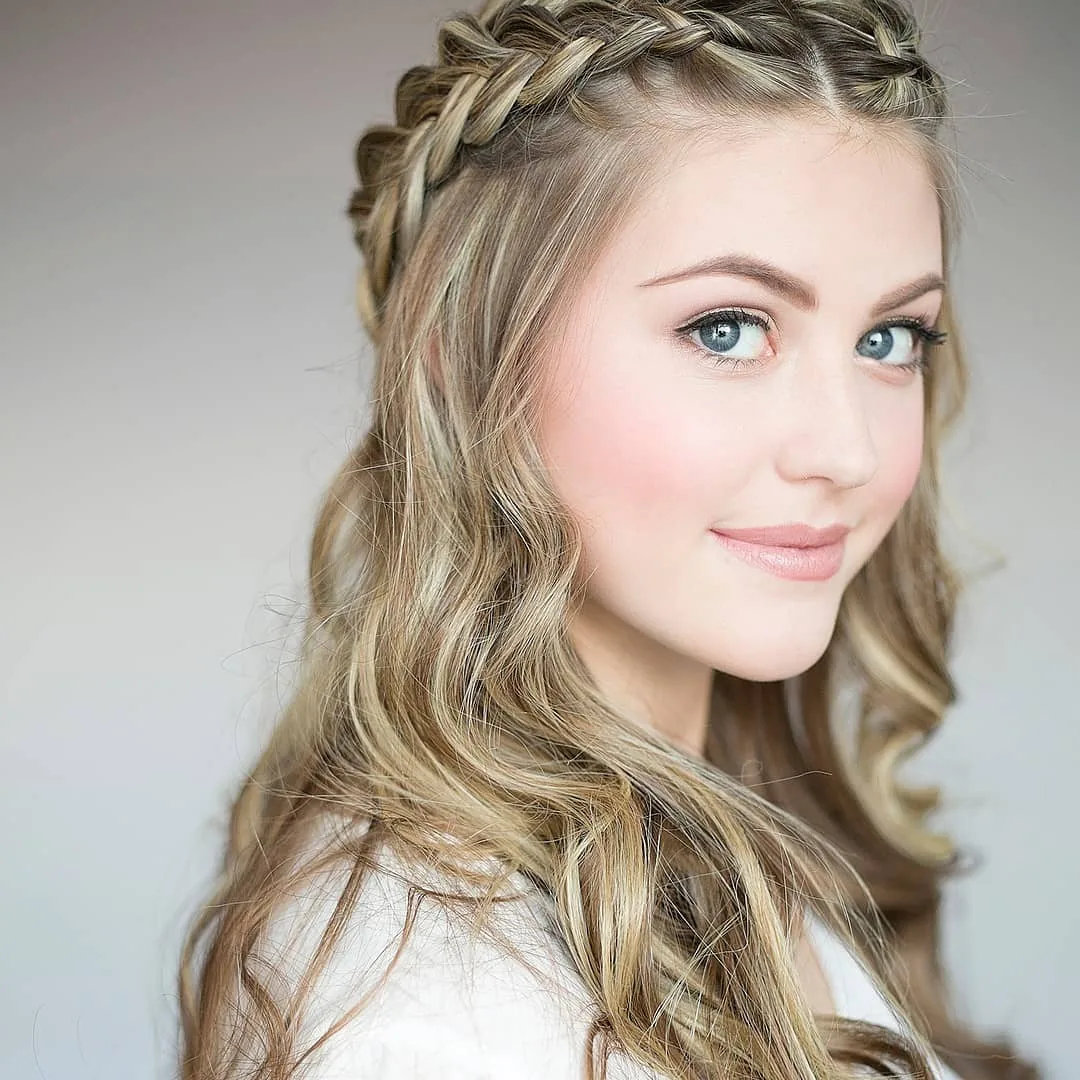
The Twisted Half-Up Crown
A twisted half-up crown is the most delicate style in this guide. Two sections of hair are twisted back from the face and joined at the crown, forming a soft, twisted halo, while the rest of the hair falls loose. It is romantic, a little bit bohemian, and it photographs beautifully in outdoor light.
It is also very forgiving: the twists hold the front back in the wind, the loose hair moves freely behind, and the style works on almost any length past the shoulders. Add a small clip or a flower where the twists meet for a personal touch, or leave it plain for a cleaner look.
How to style it: twist two front sections back, pin them at the crown, and loosen the twists gently. What to tell your photographer: shoot in a garden or under trees — the crown loves soft, dappled light. Outfit pairing: a flowy dress or a floral top; the crown suits romantic, outdoorsy clothes.
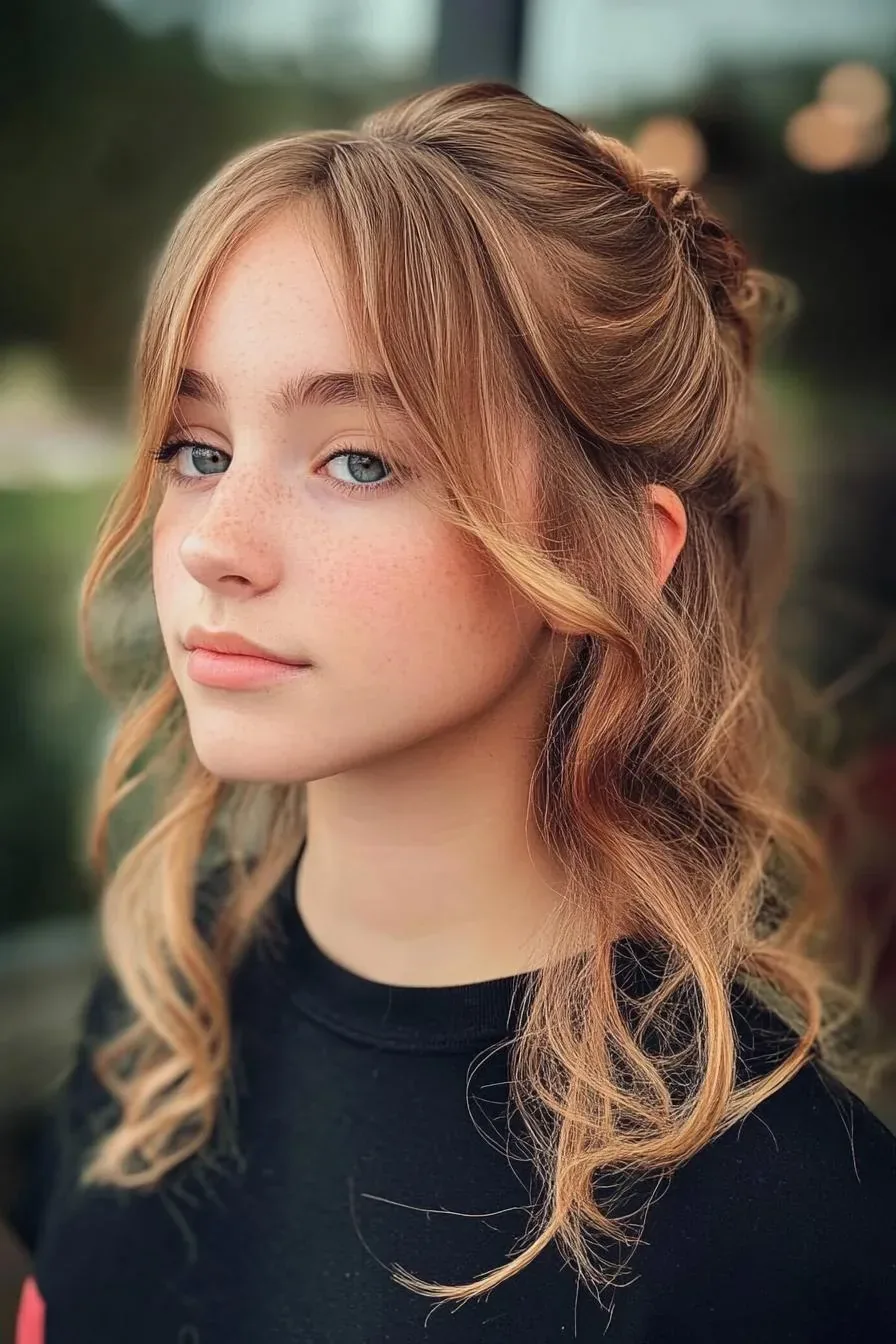
Bouncy Blow-Dried Curls
Bouncy blow-dried curls are pure celebration: the hair is full, round and springy, with curls that bounce when you move and catch the light with every turn. It is the style that makes a senior portrait feel joyful, and it photographs with wonderful volume and texture.
The key is to keep the curls soft and separated rather than tight and stiff. Blow-dry with a round brush, curl loosely, and brush through with your fingers once the curls cool. A light spray holds them without freezing them.
How to style it: blow-dry with a large round brush, curl in sections, and shake the curls out for bounce. What to tell your photographer: laughing and moving shots — the bounce needs motion. Outfit pairing: a fitted dress or a bright top; the curls suit a confident, celebratory outfit.
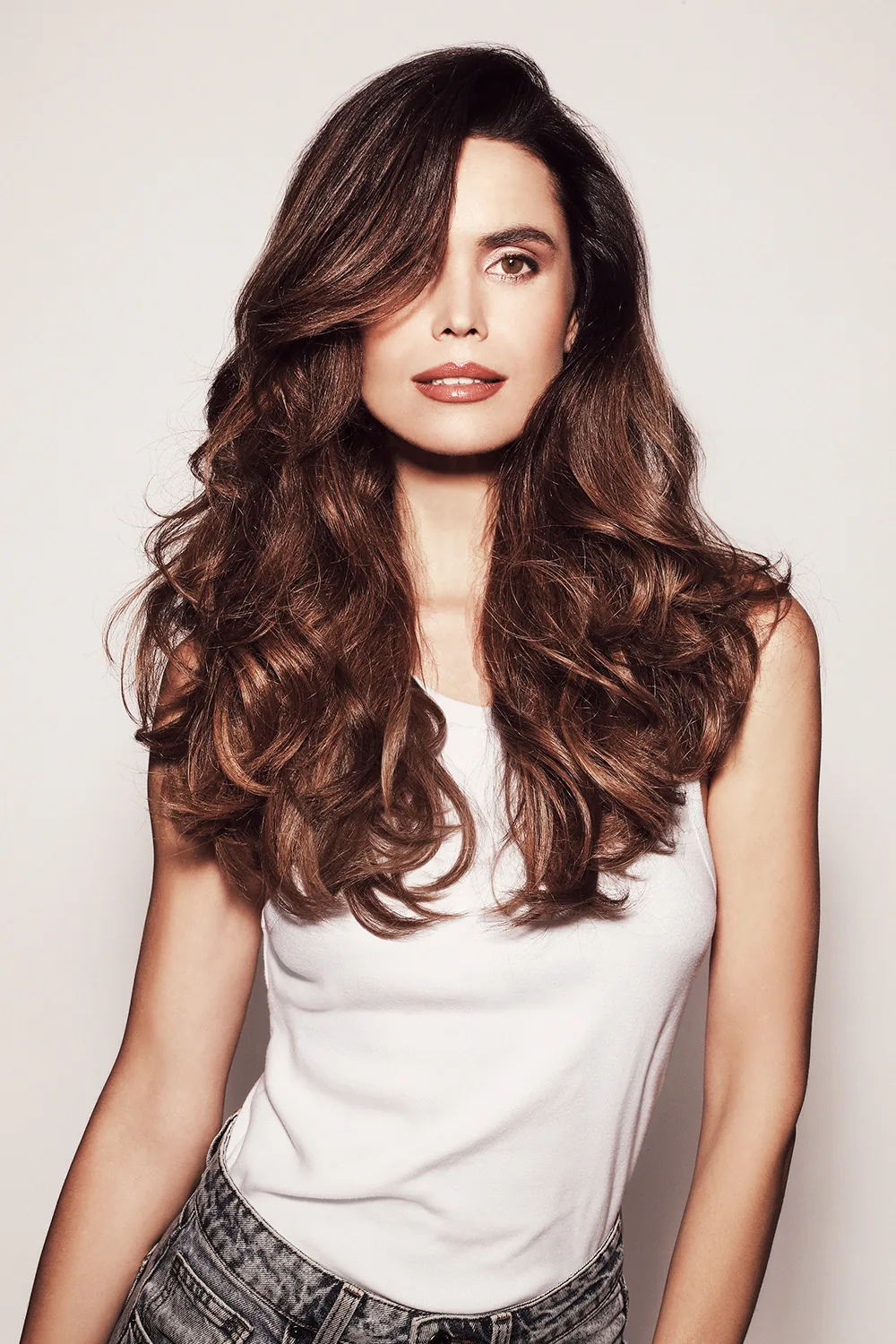
Sleek Hair with a Silk Scarf Accent
A silk scarf tied around a ponytail or woven into a braid is the most charming accessory in senior photography. It adds colour, movement and personality in one small detail, and it photographs beautifully — the scarf catches the light and the wind, and it makes a simple style look considered and complete.
Choose a scarf that matches your outfit rather than your hair, and keep the pattern simple: a solid colour or a small print works best on camera. Tie it securely and anchor it with a pin, because a scarf that slips mid-shoot is a distraction you do not need.
How to style it: tie the scarf around the base of a ponytail or braid it into the plait, leaving the ends to flow. What to tell your photographer: a few shots in the wind — the scarf ends move beautifully. Outfit pairing: a solid-colour dress or top that picks up one colour from the scarf.
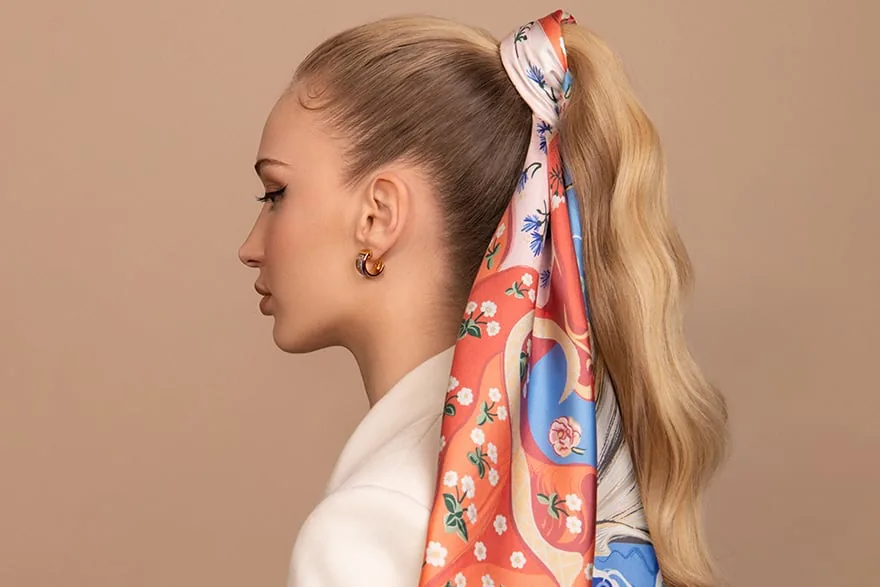
The Low Braided Ponytail
A low braided ponytail is the elegant, practical cousin of the high ponytail. The hair is gathered low at the nape, braided down the back, and left loose and soft — a style that looks polished from the front, detailed from the back, and holds perfectly through a long, windy shoot day.
It is a wonderful choice for the outdoor part of a shoot, because the braid keeps the hair under control while still showing off its length and texture. It suits medium to long hair, works with straight or wavy texture, and it looks lovely with a ribbon tied at the end of the braid.
How to style it: gather the hair low, braid loosely to the ends, and pull the edges apart gently for fullness. What to tell your photographer: back shots over the shoulder show the braid best. Outfit pairing: a dress with an open back or a simple top; the braid is the detail.
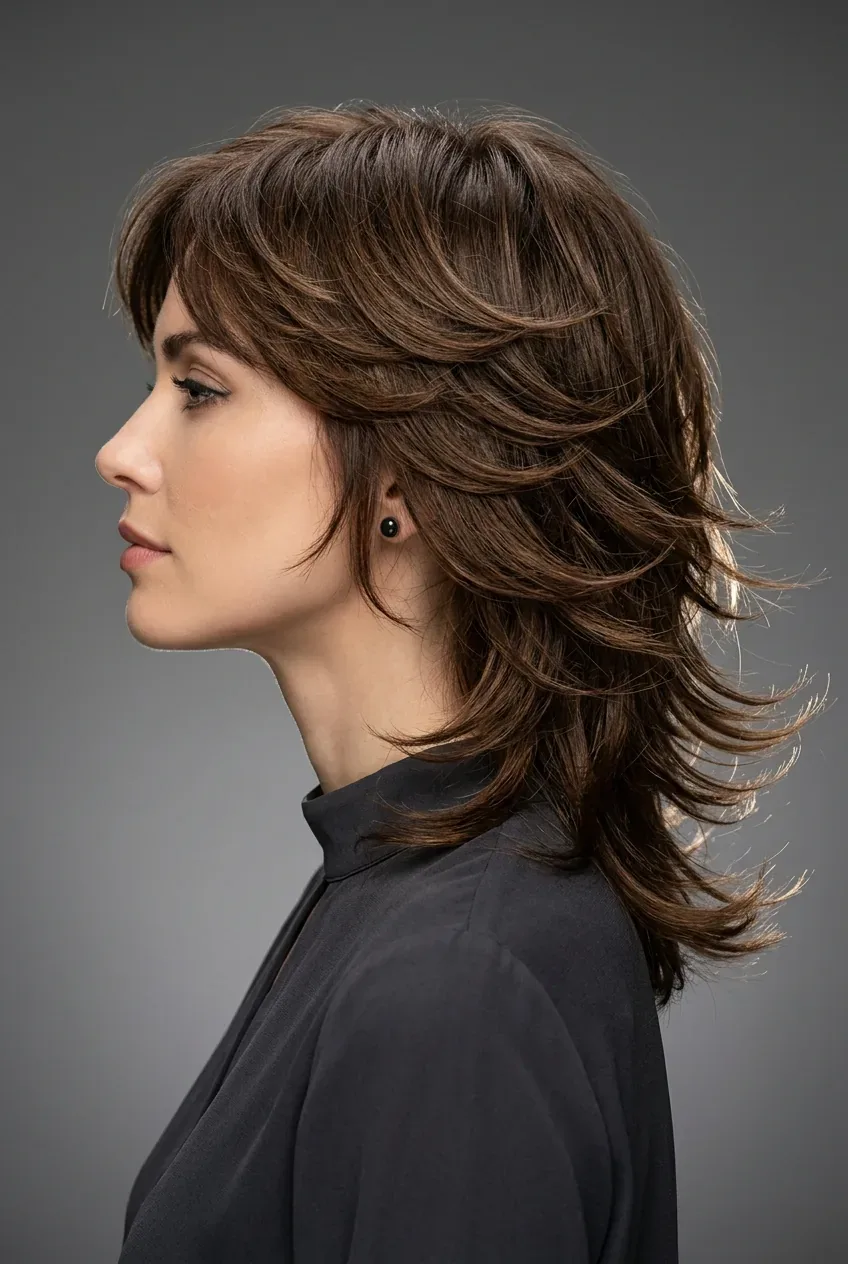
Feathered Layers with Movement
Feathered layers are the softest, most flattering way to wear long hair in a senior portrait. The layers are cut to flick outward at the ends, which gives the hair a light, airy movement that photographs beautifully — every turn of the head sends the layers swinging, and the camera catches it all.
This cut suits almost every face shape, because the feathering softens the jawline and the cheekbones, and it works on straight or wavy hair. It also grows out gracefully, so if you get the cut a few weeks before the shoot, it will have settled into its best shape by the day.
How to style it: blow-dry with a round brush, flicking the ends outward, and finish with a light spray. What to tell your photographer: turning shots — the feathering needs motion. Outfit pairing: a soft blouse or a flowy dress; the layers suit anything light and moving.
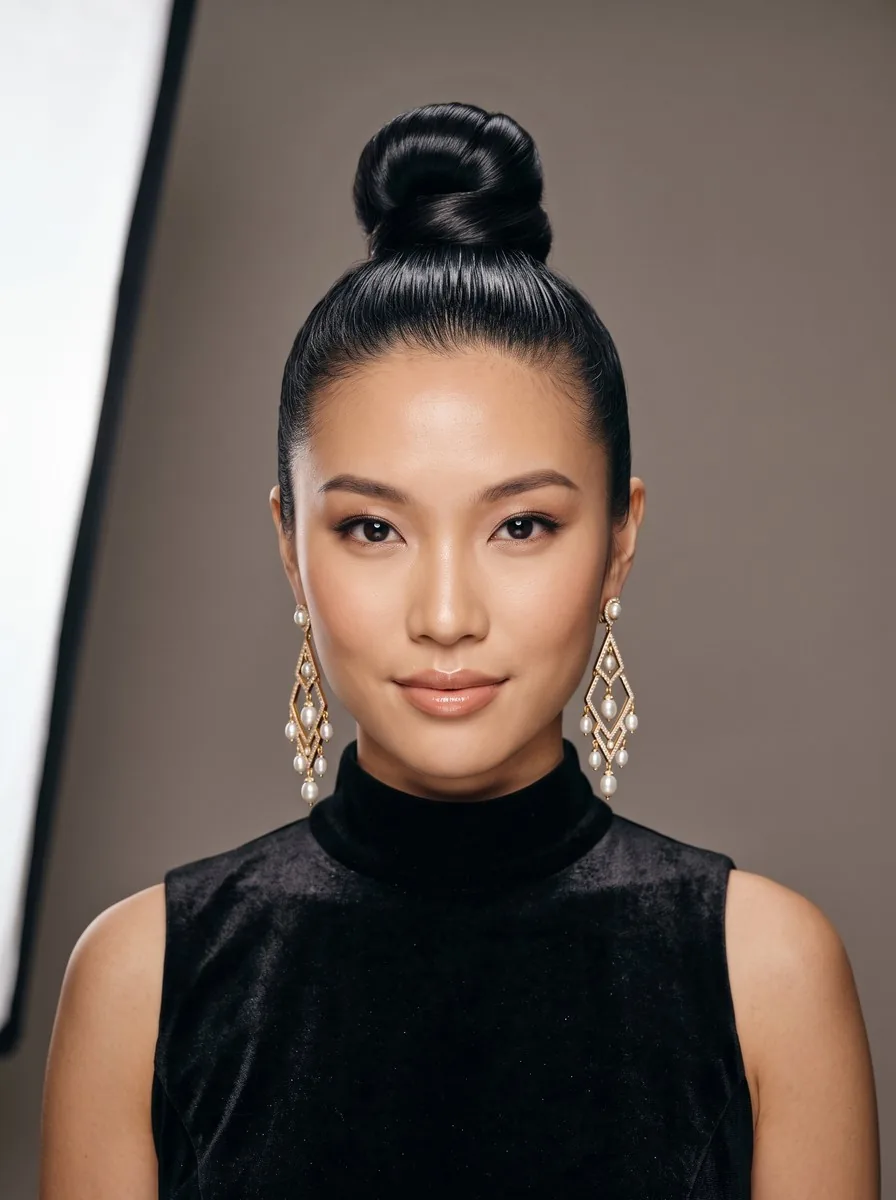
The Elegant Top Knot for Studio Shots
An elegant top knot is the most striking studio style in this guide. The hair is swept up high and coiled into a neat, polished knot, which lengthens the neck, opens up the face, and gives the portrait a clean, sculptural quality. In studio light, with a plain background, it looks like a fashion photograph.
The top knot works best when it is smooth and intentional — a messy knot belongs in the fun part of the shoot, not the formal set. It suits medium to long hair, shows off earrings beautifully, and it holds perfectly through a long day, which makes it a smart choice if your shoot runs late.
How to style it: smooth the hair up high, twist into a knot, and pin securely, smoothing flyaways with serum. What to tell your photographer: studio portraits with a plain background — the knot needs a clean frame. Outfit pairing: statement earrings and a high-neck top or dress; the knot shows them off.
Loose Waves with a Deep Side Part
A deep side part changes everything about loose waves. It sweeps most of the hair to one side, which creates volume at the crown, a soft curtain across the forehead, and a dramatic, sweeping line that photographs with real glamour. It is the simplest way to make familiar waves look completely different.
This style suits almost every face shape, and it is especially flattering if you have a strong jawline or high cheekbones, because the sweep softens the angles. Keep the part clean, let the waves fall naturally to the heavy side, and pin the lighter side back discreetly if it keeps falling forward.
How to style it: part deeply on one side, curl loosely, and sweep the bulk of the hair over. What to tell your photographer: shoot from the heavy side for the full sweep. Outfit pairing: an off-shoulder or one-shoulder top; the sweep and the bare shoulder work together.
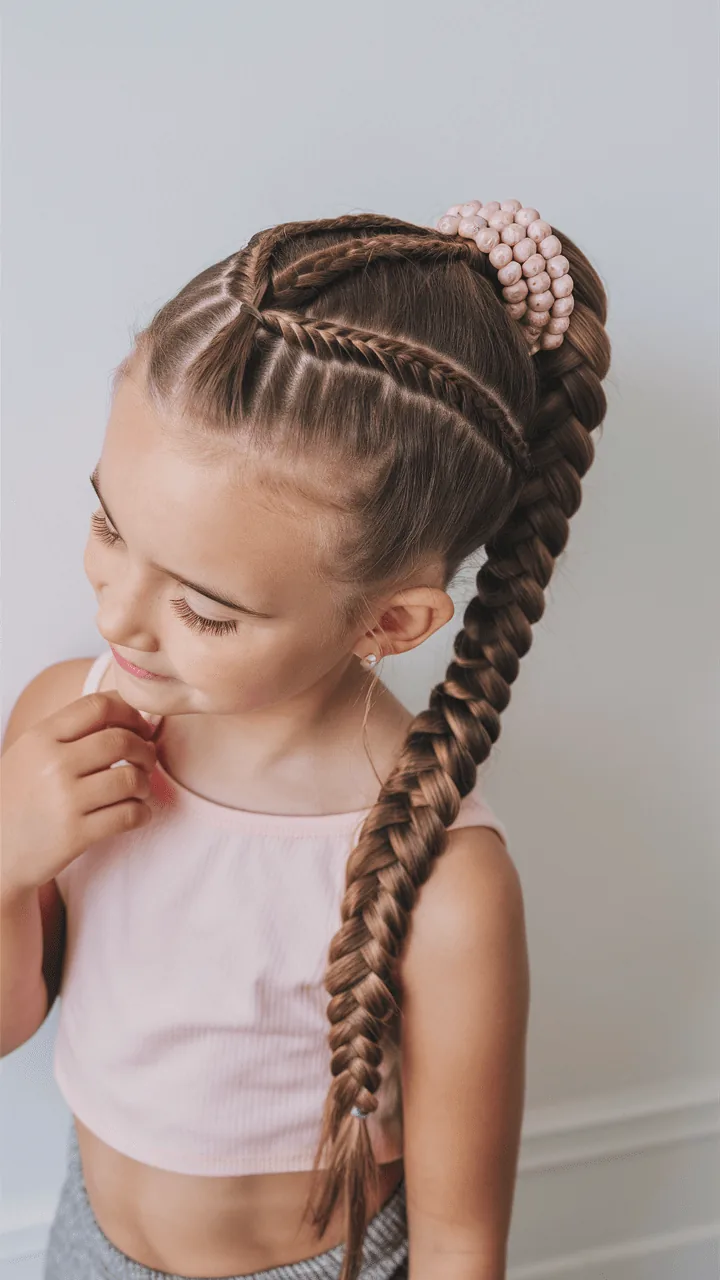
The Double Dutch Braids, Softened
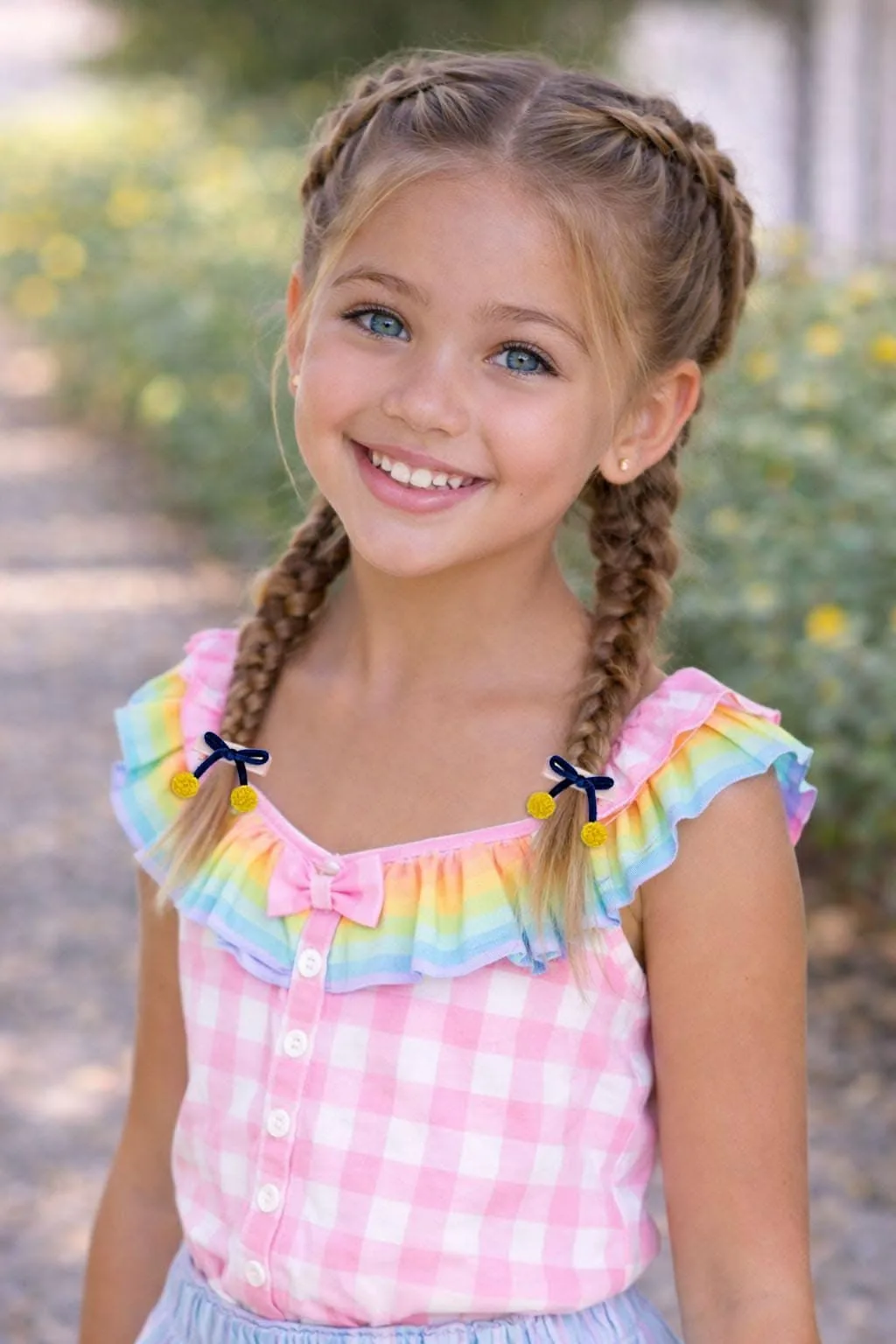
Double Dutch braids, softened and loosened, are the most fun braided style in this guide. The braids run from the crown down either side, framing the face, and when they are pulled apart gently they look soft and full rather than tight and sporty — a style that photographs with energy and charm.
This is the style for the playful, personality part of your shoot: the laughing shots, the candid shots, the ones that show who you actually are. It holds perfectly in wind, it suits medium to long hair, and it looks lovely with a few face-framing pieces pulled free.
How to style it: Dutch-braid from the crown on each side, then gently pull the edges apart for softness. What to tell your photographer: candid shots — this style is made for laughter. Outfit pairing: a casual outfit or your favourite jacket; the braids suit relaxed, fun clothes.
Curly Hair, Defined and Free
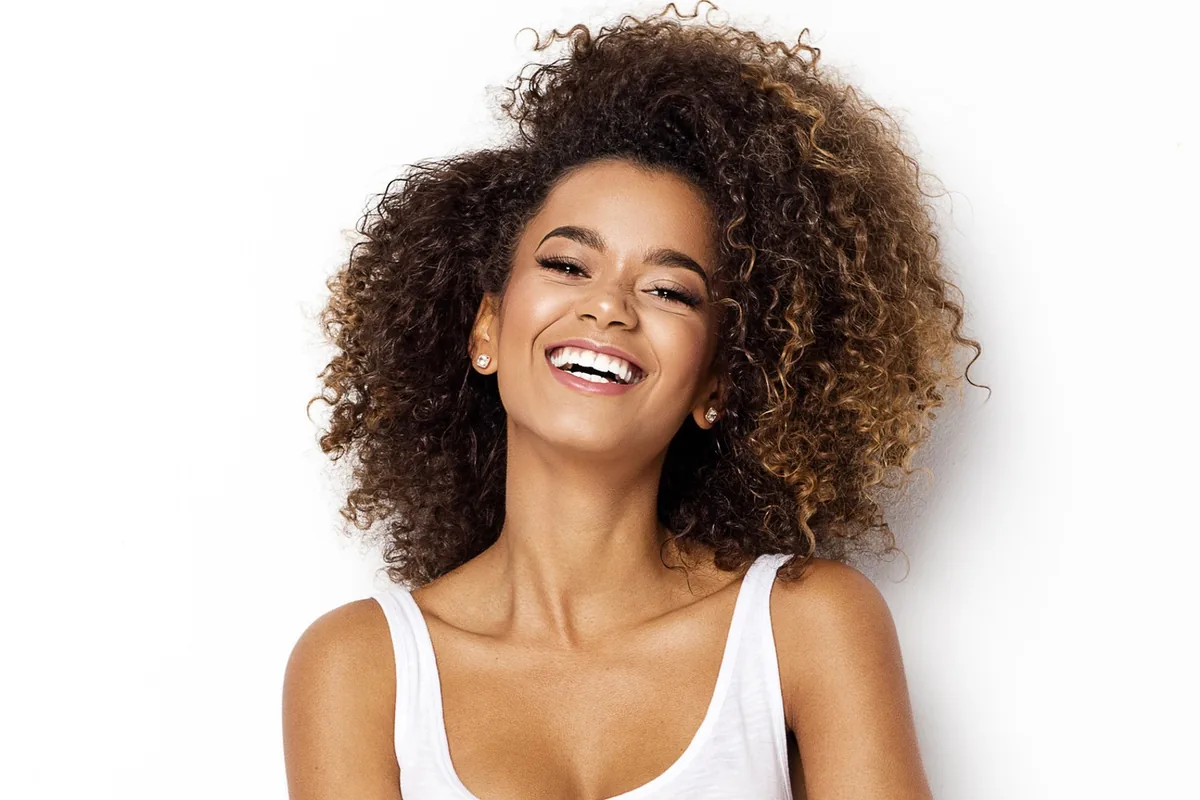
Natural curls are one of the most beautiful things a camera can capture, and senior photos are the perfect place to let them shine. Defined, free curls have shape, texture and volume that no iron can imitate, and in golden hour light they glow — each curl catching the sun a little differently.
The key to photographing curls is definition without stiffness. Use a curl cream or a light gel on damp hair, let the curls dry naturally or diffuse gently, and never brush dry curls — that is what turns definition into frizz. A few curls pulled forward around the face soften the whole portrait.
How to style it: apply curl cream to damp hair, scrunch, and diffuse on low heat or air-dry. What to tell your photographer: golden hour light shows curl texture best. Outfit pairing: a solid colour top or dress; a busy pattern would compete with the curl texture.
Soft Retro Waves with a Modern Finish
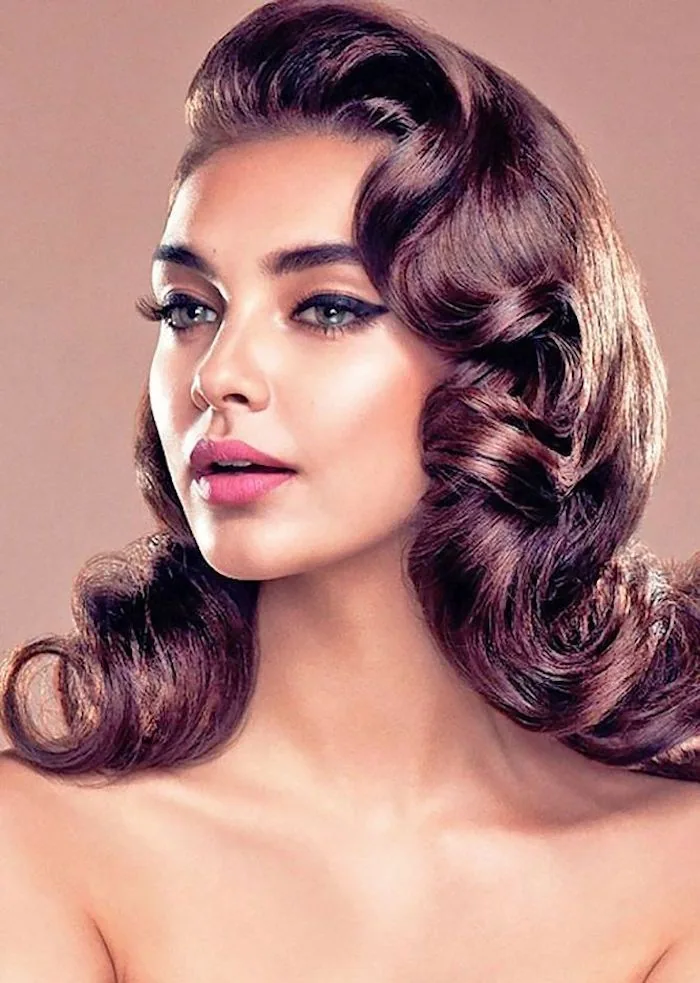
Soft retro waves bring a touch of old-Hollywood glamour to a senior shoot, without looking like a costume. The waves are smooth and sculpted, with a deep side part and a polished finish — but the modern version keeps them looser and softer than the original, so they look romantic rather than dated.
This is the style for the formal, framed-portrait set, and it needs a skilled hand and a little time, so book it with your stylist. Start with more wave than you think you need, because the waves relax over the shoot, and finish with a shine spray rather than a hard hold.
How to style it: set the hair in large, smooth waves with a large iron, brush through into one shape, and set lightly. What to tell your photographer: studio light shows the sculpted waves best. Outfit pairing: a vintage-inspired dress or an elegant gown; the retro waves suit retro clothes.
Half-Up Bun with Face-Framing Strands
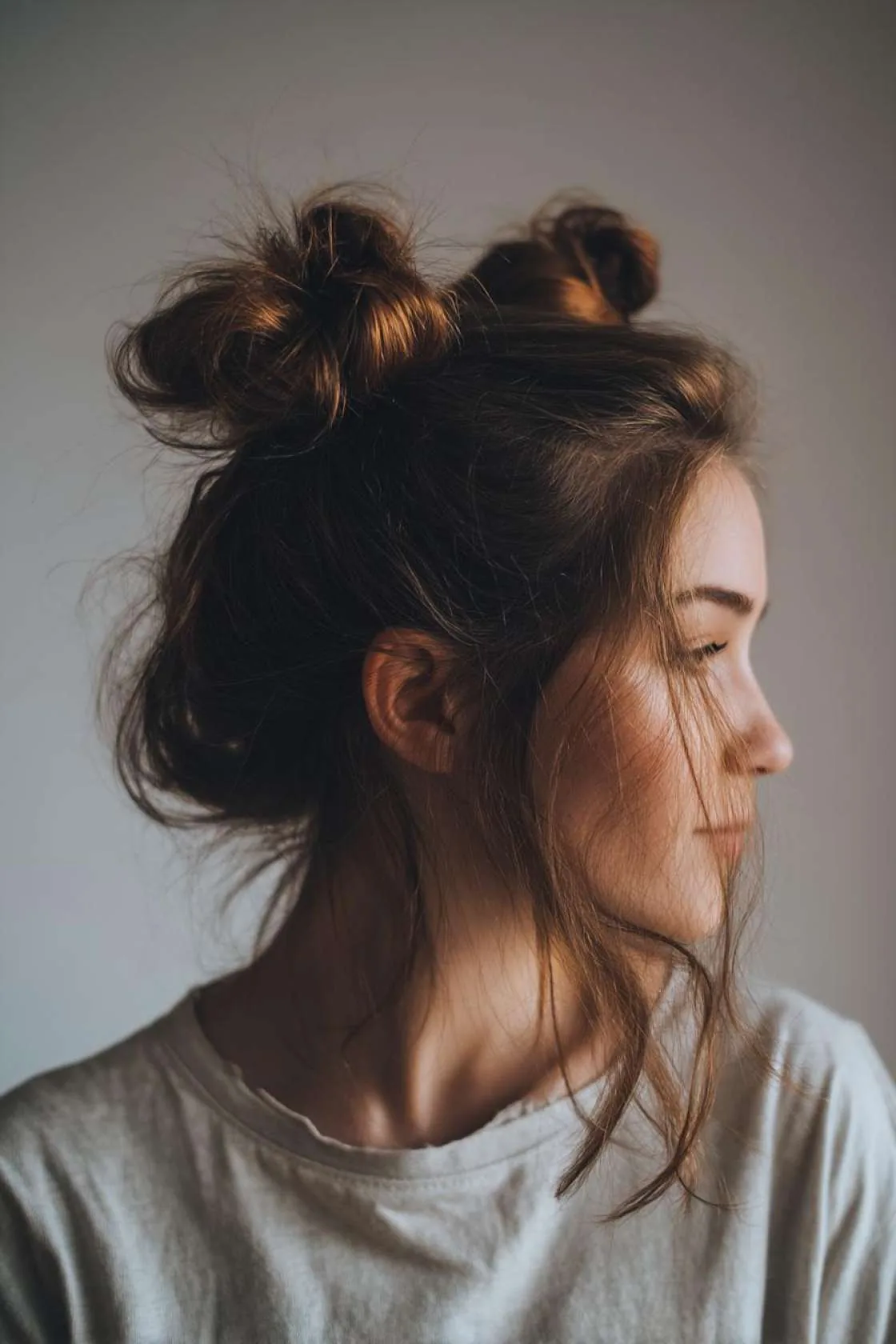
A half-up bun is the most modern, effortless style in this guide — the top half of the hair is gathered into a small bun at the crown, the rest falls loose, and a few face-framing strands soften the whole look. It is relaxed, current and incredibly photogenic, and it suits almost everyone.
The bun keeps the front of your hair out of your face, which is wonderful for portraits, while the loose lengths keep the look soft and feminine. It works on medium to long hair, suits straight or wavy texture, and it is one of the easiest styles to refresh between locations — just re-pin and go.
How to style it: gather the top section, twist into a small bun and pin, leaving strands free around the face. What to tell your photographer: three-quarter shots show the bun and the loose hair together. Outfit pairing: a casual dress or a denim jacket; the bun suits relaxed, modern clothes.
The Polished Straight Look with Shine
The polished straight look is the most minimal style in this guide, and it is strikingly photogenic precisely because of that. The hair is smooth, straight and shining, with a clean part and not a flyaway in sight — a look that says confidence and calm, and that photographs with a beautiful, graphic simplicity.
Shine is everything here, so the hair must be in good condition: a gloss treatment a week before the shoot, a heat protectant every time you straighten, and a shine serum on the lengths. Keep the part clean and the ends neat, and let the simplicity speak.
How to style it: flat-iron in small sections with heat protectant, then smooth a shine serum over the lengths. What to tell your photographer: shoot in soft, even light — harsh sun shows every flyaway. Outfit pairing: a black dress or a bold solid colour; the clean hair suits clean, strong clothes.
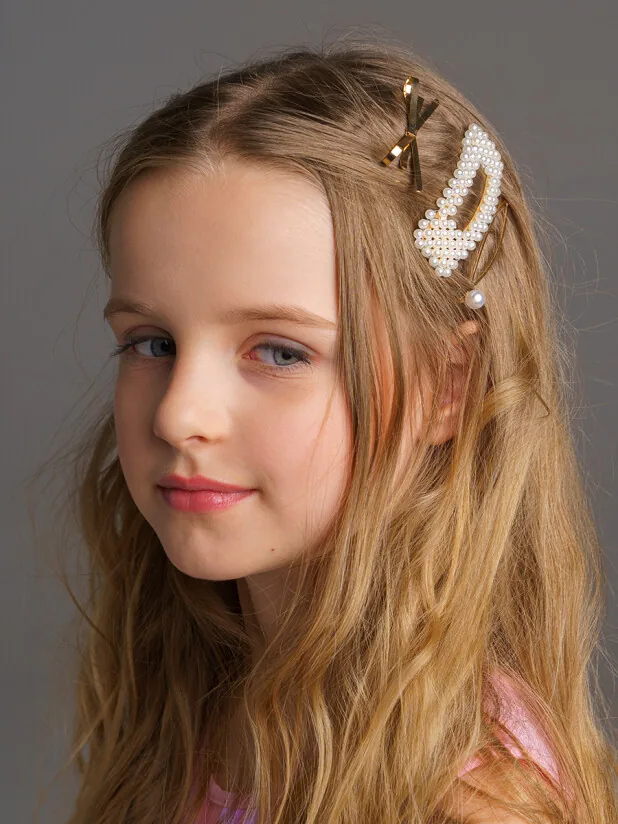
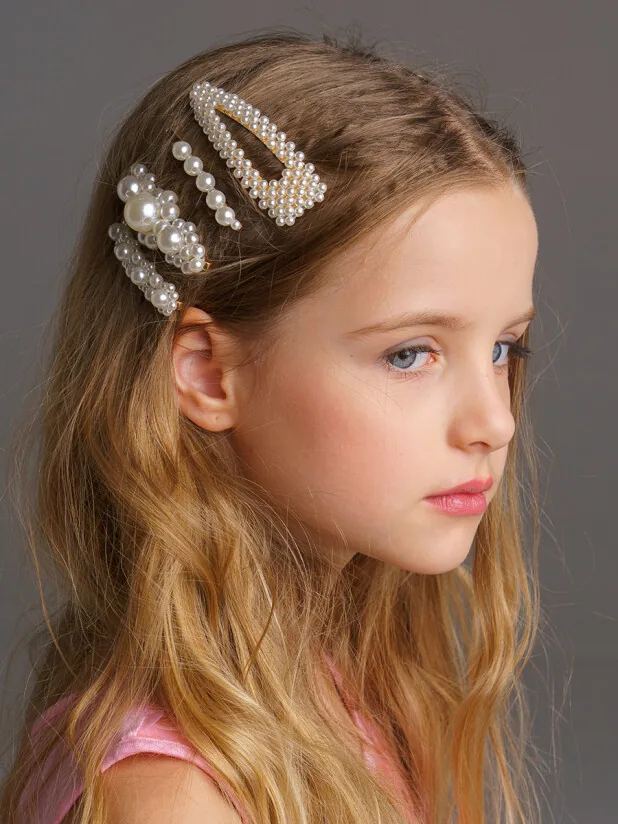
Wavy Hair with a Pearl Clip
A pearl clip is the smallest detail with the biggest payoff in senior photography. One clip, placed where the hair sweeps back from the face, adds a touch of light and elegance to simple wavy hair — and it catches the camera’s eye in every portrait without ever competing with your face.
The clip works best on loose waves, where it can anchor a small section and add a focal point. Keep it simple: one clip, one side, in scale with your hair. A tiny clip disappears in thick hair, and a huge one overwhelms fine hair, so try it on in your trial run and check that it stays put when you turn your head.
How to style it: style loose waves, sweep one side back, and secure with a pearl clip, anchoring with a bobby pin. What to tell your photographer: close portraits — the clip is a detail worth showing. Outfit pairing: a soft dress or a blouse with a delicate neckline; the pearl suits delicate clothes.
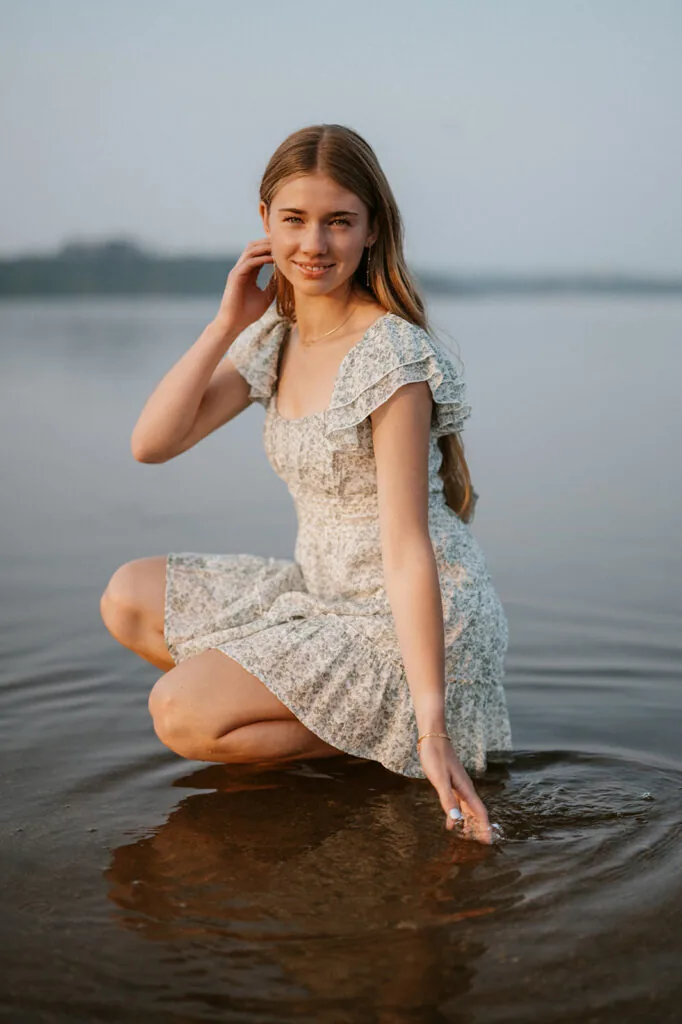
The Signature Look: Your Hair, Your Way
The last style in this guide is not a style at all — it is yours. The hair you wear on your best days, the part you always wear, the length you love, the wave or curl or straightness that is simply you, polished one careful step. Every other style in this guide is an idea; this one is the answer.
Senior photos are not a fashion shoot. They are a record of who you were at seventeen or eighteen, at the end of school and the start of everything else. The photos that matter most in ten years will not be the ones where your hair looked most dramatic — they will be the ones where you look like yourself, laughing, in good light.
How to style it: wear your everyday style, then add one polish — a smoother finish, a little more shine, a cleaner part. What to tell your photographer: ask for a few candid, laughing shots — those are the ones you will frame. Outfit pairing: your favourite outfit, the one you feel most like yourself in. That is the whole point.
Should I get my hair cut right before my senior photos?
No — book any real cut at least two weeks before your shoot. A fresh cut needs time to settle, and a cut you dislike leaves no time to fix it. A small trim a week before is fine; a big change is not.
How far in advance should I book my hair appointment?
Book your stylist two to three weeks ahead, and do your trial run at least a week before shoot day. That leaves time to adjust the style, change the part, or switch products if anything does not hold.
What hairstyle photographs best for senior portraits?
Soft waves, polished blowouts and half-up styles photograph best for most people, because they have shape, shine and movement. The honest answer is whichever style looks most like you, polished one step up — that is the one you will still love in ten years.
Should my hair be up or down for senior photos?
Both, if you can. Start with your hair down for the casual and outdoor shots, then sweep it up for one formal or studio set. One base style with a half-up or low-bun variation gives you two looks without losing shoot time.
How do I keep my hair from going flat or frizzy during the shoot?
Start with a little more volume and curl than you think you need, because both relax over a few hours. Carry a mini flexible-hold spray and a few bobby pins, and ask your stylist for a product that suits your hair type — humidity is the main cause of frizz, not the style.
Can I wear my hair curly for senior pictures?
Yes — natural curls photograph beautifully, especially in golden hour light. Define the curls with a curl cream or light gel, keep the shape soft around your face, and avoid brushing dry curls, which turns definition into frizz.
What should I do about wind on shoot day?
Choose a style with movement in it — loose waves, a braid, a half-up twist — and let the wind work with you instead of against you. Turn into the breeze for a few frames, and keep a small spray in your kit for flyaways between locations.
Should I colour my hair before senior photos?
Only if it is a colour you already wear and love. Book colour at least a week before the shoot so the tone settles, and avoid a brand-new colour or a big lighten right before the day — a tone you dislike in photos cannot be fixed afterwards.
What hair accessories work best for senior portraits?
One simple piece: a pearl clip, a slim headband, a silk ribbon or a small floral pin. It should match your outfit and stay put when you turn your head. Skip anything large, glittery or heavy — it will compete with your face in the frame.
How do I make sure my senior photos still look like me?
Wear your hair the way you actually wear it, polished one step up, and do a trial run in natural light. If a style feels like a costume when you look in the mirror, it will feel like one in the photos too — trust that feeling and choose the version of you that you recognise.
Conclusion
The best hairstyles for a senior photoshoot are not the most dramatic ones. They are the ones that let the camera see you — your laugh, your light, your hair doing what it naturally does, only a little more polished. Whether you choose soft golden-hour waves, a classic blowout, a braided crown, a sleek low bun or your own everyday style perfected, the goal is the same: photos that still feel like you when you look back at them in five years, and in twenty.
Start with a trial run, pack a small touch-up kit, talk to your photographer, and choose the style you would actually wear on your best day. Then forget about your hair completely and enjoy the shoot. Senior year only happens once — your photos should remember it the way it really felt.