Soft, Sweet and Camera-Ready: 39 Hairstyles for a Newborn Photoshoot That Keep the Focus on Your Baby
Your baby is the star of a newborn photoshoot — and the shoot itself is short, unpredictable and usually scheduled around naps, feeds and nappy changes. That is exactly why the best hairstyles for a newborn photoshoot are soft, simple and ready in minutes, not salon projects that need an hour, a hot tool and total stillness. You will be holding, rocking, feeding and soothing a tiny human who does not care about your hair, so your style has to work while you move.
This guide starts with the thinking — what reads well on camera, which styles stay put while you hold your baby, how to keep things nursing-friendly, and what to tell your photographer — and then walks through 39 hairstyles for a newborn photoshoot, from loose waves and low buns to braids, half-up styles and soft short cuts. Every one is chosen for real life with a newborn: gentle on your hair, kind to your schedule, and soft enough that the focus stays exactly where it belongs — on your baby.
Pick a style that suits your hair, your length and the way your morning actually goes. Practise it once the day before, keep a few pins and a soft tie in your pocket, and then forget about your hair completely. The photos will be beautiful because of the baby in your arms, not because of a perfect curl.
Soft, Camera-Friendly Hair: What Reads Best in Newborn Photos
Newborn photos are usually taken in soft, natural light, often close up, and often in black and white — so your hair reads very differently than it does in a mirror. Harsh, stiff styles and heavy shine can look severe on camera, while soft texture, gentle movement and a little looseness around the face photograph beautifully. Think of your hair as a frame for two faces, not a feature on its own.
The most flattering camera-friendly styles share three things: softness at the hairline, no hard lines, and movement. A few loose pieces around your face soften the jaw and catch the light, a slightly undone finish looks relaxed and real, and a style that moves when you lean over your baby looks alive in a photo. Avoid anything scraped back so tightly that it pulls at your features, and skip heavy hairspray that makes hair look frozen in place.
Quick verdict: soft, loose and slightly undone beats sleek and perfect every time in newborn photos — the camera loves texture and movement, and your baby loves a mum who is comfortable.
Styles That Stay Put While You Hold Your Baby
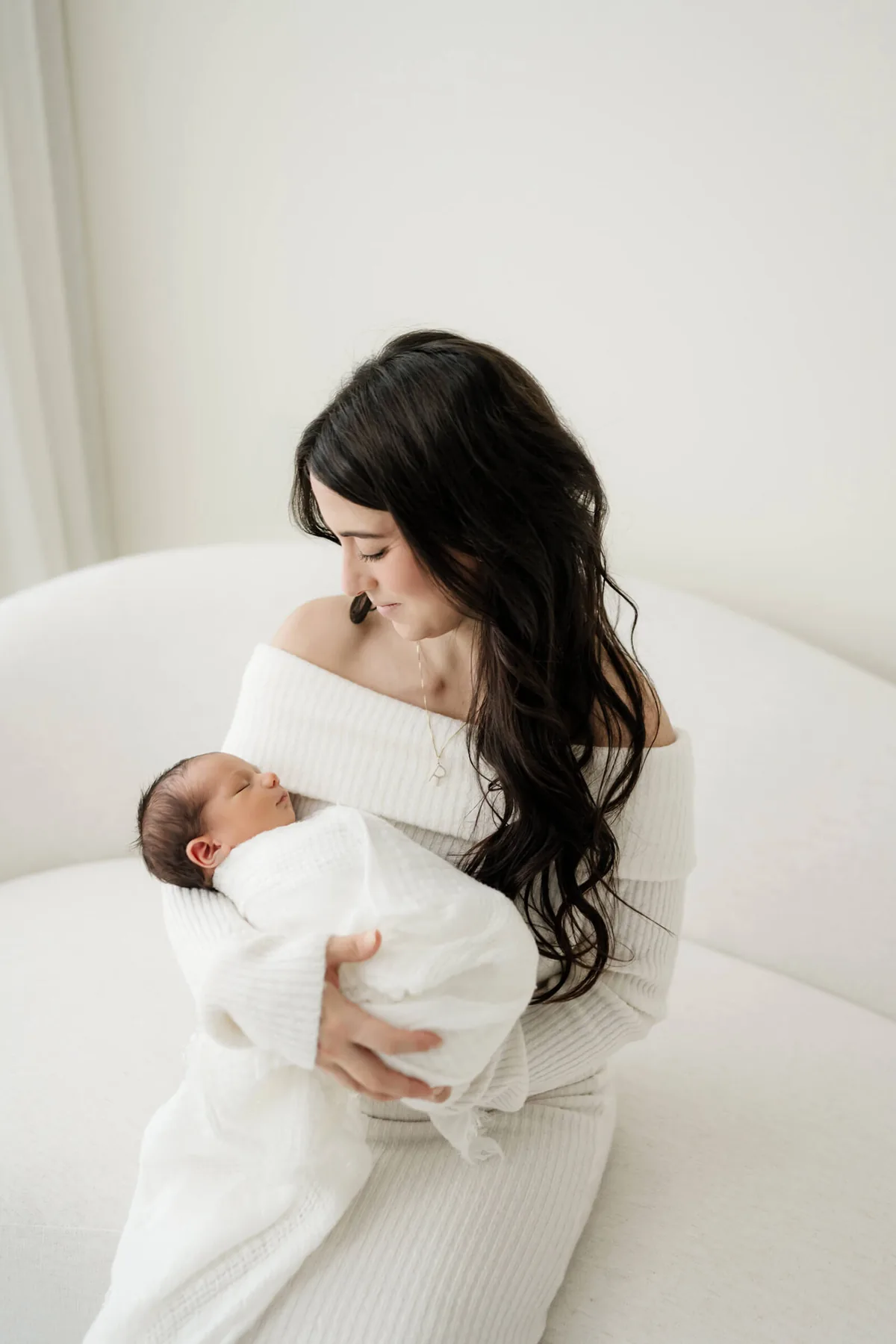
You will spend most of a newborn photoshoot with a baby in your arms, leaning, rocking and repositioning — so your hairstyle needs to survive all of that without falling into your face or, worse, into the baby’s. Long loose hair is lovely in a still portrait, but the moment you bend to kiss a tiny forehead, it slides forward and covers you both.
The answer is an anchor: a low bun, a loose braid, a half-up twist or a low ponytail gives your hair a home base, with soft pieces left free around the face for softness. Secure the style with two crossed bobby pins at each anchor point rather than one, and test it before the shoot by picking up a cushion, leaning forward and turning your head — if nothing falls, it will survive the real thing.
Common mistake: relying on a single elastic or one pin. A newborn shoot involves far more bending and lifting than a normal portrait session, so double up every anchor point.
Nursing-Friendly Lengths and Easy Access
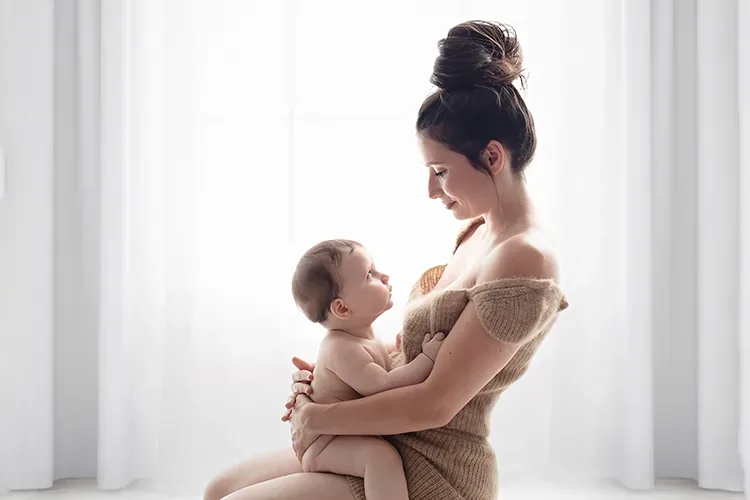
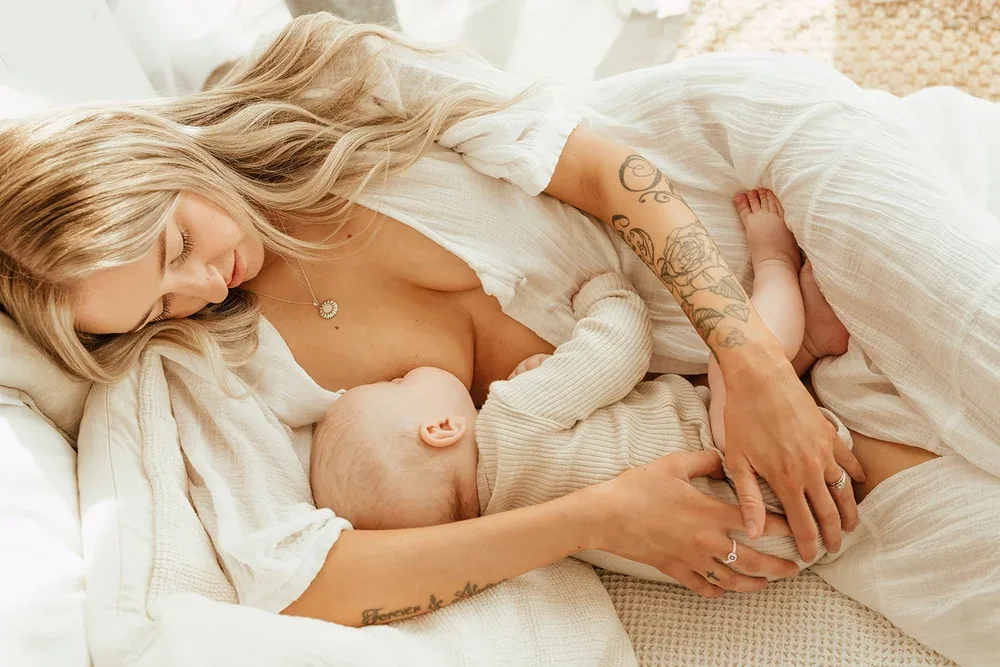
If you are breastfeeding, your hairstyle has a second job: staying out of the way during feeds. Hair that falls forward over your shoulder lands on the baby, gets in the way of latching, and ends up being tucked behind your ear every few minutes — which is the last thing you want to think about mid-feed, especially with a camera nearby.
Styles that pull the front sections back — a half-up twist, a pinned-back front, a low side braid or a soft clip — keep everything clear while still looking lovely. If you wear your hair down, a single soft clip on one side is enough. And if you are between feeds during the shoot, keep a clip in your pocket so you can switch from down to pinned back in seconds without a mirror.
Best for: any mum who will feed during the session. Tell your photographer in advance so they can pause for feeds without rushing you — a good newborn photographer expects it.
Matching Your Hair to the Nursery’s Soft Palette
Newborn photoshoots live in a world of cream, oatmeal, sage, blush and soft grey — and your hair is part of that palette. Harsh, high-contrast colour or a very dark, severe style can dominate a soft, pale image, while warm, natural tones and soft texture blend beautifully with wraps, knits and neutral backdrops.
You do not need to change your colour for the shoot. Just soften the finish: a little shine serum on the ends, a loose wave instead of a poker-straight blow-dry, and a neutral accessory — cream ribbon, a soft beige scrunchie, a small gold pin — rather than anything bright or glittery. If your hair is very dark, a few loose pieces around the face stop it from reading as one heavy block in a pale photo.
What to ask your photographer: whether they shoot in colour, black and white, or both — and whether your usual hair accessories will read as too bright against their wraps and backdrops.
Five-Minute Styles Between Feeds
A newborn photoshoot does not run to a timetable — it runs to your baby’s timetable. You may get ten minutes between a feed and a sleepy window, and your hairstyle has to be ready in that gap, possibly one-handed, possibly in a room without a proper mirror. This is not the day for a forty-minute blow-dry.
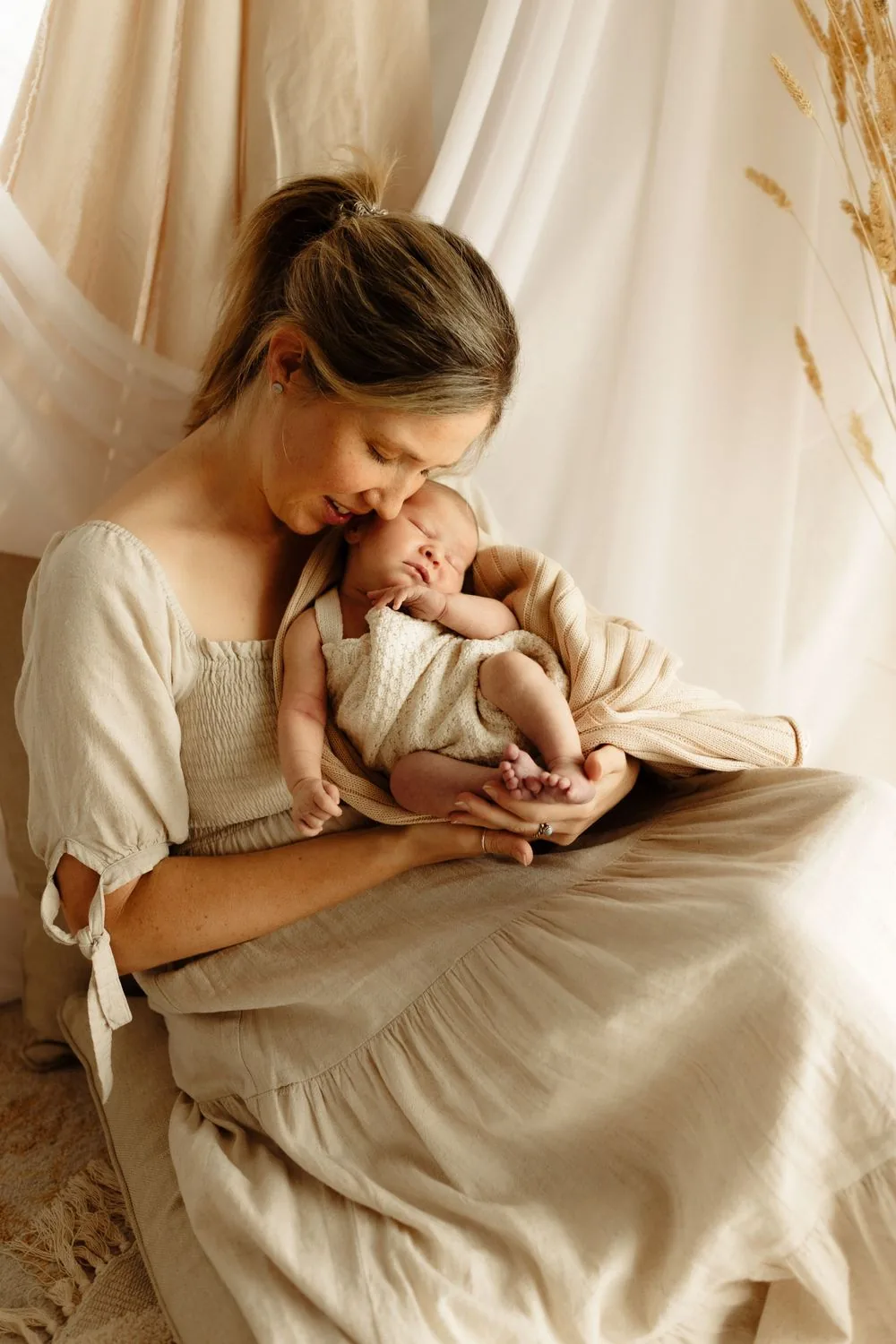
Learn one five-minute style before the day and you are covered: a low textured bun, a soft half-up twist, or a loose low ponytail with a ribbon. Each takes under five minutes, needs no heat, and can be refreshed in seconds. Keep a small pouch ready the night before — two elastics, four bobby pins, a soft brush and a travel-size texturising spray — so you are never hunting for supplies with a baby in one arm.
Quick verdict: if a style takes longer than five minutes or needs both hands and a mirror, it is the wrong style for photoshoot day. Simple and finished beats elaborate and half-done.

What to Tell Your Photographer About Your Hair
Your photographer is your ally, not your judge — and a quick chat before the session makes the photos better. Tell them which side of your face you prefer, whether your hair is thinner than usual after giving birth, and whether you will need pauses for feeds. A good photographer will angle the light to flatter your hair, avoid shooting from above when a parting looks thin, and keep the session moving at your baby’s pace.
Also mention anything your hair cannot do that day. If a style only holds for an hour, say so, and plan the shots you care about most for the start of the session. If you have a favourite angle or a style you have practised, show them a photo on your phone — it takes ten seconds and saves a lot of guessing.
Best for: every mum, but especially anyone feeling nervous about being photographed so soon after giving birth. Saying it out loud takes the pressure off.
Postpartum Hair: Working With Shedding and New Growth
Most new mums notice extra shedding in the months after birth, along with wispy new hairs sprouting around the hairline — and a photoshoot is often the first time you really see both in pictures. The good news is that both are completely normal, and both are easy to work with once you know the tricks.
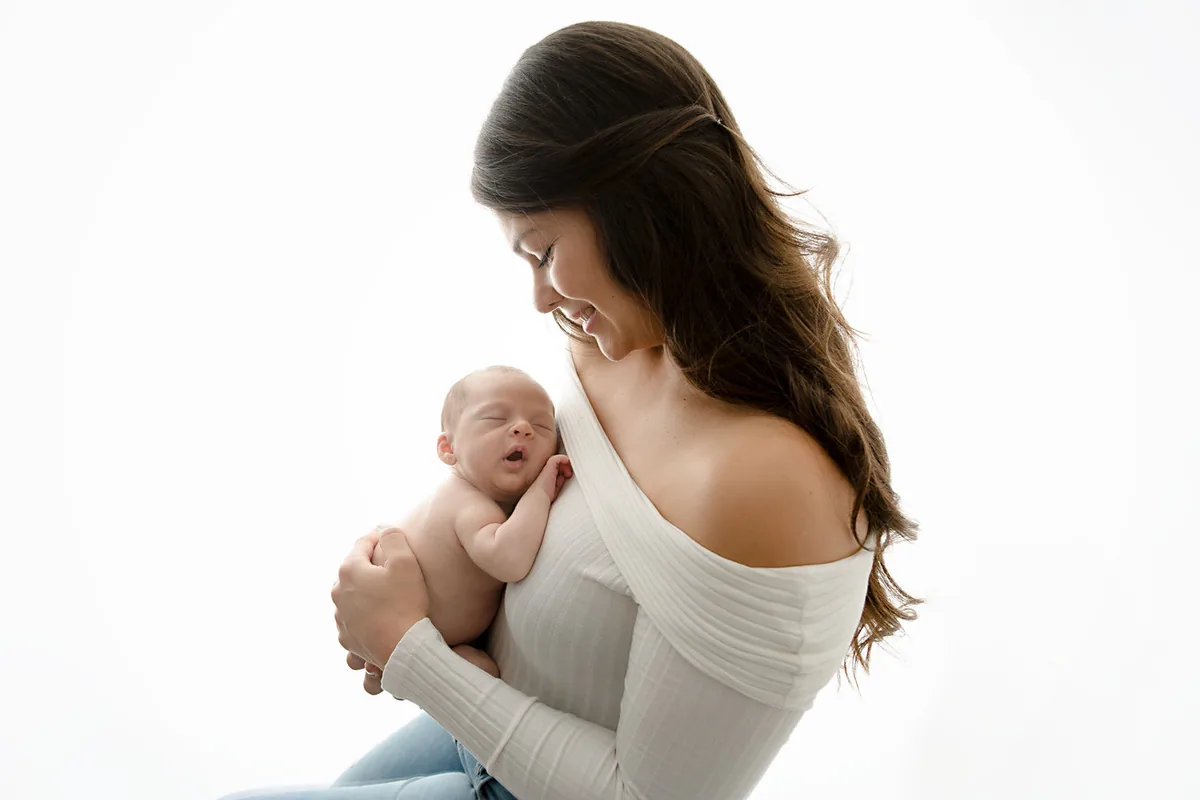
For shedding, choose styles that do not rely on volume at the crown, where thinning shows most — low buns, side parts and soft waves are kinder than high ponytails. For the wispy baby hairs at the hairline, smooth a tiny amount of serum or a clean mascara wand brushed with hairspray over them; they will lie flat and look like soft, deliberate texture rather than frizz. Avoid backcombing, which only makes shedding worse.
Common mistake: trying to hide new growth with a heavy fringe or a scraped-back style. Soft, loose pieces around the face disguise regrowth far better than anything pulled tight.
The Morning-of Checklist: Hair, Makeup and Last-Minute Fixes
The morning of the shoot is not the time to try anything new. Wash your hair the night before if you can — second-day hair holds a style better and looks softer on camera — and do a full practice run of your chosen style the day before so there are no surprises. Lay out everything you need the night before: pins, elastics, brush, spray and your chosen accessory.
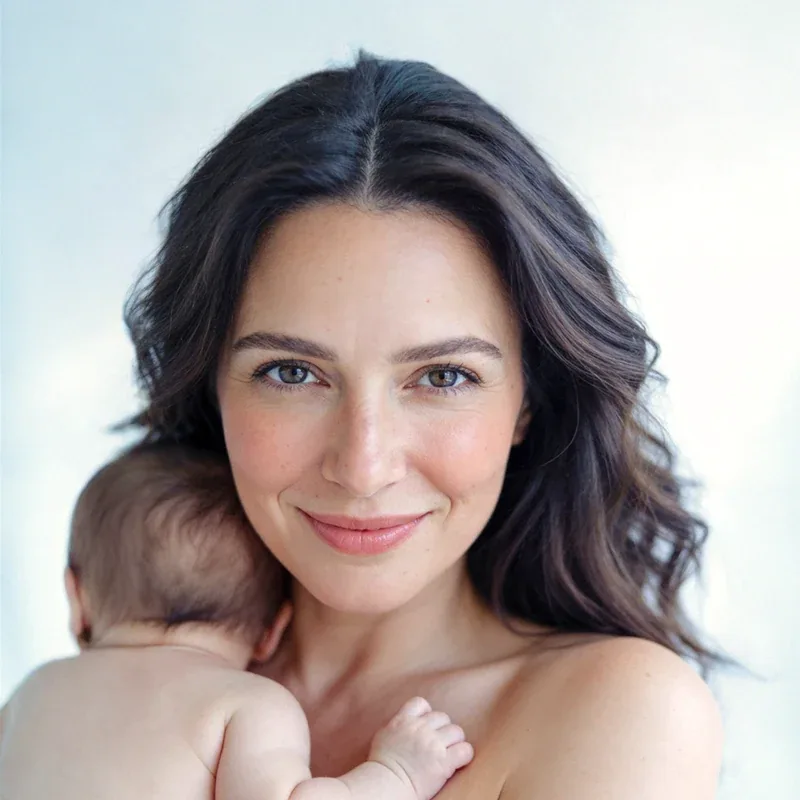
On the morning itself, keep it simple: style your hair, add a little blush and mascara if you wear makeup, and wear a top that photographs well — soft, plain colours with no logos or busy patterns. Bring your small pouch of supplies to the shoot, and bring a brush for a quick refresh between setups. Then stop checking the mirror and enjoy holding your baby.
Maintenance: once your style is in, leave it alone. Touching it every few minutes creates frizz and loosens pins — a quick brush and one pin check between setups is all it needs.
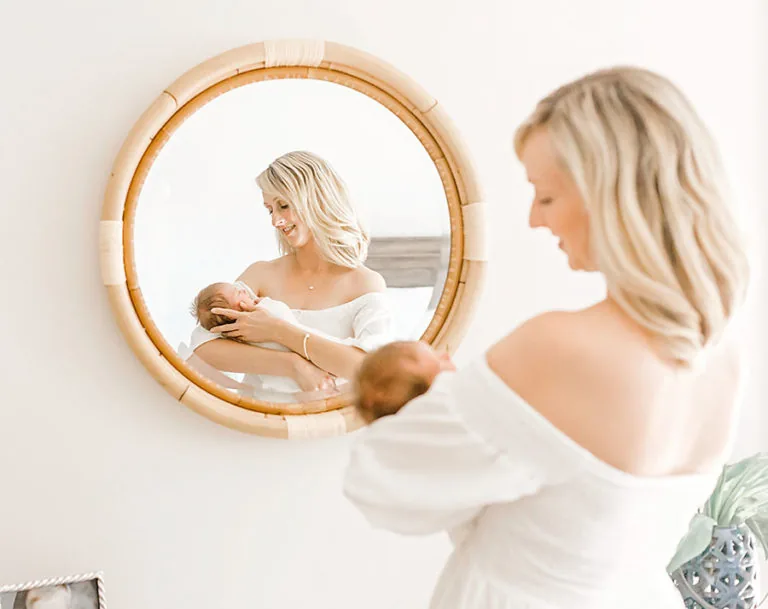
Soft Loose Waves
Soft loose waves are the classic choice for a newborn photoshoot, and for good reason: they are gentle, romantic and completely effortless on camera. The waves frame your face without hiding it, they move when you lean over your baby, and they look just as beautiful in black and white as they do in colour. Nothing about them competes with the baby in your arms.
Create them with a wide-barrel curling iron or even overnight braids if you want to skip the heat altogether. Curl in large sections away from the face, then brush through with your fingers until the curls fall into one soft shape. A light-hold spray is enough — you want movement, not a helmet.
Best for: almost every mum, every hair length past the shoulders, and every kind of newborn shoot — it is the safest, softest choice if you cannot decide.

The Low Textured Bun
A low textured bun is the workhorse of newborn photoshoot hair: it keeps every strand out of your face and out of the baby’s face, it survives hours of holding and rocking, and it still looks soft and considered in photos. Gathered low at the nape, with a little texture and a few loose pieces, it is the opposite of a severe scraped-back bun.
Pull your hair into a low ponytail, twist it loosely and pin it into a soft bun, leaving the ends a little undone rather than tucked perfectly. Pull out two fine pieces at the front to frame your face, and secure everything with crossed bobby pins. It takes about three minutes and lasts the whole session.
Common mistake: making the bun too tight or too high. A low, loose bun photographs as relaxed and maternal; a tight high bun reads as a gym style.
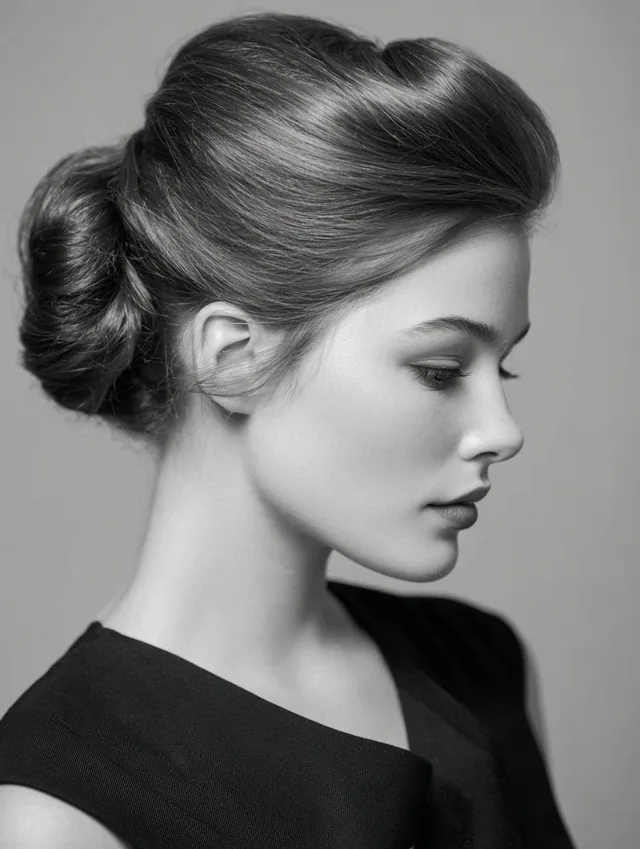
The Half-Up Twist
The half-up twist is the perfect compromise: your hair stays down and soft around your shoulders, but the front sections are twisted back and pinned, so nothing falls into your face or onto the baby. It is romantic without being fussy, and it works on almost every length from shoulder-length upwards.
Take a section from each side of your parting, twist each one back and pin them together at the back of your head. Leave the rest of your hair loose — a few soft waves or even your natural texture is perfect. Two pins are enough, and the whole style takes about two minutes.
Best for: mums who love wearing their hair down but need it out of the way while holding the baby — and for nursing, since the front stays clear.
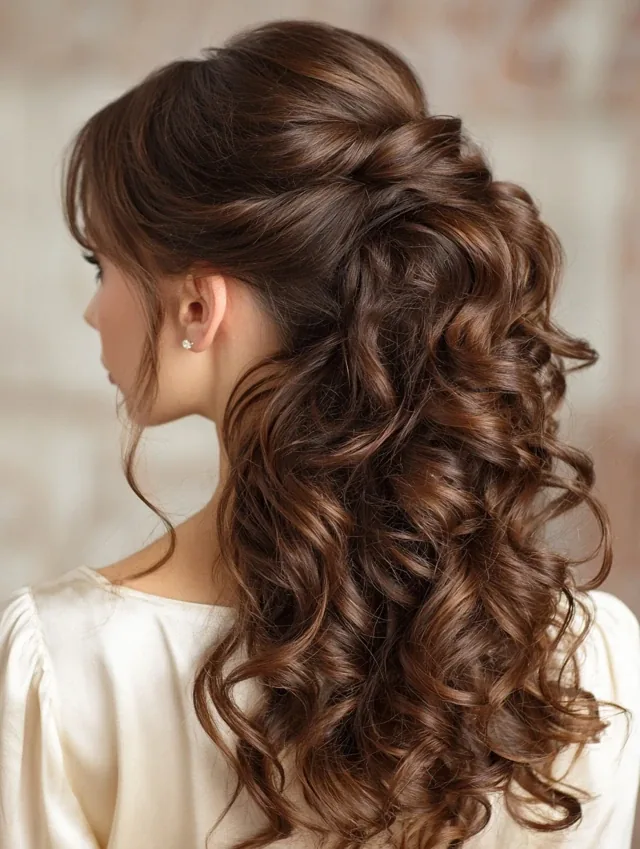
Side-Swept Soft Curls
Side-swept soft curls are pure old-Hollywood romance, softened for a newborn shoot. All the hair sweeps to one side, which keeps it off the baby when you cradle them on the other arm, and the curls catch the light beautifully in close-up shots. It is glamorous without ever looking overdone.
Curl your hair in medium sections, brush through gently, then sweep everything over one shoulder and pin the back section loosely so it stays put. A single decorative pin or a small clip holds the sweep in place. Choose the side opposite the arm you usually cradle the baby with.
Who should skip it: mums who switch cradling arms constantly — the sweep only stays clear on one side, so if you swap arms a lot, choose a low bun instead.
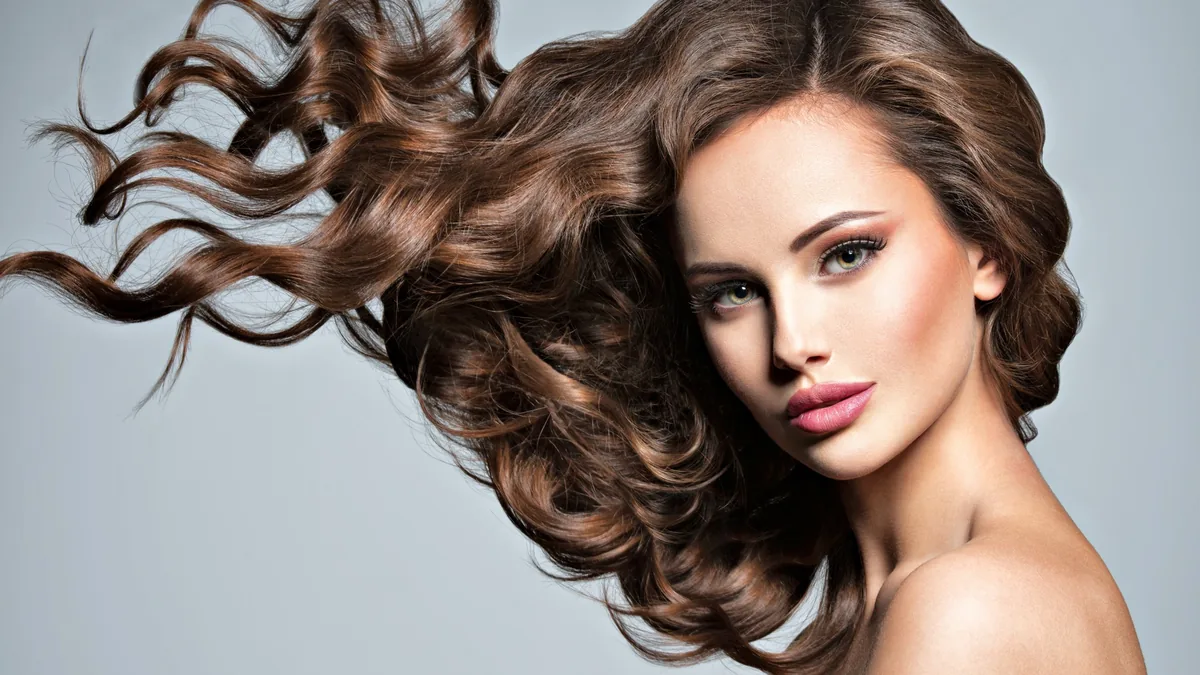
The Effortless Low Ponytail
A low ponytail is the simplest style on this list, and sometimes the simplest is exactly right. Worn low at the nape with a soft, undone finish, it keeps your hair completely out of the way, takes ninety seconds, and photographs as calm and natural — like you, on a good day, holding your baby.
The trick is in the finish: wrap a small strand of hair around the elastic to hide it, pull out a little volume at the crown with your fingers, and leave two soft pieces loose at the front. A silk or velvet elastic is gentler on postpartum hair than a tight rubber band.
Quick verdict: the best emergency style. If the morning runs late and the baby is fussy, a low ponytail done well is always a good answer.
The Braided Crown
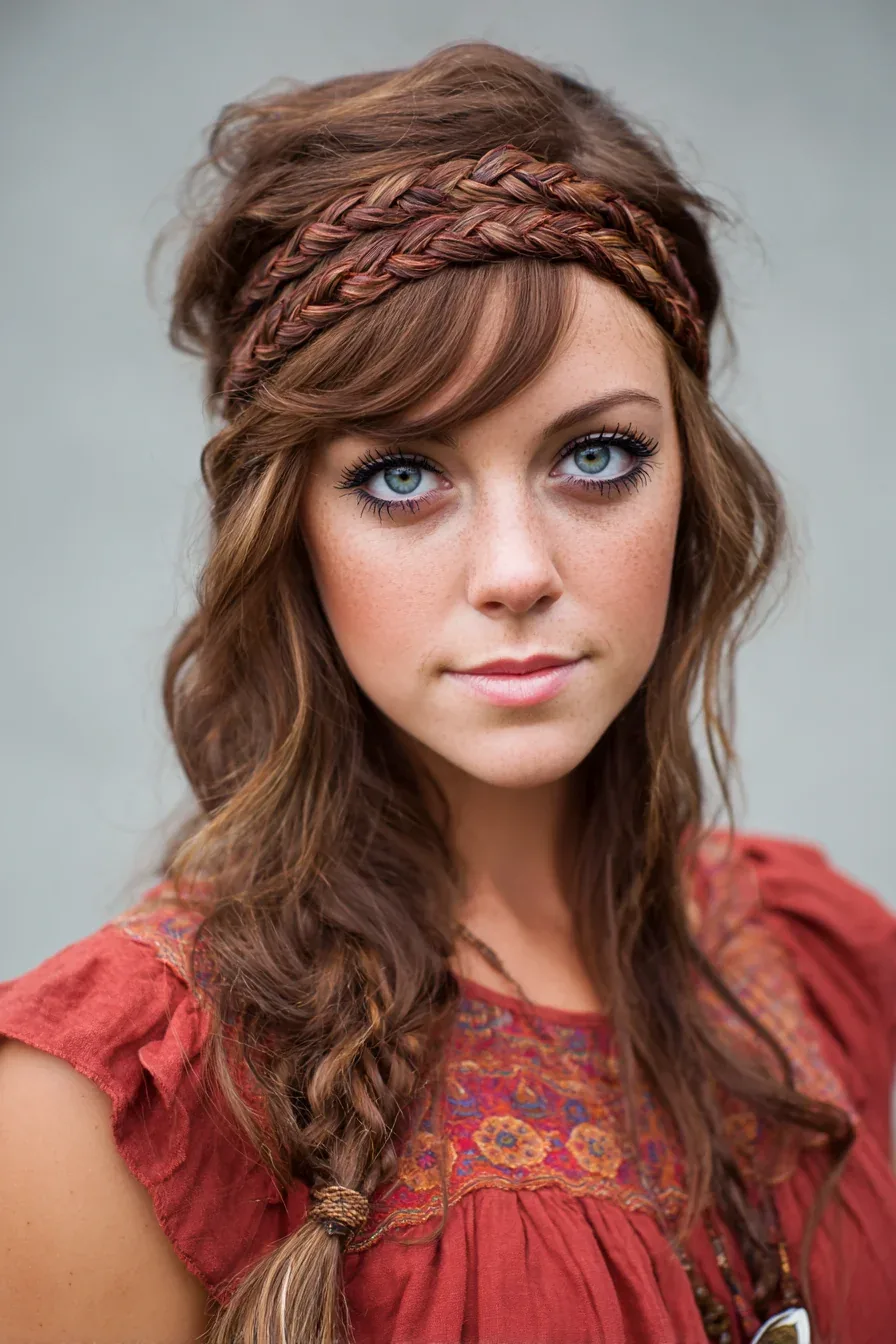
A braided crown is a gentle, romantic halo that keeps every strand away from your face while looking completely deliberate. It frames your face beautifully in close-ups, it never falls forward onto the baby, and it has a soft, storybook quality that suits newborn photos perfectly.
Braid two sections from either side of your head, bring them across the crown and pin them in place, tucking the ends underneath. Keep the braids loose and pull out a few strands for softness — a tight crown looks severe, while a loose one looks like a wreath. It works best on medium to long hair.
Best for: outdoor or garden newborn shoots, and mums who want an updo that still feels feminine and soft rather than severe.
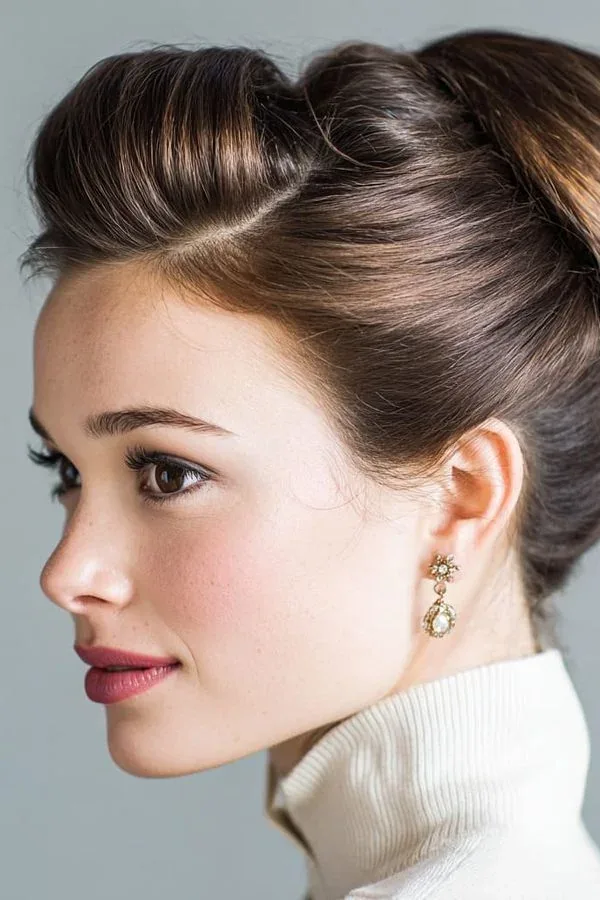
A Romantic French Twist
A romantic French twist sounds formal, but the soft version is one of the loveliest styles for a newborn photoshoot. Done loosely, with texture and a few face-framing pieces, it is elegant without being stiff — the kind of style that makes a mum look like herself, just a little more polished.
Gather your hair low, twist it upward and pin it in place, leaving the top slightly loose and pulling out a few strands around the face. You do not need it perfect — a little softness is the whole point. A few pins and a light mist of spray will hold it through the session.
Common mistake: making it too sleek and tight. A French twist for a newborn shoot should look soft and touchable, not like you are heading to a black-tie dinner.
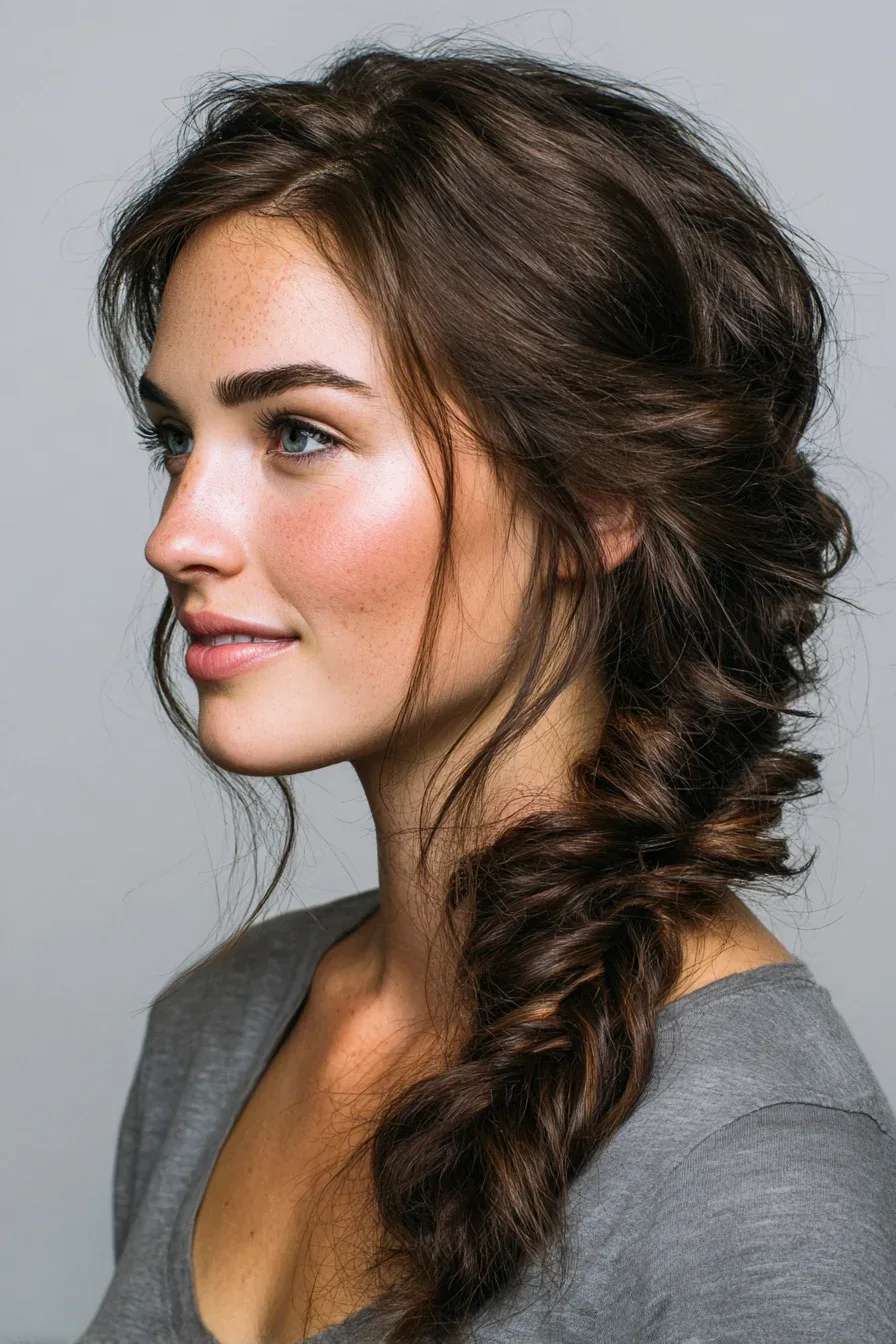
The Loose Side Braid
A loose side braid is the relaxed, bohemian cousin of the ponytail — and it is brilliant for a newborn shoot because it keeps your hair in one place, on one side, completely clear of the baby. It looks soft, lived-in and natural, and it photographs beautifully draped over one shoulder.
Sweep your hair to one side and braid it loosely, pulling the braid apart gently with your fingers to make it look fuller and softer. Tie it with a soft elastic or a ribbon, and leave a few pieces loose around your face. It works on straight, wavy or curly hair alike.
Best for: long hair that otherwise falls everywhere, and mums who want a style they can do in under three minutes without a mirror.
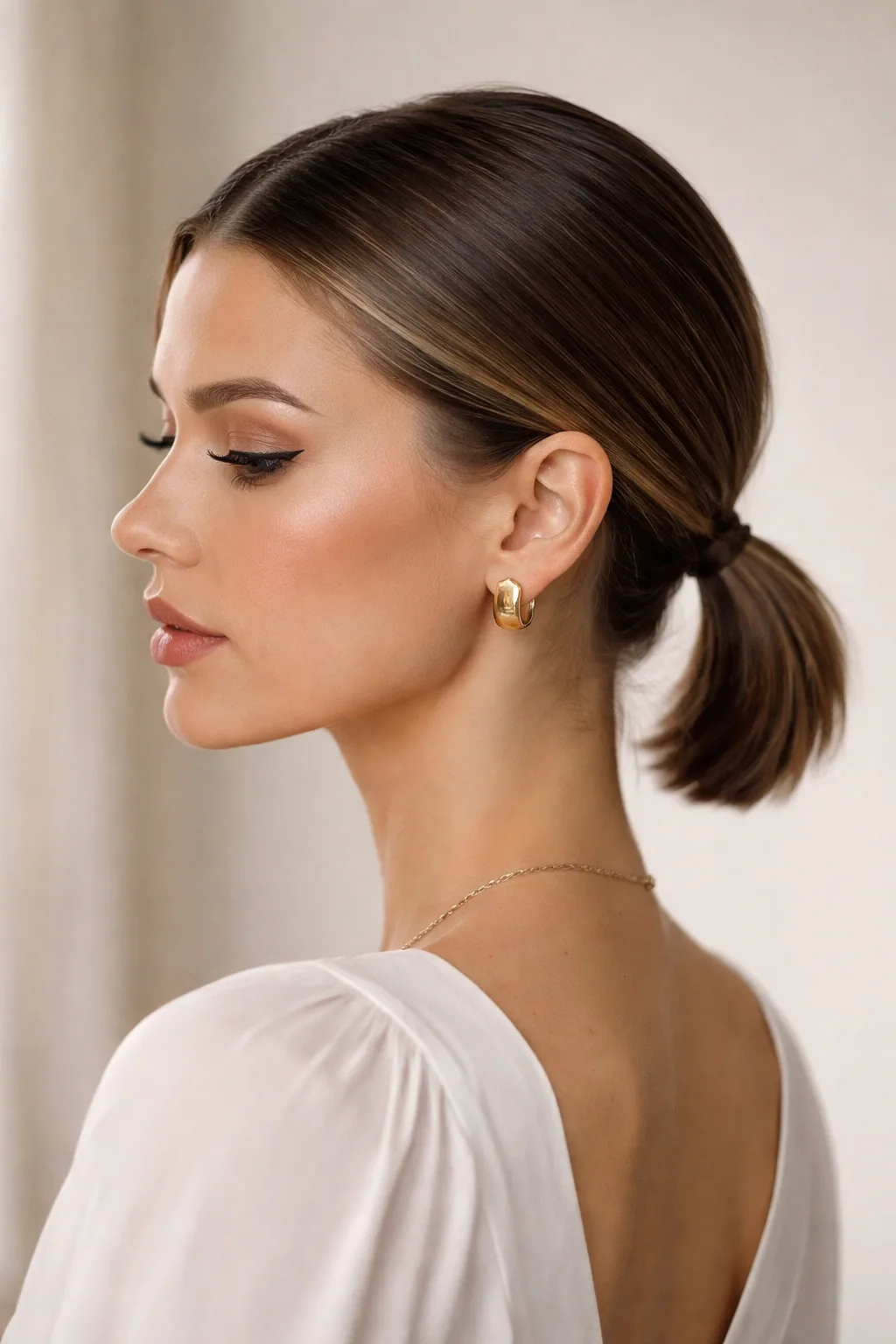
The Sleek Low Chignon
A sleek low chignon is the most polished style on this list — smooth, low and timeless. It is the one to choose if your photoshoot has a slightly more formal feel, or if you simply love a clean, classic look. In black and white photos, a chignon looks absolutely stunning.
Smooth your hair back with a brush and a little serum, gather it low at the nape and twist it into a neat chignon, pinning securely. Keep the parting soft — a middle or soft side part both work — and leave one fine piece loose at each temple so it does not look too severe.
Who should skip it: mums with very fine or shedding postpartum hair, since a sleek finish shows every thin patch. A textured bun is kinder in that case.
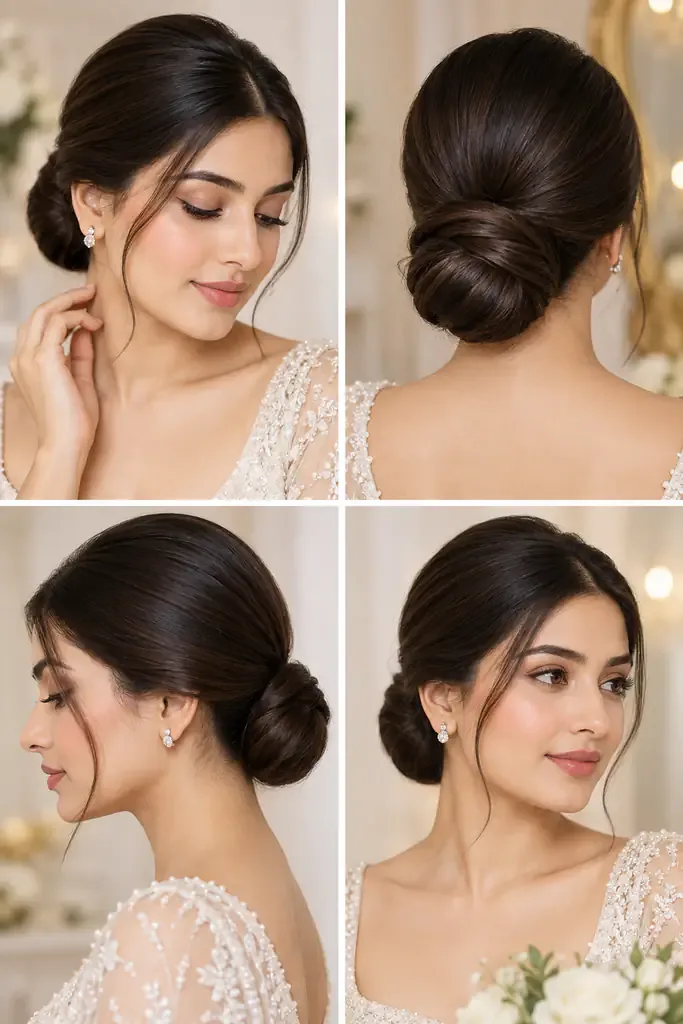
Curtain Bangs with Loose Lengths
Curtain bangs are a gift for new mums: they soften the forehead, disguise wispy postpartum regrowth at the hairline, and frame the face in the most flattering way — all while the rest of your hair hangs loose and soft. They are the easiest way to look styled without actually styling much at all.
Blow-dry the bangs with a round brush, sweeping each side away from the centre parting, and let the lengths fall naturally — a few loose waves are ideal, but straight is lovely too. The bangs do most of the work, so the rest can be simple.
Maintenance: curtain bangs need a trim every four to six weeks to hold their shape, so book one a few days before the shoot rather than the morning of it.
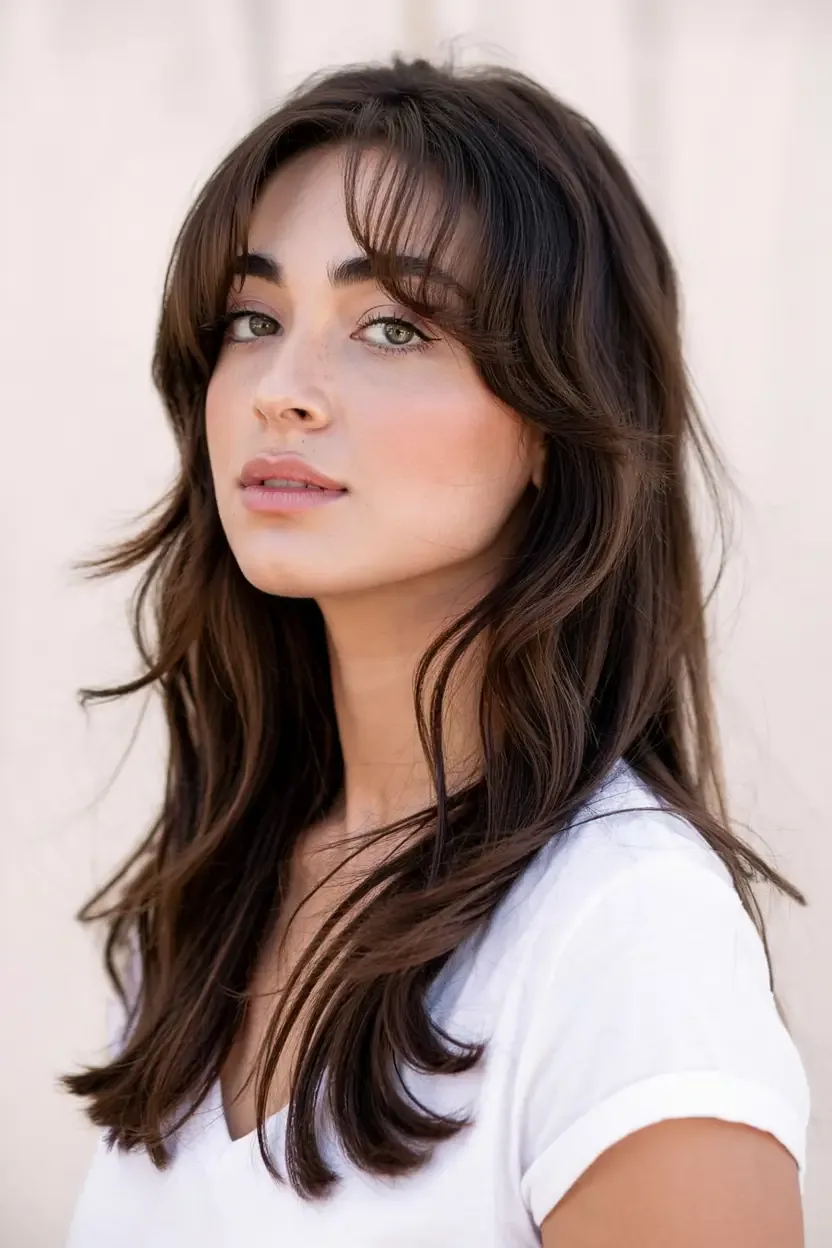
Beachy Textured Waves
Beachy textured waves bring a relaxed, sun-kissed feeling to newborn photos — the opposite of a stiff studio look. They are full of movement and air, they photograph beautifully in natural light, and they are wonderfully forgiving if the shoot runs long and your hair starts to drop.
Spray texturising spray or sea salt spray through damp hair, scrunch, and let it air-dry, or twist large sections around a curling iron and brush them out. The whole point is imperfection: the waves should look like you spent the morning by the sea, not an hour in a salon chair.
Best for: outdoor shoots, summer babies, and mums with naturally wavy hair who want to work with their texture instead of fighting it.
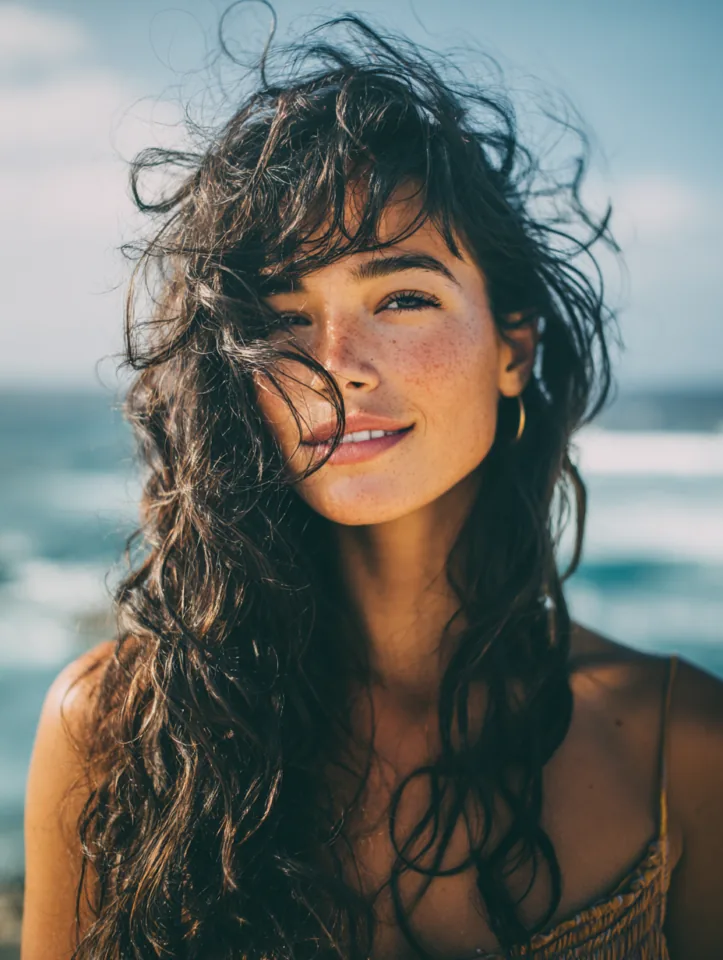
The Messy Top Knot with Face-Framing Pieces
A messy top knot is the most honest new-mum hairstyle there is — and with a few soft pieces pulled out around the face, it becomes genuinely camera-ready. It keeps every strand up and away, it takes about sixty seconds, and in photos it reads as relaxed, real and beautiful.
Gather your hair high, twist it into a loose knot and pin it, then pull out a few pieces around your face and at the nape. The key is the looseness: a knot that is too tight looks severe, while a soft, slightly undone one looks effortless. A little texturising spray gives it grip.
Common mistake: pulling the knot so tight it pulls at your hairline. Postpartum hair is fragile — keep it loose and let the face-framing pieces do the softening.
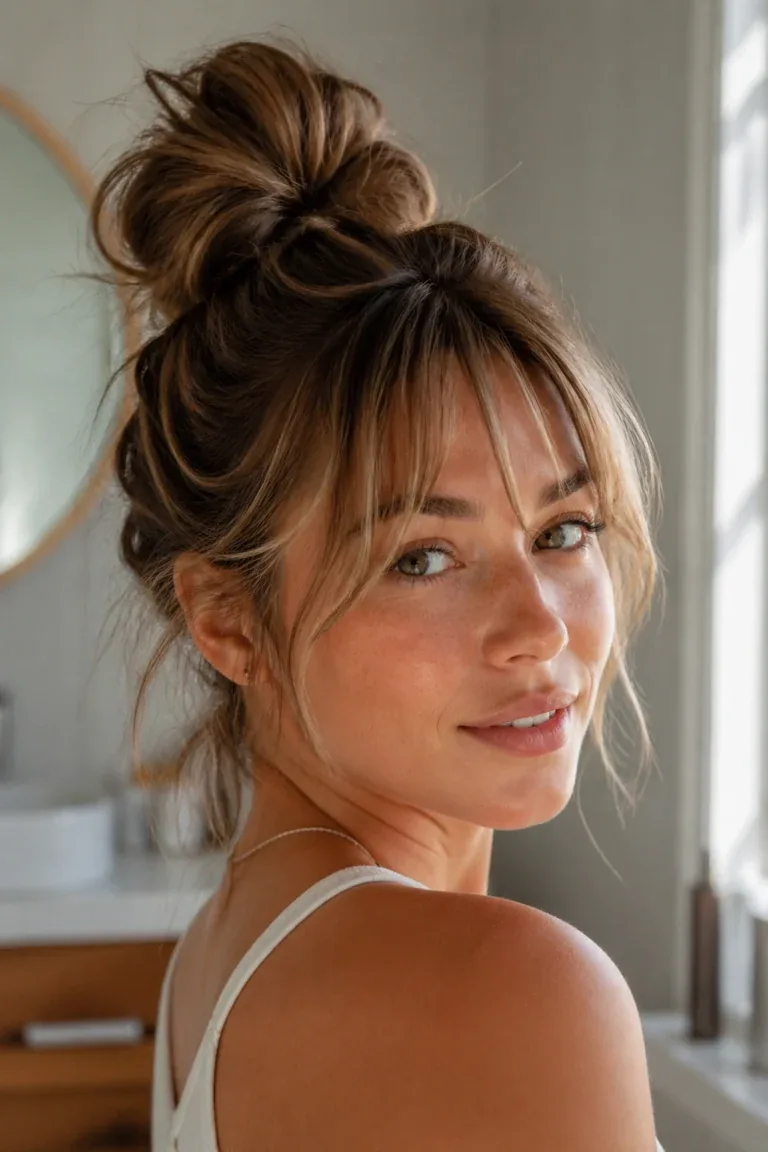
Classic Hollywood Waves
Classic Hollywood waves are the most glamorous style in this guide — deep, glossy, sculpted waves that sweep to one side. They are a wonderful choice if your newborn shoot is also a celebration of you: many mums book a shoot a few weeks after birth as a way of marking the moment, and a little glamour is entirely deserved.
Curl all your hair in the same direction with a large-barrel iron, let each curl cool, then brush through gently to form one continuous wave. A shine spray finishes it. This is the one style on the list that is worth booking a stylist for, since the technique takes practice.
Cost and time: allow forty minutes, or book a blow-dry — the result is worth it for the portraits, but keep a low bun as your backup for the candid, baby-in-arms shots.
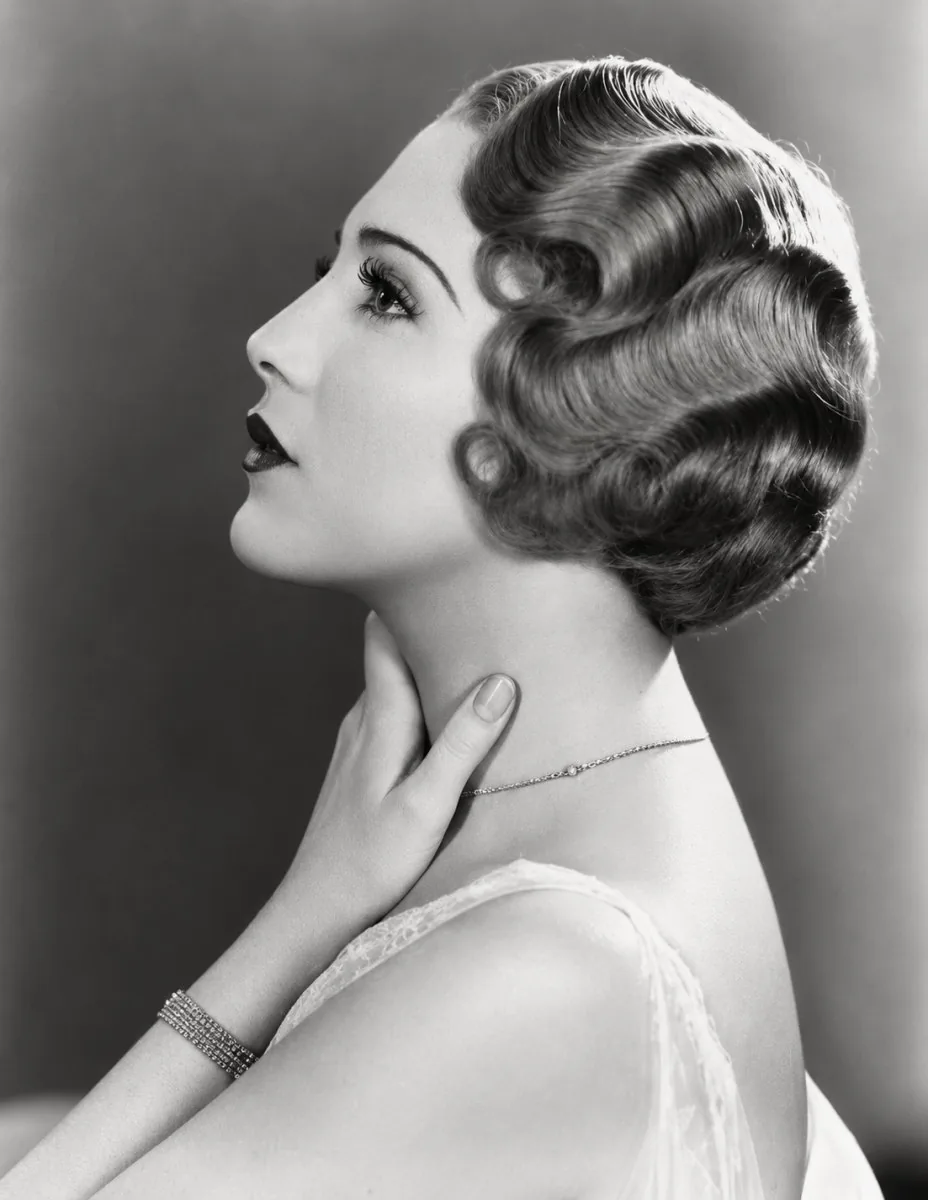
The Soft Milkmaid Braid
A soft milkmaid braid is pure romance: two braids wrapped across the top of the head like a halo, leaving the face completely clear and the whole look soft and storybook. It is one of the most photogenic styles for a newborn shoot, especially in outdoor or garden settings.
Braid two low pigtails, bring each one up and across the top of your head, and pin them in place, tucking the ends underneath. Pull the braids apart gently for fullness and leave a few wisps loose around your face. It needs medium to long hair and about ten minutes.
Who should skip it: mums with very short or very fine hair — the braids need enough length and thickness to wrap across the head without looking sparse.
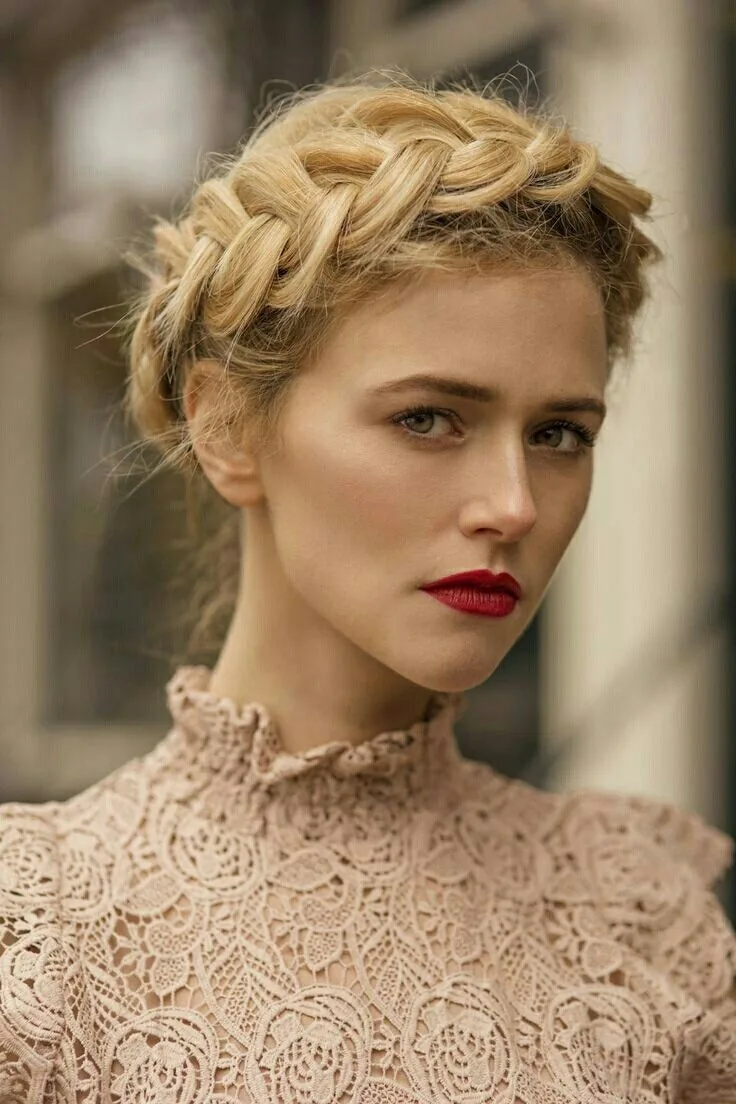
The Shoulder-Length Blowout
A shoulder-length blowout is bouncy, fresh and full of life — the kind of hair that looks like you have just stepped out of a salon, even though it is really just a good blow-dry. At shoulder length it never falls into the baby’s face, it frames your shoulders beautifully, and it moves when you do.
Blow-dry with a round brush, lifting at the roots and curling the ends under or flipping them out, depending on your mood. Let everything cool before you touch it — that is what locks in the bounce. A little volumising mousse at the roots helps it hold through a warm room.
Best for: mums with a lob or shoulder-length cut who want a polished, camera-ready look without an updo.
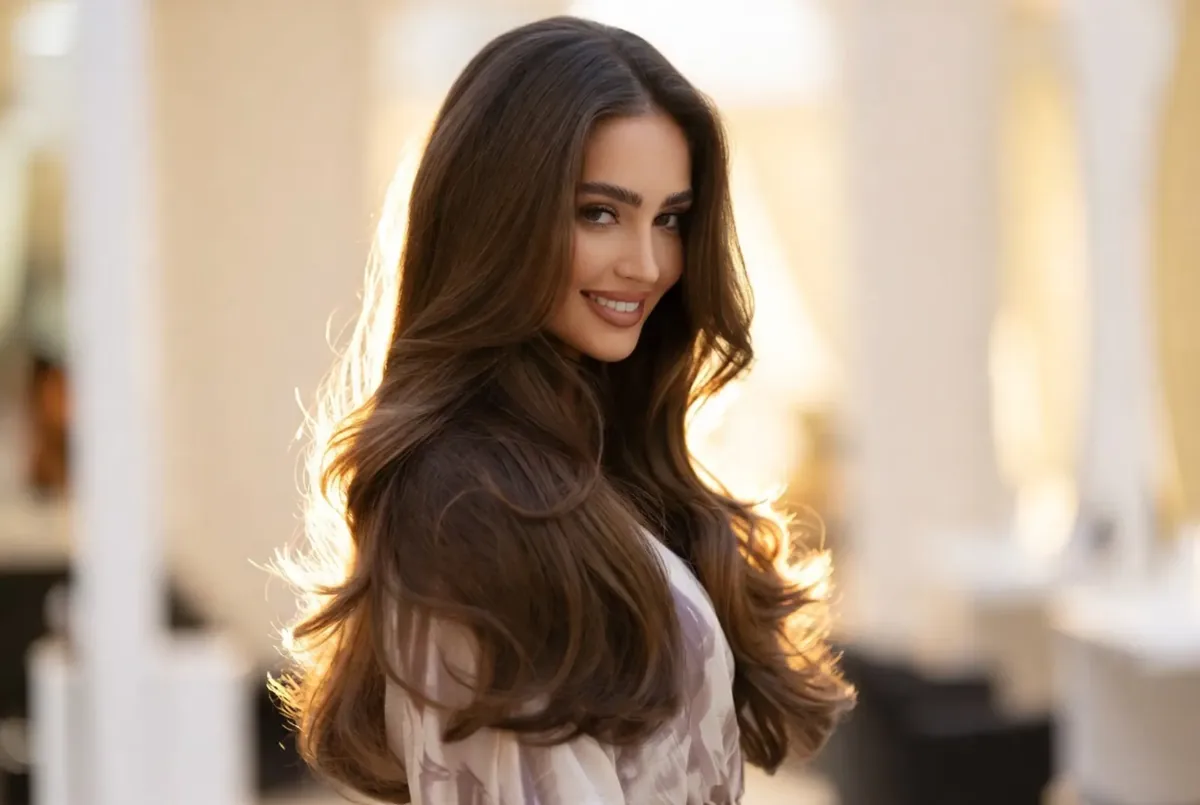
The Braided Low Bun
A braided low bun is a low bun with a little extra detail: a braid woven into the bun or wrapped around its base. It looks far more considered than a plain bun, it holds even better because the braid anchors everything, and it photographs beautifully from every angle — including the back, which matters when the photographer shoots over your shoulder.
Braid a section at the front or the side, gather everything into a low ponytail, then twist into a bun and wrap the braid around the base, pinning as you go. It takes about five minutes once you have practised it once.
Quick verdict: the best of both worlds — the practicality of a bun with the romance of a braid, and one of the most secure styles on this list.
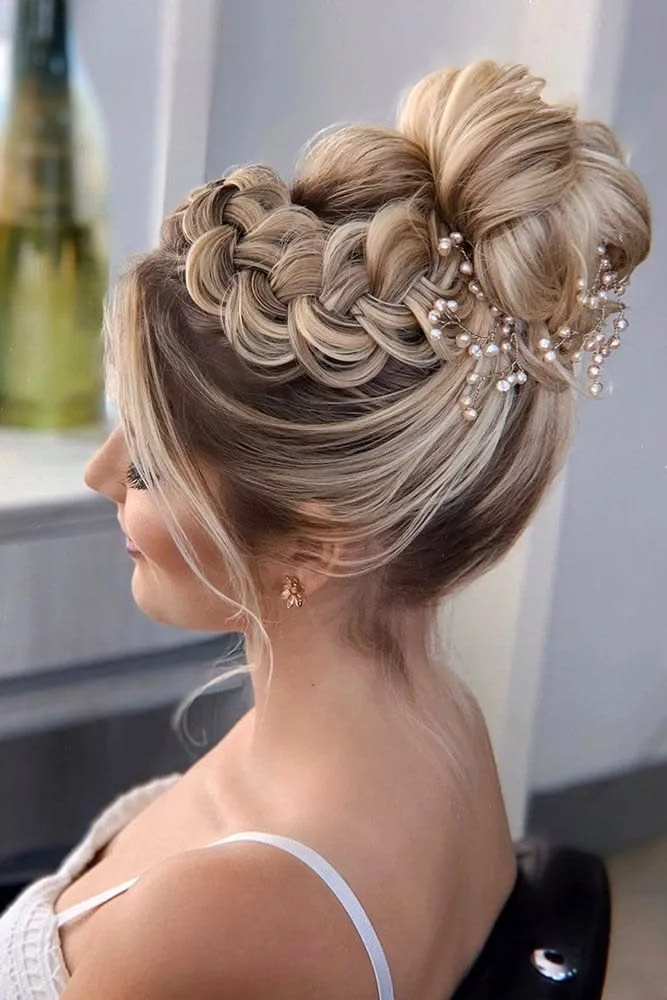
The Loose Fishtail Braid
A loose fishtail braid looks intricate and impressive, but it is really just two sections crossed over each other again and again — and once you know the trick, it takes five minutes. Worn over one shoulder, it keeps your hair in one soft, textured rope that never falls near the baby.
Divide your hair into two sections and cross small pieces from the outside of each section to the inside of the other, working your way down. Then gently pull the braid apart for fullness — the looser, the better. Tie with a soft elastic and tug a few pieces loose at the front.
Best for: long hair, and mums who want a braid that looks special without the fuss of a crown or an updo.

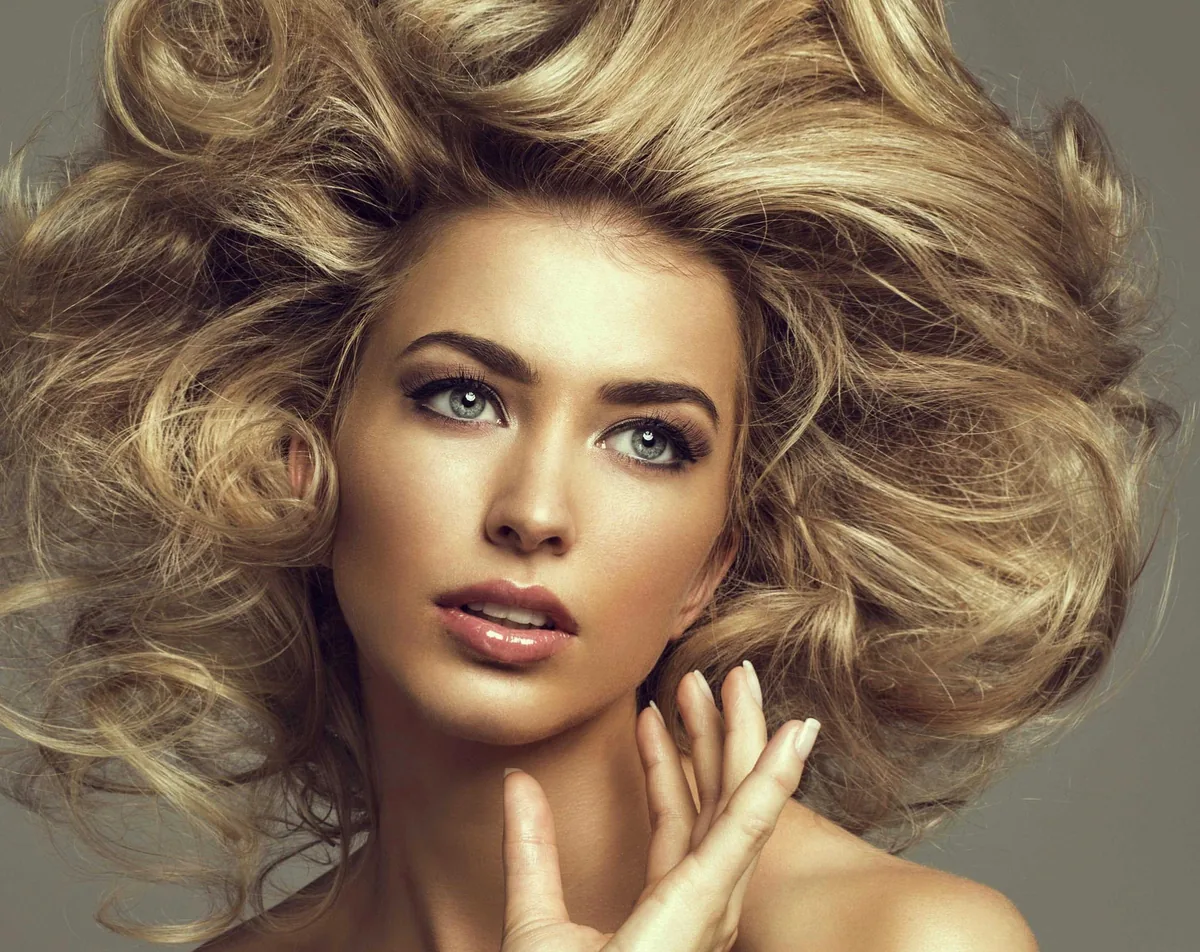
The Voluminous Blow-Dry
A voluminous blow-dry is pure confidence: big, bouncy, glossy hair that fills the frame and makes you feel like yourself again after weeks of survival-mode mum hair. In photos it adds shape and presence, and it is especially flattering in three-quarter and close-up portraits.
Work in sections with a large round brush, lifting at the roots and rolling the ends under. A volumising mousse before drying and a cool shot at the end lock in the lift. Keep the finish soft — this is volume, not a stiff 1980s blowout.
Common mistake: overloading on product. Too much mousse or spray weighs the hair down and kills the volume — a small amount, worked through damp hair, is enough.
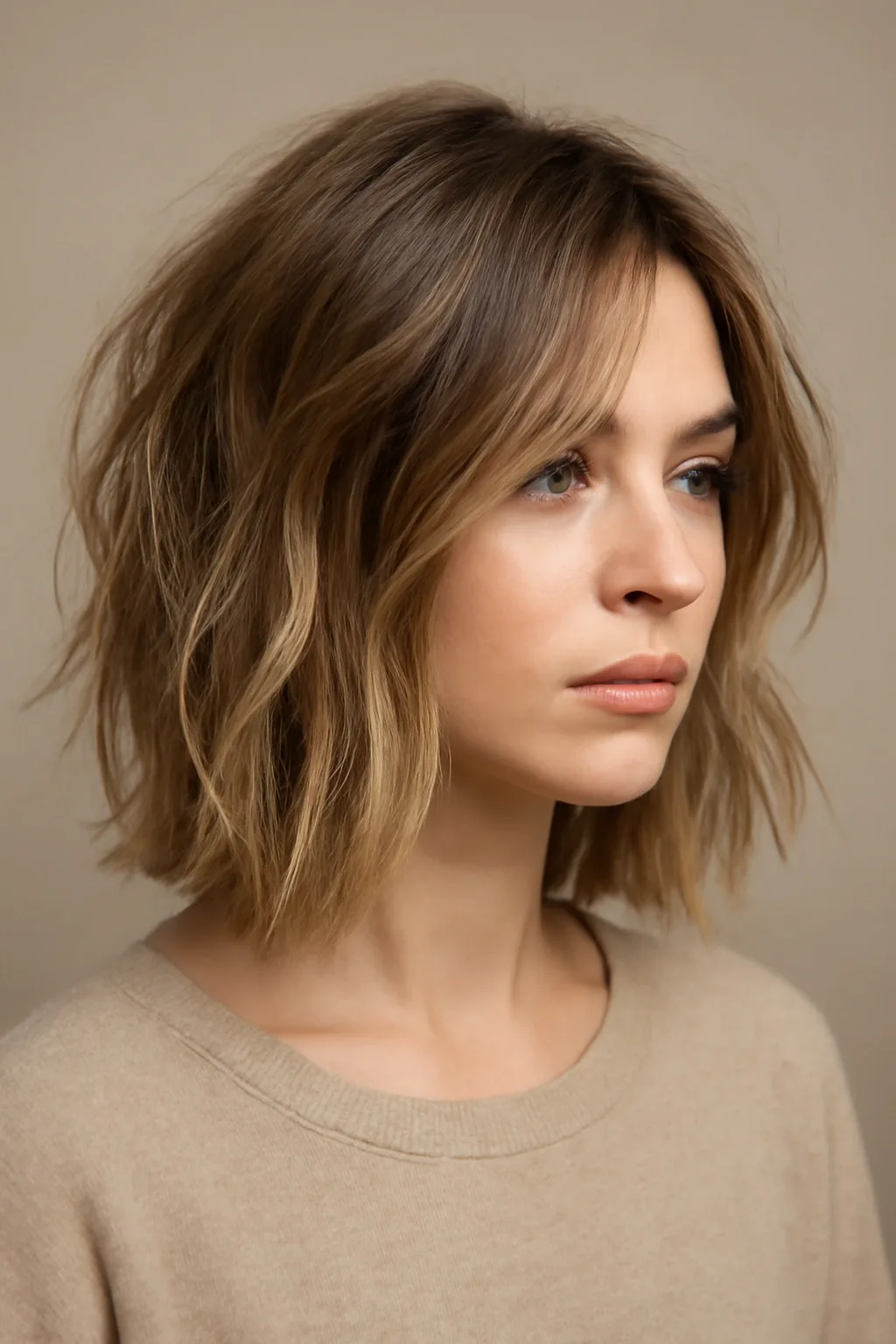
The Soft Wavy Lob
The soft wavy lob — a long bob that sits between chin and collarbone — is one of the most practical lengths for a new mum, and one of the most photogenic. It is short enough that it never falls into the baby’s face, long enough to style a dozen ways, and the waves give it movement that photographs beautifully.
Style it with a few loose waves through the mid-lengths, or simply air-dry with a little texturising spray scrunched through. The lob looks good slightly undone, so do not overwork it — the charm is in the ease.
Best for: mums who cut their hair shorter after giving birth and want a style that looks intentional with almost no effort.
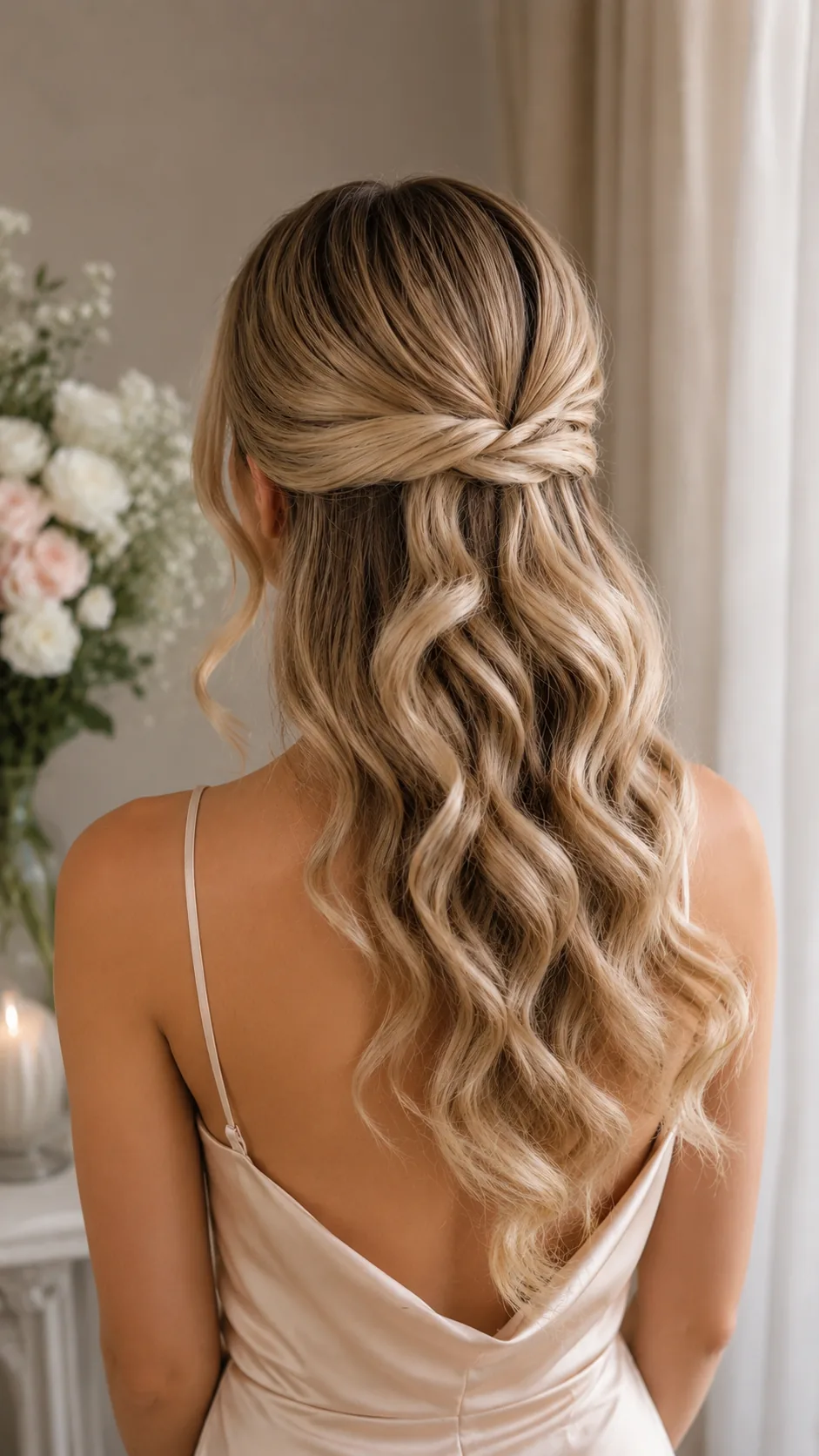
The Twisted Half-Updo
The twisted half-updo is a half-up style with a little more romance: two sections twisted back and joined, sometimes with a small knot or a pin, while the rest of the hair falls soft and loose. It keeps the front clear, shows off your lengths, and takes about three minutes.
Take a section from each side, twist them toward the back and secure them together with pins or a small clear elastic, then soften the twists by pulling them apart slightly. A few loose waves through the lengths complete the look.
Quick verdict: the fastest pretty style on this list — if you only learn one half-up style before the shoot, make it this one.
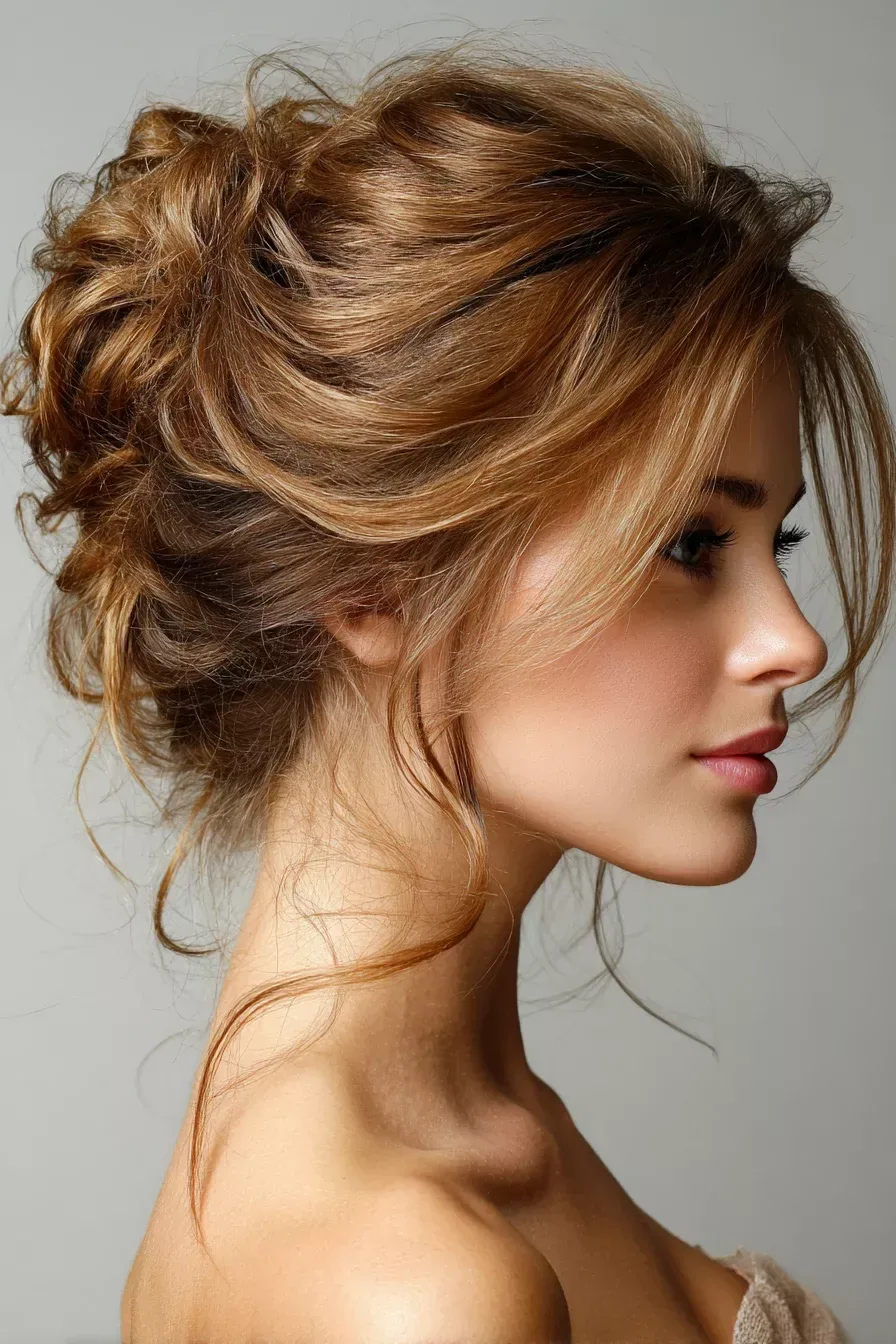
The Romantic Loose Updo
A romantic loose updo is the softest version of an updo: hair swept up and pinned loosely, with texture, movement and pieces falling gently around the face. It is elegant without being formal, and it keeps everything up and out of the way while still looking like you — not like you are attending a wedding.
Gather your hair loosely, twist and pin it up in sections rather than one tight bundle, and pull out pieces around the face and nape. The messier the better, within reason — the goal is soft and romantic, not undone. A few pins and a light spray hold it all day.
Best for: mums who want an updo for the portraits but still want to look relaxed and approachable in the candid shots.
The Soft Side Part with Flowing Lengths
A soft side part with flowing lengths is the simplest elegant style there is: no braids, no pins, no updo — just your hair, parted deeply to one side and falling in soft, flowing lengths. It is timeless, it suits almost everyone, and in photos it creates a beautiful diagonal line that draws the eye to your face.
Part your hair deeply to one side while it is damp, add a little smoothing serum, and let it dry naturally or blow-dry with a round brush for a soft bend at the ends. Tuck the shorter side behind your ear for a clean, modern finish.
Who should skip it: mums whose hair falls forward constantly — without any anchor, a side part can slide into your face while you lean over the baby.
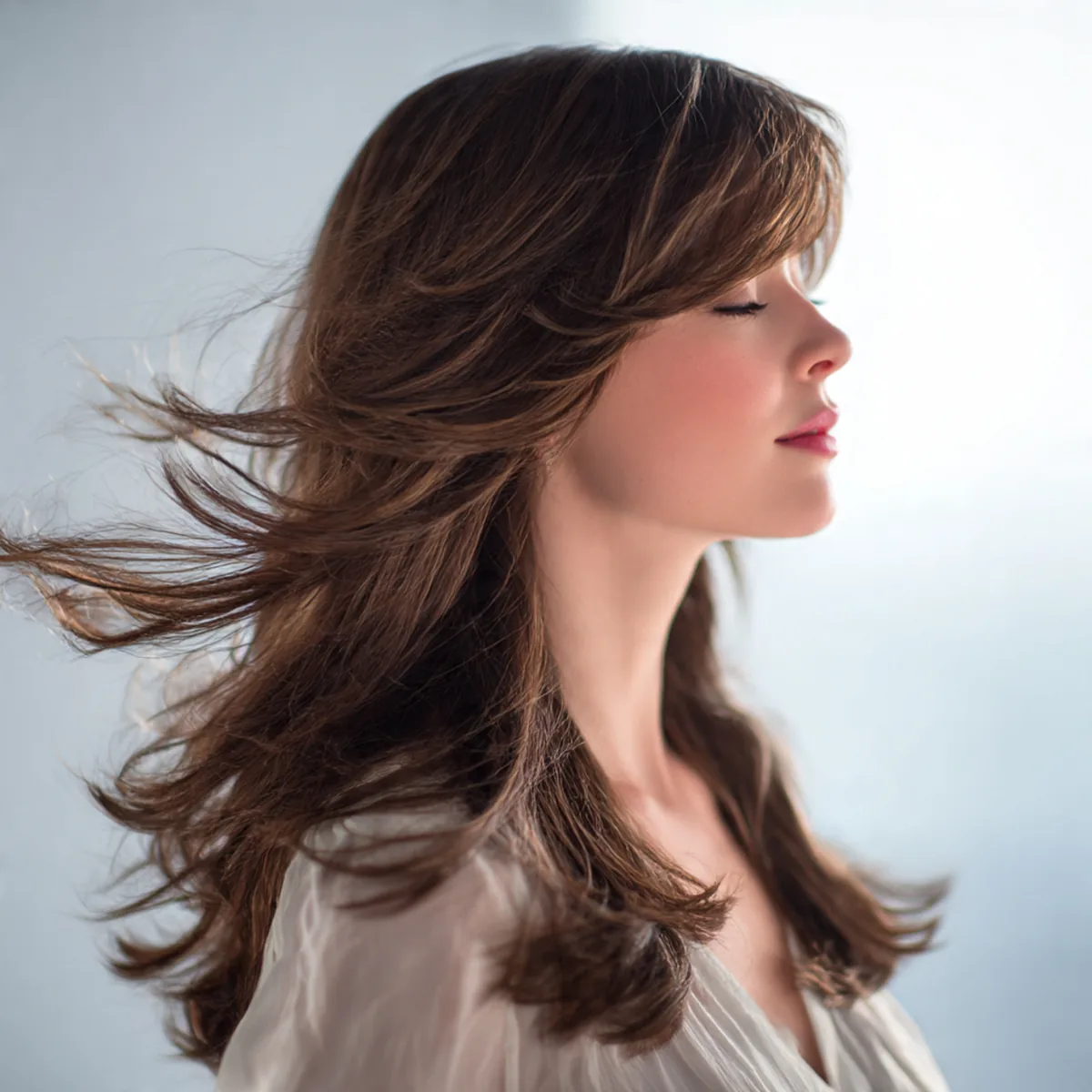
The Low Braided Ponytail
A low braided ponytail combines the practicality of a ponytail with the texture of a braid: your hair is gathered low, then braided down its length, so it stays in one neat, soft rope that never escapes. It is secure, simple and surprisingly pretty in photos.
Gather your hair into a low ponytail, then braid the length loosely and tie the end with a soft elastic or ribbon. Pull the braid apart gently for fullness, and leave a couple of pieces loose around your face. It works beautifully on long hair.
Best for: very long hair that is hard to control any other way — the braid tames it completely while still looking styled.
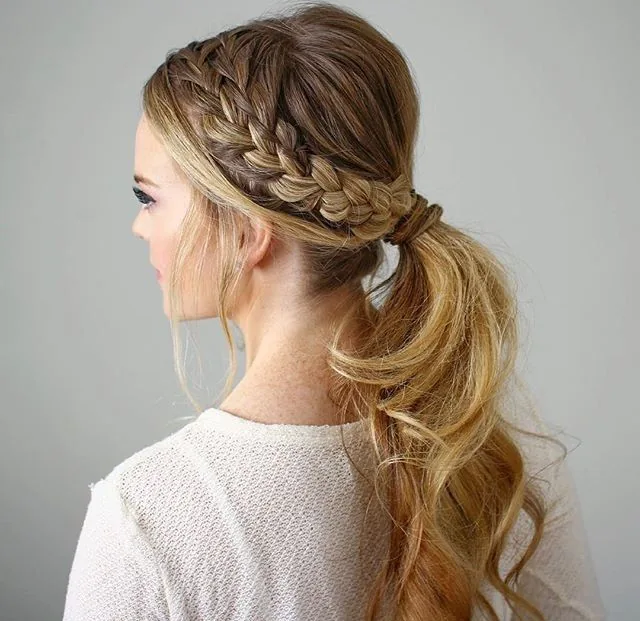
Gentle Finger Waves
Gentle finger waves are a soft nod to vintage glamour — smooth, sculpted S-shaped waves that sit close to the head and frame the face beautifully. Done softly rather than severely, they are one of the most striking styles for a newborn shoot, especially in black and white photography.
Work with damp hair and a little styling gel, shaping the waves with your fingers and a fine comb, then let them set. The key word is gentle: these waves should look soft and touchable, not shellacked. A light-hold spray keeps them in place without stiffness.
Common mistake: using too much gel. Finger waves need just enough product to hold the shape — too much and the hair looks wet and stiff on camera.
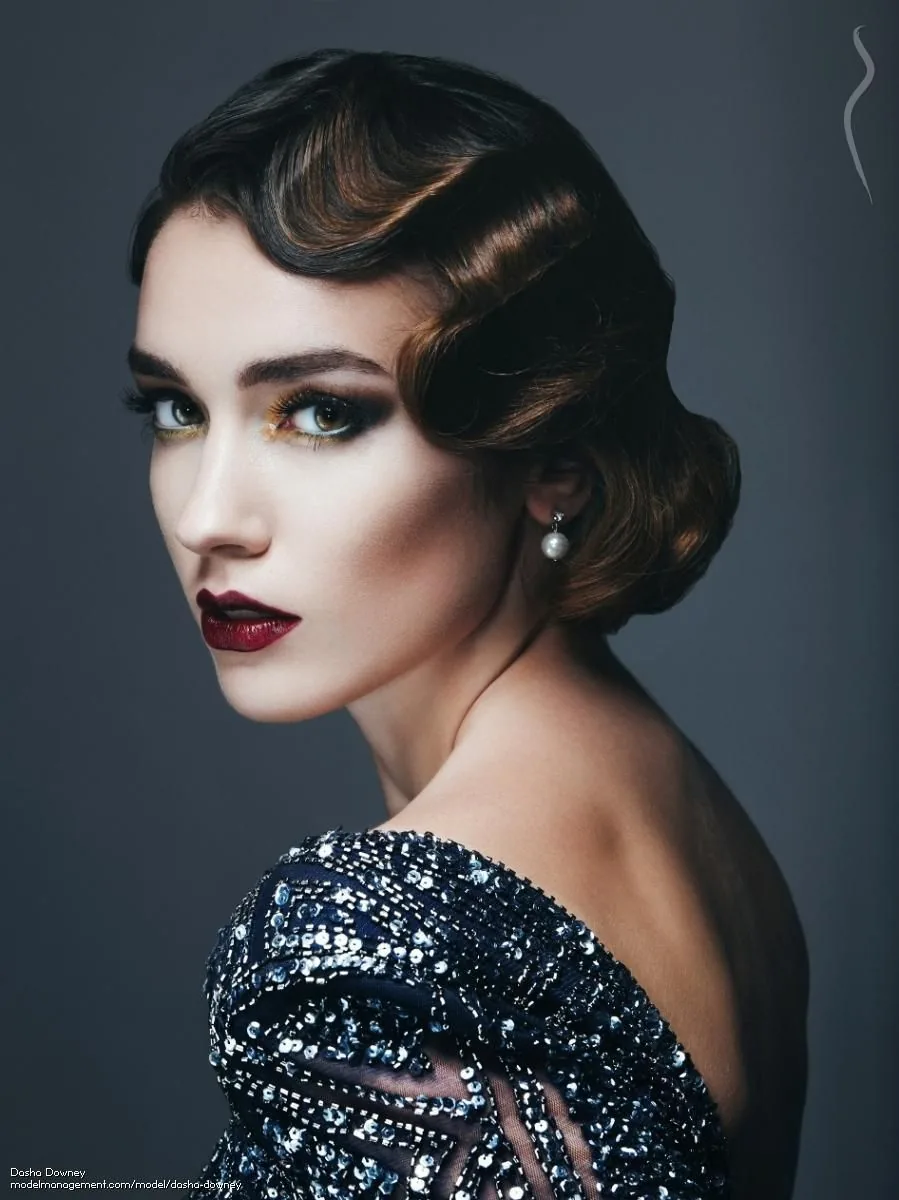
The Textured Messy Bun
The textured messy bun is the low bun’s laid-back sister: same practicality, more texture, more movement and a deliberately undone finish. It is the style for mums who want to look put-together without looking like they tried too hard — which, a few weeks after giving birth, is exactly the right energy.
Add texturising spray to dry hair, gather it low or mid-height, twist loosely and pin, leaving the ends poking out and a few pieces loose around the face. Pull the bun apart gently for texture. It takes two minutes and survives anything.
Quick verdict: the most forgiving style on this list — it actually looks better slightly messy, so a fussy baby cannot ruin it.
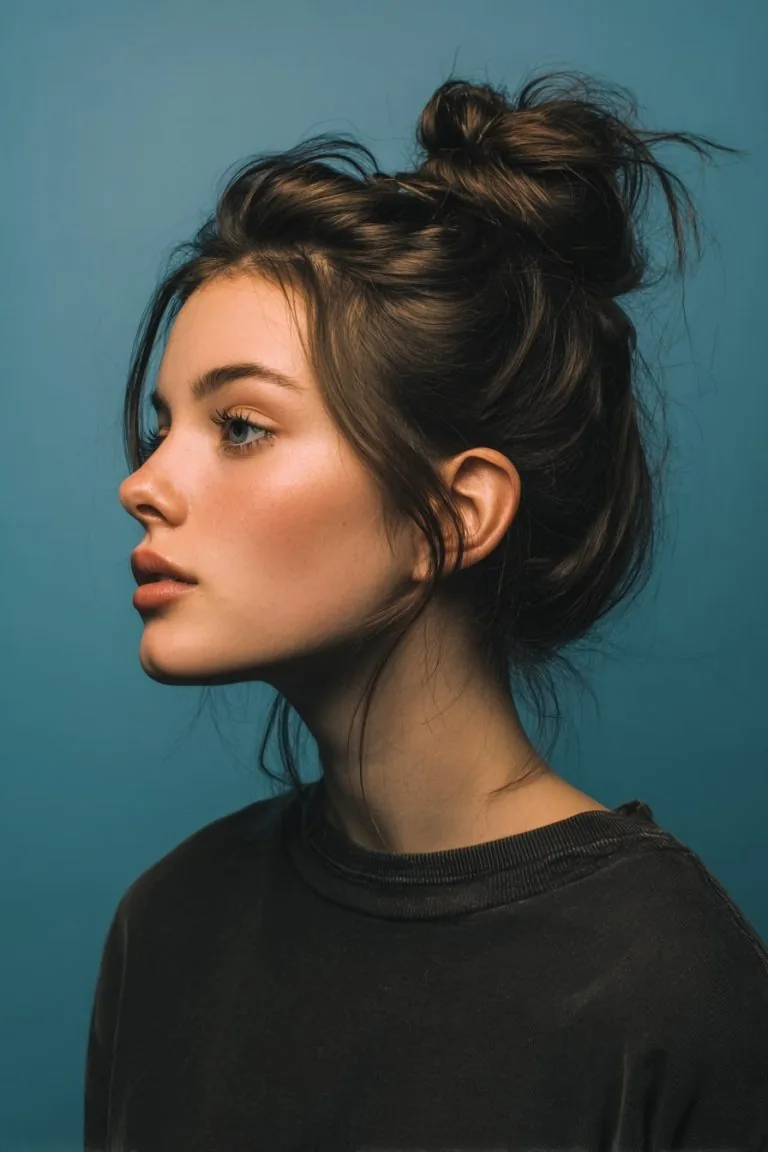
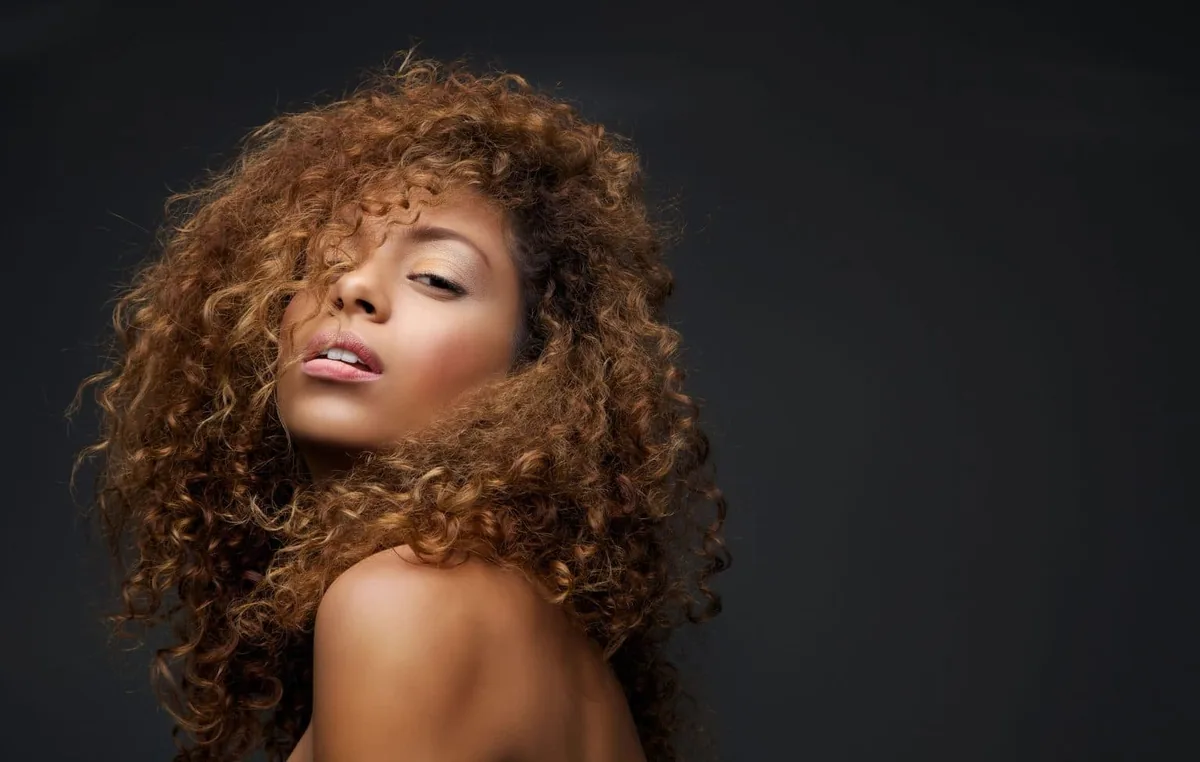
Soft Natural Curls, Left to Shine
If you have natural curls, a newborn photoshoot is the perfect time to let them do what they do best. Defined, soft curls frame your face beautifully, add volume and movement to photos, and need no heat at all — just a good curl cream and a little patience while they dry.
Apply curl cream or leave-in conditioner to damp hair, scrunch gently and let your curls air-dry or diffuse on low heat. Resist the urge to brush them out — brushing turns defined curls into frizz. A tiny bit of oil smoothed over the surface tames flyaways without flattening the shape.
Best for: curly-haired mums who want a style that is completely their own — your natural texture photographs beautifully and needs no disguise.
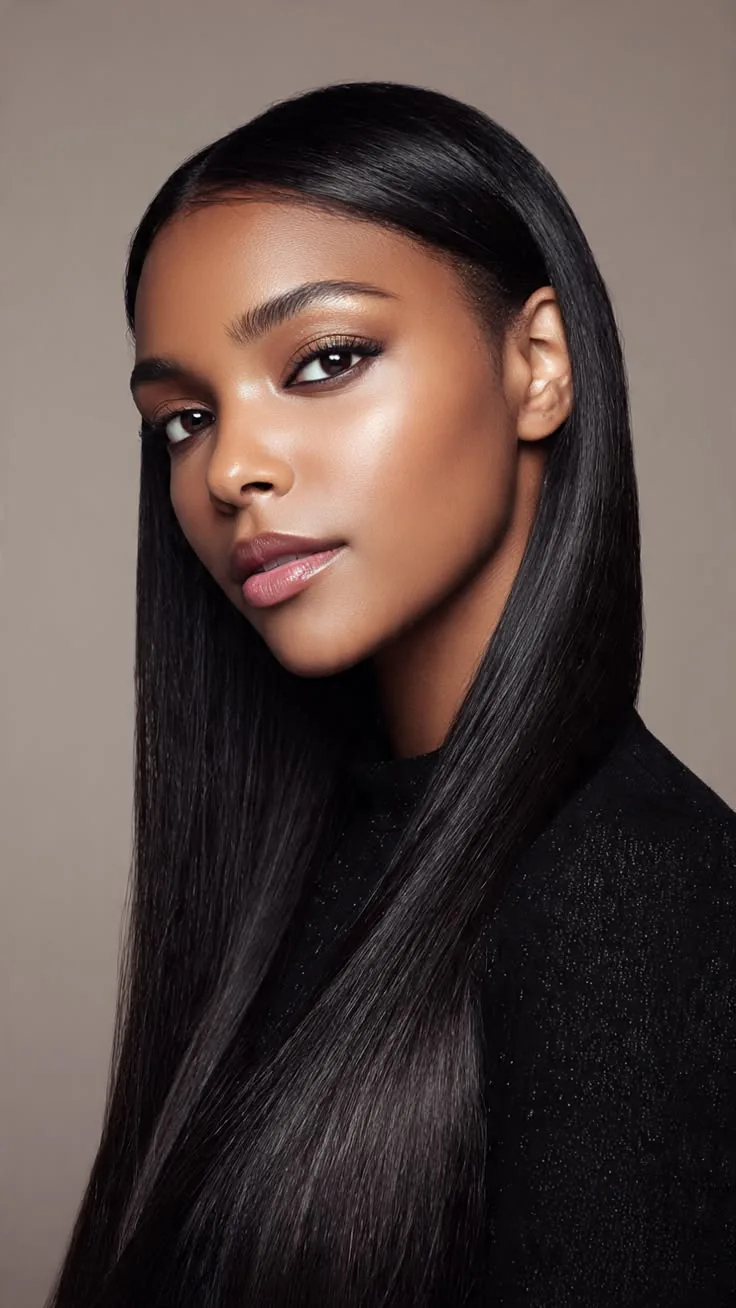
The Sleek Middle Part
A sleek middle part is modern, clean and quietly striking — a sharp centre parting with smooth, straight lengths falling evenly on both sides. It is a strong look in photos because of its symmetry, and it pairs beautifully with a simple, neutral outfit and a sleeping baby in your arms.
Part your hair precisely in the middle, smooth it with a brush and a little serum, and straighten the lengths if needed. The finish should be glossy but not greasy — a pea-sized amount of serum is plenty. Keep the lengths behind your shoulders so they do not fall forward.
Who should skip it: mums with very thin hair at the parting, since a middle part shows the scalp more than a side part does.
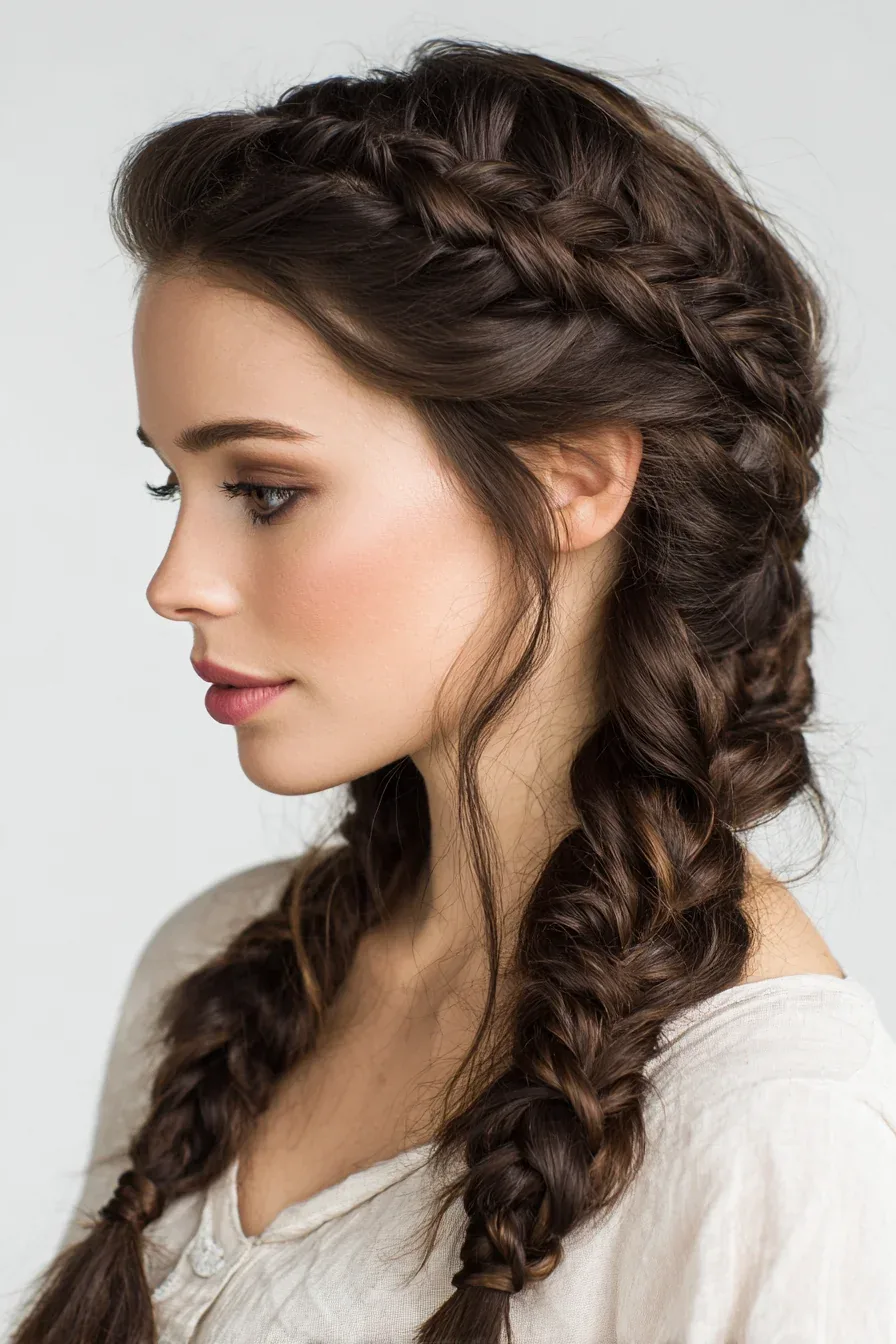
The Loose Dutch Braid
A loose Dutch braid — the inside-out braid that sits on top of the hair rather than inside it — is bold, beautiful and wonderfully secure. Worn down one side or down the back, it keeps your hair completely contained while adding a lovely raised texture that photographs well from every angle.
Braid by crossing sections under rather than over, keeping the braid loose and pulling it apart gently as you go for fullness. It takes a little practice, so try it once the day before the shoot. A ribbon tied at the end softens the whole look.
Best for: mums with thick hair, since a Dutch braid shows off volume beautifully — and for anyone who wants a braid that will not budge all session.
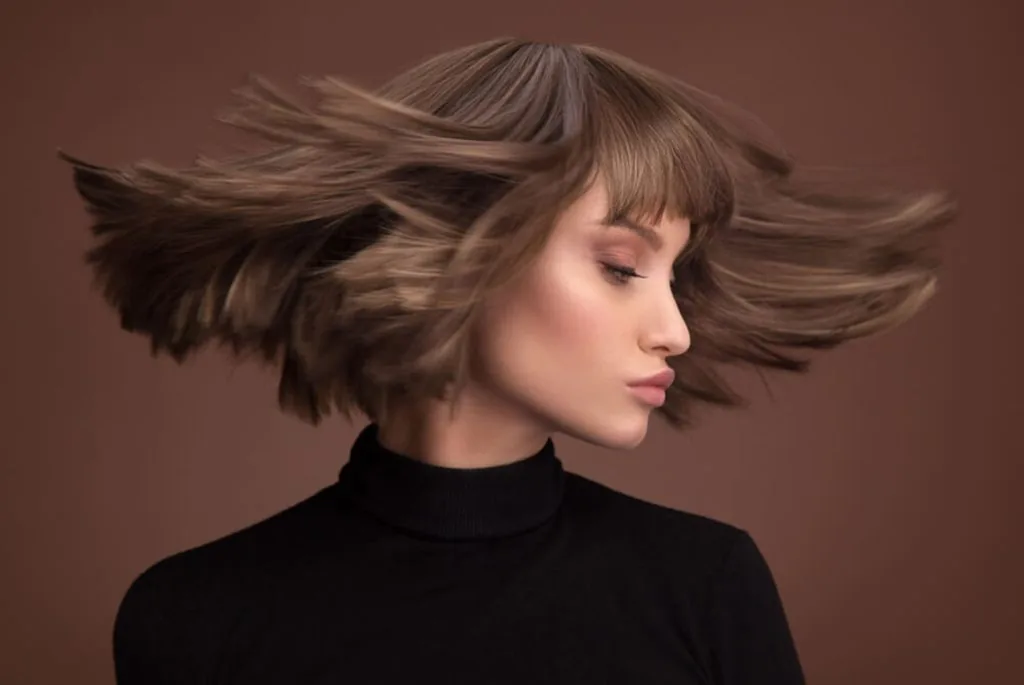
The Soft Bob with Movement
A soft bob with movement is short, chic and completely practical: it never falls into the baby’s face, it dries in minutes, and with a little texture it looks effortlessly stylish in photos. The movement is what makes it — a bob that swings when you move looks alive on camera.
Add a few loose waves with a flat iron or a little texturising spray scrunched through damp hair, and flip the ends out slightly for a modern finish. The bob does most of the work itself; your job is just to keep it soft and touchable.
Common mistake: over-straightening a bob until it looks flat and severe. A bob for a newborn shoot should have bounce and movement, not a razor edge.
The Waterfall Braid Half-Up
A waterfall braid is one of the prettiest half-up styles there is: a braid that runs across the back of your head, dropping strands through it like a waterfall, while the rest of your hair falls loose below. It is romantic, intricate-looking and surprisingly simple once you have tried it twice.
Braid across the back of your head, dropping the bottom strand each time and picking up a new one, so the dropped strands cascade down through your loose hair. Pin the end in place and soften everything with a few loose waves. It works best on medium to long hair.
Best for: mums who want a half-up style that looks special and a little bit magical in photos — it is a real conversation piece.

The Classic Low Twist Bun
The classic low twist bun is the quiet, timeless choice: hair twisted low at the nape into a neat, soft bun. It has been flattering new mothers in photographs for generations, and it still works — because it is simple, secure and endlessly elegant.
Part your hair softly, gather it low, twist it into a bun and pin it, leaving the twist slightly loose so it looks soft rather than severe. A single pearl or gold pin adds a finishing touch without stealing focus from the baby.
Quick verdict: if you want one style that is guaranteed to look right in every single photo, this is it — it never dates and never distracts.
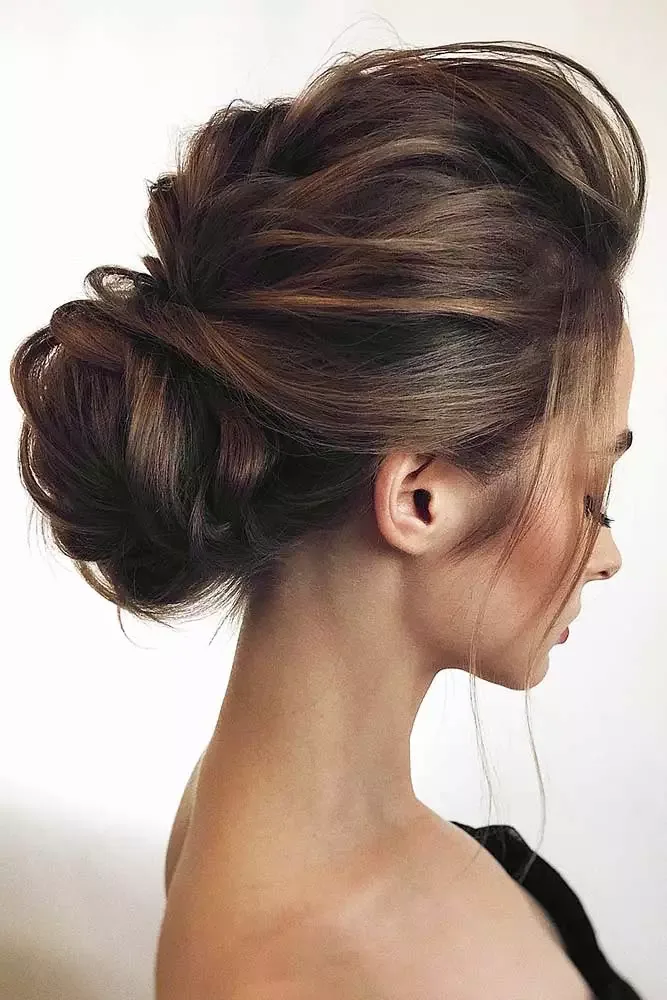
Soft Layers with Face-Framing Highlights
Soft layers with face-framing highlights are less a style and more a glow-up: the layers give your hair movement, and the lighter pieces around your face brighten your whole look on camera. It is a wonderful option if your hair has felt flat and dull since giving birth.
Ask your colourist for a few face-framing highlights a shade or two lighter than your natural colour, and for soft, long layers that move. Style with loose waves to show off the dimension — the highlights catch the light and make your hair look thicker and healthier.
Cost and time: a highlights appointment takes about two hours, so book it at least a week before the shoot to let the colour settle.
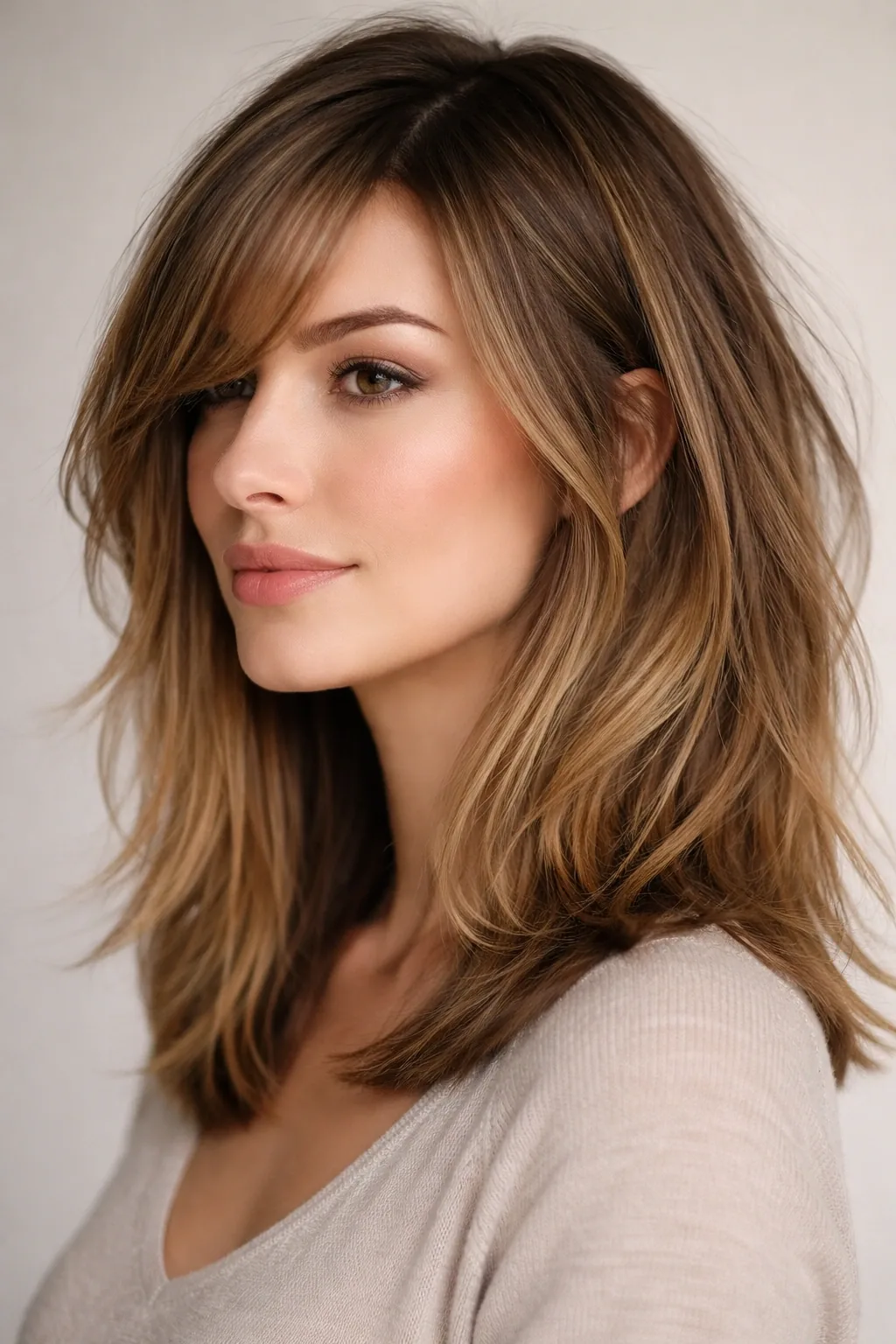
The Loose Boho Braid
A loose boho braid is free, relaxed and a little bit wild — the perfect match for an outdoor newborn shoot in a garden, a field or a sunlit living room. It is soft, textured and full of movement, and it looks like you, on your best and most relaxed day.
Braid your hair loosely down one side or down the back, pulling it apart as you go and leaving plenty of wisps free around your face. Add a small dried flower or a thin ribbon if you like — boho styling welcomes one natural, simple detail.
Best for: outdoor and lifestyle newborn shoots, and mums with long, textured hair who want a style that feels free rather than formal.
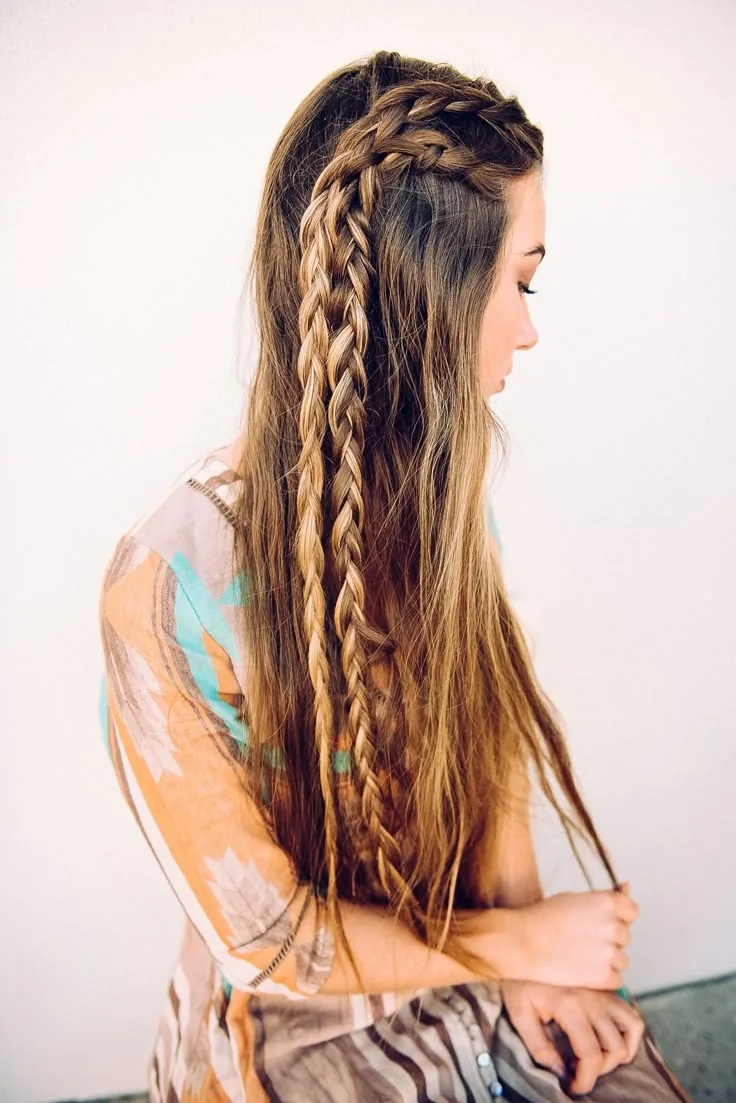
The Elegant Pinned-Back Style
The elegant pinned-back style is the simplest formal look on this list: your hair worn down and soft, with the front sections pinned back at the sides. It keeps everything clear of your face and the baby, it shows off your lengths, and it takes about a minute with two pretty pins.
Take a section from each side, twist or smooth it back and pin it behind your ears or at the back of your head. Choose pins that match your outfit — pearl, gold or tortoiseshell — and keep them small. The hair itself does the rest.
Quick verdict: the best one-minute style for mums who love their hair down but need it out of the way — simple, elegant and completely foolproof.
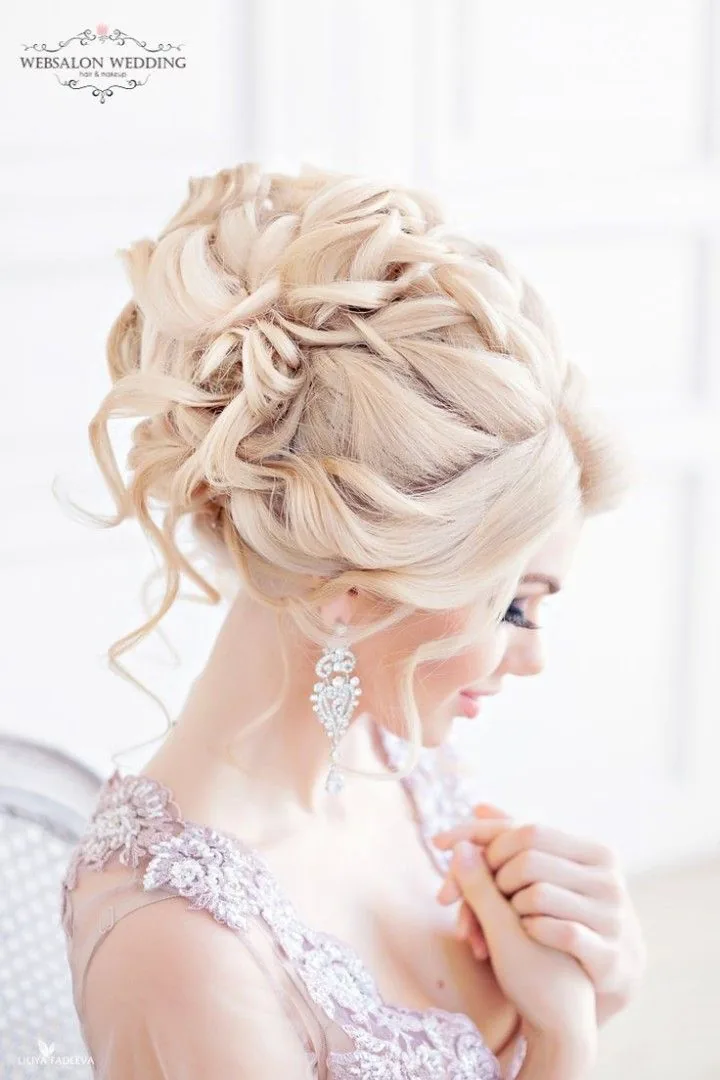
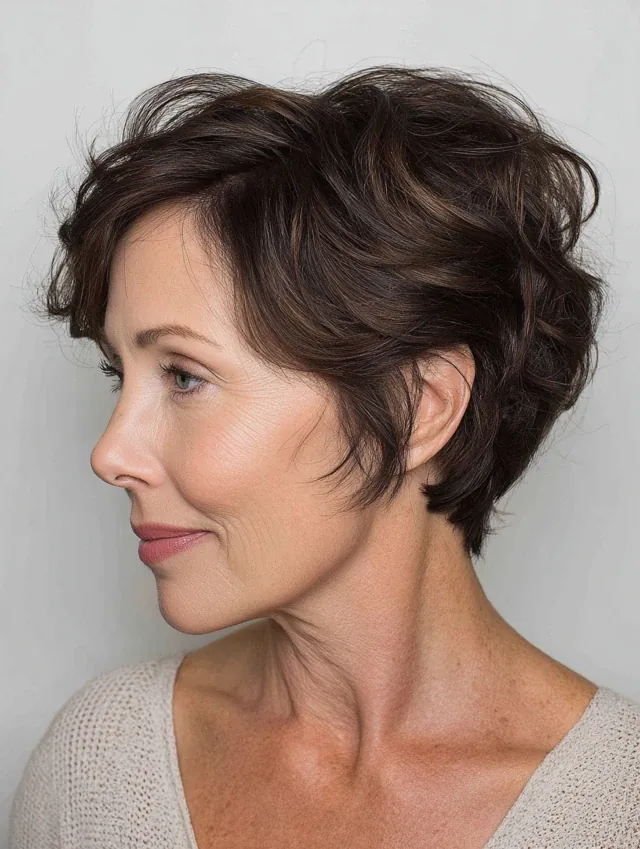
The Soft Wavy Pixie
A soft wavy pixie is short, sweet and full of personality — and it is one of the most practical cuts for a new mum, since it needs almost no styling at all. A little texture on top, soft waves through the front, and you are done in under two minutes.
Work a small amount of texturising paste or cream through damp hair, shape the top with your fingers and let it air-dry. The softness is the key: a pixie with gentle waves looks warm and approachable, not severe.
Best for: mums with short hair who want a style that is quick, modern and completely fuss-free on photoshoot day.
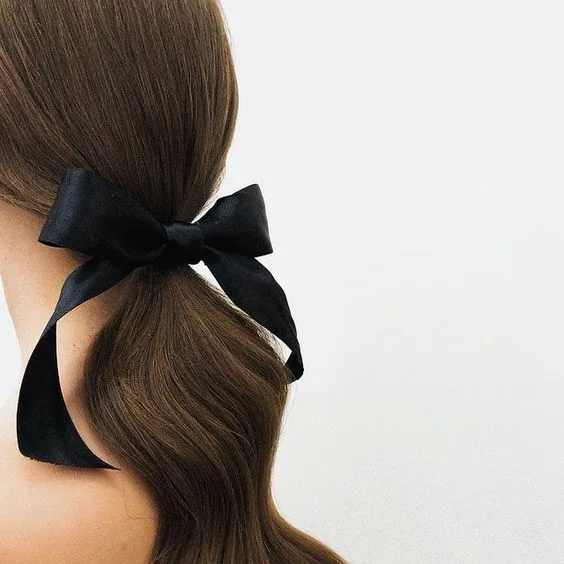
The Ribbon-Tied Low Ponytail
A ribbon-tied low ponytail is a low ponytail with one beautiful detail: a soft ribbon tied at the base. It is the kind of small, thoughtful touch that makes a photo feel styled without any extra effort — and you can match the ribbon to the nursery’s palette or the baby’s wrap.
Make a low, soft ponytail, wrap a strand of hair around the elastic, then tie a ribbon in a loose bow over the top. Cream, sage, blush or soft grey all photograph beautifully. Keep the bow small and neat — it is an accent, not the main event.
Common mistake: choosing a ribbon that is too wide, too bright or too shiny. A narrow, matte ribbon in a soft colour is what photographs well.
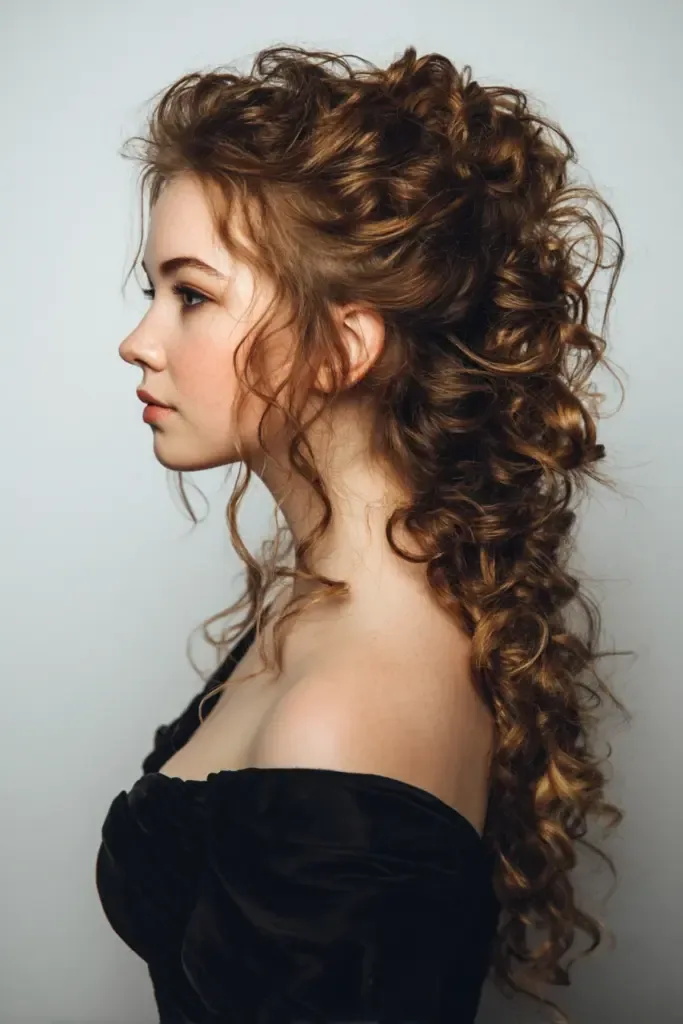
The Soft Curly Half-Up
The soft curly half-up is a half-up style made for curls: the top section gathered back and pinned, while the rest of your curls fall soft and full around your shoulders. It keeps the curls out of your face and the baby’s, while showing off all that beautiful natural volume.
Gather the top section loosely — do not pull it tight, or you will flatten the curls — and pin it at the back of your head. Let the rest of your curls fall naturally, and refresh them with a little curl cream if they need it. A few curls left loose at the front soften the whole look.
Best for: curly-haired mums who want the best of both worlds: curls on show, but the front kept clear while holding the baby.
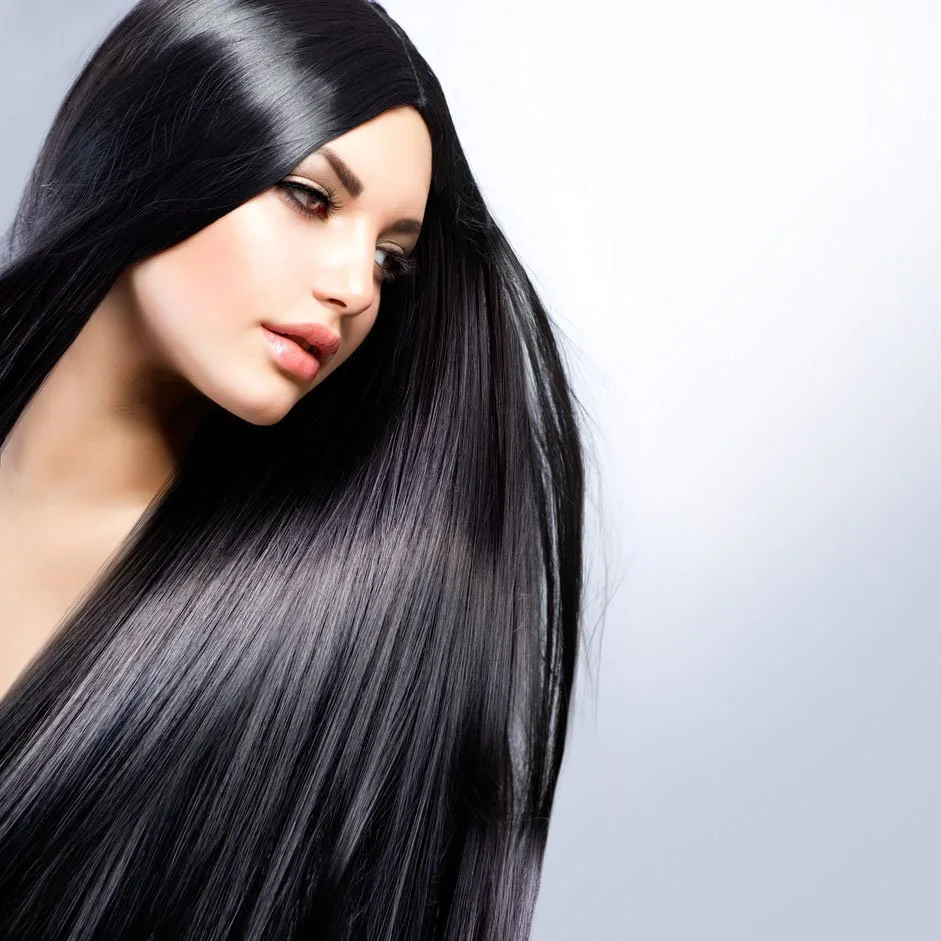
The Timeless Straight and Sleek Look
The timeless straight and sleek look is exactly what it sounds like: long, smooth, glossy hair, parted softly and falling straight. It is simple, classic and quietly beautiful — and in photos, the shine and the clean lines make a lovely contrast with the softness of the baby.
Straighten your hair in sections with a flat iron, using a heat protectant first, and finish with a tiny amount of shine serum on the lengths. Keep the parting soft and the ends tucked behind your shoulders so the hair does not fall forward when you lean over the baby.
Who should skip it: mums whose hair drops or frizzes quickly in humidity — a sleek finish needs a calm, cool room to survive the session.
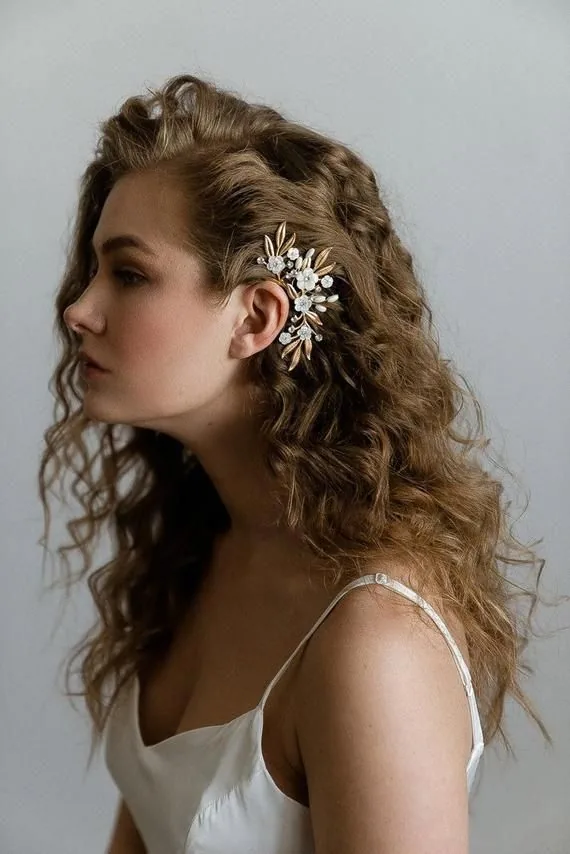
Soft Waves with a Delicate Floral Pin
Soft waves with a delicate floral pin are the sweetest finish on this list: your hair in soft, loose waves, with one small floral pin tucked above one ear. It is romantic without being fussy, and the flower echoes the softness of the whole shoot — the wraps, the knits, the tiny new person in your arms.
Style your waves loosely, then slide a small floral pin — real or silk — into the hair above one ear, securing it with a hidden bobby pin. Keep the flower small and in a soft colour: cream, blush or pale sage. One pin is enough.
Best for: the final portrait of the session, or any mum who wants one gentle, pretty detail that makes the photos feel special.
What hairstyle is best for a newborn photoshoot?
Soft, loose styles work best for a newborn photoshoot — loose waves, a low textured bun, a half-up twist or a soft low ponytail. The ideal style is soft around the face, stays out of the baby’s way while you hold them, and takes under five minutes, because a newborn shoot runs on your baby’s schedule, not yours.
Should I wear my hair up or down for newborn photos?
Either works, but up or half-up is usually more practical. Hair worn fully down can fall into your face and onto the baby when you lean over them, while a low bun, a braid or a half-up style keeps everything clear. If you love wearing your hair down, a pinned-back front or a half-up twist gives you the look with the practicality.
How do I keep my hair out of the baby’s face during the shoot?
Choose a style with an anchor — a low bun, a braid, a half-up twist or a low ponytail — and secure it with two crossed bobby pins at each anchor point. Leave a few soft pieces around your face for softness, but keep the bulk of your hair behind your shoulders or up. Test the style at home by picking up a cushion and leaning forward.
Can I get my hair done professionally before a newborn photoshoot?
Yes, and many mums do — a blow-dry or a soft updo from a stylist can be a lovely treat. Book it for the morning of the shoot or the day before, and tell your stylist it is for a newborn photoshoot so they keep the finish soft and secure. Avoid trying a brand-new cut or colour for the first time right before the shoot.
What if my hair is shedding a lot after giving birth?
Postpartum shedding is completely normal and very common in the months after birth. Choose styles that do not rely on volume at the crown, where thinning shows most — low buns, side parts and soft waves are kinder than high ponytails. Smooth wispy regrowth at the hairline with a little serum or a clean mascara wand brushed with hairspray.
Should I wash my hair on the morning of the photoshoot?
It is usually better to wash your hair the night before. Second-day hair holds a style better, looks softer on camera and is less likely to fall flat during a long session. If your hair gets oily quickly, a little dry shampoo at the roots on the morning works well — just brush it through thoroughly so no white residue shows in photos.
What hair accessories work best for newborn photos?
Keep accessories small, soft and neutral: a cream ribbon, a small gold or pearl pin, a soft scrunchie, or one delicate floral pin. Avoid anything bright, glittery or oversized, since it can dominate a soft, pale newborn photo. One deliberate detail is perfect — two or three together is too much.
How do I style short hair for a newborn photoshoot?
Short hair is wonderfully practical for a newborn shoot. A soft wavy pixie, a textured bob or a sleek short cut all photograph beautifully and need almost no styling. Add a little texturising product for movement, or a small clip or pin for a finishing detail — and enjoy the fact that your hair will never fall into the baby’s face.
Should the baby’s hair be styled too?
Newborns need no hairstyling at all — their soft, fine hair is perfect exactly as it is. Your photographer may gently smooth it with a soft brush or add a tiny headband or bonnet for a few shots, but never use products, gels or heat on a newborn’s hair. The natural look is what makes newborn photos so precious.
How long does a newborn photoshoot usually last?
A newborn photoshoot usually lasts between one and three hours, including time for feeds, nappy changes and settling the baby. The actual photography happens in short bursts between those pauses, so your hairstyle needs to hold for the whole session without attention. Choose something secure and comfortable — you will be glad you did.
Conclusion
The best hairstyles for a newborn photoshoot are not the most elaborate ones — they are the softest, simplest and most practical. Loose waves, a low bun, a half-up twist, a gentle braid: each one keeps the focus where it belongs, on the tiny person in your arms, while making you feel like yourself again on a day you will treasure forever.
Choose the style that fits your hair, your morning and your baby’s mood. Practise it once, pack a few pins, and then forget about your hair completely. The photos will be beautiful — not because your hair was perfect, but because you were holding your brand-new baby, and nothing in the world is more photogenic than that.