From Kick-Off to Full Time: 41 Hairstyles for a Soccer Game That Survive Headers, Rain and 90 Minutes
Soccer asks more of your hair than almost any other sport. You are sprinting for 90 minutes, jumping for headers, sliding into tackles and sweating through rain and mud — and there is no helmet to pin anything down. That is why hairstyles for a soccer game are not a finishing touch. They are part of your kit, just like your shin guards and your boots.
A good soccer hairstyle keeps every strand out of your eyes when you go up for a header, stays locked through a slide tackle, and does not turn into a heavy, muddy weight by the second half. Braids win on the pitch because they spread the weight of your hair and cannot swing into your face. Low buns and braided ponytails come close, while loose hair and high, heavy styles fall apart before half-time.
This guide starts with the thinking — why headers change everything, how rain and mud attack your hair, what to pack for half-time fixes, and how to wash it all out afterwards — and then gives you 41 styles for playing and for watching, for short, medium and long hair and for every texture. Practise your pick once at home, and walk onto the pitch or into the stands knowing your hair is already sorted.
Why Headers Change Everything About Soccer Hair
No other sport asks you to hit the ball with your head, and that single fact decides which hairstyles work on a soccer pitch. A header snaps your head forward, and any hair that hangs loose whips across your face at exactly the moment you need to see the ball. A high bun shifts with the impact, a loose ponytail swings into your eyes, and a claw clip can dig in or fly off.
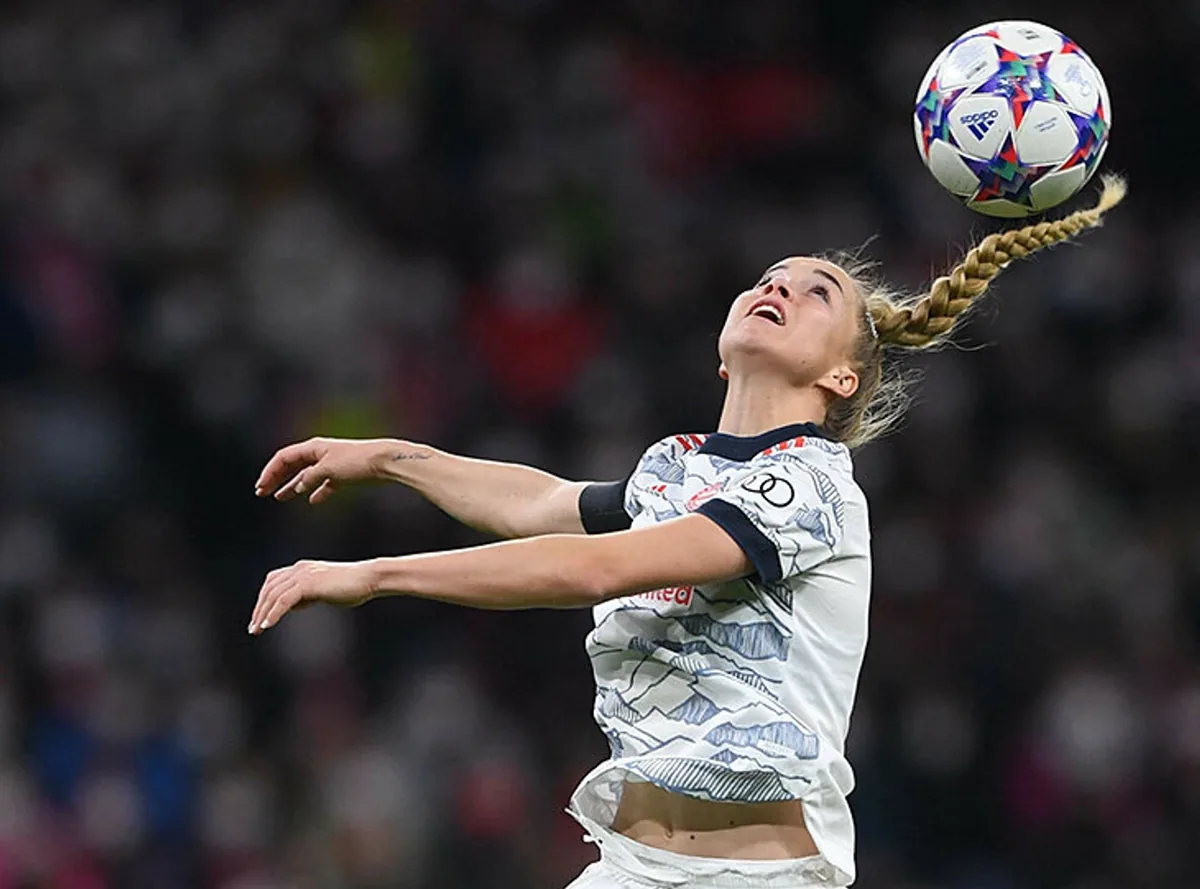
Pros: flat braids and low styles absorb a header without moving, because the hair is anchored close to the scalp at several points. A French or Dutch braid barely notices the impact.
Cons: anything bulky on the crown — a big top knot, a high puff, a piled-up bun — takes the force of the header directly and slides forward, sometimes over your eyes.
Maintenance: before kick-off, jump and nod sharply a few times. If your style shifts, it will shift worse on a real header. Re-pin it now, while you still have both hands free.
Who should avoid it: players who head the ball often should avoid high buns, loose ponytails and claw clips entirely on match day. Save those styles for the stands, where your head stays still.
Playing vs Watching: Picking a Style for the Pitch or the Stands
Playing and watching a soccer game are two completely different hair days, and the best style depends on which one you are doing. On the pitch you need security above all else: braids, low buns, nothing loose, nothing that swings. In the stands you need comfort and weather-proofing instead — a style that survives wind, rain and two hours of sitting, cheering and jumping up for goals.
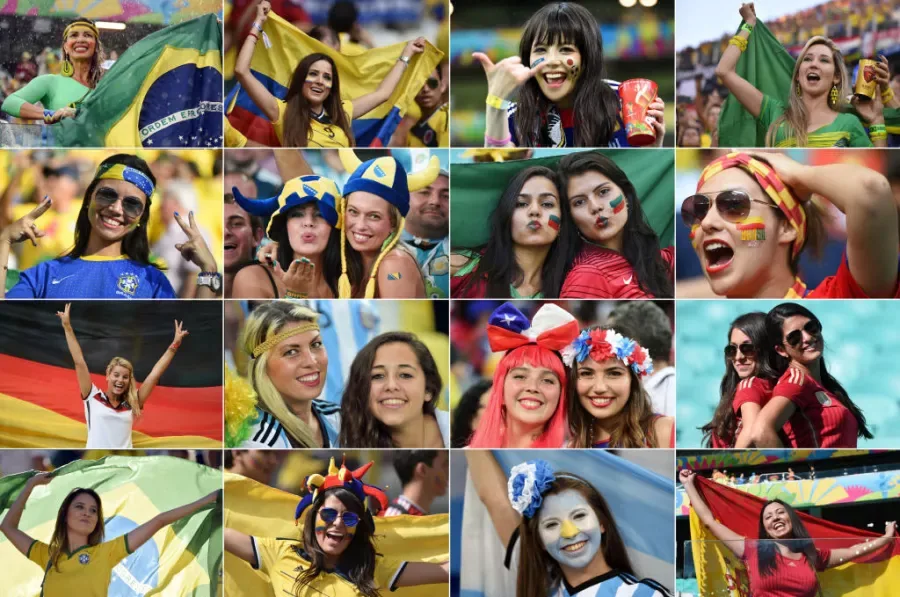
Pros: choosing by role means your hair actually works. A tight braid on the pitch and a relaxed half-up style in the stands both do their job, because each was picked for what it has to survive.
Cons: wearing a stands style on the pitch is the classic match-day mistake. Loose waves, a half-up claw clip and face-framing strands look lovely in the stands and fall apart within ten minutes of a kickabout.
Maintenance: if you are playing in one game and watching another, pack a spare elastic and a headband. You can loosen a braid into a relaxed ponytail for the stands in under a minute.
Who should avoid it: subs and players who might be called on should style for the pitch, not the stands. If there is any chance you will play, braid it.
Rain, Mud and Wind: Weather-Proofing Your Match-Day Hair
Soccer is played in all weather, and a rainy match is the hardest test your hair will ever face. Rain flattens volume, loosens elastics and turns a neat style heavy and dripping. Mud flicks up from slide tackles and boots, and pitch-side wind drives loose strands straight across your face. A style that holds on a dry day can dissolve in a downpour.
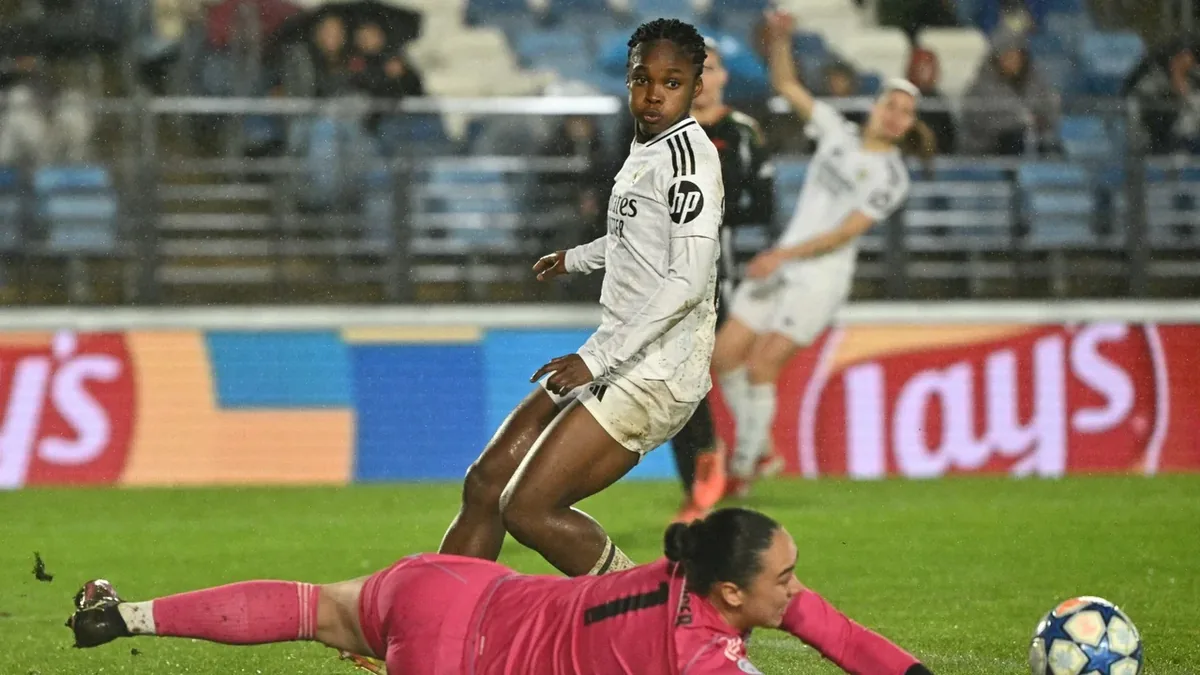
Pros: tight braids, gelled hairlines and waterproof headbands hold up best in the wet. A braid sheds rain instead of soaking it up, and gel keeps the hairline smooth when everything else is dripping.
Cons: loose waves and soft curls absorb water, get heavy and pull loose from their pins. Dry shampoo and light hairspray wash straight out in heavy rain, so do not rely on them.
Maintenance: carry a spare headband and a small towel in your kit bag. At half-time, squeeze the braid gently with the towel, re-smooth the hairline with a little gel, and swap a soaked headband for a dry one.
Who should avoid it: anyone playing in a downpour should avoid high buns, which collect water and get heavy, and loose styles, which turn into a wet curtain. Braid it tight and keep it low.
Sweat-Proof Products That Survive 90 Minutes
Ninety minutes of running produces more sweat than most workouts, and sweat is what loosens a soccer hairstyle. The products that work are the ones that grip damp hair and stay flexible: a strong-hold gel for the hairline, a texturising spray for grip before braiding, and a light hairspray to finish. Heavy oils and thick leave-in creams make hair slippery and heavy, which is the opposite of what you want.
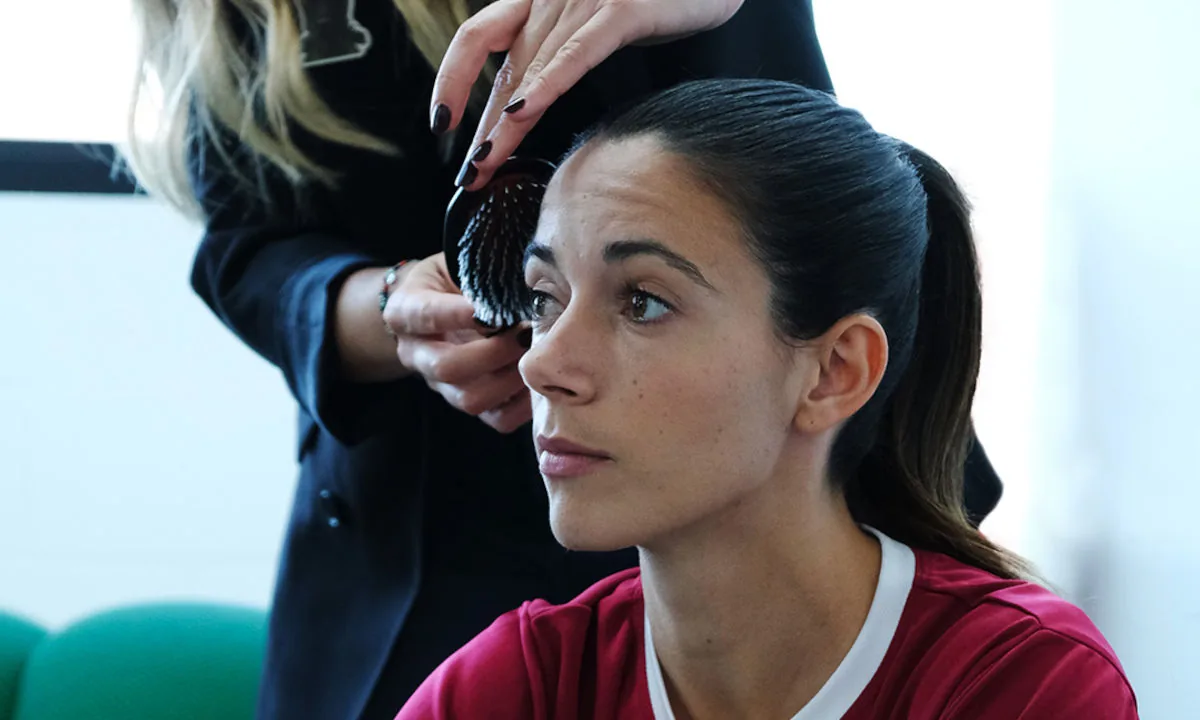
Pros: gel on the hairline stops baby hairs escaping when you sweat, and a spray over the finished braid adds grip without stiffness. Applied to slightly damp hair, both dry into the style.
Cons: too much product backfires. It goes sticky, attracts dust and mud from the pitch, and leaves a residue that needs two washes to remove.
Maintenance: use less than you think — a pea-sized amount of gel and a light mist of spray. If your hair still slips, add another pin or a second elastic before you add more product.
Who should avoid it: players with fine hair should avoid heavy waxes and pomades, which weigh the style down and slide out with sweat. Stick to gel and spray.
Hair by Length: Short, Medium and Long on Match Day
Short, medium and long hair need completely different soccer styles, and the most common match-day mistake is copying a style built for a different length. Short hair needs a headband and pins to control the front layers. Medium hair suits a low bun or a single braid. Long hair needs a braid or a braided ponytail, because a plain ponytail swings, slaps and gets heavy with sweat.

Pros: matching the style to your length makes it feel light and forgettable, which is exactly what you want for 90 minutes. The right style for your length never needs thinking about mid-match.
Cons: forcing long hair into a short-hair style fails fast. A top knot on very long hair becomes heavy, pulls at the roots and slides loose as you sweat, and a single knot cannot distribute that weight.
Maintenance: keep two spare elastics, four bobby pins and a mini brush in your kit bag. Hair behaves differently when it is sweaty, and the style that worked at home may need one extra pin by the second half.
Who should avoid it: players with very short hair should avoid trying to braid what is not there. Gel, a headband and pins will do a better job than a braid that falls out in the first five minutes.
Half-Time Fixes: What to Do in 15 Minutes
Half-time is 15 minutes, and your hair gets about two of them. The best half-time fix is a quick check, not a restyle: tug the base of your braid or bun gently, smooth the hairline with a wet hand, swap a soaked headband for a dry one, and re-pin anything that has shifted. Anything more ambitious eats into water, tactics and rest.
Pros: a two-minute check catches the small slips before they become second-half disasters. A braid that is re-tightened at half-time will hold to full time; one that is ignored will unravel by the 70th minute.
Cons: trying a full restyle at half-time is a trap. Wet, sweaty hair does not braid cleanly, your hands are muddy, and you will run out of time and go back out with a half-finished style.
Maintenance: keep a small pouch in your kit bag: two elastics, four pins, one headband and a travel gel. Keep it in the same pocket every match so you can find it without thinking.
Who should avoid it: players whose style survived the first half untouched should leave it alone. If it is not broken, do not fix it — a needless re-tie usually makes things worse.
Shin Guards, Headbands and Kit: Fitting Hair Around Your Gear
Soccer kit is light — no helmet, no pads — but it still shapes your hairstyle. A headband has to sit under nothing, so it can be wide and grippy. Your shirt collar and any GPS vest sit high on the neck, so low styles must clear them. And your hair must never interfere with your peripheral vision, because a winger arriving late is the last thing you want to miss.
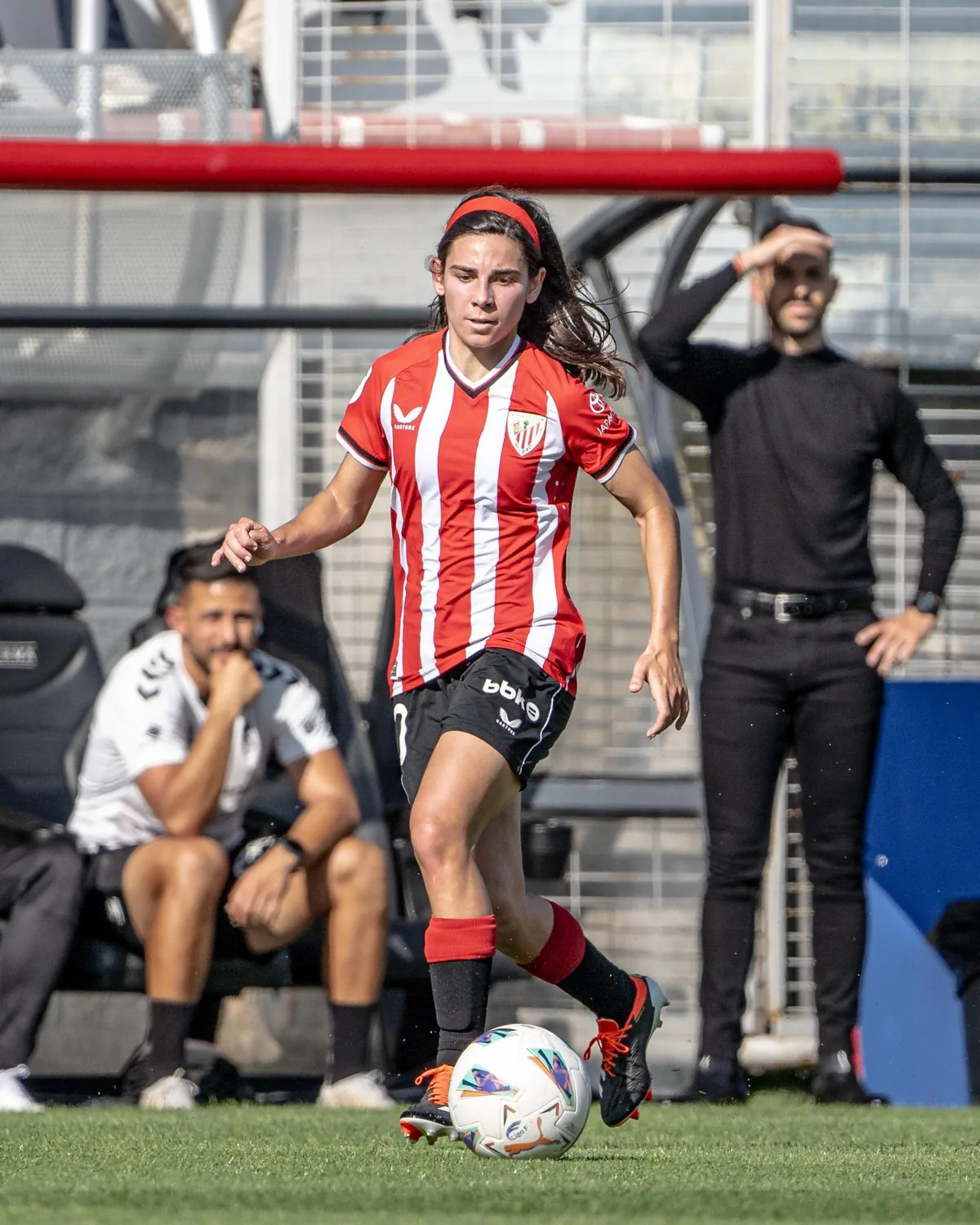
Pros: a wide, non-slip headband is the most useful piece of soccer hair kit there is. It holds the hairline, catches sweat before it reaches your eyes, and works with almost every braid and bun in this guide.
Cons: a narrow, silky headband slides off the moment you sweat, and a metal hairband can dig in during a header. Cheap elastic headbands stretch out after a few washes and become useless.
Maintenance: try your headband on with your full kit before match day, including any vest or collar. A headband that feels fine in the mirror can press uncomfortably once you are running.
Who should avoid it: players who wear a headband under a tight-fitting training top with a high collar should avoid high ponytails, which catch on the collar every time you turn your head. Go low instead.
Post-Match Wash: Getting Mud and Sweat Out
A soccer match leaves your hair soaked in sweat and often splattered with mud, and sweat left to dry in hair causes itching, breakage and a smell no dry shampoo can hide. Rinse your hair the same day, even if you do not do a full wash. Water alone removes most of the salt, and a gentle shampoo handles the mud and the rest.
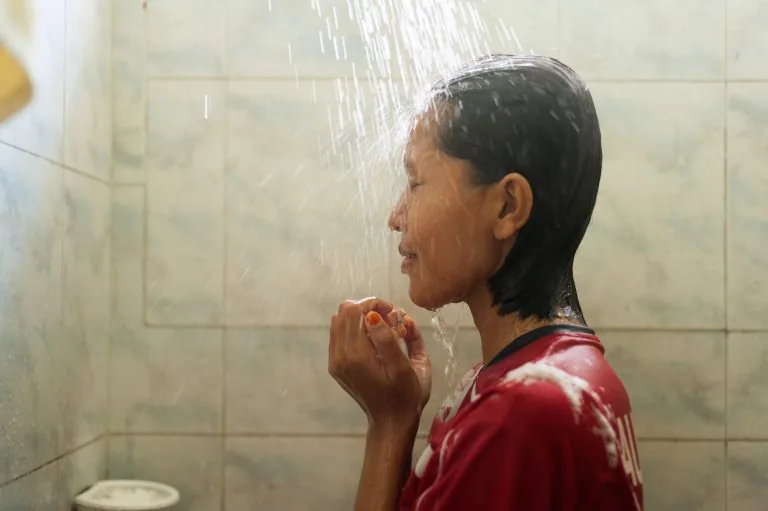
Pros: a proper post-match wash keeps your hair healthy through a whole season of twice-weekly games. Rinse today, wash properly a few times a week, and your hair will survive the fixture list.
Cons: dry shampoo is not a substitute after a match. It absorbs oil, not salt or mud, and layering it over sweat for days clogs the scalp and makes hair brittle.
Maintenance: on heavy training weeks, wash with a gentle, sulphate-free shampoo and always condition the ends. Braid your hair loosely overnight after washing so it dries without tangling, and never tie wet hair tightly — wet hair stretches and snaps far more easily than dry hair.
Who should avoid it: anyone with a sensitive or itchy scalp should avoid leaving a muddy, sweaty braid in overnight. Get the salt and mud out the same evening, however tired you are.
High Braided Ponytail
A high braided ponytail is the classic soccer style for a reason: the ponytail lifts the hair off your neck, and the braid stops it swinging into your face when you sprint or jump for a header. Gather the hair high on the crown, secure it firmly, then braid the tail to the ends and finish with a second elastic.
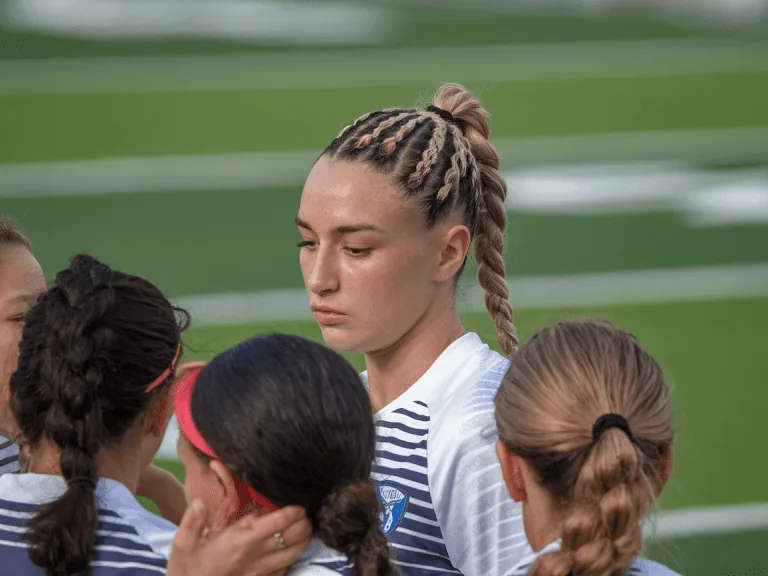
Pros: keeps hair off the neck on hot days, survives headers and slide tackles, and is quick to do before kick-off.
Cons: the tail can still thump against your shoulders on long sprints, and a loose braid unravels by the second half.
Maintenance: spray the braid lightly before kick-off and give the end elastic one gentle tug at half-time — it is the first thing to slip.
Who should avoid it: players with very heavy, thick hair may find the high ponytail pulls at the roots over 90 minutes; a double braid or low bun spreads the weight better.
Double Dutch Footballer Braids
Double Dutch braids are the signature footballer look, worn by professionals for a reason. Two braids, one on each side, sit flat against the head, keep every strand contained, and barely move through headers, tackles and 90 minutes of running. Part the hair down the middle and braid each side from the hairline to the nape.
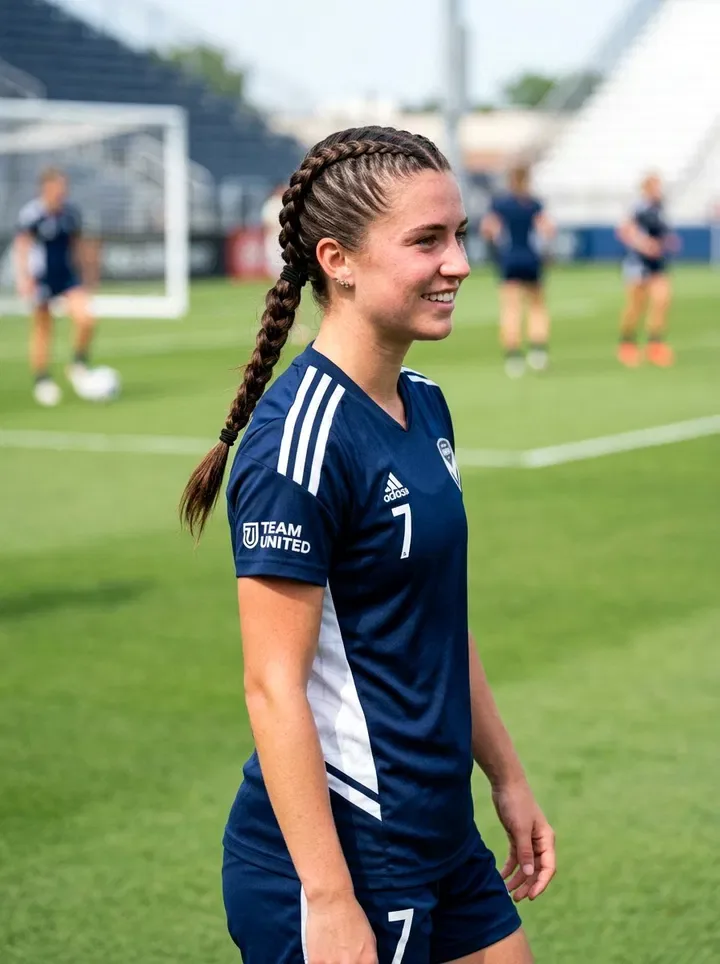
Pros: the most secure style on the pitch, survives rain and sweat, and looks sharp in team photos.
Cons: takes longer than a ponytail, and a wonky centre part makes the whole style look uneven.
Maintenance: wash the braids out after the match — salt dries into them and makes the hair rough if you leave them in overnight.
Who should avoid it: players with very short layers at the front may find pieces escape from the braids; gel the hairline first or choose a low bun instead.
Low Sleek Bun
A low sleek bun sits at the nape of the neck, clear of headers, shirt collars and GPS vests. Brush the hair smooth, gather it low, twist it into a bun and pin it in at least four places. It is neat, quiet and completely forgettable once you start moving — which is the highest praise a soccer style can get.
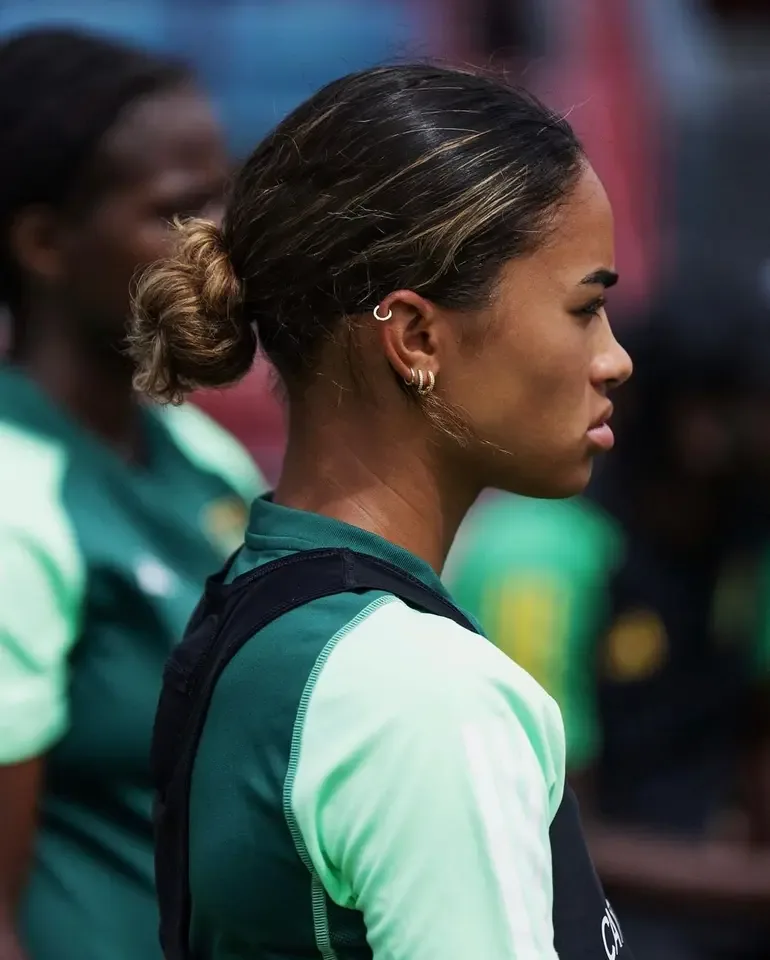
Pros: sits flat for headers, stays out of the way of your collar, and looks tidy from kick-off to full time.
Cons: needs several pins to survive 90 minutes, and a bun pinned with only one or two pins droops as you sweat.
Maintenance: a bun that starts to sag can usually be saved with two extra pins at half-time, so keep them in your kit bag, not your locker.
Who should avoid it: players with very thick, heavy hair may find a single low bun pulls and sags; split the weight into two low buns or a braided bun instead.
Tight French Braid
A single French braid is the simplest sweat-proof soccer style there is. It pulls the hair flat against the head, keeps the front layers under control and spreads the weight evenly, so nothing pulls or slips as you run. Start at the hairline, add hair as you go, and braid right down to the nape before finishing the tail.

Pros: takes about ninety seconds, needs almost no upkeep during the match, and fits under any headband.
Cons: starting the braid too far back leaves the front layers free to fall into your eyes when you head the ball.
Maintenance: if a few baby hairs escape at the hairline, smooth them with a little gel at half-time rather than re-braiding the whole thing.
Who should avoid it: players whose hair is layered very short at the front may find pieces slip out of a single braid; a double braid grips short layers better.
Fishtail Braid
A fishtail braid weaves the hair into a tight, flat plait that barely moves once it is finished, which makes it a strong choice for a full match. It suits medium to long hair and looks more polished than a regular braid, so it works just as well for the team photo after the game. Take two sections, cross small pieces over alternately, and keep the tension even all the way down.
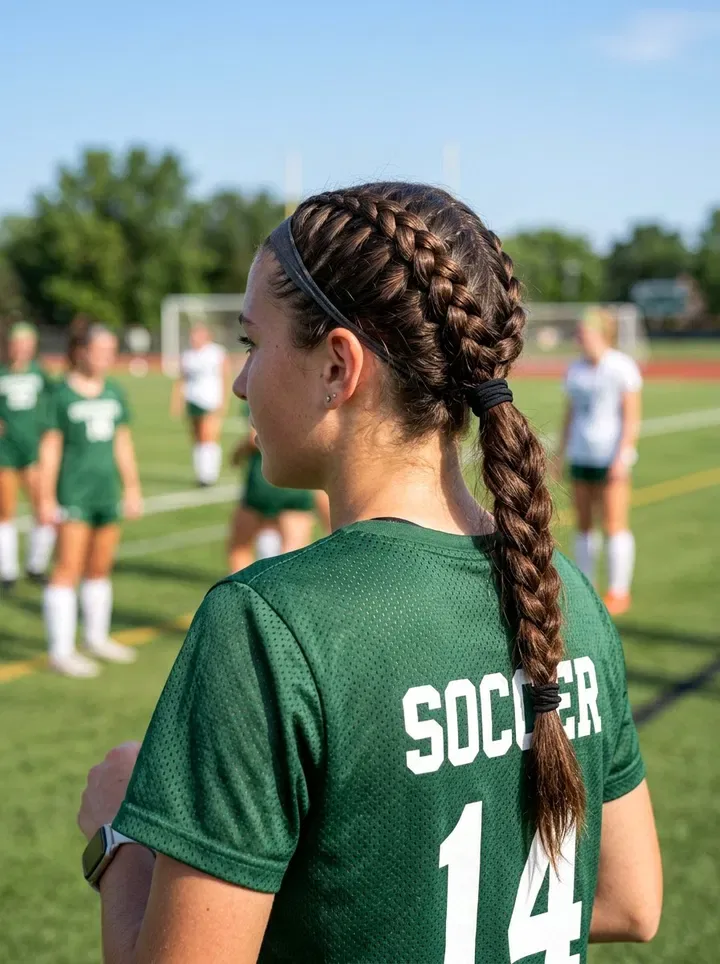
Pros: loosens less than a three-strand braid, sits flat for headers, and looks smart after the final whistle.
Cons: takes longer to braid than a regular plait, and pieces taken too big make the braid loose and lumpy.
Maintenance: the end elastic is the weak point — double it up before kick-off and you will not think about it again.
Who should avoid it: players in a rush before kick-off should skip it; a fishtail done in a hurry unravels, while a quick French braid holds.
Cornrows for 90 Minutes
Cornrows are the most secure hairstyle in soccer, full stop. Braided flat against the scalp in neat rows, they cannot swing, slip or fall into your eyes, and they survive sweat, rain, headers and the hardest tackles without moving at all. They also protect natural hair through a whole season of heavy training.
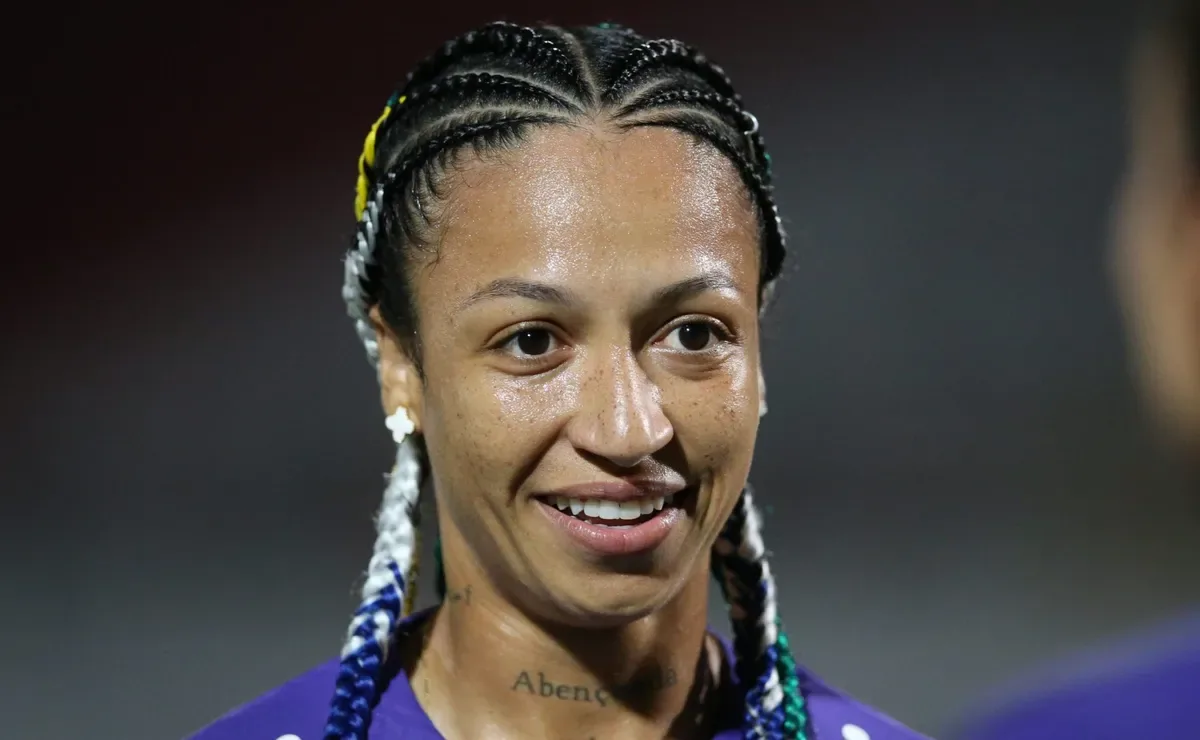
Pros: unbeatable hold for 90 minutes, no re-tying at half-time, and they last one to two weeks between styles.
Cons: braiding them too tight at the hairline causes pain and can damage the edges, and they take time to put in.
Maintenance: rinse the scalp after the match and use a light scalp oil to keep it comfortable; wash properly at least once a week when you train hard.
Who should avoid it: anyone whose scalp is tender or who has had tight braids cause breakage before should ask for a looser tension or choose flat twists instead.
Bubble Braid Ponytail
A bubble braid ponytail looks fun and holds surprisingly well on the pitch. Tie a high ponytail, add elastics every few inches down the tail, and gently pull each section out to form bubbles. The elastics break the tail into short, controlled sections, so it cannot swing as one heavy weight when you sprint.
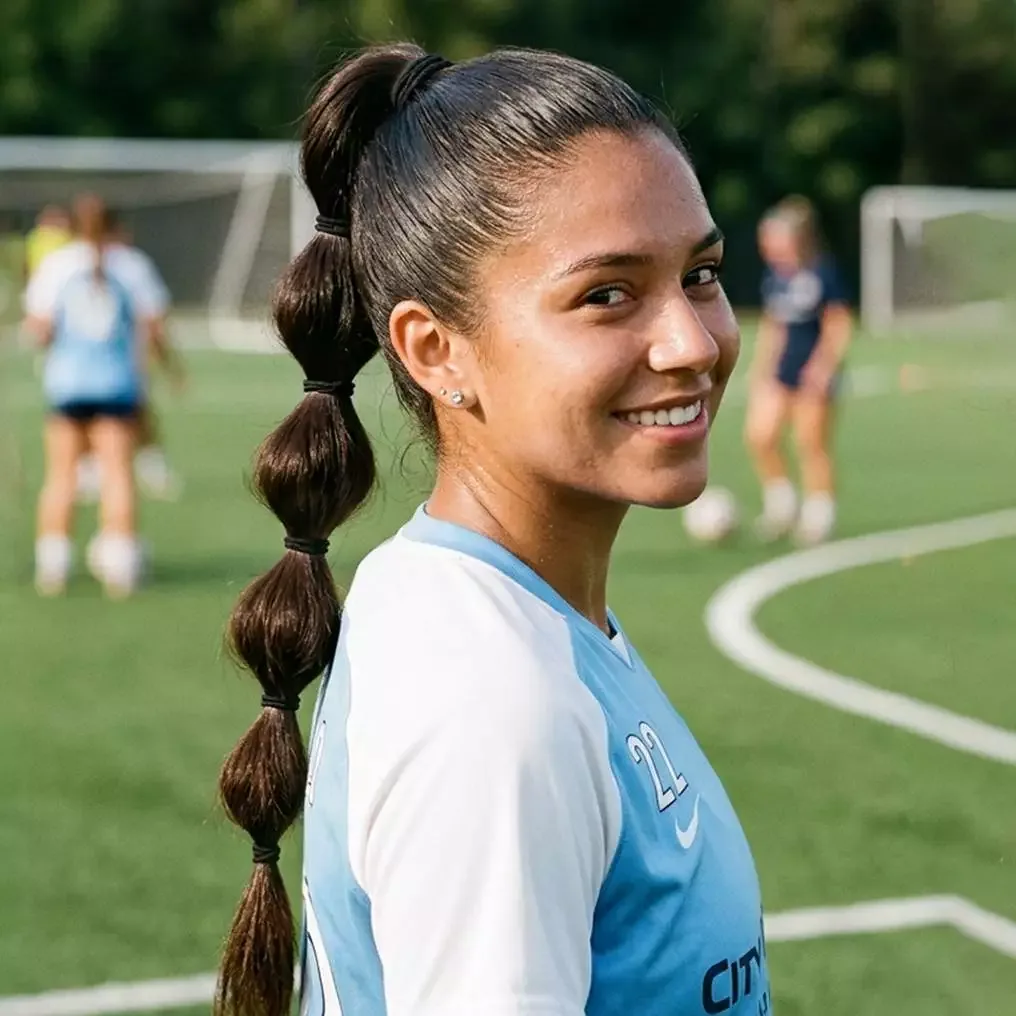
Pros: playful and secure, easy to repair mid-match, and the bubbles stop the tail whipping across your face.
Cons: spacing the elastics too far apart lets each bubble sag, and pulling the bubbles out too hard loosens the whole style.
Maintenance: if one bubble collapses, just re-tighten that elastic at half-time. Carry two spare elastics in your kit bag for exactly this.
Who should avoid it: players with fine, slippery hair may find the bubbles slide out as they sweat; a regular braid grips fine hair better.
Slicked-Back Low Ponytail
A slicked-back low ponytail is the minimalist soccer style: gel the hair flat, gather it low at the nape and secure it tightly. Nothing sticks up, nothing swings, and the style sits flat for headers and clear of your shirt collar. It looks sharp, takes two minutes and works on almost every hair length.
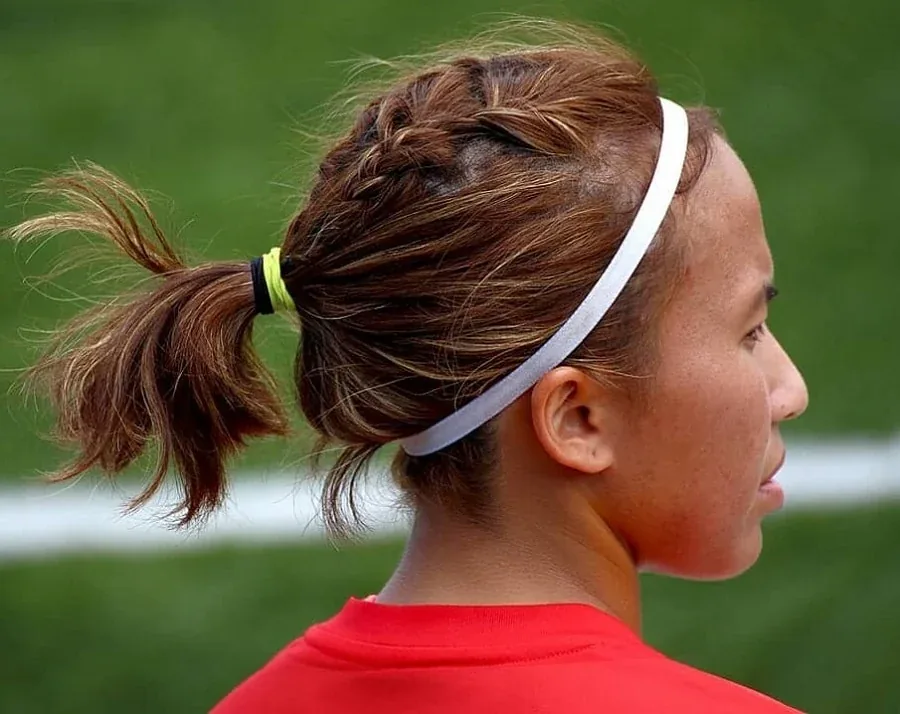
Pros: clean, fast and header-friendly, with no bulk anywhere on the crown.
Cons: using too little gel lets the sides puff out as you sweat, and a loosely tied ponytail slides down by half-time.
Maintenance: gel the hair while it is slightly damp and wrap the elastic twice. A quick smooth with a wet hand at half-time handles any escaping strands.
Who should avoid it: players with very curly or coily hair may find gel alone cannot hold the hairline smooth for 90 minutes; braids or twists will grip better.
High Top Knot for the Stands
A high top knot gets every strand up and off your neck, which feels wonderful in a hot, crowded stadium. Gather the hair at the very crown, twist it around itself and pin it firmly. It keeps you cool through two hours of cheering, keeps hair out of your face in the wind, and takes less than a minute once you have practised it.
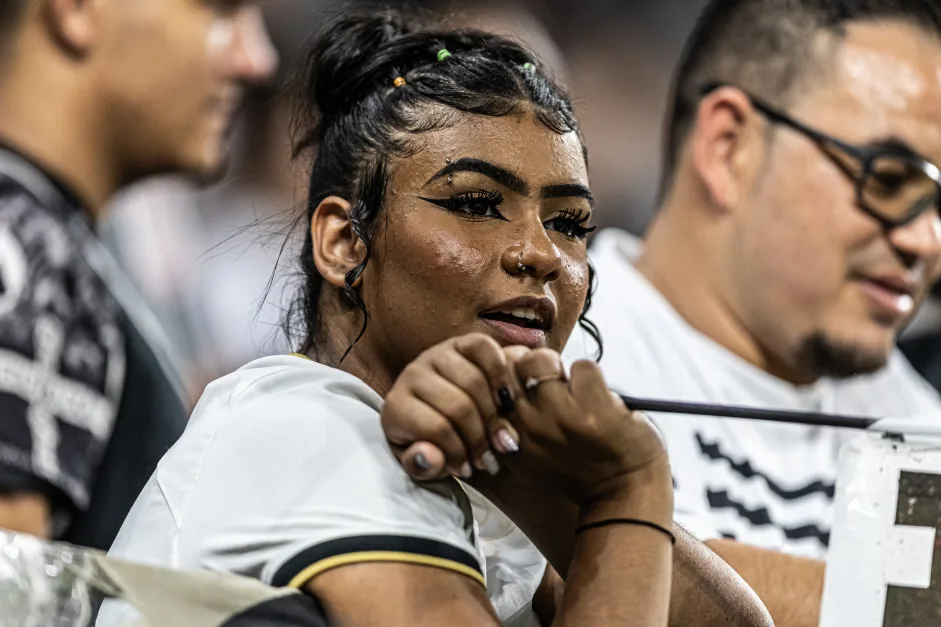
Pros: keeps you cool in the stands, shows off team-colour accessories, and survives wind far better than loose hair.
Cons: a loose knot wobbles and slides, and on long hair a single knot becomes heavy and pulls at the roots.
Maintenance: check the knot after the first goal celebration — jumping and cheering loosen it faster than sitting still. Re-pin it before the second half.
Who should avoid it: players should not wear this on the pitch. A high knot takes the force of every header and slides forward over your eyes. Save it for the stands.
Two French Braids into Low Buns
Two French braids that end in two small low buns give you the security of braids with the neatness of a bun. Braid each side from the hairline to the nape, then twist each tail into a small bun and pin it. Nothing hangs down to swing, and the weight is split evenly across both sides of your head.
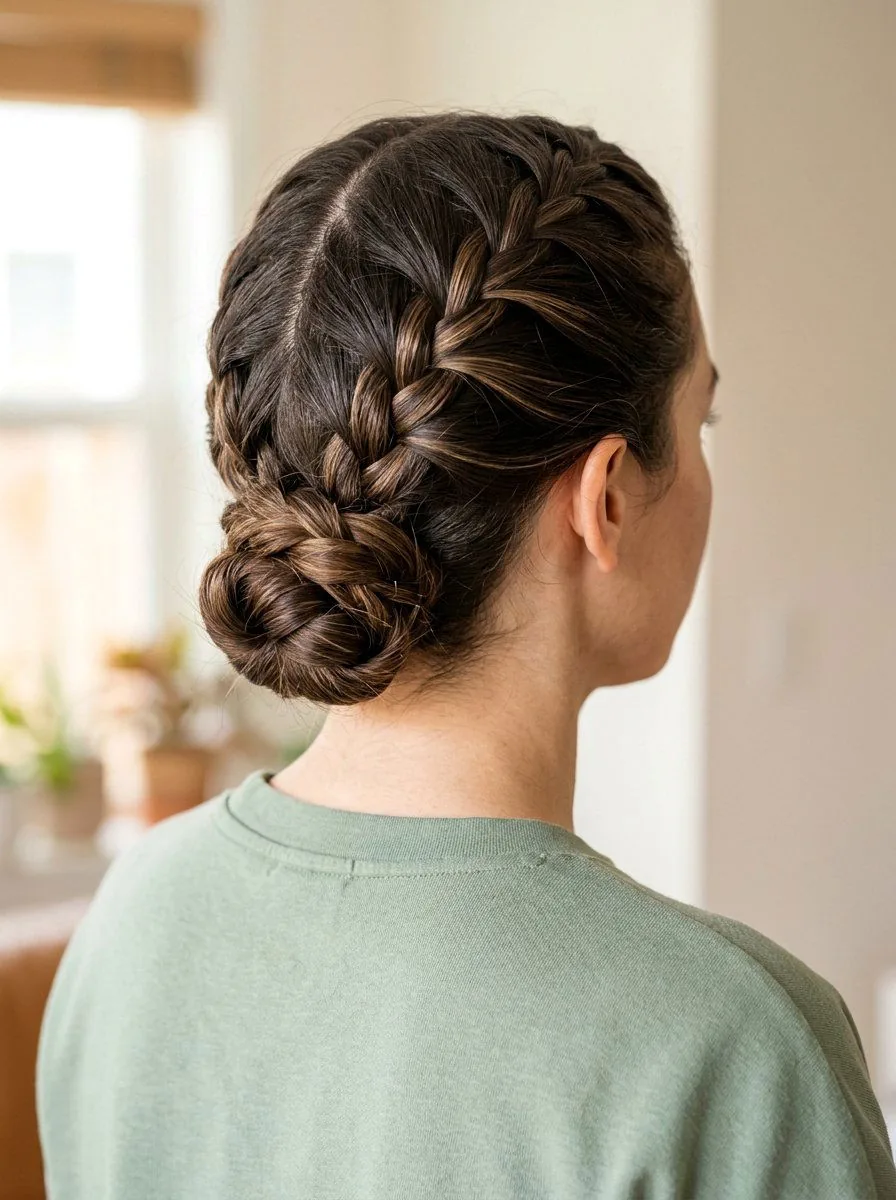
Pros: one of the most secure styles on the pitch, balanced weight, and flat enough for headers.
Cons: making the buns too big makes them wobble, and braiding the two sides at different heights looks uneven.
Maintenance: four pins per bun is the rule — two at the top, two at the bottom. If a bun droops, one extra pin at the base usually saves it.
Who should avoid it: players with short hair may not have enough length to braid and then bun; a single low bun or a braided ponytail works better on shorter lengths.
Braided Crown
A braided crown wraps a braid around the head like a headband, pinning the front layers back and keeping everything off the face. Braid from one side, wrap the braid across the forehead and pin it behind the opposite ear. It is elegant, completely secure at the front, and comfortable through a whole match.
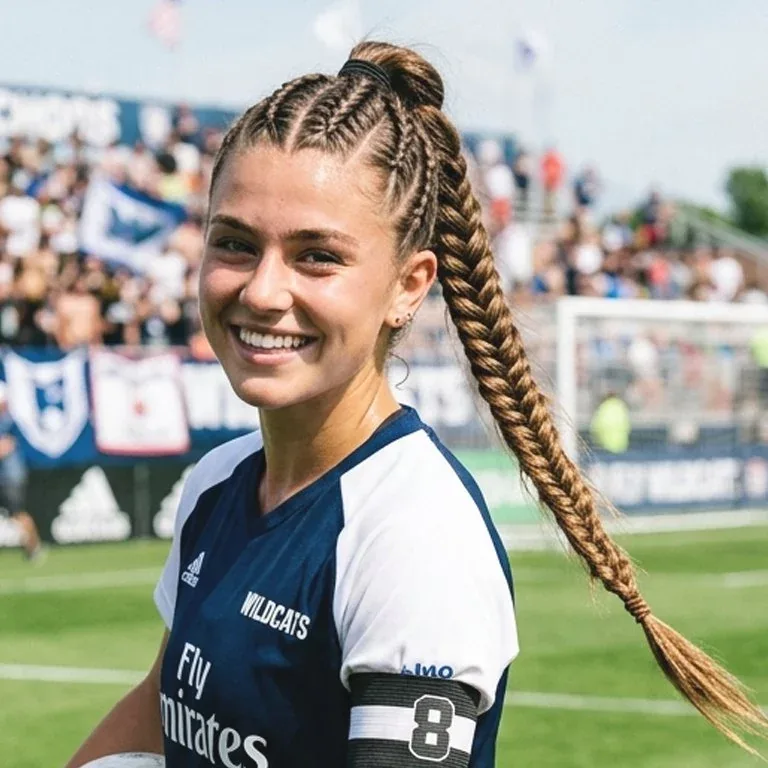
Pros: locks the front layers back better than any headband, and pairs well with a low bun or low ponytail at the back.
Cons: braiding too loosely lets the crown slide forward as you sweat, and it needs a pin every few inches to stay put.
Maintenance: check the pins at half-time — the crown is the first part to shift if it is going to. Carry two spare pins for this.
Who should avoid it: players with very short hair cannot wrap a full crown; a braided headband section or a wide headband does the same job on shorter lengths.
Side Braid Over One Shoulder
A side braid sweeps all the hair over one shoulder and braids it down, keeping it clear of your face and your boots. It is quick, comfortable and kinder on the neck than a high style, because the weight hangs to the side instead of pulling straight back. Gather the hair over one shoulder, braid it firmly, and secure the end.
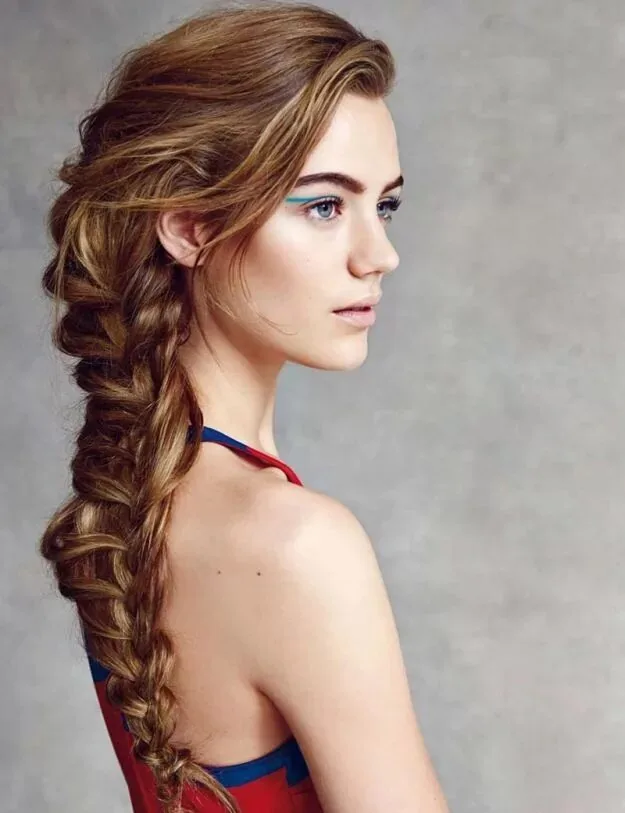
Pros: relaxed, quick to do, and easy to redo between halves if it loosens.
Cons: a braid that falls forward over the chest gets in the way of chest traps and throw-ins, and a loose braid unravels fast.
Maintenance: tuck the finished braid behind the shoulder and keep the tension firm. One elastic and thirty seconds is all a half-time repair takes.
Who should avoid it: players who take a lot of throw-ins or chest the ball often should choose a centred style instead; a side braid keeps drifting into the action.
Low Braided Bun
A low braided bun combines the two most secure ideas in soccer hair: braid the hair first, then wrap the braid into a bun at the nape. The braid stops the bun unravelling, and the bun stops the braid swinging. It is compact, flat and completely unbothered by headers.
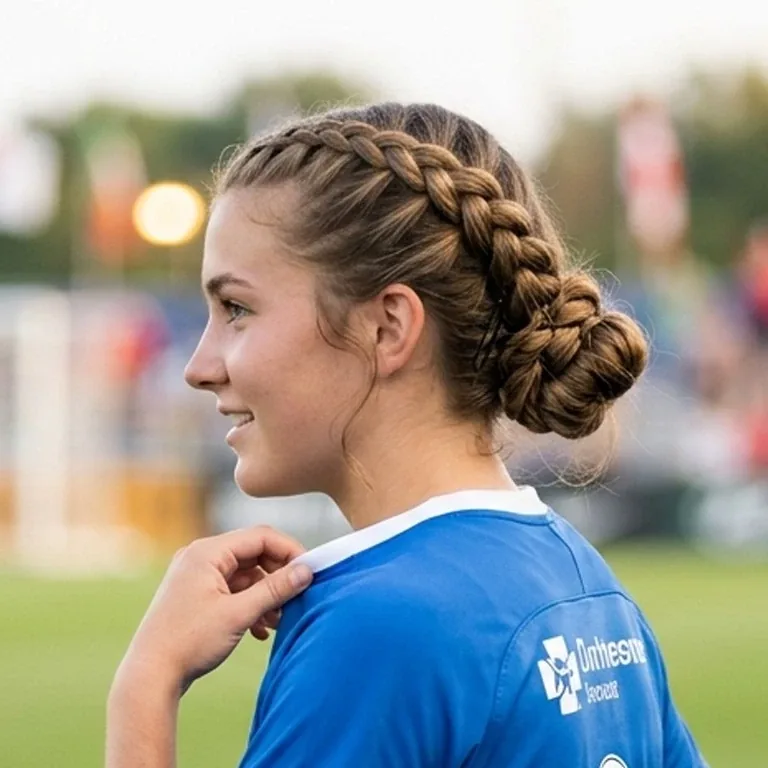
Pros: one of the most reliable styles on the pitch, set-and-forget for the full 90 minutes.
Cons: wrapping the bun too loosely makes it sag, and skipping the pins because the braid feels secure is a mistake — a braid can still slide.
Maintenance: pin the bun at four points and you should not need to touch it again until the cool-down, which makes it ideal for long matches.
Who should avoid it: players with hair too short to braid should not force it; a plain low bun with extra pins does the same job on shorter hair.
Half-Up Top Knot with Braided Underlayer
A half-up top knot takes the top half of the hair up into a small knot — but on a soccer pitch, the rest must be braided too, or it will fly everywhere. Knot the top section, then braid the lower section into a single plait. You get the face-clearing lift of a knot with none of the loose hair.
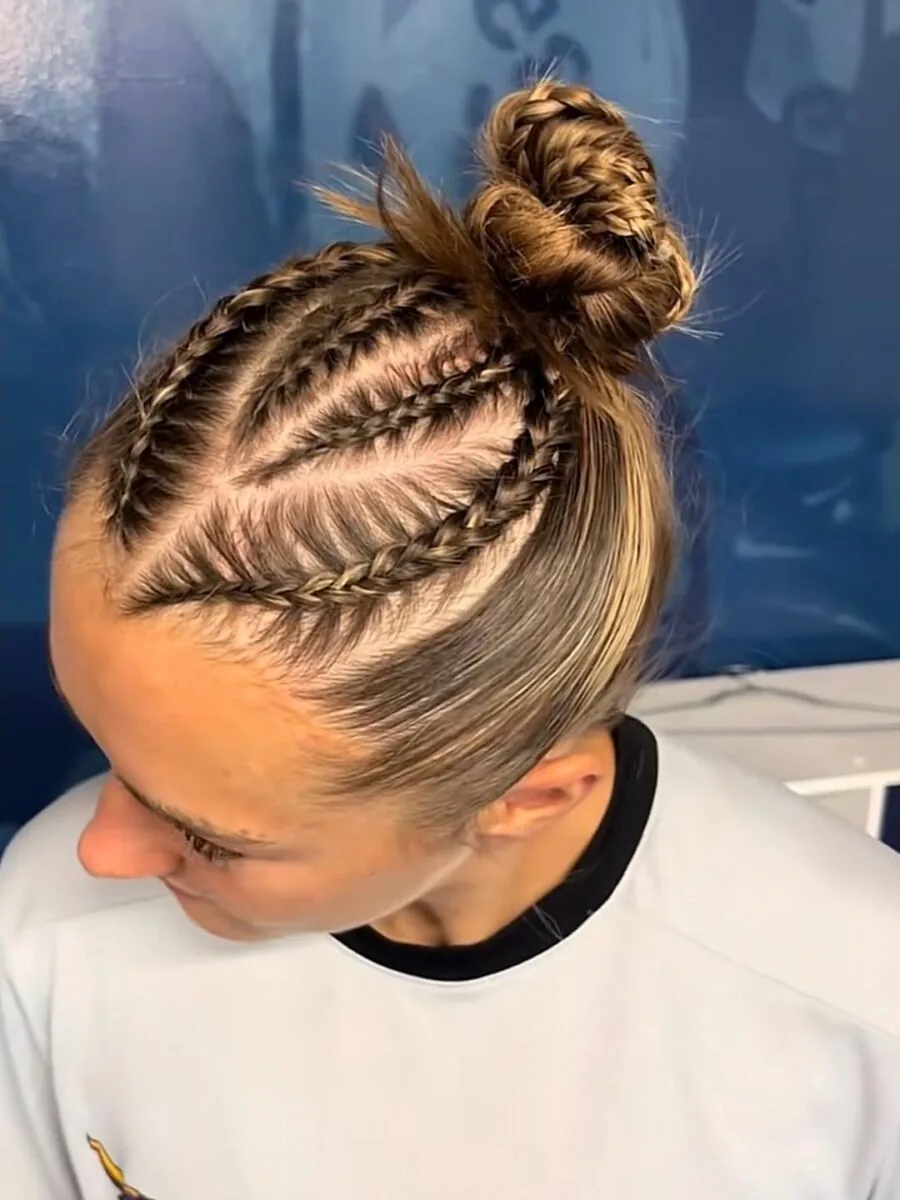
Pros: lifts the front layers right off the face while the braid keeps the back locked down.
Cons: leaving the bottom half completely loose defeats the whole purpose, and a knot that is too big unbalances the style.
Maintenance: the knot is the part to watch — if it loosens, re-pin it at half-time. The braided lower half will look after itself.
Who should avoid it: players with thin hair may find the split leaves both halves too wispy to hold; a single full braid is stronger on fine hair.
Rope Braid Ponytail
A rope braid ponytail twists two sections of a ponytail around each other like a rope, which locks the tail into a tight, compact shape. It is faster than a three-strand braid, holds its shape well through sprints, and swings far less than a loose ponytail.
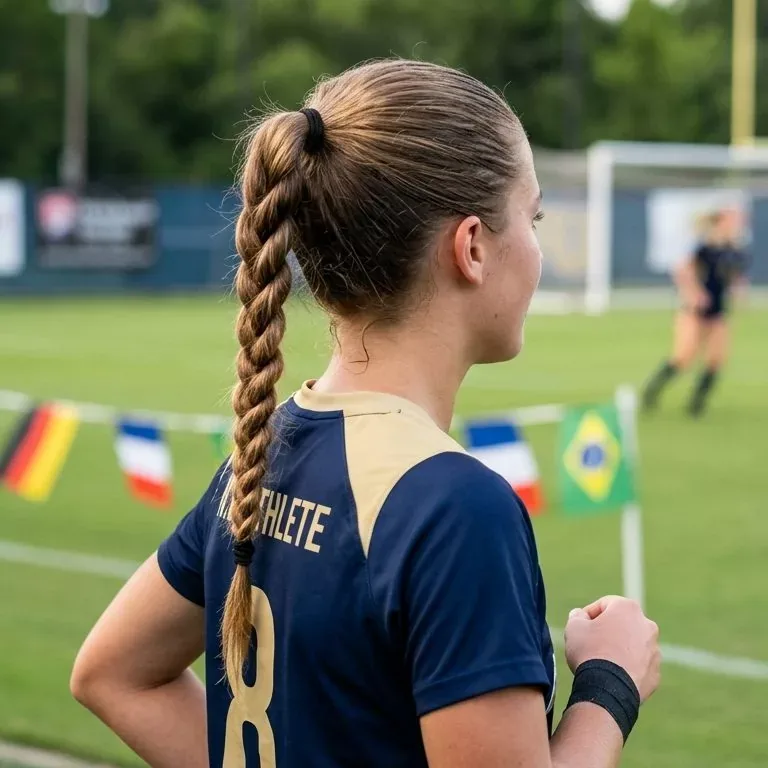
Pros: quick, tidy and tougher than a plain ponytail, with almost no swing on the run.
Cons: twisting both sections in the same direction makes the rope unravel, and a loose ponytail base lets the whole thing slip.
Maintenance: check the end elastic after the warm-up. If it has slipped, replace it and give the rope a quick re-twist.
Who should avoid it: players with very thick hair may find a rope braid too heavy and bulky; a Dutch braid spreads thick hair better.
Chunky Match-Day Braid
A chunky braid uses big sections for a thick, bold plait that sits flat down the back and barely moves. It is one of the fastest braids to do — three big sections, a few crosses, done — and the weight of the braid itself helps it stay put through headers and tackles.
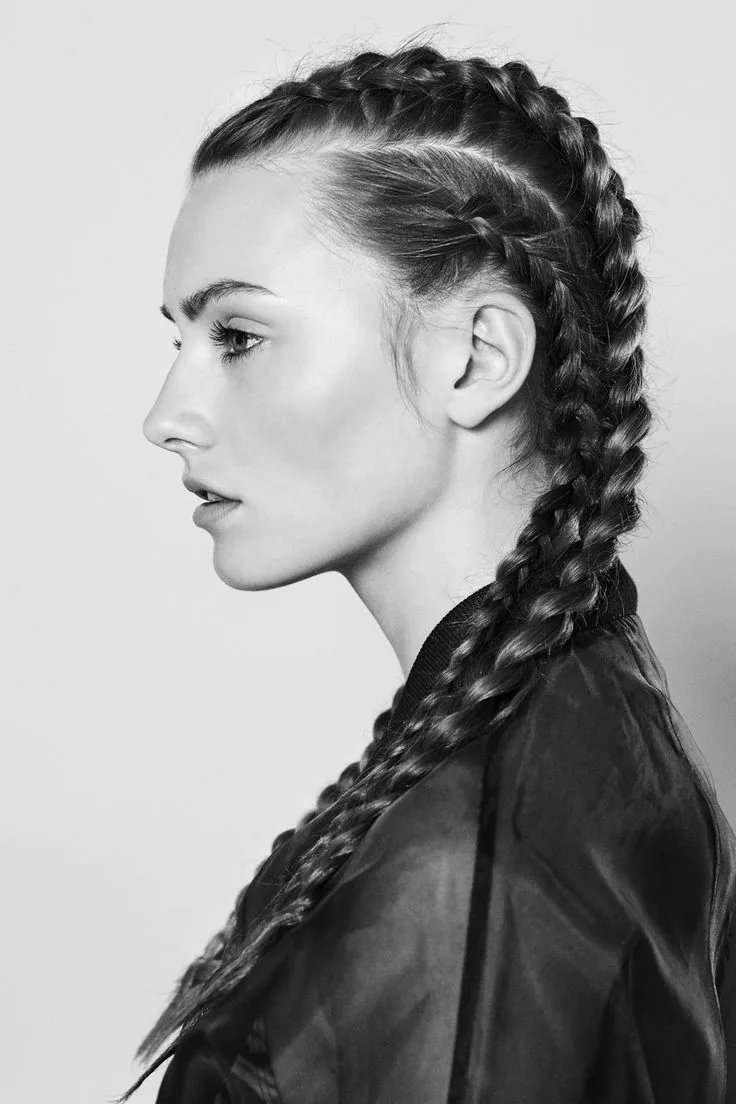
Pros: bold, fast and very secure, and the thickness stops it whipping around when you sprint.
Cons: uneven sections make the braid lopsided, and leaving the end too long and unbraided lets it fray.
Maintenance: keep the sections equal, braid right to the tips, and double up the end elastic before kick-off.
Who should avoid it: players with fine hair may find a chunky braid looks thin and slips apart; smaller, tighter sections grip fine hair better.
Dutch Braid into High Ponytail
A Dutch braid that runs from the hairline to the crown and then becomes a ponytail gives you the best of both styles: the front is locked flat by the braid, and the back is free in a ponytail that cannot pull loose because the braid anchors it. It is secure, comfortable and looks sharp.
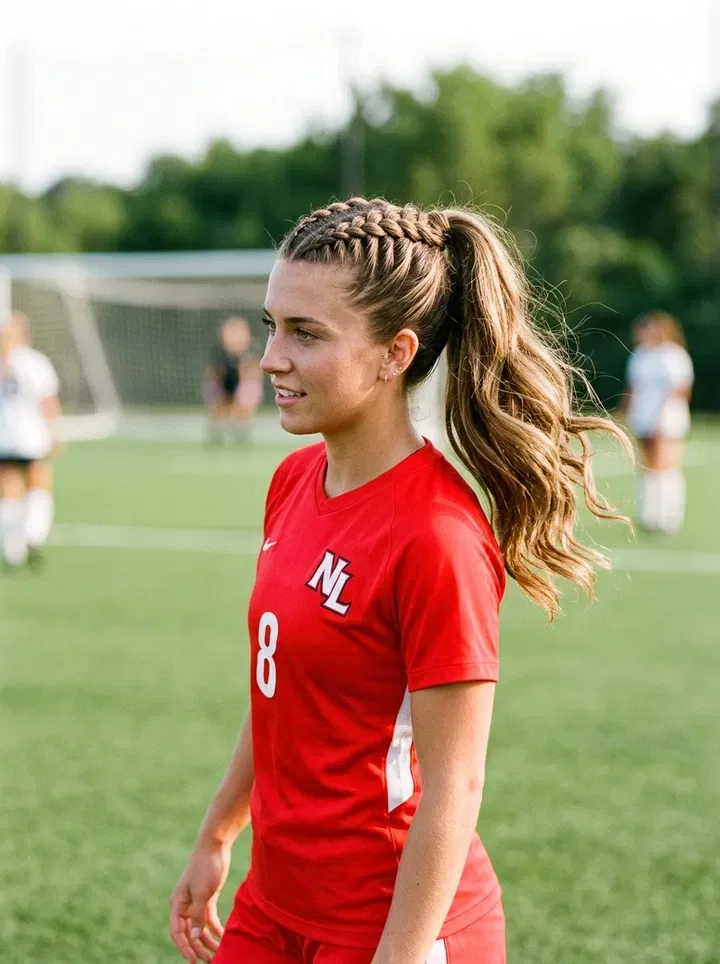
Pros: the braid does the holding while the ponytail keeps it simple, and the front stays locked for headers.
Cons: ending the braid too early leaves the front layers loose, and tying the ponytail too loosely lets it slide.
Maintenance: braid right to the crown before gathering the ponytail, and wrap the elastic twice. A quick tug at the base at half-time tells you if it needs replacing.
Who should avoid it: players with very short hair cannot run a braid to the crown and still have a ponytail left; a low braided ponytail works better on shorter lengths.
Space Buns in Team Colours
Double space buns split the hair into two small buns, one on each side of the crown, keeping the weight balanced and the neck completely clear. Add team-colour elastics, ribbons or scrunchies and they become a fan favourite — fun, visible in a crowd, and surprisingly practical for 90 minutes in the stands.
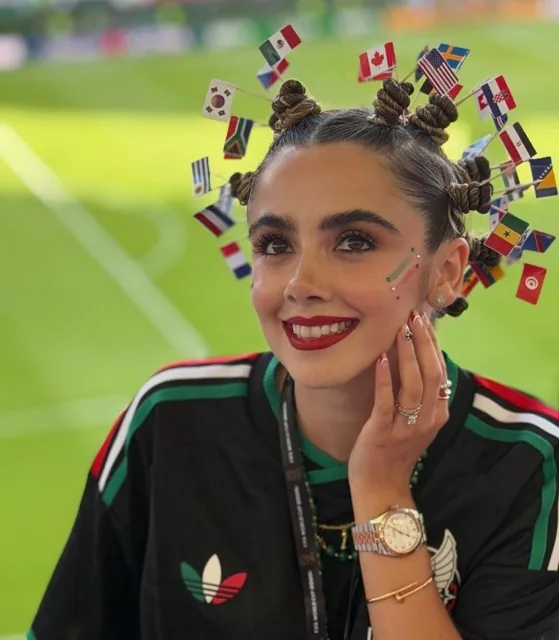
Pros: balanced weight, compact shape, and the easiest style to dress in team colours for a big match.
Cons: uneven buns are very visible, and buns placed too high press uncomfortably if you lean back in a stadium seat.
Maintenance: four pins per bun is the rule. If one bun loosens during a goal celebration, re-pin just that side — the other will hold.
Who should avoid it: players should not wear high space buns on the pitch; the bulk on the crown shifts on every header. Keep them for the stands.
Short Hair Slicked Back with a Headband
Short hair cannot be braided or bunned, but it can still be locked down for a match. Gel the front layers back, add a wide, non-slip headband, and pin any escaping pieces flat. The headband does the work a braid would do on longer hair, keeping the fringe out of your eyes and the sweat out of your face.
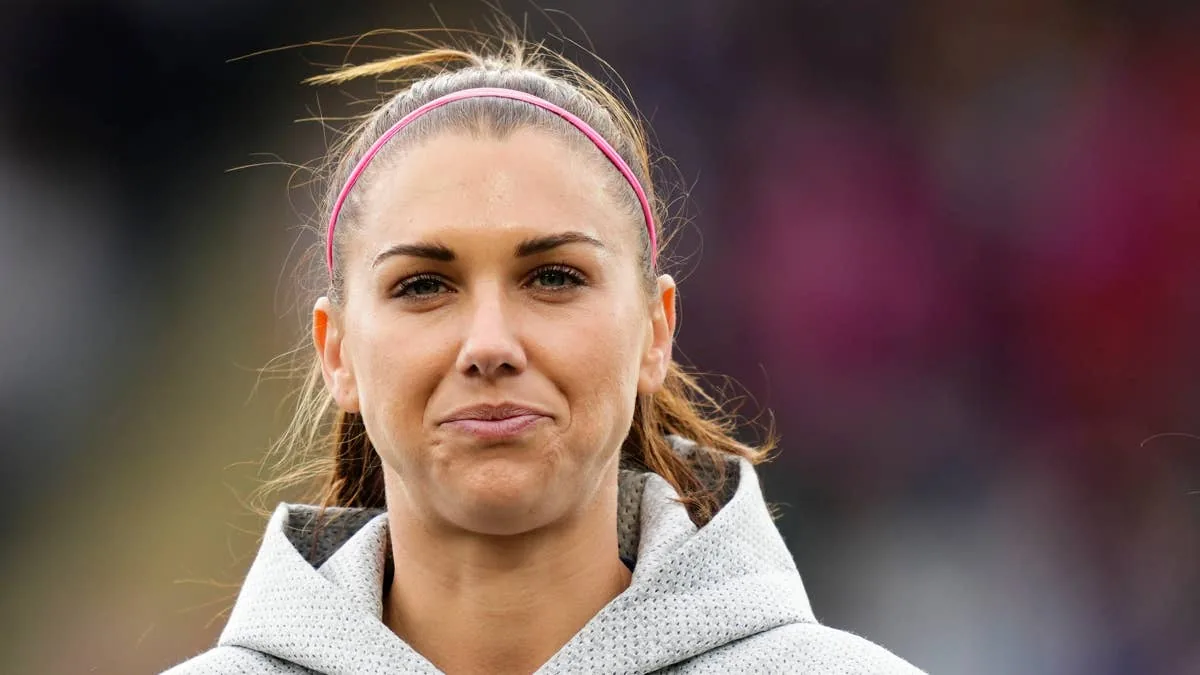
Pros: the best answer for short hair — simple, cheap and completely effective when gel and headband work together.
Cons: a headband on un-gelled hair slips within minutes, and a narrow band digs in during headers.
Maintenance: carry a spare headband in your kit bag. Headbands stretch with sweat, and a fresh one at half-time is a two-second fix.
Who should avoid it: players with a very short fringe that will not stay gelled back should use bobby pins as well, or the fringe will drop into their eyes on every header.
Curly Pineapple Updo
A pineapple updo gathers curly hair into a loose, high puff at the very top of the head, keeping the curls off the neck and out of the face while protecting their shape. It is the curly-haired player’s best friend on a hot match day: quick, gentle and kind to the curl pattern.
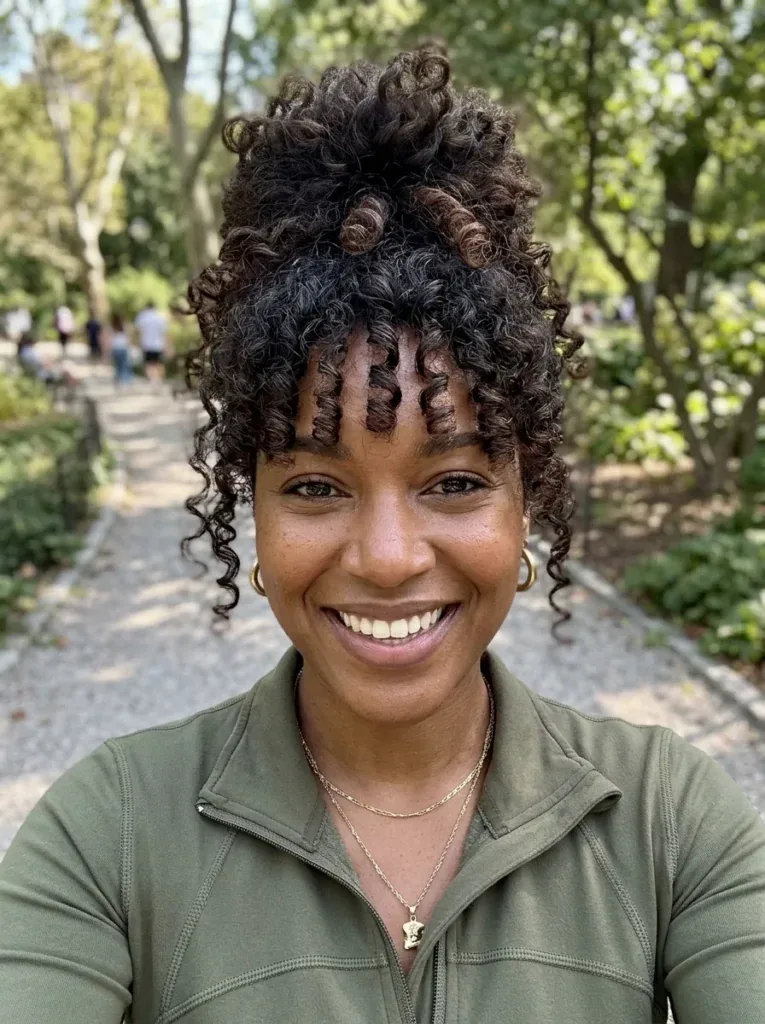
Pros: quick, gentle and curl-friendly, and it keeps curls off a sweaty neck for the full match.
Cons: pulling the pineapple too tight flattens the curls and strains the roots, and a narrow elastic leaves a dent.
Maintenance: after the match, let the curls down and scrunch them with a little water or curl cream to revive the shape. Never brush dry curls after a sweaty game.
Who should avoid it: players who head the ball a lot should avoid a high pineapple on the pitch — the bulk shifts on impact. Wear it lower, or save it for the stands.
Braided Headband with Low Ponytail
A braided headband is a thin braid across the hairline that pins the front layers back, paired with a low ponytail for the rest of the hair. The braid acts as a built-in headband that cannot slip, and the low ponytail keeps the weight down, clear of your collar and out of the way of headers.

Pros: clever, secure and pretty — a headband that cannot slide off, however much you sweat.
Cons: braiding the headband too loosely lets it slide forward, and a ponytail tied too high fights with the braid.
Maintenance: the headband braid is the part to check — if it has shifted, re-pin it at half-time. The ponytail will look after itself.
Who should avoid it: players with very fine hair may find the thin headband braid slips out; a wide fabric headband grips fine hair better.
Twisted Low Bun
A twisted low bun splits the hair into two sections, twists each one and wraps them together into a bun at the nape. The twist adds grip, so the bun holds better than a plain wrapped bun, and the style looks softer and more textured than a sleek bun — tidy enough for the team photo too.
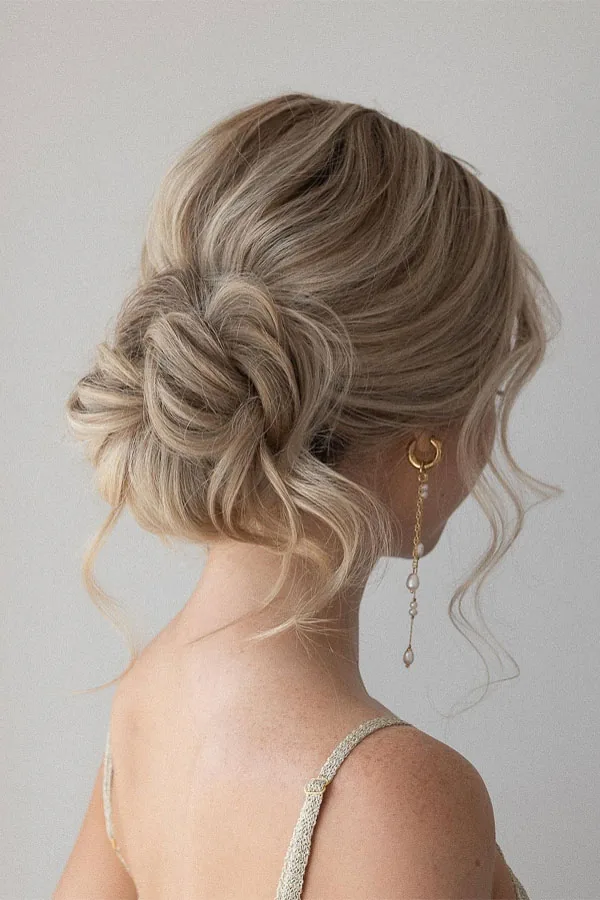
Pros: soft, secure and easy to do, with extra grip from the twist that survives sweat.
Cons: twisting the sections in opposite directions makes the bun unravel, and wrapping too loosely lets it sag.
Maintenance: this bun is forgiving — if it loosens slightly it still looks intentional. One extra pin at the base is usually all a repair needs.
Who should avoid it: players with very straight, slippery hair may find twists slide out as they sweat; a braid grips slippery hair better.
Sleek Middle-Part Low Bun
A sleek middle-part low bun is the polished cousin of the low bun: a dead-straight centre part, gelled sides and a neat bun at the nape. It looks intentional and elegant, sits flat for headers and keeps the hairline completely under control through 90 minutes.

Pros: the most polished style on the pitch, very secure, and lovely for matches followed by somewhere you need to look smart.
Cons: a crooked part is very visible in a style this clean, and skimping on gel lets the sides puff out with sweat.
Maintenance: smooth any flyaways with a wet hand or a touch of gel at half-time. The bun itself needs no attention if it is pinned properly.
Who should avoid it: players who sweat heavily at the hairline may find even gel gives up by the second half; a braid locks the hairline more reliably than gel alone.
Footballer Braids with Team-Coloured Elastics
Double Dutch braids with team-coloured elastics are the classic footballer braids with a small, fun twist: bright elastics at the ends, or threaded through the braid in your club’s colours. The colour makes the style easy to spot in team photos, and the extra elastics add extra hold along the length of the braid.
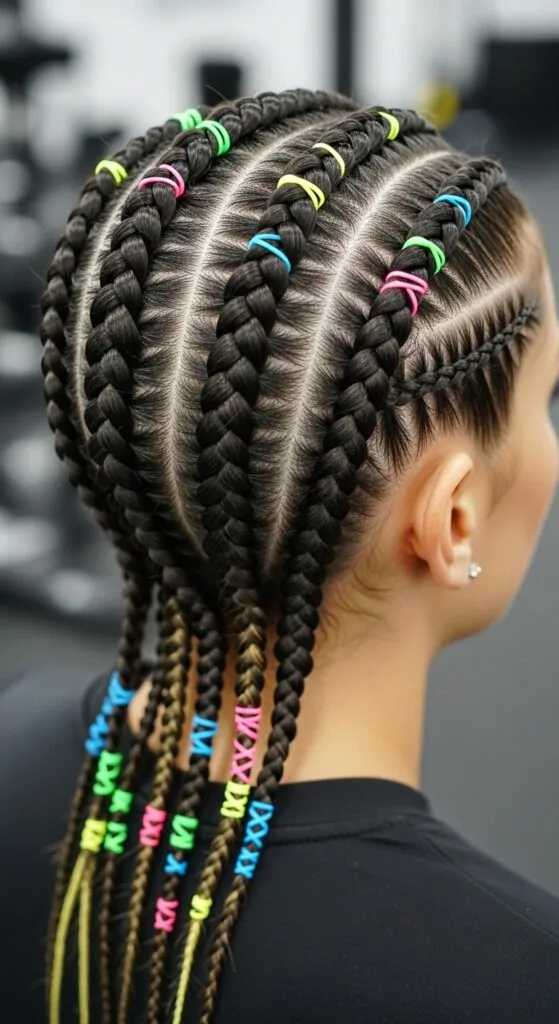
Pros: the same unbeatable hold as plain footballer braids, with team spirit built in and extra grip from the added elastics.
Cons: threading elastics too tightly snags the hair, and elastics with metal joins catch and break strands.
Maintenance: use snag-free elastics and remove them gently after the match to avoid pulling hairs out.
Who should avoid it: players with fine hair should keep the threading loose — tight elastic threading pulls fine strands out when you take the braids down.
Braided Pigtails
Braided pigtails split the hair into two braids, one on each side, keeping the weight balanced and the neck cool. They are playful, practical and very secure, because each braid is short and light enough that it cannot swing hard or pull loose — even when you sprint the length of the pitch.
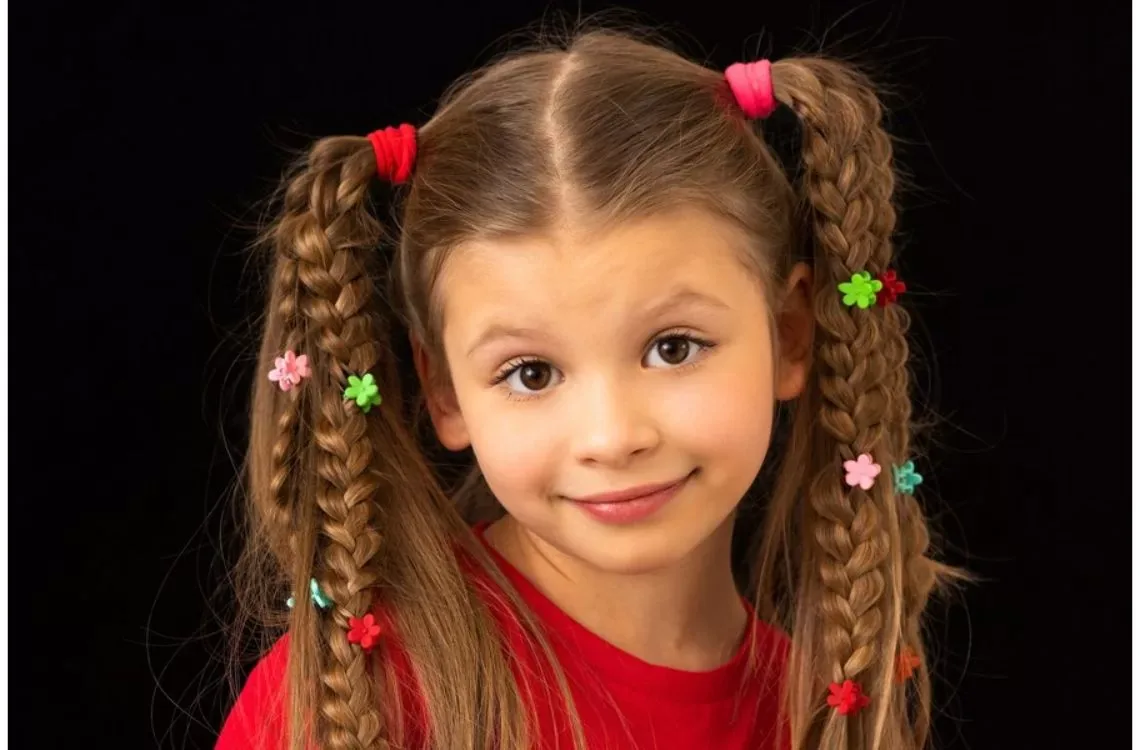
Pros: fun, balanced and secure, and each side is easy to fix on its own at half-time.
Cons: an uneven part makes the whole style look lopsided, and braiding the pigtails too low lets them swing forward over the shoulders.
Maintenance: start the braids high enough that they sit behind the ears. If one side loosens, re-braid just that side — the other will hold fine.
Who should avoid it: players who wear a GPS vest or a tight training top may find pigtails catch on the shoulder straps; a single braid down the back avoids the snag.
High Puff for Curly Hair
A high puff gathers natural or curly hair into a soft, rounded shape at the crown, held by a wide band or a puff cuff. It keeps the curls up and out of the face while letting them keep their shape, and it feels light and free compared with a tight bun on a hot match day.
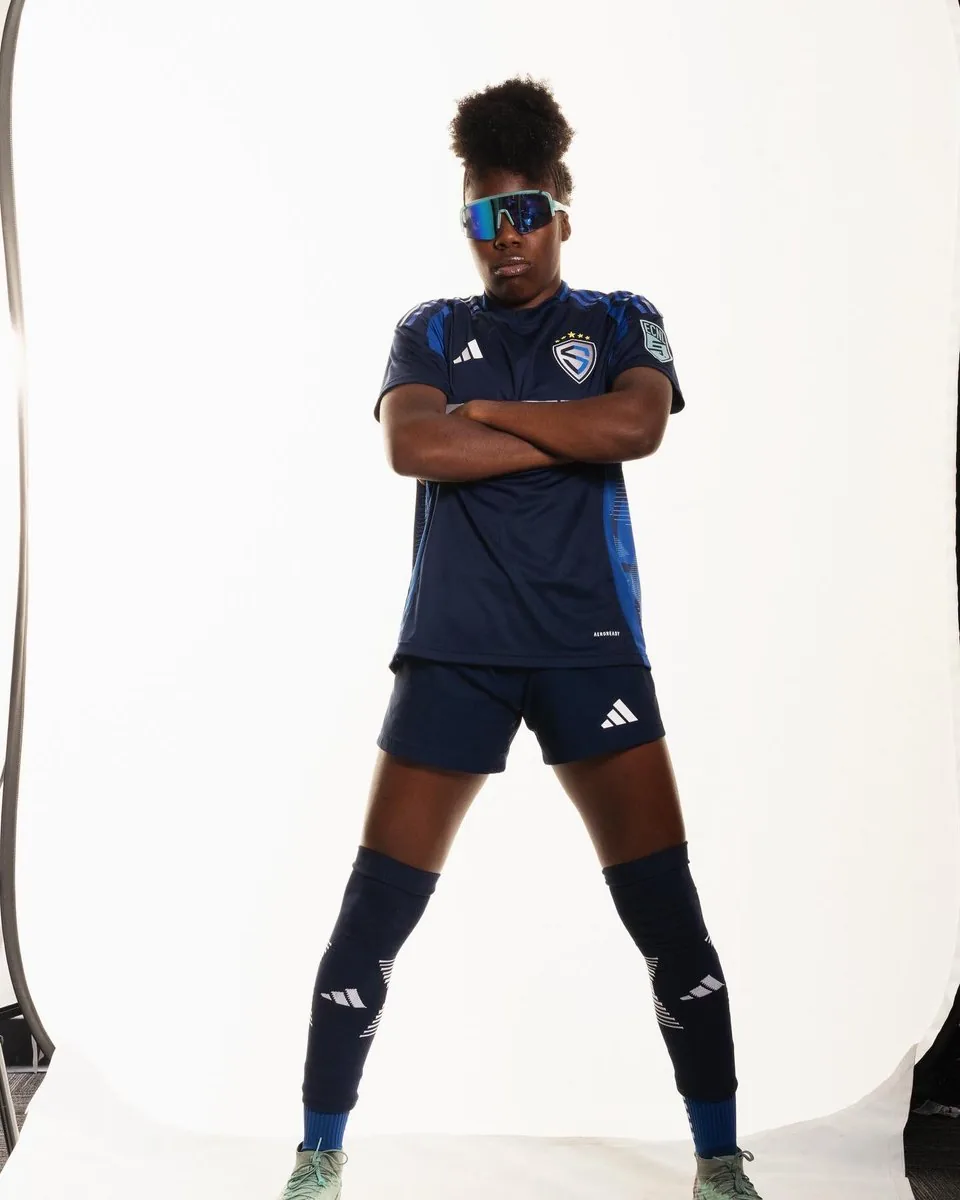
Pros: joyful, light and perfect for curly and coily hair, with no tight braiding needed before kick-off.
Cons: pulling the puff too tight flattens the curls and strains the edges, and a narrow elastic digs in over 90 minutes.
Maintenance: a puff can loosen as you sweat, so check the band at half-time. A quick fluff with your fingers restores the shape without a full redo.
Who should avoid it: players who head the ball often should wear the puff lower or choose braids; a high puff takes the impact of every header and shifts.
Two-Strand Twists
Two-strand twists are a gentle, protective style that works beautifully for natural and textured hair in soccer. Twist two sections of hair around each other from root to tip, working across the head in rows or gathering them into a low bun. They are lighter than braids, kinder on the scalp and easy to refresh.
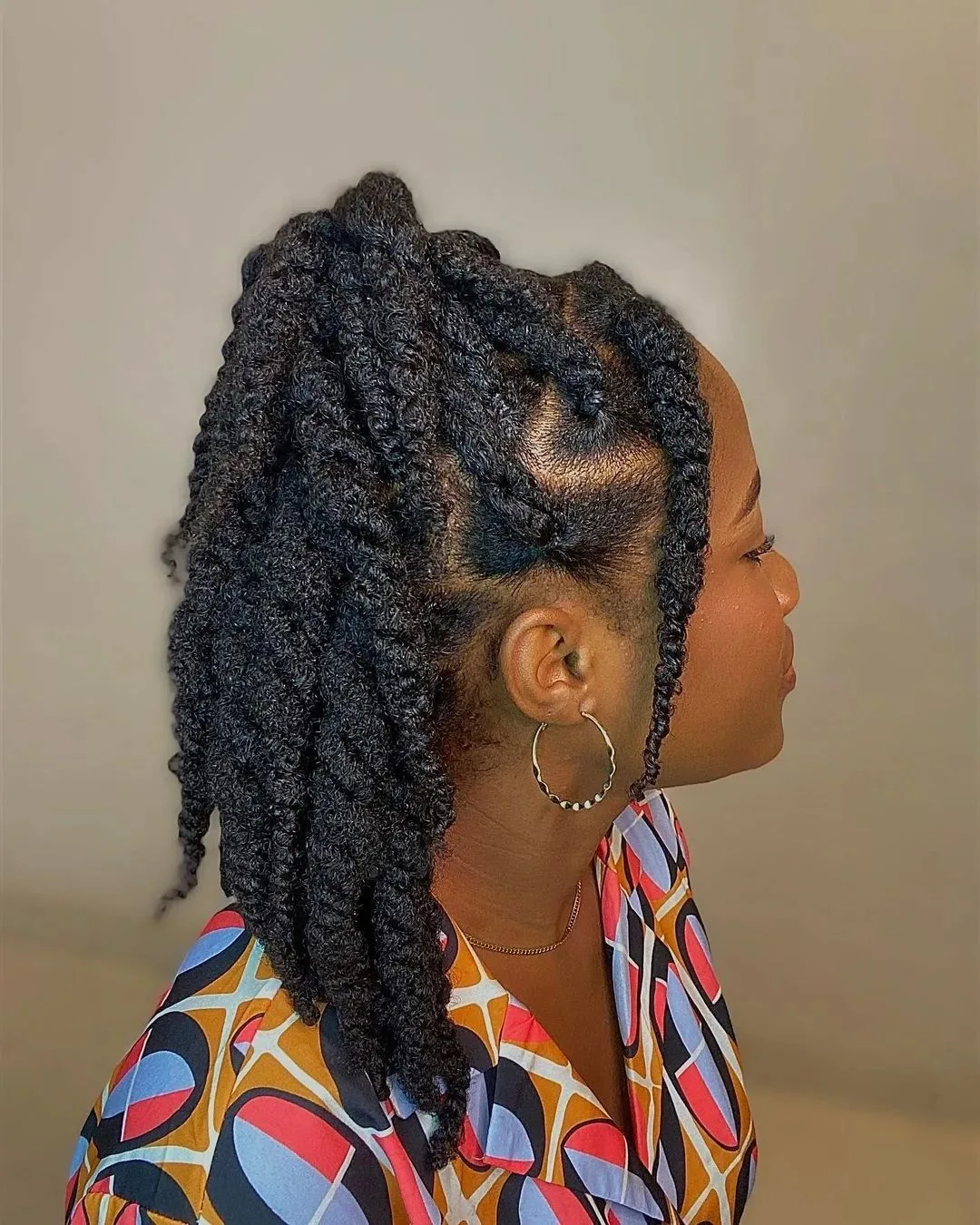
Pros: gentle, protective and secure, with no tight pulling at the hairline.
Cons: twisting on dry hair makes the twists frizzy and loose, and sections that are too large unravel during a match.
Maintenance: twist on damp, moisturised hair with small, even sections. Protect them at night with a satin scarf, and rinse the scalp after sweaty matches.
Who should avoid it: players with very short hair may not have enough length for twists to hold; flat twists or cornrows grip shorter lengths better.
Flat Twist Updo
A flat twist updo twists the hair flat against the scalp in neat rows, then gathers the ends into a low bun. It gives the same flat, secure feeling as cornrows but is quicker to do and easier to take out. It sits beautifully for headers and keeps every strand contained for the full match.

Pros: cornrows’ quicker, gentler cousin — flat, secure and comfortable under a headband.
Cons: twisting too tightly at the edges causes discomfort, and leaving the ends loose lets them unravel.
Maintenance: flat twists hold for a few days and are easy to refresh one row at a time. After the match, rinse the scalp and let the twists dry fully.
Who should avoid it: players with very fine hair may find flat twists slip out with sweat; a gelled low bun holds fine hair more reliably.
Low Twisted Ponytail
A low twisted ponytail twists the hair at the nape before securing it, which adds grip and stops the ponytail sliding down. Gather the hair low, split it into two sections, twist them together and secure the ends. The twist keeps the style tidy, the tail controlled, and your collar clear.
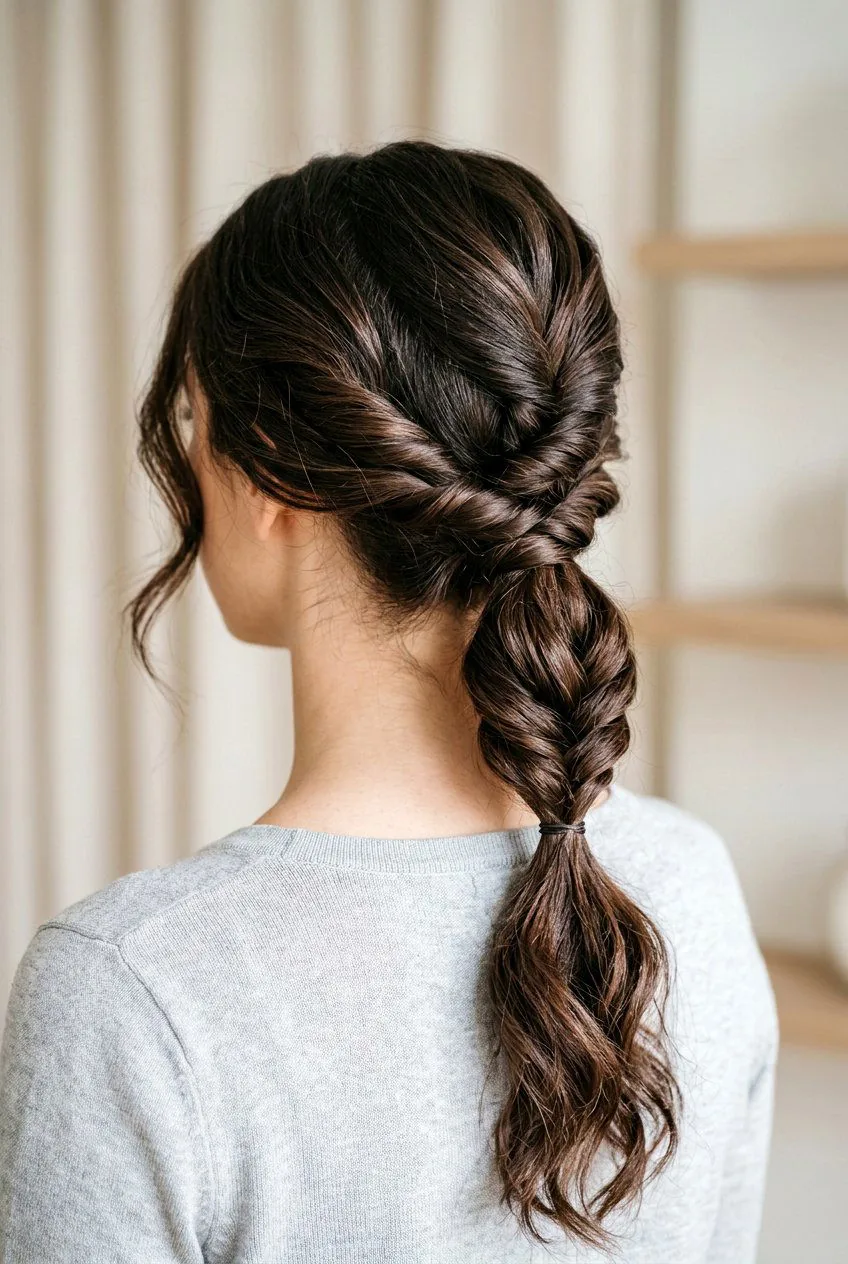
Pros: simple, tidy and header-friendly, with more grip than a plain low ponytail.
Cons: twisting too loosely lets the ponytail unravel, and tying it too high makes it swing.
Maintenance: a quick re-twist at half-time takes ten seconds and restores the style completely. Carry a spare elastic in case the first one stretches out.
Who should avoid it: players with very thick hair may find a single twisted ponytail too heavy by the second half; split it into two braids instead.
Braid into High Bun
Braiding the hair first and then wrapping the braid into a high bun gives you a knot that cannot unravel. The braid locks the hair together, and the bun keeps it up and off your neck. It is compact, light for its size and far more secure than a plain top knot — a good choice for training sessions and warm-ups.
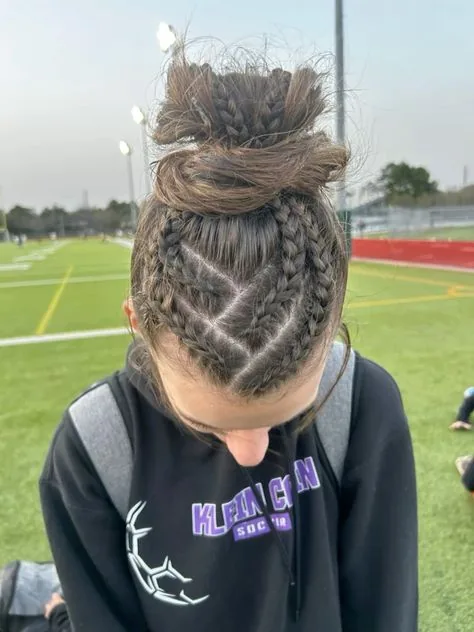
Pros: all the coolness of a top knot with none of the wobble, and the braid stops the bun unravelling.
Cons: wrapping the bun too loosely lets it sag, and the braid alone is not enough — the bun still needs four pins.
Maintenance: check the bun after the warm-up, when sweat starts. If it has shifted at all, re-pin it before the match — a bun that survives the warm-up will survive the game.
Who should avoid it: players should avoid a high bun on match day if they head the ball; the bulk on the crown shifts on impact. Save it for training or the stands.
Messy Bun with Two Face-Framing Braids
A messy bun with two thin face-framing braids is a stands favourite: relaxed, pretty and far more secure than a plain messy bun. The two little braids pin the front layers back so they cannot blow across your face in pitch-side wind, while the bun keeps the rest of your hair up and out of the way.

Pros: looks effortless, survives wind and goal celebrations, and the braids stop the front layers escaping.
Cons: a messy bun is still a loose style — it will not survive a kickabout, and the bun sags as the day goes on.
Maintenance: pin the bun at three points and re-twist it at half-time. A quick spritz of texturising spray revives the volume.
Who should avoid it: players should not wear this on the pitch. It is a spectator style — loose, soft and built for sitting in the stands, not sprinting.
Half-Up Claw Clip for the Stands
A half-up claw clip is the easiest fan hairstyle there is: gather the top half of your hair, twist it once and clip it up, leaving the rest down. It keeps the front layers out of your face while you cheer, and it takes about twenty seconds in the stadium car park.
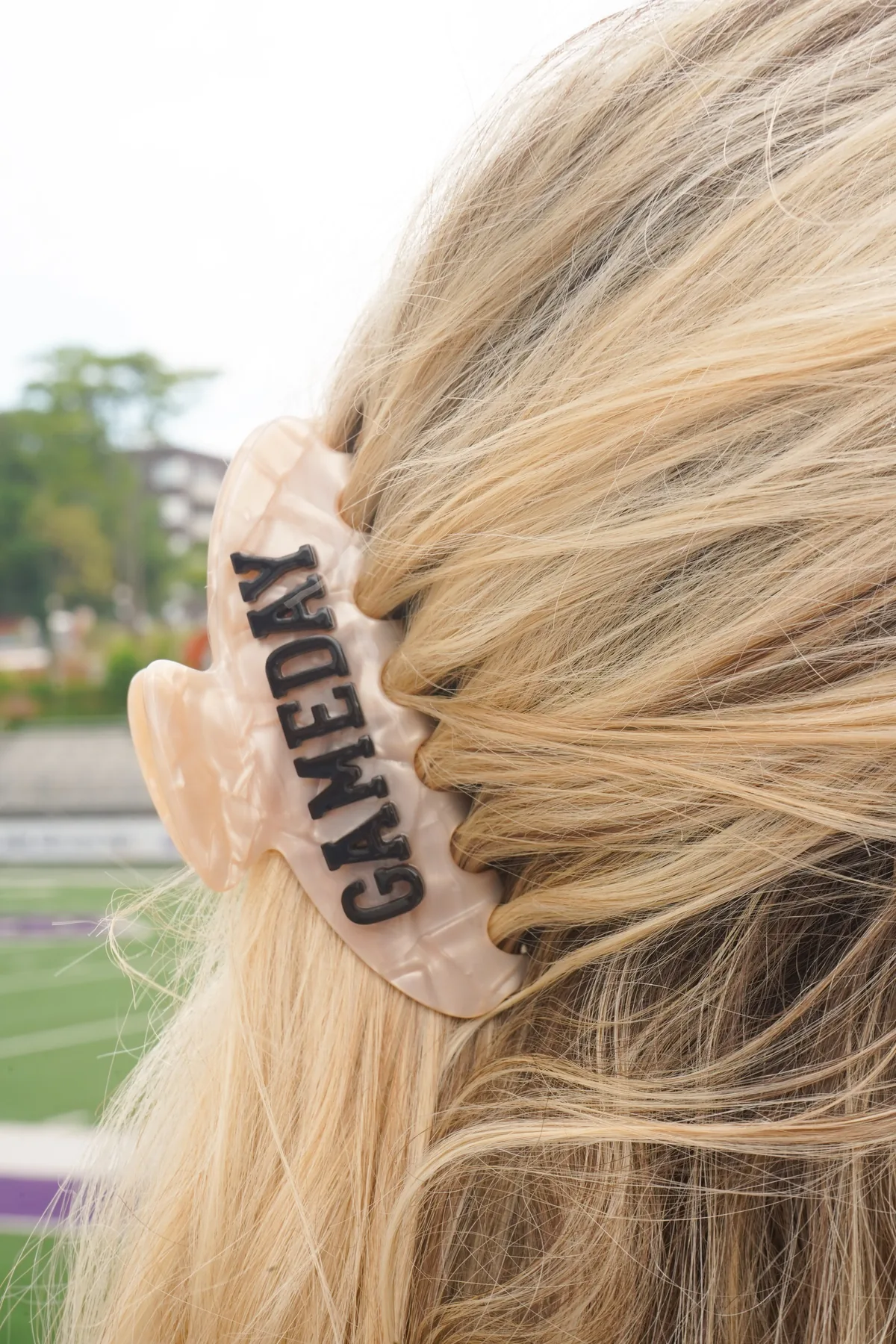
Pros: the fastest style in this guide, comfortable for two hours of sitting, and easy to take down and redo.
Cons: a claw clip is not secure enough for playing — it can snap or fly out when you duck, jump or take a knock.
Maintenance: choose a strong, flat clip rather than a decorative one, and carry a spare elastic in case the clip breaks.
Who should avoid it: players must not wear a claw clip on the pitch. Use braids or a pinned bun for the match, and save the claw clip for the stands or the cool-down.
Team-Colour Scrunchie Ponytail
A ponytail tied with a scrunchie in your team’s colours is the simplest way to show who you support. Tie a mid-height ponytail, wrap the scrunchie twice, and let the tail fall free. In the stands it is comfortable, cheerful and unmistakably a fan look — and it takes less than a minute.

Pros: instant team spirit, gentle on the hair, and the soft scrunchie will not leave a dent or a headache.
Cons: a plain ponytail swings and loosens, so it is no good for playing, and in rain the tail gets heavy and dripping.
Maintenance: for a match-day kickabout, braid the tail first and the scrunchie becomes a secure braided ponytail instead.
Who should avoid it: players should braid the tail or choose a bun; a loose scrunchie ponytail will be in your eyes within ten minutes of kick-off.
Low Ponytail with Wrap-Around Braid
A low ponytail with a wrap-around braid takes a small section of hair from the ponytail, braids it and wraps it around the elastic to hide it. The wrap adds grip at the base — the point where ponytails usually fail — and turns a plain ponytail into something that looks finished for the team photo.
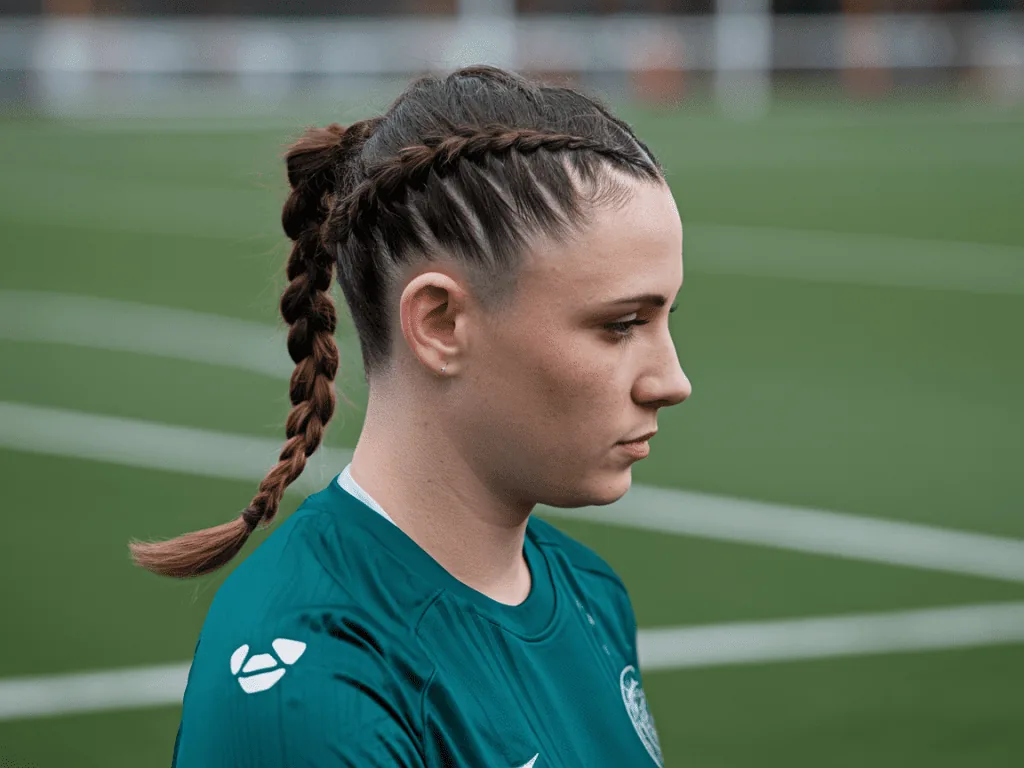
Pros: the plain ponytail, upgraded — extra hold at the base and a polished finish.
Cons: wrapping the braid too loosely lets it slide off the elastic, and taking too much hair for the wrap thins the ponytail out.
Maintenance: pin the end of the wrap underneath the ponytail with one bobby pin. If it comes loose, re-wrap it at half-time — it takes twenty seconds.
Who should avoid it: players with very fine hair may not have enough hair for both a ponytail and a wrap; a braided ponytail is the stronger choice on fine hair.
Dutch Braid Pigtails
Dutch braid pigtails are two Dutch braids worn as pigtails, one on each side, sitting flat against the head and ending in two short tails. They are the most secure pigtail style there is — nothing swings, nothing slips, and the weight is perfectly balanced for 90 minutes of running.
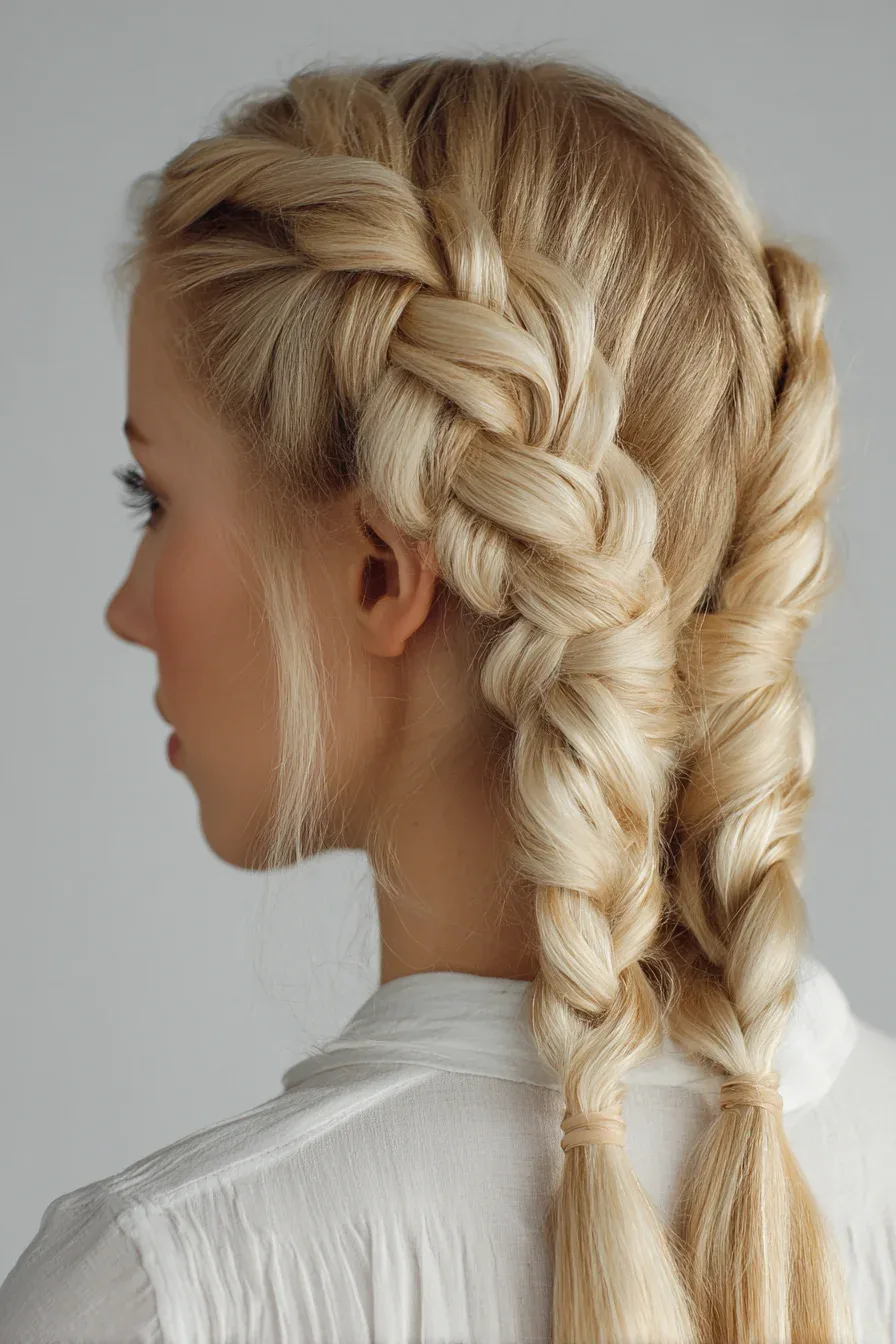
Pros: extremely secure, balanced weight, and they survive headers, rain and slide tackles.
Cons: they take time to braid neatly, and an uneven part shows up immediately in this style.
Maintenance: take thirty seconds to get the centre part straight with a comb before you start, and double up both end elastics.
Who should avoid it: players with short hair may not have enough length for two full Dutch braids; a single French braid grips shorter hair better.
Half-Up Waterfall Braid for the Stands
A half-up waterfall braid is a pretty fan style for the stands: a braid across the back of the head that lets strands fall through it like a waterfall, with the rest of the hair down. It looks lovely in stadium photos and keeps the front layers neatly out of your face while you cheer.
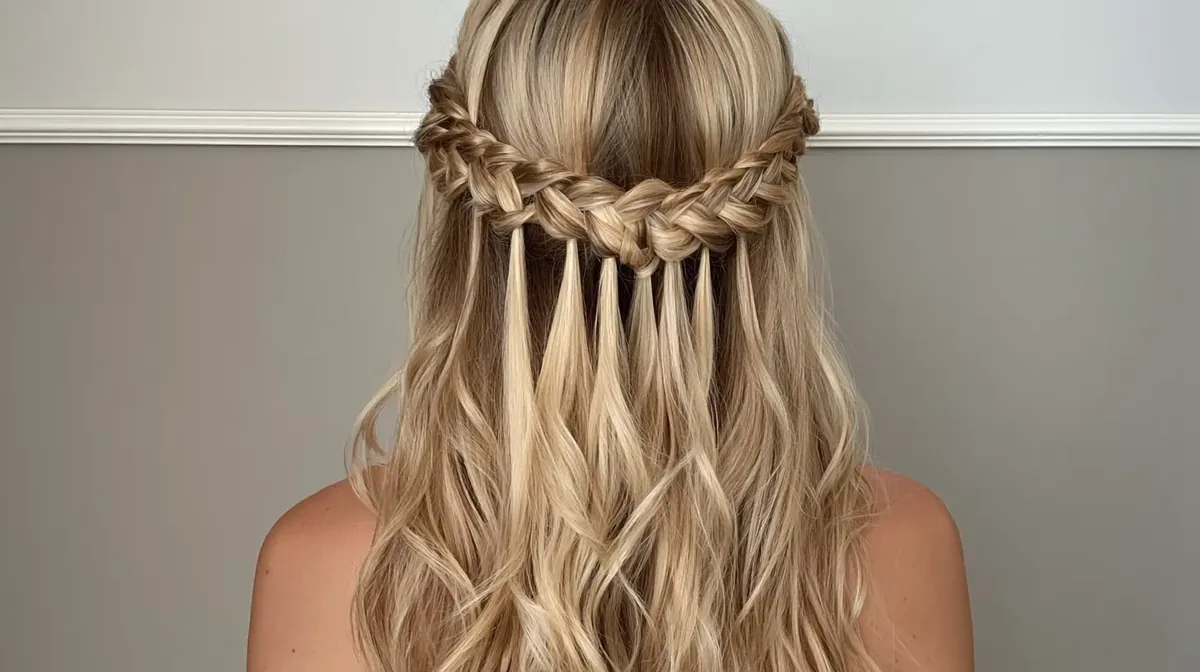
Pros: beautiful and romantic, keeps the front tidy, and photographs wonderfully in team colours.
Cons: it is a loose style — the hair left down blows across your face in pitch-side wind and gets heavy in rain.
Maintenance: pin the braid ends securely and carry a spare elastic. If the wind picks up, gather the loose hair into a quick low ponytail.
Who should avoid it: players should never wear this on the pitch. Half the hair is loose, and loose hair is a hazard when you are heading the ball.
Sleek Straight Hair with a Wide Headband
Sleek, straight hair with a wide headband is a clean fan look for a dry match day: smooth the hair, add a wide fabric headband in your team’s colours, and let the hair fall behind your shoulders. The headband holds the front layers back and catches any drizzle before it reaches your face.
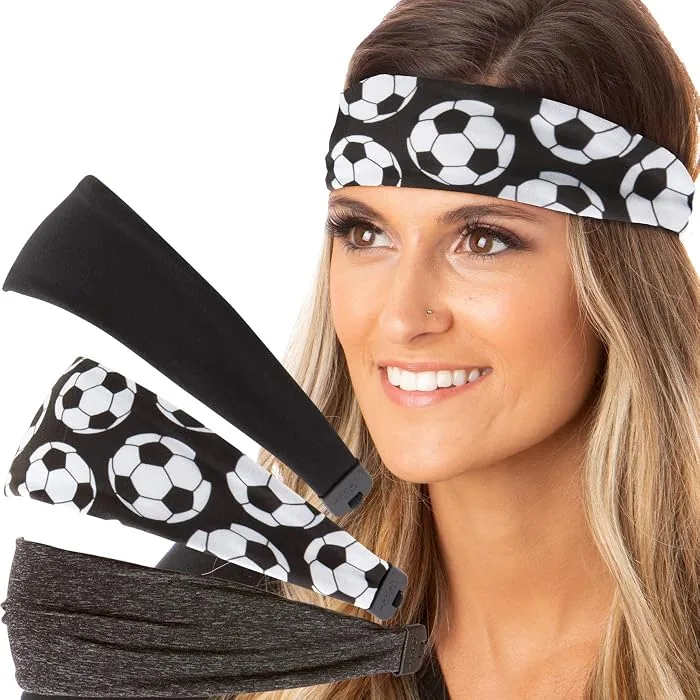
Pros: effortless and polished, comfortable for hours in the stands, and the headband adds instant team colour.
Cons: straight hair left down is the first thing the wind attacks, and in rain it goes flat and heavy within minutes.
Maintenance: a wide, non-slip headband is essential — narrow bands slide off. Keep a spare in your bag for the second half.
Who should avoid it: players must not wear loose hair on the pitch, however sleek it looks. Braid it before kick-off.
Curly Half-Up with a Team Scarf
A curly half-up style tied with a team-colour scarf is a joyful fan look: gather the top half of your curls up, tie the scarf around the base, and let the rest of the curls fall free. The scarf adds colour, holds the front curls back, and doubles as a warm layer if the evening turns cold.
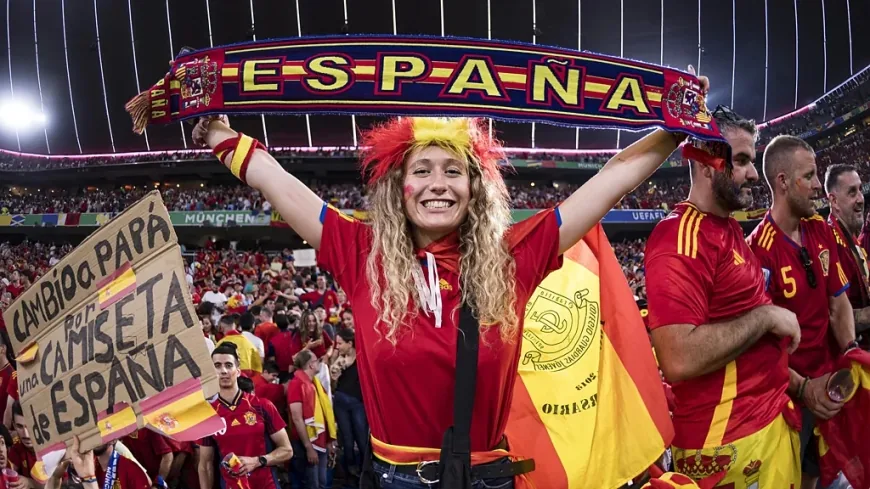
Pros: shows team colours, protects the curl pattern, and keeps the front curls out of your face in the wind.
Cons: the curls left down catch the wind and the rain, and a loosely tied scarf slips off during goal celebrations.
Maintenance: tie the scarf in a firm knot, not a bow, and pin it at two points. At half-time, scrunch the curls with a little water to revive them.
Who should avoid it: players should not wear a scarf on the pitch — it can come loose, and anything loose near the neck is a hazard. Save it for the stands.
French Braid Pigtails
French braid pigtails are two French braids, one on each side, ending in two short tails that sit neatly behind the ears. They are quick to do, very secure, and they keep the neck cool — a great choice for a hot match day or a training session in the sun.
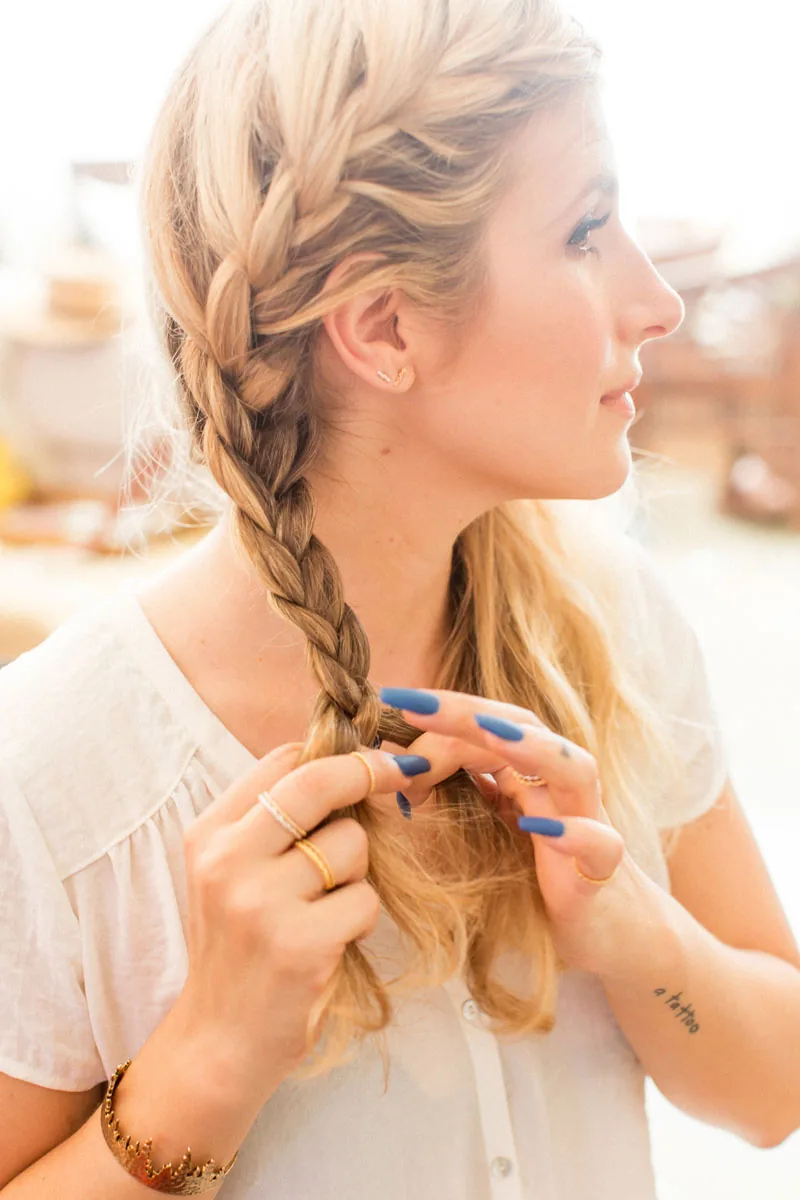
Pros: quick, balanced and secure, with each side easy to fix on its own at half-time.
Cons: braiding the two sides at different heights looks uneven, and starting too low lets the pigtails swing forward.
Maintenance: start the braids high enough that the tails sit behind the ears, and double up the end elastics before kick-off.
Who should avoid it: players with very thick hair may find two French braids too bulky under a headband; a single braid or low bun sits flatter.
Side-Swept Low Bun
A side-swept low bun gathers the hair to one side of the nape and twists it into a small bun. It is a softer, more relaxed take on the low bun — tidy enough for a match, gentle on the neck, and pretty enough for the post-match celebrations afterwards.
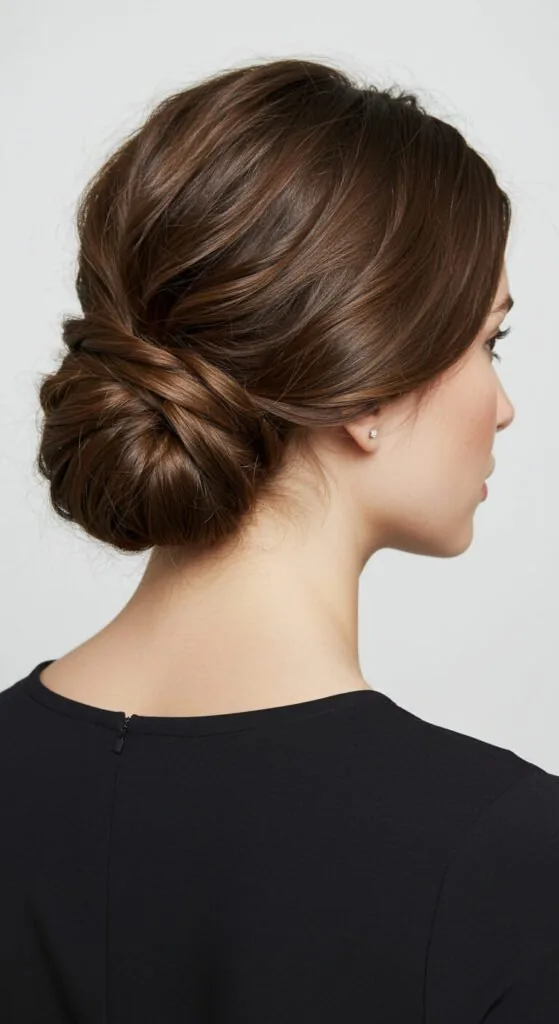
Pros: gentle on the neck, sits clear of headers and collars, and looks softer than a centred bun.
Cons: a bun on one side can feel unbalanced during headers, and it needs extra pins on the heavy side to stay put.
Maintenance: pin the bun at four points, with two on the heavy side. Check it at half-time — a side bun is the first to droop.
Who should avoid it: players who head the ball a lot may find a centred style more balanced; a side bun pulls slightly to one side on every header.
Rainy-Day Messy Low Bun with a Headband
A rainy-day messy low bun is the style for the worst weather soccer can throw at you: gather the hair low, twist it loosely into a bun, pin it firmly, and add a wide waterproof headband. The headband catches the rain before it reaches your eyes, and the low bun cannot collect water the way a high style does.
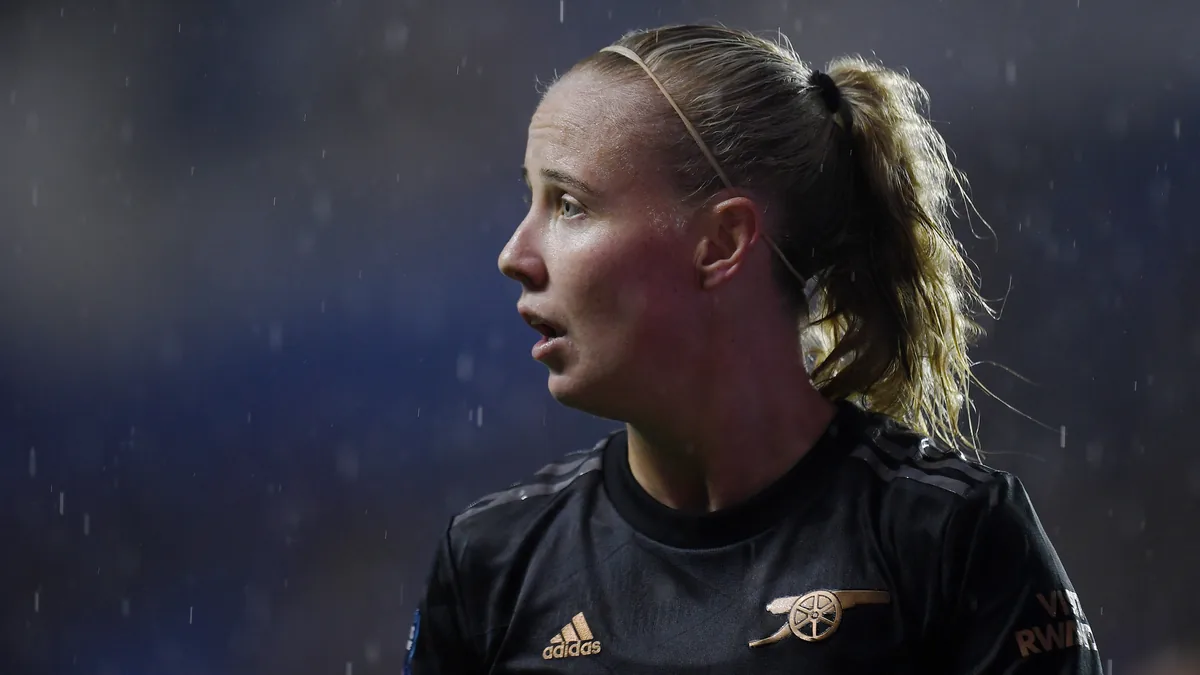
Pros: the best wet-weather style in this guide — low, compact, and the headband keeps rain out of your eyes.
Cons: a messy bun is looser than a braided bun, so it needs more pins, and wet hair gets heavy fast.
Maintenance: squeeze the bun gently with a towel at half-time, re-smooth the hairline with gel, and swap a soaked headband for a dry one.
Who should avoid it: players on a dry, hot day do not need the headband and extra pins; a braid is lighter and cooler when there is no rain to fight.
What is the best hairstyle for a soccer game?
A braid is the best hairstyle for a soccer game — a French braid, Dutch braid or double footballer braids. Braids keep every strand contained, survive headers, sweat and rain, and cannot swing into your eyes. A low bun is the next best choice.
Can I wear my hair down to a soccer game?
If you are playing, no — hair worn down will fall into your face, block your vision on headers and trap heat on your neck. Always braid it or bun it before kick-off. If you are watching from the stands, hair down is fine on a calm, dry day, but a headband or a half-up style handles wind and rain better.
How do I keep my hair from falling out during a soccer match?
Braid it rather than tying a plain ponytail, secure it in at least two places, and use bobby pins at the base of the style. Gel on the hairline and a wide, non-slip headband add extra hold through 90 minutes of running and headers.
What hairstyle survives headers best?
Flat braids survive headers best: a French braid, Dutch braids or cornrows sit close to the scalp and barely move on impact. Avoid high buns, top knots and high puffs when you play, because the bulk on the crown takes the force of the header and slides forward over your eyes.
What should I do with my hair in the rain during a soccer game?
Braid it tight and keep it low, gel the hairline, and wear a wide waterproof headband. A low braided bun is the best wet-weather style. At half-time, squeeze the braid with a towel, re-smooth the hairline and swap a soaked headband for a dry one.
What hairstyle works for short hair in soccer?
Gel the front layers back, add a wide non-slip headband and pin any escaping pieces flat. A headband plus gel is the most reliable short-hair combination for soccer, and bobby pins hold a short fringe back through headers.
Are footballer braids actually good for playing soccer?
Yes — footballer braids were made for the sport. Two Dutch braids sit flat against the head, keep all the hair contained and survive sweat, rain, headers and slide tackles better than almost any other style.
Can I wear a claw clip to a soccer game?
In the stands, yes — a claw clip is fine for watching. On the pitch, no: a claw clip can snap or fly out when you jump for a header or take a knock, and it does not hold hair securely enough for 90 minutes of running. Use braids or a pinned bun to play.
How do I get mud and sweat out of my hair after a soccer match?
Rinse your hair with water the same day, even if you do not shampoo — water alone removes most of the salt. Then wash with a gentle shampoo to get the mud out, condition the ends, and braid your hair loosely overnight so it dries without tangling.
How tight should my hair be for a soccer game?
Secure but not painful. If your scalp aches or you get a headache, the style is too tight — loosen it slightly and add a pin instead of pulling harder. Comfort matters as much as hold over 90 minutes.
Conclusion
The right hairstyle will not score you a goal, but the wrong one can certainly cost you one. Hair in your eyes on a header, hair stuck to a sweaty neck in the second half, hair coming loose halfway through a sprint — each one steals a little focus, and focus is everything in soccer. The 41 hairstyles for a soccer game in this guide all do the same simple job: they get your hair out of the way and keep it there, from kick-off to full time, so you can think about your first touch, your runs and your next pass instead.
Start with a braid. A single French braid or a pair of footballer braids will carry you through almost any match, on almost any hair, with almost no practice. Once that feels easy, try a low braided bun for rainy days and a high braided ponytail for training. If you are watching from the stands, pick a team-colour style, pack a spare headband, and enjoy the game. Keep your kit bag stocked with spare elastics and pins, rinse your hair after the match, and practise any new style at home before you wear it on match day. Your hair is sorted — now go and enjoy the game.