Scrums, Mud and 80 Minutes: 42 Hairstyles for a Rugby Game That Survive Every Tackle
Rugby is the hardest test a hairstyle will ever face. Eighty minutes of scrums, tackles, rucks and mauls, on a pitch that can turn to mud in ten minutes of rain, with a scrum cap pressing down on your head and opponents grabbing at anything loose — that is the reality these styles are built for. The best hairstyles for a rugby game are not the prettiest styles in the mirror; they are the ones still intact, still out of your eyes and still comfortable when the final whistle blows.
A loose strand in rugby is not just annoying. It blocks your vision as you line up a pass, it gets pulled in a tackle, and it traps sweat and mud against your neck for a whole half. A style that works here anchors the hair at several points, sits flat under headgear, and has no loose ends for anyone to grab. Braids, low buns and braided ponytails do this best, because they lock the hair down along its whole length instead of trusting one elastic.
This guide starts with the contact reality — headgear, mud, rain, sweat and half-time fixes — and then gives you 42 styles, for players and for fans, for short, medium and long hair, and for straight, wavy, curly and coily textures. Pick one, practise it once before match day, and walk onto the pitch knowing your hair is already sorted.
Why Rugby Hair Is a Contact Sport in Itself
Rugby is a full-contact sport, and your hair is part of the contact. In a scrum, eight forwards drive into each other with heads locked together; in a tackle, arms wrap around anything they can reach; in a ruck, bodies pile over the ball. Hair that hangs loose gets grabbed, pulled and stepped on, and a style with a high bun or a swinging ponytail becomes a handle for the opposition.
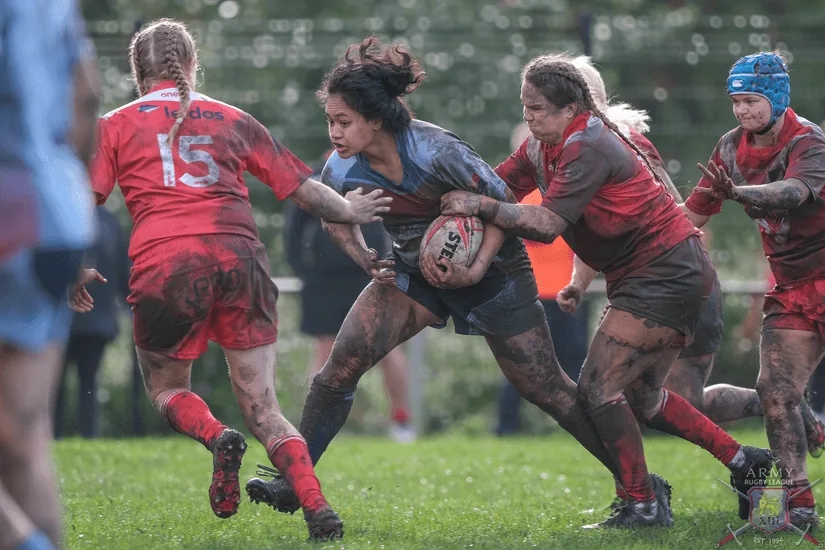
The fix is to think like a player, not like a spectator. Flat styles win in rugby: braids that lie against the head, buns that sit low at the nape, ponytails that are braided first so they cannot swing. Anything that sticks out — a top knot, a high puff, a loose wave — is either uncomfortable under a scrum cap or a target in contact.
Test your style the way you would test a tackle bag. Shake your head hard, sprint ten metres, drop to the ground and get up again. If the style shifts, loosens or slides, it will not survive eighty minutes. If it stays exactly where you put it, it is ready for the pitch.
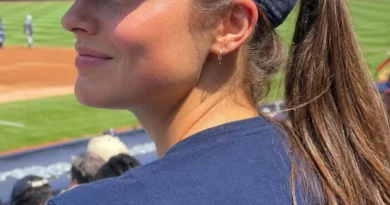
Fans feel a gentler version of the same test. You will be standing in the rain, jumping up for every try, and hugging strangers when your team scores. A style that survives cheering, wet weather and a long walk back to the car matters just as much — the same rules apply, just with a little more room for volume and colour.
Playing or Watching? Pick Your Side First
Playing and watching ask completely different things from your hair, and the most common match-day mistake is wearing a spectator style onto the pitch. On the field you need total lockdown: flat braids, low buns and headbands that survive tackles, scrums and mud. In the stands you can afford volume, soft waves and a little movement, because the only contact you will make is a hug when your team scores.
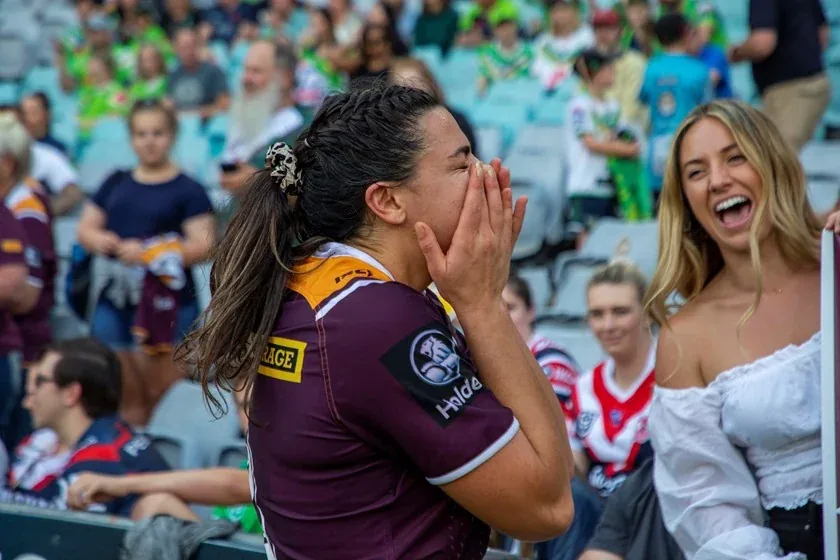
For players, choose a style with no loose ends near the face and nothing that can be grabbed or pulled. Double Dutch braids, cornrows and a low braided bun are the safest bets, and they sit flat under a scrum cap. For fans, a high ponytail, a bubble braid or space buns give you the energy of the game without the full lockdown.
Think about the weather and your seat too. An open stand in driving rain punishes loose hair, so even fans should braid or tie up on a wet day. Under a roof, or on a dry afternoon, a half-up style or a glam ponytail photographs beautifully and stays comfortable for the whole match.
Quick verdict: players go tight and flat, fans go polished and comfortable. Pick your role first, then pick your style — and if you are doing both, a braided ponytail is the one style that works for both.
Scrum Caps, Headgear and Your Hair
A scrum cap is not a helmet — it is a thin padded cap that protects the ears and scalp from friction in the scrum — but it changes everything about your hair. It presses down hard, it traps heat and sweat, and it slides over anything bulky underneath it. A high bun or a top knot under a scrum cap is painful within minutes, and a style with pins or clips at the wrong place will dig into your scalp.
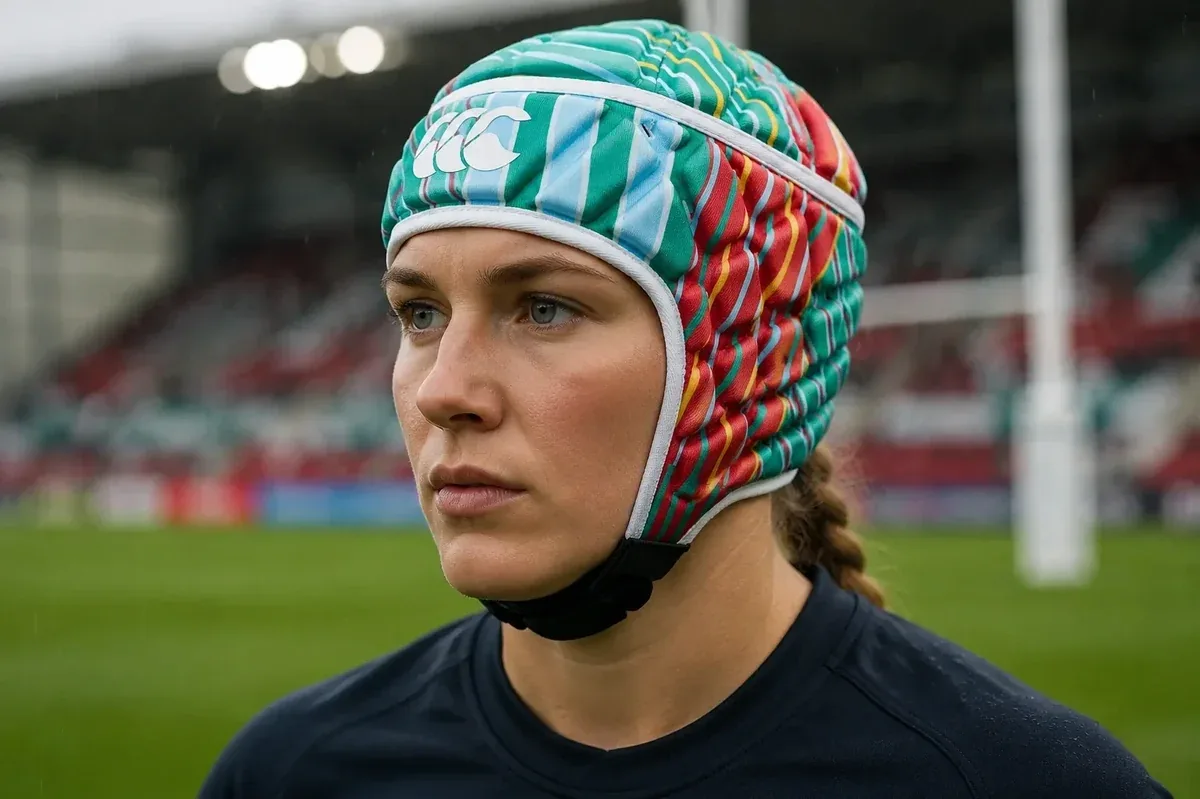
The styles that work under headgear are flat ones. Cornrows, French braids and Dutch braids lie close to the head and let the cap sit evenly. A low bun at the nape sits below the cap line, so nothing presses against it. If you wear a cap, braid your hair first, then pull the cap on over the braids and check that no braid ridge is sitting under a strap.
Never wear metal clips, hard beads or a bulky scrunchie under a scrum cap. Soft elastics and small, flat pins are fine; anything hard becomes a pressure point when the scrum packs down. Tie long braids with a soft elastic at the end and tuck the ends in, so they cannot catch on the cap or on an opponent.
Quick verdict: flat braids and a low bun are the scrum-cap styles. Try the cap on over your finished style at home, jog around the garden for five minutes, and adjust anything that rubs before match day.
Mud, Rain and Wet-Weather Hair
Rugby is a winter sport, and winter means rain, mud and cold. Wet hair is heavier, it slips out of elastics more easily, and mud works its way into every loose strand. A style that holds beautifully on a dry day can fall apart in the first ten minutes of a wet one, so wet-weather hair needs its own plan.
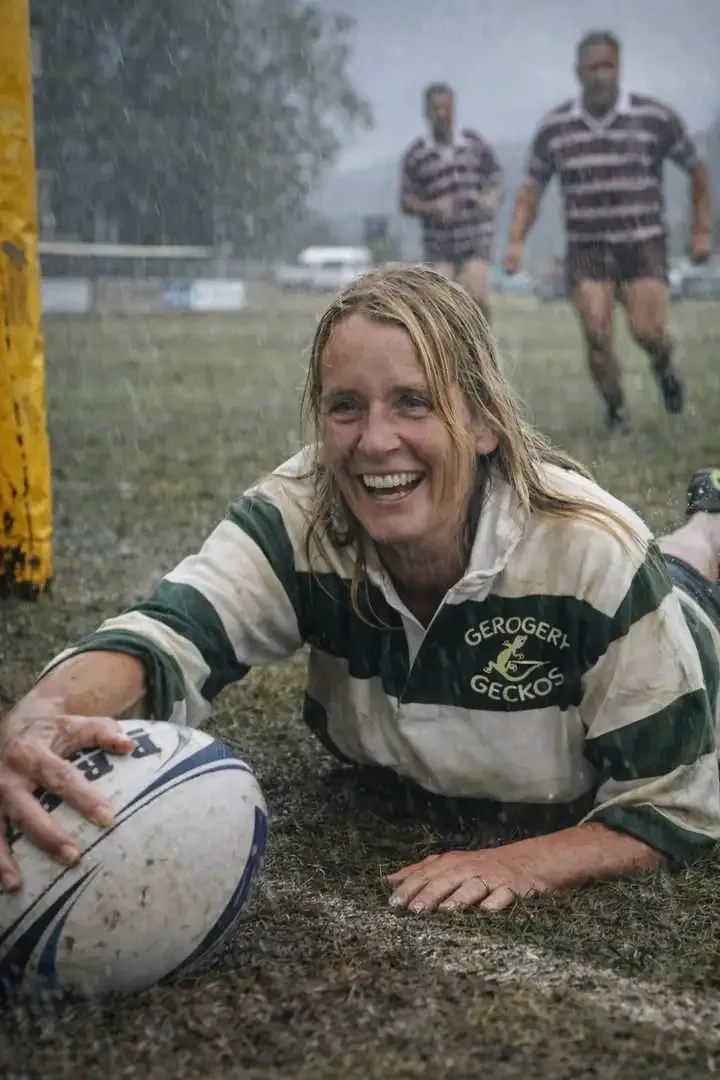
Braids are your best friend in the rain. A braid keeps wet hair contained, stops it sticking to your face, and dries in a controlled shape instead of a tangled mess. A bun works too, but only if it is tight and pinned well — a loose bun in the rain turns into a heavy, dripping knot. Avoid leaving hair down in wet weather; it will be plastered to your neck and in your eyes within minutes.
Before a wet match, use a little more product than usual: gel at the hairline, a light hairspray over the finished style, and two elastics at the base instead of one. After the match, rinse the mud out with plain water before you shampoo, and comb through with a wide-tooth comb while the conditioner is in — never brush muddy hair dry.
Quick verdict: braid it, gel it, double-elastic it. Wet weather rewards the tightest styles, and a French braid that survives a muddy eighty minutes is worth more than any pretty wave that lasts ten.
Sweat-Proof Products That Hold Through Tackles
Sweat is the quiet enemy of every rugby hairstyle, and the products that work are the ones built for it. A strong-hold gel or edge control smoothed over the hairline before you braid keeps baby hairs and flyaways flat through eighty minutes, while a light hairspray mist over the finished style locks the surface without making it crunchy or flaky.
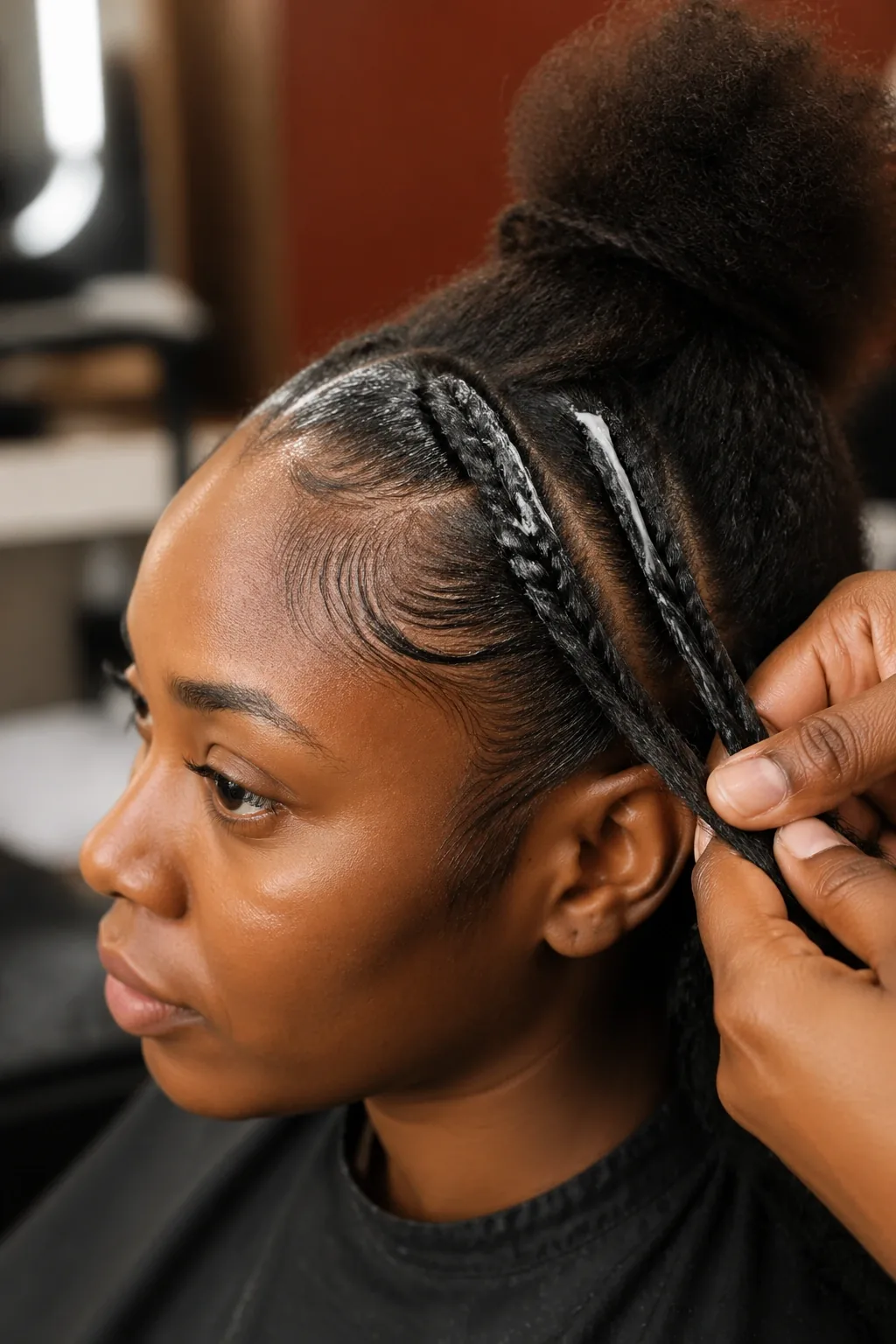
Start with dry hair and a pea-sized amount of gel worked through the roots and hairline, not the lengths — too much product on the lengths makes the hair heavy and slippery, which is the opposite of what you want in a tackle. A texturising spray or dry shampoo at the roots before styling gives fine hair grip, so elastics and pins actually hold instead of sliding out on the first scrum.
Skip heavy oils, leave-in creams and shine serums on match day. They make the hair too slick for braids to grip, and once sweat and rain mix in, the style slides apart. Save the oils for the post-match wash, when your hair actually needs the moisture back.
Quick verdict: gel at the hairline, dry shampoo at the roots, light hairspray to finish. Three products, applied in that order, and your style will still be intact when the final whistle blows.
Hair by Length: Short, Medium and Long
Short, medium and long hair need completely different rugby styles, and copying a style built for a different length is the fastest way to lose it in the first tackle. Short hair cannot be braided or bunned, so it needs gel, a wide headband and pins to control the front layers. Medium hair suits a low bun, a single braid or a half-up style. Long hair needs a braid or a braided ponytail, because a plain ponytail swings, whips and gets grabbed with every run.
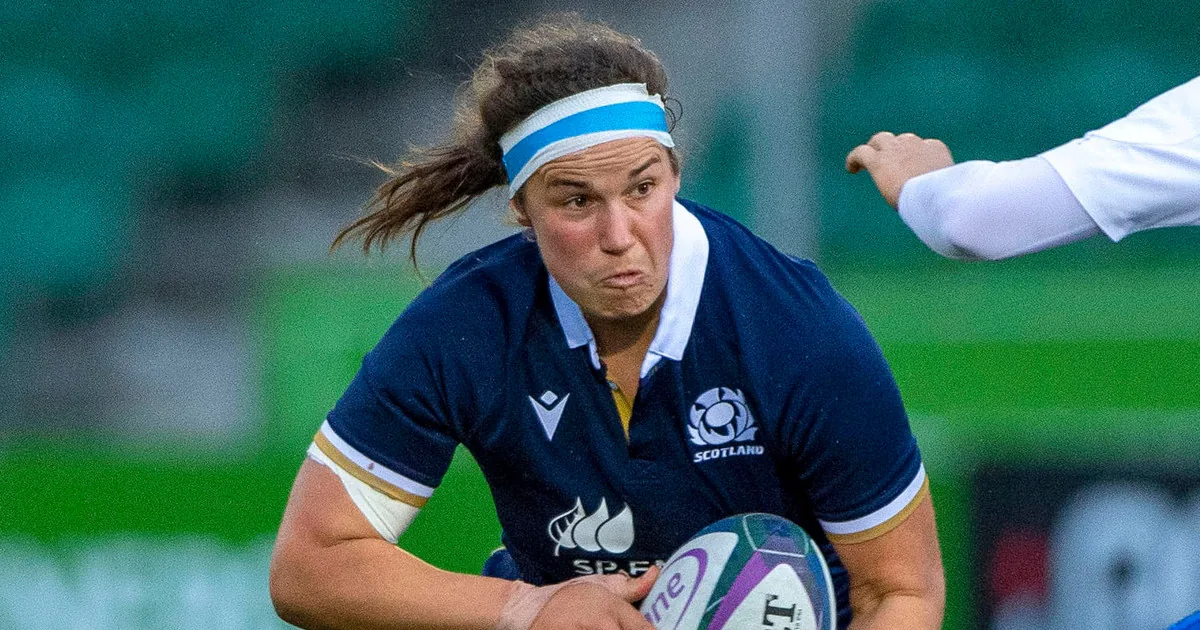
For short hair, slick the front layers back with gel, add a non-slip headband, and pin any escaping pieces flat against the head. For medium hair, a French braid or a low bun keeps the ends tucked away, which matters when you are running the full pitch. For long hair, double braids or a braided ponytail distribute the weight so the style does not bounce and pull at the roots.
Length also decides your warm-up. Long-haired players should practise their style at home first, because a braid that takes fifteen minutes to do is useless if you are rushing to the pitch. Short-haired players can style in two minutes, so the headband and gel routine is the whole plan.
Quick verdict: short hair goes slicked and pinned, medium hair goes braided or bunned, long hair goes double-braided or braided into a ponytail. Match the style to your length and it will hold.
Half-Time Fixes in Sixty Seconds
Even the best rugby hairstyle can loosen after forty minutes of tackles, and half-time is your chance to fix it in sixty seconds. Keep a small kit on the bench or in your bag: two extra elastics, four bobby pins, a mini hairbrush and a travel-size dry shampoo. That is all you need, and it fits in a jacket pocket.
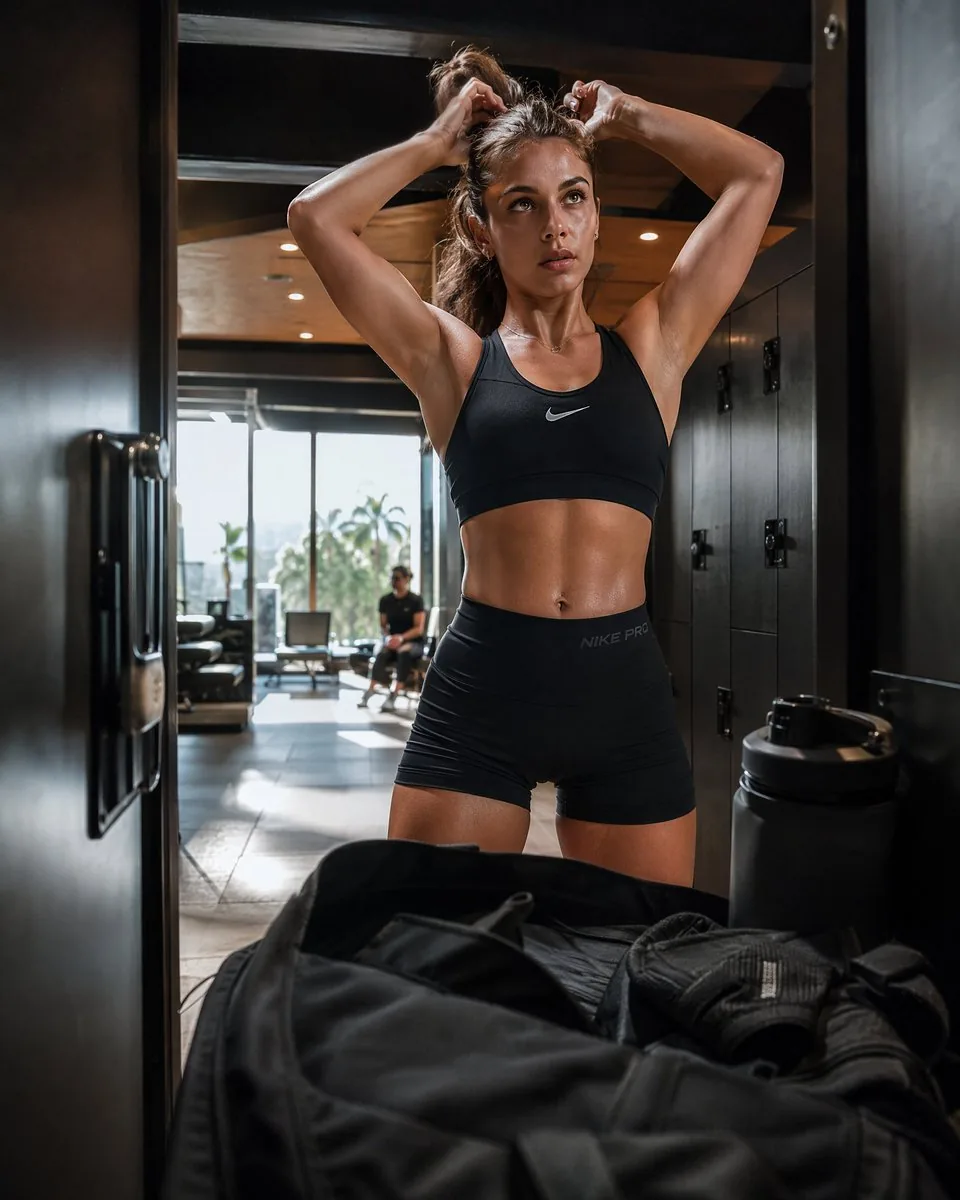
Start with the hairline. Smooth any loose baby hairs back with a dab of gel or even a little water, then re-pin the headband if it has slipped. Next, check the base of your ponytail or bun — if it has dropped, take it down and redo it tighter rather than trying to tighten it in place, which never works. A fresh elastic holds far better than a stretched one.
For braids, tuck any escaping strands back into the braid with a bobby pin and smooth the surface with your palms. For curly hair, a quick scrunch with a damp hand revives the shape without redoing the whole style. Never take a full style down at half-time unless you have to — a partial fix is faster and holds better than a rushed rebuild.
Quick verdict: fix the hairline first, the base second, and the ends last. Sixty seconds, four tools, and your hair is ready for the second half.
Post-Match Hair: Wash, Repair and Rest
After a rugby match, your hair has been through sweat, mud, friction and eighty minutes of contact, and it needs a proper reset. Start by taking the style down gently — never rip out elastics, which snap hair, and slide bobby pins out instead of pulling them through. Rinse the mud out with plain water first, then comb through with a wide-tooth comb while conditioner is in.
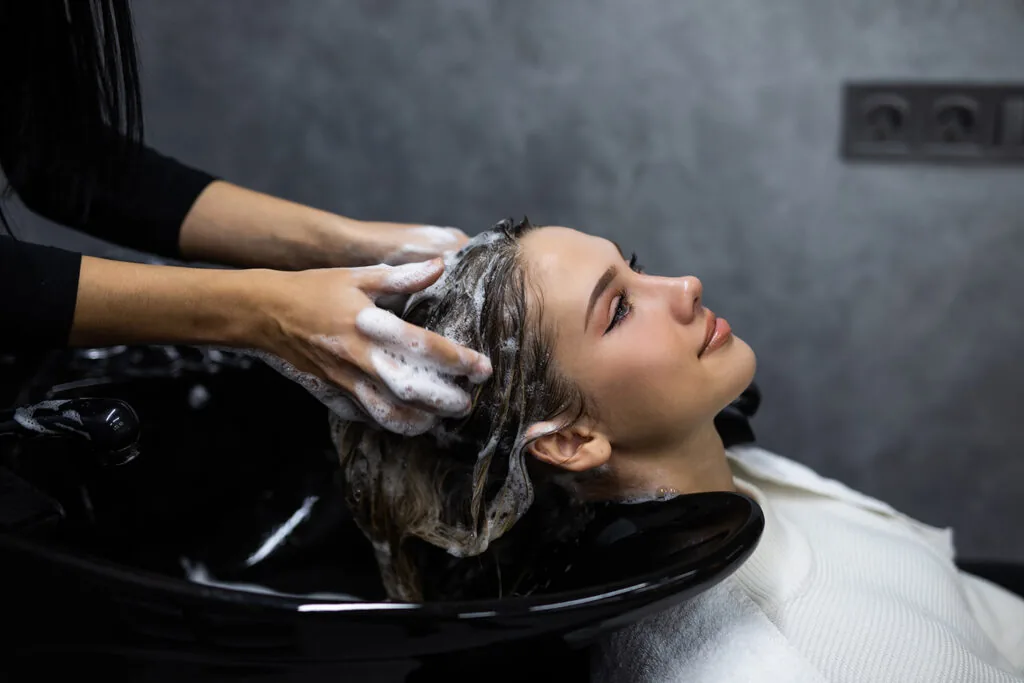
Wash with a clarifying shampoo once a week if you play regularly, because sweat, gel and mud build up on the scalp and dull the hair. The rest of the time, a gentle shampoo is enough. Follow with conditioner on the lengths only, never the roots, and a weekly deep-conditioning mask if you braid tightly, because tight styles stress the hairline.
If you are heading straight out after the match, dry shampoo at the roots, a quick brush-out and a loose braid or a low ponytail will take you from pitch to pub without a full wash. For the next match, give your hair a rest day between tight styles — alternating a braid with a looser bun protects the hairline over a long season.
Quick verdict: take it down gently, rinse the mud out, wash the sweat out, condition the lengths, and rest the hairline between tight styles. Your hair will survive the whole season.
Double Dutch Braids
Double Dutch braids are the gold standard for rugby. Two braids run tight against the scalp from hairline to nape, locking every strand flat so nothing can be grabbed, pulled or blown into your eyes — and they look just as good in the team photo after the match.
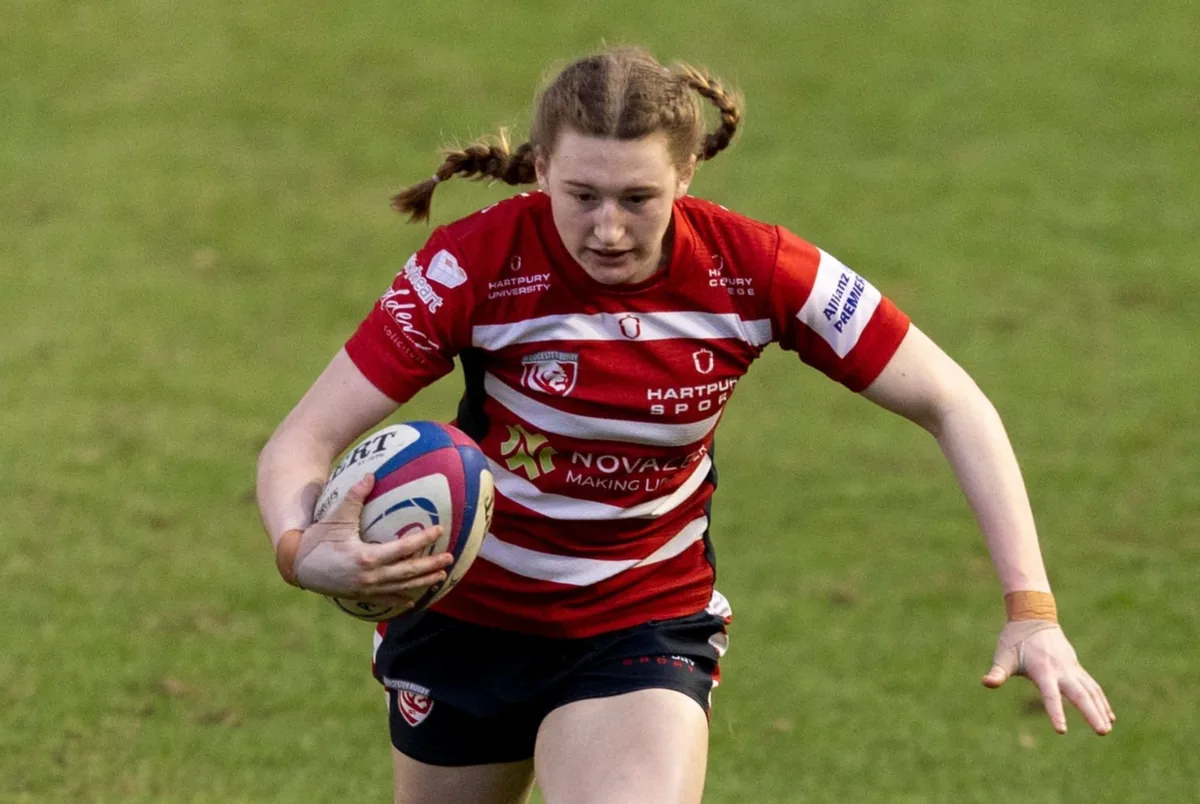
Pros: They are the most secure style in this guide, they sit flat under a scrum cap, and they survive mud, rain and eighty minutes of tackles without loosening.
Cons: They take ten to fifteen minutes to do well, and they can pull at the hairline if braided too tightly, so practise them before match day rather than learning on the morning of a game.
Maintenance: Sleep in them the night before to save time, and re-braid them fresh if they feel loose. A light gel at the hairline keeps flyaways flat, and a soft elastic at each end stops the braid unravelling.
Who should avoid it: Anyone with very short hair that cannot reach a braid, and anyone with a sore or sensitive scalp — tight braids will only make it worse.
Cornrows That Lie Flat
Cornrows are braided tight to the scalp in neat rows, and for rugby they are almost unbeatable. Nothing sticks out, nothing swings, and a scrum cap slides straight over them — which is why so many players with textured hair rely on them all season.
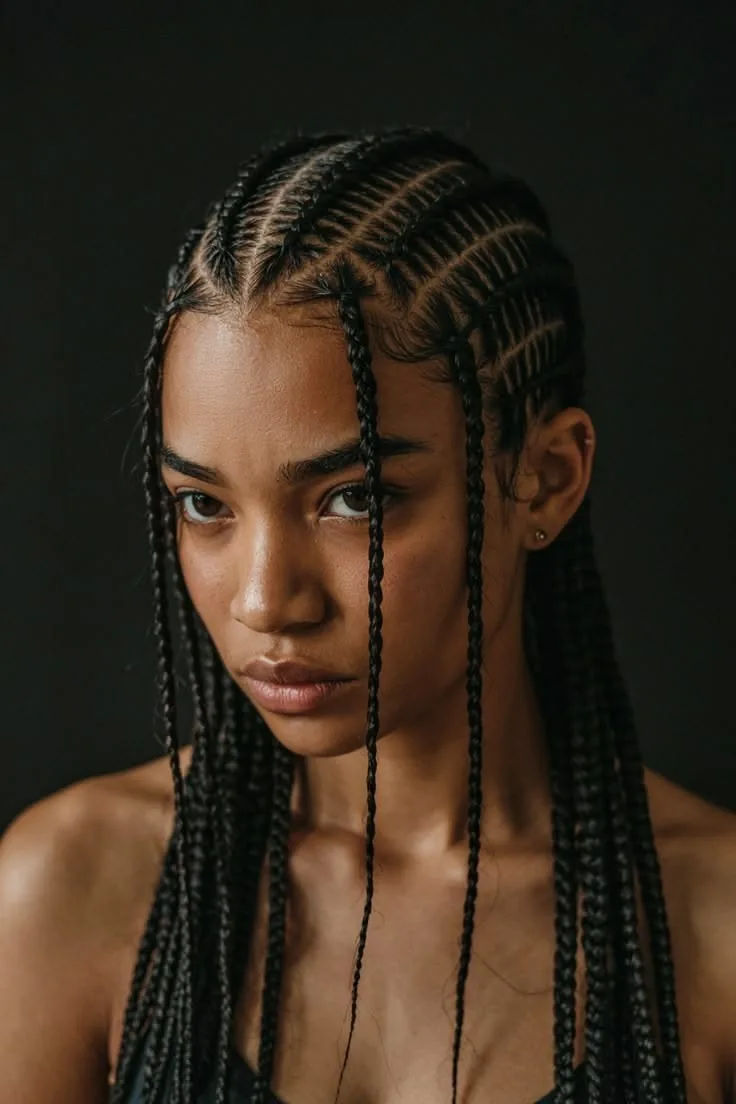
Pros: They lie completely flat under headgear, they last for days so you can style once and play twice, and they protect the hair from mud and friction.
Cons: They need time and skill to install, and tight cornrows can strain the hairline if they are pulled too hard or left in for too long.
Maintenance: Keep the scalp moisturised between matches, wash gently with diluted shampoo, and take them out after a week or two so the hairline gets a rest.
Who should avoid it: Anyone who needs a style done in five minutes, and anyone with scalp irritation or traction-sensitive hair — choose a looser braid instead.
The Low Braided Bun
The low braided bun braids the hair first, then wraps it into a bun at the nape — double security in one style. The braid stops the hair slipping inside the bun, the bun keeps the ends tucked away, and the whole thing sits flat and comfortable under a headband or a hoodie.
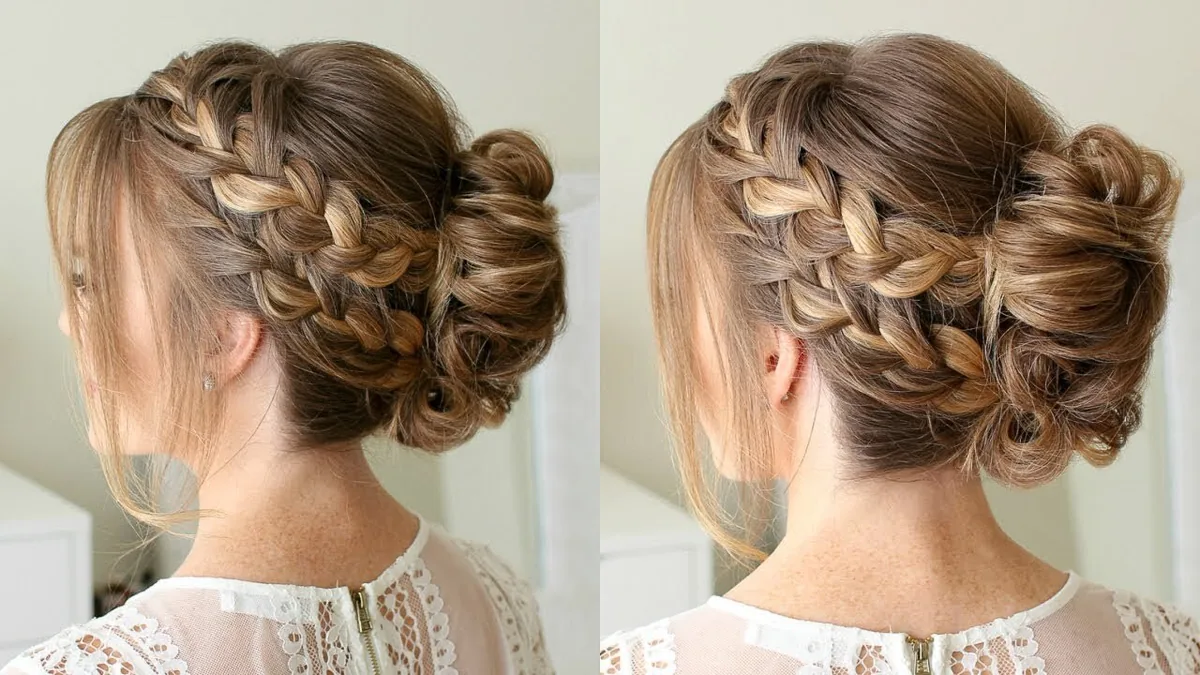
Pros: It is secure, cool on the neck, and sits below the scrum-cap line, so it never presses against headgear or a collar.
Cons: It takes longer than a plain bun, and a heavy bun can pull at the nape if it is pinned too tightly or loaded with too much hair.
Maintenance: Pin it at three points with flat bobby pins, smooth the hairline with gel, and re-pin at half-time if the base has dropped at all.
Who should avoid it: Anyone with very short hair that cannot form a bun, and anyone who finds low buns uncomfortable against a high collar or a scrum cap strap.
The High Braided Ponytail
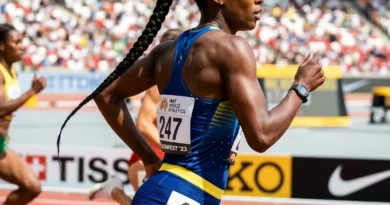
The high braided ponytail gives you the height and energy of a ponytail with the security of a braid. The hair is braided from the crown down, so it cannot swing loose or whip across your face when you sprint — a favourite for backs and wingers who run all day.
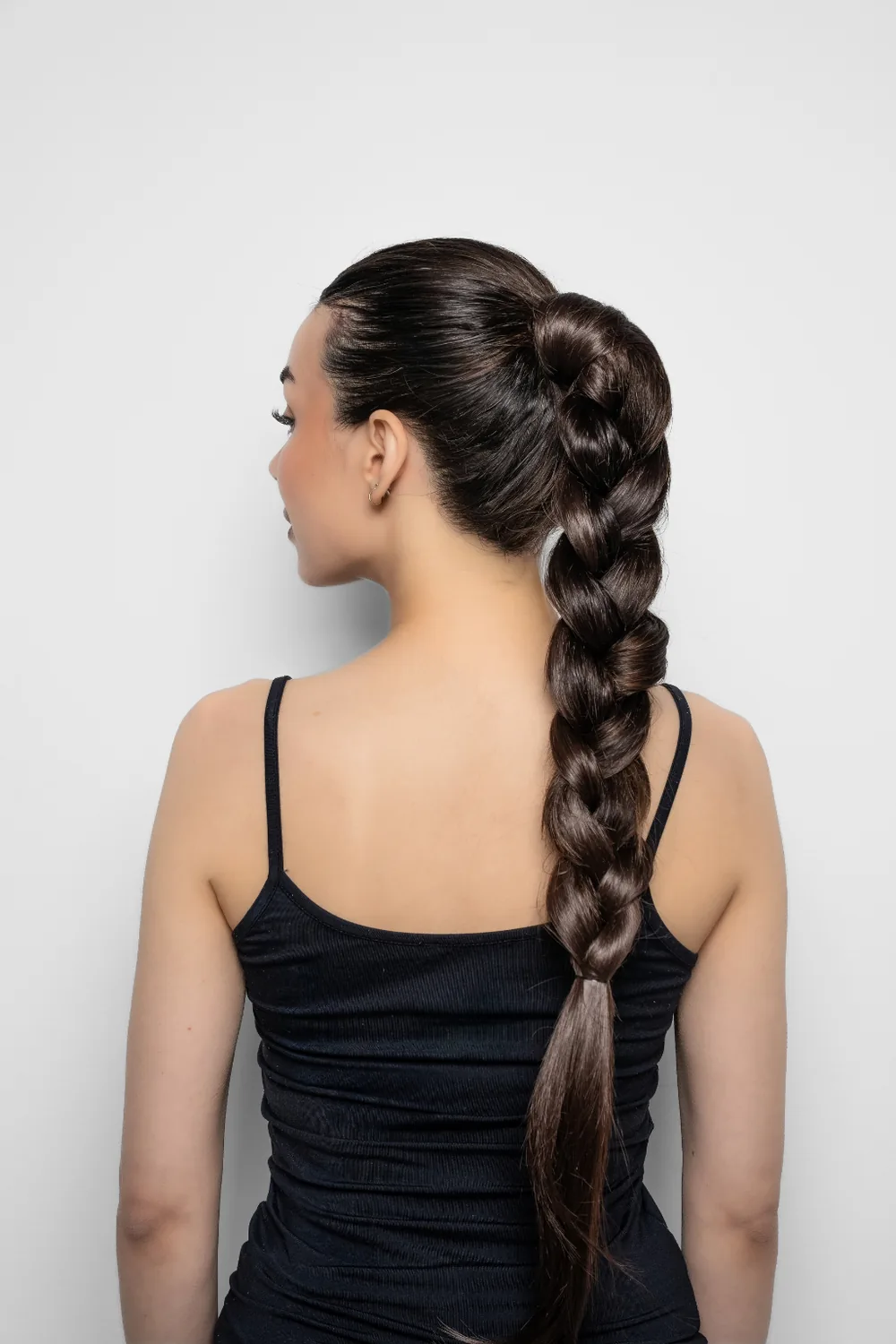
Pros: It stays put through sprinting, it shows off length without the swing of a plain ponytail, and it photographs beautifully from the stands.
Cons: The braid adds weight at the back of the head, and the high base can slide down during a long match if the elastic is weak.
Maintenance: Use two elastics at the base, braid tightly from the crown, and carry a spare elastic for half-time — a fresh one holds far better than a stretched one.
Who should avoid it: Forwards who pack into scrums, because a high ponytail presses awkwardly under a scrum cap, and anyone with fine hair that slips out of high ponytails.
French Braid Into a Low Bun
A French braid that flows into a low bun is the most versatile style in this guide. The braid locks the front and crown flat, the bun tucks the ends away at the nape, and the result is neat, flat and comfortable for a full eighty minutes.
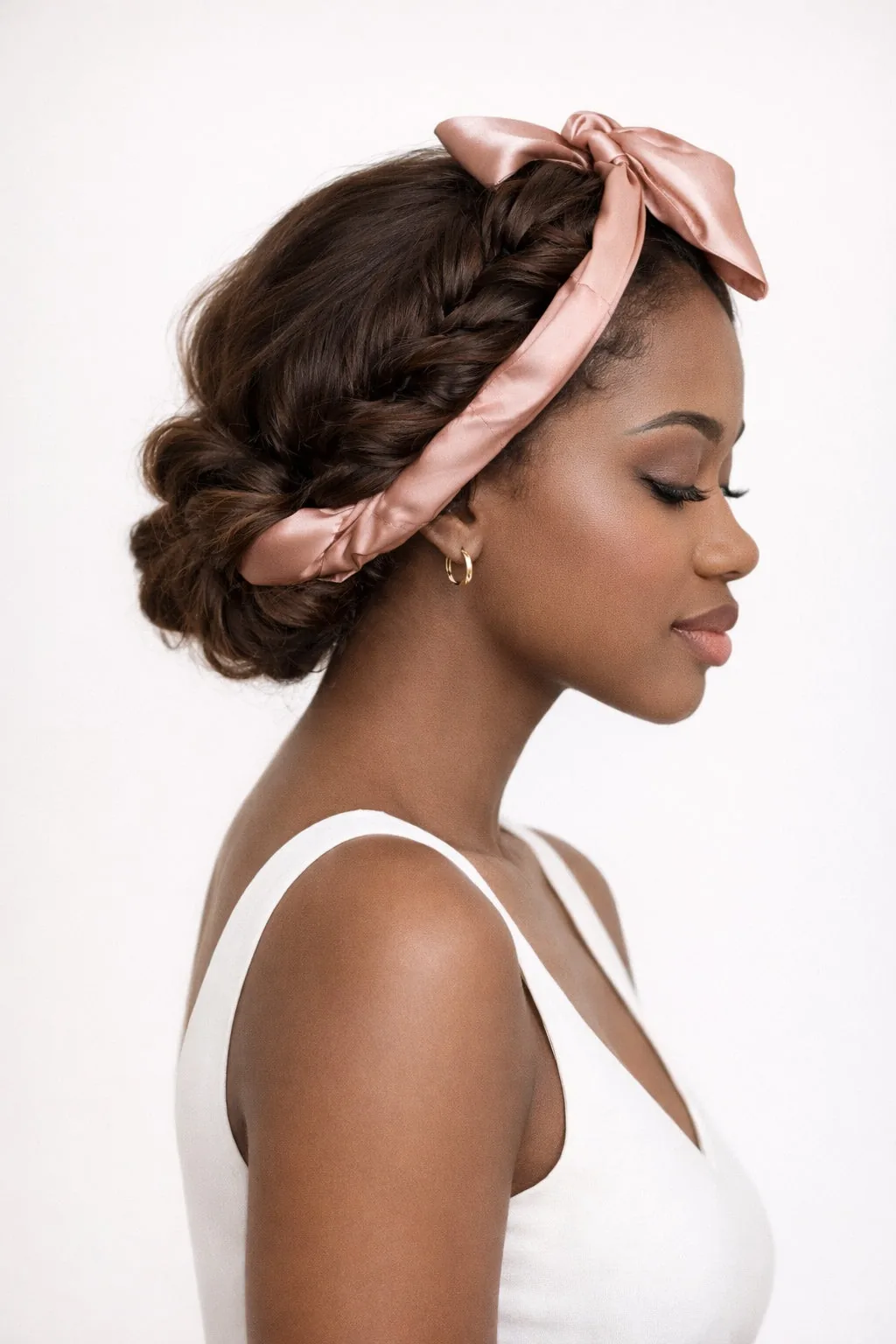
Pros: It works for almost every hair length, it sits flat under a scrum cap, and it looks polished enough for the team photo and the pub afterwards.
Cons: It needs a little braiding skill, and the bun can loosen if the braid is not anchored tightly at the nape.
Maintenance: Anchor the braid with a small elastic before wrapping the bun, pin the bun flat, and finish with a light mist of hairspray.
Who should avoid it: Anyone with very short hair, and anyone who dislikes the feeling of a bun at the nape — a single French braid may suit you better.
The Bubble Braid Ponytail
The bubble braid ponytail is a ponytail divided into puffs with elastics down its length, and it is tougher than it looks. Each elastic is another anchor point, so the style cannot swing free the way a plain ponytail does — and the team-colour elastics make it a fan favourite.

Pros: It is quick to do, it holds its shape through running and jumping, and the bubbles hide uneven lengths and layers.
Cons: The bubbles can flatten in heavy rain, and each elastic is a point where the hair can snag if you pull them out carelessly.
Maintenance: Space the elastics evenly, tug each bubble gently to even it out, and slide elastics out one by one after the match instead of pulling them through.
Who should avoid it: Players in the tight five, because the bubbles add bulk at the back of the head, and anyone with very fine hair that slips out of elastics.
The Slicked-Back Low Ponytail
The slicked-back low ponytail is the simplest serious rugby style: hair smoothed flat with gel, gathered low at the nape, and tied tight. No loose ends, no bulk, nothing for an opponent to grab — just clean, controlled hair that stays out of your face for eighty minutes.
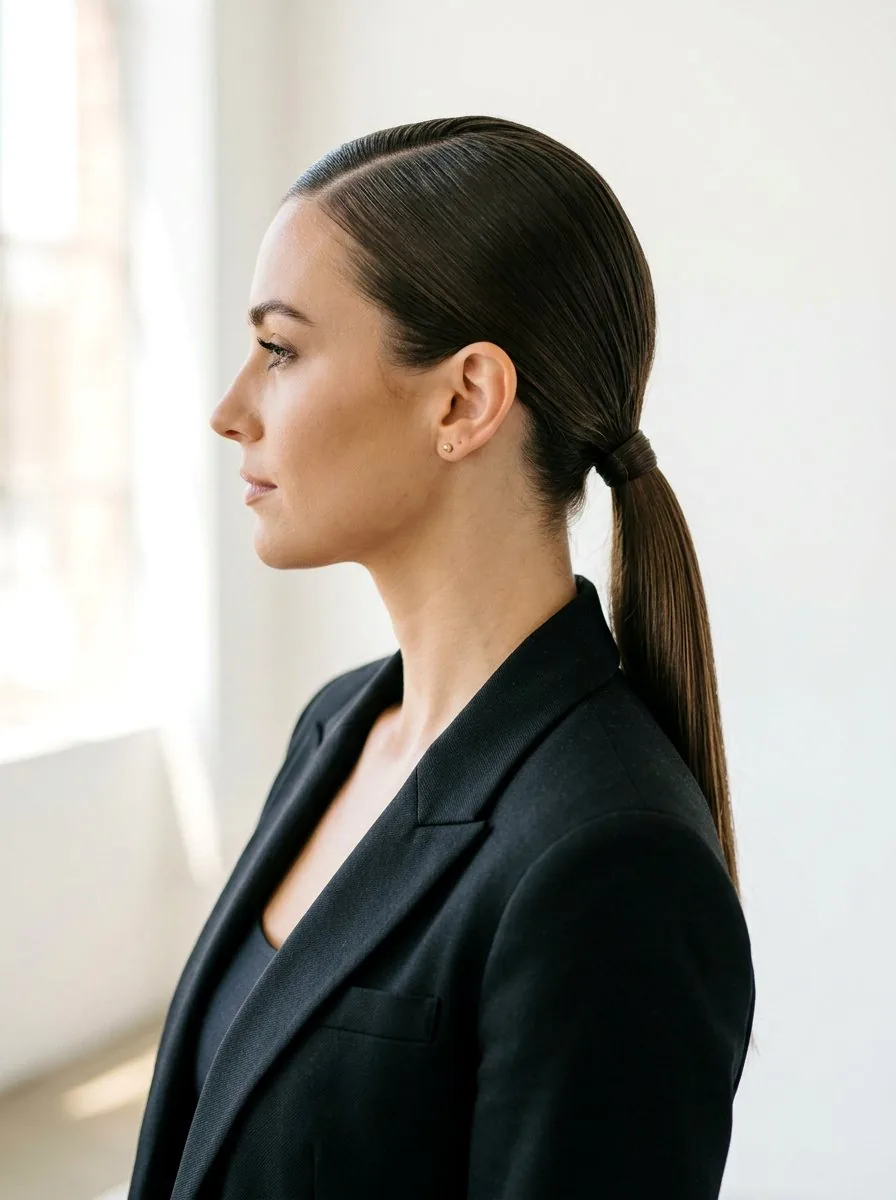
Pros: It takes two minutes, it sits flat under a scrum cap, and it works on almost every hair type and length.
Cons: It shows every flyaway, so it needs gel and a good brush, and a plain ponytail can still swing and pull at the roots when you sprint.
Maintenance: Brush the hair smooth with gel before tying, use two elastics, and wrap a strand around the base to lock the elastic in place.
Who should avoid it: Anyone with very short hair that will not reach a ponytail, and anyone with a sensitive scalp — the slicked tension can ache by the second half.
The Tight High Ponytail
The tight high ponytail is the classic athlete look for a reason: one firm elastic, hair pulled high and smooth, and nothing near your face. For backs who sprint and sidestep all match, it keeps the hair completely out of the way — as long as it is tied tightly enough.
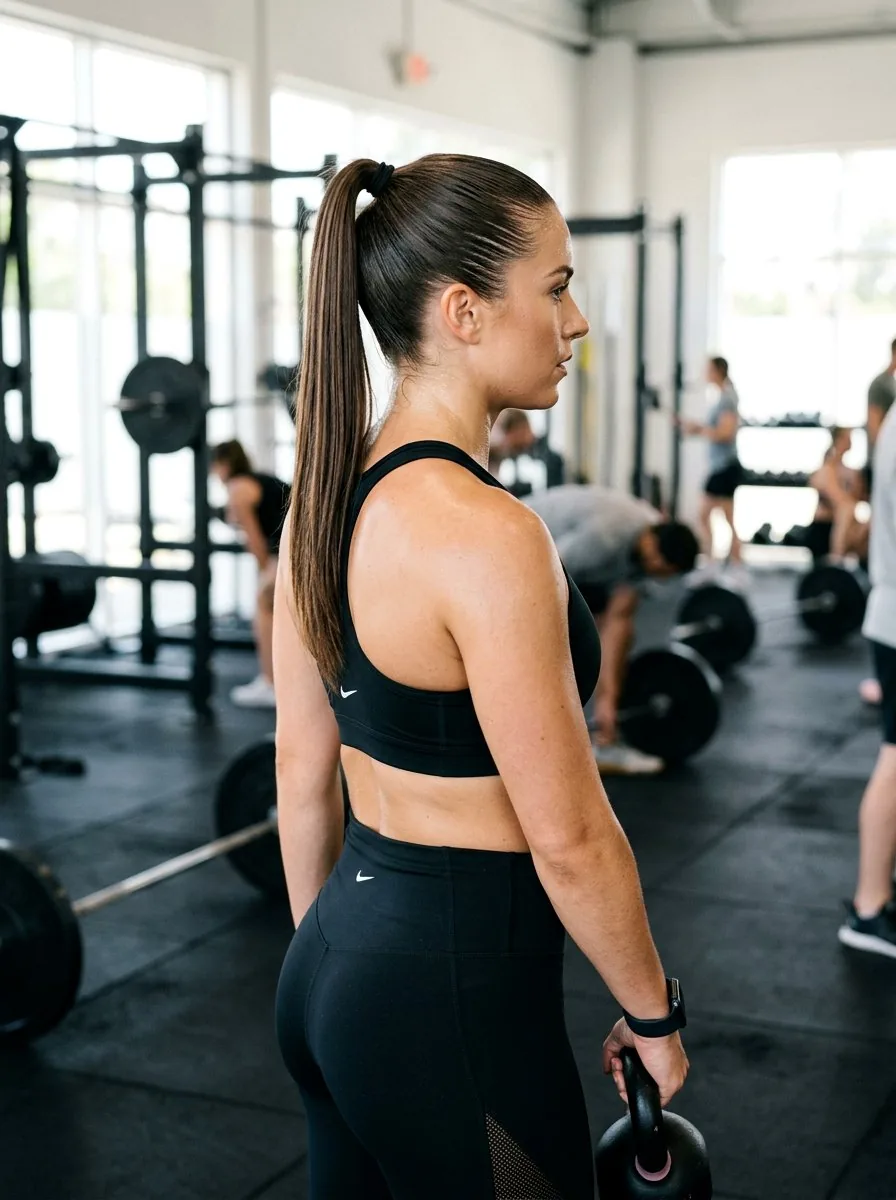
Pros: It is fast, it keeps the neck cool, and it works brilliantly for training, warm-ups and running rugby.
Cons: It swings with every step, it pulls at the hairline over eighty minutes, and it is a handle in a tackle if it is long and loose.
Maintenance: Tie it high and tight with two elastics, smooth the hairline with gel, and braid the tail if you want it to stop swinging.
Who should avoid it: Forwards and anyone who wears a scrum cap, because a high ponytail bunches under headgear, and anyone with a tender hairline.
The Braided Crown
The braided crown wraps a braid around the head like a halo, pinning every strand up and away from the face. It is elegant, it is completely out of the way, and it is a lovely choice for a dry match day or for watching from the stands.
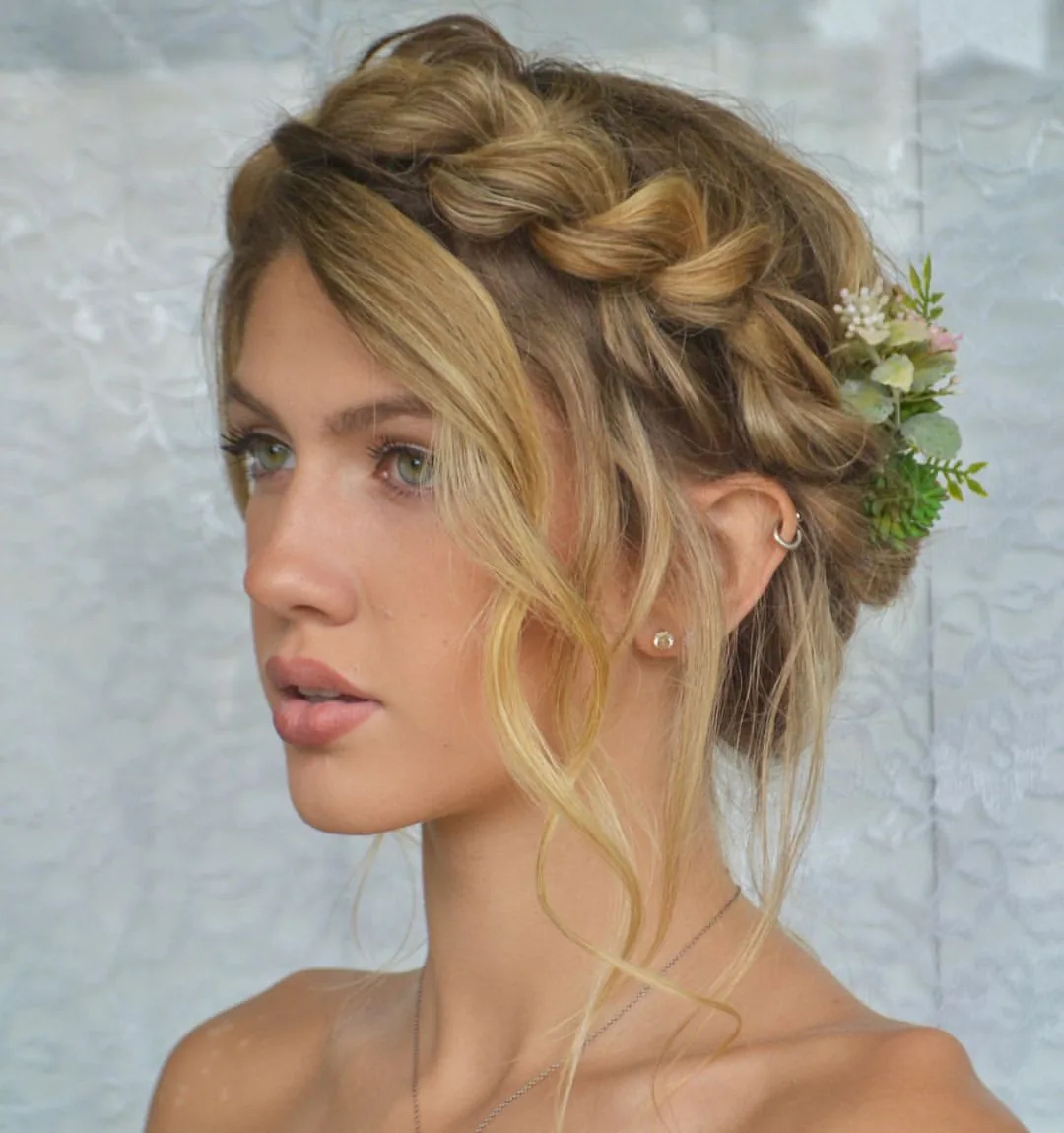
Pros: It keeps all the hair off the neck, it looks beautiful in photos, and it works well for medium to long hair.
Cons: It is not a contact style — a crown braid can be pulled loose in a tackle — and it takes time and pins to secure properly.
Maintenance: Pin it at several points around the head, use flat pins that will not dig in, and finish with hairspray so the braid holds its shape.
Who should avoid it: Players in contact positions, and anyone who needs a style that survives a scrum — save this one for the stands or a social match.
The Fishtail Braid
The fishtail braid weaves two sections into a flat, intricate plait that lies close to the head. It is tighter and flatter than a normal three-strand braid, so it holds up well in wind and rain, and it looks far more complicated than it is.
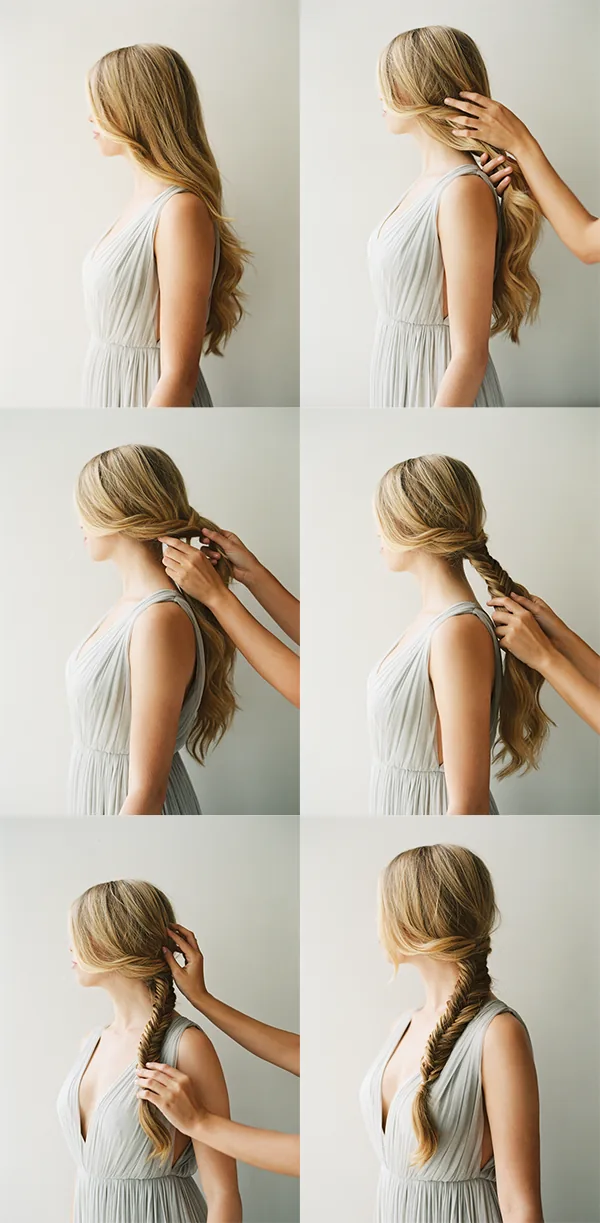
Pros: It lies flat, it grips the hair well so it loosens slowly, and it suits long hair that needs containing without a bun.
Cons: It takes longer to braid than a normal plait, and it can loosen at the ends if the elastic is weak or the braid is started too loosely.
Maintenance: Braid it tightly from the nape, secure the end with a small elastic, and tuck the tail into your collar or shirt so it cannot be grabbed.
Who should avoid it: Anyone with short or layered hair that slips out of fine braids, and forwards who need the flattest possible style under a scrum cap.
The Chunky Single Braid
The chunky single braid is one thick plait down the back — simple, fast and surprisingly tough. It gathers all the hair into one controlled length, so nothing flies into your eyes, and you can tuck the end into your shirt so it cannot be grabbed in a tackle.
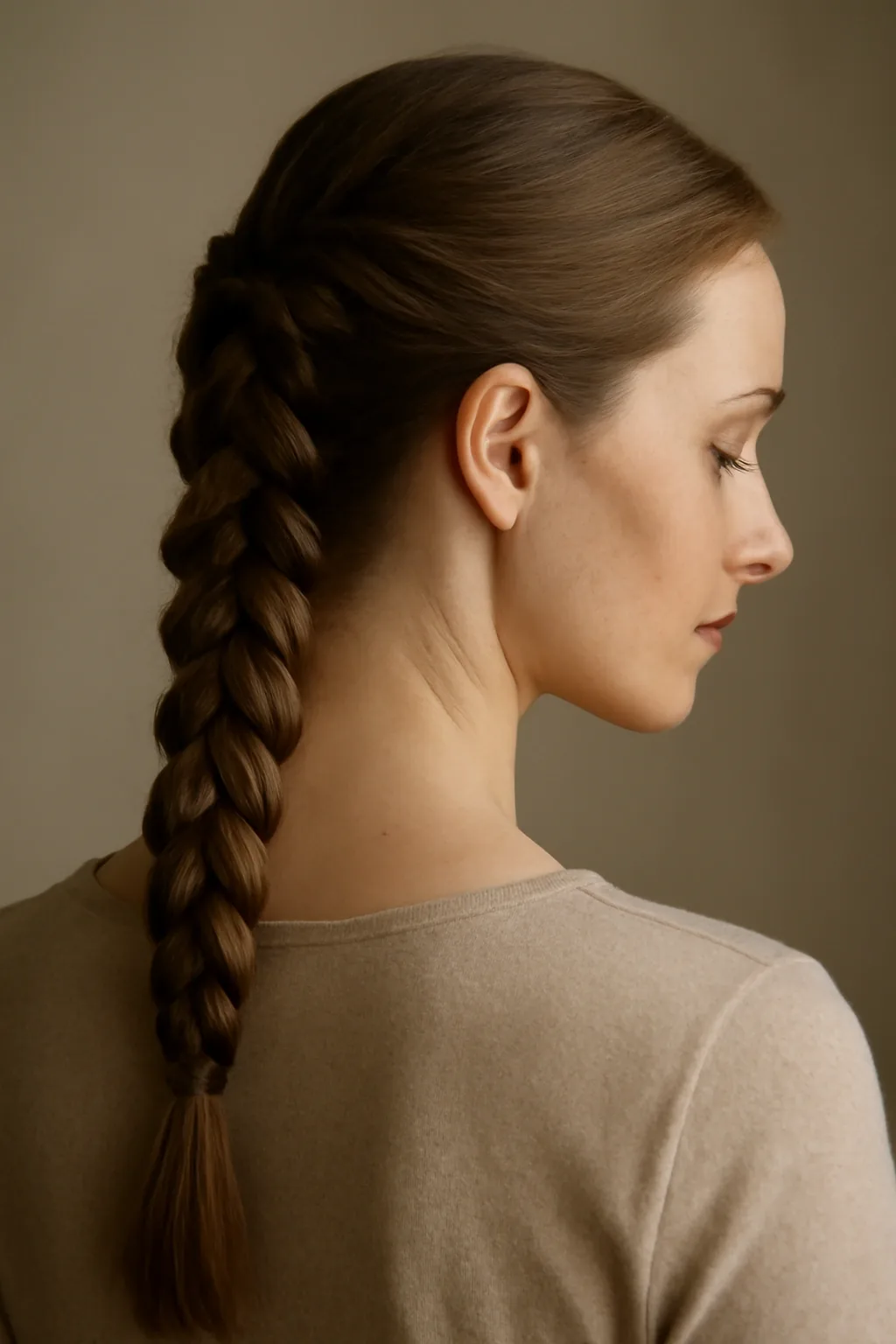
Pros: It takes three minutes, it works on thick and long hair, and it is easy to redo at half-time if it loosens.
Cons: A single braid can swing and be grabbed, and it pulls at the nape if it is braided too tightly or left too heavy.
Maintenance: Braid it firmly but not painfully tight, tie the end with a soft elastic, and tuck the tail inside your collar for contact.
Who should avoid it: Players who are tackled low around the shoulders, because a long braid is easy to grab, and anyone with very fine hair that slips out of a single braid.
Double French Braids Into Low Buns
Double French braids that end in two low buns are the most locked-down style in this guide. Every strand is braided, then bunned, so there is literally nothing loose — no swing, no flyaways, nothing to grab. It is a favourite for forwards and for wet, muddy matches.
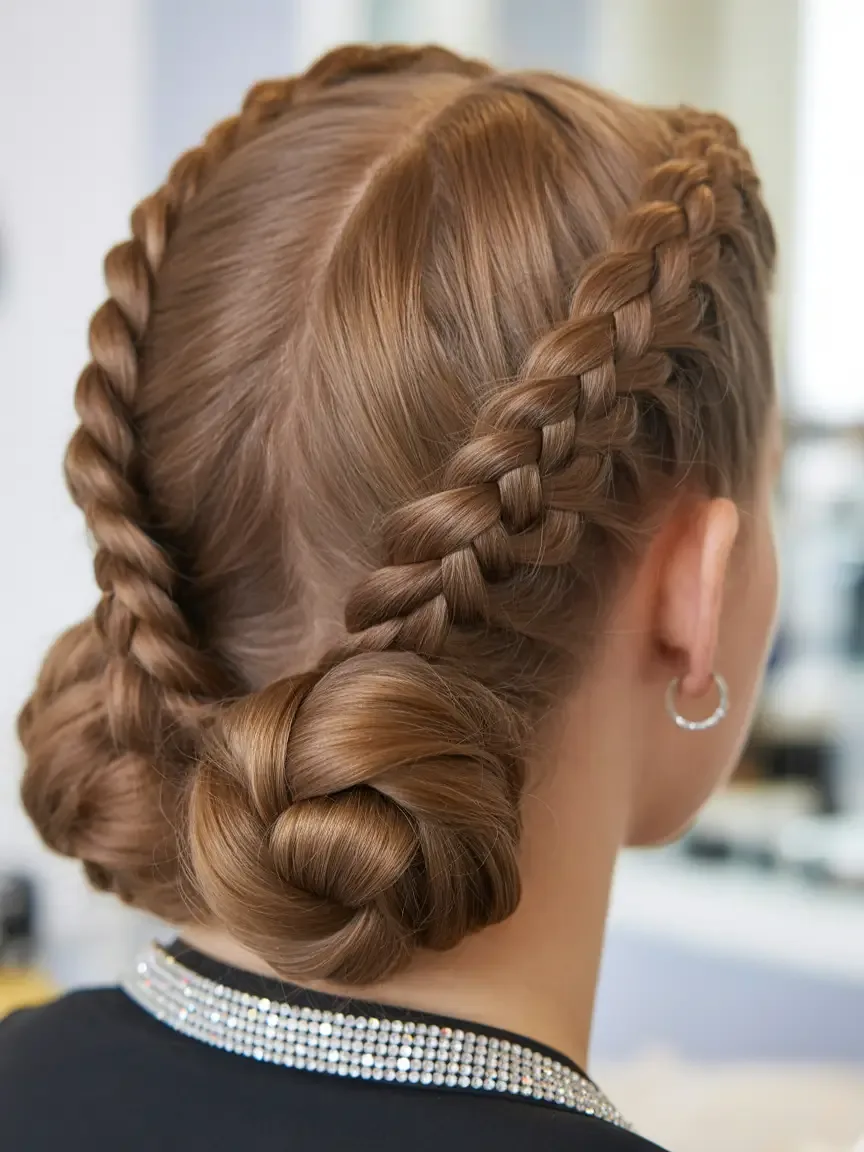
Pros: It is the most secure style here, it sits flat and low, and it survives scrums, rain and mud better than almost anything else.
Cons: It takes fifteen to twenty minutes to do, and the two buns can feel bulky against a high collar if they are made too large.
Maintenance: Make the buns small and flat, pin each one at three points, and smooth the parting with gel so the braids start cleanly.
Who should avoid it: Anyone short on time before kick-off, and anyone with short hair that cannot reach two braids — try a single French braid instead.
Space Buns for the Stands
Space buns are two high buns, one on each side, and they are pure fan energy. They are fun, they are comfortable for a whole afternoon in the stands, and they keep the hair completely off your face while you cheer, jump and celebrate every try.
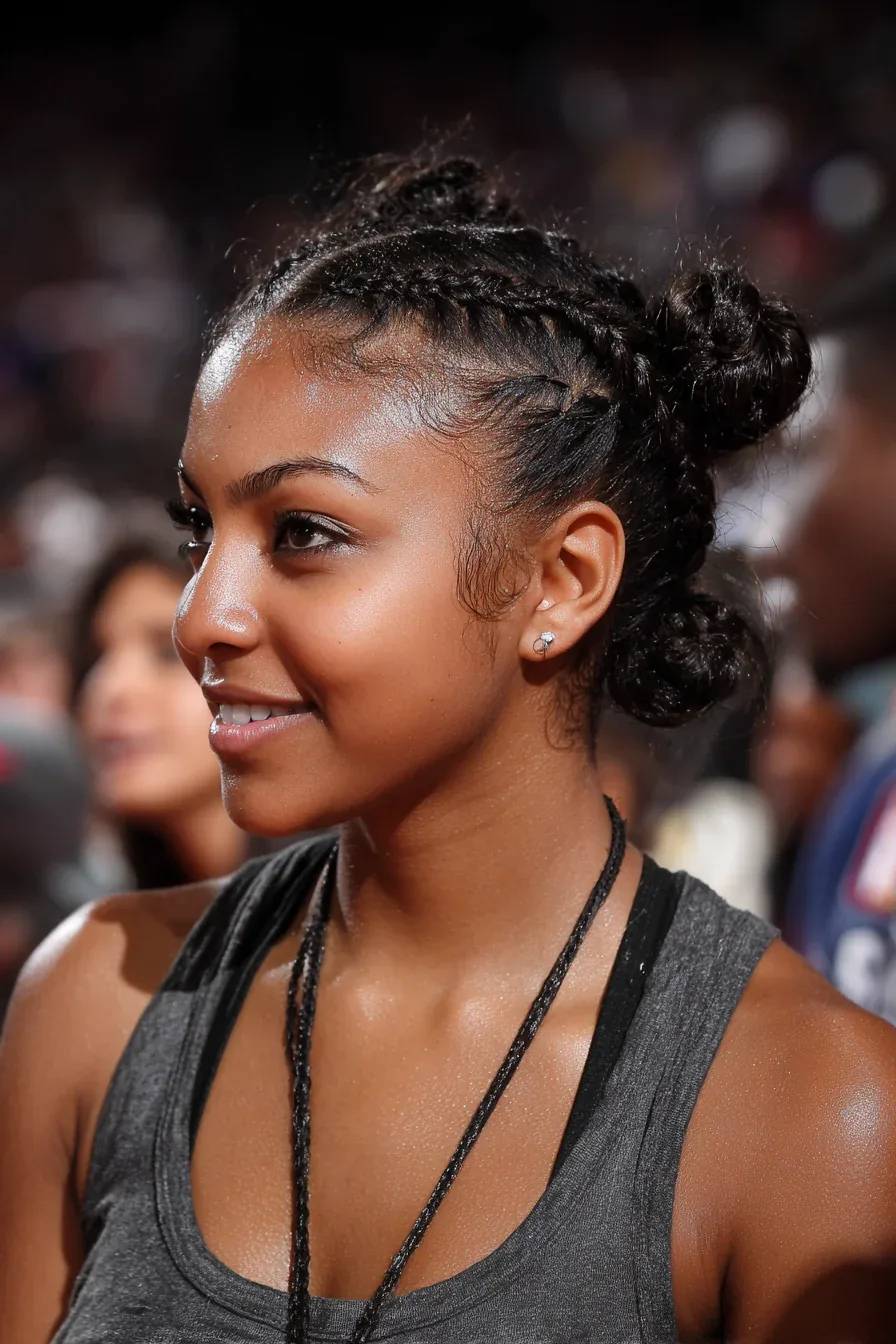
Pros: They are comfortable, they survive cheering and jumping, and they are a great way to wear team colours with ribbons or scrunchies.
Cons: They are not a playing style — high buns are uncomfortable under a scrum cap and easy to grab — and they can slide if the hair is very fine.
Maintenance: Tie each bun tightly with two elastics, pin the base flat, and add a ribbon in your team colour for match-day spirit.
Who should avoid it: Players, especially forwards, and anyone wearing a scrum cap — save space buns for the stands, where they belong.
Braided Pigtails
Braided pigtails are two braids, one on each side, and they are a practical choice for younger players and for fans. They split the hair evenly, they lie flat, and they keep the hair controlled without the weight of one heavy braid pulling at the nape.
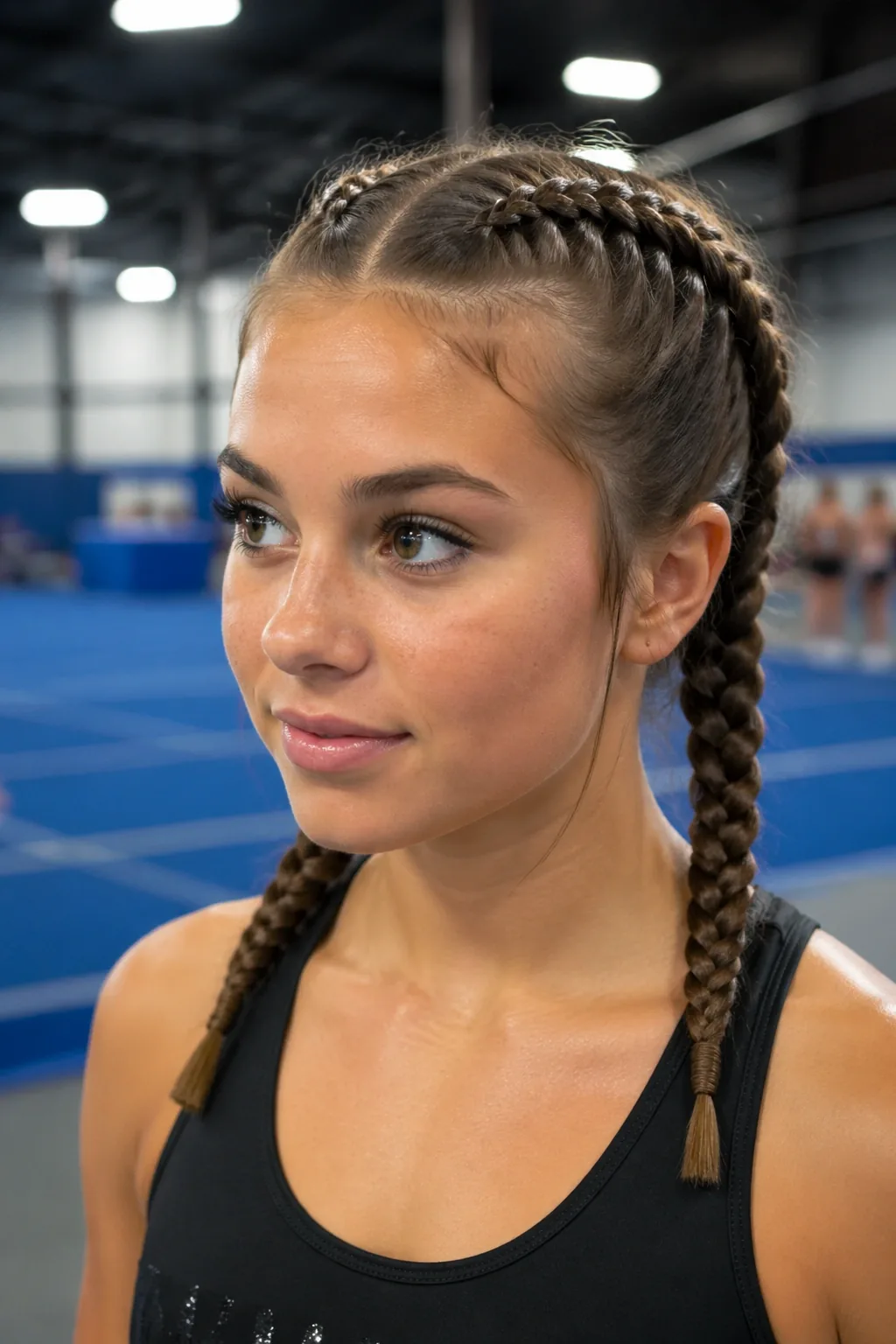
Pros: They distribute weight evenly, they are quick to braid, and they stay comfortable for a whole match.
Cons: They can be grabbed in a tackle, and they look young, so some adult players prefer a single braid or a low bun instead.
Maintenance: Braid each side tightly from behind the ear, tie the ends with soft elastics, and tuck the tails into your shirt for contact.
Who should avoid it: Forwards in the scrum, because pigtails sit where opponents reach, and anyone who wants the most grown-up, low-profile match-day look.
The Rope Braid Ponytail
The rope braid ponytail twists two sections around each other into a rope, then gathers them into a ponytail. It is faster than a three-strand braid, it grips the hair tightly, and the twist stops the ponytail swinging the way a plain one does.
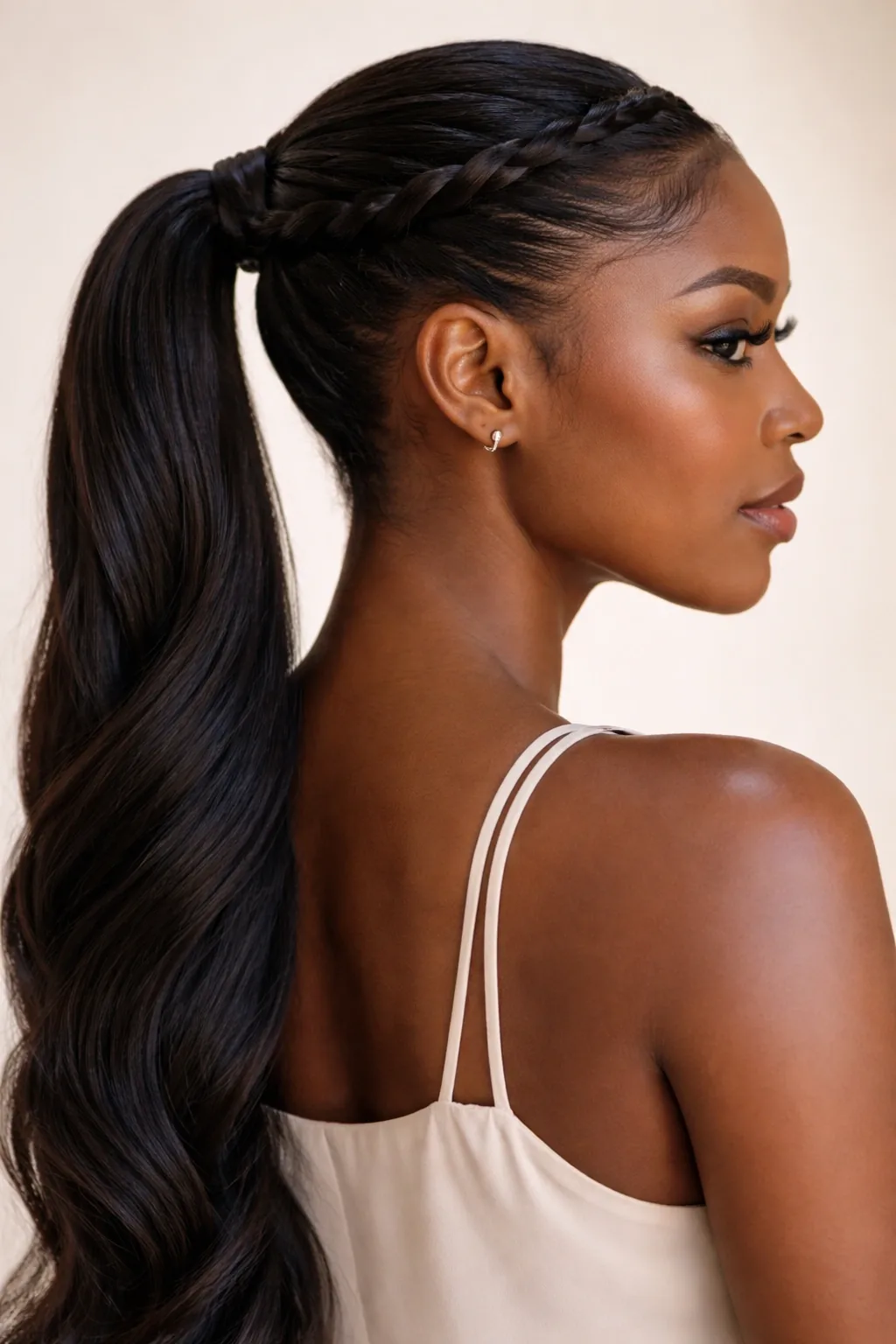
Pros: It is quick to do, it holds well through running, and it works beautifully on thick hair that is hard to braid normally.
Cons: The twist can unravel from the ends if it is not secured well, and it is less flat than a French or Dutch braid.
Maintenance: Twist the sections firmly in the same direction, secure the end with two elastics, and mist with hairspray to stop the twist loosening.
Who should avoid it: Anyone with very short hair that cannot twist, and players who need the flattest style possible under a scrum cap.
The Low Sleek Bun
The low sleek bun is the quiet professional of rugby hair: hair smoothed flat, gathered at the nape, and twisted into a compact bun. It is neat, it is cool on the neck, and it sits below every strap, collar and scrum cap — which is why so many players wear it every single week.
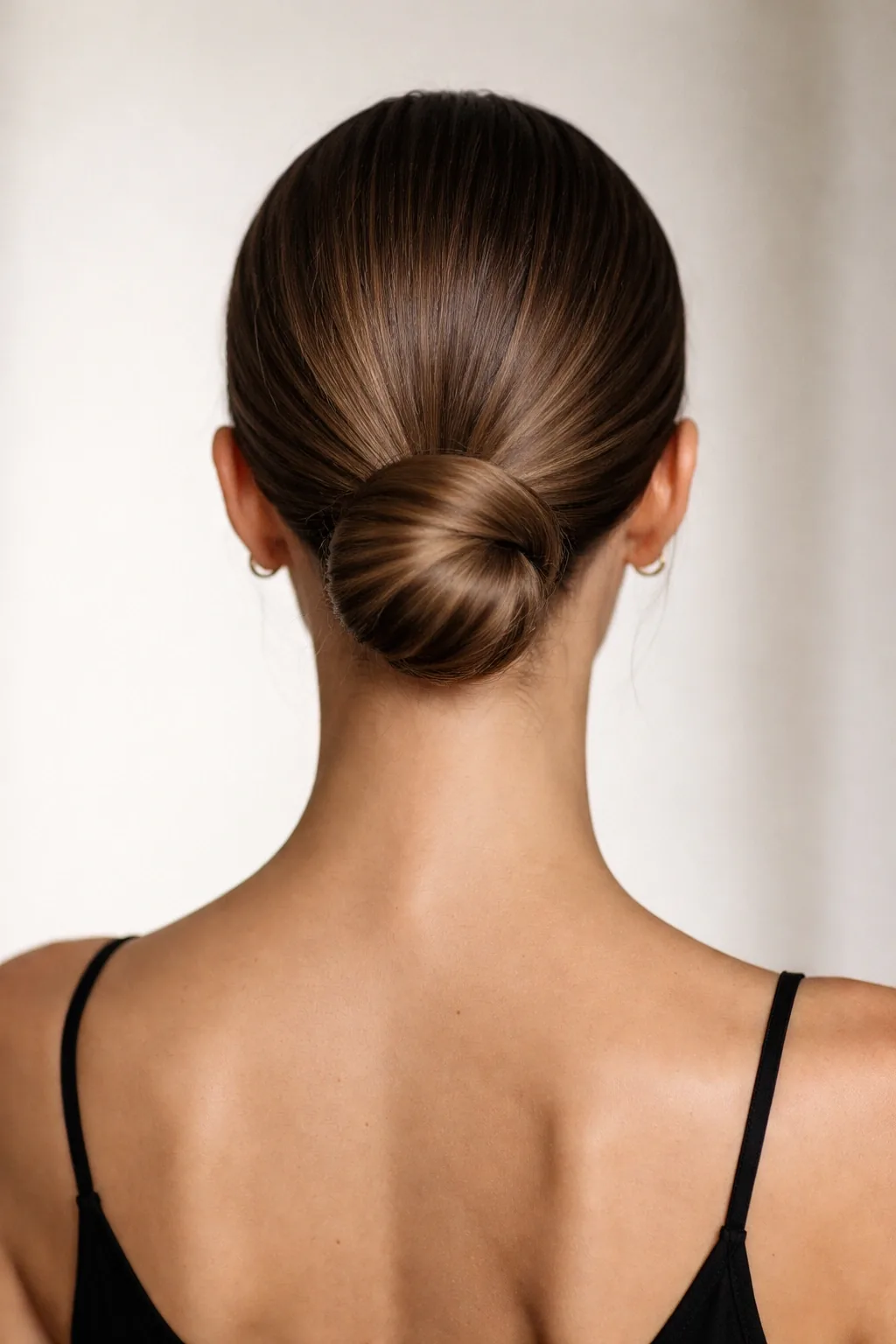
Pros: It is comfortable, it works for most hair lengths, and it looks polished on and off the pitch.
Cons: A plain bun can loosen during a long match, and it needs pins and gel to stay sleek in rain and sweat.
Maintenance: Twist the bun tightly, pin it flat at three points, and smooth the hairline with gel before you leave the changing room.
Who should avoid it: Anyone with very short hair, and anyone who finds a bun at the nape uncomfortable when lying back in a scrum.
The High Top Knot
The high top knot piles the hair into a bun on top of the head, and it is a brilliant style for training, warm-ups and watching from the stands. It keeps every strand off your neck, it stays cool in hot weather, and it takes less than a minute to do.

Pros: It is the fastest updo here, it keeps you cool, and it is comfortable for a whole afternoon in the stands.
Cons: It is useless under a scrum cap, it is easy to grab in contact, and a heavy knot pulls at the crown over eighty minutes.
Maintenance: Tie it tightly with two elastics, pin the base so it cannot wobble, and take it down and redo it at half-time if it has slipped.
Who should avoid it: Players in contact, and anyone wearing headgear — the top knot is for training and spectating, not for a full-contact match.
The Messy Bun That Actually Holds
The messy bun that actually holds is a low, loose-looking bun with a tight, pinned base. It looks relaxed, but underneath it is anchored with pins and a strong elastic, so it survives jumping, cheering and a walk home in the rain — a great fan style and a decent light-training style.
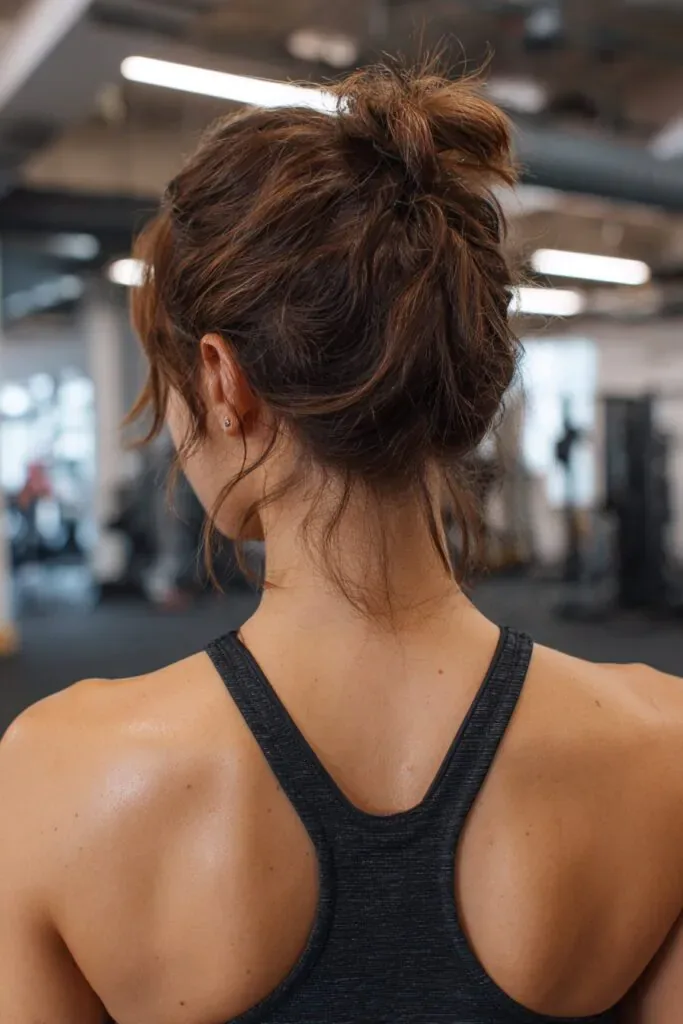
Pros: It looks effortless, it is comfortable for hours, and it is forgiving on second-day hair.
Cons: It is not secure enough for full contact, and the loose pieces that make it look messy are the first to escape in wind and rain.
Maintenance: Pin the base firmly even if the top looks loose, use a texturising spray for grip, and keep a spare elastic in your pocket.
Who should avoid it: Players in a contact match, and anyone with very fine hair that slips out of loose buns — choose a braided bun instead.
The Half-Up Braided Ponytail
The half-up braided ponytail braids the top section of the hair and gathers it into a ponytail, leaving the rest down. It keeps the front layers out of your eyes while showing off the lengths — a great compromise for fans, and a useful style for warm-ups and light training.
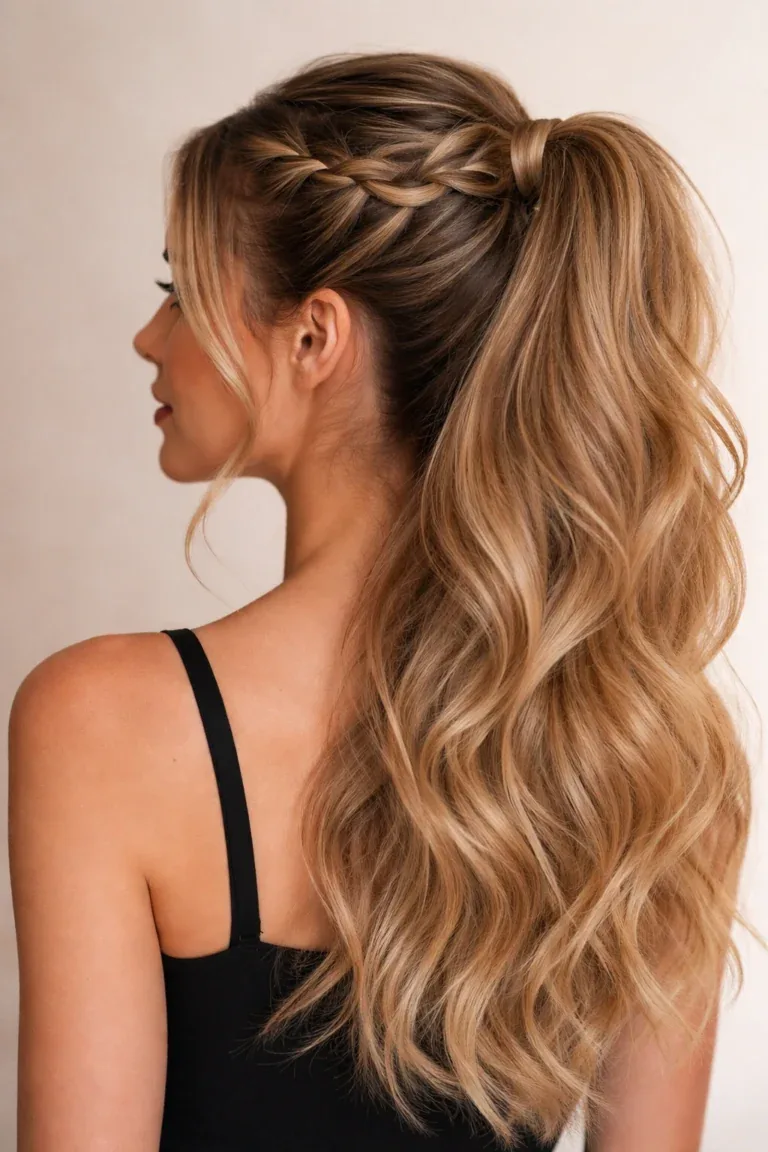
Pros: It controls the front layers, it shows off long hair, and it is comfortable for a whole evening in the stands.
Cons: The hair left down will get wet, muddy and tangled in a real match, so this is not a playing style for forwards or for rainy days.
Maintenance: Braid the top section tightly, secure it high, and add a headband for extra hold if the weather turns.
Who should avoid it: Players in contact and anyone playing in rain or mud — the loose lengths will be in your face within minutes.
The Side Braid
The side braid sweeps the hair over one shoulder into a single plait, and it is a lovely style for a dry match day in the stands. It keeps the hair controlled, it shows off length and texture, and it is easy to redo if it loosens while you are cheering.

Pros: It is simple, it suits long hair, and it is comfortable against a seat back or a hoodie.
Cons: It hangs where opponents can grab it, it swings when you run, and it leaves one side of the neck exposed to cold and rain.
Maintenance: Braid it over the shoulder you use least, tie the end firmly, and tuck it inside your jacket when you are walking to and from the ground.
Who should avoid it: Players, especially in contact, and anyone playing in wet weather — a side braid belongs in the stands on a dry day.
The Twisted Low Bun
The twisted low bun twists the hair into a rope and coils it into a bun at the nape. It is quicker than a braided bun, it sits flat and low, and it is neat enough for the team photo while being secure enough for a full match.
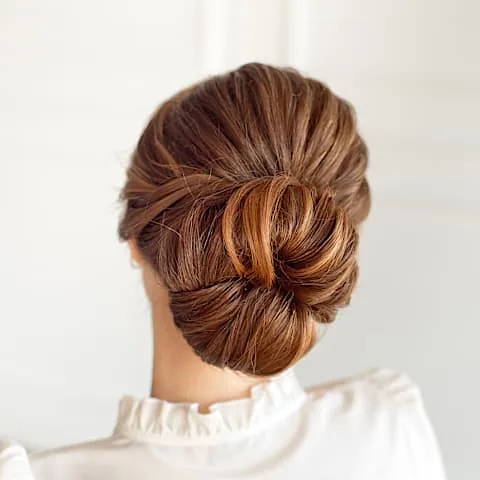
Pros: It is fast, it sits below the scrum-cap line, and it works well on medium to long hair.
Cons: The twist can loosen during a long match, and it needs pins to stay coiled, especially on fine or slippery hair.
Maintenance: Twist firmly, coil the rope flat, pin at three points, and finish with hairspray so the twist cannot unwind.
Who should avoid it: Anyone with very short hair, and anyone with very thick hair that makes the bun too heavy — a braided bun may hold better.
The Wrapped Low Ponytail
The wrapped low ponytail takes a slick low ponytail and wraps a strand of hair around the base, hiding the elastic. It is polished, it is secure, and the wrap locks the elastic in place so the ponytail cannot slide down during a match.
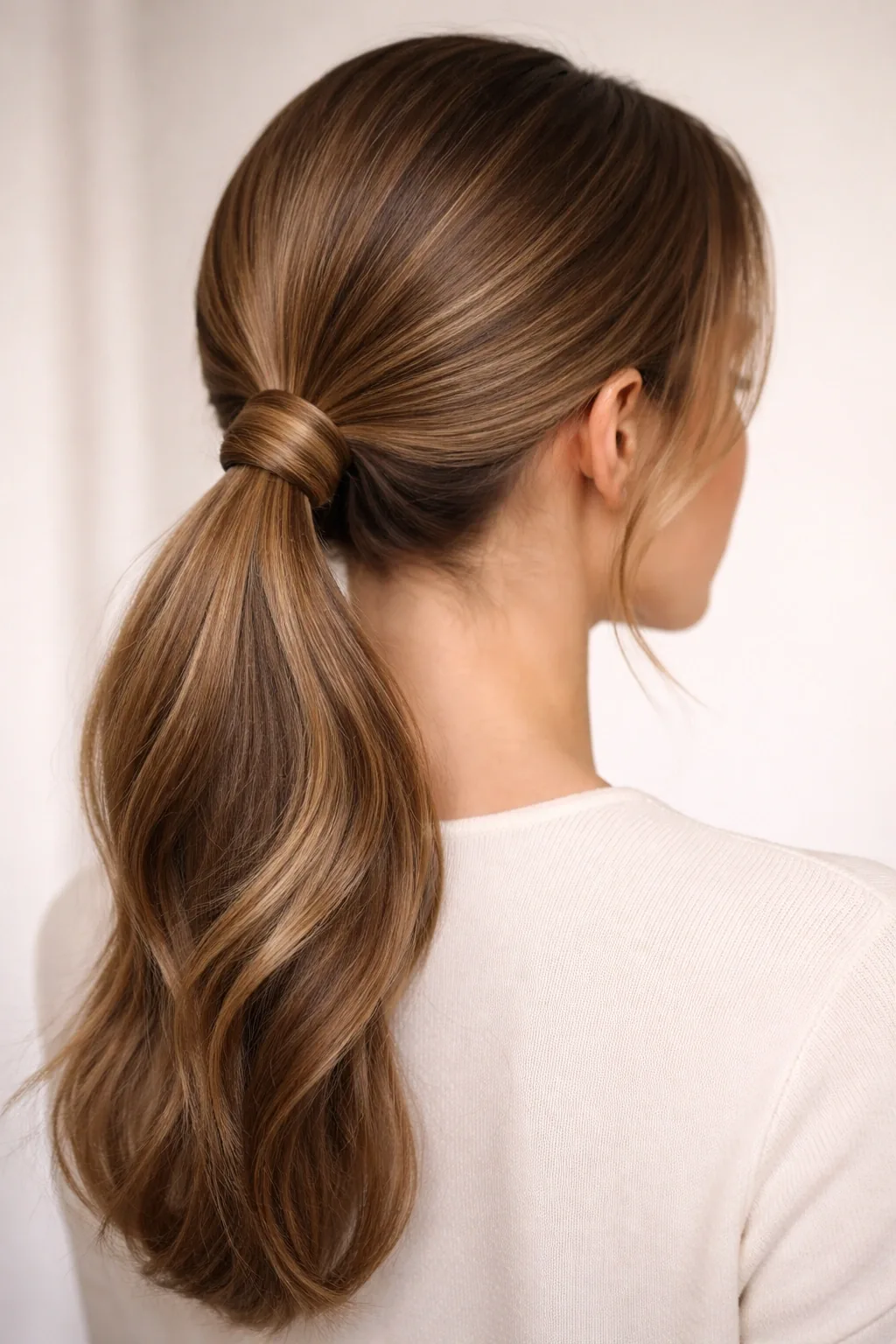
Pros: It looks smart, the wrap stops the elastic slipping, and it works for players and fans alike.
Cons: It is still a ponytail, so it swings, and the wrap can come undone in heavy rain if it is not pinned.
Maintenance: Pin the wrapped strand underneath with a flat bobby pin, use two elastics, and smooth the hairline with gel.
Who should avoid it: Forwards who pack into scrums, because any ponytail sits awkwardly under headgear, and anyone with very short hair.
Two-Strand Twists
Two-strand twists are a protective style for textured hair: the hair is divided into sections and twisted in pairs, then gathered back. They are gentle on the hairline, they last for days, and they can be worn loose or tied into a low ponytail for a match.
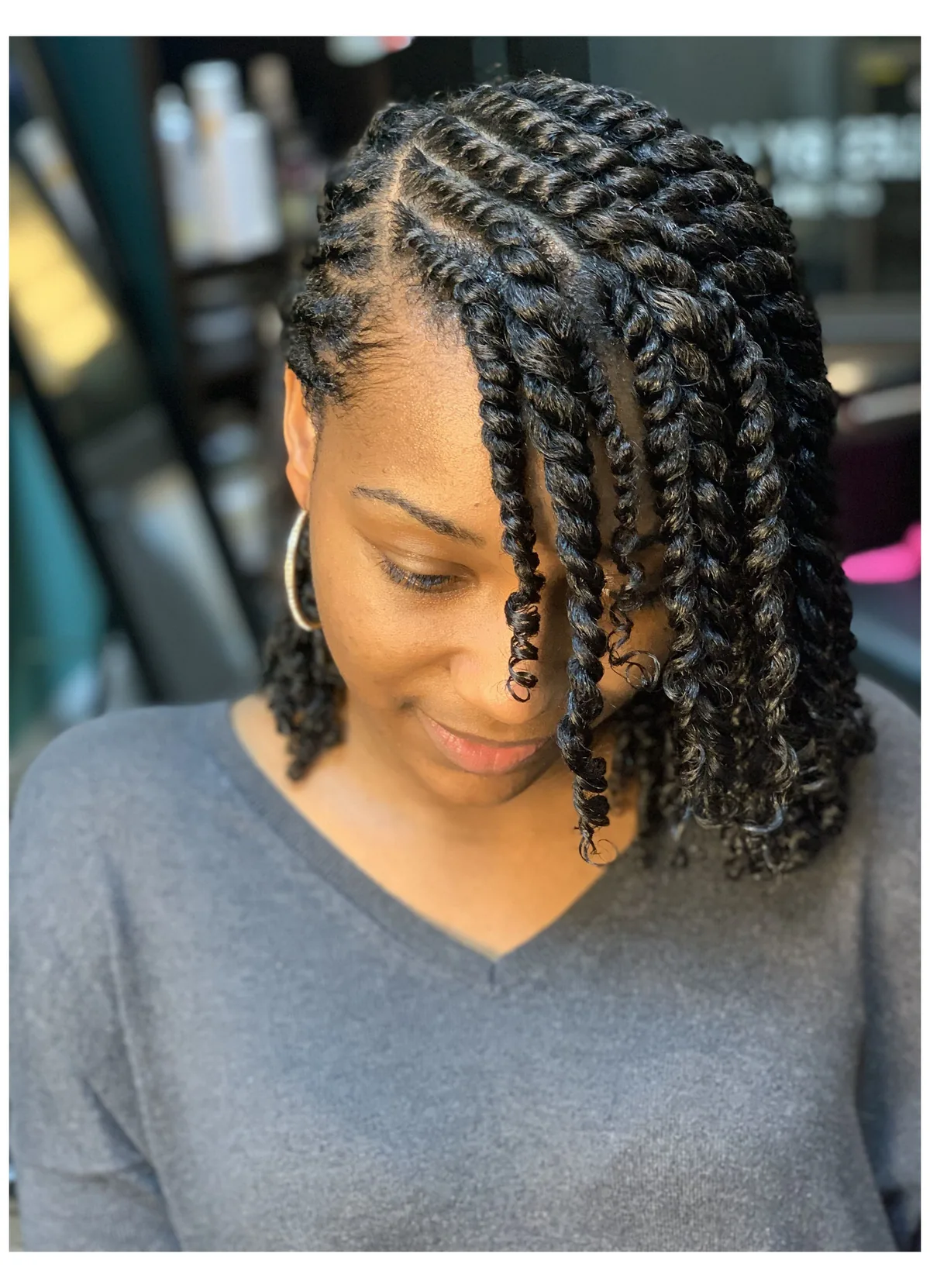
Pros: They protect the hair, they are comfortable for days, and they are easy to gather into a match-day ponytail or bun.
Cons: Loose twists can be grabbed in a tackle, so they need to be tied back for contact, and they take time to install.
Maintenance: Gather the twists into a low ponytail or bun for the match, secure with a soft scrunchie, and moisturise the scalp between games.
Who should avoid it: Anyone who needs a five-minute match-day style, and players who will not tie the twists back — loose twists are not a contact style.
The Curly High Puff
The curly high puff gathers curly hair into a rounded puff on top of the head, and it is a joyful, confident style for training and for the stands. It shows off curls at their best, it keeps the hair off the neck, and it takes minutes to do with a soft band.
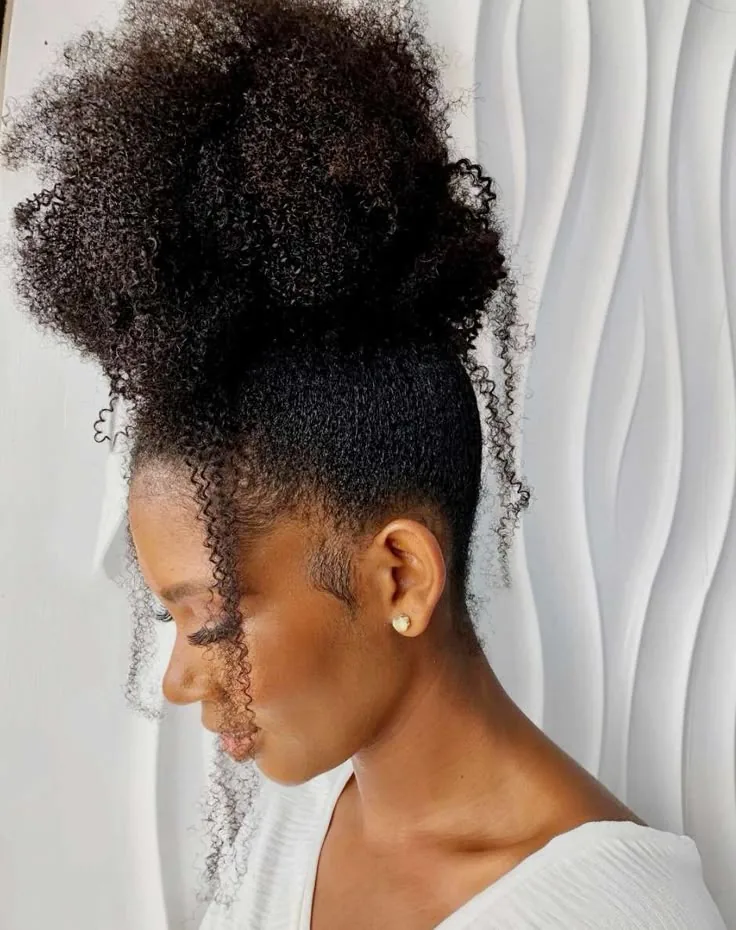
Pros: It celebrates natural curls, it is quick, and it is comfortable for a whole afternoon.
Cons: It is not a contact style — a high puff is easy to grab and impossible under a scrum cap — and it can flatten in rain.
Maintenance: Use a wide, soft band, not a tight elastic, and smooth the hairline with gel so the puff keeps its shape.
Who should avoid it: Players in contact, and anyone wearing a scrum cap — wear a low puff or a braided style for the match instead.
The Curly Pineapple Updo
The pineapple updo gathers curls high and loose on top of the head, like the leaves of a pineapple. It protects curls overnight and it is a comfortable, pretty style for the stands — but for a match, it needs to be brought down low and secured properly.
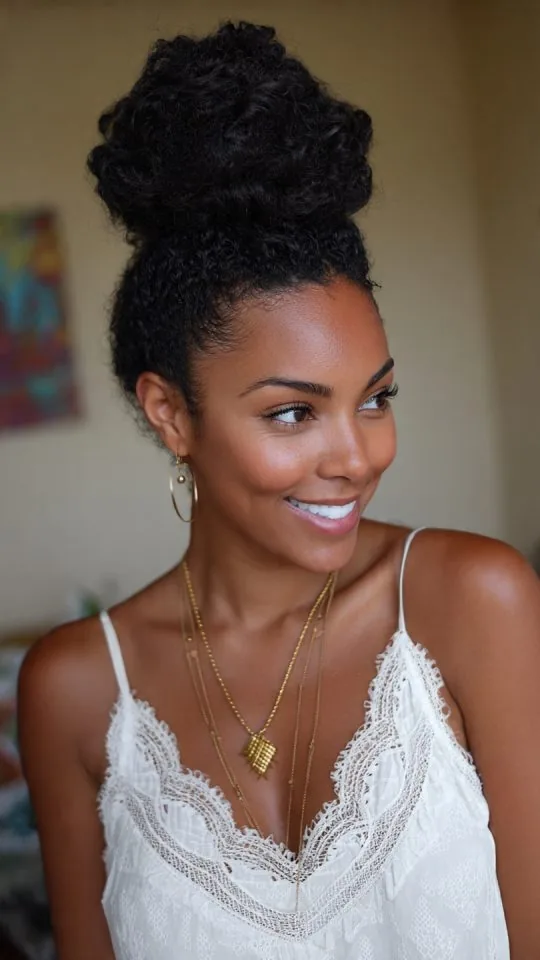
Pros: It protects curl shape, it is comfortable, and it is quick to do with a silk scrunchie.
Cons: High and loose is the opposite of what rugby needs, so the classic pineapple is a fan style, not a playing style.
Maintenance: For match day, gather the curls into a low pineapple at the nape instead, and use a silk scrunchie so the curls keep their shape.
Who should avoid it: Players in contact, and anyone in rain — a high, loose pineapple will fall apart and get grabbed.
Short Hair, Slicked Back With a Headband
Short hair cannot be braided or bunned, so the rugby answer is simple: slick it back with gel and add a wide, non-slip headband. The gel controls the front layers, the headband keeps sweat out of your eyes, and there is nothing loose for anyone to grab.
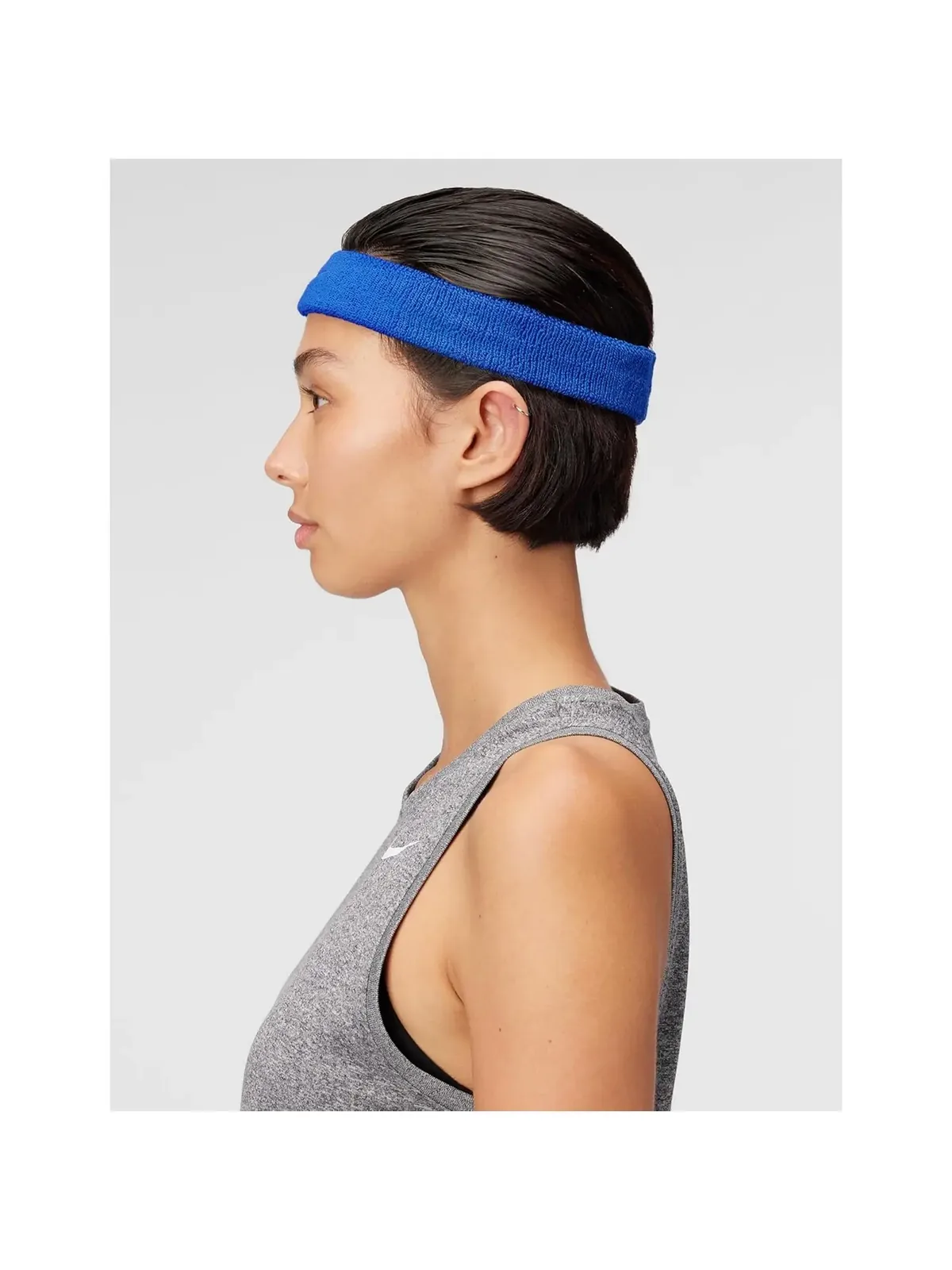
Pros: It is the fastest match-day style, it works perfectly under a scrum cap, and it suits every short cut from a pixie to a bob.
Cons: It needs re-gelling at half-time, and a cheap headband will slide off within minutes once you start sweating.
Maintenance: Use a wide band with silicone grip, pin it with two crossed bobby pins on each side, and carry a spare band for the second half.
Who should avoid it: Anyone with medium or long hair — this is a short-hair solution, and longer hair needs a braid or a bun to be safe.
The Low Twisted Ponytail
The low twisted ponytail twists the hair before gathering it low at the nape, which stops the ponytail swinging and pulling the way a plain one does. It is elegant, it is secure, and it sits flat under a scrum cap strap.
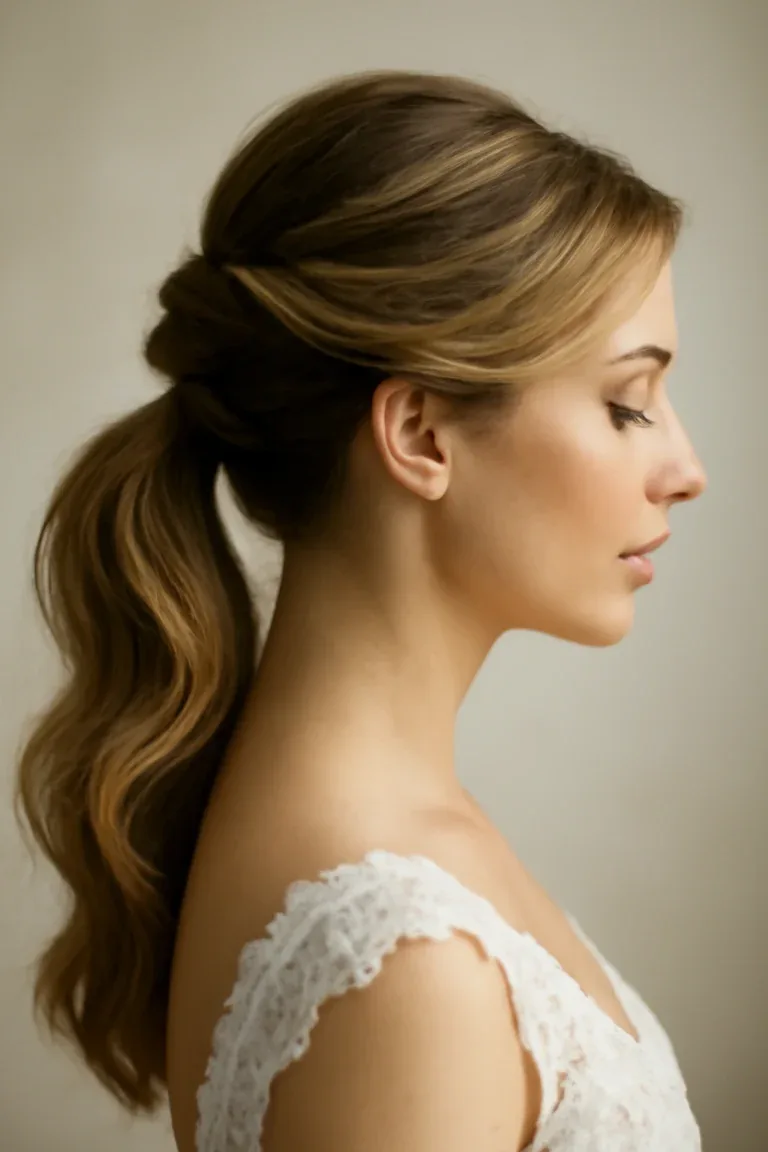
Pros: It is more secure than a plain ponytail, it looks polished, and it works well on medium to long hair.
Cons: The twist can unwind during a long match, and it needs a strong elastic and a pin to hold the twist in place.
Maintenance: Twist the hair firmly, secure with two elastics, and pin the twist at the base so it cannot unwind.
Who should avoid it: Forwards in the tight scrum, because any ponytail adds bulk at the back, and anyone with very fine hair that slips out of twists.
The Dutch Braid Into a Ponytail
The Dutch braid into a ponytail is the best of both worlds: a braid that locks the front and crown flat, flowing into a ponytail that keeps the lengths controlled. It is a favourite for backs who run all match, because the braid stops the ponytail swinging.
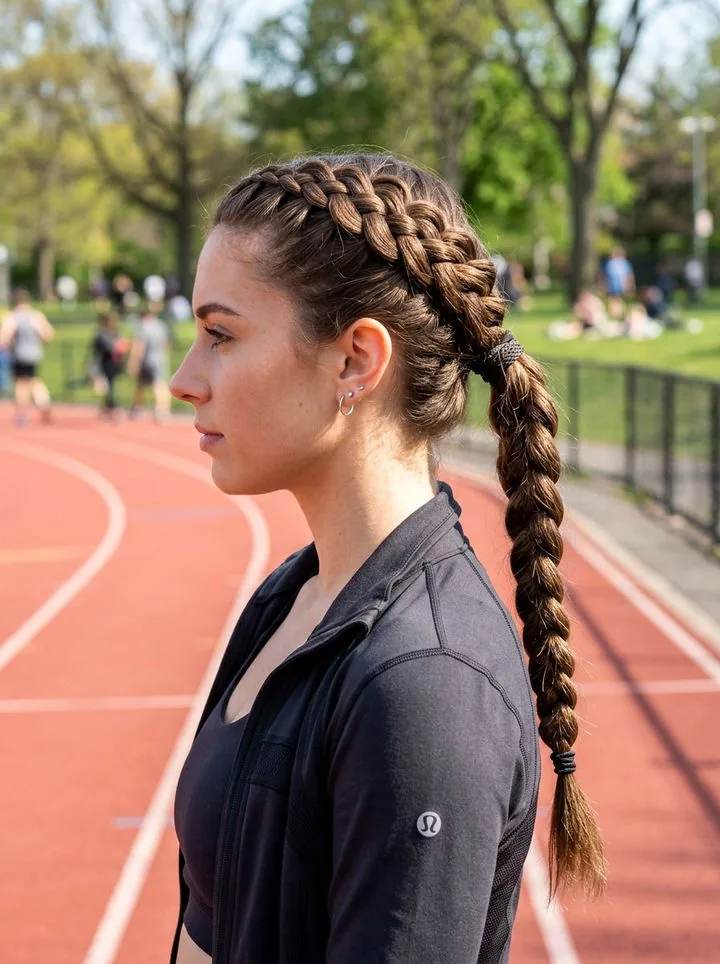
Pros: It is secure, it keeps the front layers flat, and it is faster than double braids while nearly as tough.
Cons: The ponytail tail can still swing and be grabbed, so it needs to be braided or tucked for contact.
Maintenance: Braid the tail too, or tuck it into your collar, and use two elastics at the base of the ponytail.
Who should avoid it: Forwards who need the flattest style possible, and anyone with short hair that cannot reach a braid and a ponytail.
The Middle-Part Low Bun
The middle-part low bun parts the hair cleanly down the centre and gathers it into a sleek bun at the nape. It is symmetrical, it is neat, and the centre part keeps the front layers balanced so nothing falls into one eye more than the other.
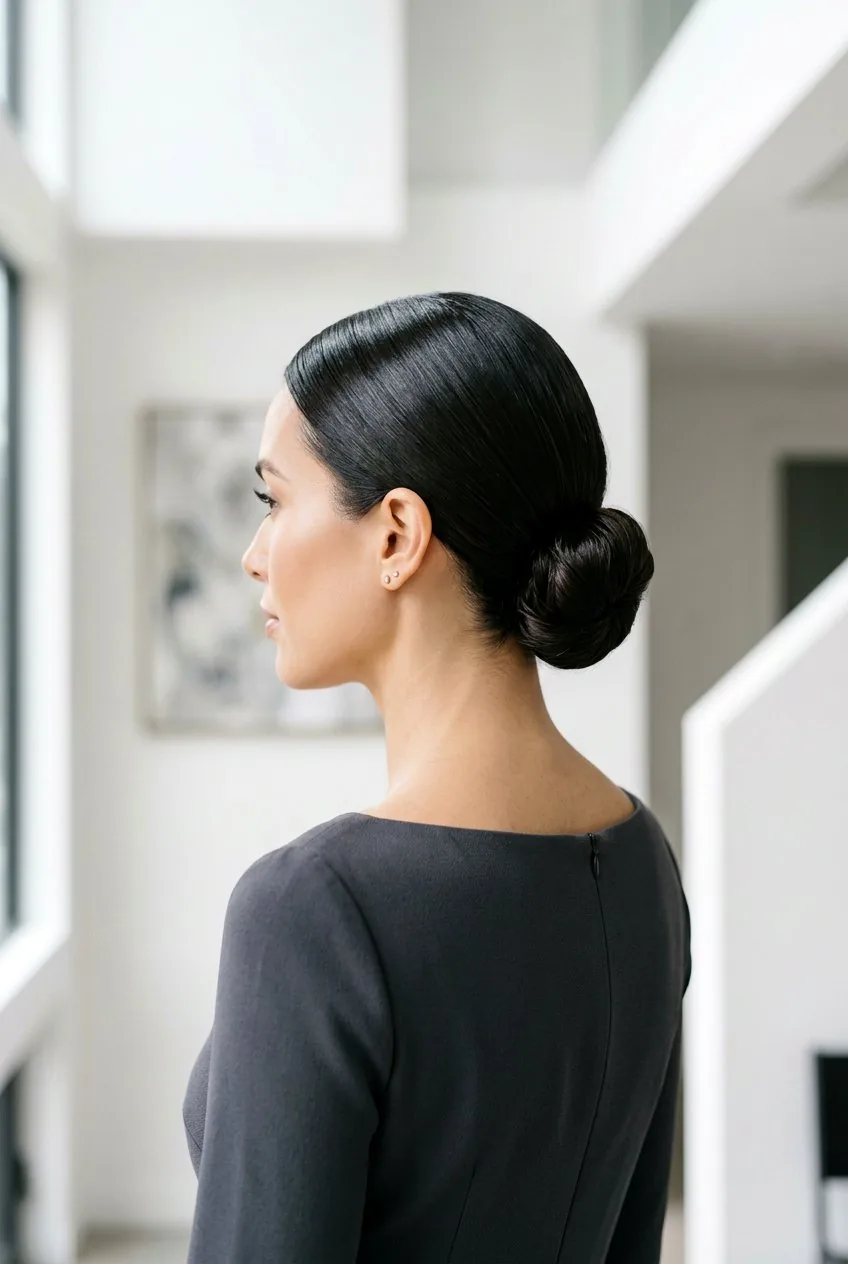
Pros: It is tidy and balanced, it sits flat under headgear, and it photographs beautifully.
Cons: A centre part shows the scalp and can look severe, and the bun needs pins and gel to stay sleek in rain.
Maintenance: Part the hair with a comb, smooth each side with gel, and pin the bun flat at three points.
Who should avoid it: Anyone with a sensitive hairline, because the tight centre part pulls evenly on both sides, and anyone with very short hair.
The Faux Hawk Braid
The faux hawk braid runs a mohawk braid down the centre of the head, with the sides smoothed flat. It is bold, it is confident, and it locks the hair flat along the centre — a statement style that still works on the pitch because nothing sticks out sideways.
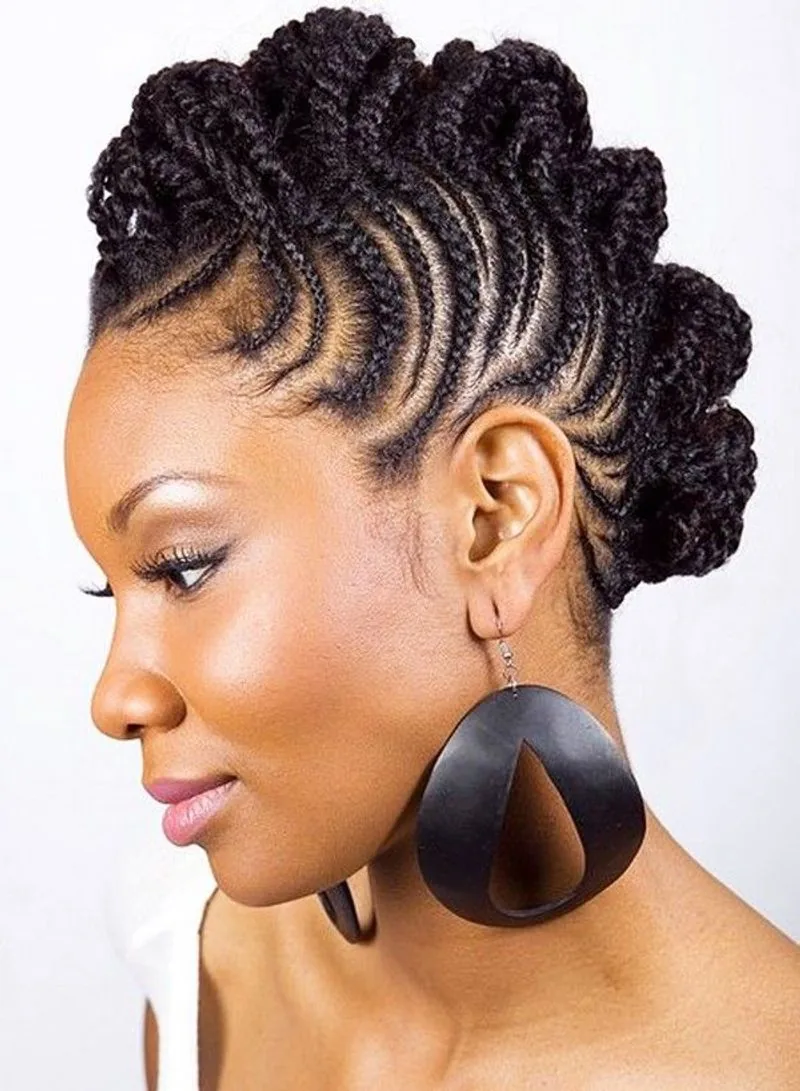
Pros: It is secure along the centre, it looks fierce, and it is a great way to show team spirit with coloured elastics.
Cons: It is not subtle, it needs braiding skill, and the sides need gel to stay flat through eighty minutes.
Maintenance: Braid the centre strip tightly, smooth the sides with strong gel, and pin the braid at the nape so it cannot lift.
Who should avoid it: Anyone who wants a low-profile, invisible style, and anyone with short sides that cannot be smoothed flat.
The Braided Headband With a Low Ponytail
The braided headband with a low ponytail braids a small section across the hairline like a headband, then gathers the rest into a low ponytail. The braid does the work of a headband — keeping the front layers back — without anything to slide off.
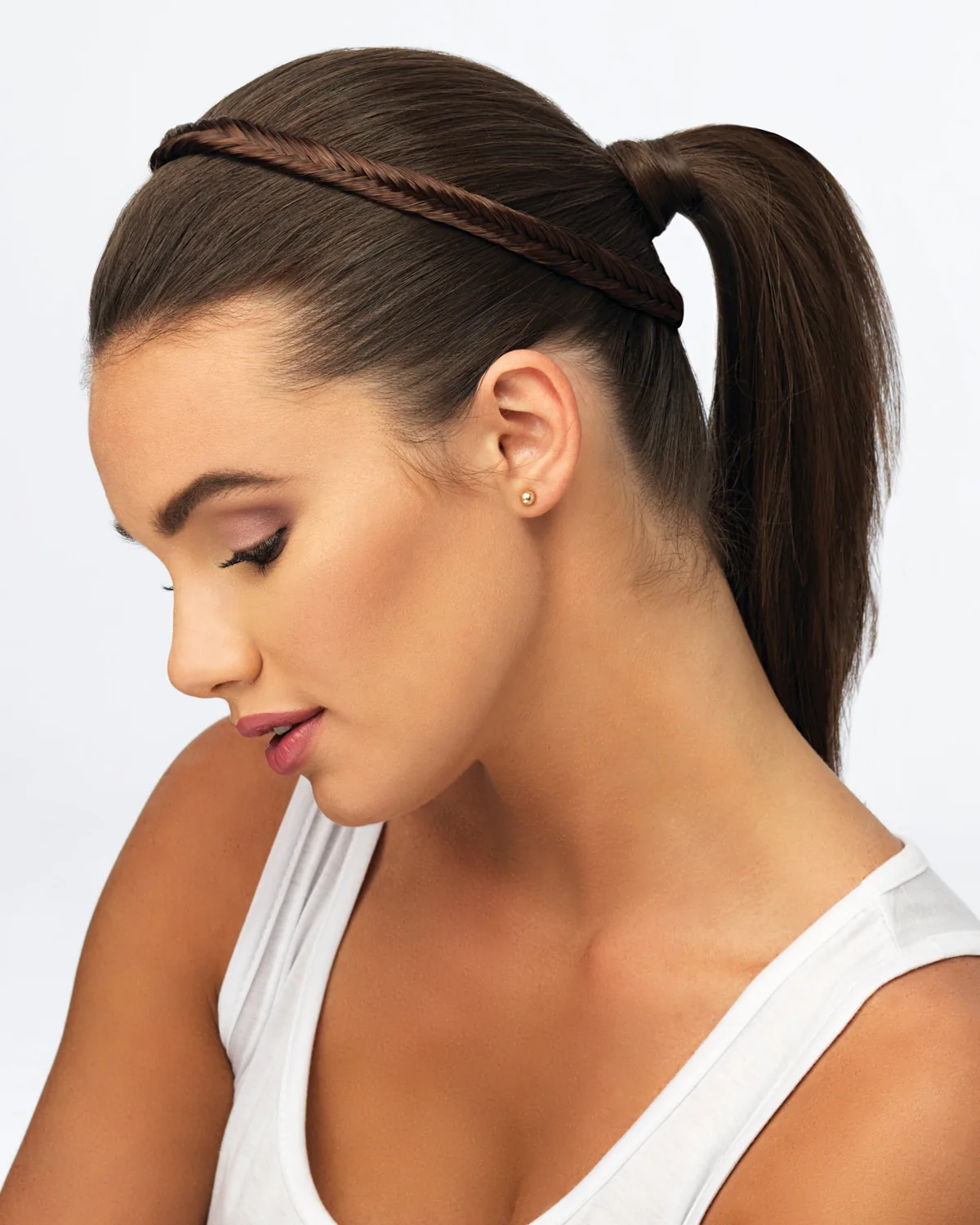
Pros: It keeps the hairline controlled without a band, it looks pretty, and it is comfortable for a whole match.
Cons: The braid can loosen if it is not pinned well, and it takes a little practice to braid across the hairline neatly.
Maintenance: Pin the braid behind each ear with flat pins, gather the ponytail low, and finish with hairspray over the hairline.
Who should avoid it: Anyone with very short front layers that cannot be braided, and players who prefer a real headband for sweat control.
Double Buns With a Middle Part
Double buns with a middle part split the hair cleanly down the centre and gather it into two low buns. They are symmetrical, they are balanced, and they keep the weight of the hair split evenly so nothing pulls at one side of the head.
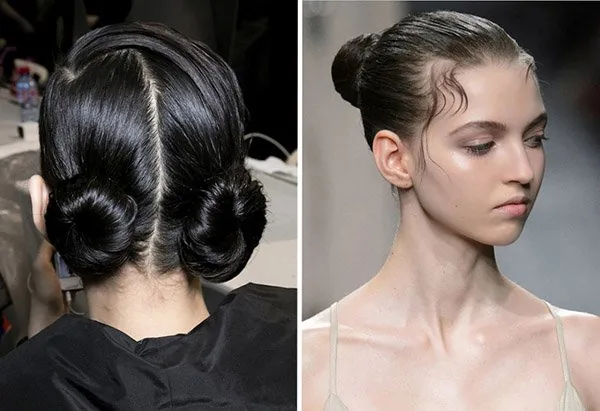
Pros: They are balanced and comfortable, they sit low and flat, and they are a fun, neat look for the stands.
Cons: They take time to make even, and two buns can feel bulky against a high collar if they are made too large.
Maintenance: Part the hair evenly, make the buns small and flat, and pin each one at three points so they cannot wobble.
Who should avoid it: Players in the scrum, because low buns can press against a collar, and anyone short on time before kick-off.
The Curly High Ponytail With a Headband
The curly high ponytail with a headband gathers curls high and holds them with a wide, non-slip band. The band keeps the hairline flat and the sweat out of your eyes, while the curls keep their volume and shape at the back — a great training and warm-up style.

Pros: It shows off curls, the headband controls the hairline, and it is quick to do.
Cons: It swings, it is easy to grab, and it cannot be worn under a scrum cap, so it is not a full-contact match style.
Maintenance: Use a wide band with grip, secure the ponytail with a soft scrunchie, and smooth the hairline with gel.
Who should avoid it: Forwards and anyone wearing headgear, and anyone playing in heavy rain — curls will soak up water and get heavy.
The Game-Day Glam Ponytail
The game-day glam ponytail is the stands showstopper: a high, voluminous ponytail with soft waves, a sleek hairline and a wrapped base, made for the cameras. It is a fan look, not a playing look — the volume and movement are gorgeous in the stands, but they would bounce too much on the pitch.
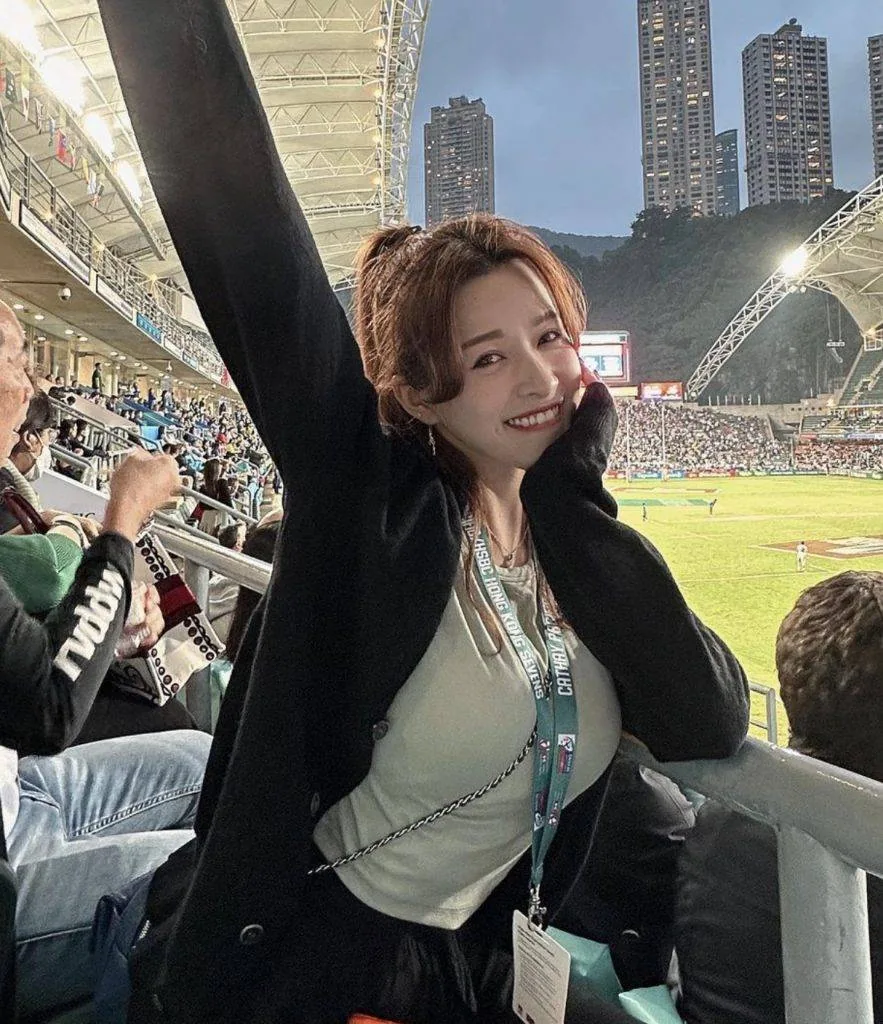
Pros: It is glamorous, it photographs beautifully, and it is comfortable for a whole evening in the stands.
Cons: It bounces, it swings, and it would be grabbed in a tackle within minutes — never wear it to play.
Maintenance: Curl the lengths in large waves, brush the hair up high, wrap a strand around the base, and mist with hairspray.
Who should avoid it: Players, anyone in rain, and anyone who will be running at all — save the glam ponytail for the stands.
The Team-Colour Ribbon Braid
The team-colour ribbon braid weaves a ribbon in your club colours through a normal braid, and it is the simplest way to show your colours on match day. It works for players and fans alike, it costs almost nothing, and it turns a practical braid into a team statement.
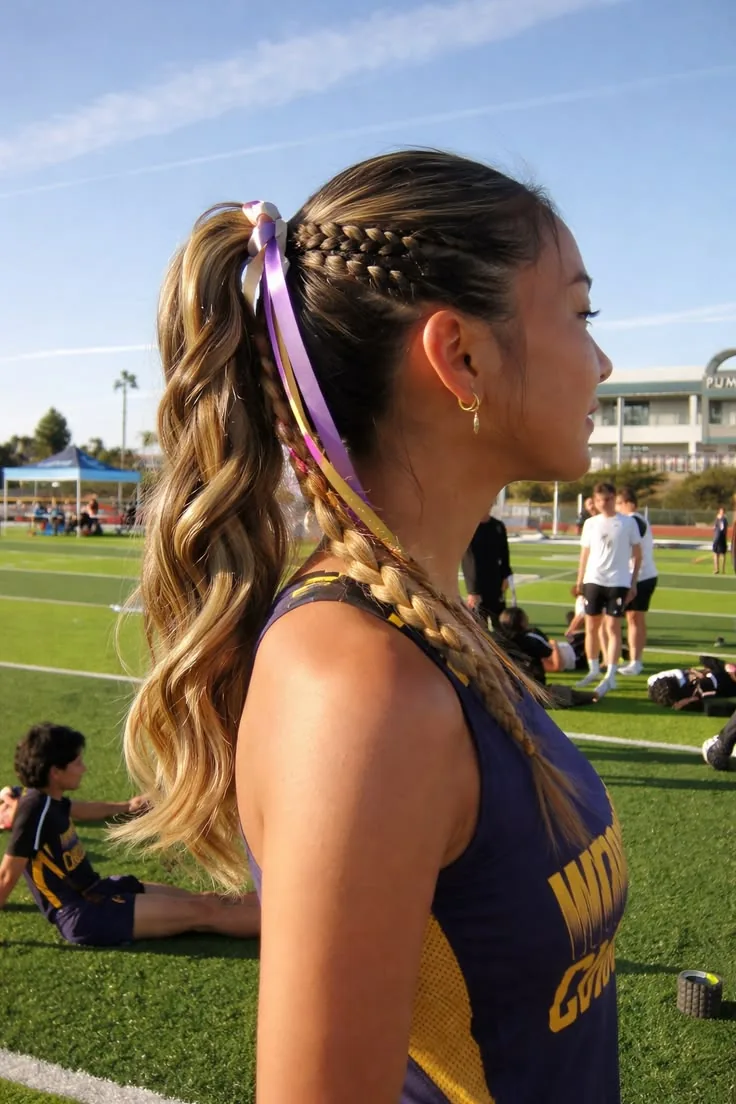
Pros: It is cheap, it is personal, and the ribbon adds grip that helps the braid hold its shape.
Cons: The ribbon can come loose in a tackle if it is not tied well, and a long ribbon tail can be grabbed, so tuck the ends in.
Maintenance: Weave the ribbon through the braid, tie it tightly at the end, and tuck the tails into the braid or your collar.
Who should avoid it: Players in contact if the ribbon is long and loose — keep it short and tucked, or save it for the stands.
Flat Braids for a Scrum Cap
Flat braids for a scrum cap are the most practical style in this guide: two or three tight braids that lie completely flat against the head, so a scrum cap sits evenly with no lumps, no pressure points and no sliding. If you wear headgear, this is your style.
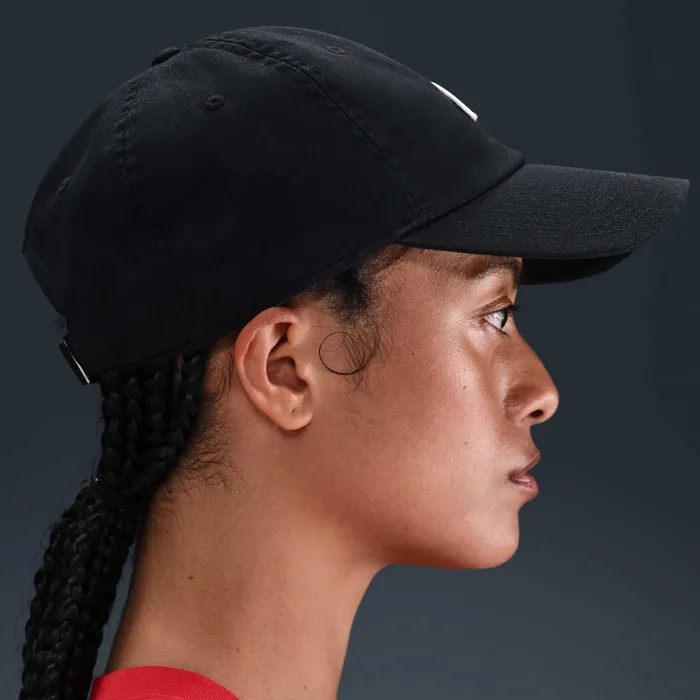
Pros: They fit perfectly under a cap, they are secure in contact, and they protect the hair from friction in the scrum.
Cons: They take time to braid flat, and they need to be re-braided if they loosen, because a loose braid under a cap is uncomfortable.
Maintenance: Braid them as flat as you can, use small elastics, and try the cap on over the finished braids at home before match day.
Who should avoid it: Anyone who does not wear a scrum cap — the style still works, but you have more freedom to choose a bun or a ponytail instead.
The Braided Undercut Top
The braided undercut top keeps the sides short and braids the longer hair on top into a tight plait. It is edgy, it is cool, and it is practical — the short sides need no styling at all, and the braided top lies flat and controlled.
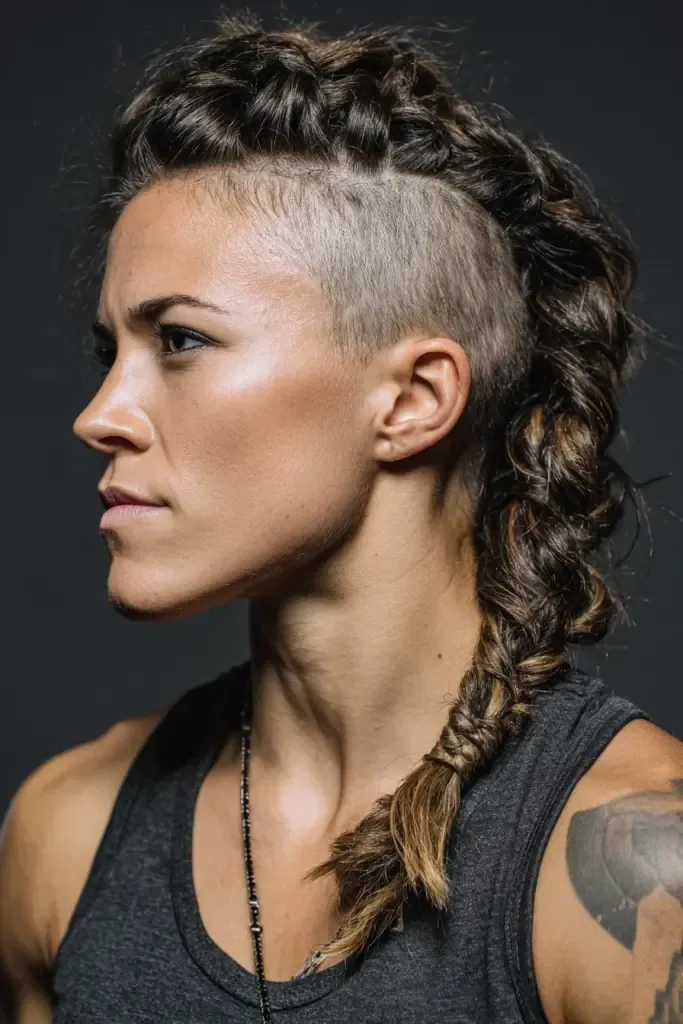
Pros: It is low-maintenance on the sides, the top braid is secure, and it is a bold look that stands out on the pitch.
Cons: It needs regular trims to keep the undercut sharp, and the top braid needs enough length to hold.
Maintenance: Keep the undercut trimmed, braid the top tightly, and smooth the sides with gel so nothing sticks out.
Who should avoid it: Anyone who is not ready for a short cut, and anyone whose top section is too short to braid — grow it out first.
The Low Side Bun
The low side bun gathers the hair into a bun at one side of the nape, and it is a soft, elegant style for a dry match day in the stands. It keeps the hair off the neck, it shows off earrings and a team scarf, and it is comfortable against a seat back.
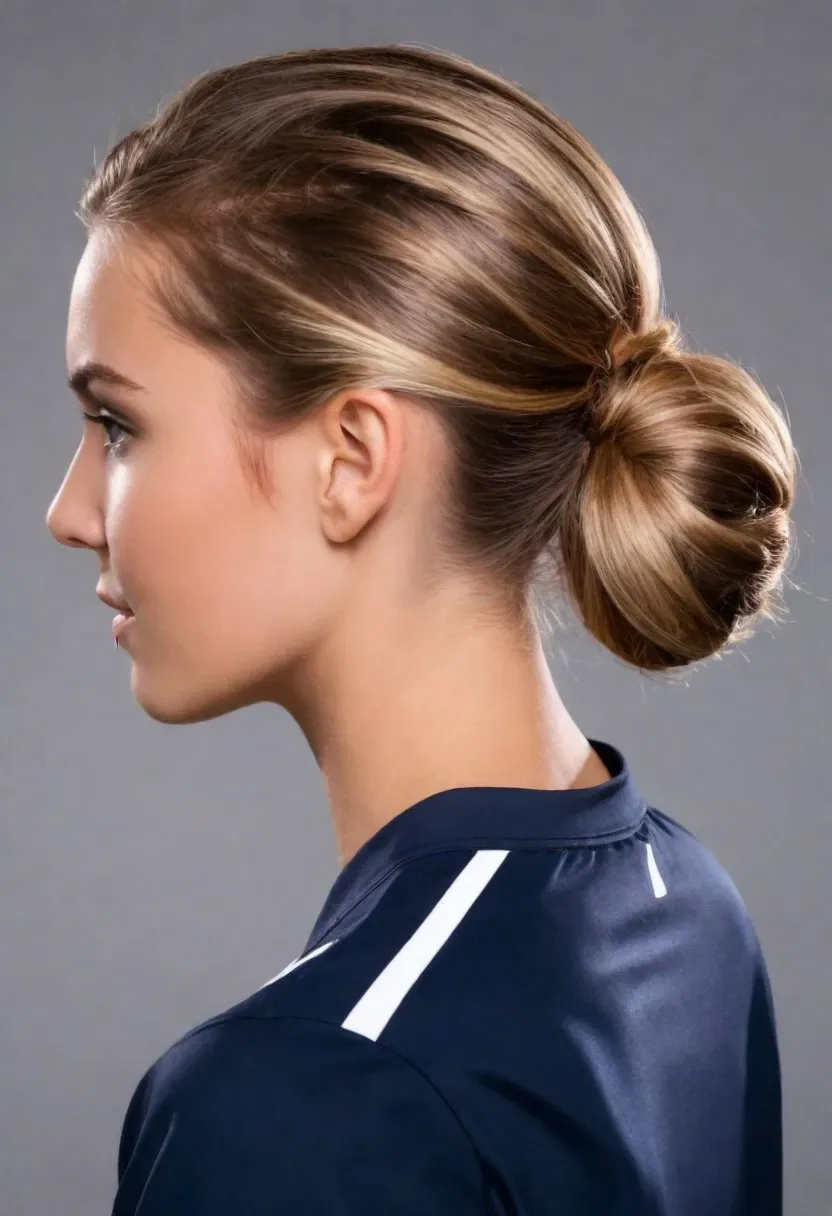
Pros: It is elegant, it is comfortable, and it is easy to do with a few pins.
Cons: It sits to one side, so it can feel unbalanced during activity, and it is not secure enough for contact or for running.
Maintenance: Pin the bun firmly at the side, smooth the hairline with gel, and keep a spare pin in your pocket for the walk home.
Who should avoid it: Players, and anyone who will be running or tackled — a side bun is a spectator style, not a playing style.
The Waterfall Braid Into a Ponytail
The waterfall braid into a ponytail lets strands fall through the braid like a waterfall, then gathers everything into a ponytail. It is romantic and pretty, and it is a lovely choice for a sunny day in the stands — but the loose strands are the giveaway that this is not a contact style.
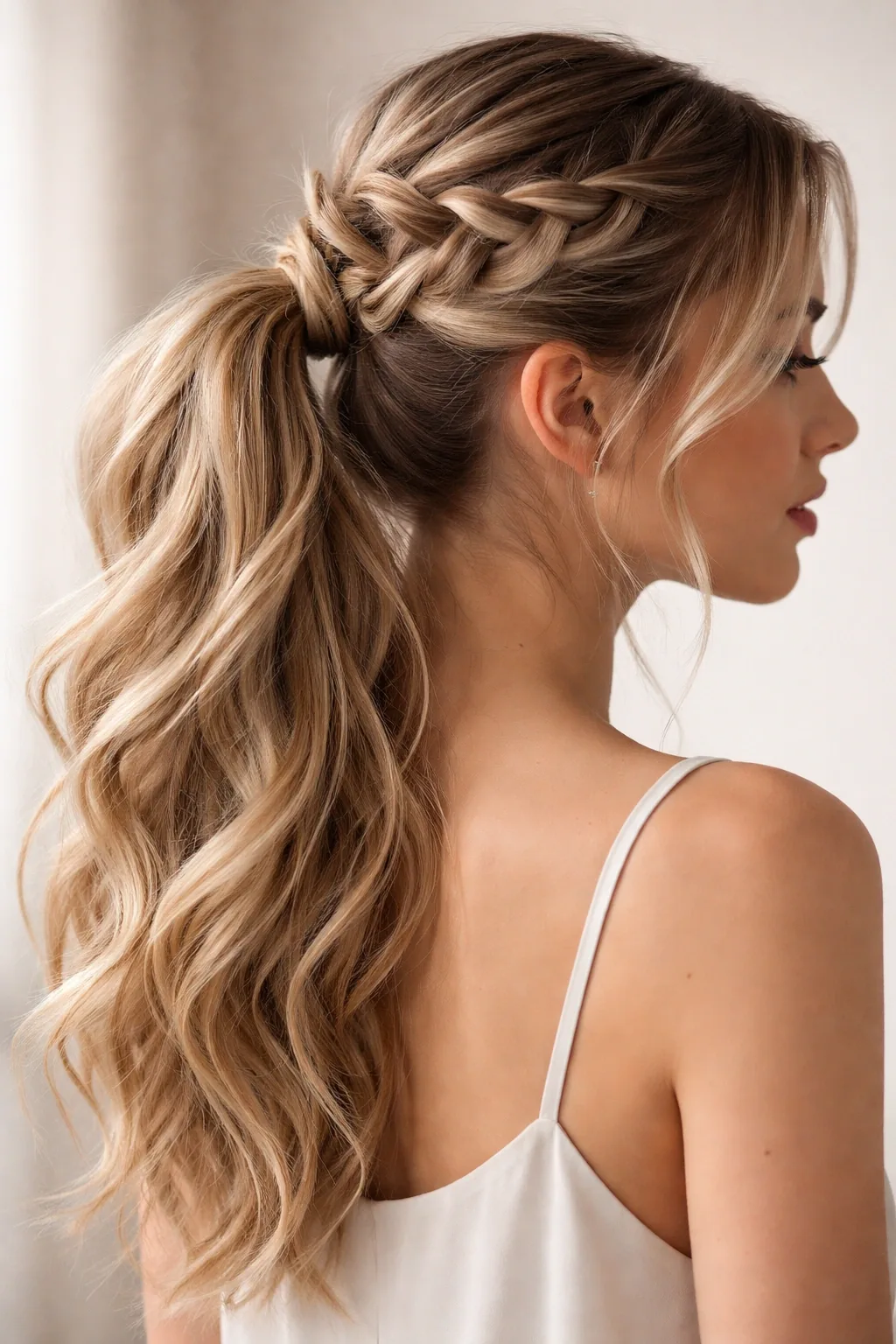
Pros: It is beautiful, it shows off long hair, and it is comfortable for a whole afternoon of watching.
Cons: The falling strands come loose in wind and rain, and they would be in your eyes within minutes on the pitch.
Maintenance: Braid it tightly, secure the ponytail with two elastics, and pin any loose strands back if the weather turns.
Who should avoid it: Players, and anyone in wind or rain — save the waterfall braid for a dry day in the stands.
The Milkmaid Braid
The milkmaid braid wraps two braids over the top of the head like a crown, pinning every strand up and away. It is neat, it is secure, and it keeps the hair completely off the neck — a lovely style for a dry match day or for a rugby social afterwards.
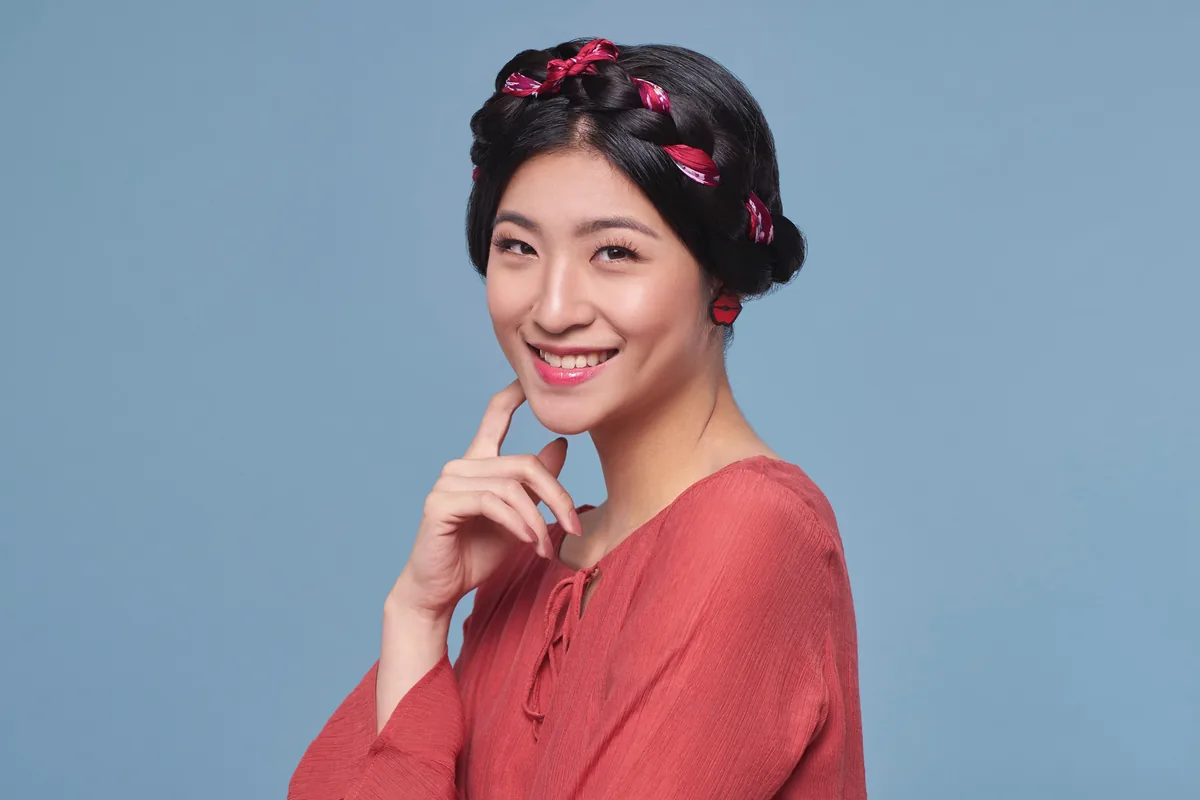
Pros: It keeps all the hair contained, it looks elegant, and it works well for medium to long hair.
Cons: It takes time and many pins, and a milkmaid braid can be pulled loose in a tackle, so it is not a contact style.
Maintenance: Pin the braids at several points around the head, use flat pins, and finish with hairspray so the crown holds its shape.
Who should avoid it: Players in contact, and anyone with short hair that cannot reach across the head — try a single braid instead.
Box Braids Tied Back
Box braids tied back gather long, protective braids into a low ponytail or bun for the match. The braids themselves last for weeks, they protect the hair from mud and friction, and tying them back keeps them controlled and out of the way for eighty minutes.
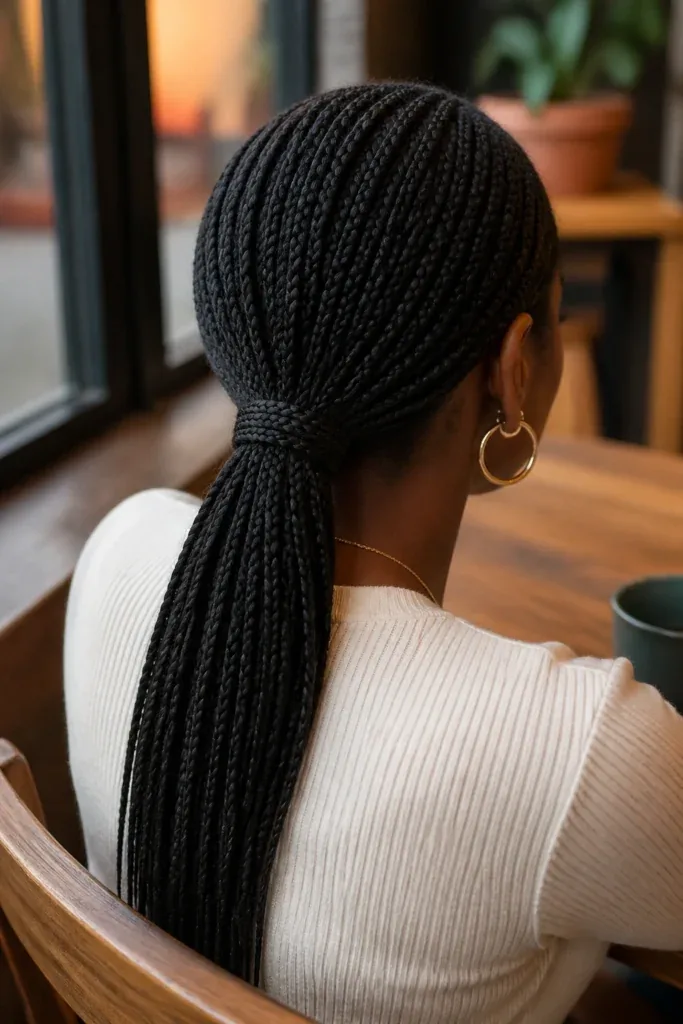
Pros: They are protective, they last for weeks, and they are easy to tie back into a secure match-day style.
Cons: Long box braids are heavy and can be grabbed if they are left loose, so they must be tied back for contact.
Maintenance: Tie them into a low ponytail with a soft scrunchie, tuck the ends in, and moisturise the scalp between matches.
Who should avoid it: Anyone who will not tie them back for the match, and anyone with a sore scalp — heavy braids pull, so keep them loose and low.
Knotless Braids in a Low Ponytail
Knotless braids in a low ponytail are the gentlest protective style in this guide. The braids start without a knot at the root, so they pull less on the hairline, and gathering them low keeps the weight off the scalp for a full match.
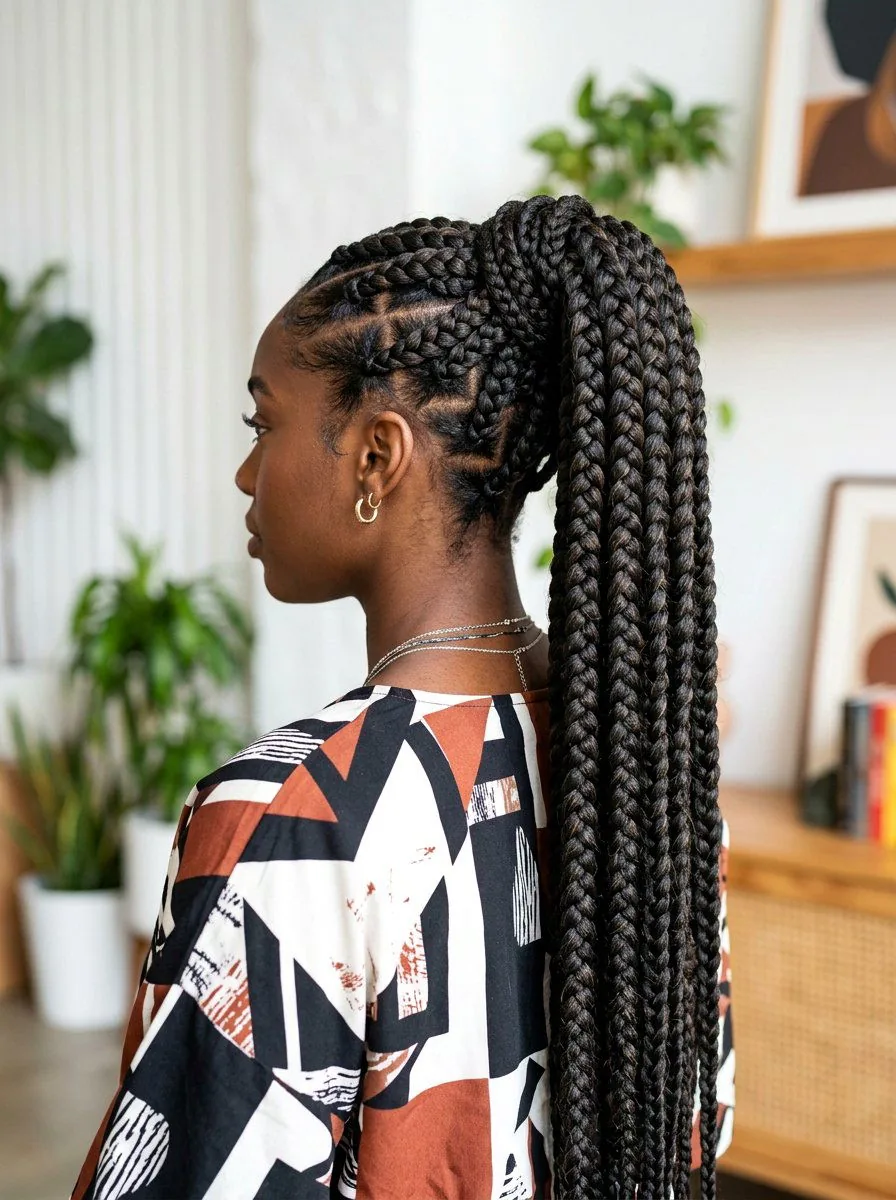
Pros: They are gentle on the hairline, they last for weeks, and the low ponytail is comfortable under a scrum cap strap.
Cons: They take hours to install, and the low ponytail can swing if it is long, so it needs to be braided or tucked for contact.
Maintenance: Gather the braids low, secure with a soft scrunchie, and braid the ponytail tail or tuck it into your collar.
Who should avoid it: Anyone who needs a style today — knotless braids are a salon job, not a morning-of-the-match fix.
What is the best hairstyle for playing rugby?
Double Dutch braids or cornrows are the best hairstyles for playing rugby, because they lie flat against the head, cannot be grabbed easily, and fit comfortably under a scrum cap. A low braided bun is the next best option if you do not have time to braid.
Can I wear a scrum cap with braids?
Yes, you can wear a scrum cap with braids — flat braids are the best styles to wear under a scrum cap. Cornrows, French braids and Dutch braids lie close to the head so the cap sits evenly, while high buns and top knots press painfully under headgear and should be avoided.
How do I keep my hair from falling out during a rugby match?
Start with dry hair, smooth gel over the hairline, and choose a style that anchors the hair at several points — a braid, a bun or a braided ponytail. Use two elastics at the base, pin any headband in place, and do a tug test before kick-off.
What hairstyle survives mud and rain at a rugby game?
Double French braids into low buns survive mud and rain best, because every strand is braided and then bunned, so nothing can come loose. Add gel at the hairline and two elastics at the base, and rinse the mud out with plain water before you shampoo after the match.
Can I wear my hair down to a rugby game?
You can wear your hair down if you are spectating on a dry day, but not if you are playing. On the pitch, loose hair falls into your eyes, gets pulled in tackles, and traps mud and sweat against your neck. In the stands, a half-up style or a side braid keeps the hair controlled while still showing off its length.
What is the best hairstyle for short hair in rugby?
Short hair works best slicked back with gel and a wide, non-slip headband, with any escaping pieces pinned flat. A headband does the work a braid would do on longer hair, keeping the fringe out of your eyes and the sweat out of your face, and it fits perfectly under a scrum cap.
Are braids better than a ponytail for rugby?
Yes, braids are better than a ponytail for rugby, because they lock the hair along its whole length and do not swing, bounce or get grabbed in a tackle. A ponytail is faster to do, but it moves with every step, so a braided ponytail is the best compromise.
How do I fix my hair at half-time in a rugby match?
Keep two elastics, four bobby pins and a mini dry shampoo on the bench. Smooth the hairline first, then check the base of your ponytail or bun — if it has dropped, redo it tighter with a fresh elastic rather than trying to tighten it in place. Tuck escaping strands back into braids with a bobby pin.
What hairstyle works for curly hair at a rugby game?
Gather curly hair into a low braided style, a low puff or a curly ponytail tied low with a headband. Use a wide band or a silk scrunchie so the curls keep their shape, smooth the hairline with gel, and avoid tight elastics that dent the curls or strain the roots. A high puff is for the stands, not for contact.
What should I wear in my hair to watch a rugby game as a fan?
A high ponytail, a bubble braid, space buns or a glam ponytail all look great for watching a rugby game as a fan. They are comfortable for a whole afternoon in the stands, they survive cheering and jumping up for every try, and they photograph well — just braid them or tie them up if the rain starts.
Conclusion
Whether you are packing down in the scrum or cheering from the stands, the right hairstyle makes the whole match better. Flat braids lock everything down, low buns keep you cool, braided ponytails get you out the door in minutes, and a good headband ties it all together. The best hairstyles for a rugby game are the ones you forget about once the whistle blows — because your hair is handled, your vision is clear, and all you have to think about is the game.
Pick one style from this guide, practise it once before match day, and pack your bench kit: two elastics, four bobby pins and a spare headband. Then go enjoy the match — through scrums, mud and eighty minutes of contact, your hair will be the last thing on your mind, exactly as it should be.