Paddleboarding Hairstyles That Stay Put Through Wind, Spray and the Odd Swim
Stand-up paddleboarding looks calm from the shore, but your hair knows better. One gust across open water, one splash off the paddle blade, one wobbly moment that ends with you in the lake — and a loose, flowing style turns into a tangled wet curtain in seconds. The best hairstyles for paddleboarding are built for that reality: secure enough to survive wind and spray, quick enough to fix on a floating board, and kind enough to your hair that salt, sun and a surprise swim do not leave it a knotted mess.
This guide covers forty styles that actually work on the water, from tight braids and low buns to short cuts that need nothing at all. Every style is judged the same way: does it stay put when you paddle into the wind, does it survive a dunk, and can you redo it with wet hands and no mirror? Alongside the styles you will find eight short guides on sun and salt protection, wind, short, long and curly hair on the water, and the prep and wash-day routines that keep paddle-day hair healthy all summer.
Paddleboarding Hair Basics: What Works on the Water
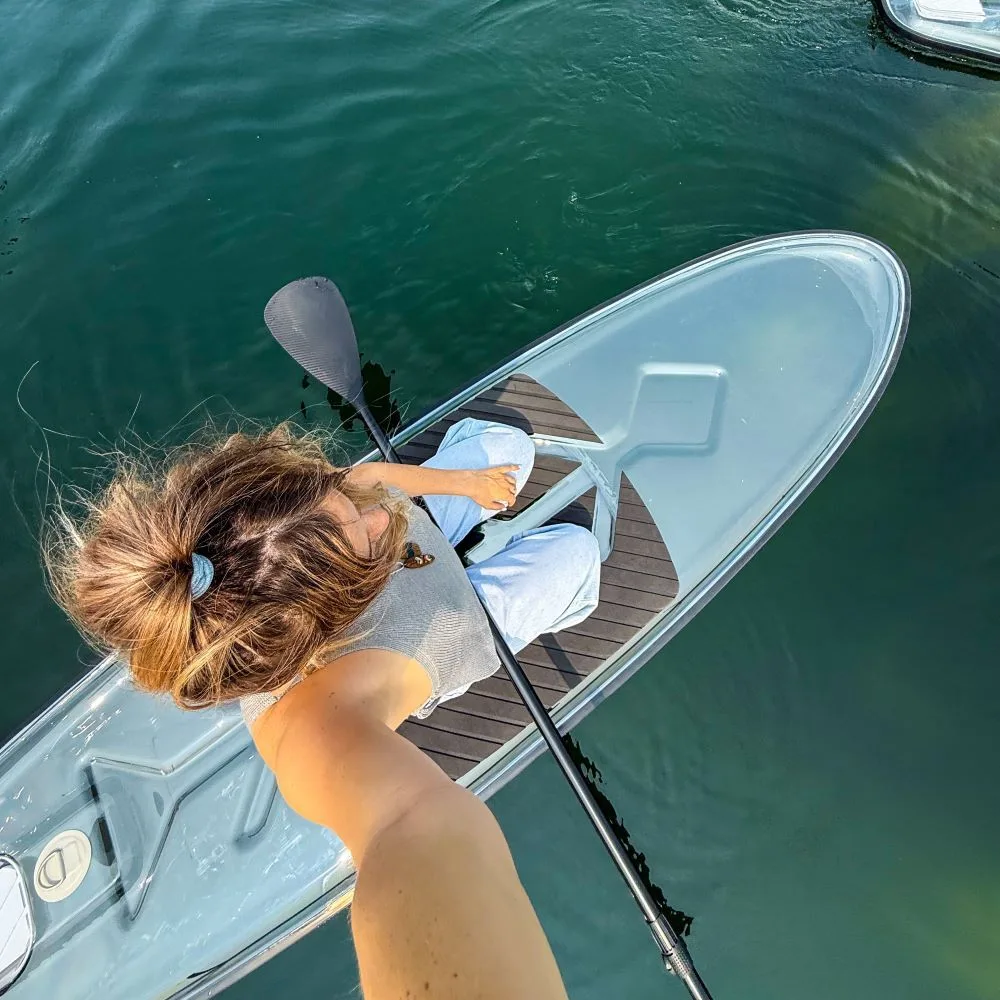
The rule on a paddleboard is simple: hair that is secured stays out of your face, your paddle and the water. A style that works on land can fail fast on a lake, because wind lifts loose layers, spray dampens the ends, and every stroke moves your shoulders. Start with clean, detangled hair and a style that anchors at the nape or crown, not at the ends. Braids beat ponytails for control, buns beat loose hair for dryness, and anything you can redo in under a minute beats a style that needs a mirror. Test a new style on a short paddle first, before you commit to a long crossing.
Sun and Salt Protection for Your Hair
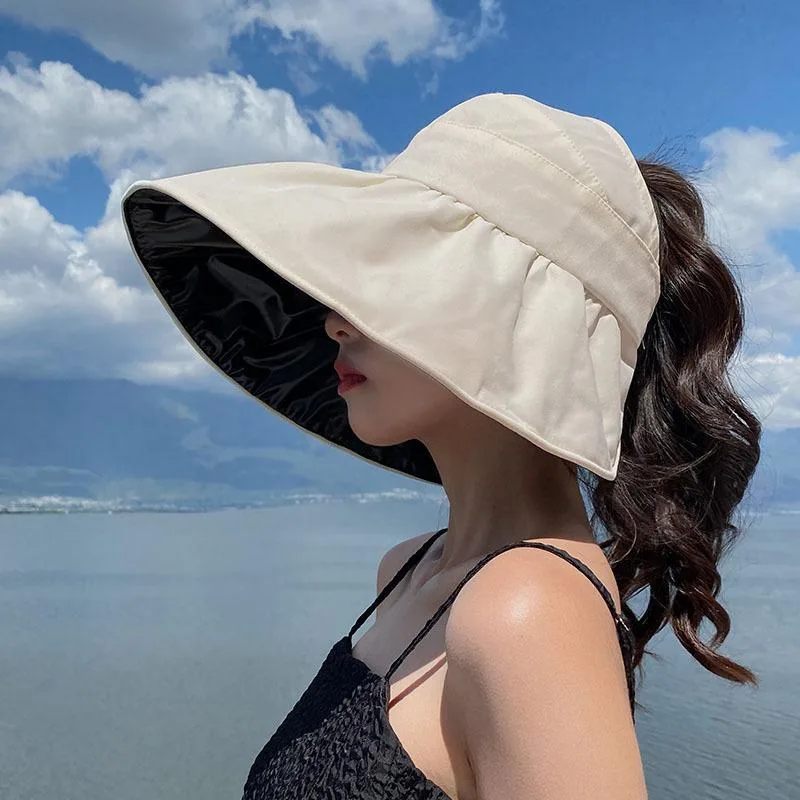
Sun and salt water dry hair out fast, and a paddleboard puts you in both for hours. A leave-in conditioner with UV protection is the easiest defence: work a small amount through damp hair before you braid or bun it, and the style itself becomes a shield. A hat or visor protects the parting and crown, where sunburn on the scalp is a real risk. Rinse with fresh water as soon as you are off the board, even if a full wash waits until home. Salt crystals left to dry keep pulling moisture out of the hair shaft, so a quick rinse matters more than an expensive product.
Wind and Spray: Keeping Hair Out of Your Face
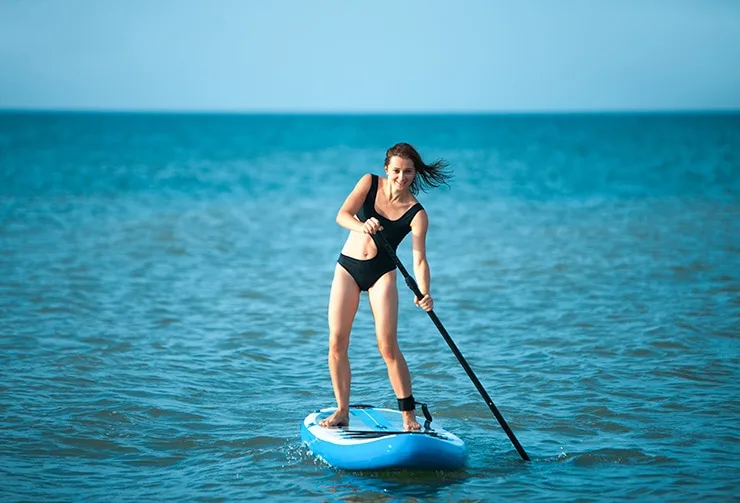
Wind is the paddleboarder’s constant companion, and it finds every loose strand. The fix is not more hairspray — it is structure. A braid locks the length in place, a bun lifts it clear of the spray zone, and a low ponytail sits below the wind line at the back of the neck. If you wear your hair down, expect it in your eyes within ten minutes of paddling into a headwind. A wide headband or a bandana adds a second line of defence across the hairline, catching the short pieces that escape a braid. Keep a spare elastic on your wrist, because wind finds the weak point in any style.
Short Hair on the Water: Easy Wins
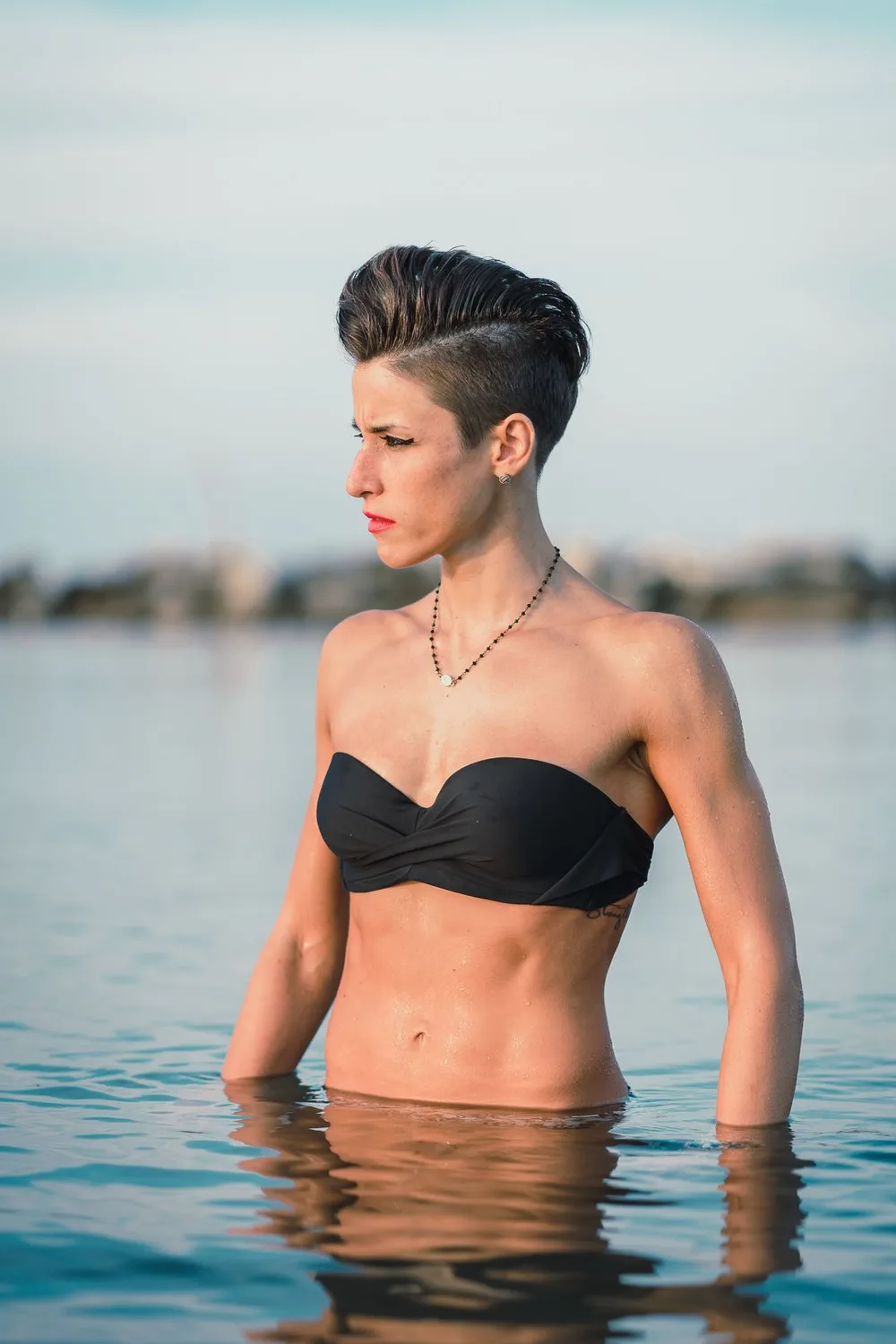
Short hair is the lowest-maintenance option on a paddleboard, and that is its whole charm. A pixie or a short bob dries in minutes, cannot tangle around a paddle, and needs no elastic at all. The trade-off is exposure: short hair leaves the scalp, ears and neck open to the sun, so a hat, a visor or a good layer of sunscreen on the parting is not optional. A little styling cream or sea-salt spray adds grip on windy days, and a headband keeps a growing-out fringe out of your eyes. If your cut is between lengths, a couple of small clips at the temples solve the awkward stage in seconds.
Long Hair on the Water: Taming the Length
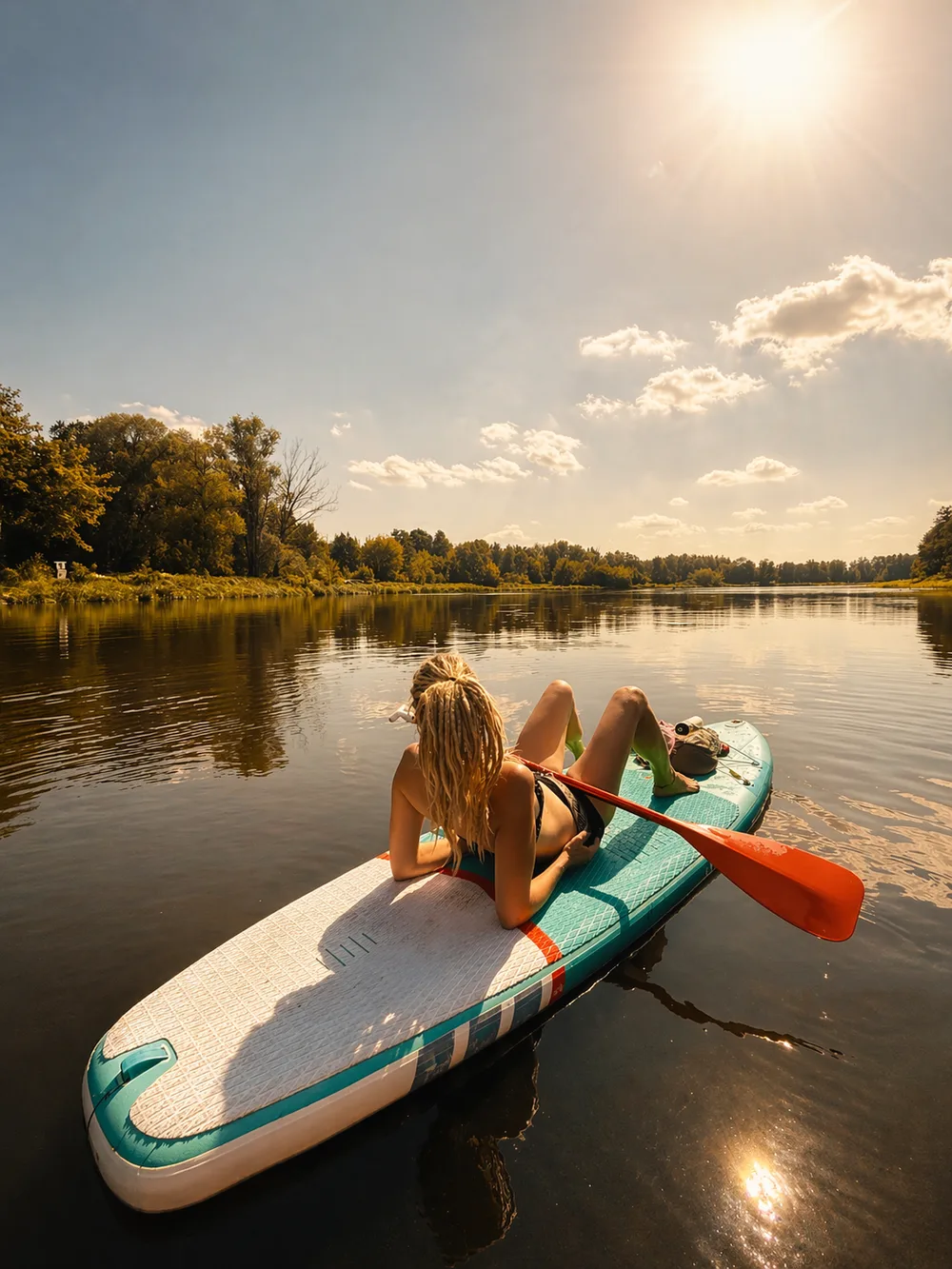
Long hair on a paddleboard is a sail, a rope and a mop all at once unless it is secured. The length catches wind, dips into the water when you lean forward, and tangles fast once it is wet. Braids are the answer for most long-haired paddlers: a single French or Dutch braid keeps the whole length in one controlled line, and a braided ponytail adds a second anchor. Keep the style low and tight at the nape so it does not swing into your paddle stroke, and carry a spare elastic in a waterproof pocket. Never paddle with long hair loose — one unexpected swim turns it into a knot that takes an hour to undo.
Curly Hair on the Water: Curls That Survive a Swim
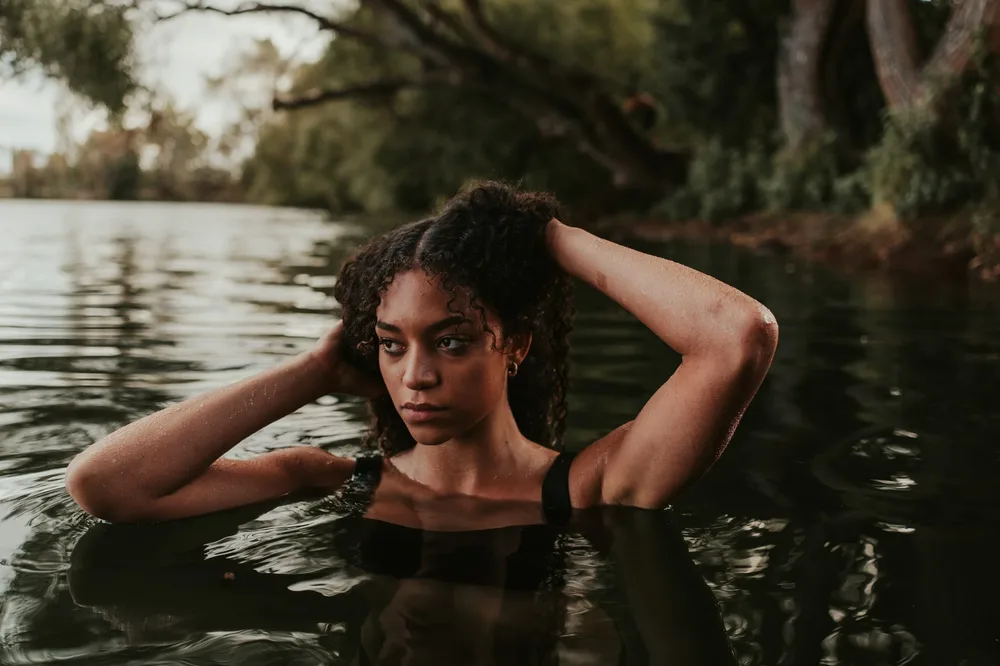
Curly hair and paddleboarding can get along well, because curls hold a style with natural grip that straight hair lacks. The risk is not frizz — it is the tangle that follows a dunk, when wet curls clump and knot. Braid or twist curls before you paddle, and the curl pattern is protected inside the style instead of being pulled apart by wind and water. A leave-in conditioner or a light curl cream applied before braiding keeps the curls soft, and a pineapple updo or two loose braids work well for shorter curls. After the paddle, rinse, re-wet and scrunch with a little cream rather than brushing dry curls out.
Pre-Paddle Prep: Five Minutes That Save Your Hair
Good paddle-day hair starts before you touch the board. Detangle fully while your hair is dry, because knots only tighten once they are wet. Apply a leave-in conditioner or a few drops of hair oil to the mid-lengths and ends, then choose a style that will hold for the whole session — a braid for long hair, a bun for medium hair, a headband for short hair. Pack a spare elastic, two bobby pins and a small clip in your dry bag, and put sunscreen on your parting and ears. If you wear a hat, fit it over the finished style now, not after you are already on the water.
After-Paddle Wash Day: Rinse, Restore, Repeat
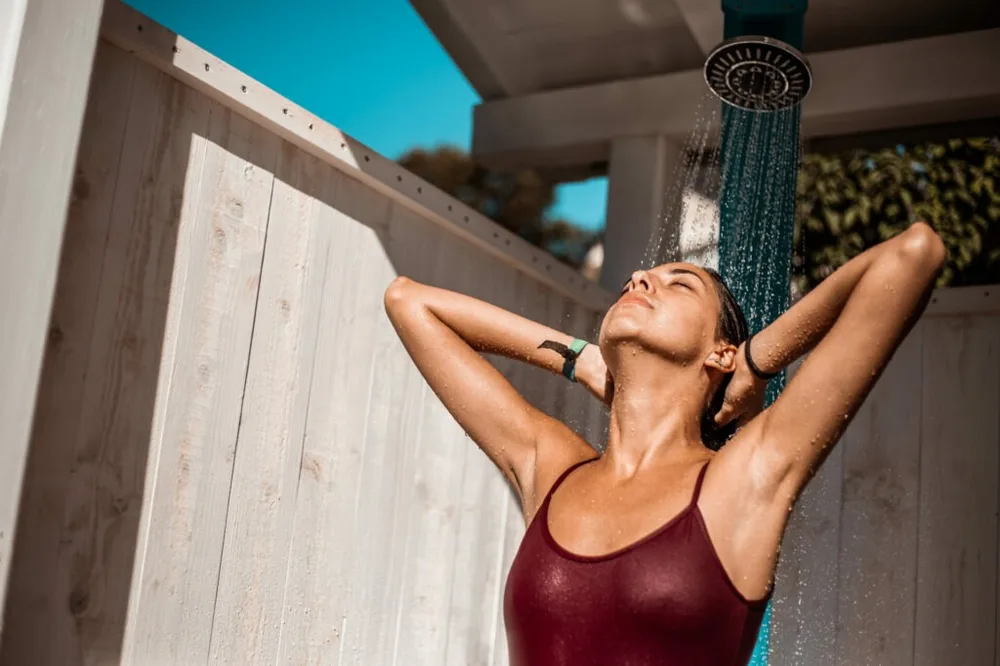
The hour after a paddle matters as much as the paddle itself. Rinse with fresh water first to get salt and lake water out, then shampoo gently — a clarifying shampoo once a week removes mineral and salt build-up, while a moisturising shampoo suits the other days. Follow with conditioner on the mid-lengths and ends, and let hair air-dry when you can, since heat after sun exposure adds damage. If you paddle several days in a row, a weekly deep-conditioning mask keeps the ends from turning brittle. Check for tangles with your fingers before you pick up a brush, and never brush soaking-wet hair hard.
1. High Ponytail
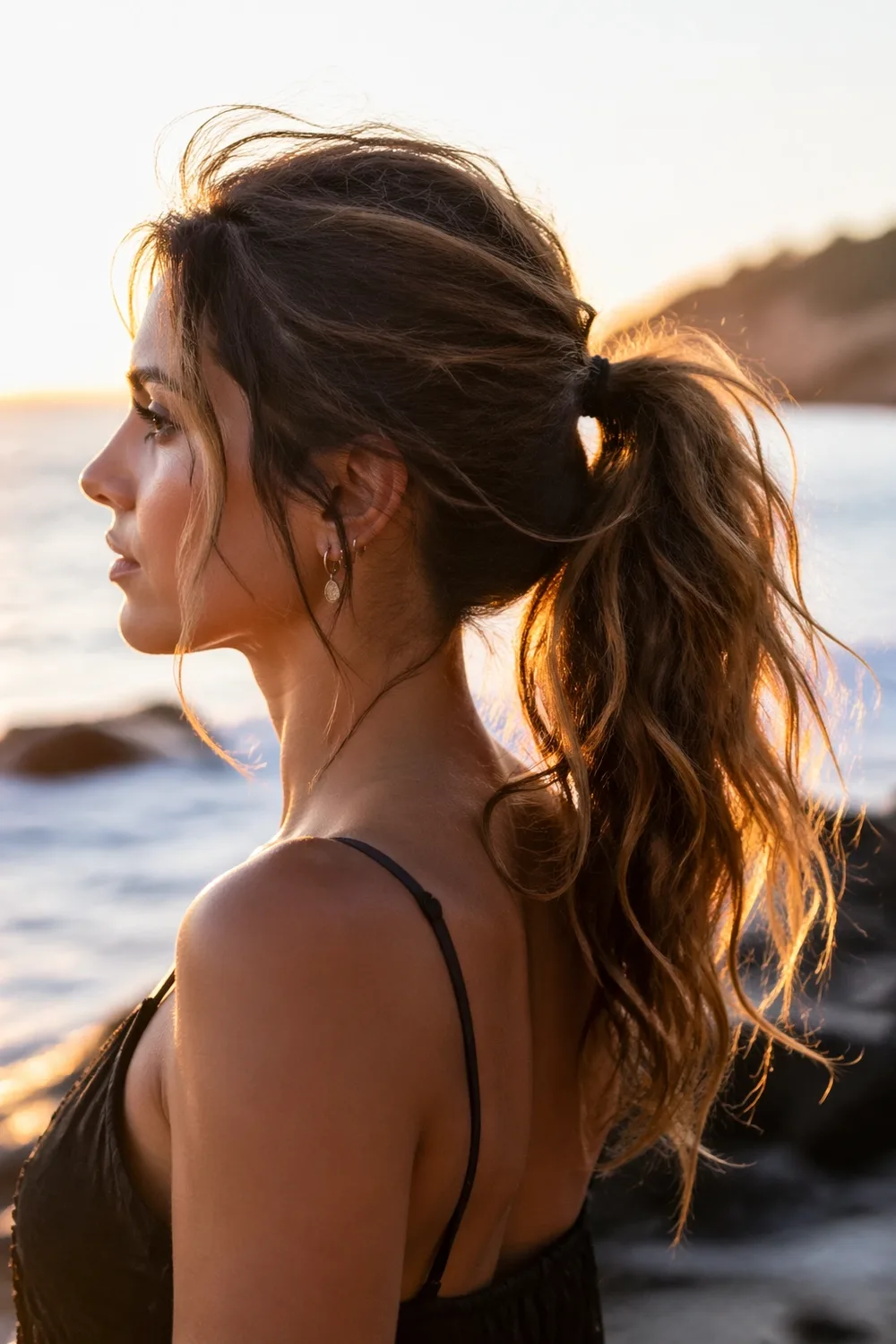
The high ponytail is the classic paddleboard style for a reason: it lifts every strand off your neck and shoulders, keeps the length in one controlled line, and takes about thirty seconds to build. Pull the hair up to the crown, smooth the sides, and anchor it with a strong elastic — a second elastic halfway down adds security on windy days.
Pros: Keeps hair dry above the splash zone, cools the neck, and is easy to redo on the board. Cons: Can swing into your paddle stroke and slip if the elastic is weak. Who it suits: Medium to long hair, and anyone who runs hot on the water. Who should avoid it: Very fine hair that slides out of elastics, and anyone with a sensitive scalp. Maintenance: Carry a spare elastic and re-tighten after a swim.
2. Low Ponytail
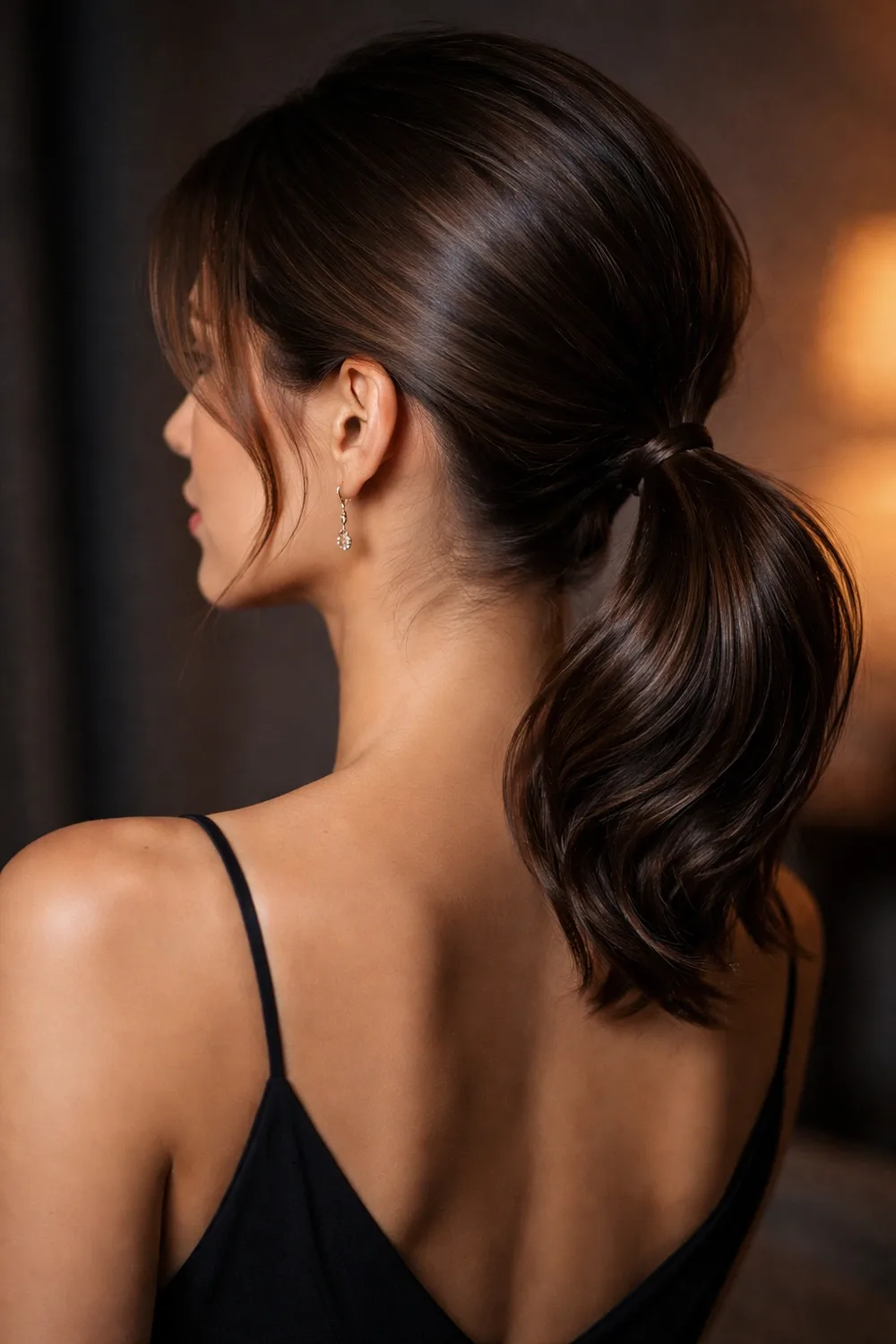
A low ponytail sits at the nape, below the wind line, which makes it one of the calmest styles on a paddleboard. It does not swing, it does not catch the breeze, and it stays put through a long paddle without needing attention. Gather the hair low, secure it snugly, and wrap a small strand around the elastic for a neater finish.
Pros: Stable in wind, comfortable under a hat, and gentle on the scalp. Cons: The ends can dip into the water when you lean forward to paddle. Who it suits: Almost everyone, especially long-haired paddlers and hat wearers. Who should avoid it: Very short hair that will not reach the nape. Maintenance: Re-tie once after the first splash; a coated elastic prevents snagging.
3. French Braid
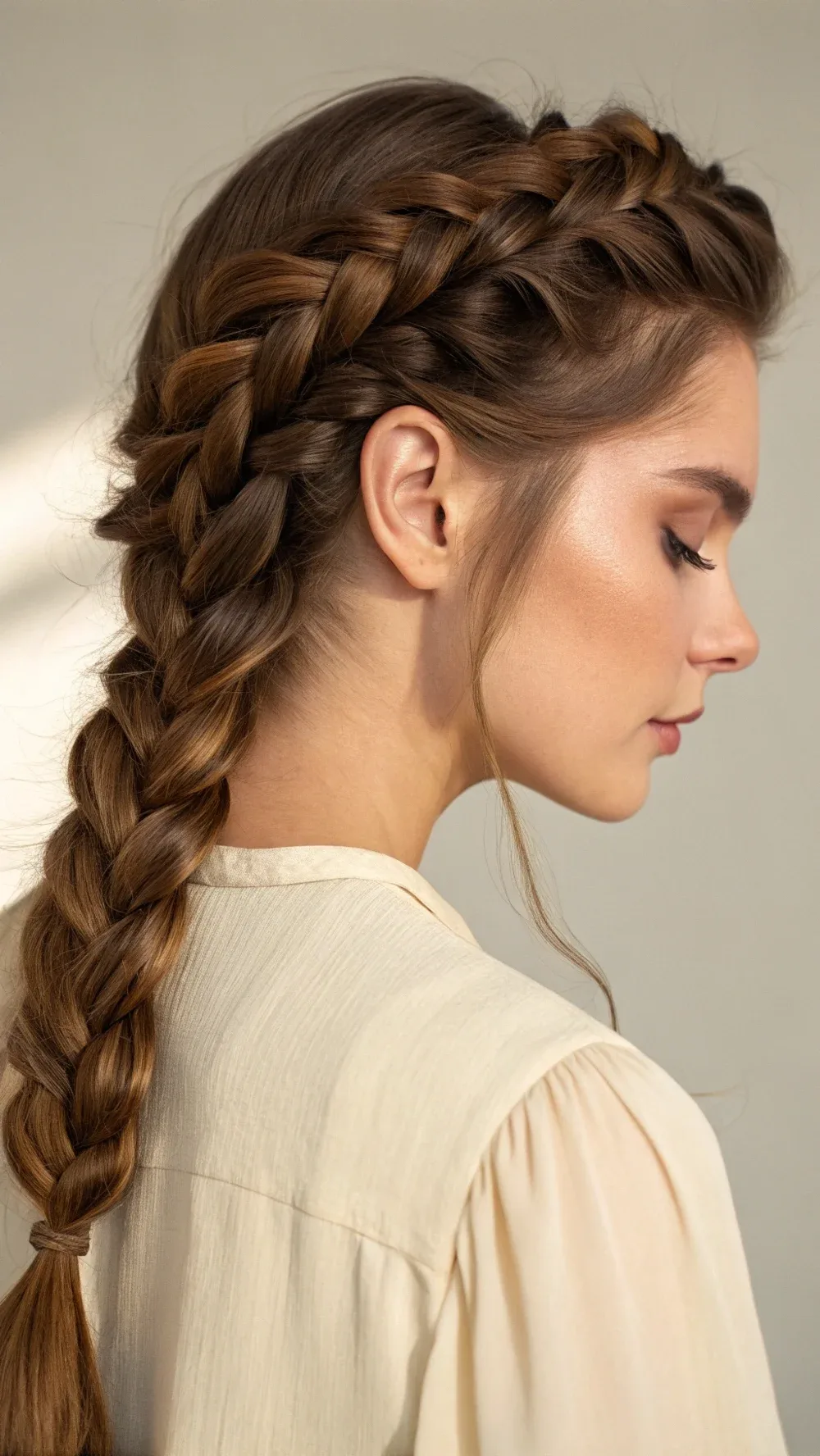
The French braid is the gold standard for paddleboarding: it locks the hair from the crown to the ends in a single flat line that wind cannot lift and water cannot easily tangle. Braid from the front hairline, adding sections as you work down, and secure the tail with a small elastic. It holds through a swim and comes out with soft waves afterwards.
Pros: Maximum control, survives a dunk, and doubles as a wave-setting style. Cons: Takes practice and a few minutes to build. Who it suits: Long and medium hair, and anyone paddling in wind. Who should avoid it: Very short hair, and anyone who dislikes a tight feeling at the scalp. Maintenance: Braid on slightly damp hair with a little leave-in for grip; undo gently after rinsing.
4. Dutch Braid
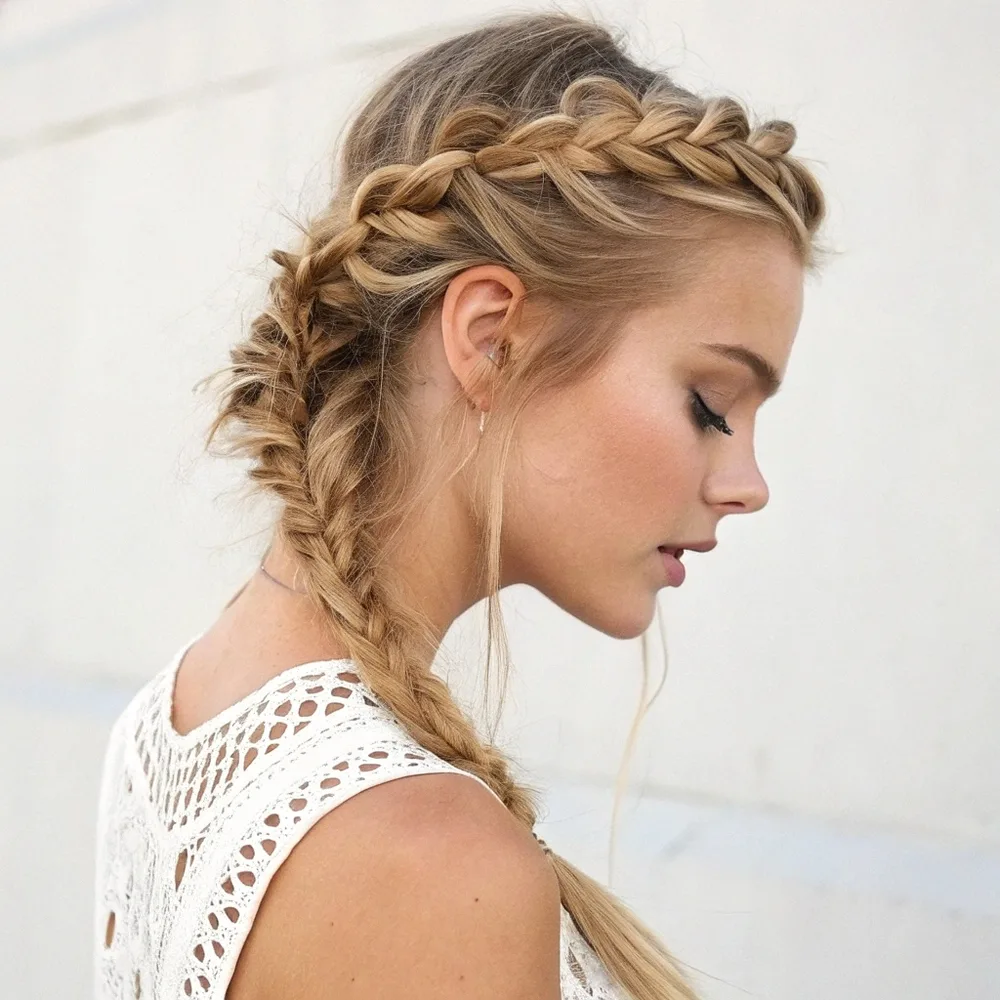
A Dutch braid is a French braid worked in reverse, so the braid sits on top of the hair instead of tucked inside it. That raised shape grips even better on the water, and it looks bolder too. Braid under, not over, adding hair from each side as you go, and keep the tension even so the braid stays comfortable for hours.
Pros: Excellent hold, stands up to wind and spray, and looks polished. Cons: Slightly harder to learn than a French braid. Who it suits: Thick hair, and paddlers who want a style that lasts all day. Who should avoid it: Fine hair that slips, unless you use a texturising spray first. Maintenance: Secure the tail well and carry a spare elastic; loosen the braid slightly at the end of the day.
5. Fishtail Braid
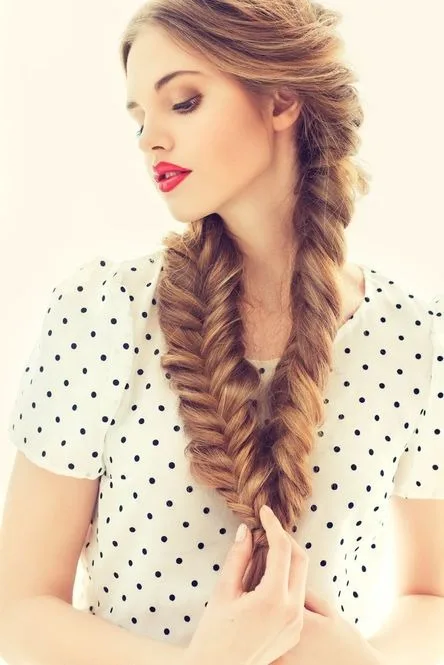
The fishtail braid weaves two sections into a fine, rope-like plait that holds its shape beautifully on the water. It takes a little longer to build than a three-strand braid, but the result is a flat, secure style that barely moves in the wind. Start with a low ponytail, split it in two, and cross small pieces from each side to the other.
Pros: Very secure, elegant, and resists unravelling when wet. Cons: Slow to build and fiddly with wet hands. Who it suits: Long hair and patient braiders. Who should avoid it: Anyone in a rush, or very layered hair that pokes out. Maintenance: Build it before you launch; a light mist of water helps the pieces grip.
6. Bubble Ponytail
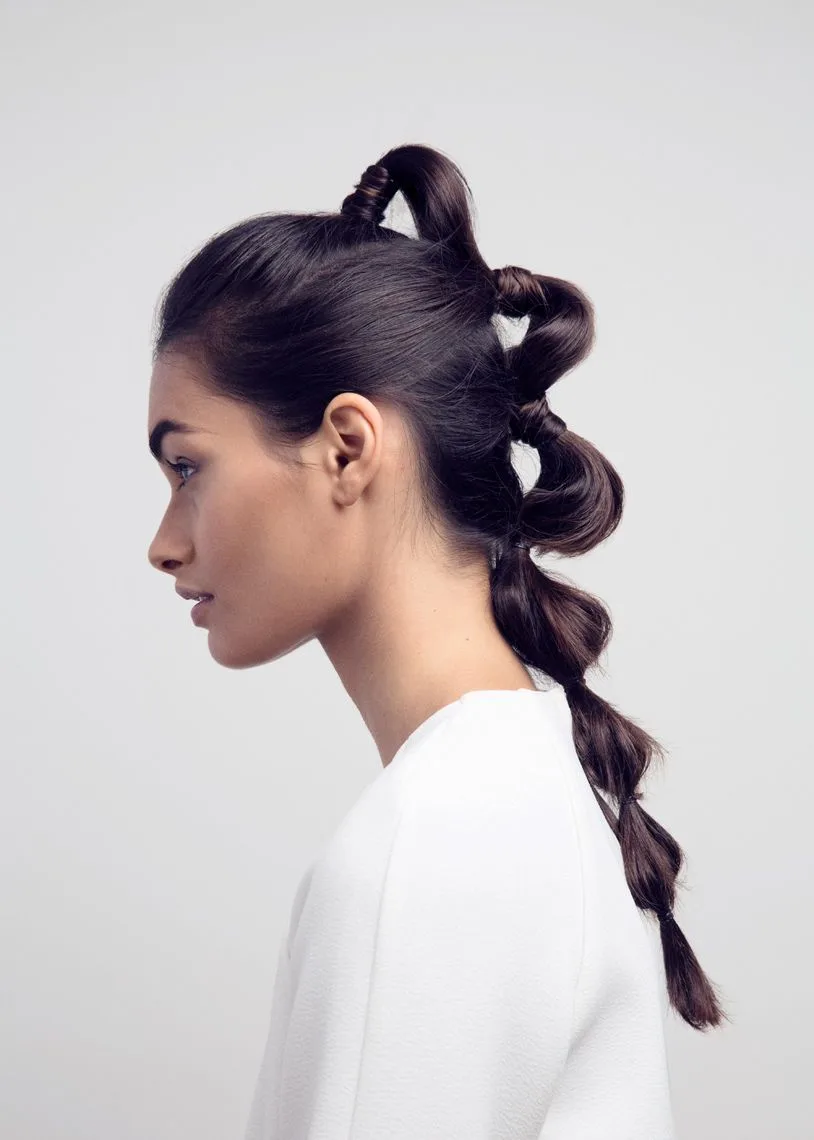
The bubble ponytail turns a plain ponytail into a series of puffs, each held by its own elastic, and every puff is another anchor point. That makes it surprisingly practical on a paddleboard: if one section loosens, the rest hold. Tie the hair high or low, then add elastics every few centimetres and gently pull each section out to form the bubbles.
Pros: Playful, very secure, and easy to fix one section at a time. Cons: Uses several elastics and can look bulky under a hat. Who it suits: Medium to long hair, and paddlers who want a fun style. Who should avoid it: Very short hair, and anyone who dislikes elastics. Maintenance: Use snag-free elastics and keep spares; pull the bubbles out evenly before you launch.
7. Top Knot Bun
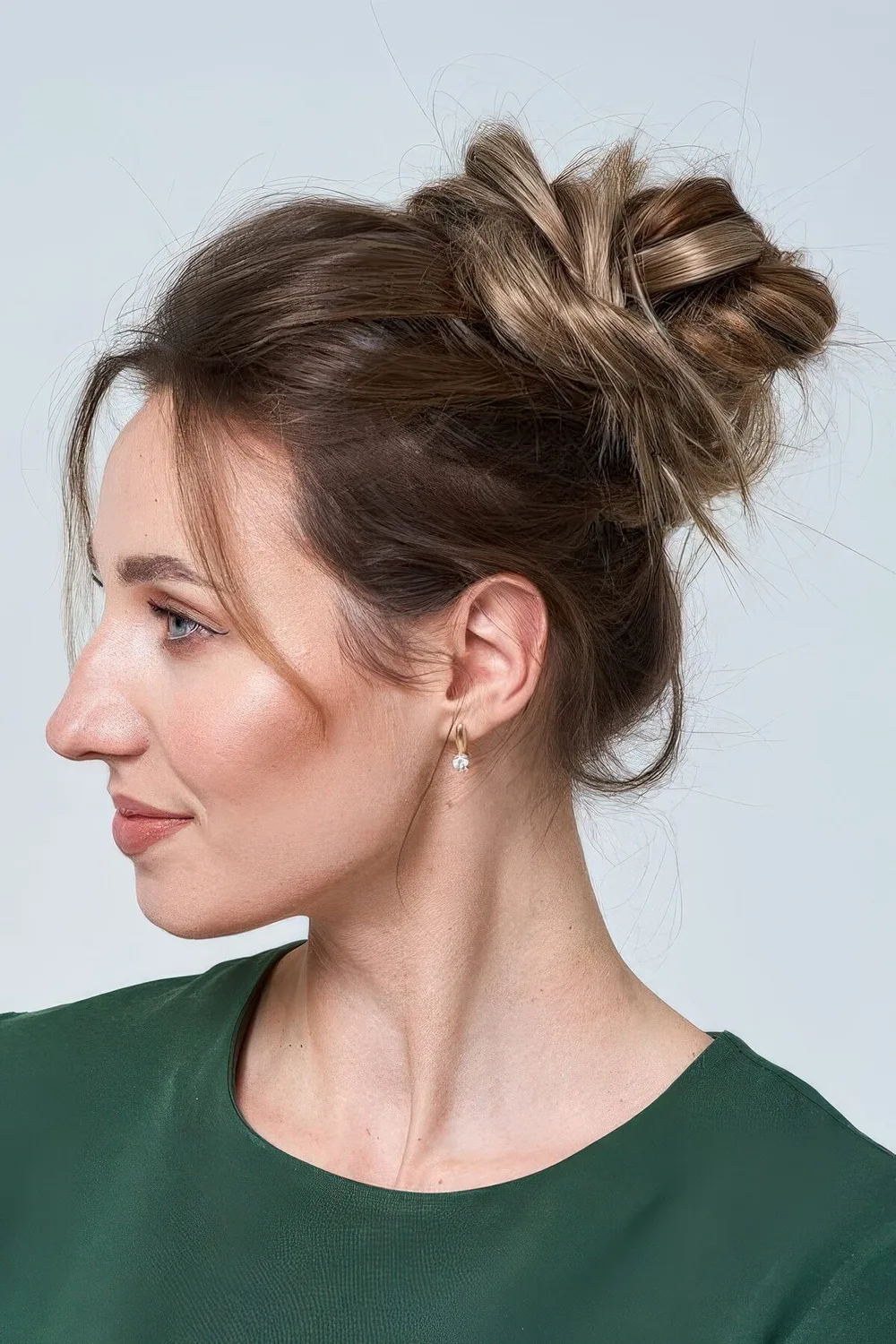
A top knot gathers all the hair into a bun at the crown, high above the splash zone and completely clear of the paddle. It is the driest style on this list: even a fall into the water often leaves the bun damp rather than soaked. Twist the ponytail around its base, pin it, and add a second elastic for security.
Pros: Keeps hair dry, cool, and fully out of the way. Cons: Can feel heavy and may slip if it is not pinned well. Who it suits: Long and thick hair, and hot sunny days. Who should avoid it: Fine hair that will not hold a twist, and anyone with neck strain. Maintenance: Pin with two bobby pins in an X and check the bun after any swim.
8. Low Bun
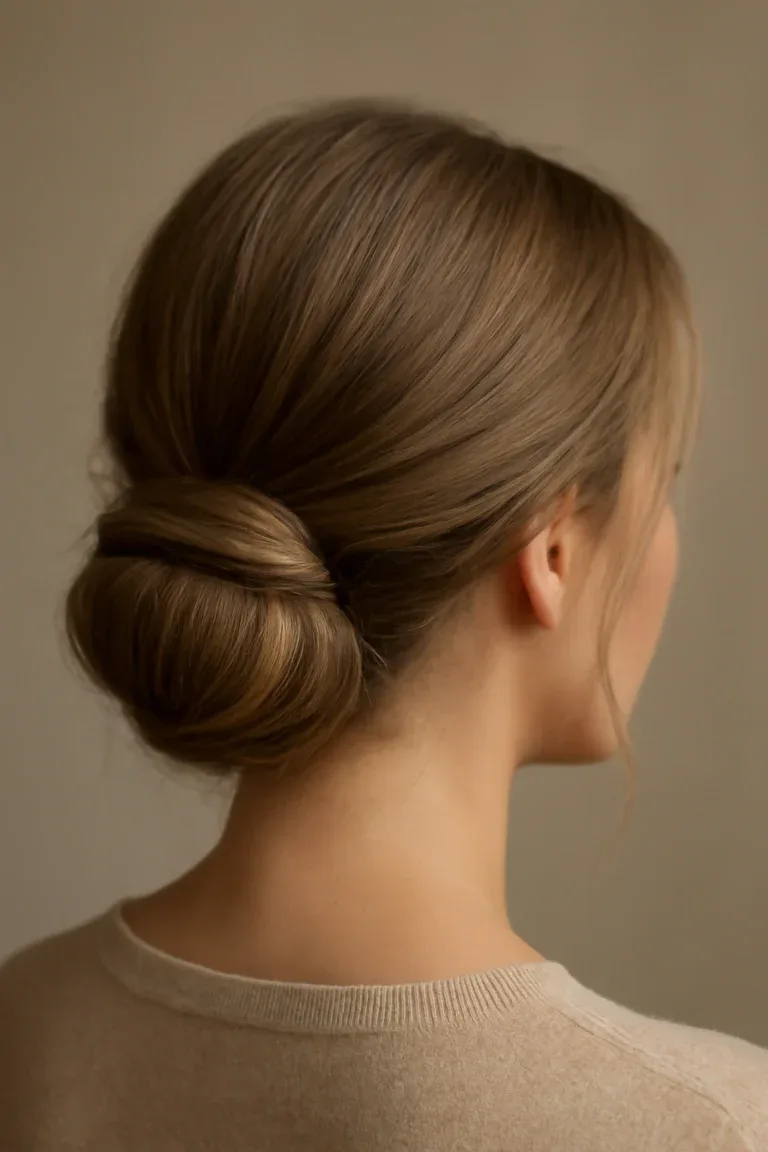
The low bun is the quiet achiever of paddleboard hair: neat, low at the nape, comfortable under any hat, and stable in the wind. Twist the hair into a coil at the base of the neck and pin it flat, or wrap it around a small elastic for a fuller shape. It suits a calm lake paddle and a choppy sea paddle equally well.
Pros: Wind-proof, hat-friendly, and elegant enough for a lakeside lunch after. Cons: The nape can get warm, and loose ends may escape. Who it suits: Medium to long hair, and anyone who wears a sun hat. Who should avoid it: Very short hair that will not coil. Maintenance: Smooth flyaways with a little cream before you launch; re-pin after a swim.
9. Messy Bun
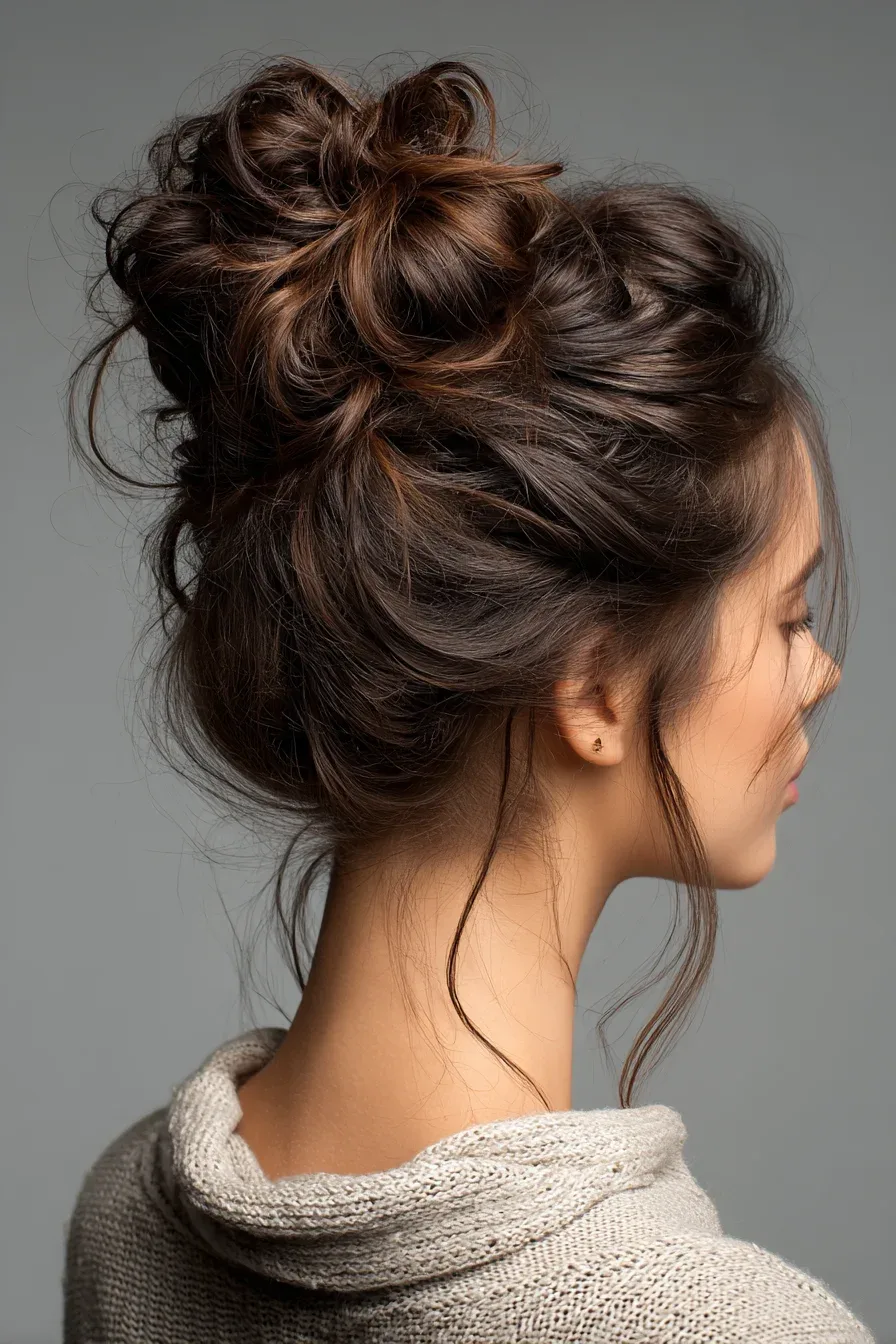
A messy bun is the top knot’s relaxed cousin: gathered loosely, twisted once, and pinned without fuss. On a paddleboard that looseness is a feature, not a flaw — a few escaped strands look intentional, and the style is easy to rebuild with wet hands. The trick is to anchor it well at the base so the looseness stays on top, not at the roots.
Pros: Fast, forgiving, and easy to redo without a mirror. Cons: Loose pieces can blow into your face in a headwind. Who it suits: Medium to long hair, and casual paddlers. Who should avoid it: Windy crossings where you need full control. Maintenance: Keep two pins in your dry bag and re-pin the base, not the top, when it loosens.
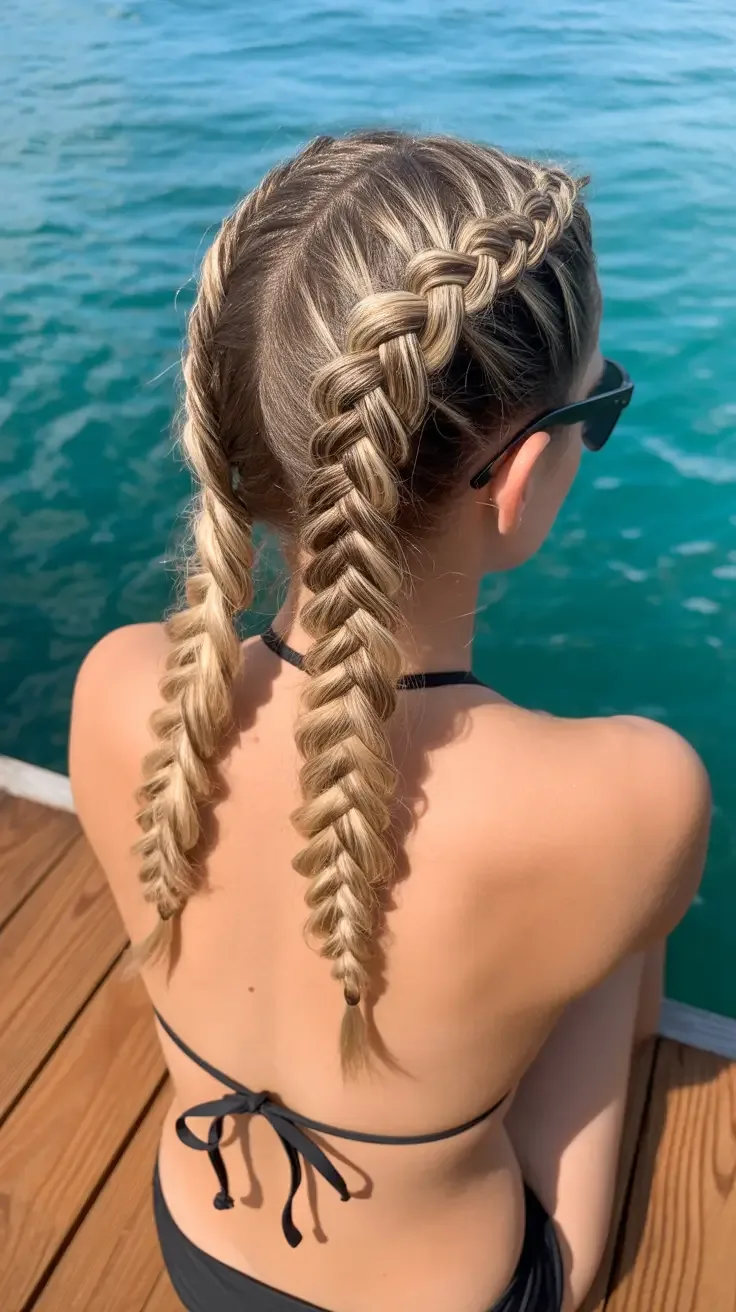
10. Double French Braids
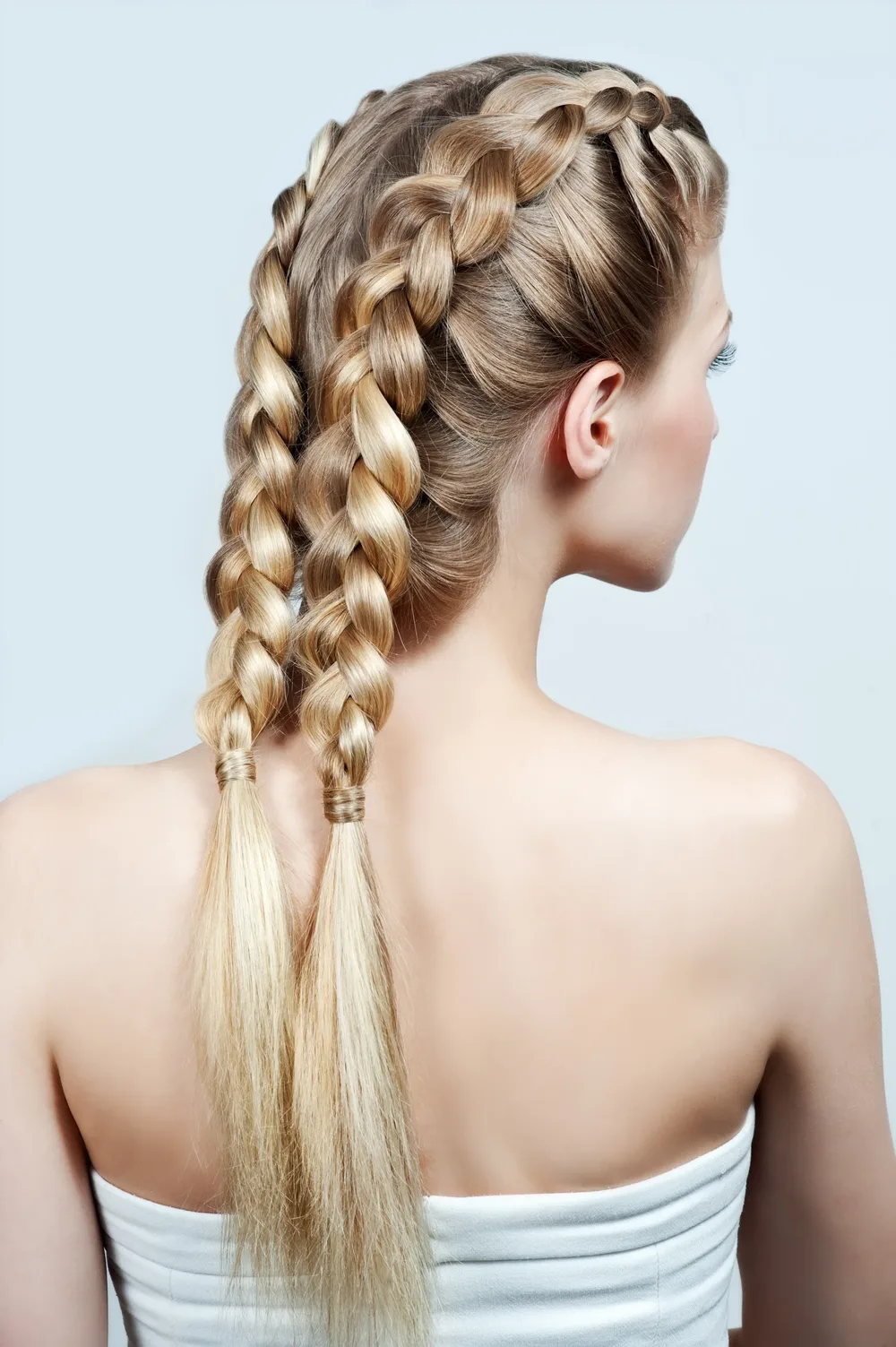
Two French braids, one on each side of a centre parting, give you the control of a single braid with better balance and a sportier look. Each braid holds half the hair, so the weight is even and nothing pulls to one side while you paddle. Braid each side from the hairline to the nape, then continue to the ends and secure both tails.
Pros: Even weight, excellent wind resistance, and stays neat for hours. Cons: Takes twice as long to build as one braid. Who it suits: Long and thick hair, and all-day paddles. Who should avoid it: Short hair, and anyone short on prep time. Maintenance: Braid tightly at the hairline and use matching elastics; the style survives a swim well.
11. Boxer Braids
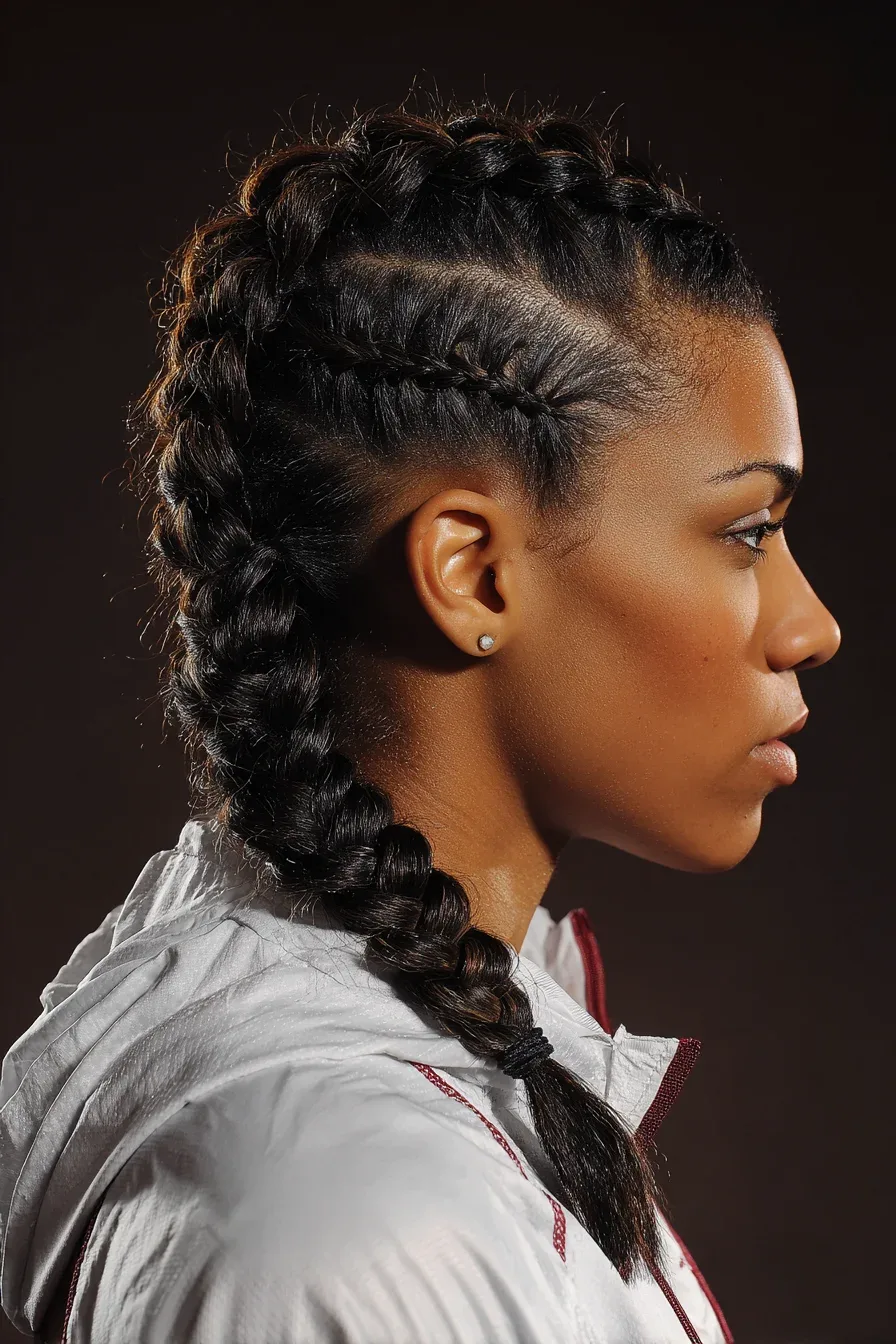
Boxer braids are double Dutch braids worn tight to the scalp, built for sport — and paddleboarding is exactly the kind of sport they were made for. The raised braids grip hard, the ends stay controlled, and the style holds through wind, spray and a full dunk. Part the hair down the middle and Dutch-braid each side close to the scalp.
Pros: The most secure braided style here, and it lasts for days. Cons: Tight braiding takes time and can feel firm at first. Who it suits: Active paddlers, thick hair, and multi-day trips. Who should avoid it: A sensitive scalp, or hair too short to braid to the nape. Maintenance: Sleep in them on a trip and re-braid only the front sections if they loosen.
12. Braided Ponytail
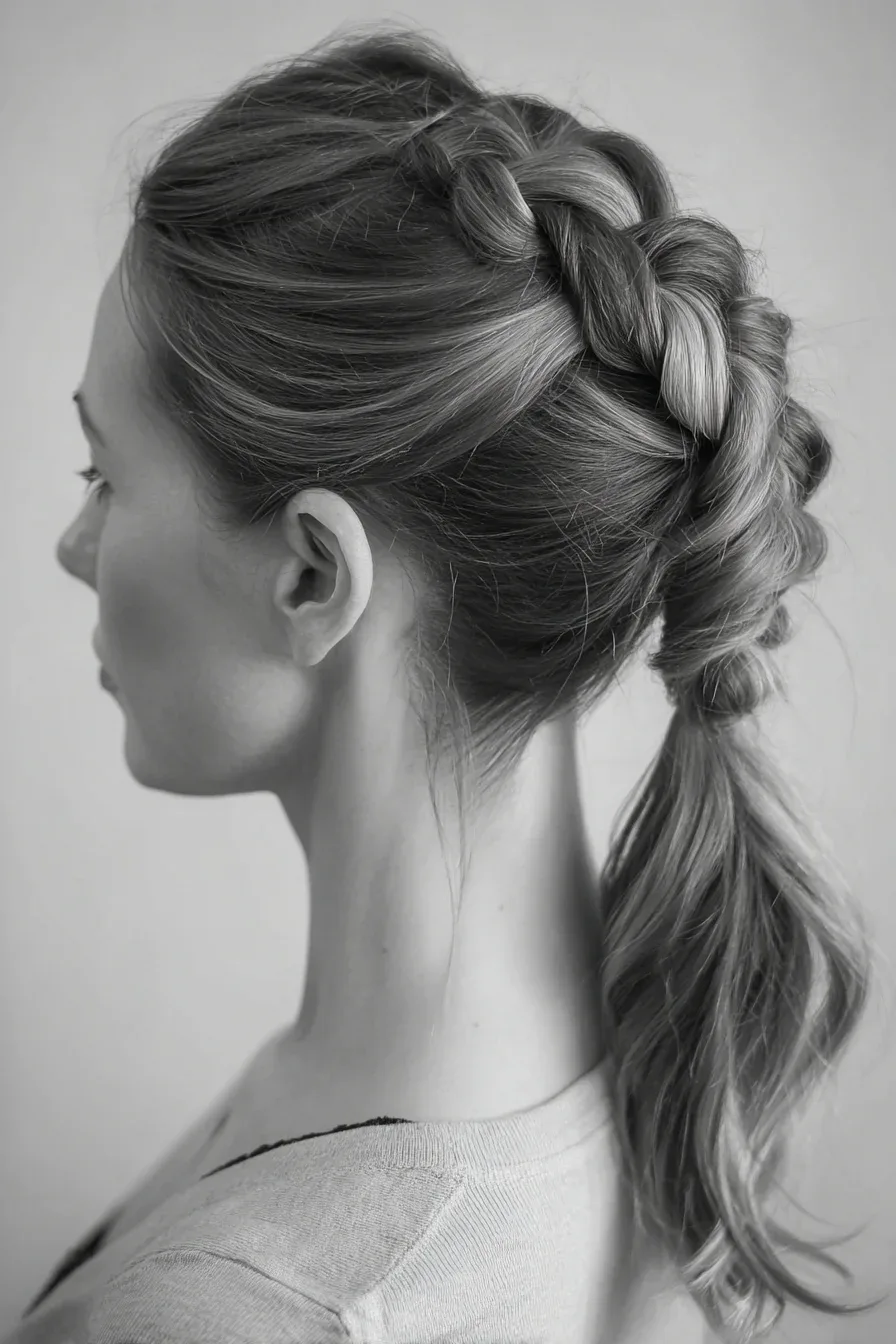
A braided ponytail combines the lift of a ponytail with the control of a braid: tie the hair up first, then braid the tail itself. The ponytail keeps the weight high and dry, while the braid stops the tail whipping around in the wind. It is quicker to build than a full French braid and just as reliable once it is in.
Pros: Fast to build, very stable, and easy to redo on the board. Cons: The tail can still dip into the water when you lean forward. Who it suits: Long hair, and paddlers who want braid control without the full braiding time. Who should avoid it: Short hair that will not form a tail. Maintenance: Use a strong elastic at the base and a small one at the tip; re-braid the tail after a swim.
13. Side Braid
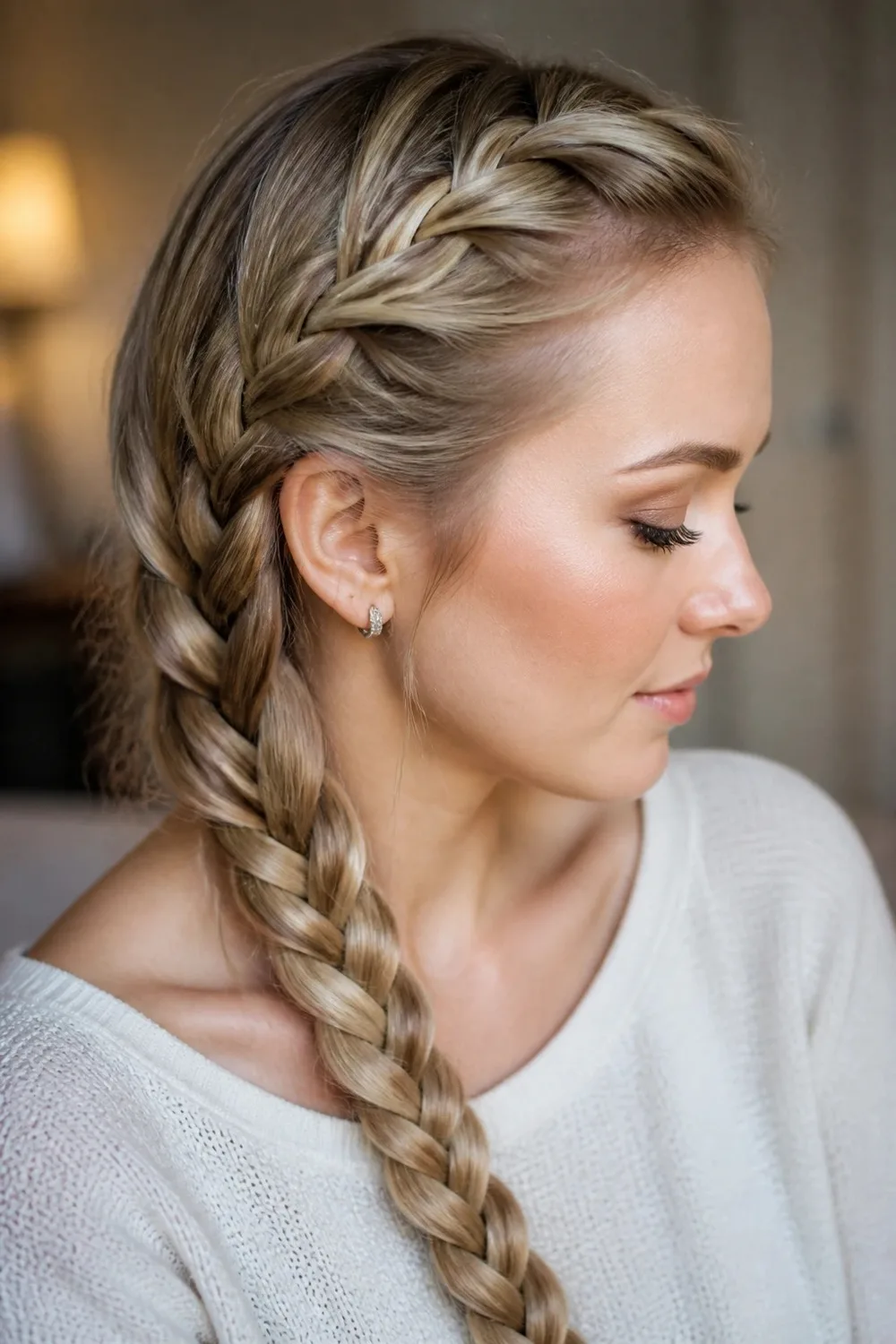
A side braid sweeps all the hair over one shoulder and braids it down the front, where you can see it and fix it without a mirror. That visibility is genuinely useful on a paddleboard: you can check the braid, re-tie the end, or tuck it away in seconds. Sweep the hair to one side, braid loosely, and secure the tail.
Pros: Easy to check and fix, keeps hair off the back of the neck. Cons: The braid sits in the splash zone and can swing across your chest while paddling. Who it suits: Long hair, and anyone who likes to keep an eye on their style. Who should avoid it: Rough water, where a swinging braid gets in the way. Maintenance: Tuck the tail into your life vest strap when you paddle hard.
14. Crown Braid
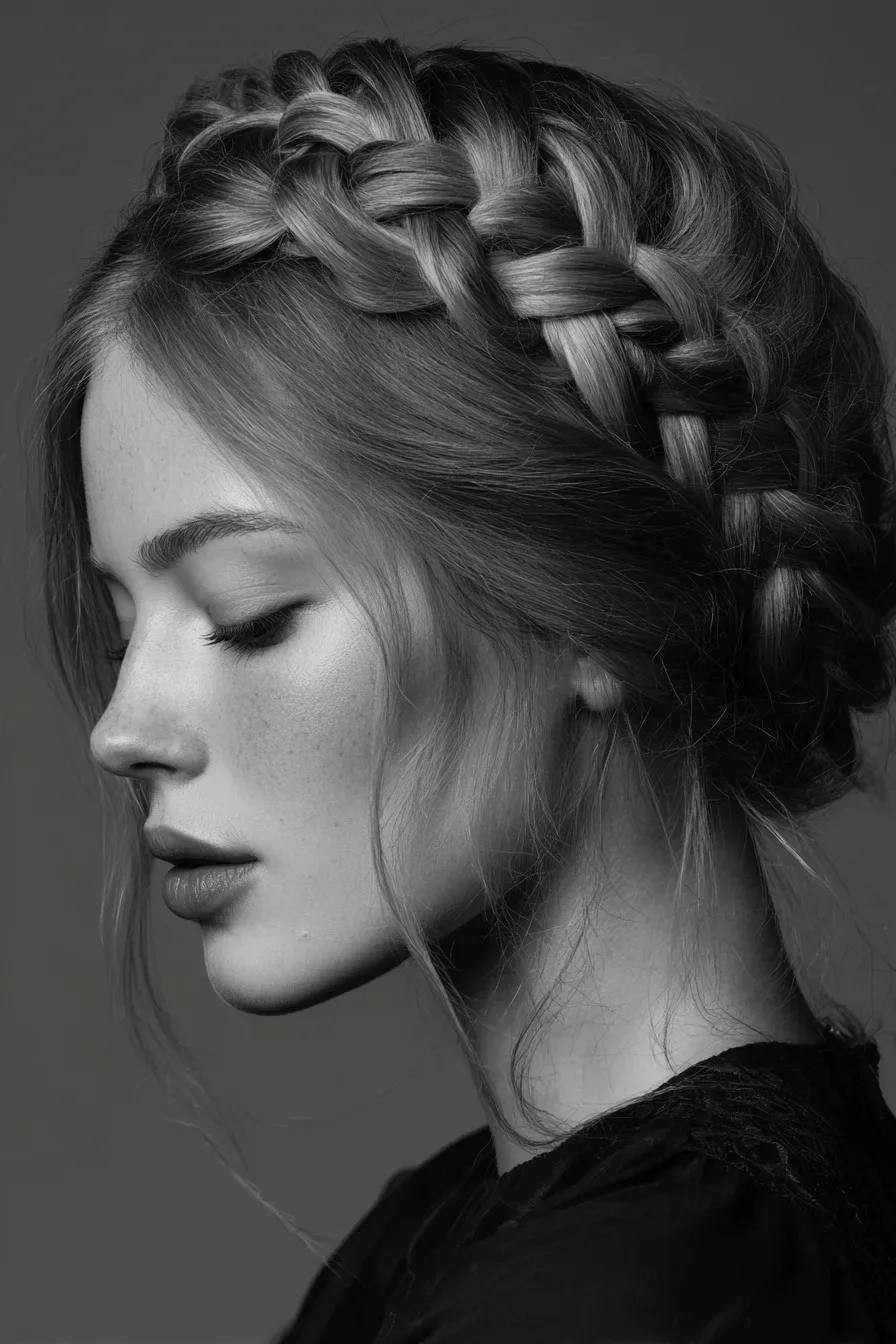
A crown braid circles the head like a halo, pinning every strand up and away from the neck, shoulders and water. It is one of the most secure updos on this list, and it looks beautiful too — the braid itself becomes the headband. Braid around the hairline from one ear to the other, then pin the tail under the start of the braid.
Pros: Total control, no swinging length, and no hat needed for style. Cons: The hardest braid here to build on yourself. Who it suits: Long hair, and special paddles like a sunset trip. Who should avoid it: Beginners, and very short hair. Maintenance: Pin the joins well and carry spare pins; practise on dry land first.
15. Halo Braid
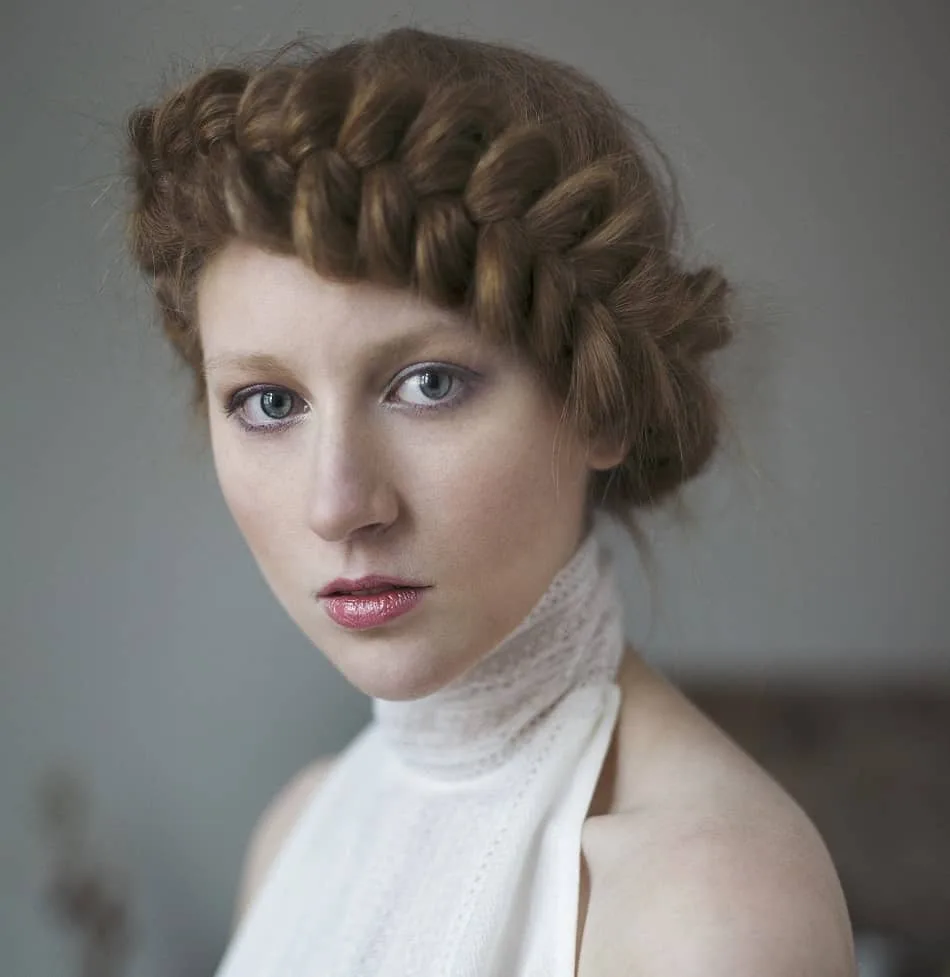
The halo braid is the crown braid’s softer sister: two braids wrapped around the head and pinned into a ring, with a slightly looser, more romantic finish. It holds just as well on the water, and the two-braid build is easier to manage than a single continuous circle. Braid each side, cross them over the top, and pin the ends underneath.
Pros: Secure, comfortable, and flattering from every angle. Cons: Needs several pins and a little patience. Who it suits: Medium to long hair, and anyone who wants an updo that lasts. Who should avoid it: Very fine hair that slips out of pins. Maintenance: Use pins that match your hair colour and check the crossings after a swim.
16. Rope Braid Ponytail
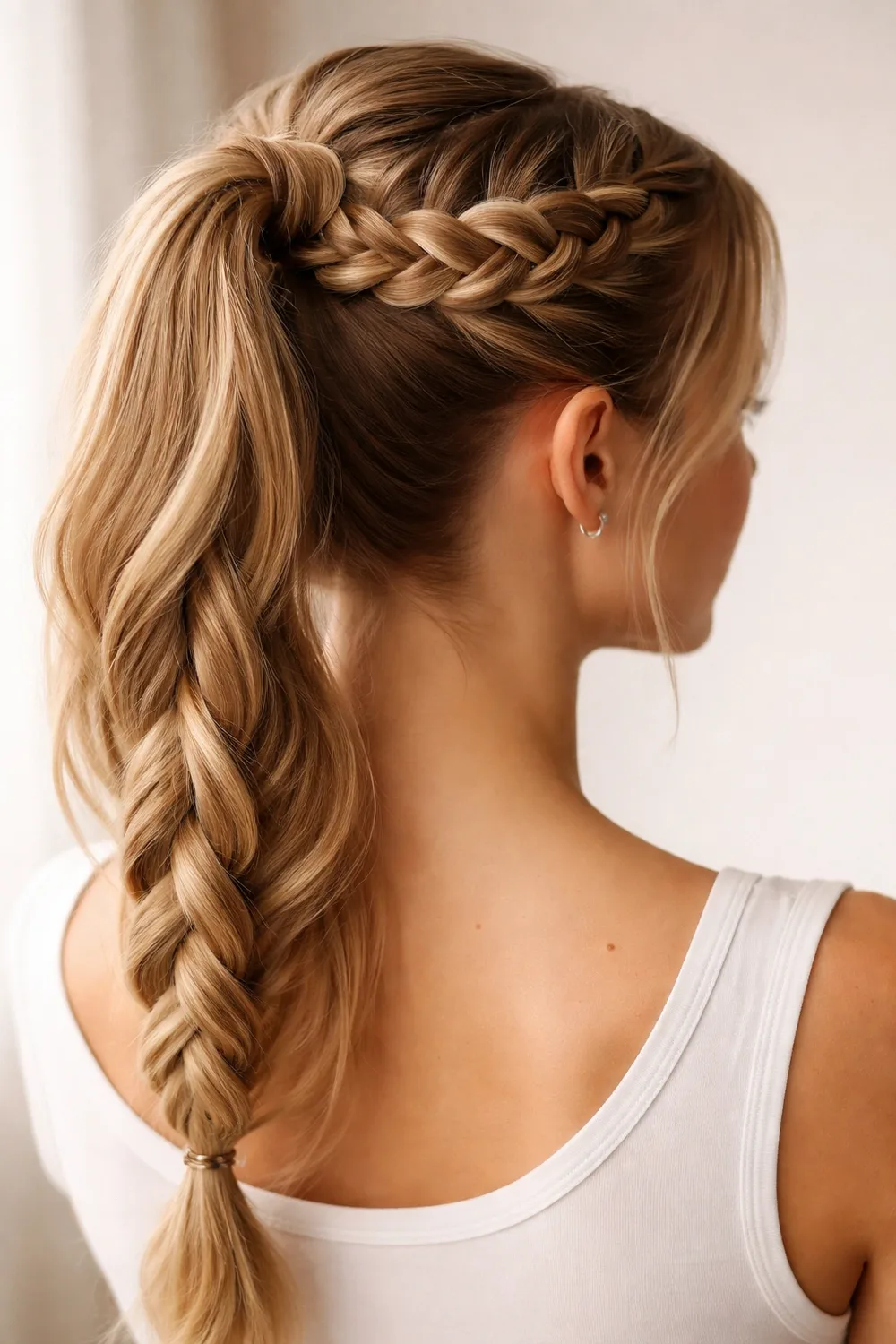
A rope braid twists two sections around each other like a cord, and it is one of the fastest secure styles you can build. Tie a ponytail, split it in two, twist each section the same way, then twist them around each other in the opposite direction. The twist locks itself in place, which is why it survives wind and water so well.
Pros: Very fast, holds tightly, and needs no braiding skill. Cons: Can unravel if the end elastic slips. Who it suits: Long hair, and anyone who cannot French braid. Who should avoid it: Layered hair, where short pieces poke out of the twist. Maintenance: Twist tightly and double up the end elastic; re-twist the tail after a dunk.
17. Twisted Low Ponytail
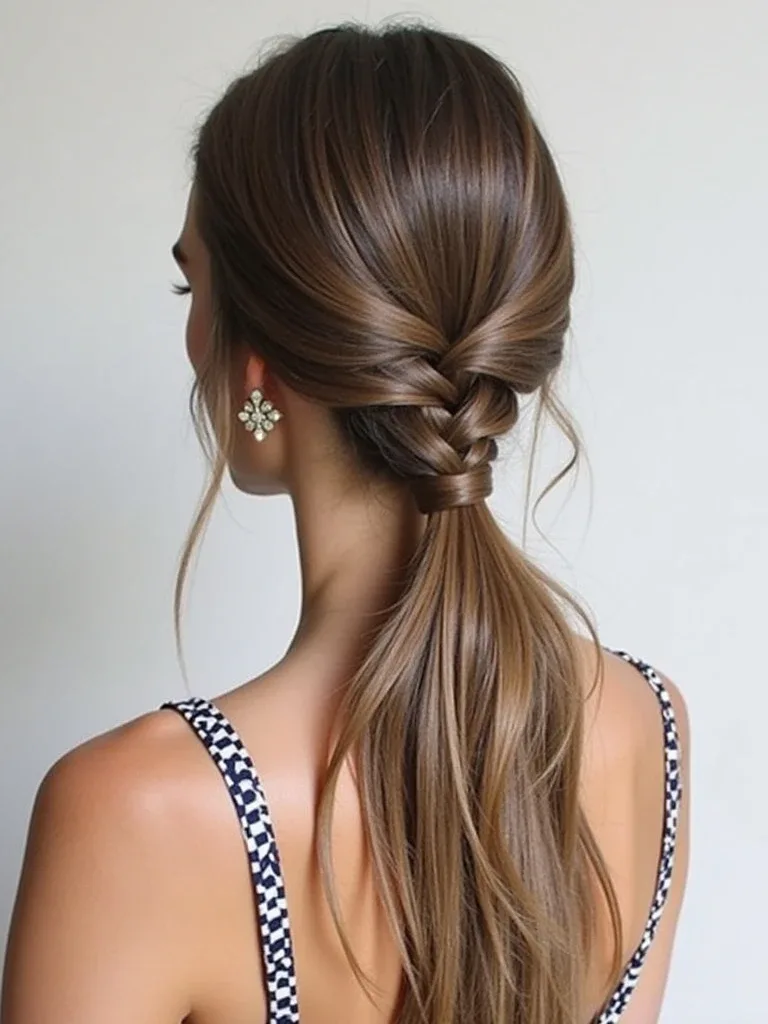
The twisted low ponytail adds one elegant move to a plain low ponytail: split the hair above the elastic, flip the tail up through the gap, and you get a neat twist that holds the style closer to the head. It is quick, tidy, and much more stable than a plain ponytail in the wind. Build it low at the nape for the best wind resistance.
Pros: Quick, tidy, and more stable than a plain ponytail. Cons: The twist can loosen when the hair gets wet. Who it suits: Medium to long hair, and paddlers who want a polished look fast. Who should avoid it: Very thick hair, where the twist gets bulky. Maintenance: Re-flip the twist after a swim and smooth the sides with a little cream.
18. Half-Up Top Knot
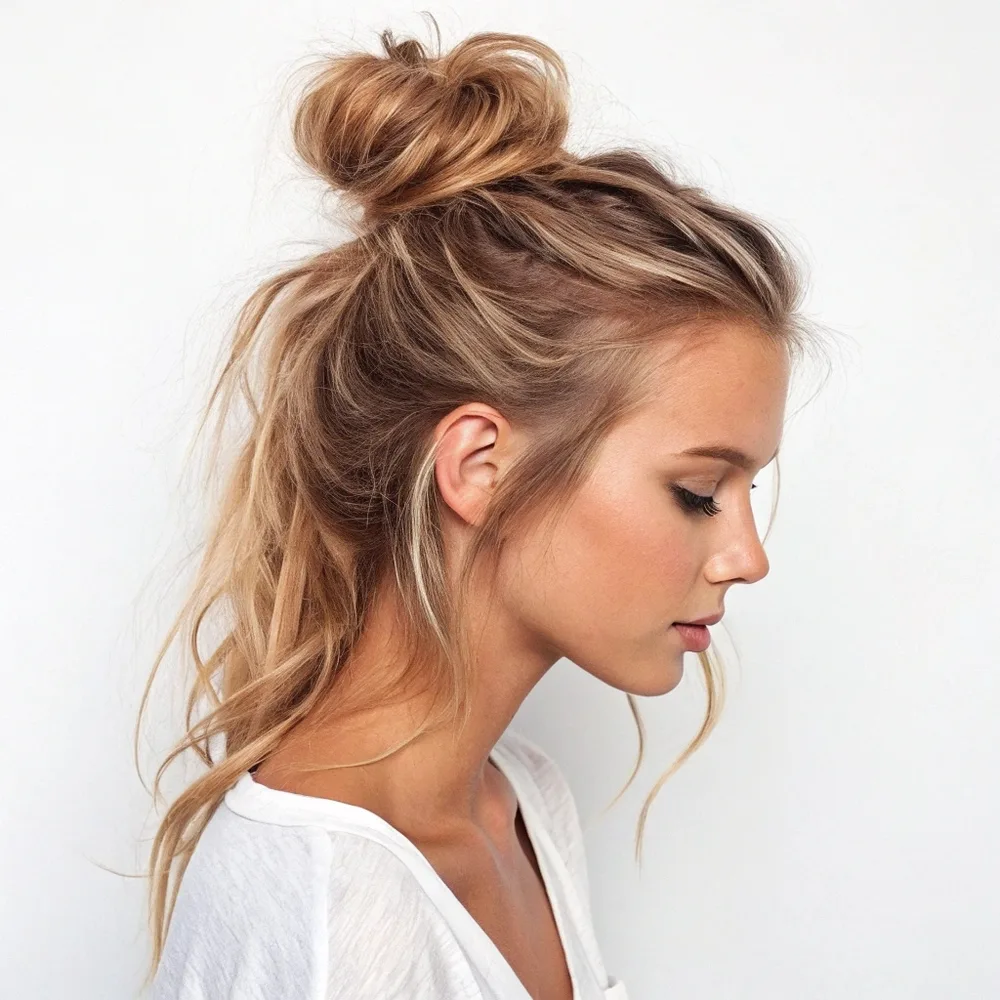
A half-up top knot takes the top half of the hair into a small bun and leaves the rest down — a good compromise when you want your hair partly free but your face clear. On a paddleboard it works best in calm conditions, where the loose lower half will not whip around. Gather the crown section, twist it into a small knot, and pin it.
Pros: Keeps the fringe and face clear while showing off length. Cons: The loose half still catches wind and spray. Who it suits: Medium to long hair, and calm lake paddles. Who should avoid it: Windy days and rough water. Maintenance: Pin the knot well and be ready to gather the loose half into a quick braid if the wind picks up.
19. Half-Up Ponytail
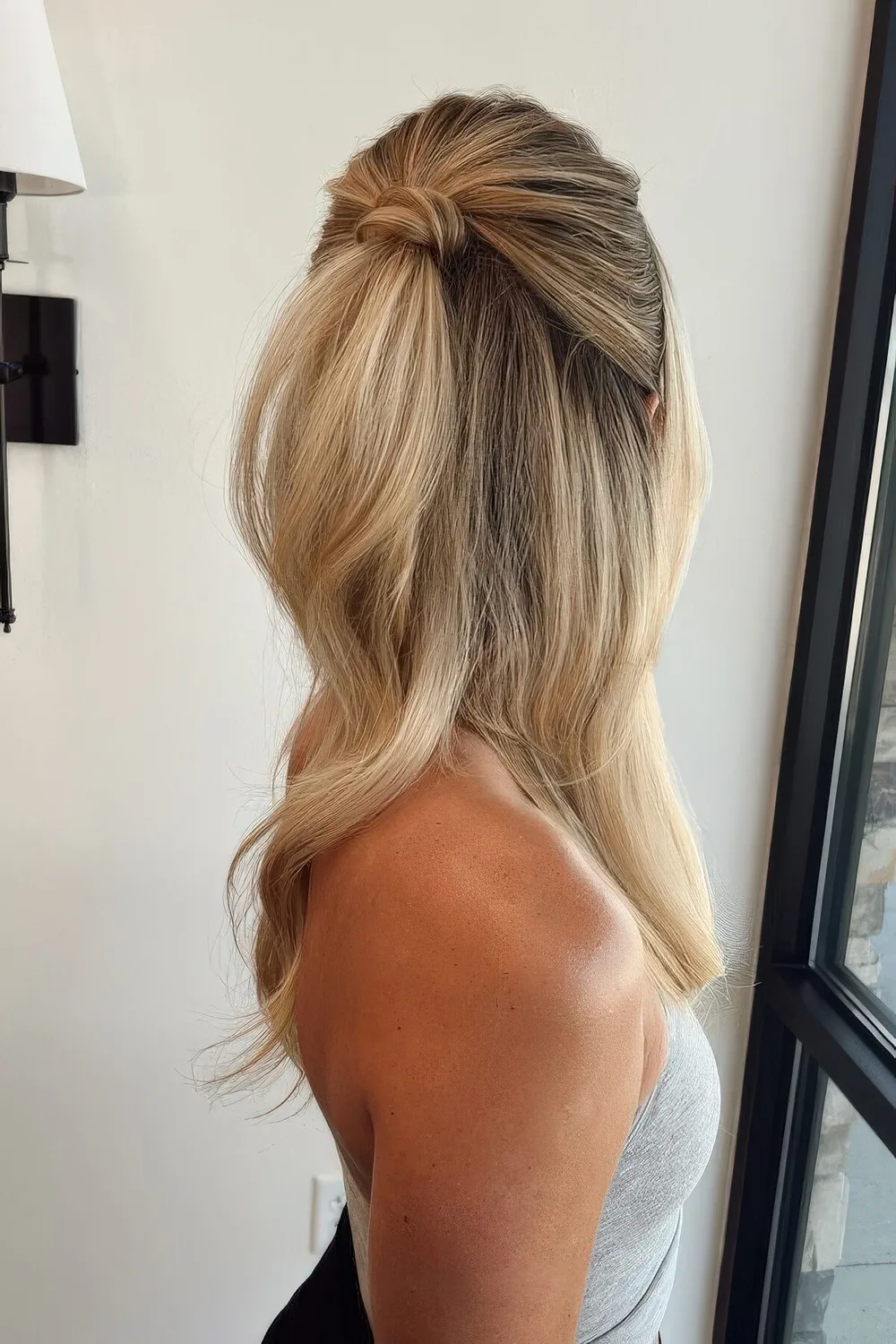
The half-up ponytail lifts the front sections away from the face and ties them at the back of the crown, leaving the rest of the hair free. It is a gentle, easy style that suits a slow paddle on a calm morning, when the wind is light and you are in no hurry. Gather the top sections from above the ears and secure them with a small elastic.
Pros: Simple, flattering, and keeps the hairline clear. Cons: The loose length still blows around and can tangle. Who it suits: Long hair, and relaxed paddles in light wind. Who should avoid it: Windy crossings and anyone who dislikes hair in their face. Maintenance: Carry a spare elastic so you can convert it into a full ponytail if the wind rises.
20. Sleek Slicked-Back Wet Look
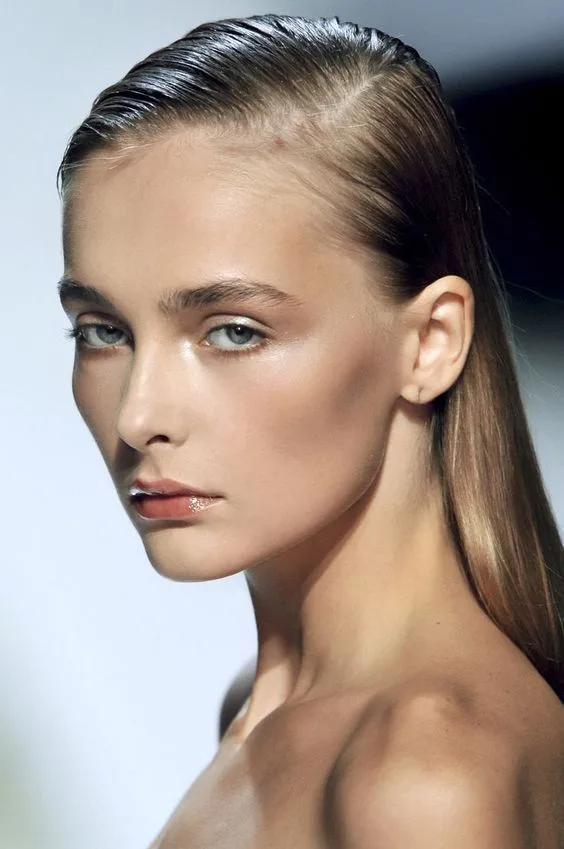
The slicked-back wet look turns the paddleboard’s worst enemy — water — into the styling product. Comb the hair straight back with a little gel or leave-in conditioner, and the wet finish holds every strand in place while you paddle. It looks deliberate rather than drowned, and it only gets better if you fall in.
Pros: Wind-proof, swim-proof, and actually improves when wet. Cons: Needs product, and shows every strand of the hairline. Who it suits: Short to medium hair, and confident paddlers. Who should avoid it: Anyone who dislikes gel, or very long hair that still swings. Maintenance: Re-comb with wet hands after a swim; a little extra gel in your dry bag helps.
21. Short Pixie Cut
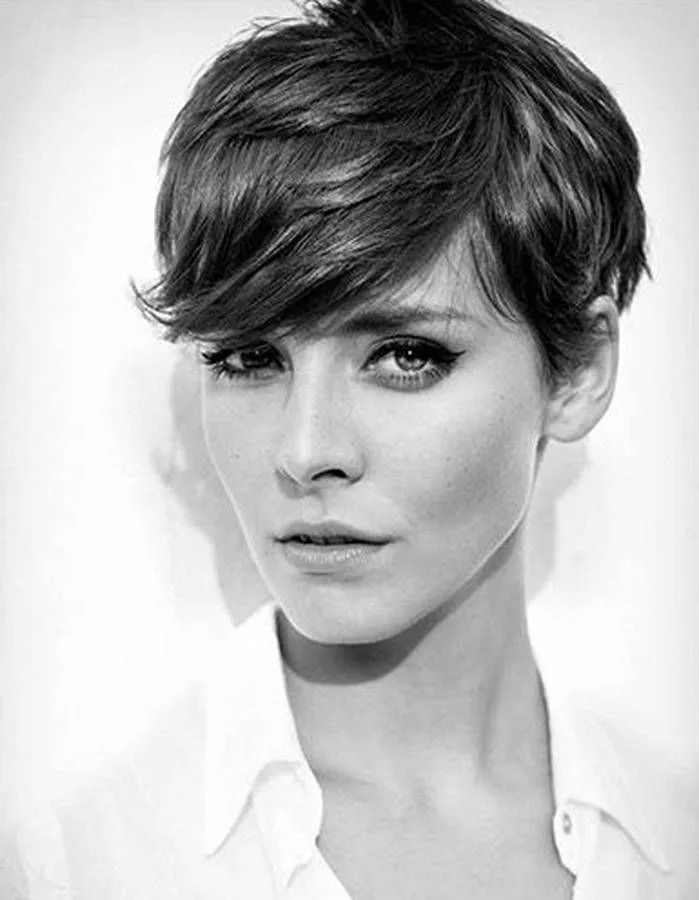
A pixie cut is the ultimate paddleboard haircut: nothing to tie, nothing to tangle, nothing to blow into your eyes. It dries in minutes after a swim, and a quick shake is the whole restyle. The only work is sun protection, because a pixie leaves the scalp and ears exposed. A hat or a smear of sunscreen on the parting handles that easily.
Pros: Zero maintenance, dries fast, and cannot tangle. Cons: No protection from the sun without a hat. Who it suits: Anyone ready for a short cut, and frequent paddlers. Who should avoid it: Anyone growing their hair out. Maintenance: A dab of styling cream for windy days; sunscreen on the scalp every session.
22. Textured Bob
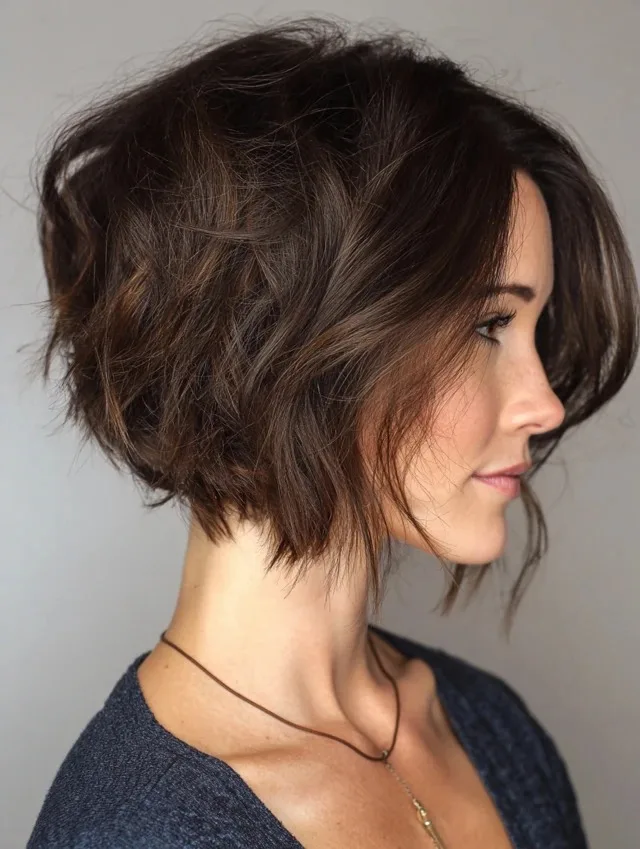
A textured bob hits the sweet spot for paddleboarding: short enough to stay out of trouble, long enough to tuck behind the ears, and full of natural movement that looks good windblown. The layers keep it light, and it dries quickly after a swim. Wear it loose on calm days, or tuck it behind the ears with a headband when the wind picks up.
Pros: Easy, quick-drying, and looks good messy. Cons: The front pieces can blow into the eyes in a headwind. Who it suits: Fine to medium hair, and paddlers who want a low-effort cut. Who should avoid it: Anyone who needs full hair control in rough water. Maintenance: A headband or two small clips solve the windy-day problem.
23. Beach Waves with a Braid
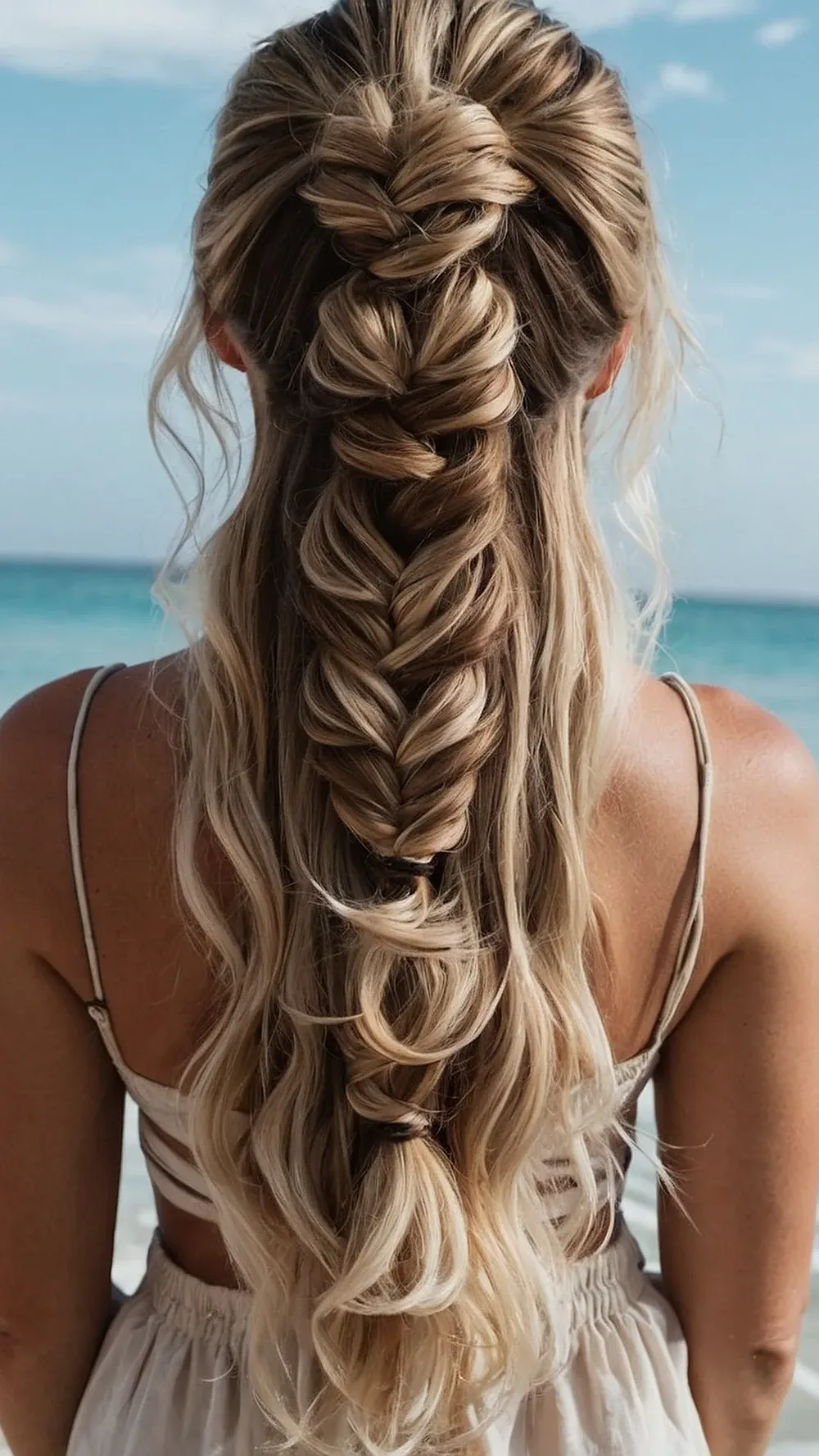
Beach waves with a small braid give you the relaxed paddleboard look with one practical anchor: a thin braid at the front keeps the hairline tidy while the waves do what they want. The waves themselves are wind-friendly — they look better slightly tousled — and the braid stops the front sections from flying into your eyes. Add the braid on the side you face into the wind.
Pros: Pretty, natural, and the braid adds real control at the front. Cons: The waves tangle fast if you fall in. Who it suits: Medium to long wavy hair, and calm days. Who should avoid it: Rough water, where loose waves become knots. Maintenance: Detangle with fingers after a swim, never a brush, and re-braid the front piece.
24. Waterfall Braid
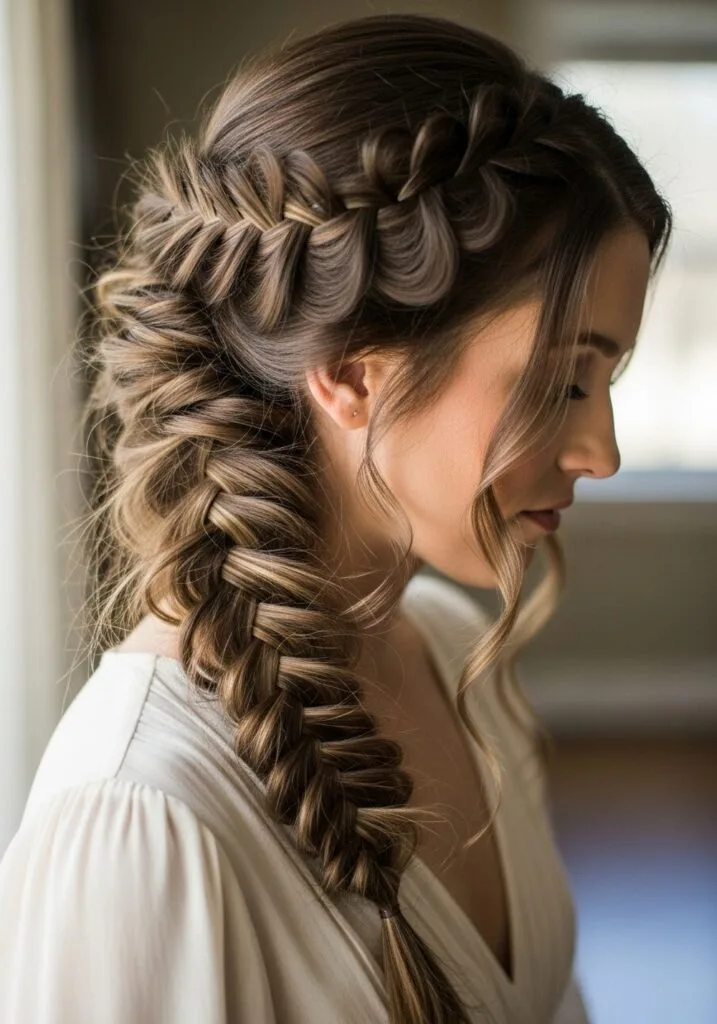
A waterfall braid lets strands fall through the braid as you work across the head, creating a cascading effect that looks lovely — and keeps the top half of the hair controlled while the lower half flows. On a paddleboard it is best saved for calm water, because the falling strands are free to blow. Braid across the back of the head, dropping a strand at each step.
Pros: Beautiful, and controls the crown while showing off length. Cons: The loose strands blow around and tangle in wind. Who it suits: Long hair, and calm, scenic paddles. Who should avoid it: Windy days and choppy water. Maintenance: Pin the falling strands back if the wind rises, or convert it into a full braid.
25. Milkmaid Braids
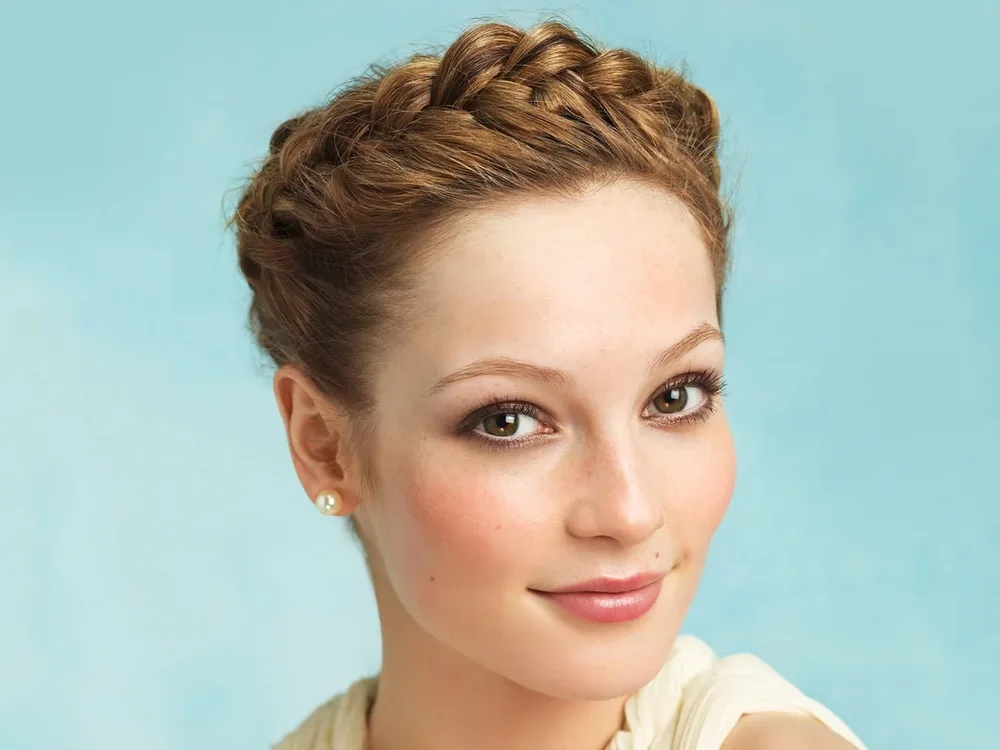
Milkmaid braids cross two braids over the top of the head and pin them in place, lifting every strand off the neck and shoulders. It is a full updo built from braids, so it holds through wind and spray and keeps the hair completely dry above the splash zone. Braid two low pigtails, cross them over the crown, and pin the ends underneath.
Pros: Fully secure, keeps hair dry, and stays neat for hours. Cons: Needs long hair and several pins. Who it suits: Long hair, and hot days when you want everything off your neck. Who should avoid it: Short hair, and anyone who dislikes pins. Maintenance: Pin the crossings firmly and check them after any swim.
26. Pigtail Braids
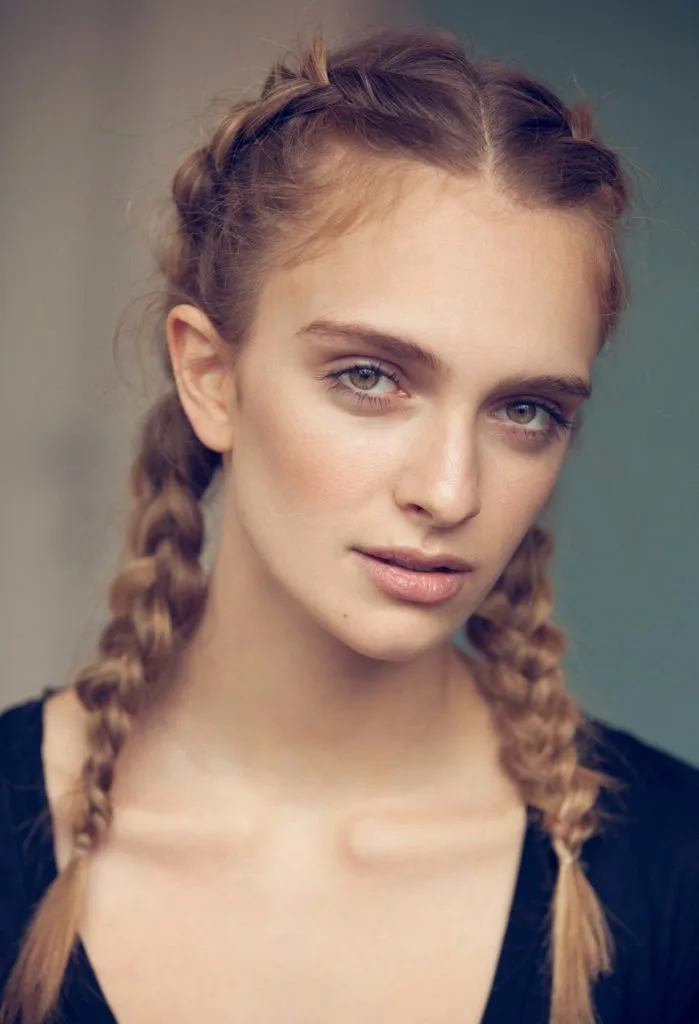
Pigtail braids split the hair into two low braids, one on each side, and they are as practical as they are playful. Two braids mean two anchors, even weight, and a style that stays balanced while you paddle. They also keep the hair in front of your shoulders, where you can see both braids and fix either one without a mirror.
Pros: Balanced, easy to check, and very secure. Cons: Can feel young, and the braids sit in the splash zone. Who it suits: Long hair, and anyone who wants a fun, sporty style. Who should avoid it: Formal occasions after the paddle. Maintenance: Secure both ends well; tuck the tails into your vest straps in rough water.
27. Space Buns
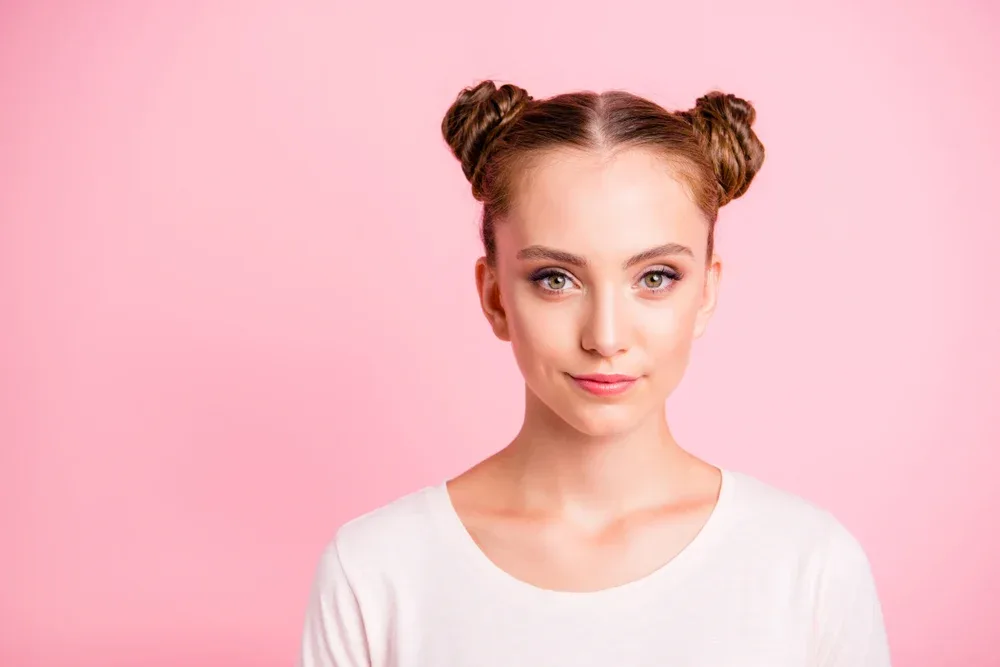
Space buns are two small buns worn high on either side of the head, and they are brilliant on a paddleboard: the hair is fully up, fully dry, and split into two light buns that never pull to one side. Part the hair down the middle, twist each half into a bun, and pin both. They are playful, but the practicality is serious.
Pros: Keeps hair completely dry and out of the way, with even weight. Cons: The look is bold and not for everyone. Who it suits: Medium to long hair, and fun, sunny paddles. Who should avoid it: Anyone who wants a low-key look. Maintenance: Pin each bun in an X and carry spare pins; check both buns after a swim.
28. Braided Bun
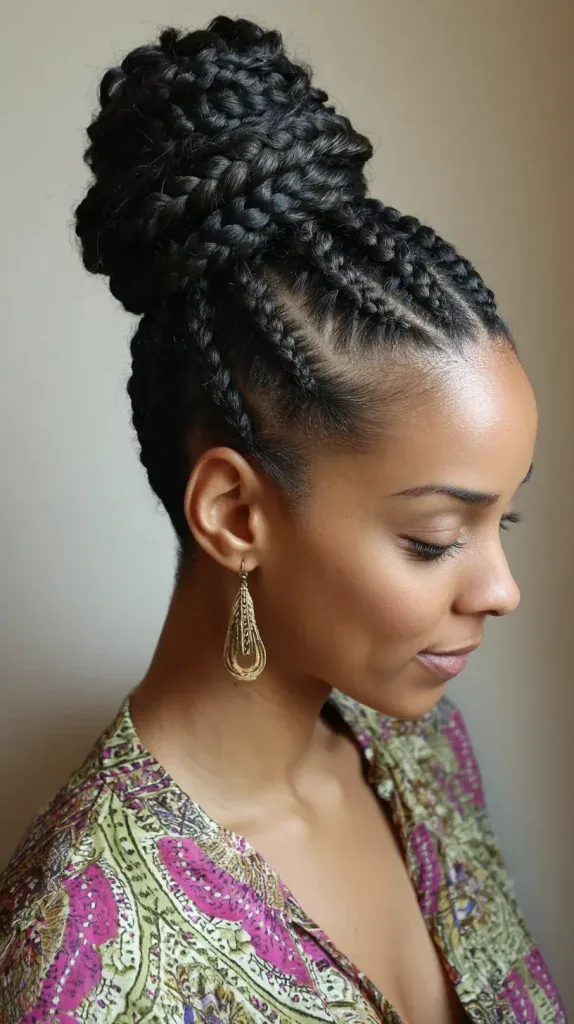
A braided bun starts as a braid and ends as a bun: braid the ponytail first, then coil it around its base and pin it. You get the security of a braid and the dryness of a bun in one style, and it is one of the most reliable updos on the water. It holds through a swim, keeps the ends tucked away, and looks polished all day.
Pros: Extremely secure, keeps ends hidden, and survives a dunk. Cons: Takes a few minutes to build. Who it suits: Long hair, and all-day or multi-day paddles. Who should avoid it: Short hair that will not braid and coil. Maintenance: Pin the coil at four points and re-pin after a swim.
29. Scarf-Wrapped Ponytail
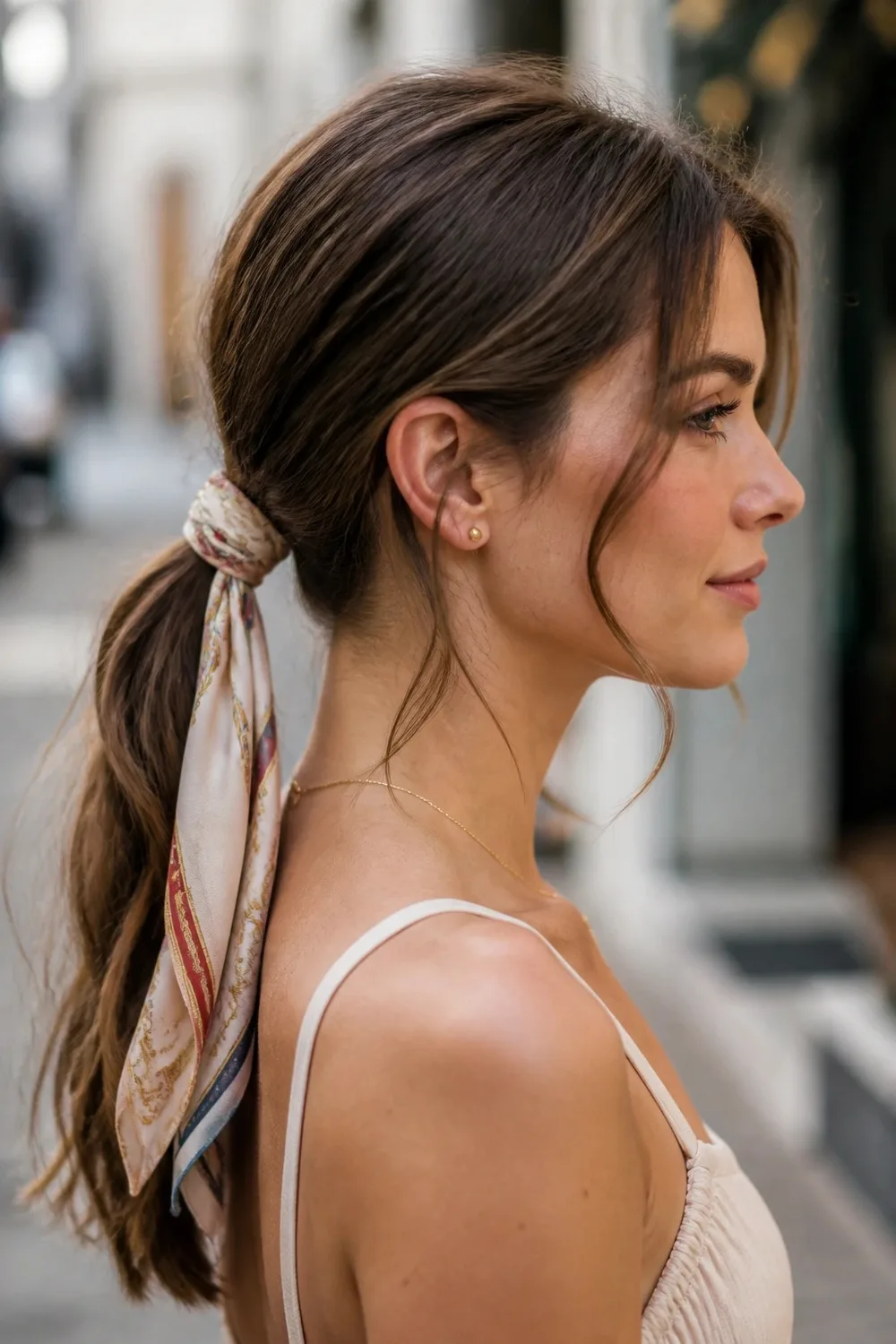
A scarf wrapped around a ponytail does three jobs at once: it holds the style, covers the hairline from the sun, and keeps flyaways flat in the wind. Tie the ponytail first, then wrap a lightweight scarf around the base and knot it, letting the ends trail or tucking them in. Choose a light fabric that dries fast if it gets splashed.
Pros: Sun protection, wind control, and a stylish finish. Cons: The scarf can slip when wet and adds bulk under a hat. Who it suits: Medium to long hair, and sunny days. Who should avoid it: Rough water, where a wet scarf gets heavy. Maintenance: Knot the scarf twice and tuck the ends in before you launch.
30. Bandana Top Knot
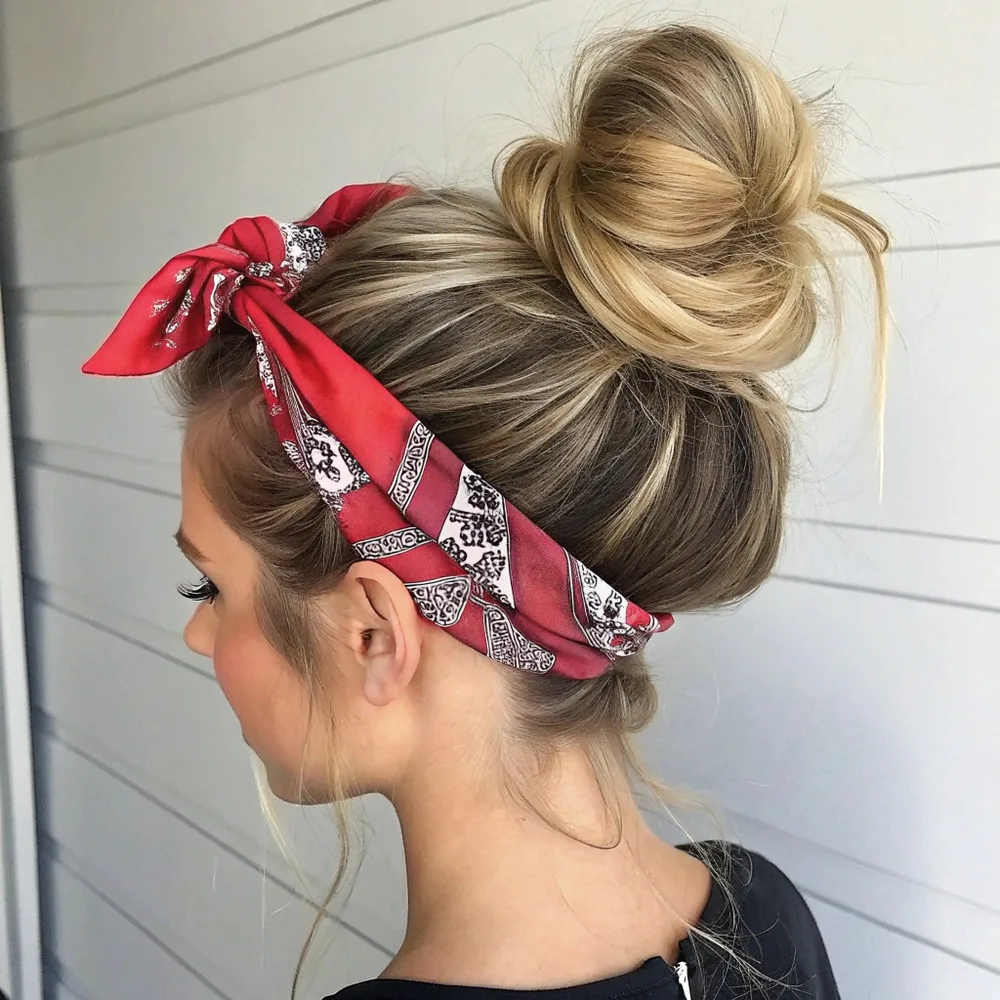
A bandana tied over a top knot is the paddleboarder’s classic: the knot holds the length up, and the bandana holds the hairline down, catches sweat, and shields the scalp from the sun. Build the top knot first, then fold the bandana into a band and tie it at the nape, with the knot tucked under the bun or at the back.
Pros: Sun protection, sweat control, and excellent wind resistance. Cons: Can feel warm, and the bandana needs retying after a swim. Who it suits: Long hair, and hot, sunny paddles. Who should avoid it: Anyone who dislikes fabric on their head. Maintenance: Use a quick-dry bandana and retie it firmly after any dunk.
31. Baseball Cap Ponytail
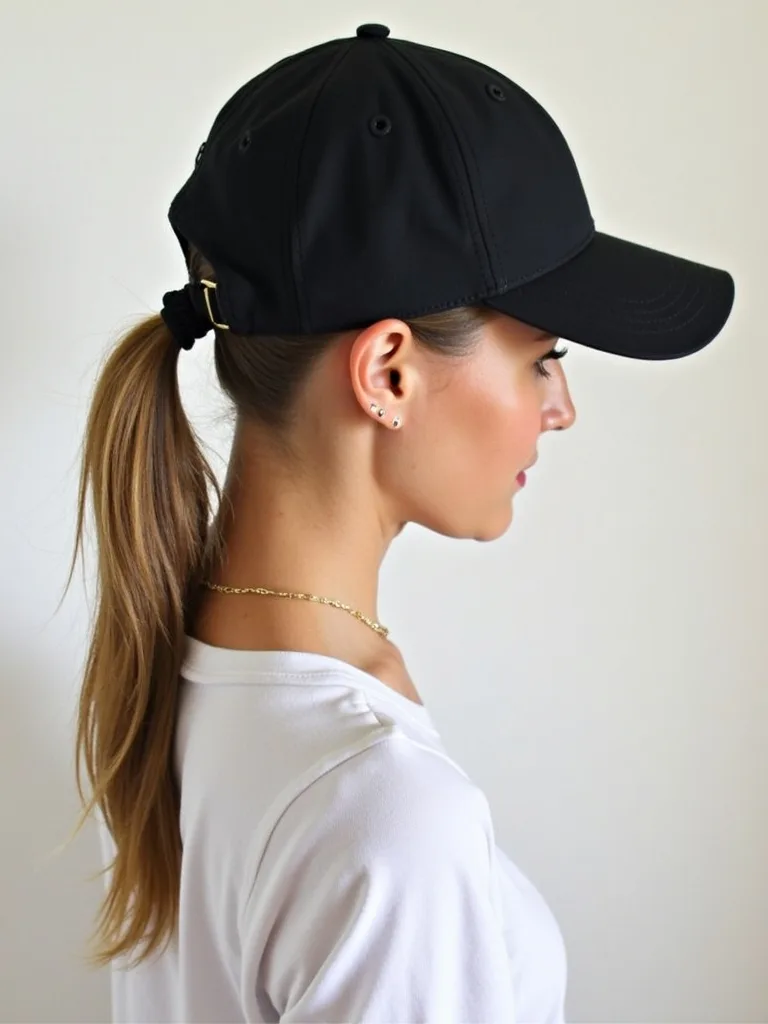
A baseball cap with a ponytail pulled through the back is the simplest sun-safe paddleboard style there is. The cap shades your face and scalp, the ponytail keeps the length controlled, and the whole thing takes seconds. Thread the ponytail through the gap at the back of the cap, adjust the fit, and you are ready to launch.
Pros: Sun protection, fast, and keeps the hairline tidy. Cons: The cap can blow off in strong wind — use the adjustable strap. Who it suits: Almost everyone, and especially fair-skinned paddlers. Who should avoid it: Very windy days without a chin strap. Maintenance: Tighten the strap before you launch and keep a spare elastic in the cap.
32. Visor with a Low Braid
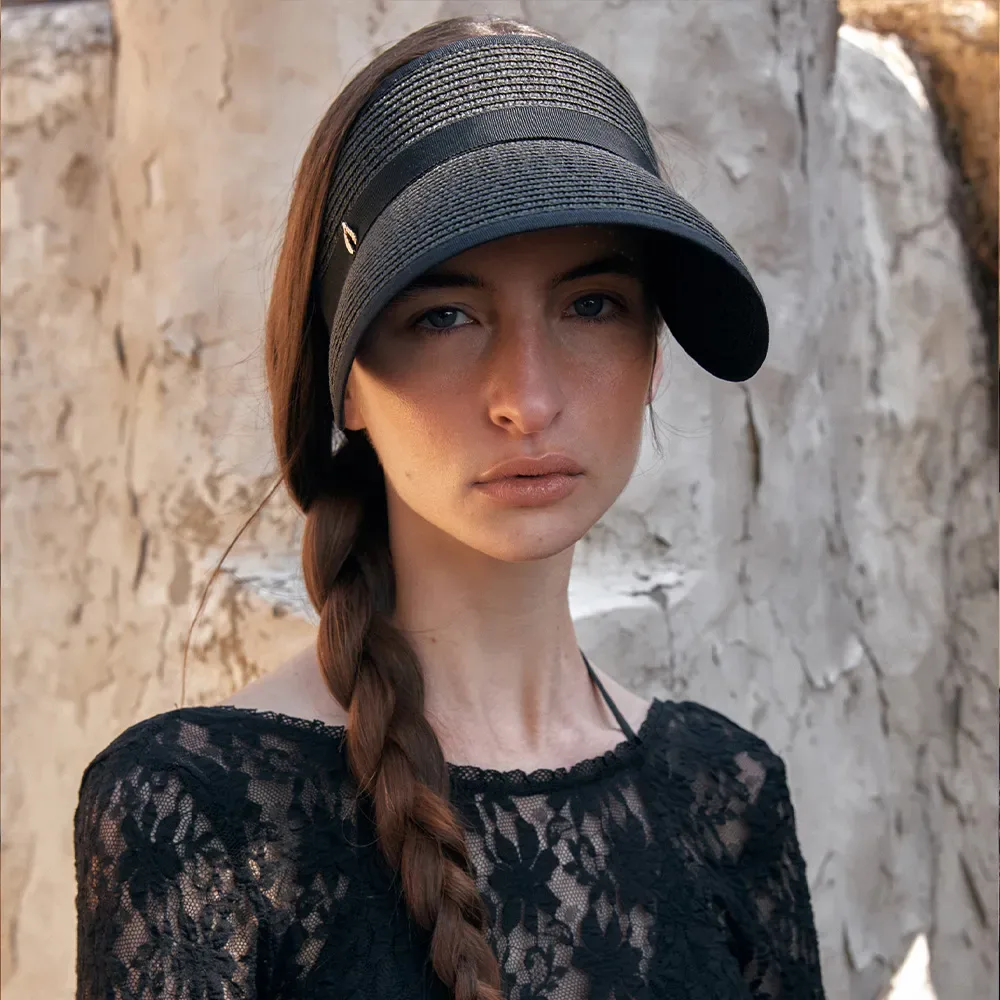
A sun visor shades your face while letting heat escape from the top of your head, and paired with a low braid it is one of the coolest combinations on the water. The braid keeps the length controlled at the nape, the visor keeps the sun out of your eyes, and the open top keeps you from overheating. Braid low, then fit the visor over the crown.
Pros: Sun shade without the heat of a full cap, and a very secure style. Cons: No scalp protection from above, so sunscreen on the parting is essential. Who it suits: Long hair, and hot days. Who should avoid it: Anyone who burns easily on the scalp. Maintenance: Sunscreen on the parting before the visor goes on; re-braid the tail after a swim.
33. Claw Clip Twist
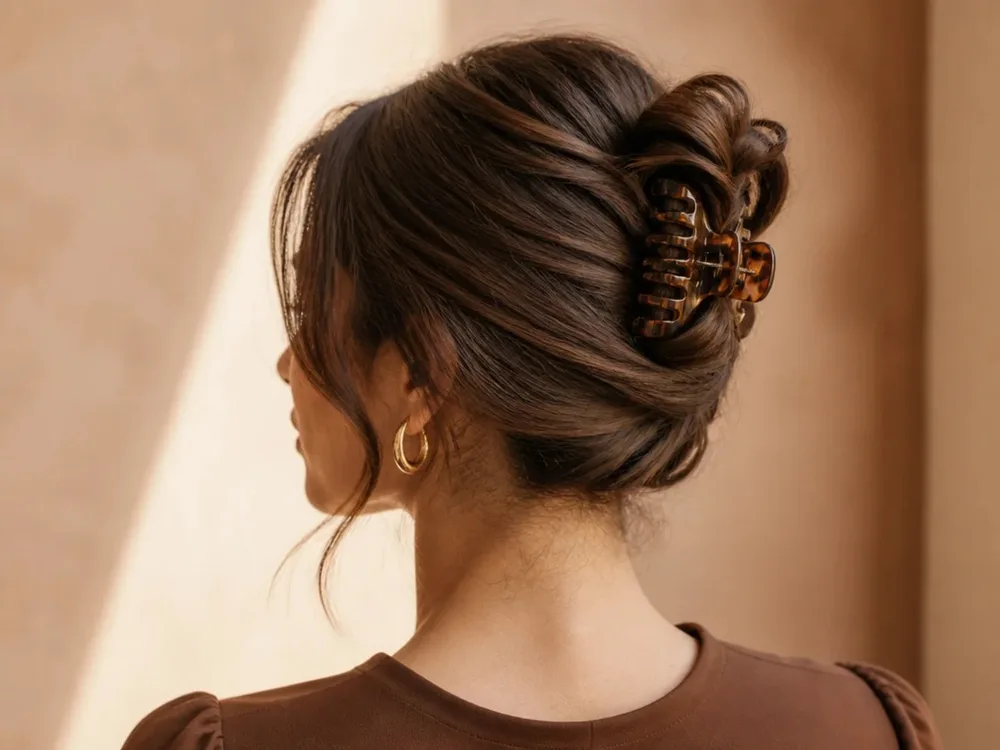
The claw clip twist gathers the hair, twists it up the back of the head, and clips it in place — a thirty-second updo that works surprisingly well on a paddleboard. The clip holds the twist flat against the head, out of the wind and above the splash zone. Twist the hair upward, fold the ends in, and clamp the clip over the twist.
Pros: Fast, easy to redo with wet hands, and no elastics needed. Cons: A clip can slip if it is too small for your hair, and it may not survive a hard fall. Who it suits: Medium to long hair, and calm paddles. Who should avoid it: Very thick hair, unless the clip is large and strong. Maintenance: Use a large, sturdy clip and carry a spare elastic as a backup.
34. Scrunchie Bun
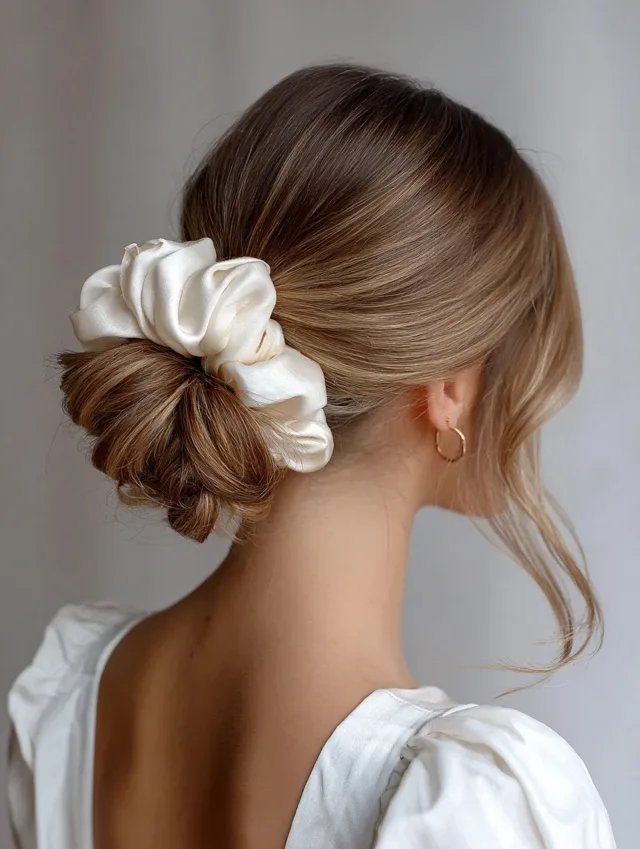
A scrunchie bun is a low or high bun held by a soft fabric scrunchie instead of a tight elastic, which makes it gentler on the hair and more comfortable for a long paddle. The fabric grips well even when damp, and the scrunchie doubles as a wristband when you take the bun down. Gather the hair, twist it into a bun, and wrap the scrunchie around the base twice.
Pros: Gentle on hair, comfortable for hours, and holds well when damp. Cons: Less grip than a strong elastic in very rough water. Who it suits: Medium to long hair, and anyone with breakage-prone hair. Who should avoid it: High-wind crossings where maximum hold matters. Maintenance: Wrap the scrunchie twice and keep a second one on your wrist.
35. Cornrows
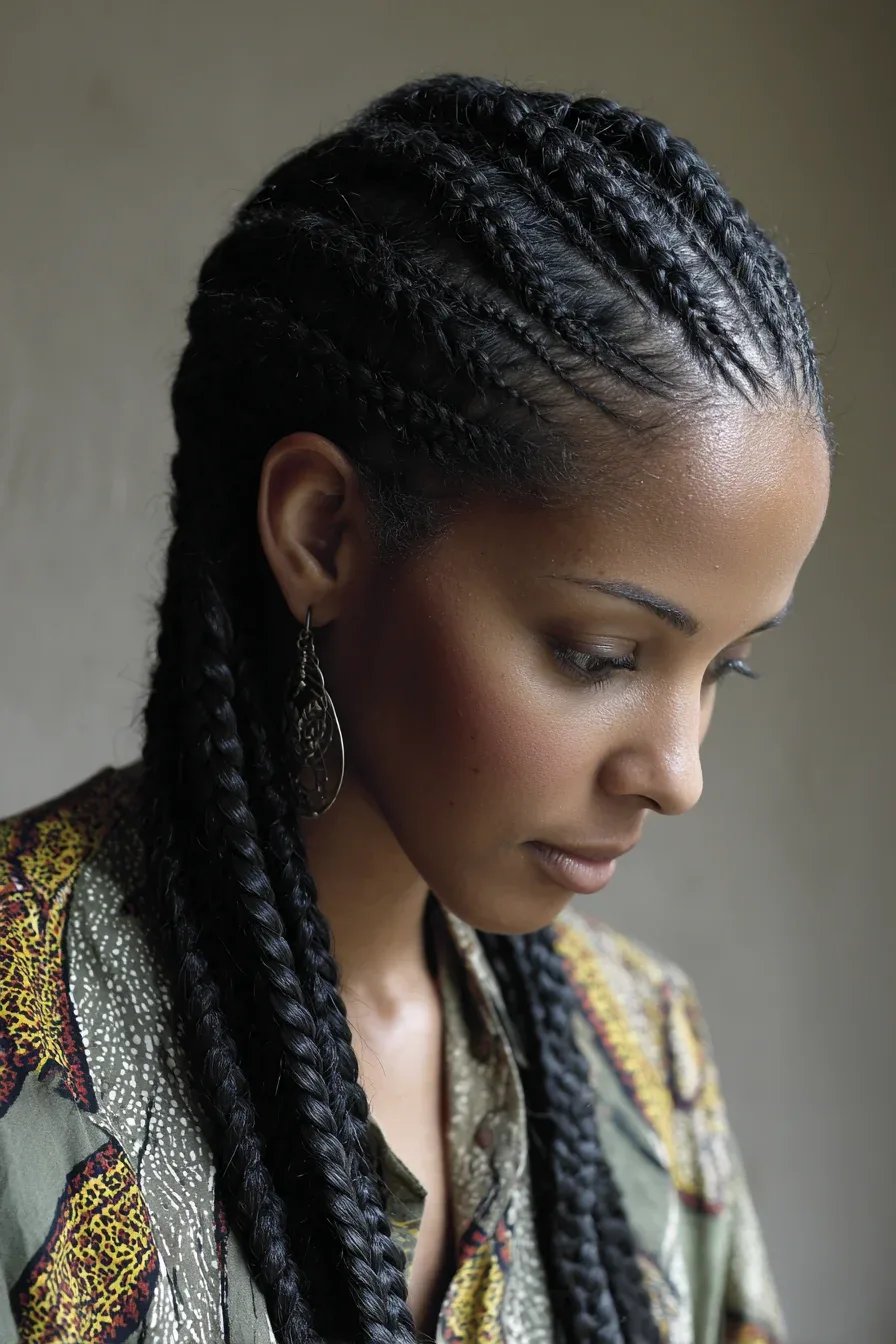
Cornrows braid the hair tight to the scalp in neat rows, and they are one of the most water-proof styles you can wear on a paddleboard. Wind cannot lift them, spray cannot tangle them, and a swim barely disturbs them. They take time to install and are best done before a trip, but once they are in, they last for days of paddling with almost no daily work.
Pros: Maximum hold, lasts for days, and needs no daily styling. Cons: Time-consuming to install and tight at first. Who it suits: Anyone planning several days of paddling, and textured hair. Who should avoid it: A sensitive scalp, or a one-off paddle where the install time is not worth it. Maintenance: Rinse with fresh water after each paddle and oil the scalp lightly.
36. Zigzag Part Braids
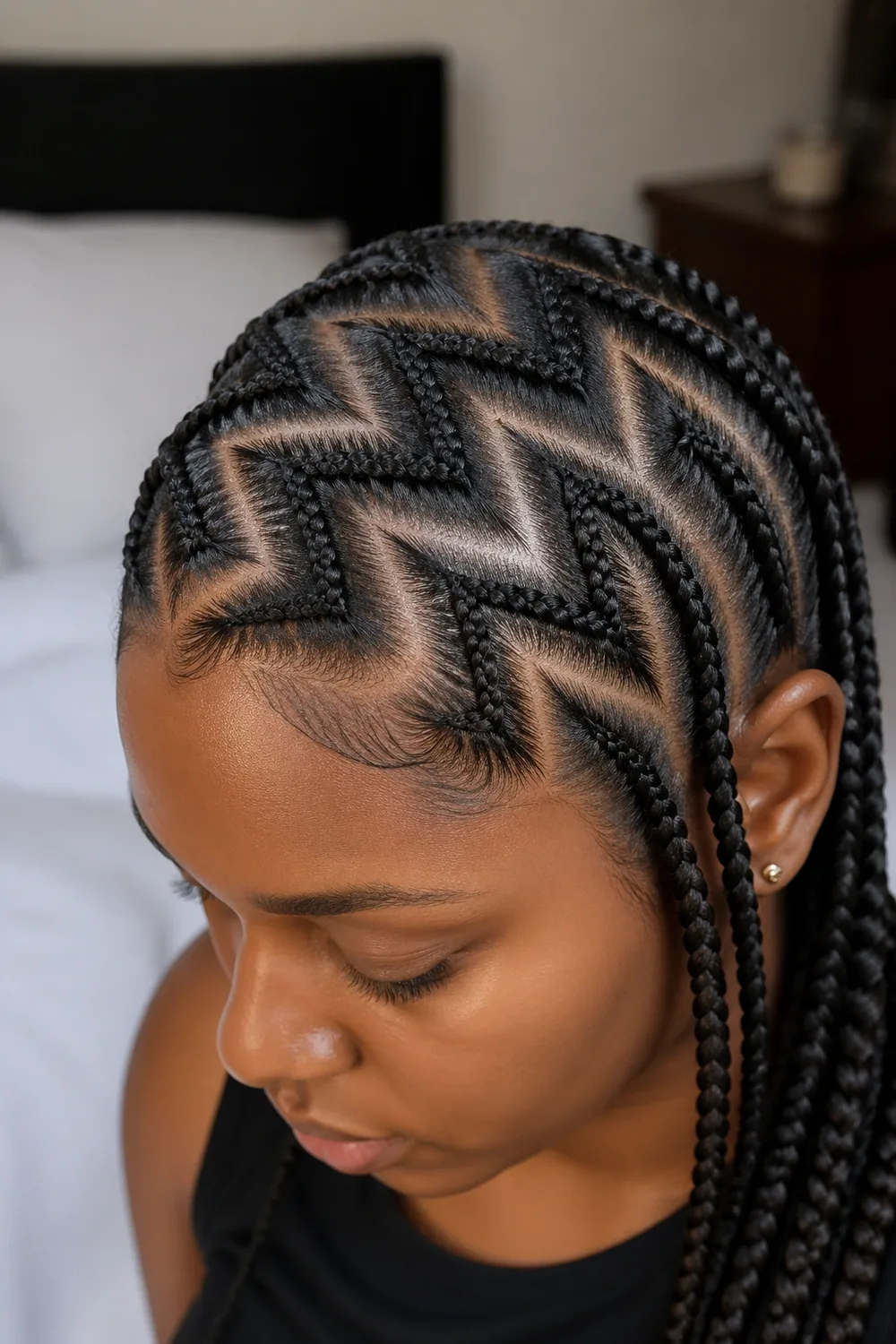
Zigzag part braids start with a zigzag parting and two braids that follow it, which adds grip at the roots and a playful detail at the front. The zigzag part distributes tension differently from a straight part, so the braids sit flatter and hold longer on the water. Part the hair in a zigzag, braid each side from the hairline, and secure both tails.
Pros: Extra root grip, flat and secure, and a fun detail. Cons: The parting takes a little practice. Who it suits: Long hair, and paddlers who want a sporty braided look. Who should avoid it: Short hair, and anyone in a hurry. Maintenance: Use a tail comb for the parting and braid tightly at the front.
37. Side-Swept Braid
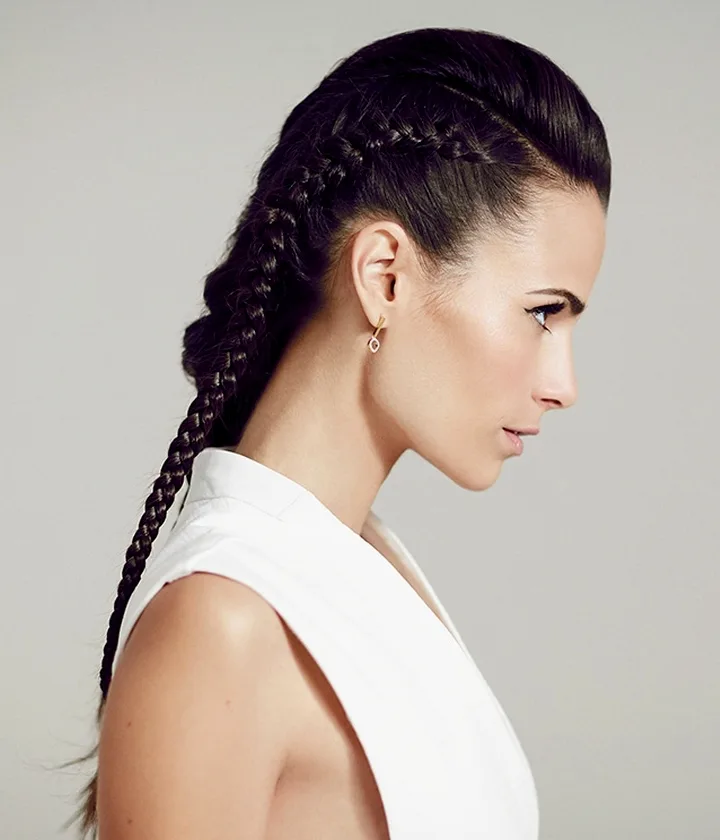
A side-swept braid gathers all the hair to one side and braids it loosely down the front of the shoulder, where it stays visible and easy to manage. It is a softer, looser cousin of the side braid, with a relaxed finish that suits a slow sunset paddle. Sweep the hair over one shoulder, braid loosely, and pull a few pieces out at the front for softness.
Pros: Easy to check, comfortable, and looks relaxed and pretty. Cons: The loose braid can swing and catch spray. Who it suits: Long hair, and calm evening paddles. Who should avoid it: Windy or rough water. Maintenance: Keep the braid loose at the front but secure at the end; tuck it into your vest in a headwind.
38. Loose Waves with a Headband
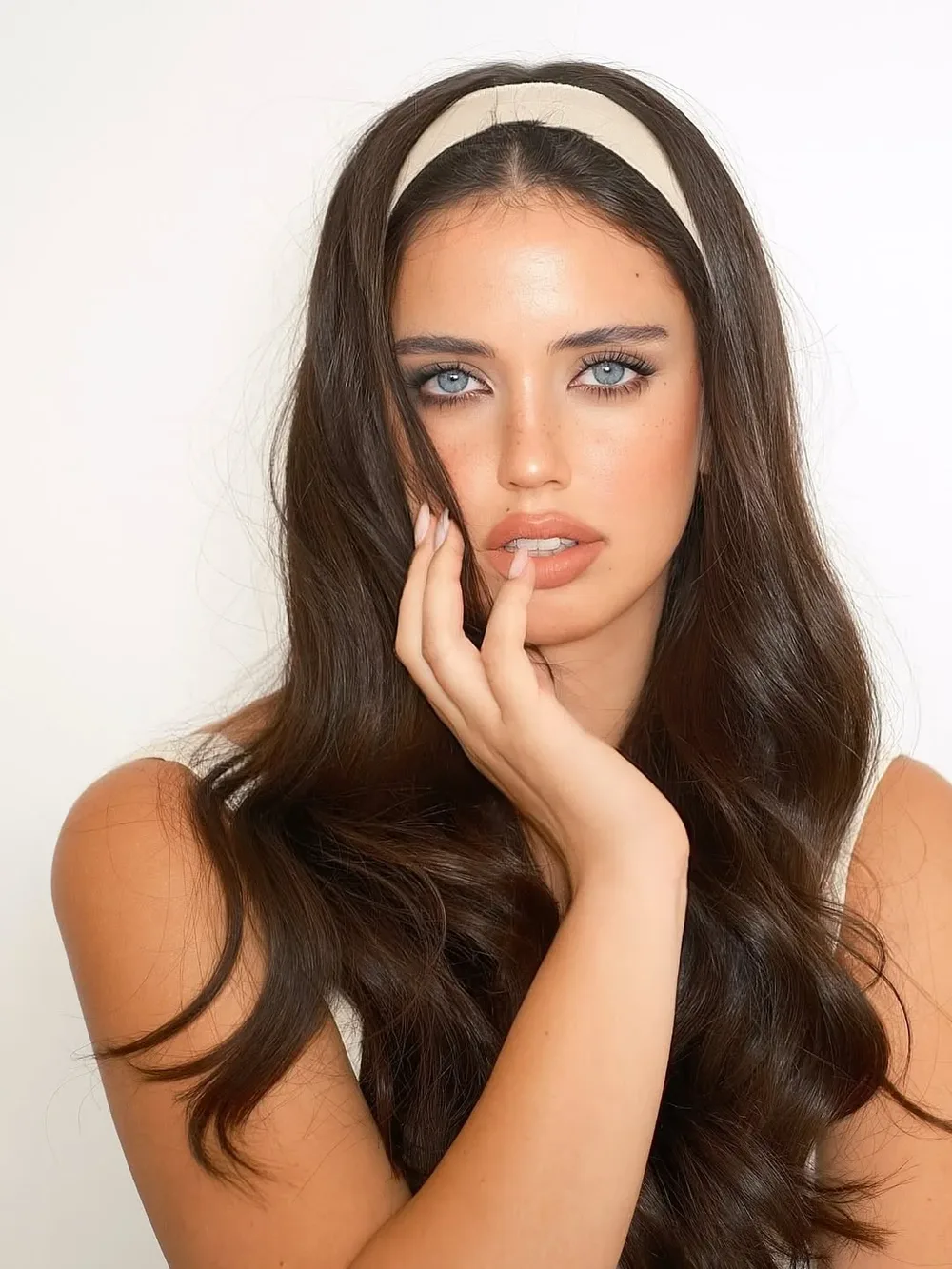
Loose waves with a wide headband give you a free-flowing style with one line of defence: the headband holds the front sections back while the waves move naturally. It is a fair-weather style, best on calm water with a light breeze, where the waves look wind-tousled rather than wind-wrecked. Fit a wide, grippy headband behind the hairline and let the waves fall.
Pros: Effortless, pretty, and comfortable in the heat. Cons: Minimal control — the waves will tangle in wind or after a swim. Who it suits: Naturally wavy hair, and calm, short paddles. Who should avoid it: Windy days, rough water, and long crossings. Maintenance: Choose a headband with silicone grip and carry a spare elastic to gather the waves if the wind rises.
39. Curly Pineapple Updo
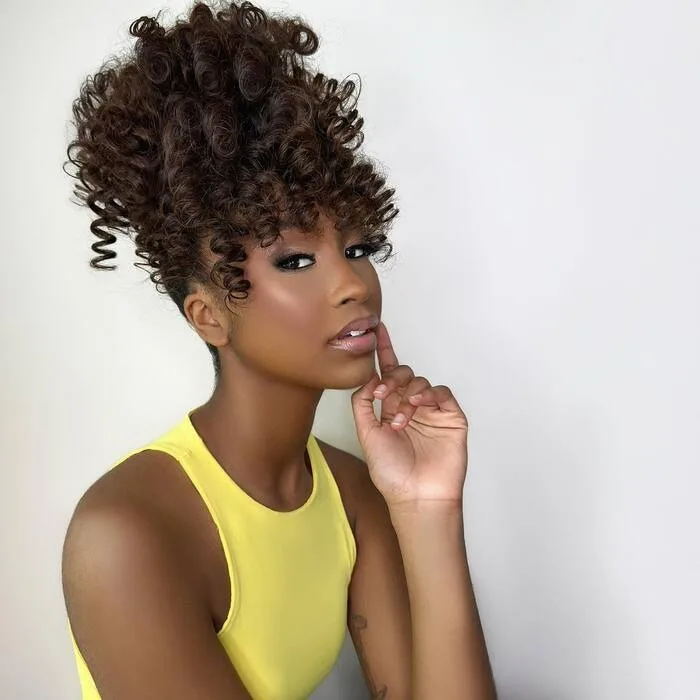
The pineapple updo gathers curly hair into a high, loose ponytail at the crown, letting the curls fall forward like a pineapple top while keeping them off the neck and out of the water. It protects the curl pattern, because the curls are bunched rather than pulled straight, and it takes seconds to build. Gather the curls high with a loose scrunchie and let them fall naturally.
Pros: Protects curls, keeps hair dry and cool, and takes seconds. Cons: The curls can still catch the wind at the front. Who it suits: Curly and coily hair of medium to long length. Who should avoid it: Straight hair, where the style simply falls flat. Maintenance: Use a satin scrunchie, refresh the curls with water and cream after a swim, and never brush them dry.
40. Wet-Look Sleek Bob
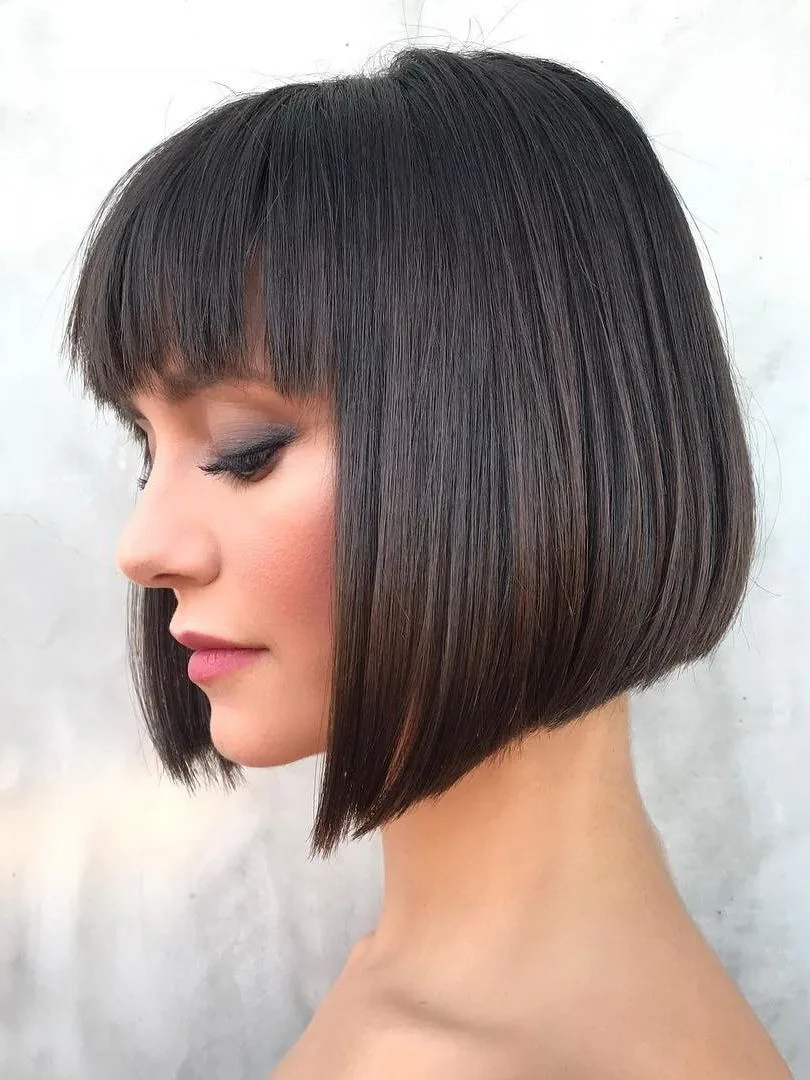
A wet-look sleek bob is a chin-length cut worn smooth and glossy, and on a paddleboard it is almost cheating: the style is designed to look wet, so spray and splashes only improve it. Comb the bob smooth with a little gel or serum, tuck it behind the ears, and paddle. It dries quickly, cannot tangle into a knot, and looks polished at the lakeside cafe afterwards.
Pros: Swim-proof by design, quick-drying, and effortlessly polished. Cons: The ends can flip up in the wind. Who it suits: Straight to slightly wavy hair, and anyone who loves a sleek finish. Who should avoid it: Very curly hair, where sleekness fights the texture. Maintenance: A little serum after a swim restores the shine; tuck the sides behind the ears in a headwind.
Can I paddleboard with my hair down?
You can, but it is not the best idea. Loose hair blows into your face in the wind, dips into the water when you lean forward, and tangles badly after a swim. A braid, bun or ponytail takes a minute to build and saves you a long detangling session later.
What is the best hairstyle for paddleboarding?
A French braid or a low bun is the best all-round choice. Both keep the hair fully controlled, survive wind and spray, and hold through an unexpected swim. For short hair, a pixie or a bob with a headband is just as practical.
How do I keep my hair from getting tangled in the water?
Braid it before you paddle, apply a leave-in conditioner or a few drops of oil first, and rinse with fresh water as soon as you are off the board. Never brush wet, tangled hair — work through knots with your fingers first, then use a wide-tooth comb.
Should I wear a hat while paddleboarding?
Yes, whenever you can. A hat or visor protects your scalp and face from the sun, keeps flyaways down, and shades your eyes so you can see the water better. Choose one with an adjustable strap so it does not blow off in the wind.
Does salt water damage your hair?
Salt water dries hair out and can make it brittle with repeated exposure, but a single paddle will not ruin it. A leave-in conditioner before you paddle and a fresh-water rinse afterwards are enough protection for most people, with a deep-conditioning mask once a week if you paddle often.
How do I protect curly hair while paddleboarding?
Braid or twist your curls before you get on the board, and apply a leave-in conditioner or curl cream first. The braid protects the curl pattern from wind and water. After paddling, rinse, re-wet and scrunch with cream rather than brushing the curls out dry.
What should I do if I fall in the water?
Stay calm, get back on the board, and check your style once you are stable. A braid or bun will usually survive a dunk; a ponytail may need re-tying. Squeeze the water out gently instead of wringing, and rinse with fresh water when you reach the shore.
Can I wear a life vest with long hair?
Yes. Keep long hair braided or in a low bun so it sits below or beside the vest straps rather than bunched underneath them. A high ponytail or top knot can catch on the vest, so low styles are more comfortable with a life vest on.
How do I wash my hair after paddleboarding?
Rinse with fresh water first, then shampoo gently and condition the mid-lengths and ends. Use a clarifying shampoo once a week if you paddle in salt water often, and let your hair air-dry when you can. A weekly deep-conditioning mask keeps the ends healthy.
Is it okay to paddleboard with wet hair?
Yes, wet hair is fine on a paddleboard, and many styles — like the slicked-back wet look — work better wet. Just avoid tying wet hair very tightly for hours, since wet hair is more fragile, and let it dry loose once you are off the water.
Conclusion
The best hairstyles for paddleboarding are the ones you forget about once you are on the water — a French braid that holds through a headwind, a low bun that stays neat under your hat, a pixie cut that dries before you reach the shore. Pick the style that matches your hair length, the weather, and how likely you are to end up in the water, then protect it with a little leave-in conditioner, a spare elastic, and a fresh-water rinse when you are done. Your hair will thank you, and so will your balance — because the less you are fighting flyaways and tangles, the more you can enjoy the paddle itself. See you on the water.