Summer Hair Care: How to Protect Your Hair From Sun and Chlorine Damage
The sun is shining, the temperatures are rising, and the pool is calling your name. Summer is a season of fun, freedom, and unforgettable moments. But while you’re diligently slathering SPF on your skin to protect it from harmful UV rays, there’s another part of you that’s silently suffering under the summer assault: your hair. Your hair is facing a relentless, two-pronged attack from the sun’s intense radiation and the harsh, drying effects of chlorine. The result? Hair that’s dry, brittle, faded, and lacking its usual vitality.
But don’t resign yourself to a season of bad hair days! With the right knowledge and a simple, proactive routine, you can enjoy every sun-soaked adventure and refreshing dip without sacrificing the health and beauty of your hair. This comprehensive guide will walk you through everything you need to know about preventing damage before it happens and repairing it if it’s already begun. Let’s dive in and reclaim your summer hair glory.

Understanding the Enemy: How Sun and Chlorine Wreak Havoc
Before we can effectively protect our hair, we need to understand what we’re up against. Sun and chlorine damage your hair in very different, yet equally devastating, ways.
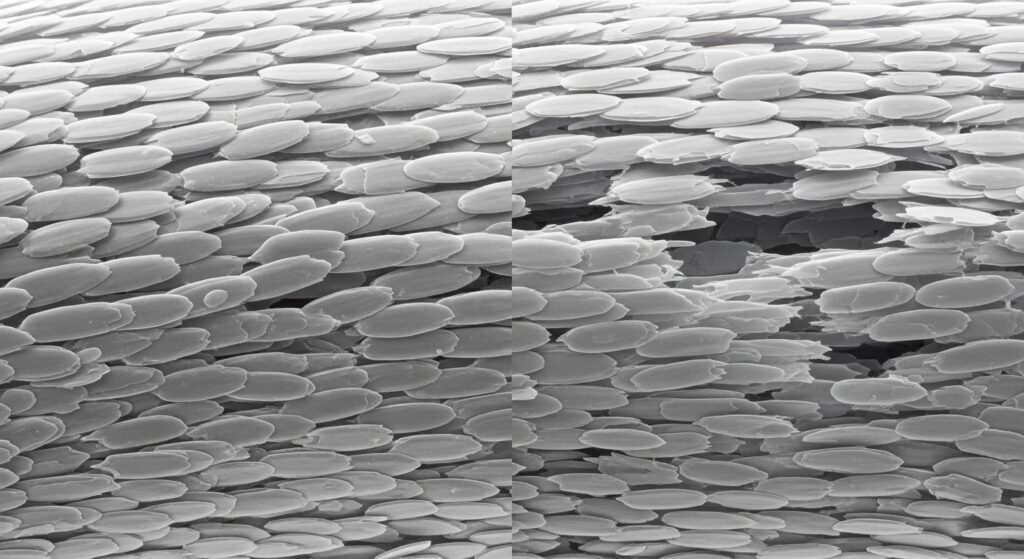
The Sun’s Assault: Think of your hair’s outer layer, the cuticle, as a set of shingles protecting a roof. The sun’s ultraviolet (UV) rays break down the protein structure (keratin) and the lipid layer of your hair. This weakens the cuticle, making those “shingles” lift and become porous. This leads to:
• Fading and Discoloration: UV rays oxidize and break down the melanin in your hair, causing color-treated hair to fade and natural hair to develop brassy or reddish tones.
• Dryness and Brittleness: The damaged cuticle can no longer effectively retain moisture, leaving the inner cortex exposed and vulnerable. The result is hair that feels like straw.
• Loss of Strength and Elasticity: With its protein structure compromised, hair becomes weak, prone to breakage, and loses its ability to stretch and bounce back.
Chlorine’s Chemical Attack: Chlorine is a powerful disinfectant added to pools to kill bacteria. Unfortunately, it’s not very discerning. It also strips your hair of its natural protective oils (sebum). Even more damaging, chlorine is a bleach. It chemically bonds with your hair, which can cause:
• That Classic “Green Hair”: Primarily affects light-colored, blonde, or gray hair. The chlorine reacts with copper and other metals in the water, depositing a green tint onto the porous hair shaft.
• Extreme Dryness and Tangling: By stripping all moisture, chlorine leaves the hair cuticle rough and raised, leading to severe tangles and a coarse texture.
• Weakened Strands: The chemical process can permanently alter the hair’s protein structure, making it fragile and more susceptible to damage from brushing and styling.
Your Pre-Swim Defense Strategy: Prevention is Everything
The single most effective thing you can do for your hair this summer happens before you even step foot in the sun or pool. A strong defense can mitigate up to 90% of the potential damage.
1. The Pre-Wet Ritual: This is non-negotiable. Always saturate your hair with clean, fresh water from the shower before swimming. A soaked hair shaft is like a sponge that’s already full of water; it has less capacity to absorb the chlorinated or salt water. This simple step dramatically reduces the amount of damaging chemicals your hair can soak up.
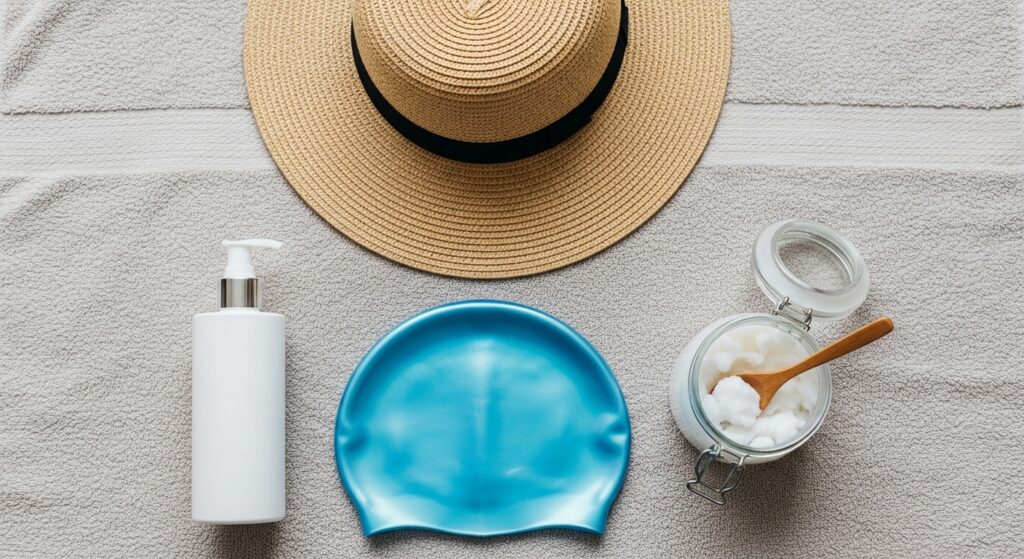
2. The Power of the Pre-Condition: After wetting your hair, apply a generous amount of your regular conditioner or a dedicated leave-in conditioner. For an extra layer of protection, use a natural oil like coconut, argan, or jojoba oil. These oils are excellent at repelling water and creating a protective barrier around each strand. The conditioner or oil acts as a sealant, further preventing chlorine and salt from penetrating the hair cuticle.
3. Make Covering Up Chic: Never underestimate the power of a physical barrier. A wide-brimmed sun hat is not only incredibly stylish but also provides superb shade for your hair and scalp. For serious swimmers, a silicone swimming cap is far more effective than a latex one at keeping water out. While not 100% waterproof, it significantly reduces the amount of pool water that comes into contact with your hair.
Protective Styling and In-the-Moment Tips
How you wear your hair during summer activities can also make a big difference in minimizing exposure and damage.
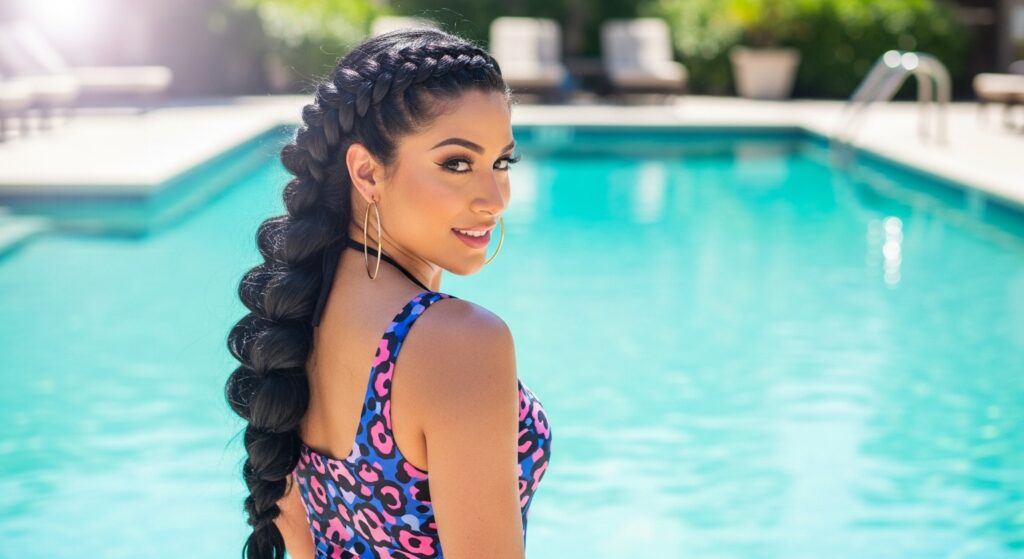
Choose the Right Style: A tight, high bun or a sleek braid is your best friend. These styles minimize the surface area of your hair exposed to the elements and reduce tangling. Avoid leaving your hair down and loose, especially in the water, as this leads to massive knots and maximum exposure to sun and chlorine.
Reapply Protective Products: If you’re spending a long day in the sun, reapply your leave-in conditioner or a UV-protectant hair spray every few hours, just as you would reapply sunscreen on your skin.
Rinse Immediately: As soon as you’re done swimming, make a beeline for the showers. Rinsing your hair thoroughly with fresh, clean water immediately after swimming is crucial. It helps to wash away the chlorine or salt before it has time to dry and crystallize on your hair shaft, which locks in the damage.
The Post-Swim Recovery: Washing and Restoring
Your post-swim hair care routine is just as important as your pre-swim prep. The goal here is to cleanse gently and replenish deeply.
1. The Clarifying Wash (Once a Week): Regular shampoos aren’t always strong enough to remove chlorine and mineral buildup. Once a week, use a clarifying or chelating shampoo. These are specifically formulated to strip away chemical residues without being overly harsh. Note: Don’t use these daily, as they can be drying.
2. The Gentle, Moisturizing Cleanse (Regularly): For your everyday or post-swim washes, opt for a sulfate-free, moisturizing shampoo. Sulfates are harsh detergents that can further strip your hair of moisture. Look for formulas enriched with hydrating ingredients like aloe vera, glycerin, or shea butter.
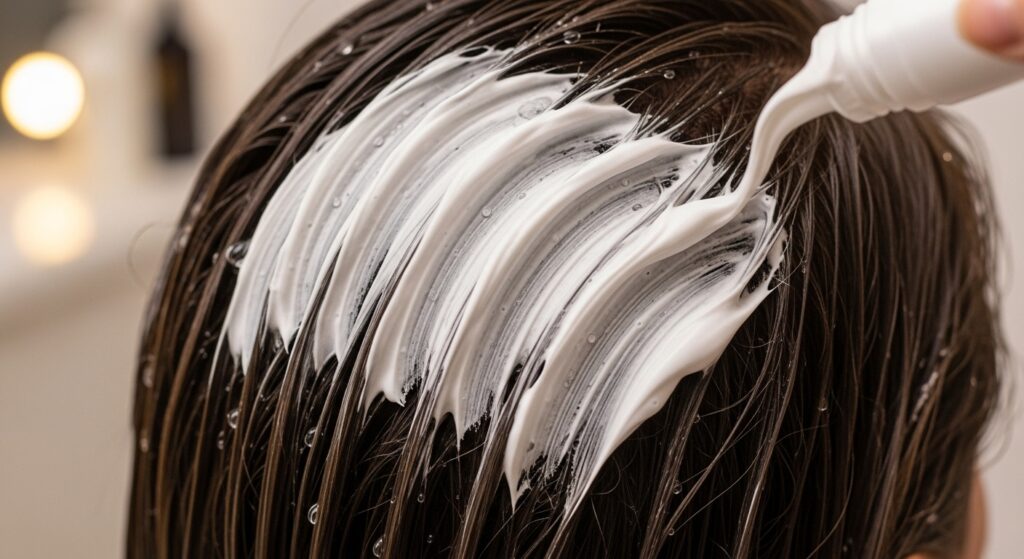
3. Deep Conditioning is Non-Negotiable: This is the cornerstone of summer hair repair. You should be deep conditioning at least once a week. After shampooing, apply a rich, protein-free deep conditioner or hair mask from root to tip. For an intensive treatment, put on a shower cap and leave it on for 20-30 minutes. The heat from your head will help the conditioner penetrate more deeply, repairing the damaged cuticle and restoring lost moisture.
Intensive Repair Treatments for Damaged Hair
If your hair is already feeling the effects of a summer well-spent, don’t panic. It’s time to bring in the heavy-duty reinforcements.
Protein Treatments: Remember how the sun breaks down hair protein? A protein treatment helps to fill in those gaps in the hair shaft, temporarily patching up damage and restoring strength. Look for products containing hydrolyzed wheat or soy protein, or keratin. Word of caution: Too much protein can make hair brittle, so use these treatments only once every 2-4 weeks, or as needed.
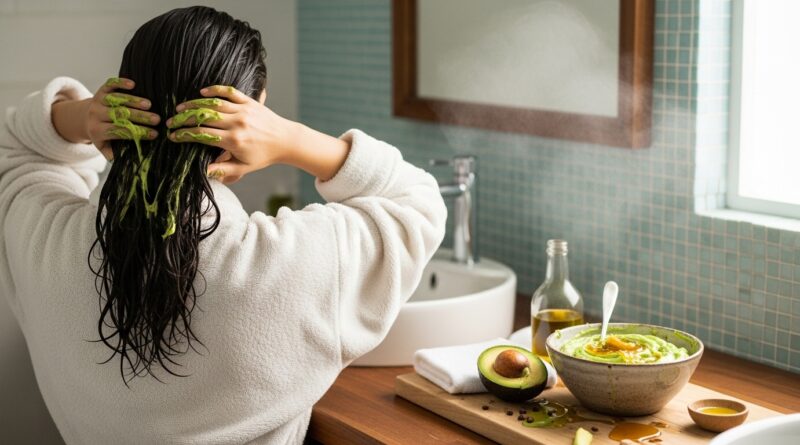
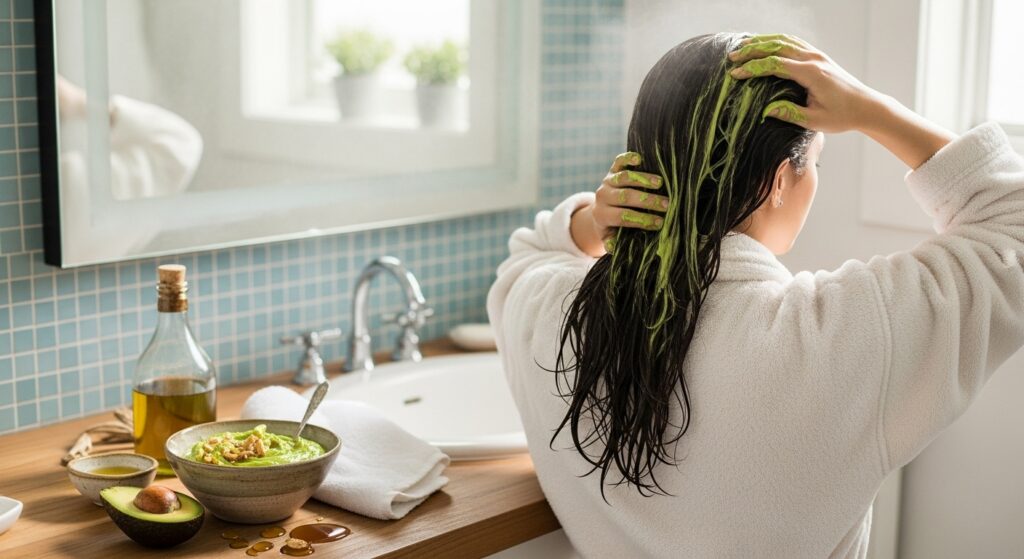
DIY Recovery Masks: Your kitchen holds powerful remedies. A simple, natural mask can work wonders. Try mashing a ripe avocado with a tablespoon of olive oil or honey. Avocado is packed with fats and vitamins that moisturize, while honey is a natural humectant that draws moisture into the hair. Apply to damp hair, leave on for 30 minutes, and rinse thoroughly.
Embrace the Overnight Treatment: For severely dry hair, an overnight oil treatment can be a game-changer. Before bed, massage coconut oil or argan oil into your hair and scalp, braid it loosely, and cover it with a silk cap. Wash it out in the morning for unbelievably soft, nourished hair.
Additional Summer Hair Care Commandments
Beyond sun and chlorine, a few other summer habits need adjustment to keep your hair healthy.
Minimize Heat Styling: Your hair is already under enough stress. Give it a break from hot tools like blow dryers, flat irons, and curling wands. Embrace air-drying and natural texture. If you must use heat, always apply a robust heat protectant spray first.
Be Kind When Wet: Hair is at its most vulnerable when it’s wet. Instead of roughly rubbing it with a towel, which causes friction and breakage, gently squeeze out the excess water and pat it dry. Use a wide-tooth comb to detangle, starting from the ends and working your way up to the roots.
Stay Hydrated and Eat Well: Healthy hair starts from within. Drinking plenty of water and eating a balanced diet rich in antioxidants, vitamins, and omega-3 fatty acids provides your hair with the fundamental building blocks it needs to stay strong and resilient.

Conclusion: Your Best Summer Hair Awaits
Protecting your hair from summer’s harsh elements doesn’t require a complex, time-consuming routine. It’s about being proactive with pre-swim rituals, protective with your styling choices, and restorative with your after-care. By integrating these simple steps—from pre-wetting and deep conditioning to covering up and rinsing immediately—you are building a powerful shield against damage.
This summer, let your focus be on making memories, not on repairing your hair. With this guide in your back pocket, you can dive into the season with confidence, knowing that your hair is equipped to look and feel as radiant as the summer sun. Here’s to healthy, happy, and beautiful hair all season long!