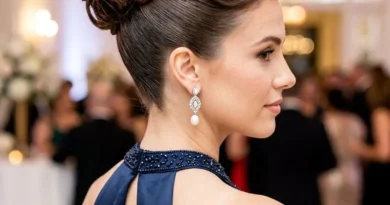
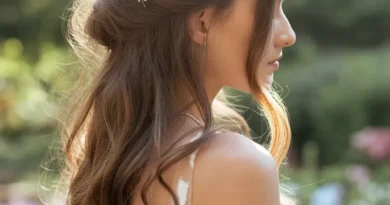
31 Hairstyles for a Talent Show That Stay Put Under Hot Lights, Big Moves and the Final Bow
The curtain is about to rise, the music starts, and every eye in the room is on one person: you, or your child, standing under lights so bright they feel like sunshine at midnight. A talent show is not a school photo or a family dinner. It is singing at full volume, spinning across a stage, bowing, sweating, and doing it all again for the encore — and hair that looked perfect in the bathroom mirror can fall apart in the first thirty seconds. That is why hairstyles for a talent show need to be chosen like a costume, not like a Tuesday hairstyle: they have to hold, they have to move with the act instead of against it, and they have to look finished from the front row and the back row at the same time.
This guide gathers 31 hairstyles for a talent show, picked for the stage rather than the street, for kids, teens and adults, singers, dancers, actors and musicians alike. Eight guides first walk you through what actually matters on show day: making a style survive hot lights and sweat, changing hair fast between acts, matching the hair to the kind of performance, choosing the right style for every age, what judges and audiences really notice, working around costumes, hats and microphones, the small backstage kit that rescues a slipping style, and a rehearsal-to-show-day timeline so nothing is left to the last minute. Then come the 31 styles themselves — buns that do not budge, braids that survive spins, ponytails with polish, and soft looks that stay out of the face — each with honest advice about who it suits, how to build it, and the mistakes that undo it.
Hold That Survives Hot Lights and Sweat
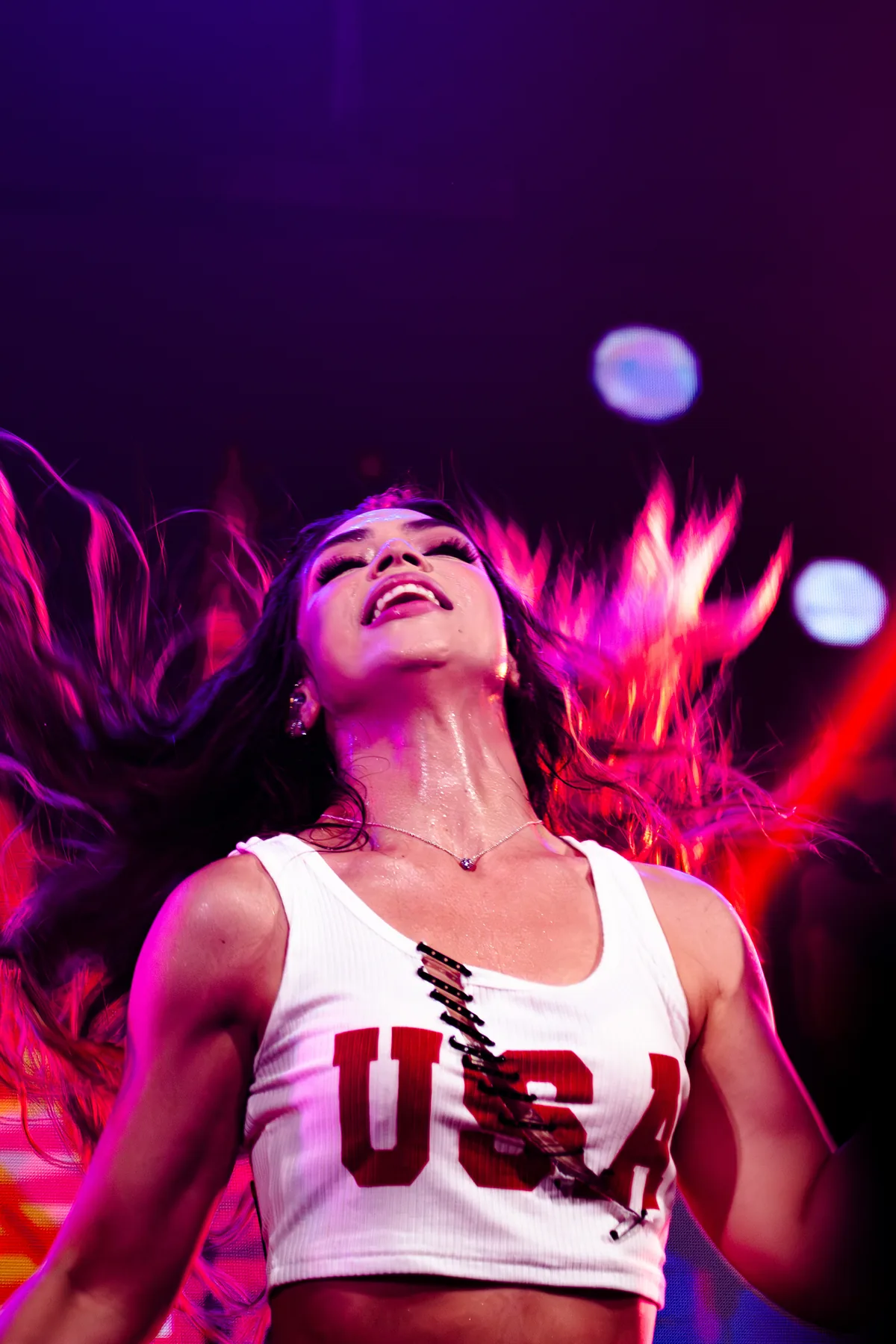
Stage lights are the first thing most performers underestimate. They are hot, they sit close, and they make even a calm singer sweat within minutes — and sweat is the quiet enemy of every hairstyle, loosening roots, softening curls and turning a sleek finish into frizz. The fix starts before the first pin goes in: style hair that is clean but not freshly washed that morning, because day-old hair grips far better than slippery clean hair. A light mist of texturising spray at the roots gives pins something to hold, and a strong-hold hairspray applied in short bursts, from about 30 centimetres away, seals the style without making it crunchy.
Best for: every act, but especially dancers and singers who perform under lights for more than a few minutes. Common mistake: loading on heavy cream or oil before styling — it makes hair slide out of pins and braids unravel. Keep products light until the style is built, then seal it. Quick verdict: if the style cannot survive a ten-minute practice run under a warm lamp at home, it will not survive the stage.
Quick Changes Between Acts
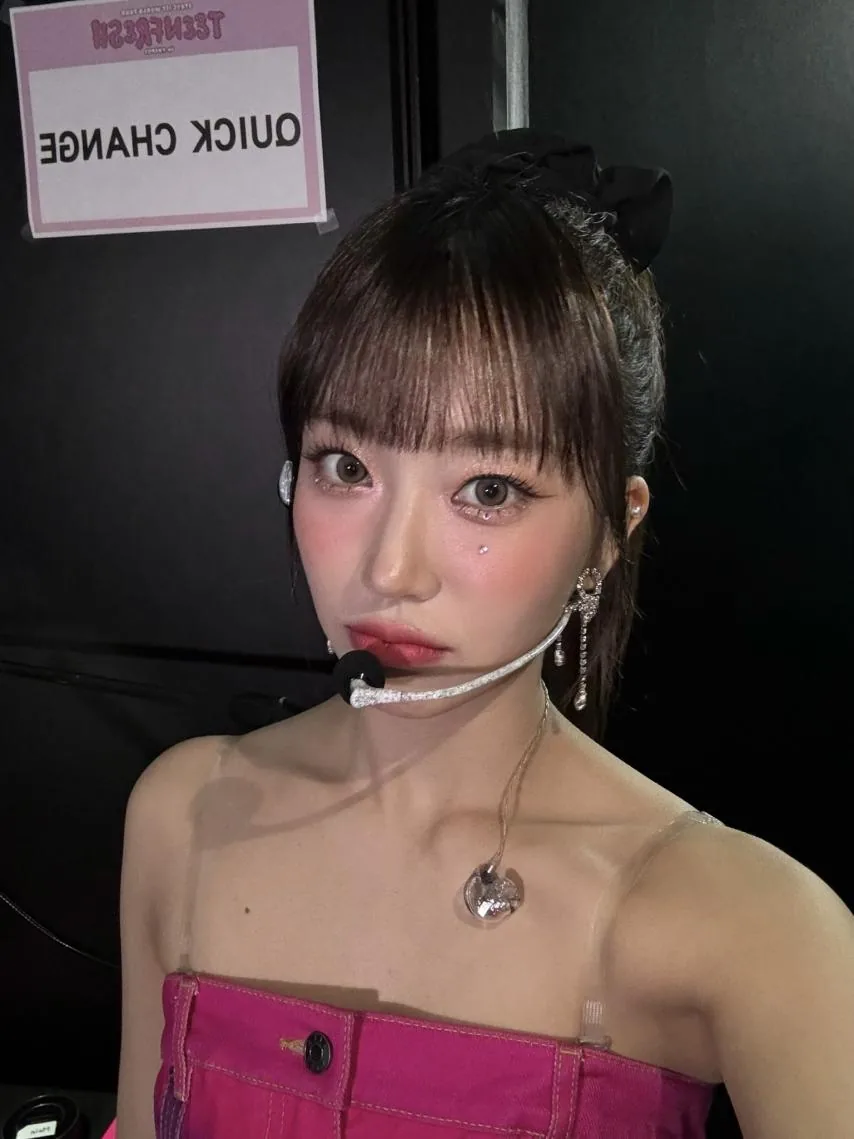
Some performers only get one number, but many talent shows ask for two — a solo, then a group dance, or a song followed by a skit — and the change between them can be three minutes in a crowded backstage corner. The secret is choosing a base style that transforms instead of starting over. A high ponytail becomes a bun in under a minute with a donut and four pins; a braid can be coiled and pinned into a low chignon; a half-up style drops down into loose waves with a shake and a clip. Practise the change at home with a timer, exactly as it will happen backstage, and lay out the extra pins and the second accessory in the order you will need them.
Best for: performers with two or more acts, or anyone sharing a dressing room. What to ask: ask the show organiser how long the gap between your acts really is — the answer is often shorter than the schedule suggests. Quick verdict: one base, two finishes beats two full styles every time.
Matching the Hair to Your Act
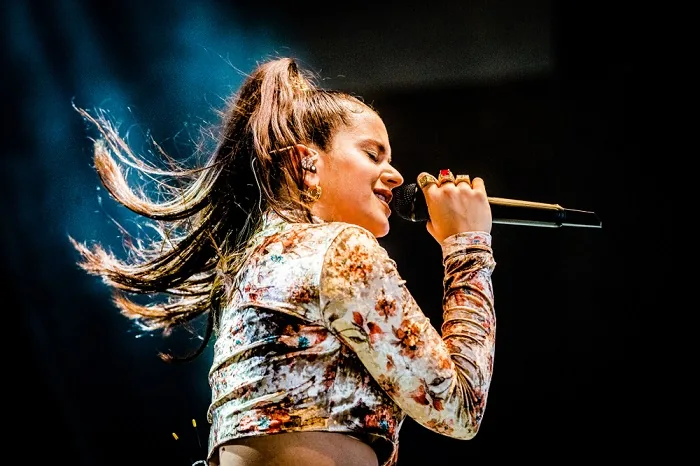
A singer, a dancer and an actor do not need the same hair, even if they are the same person. A singer needs the face open and the neck free so the microphone sits close and the voice projects — a sleek updo or a ponytail that stays behind the shoulders works beautifully. A dancer needs everything pinned tight and close to the head, because turns, jumps and floor work punish anything loose. An actor needs hair that reads as a character from the back row, which might mean a period style or a bold accessory. A musician — a guitarist, a pianist, a violinist — needs hair that never falls forward over the hands or the instrument.
Best for: anyone deciding between two styles they like equally — let the act decide. Pros and cons: a dramatic loose style photographs beautifully but risks falling into the face mid-song; a tight bun never moves but can feel plain for a dramatic ballad. Quick verdict: if the hair fights the performance, the performance loses, however pretty the hair looks standing still.
Hair by Age: Kids, Teens and Adults
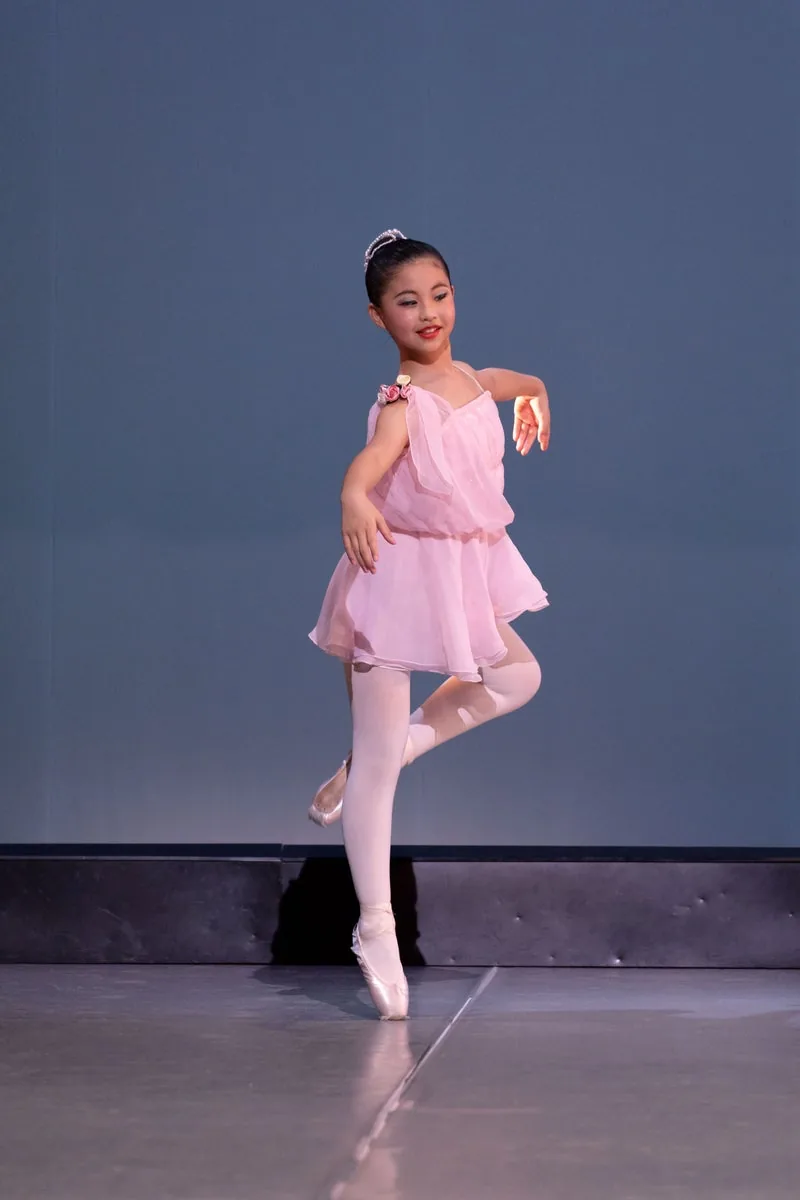
Age changes what a talent show hairstyle needs to do. For younger kids, comfort comes first: a style that pulls, itches or feels heavy will distract a child far more than a loose strand ever will, so keep it soft at the hairline, use fabric-covered elastics, and let them wear the style for an hour at home before show day. Teens often want a style that feels grown-up and current — a sleek ponytail, a bubble braid, a glitter part — and they will actually sit still for it if they chose it themselves. Adults can handle tighter, more structured styles and heavier accessories, and they usually know their own hair well enough to judge what will hold.
Best for: parents choosing for a child, and teens choosing for themselves. Who should avoid it: nobody should force a small child into an adult-tight bun — pain shows on stage faster than any hairstyle flaw. Quick verdict: the best age-appropriate style is the one the performer forgets they are wearing.
What Judges and the Audience Actually Notice
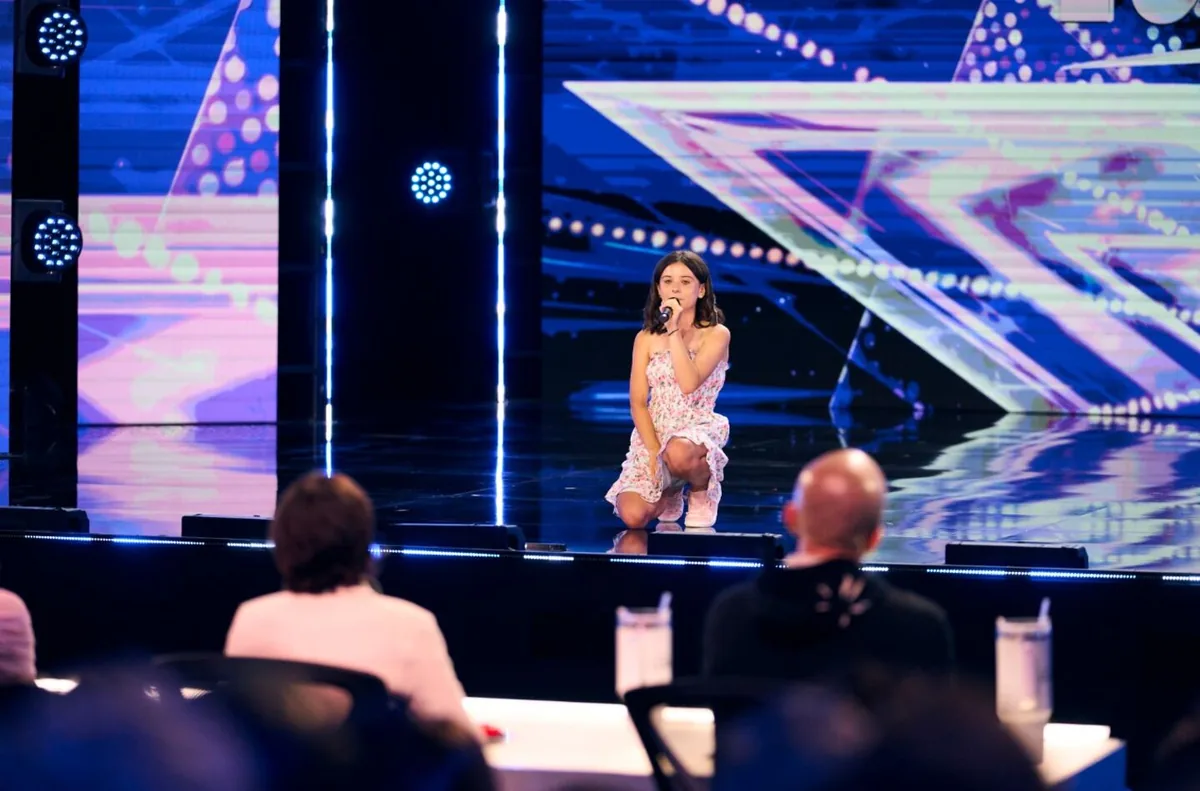
Judges will tell you they score the talent, not the hair — and they mostly mean it. But hair still does a job: it frames the face, it keeps the performer’s expression visible, and it signals that the performer took the stage seriously. What judges notice is not the hairstyle itself but the problems: hair falling into the eyes during a song, a bun slipping sideways mid-dance, a performer pushing strands back with their hands instead of performing. The audience notices the same things from further away, plus one more — whether the hair suits the act or fights it, like long loose hair hiding a dancer’s lines.
Best for: competitive talent shows with scoring. Common mistake: choosing a style so elaborate it becomes the act. The hair should support the performance, never upstage it. Quick verdict: neat, secure and face-framing beats elaborate and distracting, every single time.
Working Around Costumes, Hats and Microphones
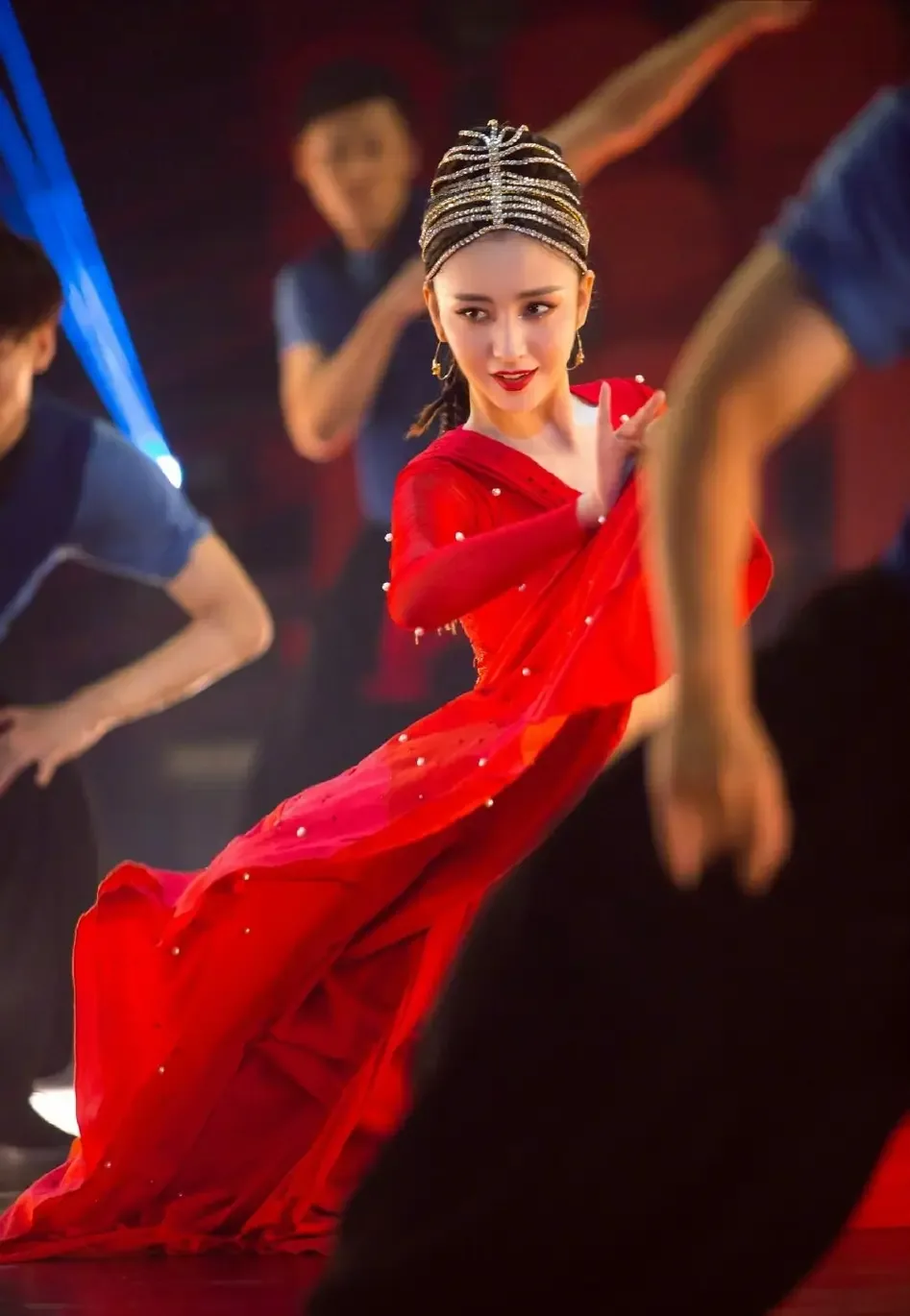
A talent show look is a whole outfit, and the hair has to share the stage with everything else. A hat needs a low, flat style underneath or it will sit crooked; a headpiece or crown needs a braid or bun to anchor into, or it slides. A headset microphone runs along the hairline and behind the ear, so a style with bulk at the sides can push it out of place — test the microphone with the finished hair, not before. High collars and capes catch on low ponytails, and a quick-change costume with a zip up the back can snag a long braid, so do one full dress rehearsal with every piece on.
Best for: acts with costumes, hats, wigs or headset mics. Maintenance: bring spare pins in the costume colour, because a pin that matches the hair disappears while a silver pin on dark hair flashes under lights. Quick verdict: rehearse in the full costume, or the first time hair meets costume will be in front of an audience.
The Backstage Kit That Rescues a Style
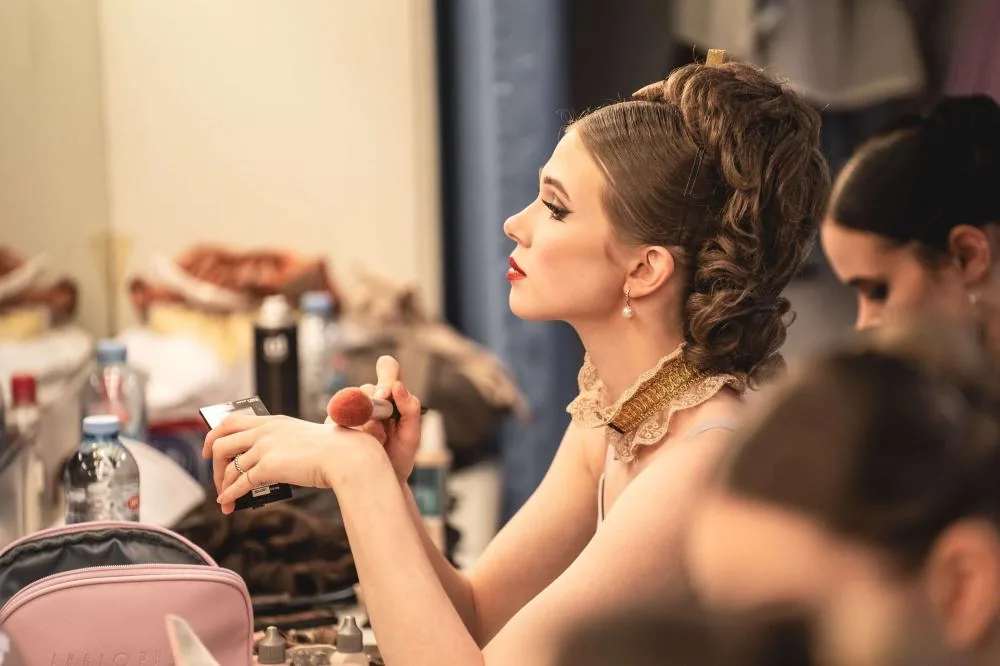
Every experienced performer has a small kit, and it has saved more shows than any hairstylist. Pack it the night before in a small pouch: bobby pins in your hair colour, a few U-pins, two fabric elastics, a mini hairspray, a small brush, a few clear elastics, safety pins for the costume, and the accessory you are wearing — a spare bow or clip, because the one on your head is the one that will break. Add a couple of tissues for sweat and a small mirror. Keep the pouch in the same bag as the costume so it cannot be left behind.
Best for: every performer, at every level. Common mistake: borrowing pins backstage — other performers need theirs too, and a borrowed pin is a pin you cannot find when it matters. Quick verdict: a five-minute pack the night before is worth more than a panicked search five minutes before the curtain.
From Rehearsal to Show Day: A Simple Timeline
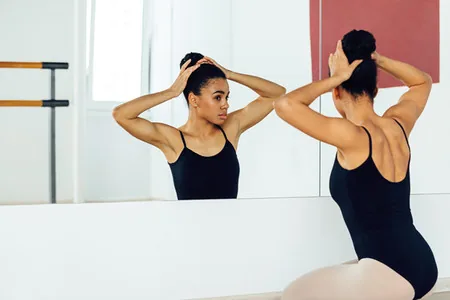
Good stage hair is planned, not improvised. A week before the show, choose the style and try it once, fully, with the costume. Two days before, do a timed practice run — style it, perform the act, and check what slipped. The night before, wash the hair if your style needs day-old grip (or leave it if it is already a day old), lay out every pin and product, and pack the backstage kit. On show day, allow twice the time you think styling takes: nerves make hands slower, and a rushed style is a style that falls apart. Style the hair before the costume goes on, do a final check under a bright light, and then stop touching it.
Best for: first-time performers and nervous parents. Pros and cons: a timeline feels fussy, but it removes the single biggest cause of stage-hair disasters — running out of time. Quick verdict: the style should be finished before the nerves arrive, not during them.
1. The Classic Stage Ballet Bun
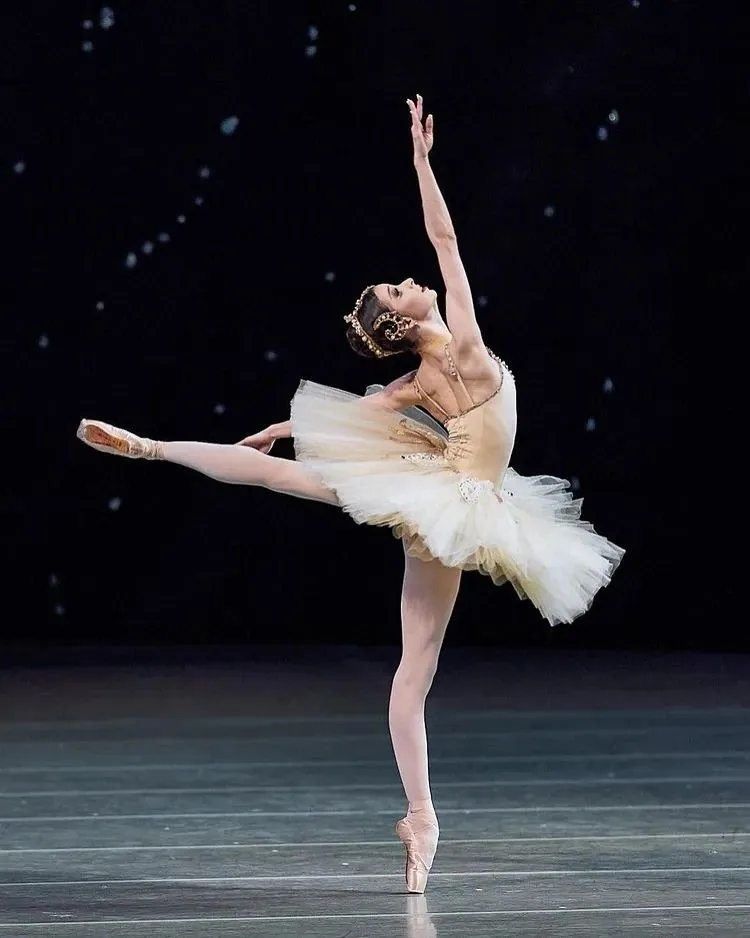
The ballet bun is the original stage hairstyle, and it earned that place: a smooth, high bun that sits exactly at the crown, holds through spins, and photographs cleanly from every seat in the house. It works for ballet, of course, but also for singing, acting and any dance style where the lines of the body need to stay visible. Start with brushed-back hair, a tight ponytail, and a bun form or a firm twist; pin in a triangle and smooth the surface with a brush and a little gel. A hairnet over the bun is the old professional trick that keeps every strand in place without showing.
Best for: dancers, singers and young performers who need a style that simply will not move. How to style: build it on slightly dirty hair, use a donut for fullness on fine hair, and finish with strong-hold spray. Common mistake: placing the bun too low — a crown bun lengthens the neck and reads from the back row, while a low bun can disappear behind the shoulders. Quick verdict: the safest choice on this whole list, and the one judges trust most.
2. The Low Sleek Chignon
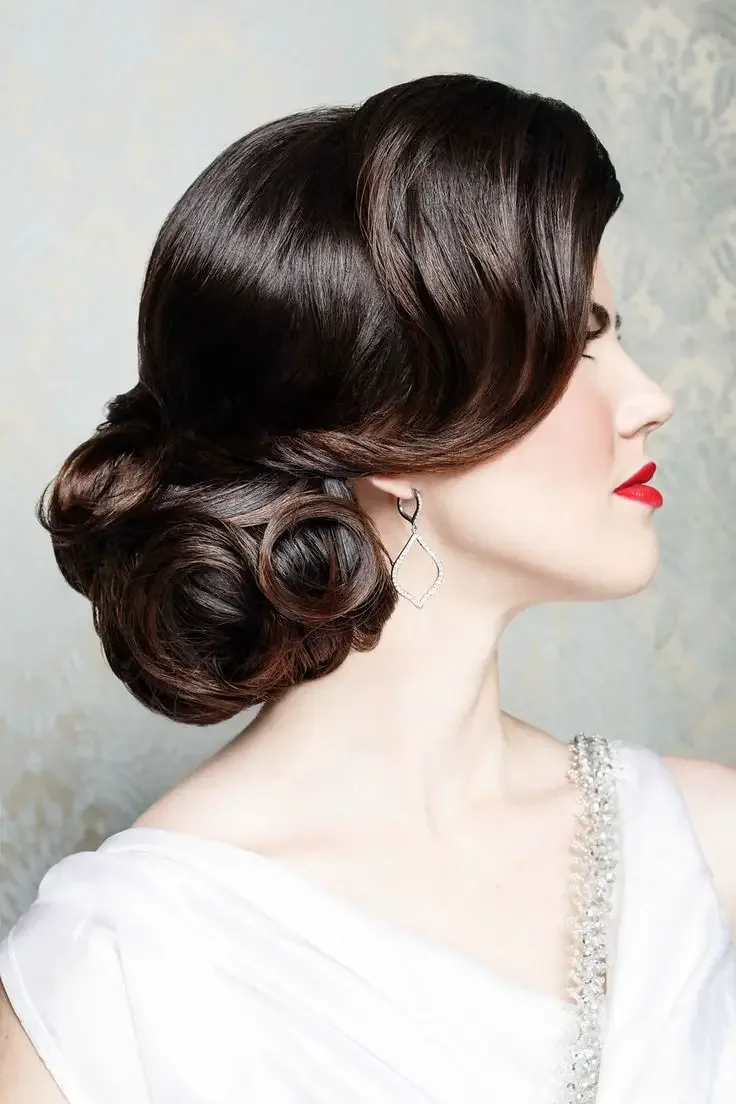
If the ballet bun is the athlete of stage hair, the low chignon is the diplomat: smooth, low at the nape, and quietly elegant, perfect for a classical singer, a pianist, or a dramatic monologue where the performer needs to look composed and grown-up. It sits below the collar line, so it never fights a headset microphone or a high-necked costume, and it suits long and medium hair equally. Twist the ponytail, coil it flat against the head, and pin it in a wide, low shape rather than a round ball, which keeps it looking soft rather than severe.
Best for: classical singing, piano, acting and formal acts. Pros and cons: beautifully polished and very comfortable, but it can read as too quiet for a big, high-energy dance number. Maintenance: a spritz of shine spray keeps it looking expensive under lights without adding weight. Quick verdict: choose this when the act is about poise, not power.
3. The High Ponytail With a Wrapped Base
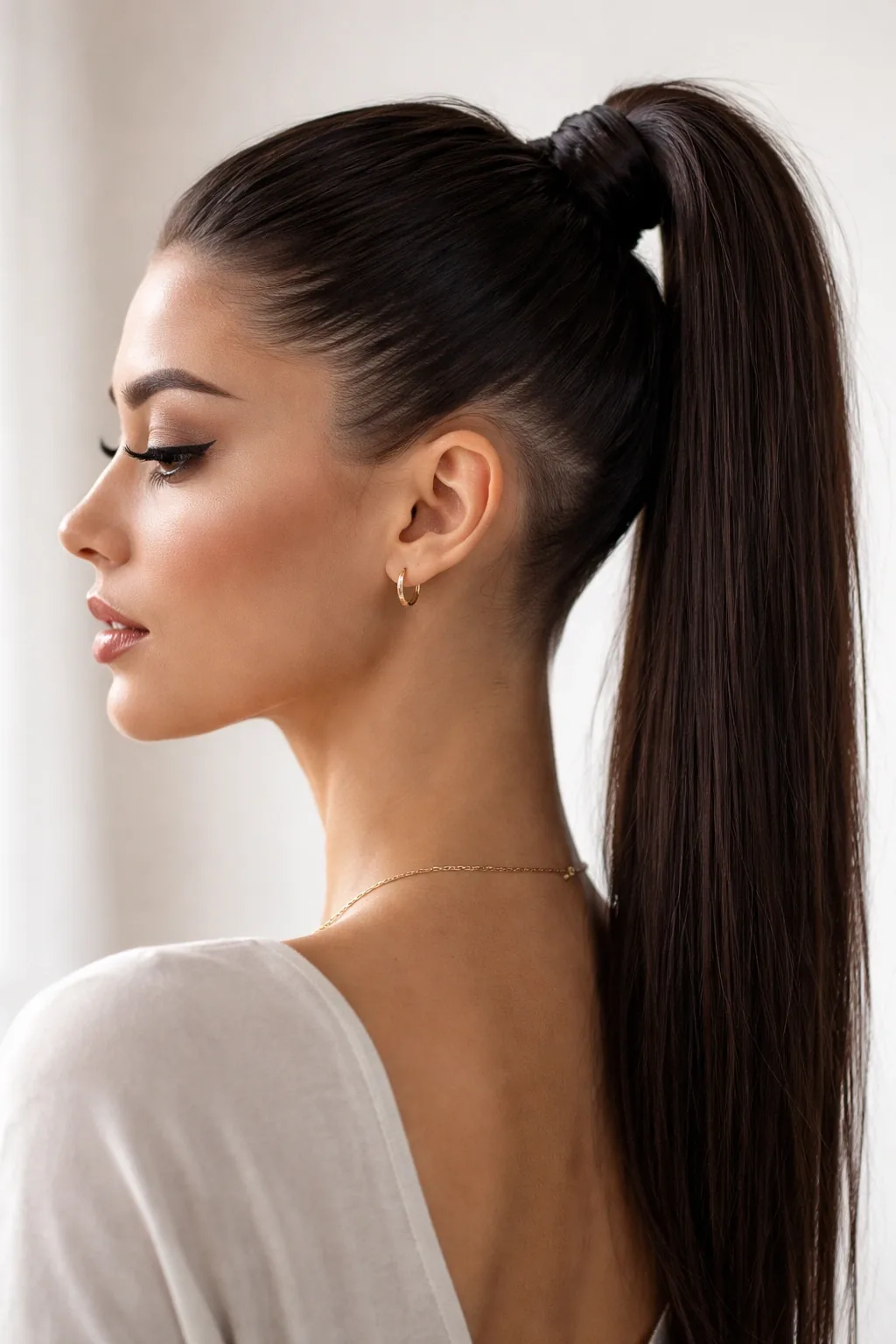
A high ponytail is the crowd-pleaser of talent show hair: energetic, youthful, and made for movement, whether the act is pop singing, hip hop or a jazz dance. The wrapped base is what lifts it from a gym ponytail to a stage look — take a small section from underneath, wrap it around the elastic, and pin it underneath so no band shows. Keep the ponytail high at the crown so it swings with the performance instead of dragging, and secure it with two elastics stacked together for extra hold.
Best for: pop singers, hip hop and jazz dancers, and teens who want a confident, modern look. How to style: backcomb the crown lightly for lift, smooth the top with a brush, and set the whole thing with flexible-hold spray so it moves without falling. Who should avoid it: anyone whose act involves floor work or rolling — a high ponytail gets in the way on the floor. Quick verdict: big energy, small effort, and it looks great in photos.
4. Double Dutch Braids
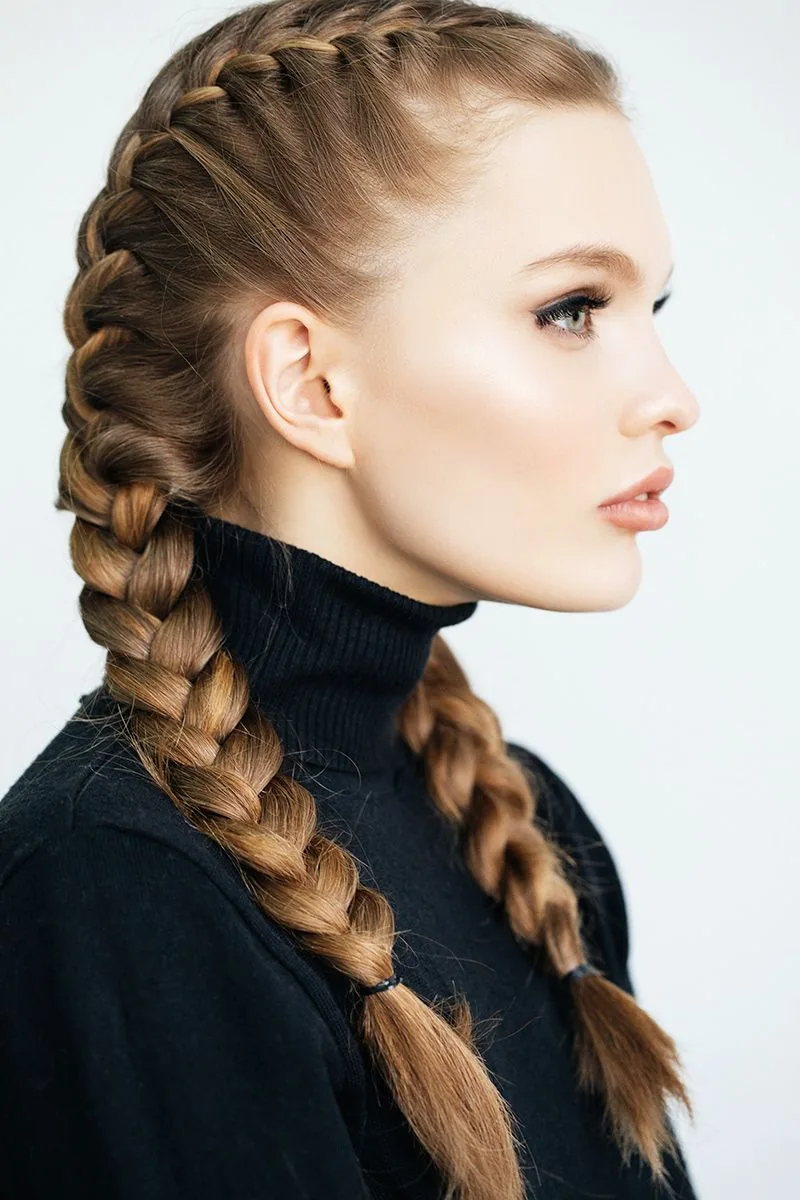
Double Dutch braids are the workhorse of kids’ talent shows: two raised braids that start at the hairline, stay tight through every jump and spin, and still look fun and full of personality. They suit dancers, gymnasts and young singers, and they work on almost any hair length past the shoulders. Braid close to the scalp, keep the tension even on both sides, and finish each braid with a fabric elastic plus a small bow or a clear band. For extra stage presence, pancake the braids — gently pull the edges wider — so they read from the back row.
Best for: kids and teens, dancers and gymnasts. Common mistake: braiding too loosely at the front, where sweat loosens it first; start tight at the hairline and ease off towards the ends. Quick verdict: the most reliable braided style for a young performer, and one of the easiest to fix backstage.
5. The French Braid Crown
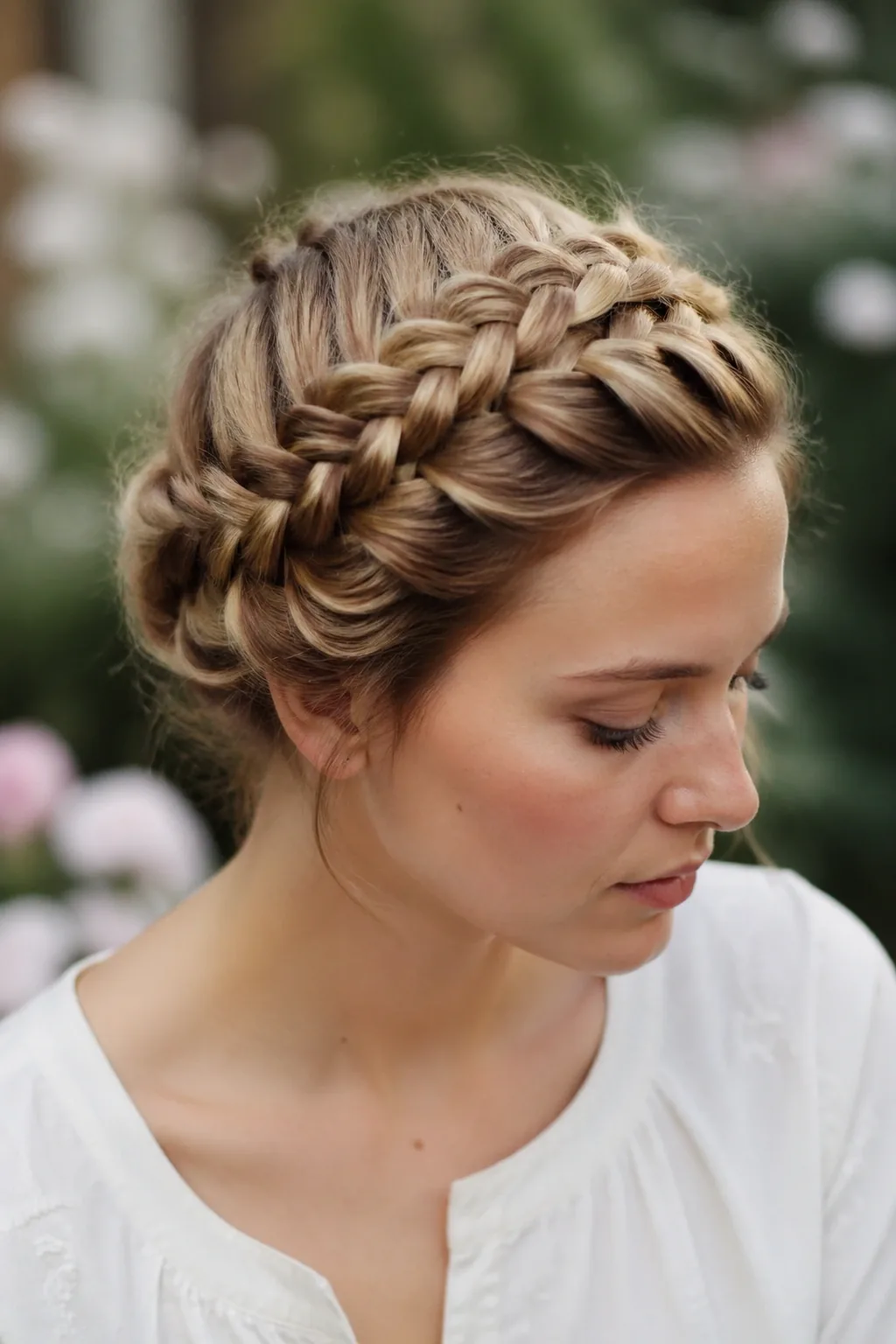
A French braid crown — one braid that travels around the head like a halo — is the style for a performer who wants to look like they stepped out of a storybook: a young singer, a folk dancer, or an actor in a period piece. It keeps every strand off the face, it survives movement beautifully because the braid itself is the anchor, and it frames the face in a way the audience loves. Start behind one ear, braid around the hairline, and tuck the tail under the start of the braid, pinning it flat so the circle closes invisibly.
Best for: singers, folk dancers and period or storybook acts. Pros and cons: stunning and extremely secure, but it takes practice and a steady hand — do not attempt it for the first time on show day. Maintenance: a few U-pins along the braid keep it sitting close to the head all evening. Quick verdict: high reward, but rehearse it twice before you commit.
6. The Fishtail Braid Ponytail
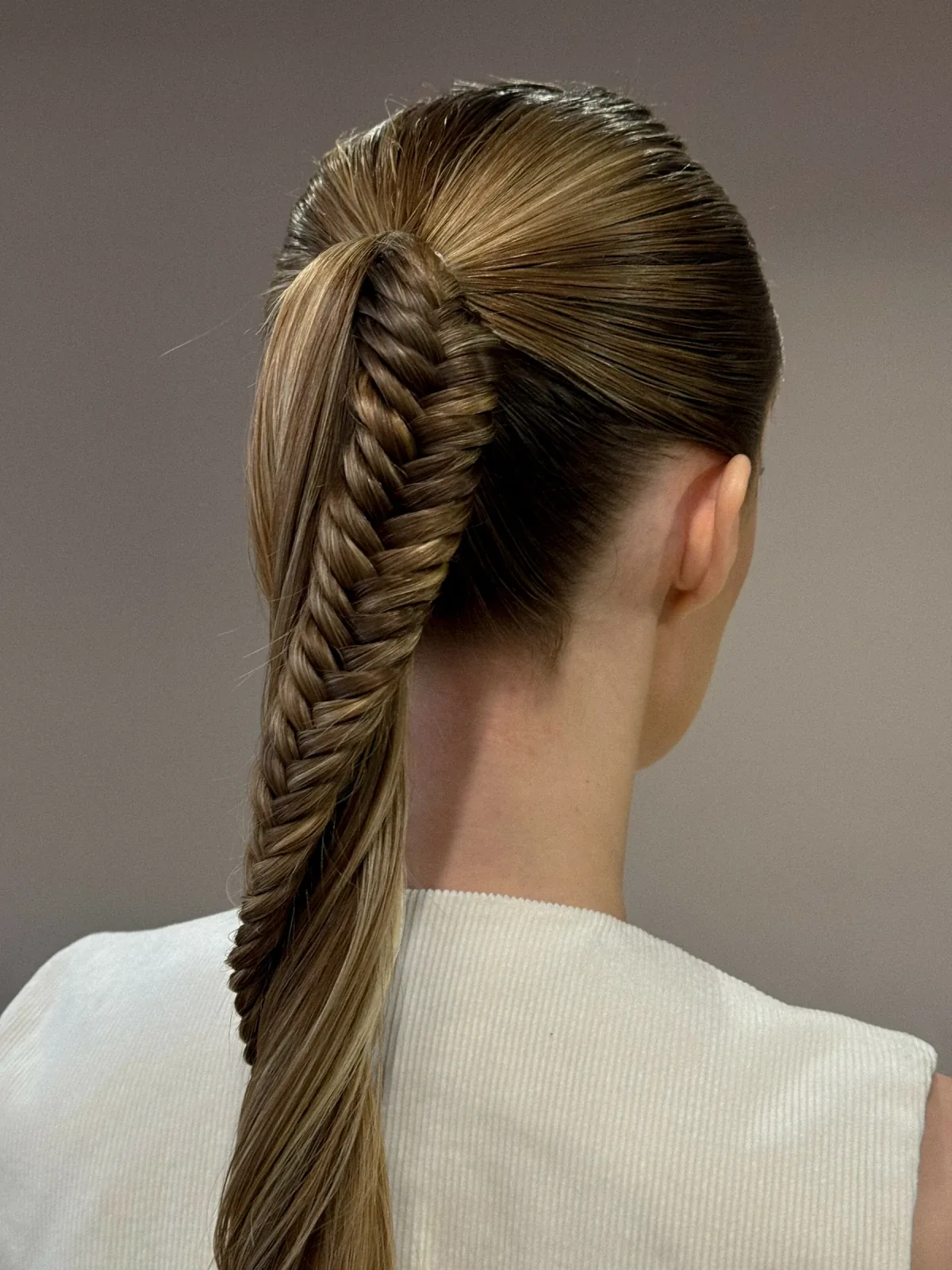
The fishtail braid ponytail looks far more complicated than it is, which is exactly why it works on stage: a sleek ponytail that turns into a fine, detailed braid, catching the light with every move. It suits long hair best and flatters singers and dancers who want a polished look with visible texture. Gather the hair into a ponytail first — that gives the braid its anchor — then fishtail the length in small sections, keeping the tension even so the braid stays slim and neat.
Best for: long hair, singers and lyrical dancers. How to style: a little texturising spray on the ponytail before braiding stops the fine sections slipping apart. Common mistake: taking sections that are too big, which turns a fishtail into an ordinary braid. Quick verdict: intricate-looking, stage-ready, and surprisingly quick once you have the rhythm.
7. The Bubble Braid Ponytail
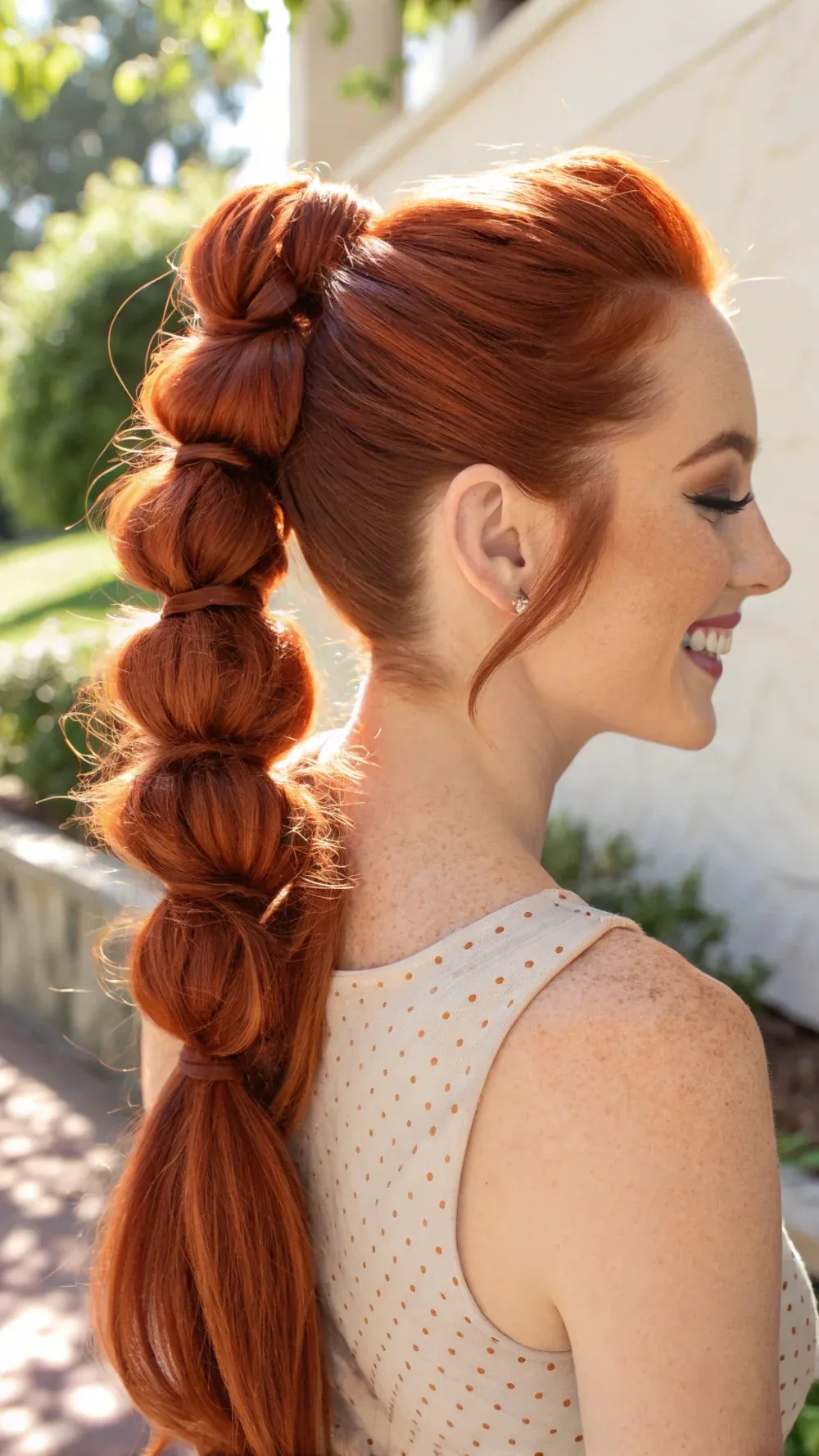
Fun, modern and impossible to ignore, the bubble braid ponytail is made for upbeat acts: pop songs, hip hop, comedy and anything where the performer wants the audience smiling before the first note. It is a ponytail divided into puffed sections with elastics, and each bubble can be fluffed to the size you want — bigger bubbles read better from the back row. It holds well because every section is anchored, and it survives dancing far better than loose hair ever would.
Best for: upbeat pop, hip hop and comedy acts, and younger performers. Pros and cons: playful and very photogenic, but it suits a lively act far more than a classical one. What to ask: if a stylist is building it, ask for clear elastics so the bubbles look clean rather than busy. Quick verdict: the most fun style on this list — choose it when the act is fun too.
8. The Half-Up Twisted Crown
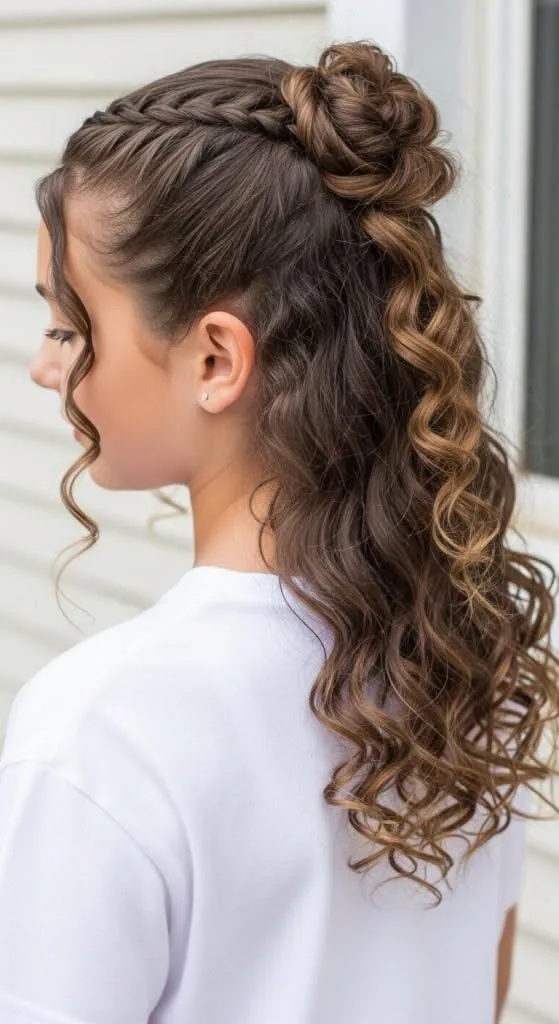
The half-up twisted crown is the compromise that pleases everyone: the front of the hair is pulled back and twisted into a soft crown, while the rest falls loose — so the face stays open for singing and the hair still moves beautifully. It suits medium and long hair, and it works for singers, actors and musicians who want a romantic look without loose strands in the eyes. Twist two front sections back, cross them at the crown, and pin them flat; a small clip or a row of tiny pins hides the join.
Best for: singers, actors and musicians with medium to long hair. Common mistake: twisting too loosely — the crown is the part that has to hold, so pin it in three places, not one. Maintenance: a light curl through the loose lengths keeps the style looking finished rather than undone. Quick verdict: soft, romantic and practical — the best half-up option for the stage.
9. The Curly High Puff With a Headband
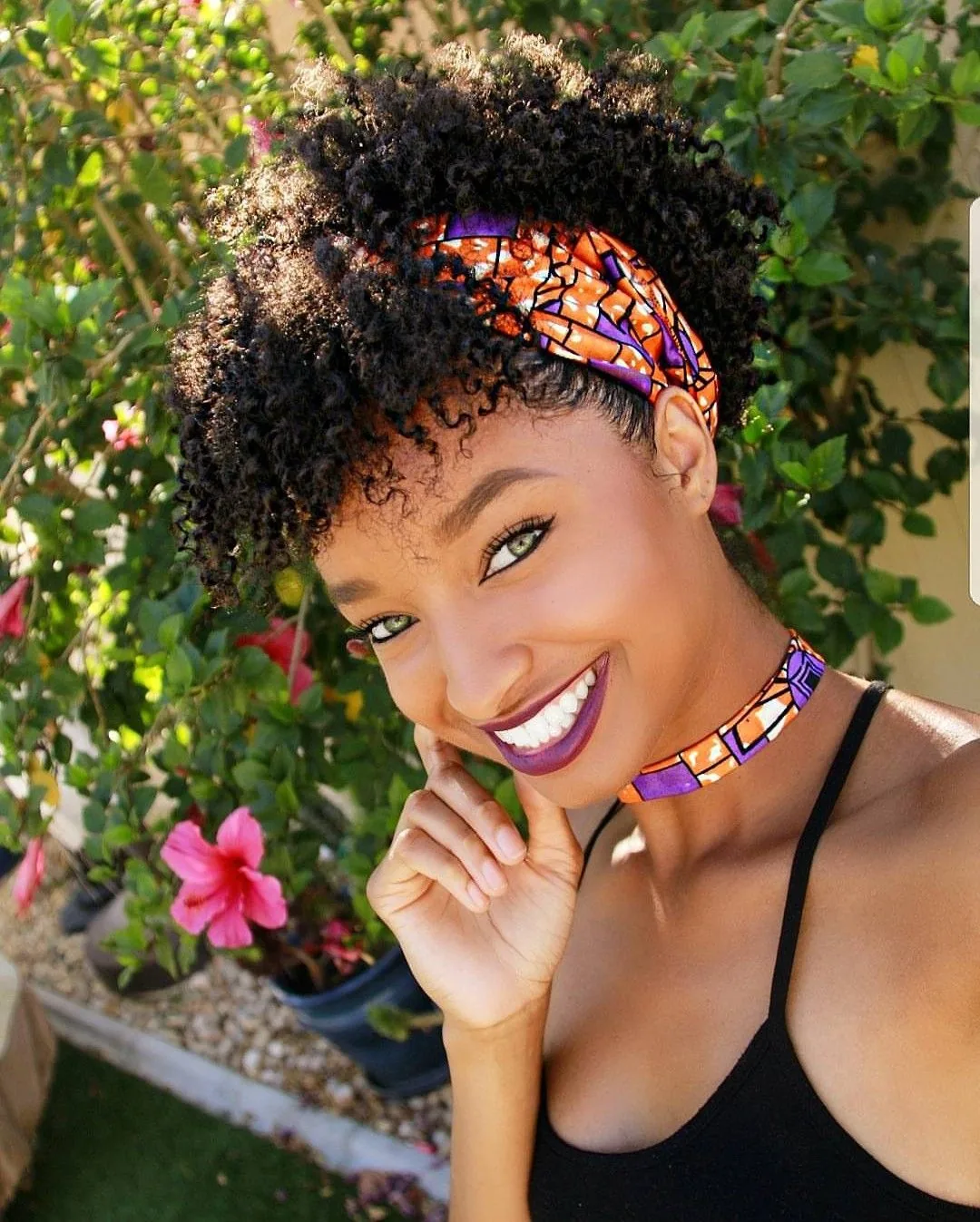
For curly and coily hair, the high puff is a star: the curls gathered high into a full, round shape, held with a fabric band and finished with a headband that keeps the hairline neat and adds a pop of stage colour. It is joyful, it is bold, and it holds through dancing because the curls support each other instead of falling apart. Moisturise before styling, gather the hair gently with a wide band rather than a tight elastic, and set the edges with a little gel smoothed with a soft brush.
Best for: curly and coily hair, dancers and singers of any age. Pros and cons: full of volume and personality, and very comfortable — but it needs a headband or pins at the front so the hairline stays tidy under lights. Who should avoid it: nobody, but if the act involves a hat, test the fit — a high puff and a tight hat do not mix. Quick verdict: a celebration of natural texture that is made for the stage.
10. The Sleek Low Ponytail
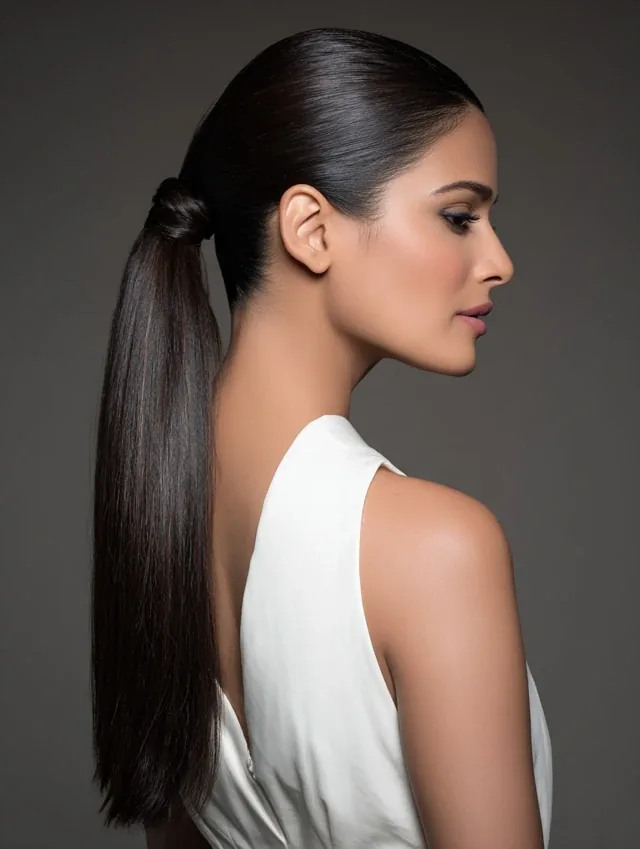
The sleek low ponytail is quiet confidence: hair brushed smooth, gathered low at the nape, and finished with a wrapped section so it reads as polished, not plain. It is the right choice for a classical singer, a pianist, a cellist or an actor in a serious piece, because it never distracts and it never moves. It also flatters a high collar or a statement necklace, since nothing competes at the neckline. Smooth with a boar-bristle brush, set with a little gel at the hairline, and wrap the base with a strand of your own hair.
Best for: classical music, acting and formal acts. How to style: part the hair in the middle or deep on one side — a sharp part is what makes this style look deliberate. Common mistake: leaving flyaways at the crown, which catch the light and read as messy from the audience. Quick verdict: understated, elegant and impossible to get wrong.
11. Voluminous Stage Curls With Pinned Sides
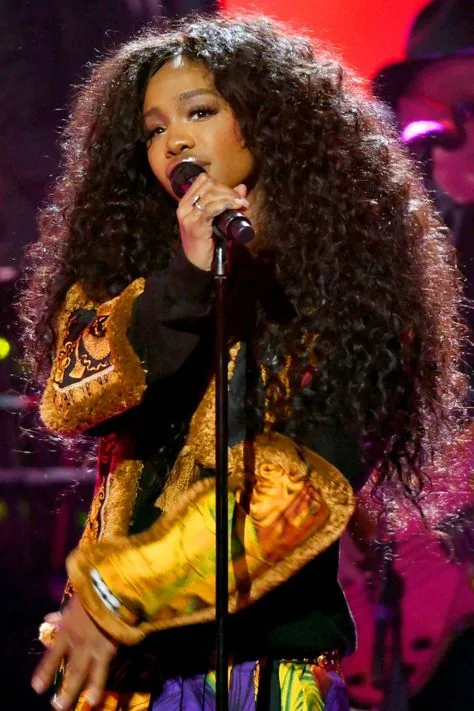
Big curls are made for the stage — they catch light, they move with music, and they look spectacular from the back row — but only if the front is controlled. The trick is volume at the back and security at the front: curl the lengths in large sections, brush them out softly, then pin the two front sections back at the temples so the face stays completely clear. The curls behind can move freely while the performer sings or dances, and nothing falls into the eyes at the crucial moment.
Best for: singers and musical theatre performers with long hair. Pros and cons: glamorous and full of movement, but curls drop under hot lights, so use a strong-hold spray and curl the hair a little tighter than you want it to end up. Maintenance: bring a small comb backstage to revive the curls between acts. Quick verdict: drama with discipline — the pins are doing the real work.
12. Side-Swept Hollywood Waves
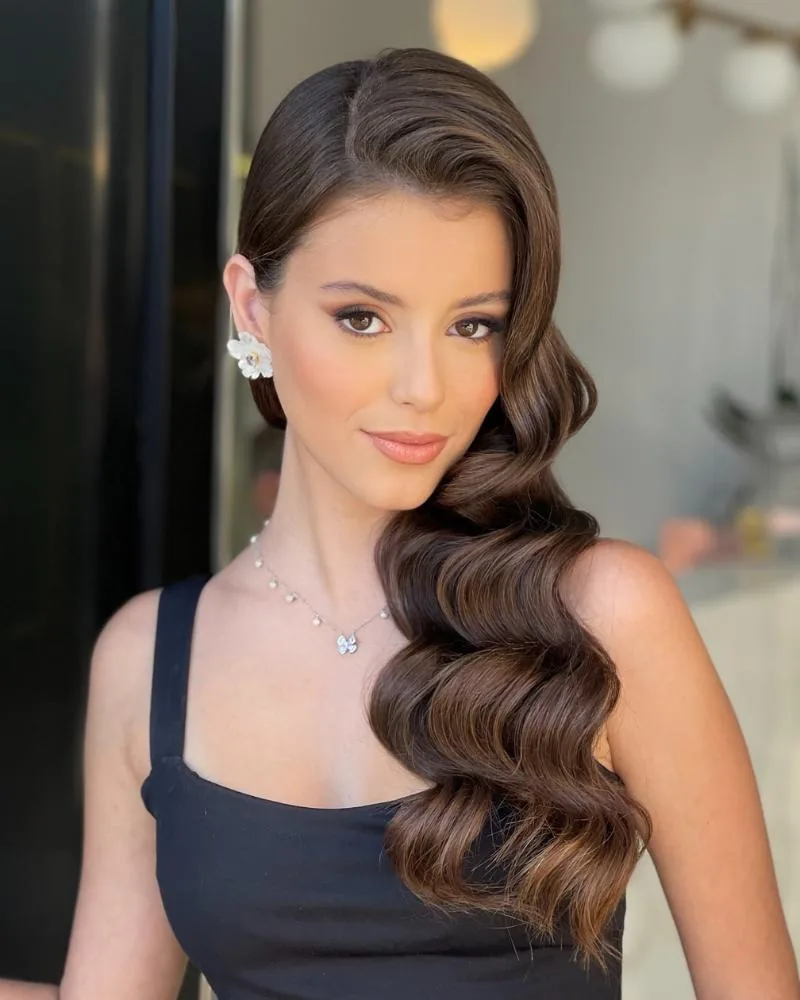
Old Hollywood waves swept to one side are the most glamorous look on this list, and they suit a jazz singer, a ballroom dancer or a vintage-themed act perfectly. The deep side part and the smooth, sculpted waves read beautifully under stage lights, and the whole style sits over one shoulder so it never hides the face. Curl in one direction, brush the waves into a smooth sheet, and pin the shorter side flat behind the ear so the asymmetry stays deliberate all evening.
Best for: jazz, vintage and ballroom acts, and adult performers. Common mistake: skipping the pin behind the ear — without it, the waves slide forward and cover half the face within one song. Who should avoid it: high-energy dancers, for whom this much loose hair is a liability. Quick verdict: pure glamour, best saved for acts that stand still enough to show it off.
13. The Braided Top Knot
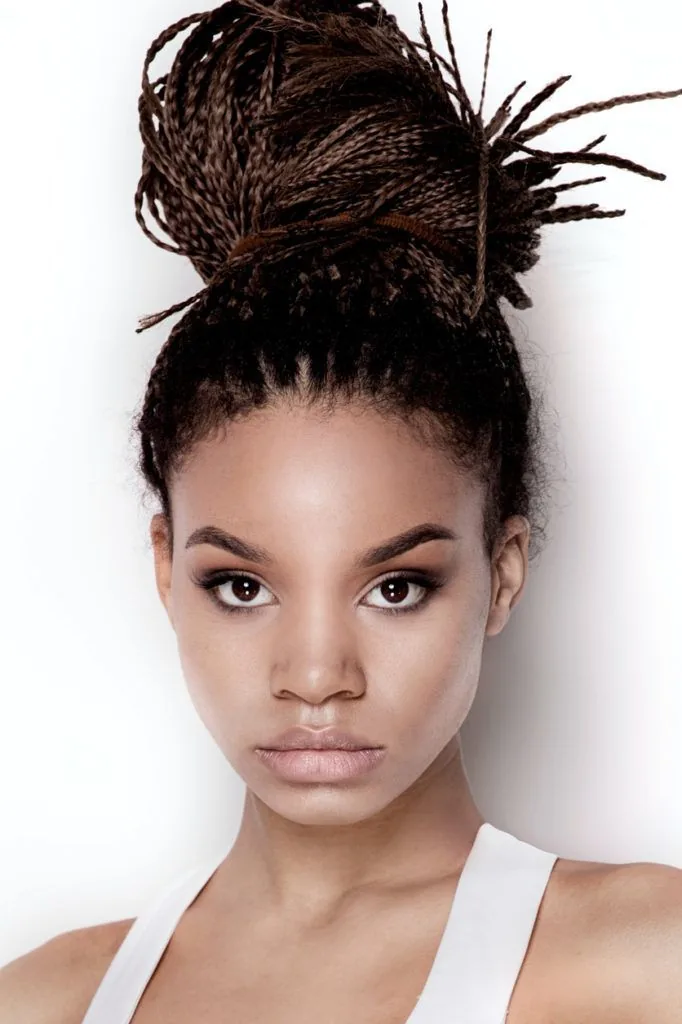
The braided top knot takes the reliability of a bun and adds texture: the hair is braided first, then coiled into a knot, so the finished style has visible detail and twice the grip of a plain bun. It suits dancers, gymnasts and singers who want something more interesting than a classic bun without giving up any security. Braid the ponytail loosely, coil it around its base, and pin through the braid itself — the pins grip the braid far better than they grip smooth hair.
Best for: dancers and gymnasts who want a bun with personality. How to style: a three-strand braid is quickest, but a fishtail braid makes the knot look even more detailed. Quick verdict: the bun for performers who find a plain bun boring — same hold, more character.
14. Double Buns (Space Buns)
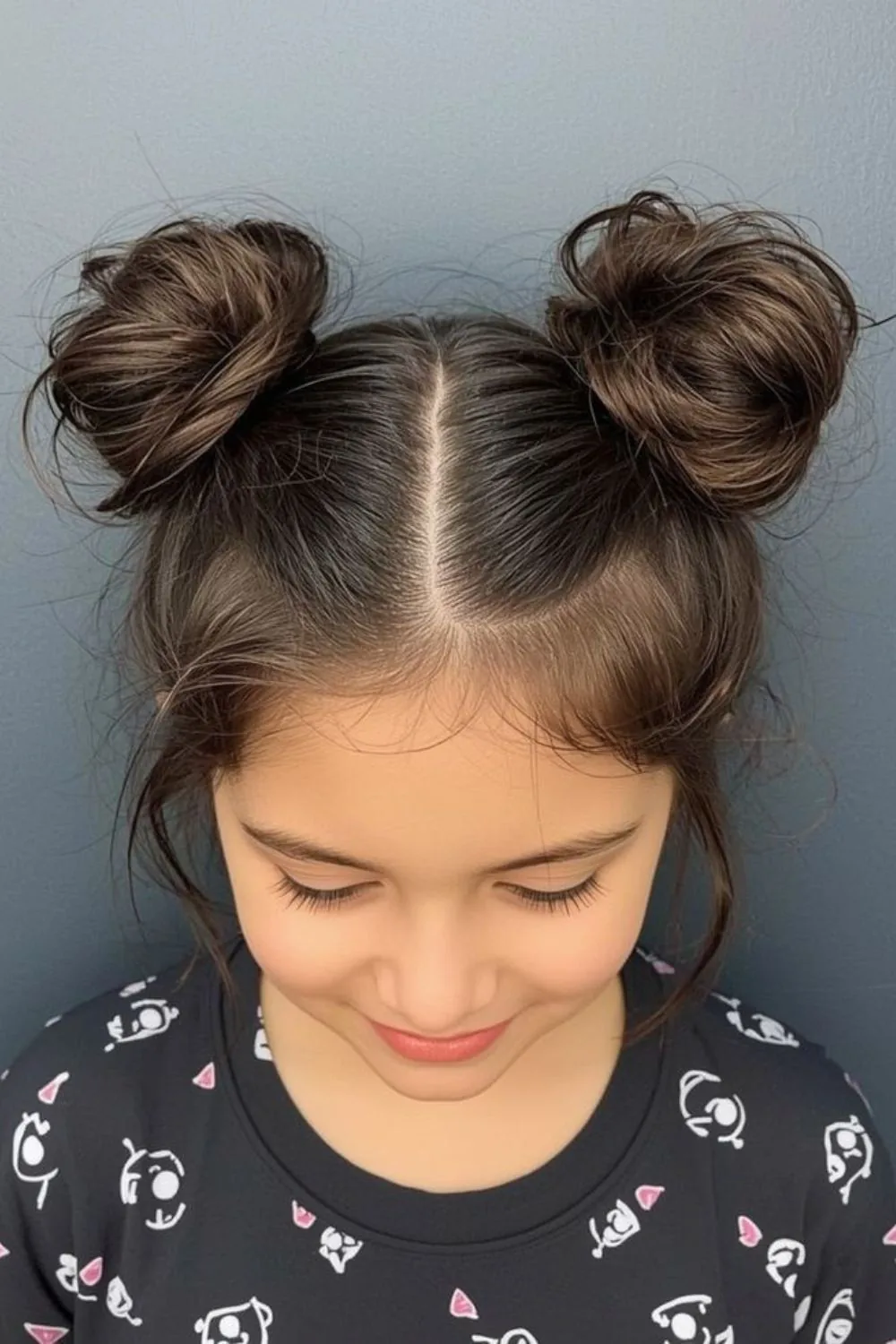
Double buns — space buns — are pure fun, and fun is a legitimate talent show strategy: two buns sitting high on the head, instantly recognisable, full of energy, and surprisingly secure because the weight is split between two anchors. They suit pop acts, comedy, hip hop and young dancers, and they photograph brilliantly. Part the hair cleanly down the middle, build two high ponytails, and twist each into a bun, pinning in a triangle on each side.
Best for: kids, teens, pop and comedy acts. Pros and cons: joyful and very secure, but they read as playful — a poor match for a serious classical piece. What to ask: if the act involves a headset, check the bun placement does not sit where the microphone band runs. Quick verdict: two buns, twice the fun, and a style the audience remembers.
15. The Milkmaid Braid
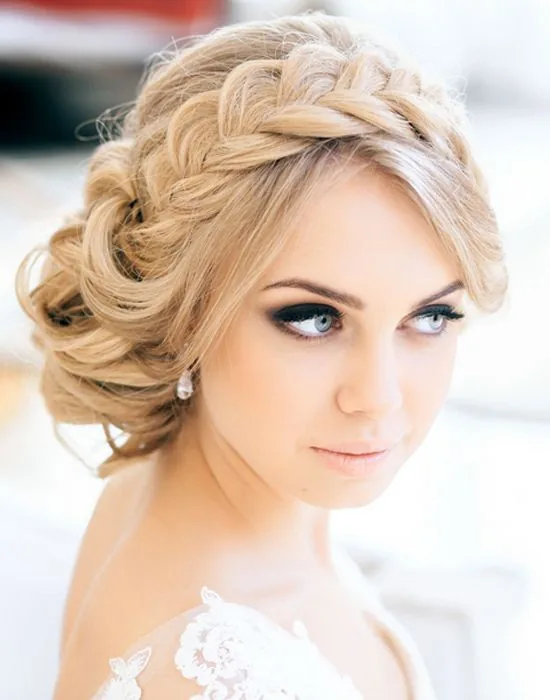
The milkmaid braid — two braids crossed over the top of the head and pinned — is a romantic, storybook style that keeps every strand contained, which makes it a surprisingly practical stage choice as well as a pretty one. It suits folk singing, traditional dance and period acting, and it works on medium to long hair. Braid two low pigtails, bring each one up and across the crown, and pin the ends underneath the opposite braid so the join disappears.
Best for: folk, traditional and period acts. Common mistake: braiding too tightly, which pulls at the hairline and hurts within an hour — keep the front soft and the braids slightly loose. Maintenance: a few U-pins along each braid stop it sliding forward as the performer moves. Quick verdict: storybook looks, stage-proof hold.
16. The Low Braided Ponytail
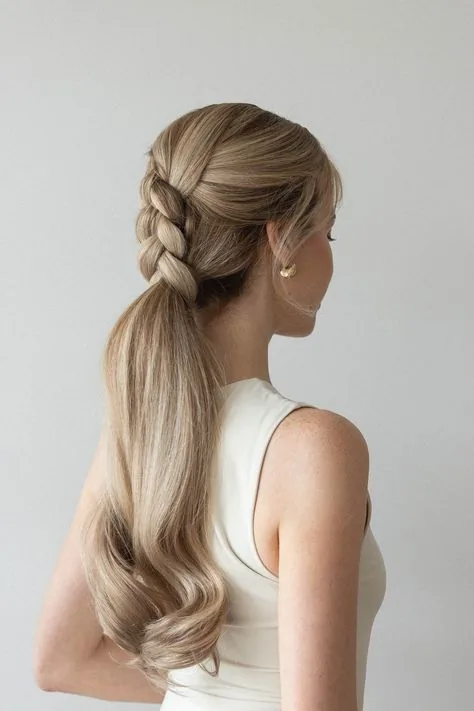
The low braided ponytail is the elegant cousin of the high ponytail: smooth at the crown, gathered low, and braided down the length, so it reads as refined from the front and interesting from the back. It suits classical singers, ballroom dancers and actors, and it is one of the most comfortable styles to wear for a long evening, because the weight hangs low instead of pulling at the crown. Smooth the top, secure the ponytail, braid it in three strands, and finish with a ribbon or a wrapped section.
Best for: long evenings, classical acts and ballroom. Pros and cons: comfortable and very secure, but less dramatic than a high style — pair it with a statement accessory if the act needs more presence. Quick verdict: the style to choose when the show runs long and comfort matters as much as looks.
17. The Twisted Low Updo
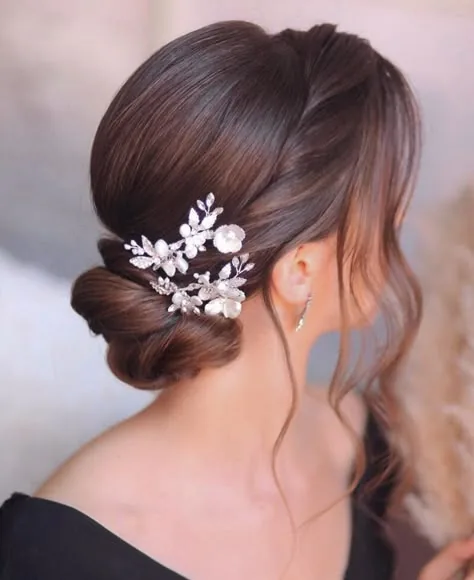
The twisted low updo is built from rope twists rather than braids: sections of hair twisted and pinned into a soft, low shape that looks intricate but takes minutes. It flatters medium and long hair, suits singers and actors, and has a softness that a tight bun lacks — perfect for a ballad or a romantic scene. Twist two or three sections, cross them at the nape, and pin them in a loose, low cluster, leaving a few soft pieces at the face if the act allows it.
Best for: ballads, romantic scenes and musical theatre. How to style: a little texture spray before twisting gives the twists grip and stops them unravelling. Common mistake: pinning only at the ends — pin through the middle of each twist too, or the whole shape loosens. Quick verdict: looks like an hour of work, takes ten minutes.
18. The French Twist
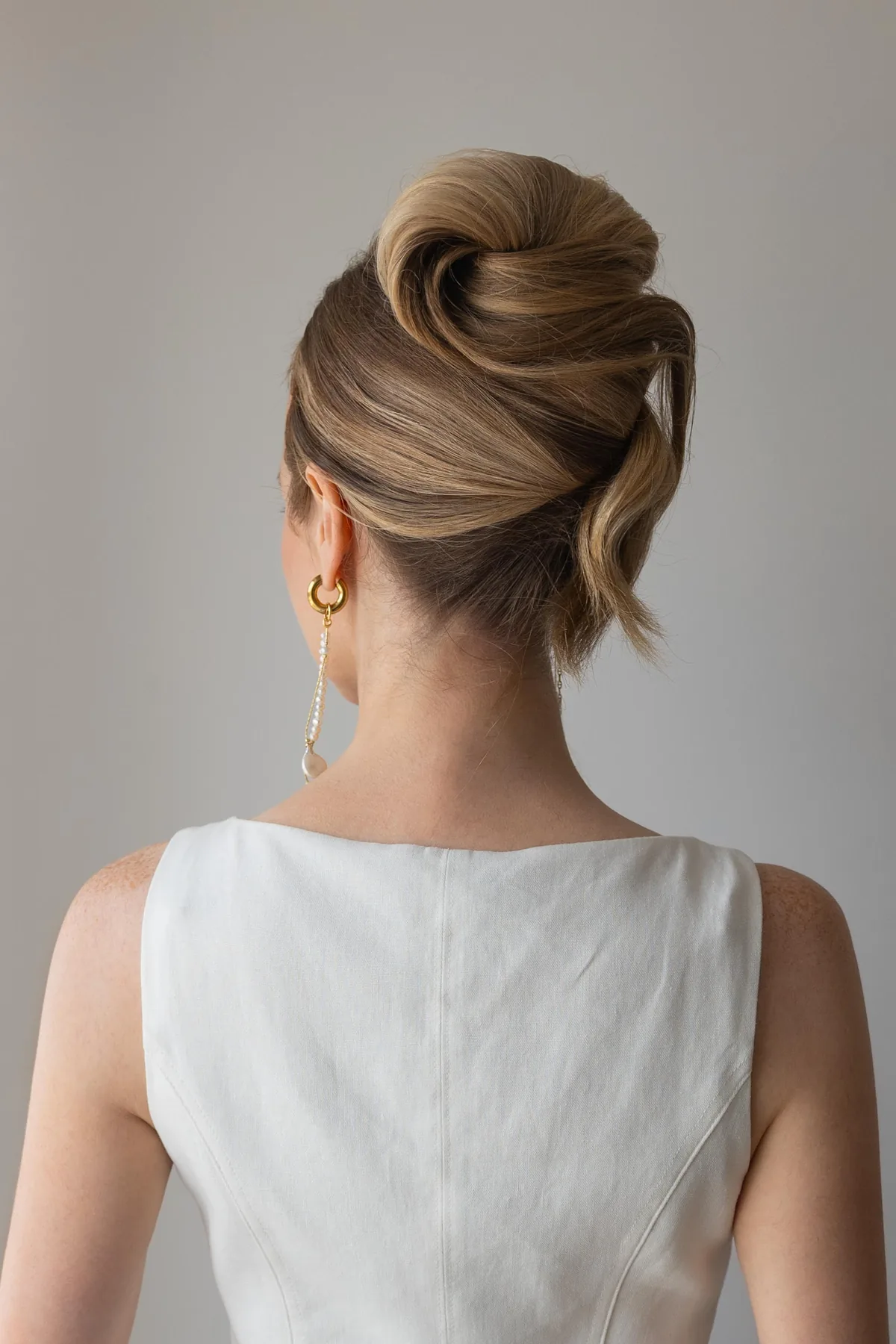
The French twist is the most sophisticated style on this list: hair swept up and folded into a vertical roll at the back of the head, smooth, sculpted and utterly stage-ready. It belongs to classical singing, formal acting and vintage acts, and it photographs like a portrait. It needs length — at least shoulder-length — and a good number of pins, placed vertically along the fold so the roll holds its shape. A comb or a decorative pin at the top finishes it.
Best for: classical, formal and vintage acts, adult performers. Pros and cons: timelessly elegant and very secure once pinned, but it is one of the harder styles to build alone — practise it, or ask for help. Who should avoid it: very young performers, for whom it can look too grown-up and feel too tight. Quick verdict: the red-carpet choice for a serious stage.
19. The Ballerina Bun With a Hairnet and Sparkle Pins
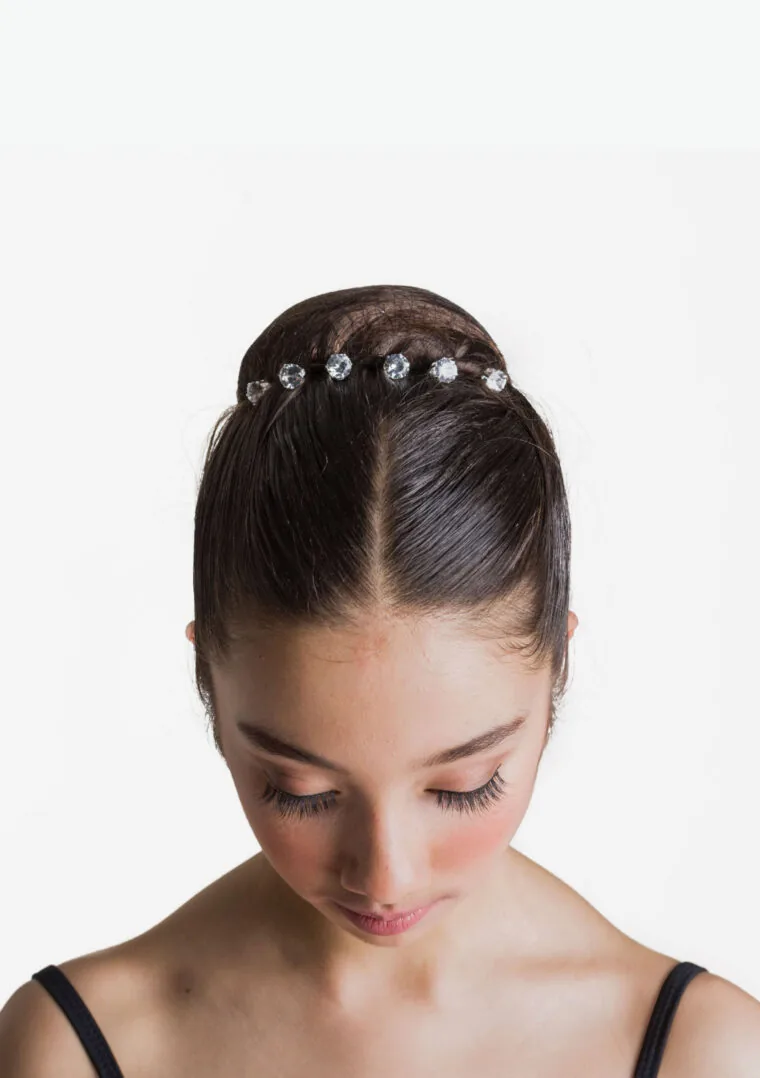
Take the classic ballet bun and give it stage sparkle: a fine hairnet over the bun, a few crystal or pearl pins placed like stars, and suddenly the most reliable style on the list is also one of the prettiest. The hairnet is doing the serious work — it holds every stray strand without a visible trace — while the pins catch the light every time the performer turns. It suits ballet, of course, but also ice-skating-style routines, rhythmic gymnastics and any act where the performer wants to shine, literally.
Best for: ballet, gymnastics and sparkling stage acts. How to style: match the hairnet to the hair colour so it disappears, and place the pins asymmetrically — a small cluster reads as deliberate, a scattered handful reads as an accident. Quick verdict: the classic bun, dressed for the spotlight.
20. The Side Braid Over One Shoulder
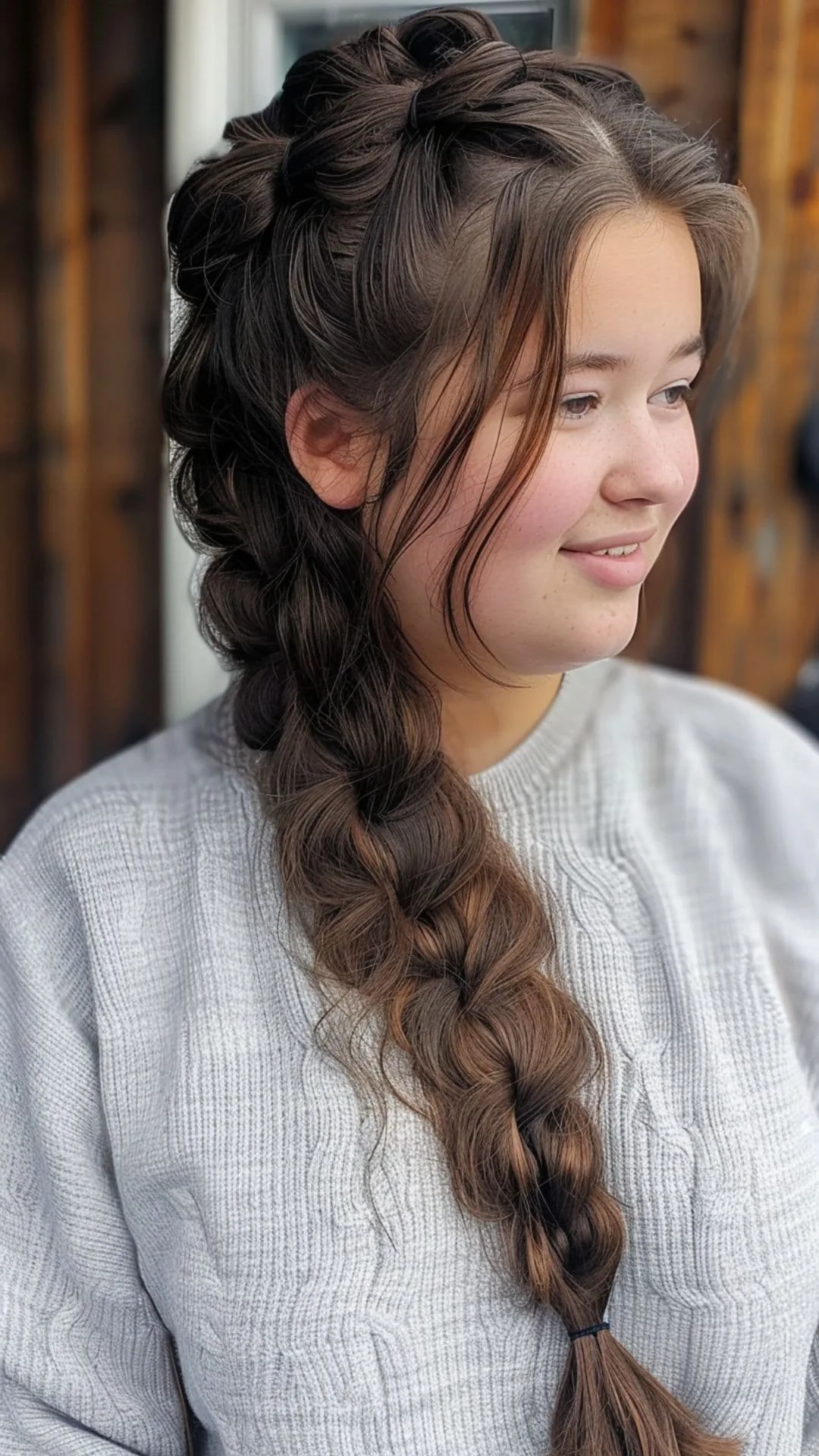
A side braid over one shoulder is the storyteller’s style: relaxed, romantic and full of movement, perfect for a folk singer, an acoustic guitarist or an actor in a gentle scene. It keeps the hair contained on one side so it never falls across the face or the instrument, while the braid itself moves with the music. Sweep all the hair to one side, braid loosely, and pull the edges gently wider so the braid looks full and soft rather than severe.
Best for: folk, acoustic and storytelling acts. Common mistake: braiding too tightly — a side braid should look soft, and a tight one pulls the whole style off-centre. Maintenance: a clear elastic and a small ribbon at the end keep it tidy without looking fussy. Quick verdict: effortless-looking, but only because the braid is doing the containing.
21. The High Top Knot With Volume
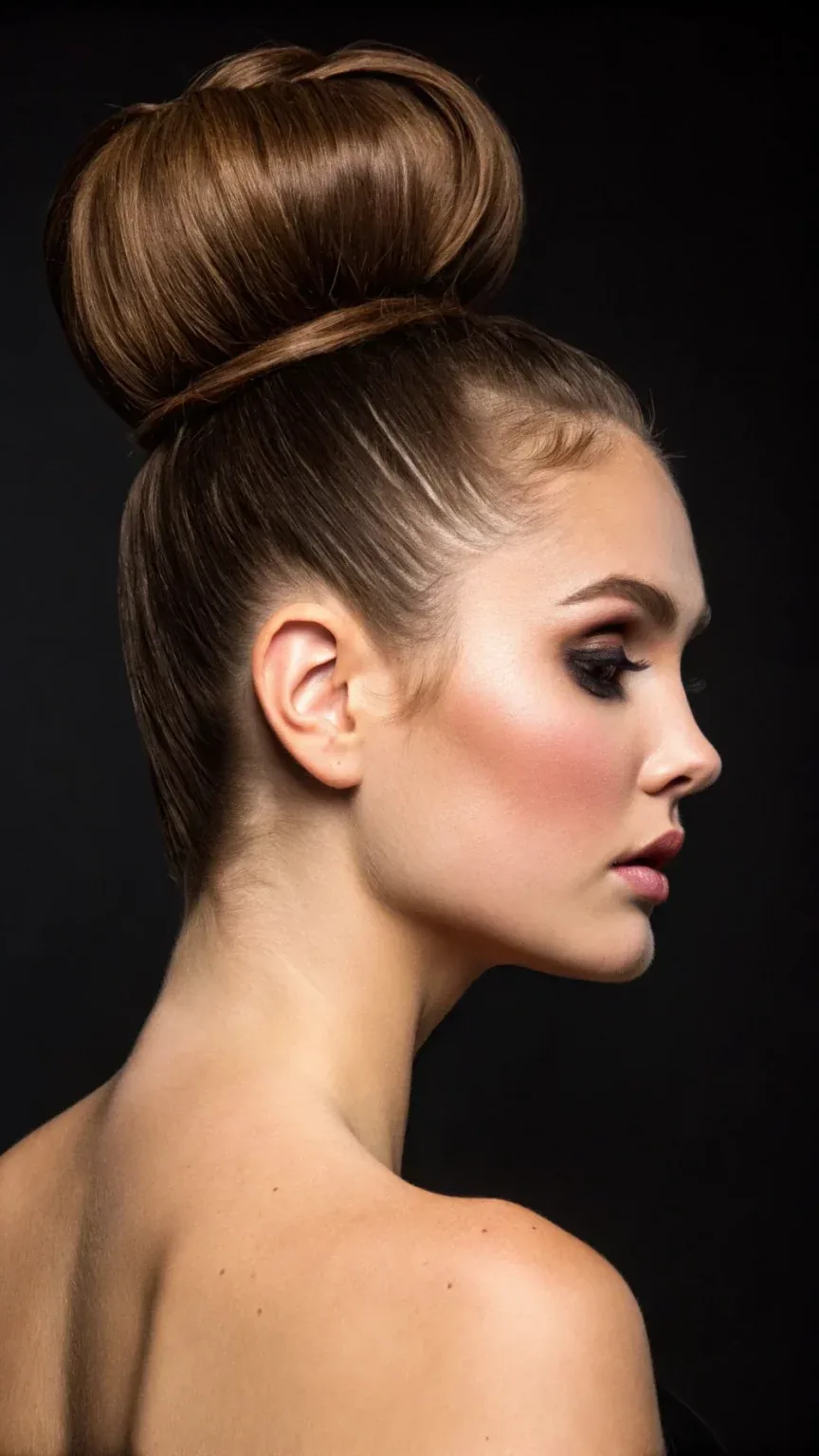
The high top knot is the power move of stage hair: a big, bold bun sitting right on top of the head, lengthening the neck, lifting the whole silhouette, and impossible to miss from the back row. It suits dancers, pop singers and confident performers who want presence. Backcomb the ponytail lightly for fullness, twist it into a knot, and pin generously — a big knot needs more pins than a small one, and the weight has to be shared. A donut underneath helps fine hair hold the shape.
Best for: dancers, pop singers and bold stage personalities. Pros and cons: huge presence and excellent hold, but it can feel heavy on very long, thick hair — keep the knot proportionate to the performer. Quick verdict: when you want the audience to see you before they hear you.
22. Loose Waves With Secure Front Twists
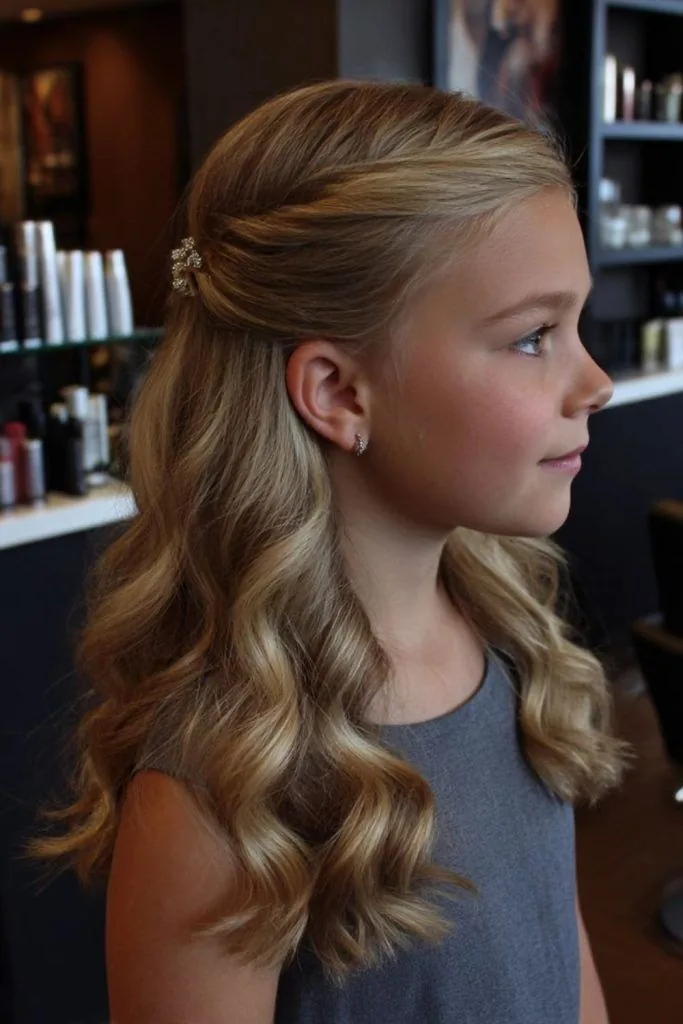
Loose waves are what many performers actually want to wear — soft, natural, flattering — and the front twists are what make them stage-safe. Two small twists at the front, pinned back at the temples, keep the face completely clear while the waves behind move freely. It is the best option for a singer who hates updos but still needs to see the audience and be seen. Curl in large sections, brush out gently, twist the front pieces back, and pin them where the waves start.
Best for: singers and actors who prefer their hair down. Common mistake: pinning the twists too far back, which pulls the waves flat — pin just behind the temples. Maintenance: a flexible-hold spray keeps the waves without freezing them. Quick verdict: the down style that actually survives a performance.
23. The Sleek Bob With a Sparkle Clip
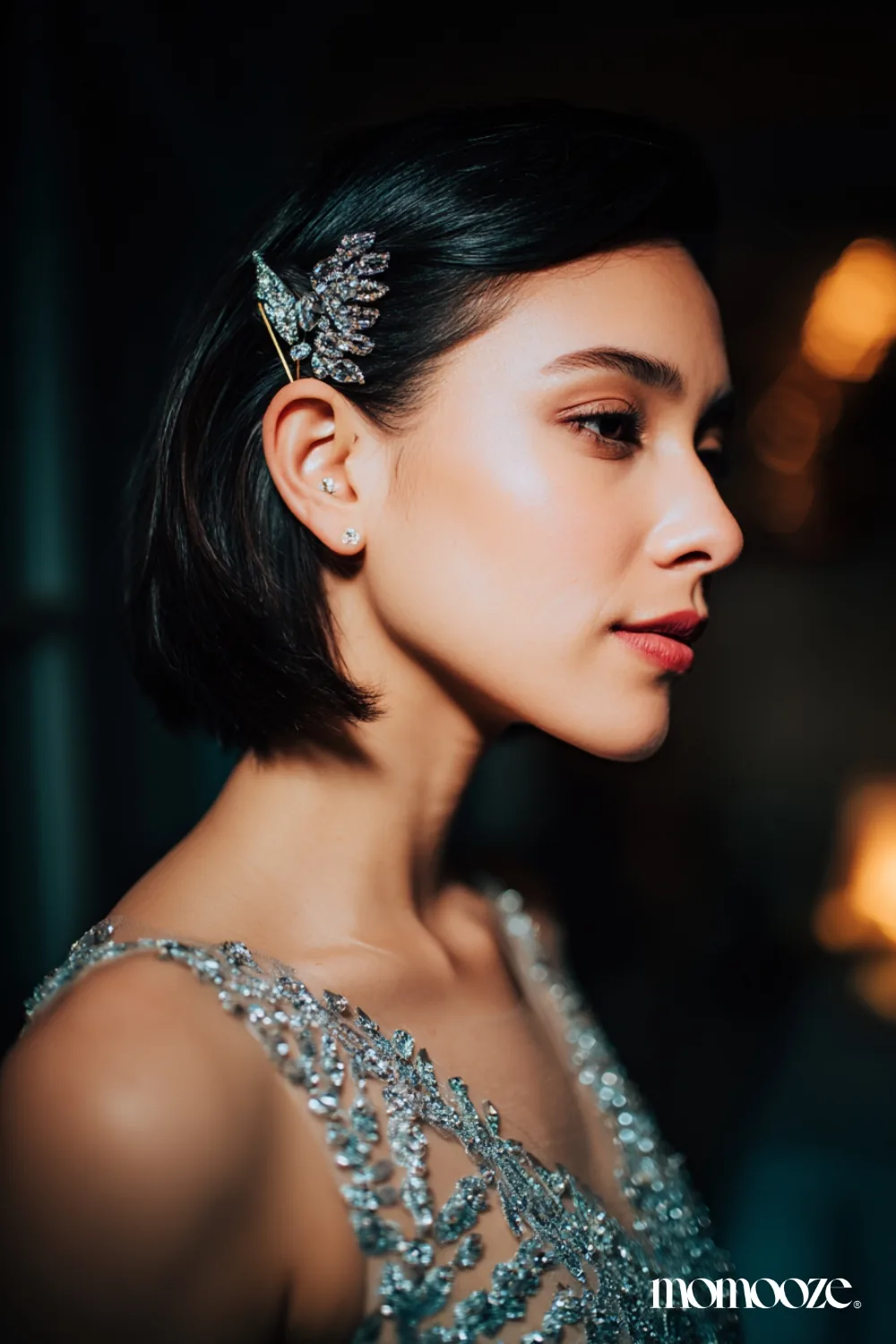
Short hair has its own stage advantages — nothing to fall, nothing to pin — and a sleek bob with a single sparkle clip turns that simplicity into a statement. The bob is smoothed straight, tucked behind one ear, and finished with one bold clip that catches the light: a crystal barrette, a pearl pin, a star. It suits singers, actors and musicians with short hair, and it is one of the quickest styles on this list, which matters when the call time is tight.
Best for: short hair, singers and actors. Pros and cons: fast, secure and elegant, but a bob needs a little shine product or it can look flat under lights. What to ask: choose a clip that matches the costume’s metal — silver with silver, gold with gold — or it will clash in photos. Quick verdict: proof that short hair needs no apology on stage.
24. The Pixie With a Glitter Side Part
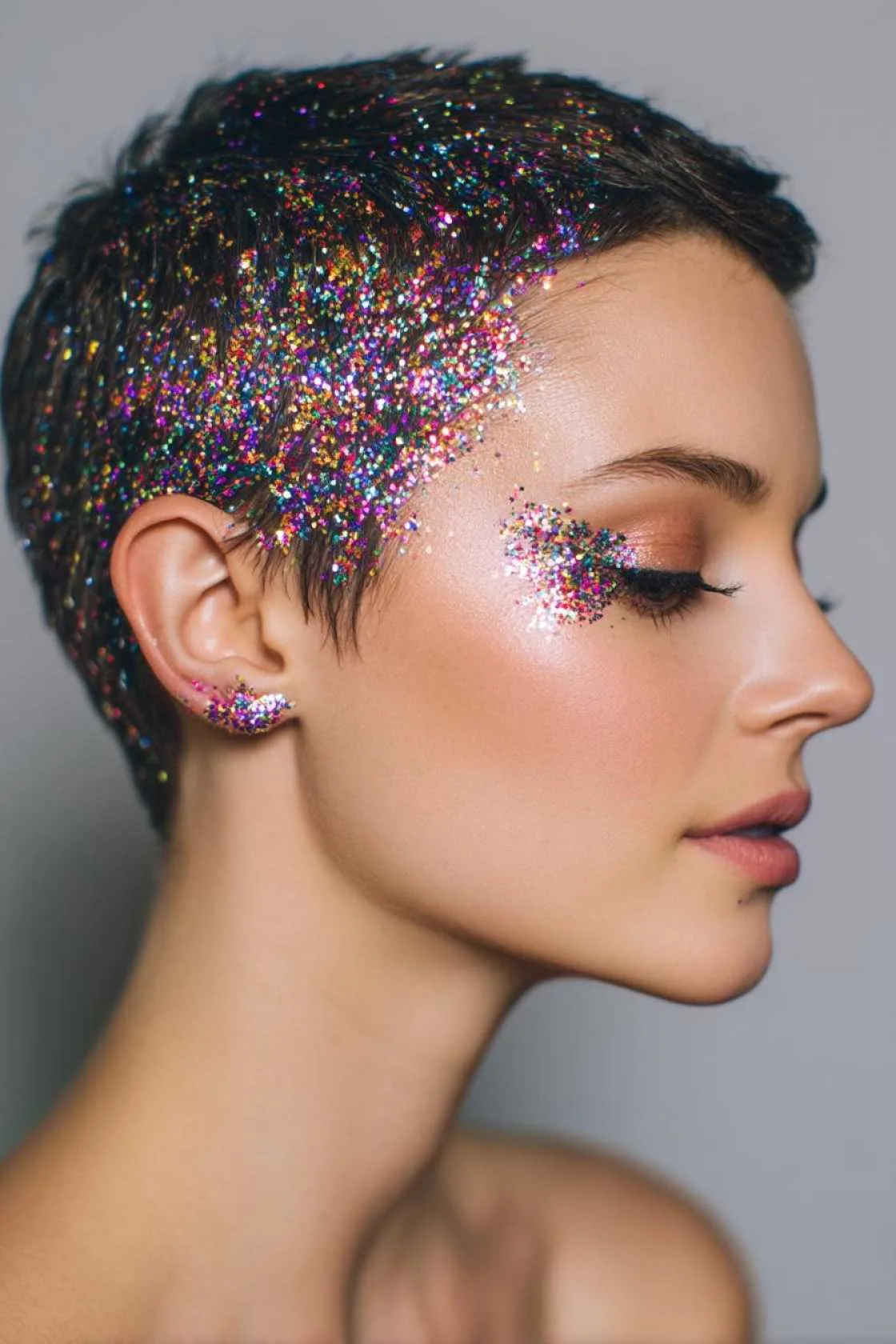
A pixie cut is already a stage-ready shape — short, sharp and full of character — and a glitter side part turns it into a show look in under a minute. A deep side part, a little styling wax to define the shape, and a line of cosmetic glitter or a glitter gel along the part: that is the whole style, and it photographs brilliantly. It suits bold singers, actors and dancers who want the audience to remember the performer, not the hairstyle.
Best for: very short hair, bold and modern acts. How to style: use cosmetic-grade glitter only, applied with a small brush along the part, and set it with a light mist of hairspray so it stays put. Who should avoid it: anyone with a sensitive scalp — test the glitter on the skin the day before. Quick verdict: the smallest style on this list, and one of the most memorable.
25. Long Straight Hair With Hidden Pins
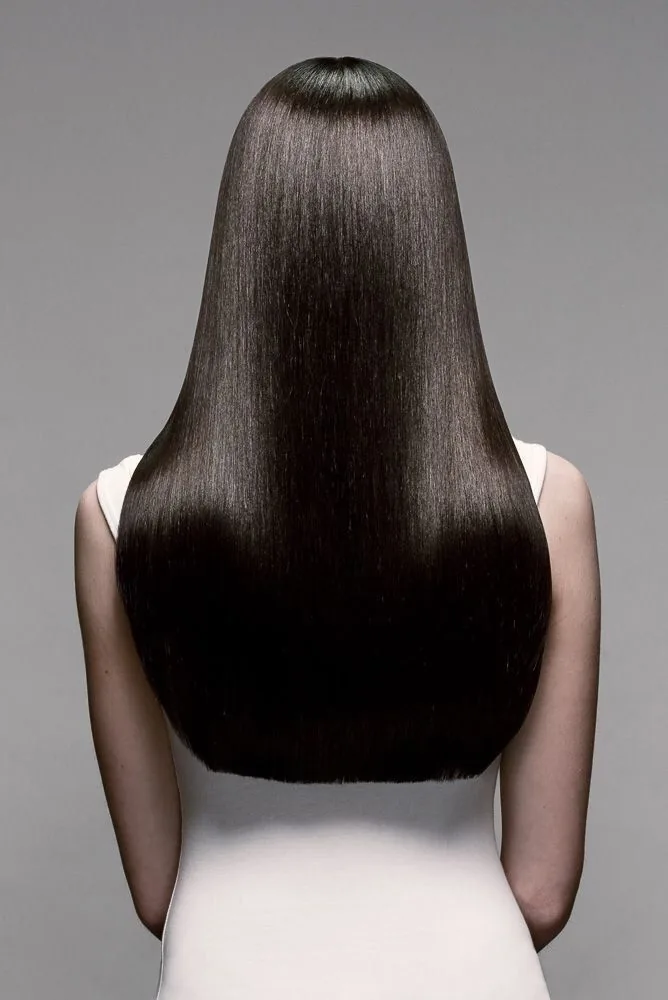
Sometimes the act calls for nothing more than long, straight, shining hair — a classical guitarist, a ballad singer, a quiet dramatic piece — and the hidden pins are what make it work on stage. The hair is straightened smooth and parted cleanly, but underneath, at the temples and behind the ears, flat pins anchor the front sections so nothing drifts into the face during the performance. From the audience, the hair looks completely free; from the performer’s side, it is quietly under control.
Best for: ballads, classical guitar and quiet dramatic acts. Common mistake: using bobby pins that show — choose flat pins in the exact hair colour and slide them in against the scalp. Maintenance: a shine serum on the lengths keeps straight hair looking expensive under lights. Quick verdict: freedom with a safety net.
26. The Rope Braid Ponytail
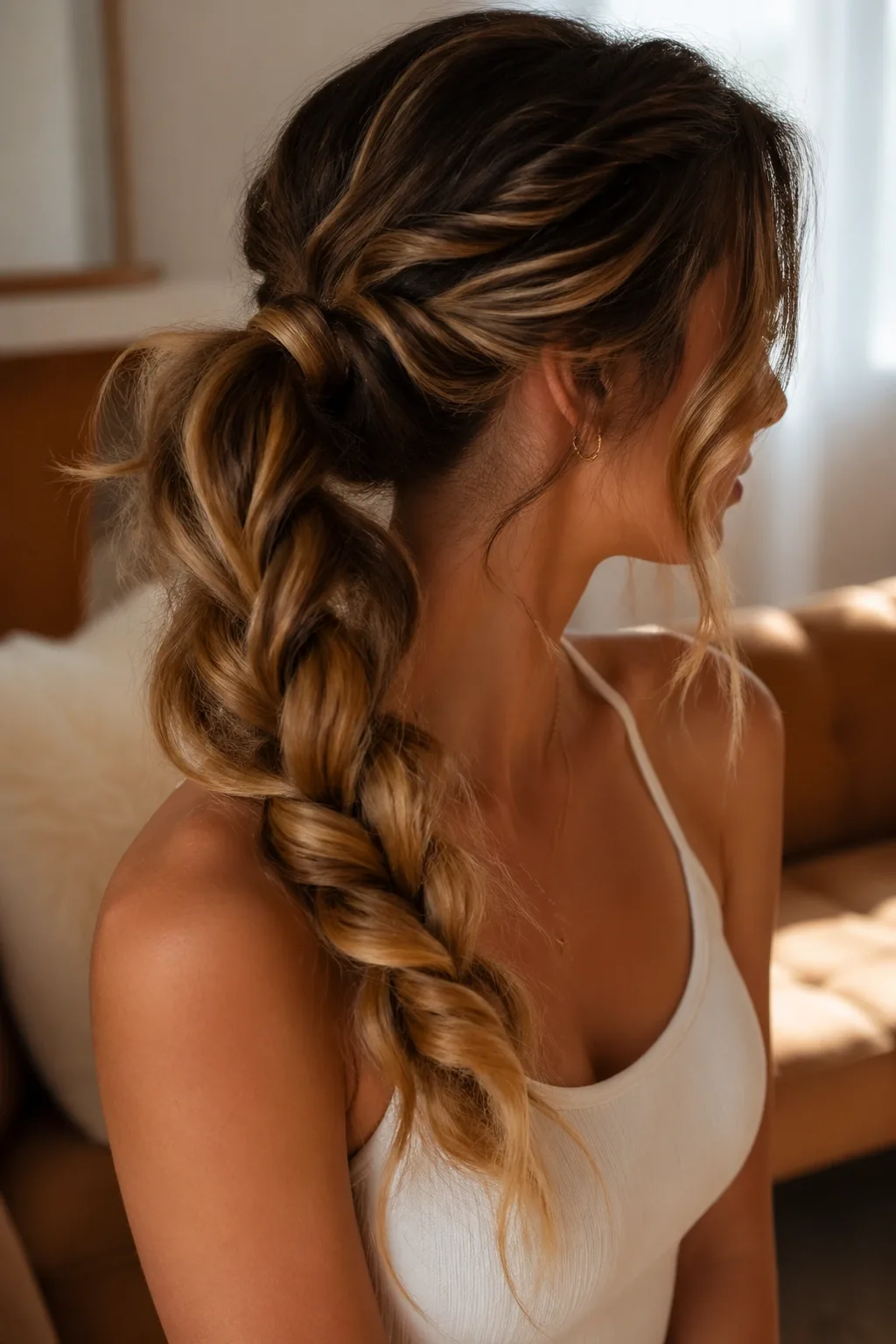
The rope braid ponytail is the fastest braid on this list and one of the toughest: two sections twisted around each other, anchored by a ponytail, creating a thick, rope-like braid that holds through spins and jumps without loosening. It suits dancers, gymnasts and singers with long hair who want a braid that looks different from everyone else’s three-strand style. Twist each section in the same direction, then twist them together in the opposite direction — that counter-twist is what locks the rope in place.
Best for: long hair, dancers and gymnasts. Pros and cons: quick to build and extremely secure, but it needs length — on shorter hair the rope runs out too soon. Quick verdict: two twists, one very strong braid.
27. The Braided Low Bun With a Ribbon
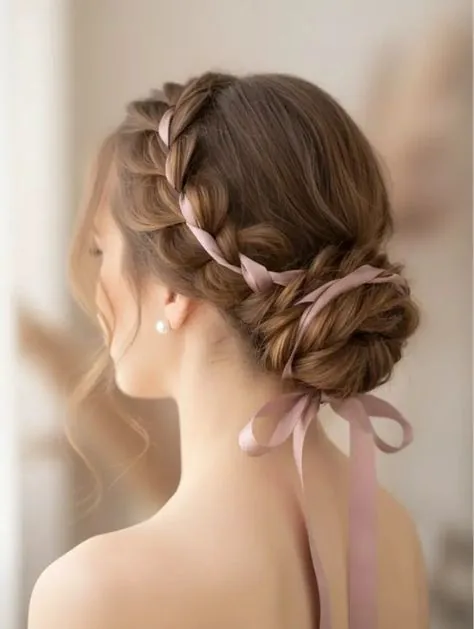
The braided low bun with a ribbon is the prettiest way to be practical: a low bun built from a braid, finished with a ribbon in the costume colour, tying the hair to the whole outfit. It suits young dancers, singers and performers in themed acts, and the ribbon is doing double duty — it hides the elastic and it makes the style look finished from the back row. Braid the ponytail, coil it low, pin it flat, and tie the ribbon in a neat bow at the base of the bun.
Best for: themed acts, young dancers and singers. How to style: match the ribbon to the costume, not the hair, so it reads as part of the outfit. Maintenance: tie the bow twice — a single bow loosens under movement. Quick verdict: small detail, big difference.
28. The Textured Controlled Bun
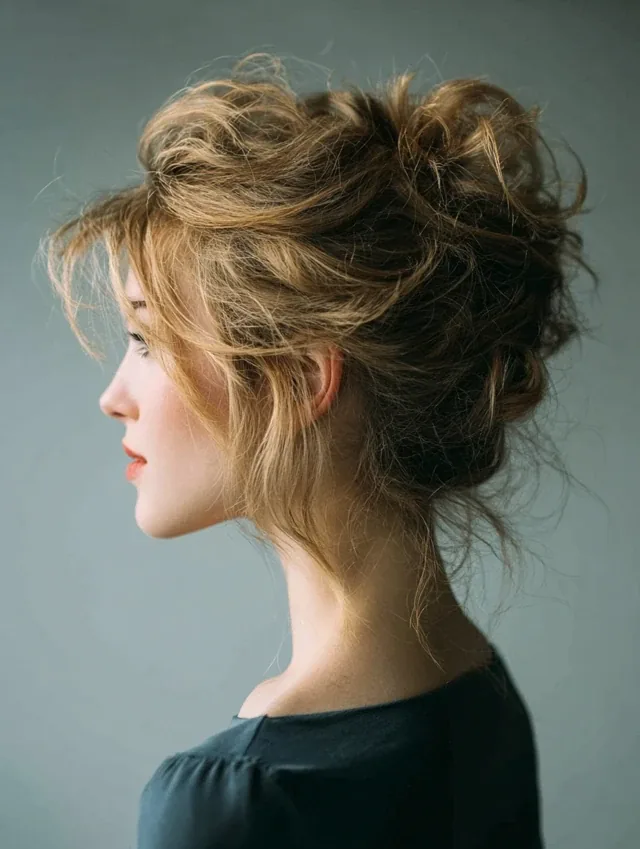
Not every stage bun has to be smooth. The textured bun — sometimes called a messy bun, though on stage nothing about it is accidental — is built with volume, soft pieces and visible texture, and it suits musical theatre, contemporary dance and singers who want a relaxed, modern look. The control comes from the foundation: a firm ponytail, pins placed in a triangle, and the loose pieces deliberately pinned rather than left to chance. Pull out a few soft strands at the face only if the act allows them.
Best for: musical theatre, contemporary dance and modern singers. Common mistake: building it too loosely — a stage messy bun needs more pins than a smooth bun, not fewer, because texture gives the pins less to grip. Quick verdict: relaxed on the surface, engineered underneath.
29. The Crown Braid With Flowers
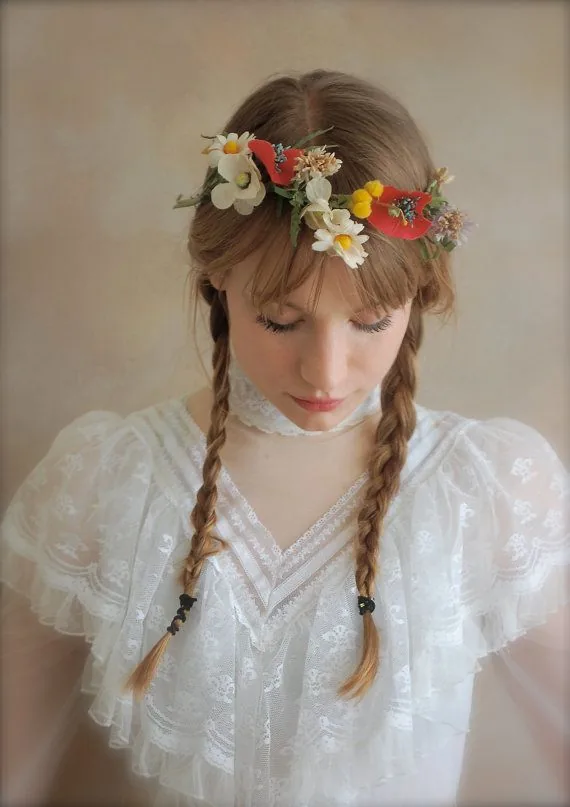
A crown braid with flowers is the most romantic style on this list, and it belongs to spring-themed acts, folk dancing, flower girls in a talent show, and any performance where the hair should look like part of a garden. The braid circles the head, small fresh or silk flowers are tucked into it at intervals, and the whole style frames the face like a wreath. Use silk flowers for reliability — fresh ones wilt under hot lights — and pin each flower through the braid so it cannot slide.
Best for: folk, spring and garden-themed acts. Pros and cons: enchanting and very photogenic, but flowers add weight, so keep them small and evenly spaced. Who should avoid it: high-energy dancers, for whom the flowers become a distraction. Quick verdict: the prettiest style here, saved for the gentlest acts.
30. The Slicked-Back Wet Look
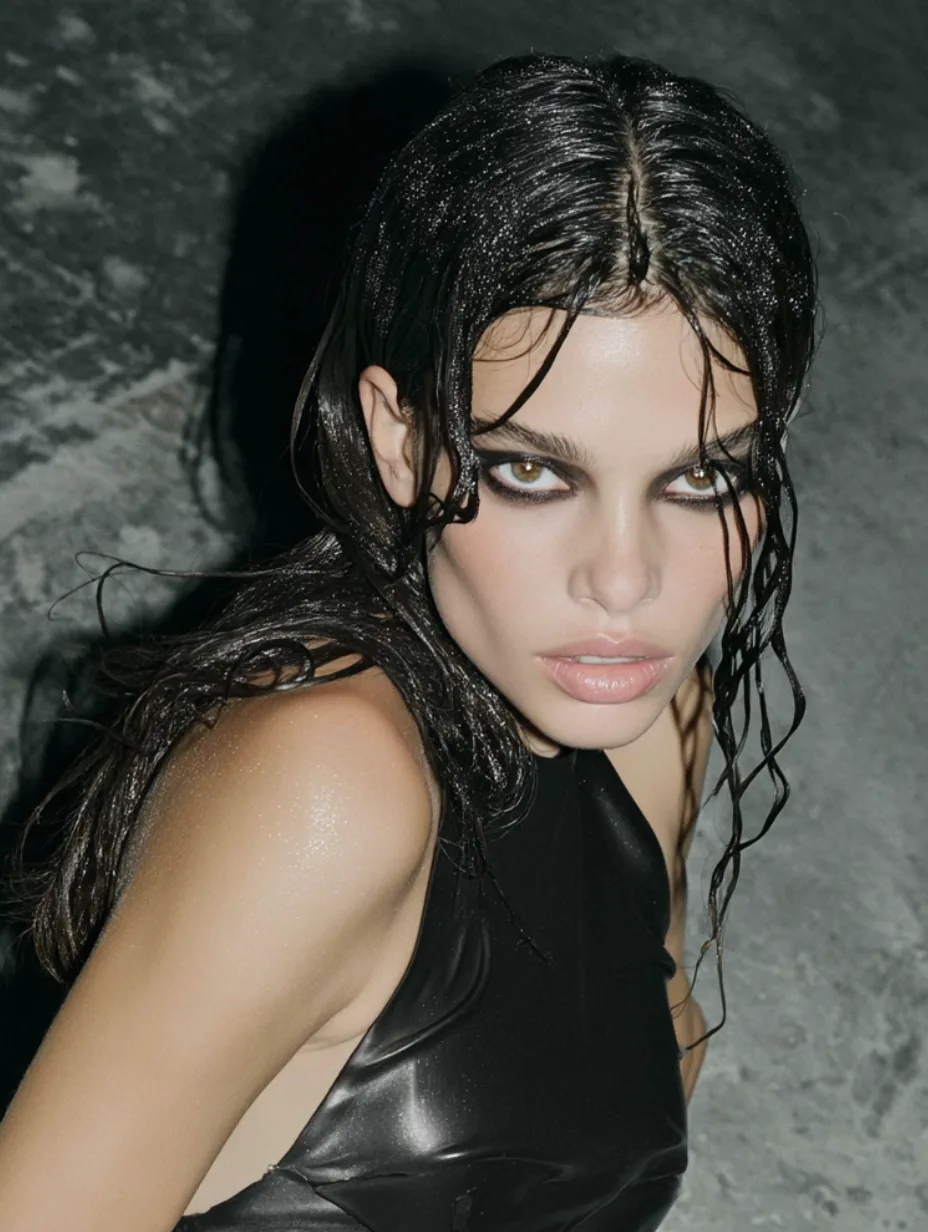
The slicked-back wet look is pure drama: hair combed straight back from the face, glossy and sculpted, with not a strand out of place. It suits jazz singers, tango dancers, dramatic monologues and any act that wants a bold, editorial edge. It works on short, medium and long hair, and it is one of the most secure styles possible, because the gel itself is the hold. Comb the hair back with a strong gel, smooth the sides flat, and set it with hairspray — then leave it completely alone, because touching it breaks the finish.
Best for: jazz, tango, dramatic and editorial acts. Common mistake: using too little product — a half-hearted wet look just looks greasy, while a committed one looks deliberate. Maintenance: carry a small comb backstage, because one dent in the finish shows from the audience. Quick verdict: bold, simple and unforgettable — if the act is bold too.
31. Wavy Half-Up Hair With a Bow
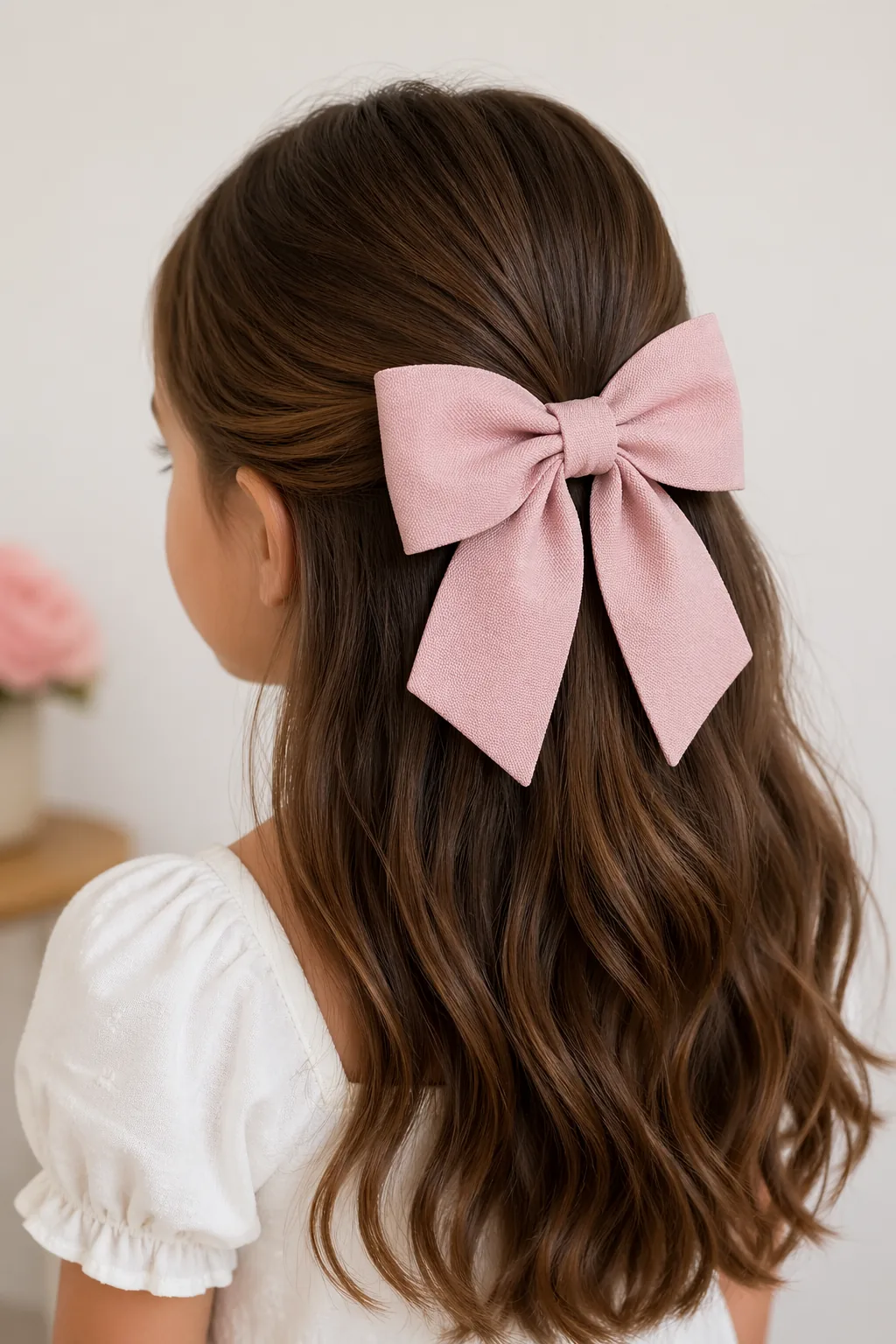
We end with the style most young performers ask for by name: soft waves, half pulled up, and finished with a big bow. It is cheerful, it is classic, and it works for singing, dancing and acting alike, because the top half is secured while the waves below move with the music. Curl the lengths loosely, gather the top section at the crown, and tie the bow over the elastic so the join disappears. Match the bow to the costume for a finished look, or choose a contrasting colour if the act is playful.
Best for: kids and teens, and any performer who wants a sweet, classic finish. Pros and cons: universally flattering and easy to build, but the waves need pinning at the front or they drift into the face. Quick verdict: the happy ending of this list — a style that makes the performer smile before the music even starts.
What is the best hairstyle for a talent show?
The best hairstyle for a talent show is one that stays secure, keeps the face clear, and suits the act — a classic ballet bun for dancers, a sleek ponytail for pop singers, and a braided style for kids. Choose the style by the performance first and by looks second, because a style that falls apart mid-act hurts the performance more than a plain style ever could.
How do I keep my hair from falling out during a talent show?
Style day-old hair, use texturising spray at the roots, pin in triangles so the weight is shared, and finish with strong-hold hairspray. Do a full practice run of the act with the finished hair — if it survives the rehearsal, it will survive the show.
What hairstyles work best for kids in a talent show?
Double Dutch braids, a classic ballet bun, space buns and a wavy half-up with a bow are the most reliable hairstyles for kids in a talent show. Keep the style comfortable at the hairline, use fabric-covered elastics, and let the child wear the style at home for an hour before show day.
Should I wash my hair on talent show day?
No — wash your hair the day before the talent show. Day-old hair has more grip, so pins, braids and buns hold far better than they do on freshly washed, slippery hair. If the hair feels oily, use a little dry shampoo at the roots instead of washing it again.
What hairstyle is best for singing on stage?
A sleek updo, a high ponytail or a half-up style works best for singing, because all three keep the hair off the face and away from the microphone. Avoid long loose hair that falls forward over the microphone or hides the performer’s expression from the judges.
How do I do a quick hair change between two acts?
Build one base style that transforms: a high ponytail becomes a bun with a donut and four pins, a braid coils into a low chignon, and a half-up style drops into loose waves. Practise the change with a timer at home and lay out the extra pins in the order you will need them.
Can I wear my hair down for a talent show?
Yes, you can wear your hair down for a talent show if the front is secured — pin or twist the front sections back at the temples so nothing falls into your face. Loose waves with secure front twists and long straight hair with hidden pins are the safest down styles for the stage.
What hair accessories work best on stage?
Small, secure accessories work best on stage: sparkle pins, a single statement clip, a ribbon matched to the costume, or a headband for curly hair. Avoid heavy accessories that pull the style down and anything that could fall off mid-performance.
How early should I style my hair before a talent show?
Style your hair about one to two hours before the show, after the costume is fitted but before it goes on. Allow twice the time you think it takes — nerves make hands slower — and do a final check under a bright light, then stop touching it.
What should I pack in a backstage hair kit?
Pack bobby pins in your hair colour, U-pins, two fabric elastics, a mini hairspray, a small brush, clear elastics, safety pins and a spare of the accessory you are wearing. Keep it in the same bag as the costume so it cannot be left behind.
Conclusion
The right hairstyles for a talent show do one simple thing: they let the performer forget about their hair and think only about the performance. Whether that means a ballet bun that will not budge, double Dutch braids on a young dancer, a sleek ponytail for a pop song, or soft waves pinned safely back for a ballad, the best choice is always the one that holds under hot lights, moves with the act, and still looks finished when the performer takes their final bow. Pick the style by the act, rehearse it with the costume, pack the little backstage kit, and then stop worrying — the hair is ready, the stage is waiting, and the performance is yours.