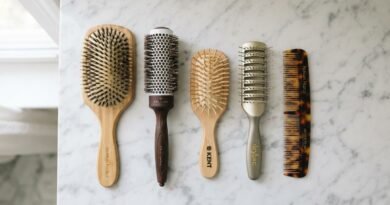
The No-Heat Styling Guide: Beautiful Hair Without Damage
Imagine a world where your hair looks stunning, holds its style, and feels healthier with each passing day. Now, imagine achieving that without ever hearing the sizzle of a flat iron or the blast of a hairdryer. For too long, we’ve been locked in a damaging cycle: heat-style to look good, then deal with the dryness, split ends, and breakage that follows. But what if the secret to truly beautiful hair wasn’t about applying more heat, but about mastering the art of no-heat styling?
Why Ditch the Heat? The Science of Hair Damage
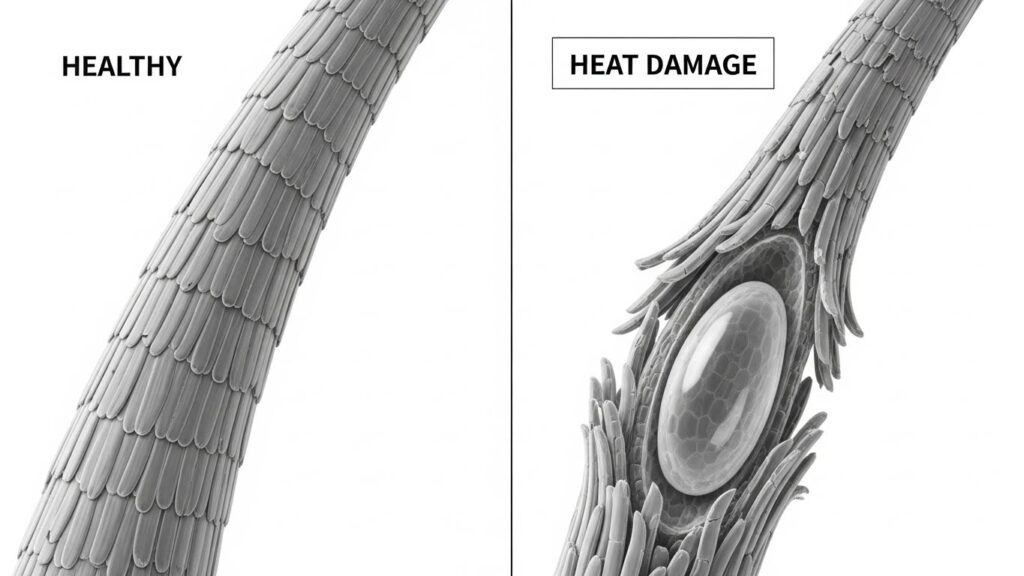
To commit to no-heat styling, it helps to understand what you’re saving your hair from. Hair is primarily made of keratin, a protein that forms in a helical structure. These structures are held together by hydrogen bonds and disulfide bonds. When you apply heat from styling tools, you temporarily break these hydrogen bonds to reshape the hair. However, excessive or high heat (typically above 350°F/175°C) causes permanent damage.
This damage manifests as the infamous “bubble hair” deformity under a microscope, where steam trapped inside the hair shaft creates bubbles that weaken the strand. On a visible level, you see it as dryness, loss of elasticity, frizz, split ends, and a lack of shine. Heat strips the hair of its natural moisture and can even melt the protective cuticle layer. By choosing no-heat methods, you preserve this cuticle, lock in moisture, and maintain your hair’s structural integrity for stronger, longer, and more resilient hair.
The Foundation: Night-Before Rituals for Day-After Style
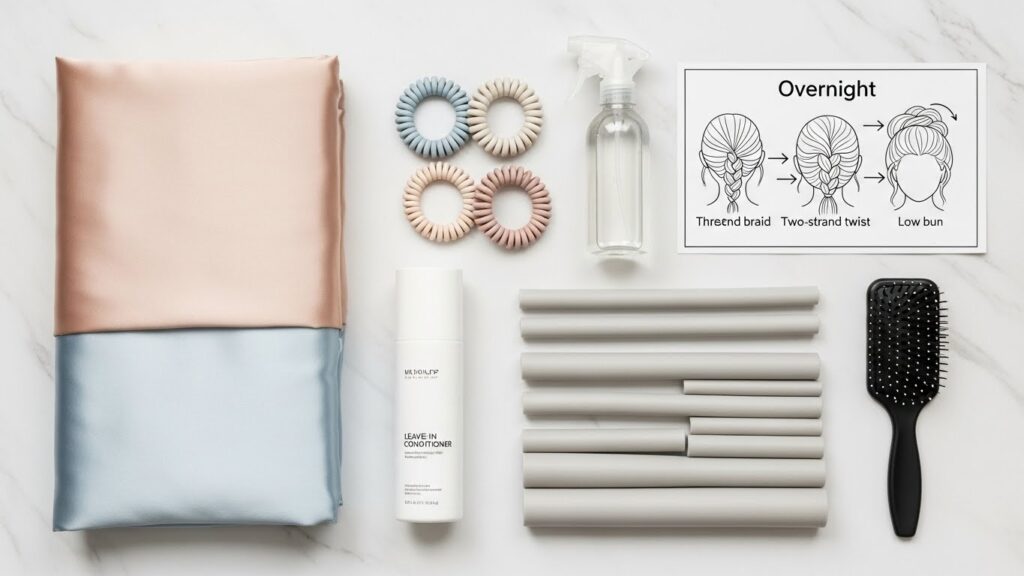
The secret to effortless no-heat styles often happens while you sleep. Your pre-bedtime routine sets the stage for what your hair will do tomorrow. Start with slightly damp (not soaking wet) hair. Apply a leave-in conditioner or a styling cream suited to your hair’s porosity and texture. For waves and curls, try a light mousse or curl-defining cream. For straighter hair seeking smoothness, a light serum or moisturizing milk works wonders.
The real magic is in the protective styling technique. Classic braids will give you uniform waves—the more braids, the tighter the wave. A loose, high ponytail twisted into a bun creates a beautiful, voluminous bend. For defined curls, try the “pineapple” method for longer hair or use soft flexi-rods or sock curls. The key is to use soft, coil-friendly hair ties and a satin or silk pillowcase (or bonnet) to reduce friction and preserve the style as you sleep.
Mastering the Art of No-Heat Waves and Curls
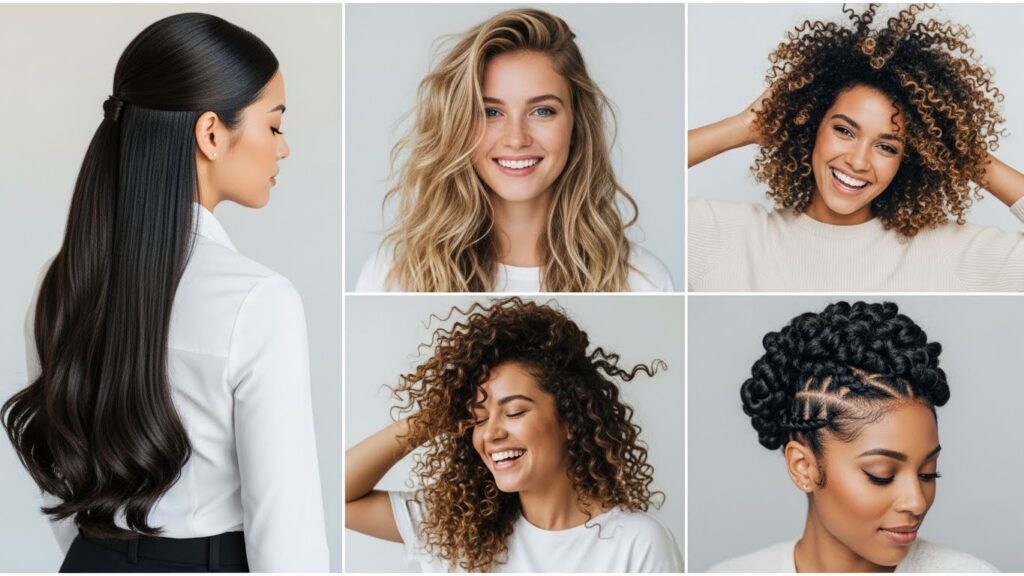
You don’t need a curling wand to get beautiful, bouncy texture. One of the most beloved methods is rope twisting. Take a section of damp hair, split it into two strands, and twist them around each other tightly. Repeat all over your head, let dry, and unravel for soft, romantic waves. For a more retro, uniform curl, try the bandana or sock method, where you wrap sections of hair around a soft cylindrical object.
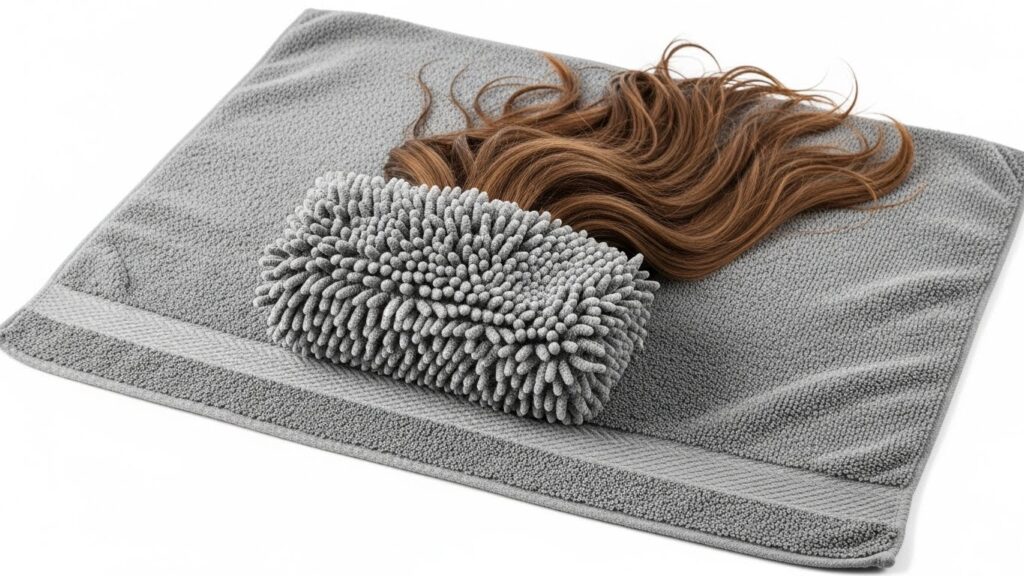
For those with naturally wavy or curly hair, enhancing your pattern is key. The “scrunch and plop” method is a game-changer. Apply your curl cream or gel to soaking wet hair, then scrunch sections upward towards your scalp to encourage curl formation. Then, “plop” your hair by piling it into the center of a long-sleeved cotton t-shirt or microfiber towel, twisting the ends, and tying it on your head for 20-30 minutes. This removes excess water and allows curls to set without disruption, reducing frizz dramatically.
Achieving Smoothness and “Blowout” Looks Naturally
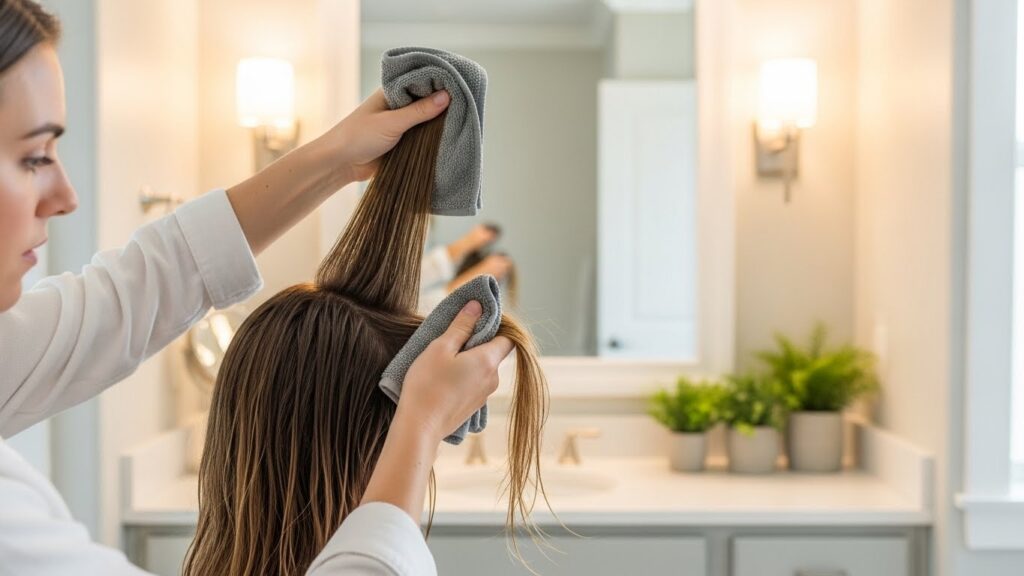
If your goal is smooth, sleek hair, the no-heat approach requires a shift from styling to taming and training. It begins in the shower with a smoothing or hydrating shampoo and conditioner. Upon getting out, gently blot hair with a microfiber towel—never rub. Apply a smoothing serum or cream from mid-lengths to ends, and a light hold gel or cream at the roots if you need control.
The technique for smoothness is all in the drying process. Instead of blasting hair with heat, use tension drying. Take a small section of hair and pull it gently taut with a towel or even your fingers, moving from roots to ends. This helps the cuticle lay flat. For a straight look, you can do a “wrap” by brushing all hair smoothly to one side and securing it with a clip as it dries, or by creating a center part and letting it dry without disturbance. Consistency is key; the more you treat your hair this way, the more it will adapt to a smoother pattern.
The No-Heat Styling Toolkit: Essential Products
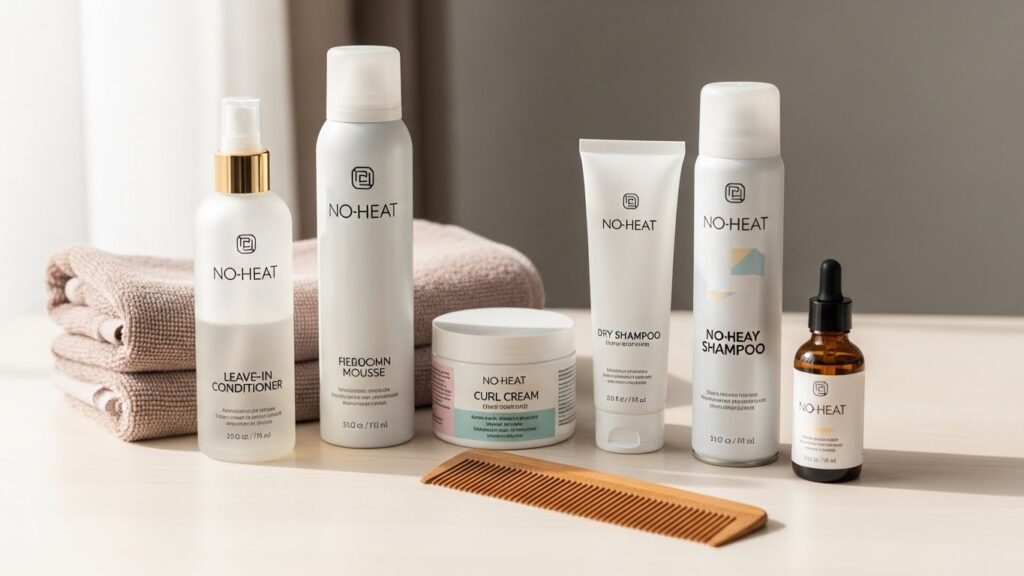
Your product arsenal changes when heat is out of the equation. You’ll want formulas that provide hold, definition, and moisture without relying on heat to “activate” or “seal” them. Leave-in conditioners are non-negotiable for hydration. Mousses provide lightweight volume and hold for waves. Curl creams and defining gels (look for ones with humectants like glycerin in humid climates) are essential for curly patterns.
Don’t forget about texture sprays for second-day hair, and a good dry shampoo is your best friend for absorbing oil and adding volume at the roots. For finishing, a light hair oil can be smoothed over the ends to combat frizz and add shine—proof that you don’t need a flat iron for a glossy finish. The golden rule: apply products to damp, not dry, hair for even distribution and best results.
Embracing Your Natural Texture: The Mindset Shift
The most powerful tool in no-heat styling isn’t a product or technique—it’s your mindset. For years, many of us have fought our natural texture, viewing it as something to be corrected. No-heat styling invites you to observe, learn, and work with what you have. Is your hair wavy? Learn its wave pattern. Is it curly? Discover its porosity. Is it straight but prone to flyaways? Focus on hydration and weightless products.
This journey requires patience. The first few weeks might be an adjustment as your hair recovers from heat damage and you learn what works. Your hair may not look “perfect” in the way heat-styled hair does, but it will begin to look healthier, fuller, and more vibrant. Celebrate the uniqueness of your texture. The freedom from cords, the extra time in your morning, and the undeniable improvement in your hair’s health are the ultimate rewards.
Your No-Heat Styling Action Plan
Ready to begin? Start with a simple weekend experiment. Wash your hair, apply a recommended product for your goal (waves or smoothness), try one overnight or air-dry method, and see the results. Document what you like. Next, invest in two key tools: a silk pillowcase and a microfiber towel. Gradually incorporate more no-heat days into your week, using dry shampoo and clever updos on days when your style needs refreshing.
Remember, no-heat styling isn’t about deprivation; it’s about exploration and liberation. It’s about discovering a whole new language of beauty for your hair—one that speaks in terms of health, strength, and natural elegance. Your hair has been waiting to show you what it can really do. All you have to do is put down the hot tools and let it speak.