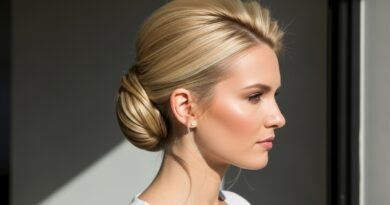
Why Your Hair Mask Isn’t Working the Way You Think It Should
It’s the classic hair struggle: you buy the expensive mask, you slather it on, you rinse it out… and your hair still feels dry or frizzy. Sound familiar? You’re not alone, and honestly, it’s probably not your hair’s fault. The issue is usually a sneaky mistake we make before the mask even touches our strands.
I used to do the exact same thing until I realized the science of *how* to apply it matters just as much as the product itself. Whether you’re into sleek 2026 hairstyles or a lived-in asymmetrical lob, the rules are the same.
In this post, I’m sharing the real reasons your hair mask is falling flat and exactly how to fix it. Let’s get into the good stuff that actually works.
You’re Applying It to Soaking Wet Hair
I know it feels logical to apply a mask right after you step out of the shower, but if your hair is dripping wet, you’re diluting the product before it can do its job. The water creates a barrier that stops the mask’s oils from penetrating the hair cuticle.
Instead, you want to blot your hair with a towel until it’s damp, not soaking. This way, the product adheres properly to the strands and absorbs effectively. Think of it like moisturizing your skin—you don’t put lotion on dripping skin, right?
For the best results, follow these steps:
- Rinse and gently squeeze out excess water.
- Use a microfiber towel to remove extra moisture.
- Apply the mask to the mid-lengths and ends only.

You’re Choosing the Wrong Formula for 2026
Hair care has evolved, and the formulas for 2026 hairstyles are getting smarter. If you have fine hair, a heavy butter mask will weigh it down and make it look greasy. But if you have thick or curly hair, those light gel masks won’t provide enough moisture.
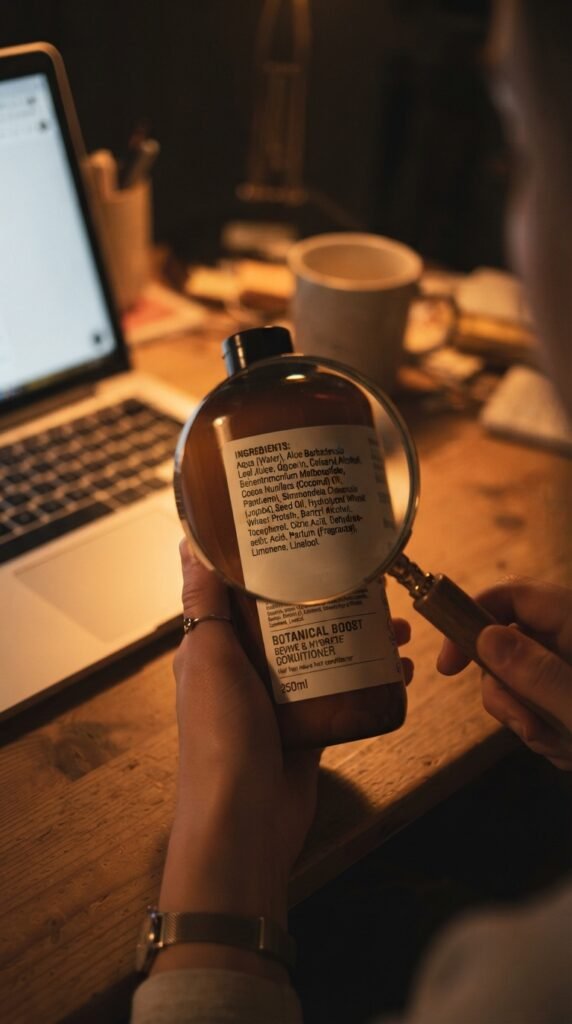
You need to read the label like a detective. Look for protein-based masks if your hair is brittle and snapping, and hydration masks if your hair feels mushy or stretched. It is all about matching the ingredient profile to your hair’s current state.
Here’s a quick cheat sheet:
- Fine hair: Check for lightweight ingredients like aloe or argan.
- Coarse hair: Hunt for shea butter and keratin.
- Damaged hair: Seek out bond-building technology.
You’re Ignoring the “Old Money” Hair Rule
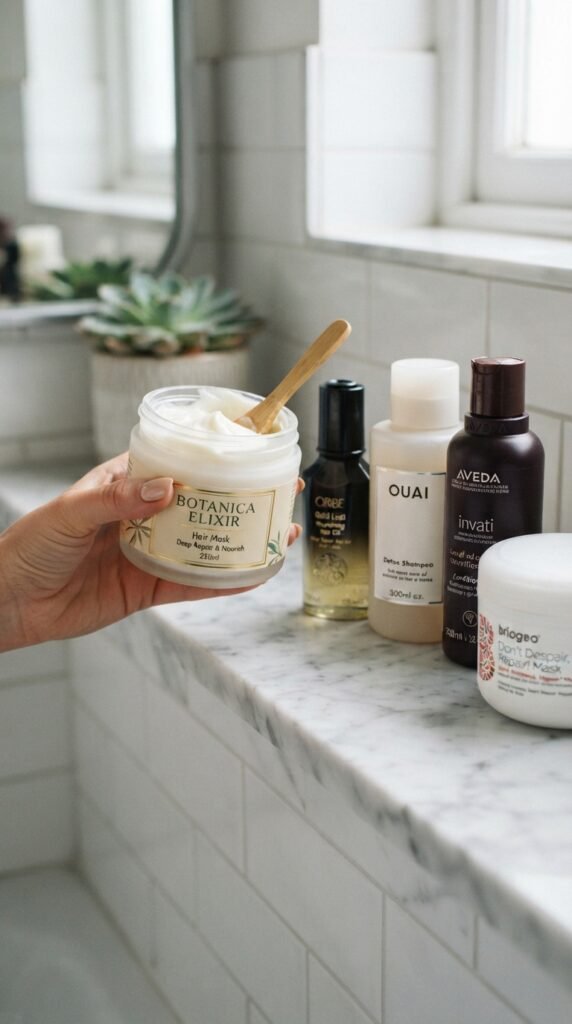
The “old money hair” trend is all about health and shine, not just a slicked-back style. The golden rule is to stop using masks on the roots. Applying a heavy mask to your scalp is a fast track to flat, lifeless hair that looks the opposite of expensive.
Your scalp produces natural oils, so adding more moisture there is redundant. You need to focus the mask exactly where the hair has lost its natural lipids: the ends. To get that quiet luxury look, you need touchable movement at the root.
Try this next time:
- Pin your hair up in sections.
- Start applying the mask two inches from the scalp.
- Rinse thoroughly to avoid any residue.

Not Removing Product Buildup First
Here is a hard truth: if you have product buildup, no mask in the world can save you. The buildup acts like a plastic wrapper around your hair shaft, preventing any nutrients from getting in. You are basically just wetting your hair with an expensive conditioner.
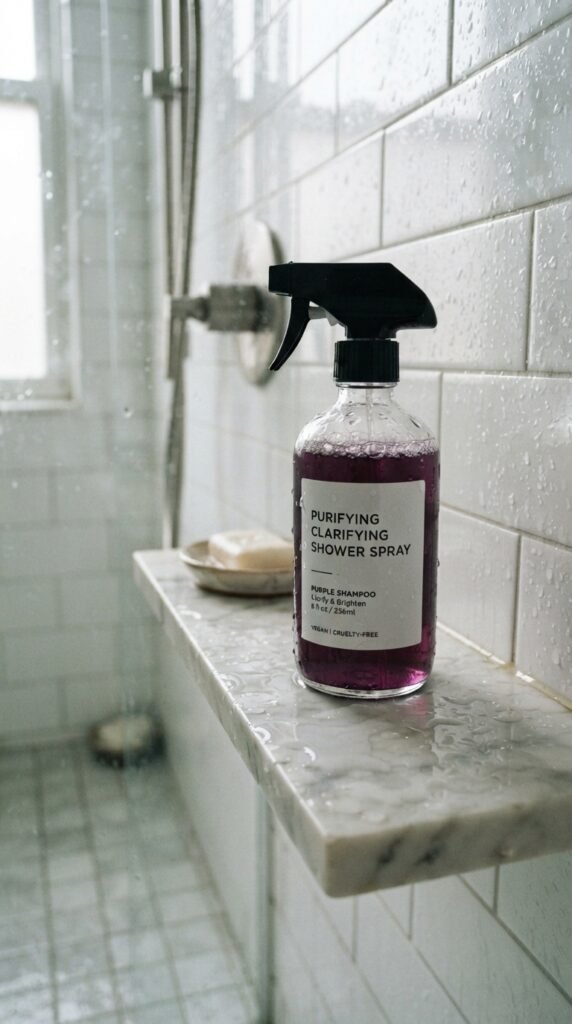
You need to clarify your hair weekly to strip away the silicone, dry shampoo, and hard water minerals that accumulate. This resets your canvas so your 2026 hairstyles can actually shine.
Before your next mask day:
- Shampoo with a clarifying formula.
- Rinse with lukewarm water.
- Lock in the moisture with your treating mask.
You’re Not Combining It With the Vampire Haircut
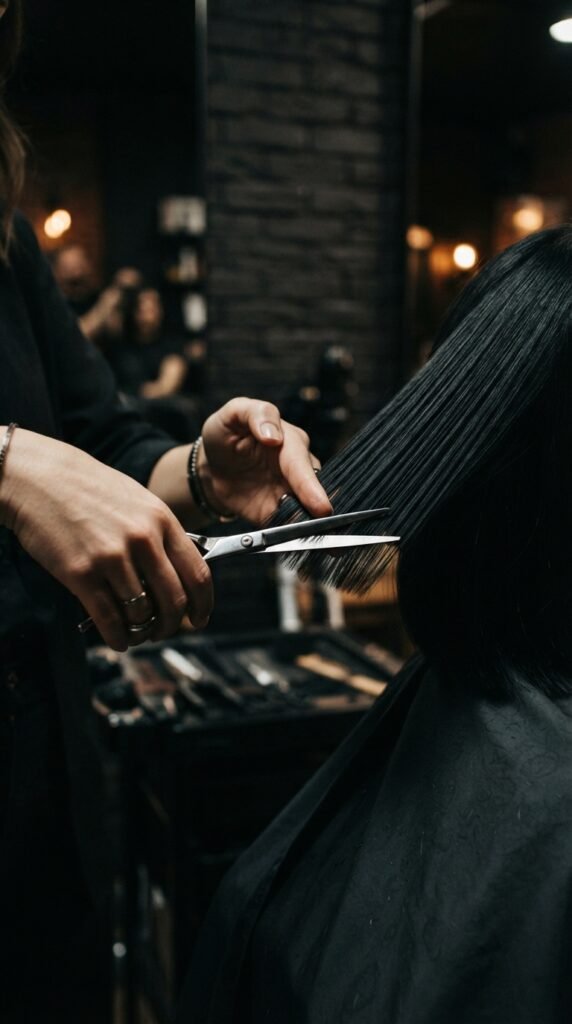
Okay, this sounds crazy, but a mask cannot fix split ends. If you are walking around with frazzled tips while trying to grow out a hime cut or vampire haircut, the mask is just temporarily gluing those split ends together. It is an illusion of health.
The romantic goth hairstyles of 2026 look best with blunt, sharp ends. You need to get a trim to remove the dead weight before you start masking. Once the splits are gone, the mask can focus on maintaining length rather than repairing the impossible.
Even a tiny trim helps with:
- Better product absorption.
- Less tangling and breakage.
- Faster visible results.
You’re Leaving It on for Too Long
We have all been guilty of leaving a mask on for an hour “just because.” But over-masking can actually backfire, especially with protein-heavy formulas. Too much protein causes stiffness and breakage, while too much moisture leads to limp strands.
Follow the “digital clock” method. If the bottle says 10 minutes, set a timer for 10 minutes. The ingredients have been designed to work within that window, so leaving it on longer won’t give you double the benefits, just double the residue.
Here is a simple schedule:
- Fine hair: 5 to 8 minutes.
- Normal hair: 10 to 15 minutes.
- Thick hair: 15 to 20 minutes.

Skipping the V-Shape Face Frame
When you apply a mask, do you just slop it all over? Professional colorists suggest paying special attention to the face frame area. The baby hairs and front pieces, especially in an asymmetrical lob, are the most damaged and fragile.
These finer hairs break easily from brushing and heat styling. They need extra care to look full and soft. So next time, apply a tiny bit of mask to these sections before you clip your hair up.
Bonus tips for a perfect face frame:
- Use a soft boar brush to spread the product.
- Don’t twist the front pieces too tight.
- Rinse them first to avoid heavy residue.
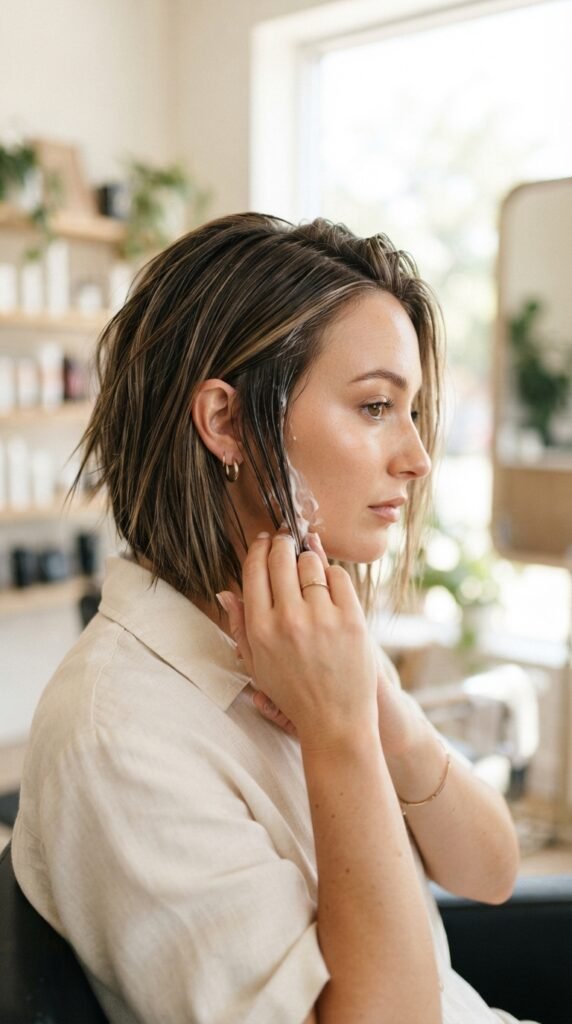
Your Water Might Be Too Cold or Too Scorching
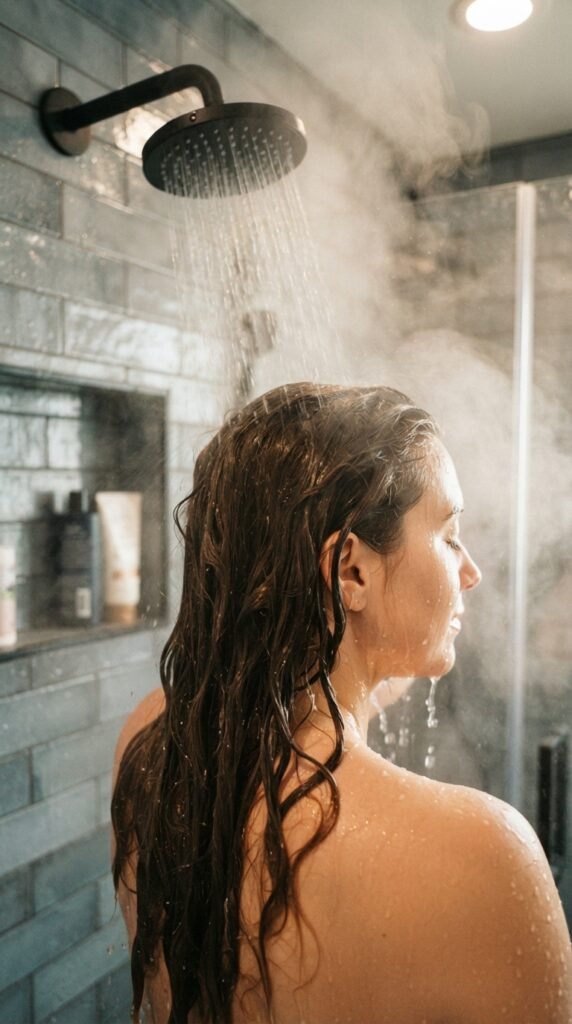
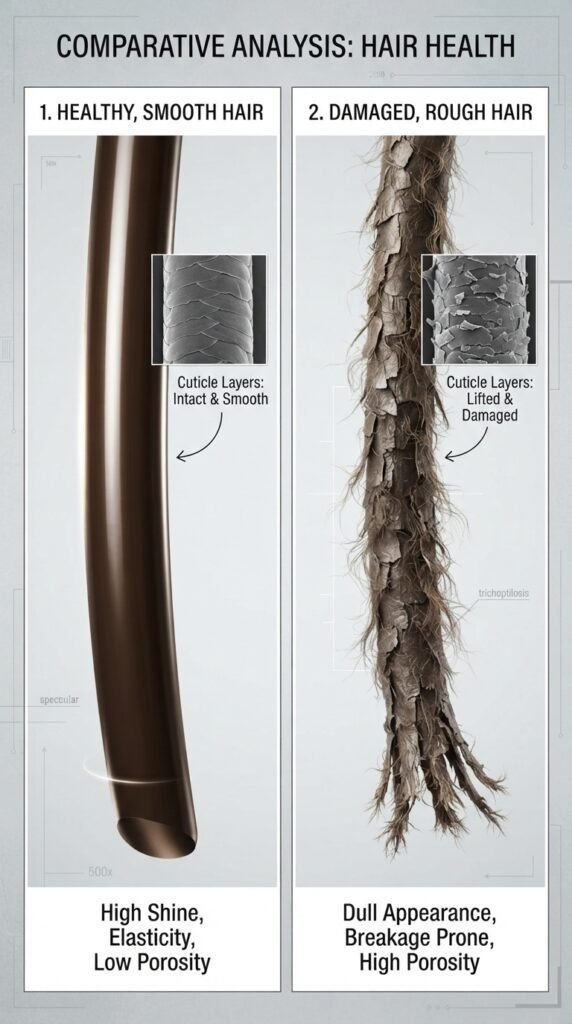
Steaming hot showers feel divine, but they are terrible for your mask’s effectiveness. Heat opens up the cuticle, which is good for absorption. However, blasting heat also pushes the moisture out when you finally step out into the cool air, causing frizz.
The best technique is to apply the mask, put on a shower cap, and let your body heat do the work. Then, rinse with cool water to seal the cuticle and lock in the shine, essential for that sleek quiet luxury bob favorite.
Try this routine:
- Bath: warm but not boiling water.
- Method: apply before you wash your body.
- Rinse: finish with 30 seconds of cold water.
Forgetting to Squeeze, Not Scrub
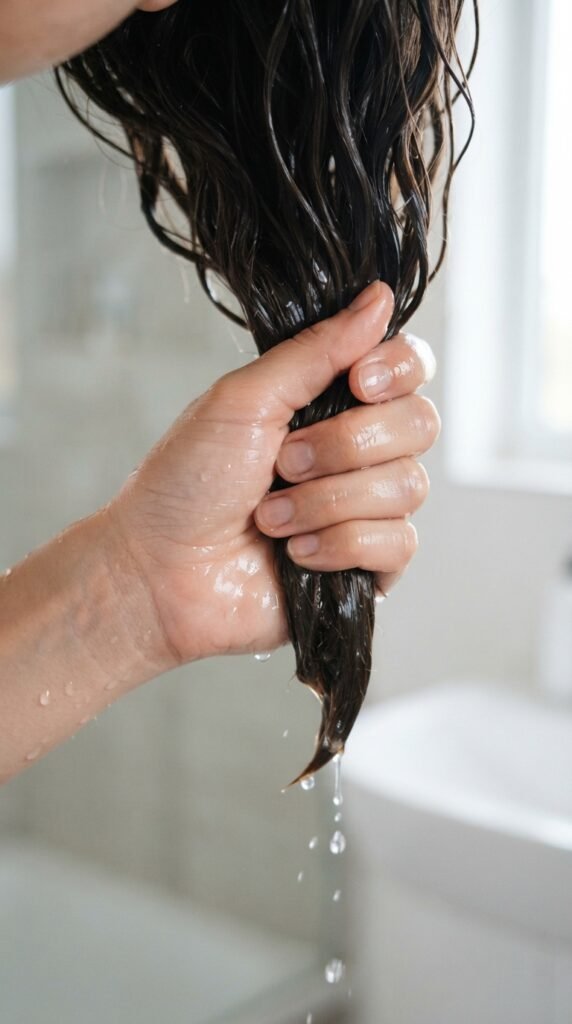
When your hair is fragile and wet, it is in its weakest state. Scrubbing the mask in like you are washing a car is going to cause friction, leading to cuticle damage and a frizzy outcome, even with the best 2026 hairstyles.
You want to use a “squeezing” motion. Gently press the shaft between your palms to absorb the product into the cortex. Don’t rub your hands up and down rapidly along the length.
To treat your hair right:
- Visualize the hair lying flat.
- Use your fingers or a wide-tooth comb.
- Hold the hair down, not up.
Using the Same Mask Year-Round
Your skin changes with the season, and so does your hair. The humidity in summer breaks down the hair bonds, while winter zaps every drop of moisture. Using a deep, rich mask in July is a recipe for greasy roots.
Switch to a lighter repairing serum during humid months. In dryer months, your hair and scalp crave the heavy-duty nutrients. This is how you maintain actual healthy hair to rock those romantic goth hairstyles.
Update your routine:
- Spring: biotin and vitamin E.
- Summer: aloe and lighter botanicals.
- Winter: shea and coconut lipids.

Masking After Styling, Not Before
Look, we love a good hairstyle, but you should never use a hydration mask as a style refresher. Old Money hair relies on a clean foundation. If you use a mask to restyle “day two” hair, you’re just adding more buildup to grime.
Wash your hair first, then mask, then style. Trying to reshape a glitchy glam hair look? You need clean hair that molds easily, not sticky hair that repels product. A mask should be part of the ritual of preparation.
When to use your mask:
- Right after shampooing.
- Before you blow-dry.
- Never after you’ve curled.

Treating Hair Masks Like Conditioner
Conditioner and a hair mask are not twins; they are more like cousins. A conditioner is an everyday detangler, while a mask is a specialized weekly treatment. Swapping them means you’re either over-conditioning or under-treating.
If you replace your conditioner with a mask every wash, your hair can become overloaded and tired. The bonds can weaken, making those intricate hime cut layers fall flat. So stick to the plan: condition daily, mask weekly.
Remember the consistency:
- Conditioner: lightweight, for the surface.
- Mask: rich, to penetrate inside.
- Treatment: to fix specific issues.
Not Protecting Color-Treated Hair
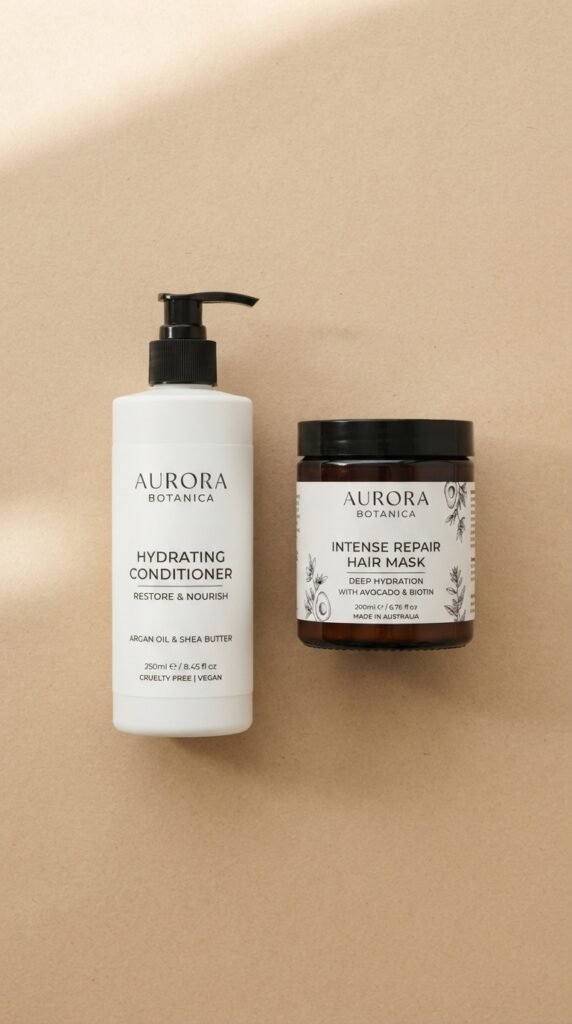
Bleaching or dyeing your hair changes its porosity completely. It splits the cuticle open, allowing moisture to escape quickly. If you have a gorgeous, dark romantic goth hairstyle, that color requires gentle, color-safe masks to avoid fading.
Sulfates and salts wash out both moisture and pigment. You need a mask that is sulfate-free and has antioxidants to lock in the rich color. This is the secret to getting that high-gloss “cinema villain” hair look.
Keep your color rich:
- Look for vegan keratin.
- Avoid (sodium chloride) salt.
- Use cool water for the final rinse.

Applying Mask to Very Tangled Hair
Never, ever apply a mask to a bird’s nest. If your hair is tangled, spreading the mask requires friction, and friction causes breakage, which ruins the look of a fresh asymmetrical lob. You need to detangle before you treat.
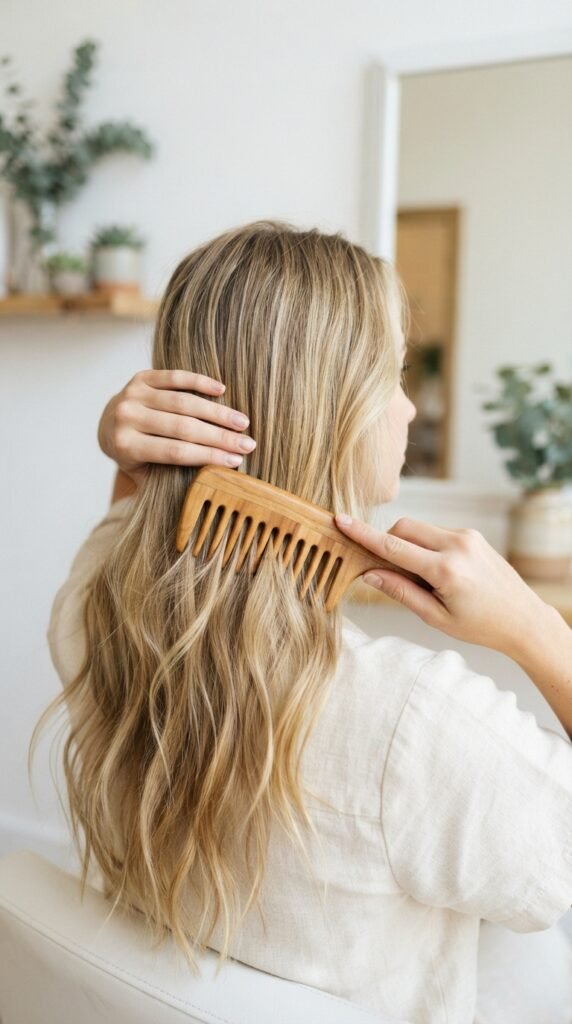
Use a pre-shampoo oil or a wide-tooth comb to work out those knots. Applying the mask to smooth hair distributes more evenly and allows the treatment to coat each strand uniformly.
Get the best results:
- Detangle first with a spray.
- Start at the bottom ends.
- Work your way up slowly.
Your Hair Might Be Protein Sensitive
You might be doing everything right but your hair just hates protein. The “glitchy glam hair” trend emphasizes shiny, smooth surfaces, but too much protein creates a rough, matte texture that snaps easily.
Yes, protein is a building block, but some hair types simply cannot tolerate large amounts. If your hair feels hard and “straw-like” after a mask, that’s your sign to go protein-free for a month.
Identify the signs:
- No curl bounce-back.
- Noticeable dryness.
- Snapping while brushing.
You’re Not Using Heat With the Mask
For the “quiet luxury” finish, heat is your best friend. If you want a treatment to truly sink in, you need to trap body heat against the products. This is called the “heat cap” method, and it is a game-changer.
No fancy tools needed. Just wrap your masked hair in a plastic shower cap and then put a warm towel over that. The heat opens the cuticle, letting all the oils and nutrients flood the cortex.
Try the “DIY Steamer”:
- Shower cap covering all hair.
- Warm cotton towel wrapped around.
- Wait 10 minutes, then rinse.

Skipping the Final Cold Rinse
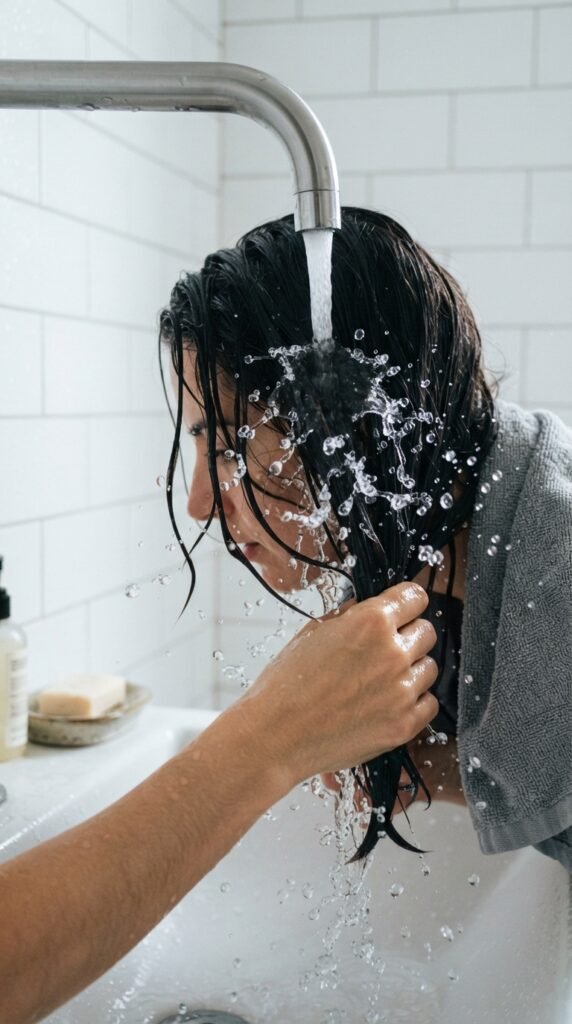
You’ve done all the hard work, but if you rinse with warm water, you leave the cuticle open. This means oils wash away and the hair dulls quickly. You need to snap the cuticle shut to lock in the glow.
The shock of cold water seals the hair surface, which creates that instant mirror-like shine that makes the old money aesthetic pop. It’s a small step with massive payoff.
Cold water benefits:
- Locks in color.
- Enhances natural shine.
- Prevents frizz.
Using Too Much Product
More is not better. Glugging half the jar onto your head will overwhelm your strands, leaving a greasy film that attracts dirt. A good hair mask is concentrated. A small, coin-sized amount goes a long way.
Focusing on thin layers allows the hair to breathe. Otherwise, your hair gets heavy and falls out of the shape you’ve styled, ruining your 2026 hairstyles like the hime cut. Start small and add only if necessary.
Measure your mask:
- Short hair: Dime-sized.
- Shoulder length: Quarter-sized.
- Long hair: Half-dollar sized.
Not Following Up With a Leave-In
A hair mask is a core treatment, but a leave-in conditioner is the sealer. Think of a mask as a meal and the leave-in as the seatbelt for the car ride home—it keeps everything contained. Skipping this step means you lose the nutrients.
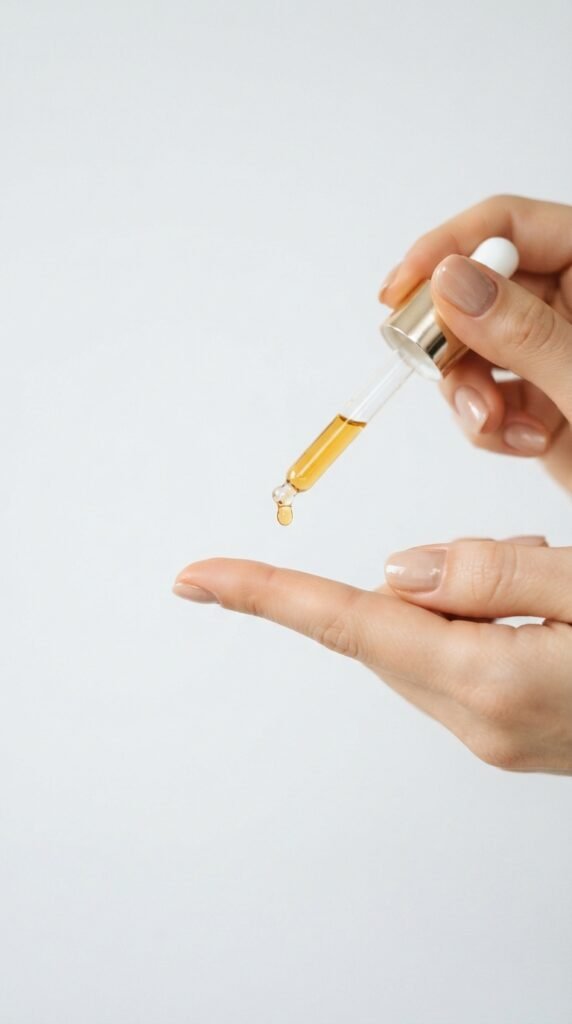
While your hair is still damp, apply a tiny bit of argan oil or a 10-in-1 spray. This preps the hair for the blowout session, giving you that polished finish for sleek looks.
Seal the deal:
- Spray the leave-in on mid-lengths.
- Use a smoothing brush.
- Then start heat styling.
Putting Your Hair Up While Wet Post-Mask
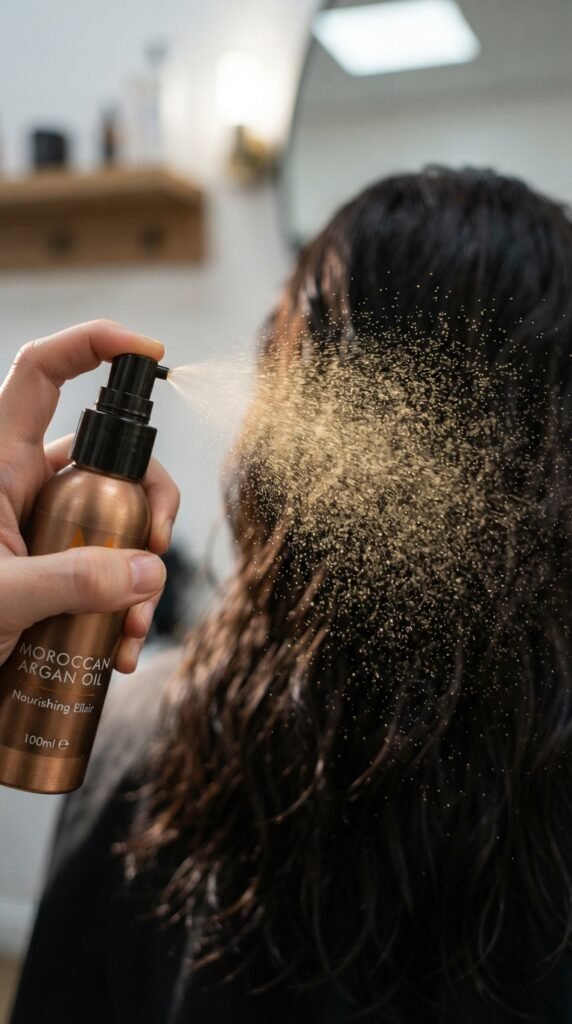
One of the biggest mistakes I see is people masking, rinsing, and then immediately throwing their hair into a tight bun to dry. This dries the hair in a bent shape, breaking the bonds and causing creases. You end up with memory waves that never flatten.
Instead, let your hair hang loose to dry slightly, or plop it in a loose t-shirt towel. For gorgeous 2026 hairstyles, the hair needs to relax. Constricting it while damp compromises your natural texture.
Do this instead:
- Let it air dry 50%.
- Use a silk scrunchie loosely.
- Never secure too tight.

Forgetting That Less Is More
Sometimes we mask too often. We get excited and mask every day, but hair needs time to absorb and balance its natural pH. Over-masking can lead to hygral fatigue—where the hair swells and weakens.
For most hair types, treating once a week is plenty. Listen to your hair over the algorithm. If it feels brittle, mask more. If it feels heavy, take a break.
Master your schedule:
- Oily scalp: Every 10 days.
- Balanced hair: Weekly.
- Very dry hair: Twice a week max.
Mistaking “Slippery” for Hydrated
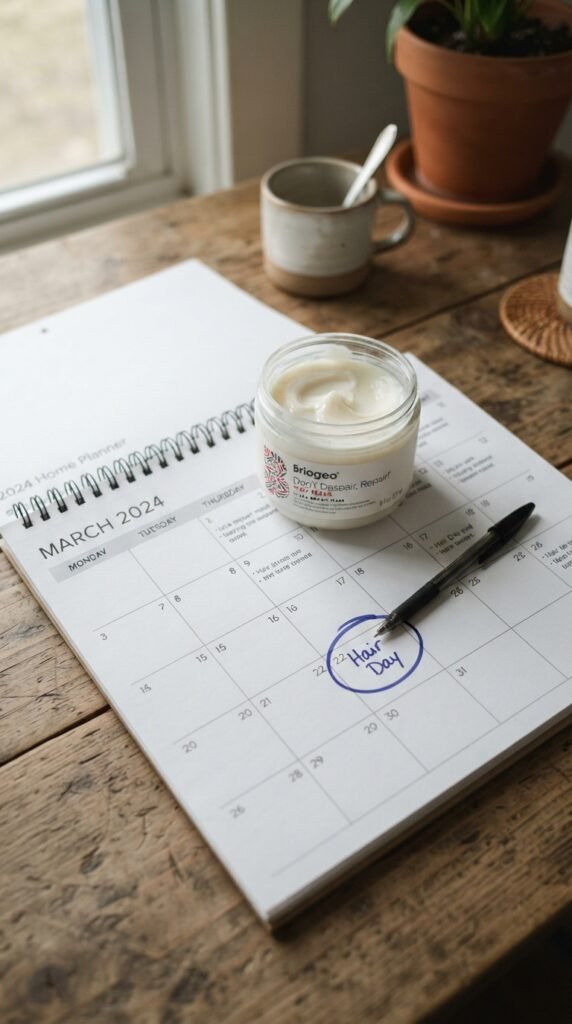
There’s a difference between temporary slip and true hydration. Silicones and heavy waxes create a slippery film that feels soft instantly but doesn’t actually add moisture. When you wash it off, your hair might feel worse than before.
Focus on water-based humectants like glycerin and honey, which actually pull moisture into the hair. True hydration involves moisture presence in the cortex, not just on the surface. That’s how you get that quiet luxury sheen.
Check your label:
- Skip dimethicone-heavy lists.
- Look for water-based serums.
- Feel the softness after a second rinse.
Time to Make Your 2026 Hair Goals Happen
Hair masking is a journey, not a one-time event, but now you have the toolkit to actually get the hair you want. Whether you’re growing into a sleek vampire haircut or a soft asymmetrical lob, your hair mask can only help if you let it.
Start by checking your readiness for the next wash day. Look at the alignment between your routine and your texture. Remember that hair health is built on consistency, not on extreme efforts.
I hope this helps you ditch the dull days and enjoy your best hair week ever. You’ve got this, and honestly, your hair looks so much better than you think it does.
Save this post to Pinterest so you can refer back to these tips on your next wash day, and tell me in the comments: what is your biggest hair mask mistake or glory moment?