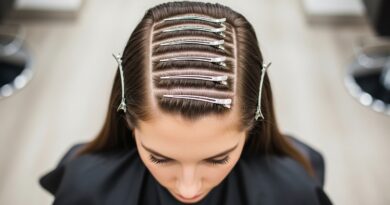
This Hairdresser Confession About Trims Will Change How Often You Go
I remember sitting in my stylist’s chair last month, mentally preparing to be scolded for skipping my usual eight-week trim. But instead, she looked at my hair and said something that completely stopped me: “You know you don’t actually need to be here this often, right?”
It turns out, the entire hair industry has been feeding us a myth to keep those appointment books full. The truth about how often you need a trim depends on your style, your hair health, and the specific look you are going for. Whether you are rocking 2026 hairstyles or something more classic, the old rules do not apply anymore.
I am sharing her exact confession and the new rule I follow now. It will save you time, money, and actually help your hair grow longer and healthier. Let’s dive into the real tea on trims.
The Big Confession Stylists Are Afraid To Say
My hairdresser, who has been cutting hair for over fifteen years, finally admitted that the “every six to eight weeks” rule is a trap for most people. It was created to ensure steady retail sales and booking revenue, not necessarily for the health of your strands. If you are treating your hair well, it simply does not break that fast.
She told me that the only people who *need* frequent trims are those with severe damage from bleach or heat styling. For everyone else, pushing your appointment to every three or four months is completely safe. Your hair does not know what week it is; it only reacts to how it is treated.
This confession felt like freedom. I stopped stressing about my calendar and started focusing on the actual condition of my ends. It is a much more practical and personalized approach to hair care that actually delivers results.
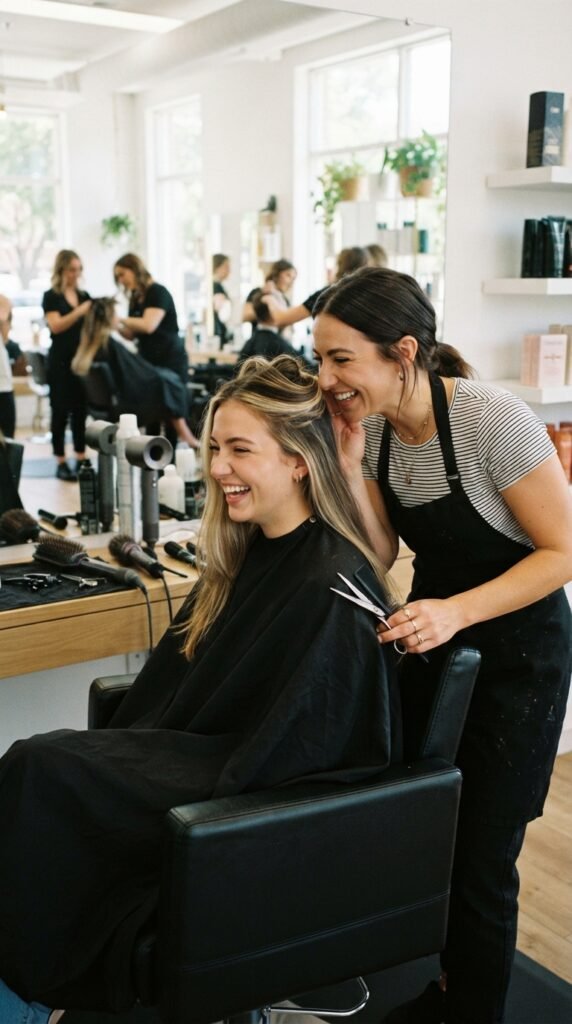
Why The 8-Week Rule Is Old News
The old rules were designed for a specific time. In the past, hair care products were harsher, and styling tools lacked the heat protection we have now. Hair was simply more damaged, so it needed snipping more often to prevent split ends from traveling up the shaft.
Today, our products are smarter. We have bond builders, heat protectants, and hydrating masks that keep the cuticle smooth and sealed. This means your ends stay intact much longer. If you are using a gentle shampoo and a decent conditioner, the “dead ends” look takes much longer to appear.
So, if you are not experiencing breakage, see you in three months. It sounds counterintuitive to a salon owner, but it is the truth. Let your stylist know you are following a maintenance plan, and they should respect your time and budget.
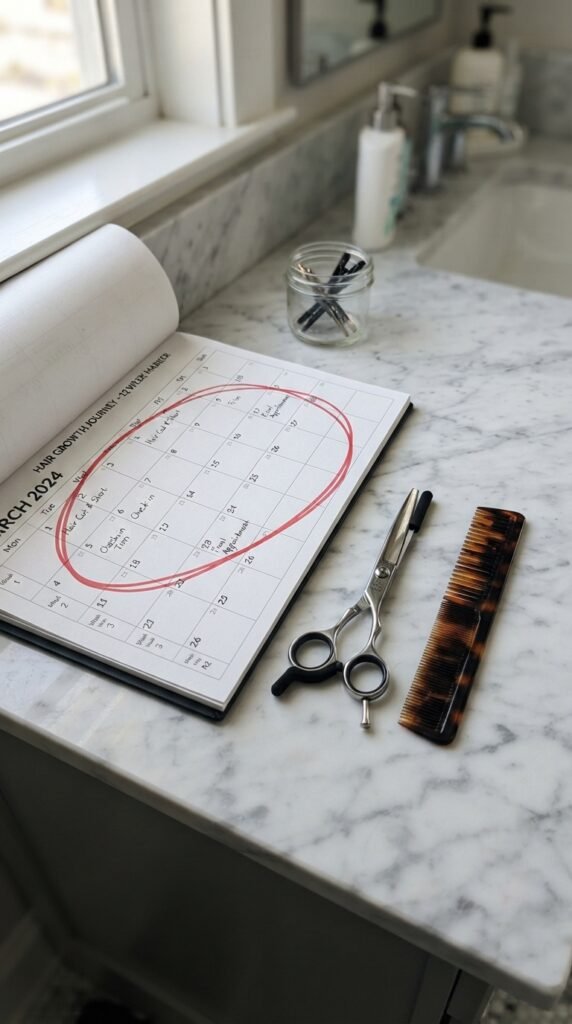
How To Know If You Actually Need A Trim
Forget the calendar. You have to let your hair tell you what it needs. This is the key to the whole system. If you inspect your hair and it feels fine, do not fix what is not broken. Here is my quick checklist:
– **The Snag Test:** Run your fingers through a section of wet hair. If your fingers snag or catch on the ends, it is time.
– **The Visual Check:** Look at your ends in bright light. If you see transparent, lighter-colored tips, that is the beginning of a split end.
– **The Styling Struggle:** If your ends refuse to hold a curl or look frayed when you blow-dry, they are past their prime.
If your hair passes those three tests, you are good to go. This method empowers you to make the decision based on data rather than just following a schedule. It is your hair; you get to decide when it needs a refresh.

Heading Into 2026 With Healthier Hair
We are seeing a massive shift in 2026 hairstyles, and the best part is that most of them favor grown-out, healthy hair. The era of the crispy, over-processed look is officially over. It is all about integrity and movement now, which means needing fewer trims.
Take the “old money” aesthetic, for example. That look relies on hair that looks expensive and untouched, not freshly cut. A blunt, healthy hemline looks best when it has had time to sit and settle. You want that sleek, heavy weight, which actually requires *less* frequent cutting to achieve.
Similarly, the “quiet luxury” aesthetic is all about understated elegance. Choppy, freshly cut ends do not fit that vibe. You want a soft, polished finish. Letting your trim grow out for a few extra weeks actually helps you achieve that expensive, low-maintenance look.

The Connection Between Trims And The Quiet Luxury Bob
The **quiet luxury bob** is the ultimate status symbol haircut right now. However, it only looks good when it is precisely cut. This is one style where you might need to stick closer to the 8-week rule, but there is a catch: you only need to refresh the perimeter, not the whole head.
You do not need a full service every time. Ask your stylist for a “dusting” or a “micro-trim” just on the bottom line to keep that sharp shape intact. This is quicker and often cheaper than a full haircut. It keeps the jawline sharp without stripping away precious length.
This means you are still booking the appointment but changing the service. You are getting the effect of a trim without the heavy cost or time commitment. It is a smart, practical way to maintain a high-maintenance style.

When You Want To Grow It Out Fast
If you are trying to grow your hair, the idea of cutting it feels counterproductive. But remember: if you have damage, it will travel up the hair shaft and cause breakage. That breakage makes you lose MORE length in the long run than just getting a tiny trim.
The strategy here is the “search and destroy” method. Instead of a full cut, you can ask your stylist to just find and trim the individual split ends. This removes the damaged part without sacrificing the overall shape or mass of your hair. It is tedious for them, but worth it for you.
Alternatively, you can do this at home with sharp hair shears. Do not use craft scissors; they will damage the hair. Just snip the split ends you see. This maximizes length retention while keeping your hair looking flawless.

The Perfect Trim Schedule For Romantic Goth Styles
Let’s talk about **romantic goth hairstyles**. This look is high on drama and volume, but it changes the trim game. If you are rocking long, layered, wavy pieces, you have a bit more forgiveness when it comes to timing.
The layers in these styles mean the ends are not all on one blunt line. This makes split ends less noticeable because they hide in the movement of the waves. You can easily stretch your appointments to every four to five months without anyone being the wiser.
However, the “vampire haircut” style, which is a cousin to the romantic goth, relies on sharp, face-framing pieces. Keep an eye on those specific strands. Trim just those pieces at home to keep the vibe sharp between full visits.

Why The Hime Cut Demands Precision
The **hime cut** is a beautiful and bold choice that requires a strict routine. It features those perfect cheekbone-length strands and a blunt bang. If those pieces grow out just a centimeter, the whole look loses its geometry. For this style, I am sorry, but you need the regular trims.
Do not skip the salon here. The precision of the hime cut is what makes it special. A regular trim, every 6 to 8 weeks, is essential to keep those sharp lines from looking ragged or accidentally turning into a shag. It is the price you pay for that high-impact look.
But here is the good news: this is usually a low-maintenance style in terms of daily styling. So, you are saving time in the morning. A quick trim every couple of months is a fair trade-off for waking up with perfect hair.

The “New” Asymmetrical Lob Vs. The Old Trim Mindset
The **asymmetrical lob** is trending hard for 2026, and it is the perfect haircut for people who hate trims. Why? Because it is designed to look intentional, even when it is growing out. The asymmetric line means the hair has a natural “movement” to it.
When the back grows out, it just looks like a new version of the cut. It does not look like you missed an appointment; it looks like you asked for a different angle. This gives you a solid 4 to 5 months of leeway. You only really need a trim when the shortest part starts to feel heavy or bulky.
If you want a style that allows you to set your own schedule, this is your best bet. It is the low-maintenance style of the future. You get a trendy look without feeling chained to the salon chair.

How To Manage Glitchy Glam Hair Without Breakage
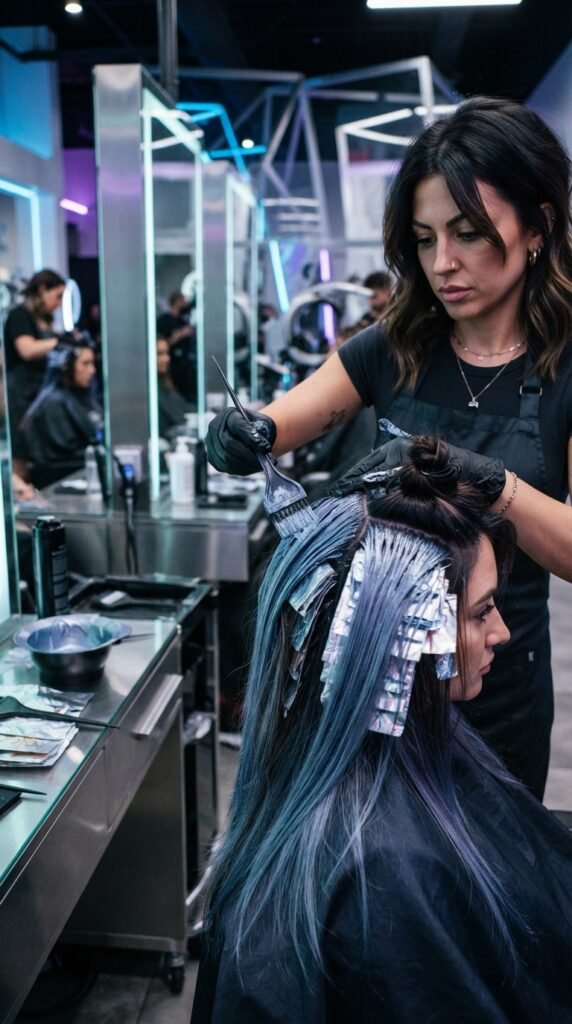
If you love playing with color, you need to hear this. The “glitchy glam” aesthetic involves those cool, multi-tonal, metallic colors that look like a TV screen with static. It is incredible, but it usually involves lightener, which is the enemy of your ends.
Bleached hair is weaker and much more prone to splitting. With this style, you cannot ignore the calendar for too long. Plan for a trim every 8 weeks, *maximum*, to remove the most fragile part of the hair. Skipping this will result in the color looking dull and the ends looking fuzzy.
Also, be aggressive with your bond-building treatments. These will help hold the structure together between cuts. You are essentially buying time for your hair to grow healthy before the next color appointment.
What Happens When You Skip Too Many Trims?
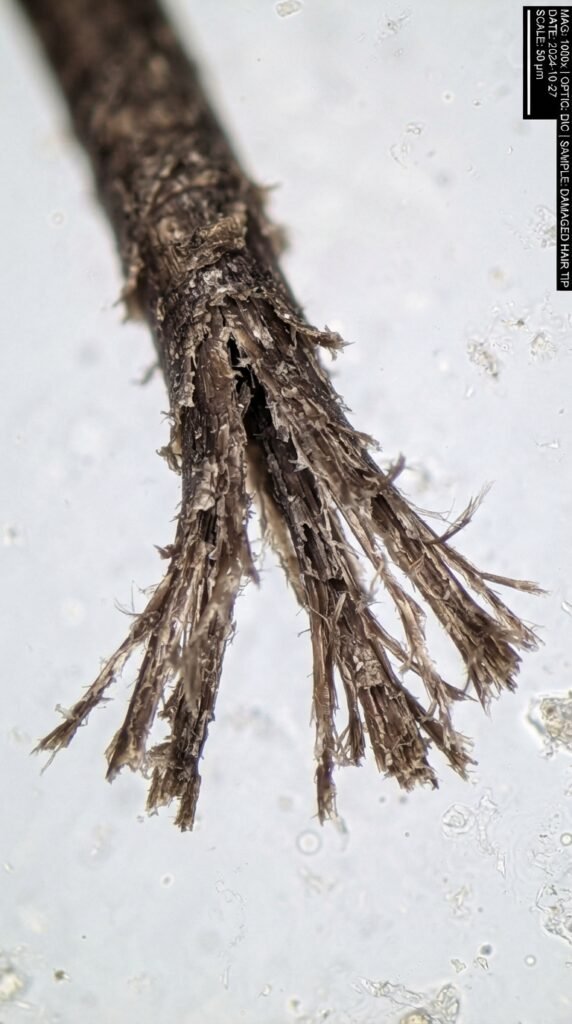
Okay, so we are establishing that you can go longer, but there is a breaking point. If you wait six or seven months, the split ends will travel. They cannot be “healed” once they split; they have to be cut. And if they travel too high, you will be forced to cut off more length than you wanted.
You will also notice the style losing its shape. A bob will start to flip out at weird angles. Layers will look choppy instead of blended. The hair will lose its “professional” finish, and you will start compensating by pulling it up into a bun every day.
This is why I suggest a compromise. Go every 3 months for a “dusting” if you are growing it out, or 2 months if you have a precise cut. It’s the perfect middle ground between the old extreme rule and neglecting your hair.
Seasonal Trims: The Hack That Works
I have found that linking my trims to the seasons is easier to remember than counting weeks. This gives you about four trims a year, which is sustainable for most hair types. It syncs your look with the changing weather and your wardrobe.
– **Spring (April):** Shed the winter heaviness and prep for summer styling.
– **Summer (July):** Remove any chlorine/sun damage and lighten up the layers.
– **Fall (October):** Get a fresh shape for the new season and 2026 hairstyles.
– **Winter (January):** Fix any winter static damage and clean up the ends.
This schedule works perfectly for me. It aligns your hair maintenance with the changing trends. Plus, it is much easier to book four appointments a year than six or eight.

Styling Products To Stretch Your Trim Timeline
You want to know the secret to avoiding the salon? It is how you style your hair in between. If you style your hair at home with heat, you are creating damage. If you use heat protectant and lower temperatures, you are saving your ends. It is that simple.
I always recommend investing in a high-quality serum or oil for your ends. This seals the cuticle and prevents friction damage from your clothes and pillows. A good oil makes old ends look shiny and new, instantly buying you another week or two.
Also, try to embrace “wash and go” styles or braid-outs. These use zero heat and make your hair look intentionally styled. If you can limit heat to once a week, you can easily double your time between trims.

Do Face-Framing Pieces Need A Different Schedule?
This is the secret most people do not realize. Your perimeter (the bottom edge) and your interior (the face-framing layers) grow at the same speed, but they look different when they get long. The face-framing layers slide into your eyes or lose their shape, making you look “unkept.”
While your main ends might be fine, those pieces near your temples annoy you. Instead of a full haircut, you can learn to trim your face-framing layers yourself. It is just a few snips directed down the length. This will refresh your look instantly.
If you are scared to do it, ask your stylist for a “curtain bang trim” between visits. It is a ten-minute appointment that costs very little but makes you look brand new. This keeps the overall integrity of your hair intact while maintaining the style.

The “Old Money” Hair Secret: Skipping The Trim
Let’s get into the psychology of the **old money hair** look. It is about appearing as if you do not try too hard. The hair is healthy, shiny, and long, but it rarely looks “just cut.” It looks like it has been growing for a long time, untouched by cheap scissors.
To achieve this, you have to resist the urge to chop. Instead of trimming the length, focus on your health. Take your vitamins, use a silk pillowcase, and do regular deep conditioning masks. When your hair is soft and shiny, you do not need a blunt cut to make it look good.
So, for this specific aesthetic, pushing your trim to every 4 to 5 months is actually the “smart” move. The hair looks expensive because it has genuine length and weight to it, which only comes with time.

What To Say To Your Stylist At The Appointment
When you do go in, you need to be clear to avoid miscommunication. If you have been stretching your trims, you do not want them to panic and cut off too much. Give them strict instructions on how much to take off.
Here are the magic phrases to use:
– “I am growing it out; please just dust the very ends.”
– “Do not touch the length; just reshape the perimeter.”
– “I need a refresh, but I want to keep the density at the bottom.”
Be firm. They might suggest a big chop for a “fresh start,” but if you want length, do not do it. You are the boss; they are the technician. Clear communication ensures you leave the chair happy and keep your length goals on track.

The Relationship Between Haircuts And Heat Damage
Your hair type and routine are the biggest factors in the trim frequency formula. If you have fine hair, it is more fragile and prone to split ends. If you have thick, coarse hair, your ends can handle more wear and tear. Know your texture.
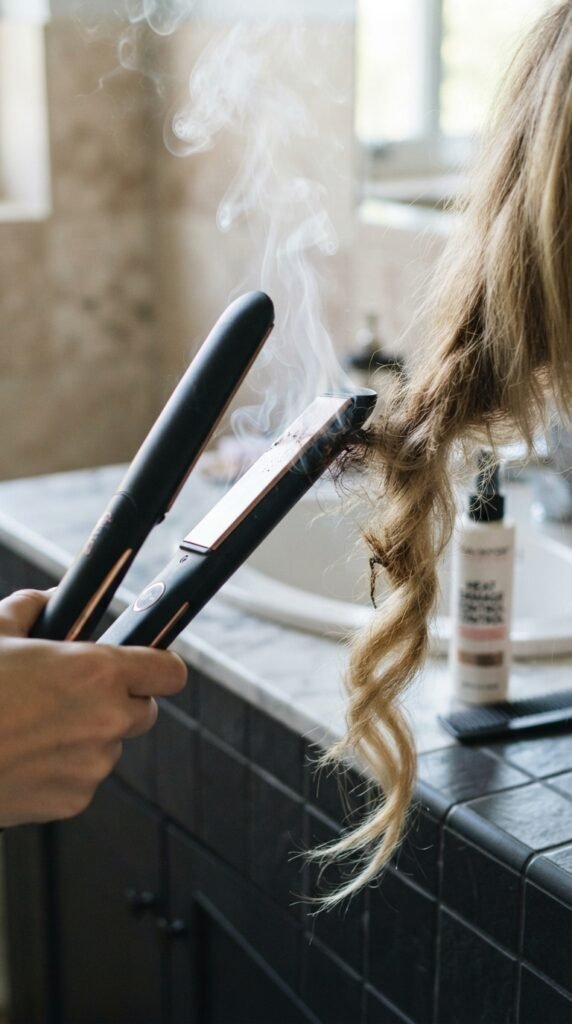
Also, if you are using hot tools daily, you will need to see your stylist 2 to 3 times a year, minimum, to remove the damage. Air drying or heatless curling methods will drastically reduce your need for trims. Here is the harsh truth: there is no product that will fix hair that has already been fried.
Trust me, I have been there. I fried my hair with a straightener and had to chop it to my chin. It is much cheaper to buy a good heat protectant than to pay for a recovery cut. Your ends will tell you the truth about your styling habits.
Dealing With “Greasiness” That Is Actually Breakage
Sometimes we mistake hair damage for oily roots or product buildup. When hair is split, it feels rough and tangles easily. This tangling can cause you to brush harder, which pulls out more hair and makes the ends look even more frayed and “greasy” with excess oil.
If you find that your hair suddenly feels sticky or “grabby” during a wash, that is a sign of damage. Do not reach for more conditioner; that will weigh it down. Instead, book a trim and change your washing routine to be more gentle.
This is a trap that keeps you in a cycle of breakage. You are constantly fighting the tangles instead of fixing the root cause. A tiny trim will eliminate the tangles instantly, making your hair feel smooth and clean again.

Overnight Care: Saving Your Ends While You Sleep
This is the most passive way to keep your trims at bay. Cotton pillowcases are rough on the hair cuticle. They absorb your natural oils and cause friction, which leads to dry, brittle ends. Switch to a satin or silk pillowcase ASAP.
Alternatively, wear your hair in a loose, high ponytail or a “pineapple” on top of your head. This keeps the ends tucked away and safe from being rubbed against the pillow. It might feel silly, but you will wake up with much smoother hair.
These are simple habits that require zero effort once you set them up. It means you wake up with healthier hair every single day. Over time, this translates to months of extra growth that you do not have to cut off.

The Best Products To Extend Your Shape
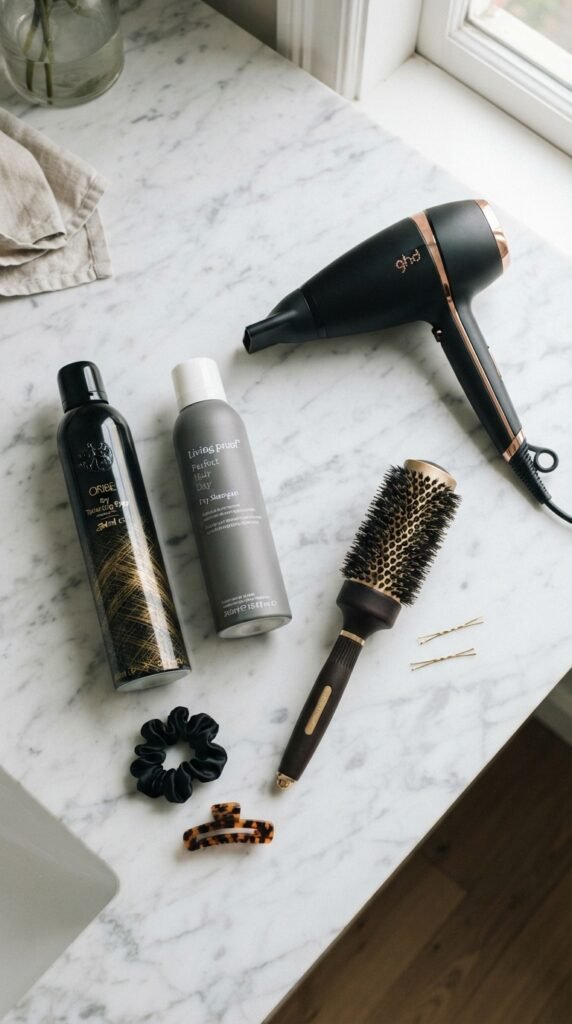
You can also use products to “fake” a fresh haircut. Dry shampoo is your best friend. When your roots are clean and lifted, the rest of your hair looks more polished and intentional. A fresh blowout will frame your face even if your ends are starting to lose their shape.
Texturizing sprays are also great. They give the hair grit and movement, which hides blunt ends that have grown soft. If you have a bob that is flipping out, a bit of texture spray will turn that flip into an intentional curl.
Do not underestimate the power of a good blowout at home. If you can master a round brush, you can make your hair look salon-fresh for weeks. It is all about doing the most with what you have.
Finding The Stylist Who Gets It
Not all stylists will agree with this low-frequency trim philosophy. Many are trained to sell you on the *need* for frequent cuts. But you need to find a stylist who listens to your goals. Ask them directly during a consultation: “How often do you think I actually need to come in?”
If they say “every 4-6 weeks,” run. If they say, “Let’s check your hair and see,” that is your person. You want someone who wants to help you grow your hair as long and healthy as possible. They should not be scared of you not booking constantly.
The right stylist will empower you to make smart decisions and even show you how to maintain your look at home. They treat your hair like a garden, not a factory assembly line. Find that partnership, and you will never worry about trim schedules again.

My Final Routine For 2026
So, what am I actually doing now? I have switched to a schedule that I want to share with you. I look at my hair health, not the calendar. I aim for a heavy trim about three times a year, and in between, I do micro-trims at home on my bangs and face frame.
I am also mixing up my hair trends to reduce damage. I will wear my hair in a sleek quiet luxury bob for a month, then switch to a romantic goth vibe with waves. This variation means I am not using the same heat tools over and over.
Remember, the goal is to *enjoy* your hair, not to obsess over a maintenance schedule. You can have all the 2026 hairstyles you want without living in the salon chair. It is about being smart, not strict.
So, here we are. The biggest takeaway from my hairdresser confession is that rules are meant to be broken. You do not need to be on that hamster wheel of appointments every two months. Give your hair a break, watch your ends for signs of damage, and style with intention.
I want to know what you think. Are you a frequent trimmer or a “stretcher”? Have you ever pushed your appointment way past the 8-week mark? Tell me all about your experience in the comments below. I read every single one.
And if this helped you, **save this post to Pinterest** so you can find it later when those split ends start to show up. Let’s grow our healthiest, longest hair together, but do it on our own time.