The Shoulder-Skimming Shag: Perfect Length, Perfect Layers
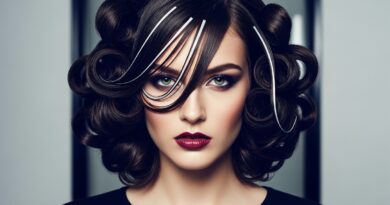
In the ever-evolving world of hair, trends come and go with the seasons. But every so often, a cut emerges that feels less like a fleeting fashion moment and more like a style revelation. Enter the shoulder-skimming shag: a haircut that masterfully balances rebellious texture with wearable length. It’s not the shag of the 70s rock scene, nor the severe, short versions of decades past. This is a refined, modern interpretation that hits the sweet spot—literally. Landing gracefully at the collarbone, it offers the movement and attitude of a shag while keeping the comforting weight and styling versatility of a longer length. It’s the perfect marriage of chaos and control, designed for the person who wants to look effortlessly cool without sacrificing manageability.
The shoulder-skimming shag has become one of those cuts that feels remarkably current while still carrying the personality of its predecessors. Its appeal comes from the way it combines layers, texture, volume, and medium length without forcing the wearer into an overly complicated styling routine. Depending on how it is cut, it can look soft and romantic, edgy and undone, polished and sophisticated, or naturally carefree.
What makes this haircut particularly interesting is how much room there is for customization. The same basic shoulder-skimming shape can look completely different depending on whether the hair is straight, wavy, curly, thick, fine, blunt at the ends, heavily feathered, paired with bangs, or styled with a center part. That flexibility is exactly why the cut continues to feel fresh.
Why the Shoulder Length is the Goldilocks Zone
When it comes to hair, length is everything. Too short can feel like a commitment, too long can lack shape and become cumbersome. The shoulder-skimming length, however, is the undisputed Goldilocks zone for modern hair. It’s long enough to pull back into a casual ponytail or a sleek half-up style, yet short enough to truly celebrate its shape and layers. This specific length amplifies the shag’s signature texture. Every layer ends within a concentrated area, creating a cascade of movement that starts at the jawline and dances around the shoulders. It frames the face impeccably, drawing attention to the eyes, cheekbones, and jawline without overwhelming delicate features. Whether your hair is pin-straight, wavy, or curly, this length provides enough canvas for the layers to perform their magic while remaining incredibly versatile and low-maintenance compared to longer, heavier styles.
Deconstructing the Layers: The Engine of Movement
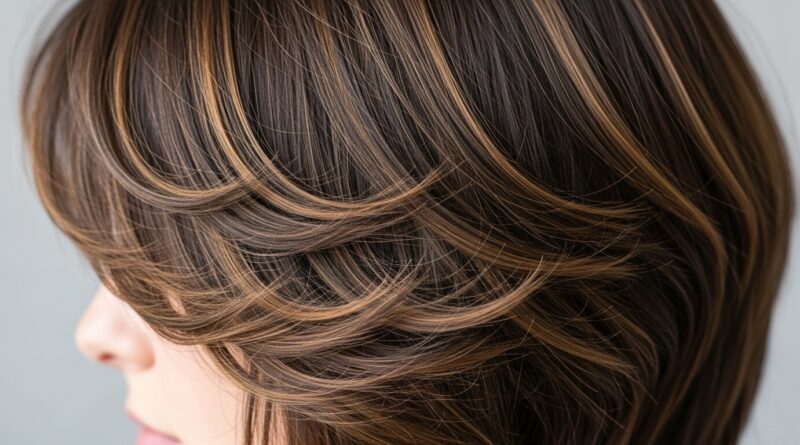
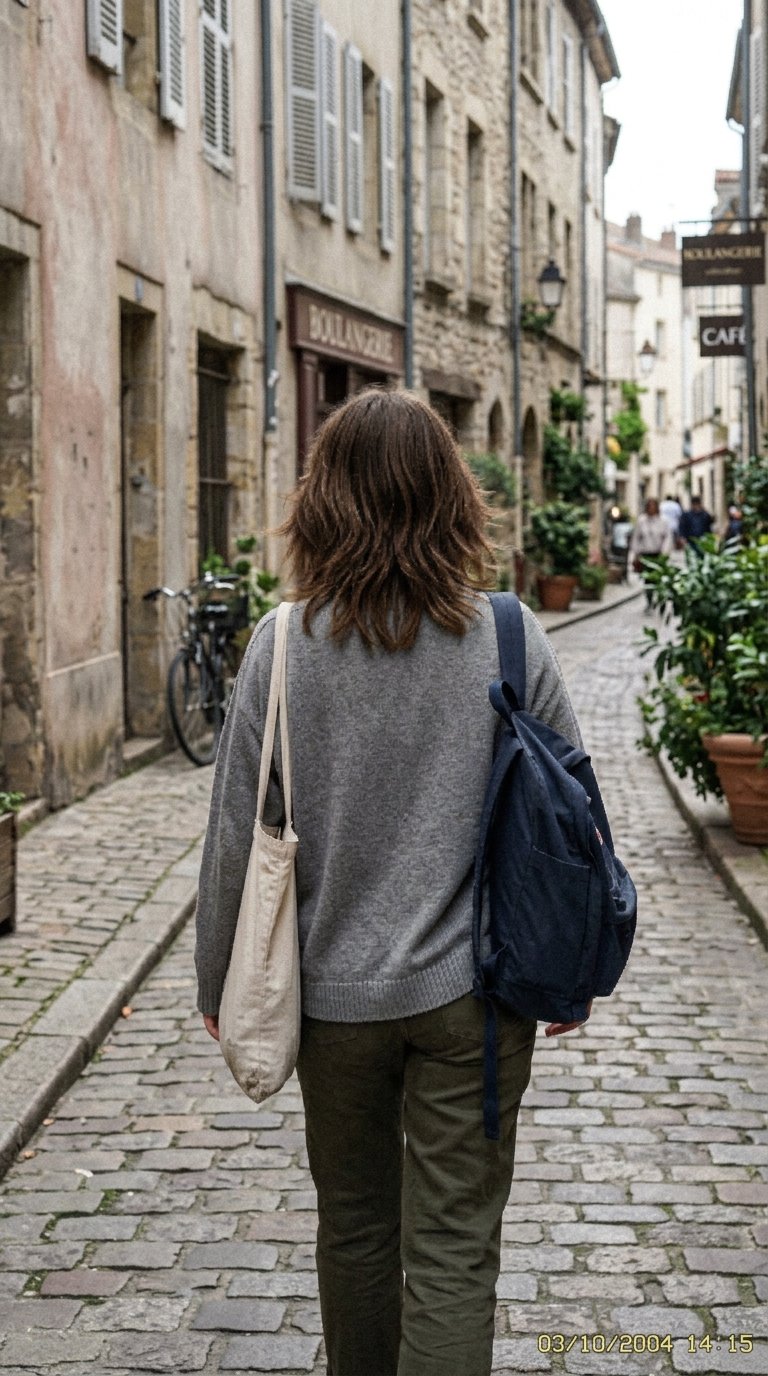
The soul of any shag lies in its layers, and the shoulder-skimming version is a masterclass in strategic cutting. This isn’t about random choppiness; it’s about precise, graduated layering that builds volume and creates shape from the inside out. Typically, the layers are shorter around the crown and face, becoming gradually longer toward the back. This internal architecture lifts the roots for natural volume, eliminating any hint of flatness. The magic is in the texturizing techniques—point cutting, slide cutting, or notching—that are used on the ends of the layers. This feathered, shattered effect is what gives the shag its lived-in, airy quality. It removes bulk without sacrificing thickness, allowing the hair to move as a single, dynamic unit. For the shoulder-skimming shag, these layers are calibrated to ensure the shortest front pieces gracefully blend into the longer back sections, creating a seamless, circular shape that feels both undone and intentional.

Who is the Shoulder-Skimming Shag For?
The beauty of this cut is its remarkable inclusivity. It’s a chameleon that adapts to different hair types and face shapes. For those with fine hair, the layered removal of weight creates the illusion of much fuller, bouncier hair. For those with thick or wavy hair, it strategically removes mass to unleash natural texture and wave patterns, taming frizz and promoting definition. In terms of face shape, it’s a universally flattering tool. The face-framing layers can be tailored to soften a square jaw, complement round cheeks, or elongate a heart-shaped face. It’s the ideal cut for the person transitioning from very long hair who wants a dramatic change without going super short. It’s for the busy professional who needs a style that air-dries with attitude and for the creative spirit who loves to play with texture products. Ultimately, it’s for anyone craving a cut with personality and ease in equal measure.

Styling Your Shag: Effortless is the Goal
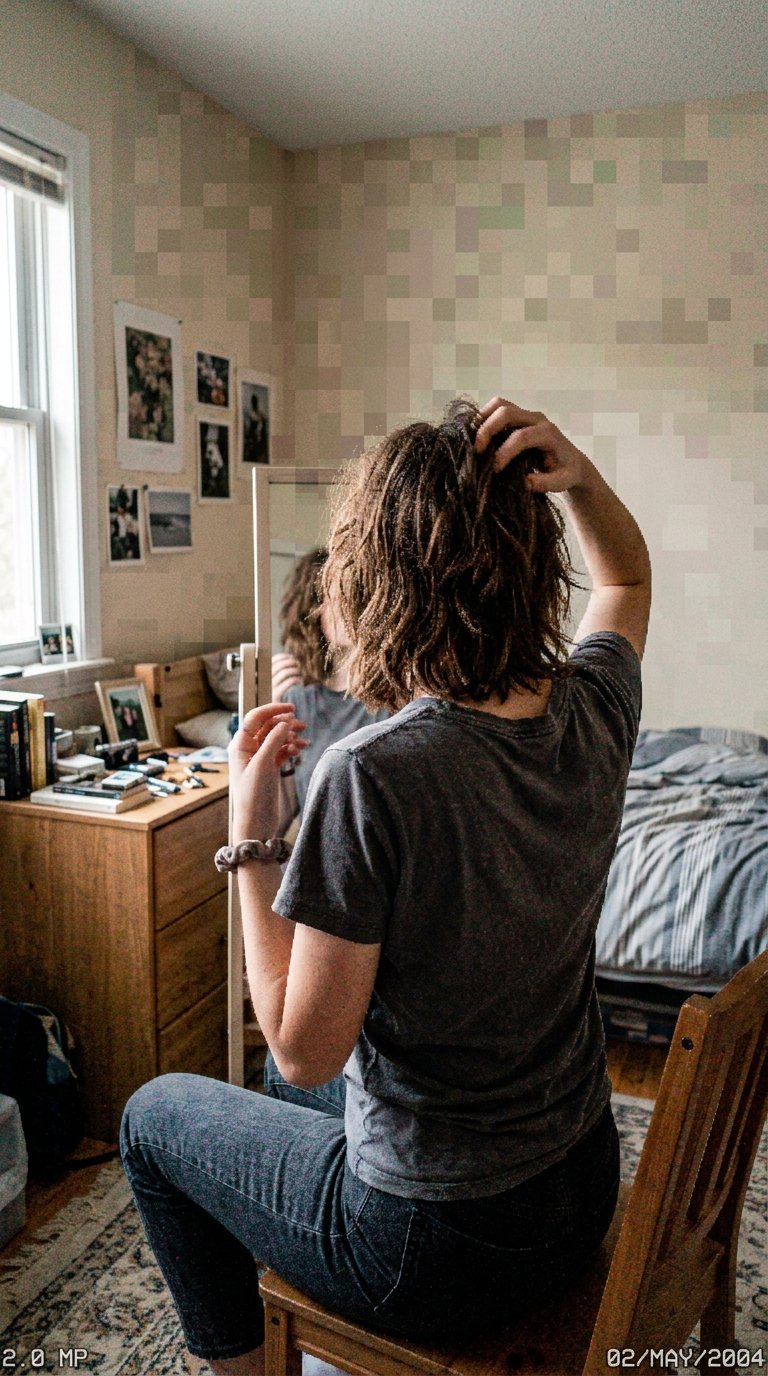
One of the biggest selling points of the shoulder-skimming shag is its low-maintenance styling routine. This cut is designed to look best when it looks a little lived-in. Start with a texturizing spray or mousse on damp hair to enhance separation and hold. For a quick, everyday look, simply blow-dry with a diffuser or let it air-dry, scrunching the ends occasionally. To accentuate the layers and add volume at the roots, use a round brush while blow-drying, focusing on lifting the crown area. The real fun begins with dry styling: a light wax or texturizing paste rubbed between your palms and scrunched into the mid-lengths and ends will define each layer and amplify the piecey effect. For a sleeker, more polished version, a flat iron can be used to smooth the ends while keeping the internal volume. The key is to avoid over-styling; you want to enhance the cut’s natural chaos, not fight it.
The Modern Evolution: Bangs and Face-Framing
No discussion of the shag is complete without addressing its iconic partner: the fringe. The shoulder-skimming shag offers a playground for bang options. Curtain bangs—long, parted in the middle, and blending into the face-framing layers—are a natural and flattering companion, offering softness and versatility. For a more dramatic, retro feel, a choppy, eyebrow-grazing fringe adds an edgy punctuation to the look. The beauty is that these elements are fully integrated into the cut; the bangs aren’t an afterthought but a continuation of the layering system. Even without traditional bangs, the shortest layers around the face serve as built-in face-framers, constantly working to highlight your features. This cohesive approach ensures the haircut feels like one holistic, intentional style, not a collection of separate parts.
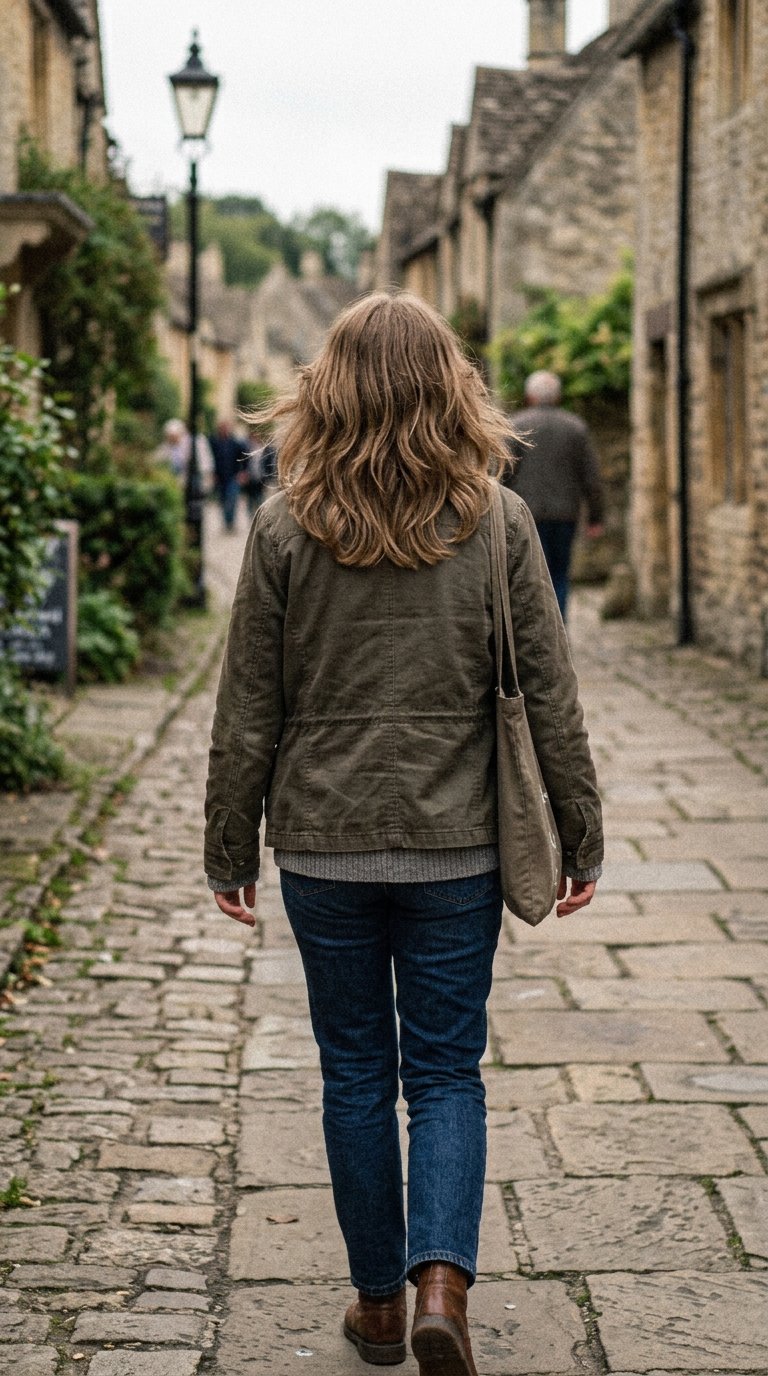
Making the Chop: Consultation is Key
Ready to embrace the shoulder-skimming shag? Your success hinges on a thorough consultation with a skilled stylist. Come armed with photos that capture both the length and texture you desire. Be explicit about your lifestyle and how much time you realistically want to spend styling. A good stylist will assess your hair’s density, texture, and natural growth patterns to tailor the layers accordingly. They’ll discuss how the cut will grow out (gracefully, we might add) and what maintenance trims every 10-12 weeks will entail. This cut is a collaboration. It’s about translating a trend into a personal signature style that makes you feel confident and authentically you. It’s not just a haircut; it’s an attitude.
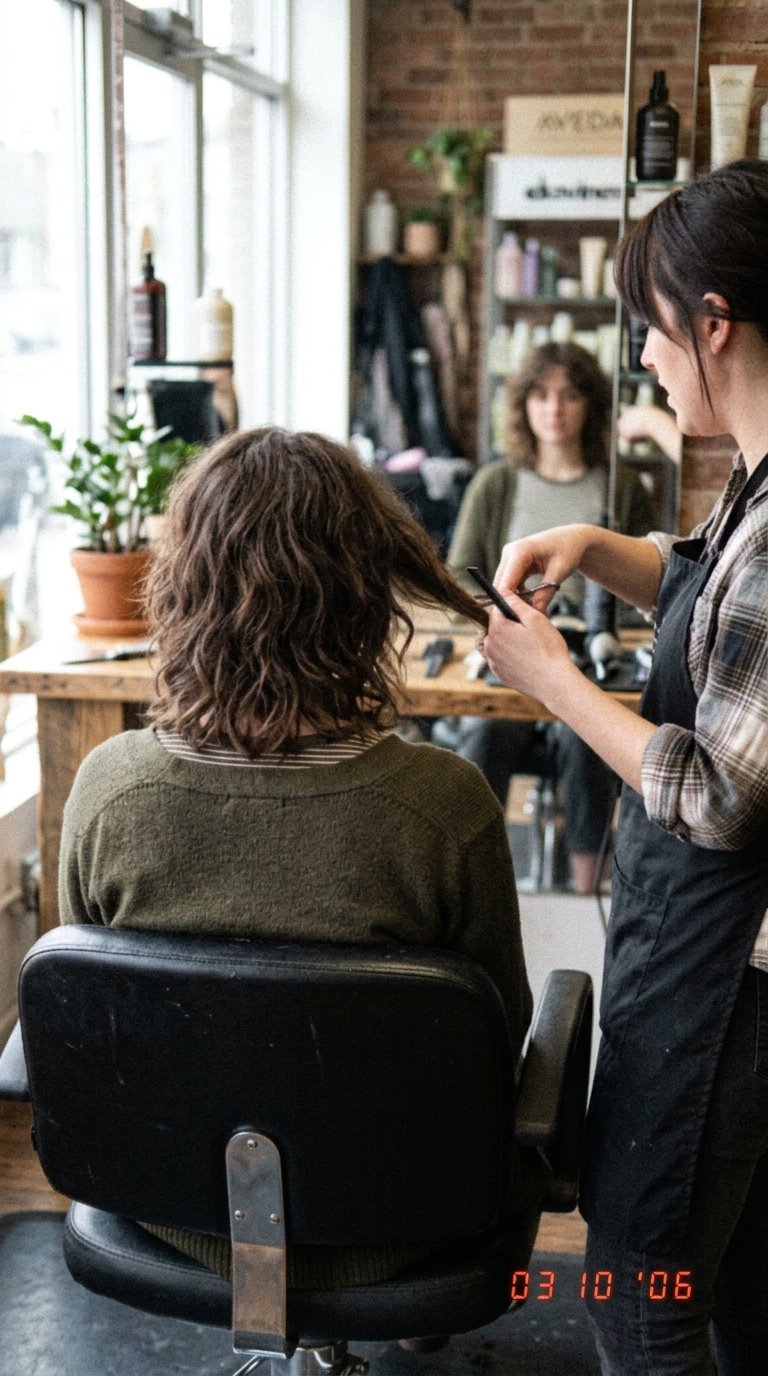
Your New Hair Identity Awaits
The shoulder-skimming shag is more than just a haircut; it’s a statement of effortless style and modern confidence. It captures a specific energy—one that is both relaxed and bold, polished and untamed. By marrying the perfect, versatile length with expertly carved layers, it solves the eternal dilemma of wanting a look that is both exciting and easy to live with. It’s a cut that encourages you to embrace your natural texture, to play, and to step out the door with the quiet assurance that your hair is already having a great day. If you’re seeking a transformation that offers maximum impact with minimum daily fuss, the shoulder-skimming shag isn’t just a trend to try. It might just be the perfect hair identity you’ve been waiting for.

Shoulder-Skimming Shag for Straight Hair
Straight hair gives this haircut a particularly clean interpretation. Because straight strands naturally reveal the architecture of a cut, the layering becomes an important part of the finished appearance. A skilled stylist can create enough variation between the layers to produce movement without making the ends appear thin or disconnected.
For someone with naturally straight hair, the modern shag can be worn sleek and polished or deliberately tousled. A light texturizing product can make individual pieces stand apart, while a smooth finish can emphasize the elegant collarbone length.

Shoulder-Skimming Shag for Wavy Hair
Wavy hair and shag layers naturally complement each other. The wave pattern gives every layer movement, while the layers prevent the hair from becoming too heavy and flat. This creates the relaxed texture that many people associate with the modern shag.
Instead of trying to make every wave identical, embrace the natural differences between sections. Some pieces can remain softer while others form more defined bends. That irregularity gives the style its effortless character.
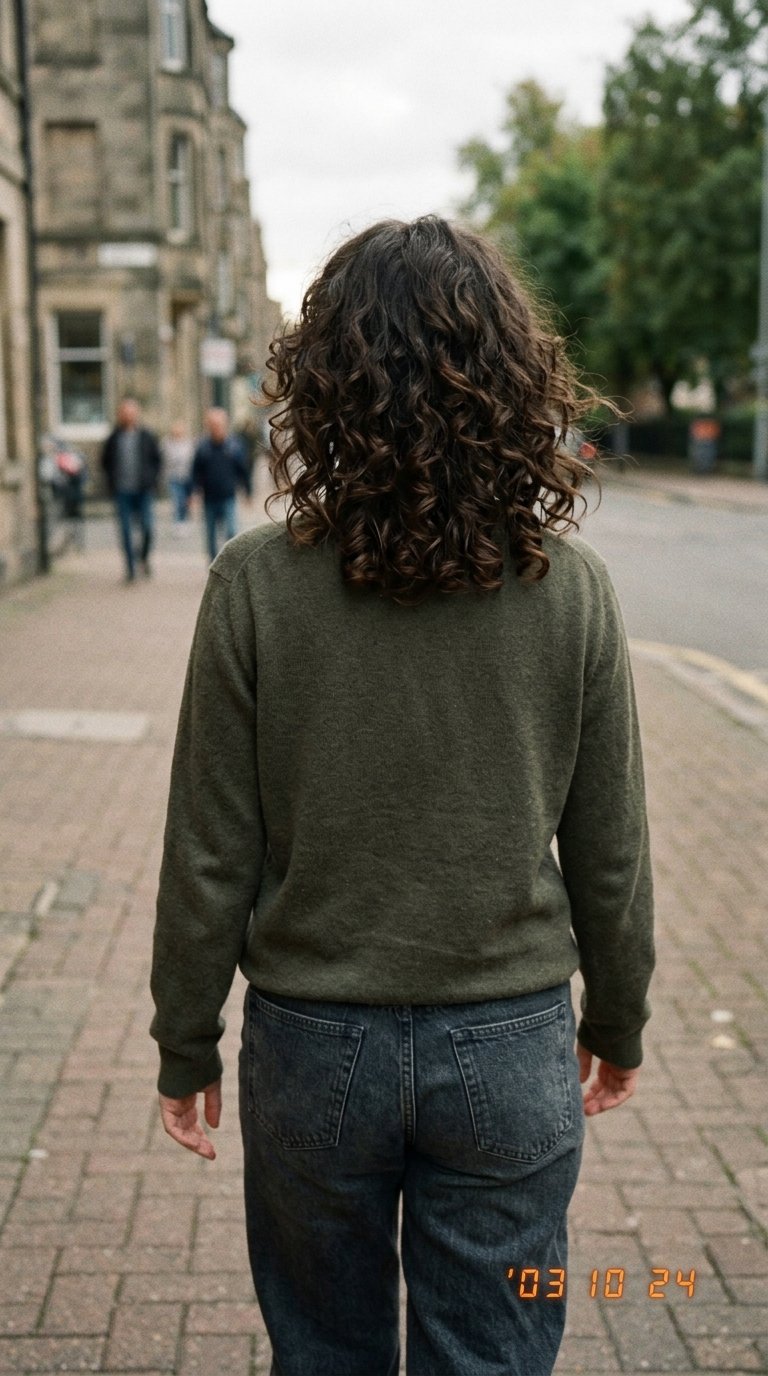
Shoulder-Skimming Shag for Curly Hair
Curly hair can transform the shoulder-skimming shag into something particularly expressive. The natural curl pattern adds volume and dimension, while the layers give those curls room to form their own shape. Because curls often shrink when dry, the cutting process needs to account for the difference between wet and dry length.
The best result usually comes from respecting the existing curl pattern rather than forcing it into a completely different structure. A customized approach can create a rounded, balanced silhouette while preserving the individuality of the curls.
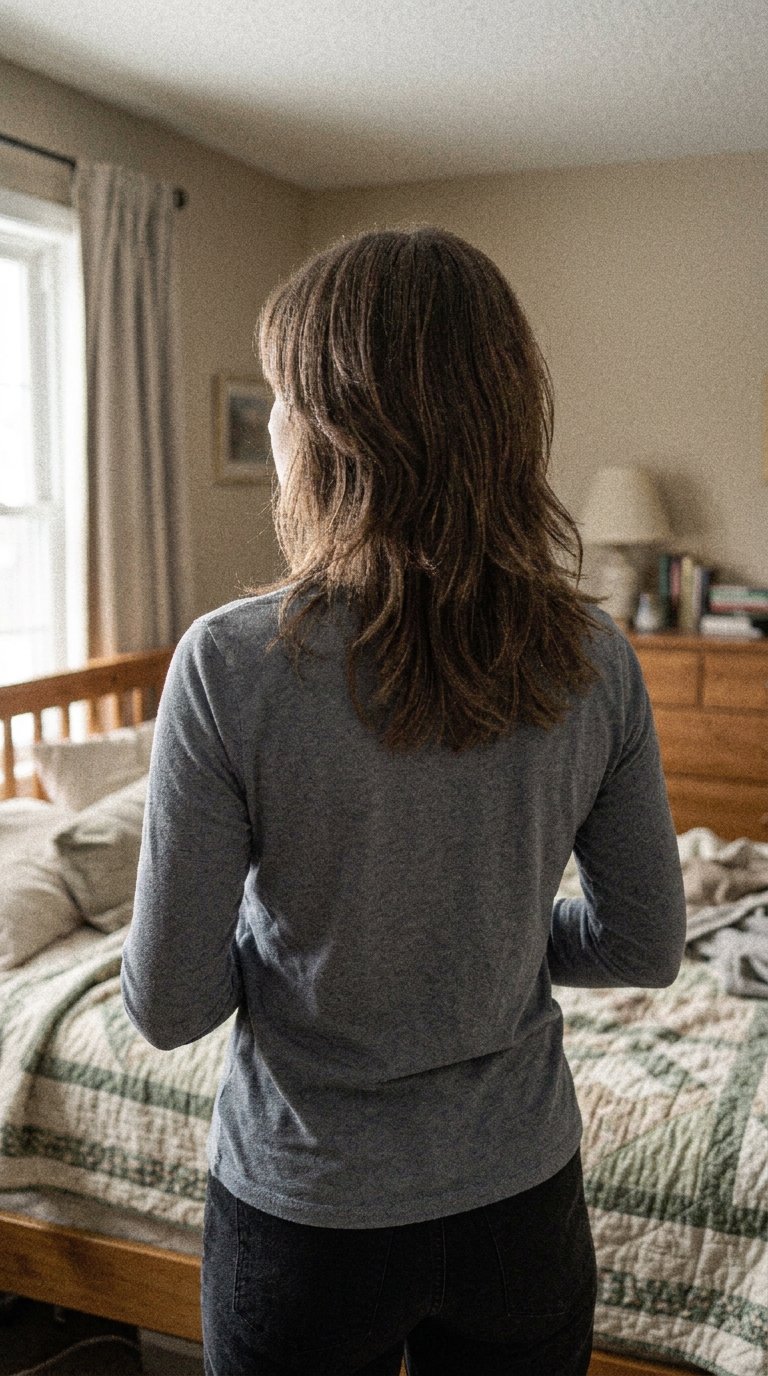
Shoulder-Skimming Shag for Fine Hair
Fine hair can look surprisingly full with the right shag construction. The key is strategic layering rather than excessive thinning. Removing too much density can make fine ends look sparse, so the stylist should preserve enough weight around the perimeter.
Shorter pieces around the crown can create lift, while feathered ends introduce movement. Lightweight mousse or volumizing spray can help reinforce that shape without weighing the hair down.
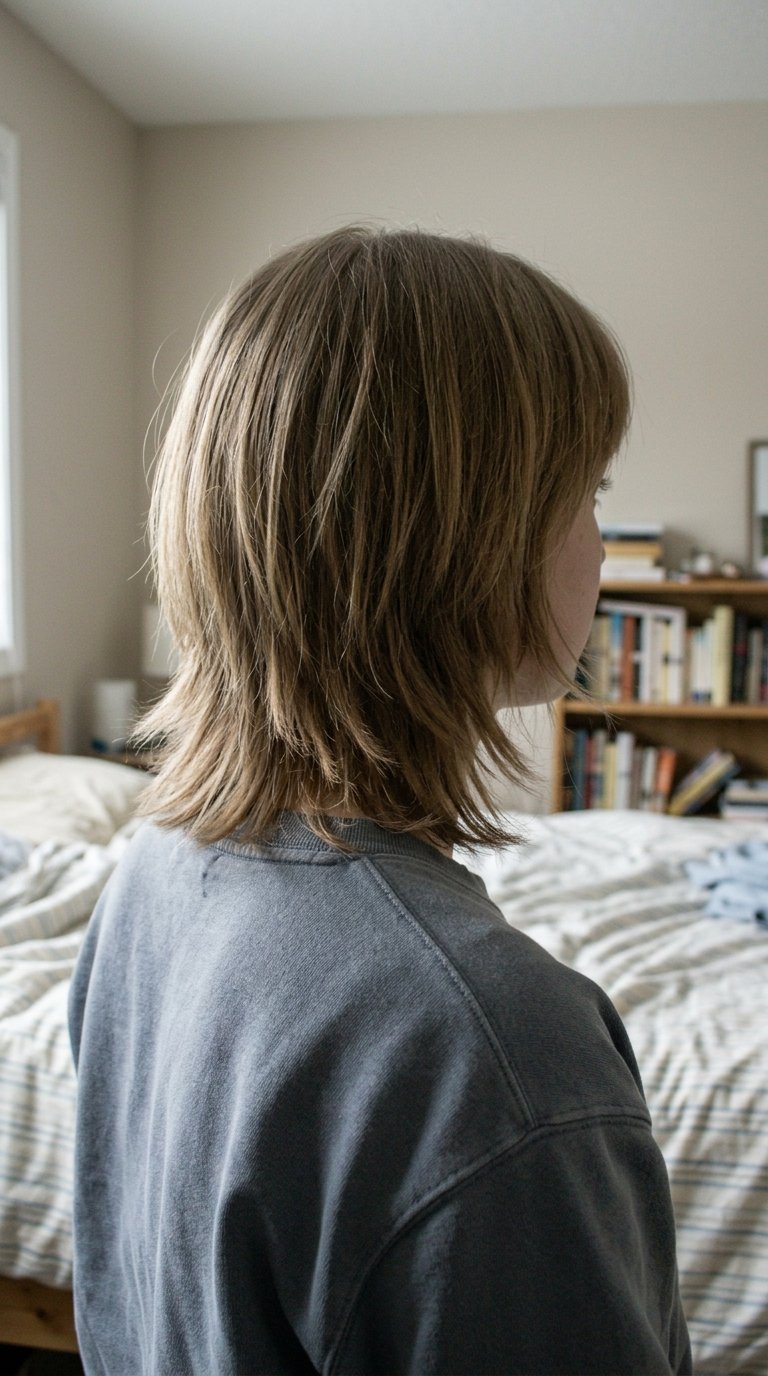
Shoulder-Skimming Shag for Thick Hair
Thick hair provides plenty of density for a dramatic shag, but that density needs to be controlled thoughtfully. The objective is to remove unnecessary heaviness while maintaining the fullness that makes thick hair beautiful.
Internal layering can help redistribute weight, allowing the hair to move rather than sit as one heavy block. The finished haircut can therefore feel significantly lighter while still looking abundant and textured.

The Soft Shoulder-Skimming Shag
Not every shag needs dramatic choppy layers. A soft shoulder-skimming shag uses gentler transitions and a more blended silhouette. This interpretation is ideal for anyone who likes the idea of a shag but wants something refined enough for everyday professional settings.
The layers can still create volume and movement, but their edges are less aggressive. Soft waves or a lightly curved blowout can make this version especially elegant.
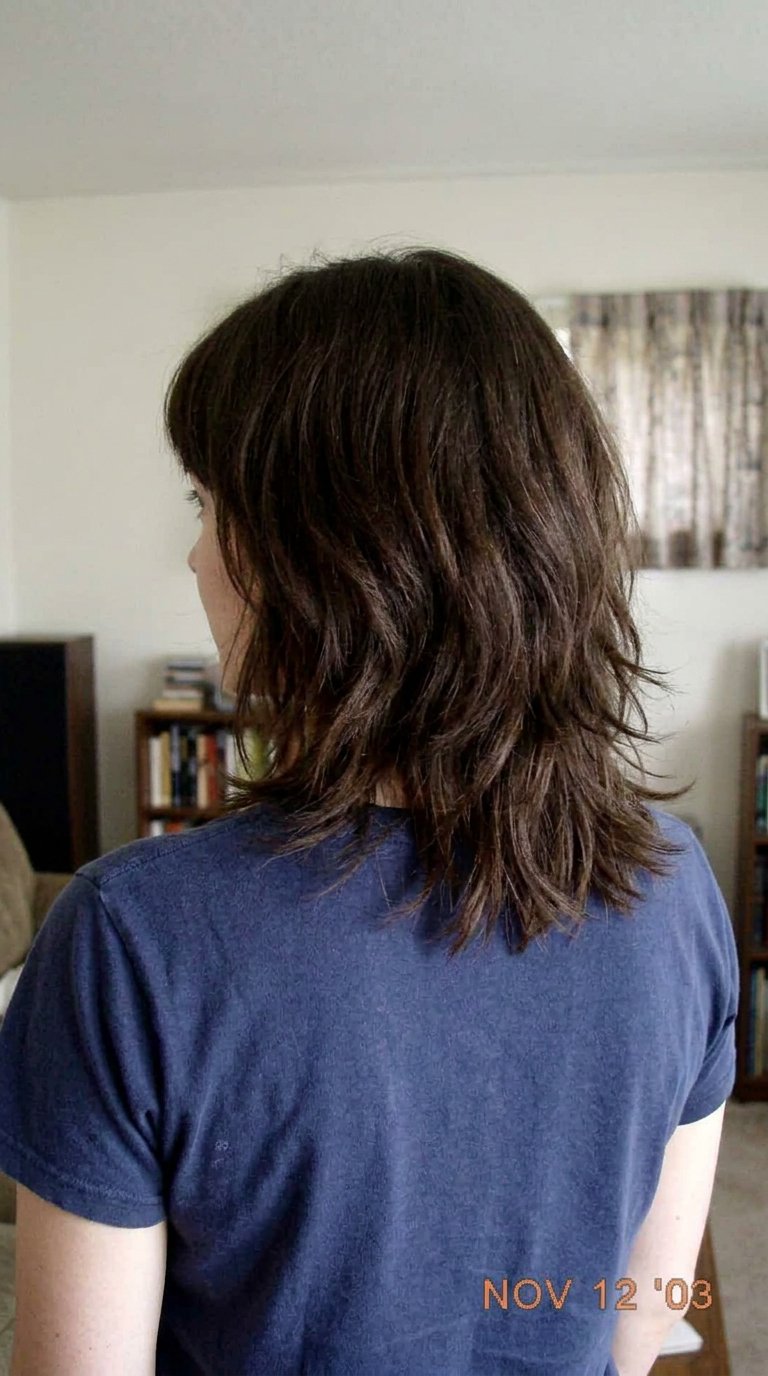
The Choppy Shoulder-Skimming Shag
For those who want more personality, choppy layers create a bolder interpretation. The difference between shorter and longer sections becomes more visible, giving the haircut an intentionally undone appearance.
This style looks particularly good when the ends are separated rather than curled into uniform shapes. A small amount of styling paste can highlight those individual pieces and bring the haircut to life.

The Feathered Shoulder-Skimming Shag
Feathering gives the shag a lighter and more flowing appearance. Instead of ending abruptly, the layers taper softly into the surrounding hair. This creates movement without making the haircut look overly fragmented.
A feathered shag can be particularly attractive on medium-density hair because the layers appear airy while enough length remains around the shoulders to maintain balance.
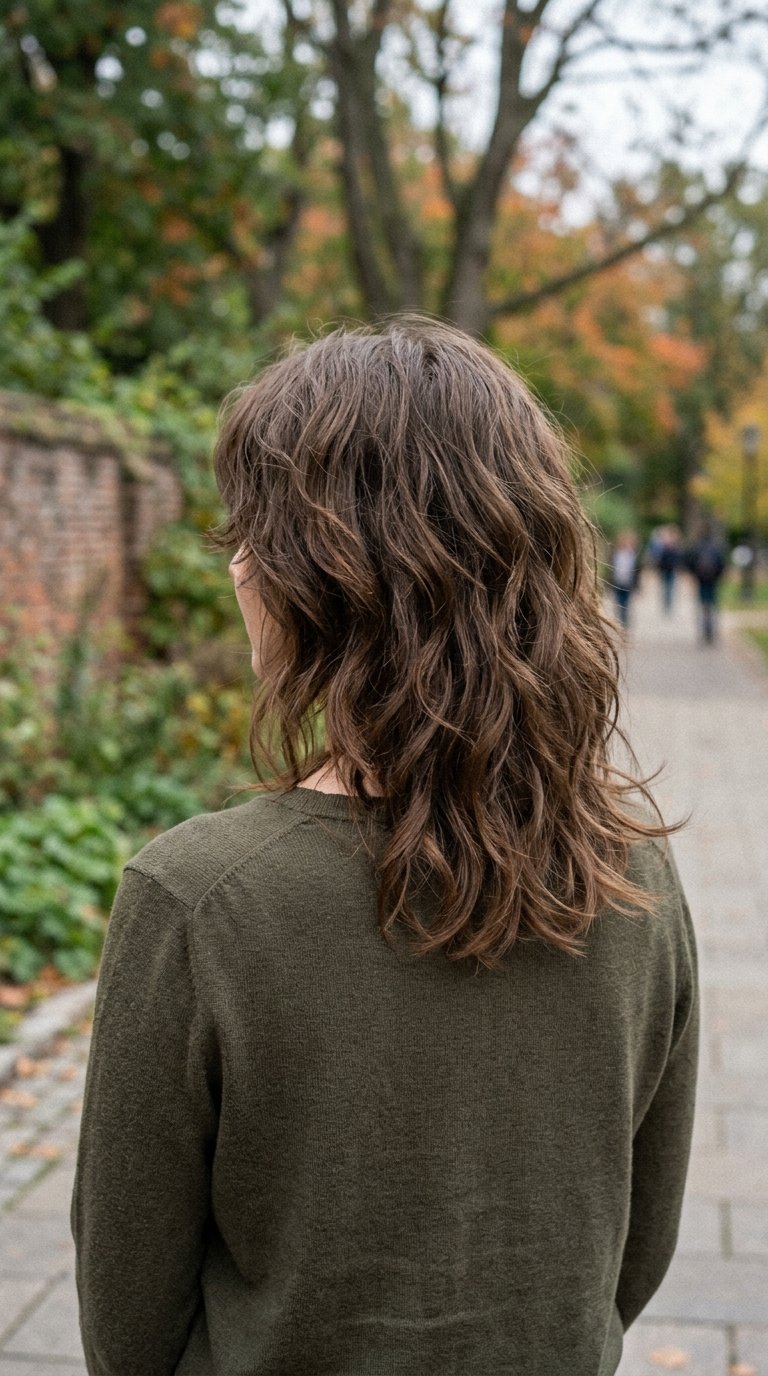
Face-Framing Layers That Make the Difference
Face-framing pieces can completely change how the haircut interacts with the face. Rather than allowing every layer to begin at the same point, the stylist can place shorter sections around the cheekbones, jawline, or chin depending on the desired effect.
Longer face-framing pieces create softness, while shorter sections make the haircut more noticeable and editorial. The important thing is that the framing should connect naturally to the rest of the shag rather than looking like a separate haircut attached to it.

Curtain Bangs With a Shoulder-Skimming Shag
Curtain bangs are a natural companion to the shag because their longer shape can flow directly into the surrounding layers. They can soften the forehead area and create a gradual transition toward the cheekbones.
They are also versatile. They can be worn parted neatly, pushed slightly to one side, or blended into the haircut on days when you want the fringe to be less noticeable.
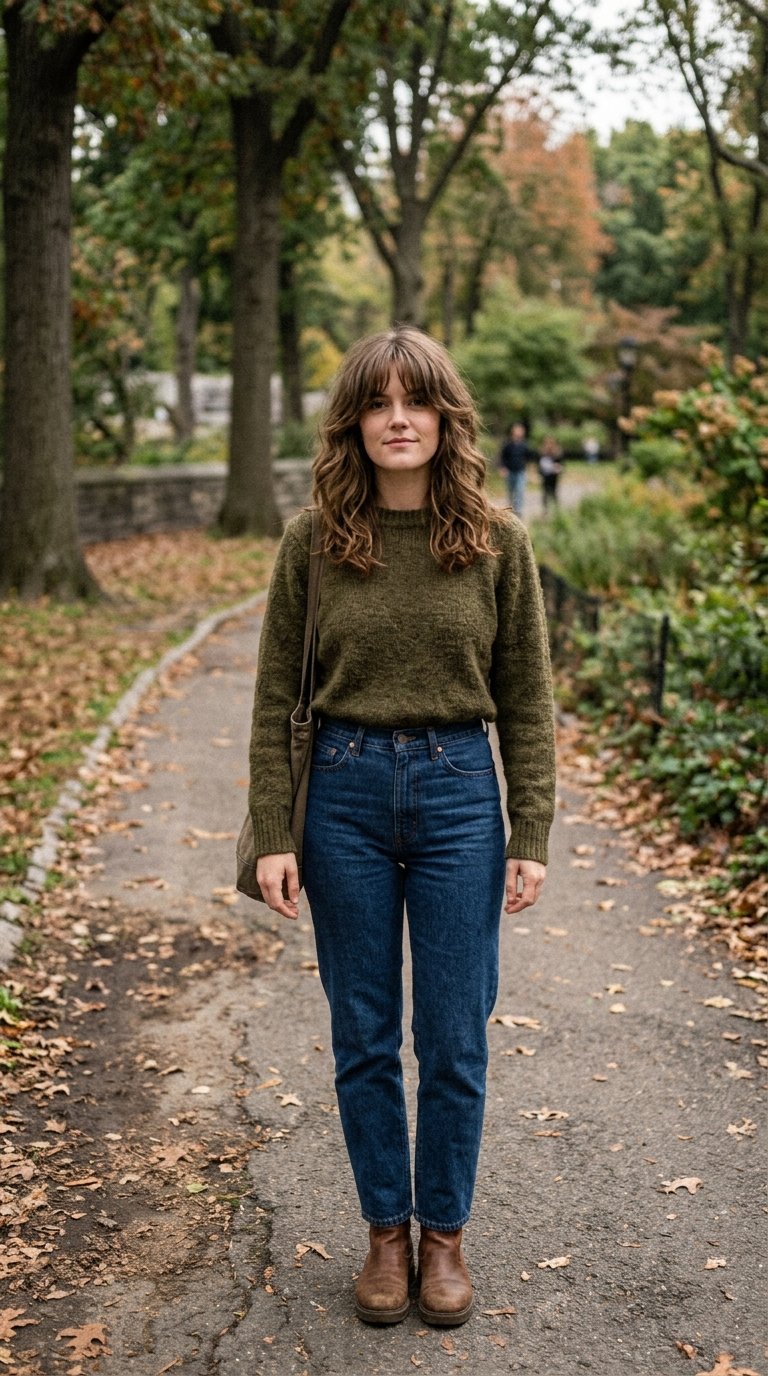
Wispy Bangs for a Lighter Look
Wispy bangs create a delicate contrast with the textured layers of a shag. Instead of forming a strong solid line, they introduce a few lightweight pieces across the forehead.
This makes them appealing to anyone who wants the personality of bangs without the visual heaviness of a blunt fringe. As they grow, they can also transition naturally into the surrounding layers.

Choppy Bangs for an Edgier Finish
Choppy bangs add more contrast and attitude. They can make the overall haircut feel younger, bolder, and more deliberately undone.
Because the shag already contains movement, choppy fringe can become an extension of that texture. The result feels cohesive when the bangs are connected to shorter face-framing layers.
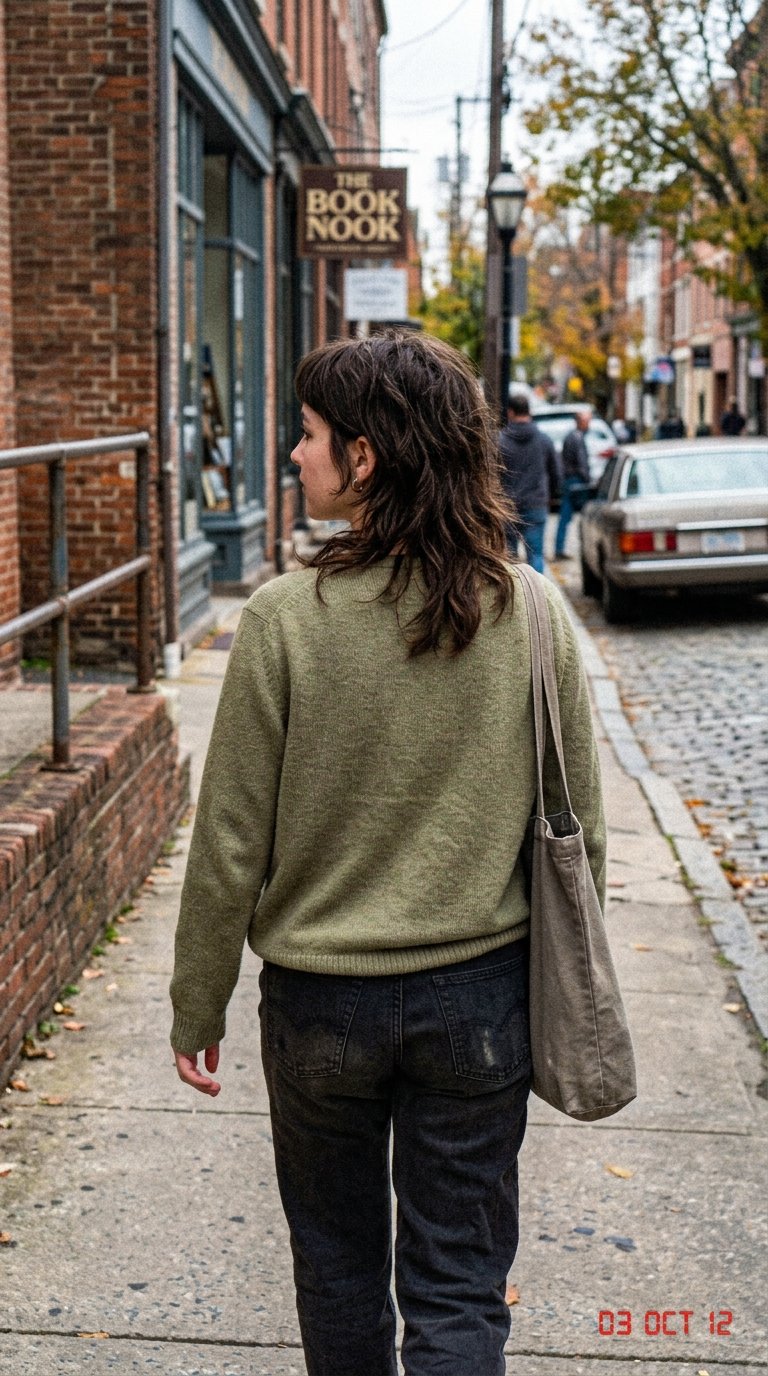
Middle Part or Side Part?
The shoulder-skimming shag can work beautifully with either a center or side part. A middle part emphasizes symmetry and allows the face-framing layers to fall evenly on both sides. It gives the haircut a clean, contemporary feel.
A side part creates a little more asymmetry and can add extra lift to one side of the crown. Switching the part is also one of the easiest ways to make the same haircut look noticeably different without changing the cut.

Air-Dried Shoulder-Skimming Shag
The ability to air-dry naturally is one of the strongest advantages of a well-designed shag. When the layers are suited to the person’s natural texture, the haircut can create its own shape as it dries.
For wavy or curly hair, a small amount of lightweight product can help reduce frizz while maintaining movement. Straight hair may benefit from gently lifting the roots or twisting a few sections while damp.
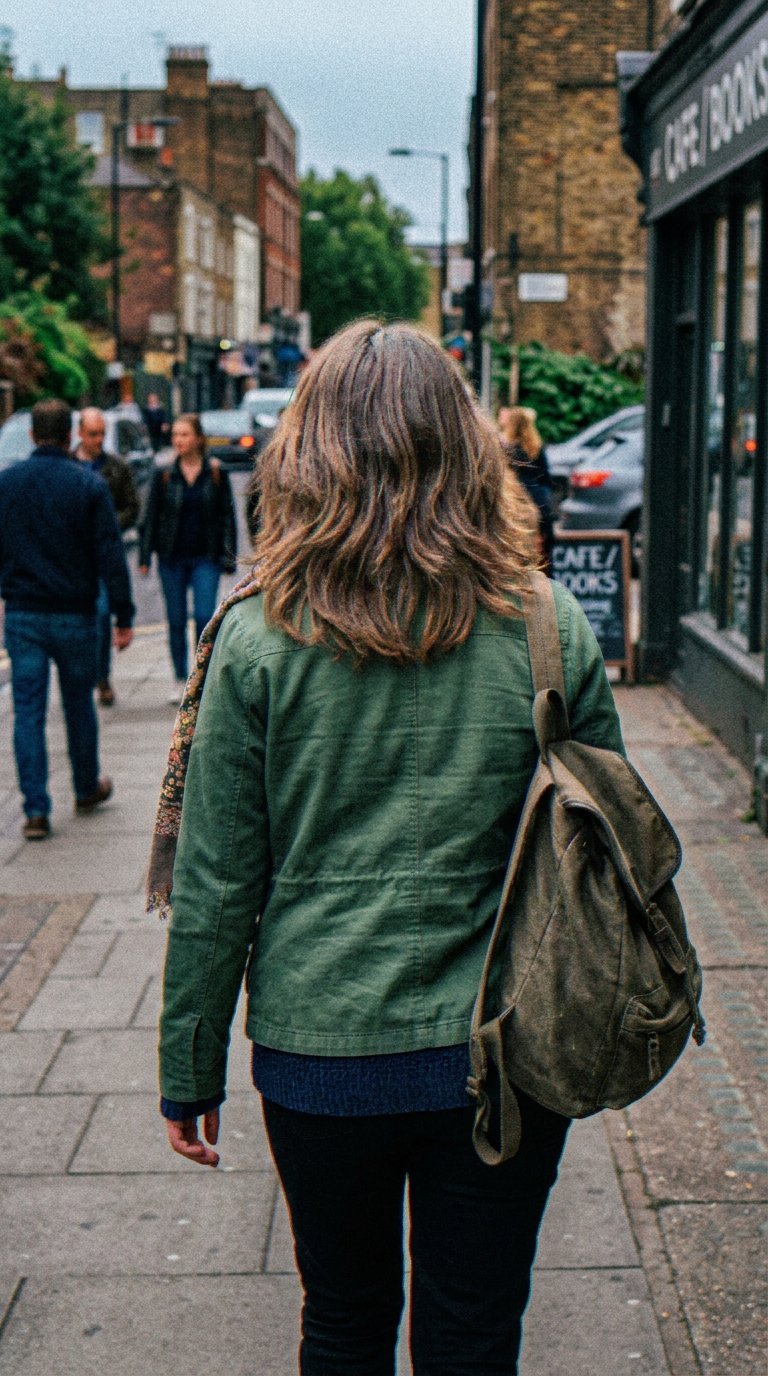
Blow-Dried Volume Without the Fuss
A blow dryer can transform the same shag into a fuller, more polished style. Rather than trying to smooth every strand, focus on lifting the roots and directing the layers away from the face.
A diffuser works well for textured hair, while a round brush can create more controlled volume for straight or slightly wavy hair. The goal is to preserve movement rather than flattening the haircut.

How to Make the Shag Look More Polished
Although the shag is famous for its undone character, it can easily be styled in a more polished direction. Smooth the outer layer while maintaining volume underneath, then lightly shape the ends with a flat iron or round brush.
A small amount of shine-enhancing product can make the finished style appear more refined. Keeping some separation between the layers prevents the haircut from losing its signature personality.
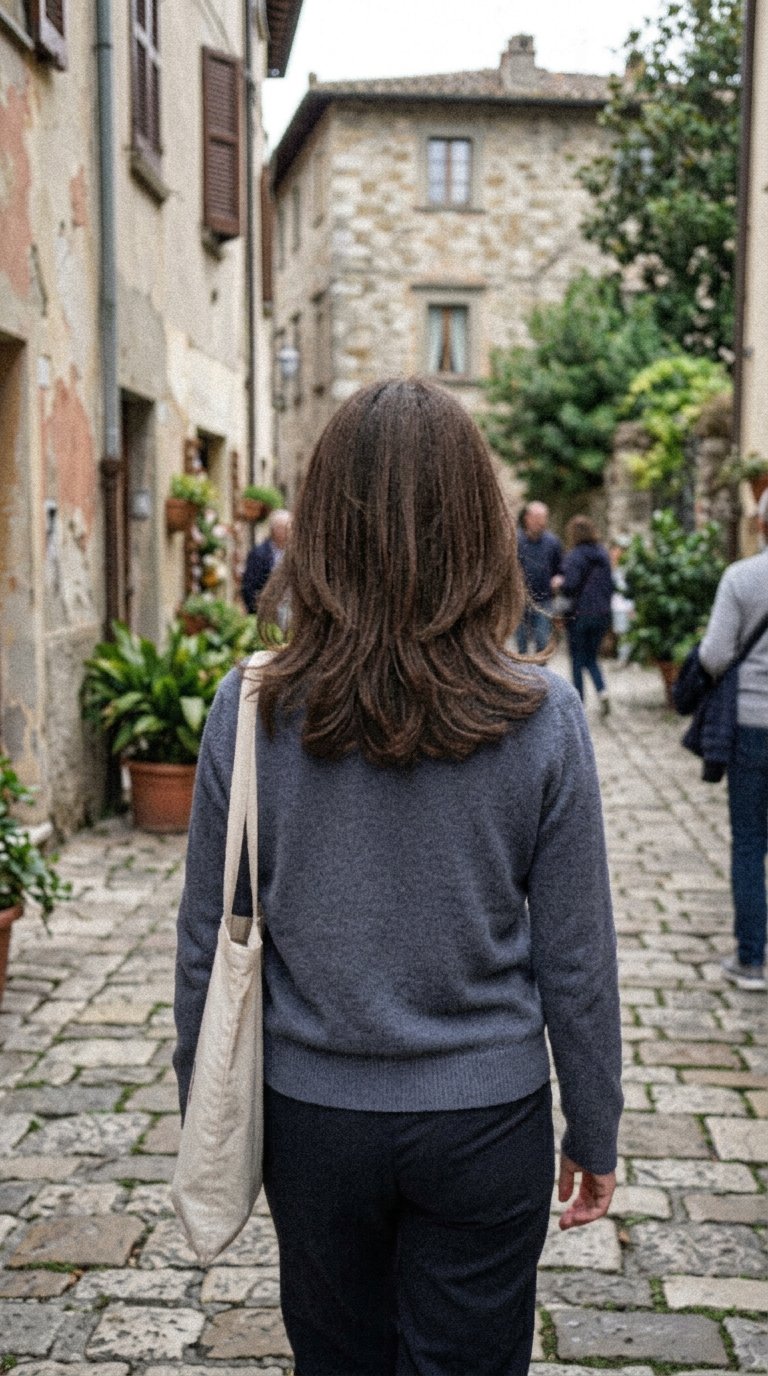
The Messy Shag for Everyday Style
The messy version may be the most recognizable interpretation. Instead of creating perfectly arranged waves, the hair is encouraged to form irregular bends and separated pieces.
The secret is moderation. A small amount of texture product can create the right amount of separation, while repeatedly adding product can make the hair heavy. A quick scrunch or finger-comb is often enough to refresh the shape.
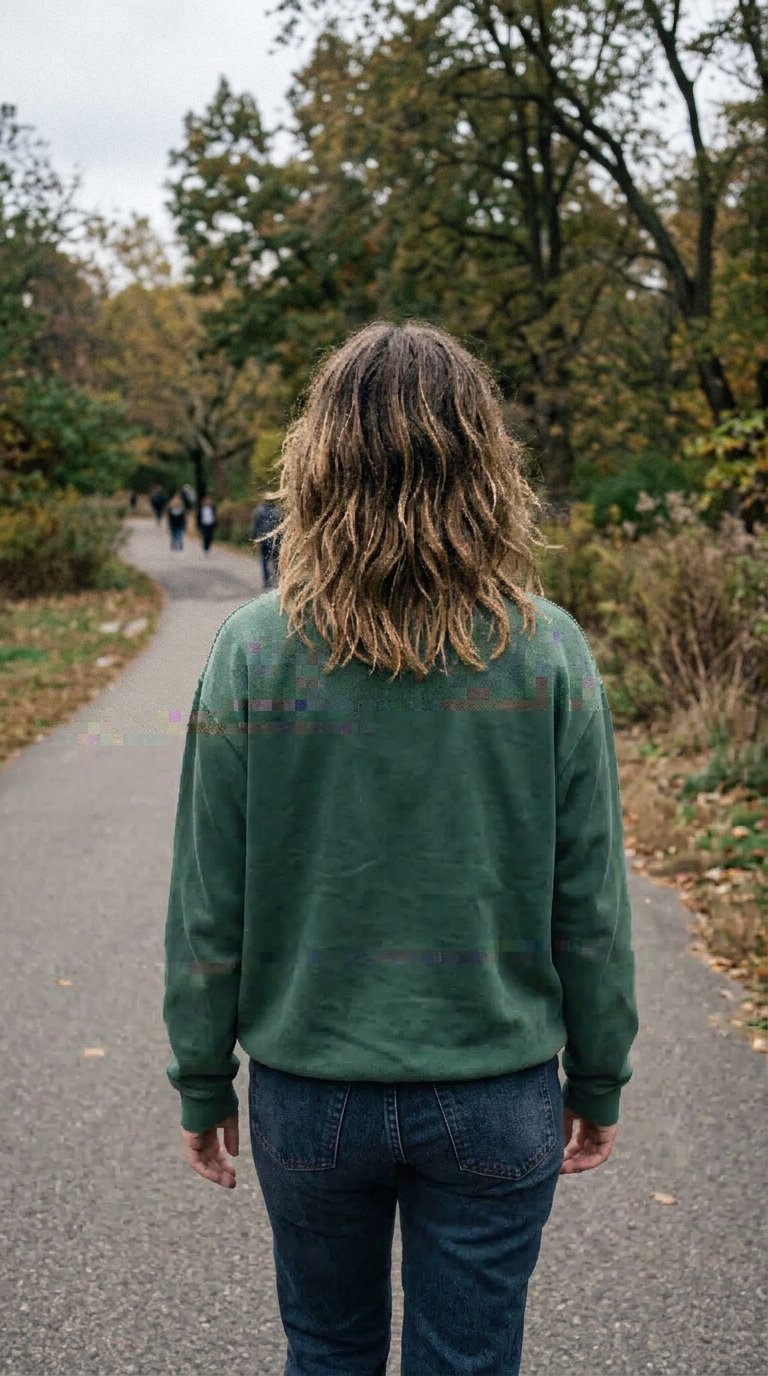
Low-Maintenance Styling for Busy Days
The shag can survive a busy schedule particularly well when it has been tailored to the wearer’s natural texture. On days when there is little time for styling, refresh the roots, reshape the front pieces, and add a small amount of texture product.
Because the haircut already depends on movement, it does not require perfect symmetry. A little imperfection can actually make the final result look more authentic.
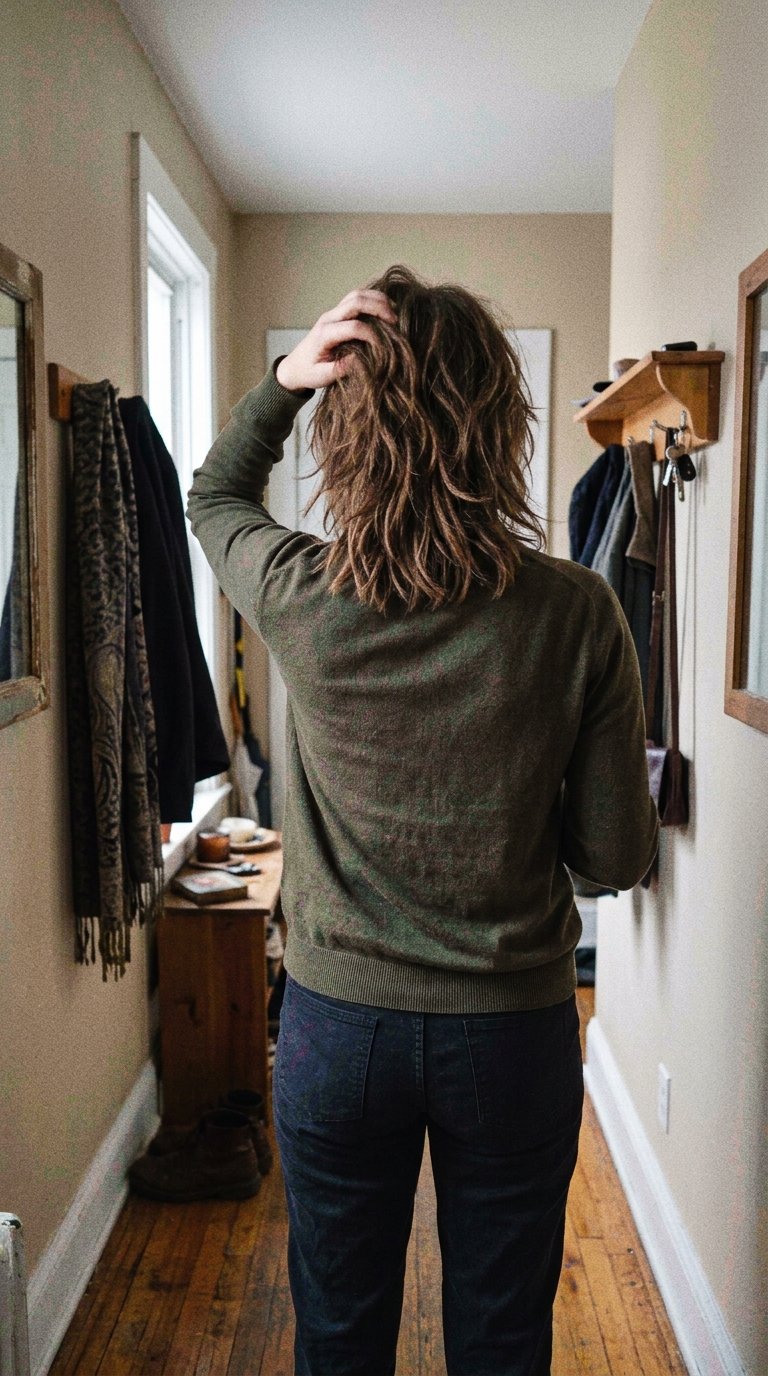
How Often Should You Trim a Shoulder-Skimming Shag?
The maintenance schedule depends on how quickly your hair grows and how precise you want the layers to remain. Someone who likes a softer, grown-out look may be comfortable waiting longer, while someone who wants crisp face-framing pieces may prefer more regular appointments.
The bangs and shorter face-framing sections often need attention before the longer perimeter does. Small maintenance trims can preserve the overall character without requiring a major haircut every time.
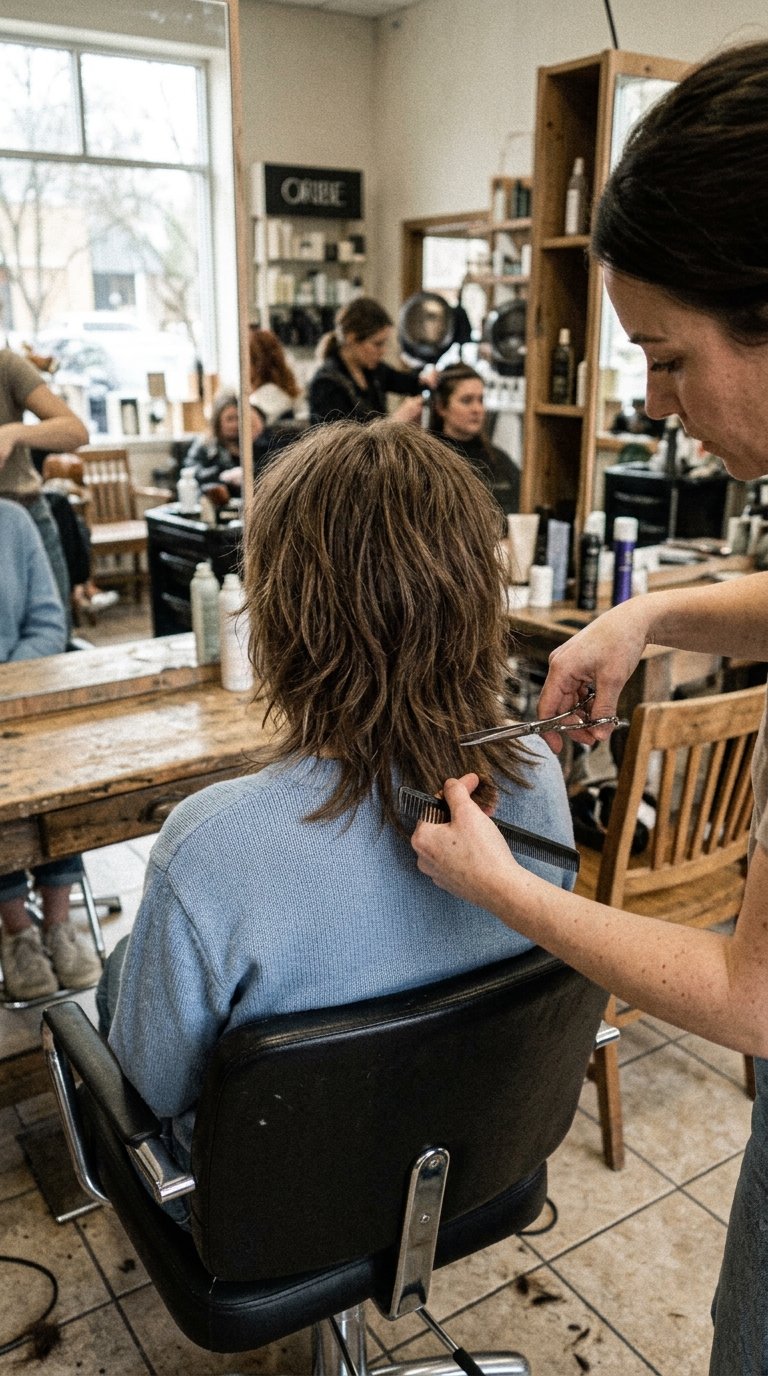
Growing Out the Shoulder-Skimming Shag
A thoughtfully designed shag can grow into a longer layered style without immediately losing its character. As the shorter pieces become longer, they gradually integrate with the rest of the haircut.
This makes the shoulder-skimming version a useful transition for someone who may eventually want longer hair. Instead of feeling like the haircut has completely lost its identity, it can naturally evolve into a longer shag or layered cut.
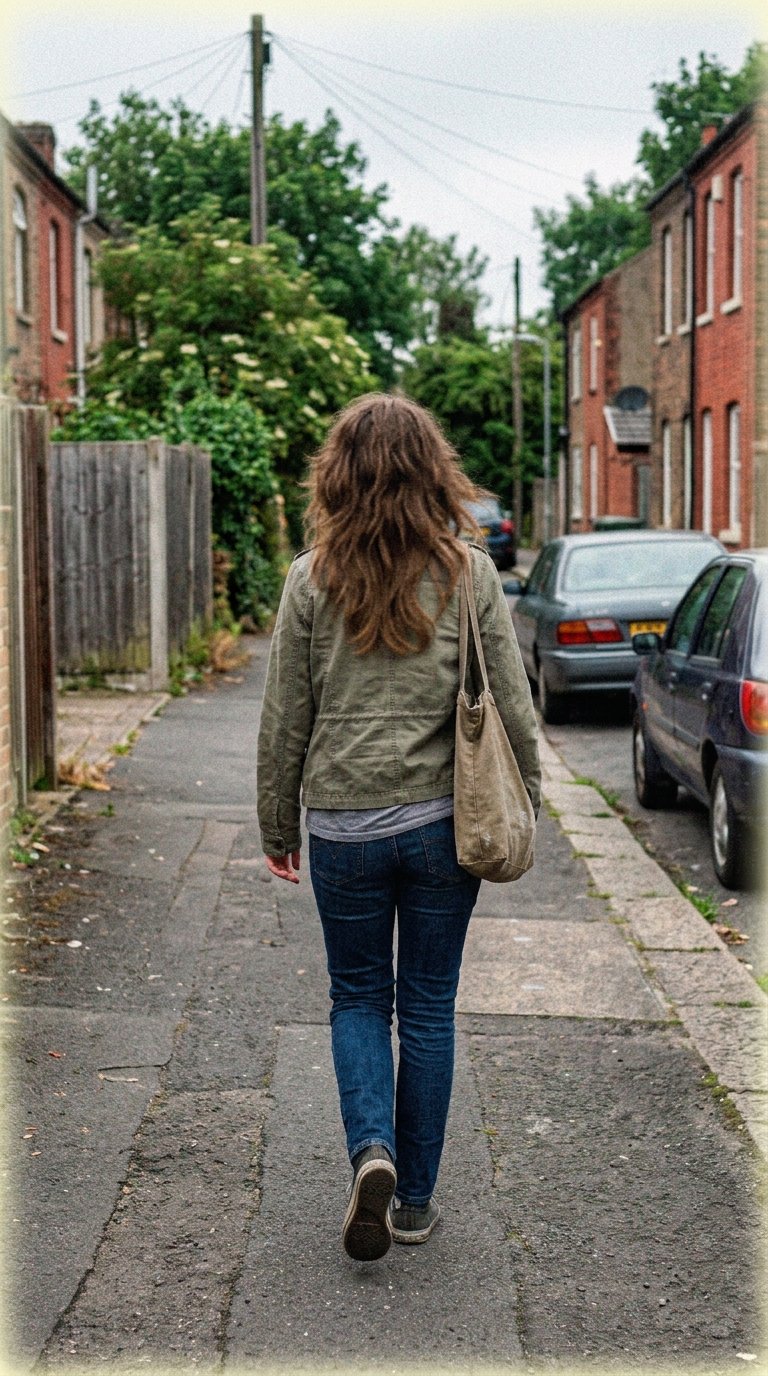
Shoulder-Skimming Shag for a Square Face
For a square face, the goal is often to introduce softness around the jawline. Face-framing layers can break up strong horizontal lines while the movement of the shag prevents the haircut from appearing rigid.
Soft waves can enhance this effect because they create curves around the face. Longer curtain bangs can also provide a gentle transition from the forehead toward the cheekbones.

Final Thoughts on the Shoulder-Skimming Shag
The shoulder-skimming shag succeeds because it offers something that many modern haircuts struggle to achieve: personality without excessive maintenance. It has enough layers to create movement, enough length to remain versatile, and enough adaptability to work across a wide range of textures and personal aesthetics.
Whether you choose soft curtain bangs, a choppy fringe, natural waves, sleek straight strands, or defined curls, the foundation remains the same. The haircut is designed to move. It is designed to frame. Most importantly, it is designed to feel like your hair rather than a rigid copy of a trend.
For anyone ready to move away from heavy, shapeless lengths but not quite ready for a short haircut, the shoulder-skimming shag offers an appealing middle ground. It can be relaxed or polished, subtle or dramatic, classic or distinctly modern. With the right layering and a thoughtful consultation, it can become one of those rare haircuts that feels exciting on day one and practical months later.
The result is not simply a new haircut. It is a wearable expression of confidence, movement, and individuality—a style that looks best when you let it have a little freedom.