The Richmond Shag: Virginia Capital Historic
In the heart of the American South, where the James River curls through history and cobblestone streets whisper of centuries past, Richmond, Virginia, cultivated a rhythm all its own. Beyond its monuments and battlefields, the city gave birth to a vibrant, swinging cultural artifact: The Richmond Shag. This isn’t just a dance; it’s a footloose chapter in the city’s social history, a rhythmic conversation between partners that emerged from the jazz and swing eras to become a beloved, distinctly Virginian tradition. More than a series of steps, the Richmond Shag is a living heirloom, a testament to the city’s ability to create joy and community amidst the echoes of history.
Roots in the River City: The Birth of a Swing Style
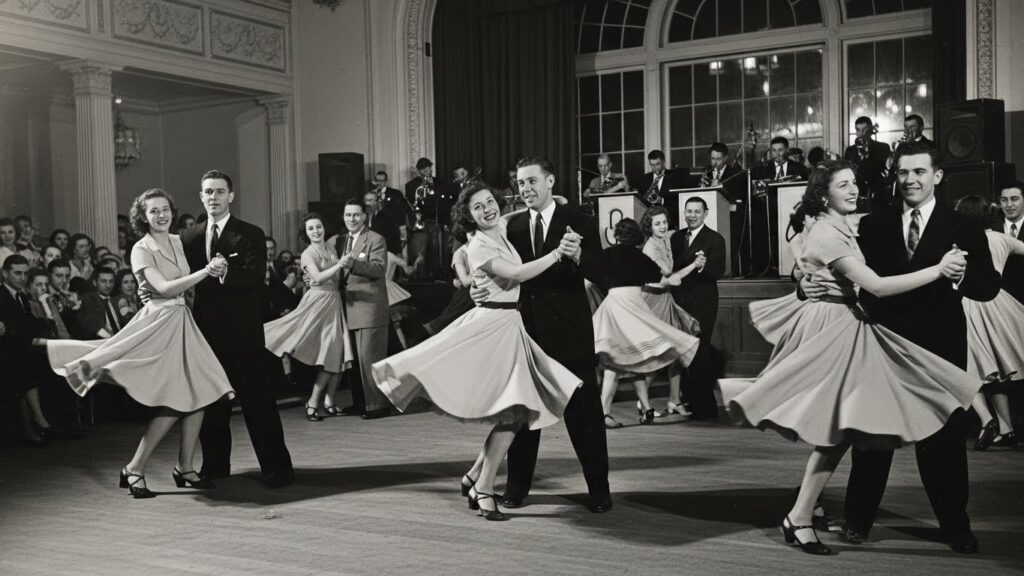
The story of the Richmond Shag begins in the late 1930s and 1940s, a golden age for American social dance. Big band swing was the national soundtrack, and every region began to put its own spin on popular dances like the Carolina Shag, which originated on the beaches of the Carolinas. Richmond, a major transportation and cultural hub, was no exception. The city’s dancers, influenced by the traveling bands that played in venues like The Mosque (now the Altria Theater) and the legendary Hofheimer Building clubs, began to adapt the faster, more linear Carolina style.
They created something slightly different—a dance that retained the smooth, gliding footwork but often suited the specific rhythms and spaces of Richmond’s dance halls. It was a dance born in local armories, social clubs, and later, in the famed Vitamin Grill and Bowl America alleys, where teenagers and young adults would gather for “record hops.” The Richmond Shag became the physical expression of the city’s postwar optimism, a way for a new generation to claim its own identity through movement.
Defining the Steps: What Makes the Richmond Shag Unique?
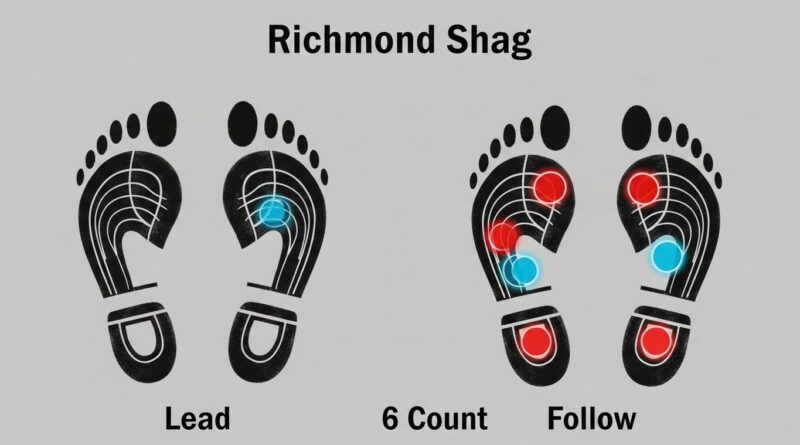
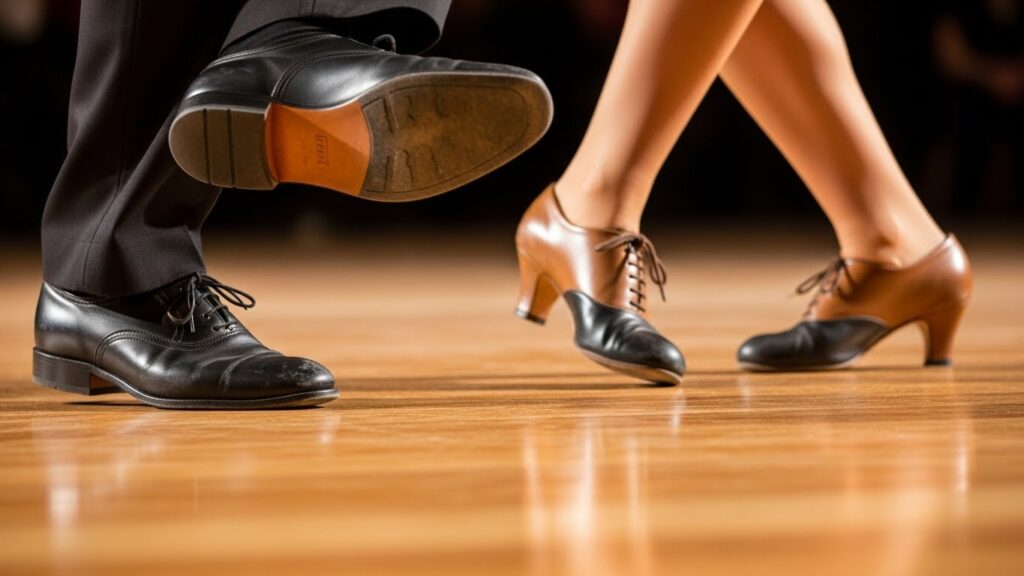
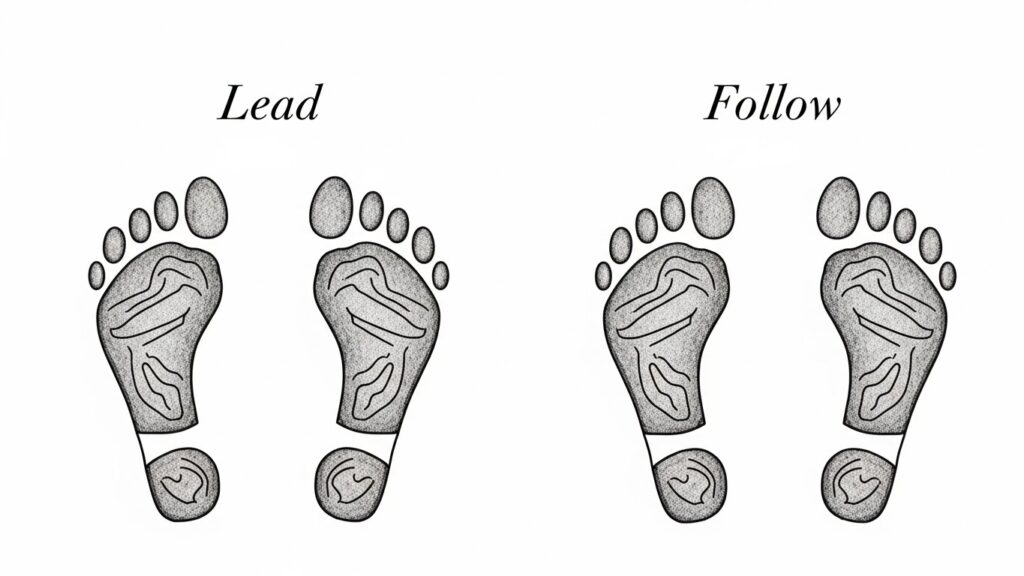
To the untrained eye, the Richmond Shag might look similar to other swing shag dances, but its nuances are what give it character. It is traditionally a six-count, partner dance done to mid-to-up-tempo rhythm and blues or rock and roll music (often in the 120-160 beats per minute range). The basic step is a lively, triple-step pattern (step-step-triple-step) executed with a distinct, relaxed bounce and upright posture.
What sets it apart is its economy of movement and focus on footwork virtuosity over flashy aerials. The dance frame is typically closer than the Carolina Shag, with turns and passes executed with sharp precision. The lead and follow engage in a playful, rhythmic dialogue, their feet a blur of syncopated taps, kicks, and slides, while their upper bodies remain relatively calm and connected. This creates a captivating contrast—a portrait of controlled exuberance. The style emphasizes musicality, with dancers hitting breaks in the music with well-timed syncopations or “shuffles.”
The Soundtrack of a Generation: Music That Made Them Move
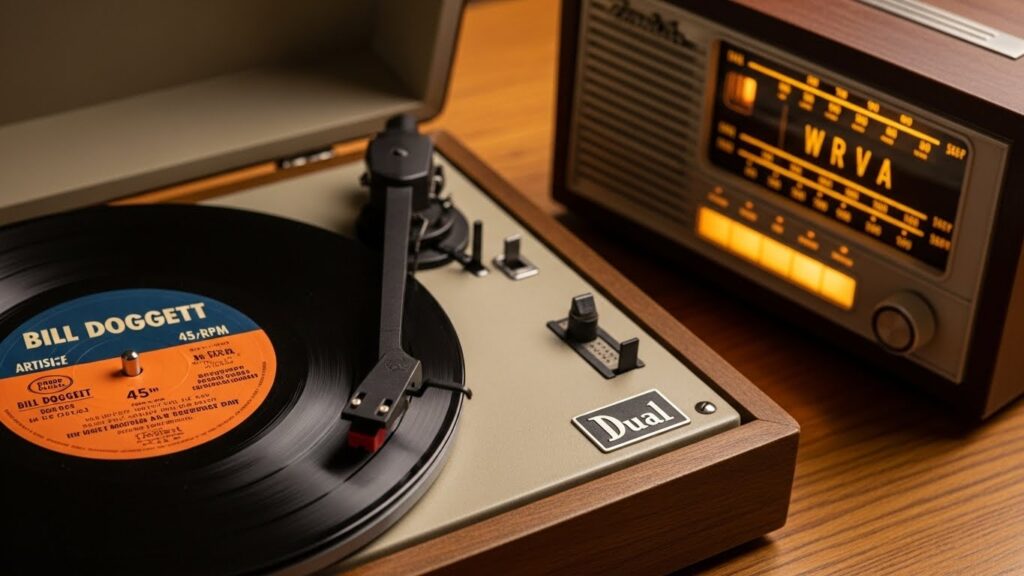
A dance is nothing without its music, and the Richmond Shag found its soul in the potent mix of jump blues, early rock and roll, and upbeat rhythm and blues. While Carolina Shag dancers famously moved to “beach music,” Richmond’s playlists had a slightly grittier, city edge. The driving saxophones and backbeats of artists like Bill Doggett (“Honky Tonk”), Lloyd Price (“Stagger Lee”), and Fats Domino provided the perfect fuel.
Local radio stations and DJs became crucial curators of the Shag sound. The iconic WRVA and personalities like Bob “The Dean” Smith would spin the records that would define weekends for countless teenagers. A song with a clear, steady beat and a swinging rhythm section could empty the seats at a school gymnasium or a fireman’s hall, filling the floor with a sea of shuffling feet. This music wasn’t just background noise; it was the call to community, a shared language that everyone from high schoolers to young professionals understood.
Preservation and Revival: Keeping the Shag Alive
Like many regional dances, the Richmond Shag faced a decline as musical tastes shifted in the 1960s and 70s. For a time, it risked becoming a forgotten memory, kept alive only in the minds of those who were young in the ’50s. However, the story doesn’t end there. Thanks to the dedication of a core group of original dancers and a new generation of swing enthusiasts, the Richmond Shag has experienced a remarkable revival.
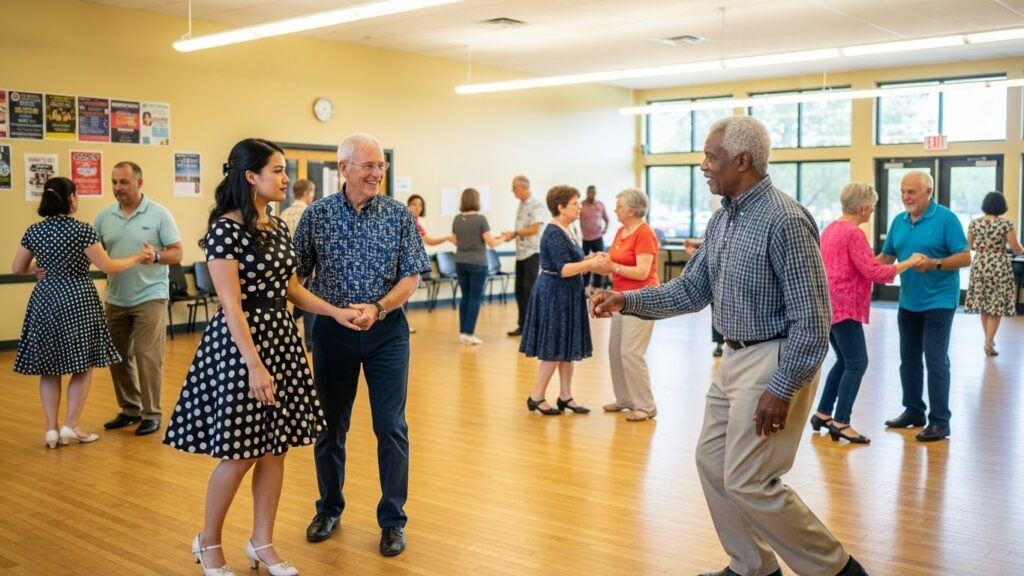
Organizations like the Richmond Shag Club, founded in the 1990s, became the torchbearers. They began offering lessons, hosting weekly dances, and organizing events to systematically pass the knowledge on. This formalized effort ensured the steps were standardized and taught correctly, preserving the authentic style. Today, you can find Shag nights at various venues around Richmond, where octogenarians who danced it at its peak share the floor with millennials and Gen Z dancers, all connected by the same timeless rhythm.
More Than a Dance: The Cultural Legacy of the Richmond Shag
The enduring appeal of the Richmond Shag lies in what it represents. It is a living piece of social history, a non-textual record of post-war Richmond’s energy and identity. In an era before social media, the dance floor was the network. It was where friendships were forged, romances sparked, and a sense of local belonging was physically enacted. The Shag provided a common ground, a joyful escape, and a point of civic pride that was separate from the weight of the city’s historical narrative.
Furthermore, its revival speaks to a universal human desire for connection and tangible culture. In a digital age, the Richmond Shag offers something real: eye contact, hand-to-hand connection, the shared effort of learning a skill, and the pure joy of moving in sync with another person and with music. It proves that cultural heritage isn’t always found in museums; sometimes, it’s found in a community hall on a Thursday night, in the shuffle of feet and the sound of a classic saxophone riff.
How to Experience the Richmond Shag Today
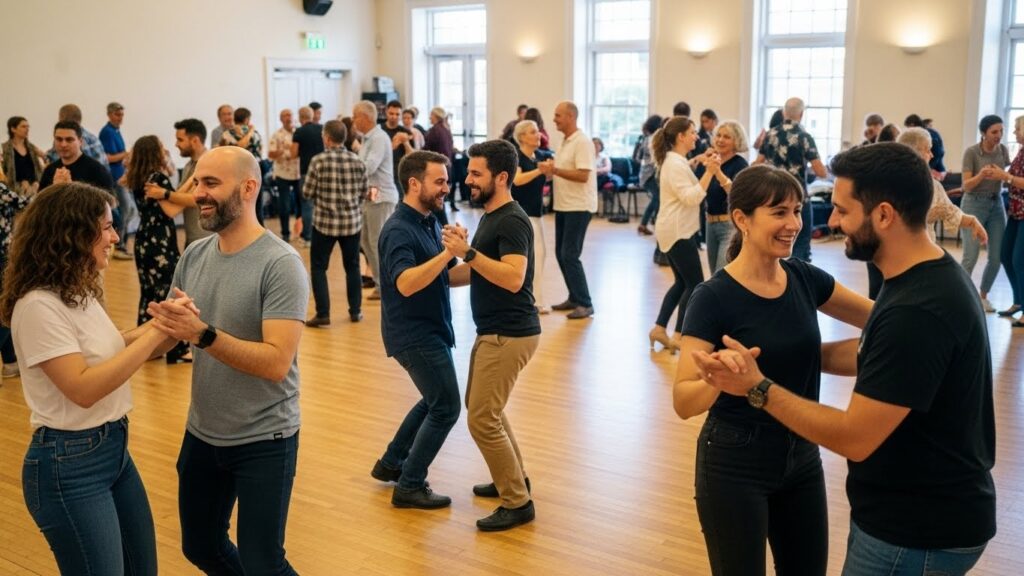
If you find yourself in Virginia’s capital with a curiosity for its living history, experiencing the Richmond Shag is a must. You don’t need to be an expert—just willing to learn. The community is famously welcoming to newcomers. Look for scheduled beginner lessons held by the Richmond Shag Club or other local dance groups, often followed by a practice social dance. These are held in accessible venues like American Legion halls or recreation centers.
Attending one of these events is like stepping into a time capsule—but a very lively one. You’ll hear the classic tunes, see the unmistakable footwork, and feel the infectious energy. You might even get pulled onto the floor for a beginner’s spin. It’s the best way to understand that the Richmond Shag is more than a historic footnote; it’s a heartbeat. It’s the rhythmic pulse of a city that knows how to hold onto its joy, one triple-step at a time.
The Richmond Shag stands as a powerful reminder that history isn’t only written in documents or carved in stone. Sometimes, it’s preserved in the collective muscle memory of a community, in a specific rhythm tapped out on a wooden floor, in a style of swing that could only have come from the banks of the James. It is, truly, Virginia capital historic.