7 Hairstyles That Grow Out Beautifully
Let’s be honest: the perfect haircut is a fleeting moment of glory. Two weeks later, the roots start showing, the layers get fuzzy, and the shape begins to soften. The dreaded “in-between” phase looms, pushing you back towards the salon chair—and your wallet—sooner than you’d like. But what if your haircut was designed to evolve? What if, instead of fighting the growth, you could embrace it?
1. The Long, Face-Framing Layers
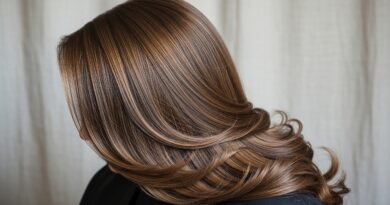
This is the undisputed queen of grow-out-friendly cuts. Long hair with soft, face-framing layers is designed for longevity. The layers start around your cheekbones or jawline and blend seamlessly into the longer lengths. As your hair grows, these framing pieces simply become longer, blending layers. They continue to add movement and shape without ever looking choppy or disconnected.
Why it grows out so well: The gradual nature of the layering means there’s no harsh line or dramatic change in length. The grow-out process is virtually undetectable. You can easily push your trims to four or even six months apart, and your hair will maintain a soft, romantic shape. To style, focus on enhancing the texture with a curling wand for loose waves or a texturizing spray for a beachy feel.
2. The Modern Shag
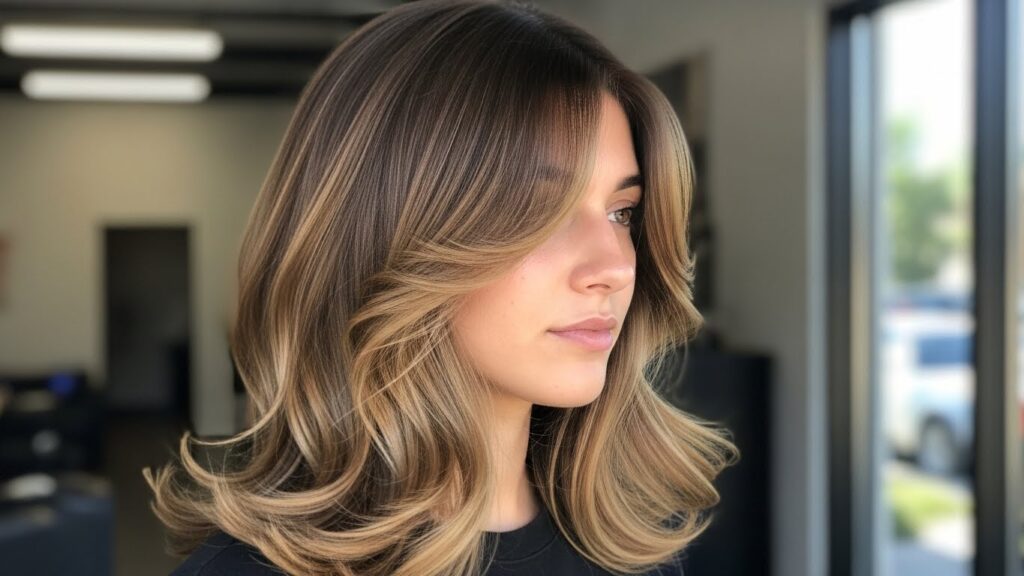
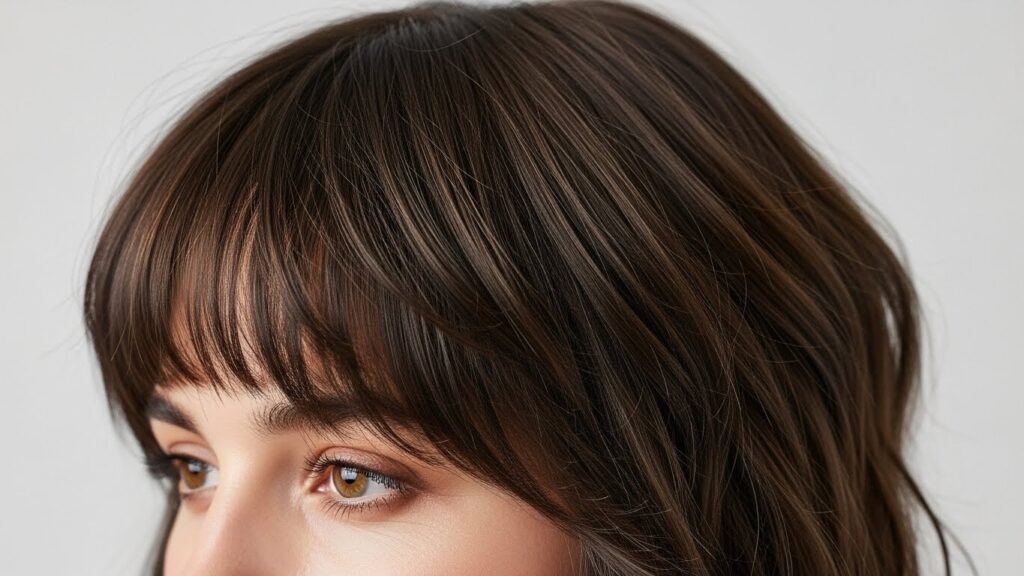
Don’t let the shag’ textured reputation fool you—today’s version is a masterclass in controlled chaos that ages like fine wine. The modern shag is built on disconnected, textured layers and often features curtain bangs. Its entire aesthetic is rooted in a piece-y, undone look, which means as it grows, it just looks… more undone in the best way possible.
Why it grows out so well: The shag’s layers are meant to be imperfect. When they grow, they simply become softer, more blended versions of themselves. The curtain bangs gracefully merge with the face-framing layers, eventually becoming part of them. This cut actually benefits from a bit of growth, gaining weight and movement while retaining its cool-girl essence. Regular use of dry shampoo and texturizing paste will help maintain its signature piece-y look throughout the grow-out.
3. The Blunt Bob (and Its Longer Sibling, The Lob)
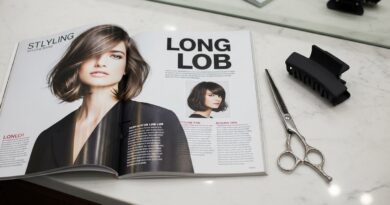
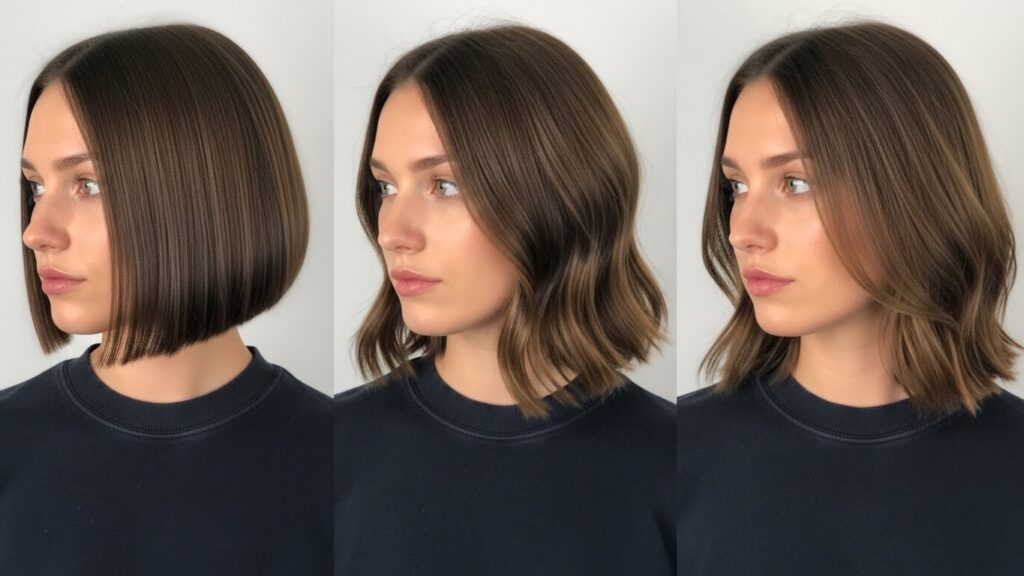
A sharp, blunt bob is a statement. But as it grows, it transforms into another iconic style: the long bob, or “lob.” This is a cut with a clear, beautiful evolution path. A chin-length bob that grows to collar-bone length simply changes its silhouette, remaining chic and polished at every stage.
Why it grows out so well: The clean, heavy line of a blunt cut slowly softens. As it gains length, it develops a subtle, natural swing and can be styled in more ways—think sleek and straight at bob length, then soft waves or a half-up style as a lob. The key is to ask your stylist for a slight angle or internal texturizing at the very ends to prevent a helmet-like look as it grows. This cut proves that simplicity often has the most elegant longevity.
4. The Textured Pixie
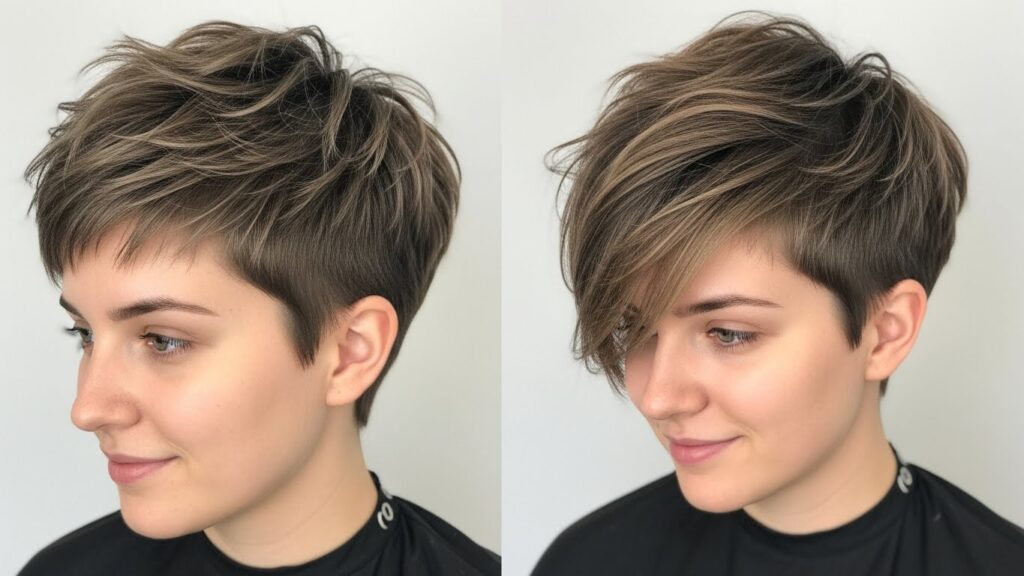
Choosing a pixie might seem like a commitment to frequent trims, but a textured pixie is the exception. Unlike a severe, geometric pixie, a textured version has uneven, choppy layers throughout. This variation in length is what gives it its grow-out superpower.
Why it grows out so well: As the shorter pieces grow, they catch up to the longer ones, creating a naturally layered, messy crop that can evolve into a pixie-passing-as-a-short-bob. The top layers get floppier and more playful, while the sides and back gain volume. You can experiment with pomades and waxes to push hair forward or to the side, creating new looks each month. It’s a cut that encourages playing with style as it changes.
5. The A-Line Bob
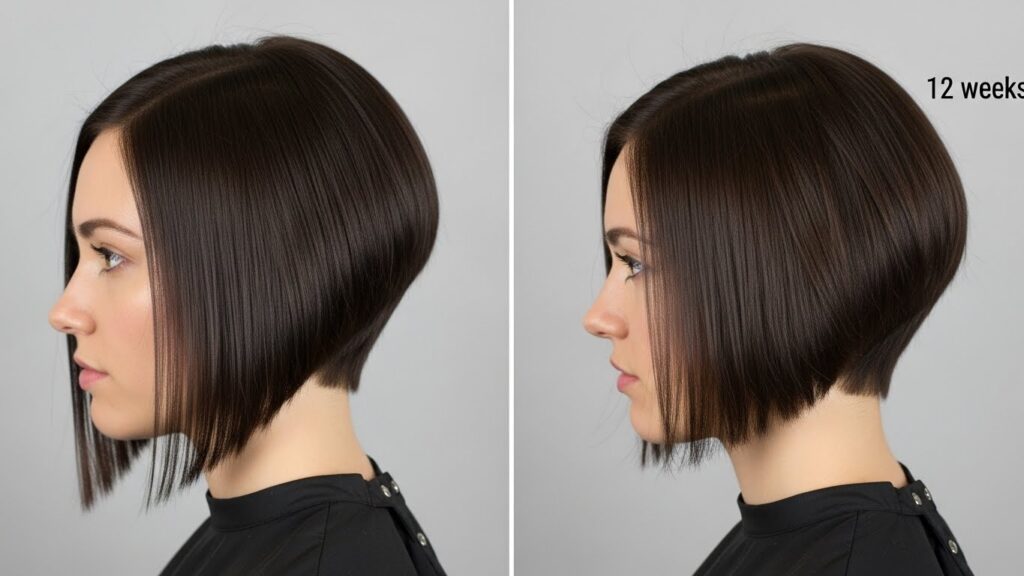
Characterized by its longer-in-front, shorter-in-back silhouette, the A-line bob has a built-in shape that persists. This angular cut is dramatic at first, but its architecture ensures it remains interesting as it grows. The graduated length in the back provides a foundation that supports the longer front sections.
Why it grows out so well: The A-line simply becomes less severe. The dramatic angle softens into a gentle slope. Eventually, the back grows out to meet the longer front, transitioning seamlessly into a versatile, all-one-length lob or a cut with subtle layers. Throughout the process, the hair maintains a sense of style and intention, avoiding a shapeless, “just growing it out” appearance.
6. Soft, Blended Layers on Medium Hair
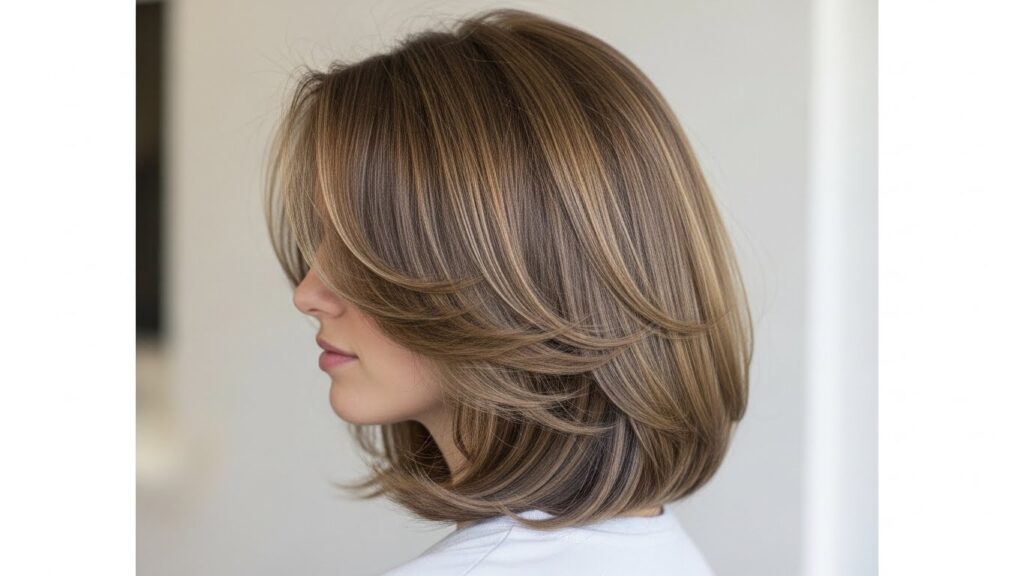
For those with hair between the chin and shoulders, soft, blended layers are a lifesaver. This cut avoids any stark lines or heavy stacking. Instead, layers are cut with a feathering technique so they melt into one another. It’s the ultimate “wash-and-wear” style that gets better with time.
Why it grows out so well: Because the layers are so seamlessly integrated, their growth is imperceptible. The hair just appears fuller and with more body as the layers gain length. This cut is fantastic for adding volume to fine hair and managing bulk in thick hair, and both benefits continue throughout the grow-out cycle. It’s the definition of a reliable, always-presentable style.
7. The Curly Shag or DevaCut
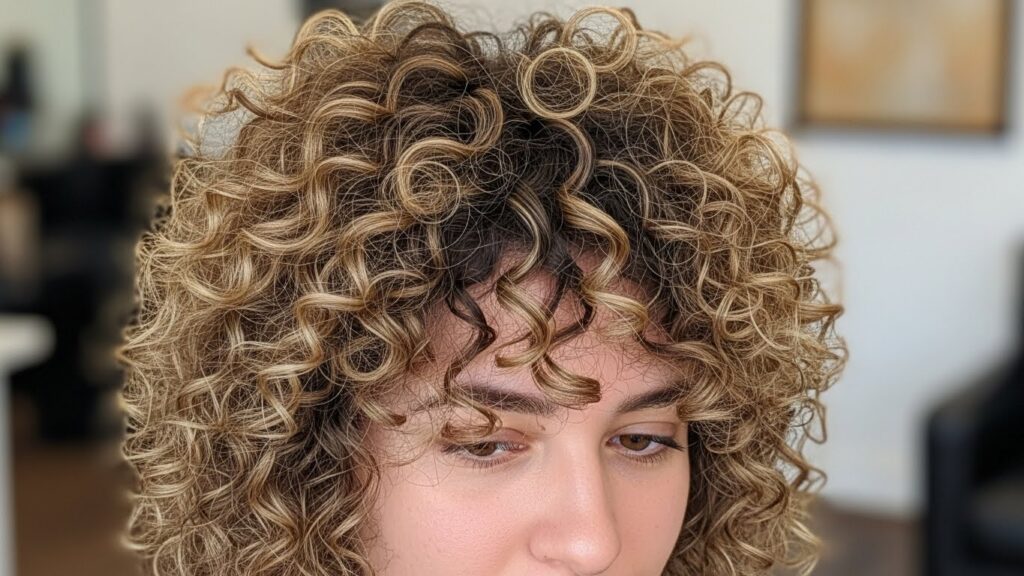
For curly and wavy hair textures, a shape-based cut like a DevaCut or curly shag is a game-changer. These techniques cut the hair dry, curl by curl, to enhance the natural pattern and shape. The result is a cut that follows the curl’s form, not a straight-hair silhouette.
Why it grows out so well: Since the shape is built around your unique curl pattern, it grows with that pattern. The volume and shape at the roots are maintained as the curls simply get longer. There are no blunt ends to become awkward; instead, the curls retain their spring and shape. As it grows, the hair often gains more dramatic, cascading volume, making the grow-out period a showcase of your curls’ full potential.
Pro Tips for a Beautiful Grow-Out, No Matter Your Cut
While these seven styles are champions, you can support any grow-out phase with smart care. Regular trims are not the enemy—scheduling a light dusting every 10-12 weeks to remove split ends prevents breakage and actually helps hair retain length and look healthier. Invest in good conditioning treatments and heat protectant to keep strands strong.
Embrace styling tools to blend phases: headbands, chic clips, and braids can disguise growing layers or bangs. Most importantly, talk to your stylist about your long-term growth goals when getting the initial cut. A skilled professional can tailor even these forgiving styles to suit your hair texture, face shape, and growth patterns, setting you up for months of good hair days.
Choosing a haircut with a future is one of the smartest beauty decisions you can make. It saves money, reduces styling stress, and allows you to enjoy the unique character of your hair at multiple lengths. So next time you’re in the salon chair, think beyond the immediate reveal. Ask for a cut with a plan—one that’s designed to grow out as beautifully as it looks the day you leave.