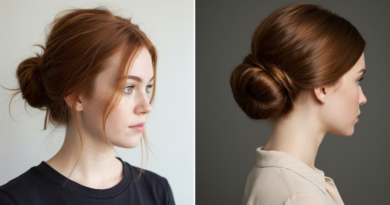
The Shocking Reason Your Shampoo Might Be Causing Your Breakage
Okay, let’s talk about something that honestly made me pause mid-shower the other day. I was rinsing out my conditioner, running my fingers through my strands, and I felt that little snap. You know the one. The tiny breakage that keeps showing up as baby hairs, split ends, and pieces that just won’t grow past your shoulders.
I blamed everything. Heat styling, tight ponytails, even the air. But then I turned my shampoo bottle around and read the ingredient list. And let me just say… I was shook.
Here’s the quick value promise: by the end of this post, you’ll know exactly why your shampoo might be sabotaging your hair, how to spot the sneaky offenders hiding in your bottle, and simple swaps that will reduce breakage fast. Let’s save your strands together.
Why I Started Looking Into My Shampoo Bottle

Switching to trending 2026 hairstyles sounded like a dream. But when I finally booked my cut, my stylist ran her fingers through my hair and asked, “So, what are we doing about this breakage?” I had no answer.
That conversation made me realize something. I’d been babying my hair with expensive masks and treatments, but I never took a hard look at what I was using to actually wash it. Your shampoo is the first thing your hair touches every wash day. If it’s stripping your strands, nothing else can fully fix that.
So I went down a rabbit hole. I read labels. I compared ingredients. I tested different formulas. And what I found genuinely surprised me.
The Real Culprit Hiding in Your Shampoo
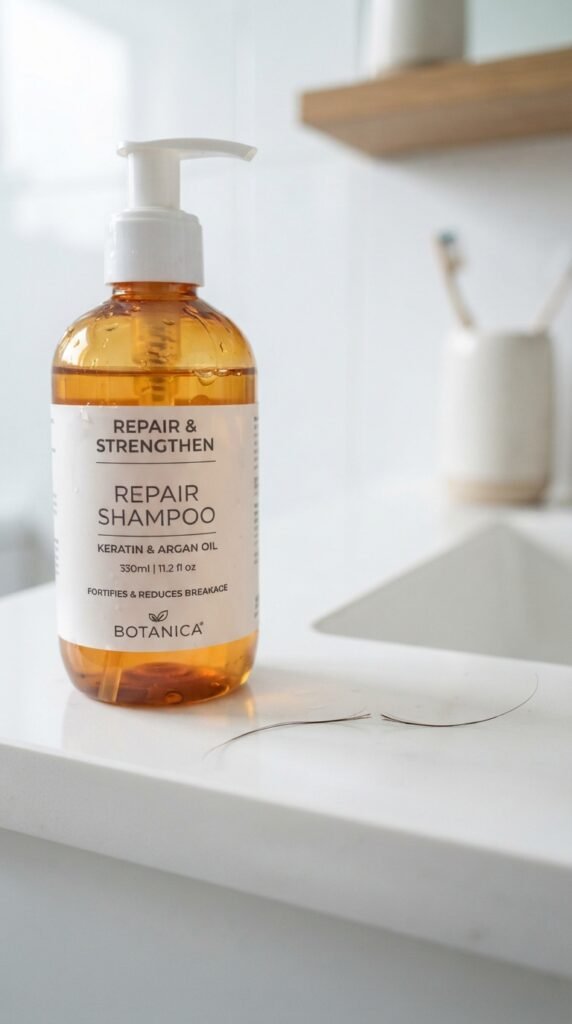
You’d think breakage comes from heat tools or rough brushing. Sometimes, sure. But a huge culprit sits right inside your shampoo bottle.
Most conventional shampoos use strong detergents that strip away your hair’s natural oils. Hard water can make this worse. The result? Hair that feels rough, tangles easily, and snaps when you brush it.
Think of it this way: your hair has a protective outer layer, kind of like a rain jacket. Harsh cleansers weaken that jacket. Once it’s damaged, moisture escapes, and the inner strands become brittle. Brittle hair breaks. It’s really that simple.
Sulfates: The Foamy Villain
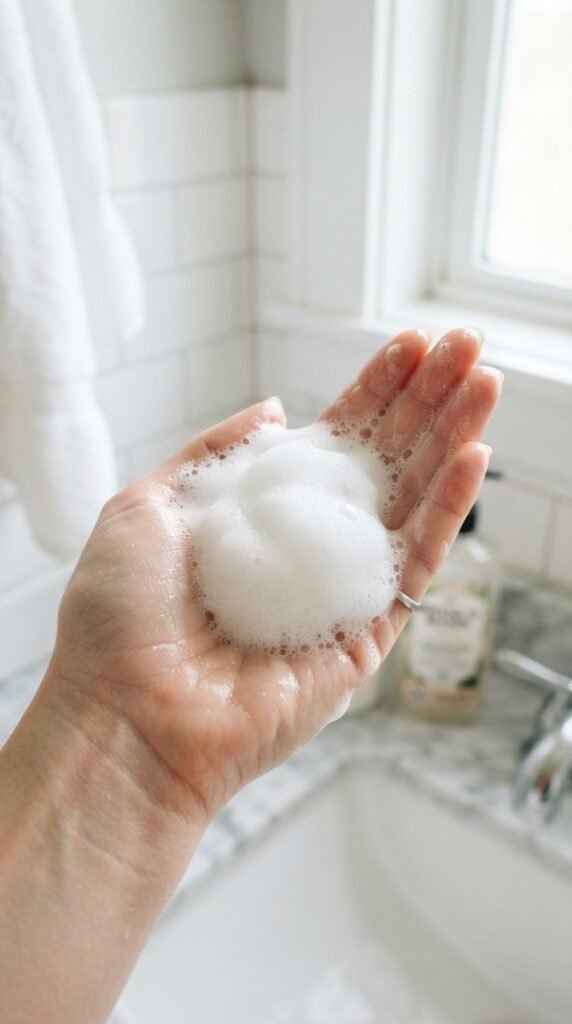
Look for “sodium lauryl sulfate” or “sodium laureth sulfate” on your label. That’s the ingredient that makes your shampoo foam up like a latte.
Sulfates are powerful cleansers. They do their job well, maybe too well. They can strip away the natural oils your scalp produces to keep hair soft and flexible. Without those oils, your strands can become dry, brittle, and prone to breakage. You don’t need that intense foam to get clean.
If you color your hair, sulfates can fade your color too. And for textured or curly hair, they can create frizz and rough the cuticle even more. A sulfate-free formula is often the gentler choice if breakage is your main concern.
Why “Squeaky Clean” Is a Red Flag
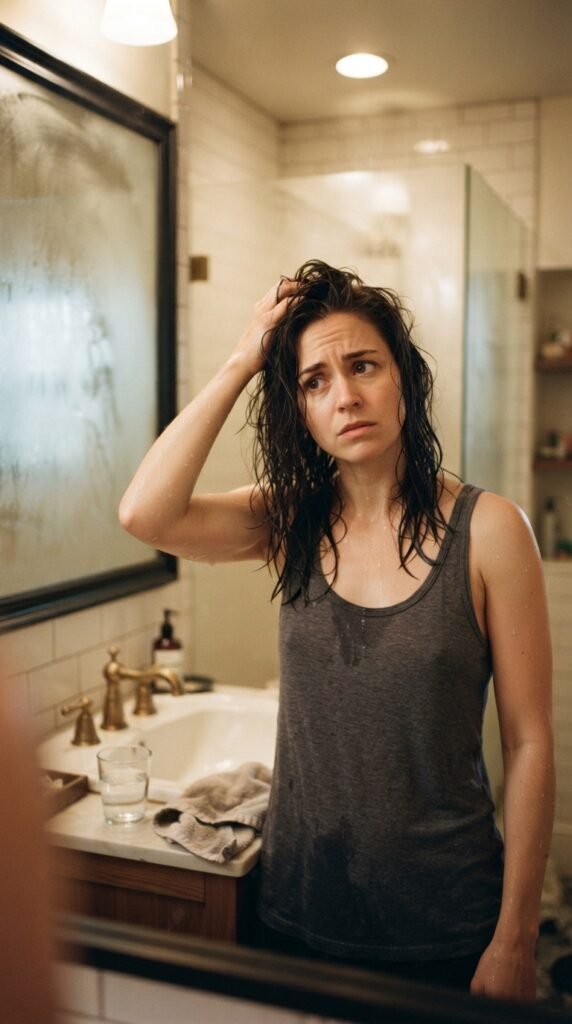
I used to love that squeaky-clean feeling after washing my hair. It felt fresh and light. Then my stylist told me that squeaky feeling usually means your hair is literally squeaking from being stripped bare.
When you’re polishing your look with styling products and hot tools, a little squeak might not seem scary. But that feeling is your cuticle opening up and your natural moisture disappearing. Hair that feels like rubber bands when wet is hair that’s about to break.
A gentle shampoo will leave your hair feeling soft and calm. Not squeaky. If you wash and immediately need to slather on tons of oil to feel normal, that’s your sign. Trust the soft, not the squeak.
The pH Problem You Didn’t Know About
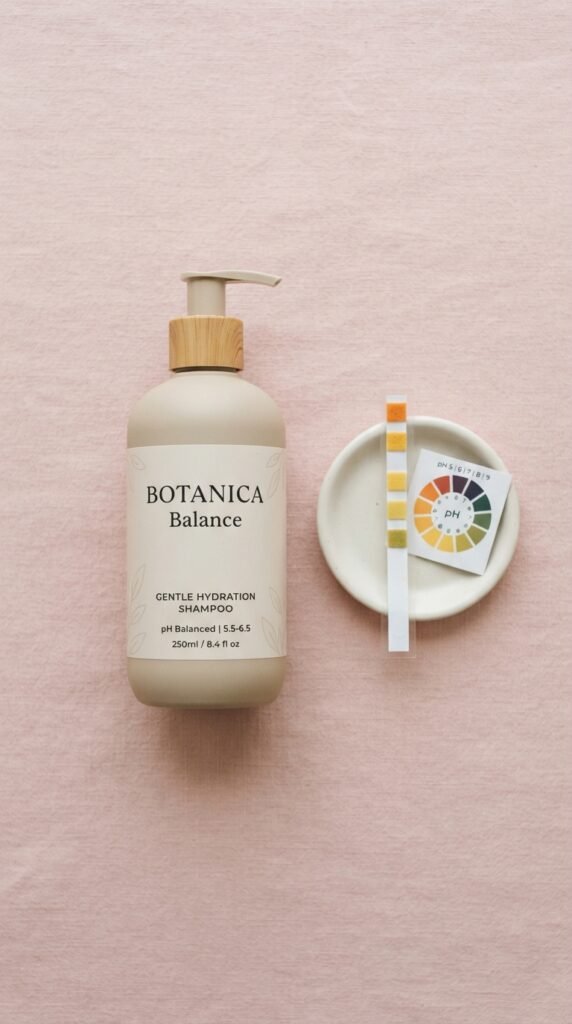
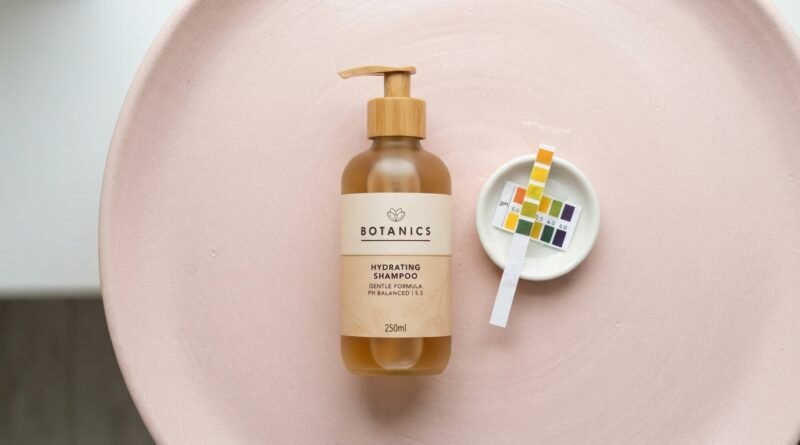
Shampoo can also cause breakage through its pH level. Your scalp and hair sit in a naturally acidic zone, around 4.5 to 5.5. That acidity keeps the cuticle flat and happy.
Many shampoos, especially clarifying ones, lean way too alkaline. When the cuticle stays open, moisture escapes and hair swells. Over time, that swelling leads to cracks and split ends. Those splits travel up the strand and multiply into serious breakage.
Try to find a shampoo that says “pH balanced” on the bottle. Or simply check if the brand says it’s formulated between 4.5 and 5.5. That little number matters more than most people think.
Protein Overload: When Repair Goes Wrong

Protein in shampoo sounds like a good thing. It helps rebuild damaged areas of your hair. But too much protein can backfire and cause breakage.
Hair is made of protein. When you overdo protein treatments, it can make strands stiff and brittle. Instead of bouncing back, they snap. It’s like putting too much glue on paper. It just cracks. Your hair needs balance, not extremes.
If your hair feels coated, dry, and straw-like even when it’s wet, you might be dealing with protein overload. Look at your shampoo and conditioner labels. If you see words like “hydrolyzed keratin” or “collagen” in both, consider alternating with a moisture-focused shampoo.
Drying Alcohols That Wreck Your Strands
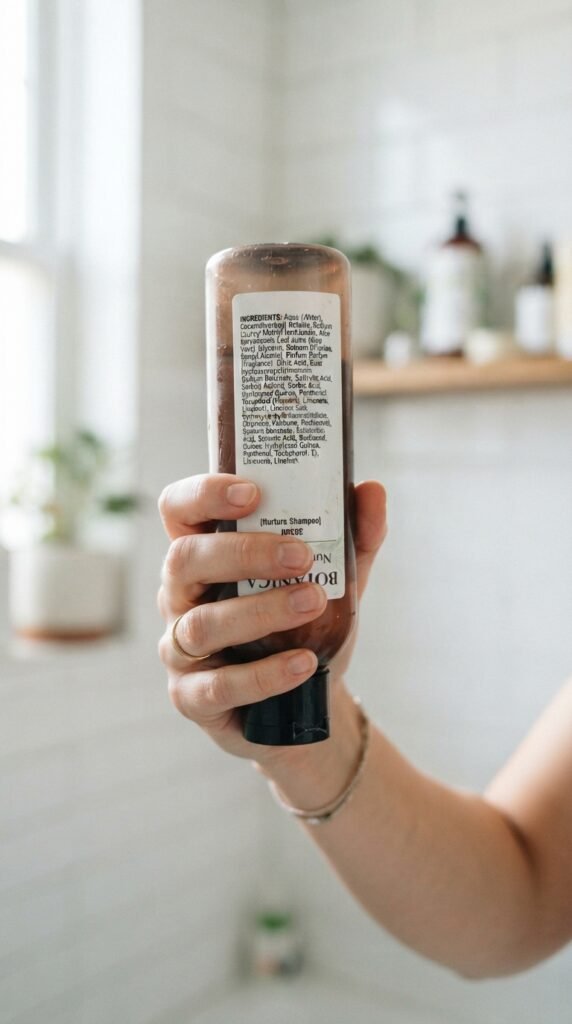
Some shampoos contain alcohols that dry out hair. And not all alcohols are created equal.
Fatty alcohols like cetyl alcohol and cetearyl alcohol are actually moisturizing. They’re fine. The sneaky ones are short-chain alcohols like SD alcohol, isopropyl alcohol, and denatured alcohol. Those are used to make things feel lightweight, but they pull moisture out of your strands.
Check your ingredient list and avoid the drying ones. If your shampoo leaves your hair feeling tight and parched right after rinsing, a drying alcohol might be the reason. Swap for a hydrating formula with good fatty alcohols and humectants. It’s a quick fix once you know what to look for.
How Shampoo Affects Your 2026 Hairstyles
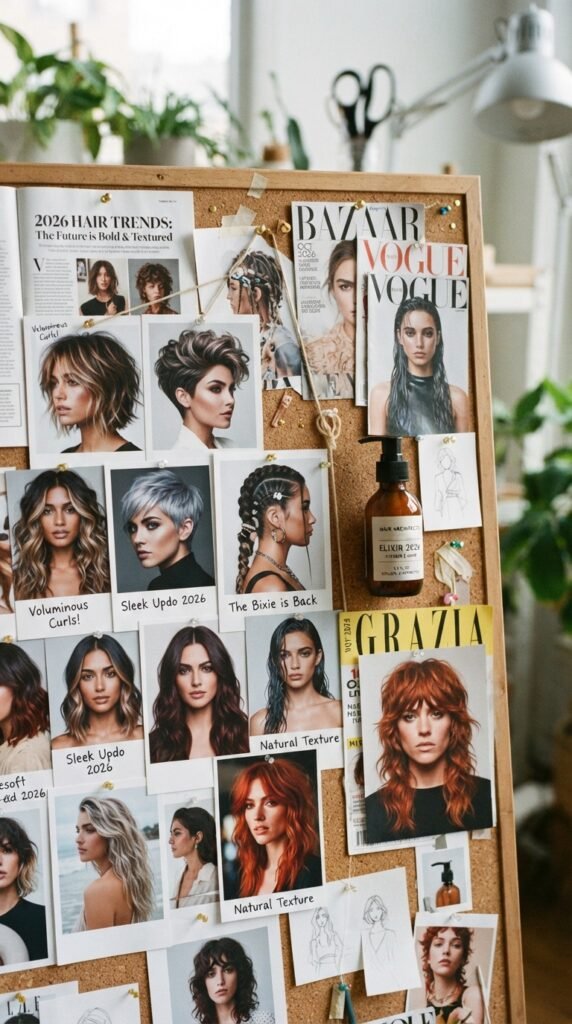
If you’re planning your 2026 hairstyles now, breakage matters more than ever. Those are razor-cut styles, geometric lines, and precision shapes. Breakage ruins the look.
Thin, broken ends make even the best haircut look ragged. When I see the 2026 trends, I notice they all need healthy hair to look right. No amount of styling paste can fake fullness if your strands are snapping off.
So before you book that big transformation, fix your base. Your shampoo choice is step one. Because a beautiful cut starts with healthy hair underneath. I keep a gentle shampoo on my shelf for this exact reason, and honestly, it makes every styling day easier.
The Old Money Hair Test

Old money hair keeps trending for a reason. It’s polished, smooth, expensive-looking, and honestly? It doesn’t happen with broken strands.
Wealthy-looking hair has a naturally sleek, even texture. Breakage makes frizz and flyaways and uneven ends. Your shampoo could be the difference between glossy old money energy and dull frazzled strings.
Here’s a quick test: glance at your hairline. If you have a halo of short broken pieces along your temples and crown, your wash routine is likely too harsh. Switching to a gentle, moisturizing shampoo can soften that halo in a few weeks. It takes consistency, but the payoff is huge.
What Your Quiet Luxury Bob Needs From a Cleanser

The quiet luxury bob is all about that blunt, dense, one-length shape. Breakage around your face ruins the sharp lines.
To keep a bob looking effortless, your strands need strength at the crown and ends. A shampoo with gentle cleansers and no harsh sulfates helps preserve density. Pair it with a lightweight conditioner and you’re already doing better.
Also, be careful with over-washing. A bob looks cute with day-old texture, so washing every other day is plenty. Too much washing strips oils and leads to frayed ends. You want clean but not dehydrated hair. Your bob will stay crisp and full between trims.
Romantic Goth Hairstyles and Your Scalp

Romantic goth hairstyles are having a moment. Think dark waves, lace details, and moody volume. But those looks demand healthy, thicker lengths.
That dark color often means bleaching or high-maintenance dye. And bleaching weakens the hair structure even before shampoo enters the mix. If you use a shampoo with heavy detergents, you’re stacking damage on top of damage.
Look for a sulfate-free, color-safe formula when you’ve got a romantic goth-inspired style. It will protect both your color and the integrity of your strands. And deep condition once a week to keep the drama in your hair, not in your breakage. It’s the dark vibe you want, not the dark dry ends.
Glitchy Glam Hair: The Breakage Trap

Glitchy glam hair is such a fun trend. It plays with metallic streaks, cool tones, and sharp dimension. But here’s the thing: those lightened pieces are more fragile.
Every time you lighten hair, you’re lifting the cuticle and removing pigment. The hair becomes more porous. If your shampoo is too cleansing, it will pull moisture out of those already delicate pieces.
If you’re rocking glitchy glam hair or anything with chunky highlights, treat your shampoo like skincare. Use a color-safe, hydrating formula. Skip anything labeled “volume” or “clarifying” because those are the harshest. Your future self will thank you.
Asymmetrical Lob Needs a Gentle Touch

An asymmetrical lob is the perfect mix of cute and sharp. But that longer side? It’s exposed to more friction and more past damage.
Breakage makes the asymmetry look choppy in a bad way. When one side is longer, the shorter pieces around the nape show off your hair’s health. If your shampoo is harsh, you’ll see fuzzy flyaways all along the jawline.
A good rule: use a moisturizing shampoo meant for normal to dry hair. Massage it gently into your scalp, not your ends. And keep the ends conditioned to maintain that sleek asymmetry. It’s a small change with a big impact.
Vampire Haircut Maintenance 101

The vampire haircut is all about long, razor-cut layers and face-framing points. It’s dramatic, romantic, and seriously impossible to pull off with split ends.
Those pointy tips require clean, intact ends. If you have breakage, the points will look wispy and dull instead of sharp and intentional. Your shampoo matters because strong strands hold the cut better.
For vampire haircut maintenance, I suggest washing in lukewarm water. Hot water can dry out your scalp and make the lengths fragile. A gentle shampoo and a focus on scalp health do so much for this style. Embrace the darkness, skip the damage.
Hime Cut and Damaged Ends

The hime cut is those straight, blunt side pieces with heavy bangs. It’s a Japanese street style that makes any outfit look intentional. But it shows every damaged end.
Because hime cuts are so blunt, you can’t hide breakage. Any split end or snapped strand stands out against the straight line. If your shampoo is stripping your hair, the blunt ends will look frayed within weeks.
I love using a gentle repair shampoo for hime cut lovers. Add a weekly bonding mask and skip the tight scrunchies. Give your ends a fighting chance to look full and sharp, especially if you plan to wear it smooth and sleek.
3 Signs Your Shampoo Is the Problem
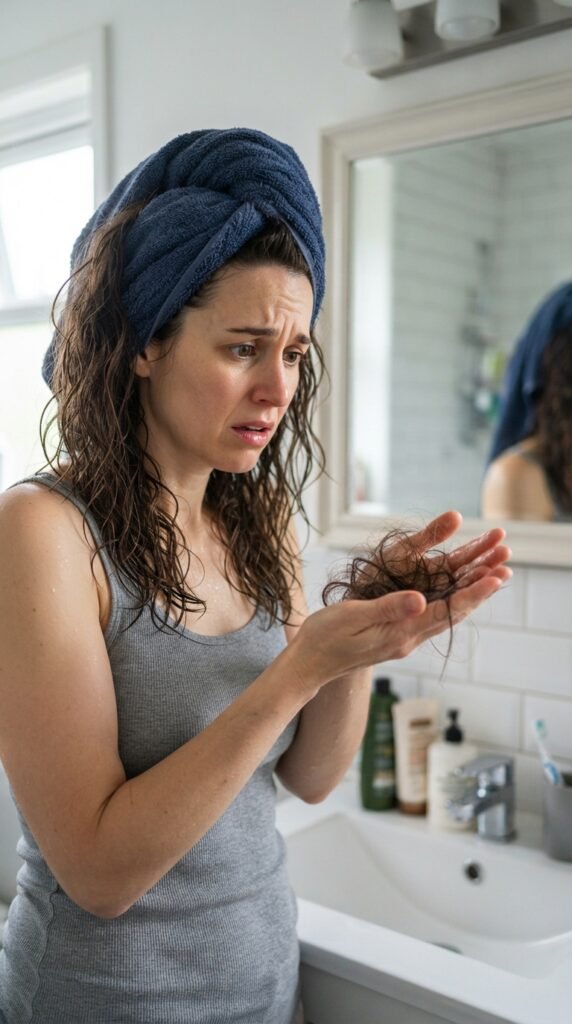
Wondering if your shampoo is the actual issue? Here are three signs that point straight at it.
- Your scalp feels tight right after washing. That’s a stripping formula.
- You see more hair in the drain since switching bottles. Same for the shower wall.
- Your hair feels better on day two than it does fresh out of the wash. That means the washing is hurting more than helping.
If you marked all three, don’t panic. Just start by swapping your shampoo to something gentler and watch what happens over the next two weeks. The proof will show up in your brush.
How to Check Your Ingredient List (Quick Guide)
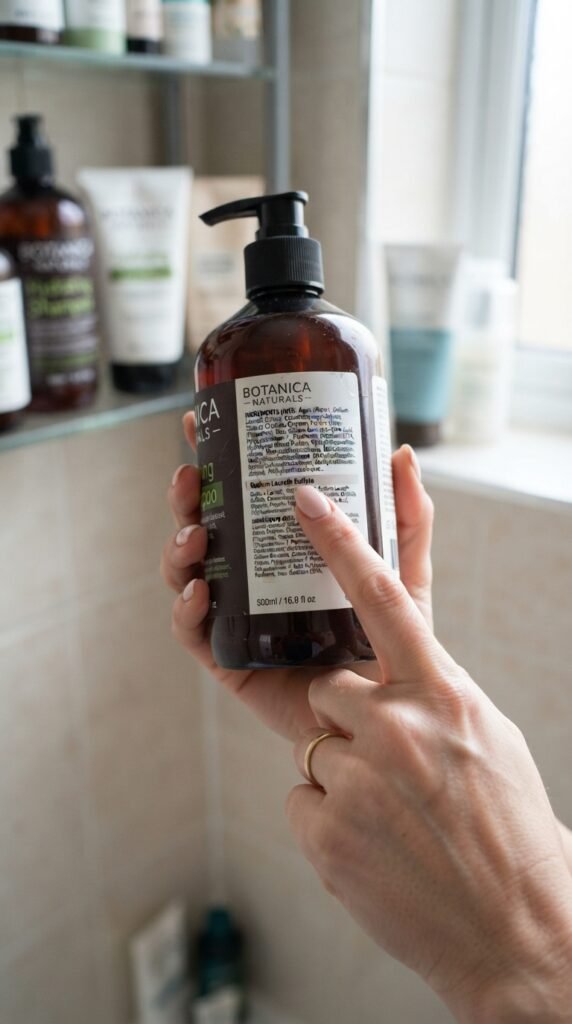
Reading ingredient labels is easier than it sounds. You don’t need a chemistry degree to spot the worst offenders.
- First, look for sulfates near the top of the list. Sodium lauryl sulfate and sodium laureth sulfate are the big two. The closer they are to the top, the stronger the detergent.
- Then scan for drying alcohols like SD alcohol and isopropyl alcohol.
- Finally, look for good stuff like glycerin, aloe, and fatty alcohols.
A quick 30-second label check can save your hair months of damage. Get used to doing this and it becomes second nature.
My Go-To Shampoo Routine for Breakage
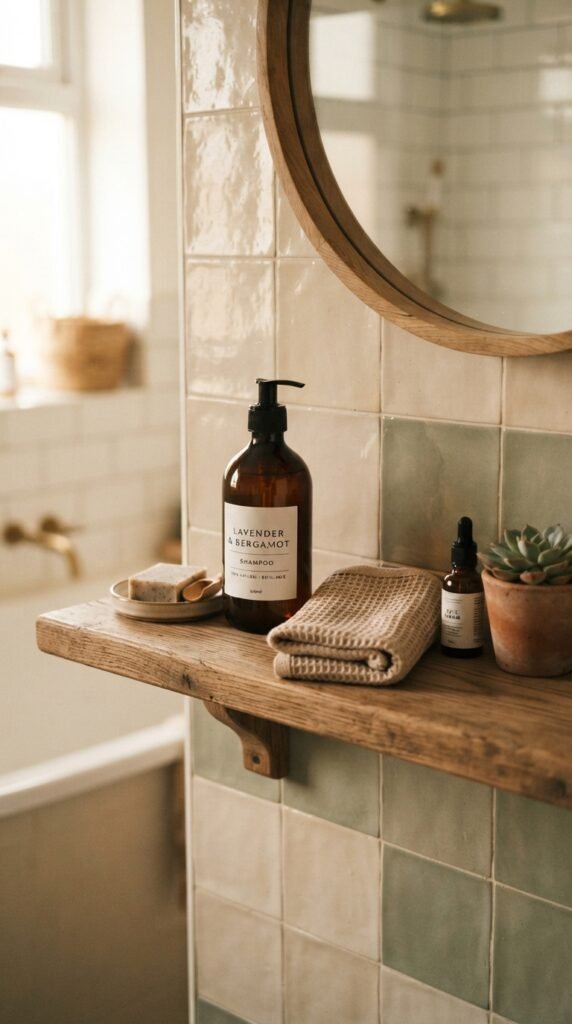
Week one was rough. But after two weeks of switching to a gentle shampoo, I started seeing fewer strands in my brush.
Here’s what I do now. I wash my scalp only with a sulfate-free shampoo. I let the suds rinse down my lengths without scrubbing them. Then I focus all my conditioner on the middle and ends, never the scalp.
I also do a deep mask once a week and skip shampoo on my lazy Sunday by just rinsing with warm water. That simple routine cut my visible breakage in half. Try it. And if you’re inconsistent like me, that’s okay. Just be consistent most of the time.
Wash Day Tips That Save Your Strands

Wash day can be a breakage battleground if you’re not careful. Let’s make it a healing ritual instead.
First, brush your hair before you get in the shower. That removes loose strands, so they don’t tangle up while wet. Then use lukewarm water. Hot water strips oils and makes strands weaker.
When you apply shampoo, focus on your scalp only. Your ends get clean from the rinse. And never wrap a towel around your head and lean it forward. That creates tugging. Just squeeze excess water gently and pat dry. Gentle is the goal, from start to finish.
What to Do If You’ve Already Got Breakage
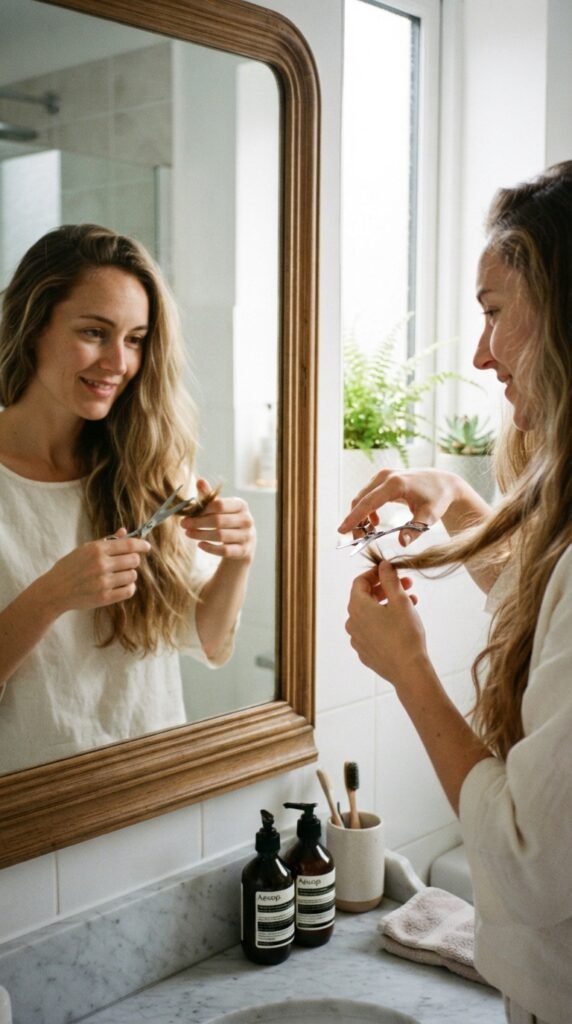
Don’t stress. Breakage is fixable. The first step is giving the damaged pieces a clean cut so the split doesn’t travel further up the shaft.
Next, switch your everyday products. Shampoo, conditioner, and a weekly mask. Look for words like “repair,” “moisture,” and “fortifying.” If your hair feels protein overloaded, pick a moisture-focused line and skip protein shows.
Finally, be patient. Hair grows about half an inch a month. You’ll see fresh, strong pieces within a few months if you’re consistent with your gentle routine. It’s a slow fix, but it actually works.
Could Your Water Be Making It Worse?
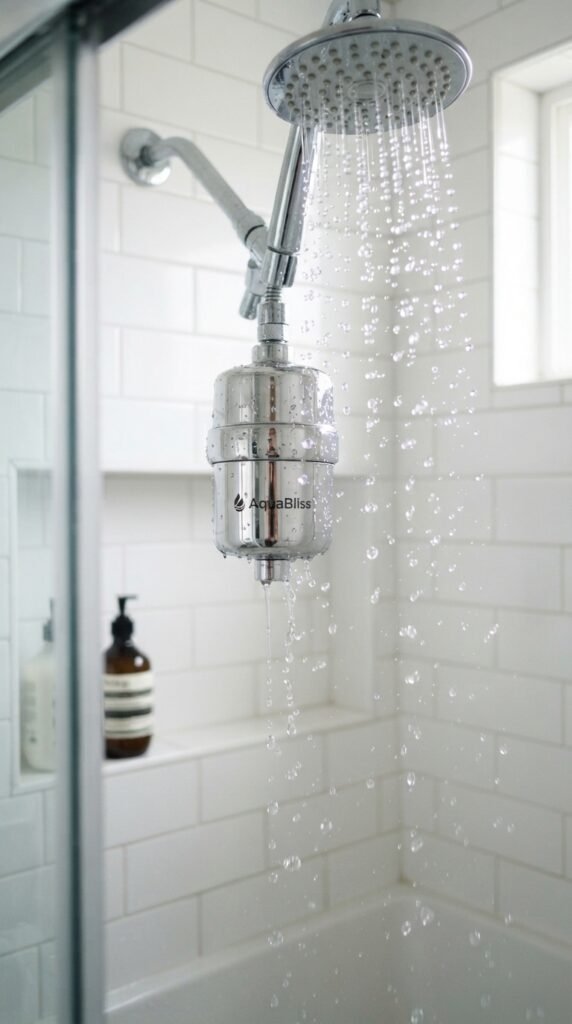
Here’s a twist. Even if your shampoo is gentle, your water might be causing breakage.
Hard water is packed with minerals like calcium and magnesium. They can build up on your hair and make it feel dry, dull, and stiff. Over time, that buildup makes strands brittle, which leads to snapping.
If you have hard water at home, consider a shower filter. It’s a small investment that can save your hair and skin. You’ll notice your shampoo suddenly lathers better and your hair feels softer after just a few washes. It completely changed my wash day.
A Little Note Before You Go
I wrote this post because I genuinely wish someone had explained this to me earlier. I wasted months and spent so much money blaming my hair, when the real issue was just sitting in my shower.
The good news is that you don’t need a dramatic reset. A simpler, gentler wash routine can make a noticeable difference. Pick one thing from this post to try this week, and let your strands calm down. You deserve to feel good about your hair, no matter what the mirror says.
And seriously, if your shampoo label has half of the offenders I mentioned, go toss it. Your hair will thank you.
Save this post to Pinterest so you have the ultimate shampoo checklist ready for your next shopping trip.
Tell me in the comments: what does your current shampoo say on the label? I’d love to help you decode it.