Reverse Balayage Is the Trick for Growing Out Blonde Gracefully
You know that moment when your blonde starts growing out and you just… cringe at the root line? I’ve been there more times than I can count. But here’s the thing: growing out blonde doesn’t have to mean a harsh, awkward stage that lasts for months.
Reverse balayage is the trick I wish I knew sooner. It’s a low-commitment, high-reward color technique that blends your natural roots into your blonde so softly that your grow-out actually looks intentional. Think lived-in, expensive, and completely stress-free.
In this post, I’m sharing exactly how it works, what to say to your colorist, how much it costs, and the prettiest ways to style it — from old money hair to a quiet luxury bob. By the end, you’ll feel ready to book that appointment and actually enjoy the process.
What Is Reverse Balayage, Anyway?
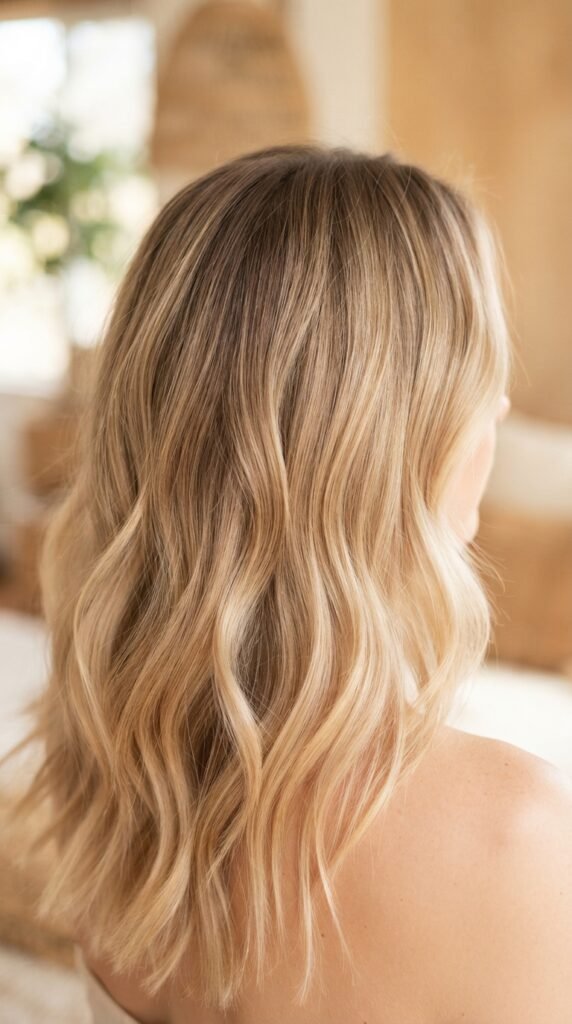
Reverse balayage is exactly what it sounds like — but backward. Instead of painting lighter pieces through your hair like traditional balayage, your colorist paints darker, warmer tones into your blonde. The result is a soft, shadowed root that melts into your lighter ends. No harsh lines, no obvious grow-out, just dimension.
It’s not a full color commitment. You’re not dyeing your whole head dark. You’re just adding depth where your natural color lives, so the line between roots and blonde disappears. That’s why it’s become one of the most requested 2026 hairstyles for blondes who want a change without the regret.
Think of it like giving your hair a filter that makes everything blend and glow.
Why Growing Out Blonde Feels So Hard
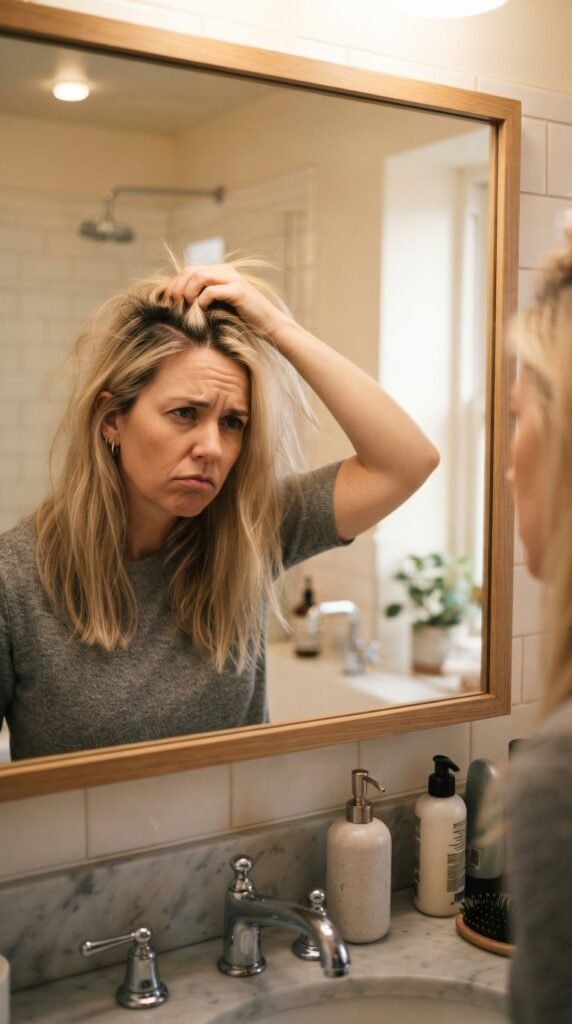
Let’s be honest — the in-between stage is brutal. Those first few inches of roots can feel like they’re screaming for attention. And touching up every six weeks gets old, expensive, and honestly a little boring.
Here’s why reverse balayage fixes it: it replaces that stark line with a gradient. Instead of one flat root color, you get several shades melting together. That means even when your hair grows a full inch, it still looks intentional.
- Your roots become part of the style
- No more urgent root touch-ups
- The color stays soft and flattering
It’s basically permission to stop stressing over your hair. And honestly? That alone is worth the appointment.
The Best Time to Make the Switch

Honestly? Right now. But especially if you’re already a little tired of your blonde or your ends are feeling dry. The best time is when you’re ready to slow down on bleach and give your hair a break.
It’s also perfect for seasonal transitions. As the weather cools, deeper, richer tones feel cozier and more natural. And it pairs beautifully with so many 2026 hairstyles — think old money hair, soft waves, or a sleek quiet luxury bob.
You don’t need to wait for a special occasion. The whole point is that it looks good immediately and even better as it grows. That’s the magic of this technique.
How Reverse Balayage Works With Your Natural Base
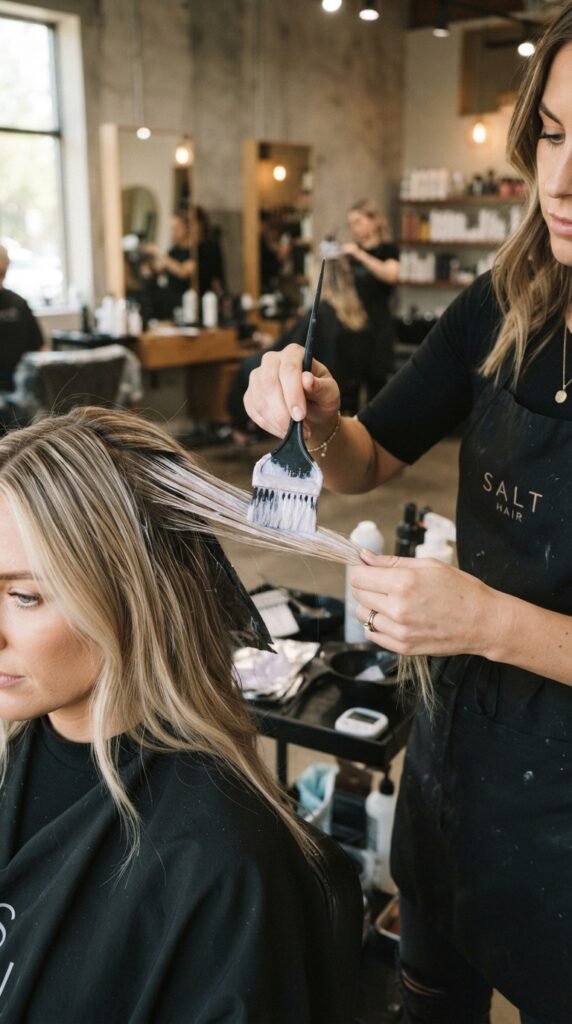
Your natural base is the star here. Whether you’re a dirty blonde, a dishwater blonde, or a warm brunette with highlights, reverse balayage works with what you already have. It doesn’t ask you to be someone else.
Instead of fighting your roots, your colorist uses them as the starting point. They’ll paint darker, softer tones around your face and through your mid-lengths, leaving the ends lighter.
The result is customized to you. Two people can get reverse balayage and look completely different — because it’s built around your natural color and your current blonde. That’s what makes it feel so personal and easy to live with.
Who Is Reverse Balayage Best For?
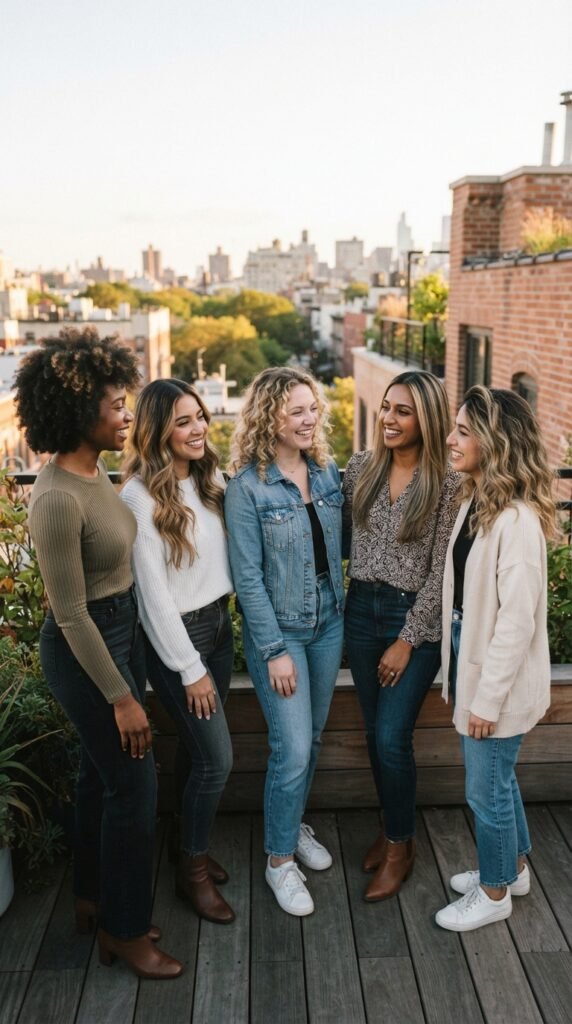
Almost everyone, honestly. But it’s especially great if you:
- Have grown-out blonde that feels harsh
- Want to give your hair a break from bleach
- Are thinking about going darker but not all at once
- Love low-maintenance color that still looks polished
It also works whether your hair is straight, wavy, curly, or coily. The technique is all about placement, not texture. And it works on short hair too — a quiet luxury bob with reverse balayage is chef’s kiss.
If you have very dark hair and heavy platinum ends, you can still do it. Your colorist will just adapt the depth to suit you.
Reverse Balayage vs. Traditional Balayage
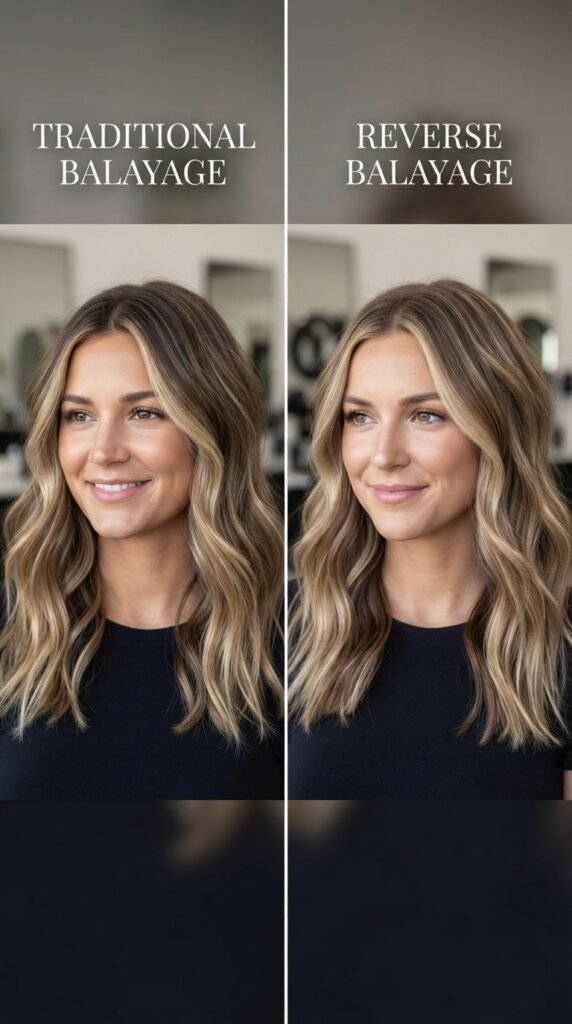
Let’s break it down simply:
- Traditional balayage: lighter pieces painted through the hair for a sun-kissed, brighter look
- Reverse balayage: darker pieces painted through the hair for depth, shadow, and a softer grow-out
So it’s basically the same freehand technique, just flipped on its head. Traditional balayage is perfect if you want to go lighter. Reverse is perfect if you want to go darker while keeping some blonde in the mix.
Think of traditional balayage as adding light, and reverse balayage as adding depth. Both look natural and effortless, but they take you in opposite directions. Right now, the reverse direction is having a major moment in 2026 hairstyles.
What to Say to Your Colorist
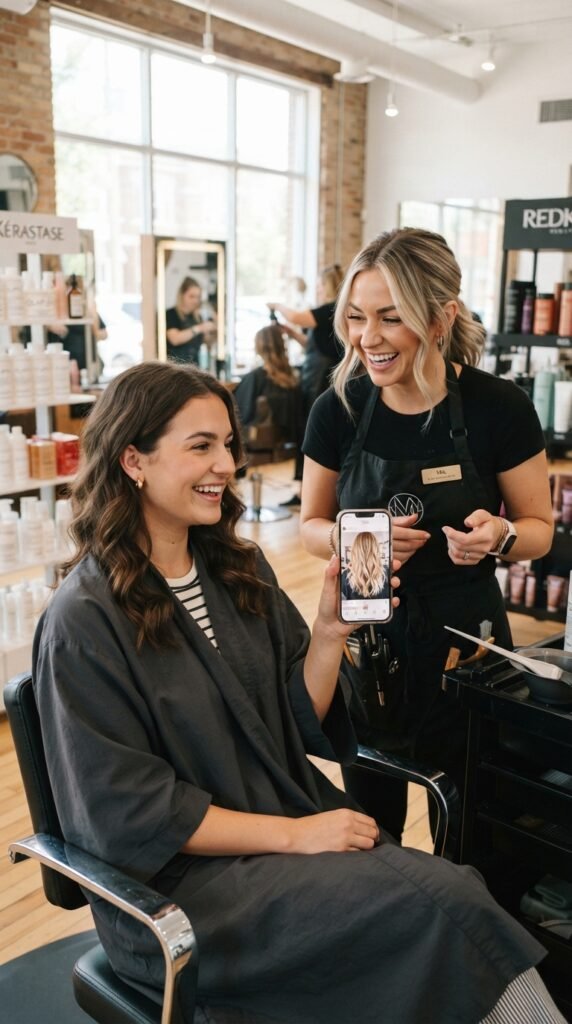
Walk in prepared and you’ll walk out thrilled. Here’s how to explain it:
- Tell them you want a reverse balayage, not a full color
- Ask for a shadowed root that melts into your existing blonde
- Bring a few photos of grown-out blonde you love — especially old money hair looks
- Mention that you want it low-maintenance and grow-out friendly
Be clear about how much blonde you want to keep. Some people want just a hint of warmth at the ends. Others want to keep bright pieces around the face. It’s your call.
Good communication makes all the difference.
Your First Appointment, Step by Step
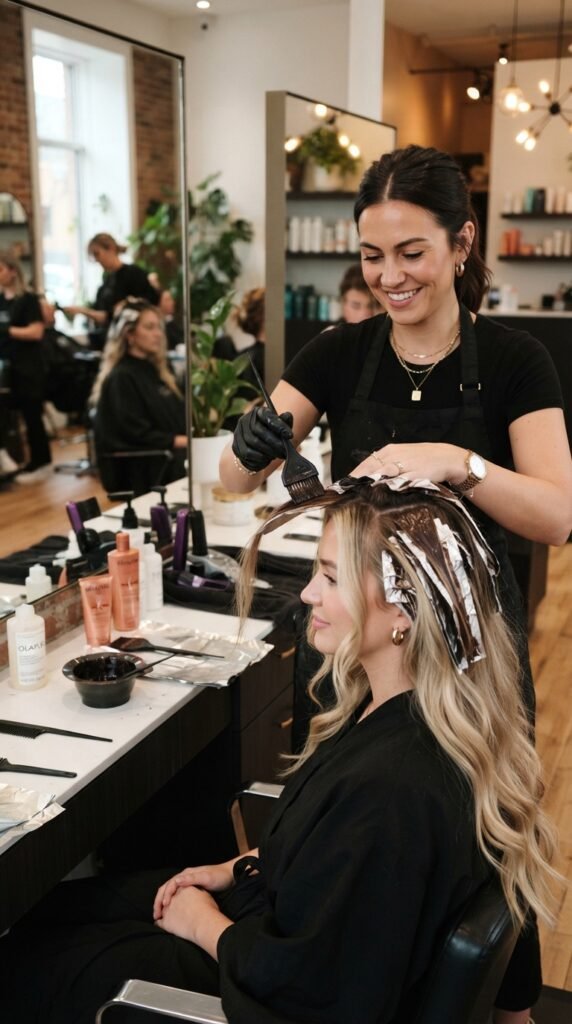
Here’s what to expect so you feel calm and confident:
- Your colorist will assess your current blonde and natural root color
- They’ll mix a few shades that are slightly deeper than your root
- They’ll hand-paint those tones through your mid-lengths and ends
- It gets processed for a short time — usually 15 to 30 minutes
- You’ll tone, wash, and style like normal
The whole thing feels way less intense than a full bleach session. And because the paint is freehand, the result is soft and organic.
You’ll probably leave the salon with your blonde still visible — just deeper, richer, and way more blended.
How Long Does It Take?
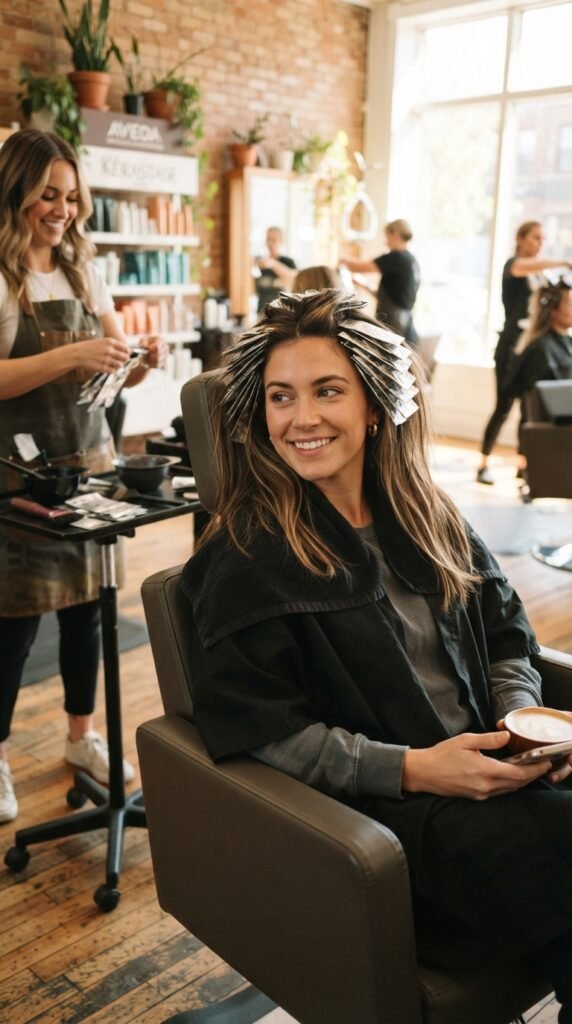
One of the biggest upsides? It’s fast. A reverse balayage appointment usually takes about one and a half to two hours total. That includes everything from the consultation to the final blowout, so you won’t feel rushed at all.
Here’s the breakdown:
- Consultation and prep: 15 minutes
- Painting the color: 30 to 40 minutes
- Processing time: 15 to 30 minutes
- Toning, washing, and styling: 30 minutes
Compare that to a full balayage or all-over color, which can take three hours or more. And since there’s no foil or heavy lifting, you’re in and out way quicker. It’s the perfect lunch-break upgrade — you can even squeeze it in during your work break if your salon is close.
How Much Does It Cost?
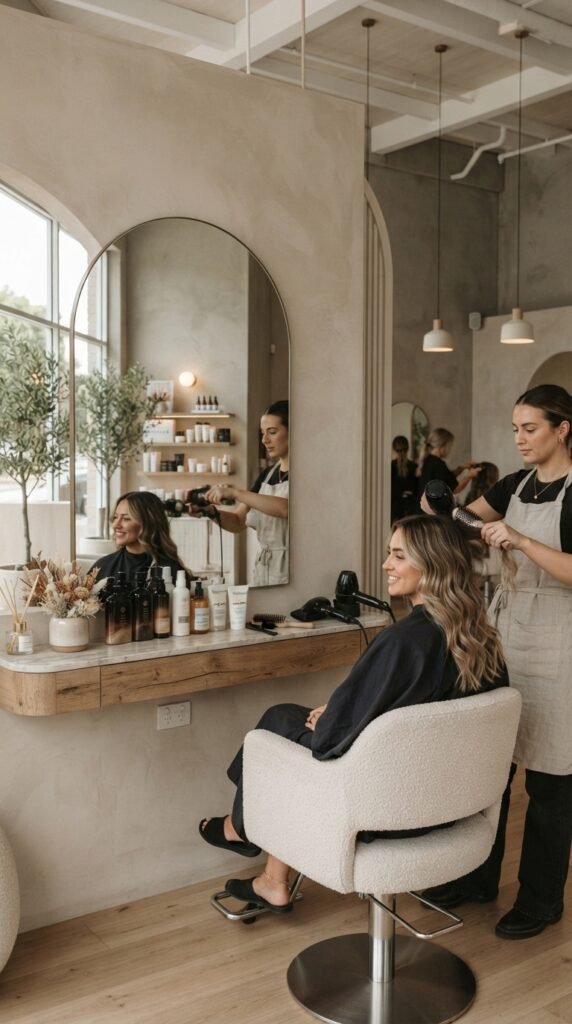
Prices vary by city and salon, but you can expect to pay anywhere from $150 to $350 for a reverse balayage. That usually includes the gloss or toner to finish.
Why the range? It depends on how much blonde you have, how much depth you’re adding, and the experience level of your colorist. Big-city salons tend to sit at the higher end.
The good news: because it grows out so gracefully, you’ll need fewer touch-ups. That means the cost per month is lower than keeping up with bright blonde. It’s honestly one of the smarter money moves you can make for your hair.
Is It Damage-Free? Mostly, Yes
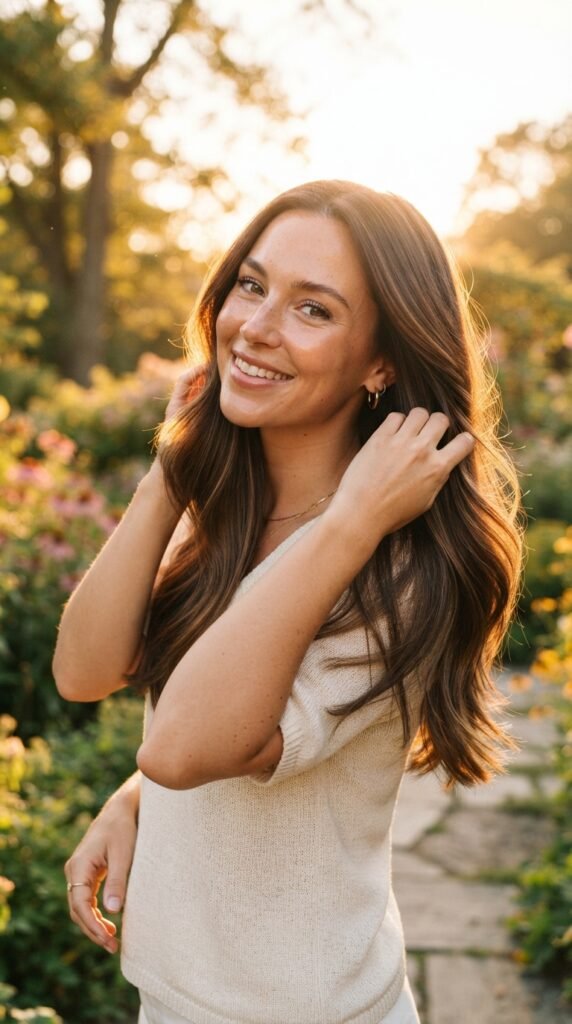
This is the part I love. Because you’re adding color instead of lifting it, there’s minimal damage involved. No bleach, no powder lightener, no harsh process. That means your hair gets to breathe.
The darker tones actually make your hair look shinier and healthier — they fill in the porous spots where blonde tends to feel dry or straw-like. That’s why so many people say their hair feels better after going darker.
Of course, if your hair is already very damaged from years of bleaching, a gloss or bond-building treatment can help. But compared to your typical blonde appointment, reverse balayage is practically a spa day.
How to Care for It at Home
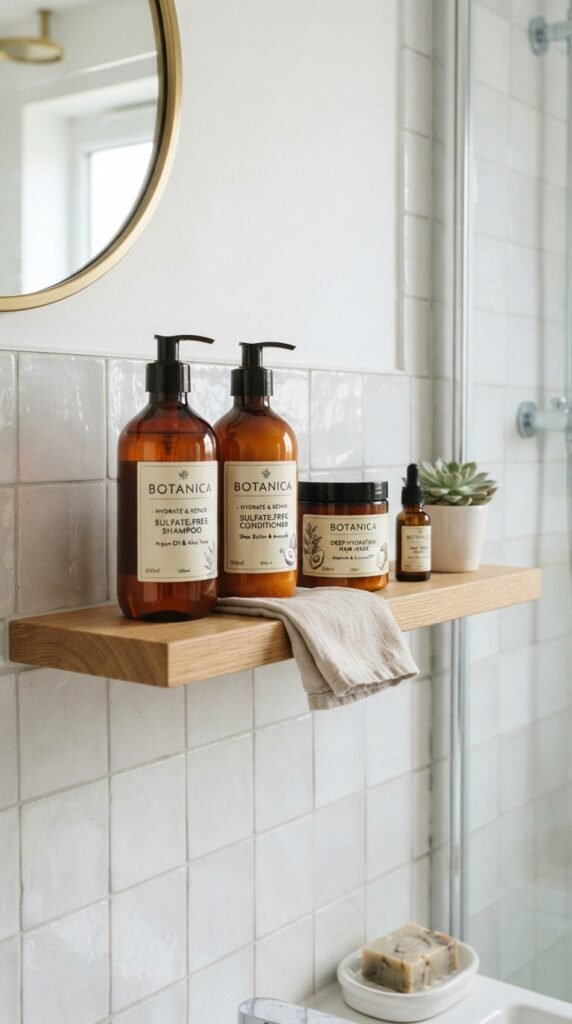
Keeping your reverse balayage fresh is easy. You just need to protect the tone and keep your hair hydrated. It honestly takes less effort than maintaining bright blonde.
Here’s my simple routine:
- Wash with a sulfate-free shampoo for color-treated hair
- Use a purple shampoo once a week if your blonde leans brassy
- Deep condition every week to keep the ends soft
- Rinse with cool water to seal the cuticle and boost shine
One thing to skip? Heavy clarifying shampoos. They can strip the toner and make your blonde feel harsh again. Stick to gentle, hydrating formulas and you’ll be golden — pun intended.
The Best Products for Blended Color
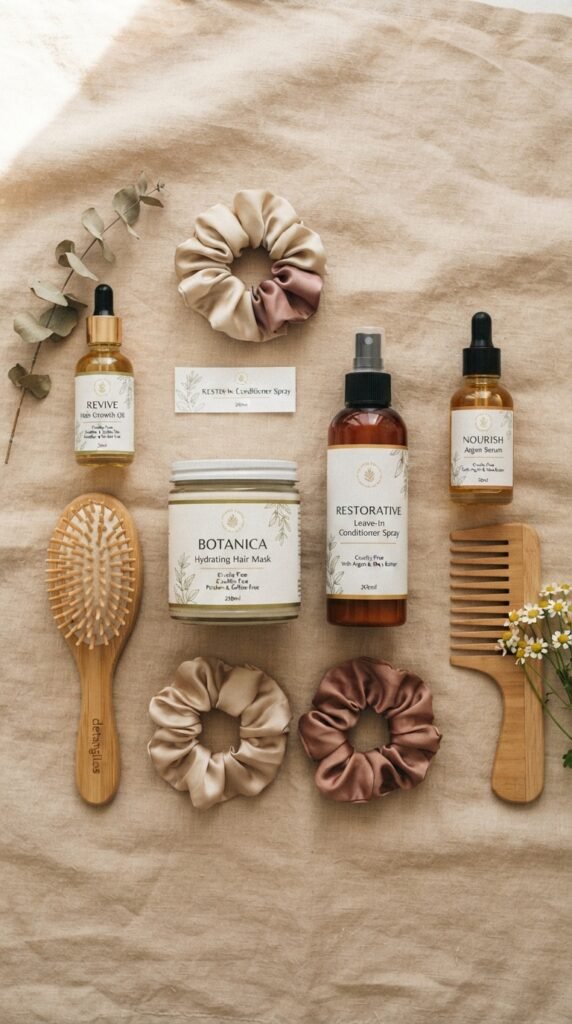
You don’t need a million products. A few good ones will do the trick:
- A color-safe shampoo and conditioner duo
- A weekly hydrating hair mask
- A lightweight leave-in conditioner for the ends
- Toning drops or a gloss for the weeks before your touch-up
If you want to stretch your color even longer, a blue or purple toning product helps neutralize warmth and keeps the blend looking fresh. Look for sulfate-free options, because they’re gentler on your color and your scalp.
The goal is simple: soft, shiny, blended hair that doesn’t look or feel high-maintenance. And honestly, that’s very achievable with a solid routine.
How Often Do You Need Touch-Ups?
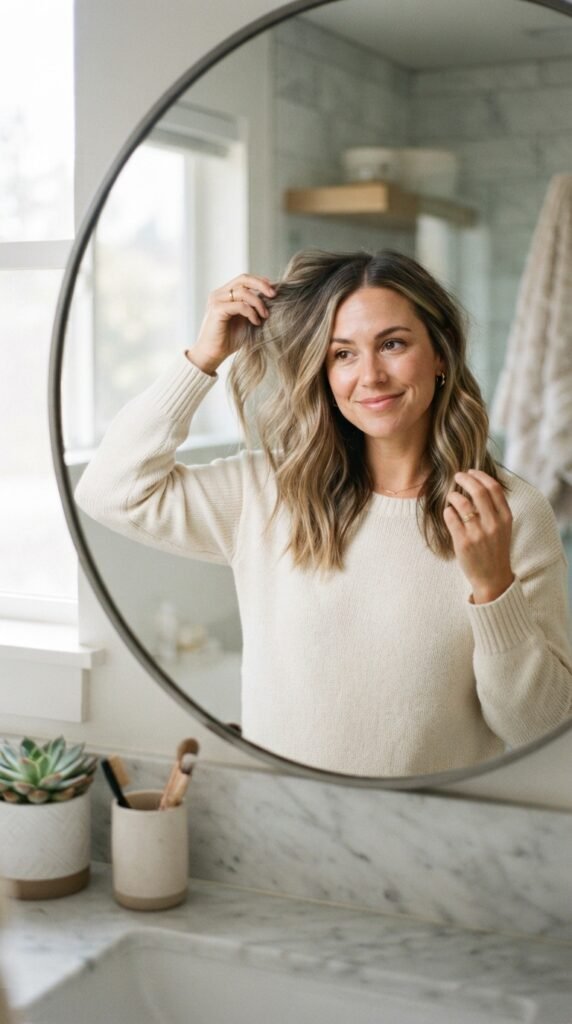
Here’s the best part — barely ever. Most people go four to six months between reverse balayage touch-ups. That’s the whole appeal.
Because the point is to make your roots blend into the color, the shadowed tones move with your hair as it grows. There’s no obvious line of demarcation, no urgent root emergency.
You might want a quick gloss between appointments to refresh the tone, but that’s totally optional. Honestly, you could stretch it even longer if you’re comfortable with the color fading naturally.
For busy people who don’t want to live at the salon, this is a dream.
Styling Ideas for Grown-Out Roots
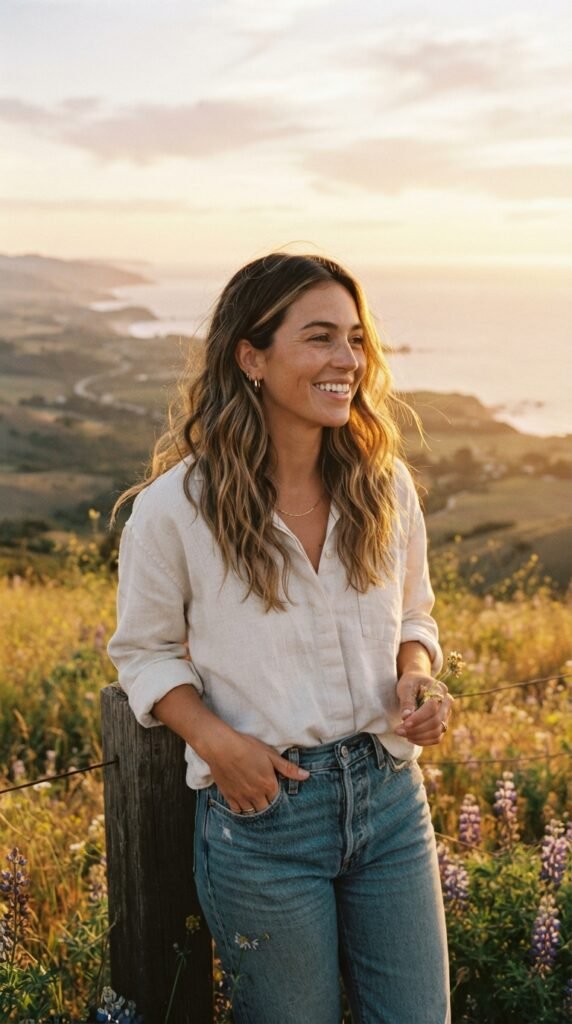
Reverse balayage makes styling fun again. Here are a few of my favorite ways to show off the dimension:
- Loose beach waves that catch the light
- A sleek middle part to show off the shadowed roots
- Low, slicked-back buns that highlight the face-framing depth
- Soft curls with a side part for extra movement
The darker roots add instant contrast, so even simple styles look more expensive. As your hair grows, the blend keeps looking intentional — which means you can go longer between cuts and trims without feeling unfinished.
You’ll catch yourself playing with your hair in the mirror way more than usual.
Pairing It With 2026 Hairstyles
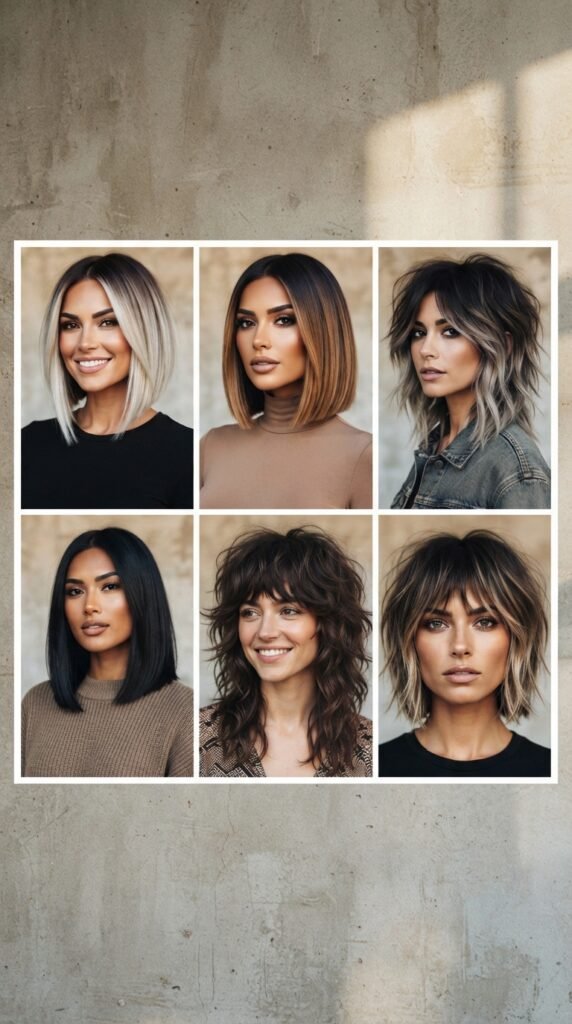
Reverse balayage is the color that goes with everything, and 2026 hairstyles are proving it. Whether you’re into the clean lines of a quiet luxury bob or the edgy layers of a vampire haircut, darker roots make every cut look better.
It also works beautifully with the current obsession with old money hair — think rich, satiny tones with soft dimension. And if you’re feeling playful, romantic goth hairstyles and glitchy glam hair both love a shadowed root for that mysterious, lived-in edge.
The best part? The color doesn’t lock you into one vibe. It moves with you, whatever style you’re into.
Old Money Hair Inspiration
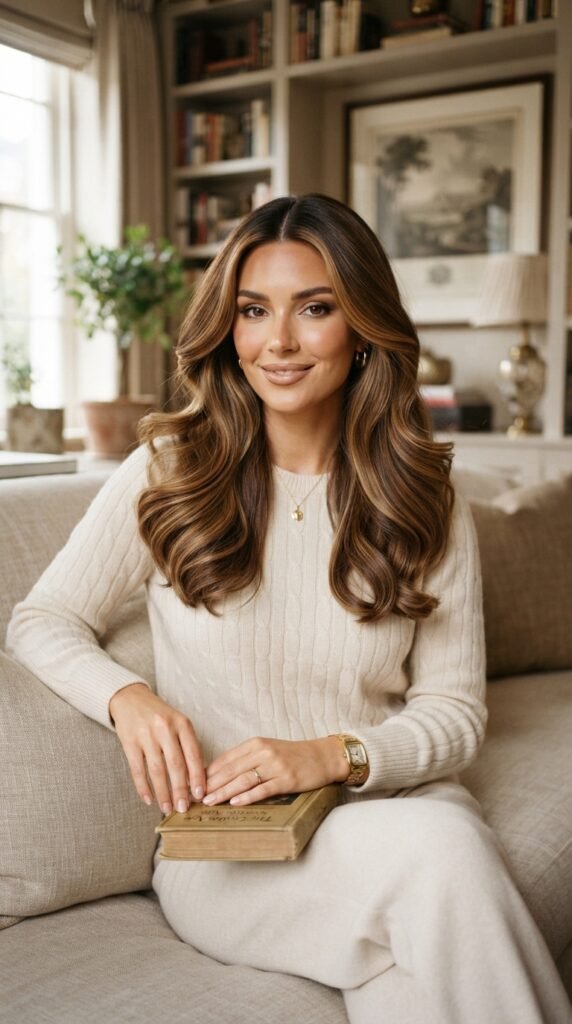
If you’ve been scrolling for old money hair, reverse balayage is the color that brings it to life. That whole aesthetic is about looking polished without looking try-hard — and a soft, darker root does exactly that. It’s understated, but it makes a statement.
Think of those rich, glossy tones you see on the internet. They’re never flat. They have depth, movement, and a subtle shine that reads as expensive. That’s the energy you want.
Reverse balayage gives you that foundation. Add a simple blowout, a center part, or loose waves, and you’ve nailed the look without even trying. It’s quiet luxury in its purest form.
The Quiet Luxury Bob Version

Okay, can we talk about the quiet luxury bob? It’s sleek, chin-grazing, and ridiculously chic. And when you pair it with reverse balayage, it becomes next level.
The darker root adds a subtle shadow that makes the bob look fuller and more structured. The blonde ends keep it from feeling too heavy. It’s the perfect balance of contrast and softness.
Plus, a bob is one of the easiest cuts to maintain. Add reverse balayage and you’re looking at a style that’s both gorgeous and practical — which is basically my favorite combo. If you’ve been on the fence about cutting your hair, this is your sign.
Romantic Goth Hairstyles and Dark Roots
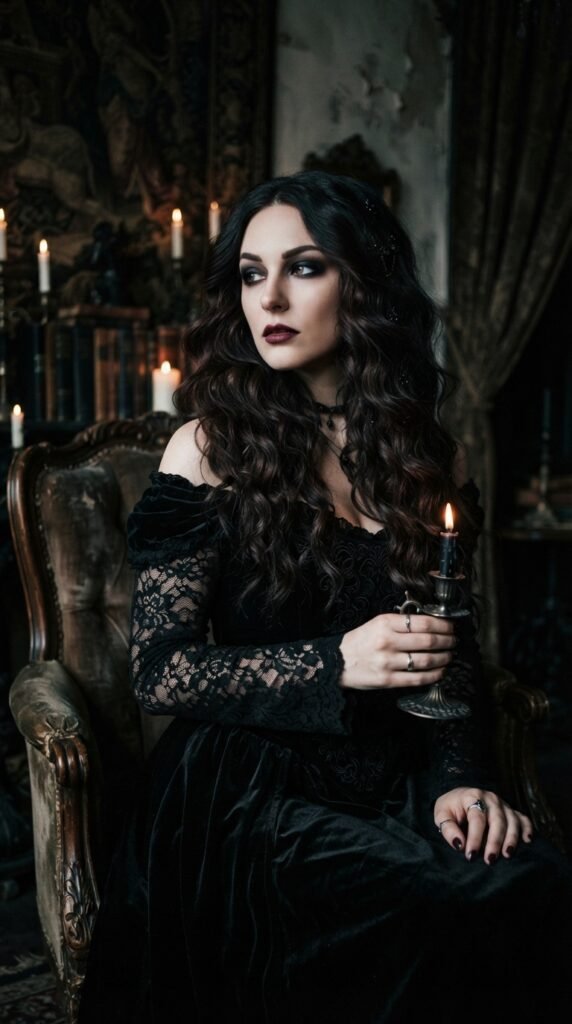
Romantic goth hairstyles are having a moment — think soft dark waves, velvet textures, and a moody but feminine vibe. And reverse balayage fits right in.
By keeping your ends lighter and your roots deeper, you get that mysterious, shadowy look without going full black. It reads as edgy but still soft and wearable. That’s the whole point of the romantic side of goth.
Pair it with a flowy dress, a leather jacket, or a chunky knit and the contrast is stunning. Honestly, the dark-root trend was made for this aesthetic. It’s giving main character energy.
Glitchy Glam Hair and Dimension
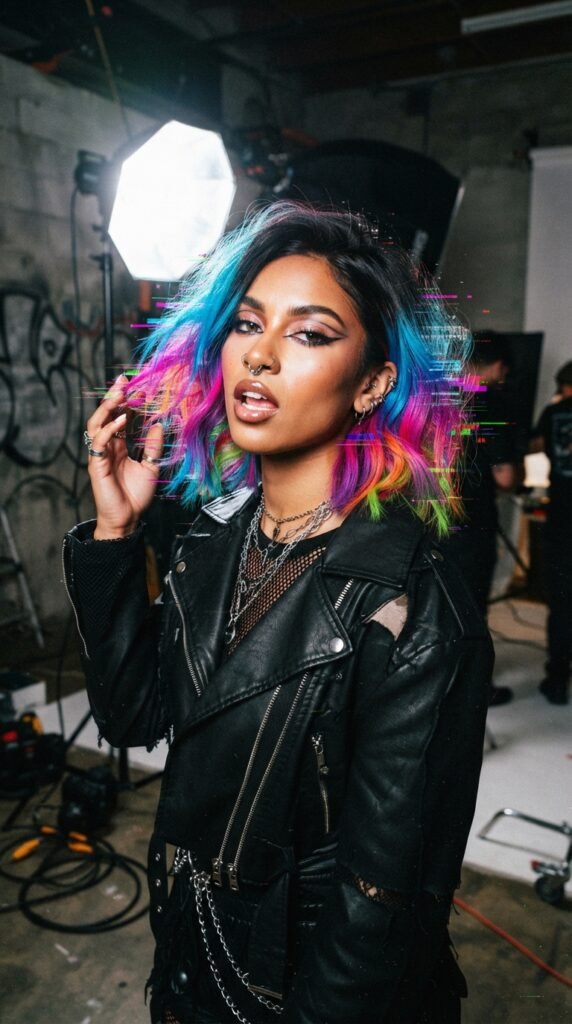
Glitchy glam hair is all about broken-up color, sharp contrasts, and unexpected dimension. It’s playful, futuristic, and not meant to be perfect — which makes it fun and a little rebellious.
Reverse balayage is actually a great gateway into that vibe. The shadowed root adds a subtle visual break that works with the glitchy aesthetic, just with a bit more polish. Think of it as glitchy light for everyday wear.
If you want to lean into the trend, ask your colorist for a few brighter face-framing pieces. That extra contrast gives you that glitch effect without committing to something wild.
The Asymmetrical Lob With Reverse Balayage
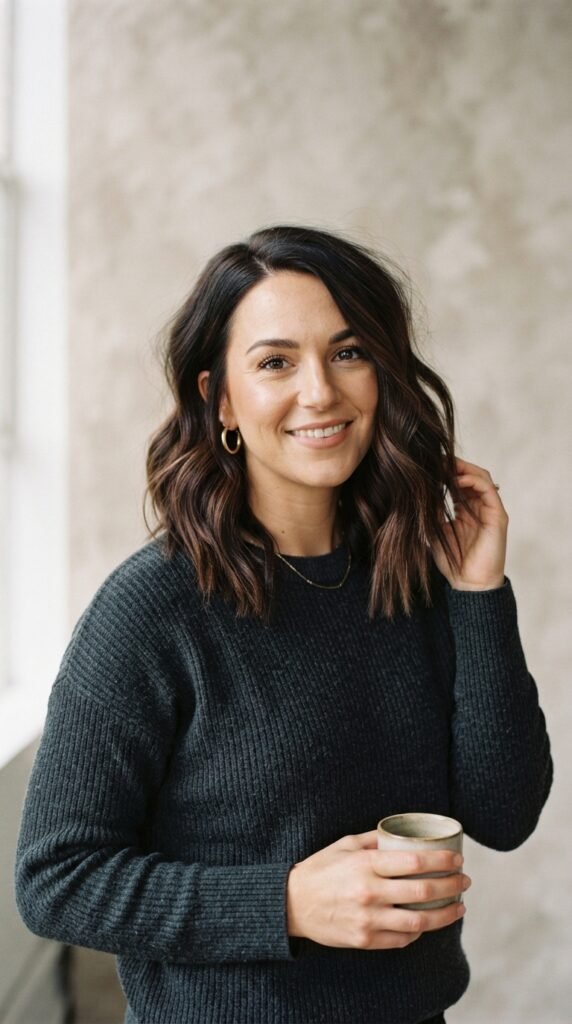
The asymmetrical lob is still one of my favorite 2026 hairstyles. It’s edgy, modern, and frames the face beautifully. And when you pair it with reverse balayage, it gets even better.
The uneven length already gives you movement. Add darker roots and lighter ends, and you get a style that feels dynamic from every single angle. It’s the kind of hair that turns heads without trying too hard.
Plus, an asymmetrical lob is super low-maintenance. It air-dries well, works with any texture, and the reverse balayage keeps it looking fresh as it grows. Honestly, what’s not to love?
The Vampire Haircut and Darker Blonde
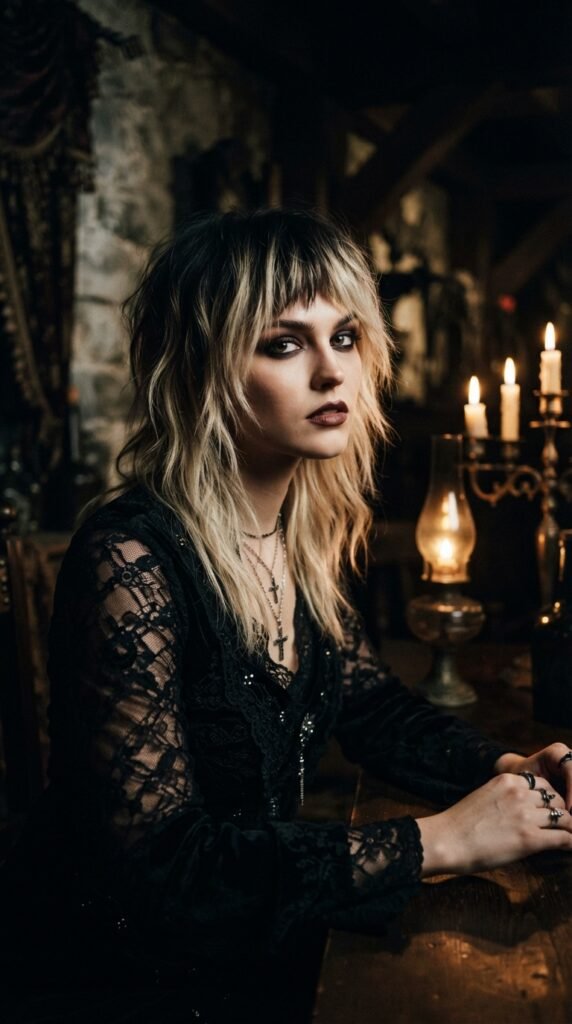
Okay, the vampire haircut — yes, that’s the real name. It’s a shaggy, layered cut with dramatic face-framing pieces. Very 90s, very moody, very cool. It’s having a serious comeback right now.
Reverse balayage pairs with it beautifully. The darker roots add that brooding, mysterious feel, while the blonde ends keep the style from going too dark or heavy. It’s the perfect match for the vampire energy.
If you’re thinking about trying a vampire haircut, ask your colorist for a reverse balayage at the same time. The two are honestly a match made in hair heaven.
A Hime Cut With Softer Contrast
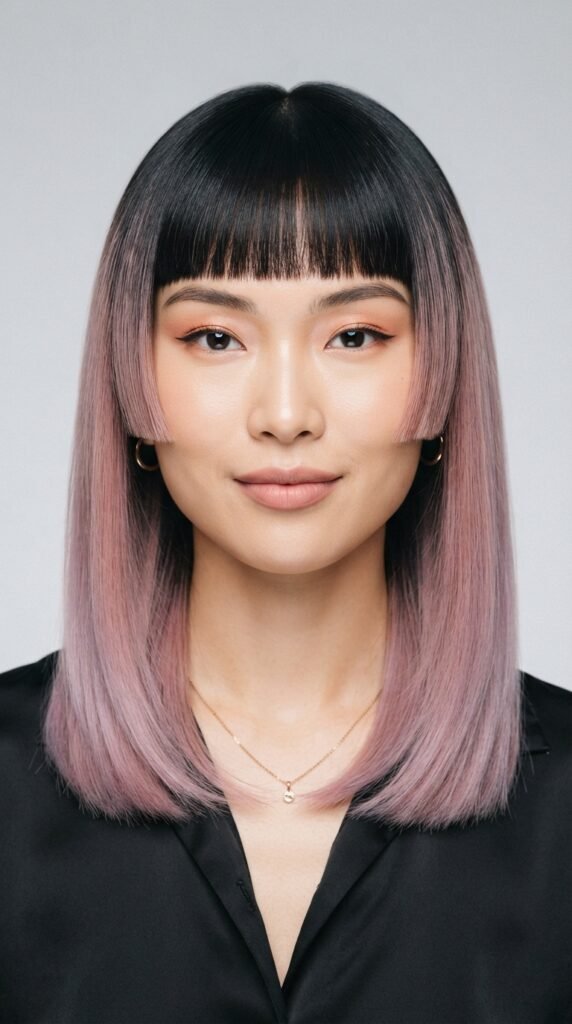
The hime cut — blunt fringe, sharp side pieces, long sleek back — is a bold, graphic look. Usually it’s worn with pretty contrasting colors for maximum impact.
Here’s the thing: reverse balayage makes the hime cut feel more modern and wearable. Instead of a stark color block, you get a soft gradient that still honors the cut’s sharp lines. It’s the best of both worlds.
The darker root complements the blunt fringe, and the lighter ends keep the overall vibe light and fresh. It’s a striking style with a softer, more approachable finish — perfect if you love the hime cut but want it to feel like you.
Transitioning From Platinum Without Regret
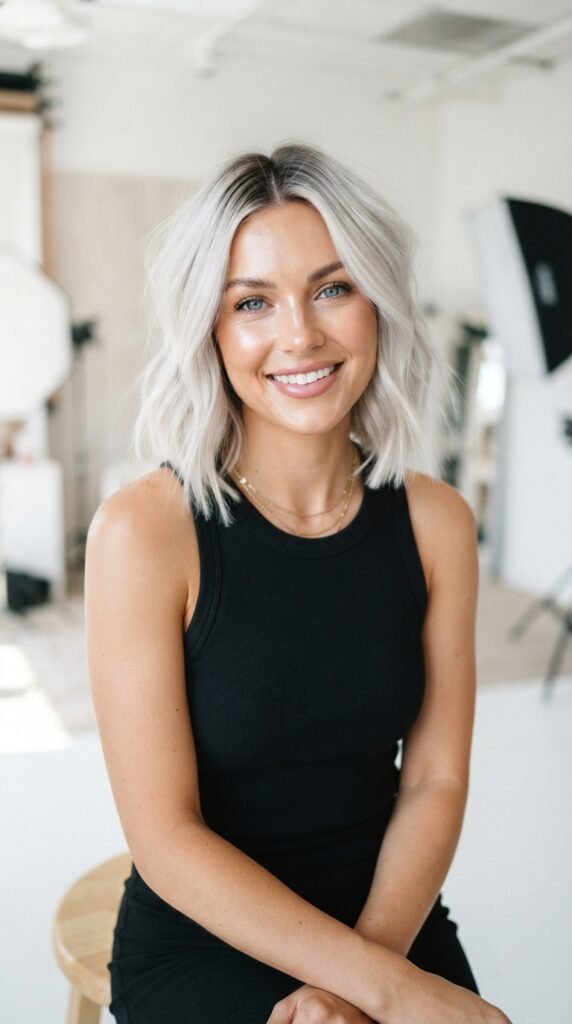
If you’ve been platinum for years, the thought of going darker can feel scary. I get it. But reverse balayage is the gentlest way to make the transition, and you can do it at your own pace.
You don’t have to lose all your brightness at once. The first session adds just a hint of depth. Then, over time, your colorist can go deeper as you get more comfortable. It’s a gradual glow-down, not a shock to the system.
You also protect your hair’s health by skipping bleach. And once you see how shiny and soft your hair becomes, you’ll wonder why you didn’t do it sooner. Trust the process — it’s worth it.
A Realistic Month-by-Month Timeline
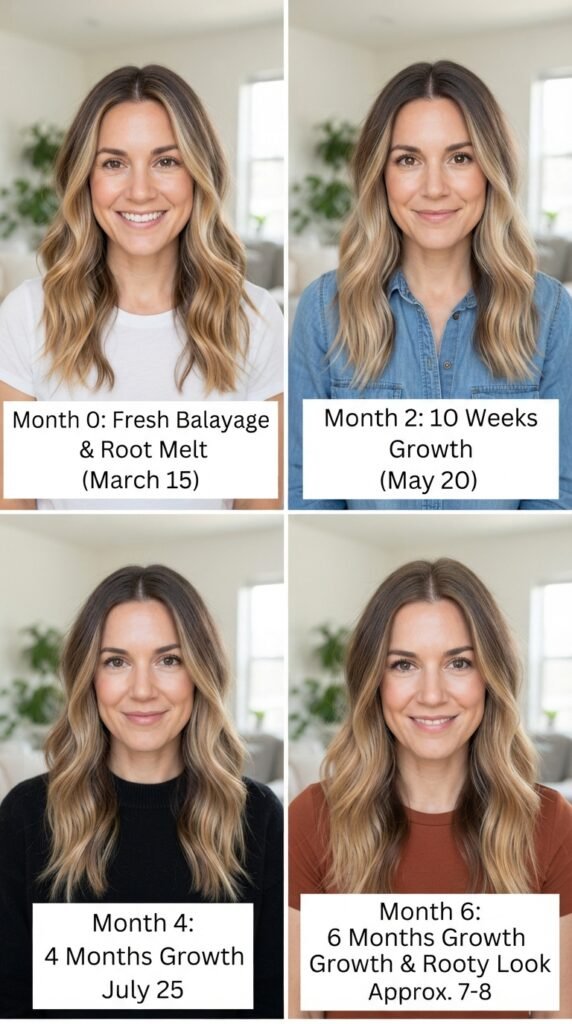
Here’s what you can actually expect after your appointment:
- Month 1: Color looks fresh, soft, and perfectly blended
- Month 2: Roots start to grow, but the blend hides them beautifully
- Month 3: Still looks intentional — maybe add a gloss for shine
- Month 4: Touch-up time if you want, but no one’s forcing you
- Month 5: Your hair feels even more lived-in and natural
- Month 6: You officially have a gorgeous, grown-out look that still works
The best part? Every month looks good. There’s no dreaded ugly stage, no panic calls to your colorist. That alone is worth it. And because the tone fades gradually, you get to enjoy the journey instead of counting down to your next appointment.
My Honest Take After Doing It
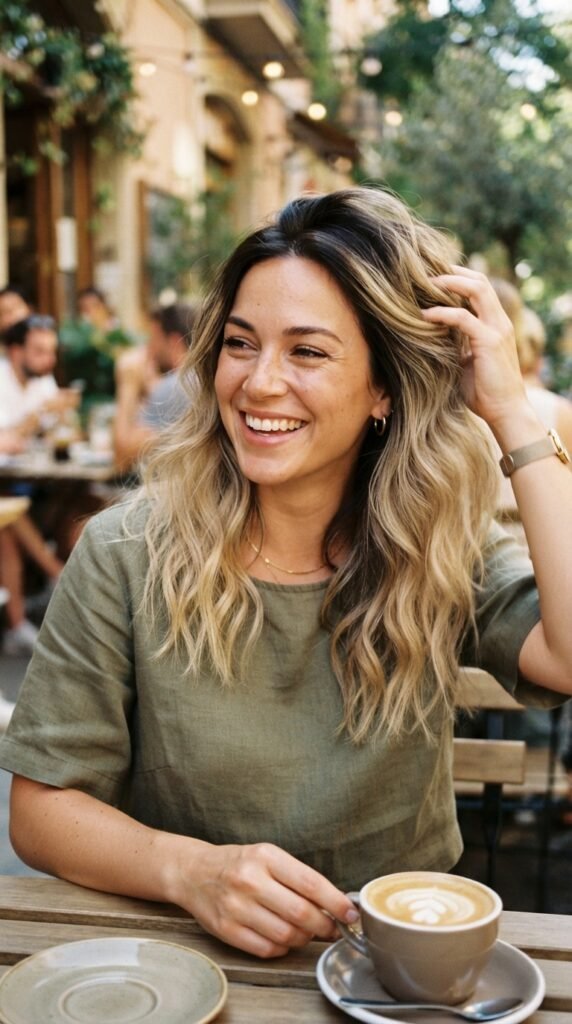
I’ll be real with you — I was nervous the first time. I’d been blonde for years and was scared I’d miss the brightness. But after one session, I was completely hooked.
My hair felt softer. My roots looked intentional. And I stopped checking the mirror every morning with grow-out anxiety. That freedom is priceless, honestly.
If you’re tired of fighting your roots, reverse balayage is the answer. It’s not about giving up blonde. It’s about making it work for you — and honestly, it’s the best hair decision I’ve made in years. I only wish I had tried it sooner.
Let’s Wrap This Up, Friend
Growing out blonde doesn’t have to be a stressful, high-maintenance season. Reverse balayage gives you a soft landing — literally. It keeps the blonde you love while making your natural roots part of the look, not a problem to fix.
Whether you’re dreaming of old money hair, a quiet luxury bob, or a moody vampire haircut, reverse balayage is the color that makes it all click. It’s practical, flattering, and honestly kind of addictive. Once you see how good it looks, you won’t look back.
So take a breath. Your hair is not ruined, and it will not be ruined. You’re just one appointment away from the easiest grow-out of your life. And I’m so excited for you to love your hair again.
Save this post to Pinterest so you have it ready when you book that appointment. And tell me below — have you tried reverse balayage, or are you currently growing out blonde? I’d love to hear your story in the comments.