
Why Your Ponytail Is Secretly Causing Traction Alopecia Over Time
You know that ache at your temples when you finally take your ponytail down at night? I used to think that was just part of having long hair. Turns out, it was my hairline asking for help.
I spent years pulling my hair into tight ponytails every single day, thinking I looked polished. Then one day, I noticed my temples looked thinner. My hair was slowly creeping back, and I had no idea why.
Here’s what I wish someone had told me sooner: traction alopecia is one of the most common and most preventable types of hair loss, and ponytails are the biggest culprit.
The good news? You can catch it early and fix it. In this post, I’ll walk you through the warning signs, the styles that actually protect your hair, and the 2026 trends that look amazing without wrecking your edges. Let’s save your hair together.
What Traction Alopecia Actually Is
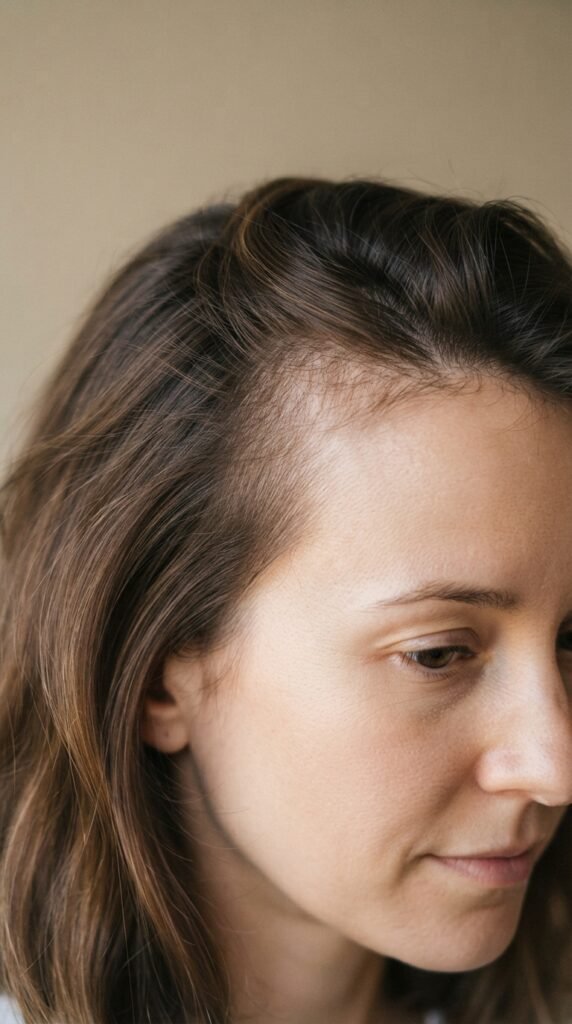
Traction alopecia is hair loss caused by constant pulling on your hair follicles. Think of it like a plant being tugged at the roots every single day. Eventually, the root gives up and stops growing.
It starts silently. A little thinning at the temples. A wider-looking part. A hairline that seems slightly higher than it used to be. Most people don’t catch it until it’s already noticeable.
Here’s the part that should give you hope: traction alopecia isn’t genetic. It’s mechanical. That means you have total control over how much further it goes. The sooner you stop the tension, the better your chances of growing it all back.
How to Tell If Your Ponytail Is Too Tight

You should be able to raise your eyebrows easily while your ponytail is in. If your forehead feels tight or your eyes pull, that’s too much tension.
Try this simple test: slide your finger between the hair tie and your scalp. If it barely fits, your ponytail is stressing your hairline.
And honestly, if your ponytail gives you a headache by noon, it’s doing damage. Take it out, redo it looser, or switch to a claw clip for the rest of the day.
The Sneaky Signs You Might Be Losing Hair

Little bumps along your hairline that look like pimples? That’s traction folliculitis, the earliest warning sign of traction alopecia.
- Flaking or itching where your hair tie sits. That’s not dry skin. It’s irritation from pulling.
- Hair that feels thinner around your temples or ears. That’s where ponytails do the most damage.
- More shed hair than usual after brushing.
If anything feels off, take a photo today and compare again in a month. Early signs are easy to miss.
Why Ponytails Are the Main Culprit
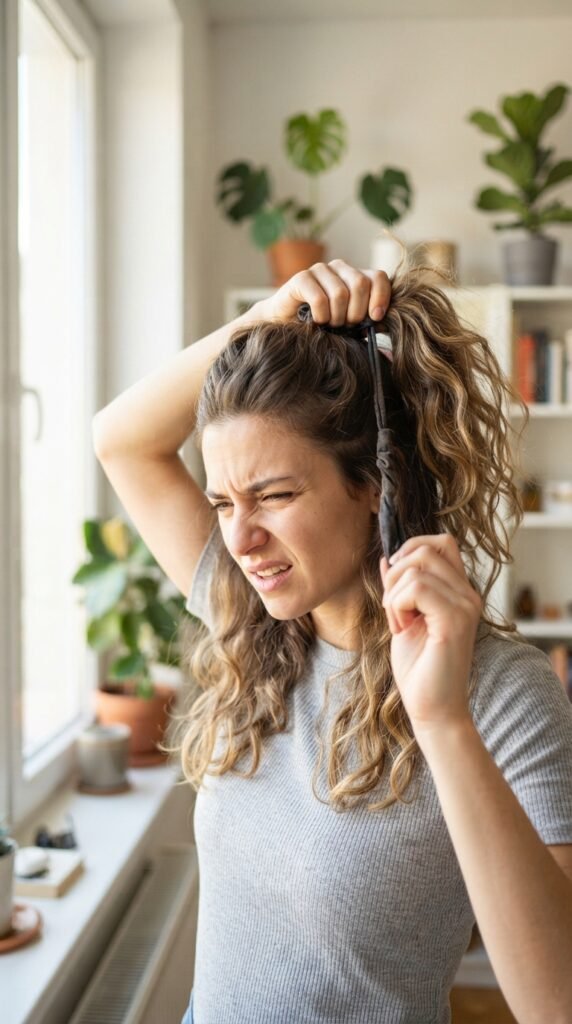
It’s not the ponytail itself. It’s the weight. Long, thick hair in a high ponytail pulls on the same spots for hours, every single day.
The higher you place the ponytail, the more tension on your hairline. Low ponytails are gentler, but they still tug on the nape of your neck.
And if you sleep in your ponytail? That adds eight more hours of stress to the same follicles. Your hair never gets a break.
The Hairline Check You Should Do Tonight

Grab a mirror and some good light. Pull your hair back flat with one hand and take a real look at your hairline.
- Check your temples first. Are they thinner than they used to be?
- Compare both sides. Asymmetrical thinning is common with ponytail damage.
- Look for baby hairs. Lots of short broken pieces means snapping from tension.
Take a photo every month so you can track changes. Future you will be grateful.
How Long It Takes for Traction Alopecia to Show Up
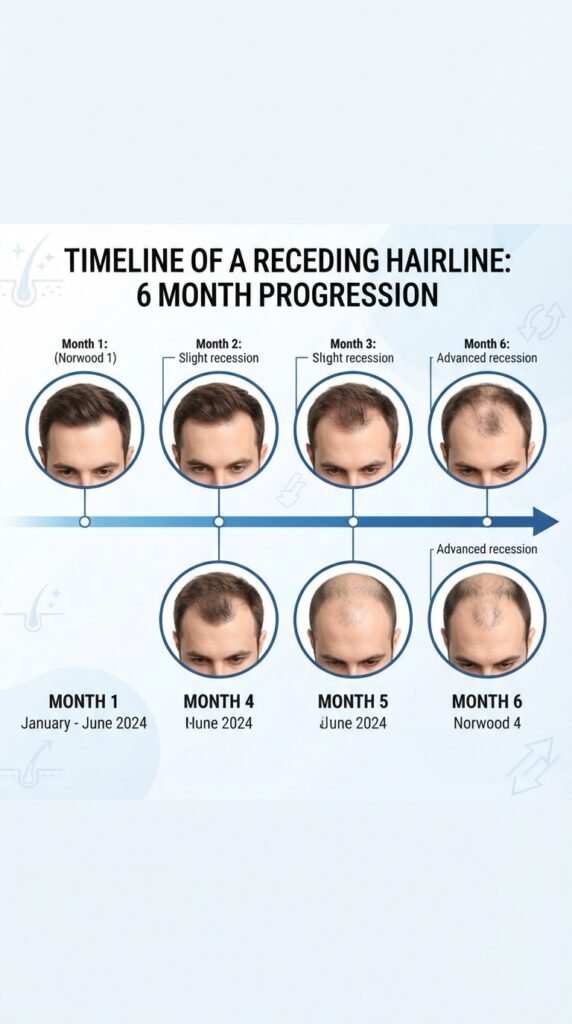
This is the sneaky part. Most people don’t see visible thinning until two to three years of daily tight ponytails.
But the damage starts way earlier. Your hair follicles are under stress long before the hair actually falls out.
The good news? If you catch it within the first two years, your hair can fully recover. After that, it becomes much harder. That’s why noticing the early signs matters so much.
Can Traction Alopecia Be Reversed?
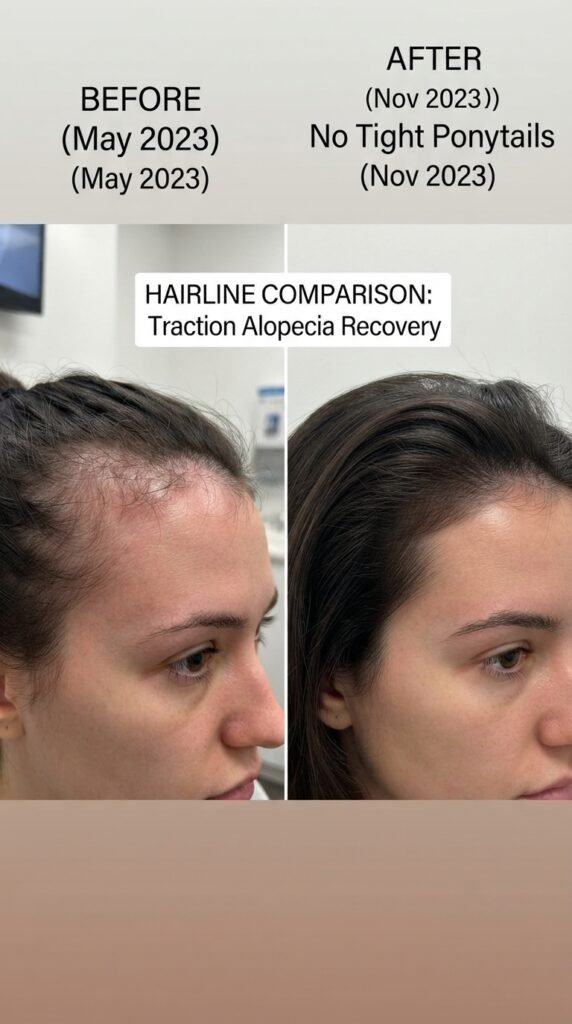
Yes, but only if the pulling stops. That’s non-negotiable. No serum or supplement can fix hair that’s still being pulled at the root.
Once you stop the tension, most people see regrowth within six to twelve months. Full thickness can take closer to two years.
The earlier you catch it, the better your odds. After years of constant pulling, follicles can scar permanently. So don’t wait.
The Best Ponytail Alternatives for 2026

Good news: in 2026, tight ponytails are out. The vibe is all about relaxed, effortless hair. That’s great for your edges.
Try a loose braid instead. It spreads tension across more hair, so your hairline doesn’t take the full hit.
Low buns are also a win. Keep them loose, use a silk scrunchie, and change the position every day so the same spots don’t get stressed.
Why the Old Money Hair Trend Is Saving Scalps

The old money hair aesthetic is basically clean, bouncy, healthy hair worn loose. No harsh pulling, no tight ties. Just expensive-looking natural volume.
This trend is a lifesaver for traction alopecia because it literally encourages you to do less to your hair. Think silk scarves, soft waves, and gentle blowouts.
And the best part? Old money hair doesn’t require damage to look amazing. A good haircut does all the work.
The Quiet Luxury Bob as a Protective Style

If you’re ready for a chop, the quiet luxury bob is the perfect way to break the ponytail cycle for good.
A bob physically can’t go into a tight ponytail. It forces you to wear your hair down or in a loose claw clip. That alone can save your hairline.
It also looks stunning with zero effort. Air dry, add a little texture spray, and you’re done. Very Carolyn Bessette-Kennedy energy.
Romantic Goth Hairstyles That Are Gentle on Your Hairline

Romantic goth hairstyles are huge for 2026, and they’re surprisingly hairline-friendly.
Think soft, loose waves. Half-up styles with small velvet clips. Low, undone buns with tendrils left out around your face.
These styles use almost no tension. The whole look is about being softly undone, which means your hair gets to chill while you look incredible. Add a ribbon or a claw clip, and skip the elastic completely.
Glitchy Glam Hair: Low-Tension Braids and Accessories
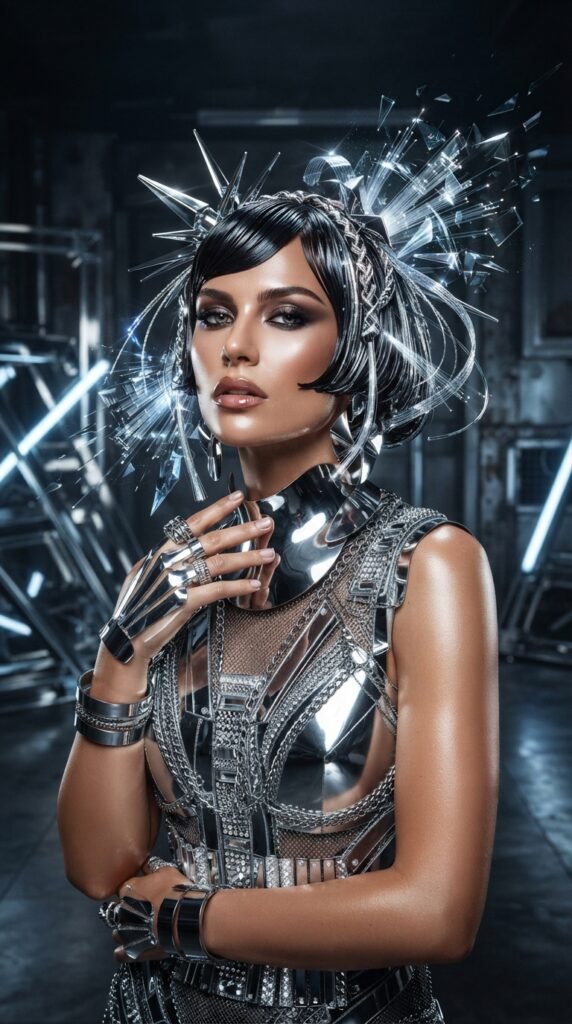
Glitchy glam hair sounds intense, but it’s actually one of the most gentle trends for 2026.
It’s all about cool, slightly distorted looks. Wet-look parts. Metallic clips. Geometric styling with very little pulling.
You can achieve the look with a center part and a few butterfly clips. Zero tension, all style. That’s exactly what your hairline is asking for.
The Asymmetrical Lob: A Chic Break From Ponytails

If you want a big change that will protect your edges, the asymmetrical lob is such a solid choice.
It’s shorter in the back, longer in the front, and it gives you that effortlessly cool look without any need for tight styling.
Wear it straight, wavy, or pulled back with a loose clip. It’s basically the ultimate haircut for anyone recovering from traction alopecia.
The Vampire Haircut: Why Everyone Is Asking for It

The vampire haircut is one of the biggest 2026 hairstyles right now. Long layers, wispy face-framing pieces, tons of movement.
What makes it amazing for your hairline? The face-framing pieces do all the work, so you never have to pull your hair back to show off your face.
It’s dramatic but soft. And it completely removes pressure from your edges. It’s also a stunning grow-out style if you’ve been wearing ponytails for years.
The Hime Cut: Face-Framing Without the Pull

The hime cut is a Japanese classic with blunt bangs and straight side pieces framing your face.
It’s perfect for traction alopecia because it gives you that sharp, structured look without any tension on your edges.
You just wear your hair down and let the cut do its thing. No ponytail, no damage, and it looks seriously chic. Plus, it works well with straight or wavy textures.
How to Style Your Hair Without Heat After a Ponytail Break

When you’re giving your hairline a break, you might be tempted to grab the flat iron. Try not to.
Air dry with a little mousse, loosely braid before bed, and wake up to soft waves with zero heat.
For volume at the roots, use texture powder and lean your head upside down for a minute. You get lift without the pull. And always use a wide-tooth comb.
The Best Hair Ties That Won’t Pull Your Hair
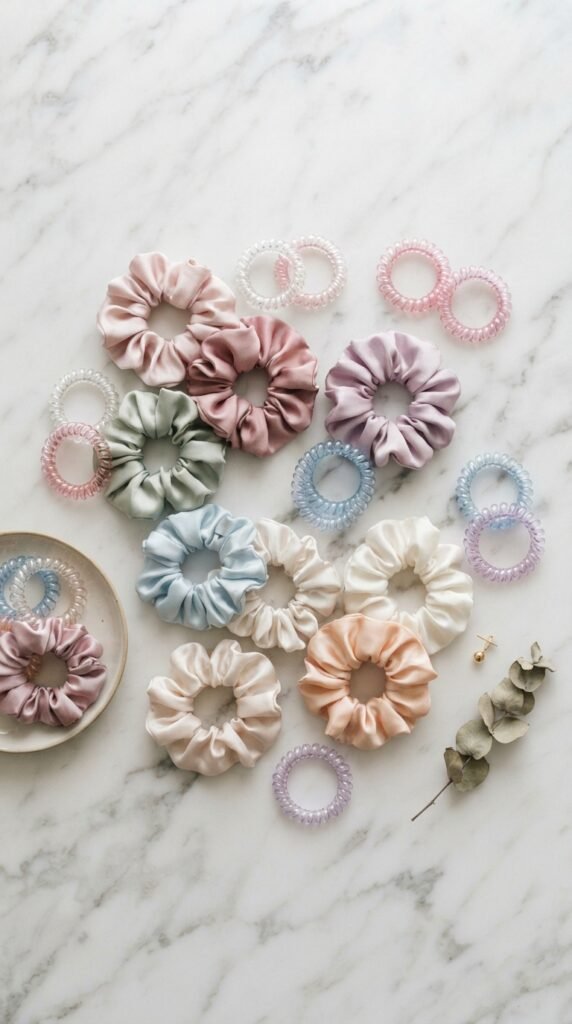
Step one: trash your thin elastic bands. They grip too tight and snap your strands.
- Silk scrunchies: glide smoothly, no friction on your cuticle.
- Spiral hair ties: look like regular ties but don’t pull, no crease.
- Claw clips: the easiest way to keep hair up without tension.
Keep one of each in your bag, your desk, and your nightstand so you never reach for a tight band again.
Nighttime Habits That Prevent Traction Alopecia

Never sleep with a tight ponytail. If you really need to secure your hair, use a silk scrunchie in a very loose, low bun.
Sleep on a silk pillowcase. Cotton creates friction and can stress your hairline while you snooze.
And before bed, take out any style that’s been in all day. Let your scalp breathe for a few minutes before you sleep.
How to Massage Your Scalp for Hair Growth

Scalp massage boosts blood flow to your hair follicles, which helps them recover from traction damage.
Use your fingertips, not your nails, and apply light pressure in small circles. Two or three minutes a day is plenty.
You can do it while conditioning in the shower or sitting on the couch watching TV. It’s basically free therapy.
Supplements and Foods That Help Your Hair Recover

Your hair needs protein, iron, and vitamins to grow back. If you’re low on any of them, regrowth will crawl.
- Eat more eggs, salmon, spinach, and nuts.
- Stay hydrated. Dehydration slows every process in your body.
- Biotin and vitamin D are the most studied for hair health.
Just check with your doctor before starting any supplement.
When to See a Dermatologist

If your hairline has been receding for more than a year even with loose styles, go see a dermatologist.
They can check whether your follicles are scarred and create a treatment plan. Early intervention changes everything.
Don’t wait until the spots are obvious. A pro will give you answers way faster than the internet. Bring photos of your hair over the past few years so they can see the progression.
What to Do If You Already Have Bald Spots

First, breathe. You’re not alone, and you still have options. But you need to stop all tight styles immediately.
Many people find that over-the-counter minoxidil helps. It’s not instant, but it can encourage regrowth.
Wear your hair down while the spots fill in. And if you need a confidence boost, a loose silk scarf can be a gorgeous workaround. Be gentle with those areas and avoid tight braids or buns.
A Simple Weekly Hair Reset Routine

Sunday is my reset day. I skip the styling products, wash gently, and let my hair air dry. No tools, no ties, no tension.
I also do a quick scalp massage with argan oil and leave it for twenty minutes before washing.
That one hour a week has genuinely saved my edges. If you don’t have argan oil, coconut or jojoba oil works too. It’s worth making time for.
The Emotional Side of Hair Thinning

It’s okay to feel upset about hair loss. It can feel like losing your identity. Please don’t dismiss that.
Talk to friends who get it. Sharing makes it so much lighter.
And remember, you caught it in time to do something about it. That’s a huge advantage. Hair is tied to how we see ourselves, so give yourself grace while you heal. You’re already taking the right step by reading this.
One Last Thing Before You Go
Here’s the truth: your hair can come back. It might take time, but every single day you skip the tight ponytail, your follicles get a chance to heal.
The 2026 trends are all on your side. Old money hair, quiet luxury bobs, romantic goth styles, glitchy glam, asymmetrical lobs, vampire haircuts. None of them need a tight elastic.
Save this post to Pinterest so you can find it when you need a reminder. And tell me below, which hairstyle are you excited to try first? I read every comment.