The Truth About Keratin Treatments and How Long They Really Last
Let’s be honest: keratin treatments are surrounded by a lot of hype and half-truths. I’m Hailey, and I’ve been there, sitting in the salon chair wondering if I’m about to get glossy, glass-like hair or a science experiment. The truth is, keratin can be amazing—but only if you know what to expect.
So what really happens after a keratin treatment? How long does it last? And is it worth the cost? I’m answering all of it in this post, with no salon jargon and no fluff. You’ll learn the real timeline, the aftercare rules that matter, and the best 2026 hairstyles that pair beautifully with that smooth, polished finish.
Whether you’re chasing old money hair, a quiet luxury bob, or just want easier mornings, this guide will help you make the smartest choice for your hair. Let’s get into the truth.
What Is a Keratin Treatment, Really?
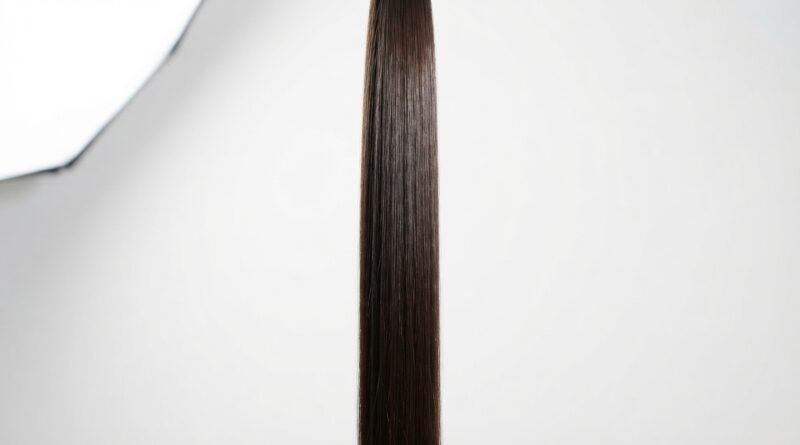
Keratin is a protein that already lives in your hair, skin, and nails. A keratin treatment coats the outer layer of each strand with extra protein and protective ingredients. That coating helps seal the cuticle, smooth frizz, and make hair look shinier.
Don’t confuse it with a relaxer. A keratin treatment doesn’t permanently alter your hair’s structure. It’s more like a temporary finishing treatment that slowly wears off as you shampoo and style. You’re not changing the shape of your hair; you’re just smoothing its surface for a while.
- Adds shine and softness
- Cuts down drying time
- Reduces frizz without completely changing your curl pattern
The “Smoothing” vs “Straightening” Confusion
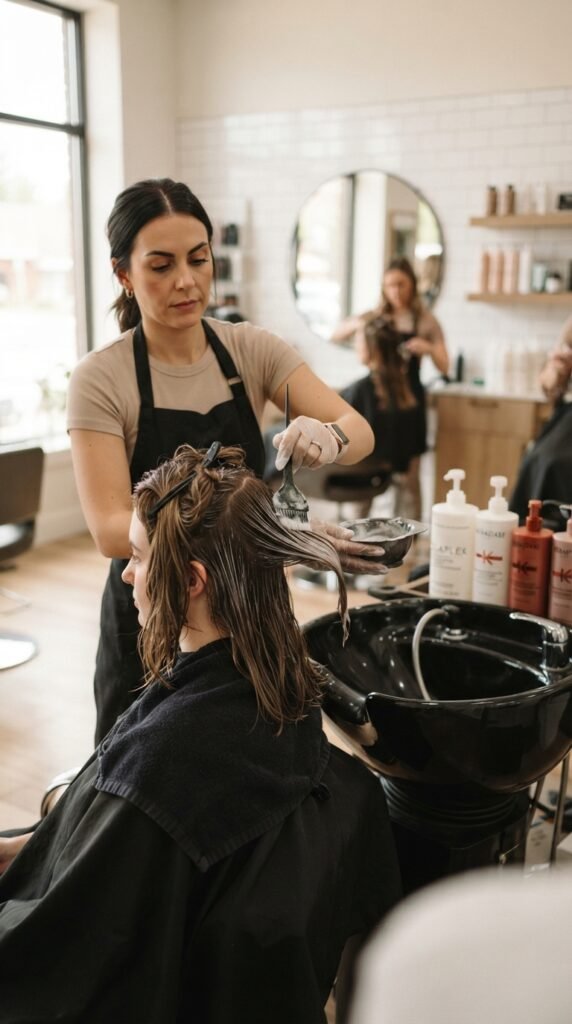
Salons call different things “keratin.” Some are true smoothing treatments, while others are more like straightening systems. It’s important to ask exactly what you’re getting.
If your stylist says “smoothing treatment,” you’ll likely keep movement and some wave. If they say “Brazilian straightening,” expect a flatter, sleeker finish. That choice changes how long the effect lasts and how dramatic it looks.
- Smoothing: lasts a few months, keeps soft waves
- Straightening: lasts longer, gives pin-straight hair
You deserve to know the difference before you sit down.
How Long Do Keratin Treatments Actually Last?
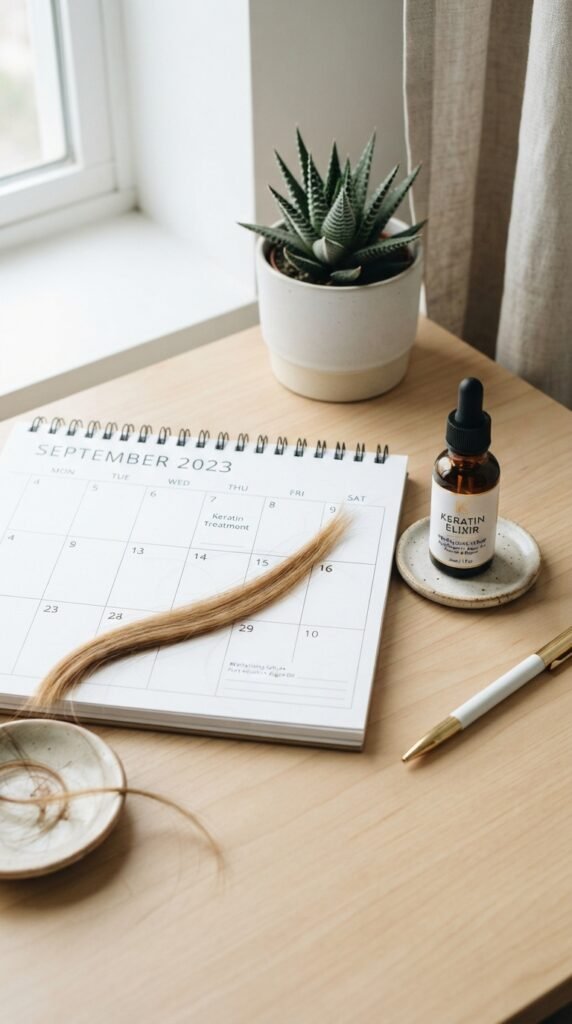
On average, a professional keratin treatment lasts about 10 to 12 weeks. Some people get three months; others get closer to five or six. It all depends on your hair type, your products, and how often you wash.
The real secret? The treatment doesn’t just “wear off” one day. It fades gradually. You’ll first notice more volume at the roots, then a little wave returning, then frizz at the ends. That fading process is completely normal.
- Roots get puffier
- Waves start to bounce back
- Ends feel drier
Why Fine Hair Sees Different Results

Fine hair usually doesn’t hold a keratin treatment as long as thick or coarse hair. Because the strand is thinner, it can’t absorb as much protein, so the effect fades faster.
That doesn’t mean fine hair should skip it. It just means you need a lighter formula and a shorter appointment time. The result? Less weigh-down, and the treatment feels more natural.
- Fine hair: 6 to 8 weeks
- Medium hair: 10 to 12 weeks
- Coarse hair: 12 to 16 weeks
These aren’t exact, but they’re real ranges.
The One Factor Nobody Talks About: Your Hair History
Your hair’s past affects your keratin’s future. If your hair is color-treated, bleached, or damaged, it’s more porous. Porous hair actually absorbs the treatment quickly, but it can also release it quicker.
That means highlighted hair might look incredible in week one, then fade faster than virgin hair. Damaged ends are especially tricky. The keratin seeps into weak spots, breaks down faster, and leaves ends looking dry again.
So before booking, talk to your stylist about your dye history. It matters more than the price.
Does Your Shampoo Make It Fade Faster?
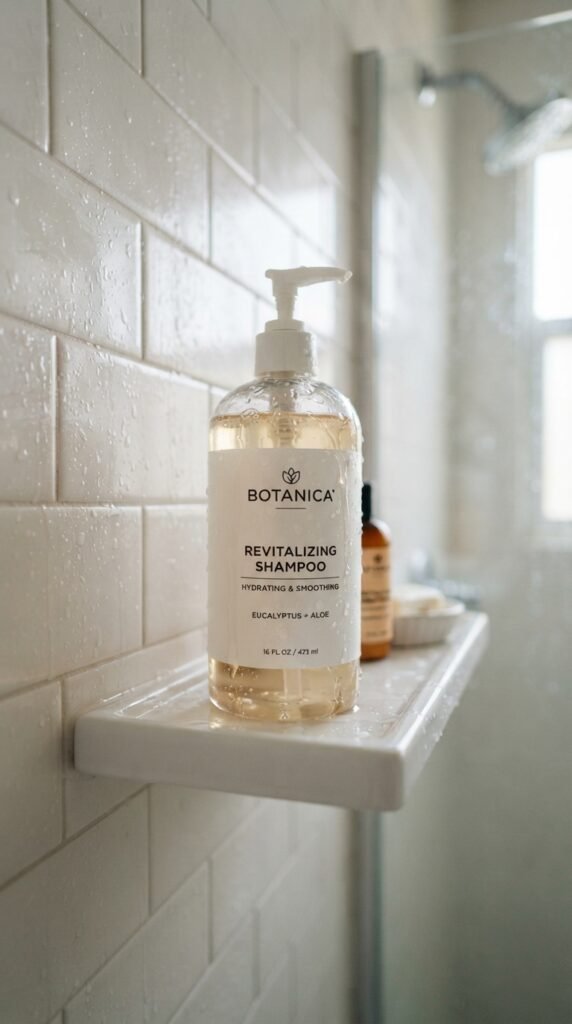
Yes, your shampoo can be the biggest villain. Sulfates are harsh cleansing agents that strip away the keratin coating. If your shampoo lathers up like a bubble bath, it may be cutting the lifespan short.
Most stylists tell you to use a sulfate-free shampoo for at least a week after treatment. But honestly, to see three months of results, keep using it the whole time. That’s one of the easiest ways to make keratin last.
- Sulfate-free shampoo
- No clarifying masks
- Lukewarm water instead of hot
This small switch makes a big difference.
Weather and Humidity: The Honest Impact

Humidity is keratin’s natural enemy. In humid weather, moisture tries to enter the hair shaft, which can cause frizz and expansion. A well-done treatment helps, but it won’t completely defeat extreme humidity.
That said, the treatment makes humidity easier to handle. Your hair may get a soft bend or a little fluff, but you won’t have that triangle-head effect. It’s a trade-off.
If you live somewhere humid, expect the treatment to last closer to two months, not five. Plan accordingly.
How Heat Styling Changes the Timeline
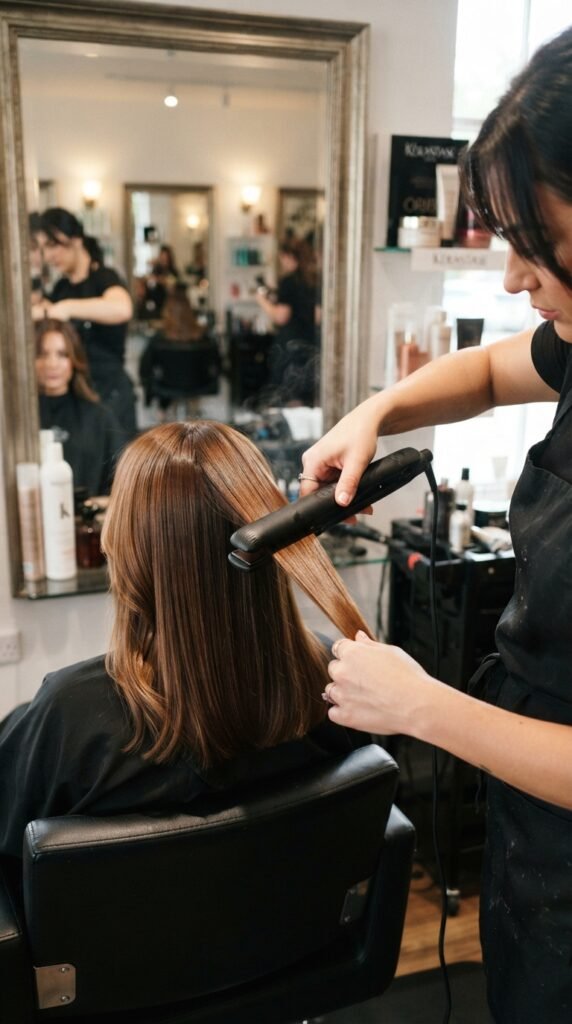
Heat can be both your best friend and your worst enemy. Using a flat iron or blow dryer right after a treatment helps set it and creates that smooth finish. But daily high heat can break down the keratin faster.
If you can, keep heat under 350°F (about 175°C) for the first few weeks. Lower heat protects the protein bond and keeps the cuticle smooth. Also, always use a heat protectant.
- 320°F for fine hair
- 350°F for normal hair
- 380°F for coarse hair
Less heat means longer-lasting shine.
Can You Extend It to Six Months?
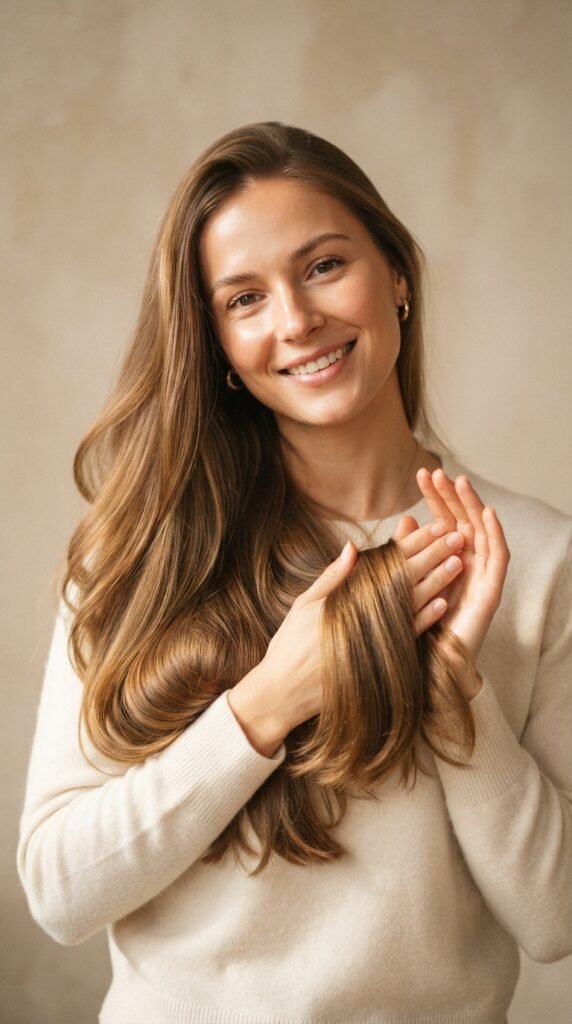
Some salons promise six months. Is that realistic? Yes, but only with perfect aftercare and very coarse, dry hair. For most people, six months is a stretch. If you have fine or normal hair, plan for a touch-up around week ten instead.
You could stretch the look by using keratin-based products after the treatment fades. Those don’t replace the original treatment, but they can keep hair looking smooth longer.
- Use a protein-rich leave-in
- Sleep on a silk pillowcase
- Blow-dry with a round brush
That extra month might be possible after all.
The “Keratin Myth” About Damage

Let’s clear this up: keratin itself isn’t damaging. It’s the process and product that can be. High heat during application can stress hair, and some formulas contain chemicals that are too strong.
A well-done keratin treatment can actually improve the look of damaged hair because it fills in gaps in the cuticle. But that improvement is temporary. When it wears off, you’re back to your real texture.
Choose an experienced stylist. Ask what’s in the formula. That’s how you protect your hair.
What About Formaldehyde-Free Formulas?
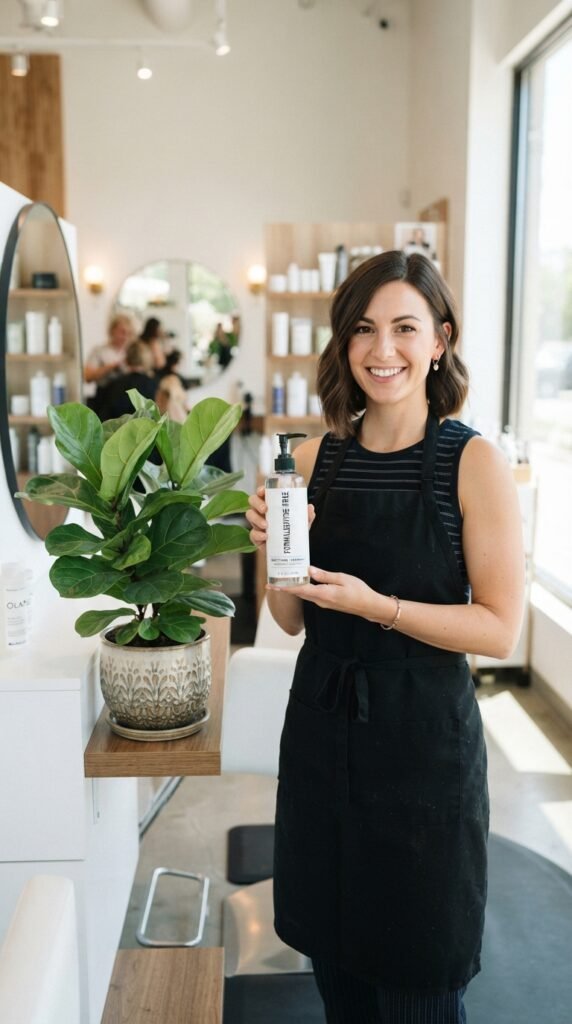
Formaldehyde-free keratin treatments exist, and they’re great if you worry about fumes. But “free” doesn’t always mean gentle. These products rely on other smoothing ingredients that can still be strong.
The bigger concern is the heat. Even with a gentle formula, the high heat and tension used to seal the product can cause stress. Make sure your stylist uses the right temperature for your hair type.
Ask for a patch test if you have sensitive skin. And never try to do a high-heat keratin at home without proper training.
The Aftercare Rules That Actually Matter
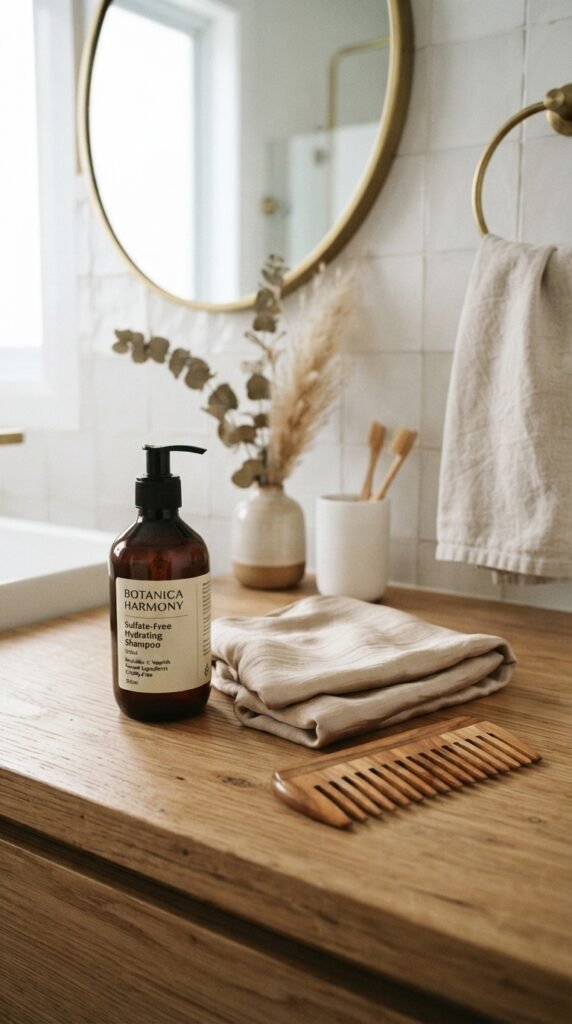
Aftercare is not just “use good products.” It’s about protecting the treatment while it’s fresh. In the first 72 hours, keep your hair dry, avoid hair ties, and skip tight styles. That means no sweaty workouts, no steamy showers, and no beach waves yet. The treatment needs time to bond with your hair.
- Wait 72 hours before washing
- Avoid ponytails and hair ties
- Don’t tuck hair behind both ears
- Skip workouts that make you sweat a lot
These little things help set the keratin. Ignore them, and you might lose weeks of wear. Think of the first few days as the foundation: get it right, and everything else is easier.
How to Know Your Treatment Is Wearing Off

Your treatment is saying goodbye when you notice new texture at the roots. The roots will feel puffier and more like your natural hair, while the ends might still look sleek. This is the “grow-out” phase.
Another clue? Your hair feels more porous when wet, and water lingers longer. You might also see flyaways near your temples.
That’s not a sign it failed. It’s just time for either a touch-up or a new smoothing routine. Usually the ends are the last to change. If you’re seeing split ends sooner, that’s your hair’s history talking, not the product.
The Best Keratin-Friendly Haircuts for 2026
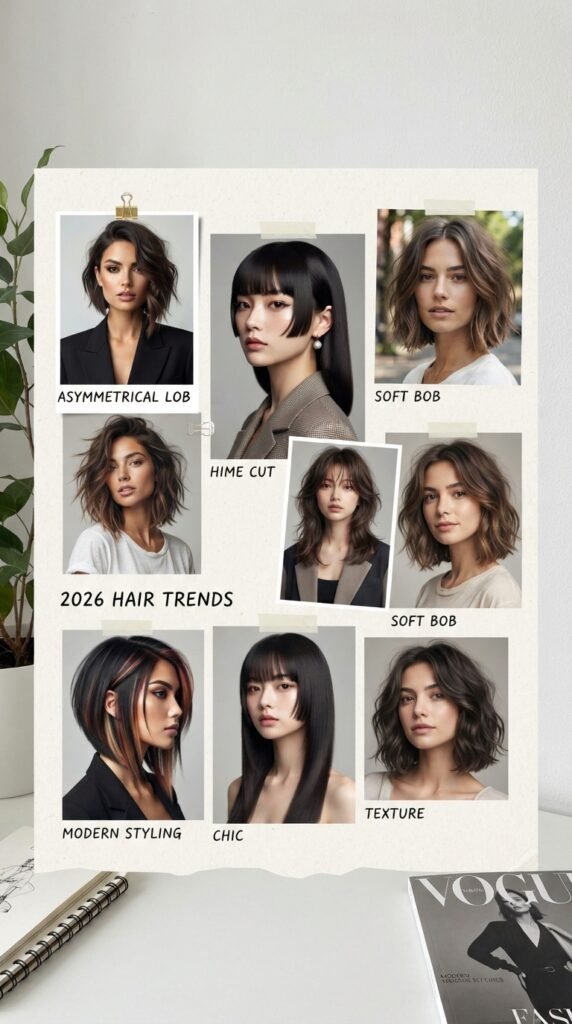
Keratin treatments look amazing with almost any haircut, but some styles shine more in 2026. If you want a fresh look that works with smooth hair, consider cuts that rely on clean lines and movement.
Best picks:
- Old money hair with long layers
- Quiet luxury bob
- Asymmetrical lob
- Vampire haircut with wispy ends
- Hime cut with face-framing pieces
The smoother the texture, the more these styles show off their shape. If you’re not sure which shape works for your face, bring photos to your stylist and let them guide you.
Pairing Keratin With Old Money Hair
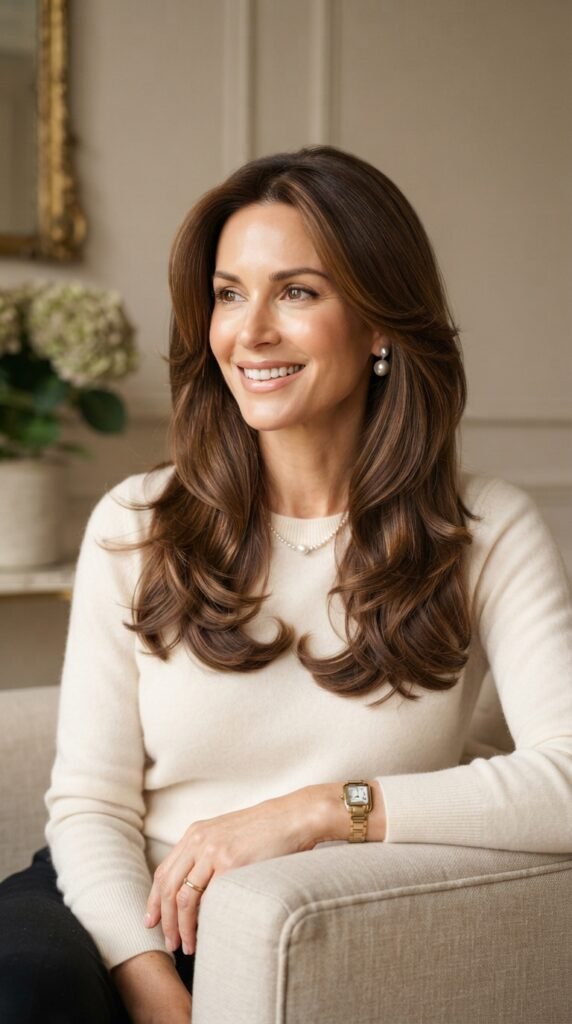
Old money hair is all about looking polished without trying too hard. Keratin helps create that expensive, glass-like finish. Long layers stay smooth, and the hair reflects light beautifully.
The trick is keeping it soft, not stiff. Ask your stylist for a moderate treatment so your hair still moves. You don’t need pin-straight strands for this look.
Add a center part and a good blowout, and you’re instantly giving quiet wealth. It’s one of the easiest 2026 hairstyles to pull off after keratin. It’s polished without being stiff, which is exactly what old money hair should feel like.
Keratin + Quiet Luxury Bob: A Match Made in Heaven

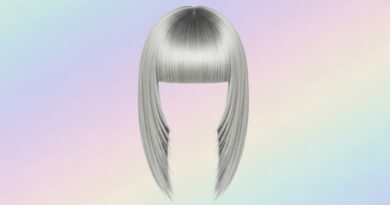
A quiet luxury bob is different from a regular bob. It’s usually cut right around the chin or jaw, with minimal layers and a soft, blunt edge. That shape looks incredible when hair is smooth and shiny.
Keratin helps the bob stay sleek all day. You can wash and go, which is the whole point of “quiet luxury.” Just keep the products light so you don’t lose volume.
This combo is ideal for busy days. If you want a style that looks expensive with barely any effort, this is it. And because the bob hits at the jaw, keratin also reduces that awkward outward flip.
Keratin With Romantic Goth Hairstyles? Yes, Here’s How

Romantic goth hairstyles are all about dark, dreamy, flowing texture. You might think keratin is too sleek for that vibe, but it’s actually perfect. The treatment smooths frizz while keeping movement, which lets those dark waves look soft instead of crunchy.
Use a light curl cream after the treatment dries. Then gently wave sections with a curling wand. The keratin keeps the style polished without losing the romantic edge.
Add a velvet bow or a thin headband. That contrast between smooth hair and dark accessories is very 2026. The key is using products that are rich but not heavy, so the waves stay soft and airy.
Glitchy Glam Hair and Asymmetrical Lob: Do They Mix?
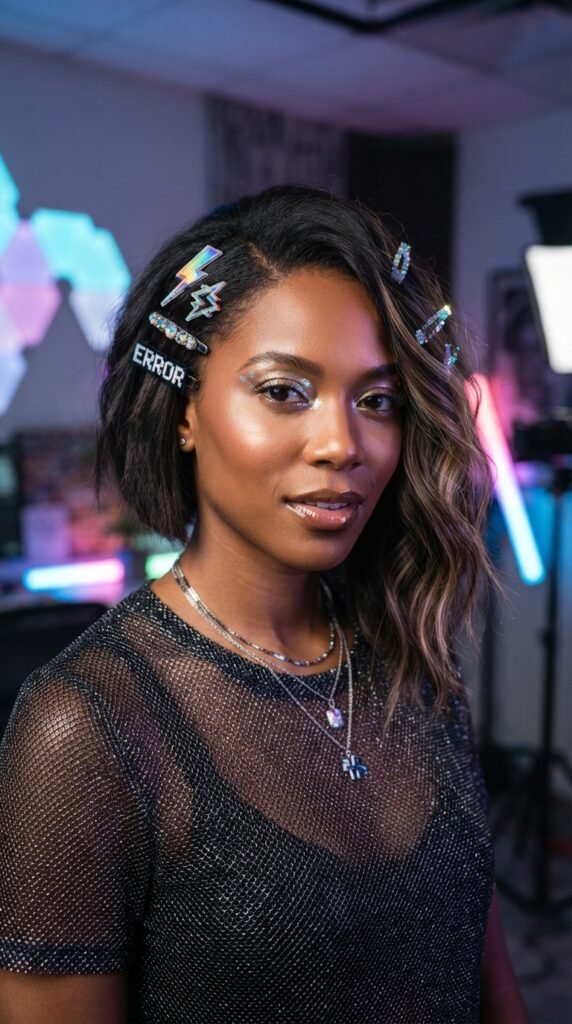
Glitchy glam hair is all about high-shine, tech-inspired details—think metallic clips, mirrored strands, and playful texture. An asymmetrical lob is the perfect canvas for this trend.
Keratin keeps the lob smooth and gives it the reflective quality that glitchy glam loves. The cut’s unbalanced shape becomes the main event, while the treatment keeps everything controlled.
To style, add a few temporary glitter strands or a chrome hair pin. The contrast of sleek hair and edgy accessories feels fresh and fun.
Vampire Haircut and Hime Cut: Low-Maintenance Options

Both the vampire haircut and the hime cut are making waves in 2026 hairstyles. The vampire haircut features soft, face-framing points, while the hime cut has short, blunt layers around the face. Both rely on precision.
Keratin actually helps these cuts look cleaner. Because there’s less frizz, the blunt lines stay sharp. The vampire haircut also keeps its swing movement, which makes it feel modern. They both have strong lines, and keratin makes those lines look intentional.
If you’re low-maintenance, these cuts plus keratin are a power combo. You just air-dry and go.
At-Home Keratin Kits: Do They Last as Long?
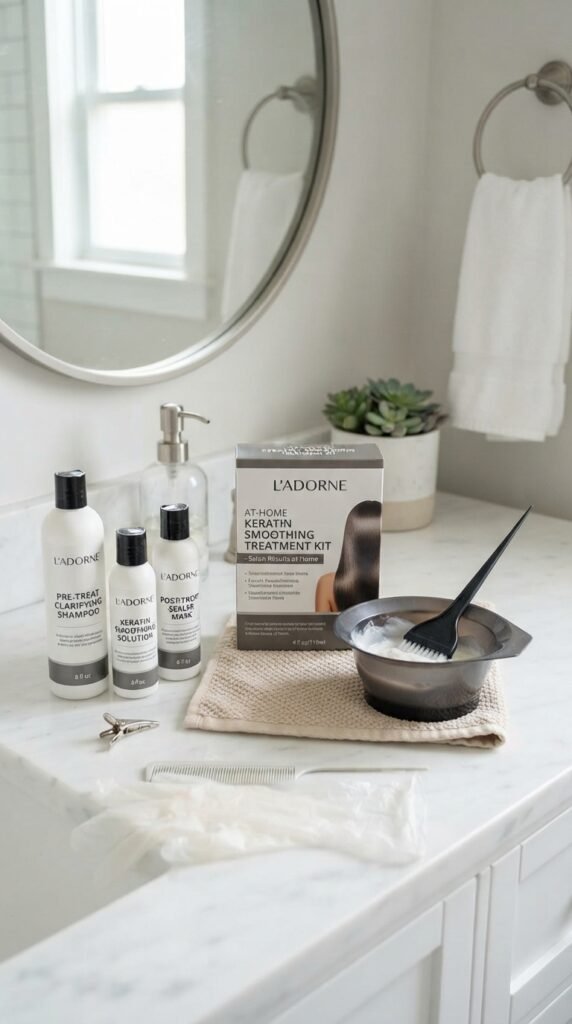
At-home keratin kits are convenient and cheaper, but they don’t last as long as salon treatments. Most give you two to four weeks of smoothing, not months. That’s because salon formulas are stronger and applied with professional heat.
They’re still useful for a quick refresh. If you’ve already had a professional treatment, a home kit can help stretch results. But don’t expect the same glassy finish.
If you’re on a budget, try a kit once. Just follow instructions carefully and patch test first. If you already have a good relationship with your stylist, ask them for a product recommendation before buying anything.
Cost Breakdown: Is It Worth It?
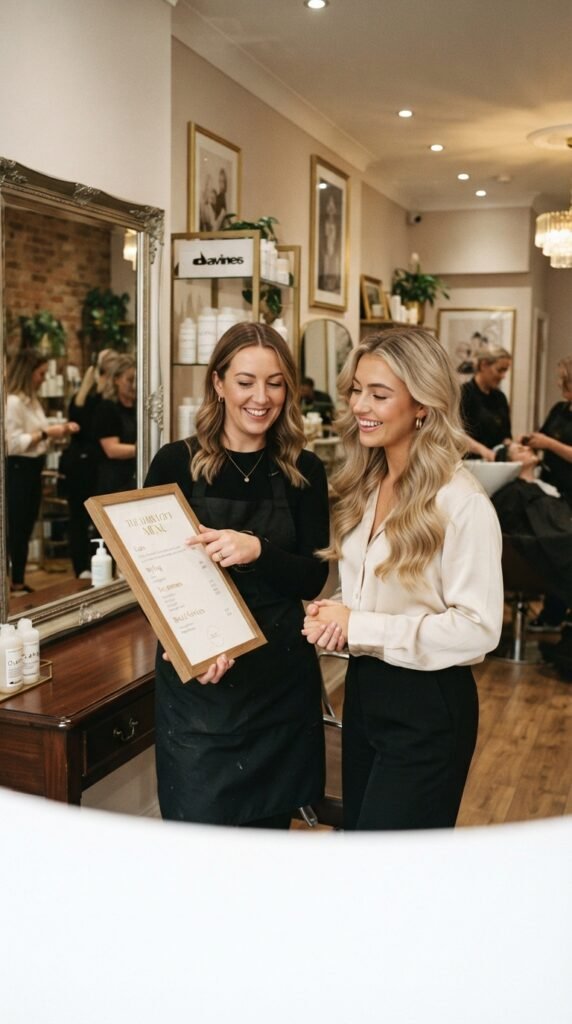
Keratin treatments can cost anywhere from $150 to $450, depending on your location and hair length. That’s a lot of money, so let’s be honest about value.
If you blow-dry your hair often, keratin saves time and heat damage. You’ll spend fewer minutes with a brush and less money on styling products. But if you’re happy with air-dried waves, you might not need it.
Ask if the price includes aftercare products. Some salons require a special shampoo, and that can add up fast.
When to Skip Keratin (Honest Truth)

Keratin isn’t for everyone. If you love your natural curl pattern, a smoothing treatment will relax it too much. Even gentle formulas can change your curl’s personality.
Also, if you have severely damaged hair, the high heat and chemical application can make it worse. Wait until your hair is healthier before doing a treatment.
If you’re pregnant, skip it too. The fumes and chemicals are not worth the risk. Listen to your hair and your body. A keratin treatment is a yes for some people, but a hard no for others.
Final Thoughts: My Best-Friend Advice
Keratin treatments are not magic. They’re a helpful tool that can give you smoother, glossier hair for a while. The key is managing expectations, following aftercare, and choosing the right product for your texture.
If you’re ready to try one, talk to a stylist you trust. Ask about formulas, processing time, and realistic results. Then pick a 2026 hairstyle that makes your new smoothness shine.
Save this post to Pinterest so you have the real timeline ready for your salon visit. And tell me below—have you tried a keratin treatment, or are you still thinking about it? I’d love to know your honest experience.