The Hidden Damage Hot Tools Cause When Used at the Wrong Temperature
Okay, let’s be honest: my hot tools are my best friends. A flat iron can turn a bad hair day into something camera ready in minutes. But there’s a hidden cost. When you use hot tools at the wrong temperature, it can cause slow, sneaky damage. You may not notice it right away. Little by little, your ends get drier, your color fades faster, and your hair loses its bounce.
In this post, I’ll help you understand what heat is really doing to your strands. More importantly, I’ll show you how to keep your hair healthy while still rocking all the 2026 hairstyles you’re dreaming about.
Because here’s the thing: the healthiest heads are usually the prettiest. And with a few easy fixes, you can have both.
What Does “Wrong Temperature” Actually Mean?

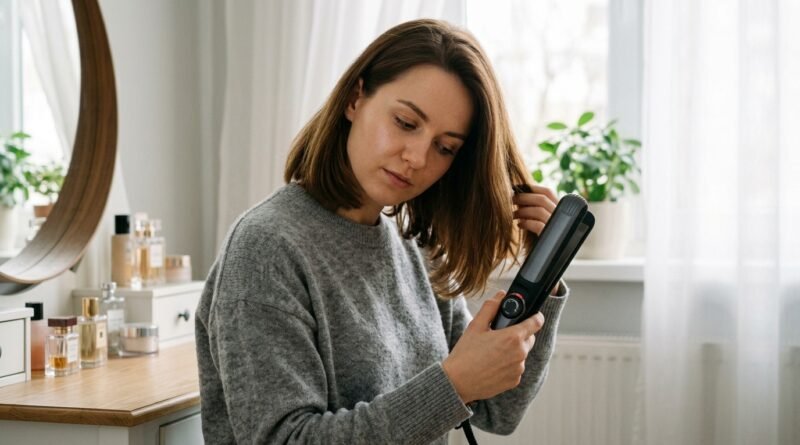
It’s not about one magic number. The wrong temperature is either too hot for your hair type or too cool for the result you want. Too hot can fry the hair and cause breakage. Too cool means you’ll have to go over the same section again and again, which also adds up to damage.
Your hair has its own sweet spot. For some people, it’s around 250°F. For others, it’s closer to 350°F. The key is to understand your hair and choose a setting that styles without stressing it. If you notice a lot of steam or a burning smell, that’s a big red flag. Lower the temperature before you continue.
How Heat Damages Your Hair Cuticle
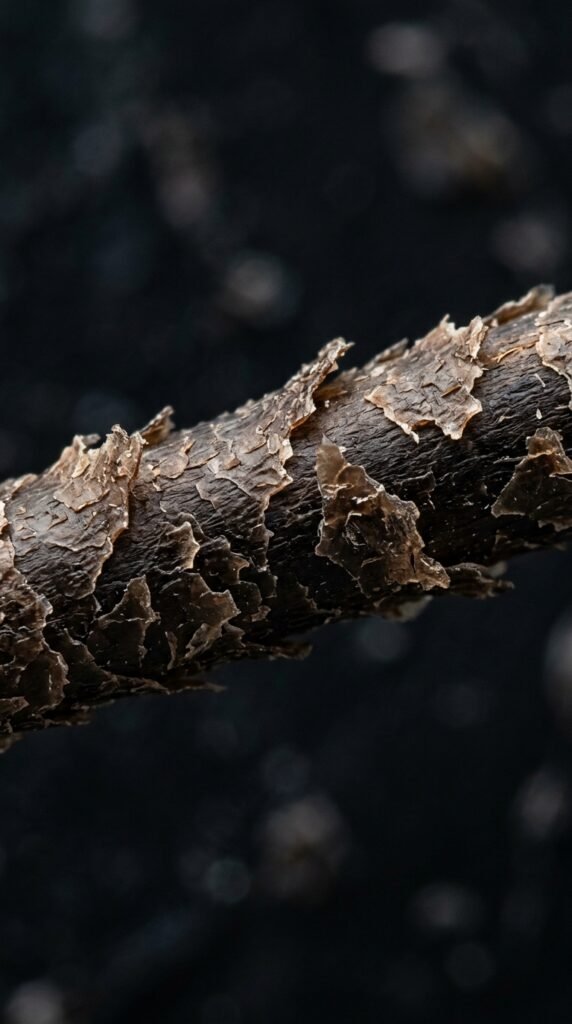
Your hair cuticle is like the shingles on a roof. When it lies flat, your hair looks shiny and smooth. When you use intense heat, those shingles can lift and get rough. Once that happens, moisture escapes. Your hair starts to look dull and frizzy.
Over time, repeated heat exposure causes split ends and breakage. And the craziest part? Damage doesn’t always show up right away. It can appear weeks later after the cuticle has had time to unravel. That’s why it’s so important to be careful today, even if your ends still look good.
The Simple Science of Heat and Protein
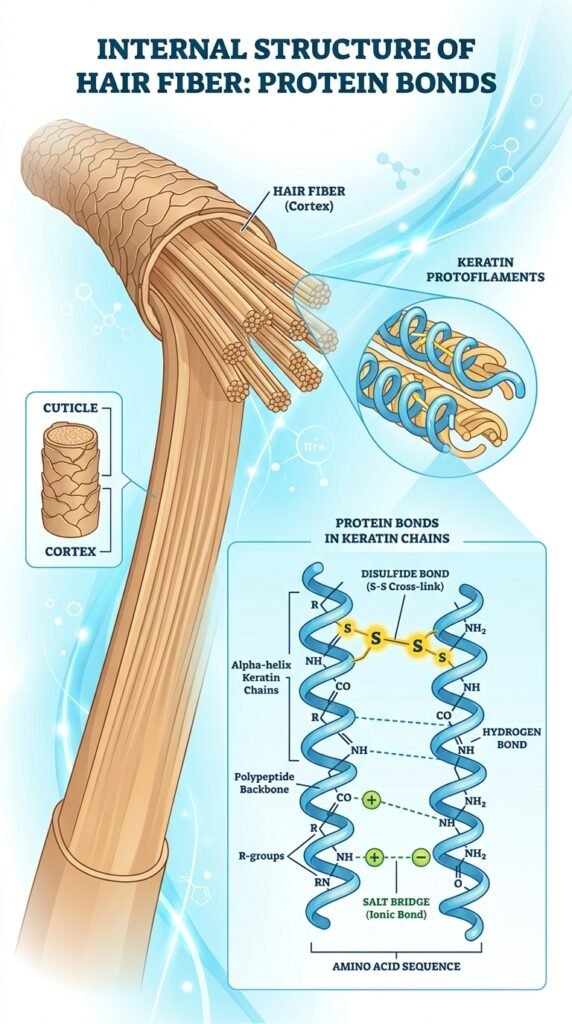
Hair is made of a protein called keratin. When you heat it past a certain point, the bonds that hold it together start to loosen. That’s how you can reshape hair into waves or a sleek bob. But if the heat is too high, those bonds can break permanently.
You don’t need to be a scientist to fix this. You just need enough heat to change the shape without cooking the protein. Lower temperatures and fewer passes are always better. Think of it like toasting bread: golden is nice, burnt is ruined. Your hair deserves the golden version.
Fine Hair vs. Thick Hair: Know Your Type
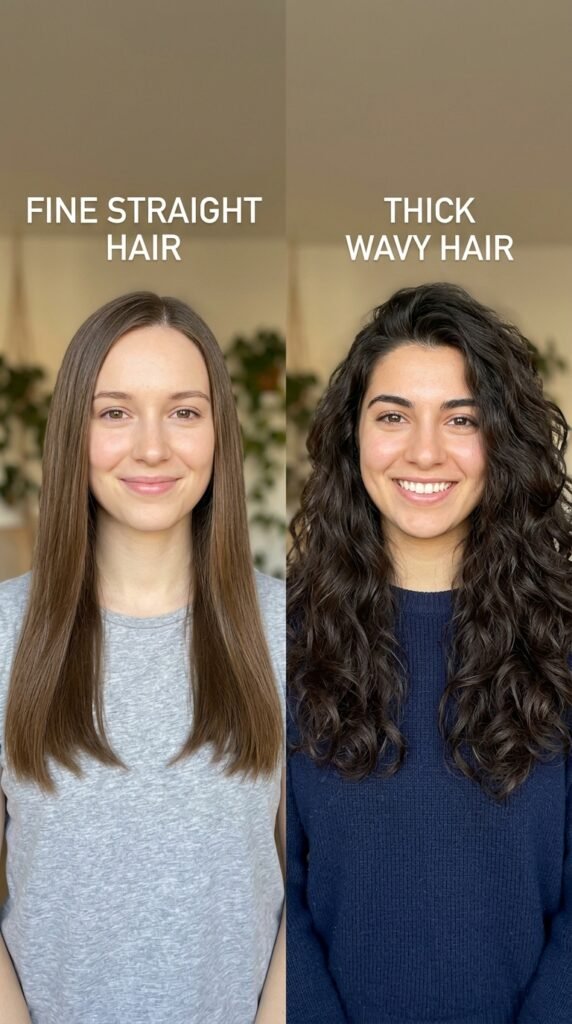
Fine hair is more fragile because the strands are thin. It can handle less heat and needs shorter styling time. Thick hair, on the other hand, can usually take a higher temperature for a longer time. Curly and coily hair also need special attention because they tend to be naturally drier.
Here are some quick rules:
- Fine/thin hair: low to medium heat only
- Normal hair: medium heat works best
- Thick/coarse hair: medium to high heat is okay
When in doubt, start on the lowest setting and build up slowly. This prevents those tiny, fuzzy split ends that come from over-styling.
Signs You’re Already Using Too Much Heat

How do you know if you’re doing damage? The first clue is when your hair snaps while you brush it. Another sign is a dry or crunchy texture that wasn’t there before. You might also notice your color fading faster, or your hair feeling rough around the ends.
Heat damage can also show up as flat, lifeless hair that won’t hold a curl. If your styled look falls apart within an hour, your hair may be weakened. The sooner you spot these warnings, the easier it is to change your routine and start fresh.
Why 2026 Hairstyles Need Heat Protection
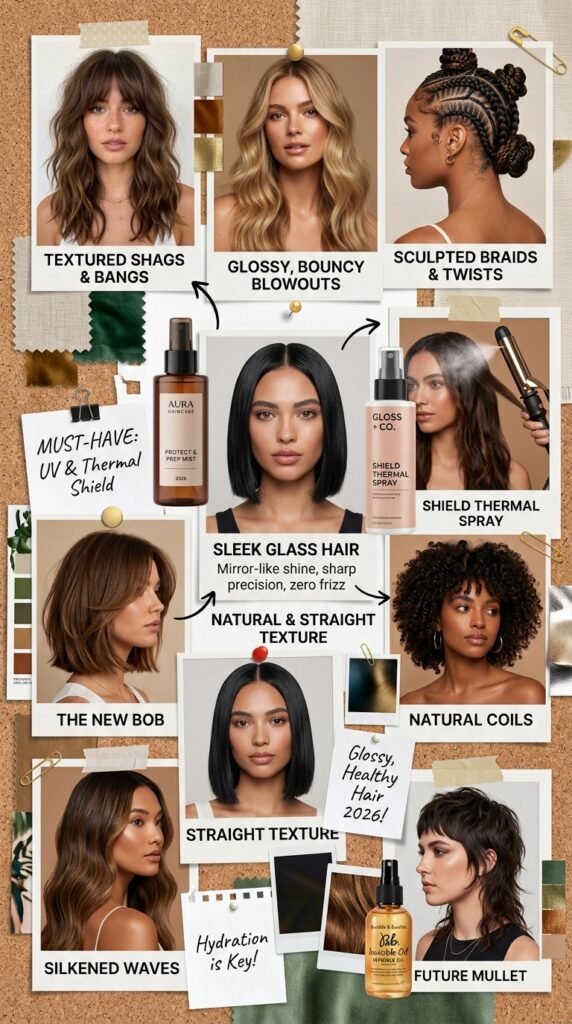
Let’s talk about the fun stuff: 2026 hairstyles. From old money hair to romantic goth hairstyles, the trends are full of glossy movement and sharp details. To get that look, you’ll probably reach for a flat iron or curling wand. Heat is almost always part of the process.
That’s okay. Just don’t skip your heat protectant. A good spray or cream adds a shield between the heat and your hair. Without it, you’re basically cooking your strands every time you style. One quick spray makes a world of difference in the long run.
Old Money Hair Needs a Cooler Touch

Old money hair is all about looking naturally polished. Think smooth, soft, and expensive. You want sleek strands that catch the light without looking stiff. But if you blow dry on high heat to get that sleekness, you’ll end up with brittle, flyaway hair.
Instead, use a medium heat setting and a round brush. Pull the hair smooth as you dry, then finish with the cool shot on your dryer. This seals the cuticle and adds a silky shine. You get the same salon look, minus the damage and the regret.
Styling the Quiet Luxury Bob Without Damage

The quiet luxury bob is having a serious moment. It’s clean, simple, and utterly chic. This cut works best when the ends look blunt and healthy. To keep that shape, you might reach for a straightener. That’s totally fine if you do it safely.
Try setting your iron to a lower temperature and working through small, thin sections. Clamp gently and glide down in one smooth motion. You’ll get that polished, expensive line without frying your ends. The light will bounce off a healthy bob in a way no damaged hair can match.
Romantic Goth Hairstyles: Texture With Less Heat

Romantic goth hairstyles are dreamy, edgy, and full of loose, romantic texture. The best part? You don’t need a scorching hot wand to make them work. In fact, medium heat is perfect. You want enough warmth to set a wave, not to toast your hair.
Try holding your curling wand at a medium setting and twisting small pieces around the barrel. After a few seconds, pin the curl up to cool completely. When you let it down, you get that gorgeous dark, effortless vibe with much less risk.
Glitchy Glam Hair Works Best With Low Heat

Glitchy glam hair is all about shine, holographic color, and dramatic texture. High heat will dull the color and ruin the whole effect. If you want that modern, futuristic finish, keep your tools on low to medium.
Use a straightener for sleek sections and a wand for subtle bends. Then finish with a lightweight shine spray. The “glitch” stays cool and dimensional while your hair stays healthy. Low heat is just as effective here, and it keeps your color looking fresh longer.
Asymmetrical Lob: The Right Heat for a Sharp Finish

Asymmetrical lobs are perfect for a modern refresh. The uneven shape feels fresh and stylish. But that sharp shape can tempt you to crank up your flat iron to get it razor straight. Don’t do it.
Instead, set your tool at a medium temperature and work in thin sections. You only need one smooth pass per section. Move slowly enough to smooth the cuticle, but not so slowly that the heat builds up. Your ends will stay blunter and healthier, and the cut will look intentional.
Vampire Haircut: Sharp Layers Without a Burn

Vampire haircuts have dramatic, face-framing layers that make everything look cooler. Those sharp bits around your cheekbones need a little styling help, but they don’t need high heat. High heat will make the ends look thin and crispy over time.
Use a narrow barrel iron or a straightener on medium. Gently shape the pieces away from your face, then let them cool. For extra longevity, run a tiny bit of hair wax on the tips. That gives the dagger-like finish while keeping your hair strong.
Hime Cut: Flat Iron Safety for That Straight Finish
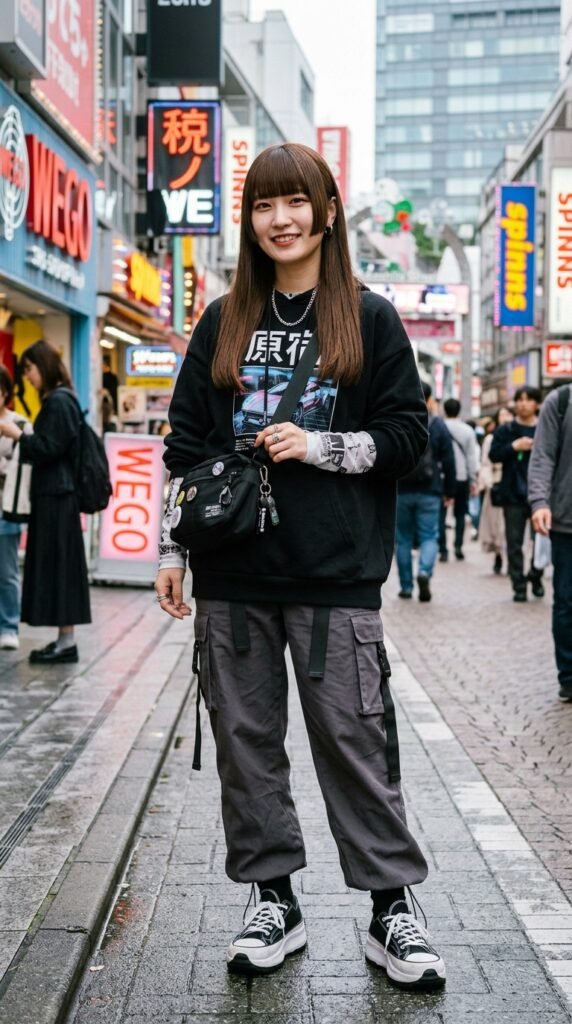
If you love the hime cut, you know how important smooth, straight sides are. This Japanese-inspired style looks best when the side locks are sleek and blunt. A flat iron is the perfect tool for that. You just have to use it smartly.
Keep the temperature around medium and apply a heat protectant every single time. Clamp the iron lightly and glide down in one slow pass. Don’t squeeze too hard or repeat too many times. The result is a smooth, straight hime cut that still has movement and shine.
How to Choose a Tool with Reliable Temperature Control
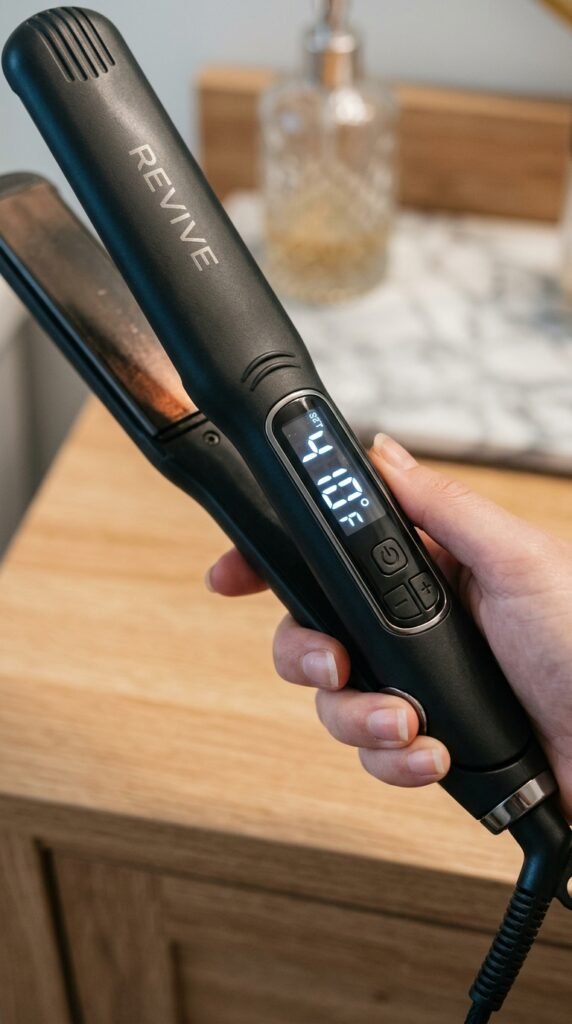
Not all hot tools are created equal. Some only have one, scary heat setting with no way to lower it. That’s a trap for your hair. Without temperature control, you can’t adapt to your hair type.
Look for a flat iron or wand with a temperature dial or digital display. Ceramic or tourmaline plates are also gentler than cheap metal ones. A good tool heats evenly and stays at the temperature you set. It’s a small investment that makes a big difference.
Heat Protectants That Actually Work
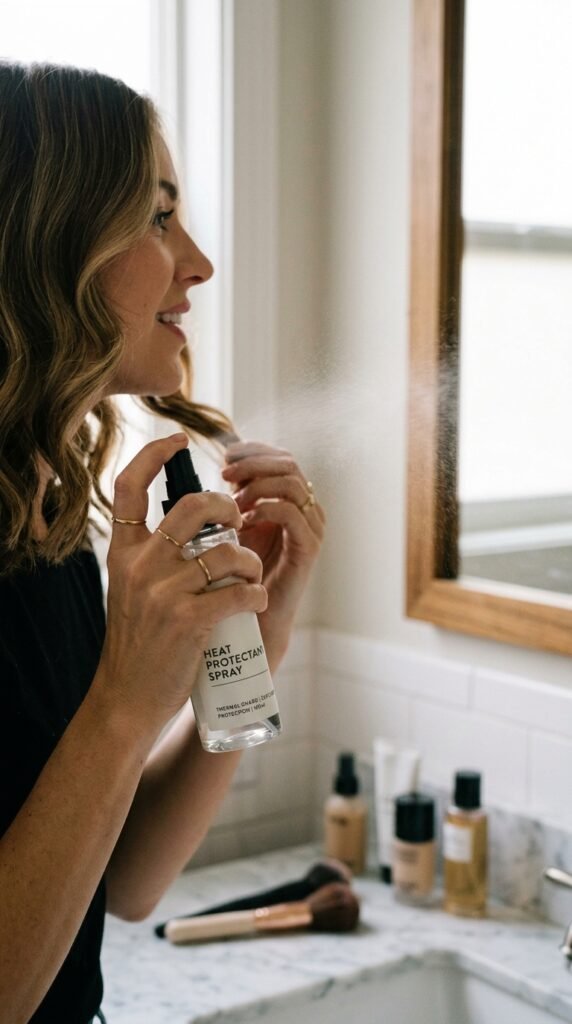
Some heat protectants just sit on top of your hair. Good ones actually help smooth the cuticle and lock in moisture. That makes a huge difference when you’re styling with hot tools. A heat protectant is a barrier, not a magic fix, but it gives your hair a fighting chance.
Look for formulas with silicones, glycerin, or hydrolyzed proteins. Spray on damp or dry hair from mid-length to ends, then brush through. It helps the heat glide over the strand instead of searing it. It only takes a few seconds. Trust me, that small step is the biggest secret to healthy heat styling.
The Best Temperature Range by Hair Type
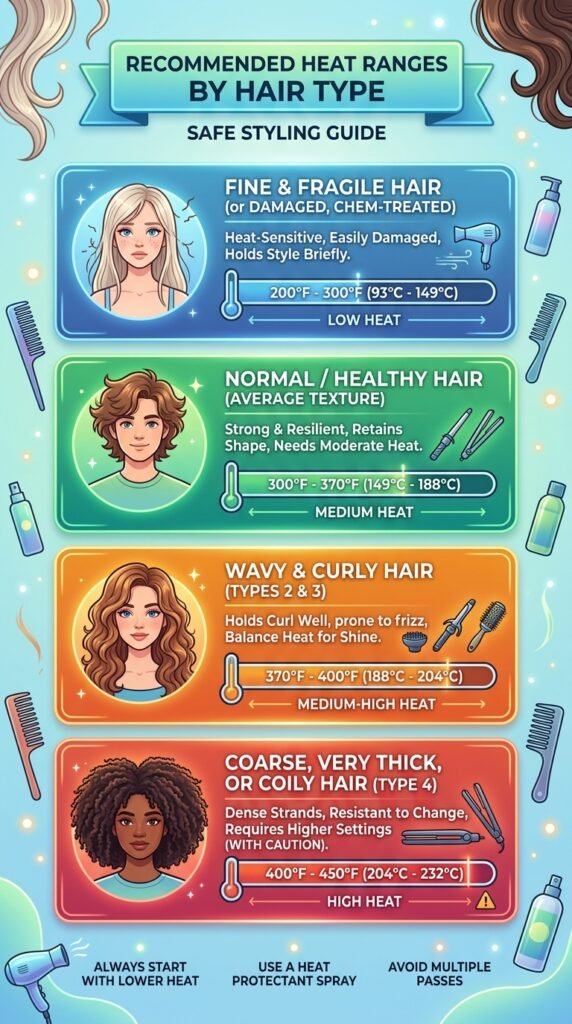
Here’s the shortcut I wish someone gave me earlier. Instead of guessing, you can match your temperature to your hair type. This takes the fear out of hot tools.
- Fine or thin hair: 200 to 270°F
- Normal or color-treated hair: 280 to 320°F
- Thick or coarse hair: 330 to 400°F
- Already damaged hair: below 250°F
Start at the lower end of your range and see if your hair styles quickly. If yes, keep it there. If not, nudge it up by 10 degrees. Everyone’s hair reacts differently, so pay attention to how yours feels. This chart is a starting point, not a strict rule.
The Tissue Paper Test for Your Iron

Not sure if your flat iron is set too high? There’s a simple way to check. Hold a small piece of white tissue paper and press it between the plates for two seconds.
If it turns brown or burns, your tool is way too hot. If nothing happens, you’re at a safe place for most hair types. If it barely changes, you’re okay. This quick test takes a minute and can prevent weeks of damage. Do it when you first get a new tool or if your hair feels unusually crispy.
What to Do If Your Hair Is Already Damaged

Don’t panic. Heat damage can feel scary, but there is a clear path forward. First, put down the hot tools for a little while. Your hair needs time to recover without more heat.
Use a bond repair treatment or a protein mask once a week. Trim the split ends so the damage doesn’t travel up the strand. Then slowly reintroduce heat at a much lower temperature. With patience, your hair will feel softer, stronger, and more like itself again.
Cooling Shots and Finishing: Lock It In Without Extra Heat
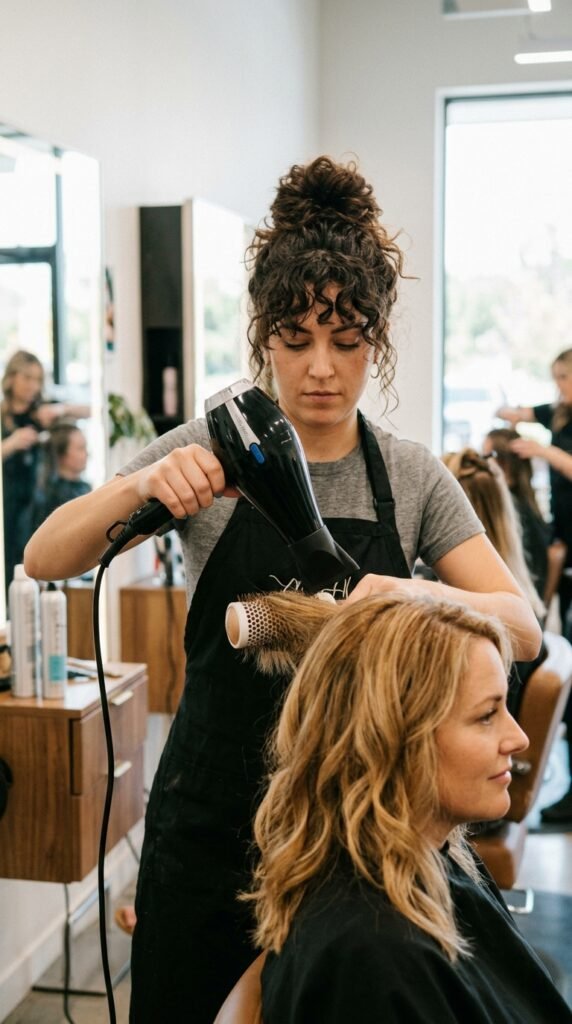
Your blow dryer’s cool button is secretly powerful. After styling a section, hit it with cold air for a few seconds. This sets the shape and adds shine without needing more heat.
You can also use cool air at the very end of your routine. Once you’ve finished with your flat iron or wand, do a quick cool down. This helps the cuticle lie flat and makes your style last longer. It’s like giving your hair a little protective hug.
Heat-Free Rest Days Should Be a Mini Trend

Your hair needs time off. That doesn’t mean boring hair. Use heatless curlers, braids, or a satin wrap overnight. You can wake up with soft waves and a healthier head of hair. Think of it as a spa day for your strands.
When you skip hot tools a couple days a week, your hair gets stronger and shinier. Even the biggest 2026 hairstyle trends will wait. In fact, they’ll look better on rested hair. Give your strands a break, and they’ll reward you with more life. No heat means no hidden damage. It’s the easiest way to protect all the healthy hair you’ve worked for.
Auto-Heat and Smart Tools Are Here
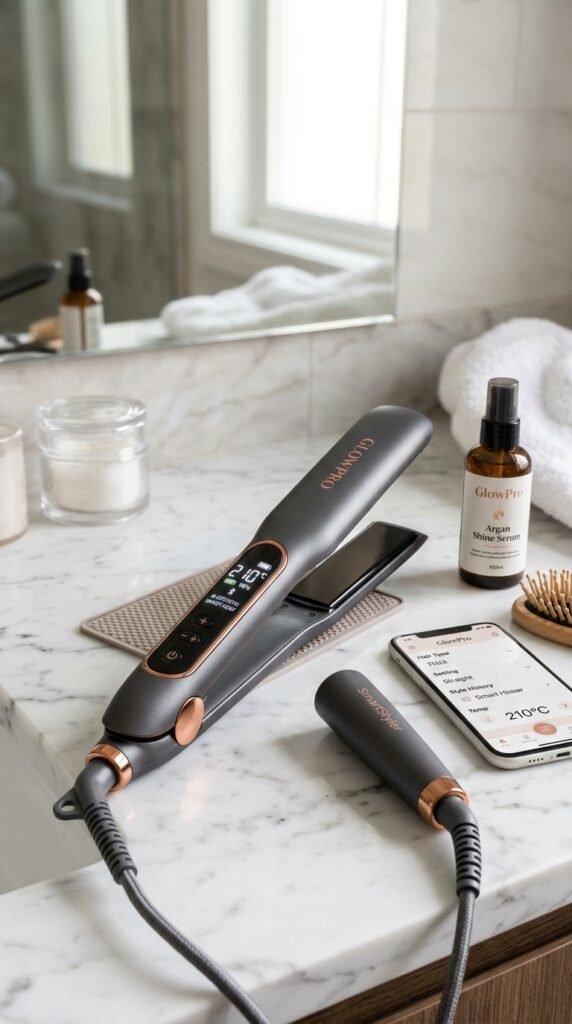
New smart styling tools are changing the game. They can read your hair and adjust the heat automatically. Some use sensors to detect moisture and thickness. Others remember the temperature you liked last time.
This is like having a stylist in your hand. If you’re shopping for a new flat iron or wand, look for “smart” or “auto” heat controls. They take the guesswork out and protect your hair. Yes, they can cost a little more, but it’s worth it.
The Ultimate Heat Styling Checklist
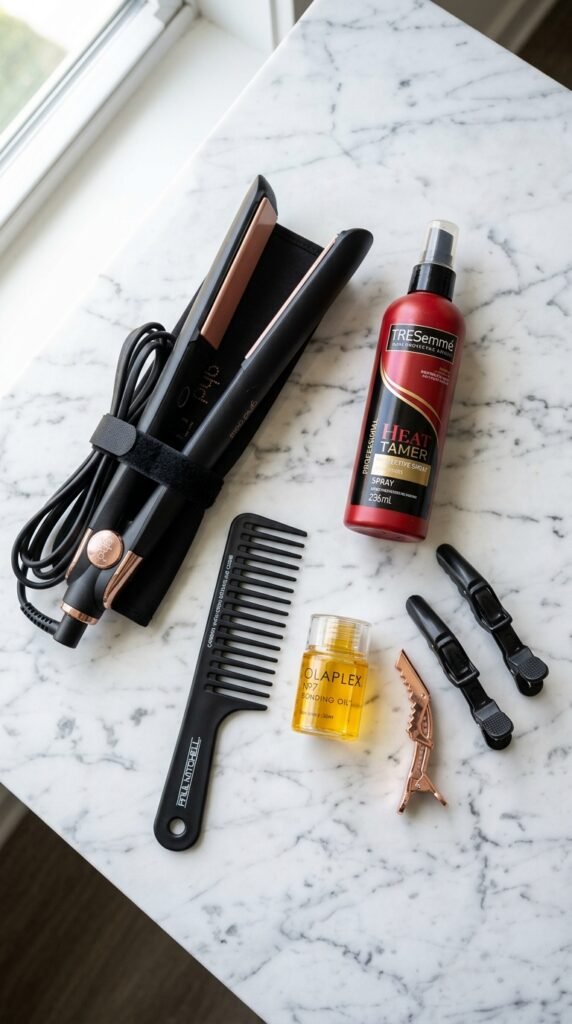
Let’s put it all together. Before you heat style, run through this quick routine:
- Start with clean, dry or mostly dry hair.
- Spray a good heat protectant all over.
- Section your hair with clips to avoid repeated passes.
- Pick a temperature that matches your hair type.
- Make one smooth pass per section.
- Finish with cool air and a drop of hair oil.
That’s the simple routine. Healthy hair, beautiful style, no guesswork. Follow these steps, and your hot tools will become your best friend again instead of a secret enemy.
A Warm Finish
You don’t have to give up hot tools to have amazing hair. You just have to be a little smarter about the heat you use. Choose the right temperature, add a heat protectant, and take a few rest days. These small changes add up fast.
Your future self will be so happy you did. Healthy hair makes every hairstyle look better, whether it’s a quiet luxury bob or a romantic goth look.
Save this post to Pinterest so you can find these tips later. And tell me in the comments: what’s your go-to hot tool, and do you know what temperature you’re using? I’d love to hear.