How to Choose Extensions That Blend Seamlessly With Fine Hair
If you have fine hair, you already know the struggle. You buy extensions, clip them in, and suddenly everyone can tell. There’s a visible line, the weight pulls at your roots, and by noon your scalp hurts. It’s frustrating because extensions should feel like a secret weapon, not an obvious add-on.
Here’s the good news: fine hair can absolutely wear extensions beautifully. The trick is knowing which type to choose, how to match the color, and where to place them. It’s not about buying the most expensive set. It’s about working with your hair’s natural movement and weight.
In this post, I’m sharing exactly how to pick extensions that disappear into fine hair. You’ll learn the best types for your texture, the trends that actually suit extensions, and the simple mistakes to avoid. Let’s make your hair look like more of you, not less.
Why Fine Hair Needs a Different Kind of Extension
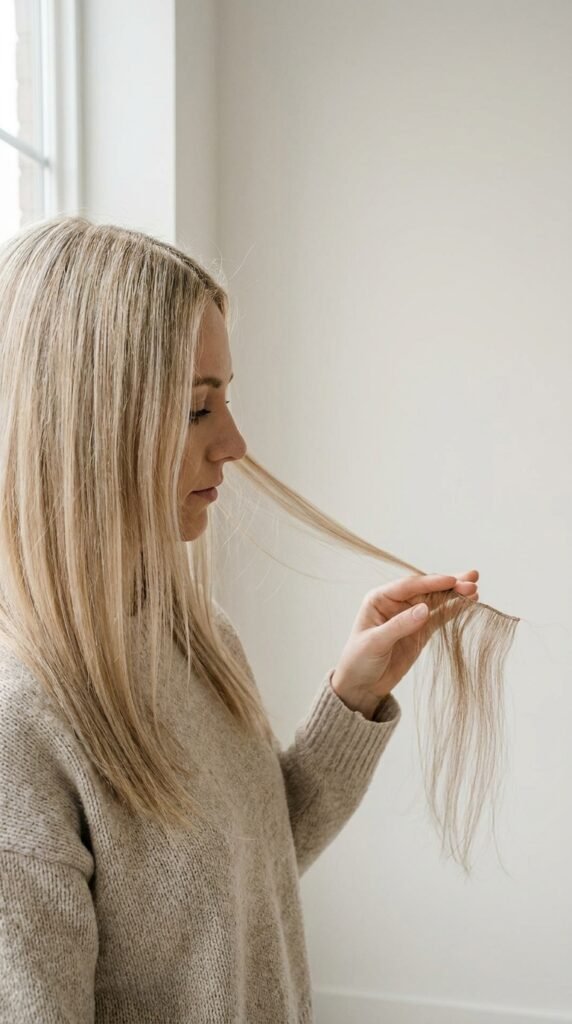
Fine hair is delicate, and not every extension method respects that. The wrong kind can pull at your follicles, cause breakage, and make your natural hair feel thinner over time. That’s why you need to start with weight, not length.
Single-drawn extensions made from high-quality human hair are lighter. Machine-weft extensions, on the other hand, can feel heavy and stiff at the top. For fine hair, you want something that moves with you, not against you.
Here are a few things that matter most:
– Lighter wefts (under 100g total)
– Remy human hair that mimics natural movement
– Soft, flexible bases that lie flat against the scalp
Once you understand these basics, you can spot the right extensions instantly.
The Weight Problem: How Heavy Extensions Damage Fine Strands
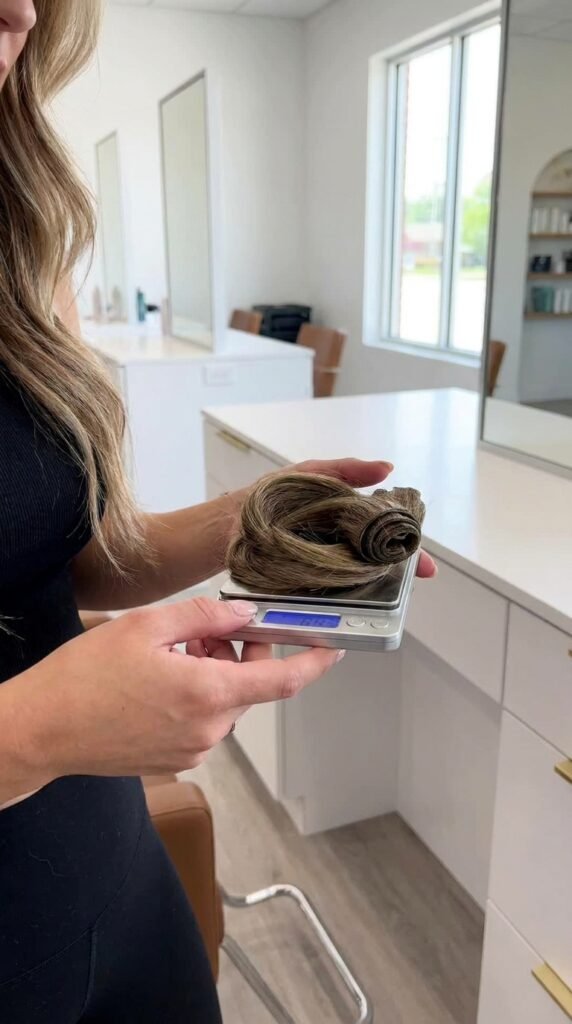
Let’s talk numbers for a second. The average full head of extensions weighs between 150 and 200 grams. For fine hair, that’s like wearing a backpack on a silk blouse. It’s too much.
Your roots simply can’t support that kind of tension. Over time, heavy extensions can cause traction alopecia, which is basically hair loss from pulling. Nobody wants that.
Instead, aim for a total weight of 80 to 120 grams. That gives you fullness without the strain. You can also use fewer wefts and rely on clever placement to create the illusion of thickness. Your hair will thank you, and honestly, nobody will notice the difference.
Tape-Ins vs. Clip-Ins: Which Is Gentler for Fine Hair?
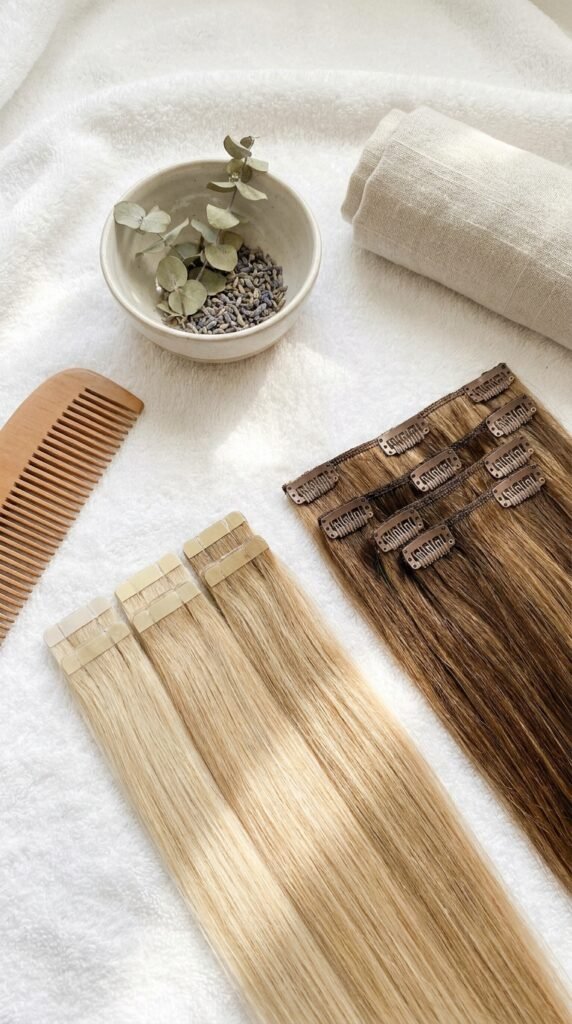
This is the question I get most. Both options work, but they serve different needs.
Tape-ins lie flat and feel very natural. They’re semi-permanent and great for fine hair because they distribute weight across the weft. However, they need professional application and removal, which adds to the cost.
Clip-ins are the easier daily option. You can pop them in for a night out or a full day at work. Just keep the wefts small and avoid wearing them for more than eight hours at a stretch.
Here’s my quick breakdown:
– Tape-ins: Best for long-term wear, flatter profile
– Clip-ins: Best for flexibility, softer on fine roots
Both can work. It just depends on your lifestyle.
The 2026 Trend Test: Will These Styles Work With Extensions?
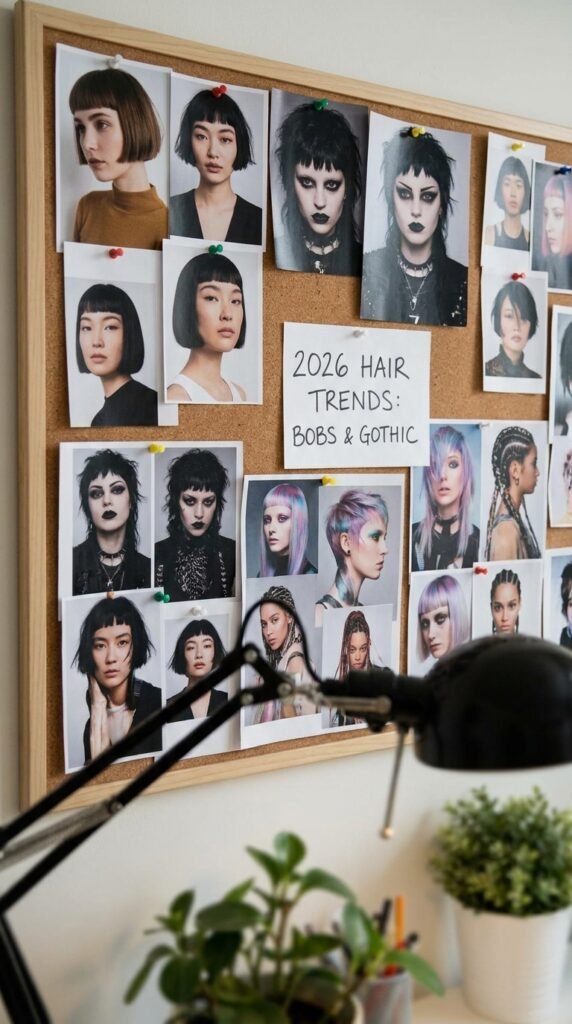
Extensions aren’t just about length. They can help you try trends without committing to a cut. And 2026 has some amazing styles that pair well with added hair.
For example, the old money hair look depends on healthy, smooth strands that look naturally full. Extensions can absolutely help you achieve that. Same with romantic goth hairstyles, which often use volume and texture for drama.
But trends like glitchy glam hair and the hime cut need a bit more precision. You’ll want fewer extensions and more strategic placement.
The good news is that most 2026 hairstyles are textured and lived-in, which means they actually hide the transition between natural hair and extensions. That’s a win for anyone with fine hair.
Old Money Hair: The Best Extension Type for That Quiet Luxury Feel
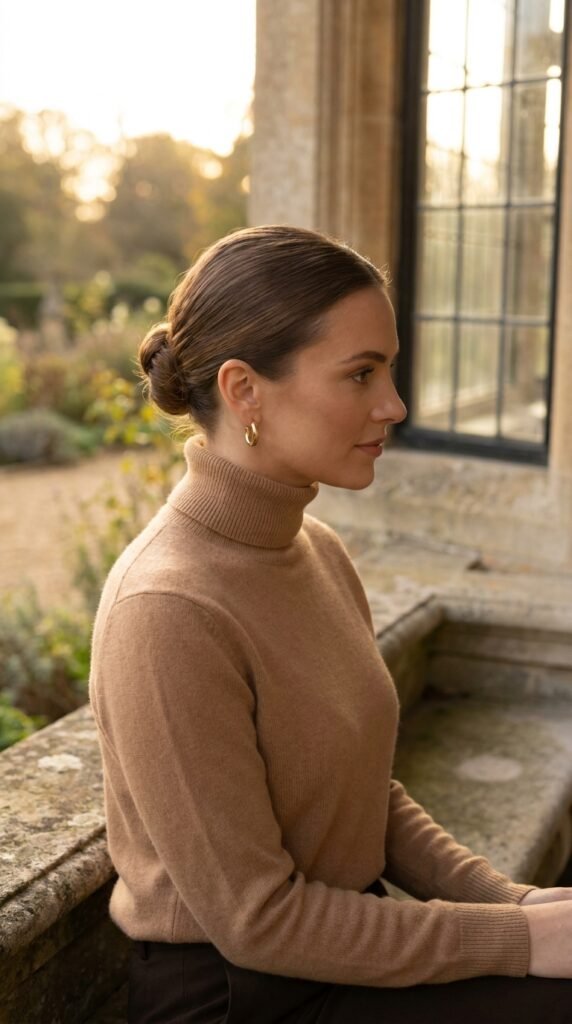
If your goal is that effortless quiet luxury vibe, you want extensions that look expensive. Think less “big and bouncy” and more “sleek and polished.”
The old money hair aesthetic favors subtle, face-framing layers and a glossy finish. For that, I recommend nano-tip or micro-bead extensions with a low total weight. They hide beautifully in fine hair and let you move without visible lines.
You also want a shiny, natural color match. Avoid anything too brassy or too ashy. The quiet luxury bob, for example, works best when extensions blend at the nape and jawline.
Choose extensions that match your natural hair’s gloss level. That’s the secret to looking like you were just born with amazing hair.
How to Match Your Extension Color Perfectly (No More Obvious Lines)
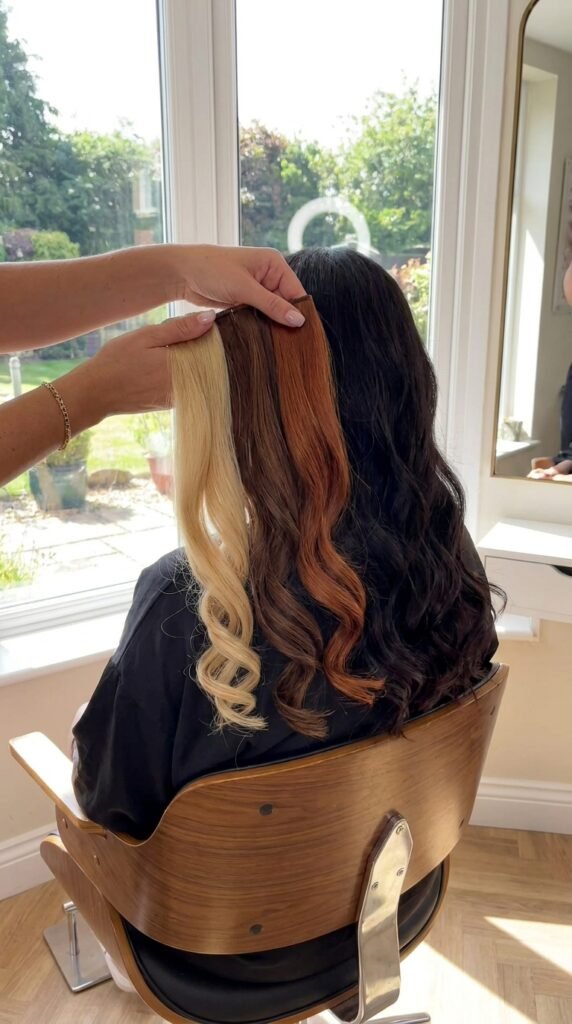
Color matching is where extensions go wrong most often. If the shade is even slightly off, it’s all people will see.
Start by looking at your hair in natural light, not bathroom lighting. Check the mid-lengths and ends, since that’s where extension color needs to match. Your roots are actually a different shade.
Here’s an easy method:
– Take three strands from different parts of your head
– Hold them against the extension swatch
– Choose the shade that disappears into your hair
If you’re between shades, go slightly lighter for fine hair. It masks better and looks softer. Many brands offer free color matching, so don’t guess when you can check.
The Halo Hair Extension Trick That Saves Fine Hair
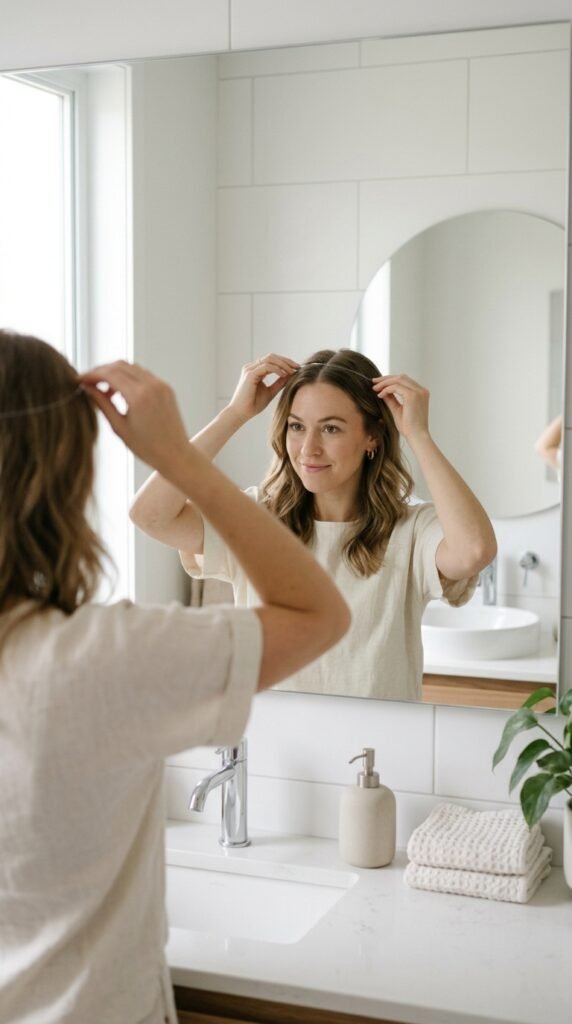
Let me introduce you to the halo extension. It’s one wire-thin band that sits on top of your head, and your natural hair covers it completely. No clips, no glue, no tape.
This is hands-down the gentlest option for fine hair. Because there’s no weight pulling at your roots, you can wear it all day without discomfort. The coverage also hides any dark lines or wefts completely.
The key is choosing a halo that matches your hair circumference. Too loose and it slips; too tight and it presses into your temples. Take your time fitting it at home.
For fine hair, halos are the closest thing to a zero-damage extension. They’re also perfect for trying out 2026 looks like romantic goth hairstyles or a sleek asymmetrical lob.
Why the Quiet Luxury Bob Needs Fewer Extensions, Not More

The quiet luxury bob is one of those 2026 hairstyles that feels upscale and low-maintenance. It’s a chin-length or slightly longer cut with minimal layers. And if you have fine hair, you might think you need tons of extensions to pull it off. You don’t.
This style is actually about shape, not volume. Adding too many extensions can make the bob look puffy, almost like a helmet. The goal is controlled movement and a clean silhouette.
So use just a couple of light wefts at the back and sides. Let your natural hair do most of the work. This keeps the bob looking refined and simple, perfectly in line with old money hair.
Less is genuinely more when it comes to this cut.
Textures That Blend: Why Straight Extensions Are Risky
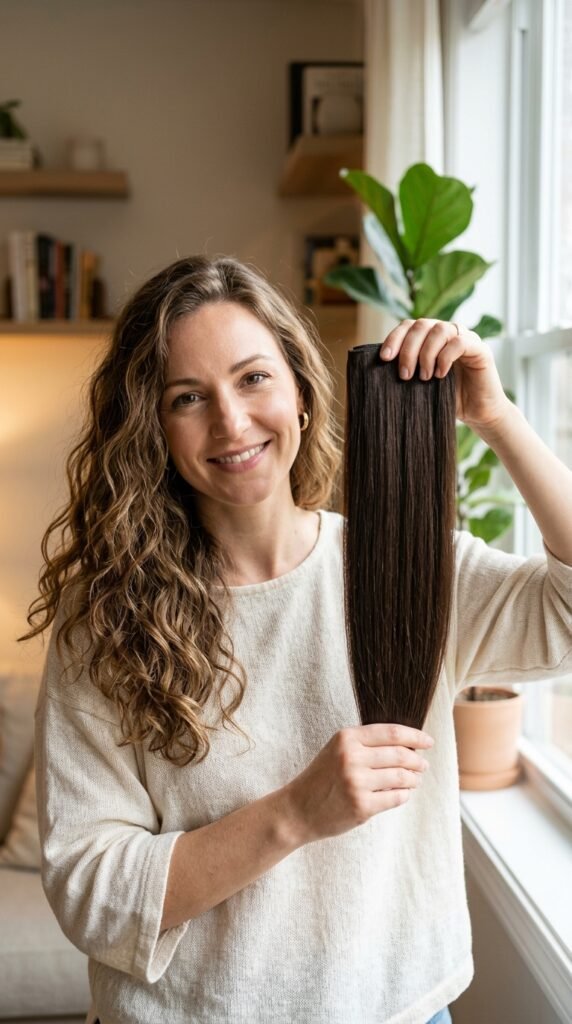
You might be tempted to buy pin-straight extensions and call it a day. But if your natural hair has any wave or bend, straight extensions will look obvious. Trust me, I’ve been there.
Fine hair often has a slight texture, especially near the ears and nape. Straight extensions can’t mimic that, so you end up with a noticeable contrast.
Here’s what to look for instead:
– Extensions with a natural bend or wave
– Textured wefts that catch light like real hair
– Styling flexibility so you can curl or straighten to match
If you already own straight extensions, use a curling iron on the wefts to create a loose wave. That way, everything blends like you’ve been styled by a pro.
The “Vampire Haircut” and How Extensions Support the Drama
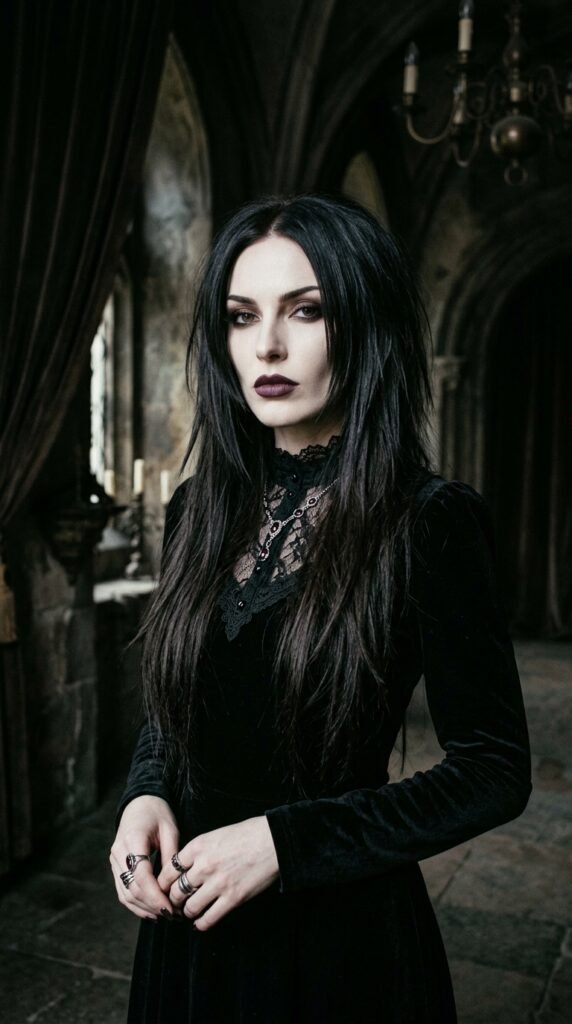
Okay, the vampire haircut is such a mood. It’s all about long, sharp layers, dramatic face-framing pieces, and a dark, glossy finish. Think gothic elegance with a modern twist.
For fine hair, this style can be tricky because it needs weight and movement. Short, choppy layers can make fine hair look wispy. That’s where extensions come in.
The best approach is to use thin, flat wefts placed at the jawline and mid-lengths. These add structure without creating bulk. Pair them with a rich brunette or black shade for that romantic goth energy.
Extensions give fine hair the density this cut needs to look intentional and sharp, not scraggly.
Hime Cut With Extensions: A Match Made in 2026
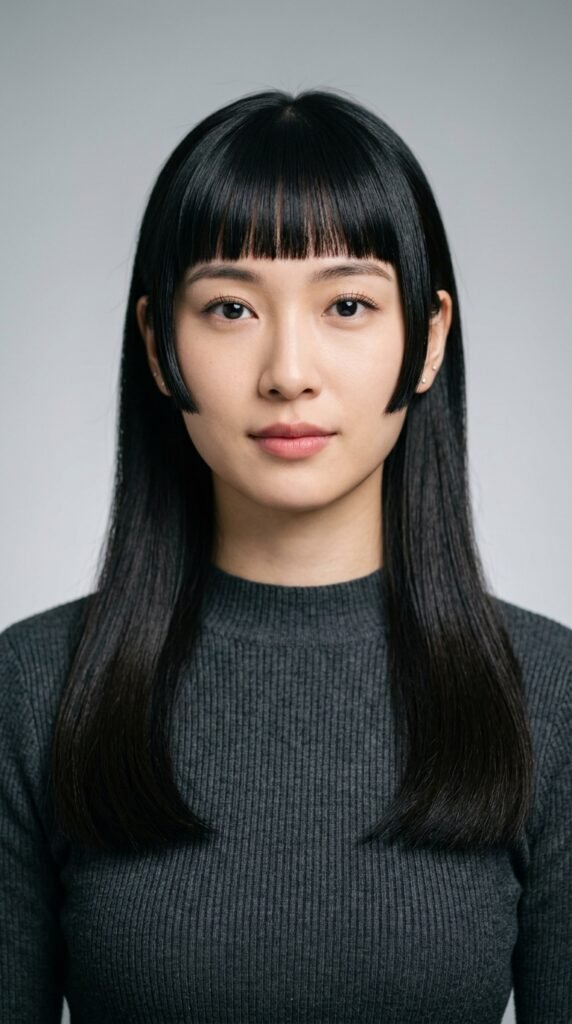
The hime cut is a classic Japanese style featuring straight bangs and long, blunt side pieces. It’s making a huge comeback in 2026, and it can look stunning with fine hair.
The trick is that the hime cut relies on bluntness. Fine hair can lack that solid edge, so extensions help create a clean, sharp line. You’ll want to clip in long, smooth wefts at the sides to frame your face.
Keep the color very close to your natural shade. Any difference will show through the blunt lines. Also, use a heat protector when straightening everything into place.
This trend is bold, but extensions make it achievable without a long-term commitment to a full haircut.
The Romantic Goth Hairstyles You Can Build With Clip-Ins
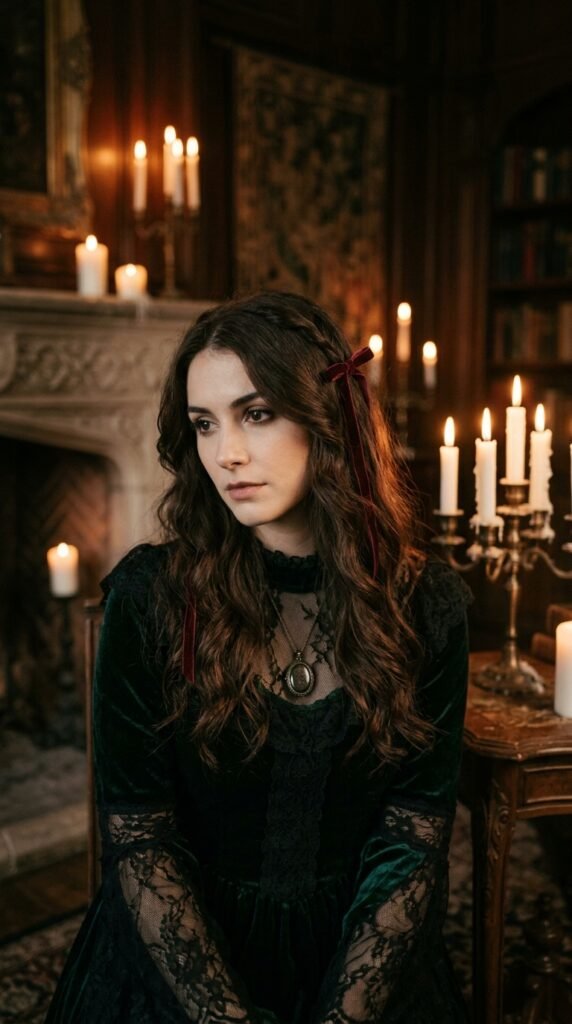
Romantic goth hairstyles are dreamy, dark, and full of texture. Think soft waves, braided accents, and velvet ribbons woven through. It’s a softer take on the vampire aesthetic and very popular for 2026.
For fine hair, clip-ins are perfect here because you can build a dramatic look for an event and then remove them. Start with two or three lightweight wefts for volume at the crown. Then, use smaller pieces to create braids or twists with more thickness.
The style is forgiving because it embraces texture. Loose strands and intentional messiness hide parting lines beautifully. It’s honestly the easiest trend to fake with extensions, even for beginners.
Just focus on blending the curl pattern between your hair and the extensions.
Glitchy Glam Hair: How Fine Hair Can Pull Off the Trend
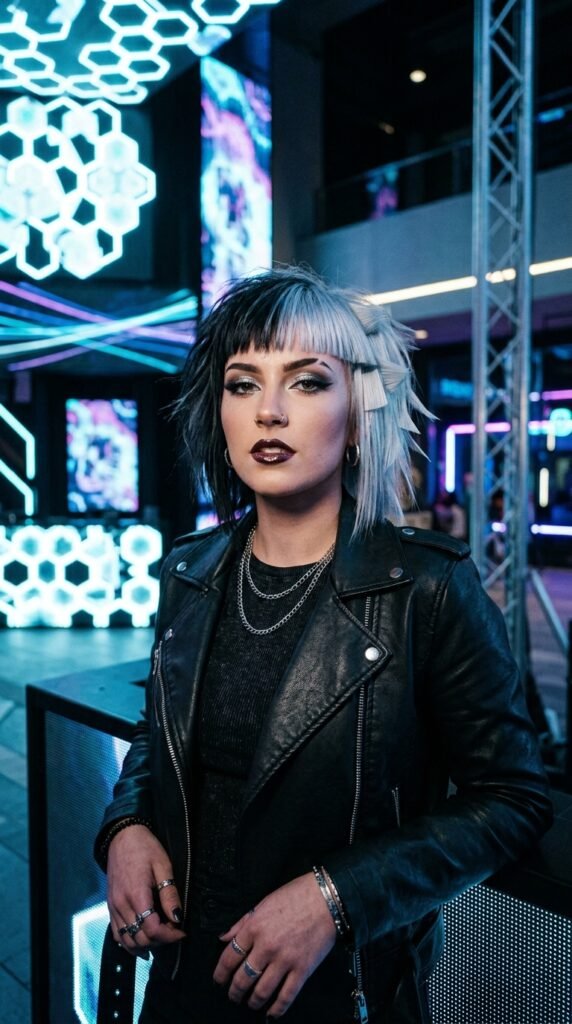
Glitchy glam is a fun, futuristic trend that uses disconnected pieces, blunt edges, and reflective colors to create a “glitch” effect. It feels very tech-forward and editors love it.
Fine hair can actually embrace glitchy glam better than thick hair. The style thrives on precision and wonky placement. You don’t need a lot of density to make it work.
Use small, chunky clip-in pieces in a contrasting shade or with metallic undertones. Place them unevenly to create that digital disruption look. It sounds strange, but that’s exactly what the trend asks for.
For a wearable version, stick to neutral tones with one bright accent piece. It’s a fun way to experiment without a permanent change.
The Asymmetrical Lob and Fine Hair: Extension Placement Matters
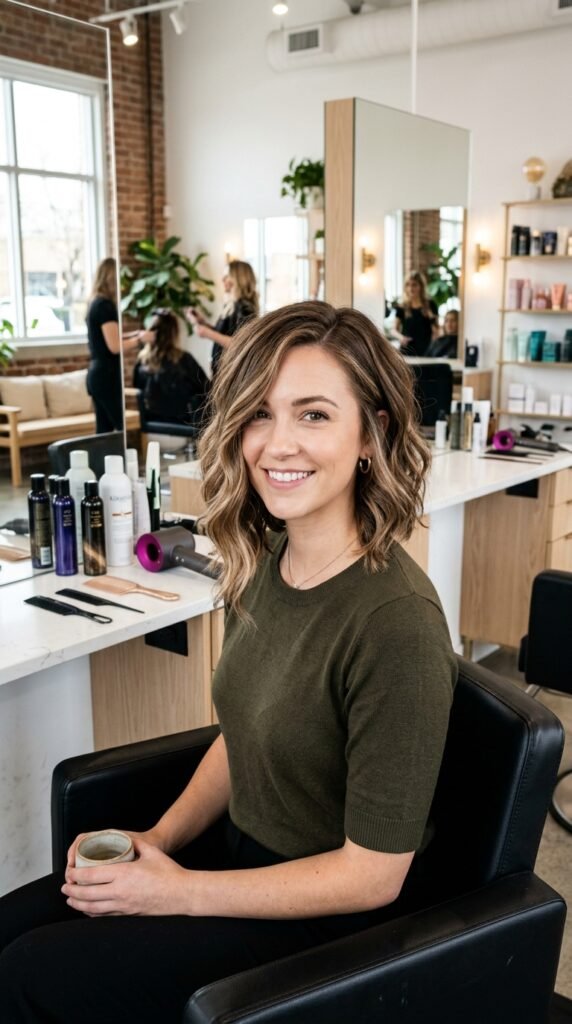
The asymmetrical lob, or “asym lob,” features one side shorter and one side longer. It’s a stylish, modern cut that many women want in 2026. But with fine hair, achieving that balanced weight can be tough.
Placement is everything here. You want the longer side to have a few extra wefts to balance the visual weight of the shorter side. Without them, the shorter side can overpower the look.
Keep the wefts slim and place them along the curve of your jaw. This supports the natural fall of the hair without making it look stiff. The result is a lob that moves and swings like you were born with it.
This style also pairs beautifully with old money hair accessories.
Are Micro-Link Extensions Ever Okay for Fine Hair?
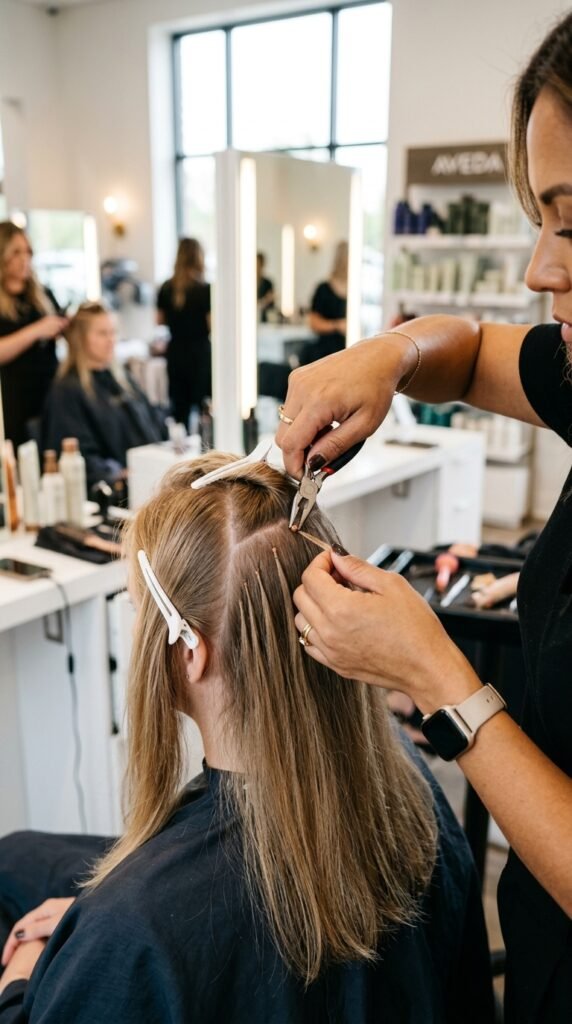
Micro-link extensions use small beads to attach hair to individual strands. They’re popular because they offer lots of movement. But for fine hair, they’re risky.
The finer the strand, the harder it is to hide the bead. And if your hair is very fine, the weight of a bead can cause slipping. Some stylists refuse to do them on fine hair, honestly.
That doesn’t mean it’s impossible. If you have medium-fine hair, a skilled stylist can use smaller beads and fewer total links. Heavier amounts of hair should be avoided at all costs.
My advice: try halos or tape-ins first. If you want micro-links, get a consultation with a stylist who specifically works with fine hair.
The Best Way to Cut Extensions to Match Fine Layers
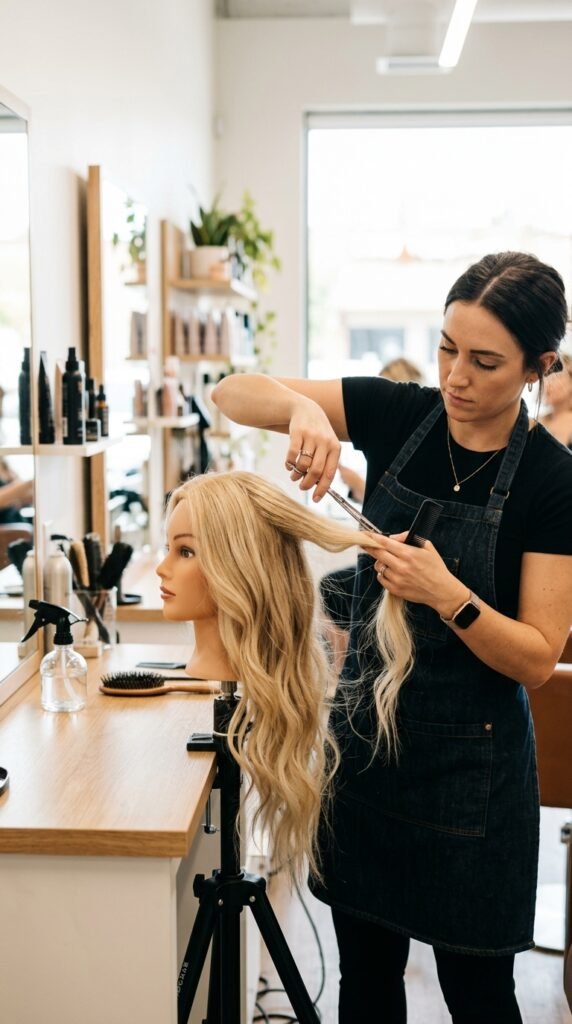
You can’t just clip in extensions and go. If your natural hair has layers, the extensions need to match those layers or they’ll look disconnected.
Take your extensions to a hairstylist and ask for “invisible cutting.” This involves slicing the wefts vertically so they taper naturally. It blends with your existing layers and prevents a blunt, obvious line.
Also, angle the cut slightly. Extensions that are cut straight across can catch the light differently than your natural layers. A soft angle helps everything fall together.
You can also ask for the extensions to be dry-cut while you’re wearing them. That way, they’re shaped around your actual head and face shape.
How to Style Extensions for Day-One Seamless Blending
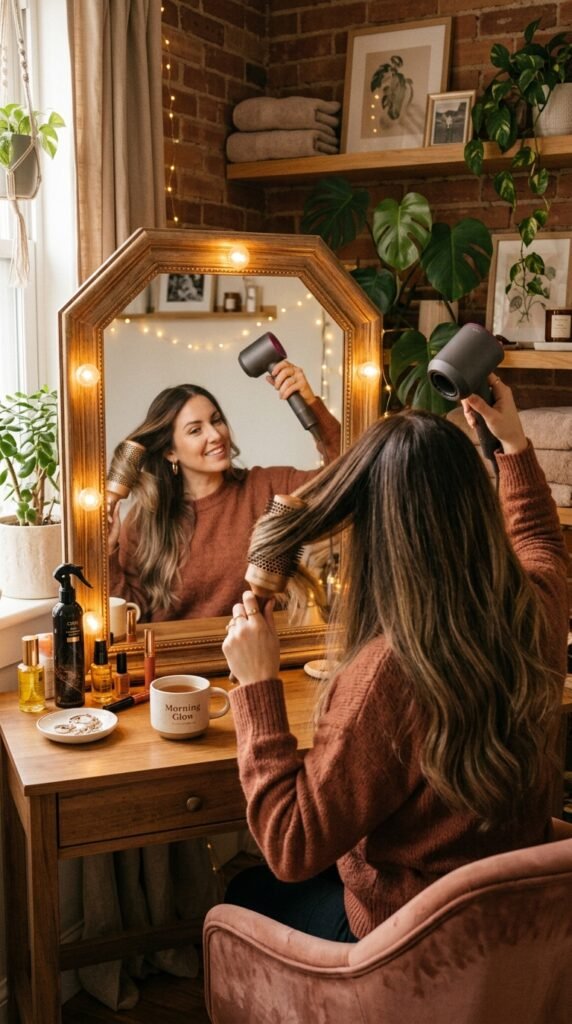
The day you get your extensions, styling is crucial. No matter how good they are, sitting flat and unstyled will make them noticeable.
Start with a light blow dry to create volume at your roots. Then, use a large round brush to blend your natural hair with the extension pieces. The heat from the brush helps the textures fuse.
Here’s my quick routine:
– Blow dry roots forward for lift
– Use medium heat to style both textures together
– Finish with a lightweight oil on the ends
Avoid heavy serums. They weigh down fine hair and create separation between layers. You want everything to move as one.
Common Mistakes That Make Extensions Look Fake on Fine Hair
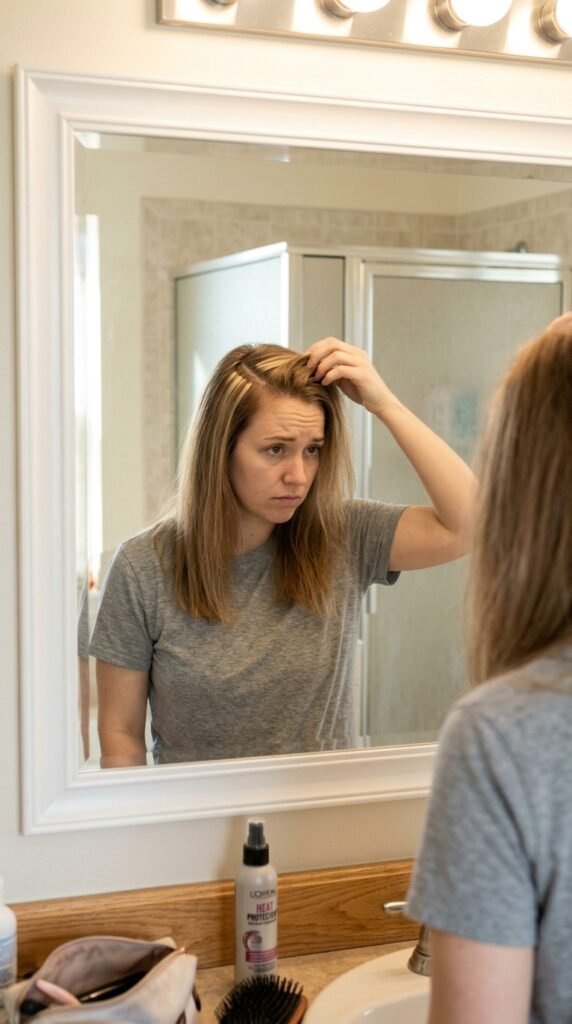
We all want to avoid the “obvious extension” look. So let’s talk about the mistakes that scream fake.
First, buying extensions that are too long. Going from a bob to waist-length hair overnight is a tell. Try a subtle change first, like four to six inches past your natural length.
Second, skipping the matching process. As I said, natural light color matching is everything.
Third, wearing extensions all day, every day. Fine hair needs a break.
And finally, not cutting the wefts to blend. Large, thick wefts will always look bulky.
Avoid these four and you’re 90% there. The rest is just practice and patience.
Maintenance That Keeps Extensions and Fine Hair Healthy
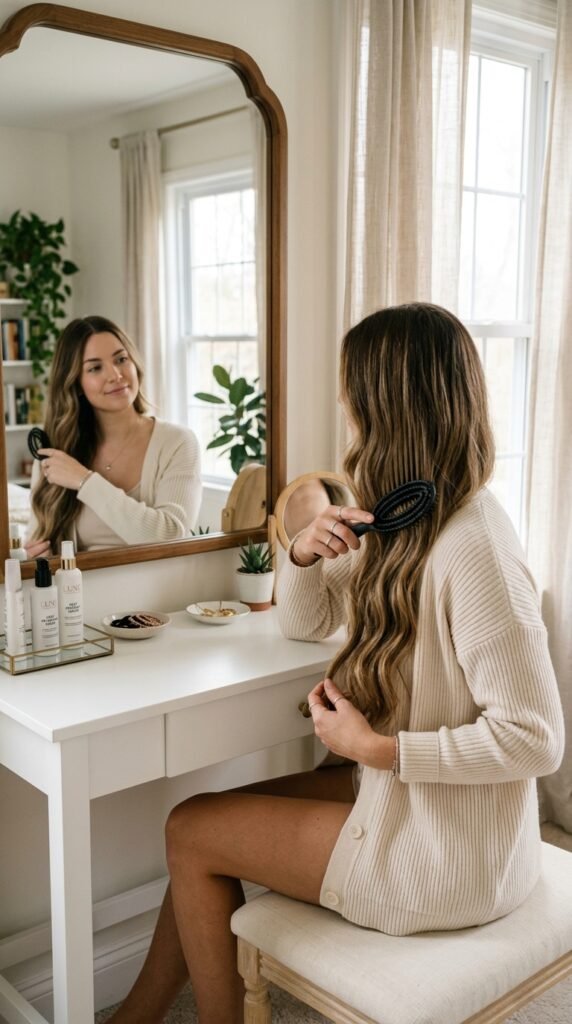
Extensions need love, especially when your natural hair is fine. Good maintenance keeps both your strands and the extensions looking beautiful.
Wash your extensions gently with sulfate-free shampoo. Always brush them with a loop brush that doesn’t snag. Tie them loosely at night to prevent tangles, and never sleep on wet hair.
Here’s a simple schedule:
– Brush every morning and evening
– Wash every 2-3 wears
– Deep condition weekly
– Store clip-ins in a silk pouch
Also, give your scalp breaks. If you wear extensions daily, try going natural on weekends. That rest period helps your fine hair recover from any tension.
A Quick Cheat Sheet for Buying Your First Set
If you’re standing in the aisle or scrolling online, here’s your cheat sheet. Use this list and you’ll be fine.
What to look for:
– 100% Remy human hair
– Total weight between 80-120g
– Color matched in natural light
– Thin, flexible wefts (not bulky)
– A return policy so you can test at home
What to avoid:
– Synthetic blends that tangle fast
– Heavy wefts that drag your roots
– Shiny, fake-looking colors
For your first set, order a smaller amount than you think. You can always add more. Getting used to the feel and style before going bigger is the smart move.
A few friendly words before you go: extensions should feel like a fun upgrade, not a headache. With the right type, the correct color match, and a little patience, fine hair can absolutely hold its own with any of the 2026 trends. Whether you’re dreaming of old money hair, a quiet luxury bob, or romantic goth hairstyles, there’s an option for you.
And if you ever feel unsure, just go back to the basics. Lightweight wefts, natural color, and a stylist who gets fine hair. That combination solves almost every problem you’ll face.
Save this post to Pinterest so you have it ready when you’re shopping. And let me know below, have you tried extensions with fine hair? What was your experience? I’d love to hear what worked for you!