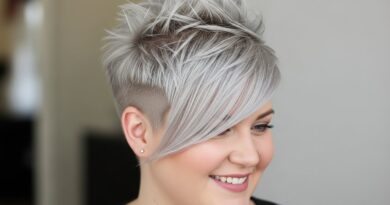
Why Your Hairstylist Keeps Recommending Bond Building Treatments For Every Single Appointment
We’ve all been there, right? You book a simple trim, sit down in the chair, and suddenly your stylist is chatting about bond builders and protein treatments. If you’ve ever felt a little confused or pressured by the recommendation, I completely get it.
But here’s the honest truth: your stylist isn’t just trying to upsell you on something fancy. In fact, there’s a real reason these treatments are popping up at every single appointment, especially with the biggest 2026 hairstyles trends. They’ve seen what daily life does to our hair, and they want to fix the real damage before it starts.
In this post, I’m breaking down exactly why they suggest it, what the treatment actually does, and how you can decide if it’s worth it for you. We’ll keep it simple, practical, and totally judgement-free. Let’s get into it.
Your Hair Has a Memory (And It Tells on You)
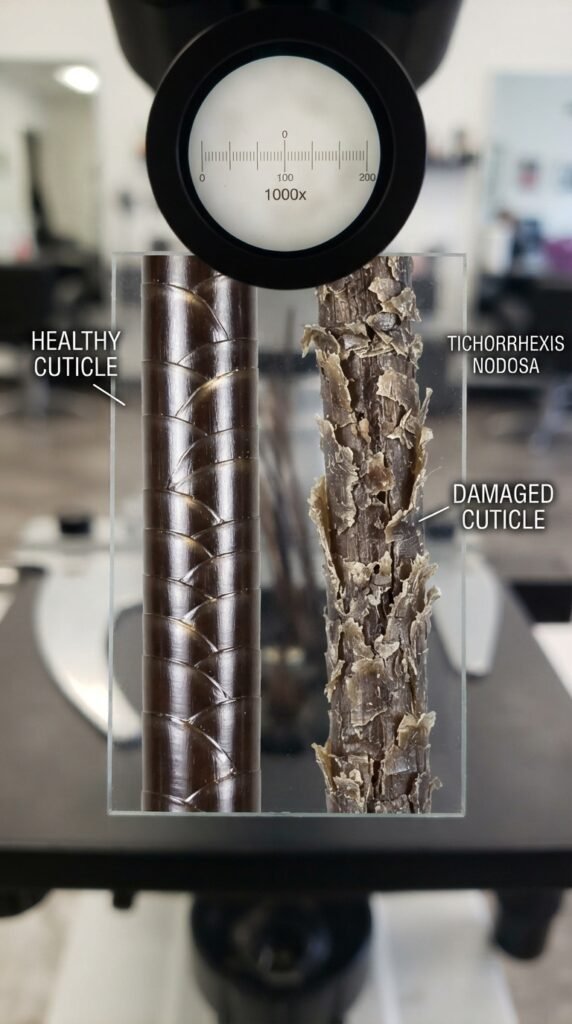
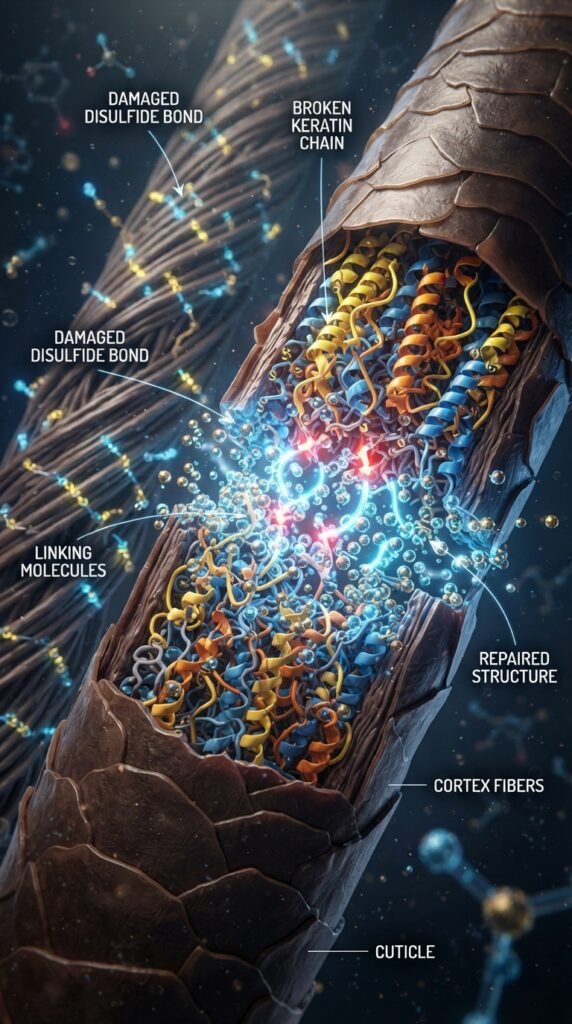
Think about everything your hair goes through in a week. Heat styling, sun exposure, brushing, even just tying it up. Every single one of those actions creates tiny little breaks in the hair strand’s structure. Over time, your hair literally remembers all that wear and tear.
Your stylist sees this on a microscopic level. They aren’t just looking at split ends; they’re seeing the compromised cortex underneath. Bond builders work by filling those tiny gaps, creating a stronger foundation for the hair strand.
- Heat damage is the biggest culprit.
- Chemical services open the cuticle.
- Everyday friction causes micro-tears.
It’s the Secret to the “Old Money Hair” Look
You’ve seen it all over Pinterest—that sleek, glossy, expensive-looking old money hair. The secret isn’t just a good blowout. It’s hair that offers no signs of stress or breakage. That specific aesthetic, and the popular quiet luxury bob, depends entirely on perfect internal health.
A bond builder gives the stylist a clean canvas. When your hair has structure, the surface reflects light evenly. That’s what creates that polished, million-dollar shine that makes the “old money” look so effortless.
- Healthy cuticles = better light reflection.
- Bonding helps the hair lie smoother.
- It reduces the frizz that ruins that sleek bob.
2026 Hairstyles Are All About Texture

Let’s talk about the upcoming trends. We’re seeing a huge shift toward romantic goth hairstyles and the sharp, precise hime cut. These styles rely heavily on blunt ends and intentional movement. Unfortunately, damaged hair can’t hold these shapes properly—it just looks stringy.
If you want to rock those trending looks with confidence, your hair needs to be structurally sound. Stylists know that a bond treatment is the pre-game ritual for getting that high-impact texture right. It preps the hair to behave exactly how the cut demands.
- Blunt cuts need dense, thick ends.
- Romantic goth styles need volume without frizz.
- Precision cuts highlight even the smallest damage.

The Rise of the “Glitchy Glam” Era
One of the coolest upcoming trends is glitchy glam hair, which plays with weird, sci-fi inspired pieces and metallic reflections. This is a fun look, but achieving that “digital distortion” effect on natural hair requires very high porosity. That can be a fast track to breakage if it isn’t done safely.
Ironically, to get that “glitchy” piecey effect, your stylist might need to do a lot of internal work first. Bonding helps them push the boundaries of creative styling without snapping your strands completely. It’s the safety net for the coolest, most daring 2026 looks.
- It allows for more aggressive styling.
- It prevents color from bleeding or fading.
- It keeps the “glitchy” pieces separated but strong.

Your Color Wants to Last Longer
When you get your hair colored, the process lifts the cuticle to deposit pigment. That process creates structural gaps in the hair. Without those gaps filled, your color will fade much faster. Think of the bond builder as a sealant for your expensive color.
It’s not about making the color brighter; it’s about making it permanent. It keeps the pigment molecules trapped inside the strand. So, if you’ve invested money in a beautiful new shade, skipping the bond treatment is basically washing your cash down the drain.
- Prevents premature fading.
- Locks pigment inside the hair.
- Keeps highlights from turning brassy.
The “Vampire Cut” Needs Strength
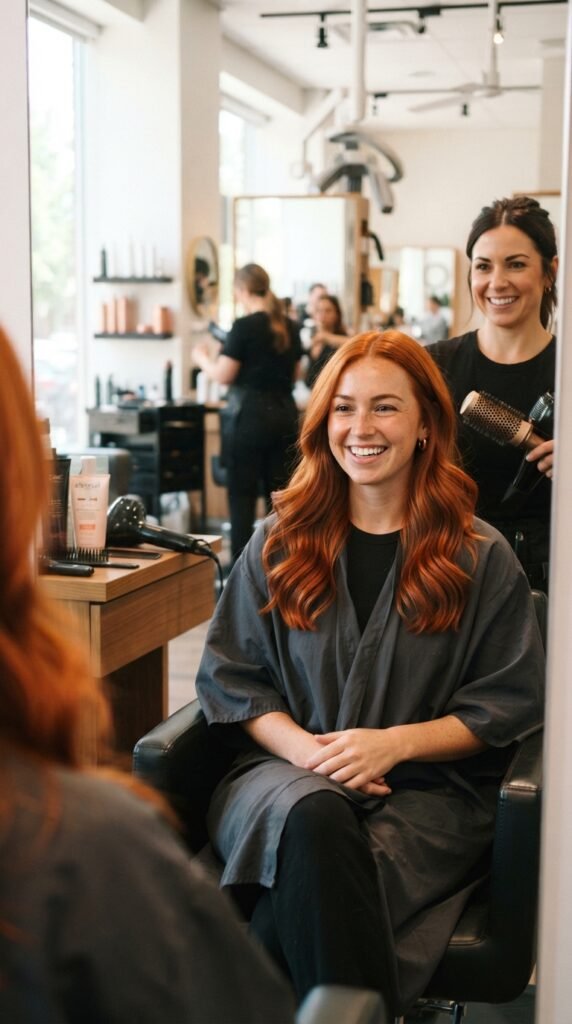
Have you seen the vampire cut trend? It’s all about heavy layers and dramatic framing around the face. It’s a very high-fashion, striking look, but it requires the hair to have a specific “swing” and movement. If your hair is too fragile, those layers will just lie flat and lifeless.
Your stylist is thinking about the end result. For that cut to look sharp and angular, the hair needs to be strong enough to hold its shape without tons of product weighing it down. Bonding is the secret to getting that bouncy, vampy volume.
- Creates lift at the root.
- Supports the dramatic face-framing pieces.
- Keeps the ends from looking see-through.

Breakage Is an Epidemic Right Now
The reality is, our hair is more damaged than ever before. We use dry shampoos, we sleep on rough cotton pillowcases, and we use hot tools constantly. The condition of the average client’s hair has changed dramatically over the last ten years.
You might be in denial about it because you don’t see a lot of hair in your brush. But breakage often happens mid-shaft, not at the root. That’s where the stylist’s professional eye matters. They physically see those little white dots and split ends where the shaft is snapping.
- Microfiber towels help, but they don’t fix the past.
- Elastic bands cause mid-shaft damage.
- Chlorine strips the protective barrier.
It’s Not Protein—It’s Glue
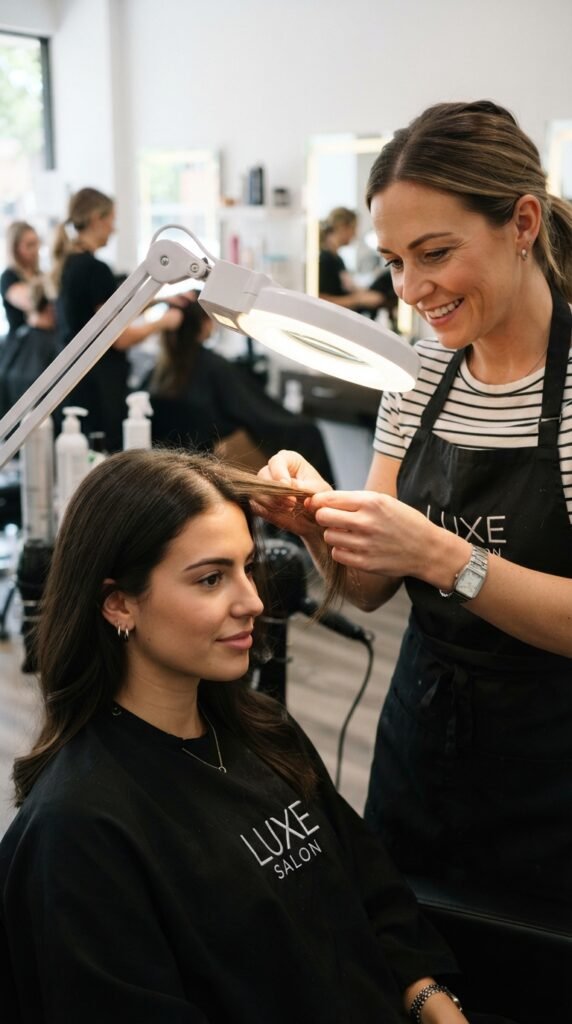
A lot of people confuse bond builders with protein treatments. They are not the same. Protein fills in the holes, but it can make hair stiff. Bond builders are more like a flexible glue that cross-links the protein structures together, keeping them flexible and strong.
This distinction matters because it means the treatment isn’t just for “dead” or overly processed hair. It’s for anyone who wants to maintain elasticity. It’s about keeping the hair bendy enough to move but strong enough to not snap.
- Protein can over-harden hair.
- Bond builders retain flexibility.
- They work better on colored hair.
Salon Add-Ons Are Actually Worth It
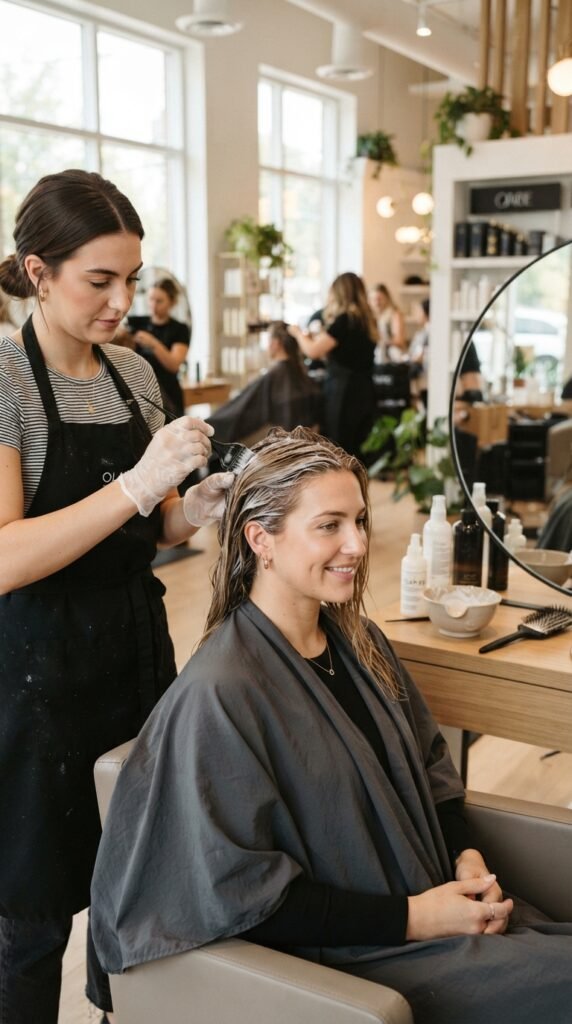
We usually think salon add-ons are a waste of money, right? But this is different. When your stylist adds a bond treatment to a color service, they are doing it before the color, during, and sometimes after. The timing is what makes it effective.
It’s preventive care. You go to the dentist to prevent cavities, right? Bond builders are about preventing future damage. It’s a lot cheaper to add a treatment now than to fix a massive hair breakage issue later with expensive haircuts and Olaplex buy-outs at home.
- It saves you money in the long run.
- It reduces the time you spend styling.
- It keeps your ends looking fuller between cuts.
The “Asymmetrical Lob” Dilemma
The asymmetrical lob is a massive trend for 2026. It’s a cut that is longer in the front and shorter in the back. Because of the sharp angles, the hair in the back gets a lot of stress from sleeping and from collars rubbing against it.
To keep that diagonal line looking crisp, the hair needs uniform density. If the back has broken off from your bag strap, that whole asymmetrical shape collapses. Bonding helps equalize the structure of the hair so the technical shape of the cut can stand out.
- Protects the fragile hairline.
- Improves the shape retention.
- Adds density to the silhouette.

Heat Protectant Isn’t Enough Anymore
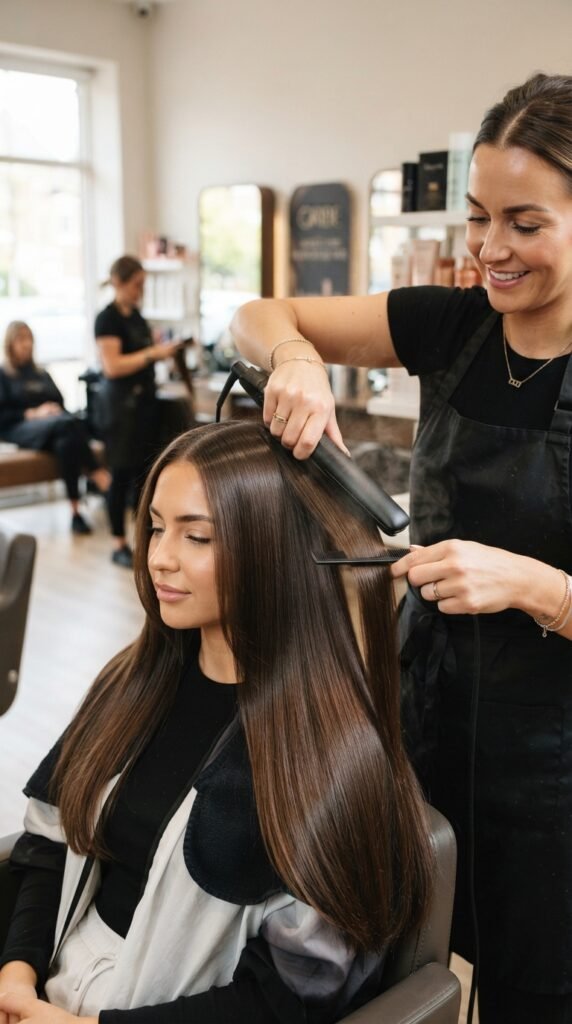
Let’s be honest—we all claim to use heat protectant, but are we really? And even the best heat protectant only works on the surface of the hair. The high heat of a flat iron can literally boil the moisture inside the hair strand, causing micro-bubbles.
A bond builder actually protects the hair from the inside out. It reinforces the cortex so that when you apply heat, the structure is strong enough to withstand the thermal stress. It’s the internal armor that your surface sprays can’t provide.
- Heat causes internal vapor pressure.
- Bonding strengthens the inner cortex.
- It reduces the “wet noodle” fried feeling.
Salon Shampoo Is Different
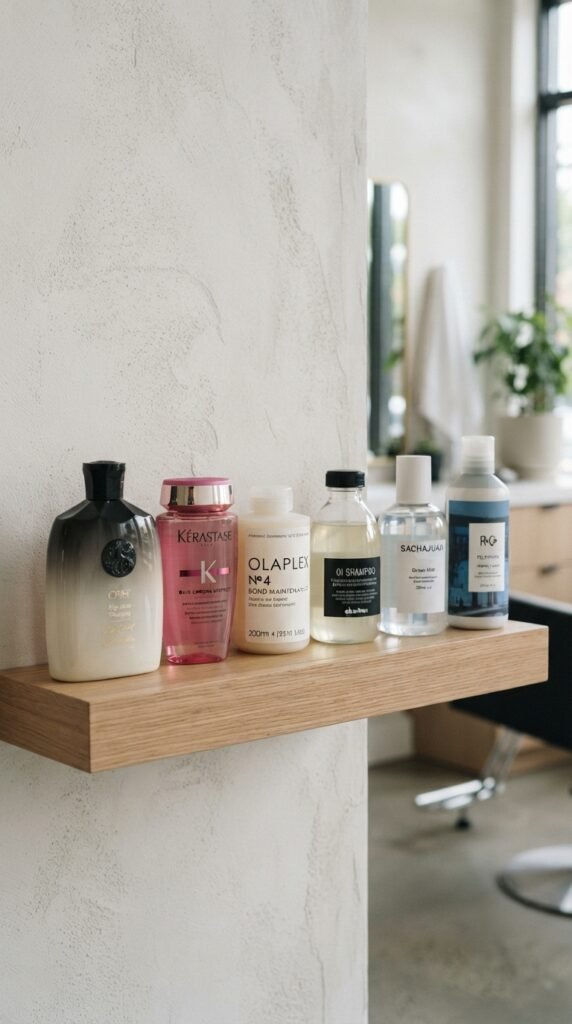
Ever wonder why your hair feels so amazing after a salon blowout? It’s not just the blow-dry technique. It’s the products. Professional shampoos are more acidic and have a lower pH than drugstore ones. This helps close the cuticle and lay everything down flat.
When cuticles are flat, the hair is naturally smoother and shinier. Bond builders work perfectly in tandem with these professional shampoos to maximize that effect. The treatment works on the inside, while the shampoo ensures the outside is perfectly sealed.
- pH levels impact cuticle health.
- Professional lines are concentrated.
- Sulfates can strip the bond-building work.
The Connection to “Hime Cut” Precision
The hime cut is characterized by its straight, sharp bangs and cheek-length side pieces. It is a very high-maintenance look that requires the hair to be in pristine condition. Any sign of frizz or dry ends ruins the geometric illusion.
Bonding gives the hair that glass-like clarity and weight. It allows the stylist to cut razor-sharp lines that look crisp and intentional. Without internal health, the hair will splay out or frizz at the corners, making the cut look messy.
- Crisp lines require dense cuticles.
- Keeps the side pieces lying flat against the cheek.
- Prevents the bangs from odd kinks.

The Damage Is Cumulative
One of the biggest misconceptions is that you have to have bleached hair to need bonding. That’s simply not true. Damage accumulates over time like interest on a loan. A little bit of sun here, a quick straightening there—it all adds up to a fragile state.
Your stylist might recommend this treatment just to get ahead of that cumulative damage curve. It’s a proactive approach. It analyzes the risk of your usual routine and prepares your hair to withstand the next five years, not just the last five.
- Sun damage is silent but deadly.
- Every color service chips away at strength.
- Water quality matters for mineral build-up.

Bonding Helps with “Quiet Luxury” Softness
The quiet luxury trend is about subtle signals of wealth—cashmere, silk, and well-made goods. When it comes to hair, that translates to extreme softness and a fluid movement. It’s hair that looks alive, not stiff or product-laden.
You can’t really fake that softness with styling products. You need actual healthy hair. Bond builders create that internal smoothness, so the hair flows like a liquid when you walk. It’s the ultimate status symbol for hair in 2026.
- Reduces the need for heavy serums.
- Improves the overall “hand feel.”
- Creates a halo effect of light around the head.

It’s the Foundation for Everything
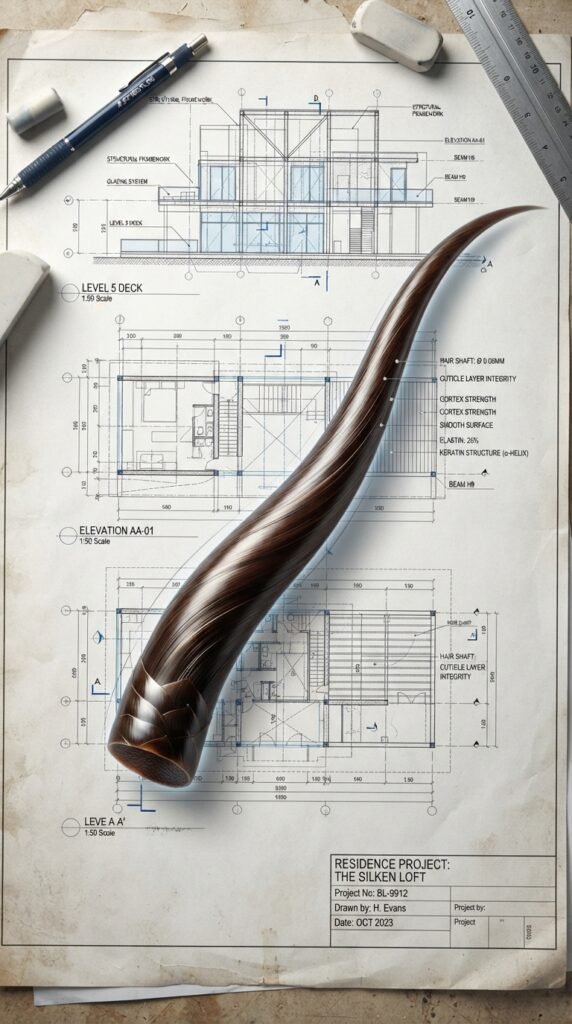
Think of your hair like a house. Makeup and styling are the furniture. The haircut is the architecture. But the hair’s internal protein structure? That’s the foundation. You can’t have a great house without a solid foundation.
This is why stylists recommend it every time. They are looking at the blueprint of your hair, not just the surface. They know the trends—from romantic goth to minimalist luxury—all require a strong structural base to look good.
- It strengthens the “bones” of the hair.
- It allows the style to last longer.
- It prevents minor stress from turning into major splits.
Trust the Process, Ask the Questions
If you feel hesitant, that’s totally okay. The best thing you can do is ask your stylist exactly why they recommend it for *your* specific hair type. A good stylist will happily explain the reasoning and show you the damage on your ends.
Communication is key. Tell them about your home routine and your styling habits. This helps them tailor the treatment to fit your lifestyle. If you’re low-maintenance, they might suggest a different bond-building routine than if you’re using hot tools daily.
- Ask to see the damage.
- Ask about the cost vs. long-term savings.
- Ask about in-salon vs. at-home options.

It’s About the Next Six Months
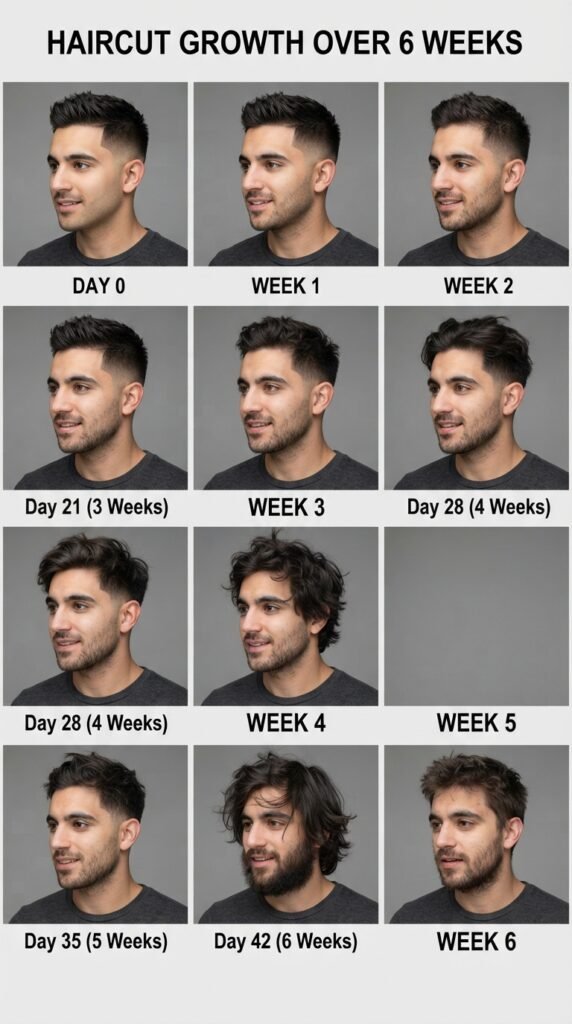
Salon appointments are cyclical. You get a great haircut, it grows out, and you come back in six weeks. Bonding isn’t just for the “today” look; it’s for the six-week mark when your roots have grown and you’re styling it daily.
Your stylist wants your hair to look just as fantastic at week five as it did on day one. The treatment is designed to help your hair survive the daily grind so that your cut looks intentional for longer, not just for the first two days after you leave the salon.
- It extends the life of the haircut.
- It reduces the “in-between” phase frustration.
- It maintains the integrity of the ends.
You Probably Can’t Fix It at Home
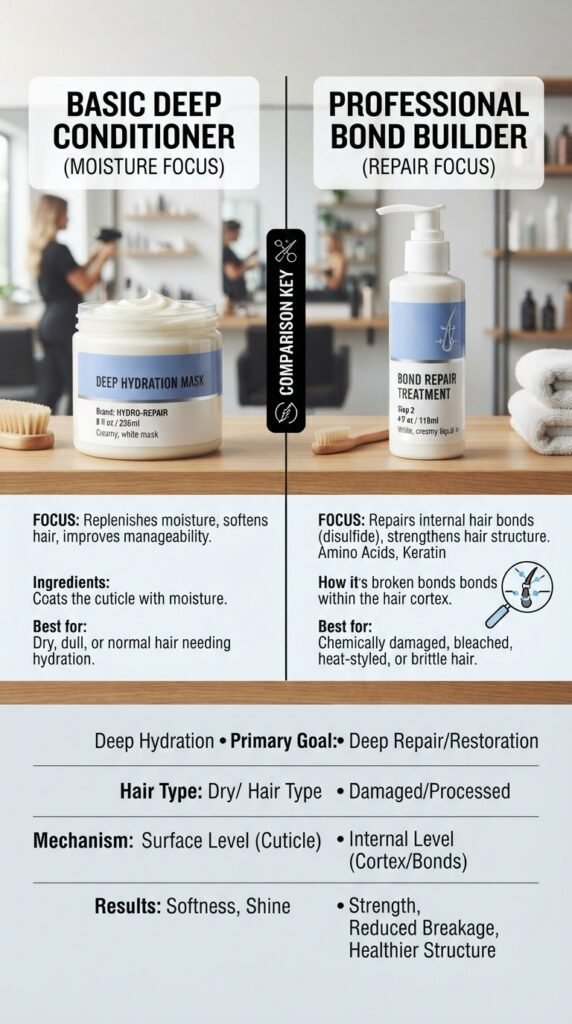
We all love a good drugstore hair mask, but most at-home masks are just surface-level conditioners. They coat the hair to make it *feel* better. They don’t actually repair the internal broken bonds that cause weakness.
Professional bond builders use specific ingredients that penetrate deeper and actually link the broken chains. It’s like the difference between putting a band-aid on a cut and actually getting stitches. Both help, but only one actually heals the wound properly.
- At-home masks focus on moisture.
- Professionals can use higher concentrations.
- You risk over-moisturizing and creating mush.
It’s Cheaper Than New Hair
At the end of the day, it’s about risk management. A length retention strategy is all about avoiding the big chop. If you want to grow your hair long, you have to prevent breakage. Bonding is a maintenance cost that protects your future length.
Think about the price of extensions or wigs. They are insanely expensive. A bond builder is a tiny fraction of that price. It’s the best insurance policy you can buy for the hair you already have growing out of your head.
- Extensions cost over $500 easily.
- A bond treatment averages $50-$70.
- Prevention is always cheaper than the cure.

The “New Money” Hair Rule
We talk about “old money” hair, but there’s also a “new money” look. That’s the high-glam, bombshell, big-blown-out style. It’s gorgeous, but it takes a heavy toll on the hair’s structure. To keep the volume without the breakage, you need internal support.
Bond builders allow average humans to live in a “new money” reality without their hair suffering the consequences. It lets you have the Instagram-level blowout and wash it again tomorrow without your hair giving up on life.
- Volume puts stress on the roots.
- Backcombing creates friction.
- Strong bonds prevent matting at the nape.

Bonding Balances the Porosity
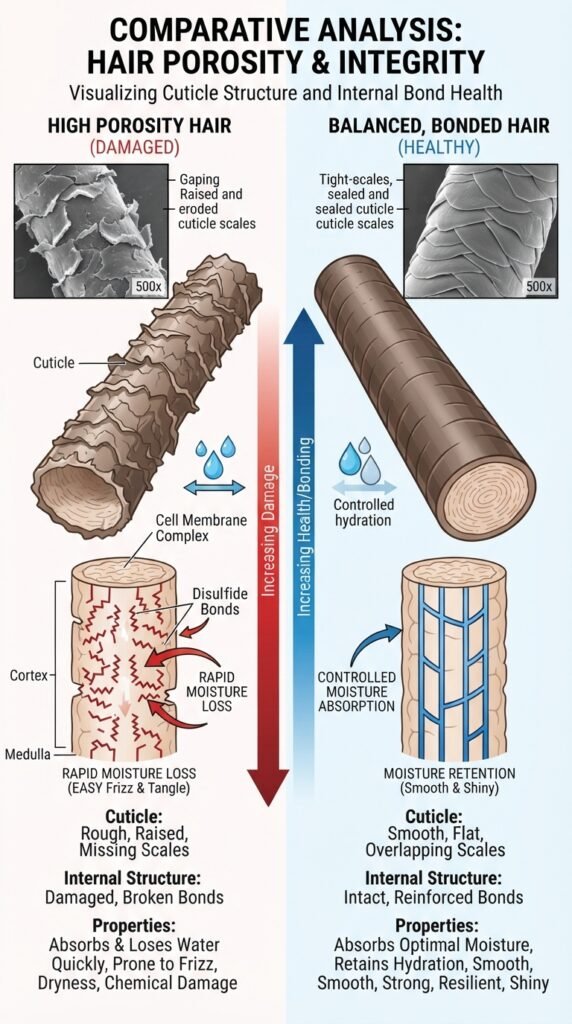
If you have over-processed hair, your cuticles are blown wide open, like tiny shingles on a roof that are all sticking up. This makes the hair dry out instantly and tangle easily. It also makes it hard for styling products to work.
Bond builders actually help to regulate that porosity. They fill in the gaps on the inside, which helps the cuticle lay flatter on the outside. This balances the hair’s ability to absorb and retain moisture perfectly.
- High porosity loses moisture instantly.
- Low porosity repels water.
- Bonding brings the hair to a “normal” level.
Your Stylist Just Wants You to Feel Good
At the core of it, your stylist wants you to leave the chair feeling like a million bucks. They love their craft, and they love seeing the joy on your face when you catch a glimpse of yourself in the mirror. They aren’t trying to sell you a dream; they are trying to ensure you feel beautiful.
When they recommend a bond builder, they are giving you a tool to make your everyday life easier. It means less time fighting with your blow dryer and more time loving your hair. It’s an investment in your confidence, not just in your strands.
- They see the potential in your hair.
- They want to share their professional secret.
- They want that “good hair day” energy to last.
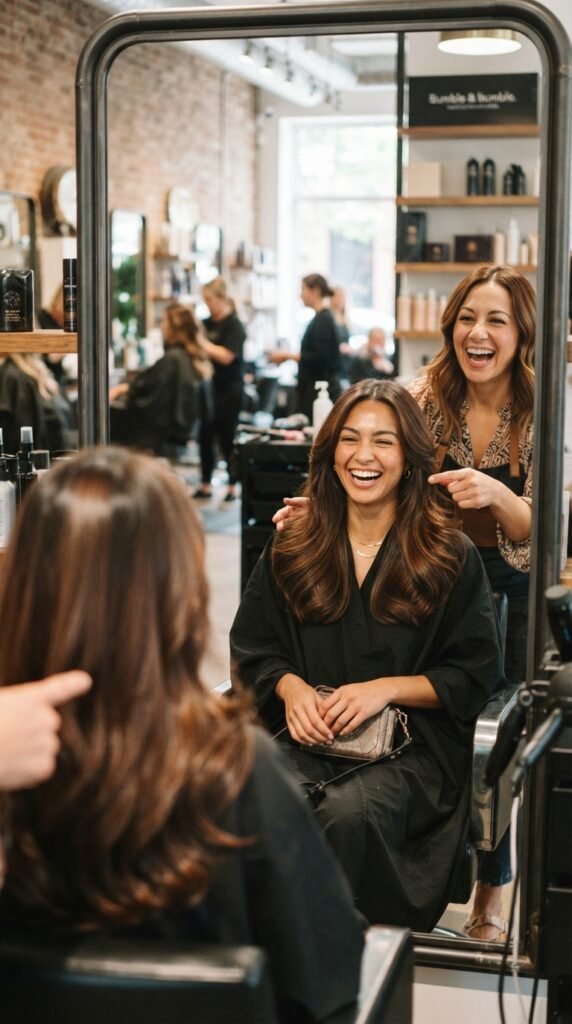
We Are Riding the 2026 Wave Together
These trends—from the asymmetrical lob to the sleek old money bob—are so exciting. They are bold and full of personality. But they all share one common requirement: healthy hair. Bonding is the unsung hero that makes all those runway-ready looks possible.
So, next time your stylist suggests it, just know it’s not a money grab. It’s a part of a modern hair care movement. It’s about being smart with your hair goals and ensuring you can wear the trends of 2026 with total confidence and zero damage.
Embrace the future of hair care—it’s strong, flexible, and so shiny, just like you.
Let’s wrap this up with a little heart-to-heart. The next time you hear those words “bond building,” I hope you feel a little more informed and a little less confused. It really is a beautiful, practical way to care for the hair you love, no matter which trendy style you decide to try next.
I’d love to know what your go-to hairstyle is for 2026. Are we team sleek bob, or are you jumping on the romantic goth bandwagon? Drop a comment below and let’s chat about it!
**Save this post to Pinterest** so you have this explanation handy for your next salon visit! And if you found this helpful, share it with a friend who swears they don’t need a treatment. She might thank you later.