How To Transition From Relaxed To Natural Hair Without Doing The Big Chop First
If you’ve been thinking about going natural but the image of a big chop makes your stomach drop, I’m right there with you. I’ve been there, done that, and regretted it once. But that was years ago, and I learned so much.
Here’s a better secret. You don’t have to cut away all your hair to start embracing your natural texture. You can grow out a relaxer and keep your length the whole time. It’s called transitioning, and it’s completely doable.
I’m sharing my step-by-step transition plan that’s simple, low-stress, and perfectly imperfect. You’ll get easy care routines, styling tricks, and little mindset shifts to make the process feel less like a project and more like self-care. Trust me, this is the guide I wish I had when I started.
Why I stopped fighting my texture

For years, I relaxed my hair every eight weeks like clockwork. It was flat, straight, and never felt like me. Then I missed a touch-up, and my roots started curling. A tiny coil appeared, and I fell in love.
I remember staring at that single curl for ten minutes. It reminded me of my childhood. That moment changed everything. That’s when I stopped fighting my texture and started listening to it. Transitioning isn’t about rejecting who you were. It’s about welcoming who you are now. Let the relaxer go slowly. It might feel weird at first, but I promise it’s worth it. Your hair will thank you.
The truth about transitioning without a big chop
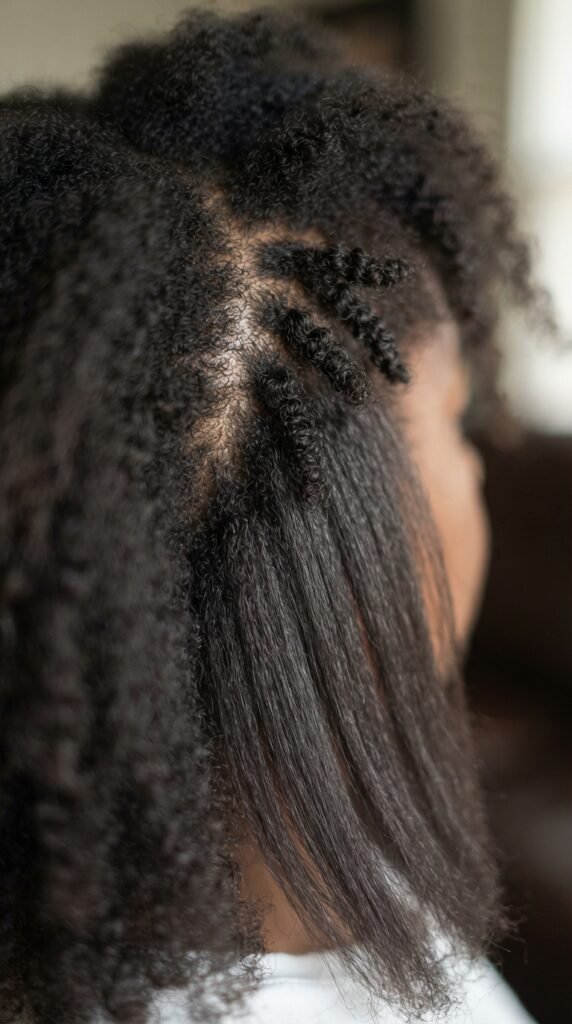
A big chop isn’t the only path. It’s just the most visible one. Transitioning means you keep your relaxed ends while your natural hair grows in. This can take six months to a year or more. And that’s okay. You’re not any less natural because you have two textures.
Your hair is on its own schedule. The goal is healthy hair, not a dramatic reveal. So give yourself permission to take the slow route. You might actually enjoy the journey more that way. And trust me, the wait is worth it. You’ll learn so much about your hair in the process.
How to set your hair goals
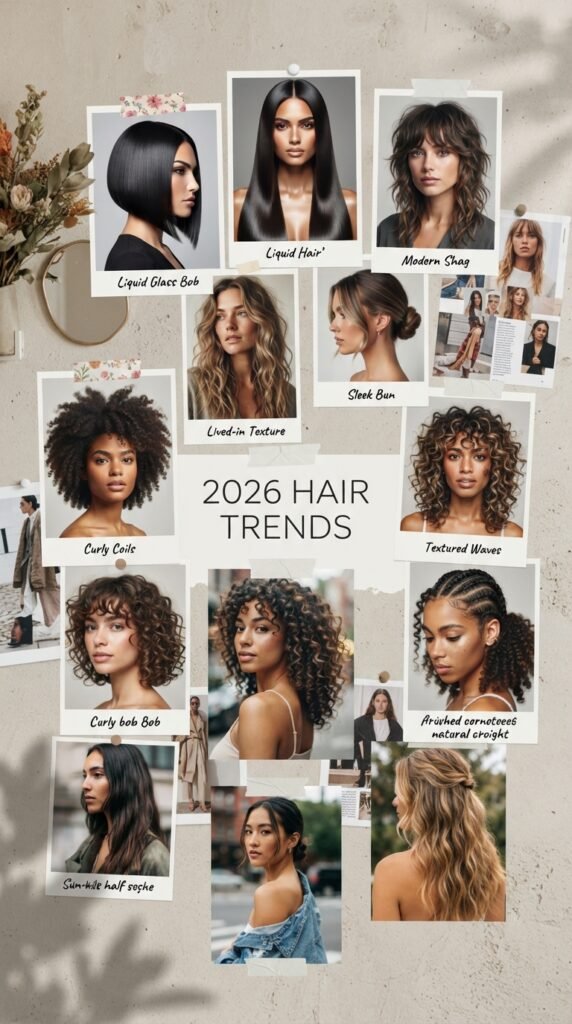
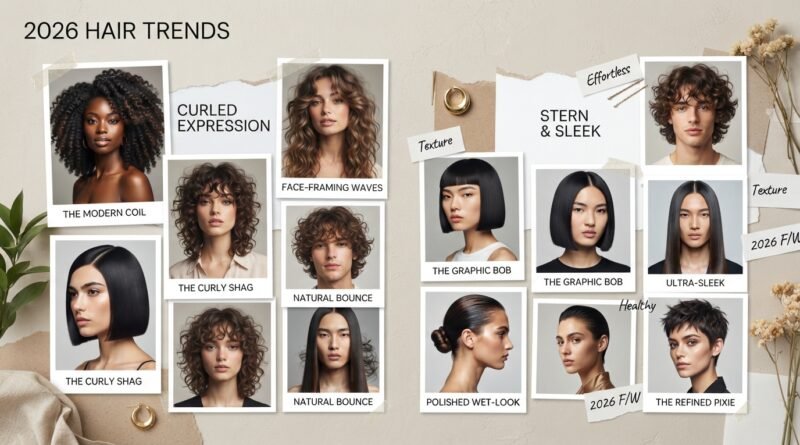
Before you start, know what you’re working toward. Do you want defined curls, soft waves, or a big fluffy afro? Look at 2026 hairstyles for inspiration. Natural texture is everywhere this year. From old money hair to a quiet luxury bob, there’s a style for every transition stage.
Write down what you want your hair to feel like when you’re done. Then break it into tiny steps. For now, just focus on getting there one wash day at a time. And don’t stress about a perfect end result. The in-between is where the magic happens. You’ll find your rhythm. I promise.
What you need before you start
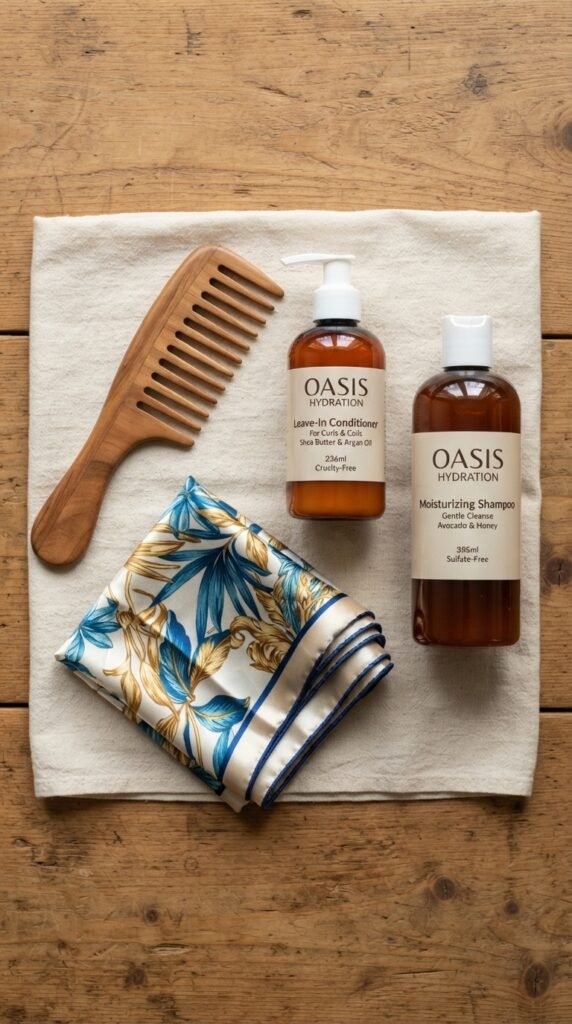
Keep your starter kit simple. You’ll need a moisturizing shampoo without sulfates, a deep conditioner, a leave-in conditioner, and a wide-tooth comb. Also grab a microfiber towel and a satin scarf or bonnet. That’s a total of six items. You might already have most of these.
If not, they’re affordable and easy to find. Don’t overbuy. Transitioning is about learning your hair, not buying products. Start with the basics and adjust as you go. One product at a time is fine. Your hair will tell you what it loves. Trust me, less is more here. You got this.
The stretch test: checking your new growth
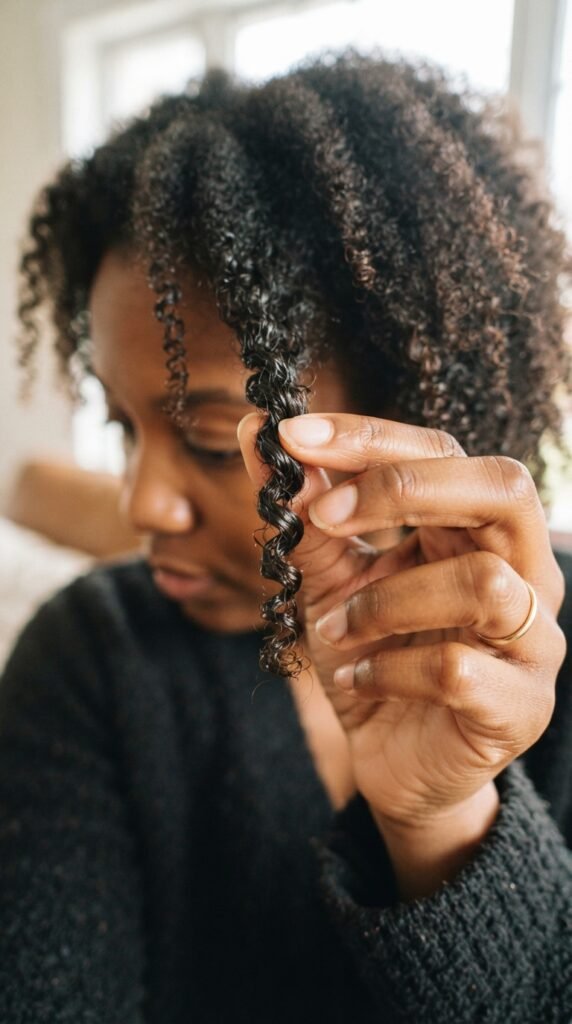
Want to know how healthy your new growth is? Do the stretch test. Take a wet strand and pull it gently. If it stretches and snaps back, you have good elasticity. If it breaks right away, your hair is craving moisture. If it stretches and stays stretched, you need more protein.
This quick test is a game changer. It helps you adjust your routine before you fall into a product rut. Do it every few weeks to see how your texture changes. It takes less than a minute, and it’s totally free. Try it tonight and see what your hair says.
Moisture is your best friend right now

Relaxed ends are naturally dry because they’ve lost their original structure. New growth needs water to thrive. The fix is simple. Use a water-based leave-in conditioner every single day. Spray your hair lightly, then seal with a few drops of oil. This locks in moisture and keeps your hair flexible.
Think of it like watering a plant. Your hair is begging for a drink. Give it one. You’ll see a huge difference in how your hair feels within a week. Plus, it makes detangling way easier. Do it, and thank me later. Trust me, your future self will be so happy.
Protein vs moisture balance
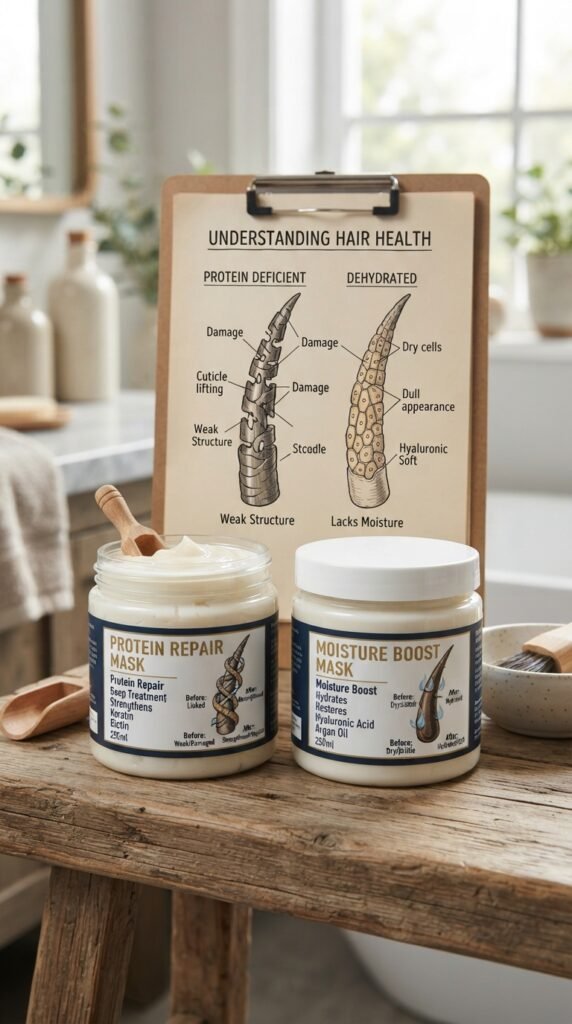
Your hair needs a balance of protein and moisture to stay strong. Too much protein makes hair stiff and brittle. Too much moisture makes it soft and mushy. The sweet spot is different for everyone. Pay attention to how your hair feels after washing.
If it feels stretchy and limp, add a protein treatment. If it feels rough and dry, use a moisture mask. This back-and-forth is normal. You’ll learn what your hair likes. Start with a light protein conditioner once a month. See how it goes. Tweak from there. It’s really just trial and error. And that’s okay. You’re doing great.
How often to wash and condition

Wash day doesn’t need to be a marathon. Once a week is perfect for most transitioners. If your scalp gets oily, rinse with water in between. But don’t over-wash. Stick to lukewarm water to avoid stripping natural oils. Use a gentle shampoo only on your scalp. Let the suds run down your lengths.
Then condition generously, especially on the ends. This keeps that line of demarcation from breaking off. I know it’s tempting to wash more when it feels hot outside, but trust me, your hair prefers a schedule. Slow and steady wins this race. Your ends will thank you. I promise.
The power of deep conditioning

Deep conditioning is the glue of your transition. It strengthens the line where new growth meets old ends. Do it every week or every other week. Apply a generous amount to damp hair. Focus on the ends and the line of demarcation. Cover with a plastic cap and let it sit for 20 to 30 minutes.
You can sit under a hooded dryer or just relax. Rinse with cool water to seal the cuticle. Your hair will feel instantly smoother. Plus, it feels like a mini spa day at home. Who doesn’t need that? Make it a self-care Sunday ritual.
Detangling gently (the only way)
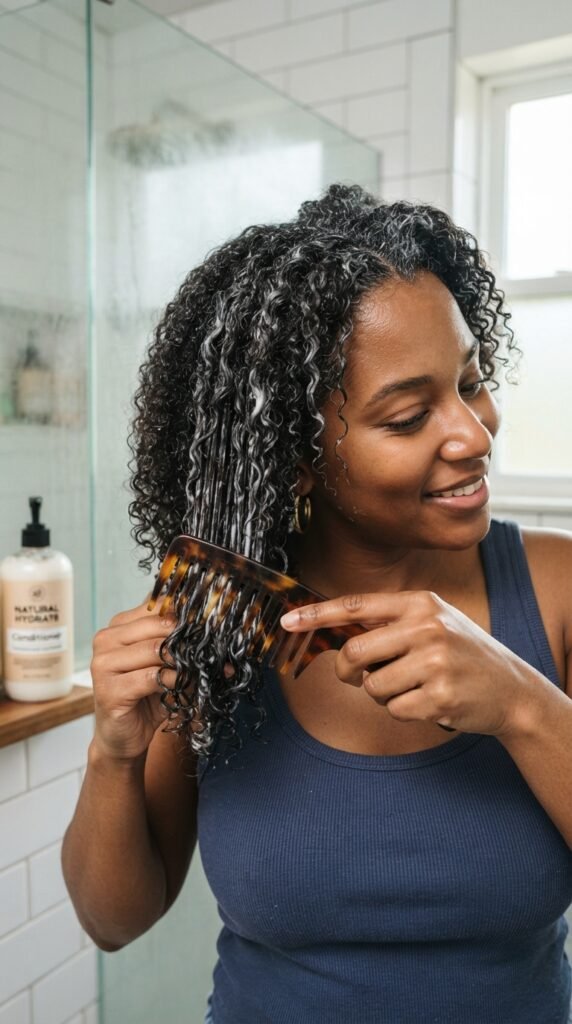
Never detangle dry hair. I’ll say it again. Never. Always detangle in the shower with conditioner in your hair. Use your fingers first to separate big tangles. Then follow with a wide-tooth comb. Start at the ends and work your way up.
This prevents breakage and keeps your curls defined. It’s slower, but it’s worth it. Put on a podcast or your favorite song. Make it a ritual, not a chore. Your hair will cooperate better when you’re relaxed. This is the easiest way to avoid that dreaded breakage at the line of demarcation. Trust me, it’s a game changer.
Heat styling without breaking your hair
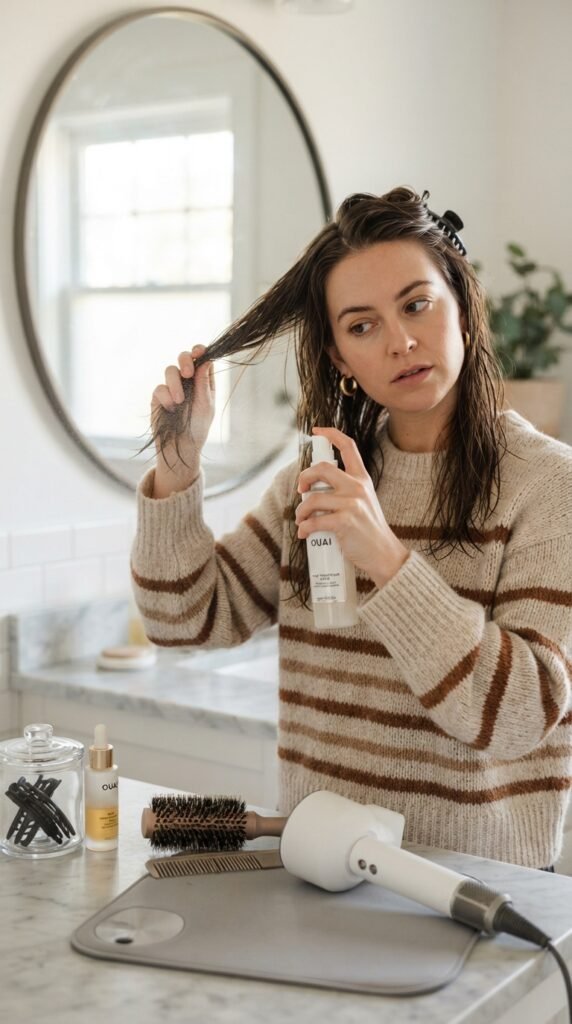
You don’t have to give up heat forever. Just be smart about it. Always use a heat protectant. Keep your tool below 350 degrees. And never go over the same section more than twice. This is especially important for the fragile line where your relaxed ends meet new growth.
Heat can cause it to snap. So save heat for special occasions, not daily style. A weekly blowout is fine. Just keep it gentle and low. Your hair can handle it if you do. And always let your hair cool before you touch it. That’s how the style sets. You’re welcome.
Easy styles for the awkward in-between phase

Let’s be real. The in-between phase is tricky. That’s when you’re most tempted to throw in a ponytail and call it a day. But there are styles that look intentional. Try an old money hair look by smoothing your edges with a little gel and pulling your hair back lightly.
Or go for a quiet luxury bob by curling the ends under with a flatiron. Both feel chic and polished. And they protect your fragile ends while looking effortless. A simple headband also works wonders. Seriously, it dresses up a plain bun instantly. Try one the next time you’re stuck.
Let’s talk about the occasional blowout
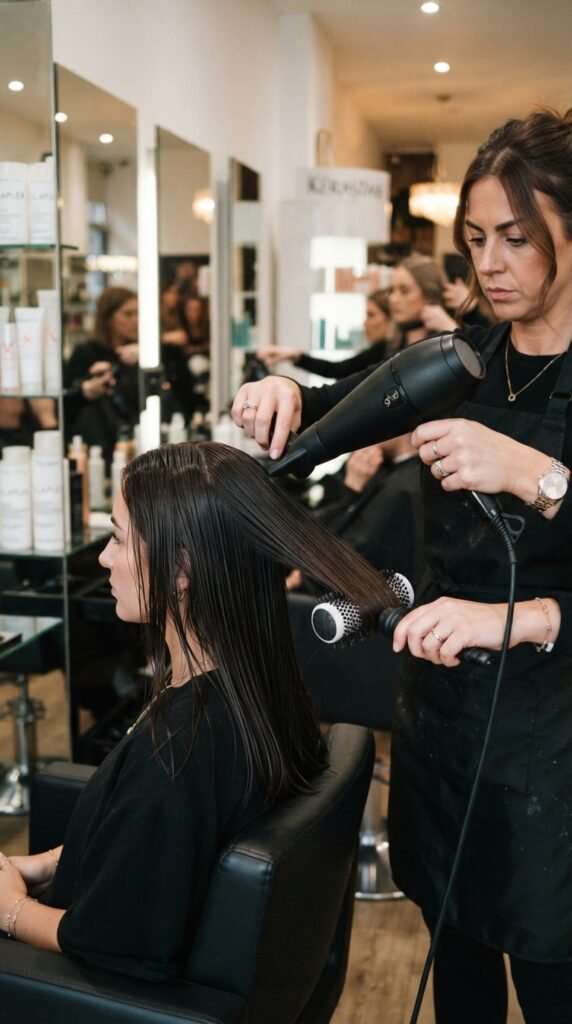
I know I said to be gentle with heat. But a blowout isn’t the enemy. It’s a tool. A good one can blend your textures beautifully. Use a round brush and a nozzle. Stretch the roots and smooth the ends. This gives you a sleeker look without a flatiron.
The key is to use a heat protectant and keep the dryer moving. Don’t hold it in one spot. Once a week is plenty. Your hair will stay strong and happy. And you get a break from the two-texture look for a couple days. That’s a win in my book. Honestly.
Protective styles that actually protect

Low tension is the secret. High ponytails and tight braids pull at your edges and the line of demarcation. Instead, try loose low buns, chunky braids, or twists. Make sure they’re not too small. Large sections are gentler. And always wrap your hair at night with a silk scarf.
This keeps everything in place. Protective styles should never hurt. If they do, they’re too tight. Take them out and start over. Your edges will thank you. Trust me, tight styles cause scalp pain and hair loss. I learned that the hard way. So keep it loose and comfy. Seriously. Try it.
Braidouts and twistouts for definition
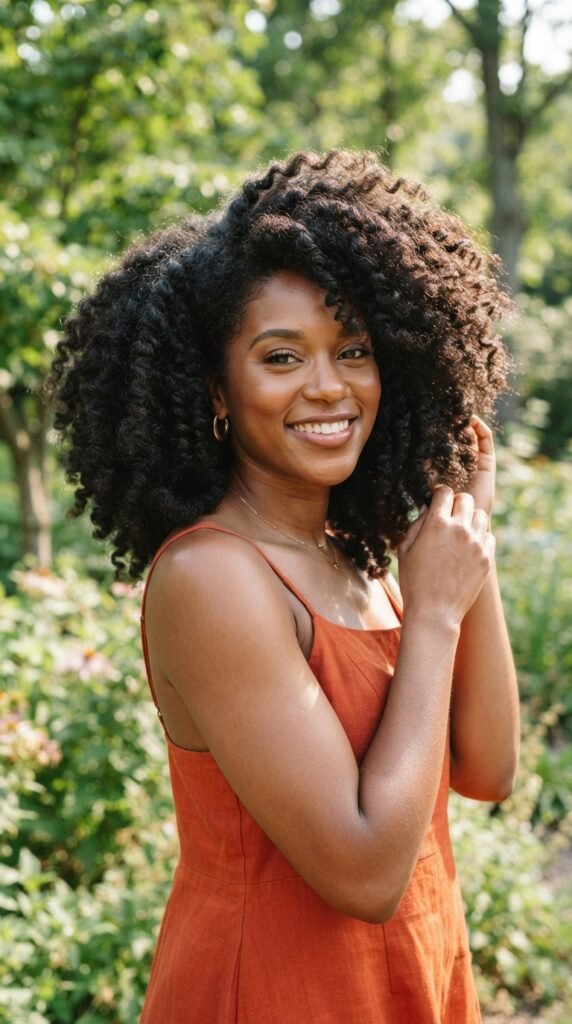
This is my favorite way to show off new growth. Do a braidout or twistout on damp hair. Section your hair into big parts. Apply leave-in and a little gel. Then braid or twist each section. Sleep on it or let it air dry. In the morning, take them down gently.
You’ll get soft, fluffy waves that hide the line of demarcation. It’s easy, heat-free, and makes your texture look intentional. Perfect for the transition phase. I do this every single wash day now. It’s that good. And it lasts for days with a satin scarf at night. Give it a shot.
How to hide the line of demarcation
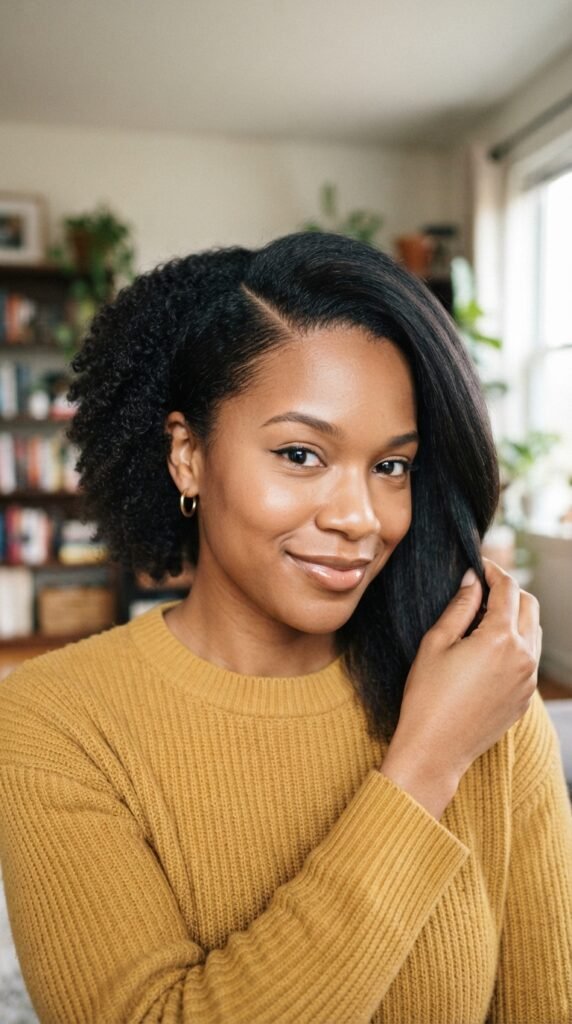
Your hair gets fragile at the border between textures. That’s called the line of demarcation. You don’t have to stare at it every day. A deep side part works wonders. Sweep the majority of hair to one side so the line gets covered. Or pull your hair into a low puff and fluff the front.
Headbands and scarves are also lifesavers. They hide the transition while keeping your hair protected. In a few months, you’ll barely notice it. The key is to keep the area moisturized so it doesn’t break. A little extra oil right before sleep helps. Try it tonight.
When and how to trim the relaxed ends
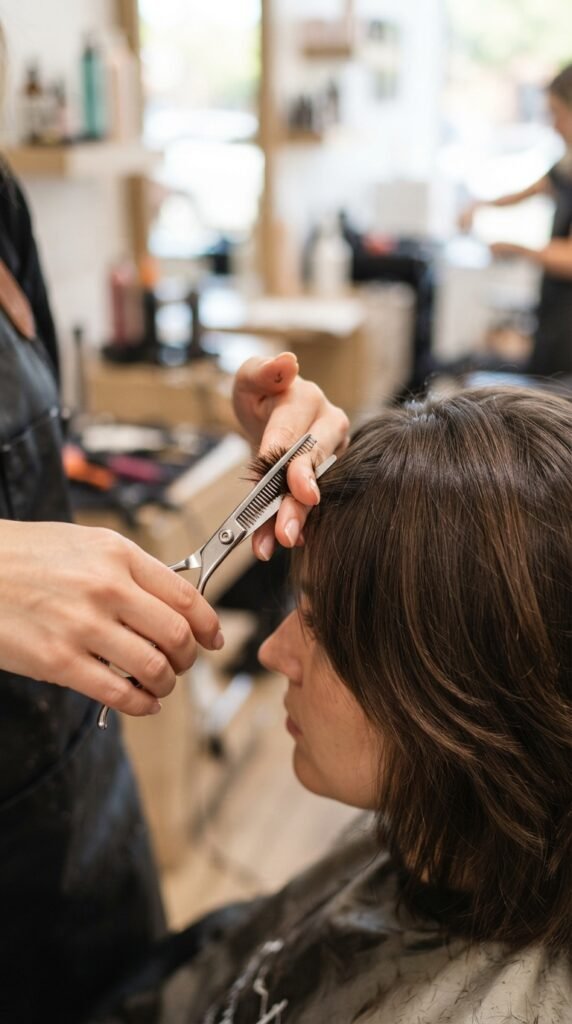
You don’t have to cut everything at once. Trim slowly as your natural hair grows. Aim for a small trim every six to eight weeks. If you want to keep maximum length, trim a quarter inch each time. If you’re ready to lose more, trim a half inch.
Use sharp hair scissors, never kitchen ones. Cut just the relaxed part, a little above the line. This will gradually phase out the relaxer without shock. It’s like slowly editing a photo, not deleting the whole file. Patience is your best friend here. You’ll get there. I believe in you. Okay? Let’s keep going.
Nighttime routine for breakage prevention

Your hair rubs against cotton pillowcases all night if you let it. That causes major breakage. The fix is simple. Wear a satin or silk bonnet, or sleep on a satin pillowcase. Cotton and sleeping caps that are too tight won’t help. A satin bonnet is cheap, comfy, and keeps your hair detangled.
In the morning, your moisture is still there. This tiny change does wonders. Trust me, your future ends will be very grateful. It takes two seconds to put on before bed. So do it. You’ll wake up with smoother hair and less frizz. That’s a win. Seriously, a win.
Keep your scalp healthy
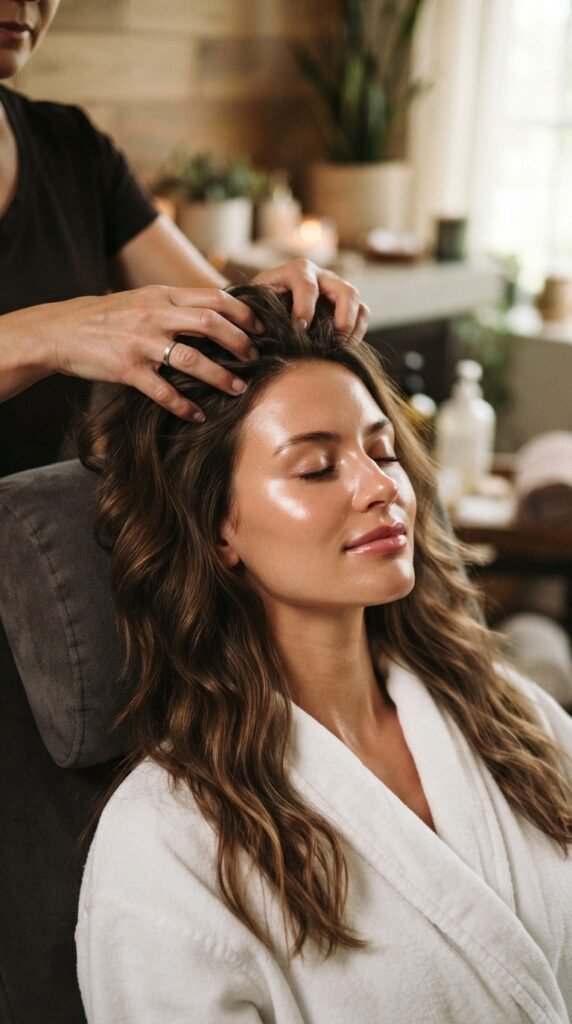
A healthy scalp grows healthy hair. So don’t neglect it. Massage your scalp for two minutes each day. This boosts blood flow and reduces stress. Wash it gently with a clarifying shampoo once a month. And exfoliate if build-up happens. A clean scalp feels amazing.
Once your natural length comes in, you’ll have the perfect base for romantic goth hairstyles or glitchy glam hair. Those looks need a strong foundation. Start with your scalp. Trust me, it’s the thing most people skip. Don’t be that person. Give yourself a little massage tonight. You’ll sleep better too. Bonus! Let’s move on.
Getting excited about your natural pattern
Once your relaxed ends are gone, you’re free to play. Your natural curls have their own personality. I promise you they’re beautiful. From a curly asymmetrical lob that swings with every step, to a vampire haircut with moody layers, to a hime cut with sharp cheekbone framing, the world is open.
Don’t rush to chop all your hair off just to fit a trend. Let your texture guide you. You know what? You’re going to look amazing. I’m excited for you to see what grows out of this season. It’s a great feeling. You’ll love it. I know I did. So go slow, and enjoy the journey.
Transitioning to natural hair is a personal journey. There’s no right timeline, and no perfect way to do it. You’re learning what your hair needs, and that takes time. Be gentle with yourself as you go.
As your hair changes, you’ll get more confident. You’ll find your routine and your go-to styles. And one day you’ll look in the mirror, see your natural texture, and smile like it’s an old friend.
If this helped, save this post to Pinterest so you can find it later. And leave me a comment: what’s the one thing you’re struggling with most during your transition? I’ll be right here to hype you up.