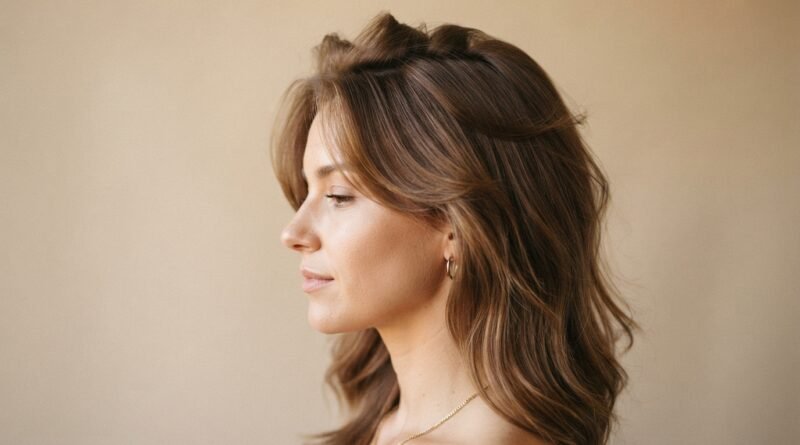
Soft Layered Cuts Perfect for Fine Hair Volume Boost
I have fine hair. Not thin hair — fine hair. And if you know, you know. It flops by noon, it shows every product I use, and it refuses to hold a curl for longer than a sitcom episode.
But here is what I finally learned after years of fighting it: fine hair does not need more layers. It needs the right layers. Soft ones, placed with intention, that move instead of weighing everything down.
This post breaks down the soft layered cuts that actually boost volume on fine hair, plus how to ask for them, style them, and keep them looking full. From the quiet luxury bob to the asymmetrical lob and the softer side of romantic goth hairstyles, there is something here for you.
Why Fine Hair Loves Soft Layers
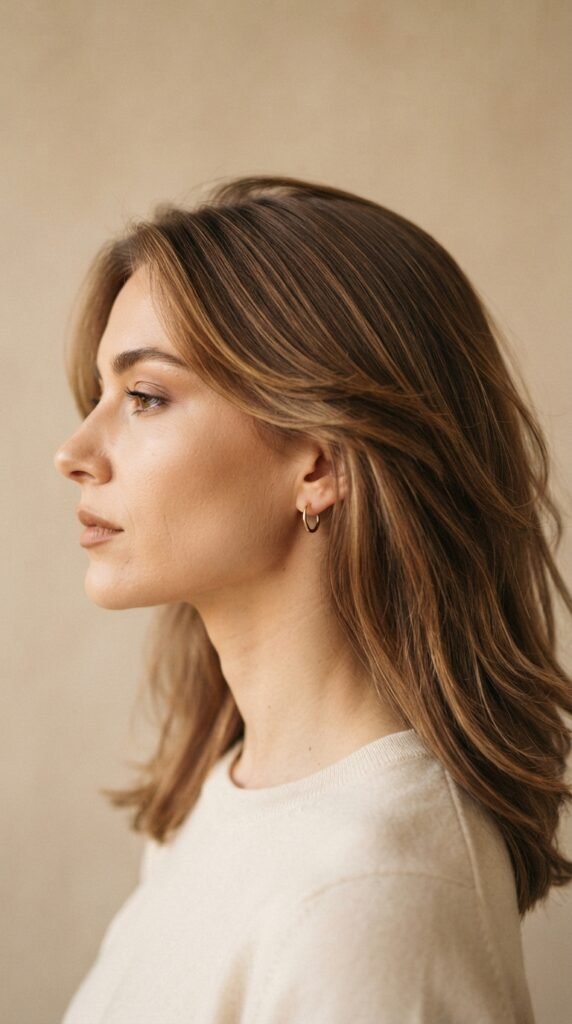
Fine hair has fewer strands per square inch, so weight is the enemy. Hard, blunt layers sit heavy and drag everything down. Soft layers remove bulk strategically while keeping the shape you actually want.
Think of curtain folds instead of shelf edges. Soft layers let hair lift at the root because there is less hair pulling it down.
- They create movement without thinning the ends
- They add volume right at the crown
- They grow out gracefully instead of going choppy
If your hair has ever looked flat two hours after a blowout, soft layering is usually the missing piece.
The Quiet Luxury Bob With Invisible Layers
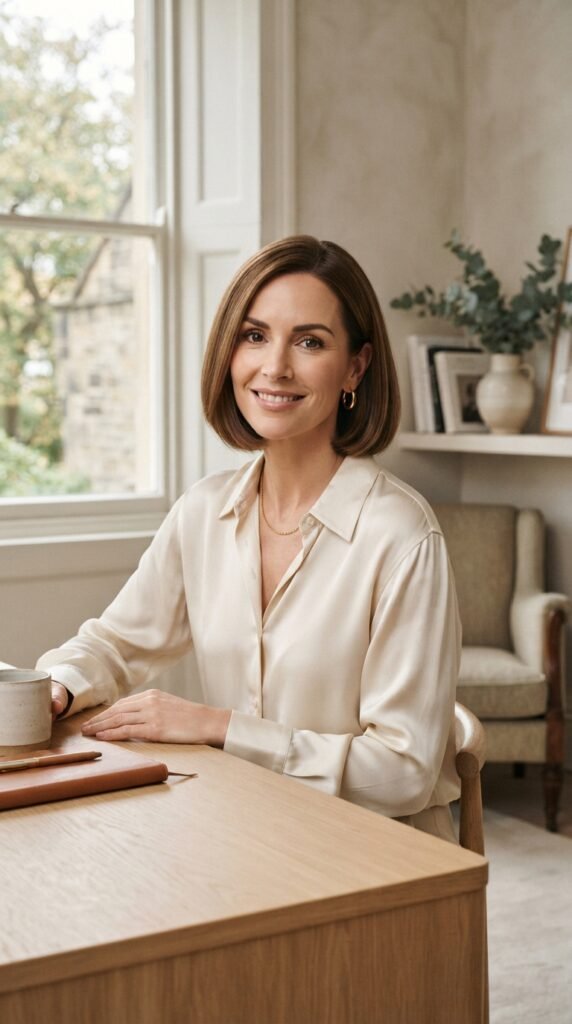
The quiet luxury bob is everywhere in 2026 hairstyles, and for good reason. It looks expensive, it looks easy, and it happens to be one of the best cuts for fine hair.
The trick is the layering inside the shape. Your stylist cuts a clean, soft line on the outside, then adds hidden layers underneath for lift. You get the polished bob on top and volume underneath.
- Ask for a soft blunt line with interior layers
- Keep the length between your jaw and collarbone
- Skip heavy texturizing on the ends
The Asymmetrical Lob for Instant Lift

An asymmetrical lob is sneaky good for fine hair. Because the two sides are different lengths, the eye reads the cut as fuller and more dynamic than it really is.
Add soft layers through the back and you get lift without losing length. This is the cut I recommend to anyone stuck between “I want a bob” and “I am not ready.”
- Keep the difference subtle, about one to two inches
- Pair it with soft face-framing pieces
- Style with a slight bend, not tight curls
Long Soft Layers That Never Fall Flat

Long fine hair can absolutely have volume. The mistake is cutting layers only at the very ends, which does nothing for the top of your head.
Instead, ask for layers that start around your cheekbone or chin and blend downward. That is where the lift comes from.
- Begin the shortest layer at cheekbone height
- Blend through the mid-lengths gradually
- Keep the last two inches mostly intact
- Add a few pieces around the face for softness
Result: length you love, volume you can actually see.
The Hime Cut, Softened for Fine Hair

The hime cut is bold, graphic, and very 2026. Traditional versions can be heavy on fine hair, so we soften it.
Keep the signature side pieces, but ask your stylist to thin them gently and blend the back with soft layers instead of a hard line.
- Side pieces hitting just below the cheekbone
- Back left long with light internal layers
- Blunt fringe optional but keep it airy
It reads editorial and cool while still giving your roots room to breathe.
Curtain Bangs and Face-Framing Layers

Curtain bangs are basically a volume shortcut. They sit open, which keeps your forehead from looking flat, and they frame the face without closing it off.
The key with fine hair is keeping them wispy, not dense. Thick curtain bangs will separate and look greasy by lunch.
- Ask for bangs starting at the bridge of your nose
- Blend them into cheekbone-length layers
- Keep the ends soft, never blunt
Style them with a round brush for ten seconds and you are done.
The Vampire Haircut With Soft Movement

The vampire haircut is dramatic and layered, traditionally worn long with heavy face-framing. On fine hair, we lighten the drama just a little.
Keep the long, sweeping face pieces, but ask for fewer layers and softer transitions so nothing looks stringy.
- Long face-framing pieces starting at the jaw
- Light layers through the back only
- A slightly darker base color for depth
It gives that moody, cinematic feel while still keeping your hair looking full and healthy.
Old Money Hair: The Layered Blowout
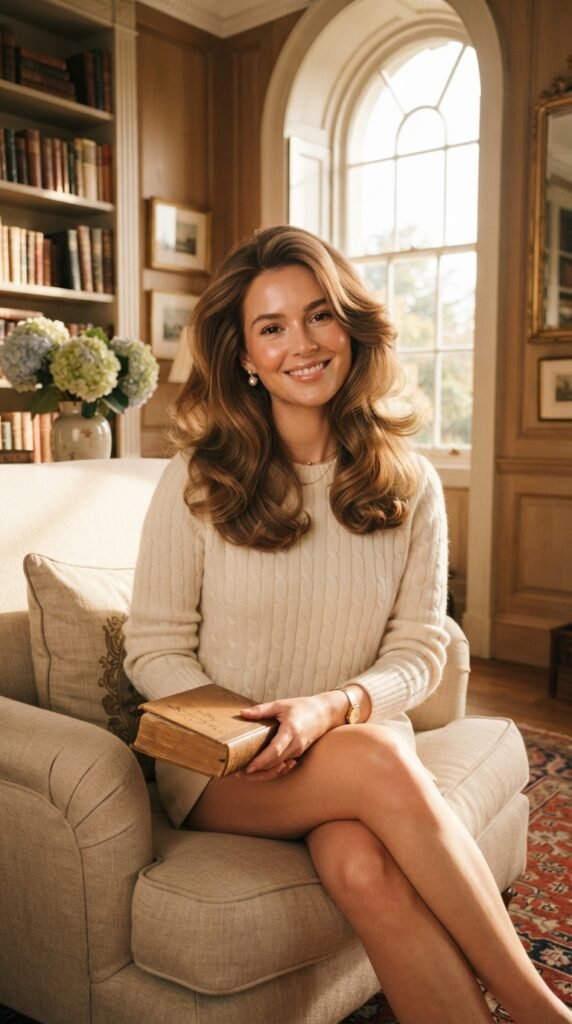
Old money hair is not about a specific cut. It is about a soft layered shape blown out with volume and shine.
For fine hair, the magic is in the base. Ask for layers that support a round brush blowout around the crown and mid-lengths.
- Cut soft layers starting at the cheekbone
- Keep the perimeter length intact
- Blow dry with a round brush lifted at the roots
- Finish with a light shine serum on the ends only
Simple, polished, and incredibly flattering on finer strands.
Romantic Goth Hairstyles With Soft Layers
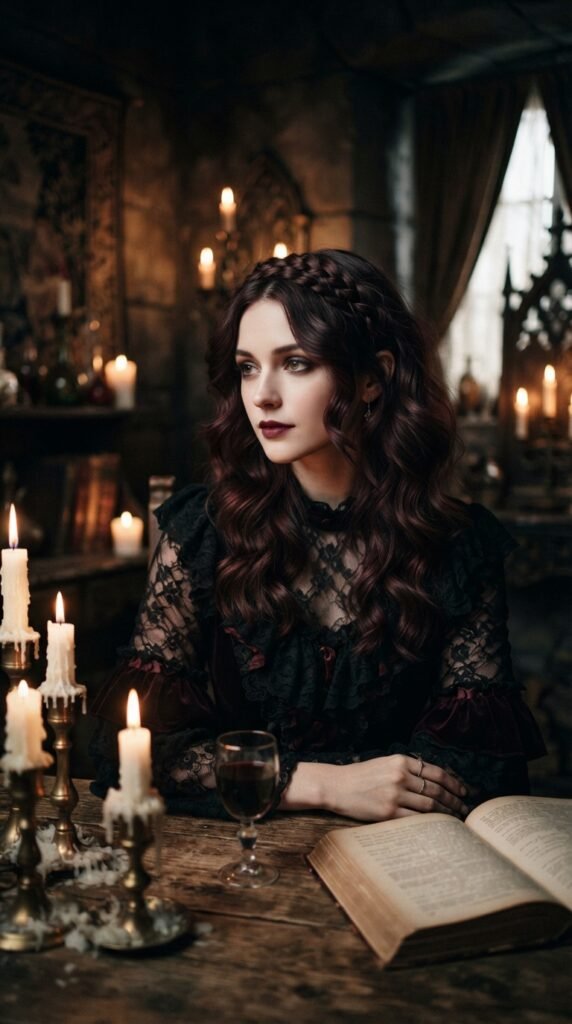
Romantic goth hairstyles lean soft and moody rather than spiky, which makes them a natural fit for fine hair.
Soft layers give you the movement and drape those styles need, especially with loose waves and half-up crowns.
- Soft layers through mid-lengths for flow
- Face-framing pieces for that romantic feel
- Loose waves instead of tight curls
Add a small braid or two and you have a look that is dramatic without needing thick hair.
Glitchy Glam Hair for Fine Hair

Glitchy glam hair is all about contrast: sharp pieces mixed with soft movement, glossy roots with textured ends. On fine hair, it works beautifully if you keep the texture light.
The trick is building the look with styling instead of cutting too much into your hair.
- Keep your base cut soft and layered
- Add definition with a light texture spray
- Pin one small section for an asymmetric feel
You get the edgy look without sacrificing volume.
How to Ask Your Stylist for Soft Layers
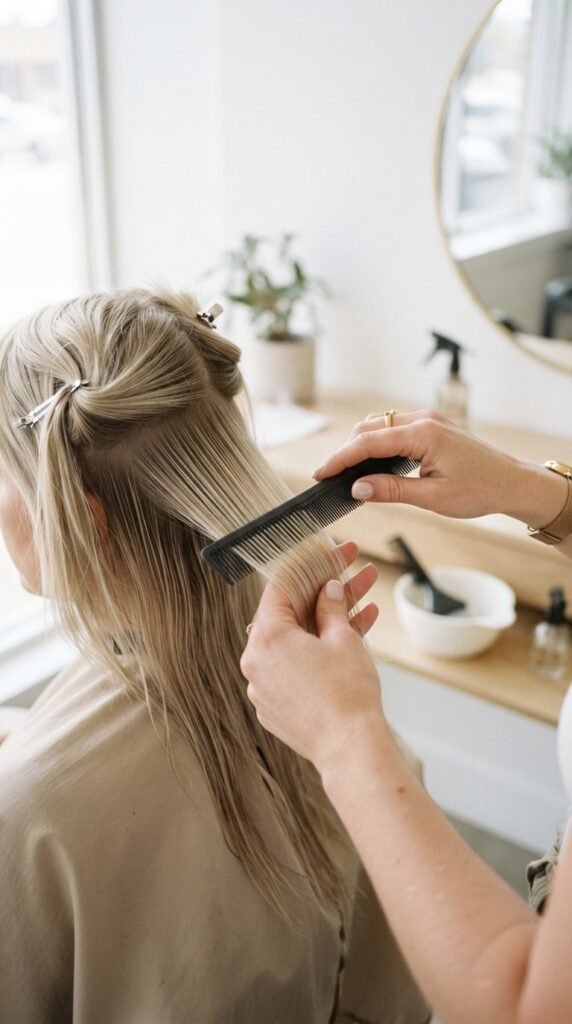
Bring photos. Not one, not two — three. Fine hair behaves differently on every head, so visuals do more than words ever will.
Then use this script:
- “I have fine hair and I want volume, not thinning.”
- “Please keep the ends soft but not see-through.”
- “Face-framing pieces starting around my cheekbone.”
- “Can we texturize the mid-lengths instead of the ends?”
And tell them how you style at home. If you never blow dry, say so. A cut that needs daily round brushing will not work for you.
Finding the Right Length for Your Face Shape

Length matters as much as layers. Too short and fine hair can look flat around the jaw. Too long and the weight pulls everything down.
The sweet spot for most fine hair is between the jaw and collarbone, with soft layers throughout.
- Round face: chin to shoulder length with long face pieces
- Oval face: almost anything, so play with a quiet luxury bob
- Square jaw: collarbone length with soft framing layers
- Heart shape: cheekbone layers plus light curtain bangs
When in doubt, go slightly longer than you think.
Blunt Ends vs. Soft Ends on Fine Hair
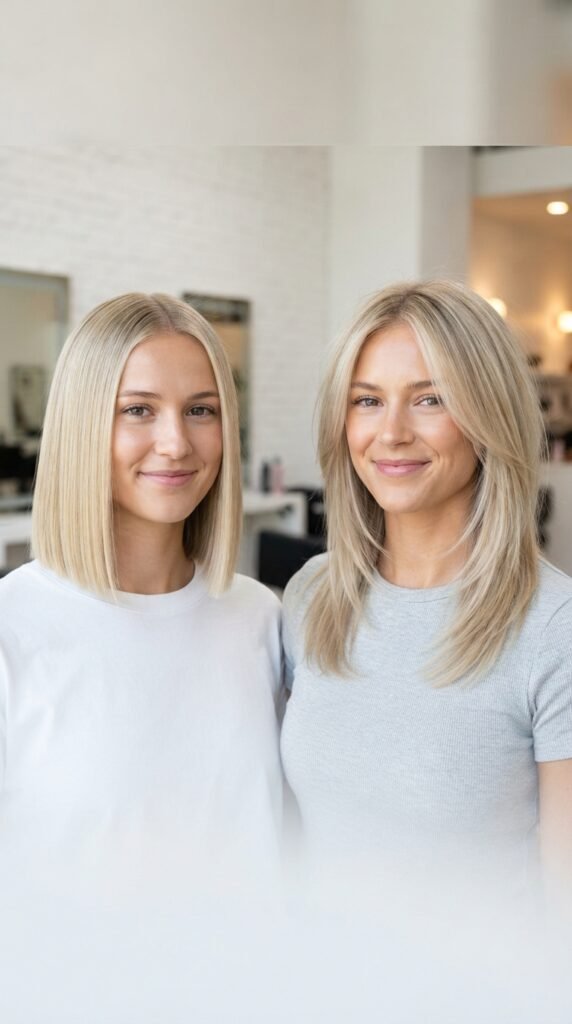
This is the debate I see most in my comments. Here is my honest answer: keep your perimeter a little blunt and soften everything above it.
Blunt ends make fine hair look thicker at the bottom, which is exactly where you want density. Soft layers higher up create the movement and lift.
- Perimeter: mostly blunt, slightly rounded
- Mid-lengths: soft and blended
- Ends: never razored or thinned out
That combination gives you the best of both worlds.
Lightweight Products That Actually Help
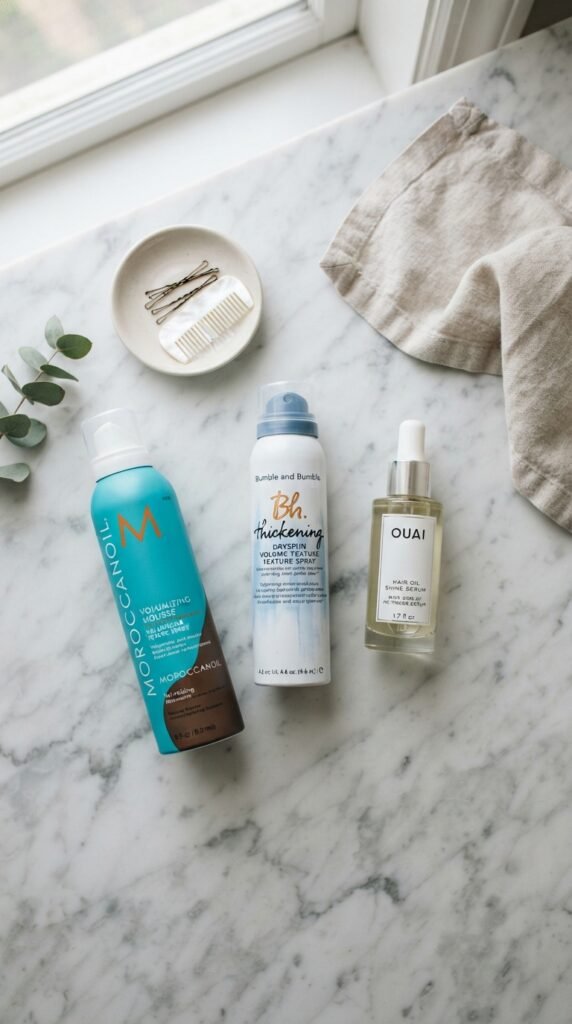
Fine hair does not need fewer products. It needs lighter ones. Heavy creams and oils will flatten you in minutes.
Stick to mousses, root lifts, and dry texture sprays. Save the serum for your ends only.
- Volumizing mousse on damp roots
- Root lift spray before blow drying
- Dry texture spray for grip and second-day volume
- Lightweight shine serum on the last two inches
If a product feels rich between your fingers, it is probably too heavy for your whole head.
Blow Drying Fine Layered Hair the Right Way

Blow drying is where volume is won or lost with fine hair. The good news is it only takes ten focused minutes.
- Start with hair about 70 percent dry
- Flip your head upside down and rough dry the roots
- Section hair and round brush each layer upward
- Blast cool air at the roots to set the lift
That last step is the one everyone skips. Cool air locks in the volume so it actually lasts past lunch.
Round Brush Tricks for Root Lift
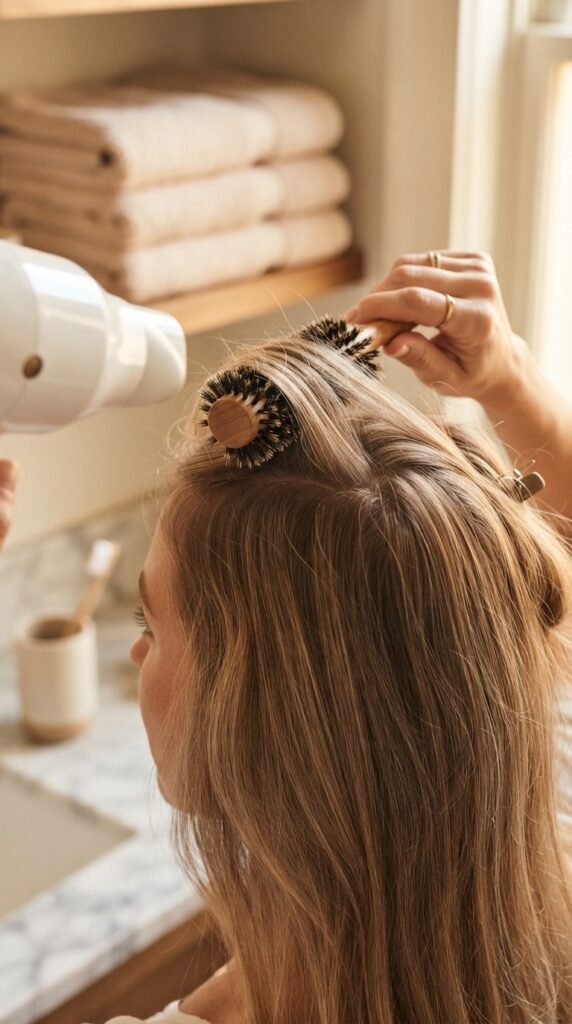
A round brush is the single best tool for fine hair volume. The trick is how you use it, not which one you buy.
Wrap the hair around the brush near the root, then pull upward and slightly back. Hold for a few seconds before releasing.
- Use a brush one size smaller than you think
- Always direct hair away from the scalp
- Set each section with cool air
- Finish with a light mist of texture spray
Do this around your crown and you will see instant lift.
Dry Shampoo and Texture Spray Basics

Dry shampoo is not just for greasy hair. It is a volume tool. The powder adds grip, and grip is what keeps fine hair from slipping flat.
Texture spray does the same job for your mid-lengths and ends.
- Spray dry shampoo at the roots before bed
- Let it sit, then massage with your fingertips
- Use texture spray on dry mid-lengths only
- Never spray texture spray at the roots
Together they give you that second-day fullness without any crunch.
Heatless Overnight Volume Tricks
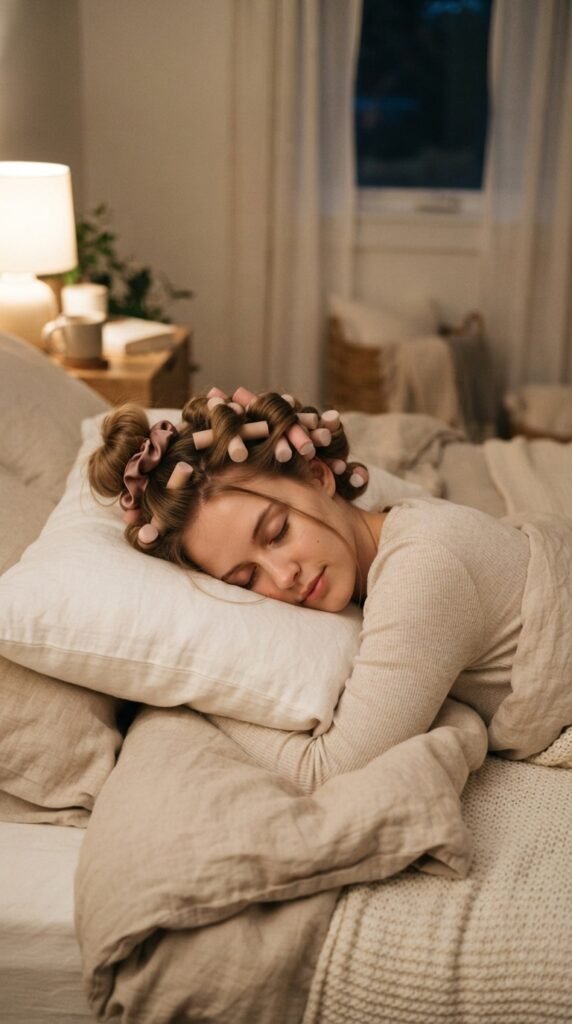
If you would rather not heat style every morning, overnight tricks are your friend. Fine hair sets quickly while you sleep.
Try a loose top knot, soft foam rollers, or a few velcro rollers at the crown.
- Apply a light mousse to damp roots
- Wrap hair in a loose high bun
- Sleep on a silk pillowcase
- Shake out in the morning and finger comb
You wake up with root lift and soft bends, no hot tools required.
How Often to Trim Fine Layered Hair
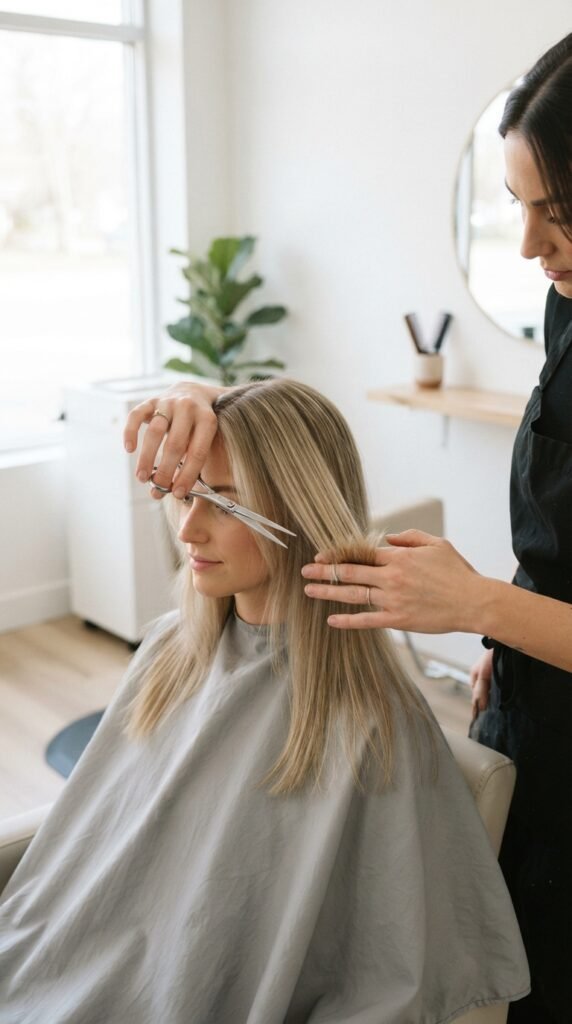
Fine hair shows damage faster than thick hair. Split ends travel up quickly, and once they do, your layers start looking thin and stringy.
Every eight to ten weeks is the sweet spot for most people.
- Every 6 to 8 weeks for shorter cuts
- Every 8 to 10 weeks for longer layers
- Sooner if you color or heat style often
Trim just a quarter inch and your shape will hold for months. Skipping trims is the fastest way to lose volume.
Color Ideas That Make Fine Hair Look Fuller
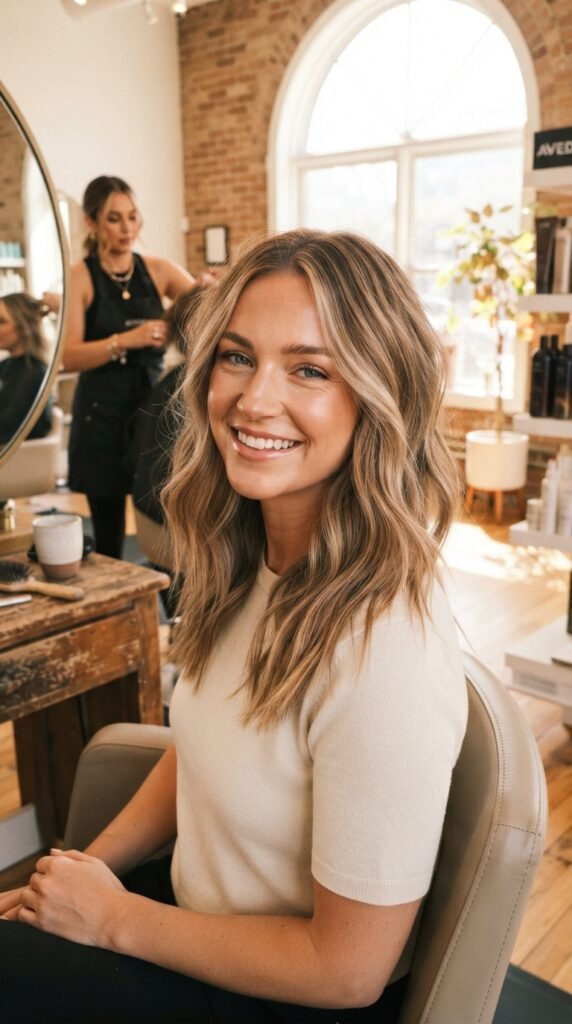
Color can fake thickness better than almost anything else. The goal is dimension, not a single flat shade.
Subtle highlights create contrast, and contrast reads as depth. That depth makes your hair look denser than it is.
- Face-framing highlights for brightness
- Soft balayage through the mid-lengths
- A slightly darker root for depth
- Avoid going more than two shades lighter
Gloss treatments also help. Shine makes fine hair look healthier and fuller instantly.
2026 Hairstyles Worth Trying With Soft Layers
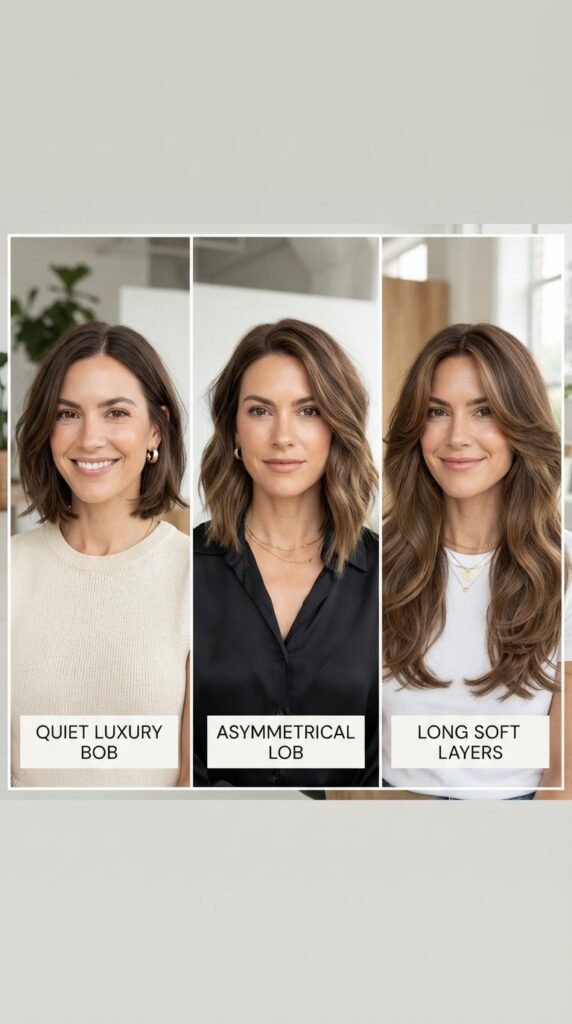
If you want a refresh this year, here are the 2026 hairstyles I think work best on fine hair. All of them pair naturally with soft layers.
- The quiet luxury bob with interior layers
- The asymmetrical lob for instant dimension
- Long soft layers with curtain bangs
- A softened hime cut for something bolder
- Old money hair with a layered blowout
Pick the one that matches how much time you actually want to spend styling. That is the real deciding factor.
Mistakes That Flatten Fine Hair

I have made almost every one of these mistakes, so consider this your shortcut.
- Razor cutting or heavy thinning at the ends
- Using rich creams on the whole head
- Conditioning at the roots
- Blow drying without cool air to set volume
- Touching your hair constantly through the day
Also skip heavy blunt layers that sit like shelves. And never let anyone thin out your ends to “help” fine hair. That is the opposite of help.
The 5-Minute Morning Routine
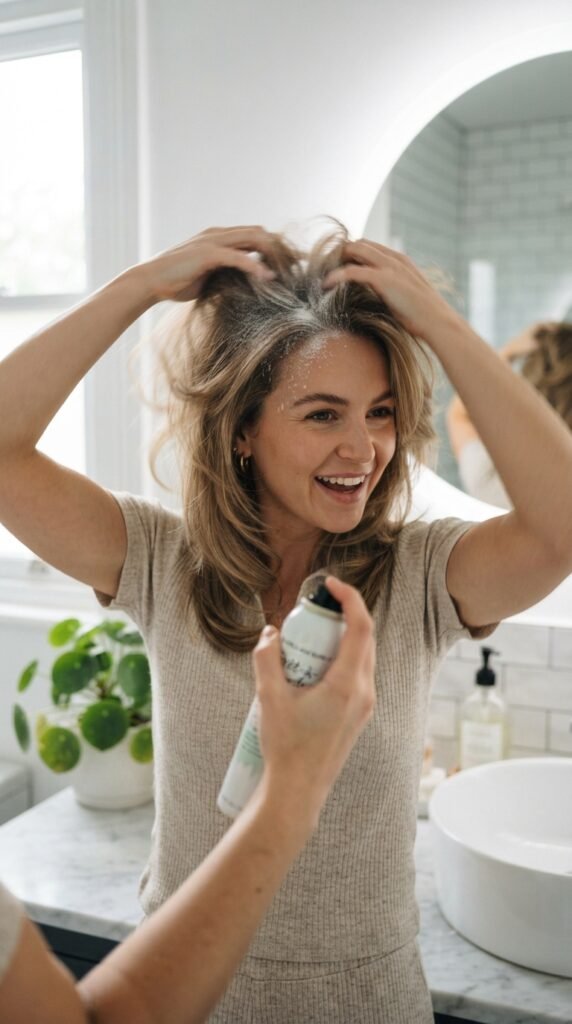
Nobody has time for an hour of styling. Here is the routine I actually do on busy mornings.
- Dry shampoo at the roots, massage in
- Flip hair over and shake it out
- Use a round brush for thirty seconds at the crown
- Mist texture spray on the mid-lengths
- Fix your face-framing pieces with your fingers
Five minutes, no heat damage, and enough volume to make it to dinner.
When Soft Layers Are Not the Answer
I want to be honest with you. Soft layers are not magic for everyone. If your hair is extremely fine and fragile, layers can sometimes make the ends look thinner.
In that case, a subtle one-length cut with soft face-framing pieces is often the better move.
- Very fragile hair: go one length
- Growing out a bad cut: keep layers minimal
- Significant thinning: see a doctor before a stylist
There is no shame in a simple cut. Simple is what looks expensive anyway.
A Little Pep Talk Before You Book
Fine hair is not a problem to fix. It is a texture with its own strengths. It looks elegant, it dries fast, and it holds a sleek finish beautifully.
Soft layers just give it a little help in the volume department. That is all. You are not fighting your hair anymore, you are working with it.
Pick one cut from this list, bring three photos, and trust the process. You will be surprised how different your hair feels in the mirror.
Save this post to Pinterest so you can bring it back to your next salon appointment.
And tell me in the comments: which cut are you trying first? The quiet luxury bob or the asymmetrical lob? I read every single one.