Feathered Haircuts That Move: Soft Layers, Curtain Bangs and Retro Volume for Every Length
Feathered hair is having a moment — again. The soft, flicked-out layers that defined the 1970s are back, but this time they are softer, more blended and far more wearable: less hairspray, more movement, and a cut that works on straight, wavy and curly hair at almost any length. The reason is simple. Feathering does something no other technique does: it makes the ends of your hair move. Instead of hanging in a heavy curtain, feathered hair lifts, flicks and frames your face — and it does it with less styling, not more.
This guide walks through 33 feathered haircuts for women — classic, long, shaggy, bob, pixie, butterfly and wolf cuts, with bangs, balayage and highlights — and eight short guides on the questions women actually ask: what feathering really is, how to choose your length, how texture changes the cut, how to ask your stylist without regret, how to style it three different ways at home, which colours show off the movement, how to grow it out, and how feathering differs from layering and a shag. Each style comes with an honest verdict on styling time, maintenance and who should think twice, so you can choose with confidence.
What Feathered Hair Actually Is — and How It Differs From Layers
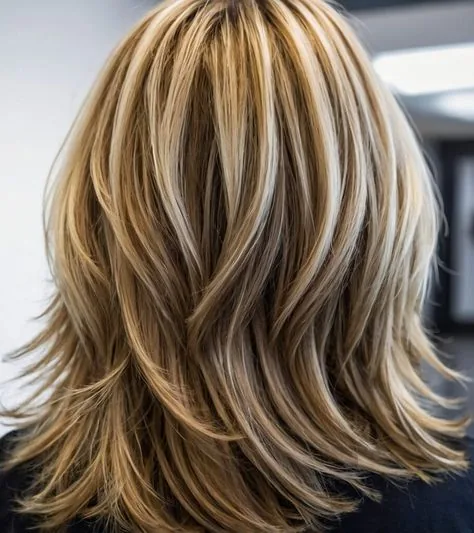
Feathering is a cutting technique, not a haircut shape. Instead of cutting the ends straight across, the stylist thins and tapers them at an angle, so each strand ends in a soft, feather-like point rather than a blunt edge. The result is hair that looks lighter, moves when you do, and blends from one length into the next without a visible step. A feathered haircut can be long, short, or a bob — the feathering is the finish, not the length.
That is also what separates feathering from ordinary layering. Layers are about length: short pieces on top, longer pieces underneath, creating shape and volume. Feathering is about the ends: the tips are thinned and angled so they flick outward or curve inward, like feathers. A cut can have layers without feathering — think of a blunt layered bob — and it can be feathered without obvious layers, like a one-length cut with feathered ends. Most of the styles in this guide combine both, because layered feathering gives the softest, most flattering movement.
Choosing Your Feathered Length: Short, Medium or Long?
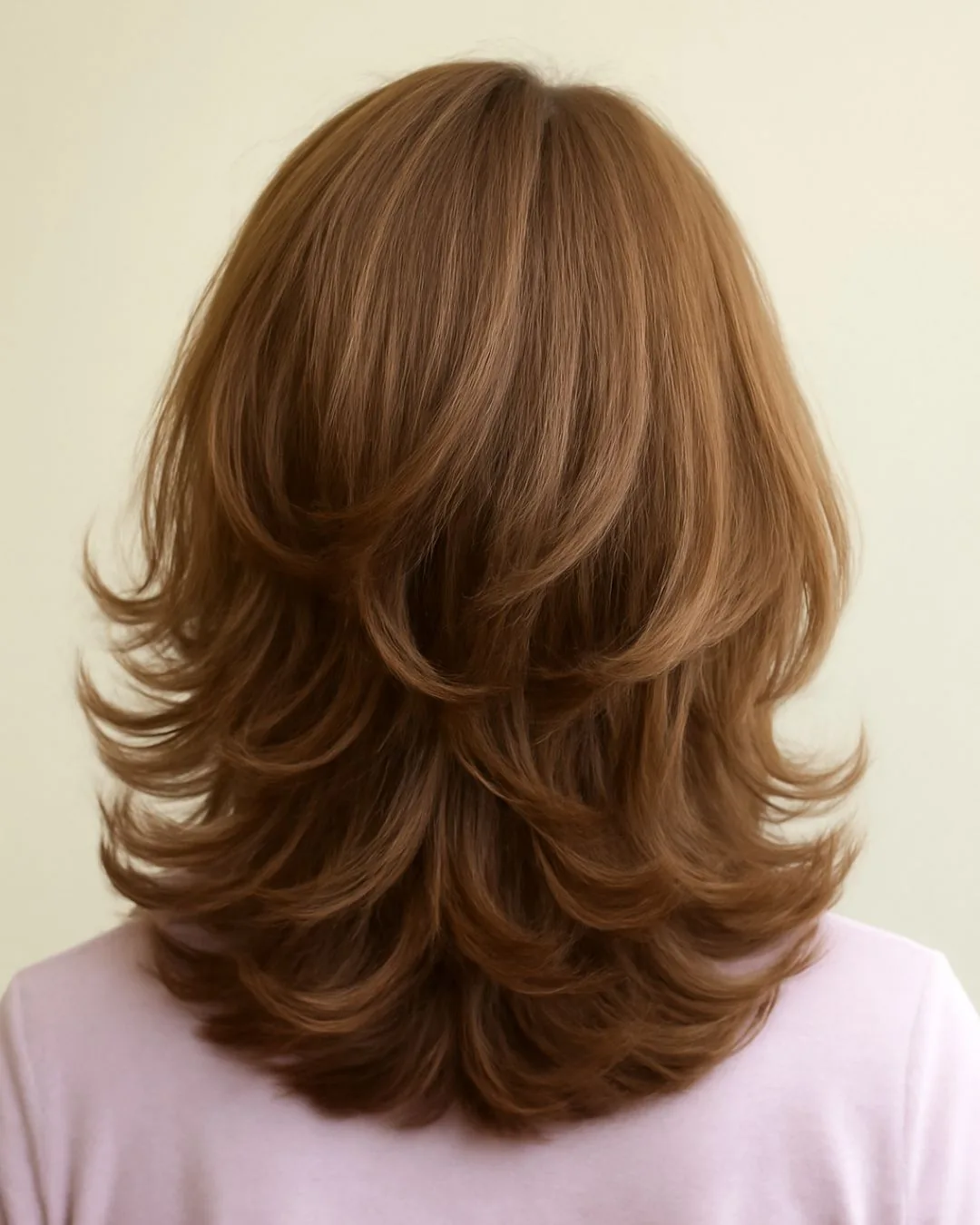
Length decides how feathering behaves. Short feathered hair — chin-length or a pixie — shows the feathering most clearly, because every flicked end is visible and the cut reads as light and airy. Medium feathered hair, around the shoulders, is the most versatile length: the feathered ends frame the face, the hair still ties back, and the style works with a centre part, a side part or curtain bangs. Long feathered hair is the softest version — the feathering stops the length from looking heavy and gives the ends movement, but the effect is subtler because the weight of the hair pulls the feathering down.
Who should pick which length? If your hair is fine, medium feathered hair usually looks fullest, because short feathering can look thin and long feathering can drag. If your hair is thick, any length works, but long feathered hair is the easiest way to remove weight without losing length. If you are trying feathering for the first time, ask for the longer version — a stylist can always feather it shorter at the same appointment, but they cannot put length back .
Feathered Hair for Straight, Wavy and Curly Hair: How Texture Changes the Cut
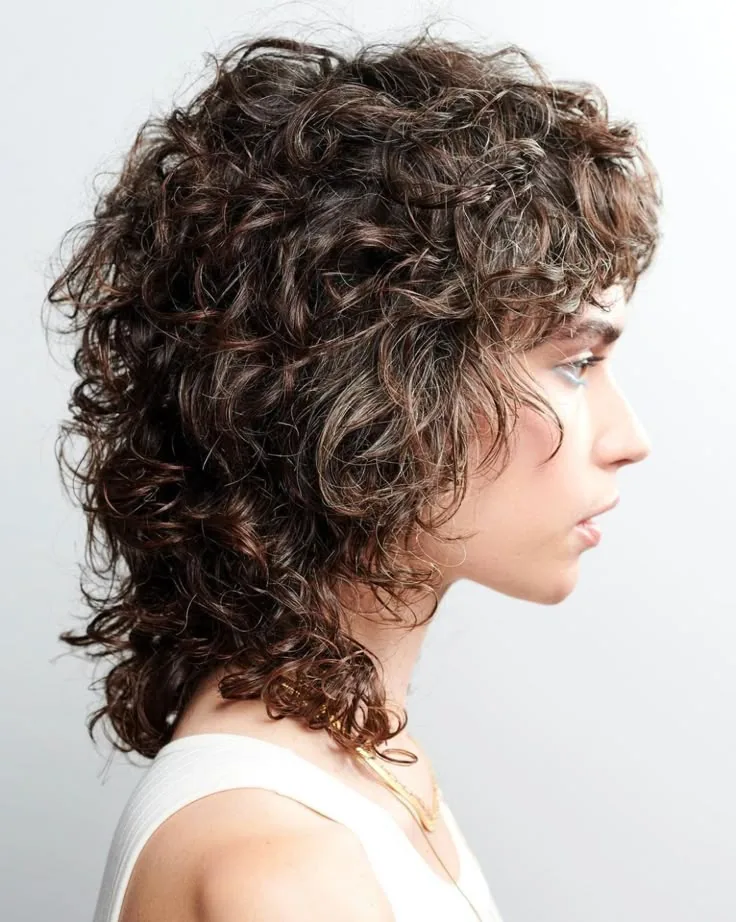
Texture changes a feathered cut more than length does. On straight hair, feathering is crisp and visible — the ends flick out in clean, deliberate points, and the whole cut reads as polished and retro. On wavy hair, feathering is at its easiest: the waves and the feathered ends work together, so the hair looks soft and lived-in with almost no styling. On curly hair, feathering is a shaping tool — it removes bulk from the ends, stops the hair from forming a triangle, and lets the curls fall in a rounded shape instead of a block.
The common mistake is showing your stylist a photo of feathered straight hair when your hair is curly, or vice versa. Bring photos of women with your texture, and ask how the feathering will be cut — on curly hair, it should be shaped dry or with the curls stretched, because wet-cut feathered ends spring up shorter than planned. Straight hair needs the most styling to show the feathering; wavy hair needs the least; curly hair needs a good curl cream and a stylist who understands how curls sit when they are feathered.
How to Ask Your Stylist for a Feathered Haircut
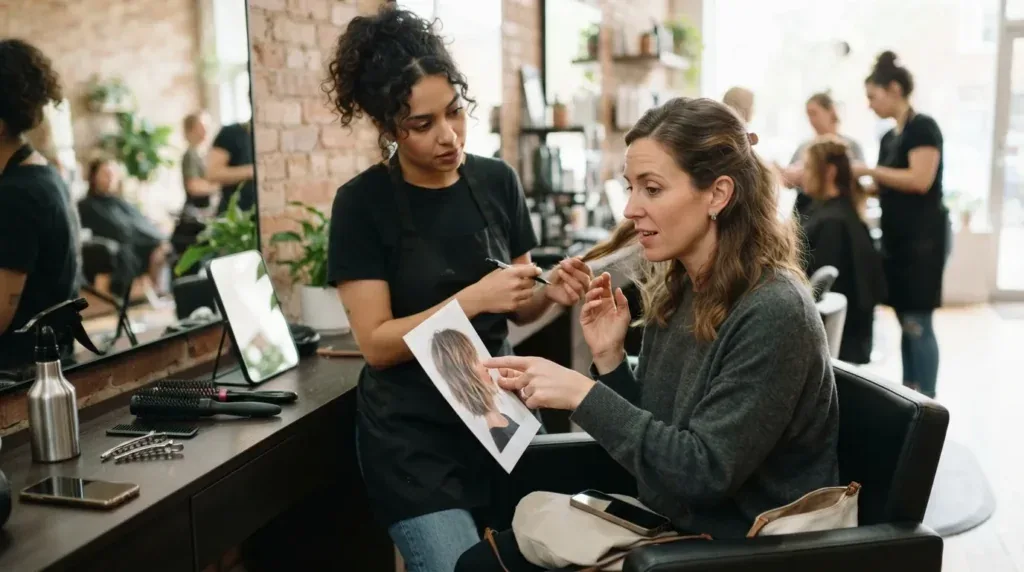
The words that cause feathered-hair regret are vague ones. Saying just “feather my hair” leaves the length, the amount of feathering and the face-framing entirely open — one stylist’s soft feathering is another’s choppy 70s shag. Go in with two or three photos of women with hair like yours, and point at the exact things you like: where the feathered layers should start, whether the ends should flick out or curve under, and how much face-framing you want. Then say what you do not want — “not shorter than my shoulders” is as useful as any photo.
Ask three questions before the scissors come out: where will the shortest feathered layer fall, how will the ends behave when my hair dries naturally, and how often will I need a trim to keep the feathering? A good stylist will also ask about your morning routine, because a feathered cut that needs ten minutes with a round brush will not suit a five-minute person. If you are nervous, ask for soft feathering first — it can always be made more dramatic at your next visit, and a first feathered cut that is too choppy takes months to grow back.
1. The Classic Feathered Haircut
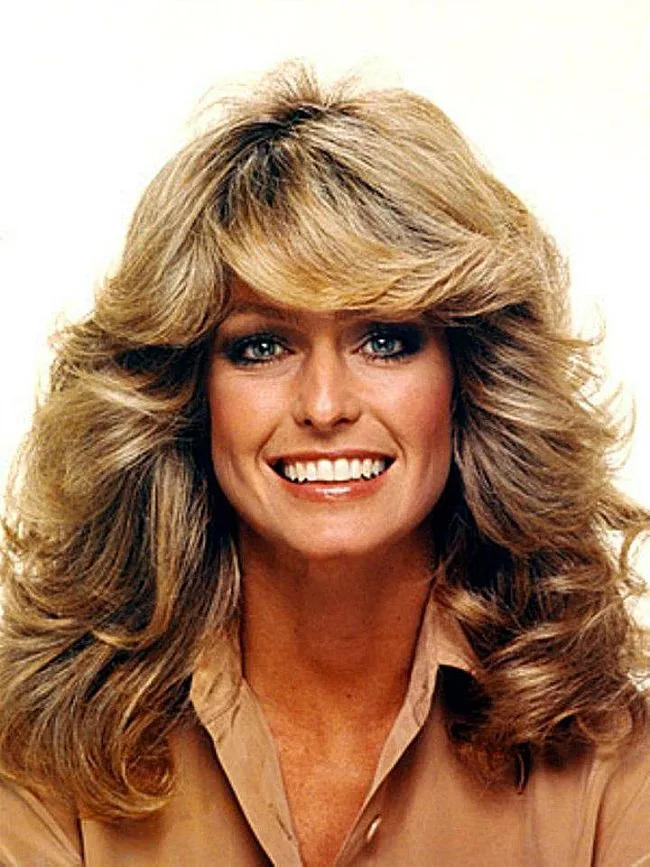
The classic feathered haircut is the one that started it all: soft layers cut so the ends flick outward, framing the face like feathers. The layers usually start around the cheekbones and fall through the lengths, with the ends thinned and angled so they move rather than hang. It works at almost any length, but the classic version is medium to long, with the feathering doing the styling work for you.
Best for: women who want movement without a dramatic chop. How to style: blow-dry with a round brush, flicking the ends outward, or let it air-dry with a little mousse for a softer version. Pros: suits almost every face shape, grows out gracefully, and looks intentional even on second-day hair. Cons: very straight hair needs heat to show the flick, and the feathering can look dated if the layers are cut too short at the crown.
2. Soft Feathered Layers
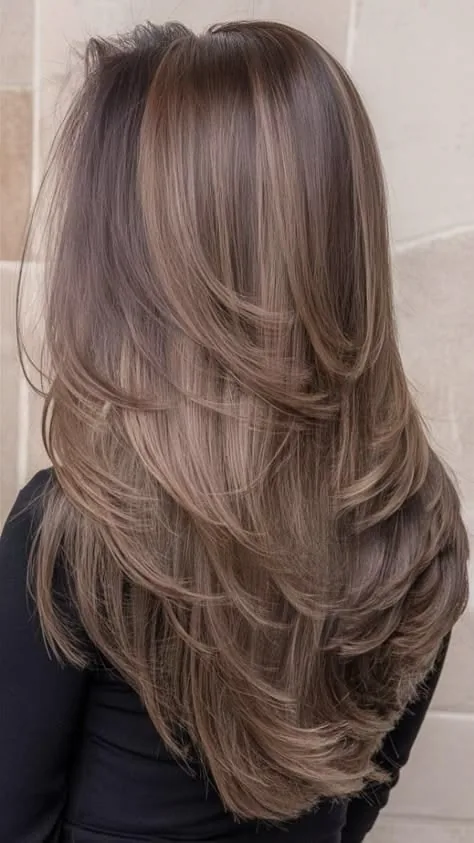
Soft feathered layers are the quiet version of the cut — the feathering is there, but you have to look for it. The ends are thinned just enough to move, the layers are long and blended, and the whole style reads as healthy, flowing hair rather than a statement haircut. It is the best first step into feathering, and the version most women actually keep for years.
Styling time: about three minutes — a little leave-in conditioner on damp hair, then air-dry or a quick blow-dry. Maintenance is light: trims every eight to ten weeks, because the soft feathering hides growth. The trade-off is honesty: this one is deliberately understated, so if you want people to notice your haircut, pick a more dramatic feathered style instead. Who should avoid it: nobody — but women who want a bold change may find it too close to their current cut.
3. The Feathered Bob
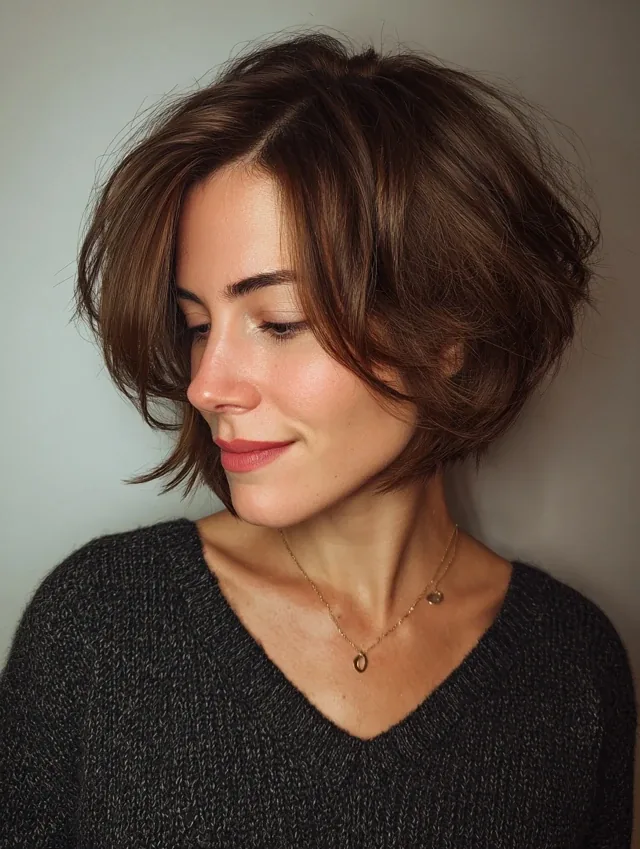
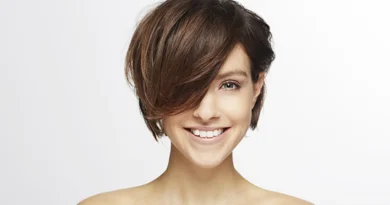
A feathered bob takes the structure of a bob and softens every edge with feathering. The ends flick out instead of sitting blunt, the layers around the face move when you turn your head, and the whole cut feels lighter than a regular bob. It usually ends between the chin and the shoulders, and it suits women who find a blunt bob too severe but still want short hair.
Quick verdict: the friendliest short feathered cut. Styling takes about five minutes — blow-dry with a round brush and flick the ends out, or scrunch texture spray into damp hair for a tousled finish. Pros: light, flattering, and easy to grow out. Cons: the feathered ends need a trim every six weeks to stay flicky, and very fine hair can look thin if the feathering is overdone. Who should avoid it: women who want a razor-sharp bob line — feathering is designed to soften it.
4. Feathered Hair for Long Hair
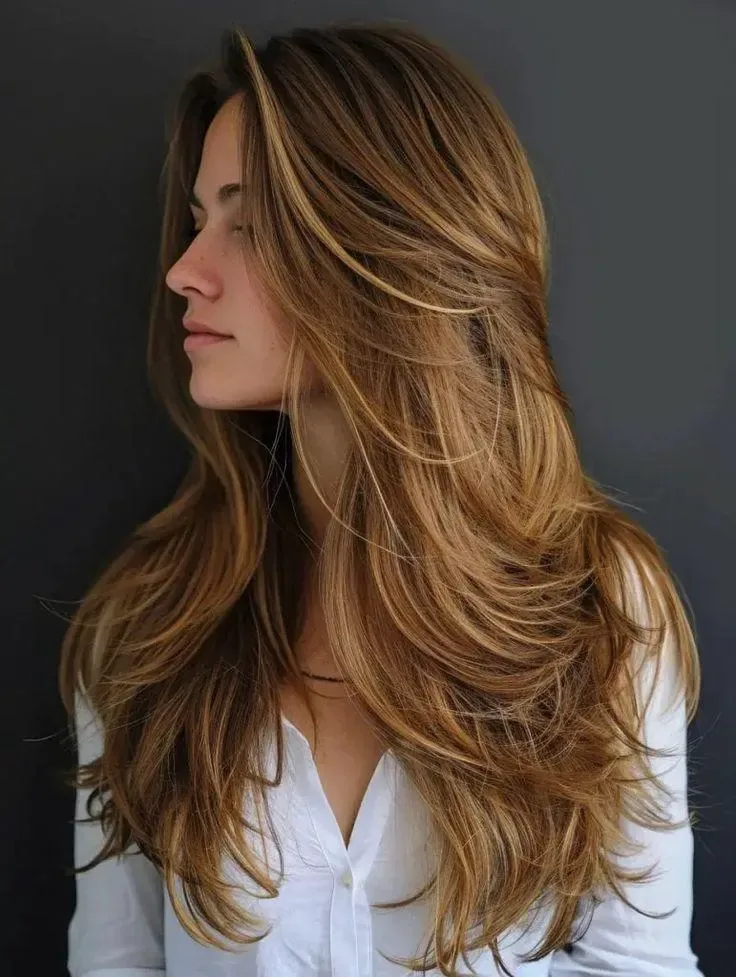
Long hair is where feathering earns its keep. Without it, long hair can hang in a heavy curtain; with feathered layers through the lengths, the ends move, the face is framed, and the hair looks lighter than it is. The layers usually start at the collarbone and feather down through the ends, so the longest hair keeps its length while the feathering gives it life.
Pros: keeps your length, removes weight, and makes long hair look styled rather than just long. Cons: the feathering is subtle at this length, so it needs a good cut to be visible at all, and long feathered hair still takes time to dry. Maintenance: trims every eight to ten weeks, and a weekly deep-conditioning mask, because feathered ends show split ends faster than blunt ones. Who should avoid it: women who want a dramatic change — this is a refinement, not a reinvention.
5. The Feathered Shag
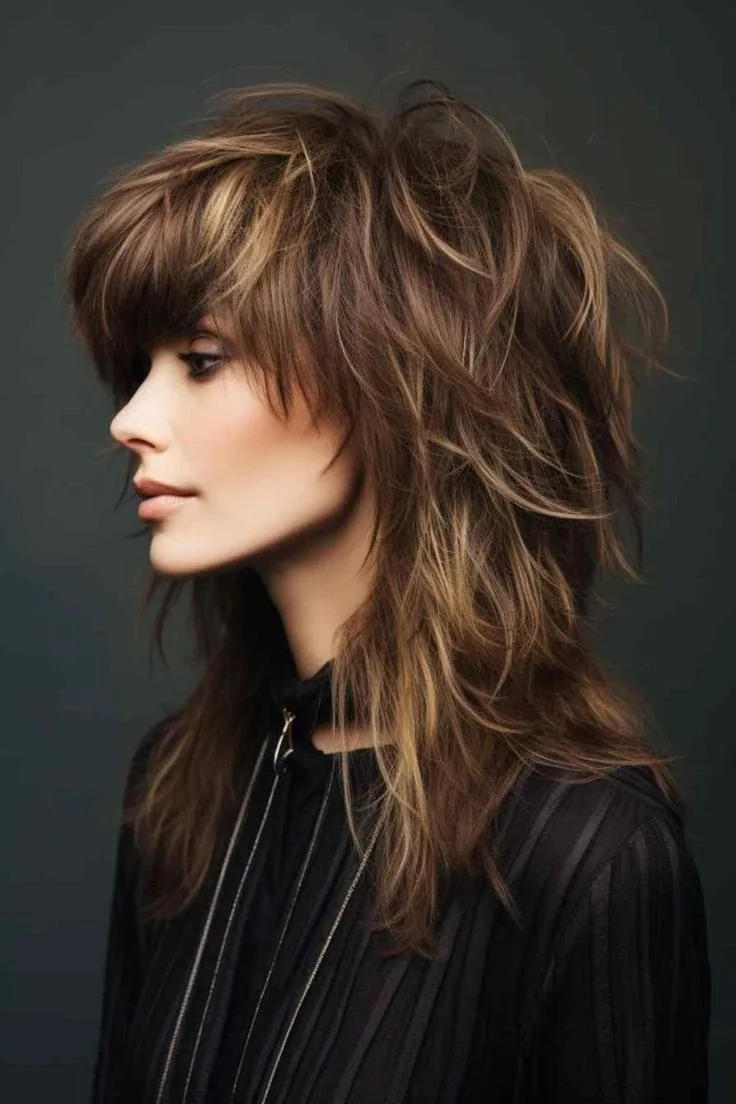
The feathered shag is feathering turned up loud: choppy layers, flicked ends, volume at the crown and a finish that looks deliberately undone. It is the edgy cousin of the classic feathered cut, and it suits wavy and thick hair best, because the texture of the cut and the texture of the hair work together. It is also one of the most forgiving feathered cuts to grow out.
Styling time: two to three minutes — scrunch texturising spray into damp hair and let it air-dry. The common mistake is over-styling it: a shag looks best a little messy, and too much smoothing kills the point. Pros: low effort, hides bad hair days, and suits a casual wardrobe. Cons: it can look untidy in a formal setting, and the choppy ends need regular trims. Who should avoid it: women who want a sleek, office-polished look.
6. The Feathered Pixie
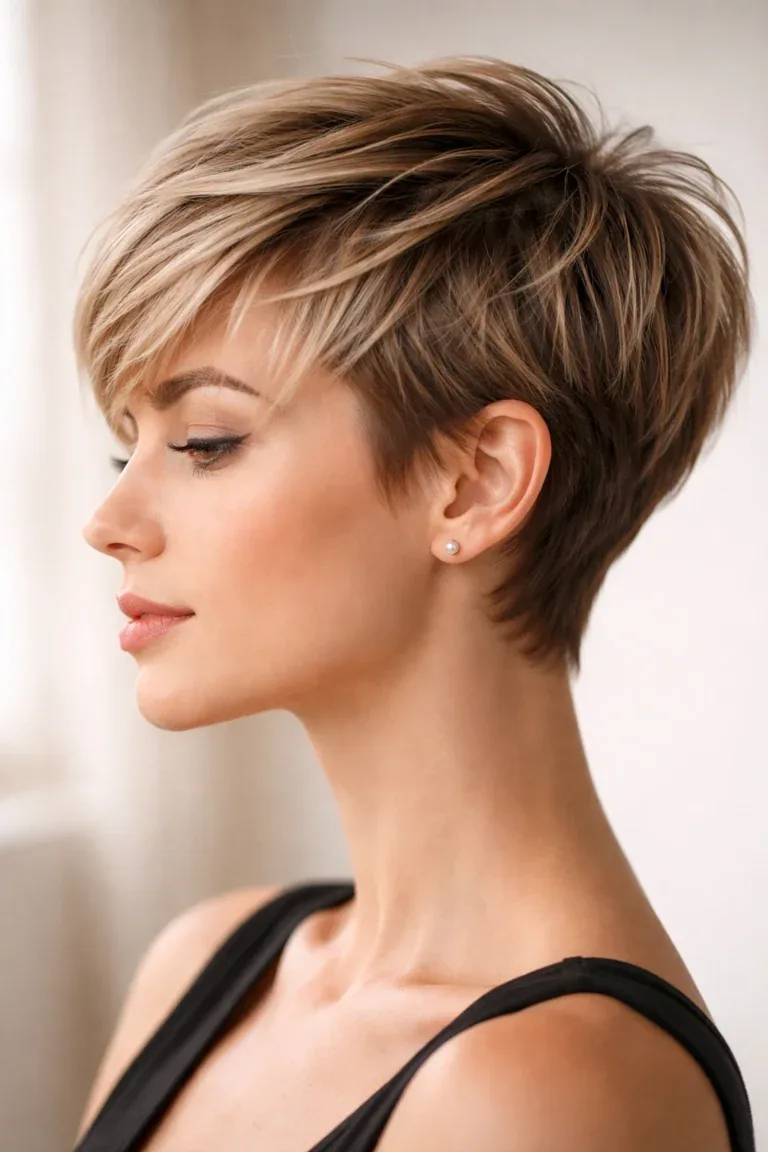
A feathered pixie is a short cut with soft, wispy ends instead of a blunt crop. The feathering gives the pixie movement and softness, so it frames the face instead of exposing it completely, and it is the pixie for women who find a classic pixie too severe. It is also one of the easiest short cuts to style, because the feathered pieces fall where they want to.
Quick verdict: short hair, softened. Styling takes under two minutes — a little wax or texture paste, finger-combed into place. Maintenance: trims every four to five weeks, because the short feathered pieces grow out fast. Pros: dries in minutes, uses almost no product, and feels wonderfully light. Cons: it will not tie back, and the softness can be lost if the cut grows out. Who should avoid it: women who want to hide behind their hair — a pixie, even feathered, leaves little to hide behind.
7. The Feathered Lob
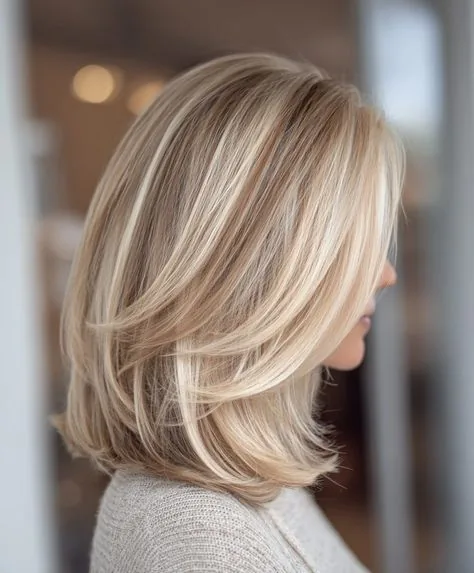
The feathered lob — the long bob — is the most wearable feathered cut on this list. Shoulder-length, with feathered ends and soft face-framing layers, it keeps enough length to tie back while giving you the movement and lightness of feathering. It suits almost every face shape and almost every hair texture, which is why stylists recommend it so often.
How to style: blow-dry with a round brush for a smooth finish, or air-dry with mousse for soft movement. Styling time is about five minutes either way. Pros: the most versatile feathered cut, easy to grow out, and it works on straight, wavy and curly hair. Cons: the feathering is less dramatic at this length, so if you want a statement, go shorter or longer. Who should avoid it: very fine hair, which can look thin at lob length without careful layering.
8. Feathered Hair With Curtain Bangs
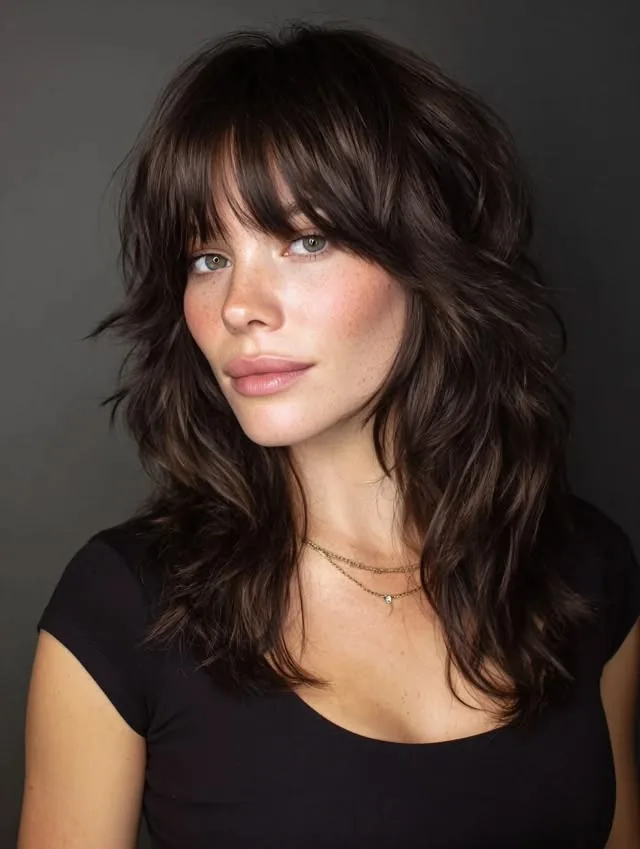
Curtain bangs and feathered hair were made for each other. The parted fringe blends into the feathered face-framing layers, so the front of the cut flows from the forehead down to the shoulders in one soft line. It is the softest way to wear feathering, and it suits almost every face shape, because the parted fringe opens up the face instead of closing it.
Best for: women who want a fringe without the commitment of a blunt one. How to style: blow-dry each side away from the face with a round brush, or wrap each side around a velcro roller while you do your makeup — about five minutes. Pros: softens the whole cut, hides a high forehead, and grows out more gracefully than any other fringe. Cons: it needs a centre part, so it will fight hair with a strong natural side part.
9. Feathered Hair With Side-Swept Bangs
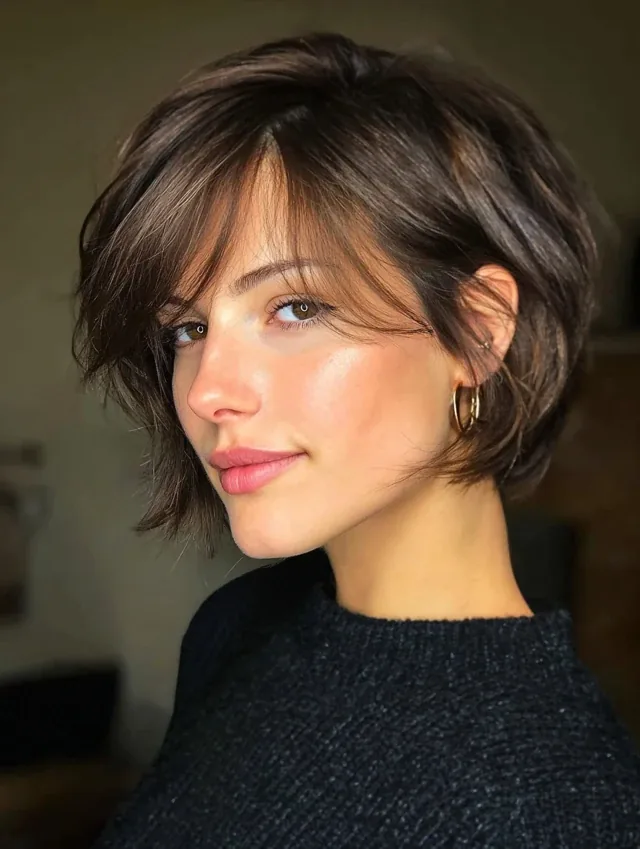
Side-swept bangs add a diagonal line to a feathered cut, sweeping across the forehead and blending into the longer feathered layers. The sweep breaks up the symmetry of the feathering, flatters round and square faces, and gives the cut a polished, grown-up feel. It is the version to choose if a centre part feels too casual but a blunt fringe feels too severe.
Styling time: about five minutes — blow-dry the sweep across with a round brush, or let it fall naturally if your hair cooperates. Maintenance: a fringe trim every four to six weeks. Who should avoid it: women with a strong cowlick at the front, which can fight a side sweep every morning, and very curly hair, where the swept fringe can spring up unpredictably. Common mistake: cutting the bangs too short — ask for them to graze the cheekbone, not the eyebrow, on the first visit.
10. Feathered Hair for Fine Hair
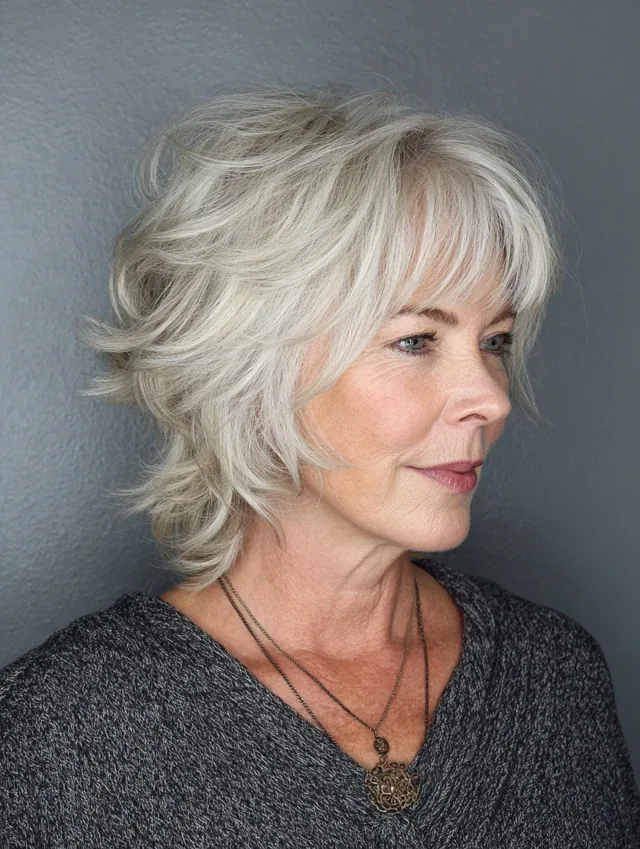
Fine hair and feathering need a careful hand. Done right, feathering gives fine hair movement and the illusion of fullness, because the thinned ends catch the light and the layers create volume at the crown. Done wrong — too much feathering, too many short layers — fine hair can look thinner, because there is simply less hair at the ends.
The rules are simple: keep the feathering soft, keep the layers long and blended, and ask for the shortest layer to fall no higher than the chin. Styling time is about five minutes — a root-lifting mousse at the crown, blow-dried with a round brush. Pros: looks fuller instantly, dries fast, and holds its shape. Cons: it needs regular trims to keep the ends looking full. Who should avoid it: nobody with fine hair — just avoid heavy, choppy feathering.
11. Feathered Hair for Thick Hair
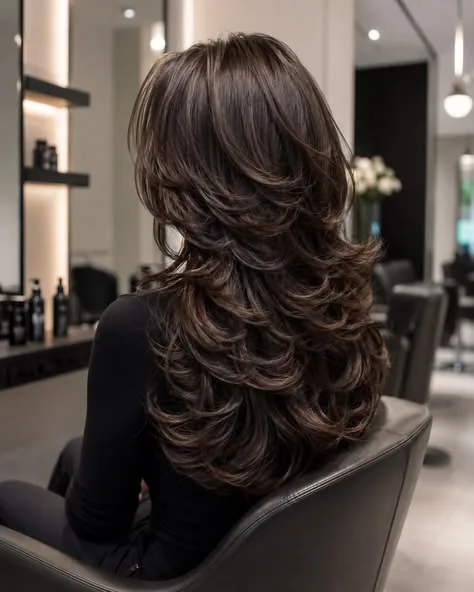
Thick hair is where feathering does its most useful work: it removes weight and bulk from the ends without taking away length. Feathered layers through the lengths let thick hair move instead of sitting in a heavy block, and the thinned ends stop the hair from puffing out at the bottom. The result feels lighter, dries faster, and holds its shape better.
Styling time: five to ten minutes, mostly spent drying the lengths — a leave-in conditioner helps thick feathered hair dry smoothly. Maintenance: trims every six to eight weeks, with the feathering refreshed at each visit. Common mistake: asking for feathering with no thinning on very thick hair — the ends will still puff out. Who should avoid it: nobody with thick hair, as long as the stylist thins as well as feathers.
12. Feathered Hair for Curly Hair
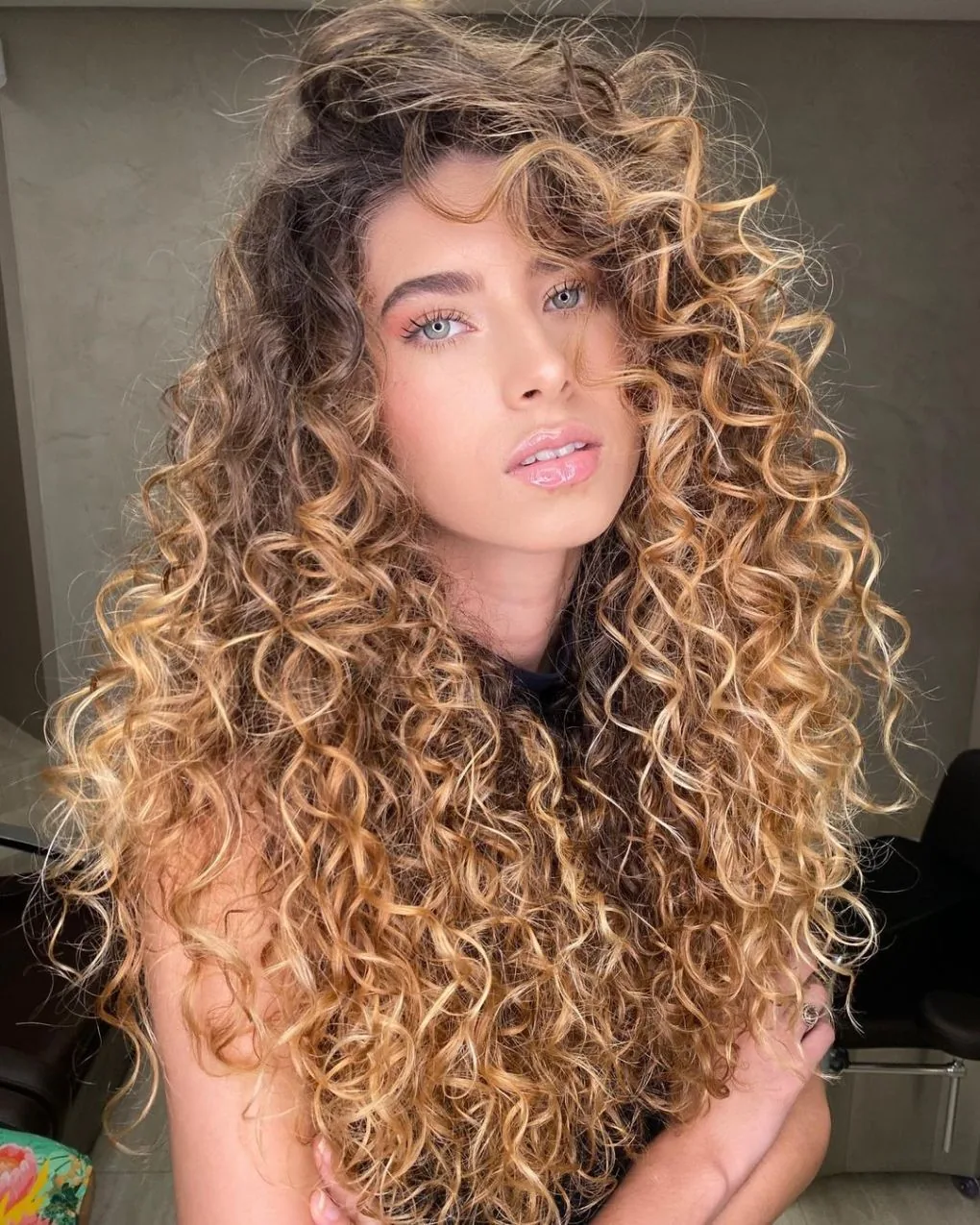
Feathering on curly hair is a shaping tool, not a styling trick. It removes bulk from the ends, stops curls from forming a triangle, and lets each curl fall in its own shape instead of a block. The key is a cut that respects the curl pattern — shaped with the curls dry or stretched, so the feathered ends do not spring up shorter than planned.
Quick verdict: beautiful, but only with the right stylist. Styling takes about ten minutes on wash day — curl cream on soaking-wet hair, then hands off while it dries — and almost nothing on the days after. Maintenance: a trim every eight to ten weeks, and a weekly deep-conditioning mask. Who should avoid it: nobody, as long as the stylist understands curls; a stylist who feathers curly hair wet and straight is the one thing to avoid.
13. Feathered Hair for Wavy Hair
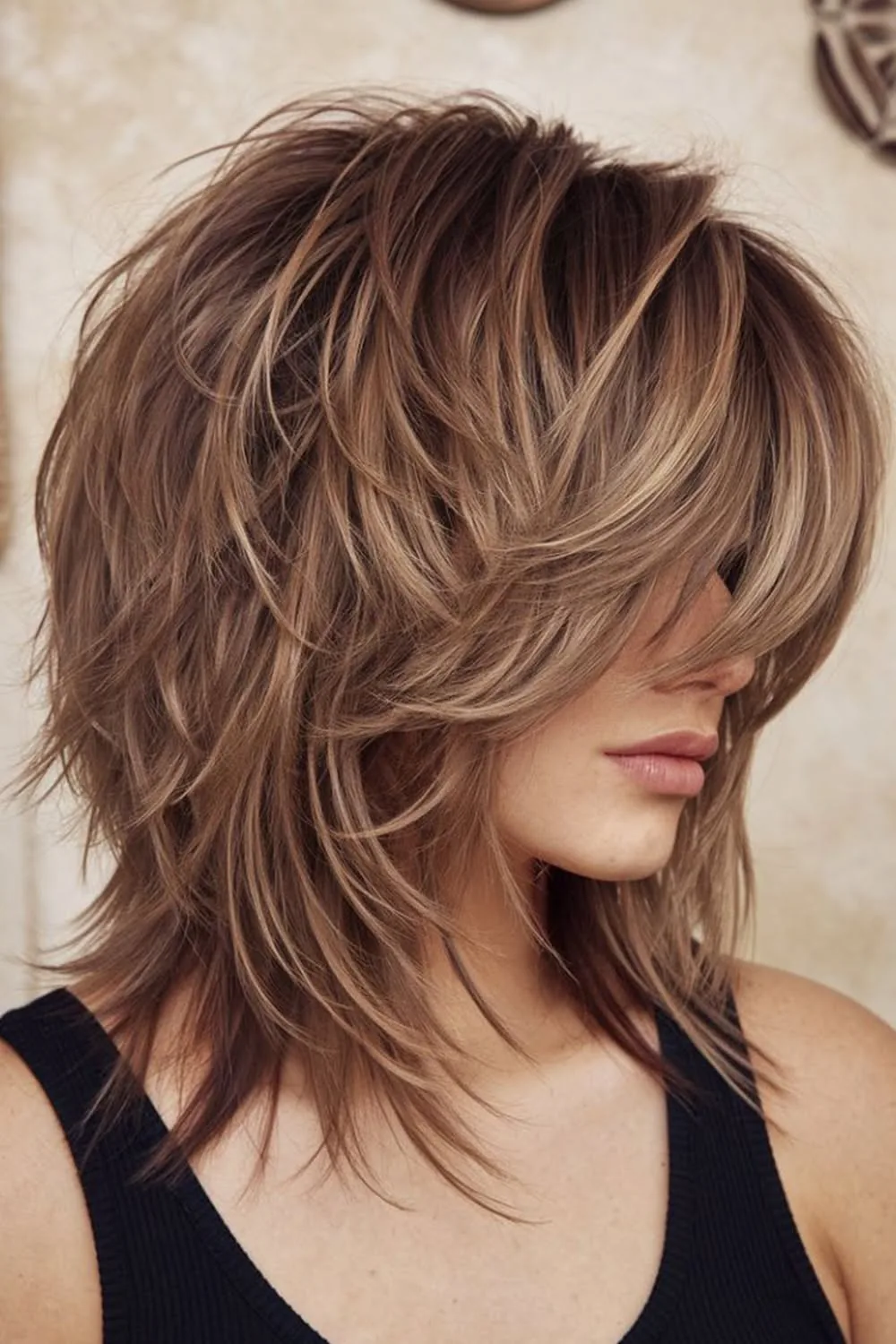
Wavy hair and feathering are the easiest pairing on this list. Natural waves blur the feathered ends, add volume at the crown, and make the cut look lived-in from the moment you leave the salon. It is the version that photographs best on holiday and on second-day hair, because the whole look is built on movement rather than precision.
Styling time: two to three minutes — a little salt spray or texture spray scrunched through damp hair, then air-dry. If your waves need help, twist a few sections around a curling wand and leave the ends out. Maintenance is minimal: trims every seven to eight weeks. Who should avoid it: very straight hair, where the waves have to be created with heat every morning — in that case, a sleek feathered cut will save you time.
14. Feathered Hair for Straight Hair
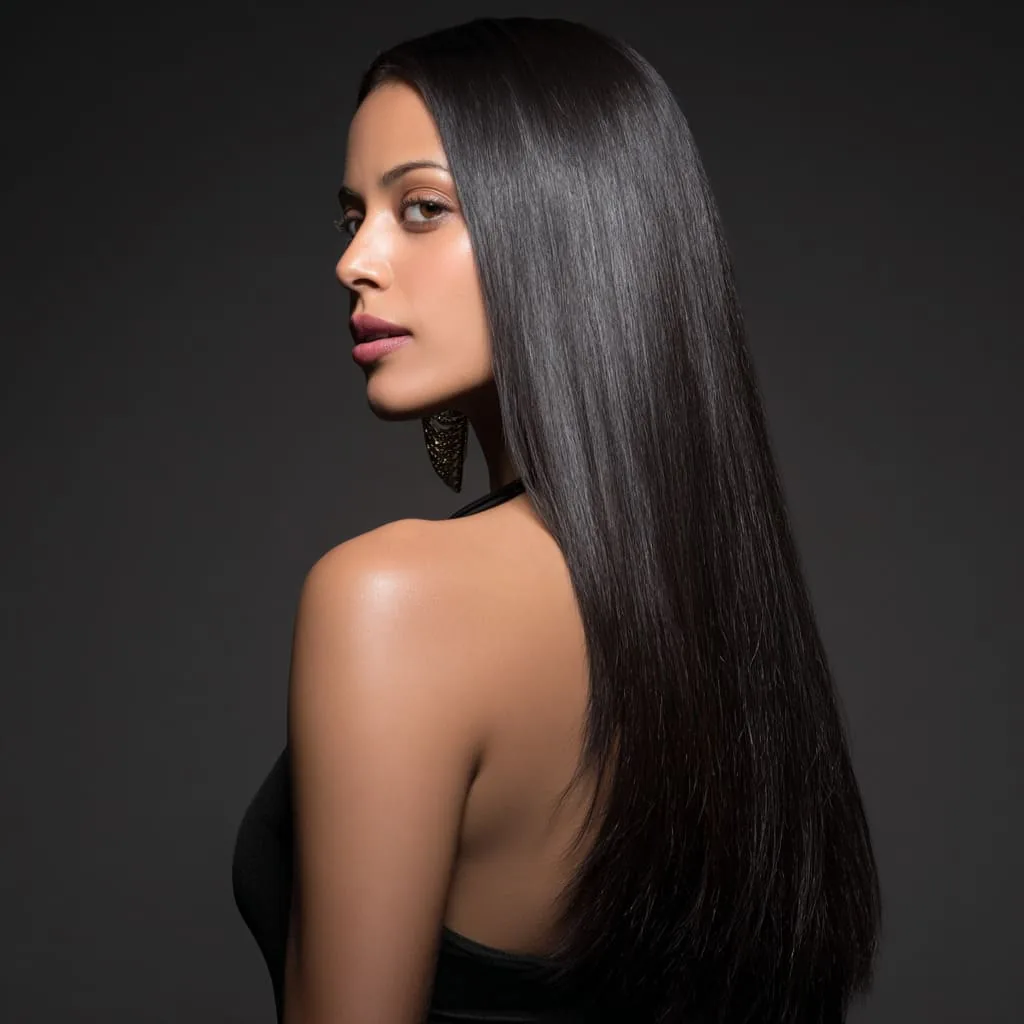
On straight hair, feathering is at its most visible — and its most demanding. The feathered ends flick out in clean, deliberate points, the layers show clearly, and the whole cut reads as polished and intentional. Done well, it looks like a fashion editorial. Done badly, it shows every uneven strand and every kink.
Styling time: five to ten minutes with a round brush or straightener, plus a heat protectant every time. The products it needs are simple: a heat protectant, a smoothing serum, and a light hold spray. Maintenance: trims every five to six weeks to keep the feathered ends crisp. Who should avoid it: women who want a wash-and-go cut, because straight feathered hair needs heat to show its movement.
15. Feathered Hair for a Round Face
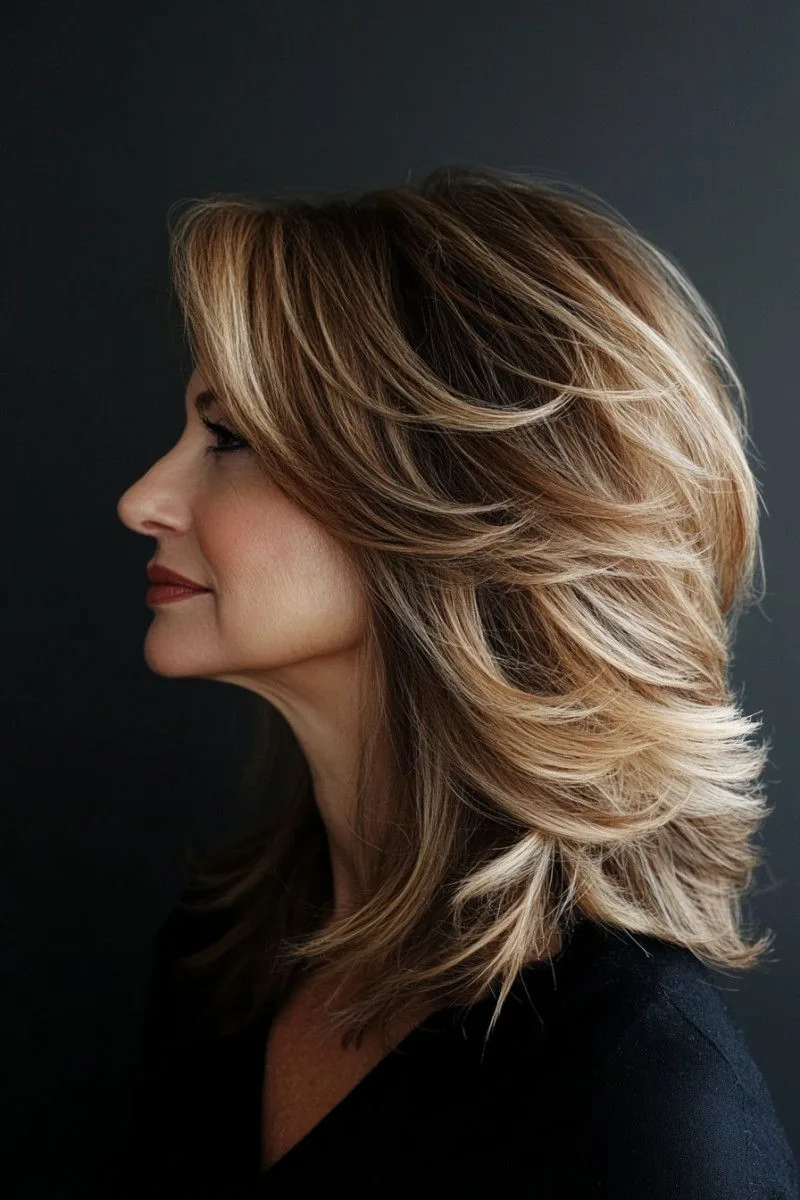
A feathered cut is genuinely flattering on a round face, because the shape does exactly what a round face needs: long, feathered front pieces add length, draw the eye down, and break up width. The trick is to keep the shortest feathered layer at the jaw or below, and to keep the top smooth rather than flat, so the face looks longer rather than wider.
Pros: slims the face, adds length, and works on straight, wavy and curly hair. Cons: a short feathered cut with layers starting at the cheek can make a round face look rounder, so length matters more than feathering here. Styling takes five minutes — a little volume at the roots, and the front pieces swept slightly forward. Who should avoid it: nobody with a round face, as long as the stylist avoids a short, wide fringe.
16. Feathered Hair for an Oval Face
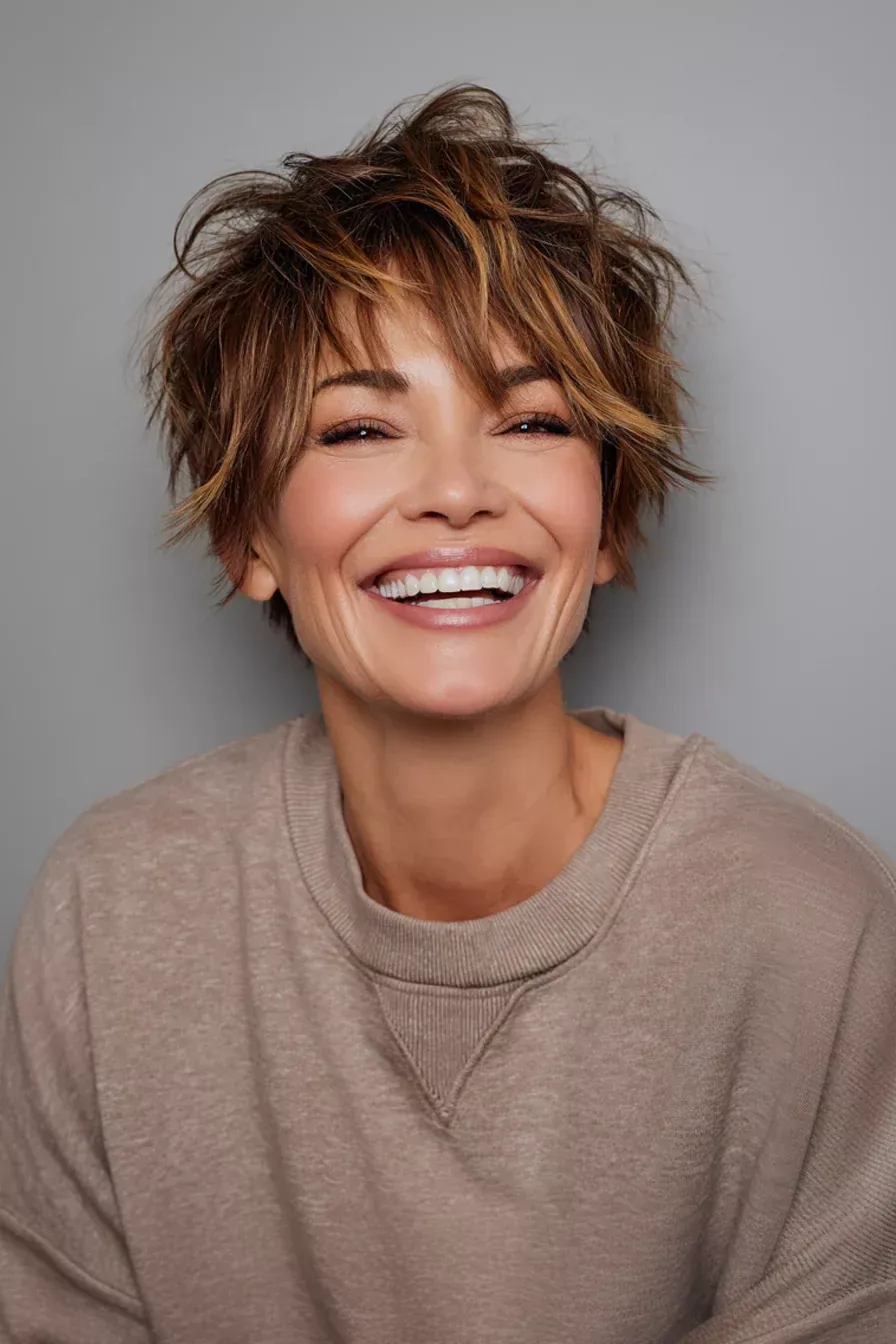
Oval faces can wear almost any feathered cut, which is both a gift and a trap — the freedom makes it easy to pick a version that clashes with your texture instead of your face shape. A medium feathered cut with curtain bangs is the safest choice, because it shows off the balanced proportions of an oval face without hiding them. A retro feathered cut also works beautifully here, because there is no width or length to correct.
Styling time: three to five minutes, depending on the version you choose. Maintenance: trims every six weeks. Who should avoid it: nobody — the question for an oval face is not whether feathering suits you, but which feathered style suits your hair texture and your morning routine. Choose on those, not on face shape.
17. Feathered Hair for a Square Face
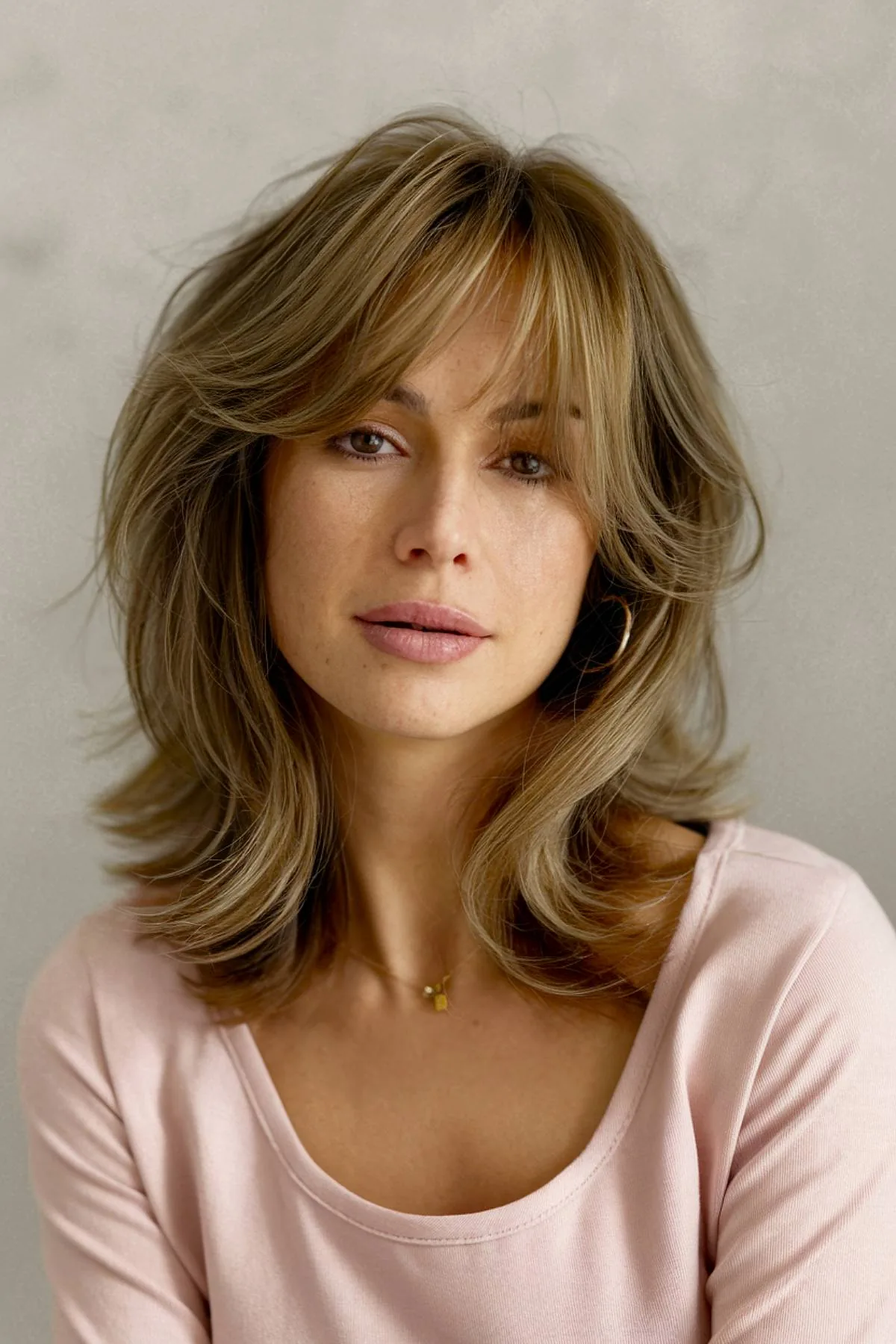
A square face has a strong jawline, and a feathered cut can soften it beautifully — if the front pieces are placed right. Soft, feathered front pieces that fall past the jaw break up the angles, and a side part or curtain bangs add a diagonal line that makes the face look less square. The longer feathered front also helps, because it draws the eye down and away from the jaw.
Styling time: five minutes — sweep the front pieces forward and let them curve slightly inward. Maintenance: trims every six weeks. Pros: softens a strong jaw without hiding it, and the feathering adds elegance. Cons: a blunt, jaw-length front can emphasise the angles it is meant to soften. Who should avoid it: women who want feathered pieces that end exactly at the jaw — ask for pieces that pass the jaw, not end at it.
18. Feathered Hair for a Heart Face
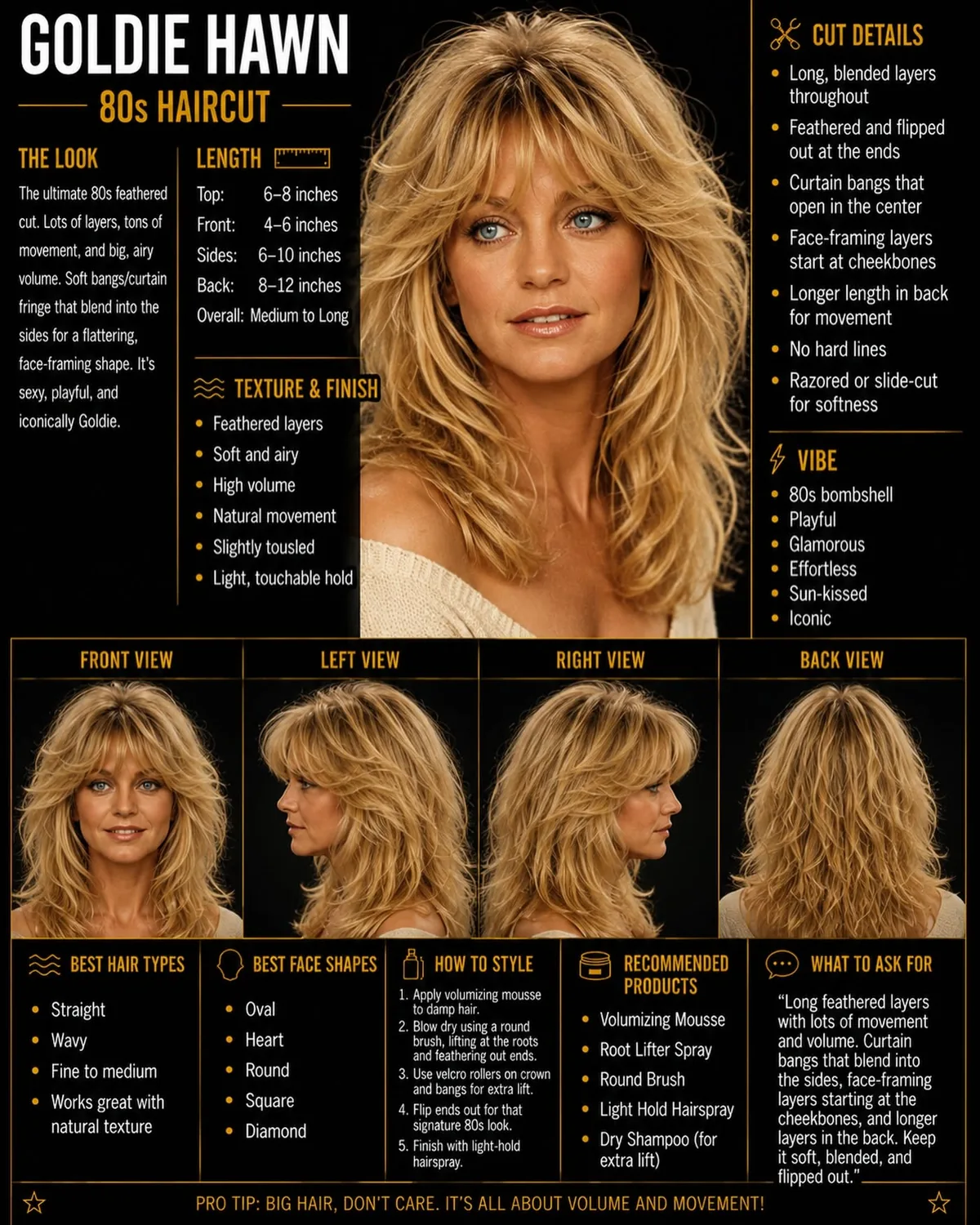
A heart-shaped face — wider at the forehead, narrower at the chin — suits a feathered cut because the feathering balances the face from the bottom up. The feathered ends add width where the chin is narrow, while the shorter layers on top keep the crown from looking heavy. Curtain bangs or a side-swept fringe help even more, because they soften the forehead while the feathered pieces fill in around the jaw.
Quick verdict: an excellent match, especially with a fringe. Styling takes about five minutes, and the cut works on straight, wavy and curly hair. Pros: balances a wide forehead and a narrow chin. Cons: a very short feathered cut can make the chin look even narrower, so keep the length at jaw-length or longer. Who should avoid it: nobody with a heart face — just avoid a micro fringe, which can make the forehead look wider.
19. Feathered Hair for a Long Face
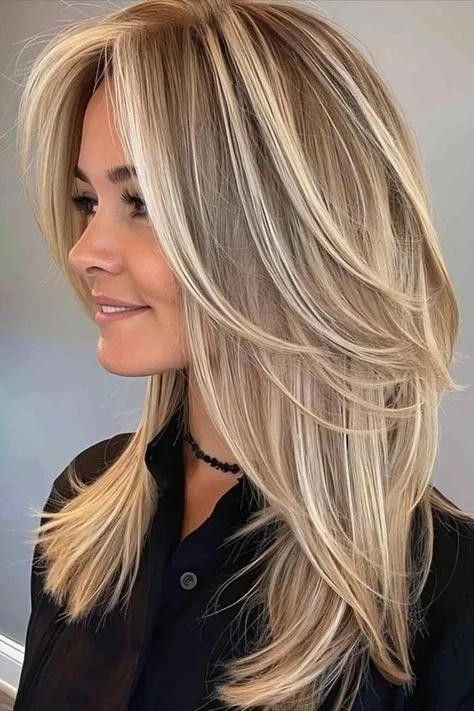
A long face needs width and softness, and a feathered cut can give both — if the length is chosen well. A medium feathered cut with waves or curtain bangs adds width at the sides and breaks up the length of the face, while the feathering keeps the cut from looking boxy. The version to avoid is a very long, very straight feathered cut with no fringe, which can make a long face look longer.
Styling time: five minutes — add a little volume at the sides, and let the front pieces flick outward rather than hanging straight down. Pros: adds width, softens length, and the medium version is easy to grow out. Cons: a chin-length feathered cut can shorten the face too much for some women. Who should avoid it: women who want a sleek, straight, centre-parted cut with no fringe — that combination lengthens rather than balances.
20. The Retro 70s Feathered Haircut
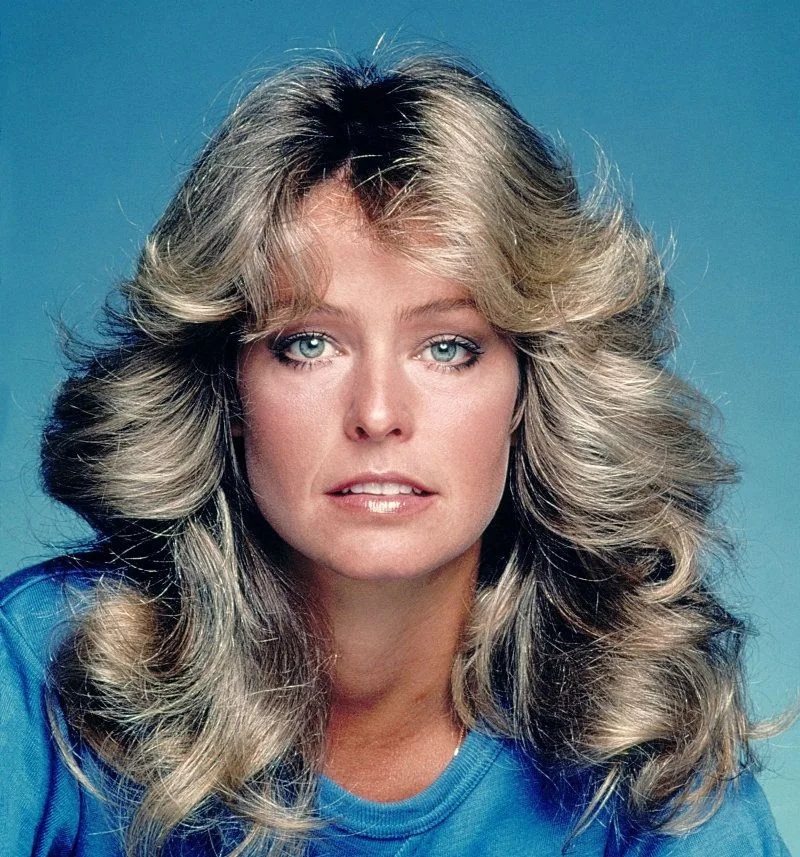
The retro 70s feathered haircut is the original: big, bouncy layers that flip out at the ends, volume at the crown, and a centre part with feathered wings framing the face. It is the Farrah Fawcett look, and it is back — not as a costume, but as a polished, modern version with softer layers and less hairspray than the original.
How to style: blow-dry with a large round brush, flipping the ends out, and finish with a light hold spray — about ten minutes. The cost is time, not money: this is the highest-effort feathered style on the list. Pros: maximum volume, unforgettable shape, and it photographs beautifully. Cons: it needs heat styling most mornings and a fair amount of product. Who should avoid it: women who want a wash-and-go cut — this one is a styling project, and it knows it.
21. The Feathered Wolf Cut
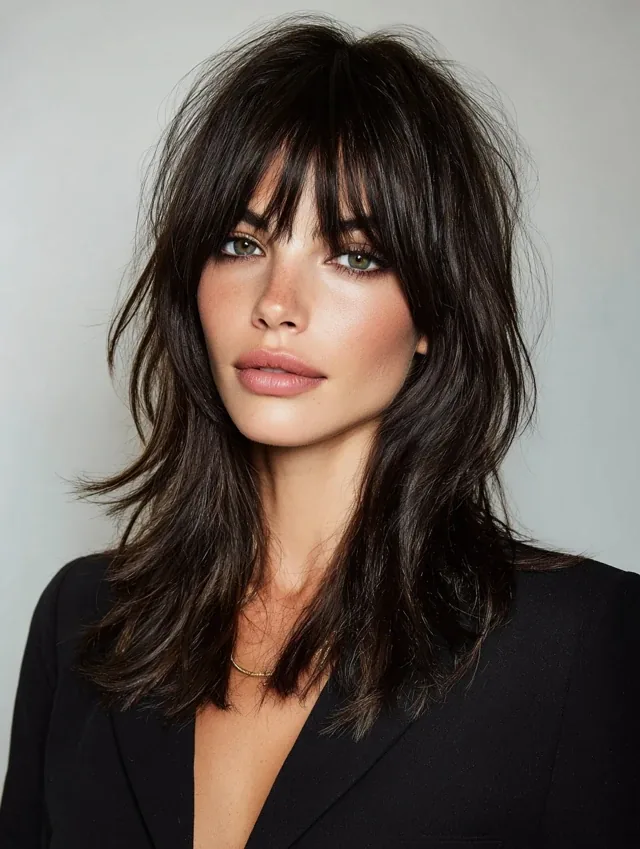
The feathered wolf cut is the modern, wilder version of feathering: short, choppy layers on top, longer feathered lengths underneath, and a shape that is deliberately uneven. It borrows from the shag and the mullet, but the feathering softens it so it reads as edgy rather than extreme. It suits thick and wavy hair best, because the texture carries the shape.
Styling time: two to three minutes — texture spray on damp hair, air-dry, and pull a few pieces loose. Pros: bold, low effort, and it grows out into a shag if you change your mind. Cons: it needs a confident stylist, because an uneven cut that is not deliberate looks like a mistake. Who should avoid it: women who want symmetry, and anyone whose workplace expects a conservative haircut.
22. The Feathered Butterfly Cut
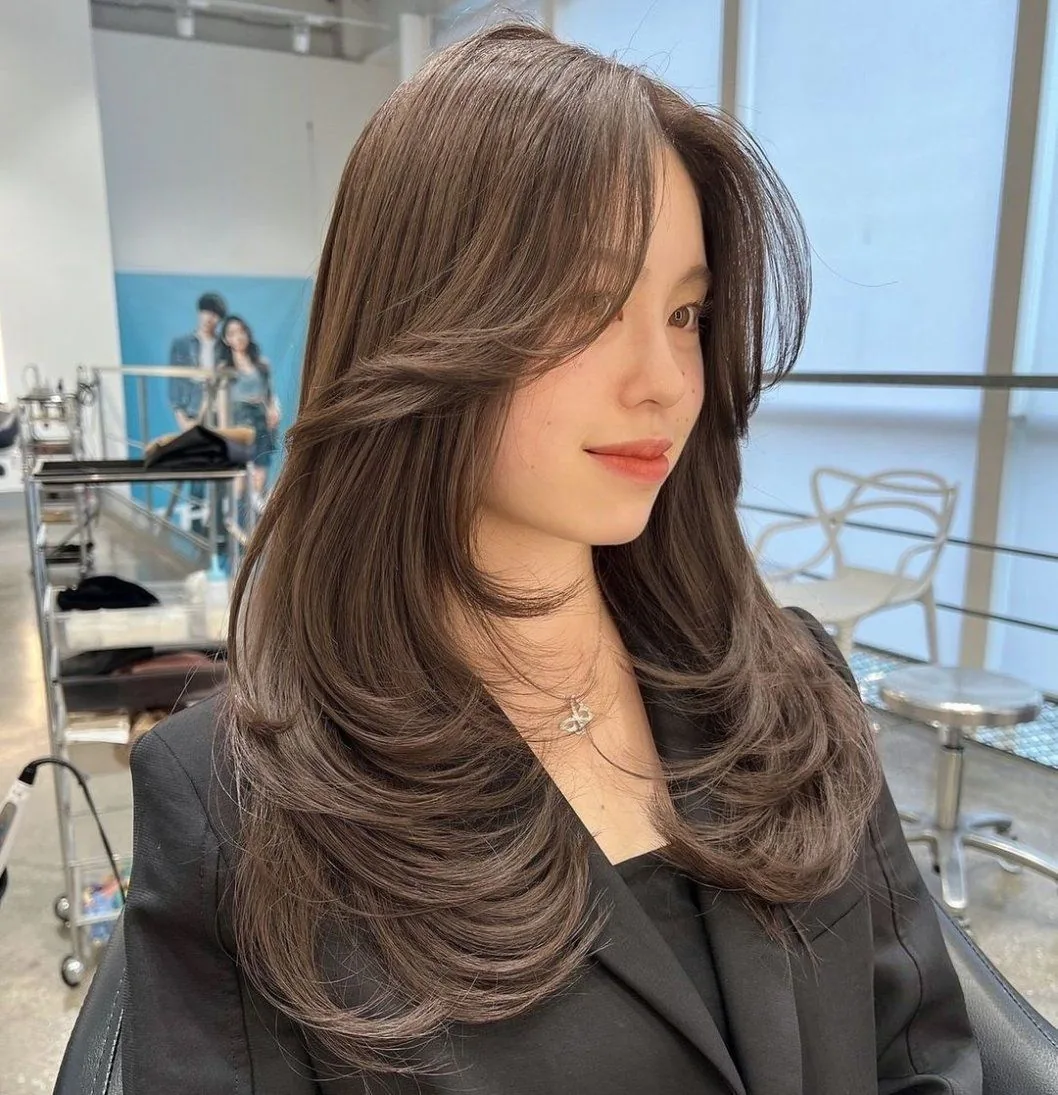
The butterfly cut is long feathering at its most dramatic: short, feathered layers around the face that fall like wings, with long lengths underneath. It gives you the volume and movement of a short cut with the length of long hair — the short layers frame the face, the long layers keep the length, and the feathering blends the two so there is no visible step.
Best for: women with long hair who want a change without losing length. How to style: blow-dry the short layers away from the face with a round brush, and let the long lengths fall — about eight minutes. Pros: the best of both worlds, and it looks expensive with almost no effort. Cons: the short layers need regular trims to keep their shape. Who should avoid it: very fine hair, where the short layers can make the ends look thin.
23. Feathered Hair With Balayage
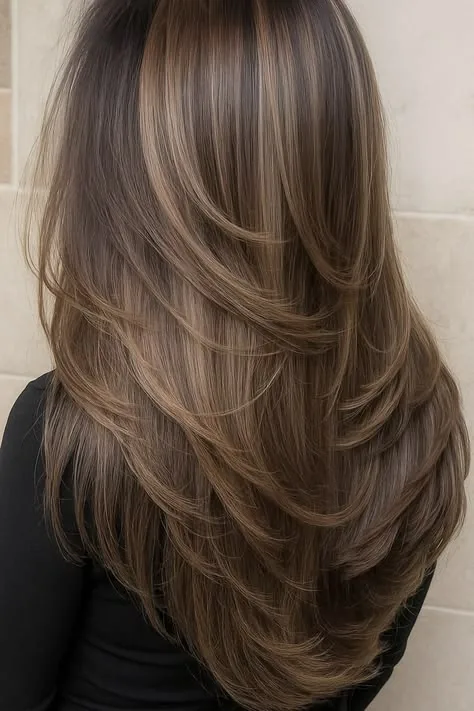
Balayage on feathered hair is a clever combination, because the hand-painted colour follows the feathering: lighter pieces through the ends, softer depth at the roots. The colour makes the movement visible in a way a single colour never does, and the grow-out is gentle, because balayage has no hard line at the roots. It is the colour to choose if you want your feathered cut to look more expensive without a high-maintenance routine.
Styling time: five minutes, the same as any feathered cut, but the colour adds a weekly job: a purple shampoo once a week keeps blonde balayage from turning yellow. Cost and time: a balayage session costs more than a cut, but you can go months between colour appointments. Who should avoid it: women who do not want any colour maintenance at all, because even low-maintenance blonde needs that purple shampoo.
24. Blonde Feathered Hair
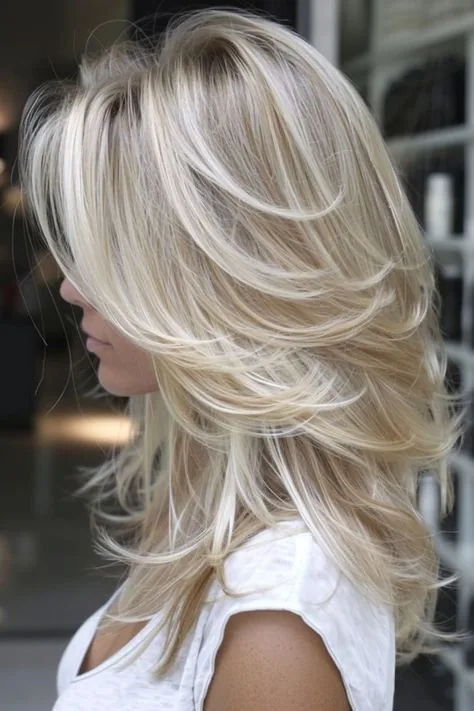
Blonde feathered hair is bright, fresh and made for movement: the light colour shows every flicked end, and the feathered pieces catch the light around the face. It suits fair and medium skin tones best, and it looks particularly good with a little root shadow, which keeps the blonde from looking flat and makes the grow-out far more forgiving.
Quick verdict: striking, but honest about the upkeep. Blonde needs a purple shampoo once a week, a toner every six to eight weeks, and a good conditioner, because lightened hair dries out faster — and feathered ends show dryness first. Pros: brightens the face, shows off the feathering, and suits summer beautifully. Cons: the highest-maintenance colour on this list. Who should avoid it: women who wash their hair every day or who do not want salon upkeep.
25. Brunette Feathered Hair
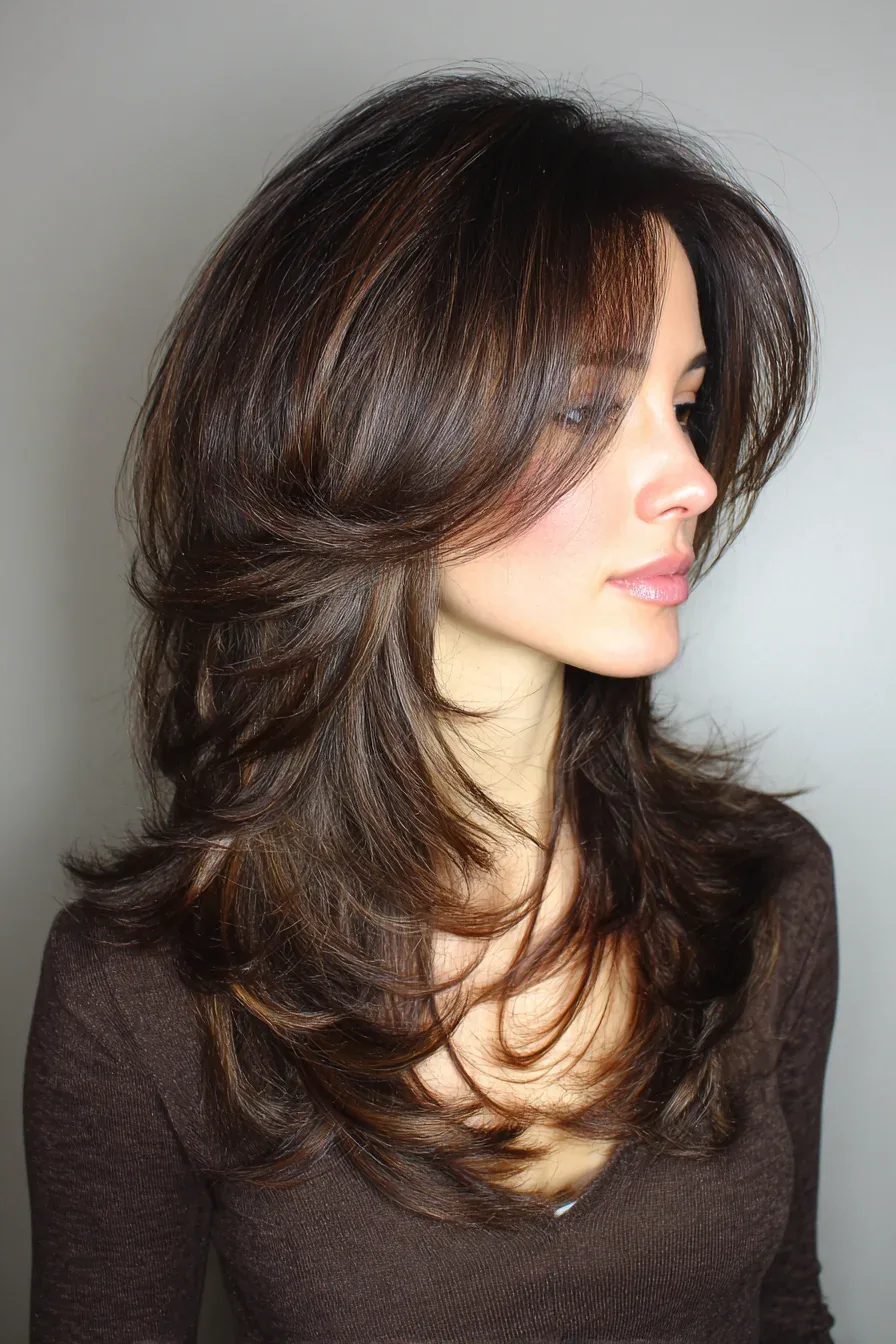
A dark brunette feathered cut with a gloss finish is the lowest-effort way to make the style look expensive. The dark base makes the feathering look rich and glossy, the shine shows off the movement of the ends, and a gloss treatment adds a mirror finish that no styling product can copy. It is also easy to grow out, because a gloss fades gradually rather than leaving a line.
Styling time: five minutes, and the colour needs almost nothing — a gloss every couple of months keeps the brunette shiny, and a colour-safe shampoo stops it fading. Pros: rich, glossy, and flattering on most skin tones. Cons: dark hair shows split ends more easily, so trims matter. Who should avoid it: nobody — this is the colour idea to choose if you want a change without a big commitment or a big bill.
26. Copper Auburn Feathered Hair
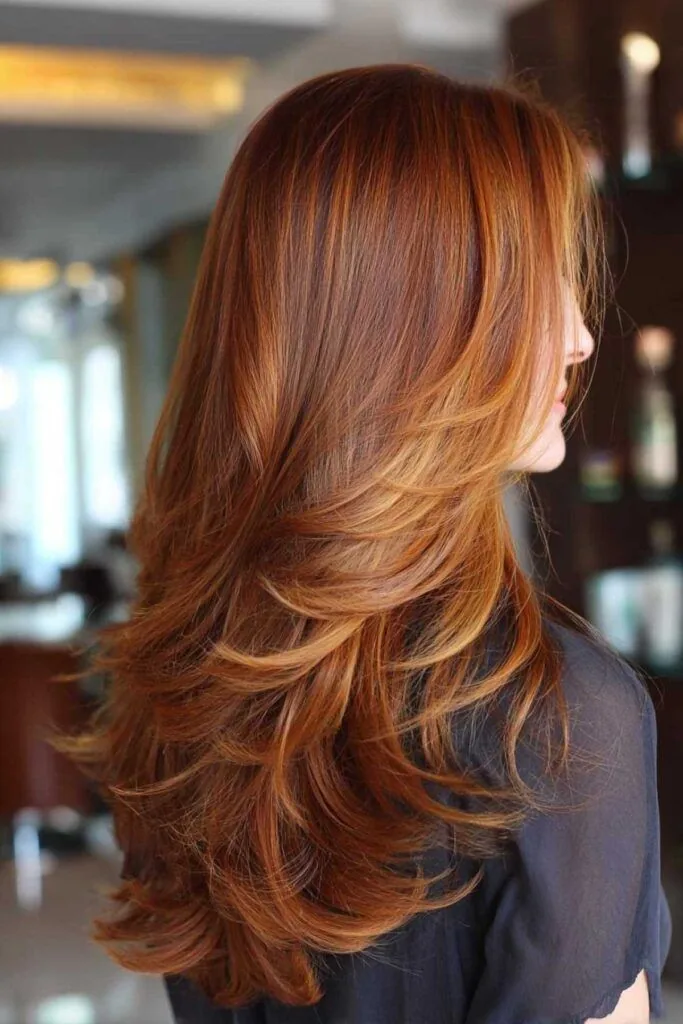
Copper is the colour that suits feathered hair best, because the warmth and the movement of the cut feed each other. A rich copper, from a soft auburn to a vivid ginger, makes the feathered ends glow and the texture look even more deliberate, and it suits a wide range of skin tones — cooler coppers for fair skin, deeper coppers for olive and darker skin.
Styling time: five minutes, but the colour needs care — copper fades faster than most colours, so a colour-safe shampoo and a weekly colour-depositing mask keep it vivid. Maintenance: a colour refresh every six to eight weeks. Who should avoid it: women who wash their hair every day, because frequent washing strips copper faster than any other colour, and anyone who needs a natural hair colour for work.
27. Feathered Hair With Highlights
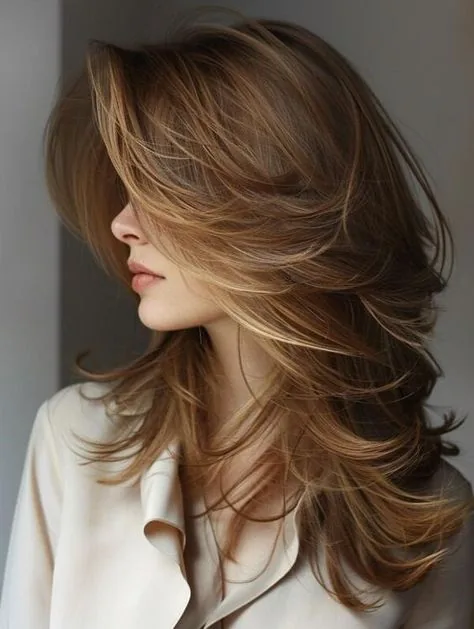
Highlights — fine, sun-kissed pieces woven through feathered hair — are the quietest way to colour the cut, and they suit it beautifully. The fine highlights catch the light along the feathered ends, so the movement shimmers as you turn your head, without any obvious stripes or contrast. They look most natural on light brown and dark blonde hair, where they mimic the way the sun lightens hair.
Quick verdict: the most natural-looking colour on this list. Maintenance is light: a refresh every ten to twelve weeks, because the highlights are so fine that the grow-out is barely visible. Pros: subtle, natural, and flattering on almost every skin tone. Cons: the effect is delicate, so if you want a visible colour change, choose balayage instead. Who should avoid it: women who want a bold colour statement — highlights are designed not to be noticed as colour.
28. Short Feathered Hair
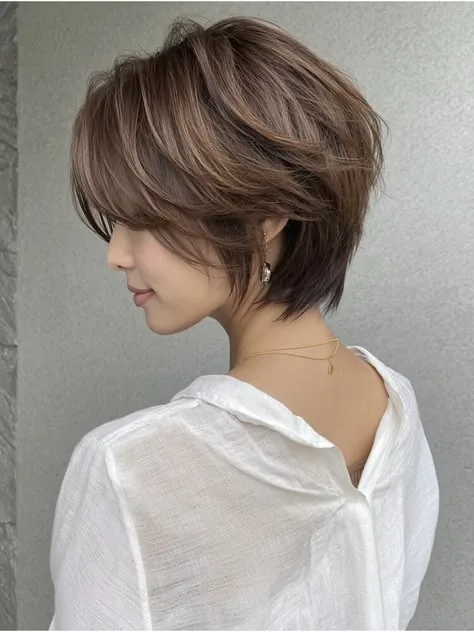
Short feathered hair ends at the chin or just below it, and it is the boldest short version of the cut. It opens up the face completely, shows off the jawline and cheekbones, and suits petite women especially well, because the proportions do not overwhelm a smaller frame. It also dries fast, uses almost no product, and feels wonderfully light after years of long hair.
Quick verdict: choose this one if you want a real change and you love short hair. Styling takes under three minutes — a little wax or texture paste, finger-combed into place. The catch is maintenance: the short feathered ends need a trim every four to five weeks to hold their shape. Who should avoid it: women who want to tie their hair up, because the back is too short for a ponytail, and anyone unsure about short hair.
29. Medium-Length Feathered Hair
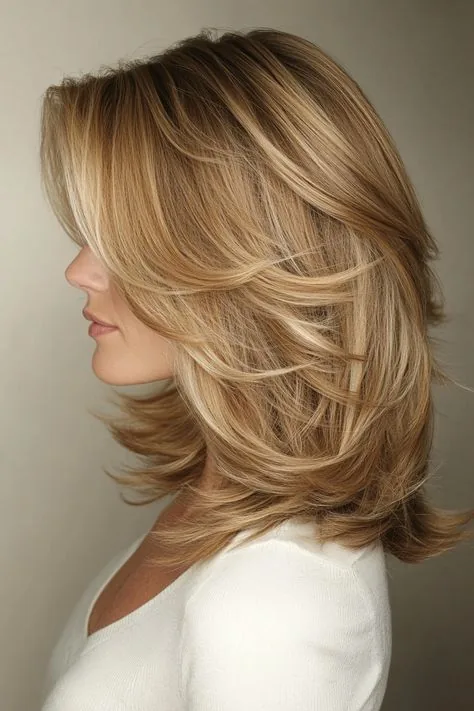
Medium-length feathered hair — around the shoulders — is the sweet spot of the whole list. Long enough to tie back, short enough to feel light, and the feathering shows clearly without needing much styling. It suits every face shape, every texture, and every age, and it is the length stylists reach for when a client says she wants feathering but does not know where to start.
How to style: blow-dry with a round brush for a smooth finish, or air-dry with mousse for soft movement — about five minutes either way. Maintenance: trims every seven to eight weeks, and the feathering hides the awkward stages of growing out. Pros: the most forgiving feathered length. Cons: it can feel like a safe choice if you wanted drama. Who should avoid it: nobody — this is the baseline every other feathered cut on this list is measured against.
30. Feathered Hair for Women Over 50
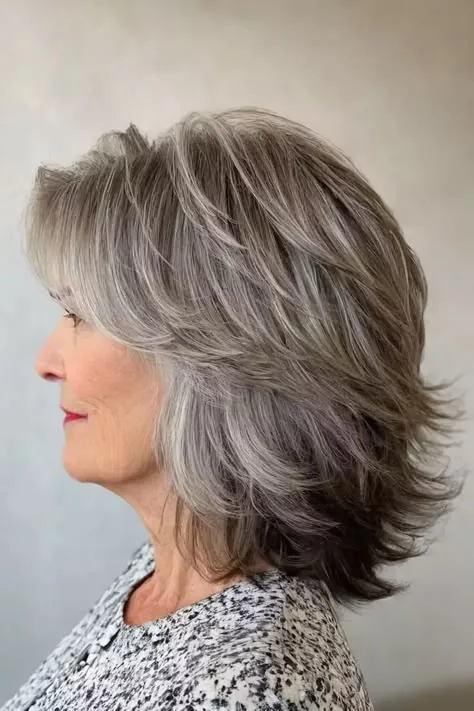
A feathered cut is one of the best haircuts for women over 50, because it does three things at once: it lifts the face, it adds volume where hair naturally thins, and it looks polished without looking severe. A medium feathered cut with soft layers and a side-swept fringe is the most flattering version — it frames the face, softens the jawline, and the feathered ends draw the eye down rather than up to the hairline.
Styling time: five minutes with a round brush, and the cut is forgiving if you skip a day. Maintenance: trims every five to six weeks, and a gloss every couple of months keeps grey-blended or coloured hair shiny. Pros: youthful without trying too hard, easy to style, and it works on straight, wavy and curly hair. Cons: a very short, very choppy feathered cut can look harsh on mature skin — keep the feathering soft and the ends gentle.
31. Feathered Hair for Women Over 40
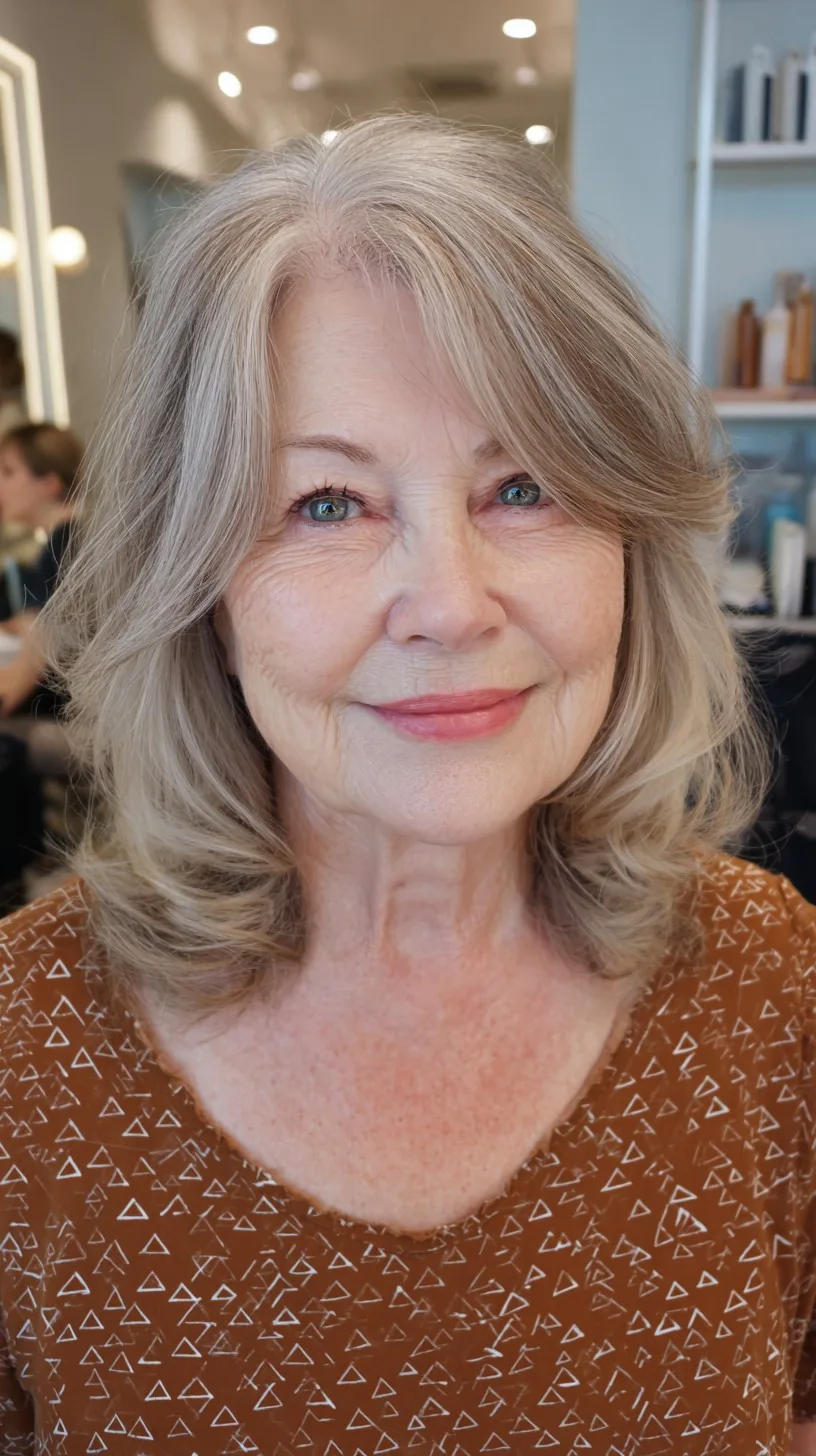
For women over 40, a feathered cut is the update that does not feel like a reinvention. It adds movement to hair that may be getting finer, softens the face without hiding it, and looks current without chasing a trend. A shoulder-length feathered cut with face-framing layers is the version most women in their forties choose — polished enough for work, relaxed enough for the weekend.
Best for: women who want a fresh look without a dramatic chop. How to style: five minutes with a round brush, or air-dry with a little mousse. Maintenance: trims every six to eight weeks. Pros: flattering, easy, and it works with grey blending or colour. Cons: a very retro, very voluminous feathered cut can look dated if the styling is too big — keep the volume soft. Who should avoid it: nobody over 40 — just pick the length that suits your life, not your age.
32. The Low-Maintenance Feathered Haircut
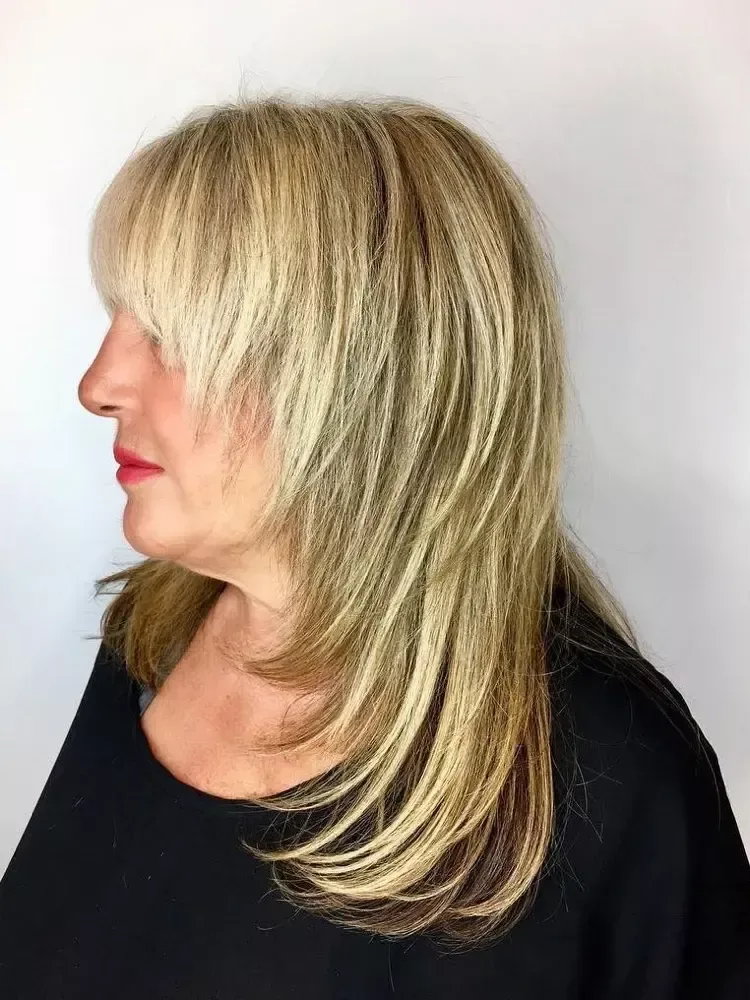
The low-maintenance feathered haircut is built for real mornings: soft feathering, long blended layers, and a length that air-dries into shape without heat. It is the feathered cut for women who want the movement and lightness but will not spend ten minutes with a round brush every day. The secret is in the cut — soft layers, gentle feathering, and ends that are textured just enough to fall naturally instead of flipping out.
Quick verdict: the feathered cut you will actually keep. Styling takes two minutes — a little leave-in conditioner or mousse on damp hair, then air-dry. Pros: wash-and-go, grows out gracefully, and trims can stretch to eight weeks. Cons: it will never look as sharp as a sleek feathered cut, and on very straight hair it can fall flat without a little mousse at the roots. Who should avoid it: women who want a razor-sharp flicked finish every day — that look needs heat, and this cut is designed to skip it.
33. Feathered Hair for a Wedding or Special Occasion
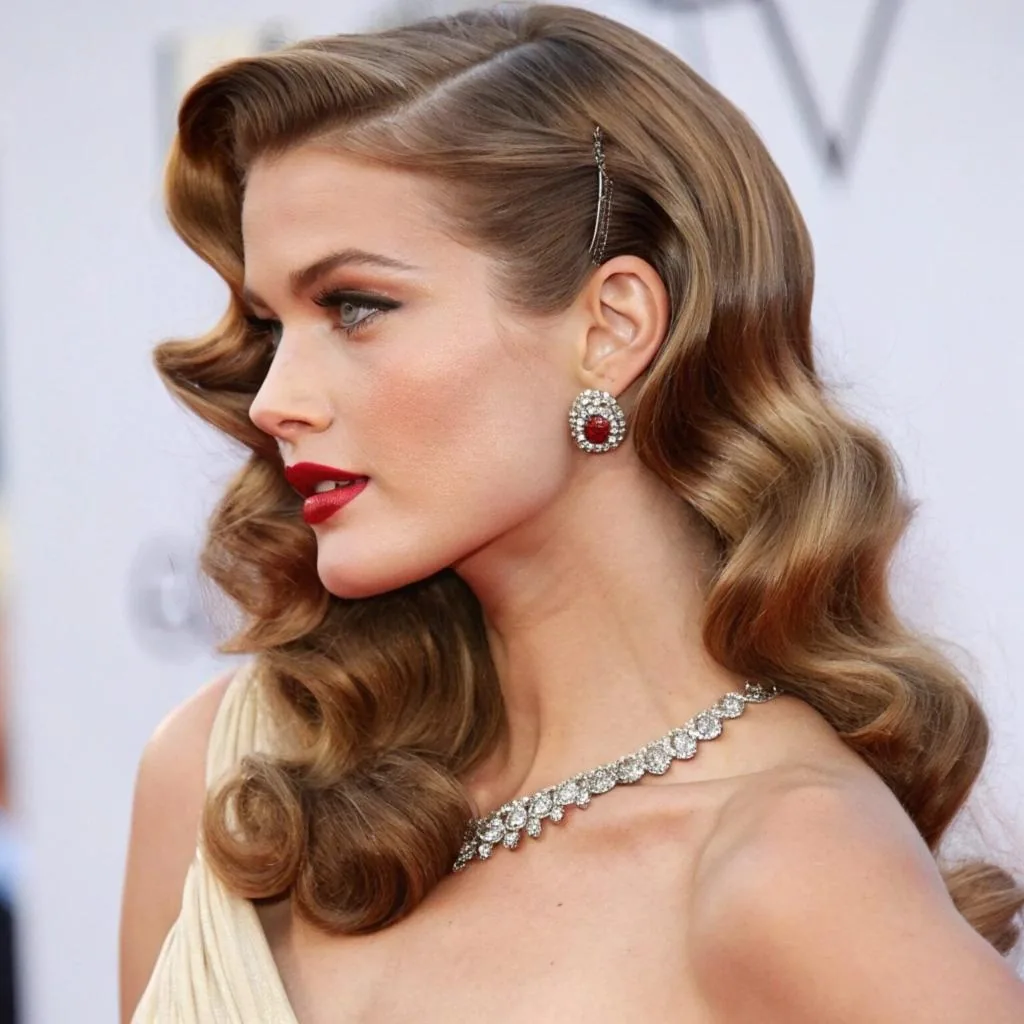
Feathered hair is a natural choice for a wedding or a special occasion, because the movement photographs beautifully and the soft ends frame the face in every photo. The feathered layers hold a curl better than a blunt cut, so a half-up style or soft waves last all evening, and the face-framing pieces mean you look styled even if a few pieces fall loose.
How to style it for the day: curl the feathered lengths away from the face with a large-barrel iron, leave the ends out for a soft finish, and pin back just the front pieces — about fifteen minutes, or ask your stylist to do it. Pros: photographs beautifully, holds a style, and looks elegant without looking stiff. Cons: the feathered ends need a fresh trim a week before the event, so they look clean in photos. Who should avoid it: nobody — just book the trim in advance, and do a trial run if it is your own wedding.
Styling Feathered Hair at Home: Sleek, Tousled and Bouncy Finishes
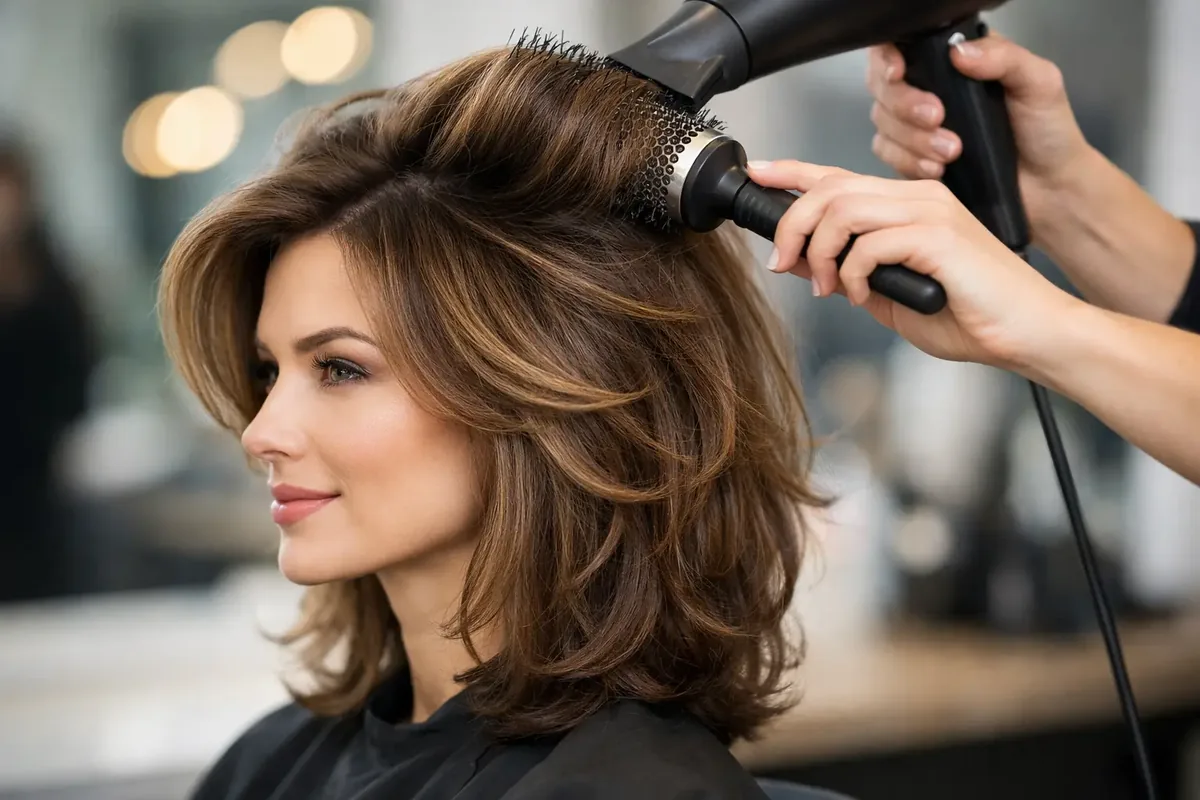
The same feathered cut can look like three different hairstyles, depending on how you style it. Sleek is the polished version: blow-dry with a round brush, run a straightener over the feathered ends, and tuck them under — the layers show cleanly and the cut looks expensive. Tousled is the everyday version: scrunch texture spray into damp hair, let it air-dry, and pull a few pieces loose — the feathering softens into movement. Bouncy is the occasion version: blow-dry the ends outward with a large round brush, so the feathering flips and the hair looks full.
The common mistake is styling every feathered cut the same way. A retro feathered cut looks best bouncy, because the volume is the point. A soft feathered cut looks best tousled, because there is no sharp flick to show off. And a short feathered cut looks best sleek, because the shape needs to be visible. Match the finish to the feathering you chose, and the cut will always look intentional — even on a rushed morning, a quick tousled finish beats a half-hearted sleek one.
Colour That Shows Off the Feathering: Balayage, Highlights and Gloss
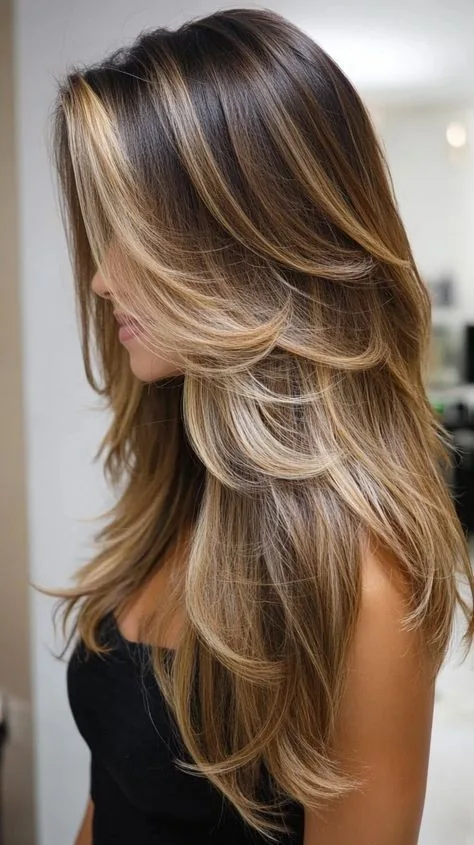
Colour and feathered hair work together because the feathering gives colour somewhere to show. Balayage follows the layers — lighter through the feathered ends, deeper at the roots — and makes the movement visible from across the room. Fine highlights catch the light along the feathered tips, so the cut shimmers as you move. A gloss, clear or tinted, adds shine that makes the feathered ends look sharper without changing the colour at all.
The rule is to match the colour to the commitment you will actually keep. Balayage needs a refresh every few months. Highlights need a refresh every ten to twelve weeks. A gloss needs a salon visit every couple of months but no root upkeep at all. If you are not sure, start with a gloss — it is the cheapest way to make a feathered cut look more finished, and it washes out gradually if you decide against colour.
Growing Out a Feathered Haircut Without Losing the Shape
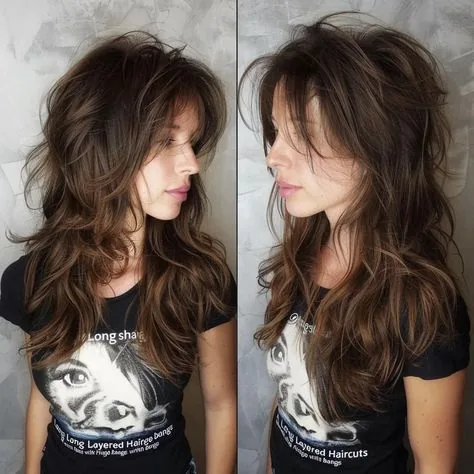
Growing out a feathered cut is easier than growing out a pixie, because the feathering is already soft — the awkward part is the shortest layers catching up with the rest. The trick is to stop trimming the shortest layers and let them grow while you keep the ends tidy, so the feathering slowly flattens into long layers. That middle stage lasts about three to six months, and it is the point where most people give up and cut it all off again.
Two things make the grow-out bearable. First, regular small trims on the ends only — every eight weeks — keep the hair healthy without touching the growing layers. Second, styling products do the heavy lifting: a little texture spray gives the growing layers grip, and clips, headbands and half-up styles hide the in-between lengths on bad days. If the front pieces are driving you mad, a fringe trim can buy you another month of patience without resetting the grow-out.
Feathered vs Layered vs Shag: Which One Is Right for You?
Feathered, layered and shag cuts are often confused, because they all use layers — but they do different jobs. A layered cut is about shape: short pieces on top, longer pieces underneath, creating volume and structure. A feathered cut is about the ends: the tips are thinned and angled so they flick and move. A shag is about texture: choppy, uneven layers through the whole cut, with volume at the crown and a deliberately messy finish.
Choose feathered if you want soft movement and a polished finish without a dramatic shape. Choose layered if you want volume and structure and you like your ends blunt. Choose a shag if you want edge, texture and a cut that looks good messy. And remember, the three are not exclusive — the most flattering cuts on this list are feathered layers, and the most modern are feathered shags. Tell your stylist which quality matters most to you — movement, volume, or texture — and they will blend the techniques to match.
What is a feathered haircut?
A feathered haircut is a cut where the ends of the hair are thinned and tapered at an angle, so each strand ends in a soft, feather-like point rather than a blunt edge. The result is hair that looks lighter, moves when you do, and blends from one length into the next without a visible step. Feathering can be added to almost any length, from a pixie to long hair.
Who does a feathered haircut suit best?
A feathered haircut suits most face shapes and hair types, because the length and the amount of feathering can be tuned to each one. Round faces suit long feathered front pieces that draw the eye down. Square faces suit soft feathered pieces that fall past the jaw. Oval faces can wear almost any version. Fine hair suits soft, long feathered layers, while thick hair suits feathering that removes weight. The key is telling your stylist your face shape and hair texture.
Is a feathered haircut the same as a layered haircut?
No — layering is about length, with short pieces on top and longer pieces underneath to create shape, while feathering is about the ends, which are thinned and angled so they flick and move. A cut can have layers without feathering, and it can be feathered without obvious layers. Most flattering feathered cuts combine both: layered feathering gives the softest movement.
How do I ask my stylist for a feathered haircut?
Bring two or three photos of women with hair like yours, point at the parts you like — where the feathered layers should start, whether the ends should flick out or curve under, and how much face-framing you want — and say out loud what you do not want. Ask where the shortest layer will fall, how the ends will behave when your hair dries naturally, and how often you will need a trim.
How do you style feathered hair at home?
Blow-dry with a round brush and flick the ends outward for a bouncy finish, scrunch texture spray into damp hair and air-dry for a tousled finish, or blow-dry the ends under with a round brush for a sleek finish. Most feathered cuts take two to ten minutes to style, depending on the finish — tousled is the fastest, retro and bouncy take the longest.
Can I get a feathered haircut with curly hair?
Yes — feathering on curly hair removes bulk from the ends, stops curls from forming a triangle, and lets each curl fall in its own shape. Ask your stylist to cut curly hair dry or with the curls stretched, so the feathered ends do not spring up shorter than planned, and use curl cream on wet hair. Keep your hands off the curls while they dry to avoid frizz.
Is a feathered haircut high maintenance?
No, a feathered haircut is not high maintenance, but it does need regular trims. Short feathered cuts need a trim every four to five weeks, medium feathered cuts every six to eight weeks, and long or soft feathered cuts every eight to ten weeks. Between trims, the routine is simple: a suitable shampoo, conditioner for the longer pieces, and a little mousse or texture spray.
Does a feathered haircut work for fine hair?
Yes, if the feathering is kept soft. Soft, long feathered layers give fine hair movement and the illusion of fullness, because the thinned ends catch the light and the layers create volume at the crown. Ask for the shortest layer to fall no higher than the chin, and avoid heavy, choppy feathering, which can make fine hair look thinner by removing too much hair at the ends.
What is the difference between a feathered haircut and a shag?
A shag is a feathered cut turned up loud: choppy, uneven layers through the whole cut, volume at the crown and a deliberately messy finish. A feathered cut is softer and more polished — the ends are thinned and angled, but the layers are blended and the finish is smooth. Choose a shag if you want edge and texture, and a feathered cut if you want soft movement and a polished finish.
How long does a feathered haircut take to grow out?
A feathered haircut grows out into long layers in about three to six months, depending on how short the shortest layer was. Stop trimming the shortest layers, keep the ends tidy with a trim every eight weeks, and use texture spray, clips and half-up styles to hide the awkward middle stage. The feathering is already soft, so the grow-out is far easier than growing out a pixie or a blunt bob.
Conclusion
A feathered haircut works because it is not one haircut — it is a finish you can add to almost any length, texture and face shape. Soft feathered layers are a gentle first step. A feathered lob is the most versatile choice. A retro 70s feathered cut is the statement. Whichever version you choose, the rules are the same: pick the length before you pick the feathering, bring photos of your own texture, and say what you do not want as well as what you do.
Start soft if you are unsure — gentle feathering can always be made more dramatic at your next appointment, and a good stylist will tell you honestly whether your texture suits the version you have in mind. Keep the trims regular, keep the styling simple, and let the cut do what it does best: give you hair that moves, without asking for a lot of effort in return.