Gentle Hairstyles For Sensitive Scalp That Prevent Irritation And Pain
If your scalp stings, itches, or throbs after a style you thought was cute, you are not alone. I used to think I just had to “tough it out.” Then I learned something simple: your hair should never hurt. Ever.
The fix is not giving up cute hair. It is choosing gentle hairstyles that keep tension low, weight balanced, and edges comfortable. Think soft volume, loose structure, and smart accessories.
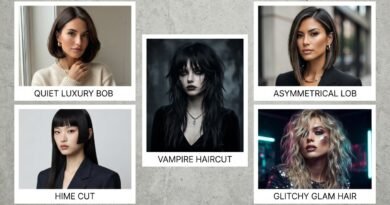
Below are my favorite sensitive-scalp hairstyles for 2026, from a quiet luxury bob to a hime cut and even romantic goth hairstyles. Each one is easy, pretty, and kind to your scalp. Let’s find your next pain-free look.
Why Sensitive Scalp Needs a Gentler Hairstyle
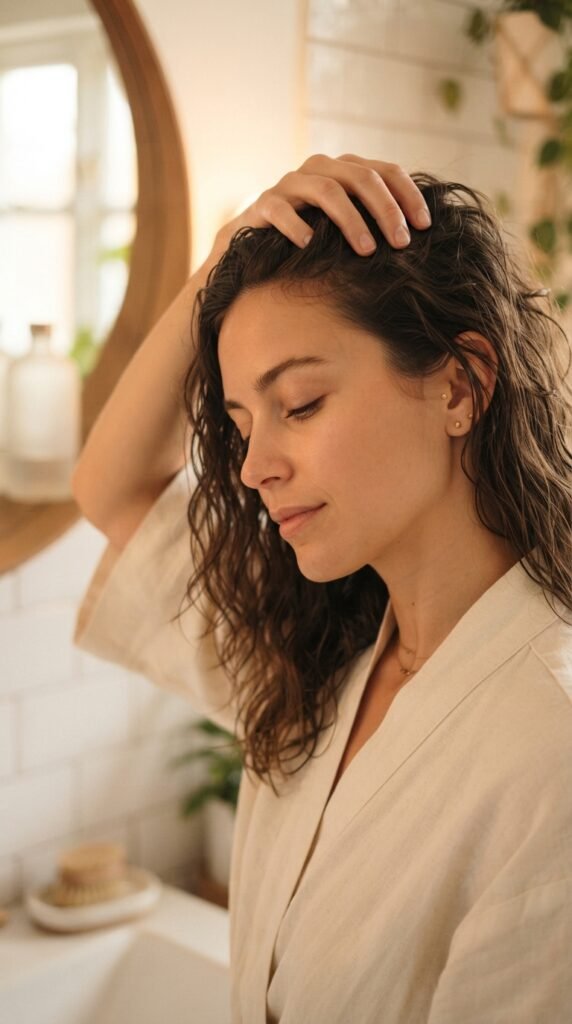
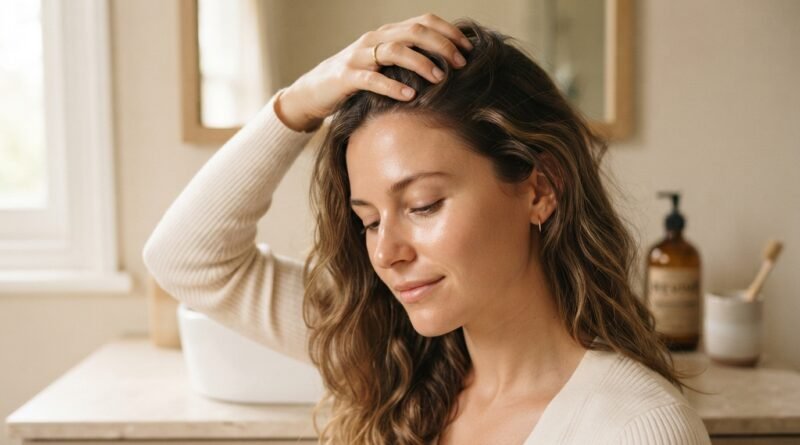
A sensitive scalp reacts fast. Tight pulling, rough brushing, and heavy hair products can cause redness, tiny bumps, headaches, and even hair loss over time. It is not dramatic. It is your skin asking for a break.
Gentle hairstyles lower that risk. They avoid tight roots, sharp clips, and heavy extensions. Instead, they use soft tension, balanced weight, and smooth accessories. The goal is simple: no pinch, no throb, no itch.
Think of it like comfortable shoes. Cute, yes. But no pain. When your scalp feels calm, you actually enjoy your hair more.
- Less pulling at the hairline
- Fewer headaches by evening
- Less breakage around edges
Signs Your Current Hairstyle Is Causing Pain
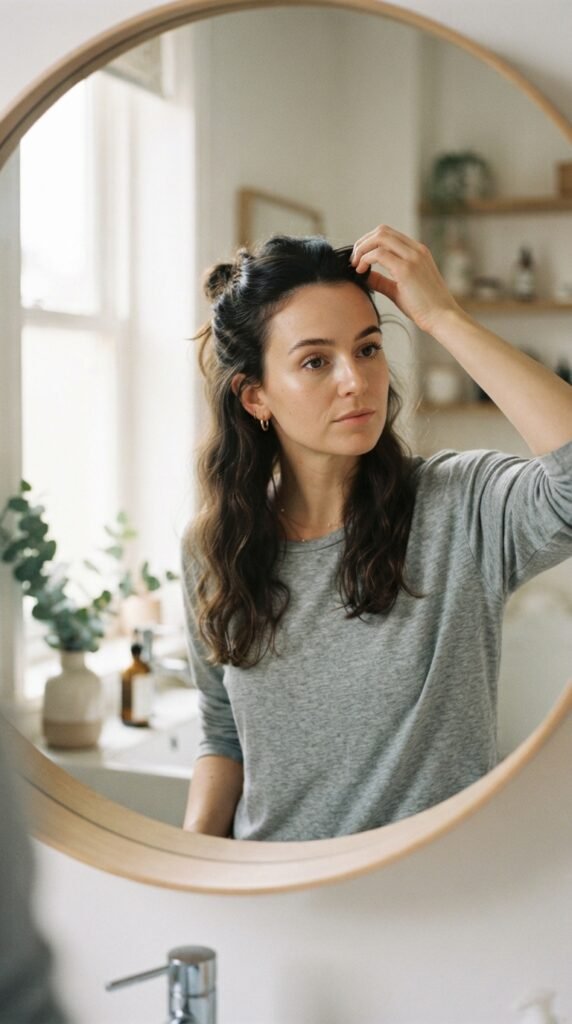
Your scalp usually tells you before it gets worse. The tricky part is that pain can show up hours after you style. So check in with your roots at night.
Pay attention to these early signs. If one sounds familiar, change your style today, not next week.
- Itching or burning at the roots
- Tender spots after taking hair down
- Small bumps or flakes near the hairline
- Headaches that fade when you loosen your hair
- Breakage or thinning around edges
A loose braid or soft clip can bring relief fast. Your scalp does not need to “get used to it.”
The Golden Rule: Less Tension, More Softness
If you remember one thing, make it this: tension is the enemy. A style can look polished without pulling your roots tight. You do not need a face-lift ponytail to look put together.
Start with dry or damp hair? Dry is usually safer for sensitive scalps because wet hair stretches and breaks more easily. Use your fingers first, then a wide-tooth comb.
- Keep the roots loose.
- Choose soft accessories.
- Take it down at night.
- Never ignore a sore spot.
That simple shift prevents most irritation and pain. Soft hair is not messy hair. It is smart hair.
Best Gentle Hairstyle: Quiet Luxury Bob
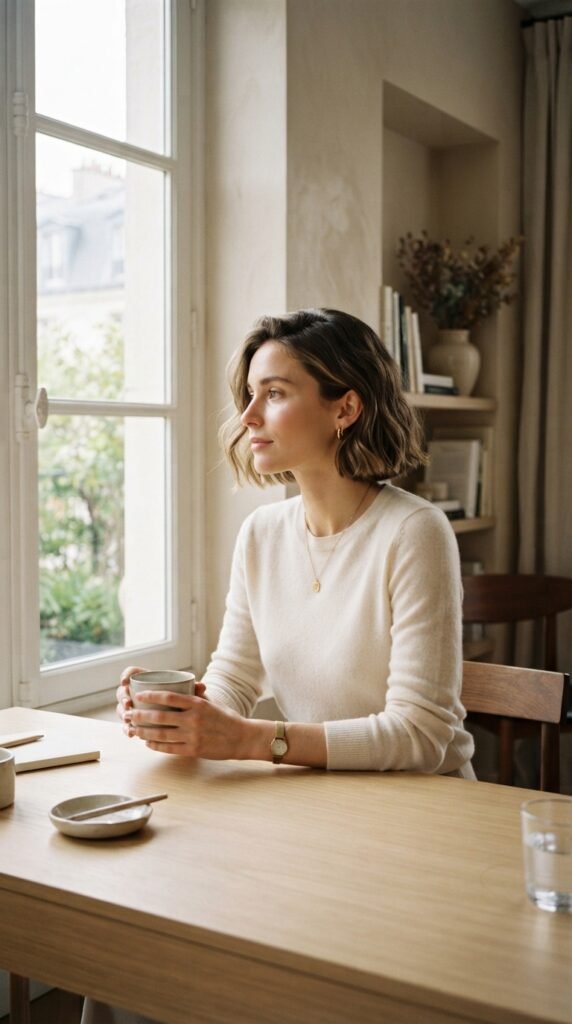
The quiet luxury bob is one of the best 2026 hairstyles for sensitive scalps. It is short enough to feel light, but polished enough for work or dinner. It also cuts down styling time, which means less tugging.
Ask for a soft blunt cut or slight internal layers. That keeps weight off the roots. Avoid a super tight blowout at the crown. If your stylist pulls hard while blow-drying, speak up.
Style it with a round brush only on the ends. Or let it air-dry with a little leave-in cream. Loose, shiny, and pain-free. That is the quiet luxury bob done right.
Old Money Hair With Zero Pull
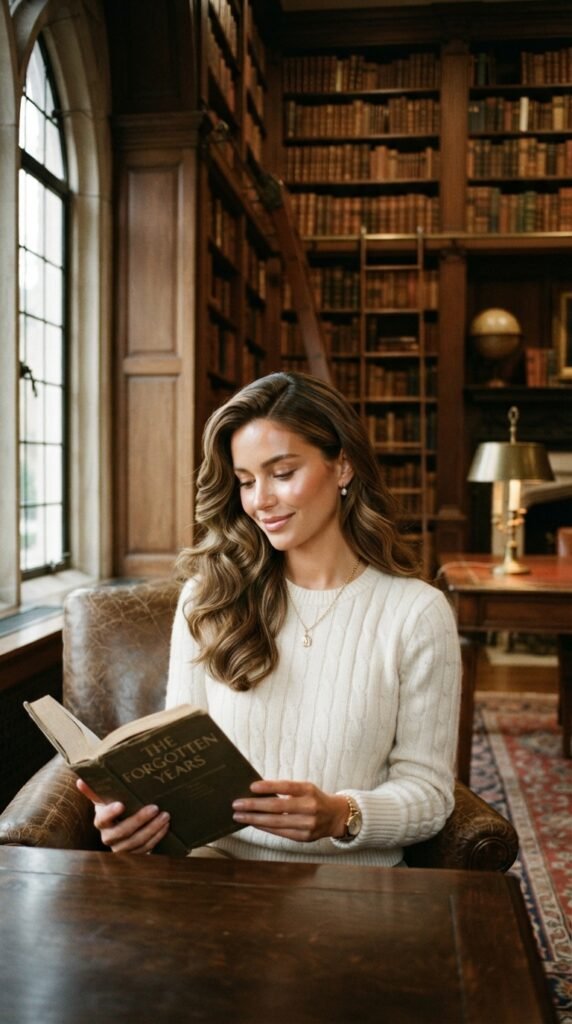
Old money hair looks rich and effortless. But it should never feel stiff. The trick is soft volume, a loose part, and a little shine. Think calm, not tight.
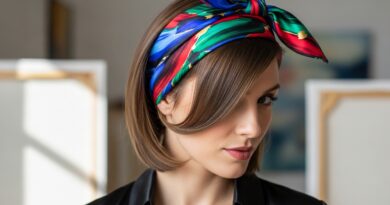
Try a low side part with gentle waves. Use a large claw clip instead of tight bobby pins. Let a few face-framing pieces fall loose. That frames your face without pulling your hairline.
- Skip tight gel slick backs.
- Use a silk scarf instead of a tight headband.
- Keep ponytails low and loose.
You get the old money vibe without the scalp ache. Elegant can be easy.
Asymmetrical Lob For Sensitive Scalp

An asymmetrical lob is flattering and lightweight. It keeps length near the shoulders while removing bulk that can weigh down roots. That means less tension and fewer headaches.
Ask for the shorter side just below the chin and the longer side near the collarbone. This shape looks modern and reduces pull because there is less hair to style up. It also grows out beautifully.
Wear it straight, wavy, or tucked behind one ear. No tight ponytail needed. That makes it a win for tender scalps. Pair it with a soft clip for an instant 2026 hairstyle.
Hime Cut Without Heavy Clips
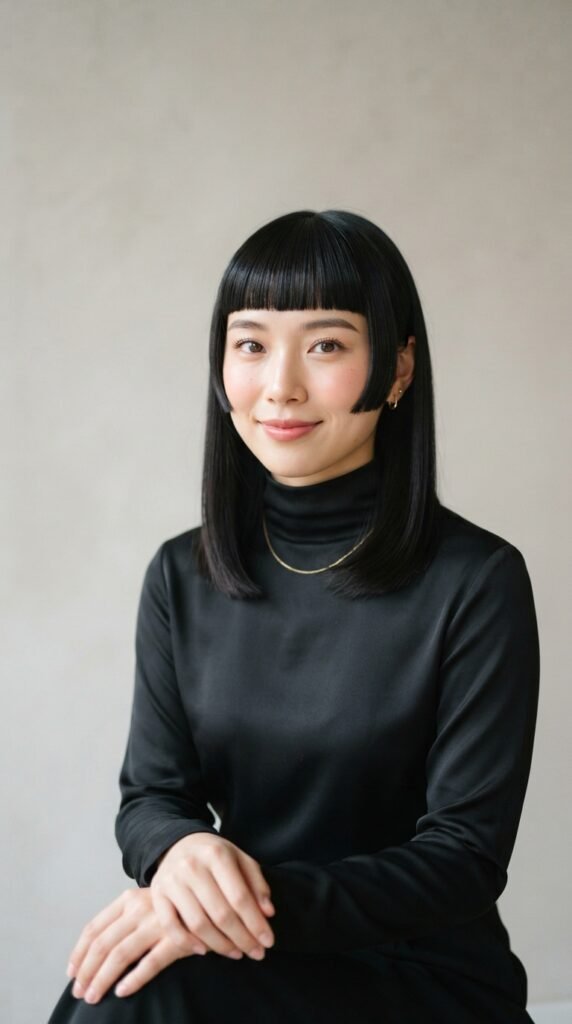
The hime cut is bold and beautiful. Traditionally, it has blunt bangs and longer side pieces. But heavy clips can irritate a sensitive scalp. You do not have to skip the look.
Ask your stylist to keep the side pieces light. Skip glued-in extensions or tight barrettes. Instead, use a soft velvet headband or tiny flat clips with rubber grips. Place them away from tender spots.
If your scalp is very tender, try a “soft hime” with face-framing pieces instead of sharp blunt lines. Still striking. Much kinder. You can also pin the sides back loosely for a different vibe.
Vampire Haircut That Feels Light
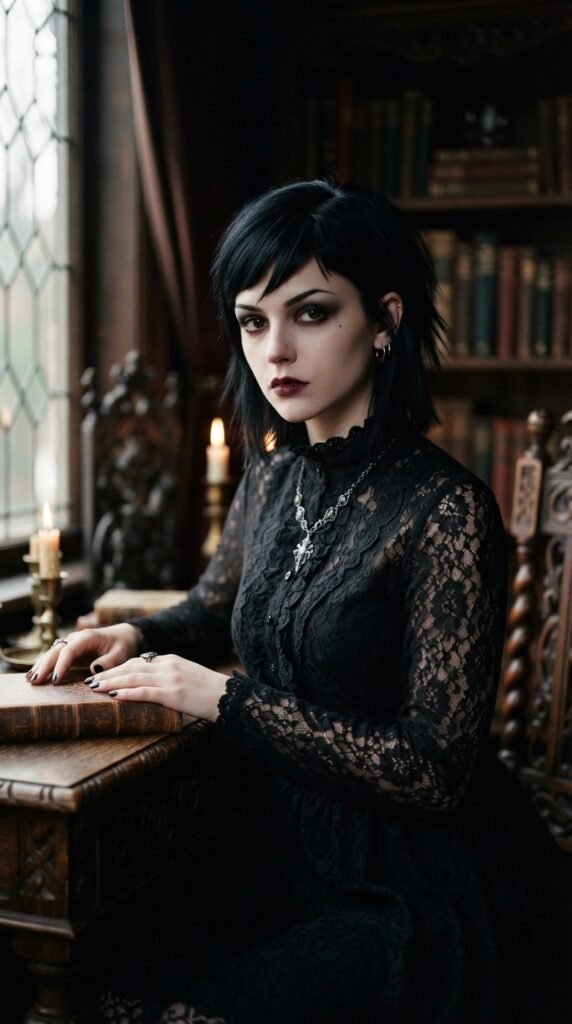
The vampire haircut is edgy, layered, and slightly moody. It works for sensitive scalps when the layers are cut softly, not sliced too close to the root. Sharp, tight layers can pull and poke.
Ask for movement around the face and neck. Avoid a tight undercut if your scalp reacts to clippers or irritation. A scissor cut is usually gentler. Tell your stylist you want softness, not stiffness.
Style with texture spray on the ends only. Keep the crown loose. You get the drama without the pain. It pairs beautifully with romantic goth hairstyles too.
Romantic Goth Hairstyles That Don’t Hurt
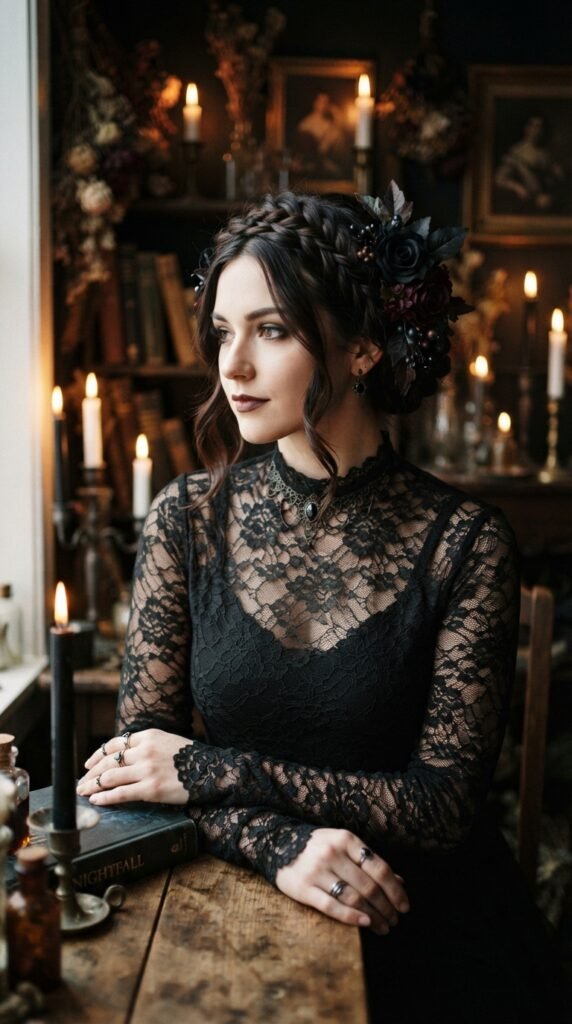
Romantic goth hairstyles can be soft, not severe. Think loose waves, delicate braids, and velvet ribbons. The key is low tension and a little mystery.
Try a half-up style with a silk ribbon. Or two loose fishtail braids. Add a lace scarf for mood without pulling your hairline. Keep the roots free so your scalp can breathe.
- Avoid tight corset ponytails.
- Use fabric ties, not thin elastics.
- Keep clips light and padded.
You can look mysterious and still feel comfortable all day. Dark romance does not need pain.
Glitchy Glam Hair, But Comfortable
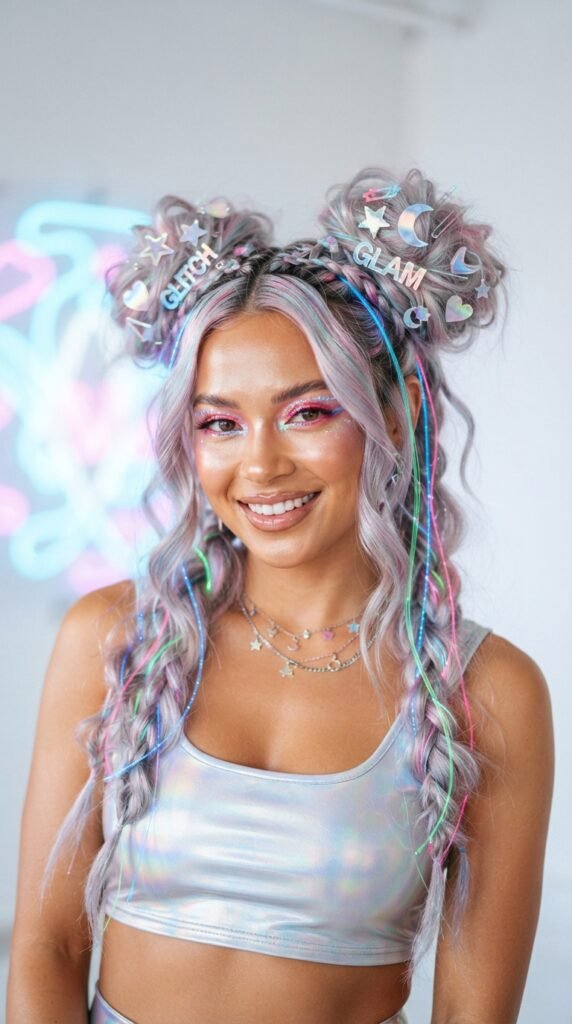
Glitchy glam hair is fun, futuristic, and a little unexpected. But it does not need to be tight or painful. You can play with shine, color, and shape while keeping your scalp calm.
Use soft holographic clips near the ends, not at the roots. Try loose space buns with silk scrunchies. Or add temporary color spray on the mid-lengths only. Keep the scalp free of heavy glitter and gel.
That prevents itching and buildup. If you want a 2026 hairstyle that feels playful, start with one accent and keep the base gentle. Playful hair can still be kind.
2026 Hairstyles That Are Scalp-Friendly
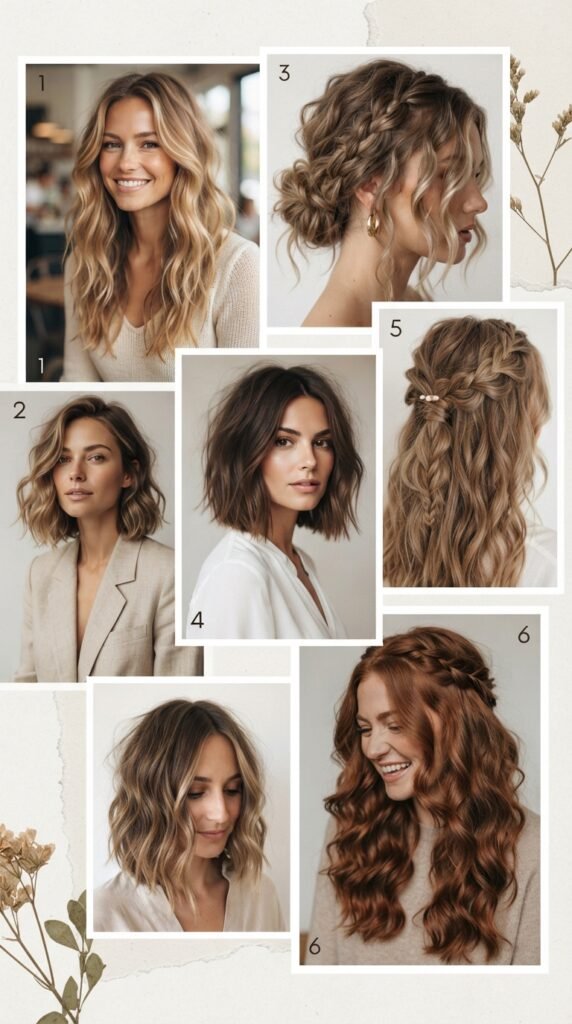
2026 hairstyles are moving toward comfort and personality. Good news for sensitive scalps. You do not have to choose between trendy and pain-free. The best look is the one you can wear all day.
- Quiet luxury bob
- Asymmetrical lob
- Soft hime cut
- Loose vampire layers
- Romantic goth braids
- Glitchy glam accents
Pick one shape that removes weight and one accessory that feels soft. That combo can carry your whole year. If a style hurts, it is not worth it. Trendy should feel good.
Low Bun With a Soft Hold

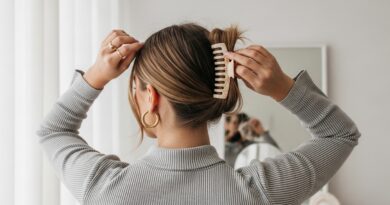
A low bun is classic, but tight buns cause pain. The gentle version sits at the nape and holds with a silk scrunchie or soft claw clip. It looks clean and keeps hair off your neck.
- Brush hair back with fingers.
- Twist loosely, do not pull.
- Wrap with a silk scrunchie.
- Pull out small face-framing pieces.
This keeps hair off your neck without pulling your hairline. If your scalp is extra sensitive, use two loose twists instead of one tight bun. Add a soft clip for hold, not force.
Loose Braids That Prevent Irritation
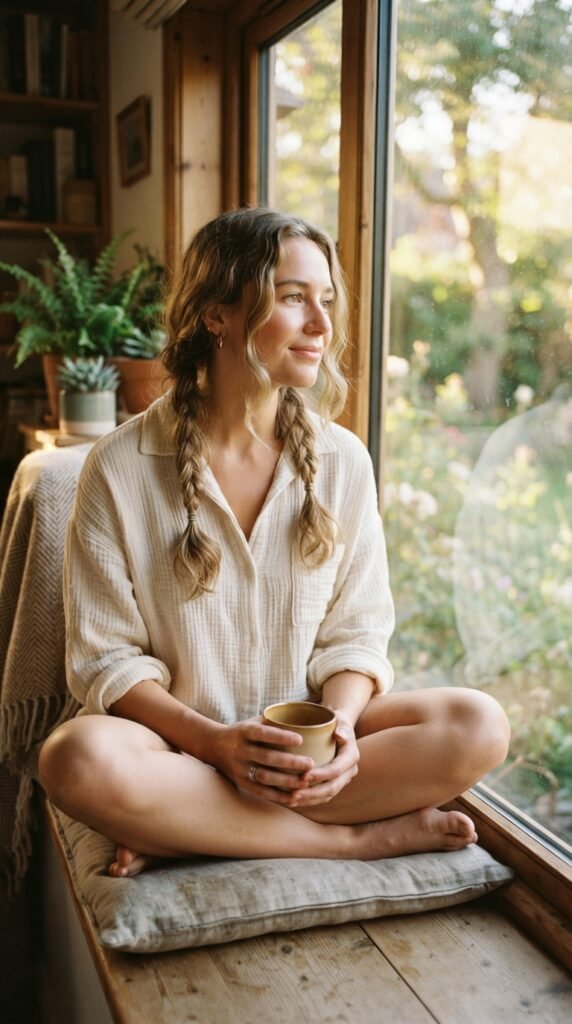
Braids can be gentle if they are loose. Tight braids at the scalp are the problem, not the braid itself. The goal is movement and comfort, not a face pull.
Start braiding lower, around the ears. Do not braid right against the scalp. Use a wide-tooth comb and keep strands relaxed. If your scalp tingles, undo and start again.
- Single loose side braid
- Two low braids
- Fishtail braid with a soft tie
Before bed, undo the top section so your roots can rest. In the morning, you will have soft waves and less tenderness.
Half-Up Styles Using Gentle Clips
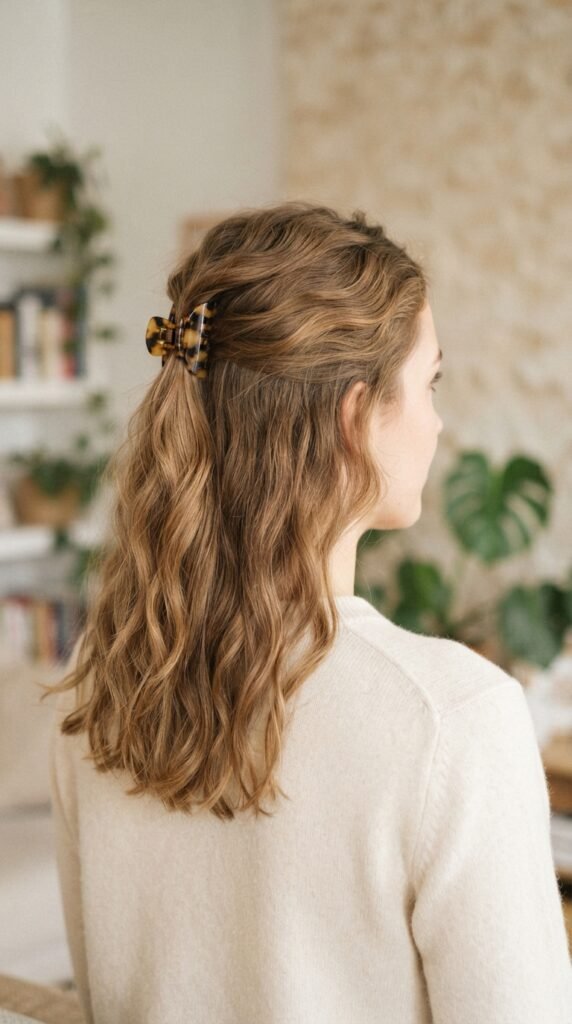
Half-up styles are cute and quick. But bobby pins and tight elastics can dig into your scalp. The fix is simple: use gentle clips and take less hair.
Use a small claw clip or a flat clip with soft rubber inside. Take only the top section, not the tight crown. Leave the sides loose. This keeps pressure off your hairline.
This works with a quiet luxury bob, an asymmetrical lob, or long romantic goth hairstyles. Polished, gentle, done in one minute. It is my go-to for busy mornings.
How to Part Your Hair Without Pain
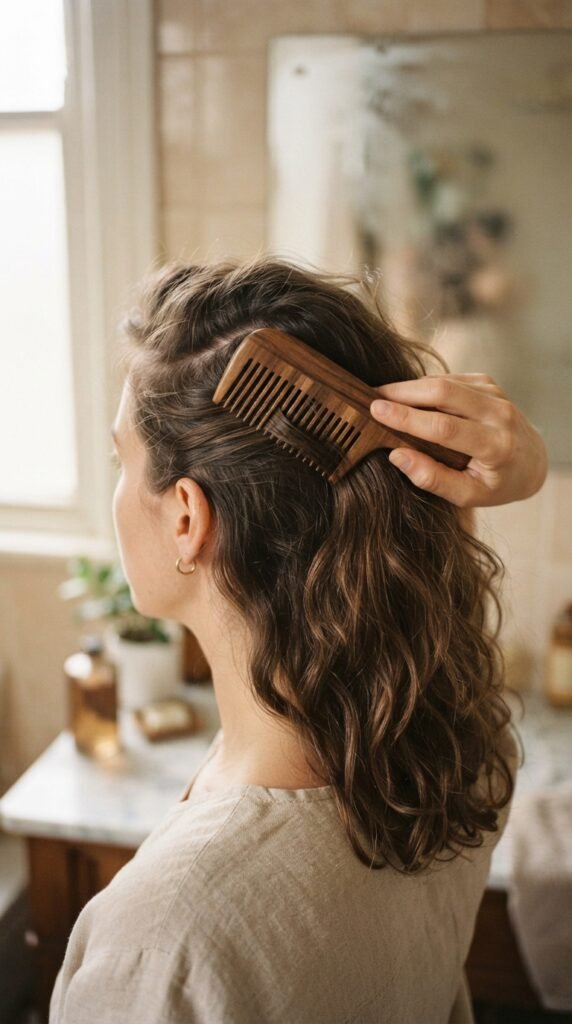
A sharp part can feel like a scratch if your scalp is sensitive. The tool matters more than the trend. A fine-tooth comb can drag and pull, especially on dry hair.
- Use your fingers first.
- Switch to a wooden comb.
- Never drag through tangles.
- Part while hair is dry, not soaking wet.
If your scalp is tender, try a soft zigzag part. It hides tension and looks modern. A center part is fine too, just keep it loose. A clean part should never leave a sore line.
Best Hair Ties and Accessories for Sensitive Scalp
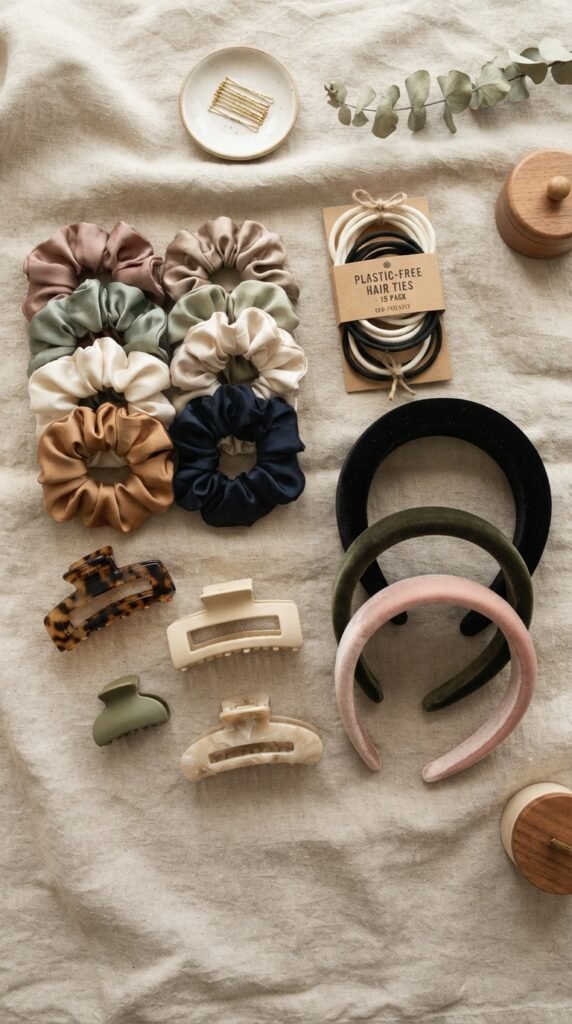
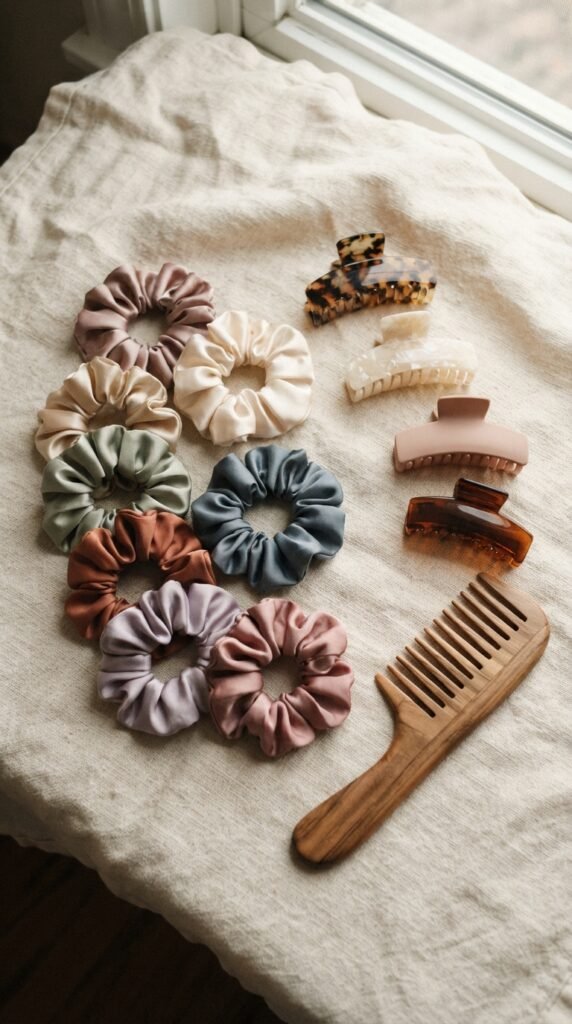
The right accessories can make or break your comfort. Here is what I keep in my drawer. These small swaps stop irritation before it starts.
- Silk scrunchies
- Satin-covered elastics
- Small claw clips
- Velvet or fabric headbands
- Padded flat clips
Avoid metal barrettes with sharp edges, thin rubber bands, and heavy extensions. If a clip leaves a dent, it is too tight. Simple rule. Also rotate your part and styles so one spot does not take all the pressure.
Scalp-Safe Styling Products to Use
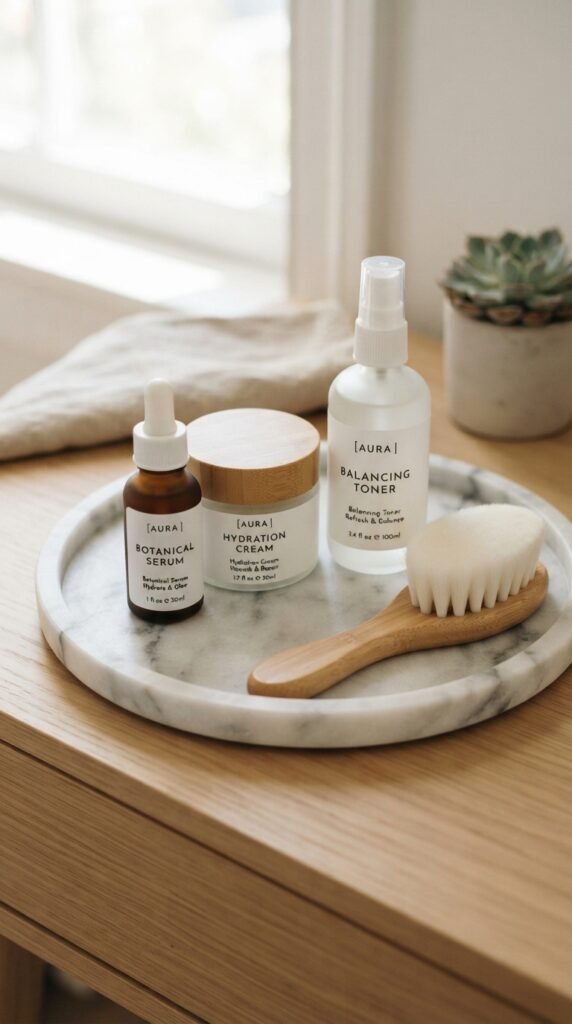
Products can irritate a sensitive scalp, especially if they sit on the roots. Keep styling away from the scalp when you can. Let your scalp breathe.
Look for fragrance-free or low-fragrance options. Use lightweight leave-in cream, mousse, or texture spray on mid-lengths and ends. Rinse thoroughly on wash day so nothing builds up.
- Avoid heavy gels at the roots.
- Skip dry shampoo buildup.
- Patch-test new products.
Less product means less itch. Your scalp will thank you. And your hair will still look polished.
How to Style Without Heat or Tension

Heat and tension are two common triggers. You can still get a beautiful look without either. Air-drying and loose braids are your best friends.
Try air-drying with a soft t-shirt or microfiber towel. Add a loose braid while damp for waves. Use a silk scarf to smooth frizz without pulling. Keep the scarf loose around your hairline.
- Wash and condition.
- Apply leave-in to ends.
- Braid loosely.
- Air-dry, then finger-comb.
That is it. Soft, pretty, and pain-free. No hot tools needed.
Wash-Day Tips for Less Scalp Pain
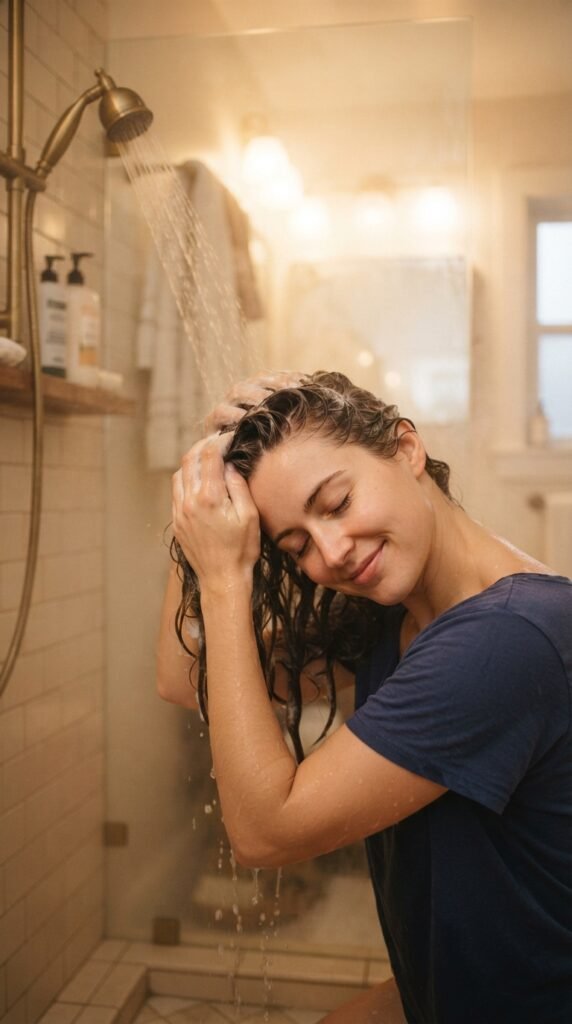
Wash day should soothe your scalp, not stress it. Start with lukewarm water, not hot. Hot water can dry out your scalp and make irritation worse.
Use your fingertips, not nails. Massage gently for 30 seconds. Rinse conditioner fully, especially near the roots. Leftover product can cause itching and flakes.
- Use a sulfate-free shampoo if you are sensitive.
- Do not scrub with a harsh brush.
- Pat dry, do not rub hard.
Keep your routine simple. A calm scalp makes every hairstyle feel better. If your scalp stings after washing, check your products first.
Nighttime Hairstyles to Protect Your Scalp
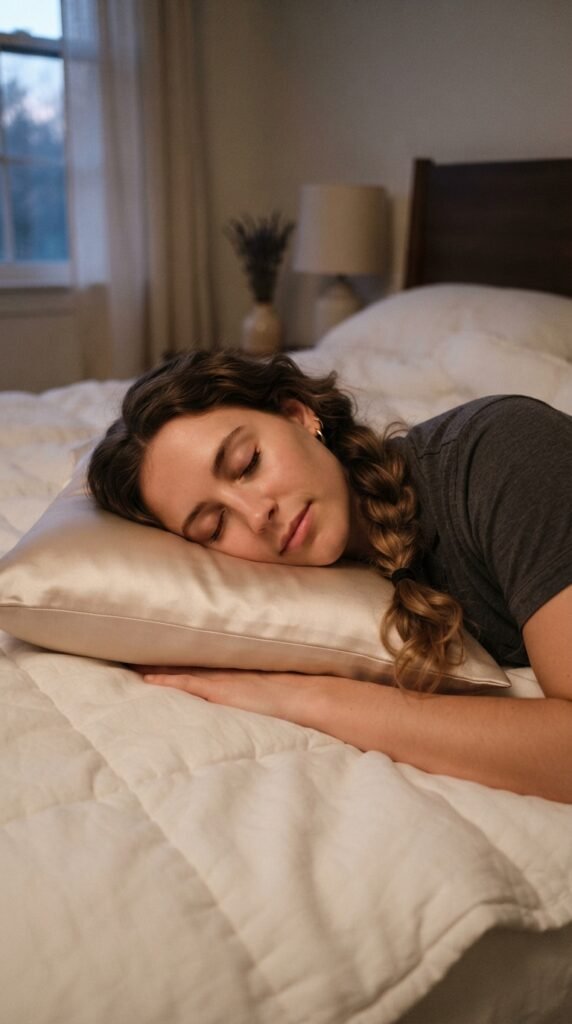
Nighttime is when your scalp should recover. Tight hairstyles and rough cotton pillowcases can undo a good day. Give your roots a break while you sleep.
Try a loose braid, a silk scrunchie, or a silk bonnet. If you toss and turn, a low loose ponytail works too. Keep it high enough to be comfy, low enough to be gentle.
- Never sleep in tight buns.
- Skip metal clips overnight.
- Use silk or satin pillowcases.
Wake up with less tenderness and fewer tangles. Your morning styling will be easier too.
When to See a Doctor About Scalp Pain

Gentle hairstyles help, but some scalp pain needs medical care. Please do not ignore strong symptoms. Your health comes first, always.
- Burning that does not go away
- Sores, scabs, or pus
- Sudden hair loss
- Severe headaches with hair down
- Rash or swelling
See a dermatologist or doctor if this sounds like you. You deserve relief. Gentle styling is a tool, not a replacement for treatment. Keep notes on what triggers your pain so you can share them.
Quick Gentle Hairstyle Routine for Busy Mornings
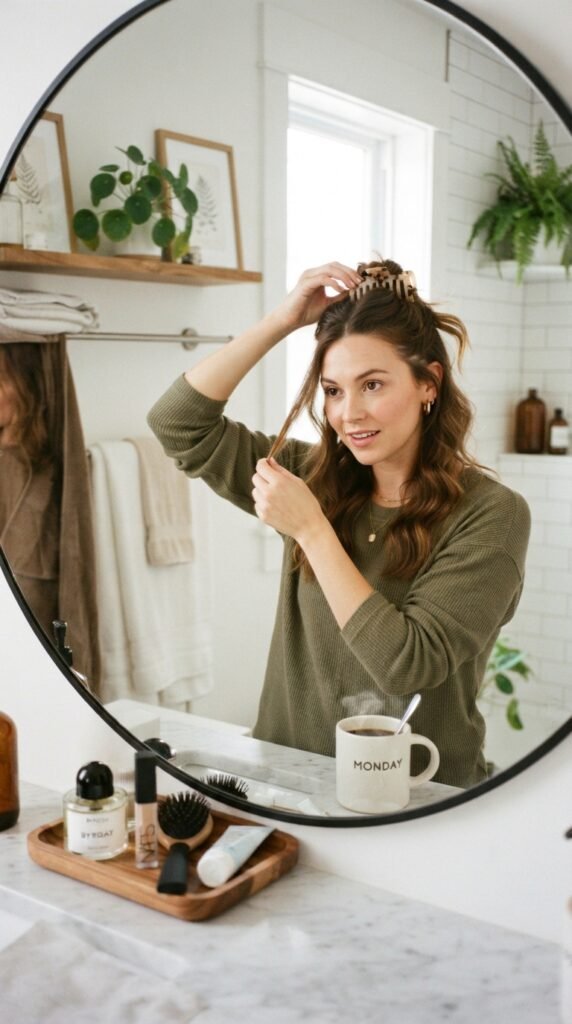
Mornings are rushed. Here is a two-minute routine that keeps your scalp happy. It works with almost any length and texture.
- Finger-comb your hair.
- Add a little leave-in cream to ends.
- Twist into a low bun with a silk scrunchie.
- Pull out two face-framing pieces.
- Go.
For a softer look, use a claw clip instead. For a 2026 hairstyle vibe, pair it with an asymmetrical lob or quiet luxury bob. Simple and gentle. No mirror marathon needed.
Gentle Styling Is Self-Care
Your scalp is skin. It deserves the same care as your face. Choosing gentle hairstyles is not boring. It is smart self-care. And it protects your hair for years to come.
You can wear old money hair, romantic goth hairstyles, glitchy glam hair, or a vampire haircut and still be comfortable. The secret is soft tension, light accessories, and listening to your body. If something hurts, change it.
Start with one small change today. Your scalp will notice. And your confidence will too. Gentle hair is beautiful hair.
A Soft Landing
Thank you for spending a few minutes with me. I hope you feel seen and ready to try a hairstyle that loves your scalp back. You should never have to trade comfort for style.
Start with one gentle swap today: a silk scrunchie, a looser part, or a quiet luxury bob. Small changes add up to real relief.
Save this post to Pinterest so you can come back to these gentle hairstyles whenever your scalp needs a break. And tell me in the comments: which one are you trying first, the asymmetrical lob, the hime cut, or a soft low bun? I read every comment and love hearing what works for you.