Low Manipulation Hairstyles For Restoring Over Processed Damaged Strands
If your hair has been through coloring, lightening, relaxing, or too much heat, you already know the feeling. It’s dry, stretchy, and tired. But here’s the good news: you don’t need a complicated routine to help it heal. You need low manipulation hairstyles that let your strands rest while still looking cute.
I’m Hailey, and I’ve been exactly where you are. In this post, I’m sharing 20+ low manipulation styles for restoring over processed damaged strands, plus how to wear 2026 hairstyles like old money hair, a quiet luxury bob, and even romantic goth hairstyles without making damage worse.
You’ll get simple steps, gentle styling ideas, and a plan you can start today. Let’s get your hair feeling calmer, stronger, and more like itself again.
What Counts as a Low Manipulation Hairstyle?
Low manipulation means you’re not pulling, brushing, heat styling, or touching your hair all day. The goal is simple: let your strands stay in one gentle shape for as long as possible.
Think loose braids, claw clips, satin scarves, and soft buns. These styles protect over-processed hair because they reduce tension and friction.
- No tight edges
- No daily brushing
- No hot tools
- No constant restyling
Why Over-Processed Hair Loves Low Manipulation
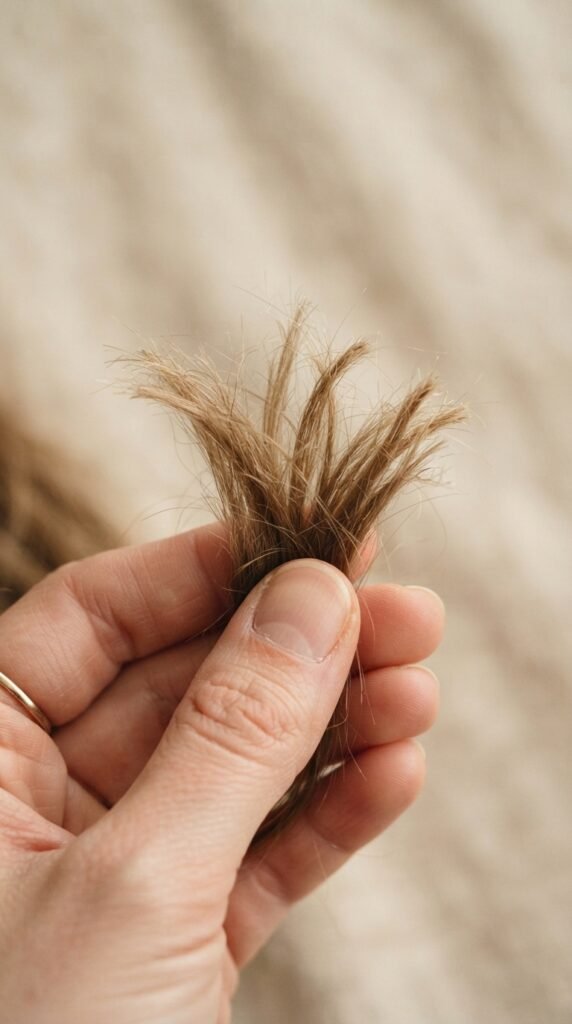
Over-processed hair has a weakened inner structure. It loses moisture fast and snaps when you comb, brush, or heat style it.
Low manipulation gives your hair time to hold onto moisture and rebuild strength. It also cuts down on breakage at the ends, which is where damage shows first.
- Less friction means fewer split ends
- Less tension means less hairline stress
- Less heat means less brittleness
The 2026 Rule: Less Tension, More Intention
In 2026 hairstyles are moving toward soft polish, not high-maintenance glam. That’s perfect for damaged strands.
You can still look intentional with old money hair, a quiet luxury bob, or a soft asymmetrical lob. The trick is choosing styles that don’t require tugging or heat.
- Pick one gentle style for the day.
- Use a smooth tool if you must detangle.
- Secure it loosely.
- Leave it alone.
How to Prep Damaged Hair Before Styling

Always start on damp hair. Dry, over-processed strands are more fragile and snap easily.
Mist with water, then add a leave-in conditioner or light oil to your ends. Detangle from tips to roots with a wide-tooth comb or your fingers.
- Use a soft microfiber towel
- Don’t rub; blot
- Add a little protein if hair feels stretchy
- Add moisture if hair feels crunchy
The Quiet Luxury Bob That Feels Polished

A quiet luxury bob is not about spending a lot. It’s about clean lines, soft texture, and healthy-looking ends.
If your hair is too damaged for a sharp bob, ask for a soft blunt cut with tiny layers. It removes split ends and makes low manipulation styling easier.
- Wear it tucked behind one ear
- Add a tiny gold clip
- Air dry with a light cream
- Sleep on satin
The Asymmetrical Lob for Hiding Breakage
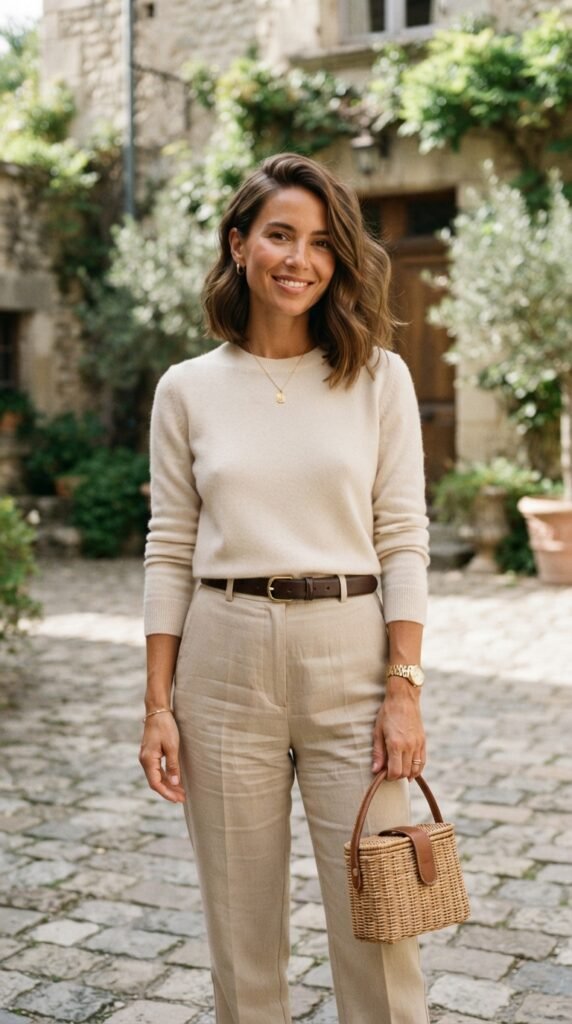
An asymmetrical lob is a smart choice when one side of your hair has more breakage than the other. The uneven line distracts from thin areas.
Ask your stylist to keep the length on your stronger side and trim more from the damaged side. Then style it with a deep side part or loose twist.
- Use a claw clip on the shorter side
- Keep ends tucked under
- Avoid tight ponytails
Old Money Hair Without the Heat
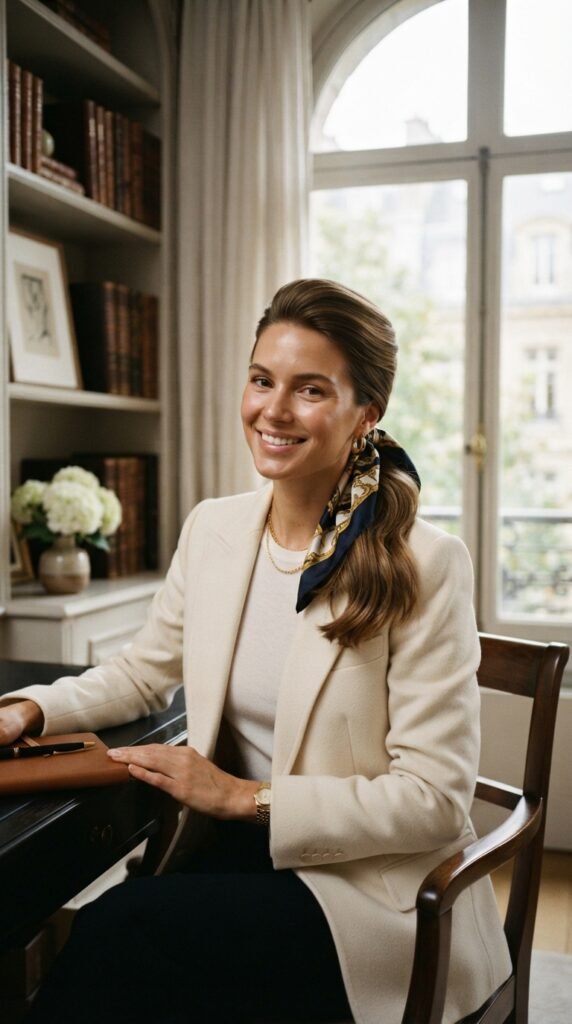
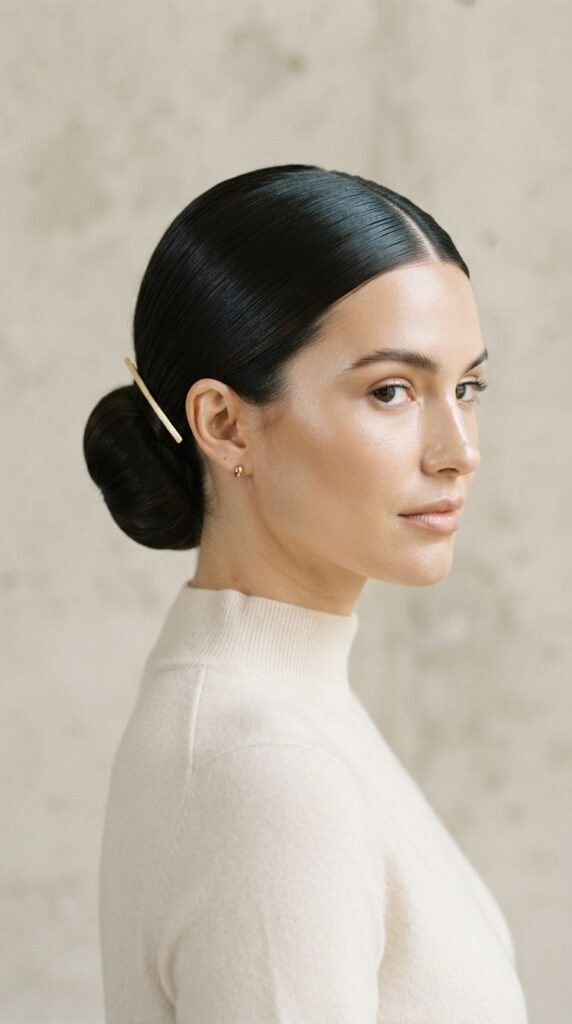
Old money hair looks expensive because it looks healthy and unbothered. You don’t need a curling iron to get it.
Try a low ponytail with a silk scarf, a loose French twist, or a smooth bun with a middle part. Use a little leave-in cream to smooth flyaways.
- Brush hair back gently.
- Secure with a soft scrunchie.
- Wrap a silk scarf around the base.
- Pull out two tiny face-framing pieces.
Hime Cut for Blunt, Healthy-Looking Ends

The hime cut is a Japanese style with blunt side pieces and longer back hair. It looks striking, but it can also help damaged hair look healthier.
Blunt ends often appear thicker and shinier than thinned-out layers. If your back hair is fragile, keep the side pieces sharp and the length simple.
- Wear the back in a low braid
- Keep side pieces smooth with a tiny bit of oil
- Avoid over-layering
Romantic Goth Hairstyles for Fragile Hair
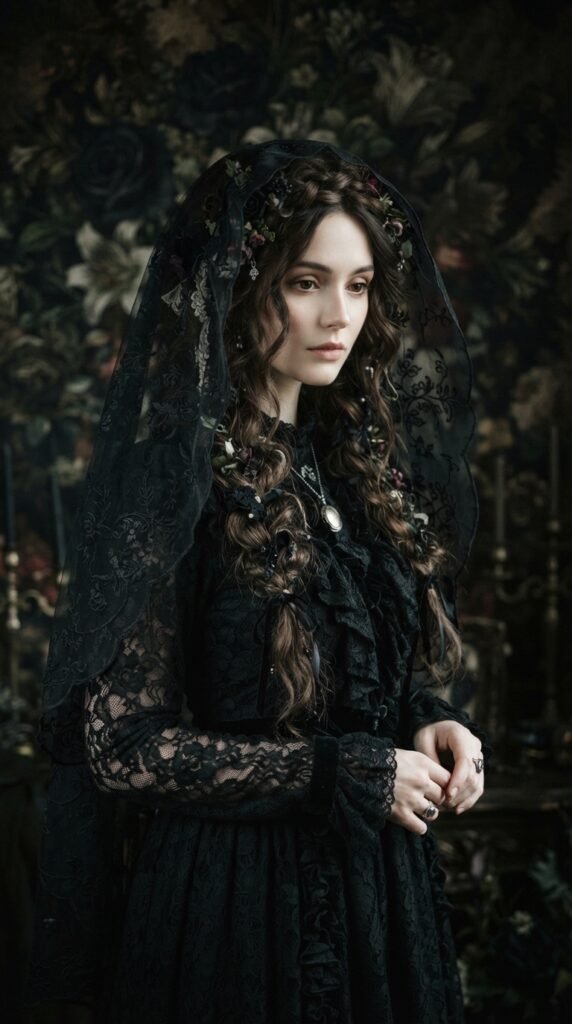
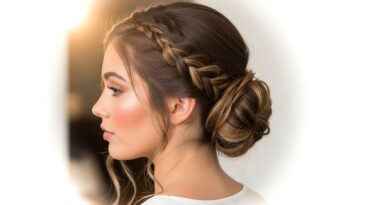
Romantic goth hairstyles can be soft, not severe. Think loose braids, low buns, and face-framing pieces with a little volume at the crown.
Since over-processed hair hates tension, skip tight pigtails and heavy teasing. Use a soft headband or ribbon instead.
- Loose twin braids
- Low bun with a velvet ribbon
- Half-up twist with a comb
- Silk scarf wrapped loosely
Glitchy Glam Hair with No Hot Tools
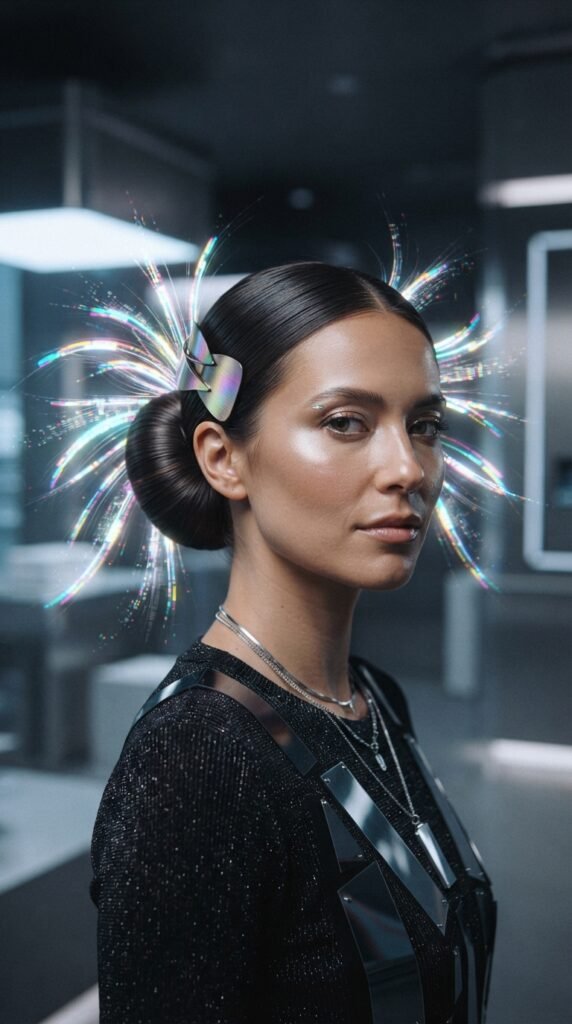
Glitchy glam hair is playful and a little imperfect. It works with damaged hair because messy texture is part of the look.
Try a low bun with a few loose strands, or a deep side part with a metallic clip. You can also braid damp hair and let it air dry for bend without heat.
- Use gel on edges only
- Let the rest stay soft
- Add one shiny accessory
The Vampire Haircut for Edgy Growth

A vampire haircut usually means long layers, a center part, and dramatic face-framing pieces. It can look dramatic without requiring daily heat.
For damaged hair, ask for soft face-framing rather than choppy layers. Keep the back length protected in loose braids or low buns.
- Air dry with a light mousse
- Twist front pieces away from your face
- Use a satin pillowcase
Claw Clip Twists That Protect Your Ends

Claw clips are a damaged hair hero. They hold hair without tight elastics and keep ends tucked away.
Twist your hair up like you’re making a loose bun, then clip it. Leave the clip slightly loose so it doesn’t pull.
- Gather hair low.
- Twist upward.
- Fold the twist.
- Clip the base.
Loose Braids for Resting Over-Processed Strands

Braids are great for low manipulation as long as they’re loose. A tight braid can pull your scalp and cause breakage at the hairline.
Braid damp hair with a leave-in conditioner. Use a soft scrunchie or silk ribbon at the end. Don’t braid all the way to the very tips if they’re fragile.
- Single side braid
- Two loose braids
- Braided low bun
Satin Scarf Buns for Soft Sleep Protection
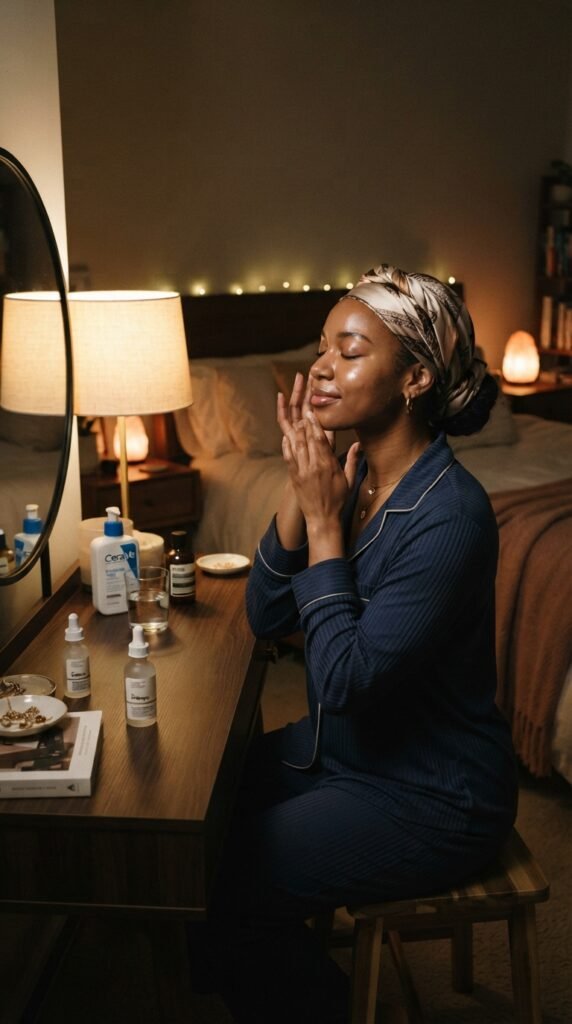
Satin scarves reduce friction while you sleep. That means less breakage, less dryness, and fewer tangles in the morning.
Put hair in a loose high bun on top of your head, then wrap a satin scarf around your edges and nape. Don’t tie it too tight.
- Use a satin pillowcase too
- Keep the bun loose
- Skip metal clips at night
Low Buns That Don’t Pull Your Hairline
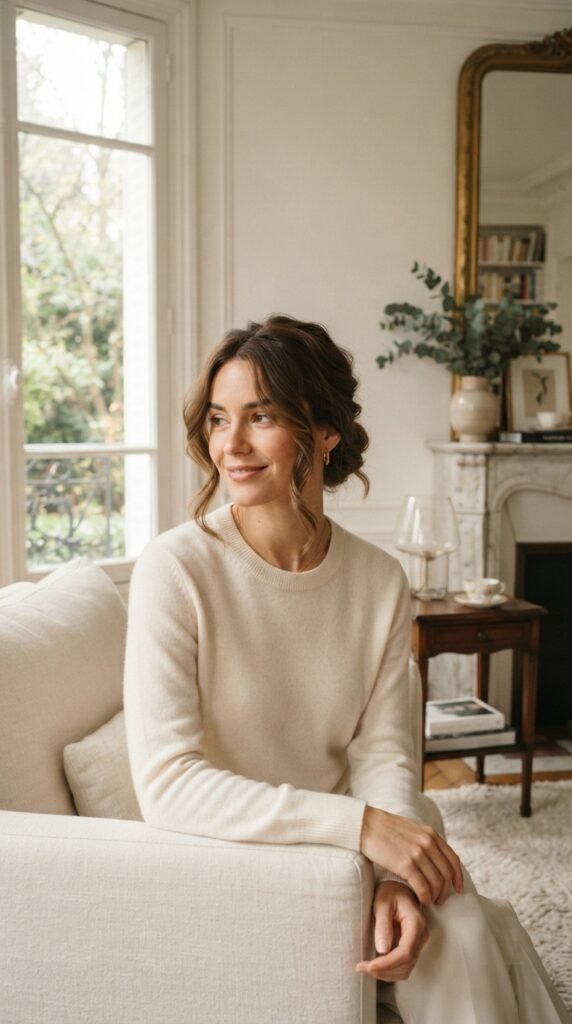
A low bun can be gentle if you build it right. The key is to avoid slicking everything back with tight tension.
Use your fingers instead of a brush. Gather hair at the nape, twist loosely, and secure with a soft scrunchie or spin pin.
- Leave the part soft.
- Pull out two face-framing strands.
- Don’t tighten the edges.
- Mist with light leave-in.
Half-Up Loops for Grown-Out Layers
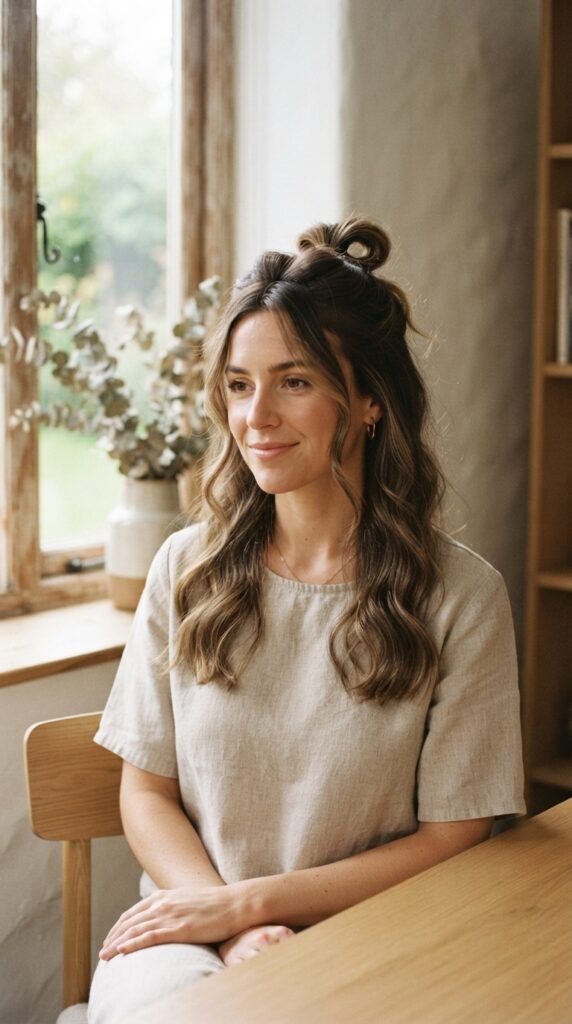
Half-up loops keep hair out of your face without putting stress on your ends. They’re perfect for grown-out layers and damaged mid-lengths.
Take two small sections from above your ears. Cross them loosely at the back and pin with a claw clip or bobby pins.
- Don’t pull tight
- Keep the loop low
- Let the rest hang loose
Headband Styles for Damaged Mid-Length Hair
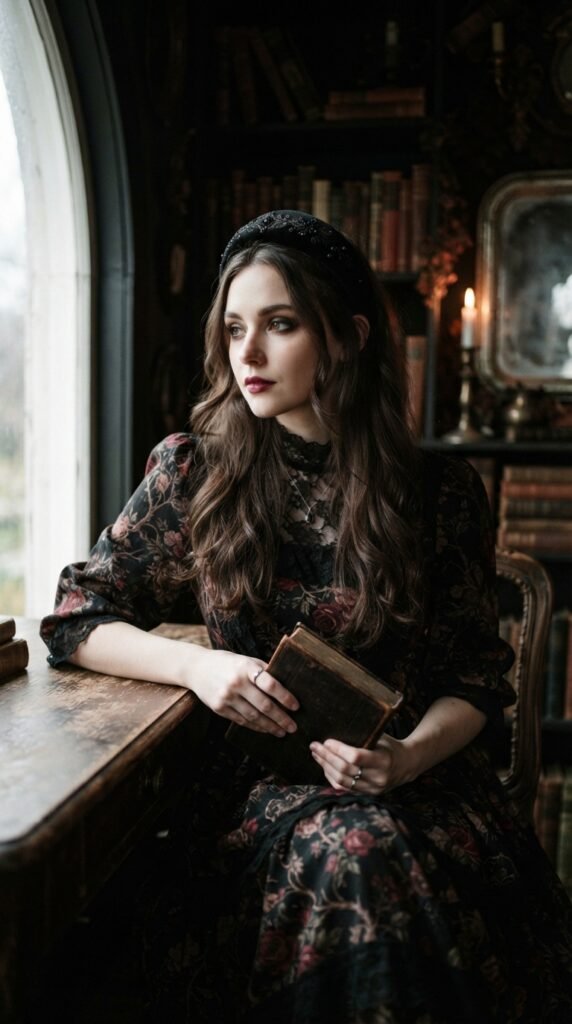
Headbands let you skip tight ponytails and still look styled. A padded headband adds volume without teasing.
Place the headband on, then tuck one side behind your ear. Leave the rest loose or gather it into a low twist.
- Silk or satin headbands are gentlest
- Avoid tight elastic bands
- Use a little oil on ends
Night Routine to Keep Low Manipulation Working
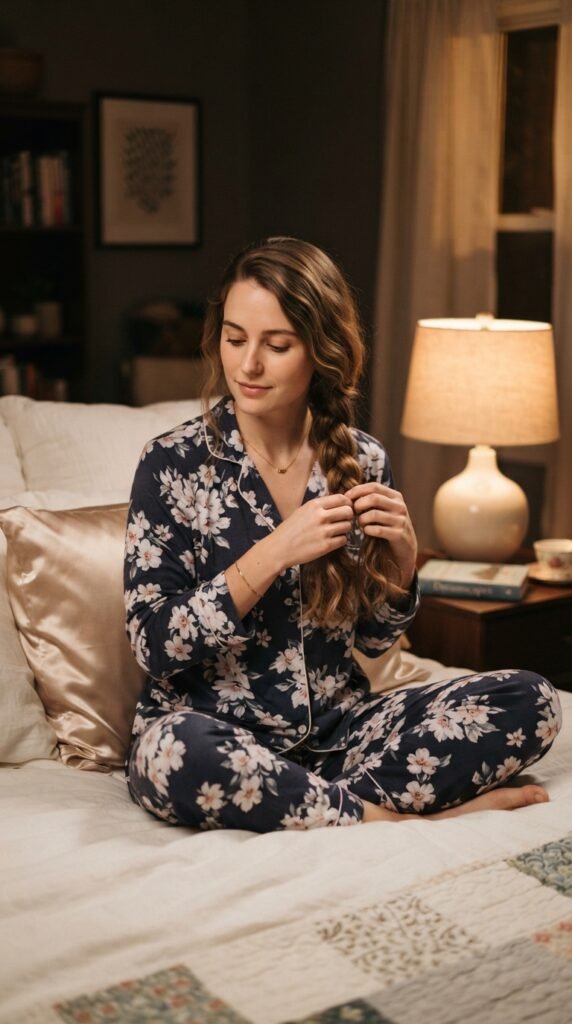
Your nighttime routine decides how your hair looks tomorrow. If you sleep on cotton with loose hair, you’ll wake up with tangles and breakage.
Before bed, mist ends with water and add a tiny bit of oil. Put hair in a loose braid or top bun. Wrap with satin or use a satin pillowcase.
- Detangle gently.
- Add moisture.
- Secure loosely.
- Protect with satin.
How to Refresh Hair Without Restyling

You don’t need to redo your whole style every morning. Refresh means adding moisture and smoothing, not brushing everything out.
Mist dry areas with water or a leave-in spray. Smooth with your hands. Add a drop of oil to ends. Then let it air dry.
- Don’t brush out braids
- Don’t add heat
- Don’t re-tighten aggressively
Accessories That Make Simple Styles Look Expensive
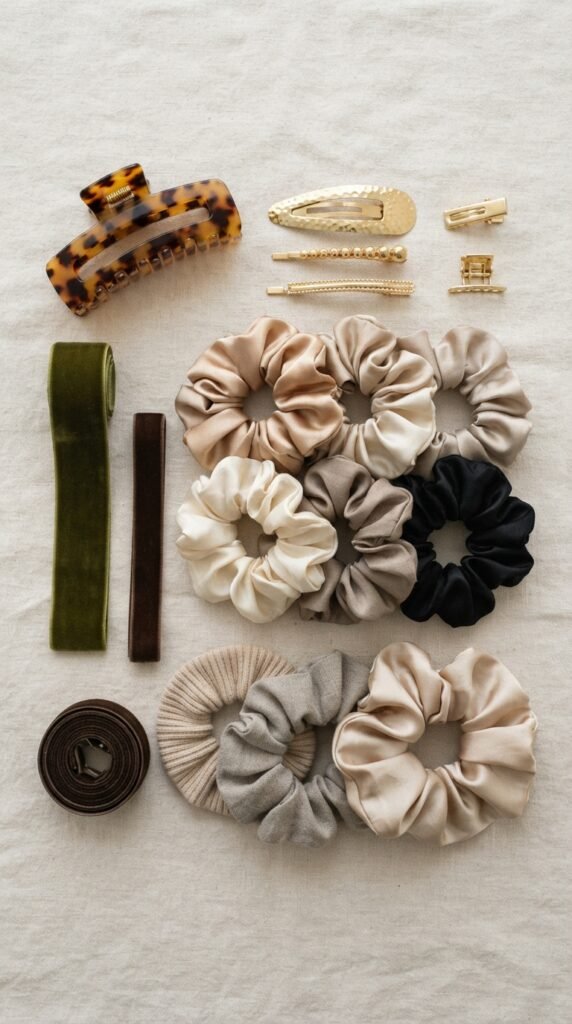
The right accessory can turn a basic low bun into old money hair. You don’t need many, just a few good pieces.
Choose smooth materials that won’t snag. Satin scrunchies, silk ribbons, gold clips, and tortoiseshell claws are all gentle and pretty.
- Satin scrunchie
- Silk ribbon
- Gold hair clip
- Velvet headband
When to Trim Over-Processed Hair
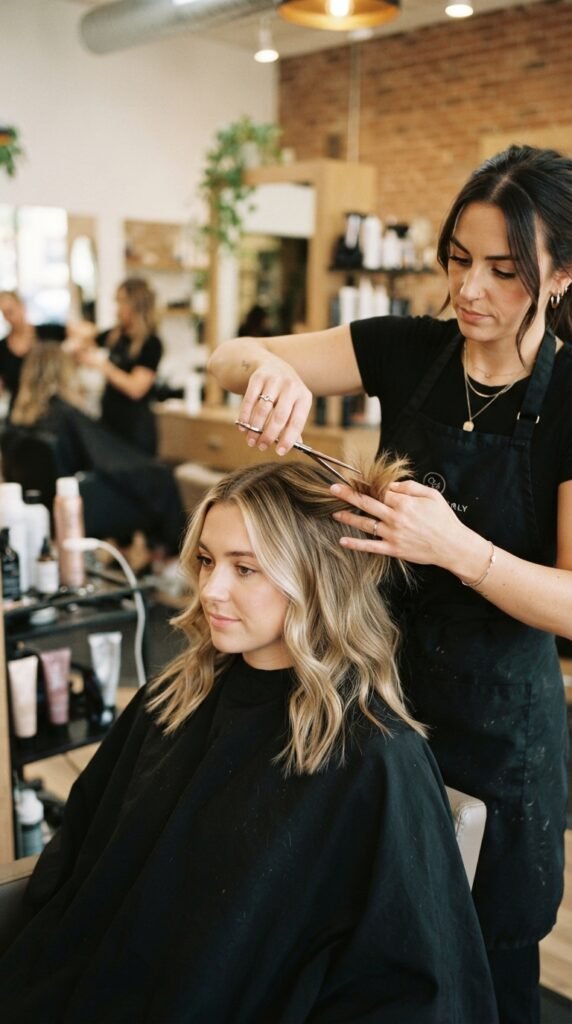
Trim when ends feel crunchy, stringy, or split. A tiny trim can make low manipulation styles look instantly healthier.
You don’t always need a big chop. Ask for a dusting or micro-trim every 8 to 12 weeks. If hair breaks when you comb it, trim sooner.
- Dusting: very little length removed
- Micro-trim: clean up ends
- Big chop: remove severe damage
A 7-Day Low Manipulation Plan
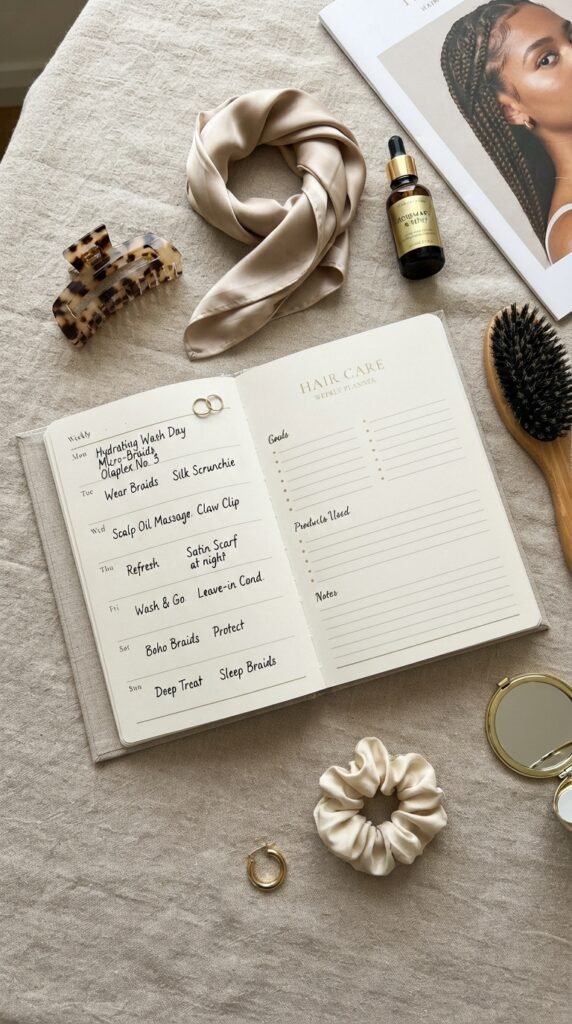
Here’s a simple week to rest your over-processed strands while still looking cute.
Keep touching, brushing, and heat to a minimum. By day seven, your hair should feel calmer and look shinier.
- Day 1: Wash, deep condition, air dry, loose braid.
- Day 2: Claw clip twist.
- Day 3: Low bun with satin scarf.
- Day 4: Half-up loop.
- Day 5: Loose braid refresh.
- Day 6: Headband style.
- Day 7: Satin scarf bun and trim check.
My Gentle Takeaway
Restoring over-processed damaged strands is not about doing more. It’s about doing less, more gently, for longer. Low manipulation hairstyles give your hair the quiet time it needs to recover.
Start with one style that feels easy. Then build a simple routine around moisture, loose protection, and satin. Save this post to Pinterest so you can come back to these ideas on your next wash day. Which low manipulation style are you trying first? Tell me in the comments. I love hearing what works for you.