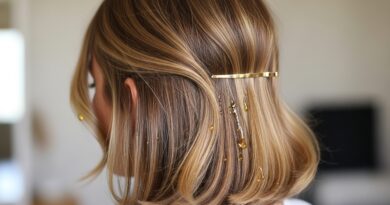
Reviving Dull Winter Hair With Glossing Treatments And Toners
Winter does something sneaky to our hair. The heat kicks on, the air gets dry, and suddenly the color that looked rich in October looks flat. A little gray. A little tired.
Here is the good news: you do not need a full color appointment to fix it. Glossing treatments and toners are the two fastest ways to bring shine and tone back to life, usually in under an hour at home.
I am sharing exactly how each one works, which one you actually need, and how to keep that glassy, expensive finish all season long. Whether you are wearing a quiet luxury bob or a full vampire haircut, this works.
Let us get your shine back.
Why Winter Hair Goes Dull (And It Is Not Your Fault)

Cold air outside, dry heat inside. That combination pulls moisture out of your strands faster than any other season. The cuticle gets rough and lifted, so light scatters instead of bouncing off. That is the whole secret behind dull hair.
Add in wool hats, hard water, and fewer sunny days, and your color starts to look slightly off. Dark hair reads ashy. Blonde reads brassy. Red fades fast.
None of this means your hair is damaged. Most of the time it is buildup plus lifted tone, and both are fixable in one sitting.
Gloss vs. Toner: The Real Difference
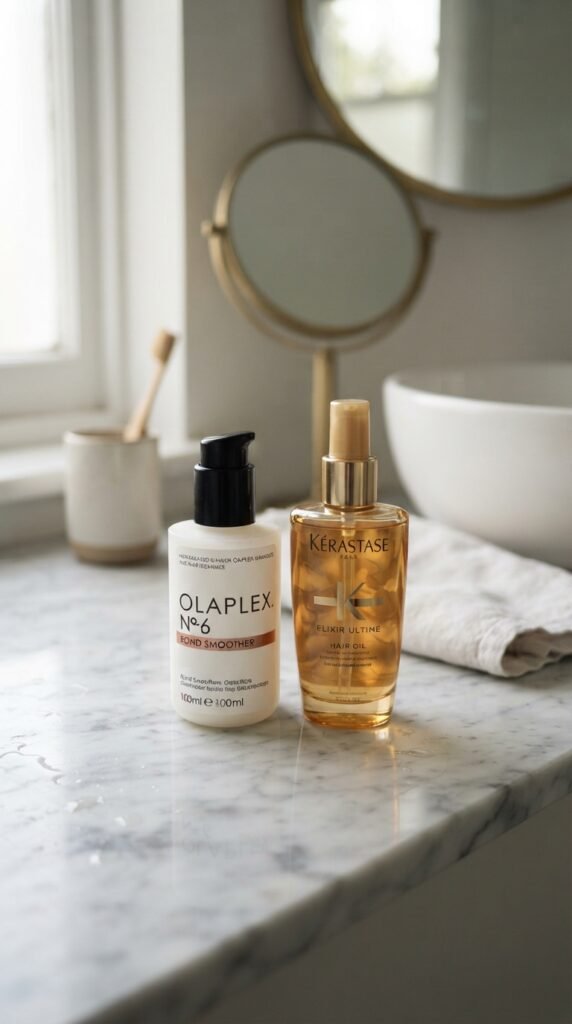
People mix these up constantly, so here is the simple version.
- Gloss: adds shine, seals the cuticle, and can deposit a light tint. Think of it as a topcoat.
- Toner: cancels unwanted color like brass or orange. It changes tone, not shine.
A gloss makes hair look expensive. A toner makes hair look clean and correct. Many of us need both, and they can be done back to back.
If you only pick one, ask yourself what bothers you more: lack of shine, or the wrong tone. That is your answer.
What a Hair Gloss Really Does
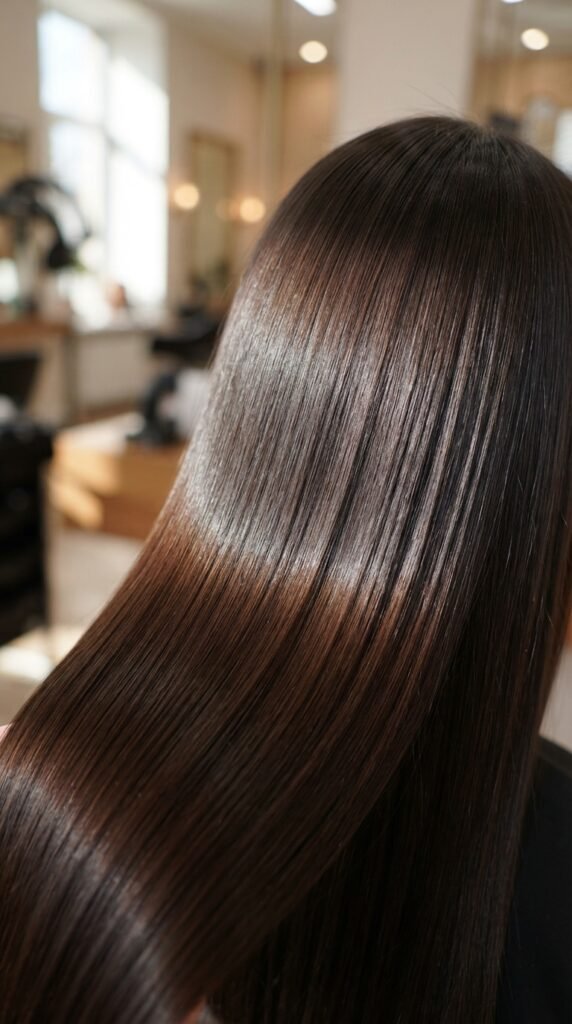
A gloss fills in the rough spots on your cuticle so light reflects in one smooth sheet. That is why glossed hair looks wet even when it is dry.
It also adds a whisper of color, usually clear, warm, or cool. Nothing dramatic. Just enough to make your existing shade look richer.
- Best for dark hair, fine hair, and anyone chasing mirror shine
- Lasts roughly three to four weeks
- No bleach, no commitment, no grow-out line
It is the single easiest upgrade you can book or do at home.
What a Toner Really Does
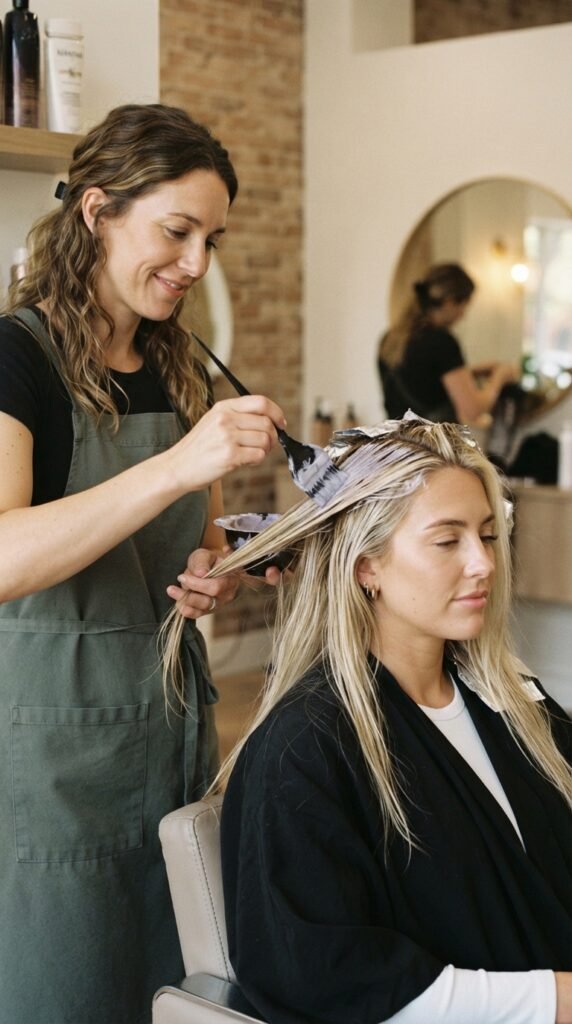
A toner neutralizes what you do not want. Purple cancels yellow. Blue cancels orange. Green sometimes cancels red.
It sits on top of the hair and fades gradually, which means it is low risk but also temporary. Two to four weeks is normal.
- Use it after lightening to kill brass
- Use it when your brunette turns copper in winter
- Skip it if your hair is unbleached and very dark, since it cannot lift
Toners correct. They do not add shine, so pair one with a gloss if you want both.
The 2026 Hair Color Mood Board
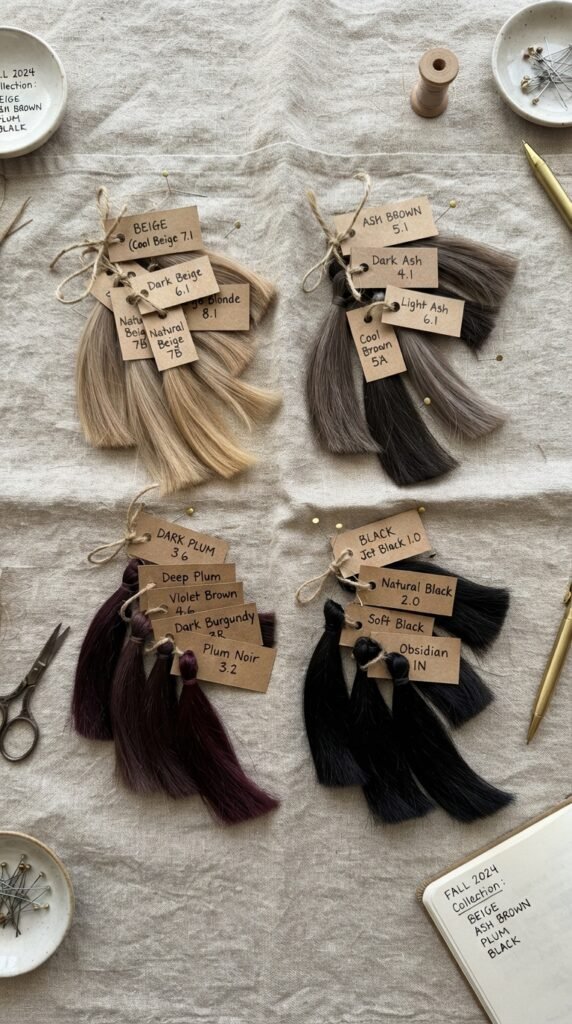
Every look trending right now depends on tone and shine more than cut.
- Quiet luxury bob: beige, glassy, blunt
- Old money hair: rich brown with soft dimension
- Romantic goth hairstyles: deep black with a blue base
- Glitchy glam hair: high contrast, graphic, color-blocked
- Asymmetrical lob: clean tone from root to tip
- Vampire haircut: dark, sharp, slightly moody
- Hime cut: sleek, blunt, almost lacquered
Notice the pattern? All of them live or die on shine and tone.
Glossing for the Quiet Luxury Bob

This cut is all about polish, so the finish has to be flawless. A quiet luxury bob looks best with a clear or beige gloss that keeps things neutral and expensive.
Avoid anything too warm, since gold tones make it read less refined. Cool beige is your friend.
- Ask for a clear gloss with a hint of beige
- Keep ends blunt and freshly trimmed
- Rinse with cool water to lock in shine
Do this every three to four weeks and your bob will look like it belongs in a magazine.
Toners for Your Old Money Hair

Old money hair is never loud. It is soft beige blonde, expensive brunette, or a natural-looking lowlight situation that whispers instead of shouts.
In winter, this color pulls warm and brassy fast. A neutral or ash-based toner fixes it without turning anything gray or flat.
- Cool-toned toner for ashy browns and soft blondes
- Neutral toner if you want zero gray cast
- Skip heavy ash if your skin has warm undertones
Pair it with a gloss and you get that quiet, healthy, inherited-wealth look.
Keeping an Asymmetrical Lob Bright

An asymmetrical lob shows every tone difference because the lengths vary so much. If your ends are lighter or warmer than your roots, it becomes obvious.
The fix is simple. Gloss the entire head, root to tip, so the tone reads even all the way around.
- Use one formula across the whole head
- Add a toner first if the ends are brassy
- Keep the shorter side trimmed tight
Even tone plus shine makes this cut look intentional instead of accidental.
Glossy Romantic Goth Hairstyles
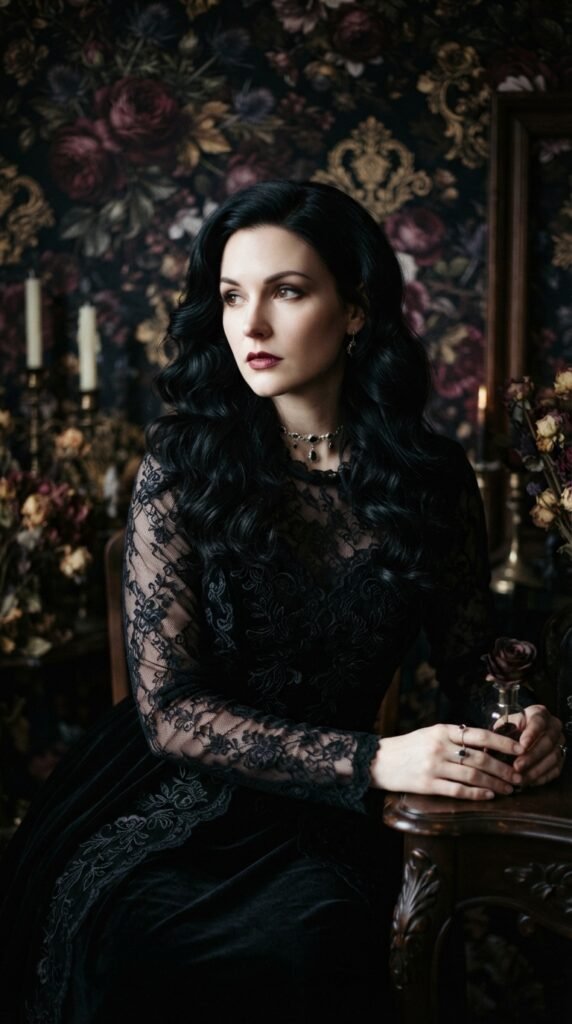
Romantic goth hairstyles need depth, not flatness. Jet black that looks dusty or gray is the enemy here.
A gloss is everything for this vibe. Go for a blue-based black gloss so it reads rich and inky instead of charcoal.
- Blue-black gloss for cool, deep shine
- Oxblood or dark plum gloss if you want color
- Add soft waves for that romantic, broken-doll feel
Toner does very little on hair this dark, so put your money into glossing instead.
Glitchy Glam Hair Needs a Toner First
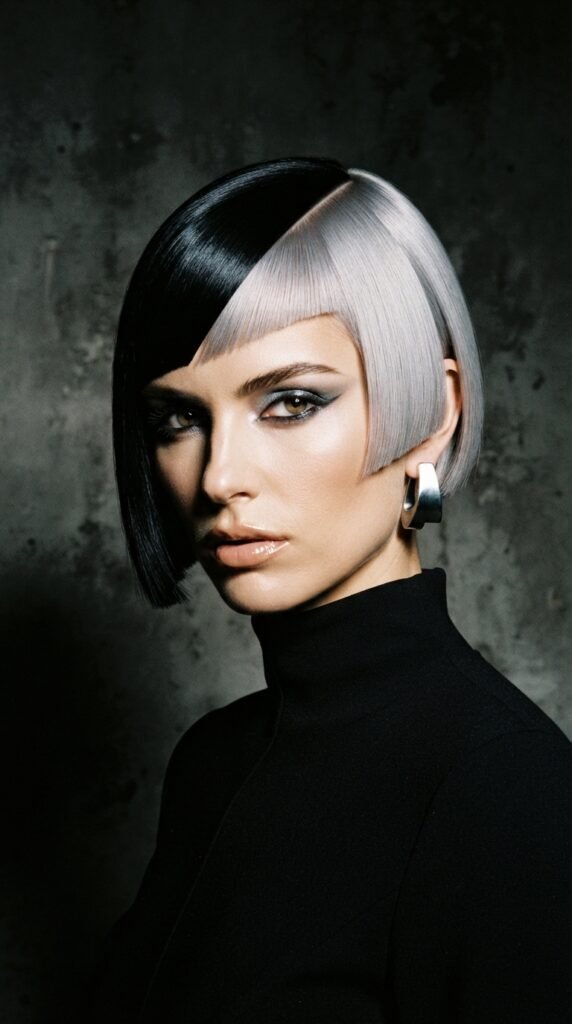
Glitchy glam hair is high contrast on purpose. Think sharp lines, color blocking, and sections that almost look digitally rendered.
Here is the catch: every bright section has to be clean. If your blonde is yellow, the whole look falls apart. Tone first, gloss second.
- Tone the lightened pieces until they are neutral
- Gloss the whole head for a unified finish
- Style with sharp, deliberate partings
Do it in that order and the contrast stays crisp instead of muddy.
The Vampire Haircut: Depth Without Flatness

The vampire haircut is dark, sharp, and a little bit dramatic. Usually mid-length with heavy layers or a strong fringe.
The problem is that dark hair can look like one solid block. Gloss fixes that by adding reflective dimension so the layers actually show.
- Clear gloss to boost shine without shifting color
- Cool toner if your dark shade is pulling red
- Light layers to keep it from looking heavy
Result: moody, deep, and expensive rather than flat and lifeless.
Hime Cut Shine, Straight From the Salon

The hime cut is blunt, geometric, and unforgiving. Straight side pieces, blunt fringe, long back. There is nowhere for dullness to hide.
This look lives on mirror shine. A clear gloss is non-negotiable.
- Book a clear gloss every four weeks
- Flat iron on low heat with a protectant
- Finish with a lightweight shine serum on ends only
Keep it sleek and you will look like you stepped out of a very chic anime.
How Often Should You Gloss or Tone?
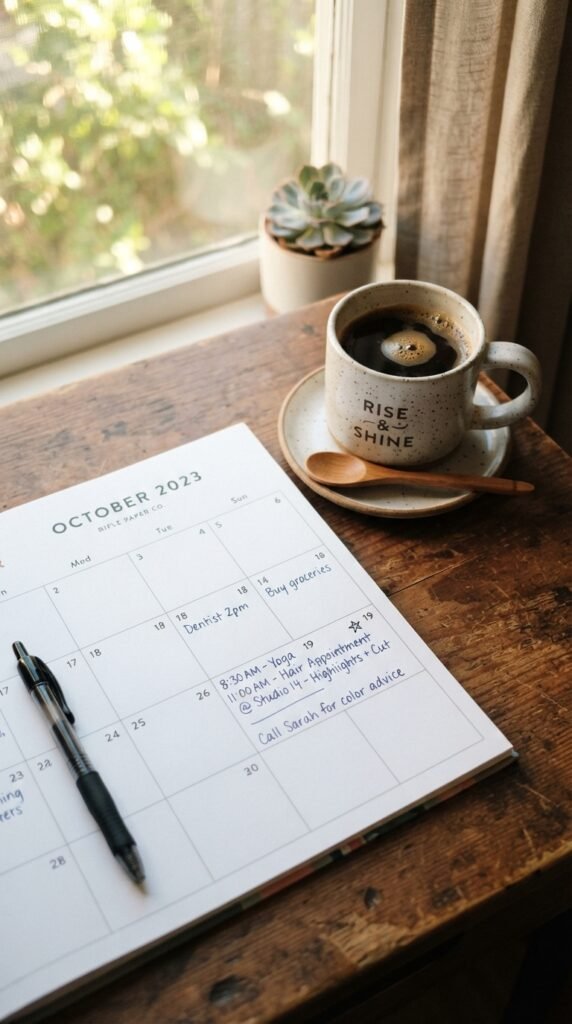
Here is the schedule I actually follow.
- Salon gloss: every three to four weeks
- Toner: every four to six weeks, or whenever brass shows up
- At-home gloss: every one to two weeks if the formula is gentle
- Clarifying wash: once every two weeks
Over-toning is real and it makes hair look muddy. If your tone is fine, leave it alone and gloss instead.
Write it in your phone so you stop guessing.
The At-Home Gloss: What to Grab
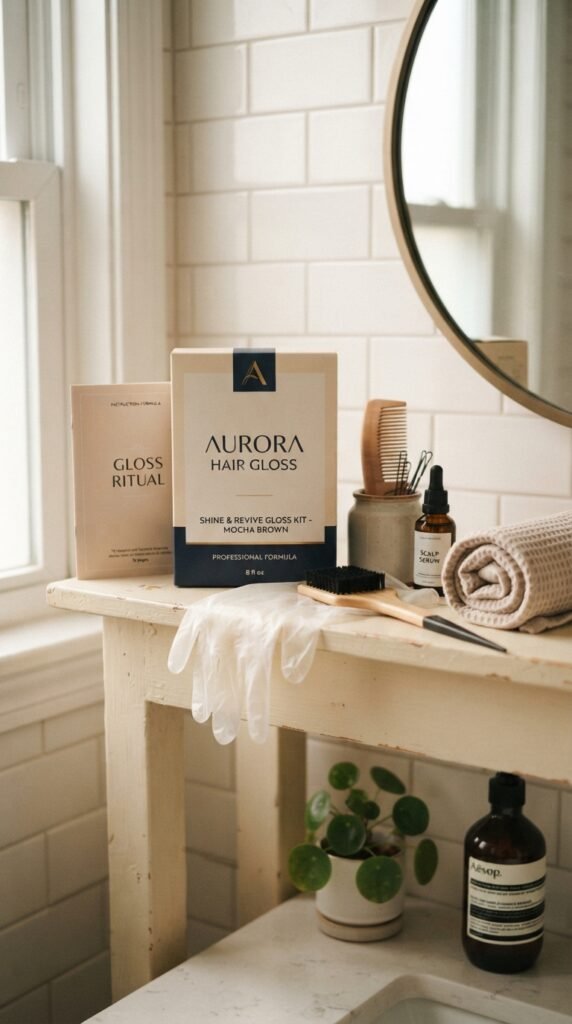
You do not need a salon to get glassy hair. At-home glosses are genuinely good now.
Look for a semi-permanent glaze that is ammonia-free and peroxide-free. Those add shine and a hint of tint without changing your color structure.
- Clear gloss for shine only
- Beige or champagne for warm blondes
- Cool brown or espresso for dark hair
Apply on damp hair, section it, and set a timer. Do not freestyle the timing on your first try.
At-Home Toner Rules You Should Not Break

Toners are safe but not foolproof. A few rules keep you out of trouble.
- Never leave it on longer than the directions say
- Strand test first, always
- Do not expect it to lighten dark hair
- Apply to damp, towel-dried hair
- Rinse thoroughly with cool water
Break these and you end up with gray patches or a muddy tone that takes weeks to fade.
Slow down, follow the clock, and you will be fine.
The Purple and Blue Shampoo Debate
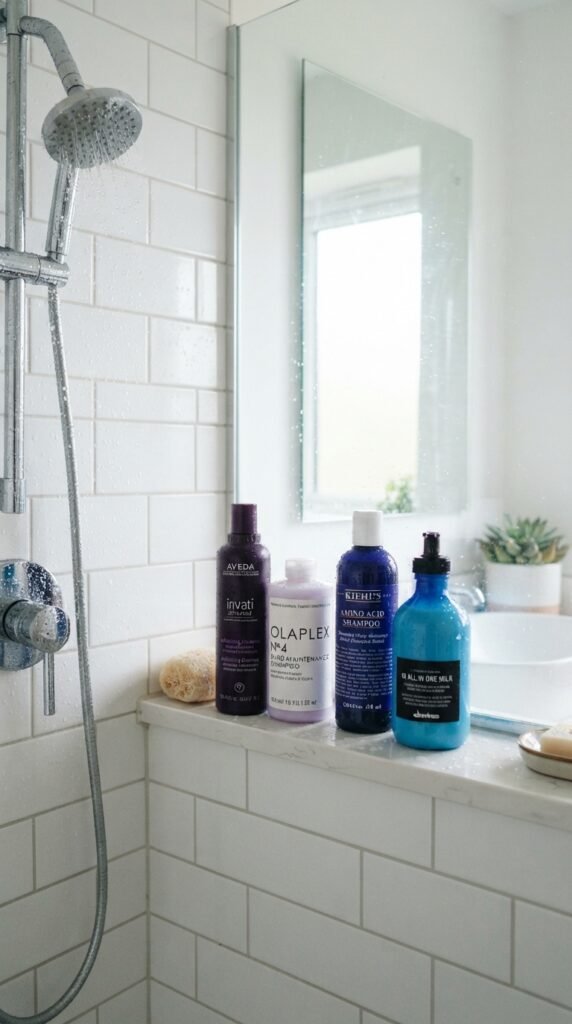
Here is the truth: purple and blue shampoos are maintenance, not treatment.
- Purple cancels yellow. Best for blonde and silver.
- Blue cancels orange. Best for brunettes and dark blondes.
Use them two to three times a week at most. Any more and your hair turns ashy or even slightly green.
They will not replace a real toner, but they stretch the time between appointments. Think of them as keeping the peace, not fixing the problem.
Prep Your Hair Before Any Gloss
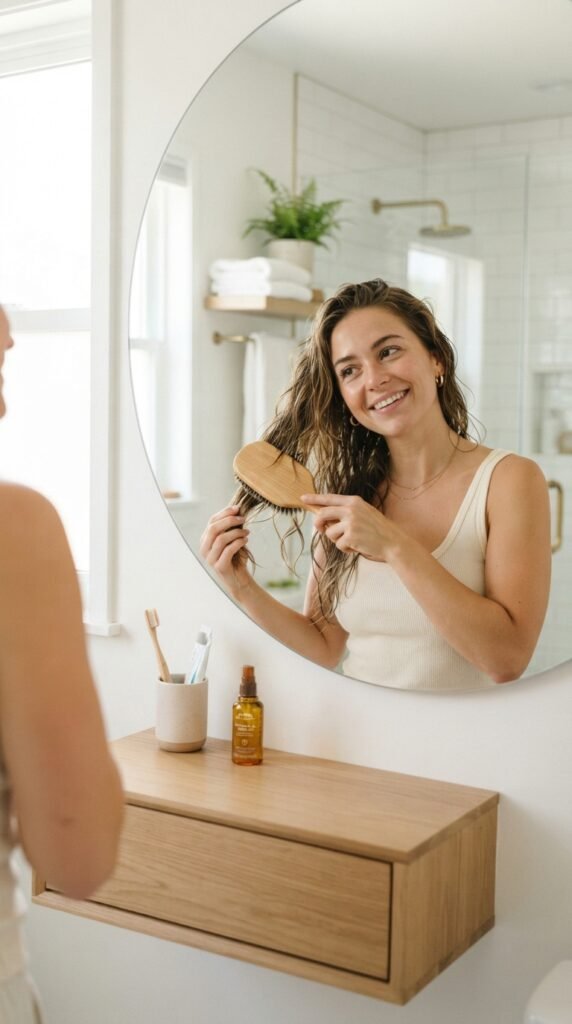
Prep decides your result. Skip it and your gloss sits on top of buildup instead of bonding.
- Clarify with a gentle cleansing shampoo
- Skip heavy silicones and oils for 24 hours before
- Deep condition if your ends feel dry
- Detangle completely so application is even
Clean canvas, better shine. It is that simple.
If your hair is very dry, do a mask two days before rather than the same day.
The 3-Step Gloss Routine at Home
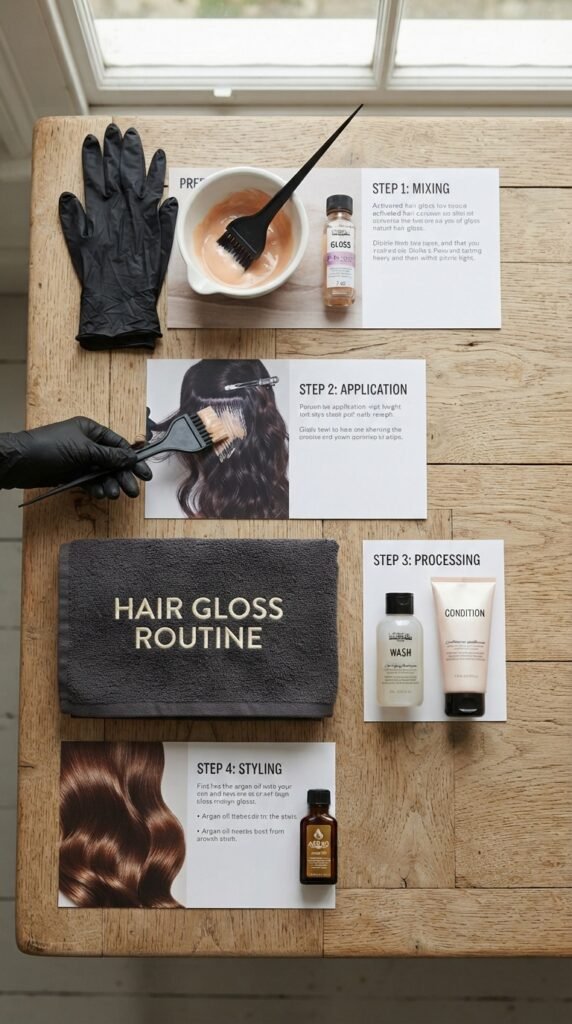
This takes about forty minutes and costs a fraction of a salon visit.
- Wash and clarify, then towel dry to damp
- Section and apply gloss root to tip with a brush
- Wait, rinse cool, then seal with a leave-in
The cool rinse matters. It closes the cuticle and locks in that glassy finish.
Style as usual and you will notice the difference immediately.
Heat, Hard Water, and Dull Winter Hair
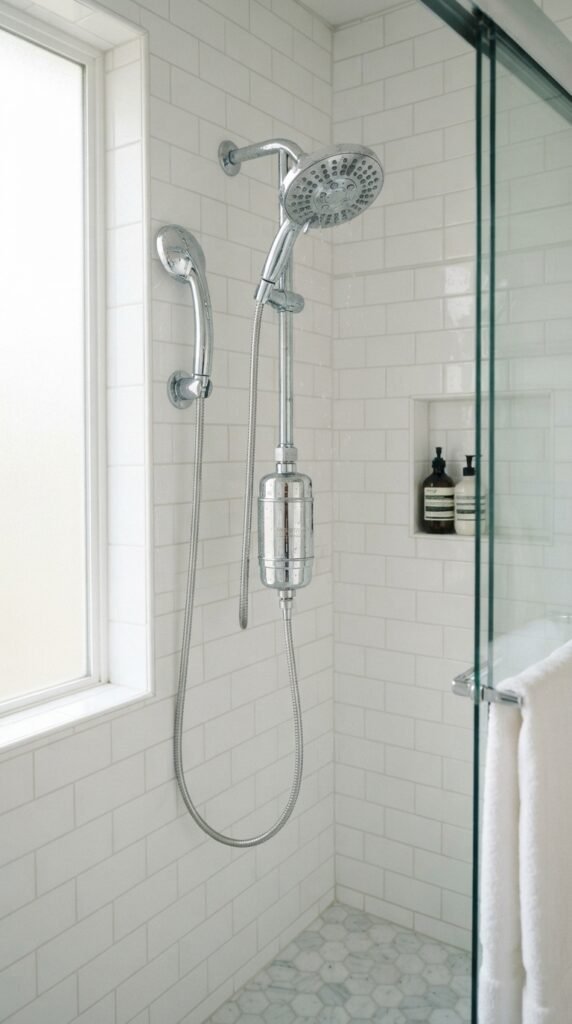
Two sneaky culprits steal your shine all winter: hot tools and hard water.
- Always use heat protectant, every single time
- Keep flat irons under 350 degrees
- Install a shower filter to cut mineral buildup
- Finish every wash with a cool rinse
Mineral deposits coat the strand and block light. That alone can make freshly glossed hair look dull within a week.
Fix the water, protect from heat, and your gloss lasts noticeably longer.
Shine Without Color: The Clear Gloss

Not everyone wants a tone shift. That is exactly what a clear gloss is for.
It adds pure shine with zero color deposit, so it works on grays, curls, coils, and anyone who loves their current shade exactly as it is.
- Great for silver and gray hair that looks dry
- Safe on color-treated and highlighted hair
- Perfect monthly maintenance between cuts
If you are nervous about changing anything, start here. All shine, no risk.
Products I Keep in My Shower
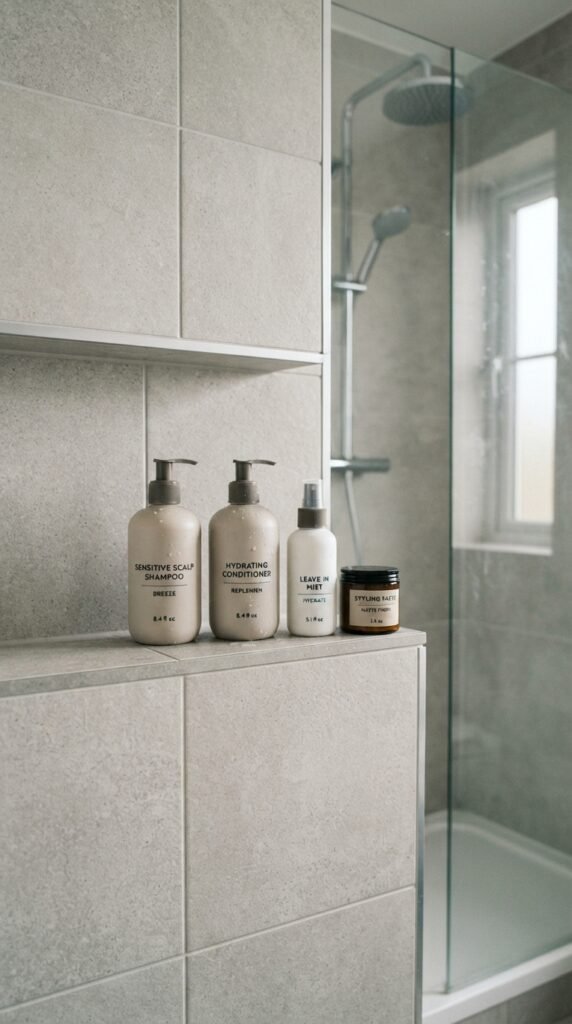
I keep it simple because too many products cause buildup, and buildup kills shine.
- A gentle clarifying shampoo
- A hydrating conditioner for mid-lengths and ends
- Purple or blue shampoo depending on my tone
- A lightweight leave-in shine serum
That is it. Four products, rotated properly, and my hair stays glossy all winter.
More products do not equal more shine. Usually the opposite.
Budget vs. Salon: What Is Worth It
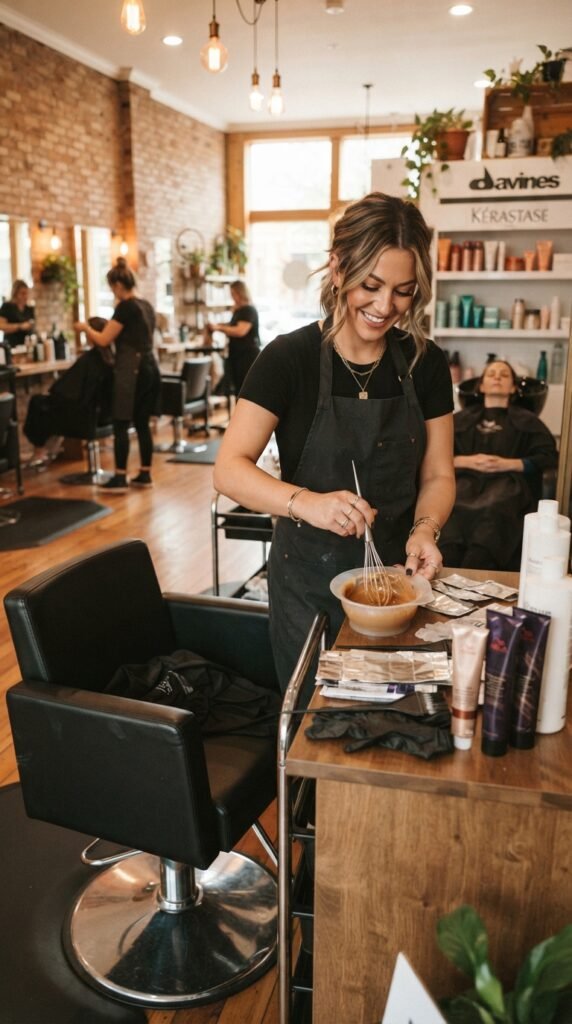
Here is how I split it.
- Go to the salon the first time, or any time you want a real tone change
- Go to the salon if your hair is heavily lightened or previously box-dyed
- Do it at home for maintenance glosses and shine touch-ups
A salon gloss runs higher, but the result is more even and lasts longer. At-home keeps you looking polished between visits.
Best of both worlds, honestly.
Mistakes That Make Hair Duller

I have made every one of these, so learn from me.
- Washing every single day
- Scalding hot water on your ends
- Layering serum on top of serum
- Toning too often and going muddy
- Skipping conditioner because your roots get oily
Most dullness is not damage. It is buildup and dehydration.
Cut one of these habits this week and you will see a difference before your next gloss.
Your Winter Gloss Calendar

Steal my winter plan.
- Week 1: clarify, deep condition, gloss at home
- Week 2: purple or blue shampoo twice, leave-in only
- Week 3: trim if ends look thin, gloss again if needed
- Week 4: salon toner or gloss appointment
Repeat all season. It is boring, it is predictable, and it works every time.
Quick Fixes Before a Big Night

Last-minute plans? Here is your ten-minute rescue.
- Refresh roots with dry shampoo, then brush it through
- Mist a shine spray on mid-lengths and ends
- Blast with a cool shot to seal the cuticle
- Add one drop of serum to ends only
Skip the flat iron if you can. Heat flattens shine and makes hair look drier by the end of the night.
Cool air, light layers, done.
A Final Cozy Thought
Dull winter hair is not a permanent situation. It is a tone problem and a shine problem, and both are easier to fix than you think.
Grab a gloss for the shine. Grab a toner for the tone. Stay consistent, protect your ends, and you will walk into spring with hair that looks like you spent way more on it than you did.
You deserve to feel good about your hair in every season, not just summer.
Save this post to Pinterest so you can find it the next time your color looks tired. And tell me in the comments: gloss or toner, which one are you trying first this winter?