The Curve Cut Is Quietly Taking Over Salons This Season
Something quiet is happening in salons right now. There’s no viral sound, no big announcement, no dramatic before-and-after reel — just stylists in three different chairs cutting the same soft shape, over and over.
It’s called the curve cut. It’s not loud, and it’s not trendy in a flashy way. But once you see it, you can’t unsee it.
Here’s the good news: it flatters almost everyone, it grows out beautifully, and it looks just as good with sweatpants as it does with heels.
In this post, I’m breaking down what it actually is, who it suits best, how to ask for it without confusion, and how to style it at home in five minutes flat. No fluff, I promise.
What Is the Curve Cut, Exactly?
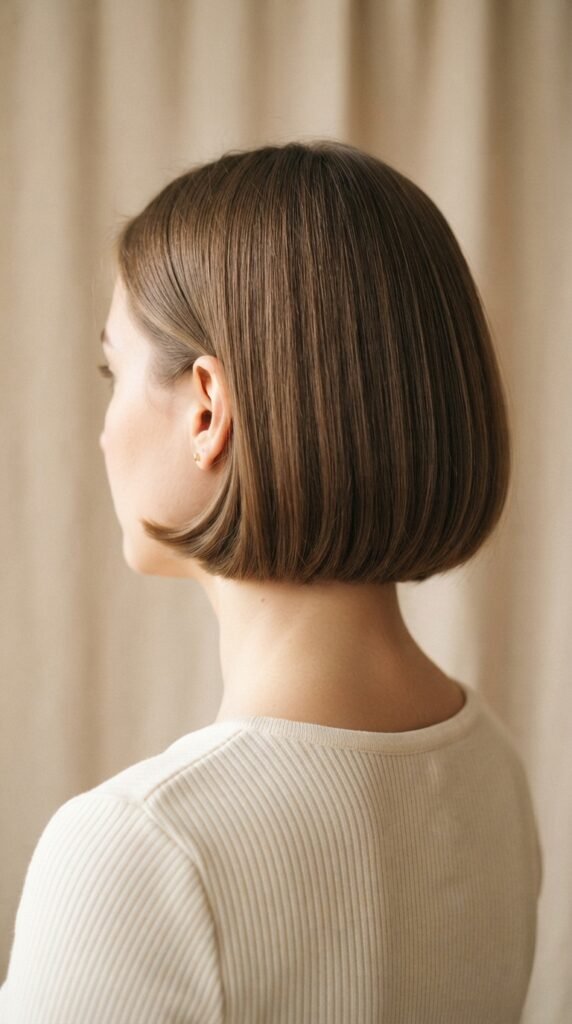
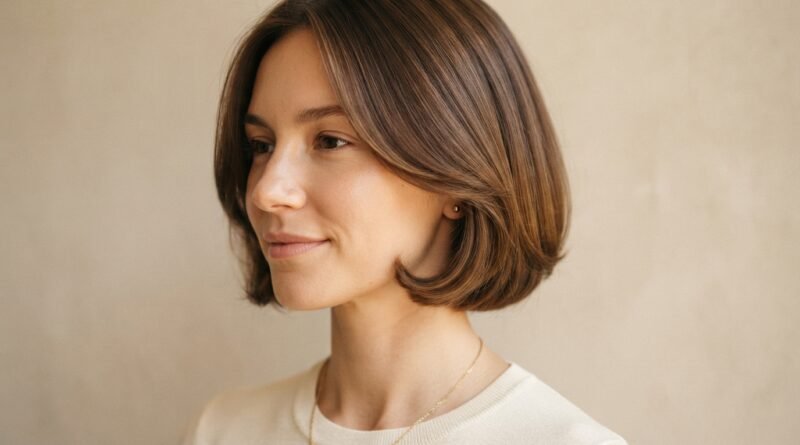
The curve cut is a haircut where the ends aren’t sliced straight across. Instead, your stylist angles the scissors so the hair bends gently inward, following the shape of your jaw and neck instead of fighting it.
Think of it as a soft C shape instead of a hard line.
- Blunt cut: one straight line, strong and graphic
- Curve cut: rounded line, soft and full of movement
- Best part: it looks intentional even on messy hair days
It’s not a brand new invention — stylists have used this technique for years — but it’s having a real moment in 2026 hairstyles.
Why It’s Quietly Taking Over Salons
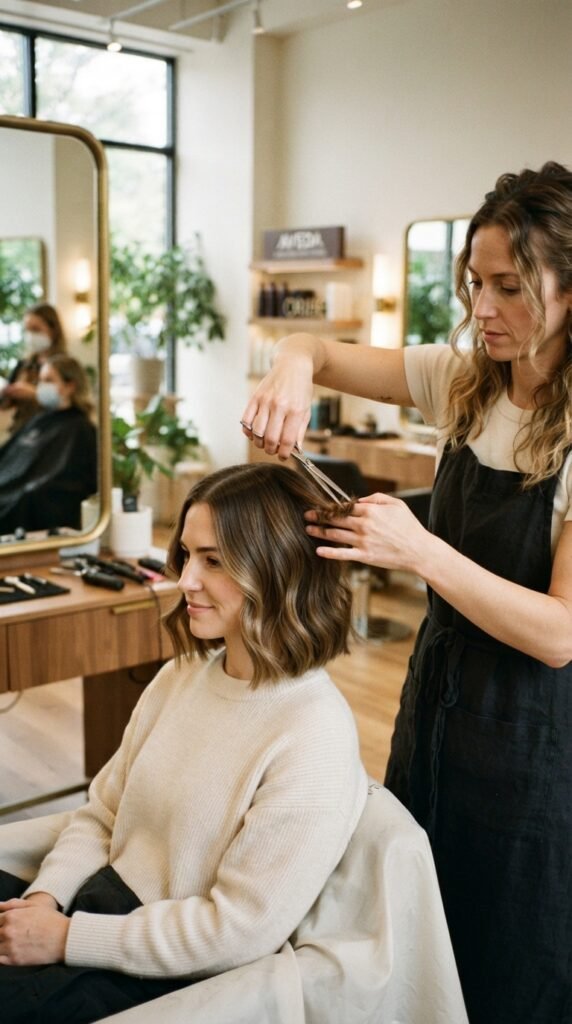
A few things lined up at once. Clients got tired of the harsh blunt bob that needs perfect styling every single morning. Stylists got tired of cutting lines that look uneven after two weeks of growth. The curve cut solved both problems.
It also photographs well, which matters more than ever.
- It grows out softer than a blunt cut
- It works with natural texture instead of against it
- It reads polished without looking “done”
That last point is why it fits right into the quiet luxury mood everyone’s chasing.
Curve Cut vs. Blunt Cut: The Real Difference
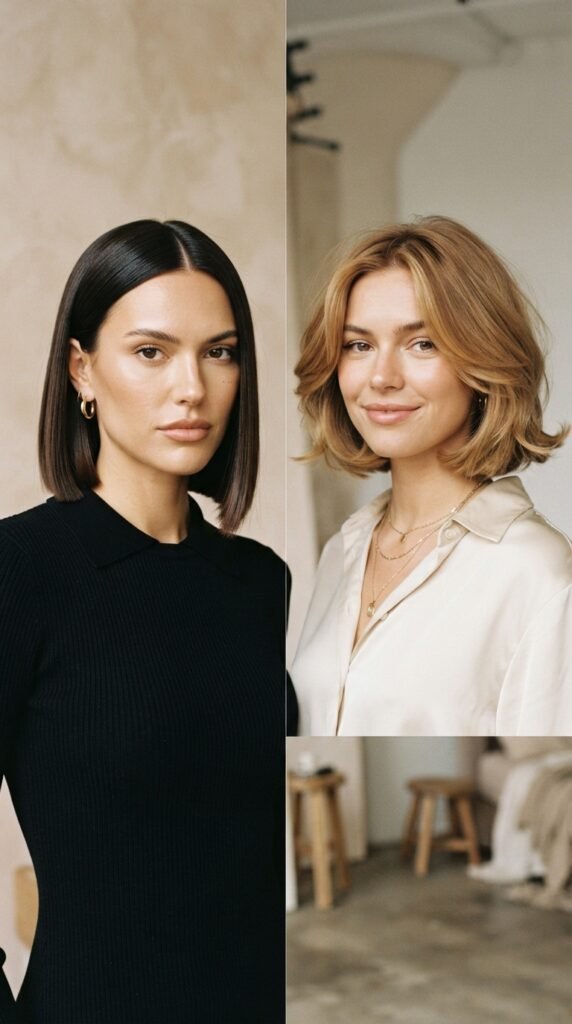
Both are great. They just do different jobs.
Blunt cut: strong, sharp, one length. Amazing if you have thick, straight hair and want that glass-like finish.
Curve cut: rounded, softer, more forgiving. Perfect if your hair is fine, wavy, or somewhere in between.
- Blunt = bold statement
- Curve = quiet polish
- Blunt needs daily styling
- Curve looks good air-dried
If you’ve ever loved a blunt bob in the salon chair and hated it at home, the curve cut is probably your answer.
Who Looks Best in a Curve Cut

Honestly? Almost everyone. But here’s where it truly shines.
- Round faces: the curve follows the jaw and creates length
- Square faces: softens a strong jawline without hiding it
- Heart faces: balances a wider forehead
- Long faces: adds width around the chin
- Fine hair: makes ends look fuller
- Thick hair: removes bulk without losing shape
The one caveat: if you want a sharp, architectural look, a blunt cut is still the move.
How to Ask Your Stylist for a Curve Cut
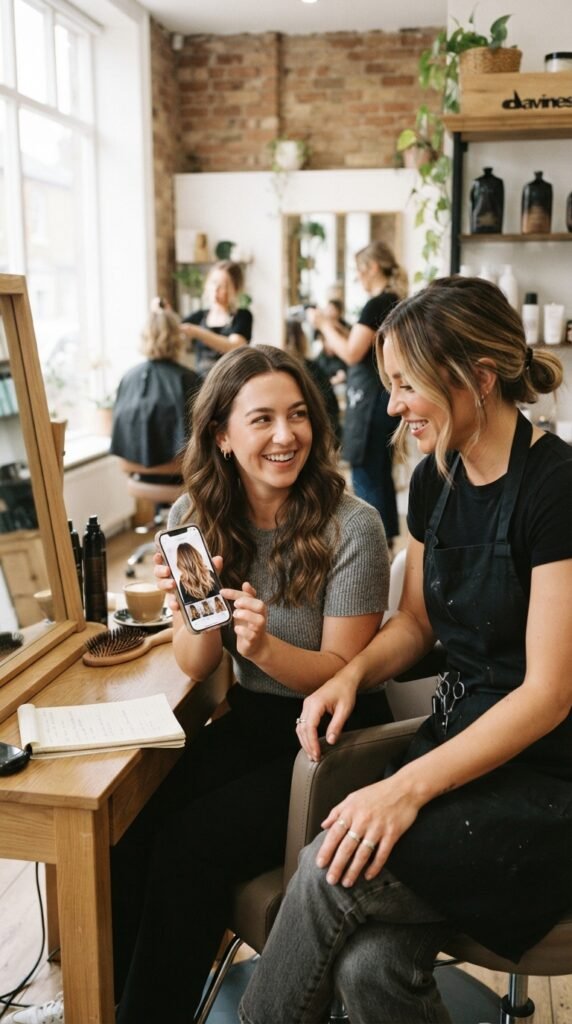
Bring photos. Always. Words like “curve” mean different things to different people.
- Say: “I want a soft curved line at the ends, not blunt.”
- Show two or three reference photos with similar hair texture.
- Ask for minimal layers unless your hair is very thick.
- Point to where you want the shortest point — chin, jaw, or collarbone.
- Ask them to show you the shape before they fully dry it.
If your stylist nods and starts talking about invisible layers, you’re in good hands.
The Quiet Luxury Bob Connection

The quiet luxury bob has been everywhere, and the curve cut is basically its secret weapon.
A quiet luxury bob isn’t about logos or trends. It’s about hair that looks expensive because it looks effortless. Clean lines, healthy shine, zero obvious styling.
- Keep the length between jaw and collarbone
- Skip heavy layers
- Ask for a soft curve at the ends
- Keep the color close to your natural tone
That combination is the whole look. Understated, calm, and it works with a blazer or a hoodie.
Curve Cut on Long Hair
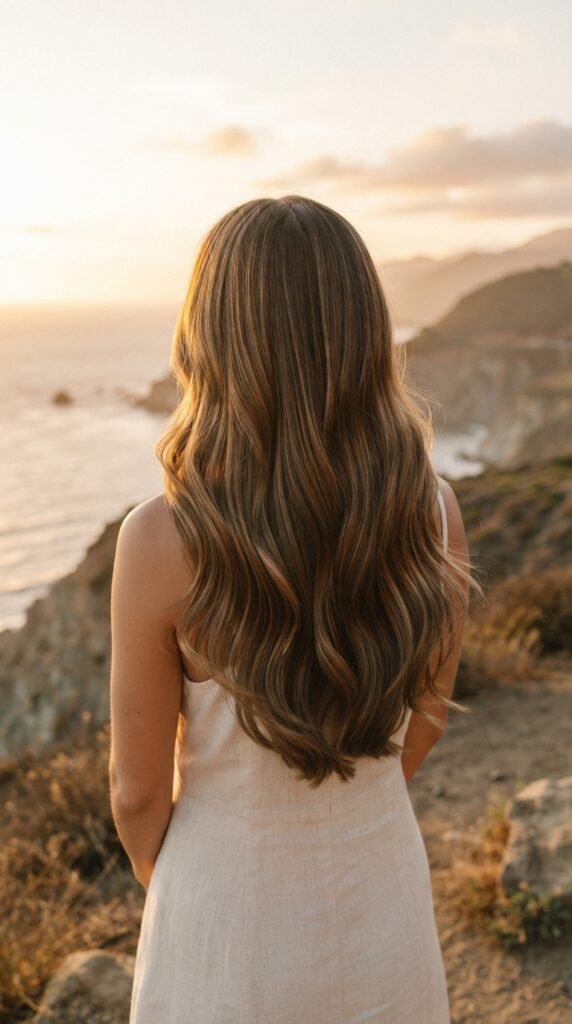
You don’t need short hair for this. On long hair, the curve cut shows up as a gentle bend at the ends instead of a straight-across line.
It’s subtle, but it changes everything.
- Ask for a U shape rather than a V or blunt line
- Keep face-framing pieces around the jaw
- Trim every 10 to 12 weeks so the curve stays clean
Long curve cuts look incredible with old money hair styling — loose waves, middle part, minimal product. Soft, rich, and never trying too hard.
Curve Cut on Short Hair
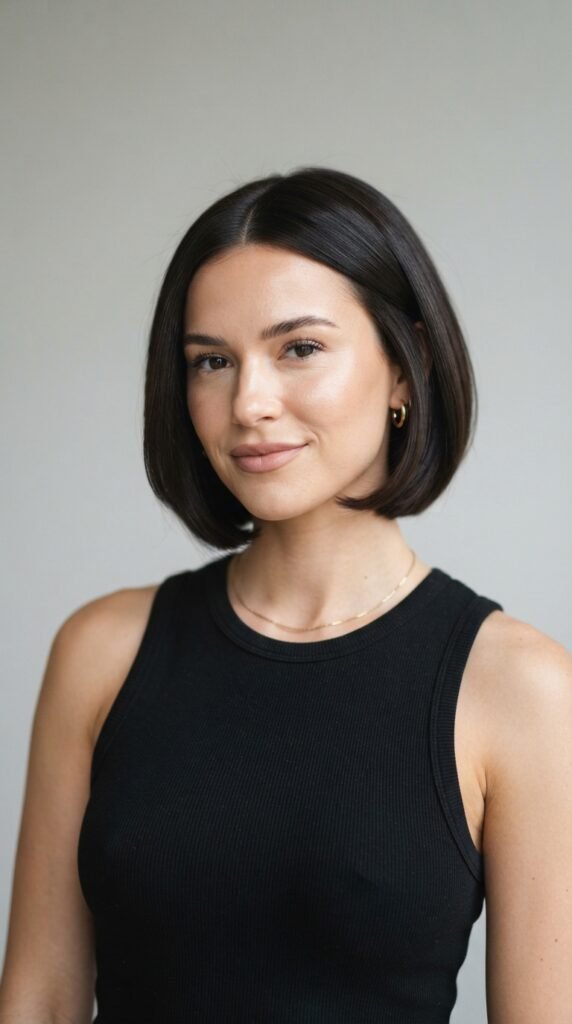
Short hair is where the curve cut really shows off. A chin-length curve cut hugs the jaw instead of cutting across it.
- Pixie: curve the ends toward your cheekbones
- Short bob: curve inward at the jaw
- Very short: keep the nape soft, not squared off
The rule is simple: the shorter the hair, the more the curve matters. A straight line on short hair is unforgiving. A curve gives you room to move.
It also grows out into an asymmetrical lob beautifully, which we’ll get to next.
The Asymmetrical Lob Twist

If you want the curve cut with a little more edge, ask for an asymmetrical lob.
Same soft technique, but the two sides sit at different lengths. One side might hit your jaw; the other grazes your collarbone.
- Great for fine hair because it adds visual volume
- Flatters almost every face shape
- Grows out without a harsh line
Keep the difference small — an inch or two. Big gaps look dated fast.
An asymmetrical lob with a curve finish is one of my favorite 2026 hairstyles because it’s interesting without being loud.
Curtain Bangs + Curve Cut

Curtain bangs and the curve cut were basically made for each other.
The bangs sweep outward, and the ends curve inward. You get a soft frame around your face without a heavy fringe.
- Ask for bangs that start at your cheekbones
- Keep the shortest point at your nose bridge
- Blend the bangs into the curve with invisible layers
If you’ve been burned by bangs before, this combo is way more forgiving. There’s no blunt line to grow out — just softness that blends back in as it grows.
Old Money Hair Energy, Explained
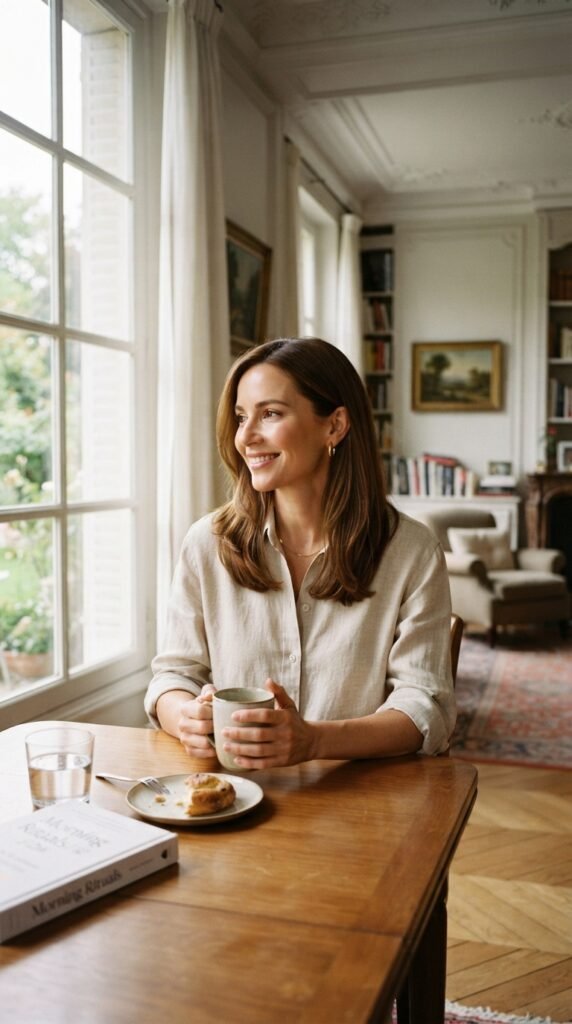
Old money hair isn’t a haircut. It’s a feeling — healthy, shiny, slightly undone, like you’ve never once panicked about your hair.
The curve cut fits that energy perfectly.
- Keep the shape simple
- Invest in shine, not styling
- Book a gloss treatment every 6 to 8 weeks
- Let your natural texture do the work
Think quiet, expensive, calm. No visible effort. Pair it with a soft curve at the ends and a middle part, and you’ve got the whole aesthetic without spending a fortune.
Romantic Goth Hairstyles Meet the Curve Cut
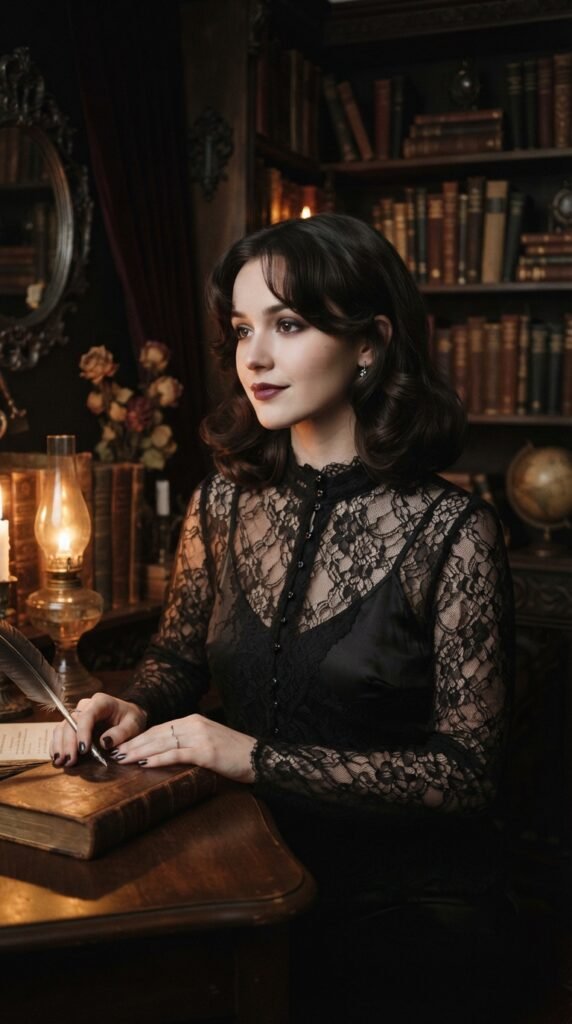
Romantic goth hairstyles are all about softness with a dark edge — think velvet, lace, and hair that moves. The curve cut is a natural fit.
- Long, soft layers with curved ends
- Deep espresso or black cherry color
- Face-framing pieces that curve around the cheek
- Half-up styles with a few loose strands
The curve keeps the look romantic instead of harsh. Straight edges read more severe; curves read more poetic.
If you love gothic beauty but want something wearable for work, this is the version I’d choose.
The Vampire Haircut and Hime Cut Crossover
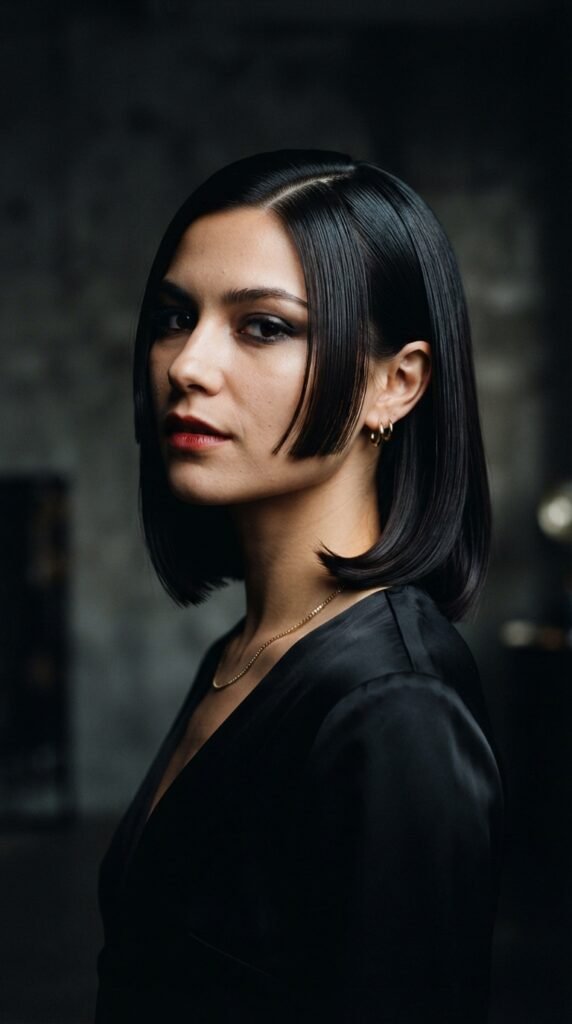
Two internet-favorite cuts — the vampire haircut and the hime cut — both work beautifully with a curve finish.
The vampire haircut is that sleek, sharp, collarbone-grazing style with a deep side part. The hime cut is the Japanese style with blunt side pieces and long back hair.
Here’s how the curve cut softens them:
- Vampire haircut: curve the ends so it’s sleek but not severe
- Hime cut: curve the cheek pieces so they frame rather than slice
- Both: keep the back smooth and shiny
You get all the drama without the stiffness.
Glitchy Glam Hair: The Edgy Curve
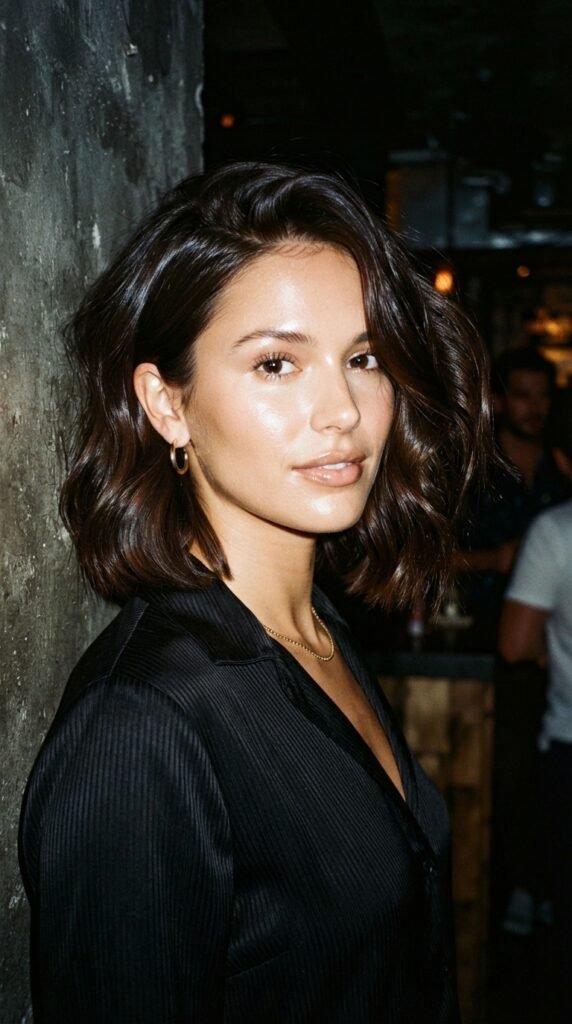
Glitchy glam hair is that mix of polished and a little bit broken — shiny hair with unexpected texture, like a filter glitching mid-photo.
The curve cut gives you the base.
- Start with a curved bob or lob
- Add a few disheveled face-framing pieces
- Use a gloss for shine, then rough up the ends with texture spray
- Tuck one side behind your ear for asymmetry
It’s a fun contrast: soft shape, slightly chaotic finish. Perfect for nights out when you want to look done but not too done.
Styling Tools You Actually Need
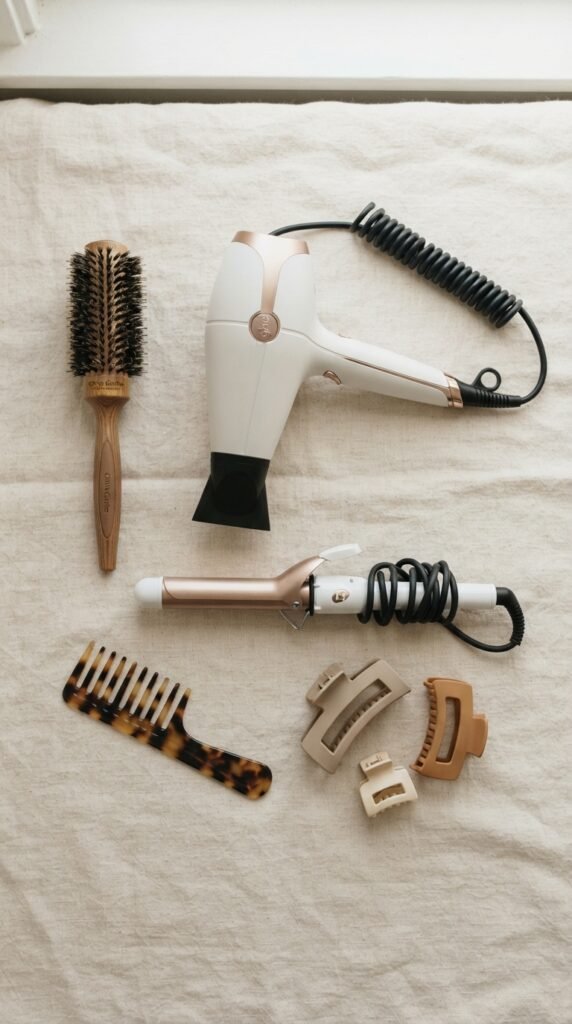
You don’t need a drawer full of gadgets. Here’s what actually earns its spot.
- A round brush, 1.5 to 2 inches — this is what creates the curve
- A lightweight blow dryer with a concentrator nozzle
- A 1-inch curling iron for touch-ups
- A wide-tooth comb for wet hair
- Claw clips for sectioning
That’s it. The curve comes from the brush, not from a fancy gadget. If you only buy one thing, buy a good round brush. It’s the difference between a real curve and a random bend.
My 5-Minute Blowout Routine
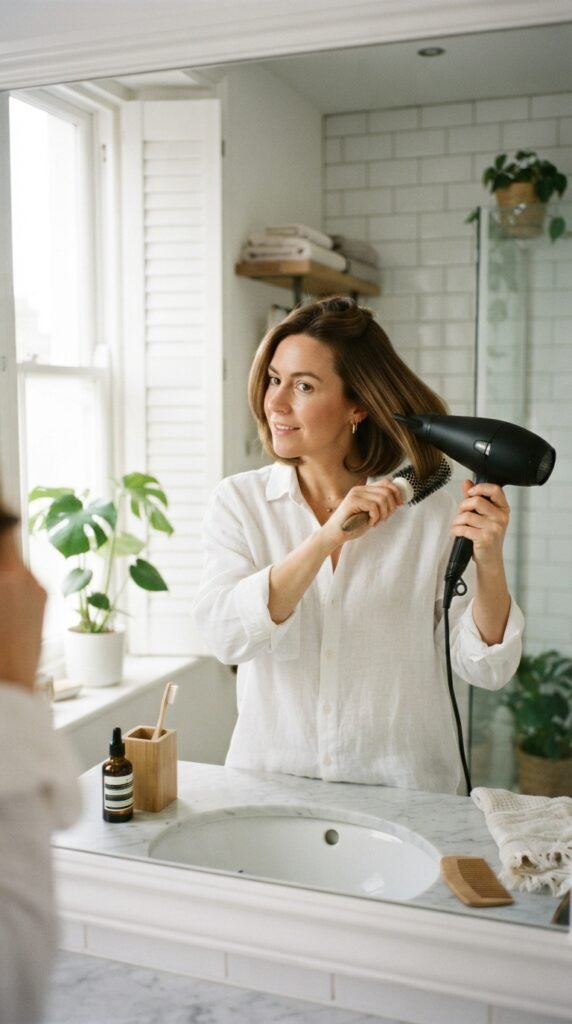
This is the routine I actually use on busy mornings.
- Spray a heat protectant on damp hair.
- Rough dry until hair is about 80 percent dry.
- Section into three parts — two sides, one back.
- Wrap each section around the round brush, pull downward, then roll under at the ends.
- Hit the ends with cool air to set the curve.
Do the front pieces last so they look freshest. Five minutes, tops. And the curve holds all day without hairspray.
Air-Dry Days That Still Look Good

Some days you’re not blow-drying anything. The curve cut handles that better than most shapes.
- Apply a leave-in cream to damp hair
- Scrunch gently, don’t rake
- Let it dry with the curve falling naturally
- Fix just the front pieces with a quick round-brush pass
Because the ends aren’t cut straight, they fall into shape on their own. That’s the whole point. Air-dried curve cuts look soft and lived-in, which is exactly the vibe right now.
How to Make It Last Between Cuts
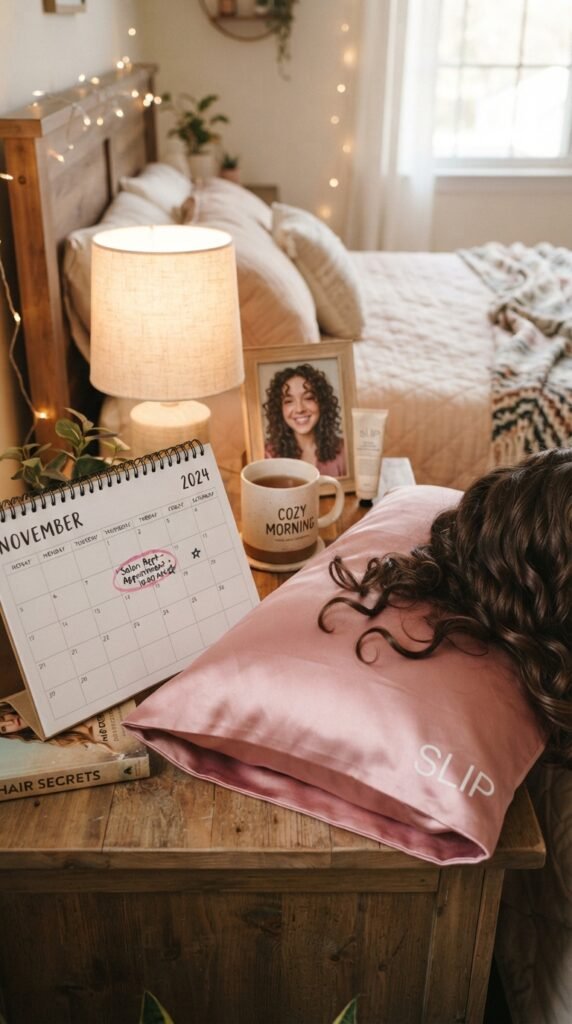
A curve cut holds its shape longer than a blunt cut, but it’s not immortal.
- Book a trim every 8 to 12 weeks
- Ask for a dusting if you just want the ends cleaned up
- Avoid heavy layers that break up the curve
- Sleep on a silk pillowcase to reduce friction
- Keep heat styling under 350 degrees
The biggest mistake is skipping trims until the curve grows out into a straight line. Then you’re starting over from scratch.
Products Worth Your Money
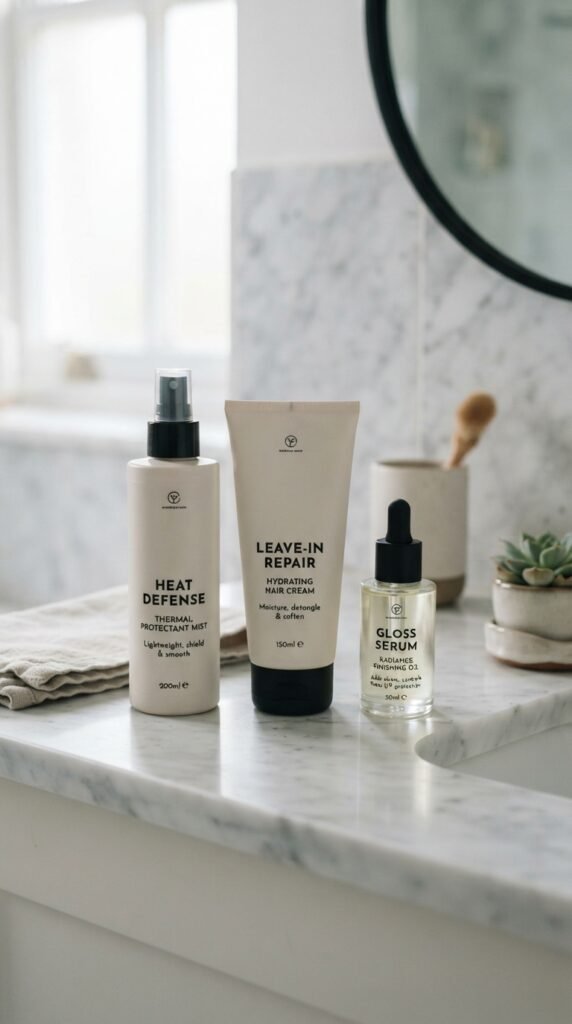
You need three things, not thirty.
- Heat protectant spray — non-negotiable
- Lightweight leave-in cream — softness without weight
- Gloss or shine serum — one drop, ends only
Skip heavy oils at the roots, and skip anything labeled volumizing if your hair is already thick.
If you want an extra boost, a weekly hair mask does more for the curve than any styling product. Healthy ends actually hold a shape.
Humidity, Rain, and Bad Hair Days

Humidity is the curve cut’s one real enemy. It can turn a soft bend into a fuzzy puff.
Here’s how I handle it:
- Use a smoothing cream before styling
- Keep a tiny bit of serum in your bag for the ends
- Pull hair into a low sleek bun if it’s really bad
- Skip the flat iron — it makes frizz worse later
Honestly, a slightly messy curve on a rainy day still looks intentional. That’s the beauty of a soft shape.
Growing Out a Curve Cut Gracefully

The curve cut grows out better than almost any other shape because there’s no harsh line to deal with.
- Month one to three: it just gets softer
- Month four: switch to an asymmetrical lob
- Month six: you’re at shoulder length
Ask your stylist to keep curving the ends as it grows, and you’ll never hit an awkward phase.
If you’re thinking about going shorter but you’re scared, this is the cut I’d recommend. It’s the safest short cut you can get.
Where the Curve Cut Fits in 2026 Hairstyles
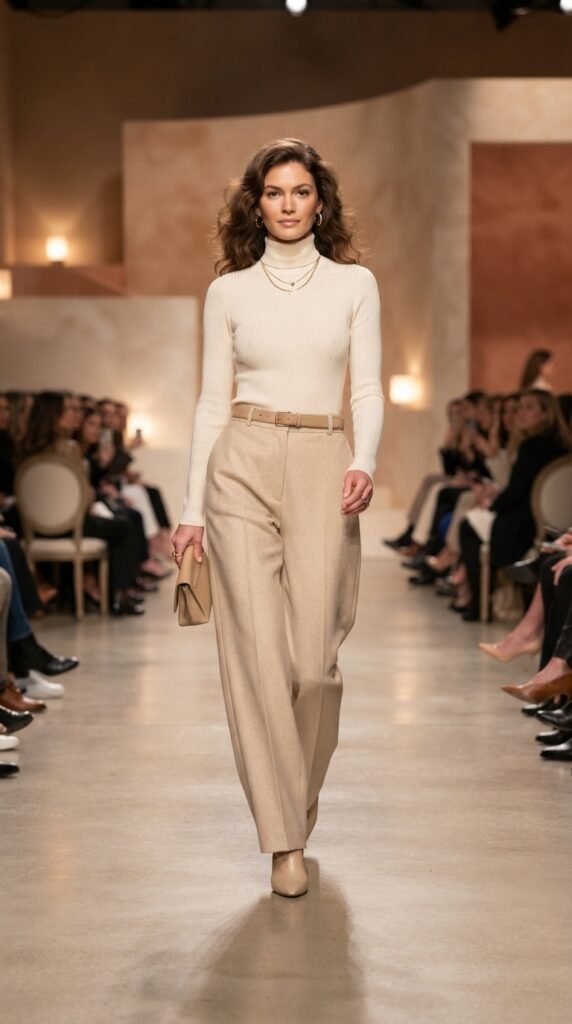
2026 hairstyles are moving away from extremes. Less bleach, less obvious styling, more healthy hair with a real shape.
The curve cut fits that mood exactly.
- It’s polished without being fussy
- It works with natural texture
- It suits both quiet luxury and edgy aesthetics
- It photographs beautifully
If you look at the cuts that keep showing up on runways and in salons, they all have softness at the ends. That’s not an accident.
Common Mistakes to Avoid
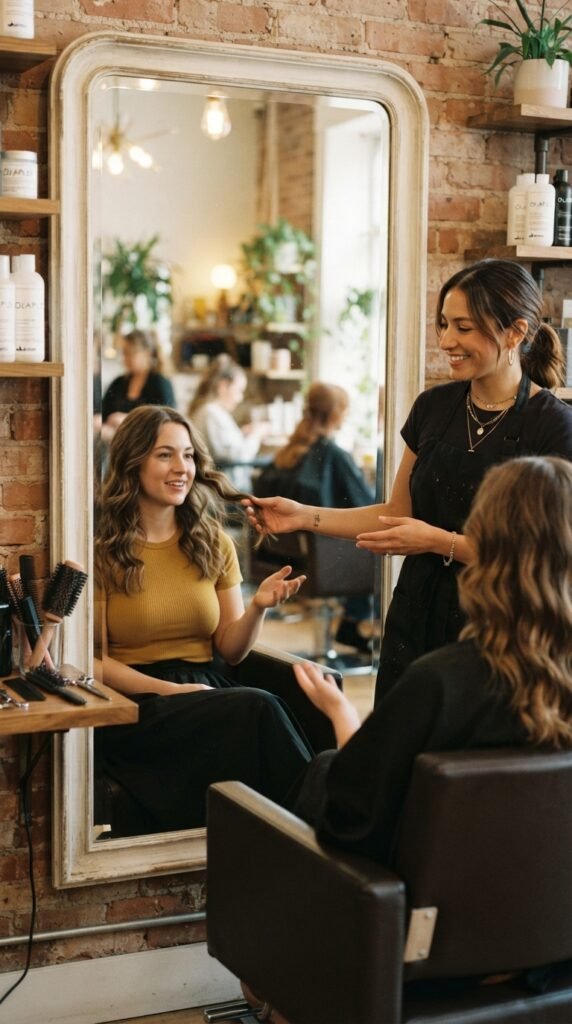
I’ve seen these go wrong, so learn from other people’s heartbreak.
- Asking for “just a trim” when you actually want a new shape
- Letting your stylist thin your ends too much
- Going too short on the first visit
- Skipping photos at the consultation
- Over-layering fine hair
- Flat-ironing the curve out every day
The curve cut is forgiving, but it’s not magic. Clear communication is still everything.
What to Expect at the Salon
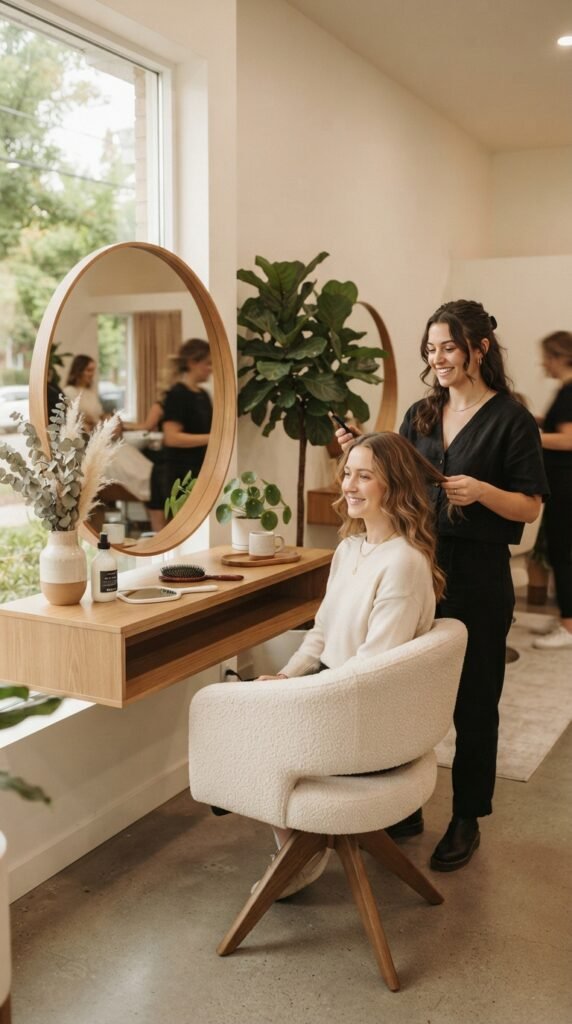
Most curve cuts take 45 to 60 minutes for the cut and styling. Plan for longer if you have thick or curly hair.
Price varies a lot by city:
- Smaller towns: $40 to $70
- Mid-size cities: $70 to $120
- Major cities: $120 to $250+
Add a gloss treatment if you want extra shine — usually $30 to $60 more. Worth it when you consider you’ll only need trims every few months.
One Last Thing Before You Book
The curve cut isn’t flashy, and that’s exactly why it’s winning right now. It’s the kind of shape that makes you look put together without demanding anything from you at 7am.
If you’ve been stuck between a blunt bob and growing your hair out, this is your middle ground. Soft, flattering, and easy to live with.
Save this post to Pinterest so you have it ready at your next appointment. And tell me in the comments — are you team curve cut or team blunt bob? I read every single one.