Dutch Shag Haircuts Are Bringing Relaxed Texture Back This Season
I got a Dutch shag three weeks ago, and I have not stopped talking about it since. My hair finally moves. It has shape without looking fussy, and it air-dries into something that actually looks intentional.
If you have been eyeing those soft, layered, slightly messy cuts all over your feed, this is the one to know. It sits right between the polished old money hair everyone loves and the relaxed, undone texture we have all been craving.
In this post I am breaking down what a Dutch shag is, who it works for, how to ask for it, and how to style it in real life. Quick read, no fluff. Let’s get into it.
What Exactly Is a Dutch Shag?

A Dutch shag is a layered cut that blends the movement of a classic shag with softer, more blended layers. Instead of short choppy pieces all over, the layers start lower and connect smoothly, so you get texture without the mullet energy.
The signature is the ends. They are point-cut and slightly tapered, which makes the hair look light and swingy instead of heavy.
Most versions include some kind of fringe, usually curtain bangs or a soft, broken-up bang. It is relaxed, lived-in, and very low maintenance. That is the whole point.
Why It’s Everywhere This Season

Texture is having a moment. After years of sleek blowouts and glass hair, people want cuts that look good when they do nothing.
The Dutch shag fits that mood perfectly. It works with your natural pattern instead of fighting it.
- It air-dries well
- It grows out gracefully
- It adds volume without teasing
- It looks effortless, not overdone
That is exactly why it keeps showing up in 2026 hairstyles roundups. It reads relaxed and confident at the same time.
Dutch Shag vs. the Classic Shag

They are cousins, not twins. A classic shag has short, choppy layers that start high on the head, often with a heavy mullet influence. It is bold.
A Dutch shag keeps the layered structure but softens everything. Layers are longer, blended, and placed lower.
- Classic shag: choppy, high layers, edgy
- Dutch shag: soft layers, blended ends, wearable
- Both: movement, texture, fringe friendly
If you want the vibe without the full commitment, ask for the Dutch version.
Who Actually Looks Good in a Dutch Shag?

Honestly? Most people, with small tweaks. That is my favorite thing about this cut.
- Straight hair gets instant movement
- Wavy hair gets shape and bounce
- Curly hair gets a rounded, layered silhouette
- Fine hair gets body without thinning out
- Thick hair gets weight removed and stays bouncy
The only real rule is that your stylist should adjust layer height to your face and density. A good consultation matters more than the cut name.
How to Ask Your Stylist for a Dutch Shag

- Say “soft Dutch shag” and mention blended layers.
- Show two or three photos of real texture, not just curled styling.
- Point to where you want the shortest layer to start.
- Ask for point-cut or razor ends for softness.
- Decide on fringe: curtain, wispy, or none.
- Confirm you want it to air-dry well.
That last one is key. If your stylist knows you will not be round-brushing daily, they will cut around that.
Face Shape Cheat Sheet
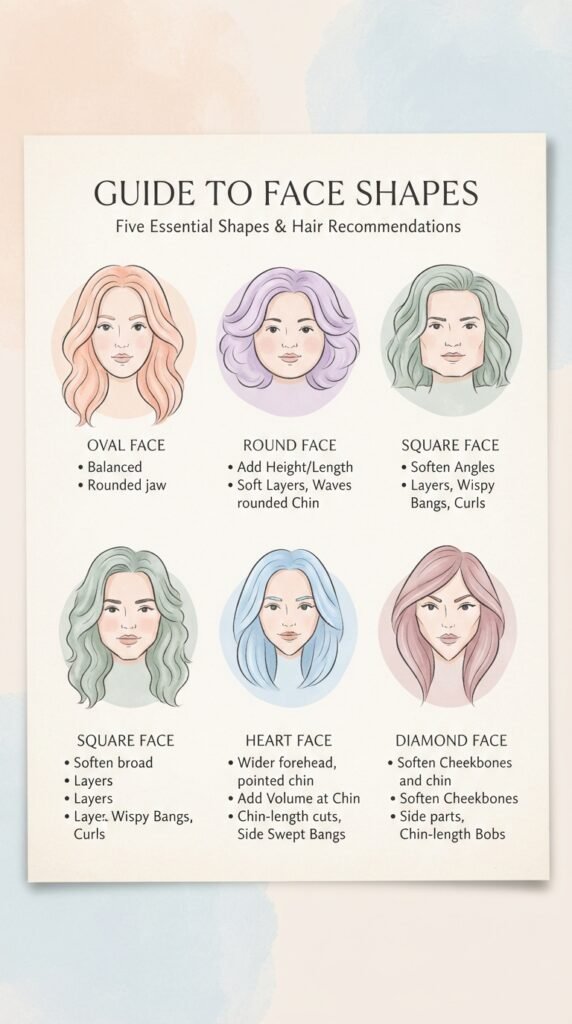
- Round: longer layers, face framing starting at the cheekbone
- Oval: basically anything, go shorter up top
- Square: soft, curved layers around the jaw
- Heart: chin-length framing to balance the forehead
- Long: add width at the sides, keep the length
Take a photo with your hair down to your consultation. It saves so much time and guessing.
The Curtain Bangs Detail That Makes It Work

Curtain bangs are the difference between a nice cut and a great one. They frame the face without closing it off, and they grow out into face-framing layers instead of a weird wall.
Ask for them to start at the bridge of your nose and blend back into the sides.
If you have a cowlick, tell your stylist. There is a way to cut around it.
Dutch Shag on Curly Hair

This cut was basically made for curls. The layers let your pattern do its thing, and the tapered ends keep it from turning into a triangle.
Ask for the cut to be done dry, curl by curl, if your stylist offers it. That shows them exactly where shrinkage will land.
Skip heavy products. A light gel and a little leave-in is usually plenty.
Dutch Shag on Fine, Thin Hair

Fine hair and shag cuts can go wrong, but the Dutch version is safer than most. Blended layers add volume at the root without stripping the ends.
Keep layers longer. Short choppy layers on fine hair can make it look thinner, not fuller.
Add a root lift spray or a little mousse before blow-drying. It makes a real difference.
Dutch Shag on Thick Hair

Thick hair is where this cut shines. A Dutch shag removes bulk from the inside while keeping the length and the shape.
Ask for invisible or slide-cutting through the mid-lengths. It takes weight out without creating gaps.
You will probably need more frequent trims than someone with fine hair, because thick hair grows out of shape faster.
The Short Version

Short Dutch shags usually land around the chin or jaw, with layers that hug the head and flick out at the ends. It is playful and a little bit punk.
This length works beautifully if you want something low-effort but still interesting.
Be honest about your texture, though. Straight, fine hair at this length may need a little product to hold the shape.
The Long Version

Long Dutch shags keep the length you love and add movement through the mid-lengths. Layers usually start around the collarbone and blend down.
It is the most versatile version. You can wear it sleek, wavy, or fully undone.
If you are growing out a shorter cut, this is an easy transition length.
How to Style a Dutch Shag in 5 Minutes

- Spray in a light heat protectant or leave-in.
- Flip your head over and rough-dry the roots.
- Use a round brush on just the front pieces.
- Scrunch the rest with your hands.
- Finish with a texturizing spray.
That is it. The cut does most of the work for you.
Products That Actually Matter

- Texturizing spray for grip and separation
- Sea salt spray for beachy, undone texture
- Lightweight oil for the ends only
- Root lift spray if your hair falls flat
Skip heavy cream and thick pomade. They drag the layers down and kill the movement. Less really is more with this cut.
The Air-Dry Routine for Lazy Days

Shower, add a leave-in, scrunch, and walk away. That is the whole routine.
Do not touch your hair while it dries. Touching is what makes it frizzy and flat.
Once it is fully dry, flip your part, shake your roots with your fingers, and you are done. This is why people with Dutch shags look so effortlessly put together. It is not effort. It is the cut.
Middle Part vs. Side Part
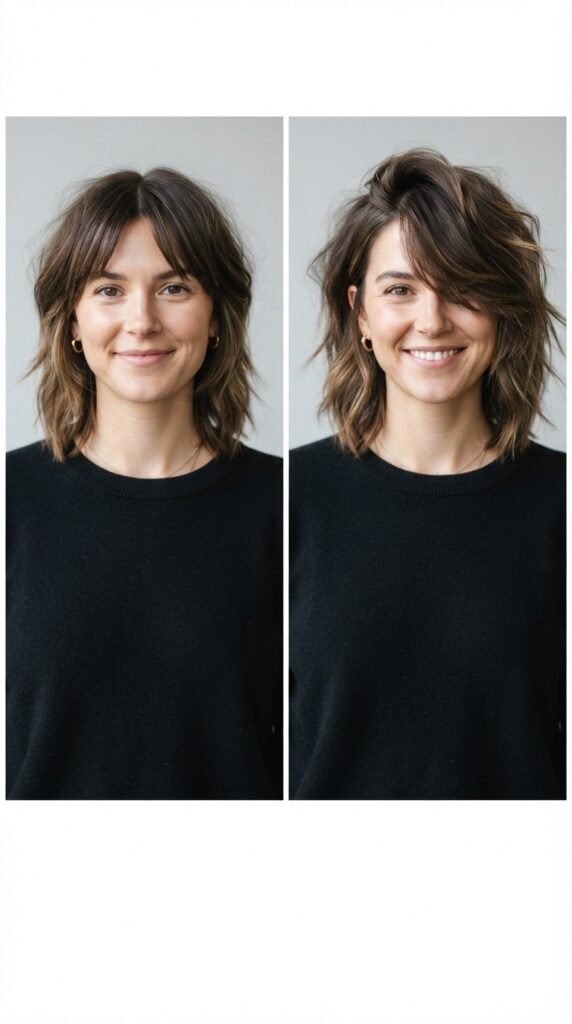
Both work, and they give totally different vibes.
- Middle part: balanced, modern, a little romantic
- Side part: more volume, more retro, softens round faces
Try the deep side part if you want instant root volume without product. Try the middle if you like an even, symmetrical shape.
You can also switch back and forth depending on the day, which is half the fun.
Where the Dutch Shag Fits in 2026 Hairstyles
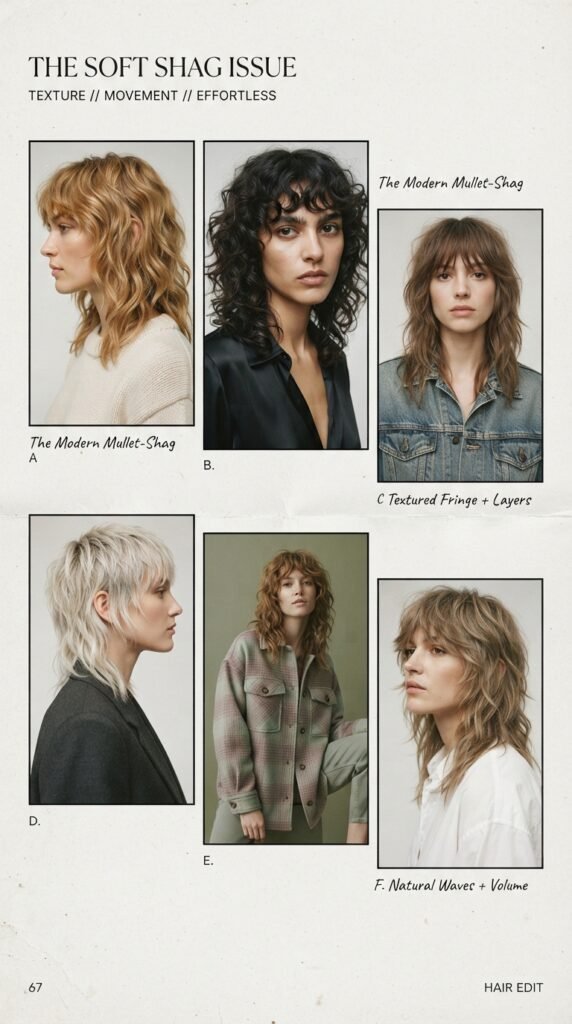
2026 hairstyles are all about looking intentional but not overdone. Sleek finishes are still around, but texture is the main character.
The Dutch shag sits right in that sweet spot. It is soft enough to feel romantic and structured enough to look expensive.
It also pairs well with everything else that is trending, from quiet luxury to full-on glam. That kind of range is rare.
Dutch Shag vs. the Quiet Luxury Bob
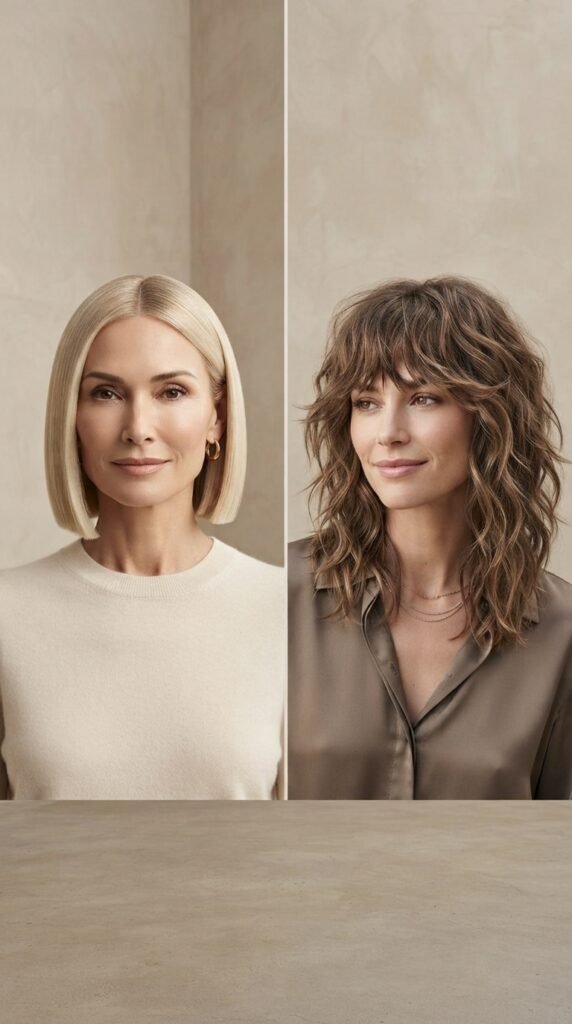
These two are not competitors. They are moods.
The quiet luxury bob is blunt, smooth, and polished. Think glass hair, a crisp line, and zero frizz. It whispers money.
The Dutch shag is relaxed and layer-heavy. It whispers “I woke up like this.”
Go bob if you want sleek and controlled. Go shag if you want movement and ease. Or do what I did and keep a soft bob for work weeks while your layers grow in for weekends.
Dutch Shag vs. the Asymmetrical Lob

An asymmetrical lob is longer in the front and shorter in the back, or heavily side-parted for an angled line. It is sharp, and it is flattering.
A Dutch shag is more rounded and blended. Instead of one clean angle, you get soft layers all around.
If you want edge, go asymmetrical. If you want softness, go shag. You can also combine them: an angled lob with soft shag layers through the ends is genuinely stunning.
Dutch Shag and the Vampire Haircut

The vampire haircut is all about dark, dramatic layers with a sharp, slightly gothic edge. Think moody nineties film energy.
Guess what. The Dutch shag is its softer sibling.
Ask for the same layering structure but with blended ends and a lighter fringe. You get the drama without the harshness, which makes it a great option if you love the look but need something office-friendly.
Romantic Goth Hairstyles, Softened

Romantic goth hairstyles lean dark, textured, and moody, with soft waves and lots of movement. A Dutch shag fits that world perfectly.
Keep the layers long and soft. Add a little shine oil to the ends. Let the texture look a bit undone.
Pair it with deep berry or near-black hair color and you have a look that is dramatic but still wearable every single day.
Glitchy Glam Hair and the Dutch Shag

Glitchy glam hair is that edited, high-shine, slightly surreal texture you see all over editorial feeds. It is glossy but not perfect.
A Dutch shag gives you the base for it. The layers create natural separation, which is exactly what makes glitchy glam look so cool.
Add a shine serum, a little glitter spray on the ends, and you are basically there. It is a fun way to dress the cut up for a night out.
Where the Hime Cut Comes In

The hime cut is the blunt, straight-cut style with short side pieces framing the face. It is sleek, precise, and very striking.
Some people are blending the two right now: blunt hime-style face framing with soft shag layers behind it.
It sounds odd on paper, but it is genuinely gorgeous. Sharp in the front, soft in the back. If you like contrast, ask about it.
Old Money Hair With a Textured Twist
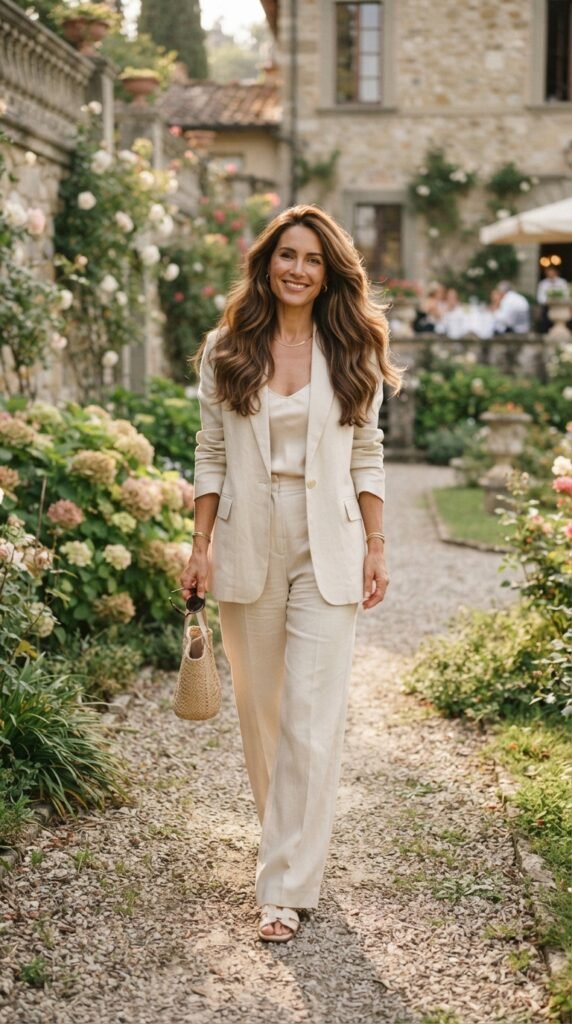
Old money hair is usually smooth, healthy, and simple. Clean lines, natural color, no visible effort.
The Dutch shag can absolutely live in that world. Keep the layers long, the color close to your natural shade, and the finish polished but soft.
That is the trick. Texture does not have to mean messy. It can mean natural, healthy, and quietly expensive.
Growing Out a Dutch Shag

This is the good news. Shags grow out beautifully because the layers are already blended.
You will get a few weeks of a soft lob shape as it grows. Nothing sharp or awkward.
Plan on a trim every 8 to 12 weeks to keep the shape, or stretch it out if you are growing your hair longer.
Mistakes to Avoid

- Asking for a shag without clarifying “soft, blended”
- Going too short on the layers right away
- Using too much heavy product
- Ignoring your natural texture during the consultation
- Skipping regular trims and losing the shape
Every one of these is fixable. Just talk it through before the scissors come out.
My Honest Takeaway
If you have been bored with your hair, this is your sign. The Dutch shag is forgiving, flattering, and ridiculously easy to live with.
Bring photos, be honest about how much effort you will actually put in, and trust your stylist to adjust the layers to your texture. That is all it takes.
And if you try it, tell me. I want to hear how it turned out.
Save this post to Pinterest so you have it handy at your next salon appointment. And drop a comment below: are you team Dutch shag, or are you still loyal to your quiet luxury bob? I read every single one.
Love, Hailey