Expert Tips For Choosing The Best Hairbrush For Your Texture
Ever stood in the hairbrush aisle and felt like you needed a degree just to pick one? I’ve been there. I used to grab whatever was on sale, then wonder why my hair looked flat or frizzy. The truth is, the right brush can change everything.
Whether you’re rocking a quiet luxury bob, growing out an asymmetrical lob, or experimenting with romantic goth hairstyles, your brush matters. It’s not just about detangling. It’s about shine, volume, and keeping your texture happy.
In this post, I’m sharing expert tips for choosing the best hairbrush for your texture. No fluff. Just practical advice you can use today. Let’s find your perfect match.
Why Your Hairbrush Matters More Than You Think
Your brush isn’t just a tool. It’s the difference between a good hair day and a great one. The wrong brush can cause breakage, frizz, and flat roots.
The right brush distributes natural oils, smooths the cuticle, and helps your style last longer. It’s especially important for 2026 hairstyles that focus on healthy shine.
Here’s what a good brush does:
- Reduces tangles without tearing
- Adds shine by spreading oils
- Boosts volume at the roots
Think of it like this: you wouldn’t use a fork to eat soup. Same goes for your hair.
Know Your Hair Texture First

Before you buy any brush, know your texture. Are you fine, medium, thick, curly, coily, or straight? This changes everything.
Fine hair needs gentle bristles. Thick hair can handle firmer ones. Curly hair should avoid anything that disrupts the curl pattern.
Quick texture check:
- Fine: thin strands, gets oily fast
- Medium: not too thin, not too thick
- Thick: lots of strands, takes time to dry
- Curly/Coily: defined curls or coils
Once you know your texture, choosing a brush becomes way easier.
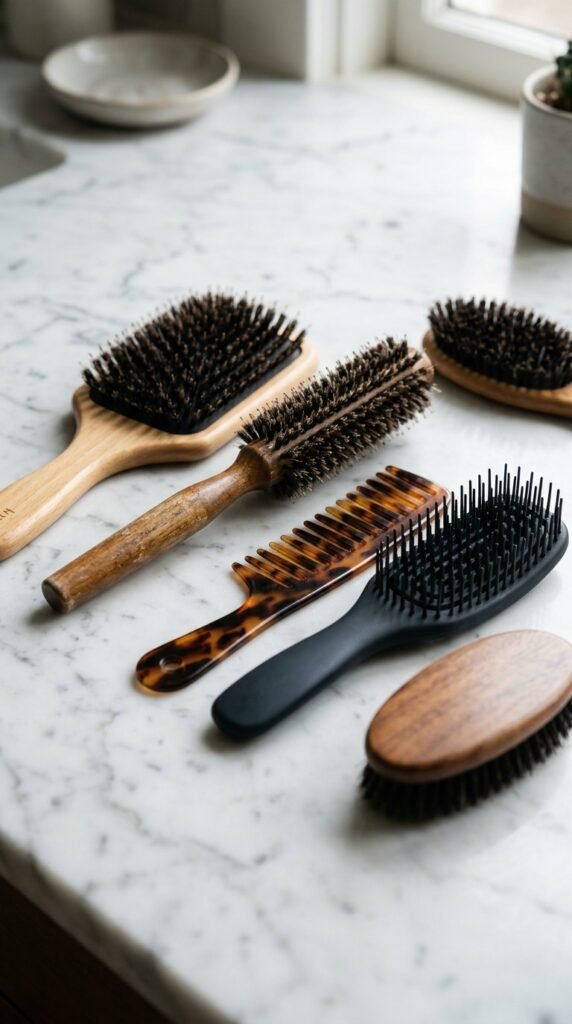
The 4 Main Brush Types You Need to Know
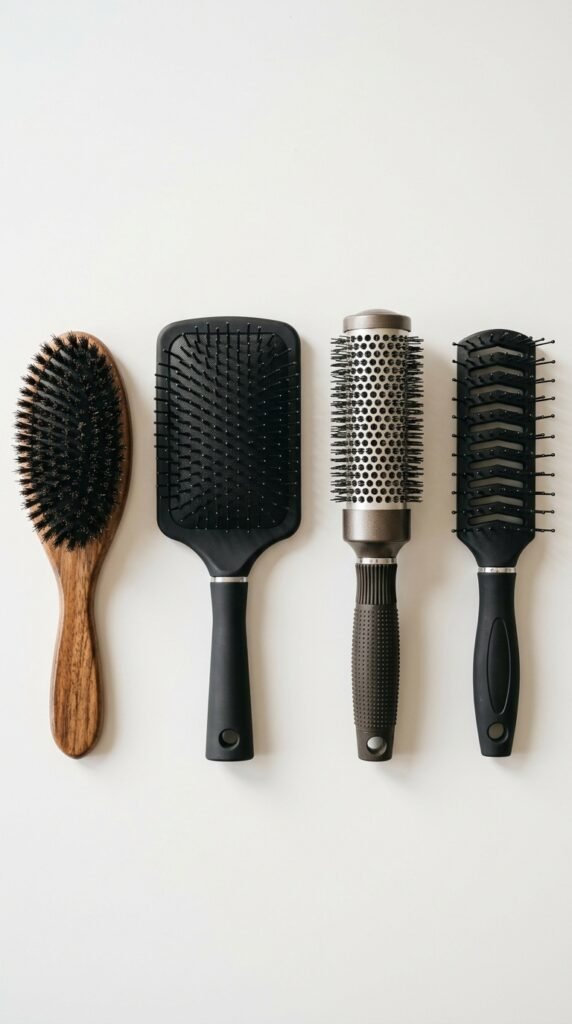
Most brushes fall into four categories. Each one serves a different purpose. You don’t need all of them, but knowing them helps.
- Boar bristle: For shine and smoothing.
- Paddle: For detangling and straight styles.
- Round: For blowouts and volume.
- Vent: For fast drying and light volume.
Start with one that matches your main hair goal. If you want an old money hair look, boar bristle is your friend. If you want a quiet luxury bob, paddle or round works.
Don’t overcomplicate it. Pick one, learn it, then expand.
Boar Bristle Brushes: The Old Money Hair Secret
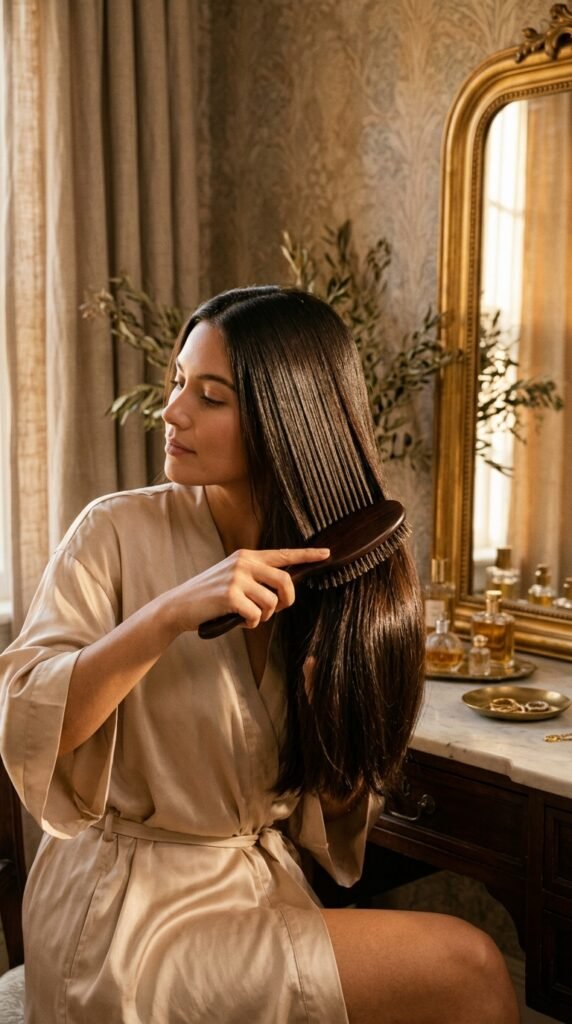
If you’ve ever admired that old money hair look, it’s often thanks to a boar bristle brush. These brushes are made from natural boar hair, which mimics human hair.
They don’t detangle well. Instead, they distribute your scalp’s natural oils from root to tip. This creates insane shine and smoothness.
Best for:
- Straight or wavy hair
- Fine to medium textures
- Adding polish to a quiet luxury bob
Use it on dry hair as a finishing brush. Don’t use it on wet hair or tight curls.
Paddle Brushes for Smooth, Glossy Finishes
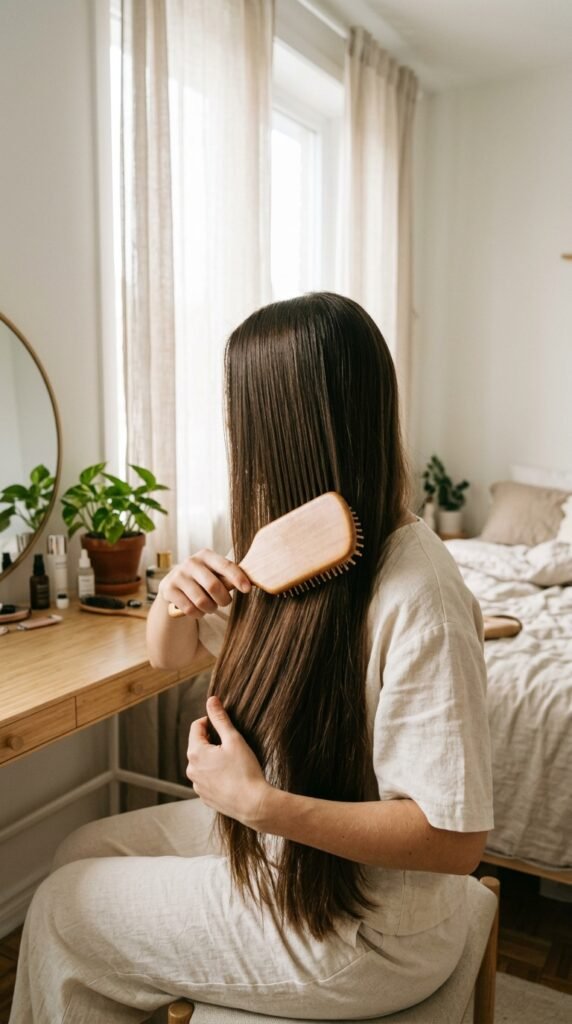
Paddle brushes have a wide, flat base with soft bristles. They’re perfect for detangling long hair and creating a smooth, glossy finish.
They cover more surface area, so you can brush through sections quickly. This makes them great for straight hair and loose waves.
Why you’ll love it:
- Gentle on tangles
- Helps with blow-drying
- Good for an asymmetrical lob
Look for one with a cushioned pad and flexible bristles. That combo glides through knots without pulling.
Round Brushes for Blowouts and Volume
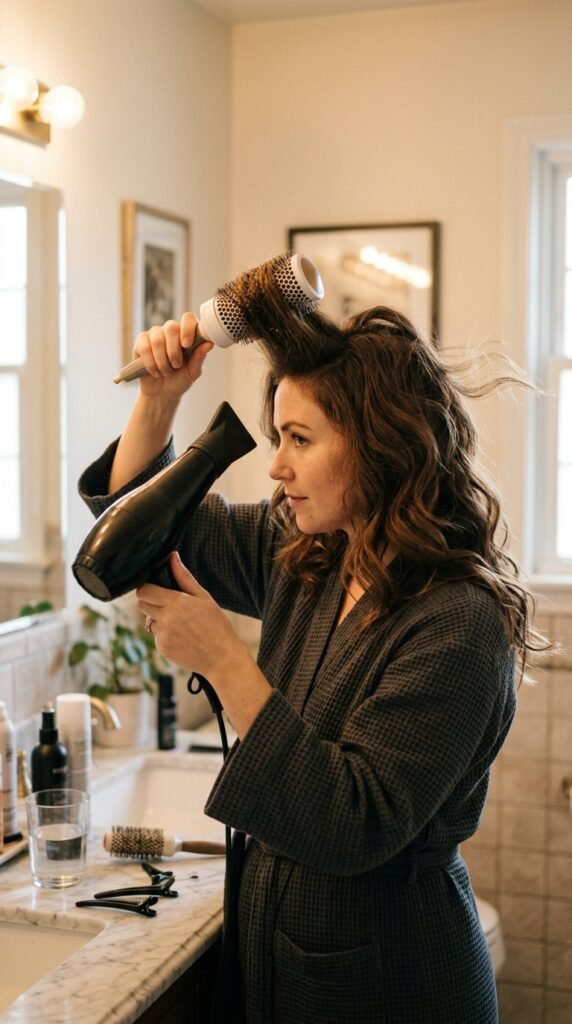
Round brushes are the secret to salon-worthy blowouts. The barrel shape lets you lift roots and curl ends as you dry.
They come in different barrel sizes. Smaller barrels create tighter curls. Larger barrels give smooth volume.
Pick your size:
- 1 inch: tight curls, short hair
- 1.5 inch: medium volume
- 2 inch: big smooth waves
For a hime cut or vampire haircut, a round brush helps you get that sleek, turned-under finish. Just don’t use it on soaking wet hair—towel dry first.
Vent Brushes for Fast Drying and Volume
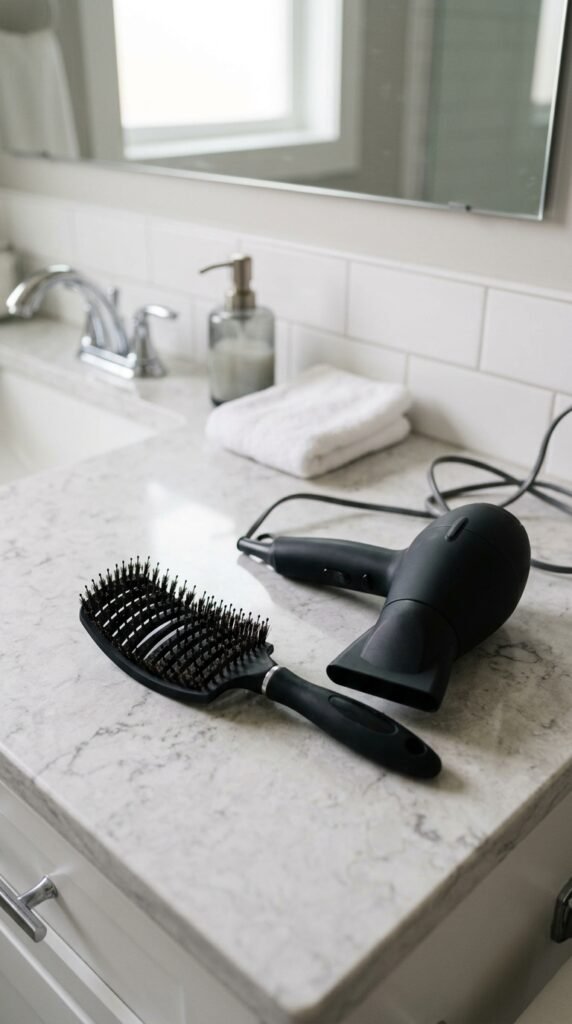
Vent brushes have open slots that let air flow through. This speeds up drying time and adds light volume without much effort.
They’re not great for detangling. But they’re perfect for a quick refresh or rough drying before styling.
Best uses:
- Speeding up blow-drying
- Adding lift at the roots
- Refreshing second-day hair
If you have a glitchy glam hair vibe, a vent brush helps you get that airy, textured look. Pair it with a little sea salt spray.
Detangling Brushes for Fine or Fragile Hair
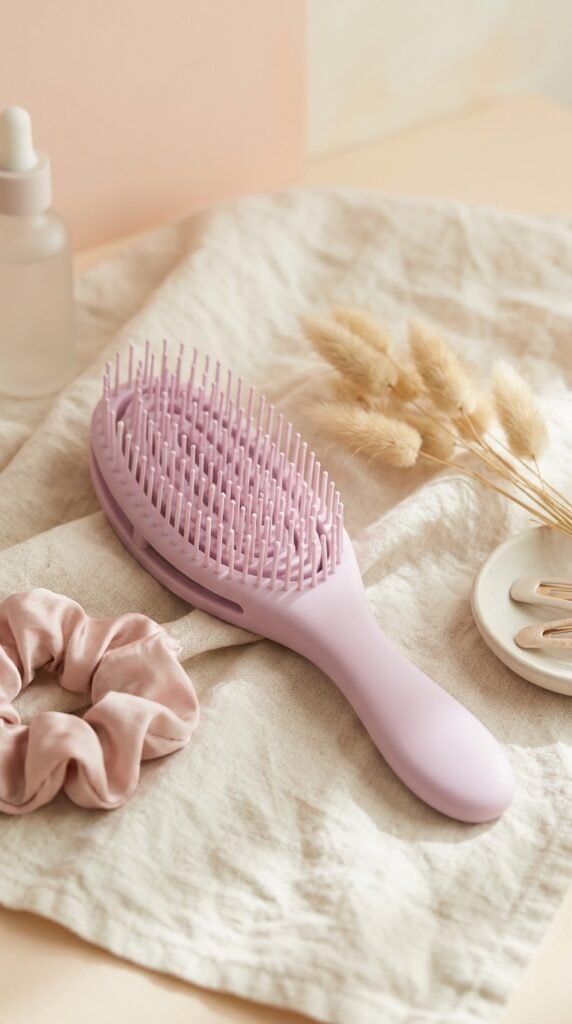
Fine or fragile hair breaks easily. A harsh brush can cause split ends and snap strands. That’s why detangling brushes exist.
They have soft, flexible bristles that separate knots without pulling. Some have unique shapes that work through tangles from the side.
What to look for:
- Flexible bristles
- Wide spacing
- Cushioned base
Use them on wet or dry hair. Start from the ends and work up. This is a lifesaver for romantic goth hairstyles with delicate textures.
Wide-Tooth Combs Are Brushes Too
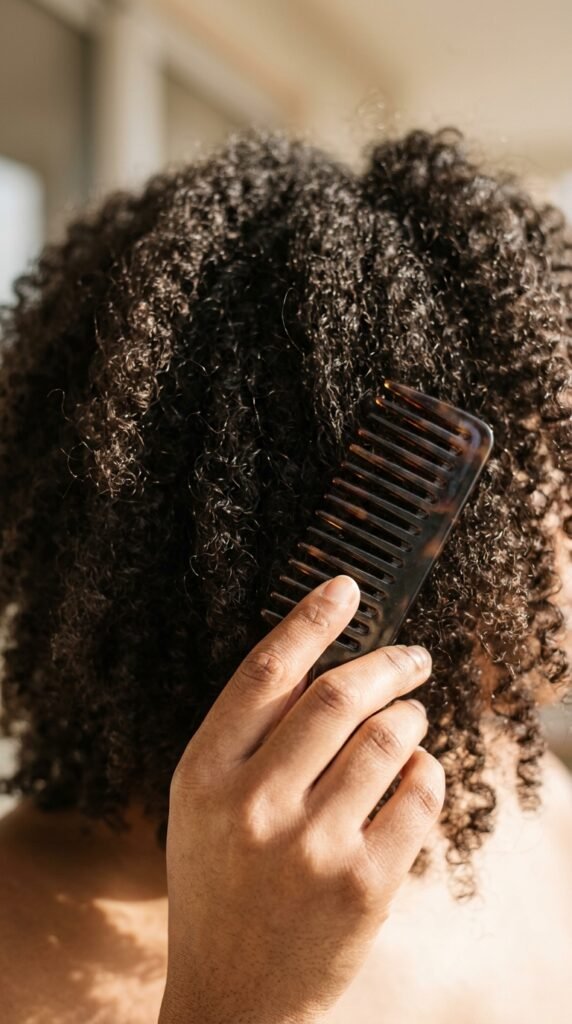
Okay, technically a comb. But for curly and coily hair, a wide-tooth comb is the best brush you’ll ever use. It detangles without destroying curl clumps.
Never use a bristle brush on dry curls. It turns defined curls into frizz. Instead, use a wide-tooth comb in the shower with conditioner.
How to use it:
- Apply conditioner.
- Start at the ends.
- Gently comb upward.
- Rinse and style.
This keeps your curl pattern intact. Essential for any 2026 hairstyles that celebrate natural texture.
How to Brush Curly Hair Without Ruining the Curl
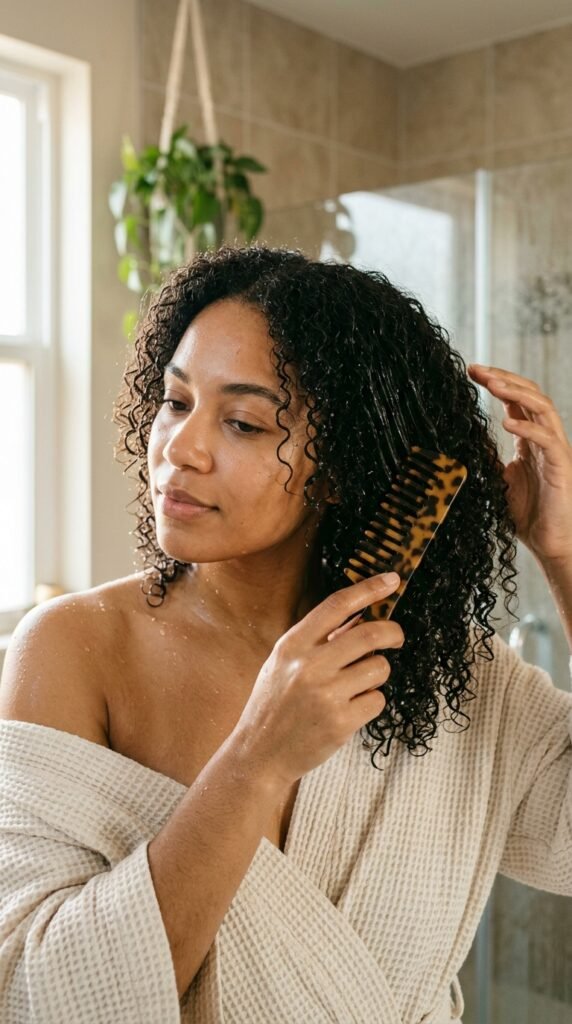
Curly hair is delicate. Brushing it dry is a big no-no. It causes frizz and breaks the curl pattern. But you still need to detangle.
The golden rule: only detangle when wet and coated in conditioner. Use a wide-tooth comb or a detangling brush made for curls.
Step by step:
- Wet hair thoroughly.
- Apply lots of conditioner.
- Comb from ends to roots.
- Scrunch and air dry.
This method works for romantic goth hairstyles with soft waves, too. Just be gentle.
Brushing for the Quiet Luxury Bob
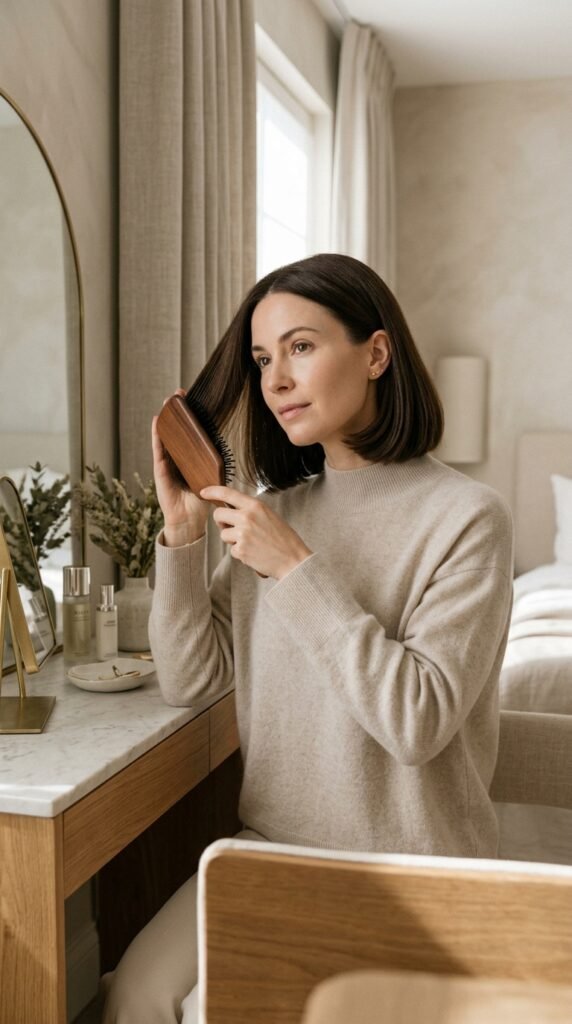
The quiet luxury bob is all about polish. No frizz, no flyaways. Just smooth, shiny hair that looks effortlessly expensive.
Your brush choice matters. A boar bristle brush or a paddle brush with natural bristles is ideal. They smooth the cuticle and add shine.
Your routine:
- Brush dry hair from root to tip.
- Use a light hair oil on ends.
- Finish with a cold shot from your dryer.
This keeps your bob looking sharp. It’s the little things that make old money hair look so good.
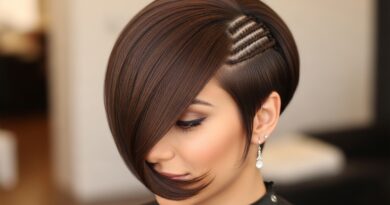
The Asymmetrical Lob and Your Brush Choice
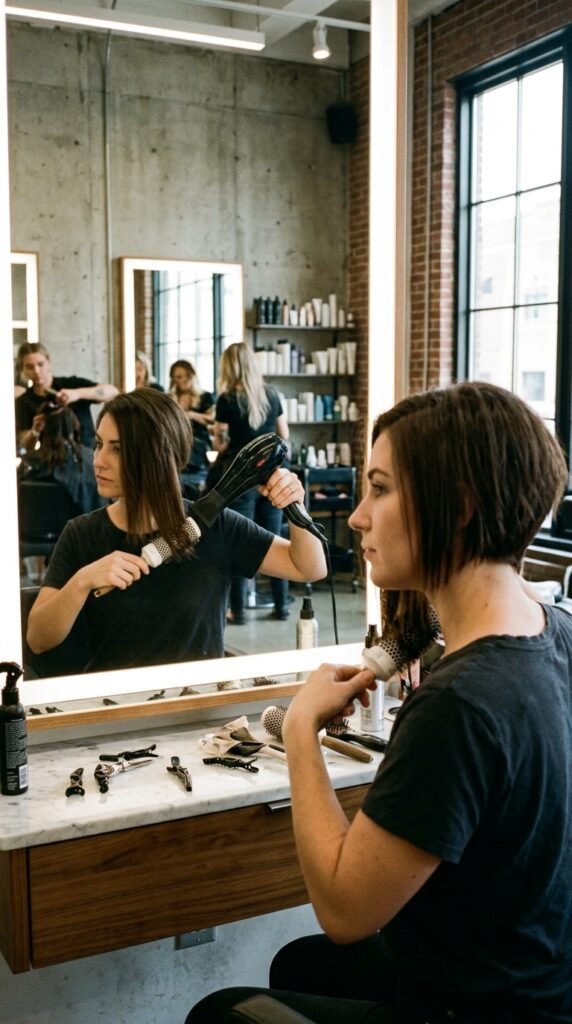
An asymmetrical lob is chic and modern. It’s longer on one side, shorter on the other. This cut needs a brush that can handle different lengths.
A round brush is perfect for adding a bend at the ends. A paddle brush works for smooth, straight days. You might need both.
Quick tips:
- Use a small round brush for the shorter side.
- Use a larger one for the longer side.
- Always brush from underneath for volume.
This keeps both sides looking intentional. Great for 2026 hairstyles that play with asymmetry.
Hime Cut Care: Straight and Sleek
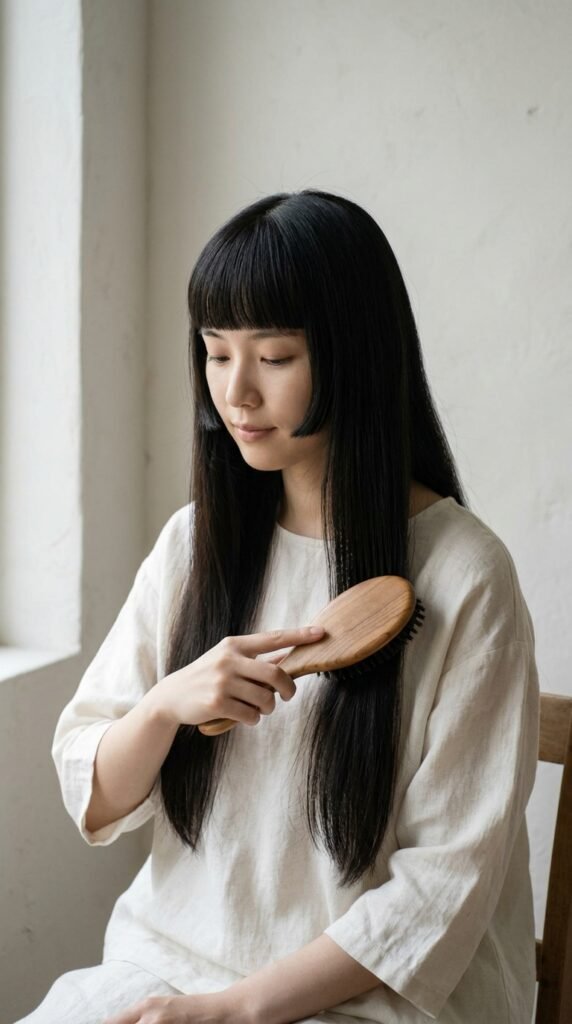
The hime cut is a Japanese style with straight, blunt bangs and side locks. It’s all about precision and shine. Any frizz ruins the look.
You need a brush that smooths without adding volume. A boar bristle brush is your best friend here. It tames flyaways and makes hair look glassy.
Your hime cut routine:
- Brush daily to distribute oils.
- Use a shine serum on ends.
- Avoid round brushes that add curl.
Keep it simple. The hime cut is minimalist, so your tools should be too.
Vampire Haircut: Volume Meets Edge

The vampire haircut is all about dramatic layers and volume. Think messy but intentional. It’s edgy, a little dark, and very cool.
You want a brush that builds volume without flattening. A vent brush or a round brush with a smaller barrel works well. You want to lift at the roots.
How to style it:
- Apply mousse to damp hair.
- Blow dry with a vent brush, lifting roots.
- Use a round brush on ends for a slight flip.
This gives you that undone, vampire-chic vibe. Perfect for romantic goth hairstyles.
Romantic Goth Hairstyles: Softness with Drama
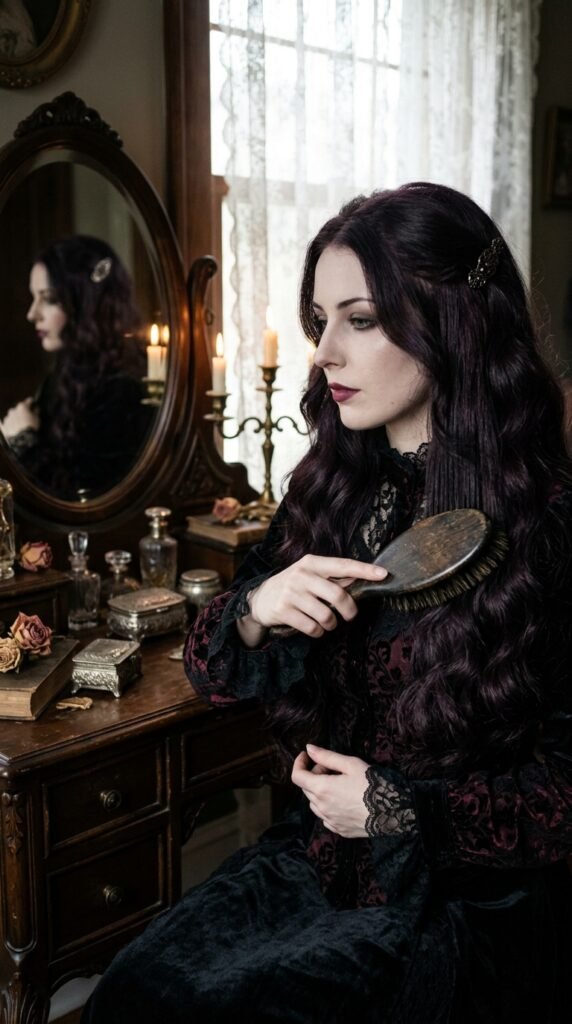
Romantic goth hairstyles mix soft textures with dark, moody vibes. Think loose waves, braids, and lots of volume. It’s delicate but dramatic.
You need a brush that can handle both smoothing and volume. A boar bristle brush for shine. A round brush for waves. A detangling brush for prep.
Key tips:
- Don’t over-brush curls.
- Use a wide-tooth comb for braids.
- Finish with a light hold spray.
This keeps your goth look soft, not stiff. Brush with intention.
Glitchy Glam Hair: Texture and Shine

Glitchy glam hair is a 2026 trend that mixes digital-inspired texture with high shine. Think piecey ends, lots of dimension, and a little chaos.
You want a brush that adds texture without frizz. A vent brush or a small round brush works. You’re not going for smooth—you want movement.
How to get it:
- Use a texture spray on damp hair.
- Blow dry with a vent brush, scrunching as you go.
- Finish with a shine spray.
This look is fun and edgy. Your brush should help, not fight it.
2026 Hairstyles and the Brushes That Love Them
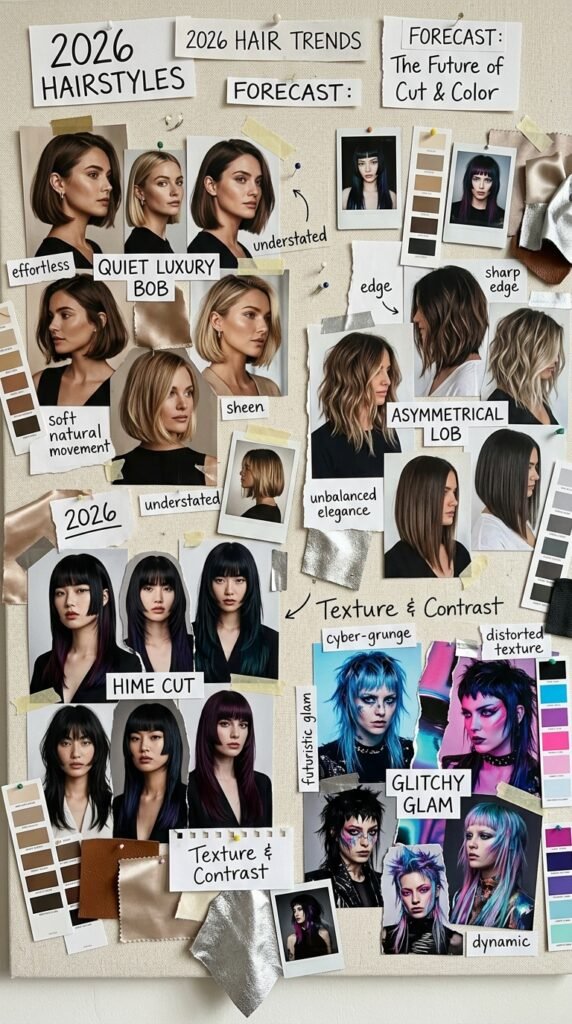
2026 hairstyles are all about personal expression. From the quiet luxury bob to glitchy glam hair, each trend has a perfect brush match.
Here’s a quick cheat sheet:
- Quiet luxury bob: boar bristle or paddle
- Asymmetrical lob: round brush
- Hime cut: boar bristle
- Vampire haircut: vent or round
- Romantic goth: wide-tooth comb + boar
- Glitchy glam: vent brush
Match your brush to your vibe. That’s the secret.
Brush Size Matters: Travel vs. Full Size
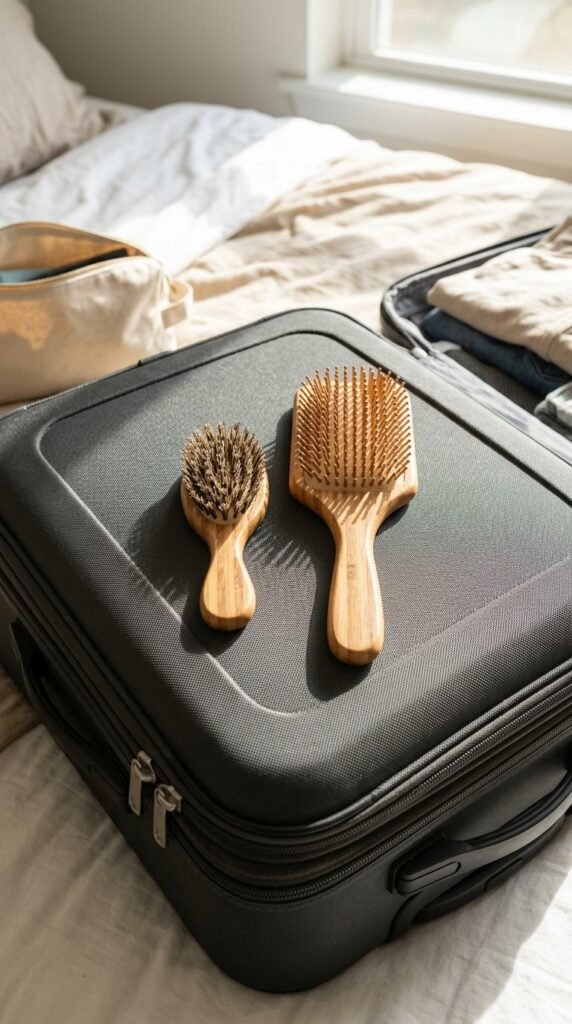
Bigger isn’t always better. Brush size affects how you style. Full-size brushes cover more area. Travel brushes are compact but less effective for blowouts.
For daily use, go full-size. For your gym bag or trips, a travel brush is fine. Just don’t expect salon results from a tiny brush.
What to consider:
- Full-size: better for thick hair
- Travel: fine for touch-ups
- Round brushes: barrel size matters more than handle
Choose based on where you’ll use it most.
When to Replace Your Hairbrush
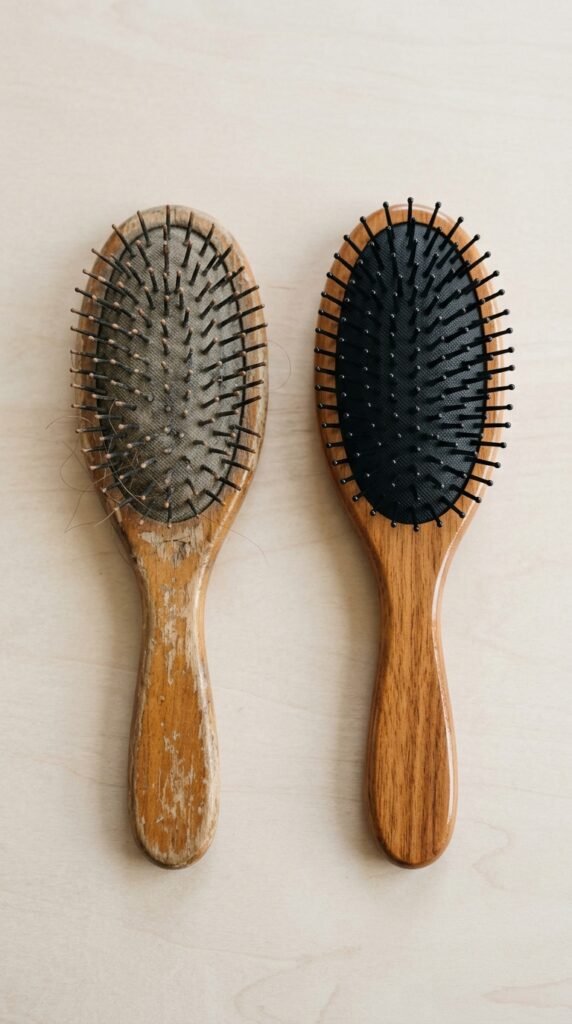
Your brush doesn’t last forever. Bristles wear down, pads crack, and bacteria builds up. Using a worn brush can damage your hair.
Replace your brush every 6 to 12 months. If bristles are bent or missing, it’s time. If the cushion is flat, toss it.
Signs you need a new brush:
- Bristles are falling out
- It snags your hair
- It smells weird even after cleaning
Don’t hold onto a bad brush. Your hair deserves better.
How to Clean Your Hairbrush (Yes, Really)
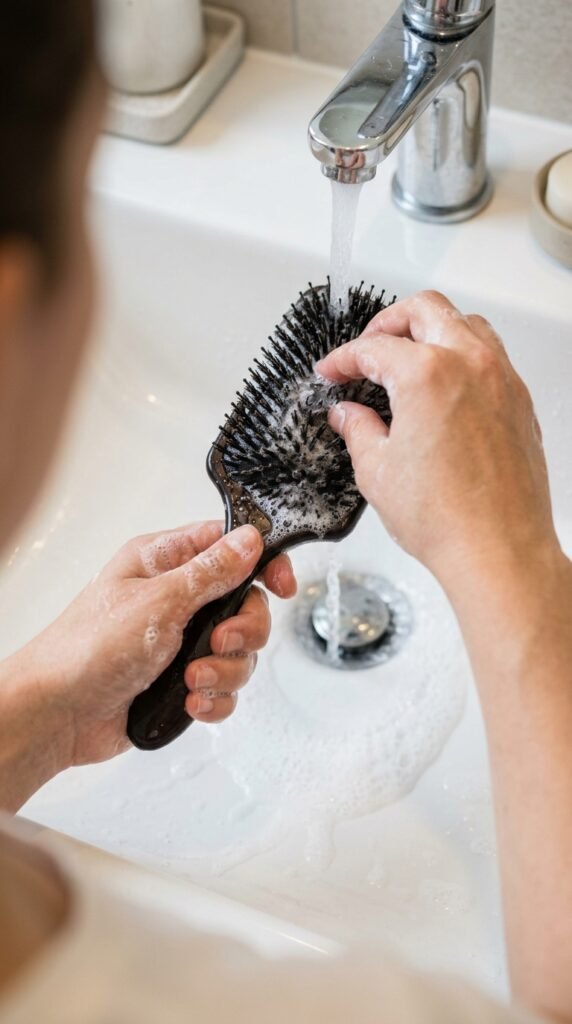
You clean your makeup brushes. You should clean your hairbrush too. It collects oils, dust, and product buildup. That gunk goes right back into your hair.
Clean it every two weeks. Remove hair first. Then wash with warm water and gentle shampoo. Let it air dry bristle-side down.
Quick steps:
- Remove loose hair.
- Mix warm water and shampoo.
- Swirl brush in the water.
- Rinse and air dry.
This keeps your brush fresh and your hair cleaner.
The Best Brush for Oily Scalps
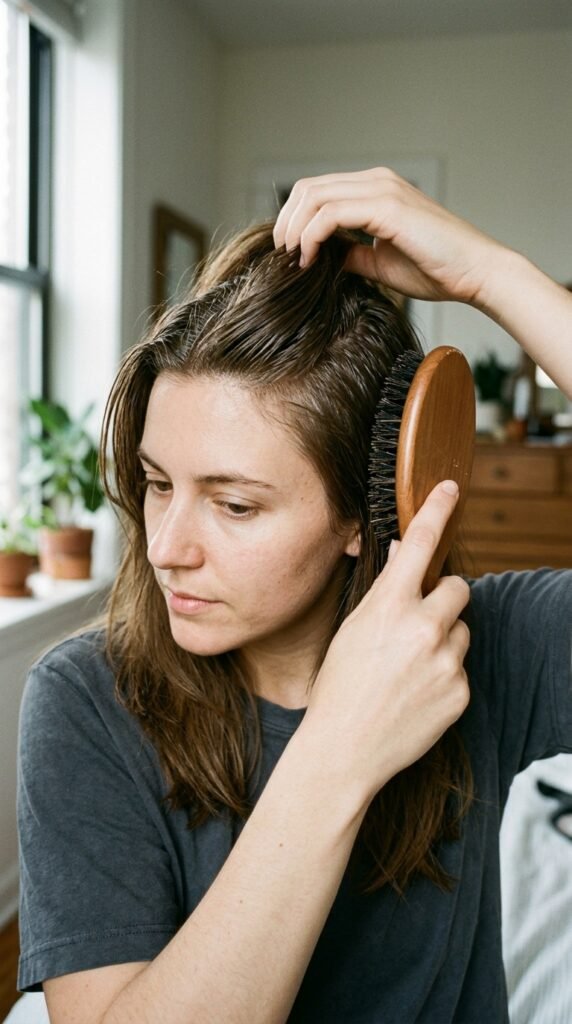
Oily scalp? Your brush can help or hurt. A boar bristle brush distributes oils from roots to ends, which actually reduces greasiness at the scalp.
Avoid plastic bristles that just push oil around. They can make it worse. Natural bristles absorb some oil and spread the rest.
Tips for oily scalps:
- Brush before washing to loosen oil.
- Use boar bristle daily.
- Clean your brush often.
This simple habit can stretch your wash days.
Brush Techniques for Less Breakage

How you brush matters as much as what you brush with. Yanking from the roots causes breakage. Always start at the ends and work up.
Use short, gentle strokes. Don’t force through knots. If you hit a tangle, use your fingers or a detangling spray.
Better brushing habits:
- Start at ends.
- Work in sections.
- Don’t brush wet hair with a bristle brush.
- Be patient.
Your hair will thank you with less breakage and more growth.
Your Brush and Your Hair Products
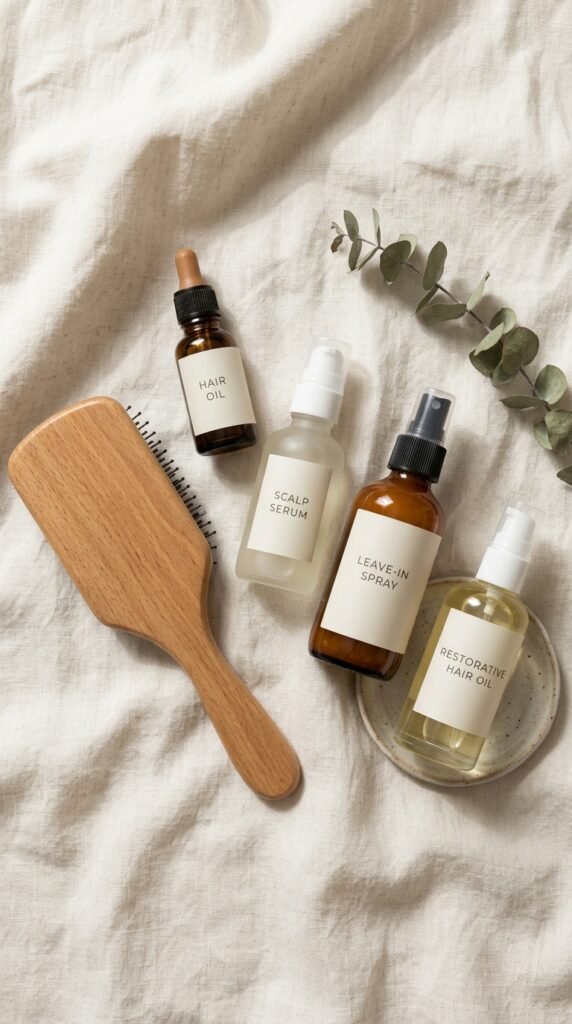
Your brush works with your products, not against them. For example, applying oil then brushing with boar bristle spreads it evenly. Using a round brush with mousse builds volume.
But some combos are bad. Don’t brush curly hair with a bristle brush after applying gel. It’ll flake and frizz.
Smart pairings:
- Boar bristle + hair oil = shine
- Round brush + mousse = volume
- Vent brush + sea salt spray = texture
- Wide-tooth comb + conditioner = defined curls
Think about what you’re using before you brush.
Creating Volume at the Roots
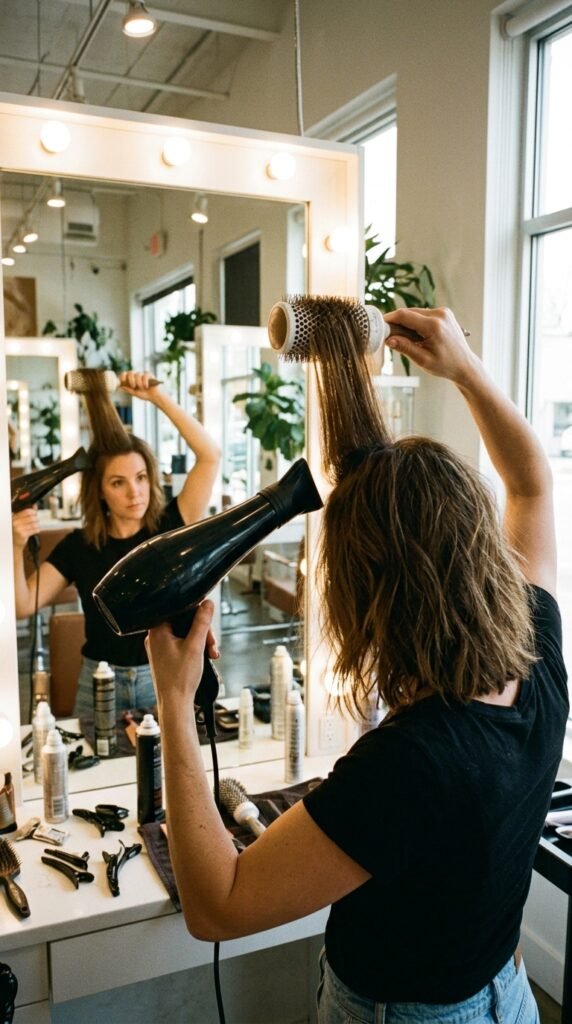
Flat roots ruin any style. Whether you have an asymmetrical lob or a vampire haircut, volume at the roots is key. Your brush can create it.
Use a round brush and lift the hair upward as you dry. Or use a vent brush and blow dry upside down. Both work.
Root volume tricks:
- Dry roots first with a clip.
- Use a round brush at the crown.
- Finish with a cold shot.
This gives you that lifted, healthy look. No flat hair here.
The Final Brush Down for Shine
After styling, do a final brush down with a boar bristle brush. This smooths the cuticle and spreads natural oils for maximum shine.
It’s the step most people skip. But it’s what makes old money hair look so effortlessly glossy. Take 30 seconds.
How to do it:
- Flip hair upside down.
- Brush from nape to ends.
- Flip back and smooth the top.
This final touch elevates any 2026 hairstyle.
Choosing the best hairbrush for your texture doesn’t have to be complicated. Know your hair, match your brush, and treat your strands with care. A small change can make a huge difference.
Whether you’re going for a quiet luxury bob or romantic goth hairstyles, the right brush helps you get there. Start with one good brush and build from there.
Your hair is worth the extra thought. You’ve got this.
Save this post to Pinterest so you can come back to it next time you’re brush shopping. And tell me in the comments: what’s your current favorite hairbrush? I’d love to know.